Few figures in the manga world are as eccentric and unorthodox as Tatsuki Fujimoto. His persona is as intriguing as his most influential creation, Chainsaw Man. This series hailed as a modern classic, stands out in the new-gen shonen landscape for its explosiveness and unconventionality. The immensely successful anime adaptation in 2022 further catapulted Fujimoto’s work into the stratosphere of popularity.
What sets Chainsaw Man apart and renders it unforgettable is its peculiar, idiosyncratic nature. It seamlessly blends surreal comedy with gritty dark fantasy, immersing readers in a world overrun by Devils.
Yet, amidst the violence, there’s a poignant drama that evokes genuine emotion, leaving fans in tears at every tragic turn. The outlandishness of Chainsaw Man mirrors Tatsuki Fujimoto’s own unconventional personality, making the mind behind this modern masterpiece of dark shonen all the more amazing.
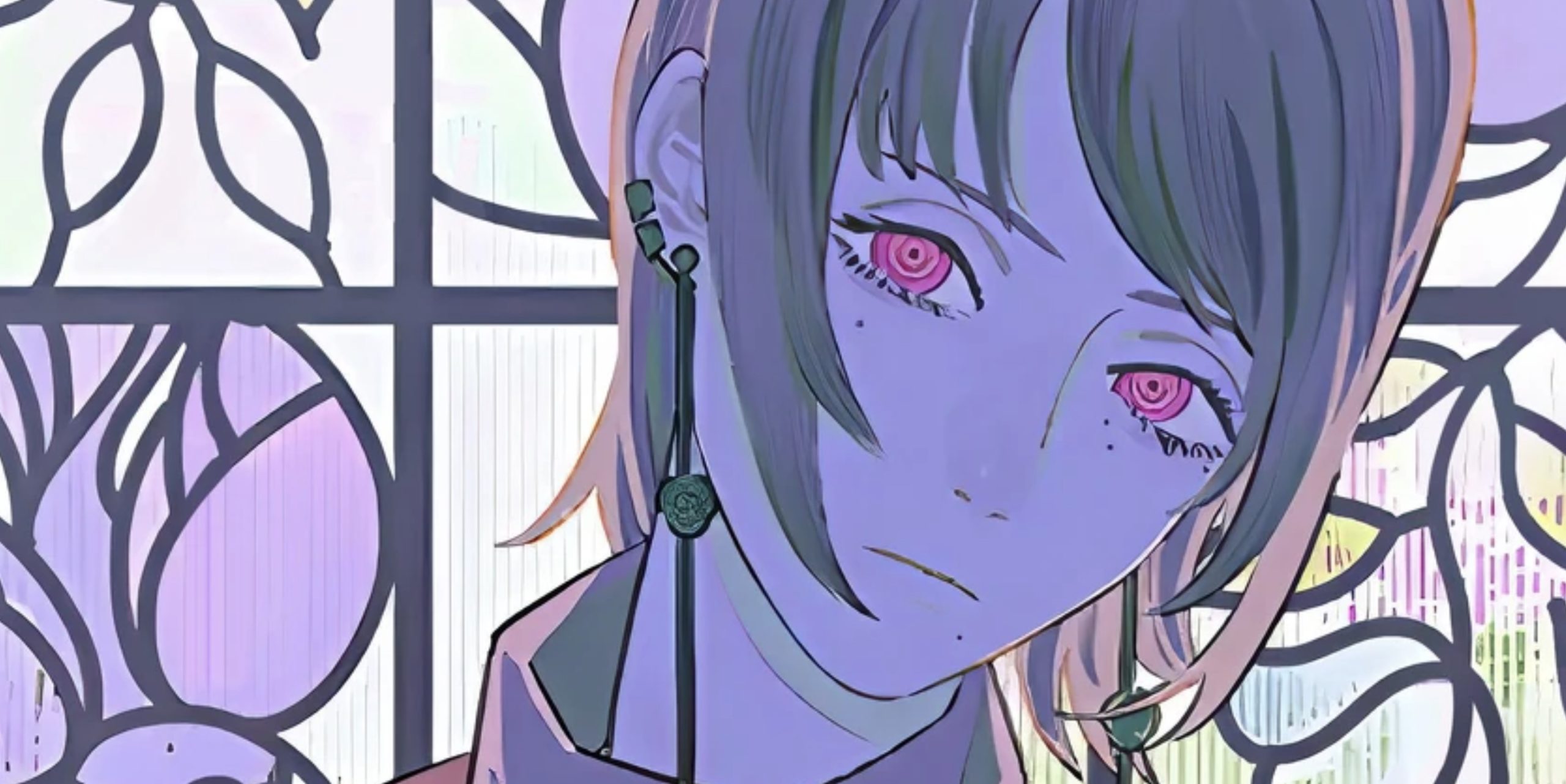
A Still From Chainsaw Man manga (Credits: Tatsuki Fujimoto)
The recent accolades only add to Fujimoto’s moment in the spotlight. Chainsaw Man’s win for Best New Series at the 2024 Crunchyroll Awards solidifies its status as a cultural phenomenon.
The confirmation of movie adaptations for both Chainsaw Man and the one-shot Look Back underscores Fujimoto’s growing influence in the manga and beyond.
In light of these achievements, it’s fitting to delve deeper into Fujimoto’s body of work and his distinctive quirks. He stands as a testament to the creative brilliance that thrives in the manga industry, pushing boundaries and defying expectations with every stroke of his pen.
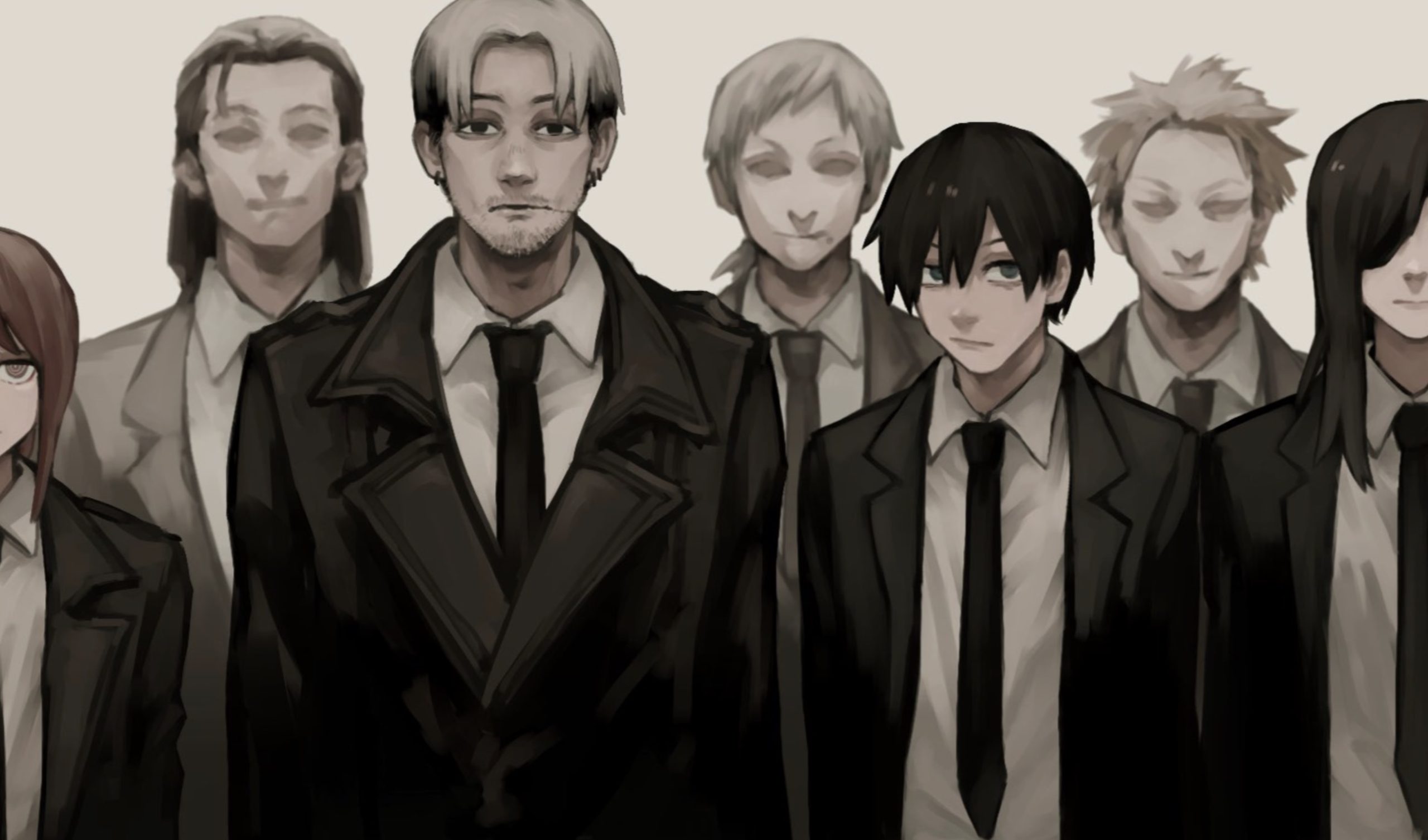
A Still From Chainsaw Man manga (Credits: Tatsuki Fujimoto)
As we celebrate Tatsuki Fujimoto and his unique contributions to manga, let’s explore the enigmatic mind behind the pages of Chainsaw Man and beyond.
Fujimoto Feels Laid-Back About His Characters and 9 More Amazing Facts
Here are some more amazing and surprising facts about the creator of Chainsaw Man.
10. Fujimoto’s narrative freedom allows him to dispatch beloved characters.
Fujimoto doesn’t hesitate to shake things up by dispatching fan-favorite heroes, as seen when Himeno sacrifices herself to the Ghost Devil in the Chainsaw Man anime. Chapter 157 of the manga introduces Yoru, the war devil, alongside Asa, marking another significant moment.

Regardless of the series’ penchant for tragedy, Fujimoto’s trademark humor offers a welcome respite in recent chapters. However, what sets Chainsaw Man apart for many fans is its eclectic and endearing cast of characters. Interestingly, Fujimoto doesn’t hold the same sentimental attachment to his creations as his audience does.
While Fujimoto does appreciate certain characters and dedicates effort to their development, he prioritizes the story above individual heroes. This detachment from his creations grants him the liberty to dispatch beloved characters without hesitation and to introduce dramatic shifts in the series’ cast whenever the narrative demands.
9. Fujimoto’s manga features dominant female characters, influenced by personal experiences.
Fujimoto’s manga showcases a cadre of strikingly unconventional female characters. From the formidable and manipulative Makima to the merciless War Devil Yoru and the no-nonsense assassin Quanxi, Fujimoto’s narratives often revolve around powerful, somewhat cunning women.
This predilection for dominant female characters stems from the mangaka’s personal fascination with what he describes as “tough and unreasonable” women.
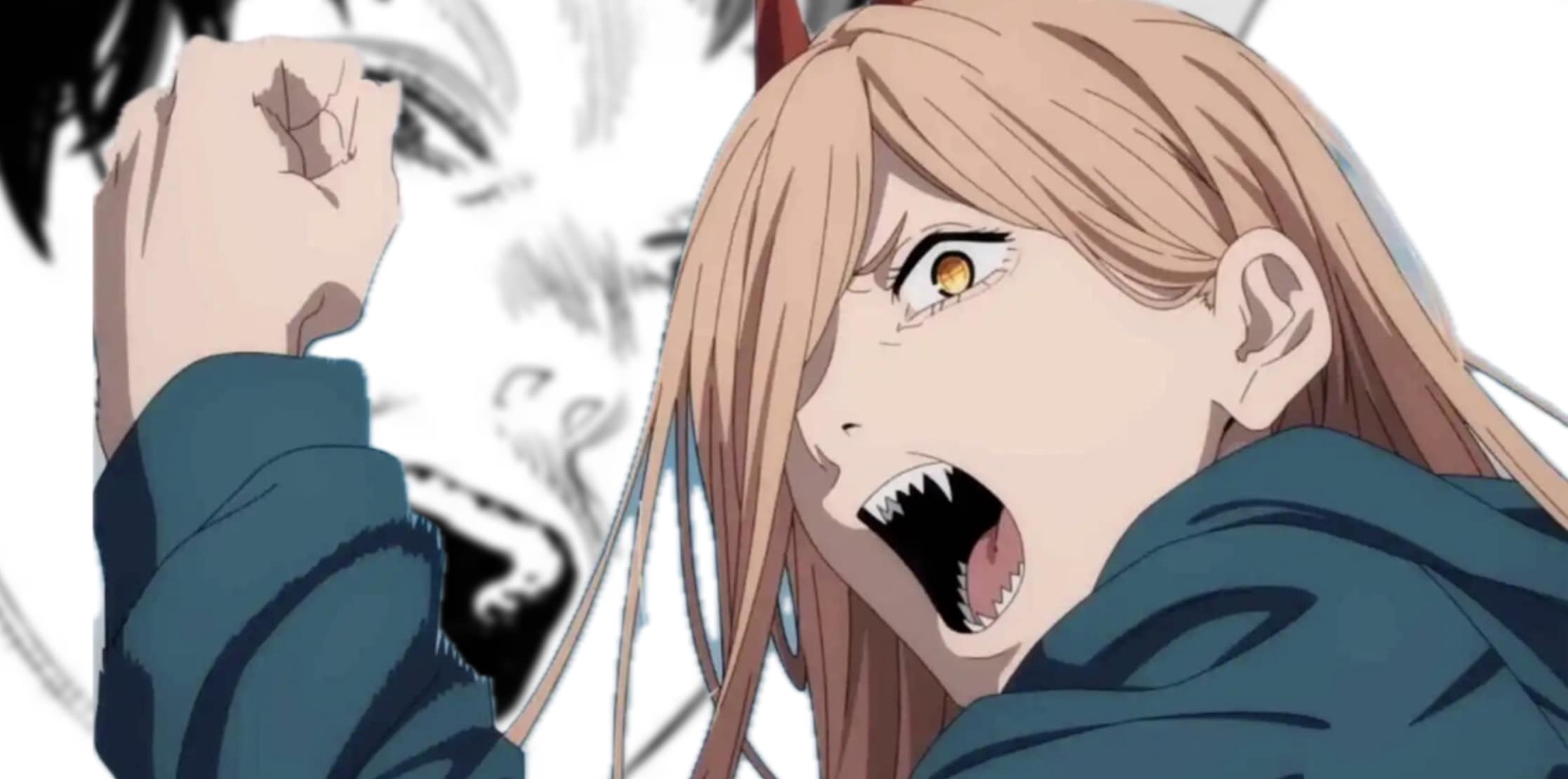
Chainsaw Man (Credits: Tatsuki Fujimoto)
Fujimoto openly admits to being a self-proclaimed masochist, a revelation that traces back to his college days when he found himself oddly drawn to a girl who bullied him.
Rather than feeling distressed by her actions, Fujimoto found himself strangely amazed by the experience of being tormented. This revelation has significantly influenced his creative endeavors.
Notorious for incorporating his personal inclinations into his work, Fujimoto consistently places female characters in positions of authority and endows them with dominant, sometimes eccentric personalities.

This artistic choice reflects not only his own proclivities but also adds depth and complexity to his storytelling, creating a cast of characters that defy conventional stereotypes and expectations.
8. Fujimoto’s love for cinema enriches his manga creations.
Tatsuki Fujimoto, through a translated quote, expressed his recommendation for “NOPE” as the most intriguing movie of the previous year. This insight into Fujimoto’s cinematic tastes sheds light on his deep passion for film, a passion that permeates his manga creations.
For devoted Fujimoto fans, his love for movies is no secret. References to films abound in his works, and he frequently incorporates characters who share his fervor for cinema.
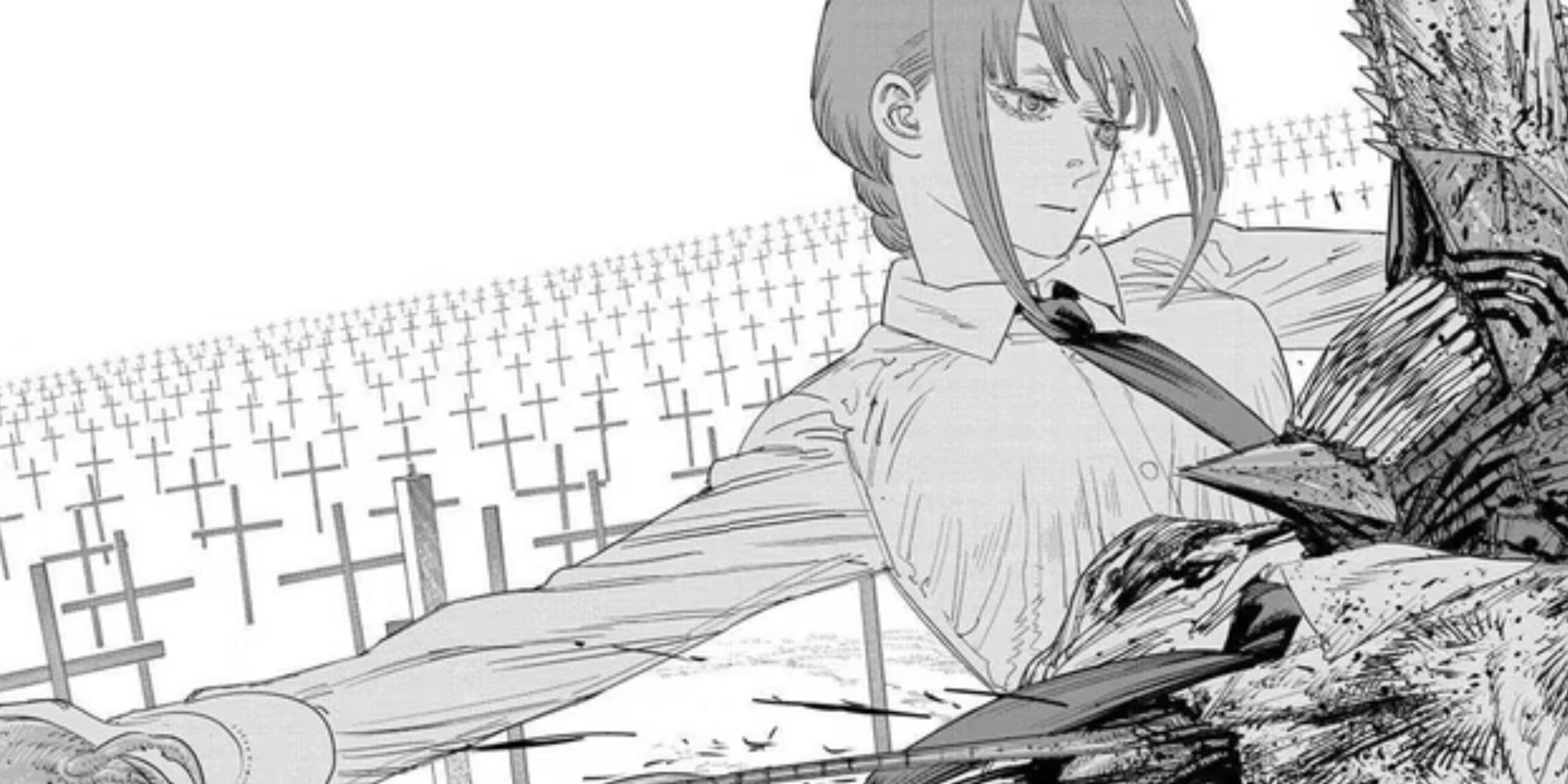
Chainsaw Man (Credits: Tatsuki Fujimoto)
From Togata in “Fire Punch” to the protagonists of “Goodbye, Eri” and “Chainsaw Man’s” Denji, cinephiles are a recurring motif.
While “Chainsaw Man” draws direct inspiration from “The Texas Chainsaw Massacre,” Fujimoto’s cinematic influences extend far beyond this franchise. He finds inspiration in a diverse array of films, ranging from the absurdity of the disaster movie parody “Sharknado” to Tarantino’s iconic “Reservoir Dogs.”
The quirky horror comedy “Attack of the Killer Tomatoes!” and the poignant Japanese drama “Typhoon Club” also rank among his sources of creative inspiration.
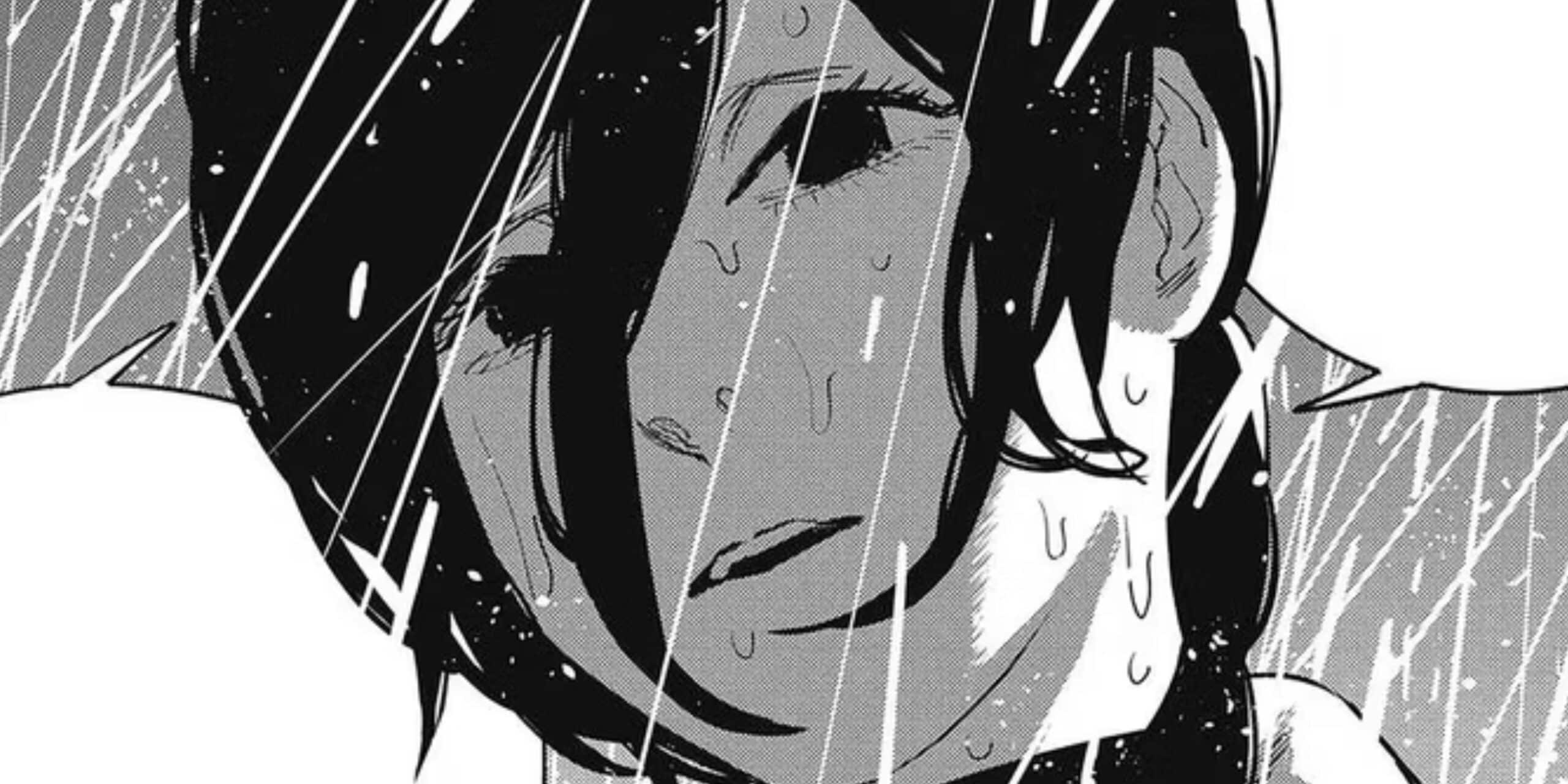
Chainsaw Man (Credits: Tatsuki Fujimoto)
Unsurprisingly, anime holds a significant place in Fujimoto’s heart as well. Works like “FLCL,” “Kizumonogatari,” and “Devilman” have left a profound impact on his manga, showcasing the breadth of his appreciation for visual storytelling across various mediums.
Through these diverse influences, Fujimoto weaves a tapestry of cinematic and anime references that enrich the depth and complexity of his storytelling.
7. “Fire Punch” showcases Fujimoto’s daring and unconventional storytelling style.
For those who find “Chainsaw Man” to be an unconventional manga, the sheer bizarre and shocking nature of Tatsuki Fujimoto’s first serialized work, “Fire Punch,” would undoubtedly leave them bewildered.
Set in a frozen totalitarian dystopia, “Fire Punch” follows Agni, a man gifted with regeneration powers but cursed to constantly burn in an unquenchable flame.
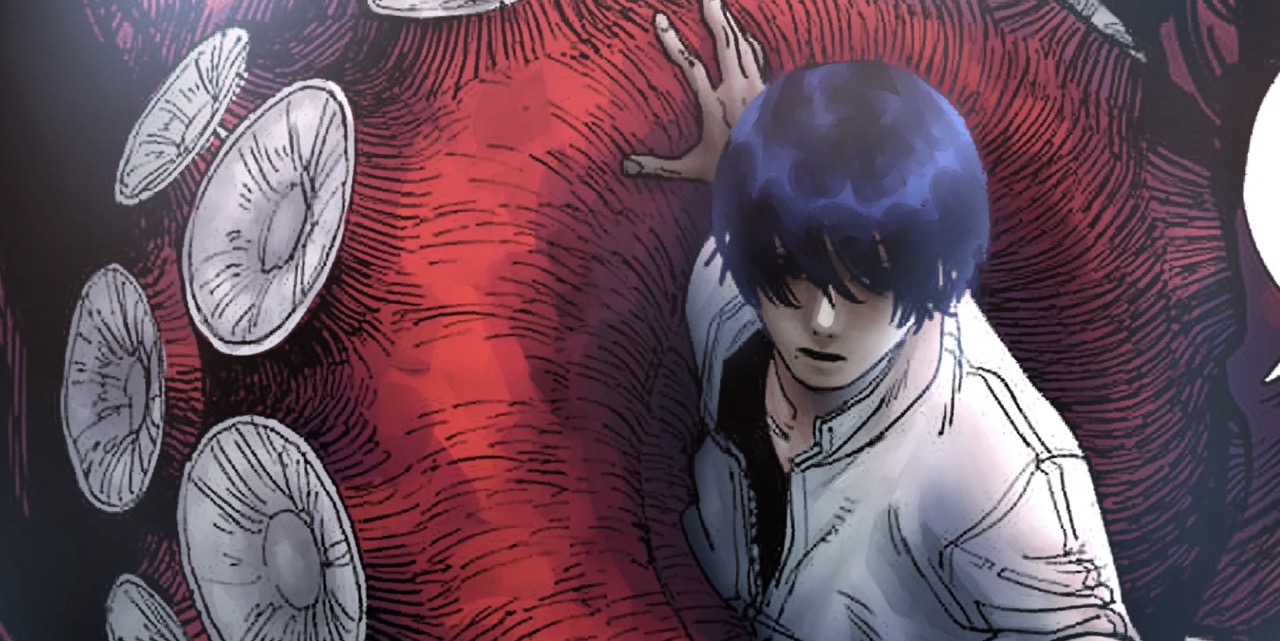
A Still From Chainsaw Man manga (Credits: Tatsuki Fujimoto)
Renowned for its extreme violence and cruelty towards its characters, “Fire Punch” stands out as one of the most audacious and outlandish rides in the history of shonen manga.
One of the most memorable aspects of “Fire Punch” is its main villain’s motivation—to “create a civilization cultivated to the exact same point as the era in which Star Wars was created.” This unique premise adds another layer of eccentricity to the already surreal narrative.
The unprecedented oddness of “Fire Punch” sparked intense controversy among fans. While some hailed it as a masterpiece, others criticized it for its incomprehensibility.

Chainsaw Man (Credits: Tatsuki Fujimoto)
Regardless of where one stands on its quality, “Fire Punch” undeniably showcases Fujimoto’s unorthodox and daring approach to storytelling. It serves as a prime example of his willingness to push boundaries and challenge conventional norms within the manga.
6. Fujimoto skipped the assistant route, into original one-shots.
Unlike many mangakas who typically gain experience by working as assistants, Tatsuki Fujimoto charted a different path to success. Instead of apprenticing under-established authors, he dove headfirst into creating his own original one-shots.
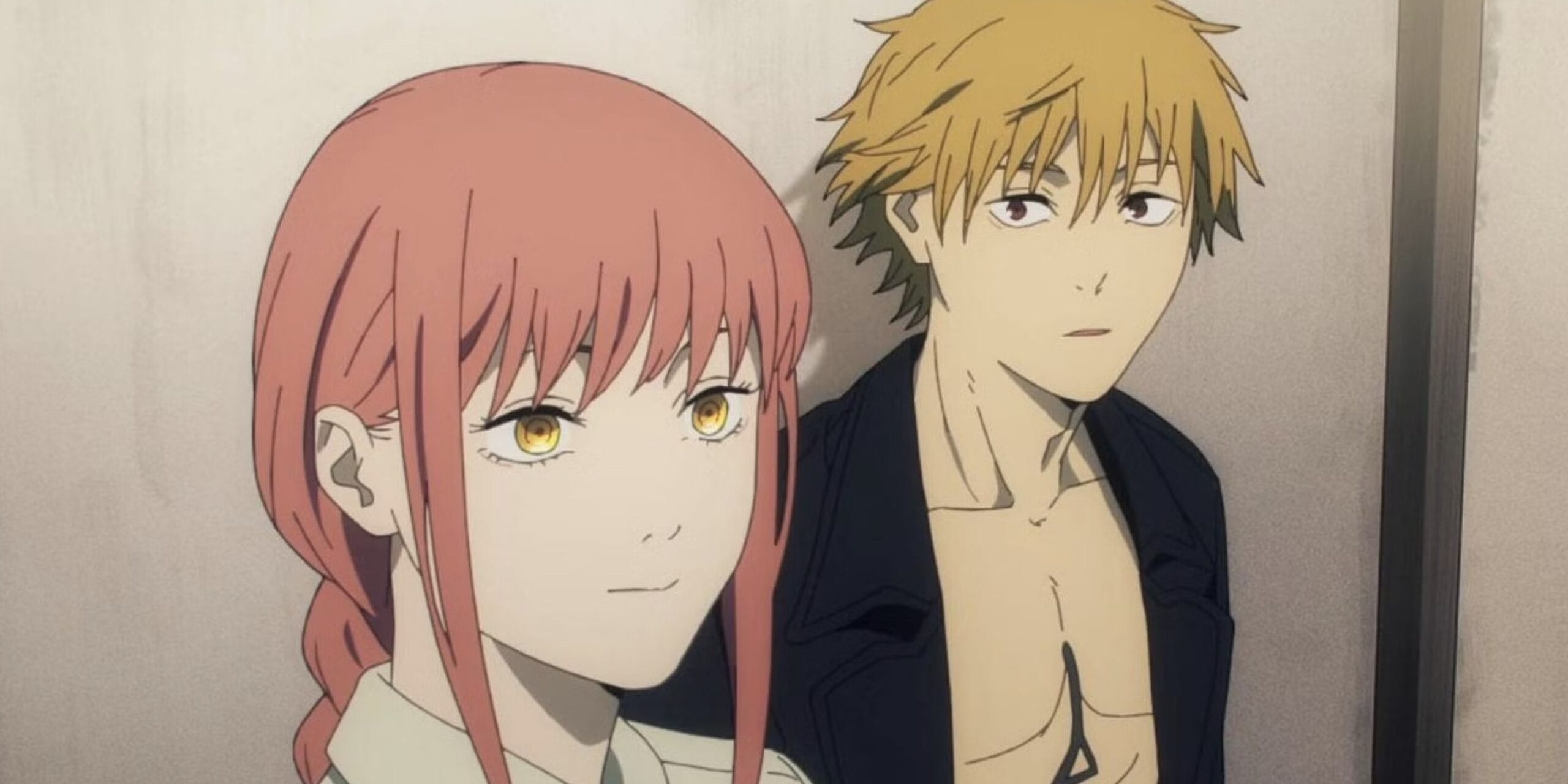
Chainsaw Man (Credits: Tatsuki Fujimoto)
Fujimoto’s journey into the manga industry defies convention. While most aspiring mangaka hone their craft through years of drawing and often serve as assistants, Fujimoto’s background was somewhat unconventional. Growing up with a passion for drawing, he found himself in a town where art-centric programs were scarce.
Undeterred, he pursued his interest in manga while studying Western painting at college.
Remarkably, Fujimoto bypassed the traditional route of working as an assistant and went straight to crafting his own one-shot stories. This unorthodox approach proved fruitful, leading to his breakthrough opportunity.
Chainsaw Man (Credits: MAPPA)
Just two years after graduating from college, Fujimoto embarked on his first serialized manga, “Fire Punch,” marking the beginning of his notable career in the industry.
5. Fujimoto’s eccentricities enhance his appeal to fans and readers.
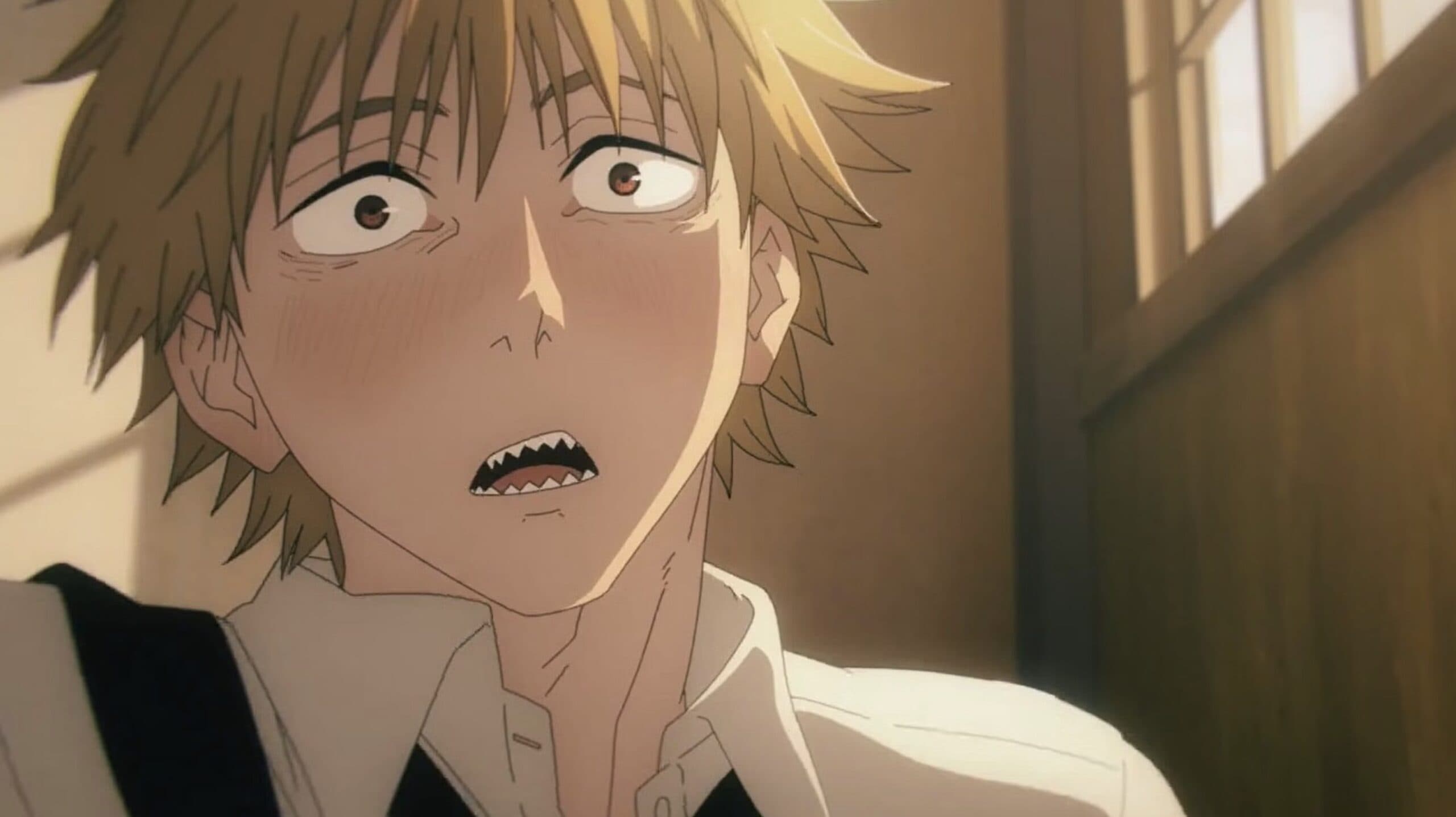
Ishida Sui, author of Tokyo Ghoul, once remarked, ‘Fujimoto-kun had better realize soon that he’s much crazier than he thinks he is.’ This observation encapsulates the unique persona of Tatsuki Fujimoto, who has never shied away from showcasing his eccentricities to the world.
Chainsaw Man (Credits: MAPPA)
From uploading videos of himself attempting to levitate on YouTube to candidly discussing unusual anecdotes like consuming his girlfriend’s pet fish, Fujimoto’s unorthodox behavior is well-documented.
Surprisingly, rather than repelling readers, these quirks have only served to enhance his popularity.
Fans of Fujimoto and his manga are drawn to the inherent weirdness and unpredictability that permeate his works, mirroring the eccentricities of their creator. His idiosyncrasies have become an integral part of his appeal, resonating deeply within the community he has cultivated.
Chainsaw Man (Credits: Tatsuki Fujimoto)
Rather than detracting from his genius, Fujimoto’s unconventional personality is celebrated as a defining aspect of his creative brilliance.
4. Fujimoto’s former assistants have gone on to create a hit manga series.
Assisting a successful mangaka is a common path for aspiring creators to enter the industry, and it turns out that quite a few current big-shot manga authors once worked alongside Fujimoto.
Hell’s Paradise: Jigokuraku Season 1 | Still (Credits: Crunchyroll)
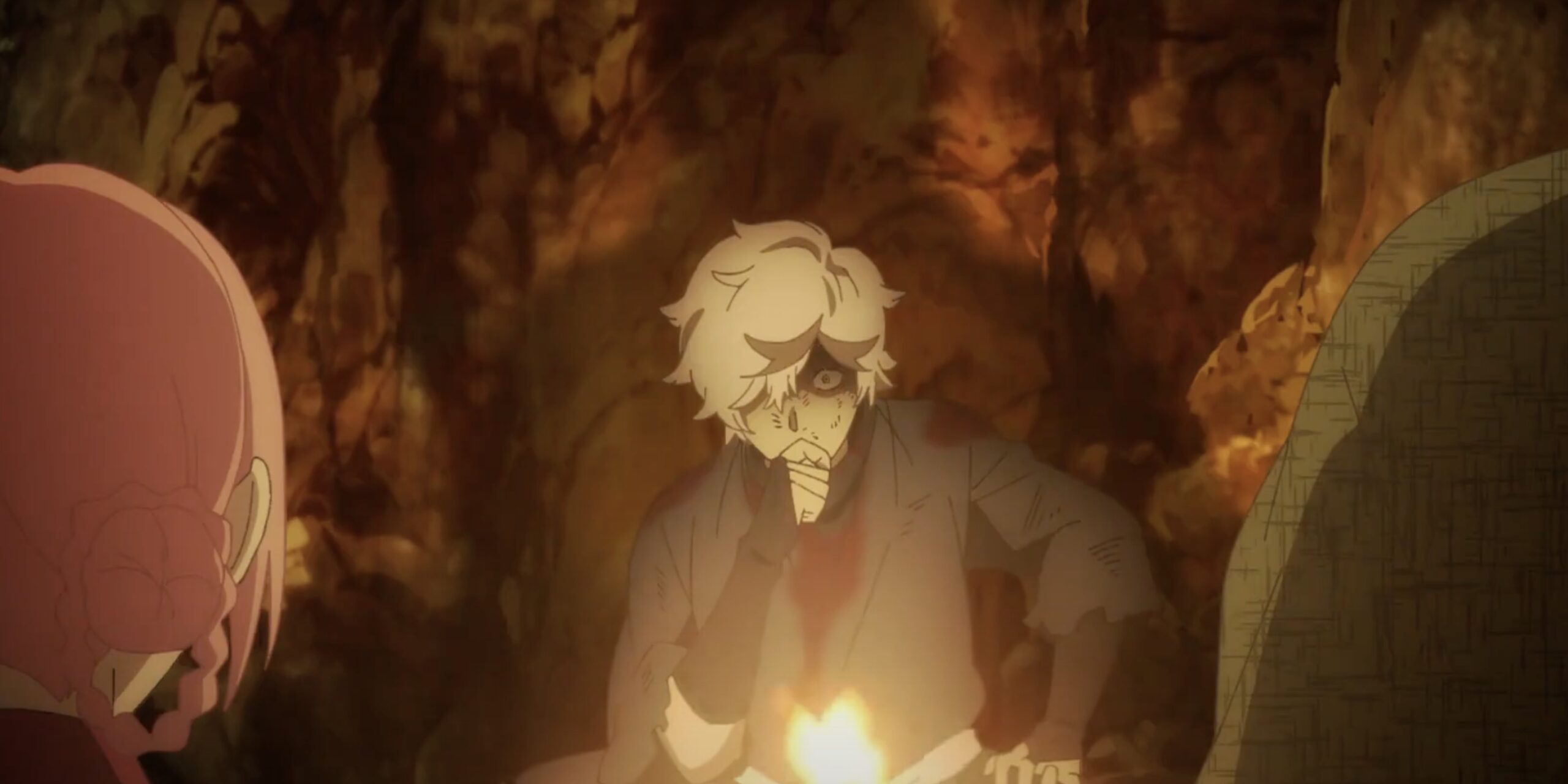
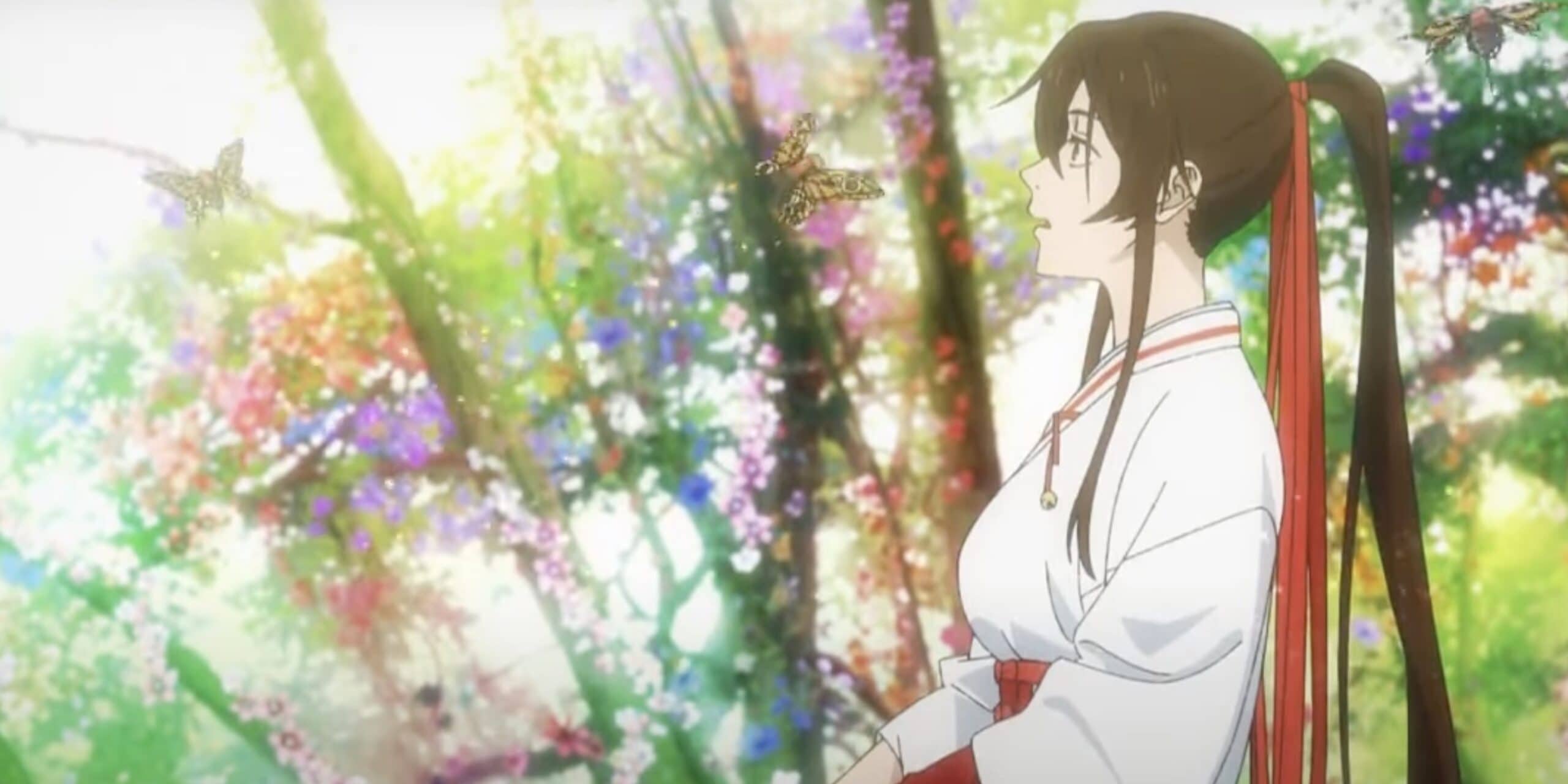
Yuji Kaku, the creator of “Hell’s Paradise,” Tatsuya Endo, known for “Spy x Family,” and Yukinobu Tatsu, the mind behind “Dandadan,” all began their journey as assistants to Fujimoto during the production of “Fire Punch,” before branching out to create their own hit shonen manga.
Reflecting on their time as Fujimoto’s assistants, these creators speak fondly of their experiences and even regard Fujimoto’s eccentricities in a positive light.
Hell’s Paradise | Still (Credits: Crunchyroll)
One surprising revelation from Yuji Kaku is that Fujimoto’s real-life manner of speaking closely resembles that of Denji from “Chainsaw Man” – laid-back and informal, adding another layer of charm to the mangaka’s persona.
Fujimoto’s Most Famous Assistants and Their Hit Manga Series
- Yuji Kaku – Hell’s Paradise
- Tatsuya Endo – Spy X Family
- Yukinobu Tatsu – Dandadan
3. Fujimoto maintains humility through self-deprecating humor regardless of his success.
Unlike some creators of highly successful works, Tatsuki Fujimoto doesn’t take himself too seriously when it comes to his manga. Regardless of the immense popularity and acclaim his creations have garnered, Fujimoto maintains a humble perspective on his abilities as a mangaka.
This modesty is in part due to his unconventional path into the industry and his laid-back approach to writing.
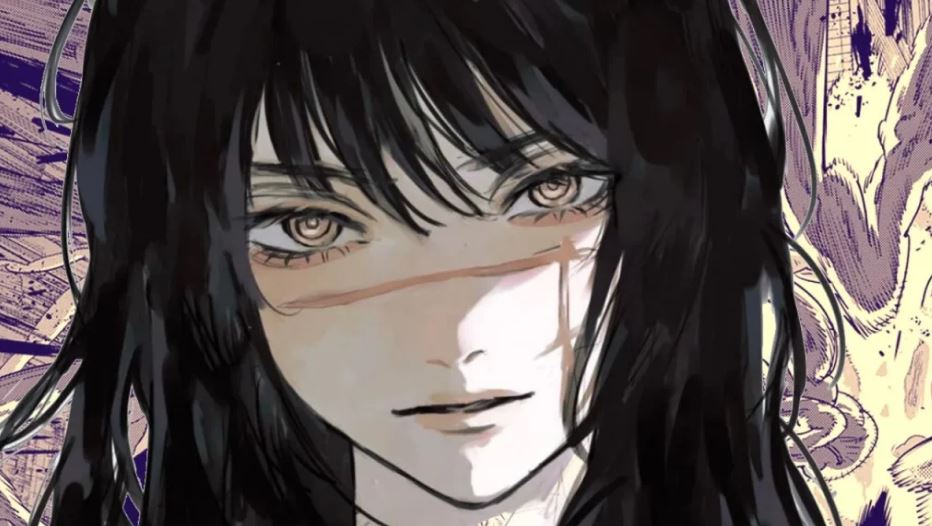
Chainsaw Man – Chapter 113 Release Date
Fujimoto’s self-deprecation and doubt often manifest through humor, much to the delight of his vast fanbase. For instance, upon winning the Harvey Award for Best Manga with “Chainsaw Man,” Fujimoto humorously remarked that the series was “unbefitting of any reward.”
This tongue-in-cheek attitude underscores his reluctance to boast about his achievements.
Furthermore, Fujimoto isn’t afraid to poke fun at himself and his work. When MAPPA announced their adaptation of “Chainsaw Man,” he humorously remarked on the irony of his manga being picked up by the studio after they had found success with “Dorohedoro” and “Jujutsu Kaisen,” suggesting that he was simply ripping off their previous hits.
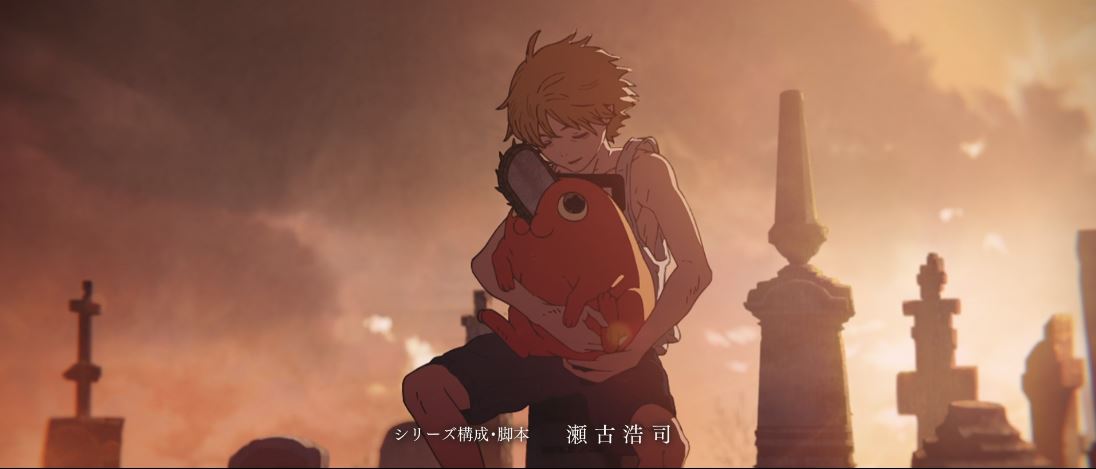
Chainsaw Man
Through his lighthearted and self-deprecating humor, Fujimoto endears himself even more to his fans, who appreciate his down-to-earth approach regardless of his incredible success in the industry.
2. Fujimoto’s fictional sister, Koharu Nagayama, mirrors a character from his manga.
Tatsuki Fujimoto’s imaginary “little sister” goes by the name Koharu Nagayama. Interestingly, Koharu shares many traits with a character from one of Fujimoto’s early one-shots, Nayuta of the Prophecy.
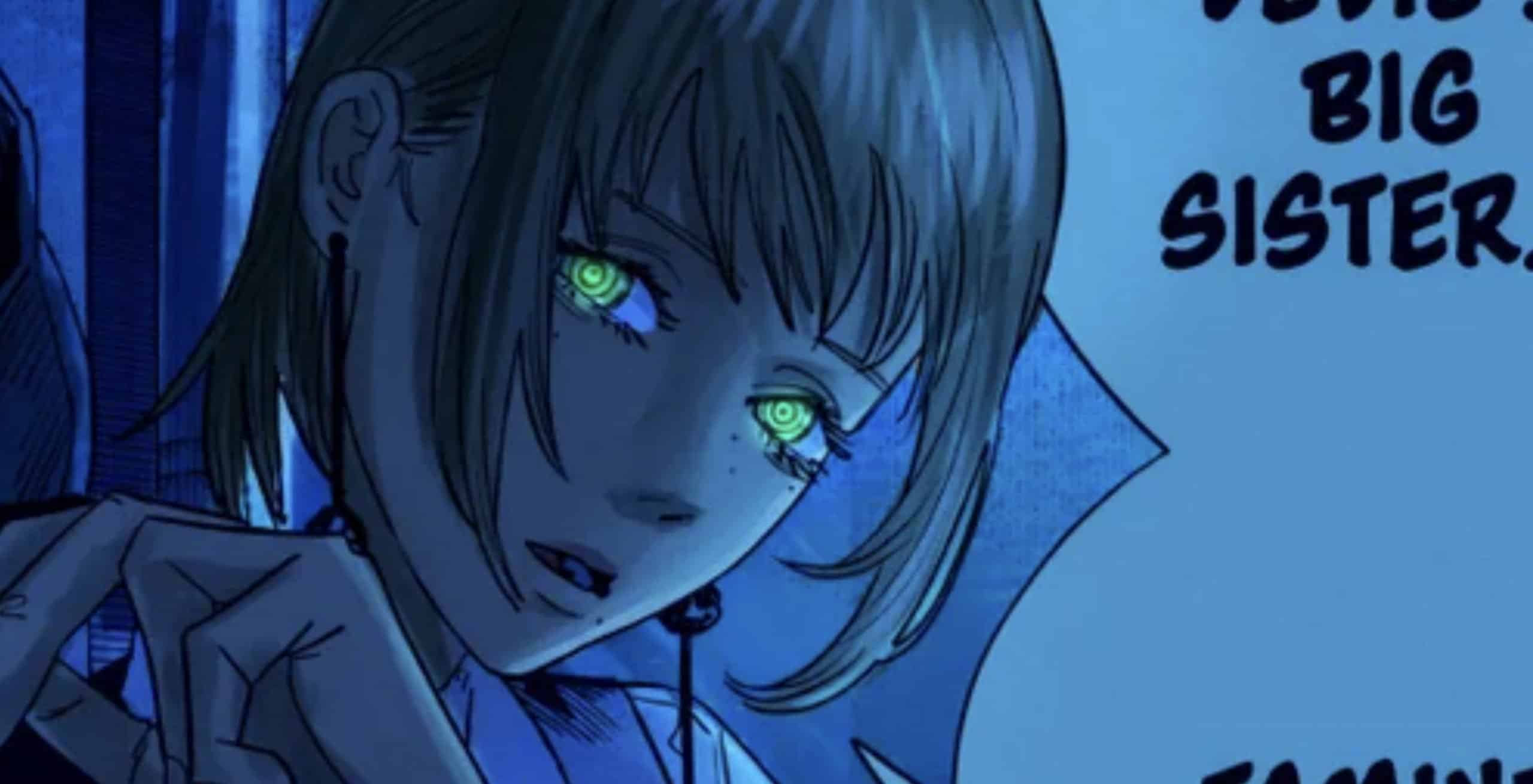
Chainsaw Man (Credits: Fujimoto Tatsuki.)
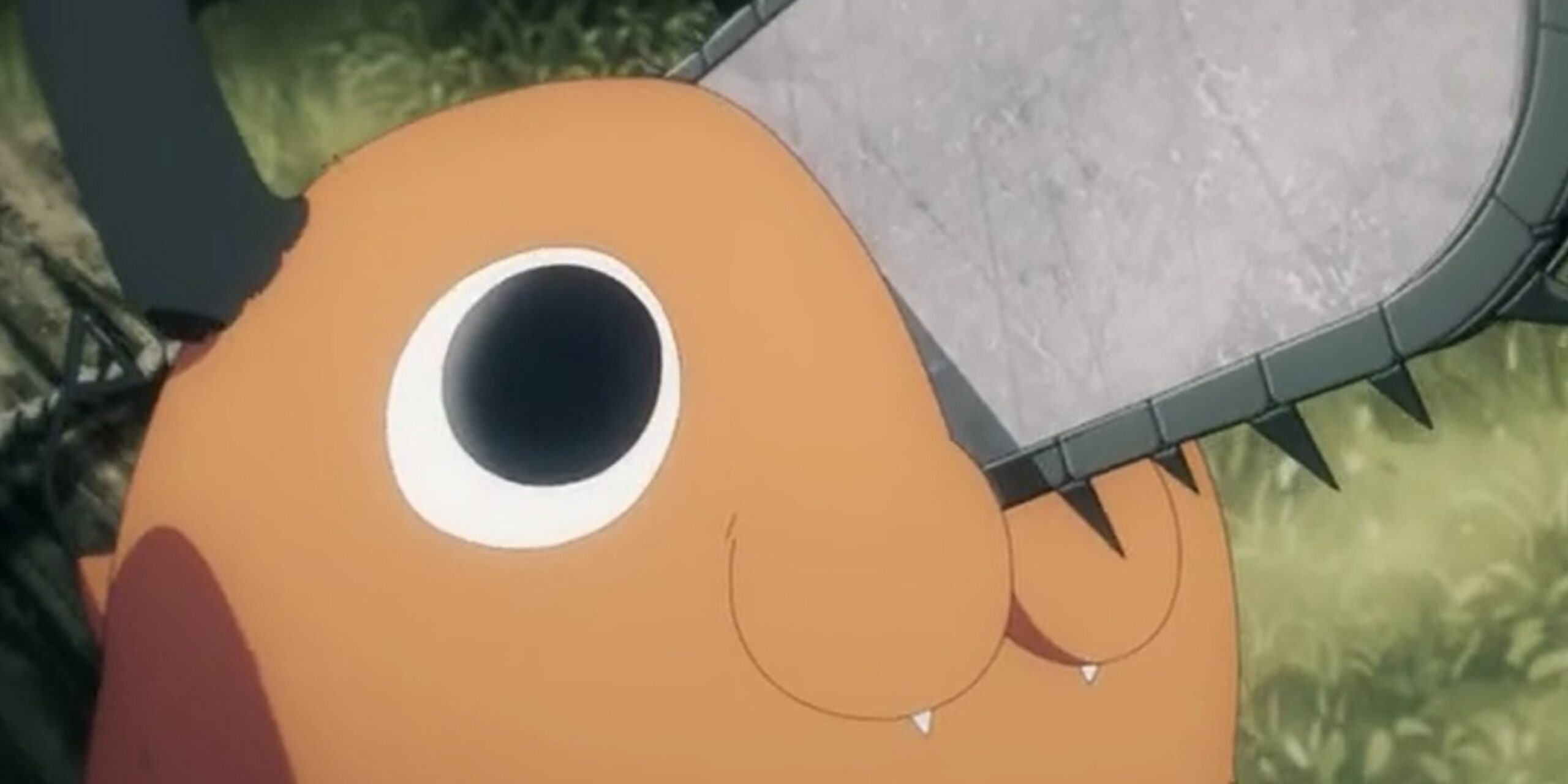
Nayuta left such a lasting impression on Fujimoto that she eventually became one of the main characters in Part 2 of “Chainsaw Man.”
Regardless of Fujimoto’s reserved nature regarding his personal life and the absence of social media accounts under his own name, he’s been known to run a Twitter account under the guise of his fictional younger sister since 2013.
This account, though infamous, is characterized by its childlike and simplistic tone, akin to the observations of a third-grader.
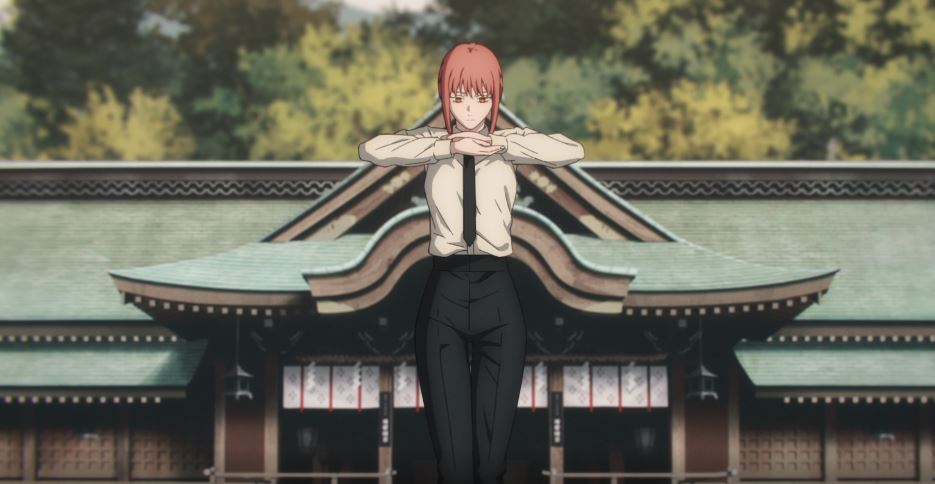
Chainsaw Man (Credits: MAPPA)
However, amidst the playful banter, Fujimoto’s “sister” occasionally offers movie recommendations and promotes other anime and manga, attributing them to her “older brother.”
Predictably, this unconventional joke has stirred its fair share of controversies over the years. From age restriction issues to disagreements with Fujimoto’s publishers, the account has found itself embroiled in various debates and disputes.
1. Fujimoto’s early struggles resonate in Denji’s relatable portrayal.
Tatsuki Fujimoto in an interview with Jump+ shared,
“I was also a deadbeat after I graduated, and the rent where I lived was 20,000 yen [about $200]. It didn’t have AC, so that was tough,”
One of the defining characteristics of Denji, the protagonist of “Chainsaw Man,” is his authentic and relatable nature. As a poor and mistreated youth with nobody to rely on, Denji’s aspirations revolve around securing basic necessities.
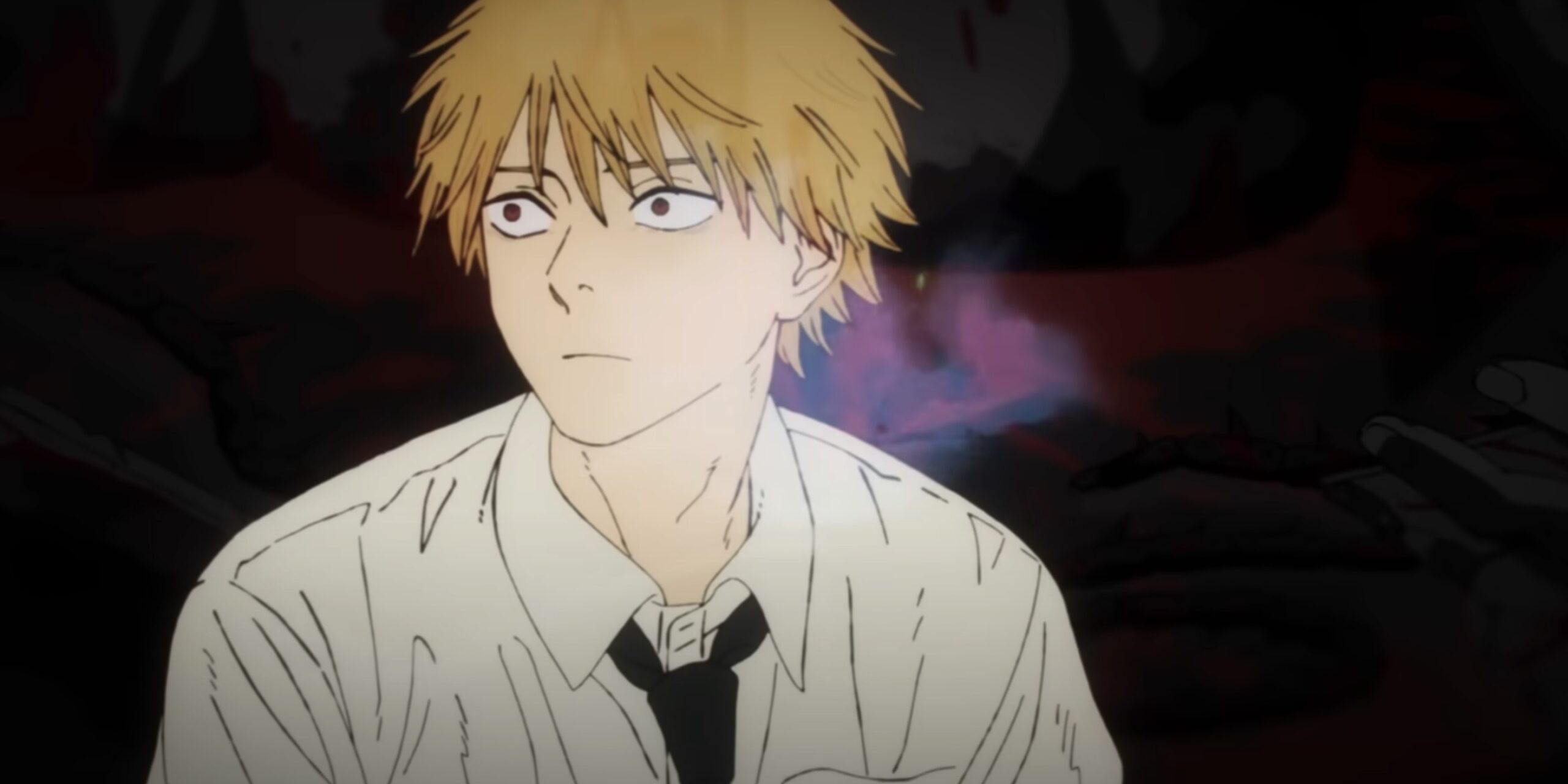
Chainsaw Man (Credits: Tatsuki Fujimoto)
This portrayal resonates deeply with today’s youth, reflecting a mentality that hits close to home for many.
Fujimoto acknowledges that he empathizes with the current generation and their nihilistic perspective on life. He candidly admits to experiencing a similar lifestyle after graduating, characterized by financial struggles and a longing for the simple comforts of life.
Much like Denji, Fujimoto’s early adulthood was marked by poverty and the pursuit of a modest and comfortable existence that many young people today strive for but find challenging to attain and maintain.

Chainsaw Man follows Denji, a young devil hunter saddled with debt, who merges with his pet devil Pochita to become Chainsaw Man. Recruited by the mysterious Makima into Public Safety, Denji battles devils while navigating power, purpose, and desire in a world of unpredictable chaos.
Living with a chronic illness can be a daunting challenge, especially when you’re a character in an anime series where every moment counts. These characters grapple not only with their daily struggles but also with the weight of their health issues. Whether it’s a temporary ailment or a debilitating condition, their stories resonate with audiences who empathize with their plight.
In anime, we encounter a diverse array of characters who are perpetually sick, each navigating their own unique circumstances.
Some face the inconvenience of temporary illnesses that sap their energy and punctuate their lives with bouts of weakness. Others confront more severe afflictions, tethered to hospital beds with their dreams put on hold.
10 Anime Characters Who Are Always Sick In The Story
Here is a list of the top 10 characters who have been sick throughout the story.
10. Henry Legolant
Henry, a member of the Black Bulls Magic Squad in the anime Black Clover , occupies a unique place in the narrative as one of the supporting characters.
His backstory is marked by familial abandonment, stemming from a mysterious illness that drains magic from his surroundings. Consequently, Henry finds himself perpetually tardy, aligning him with the archetype of anime characters plagued by chronic illness.
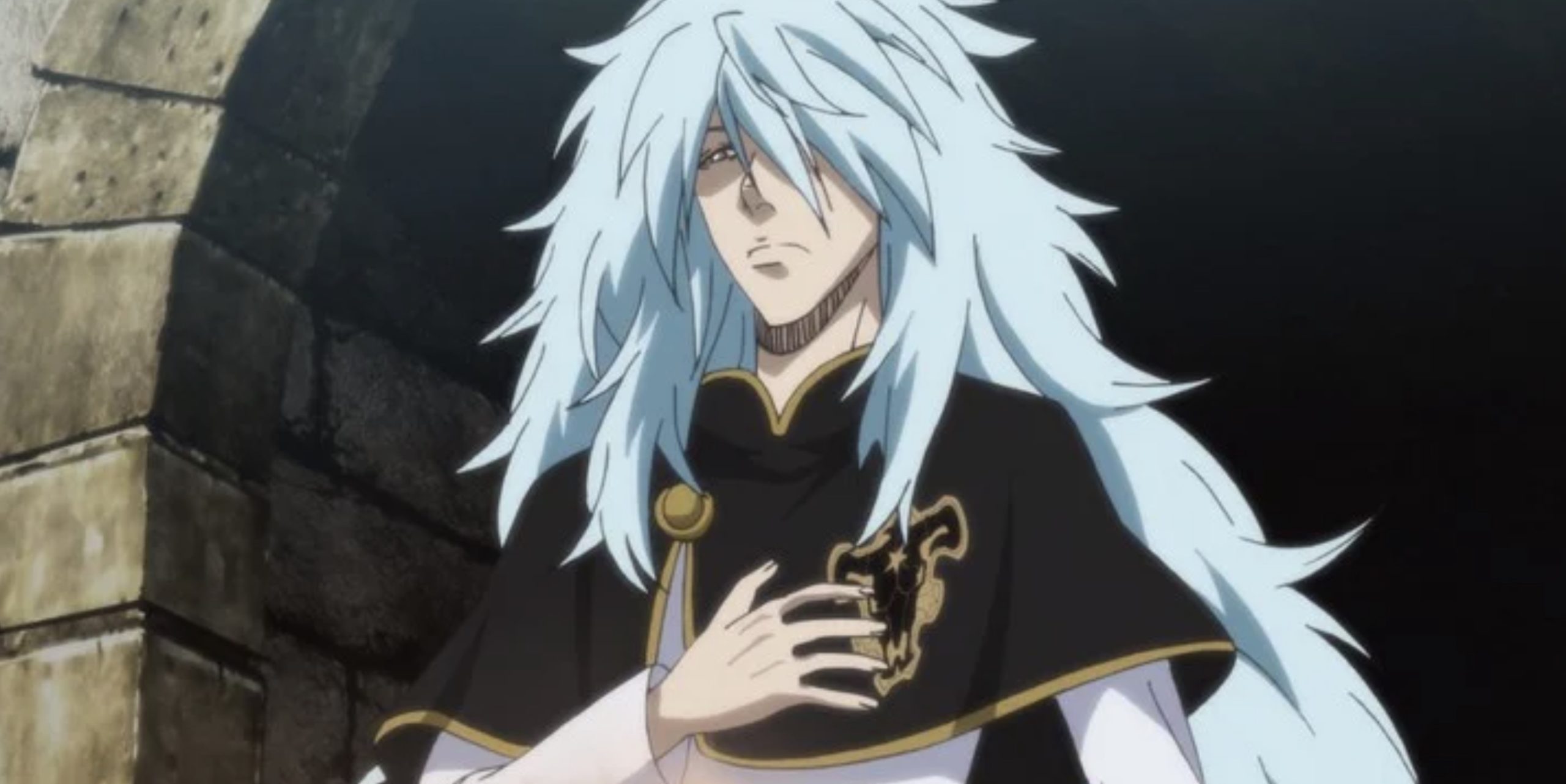
Henry Legolant Black Clover (Credits: Yūki Tabata)
The nature of Henry’s affliction is steeped in fantasy, devoid of real-world medical parallels. Left to grapple with his condition alone, Henry’s fate seemed bleak until the timely intervention of Yami, who recognized his potential and welcomed him into the Black Bulls.
It was within this ragtag group that Henry found camaraderie and purpose, forging bonds with fellow members like Asta and finding the strength to persevere despite his affliction.
9. Kagaya
Kagaya, the esteemed leader of the Demon Slayer Corps in the anime Demon Slayer, holds a pivotal role despite being a supporting character. His narrative is marked by a tragic affliction inherited from his parents —a curse that ravages his entire body and renders him perpetually unwell.
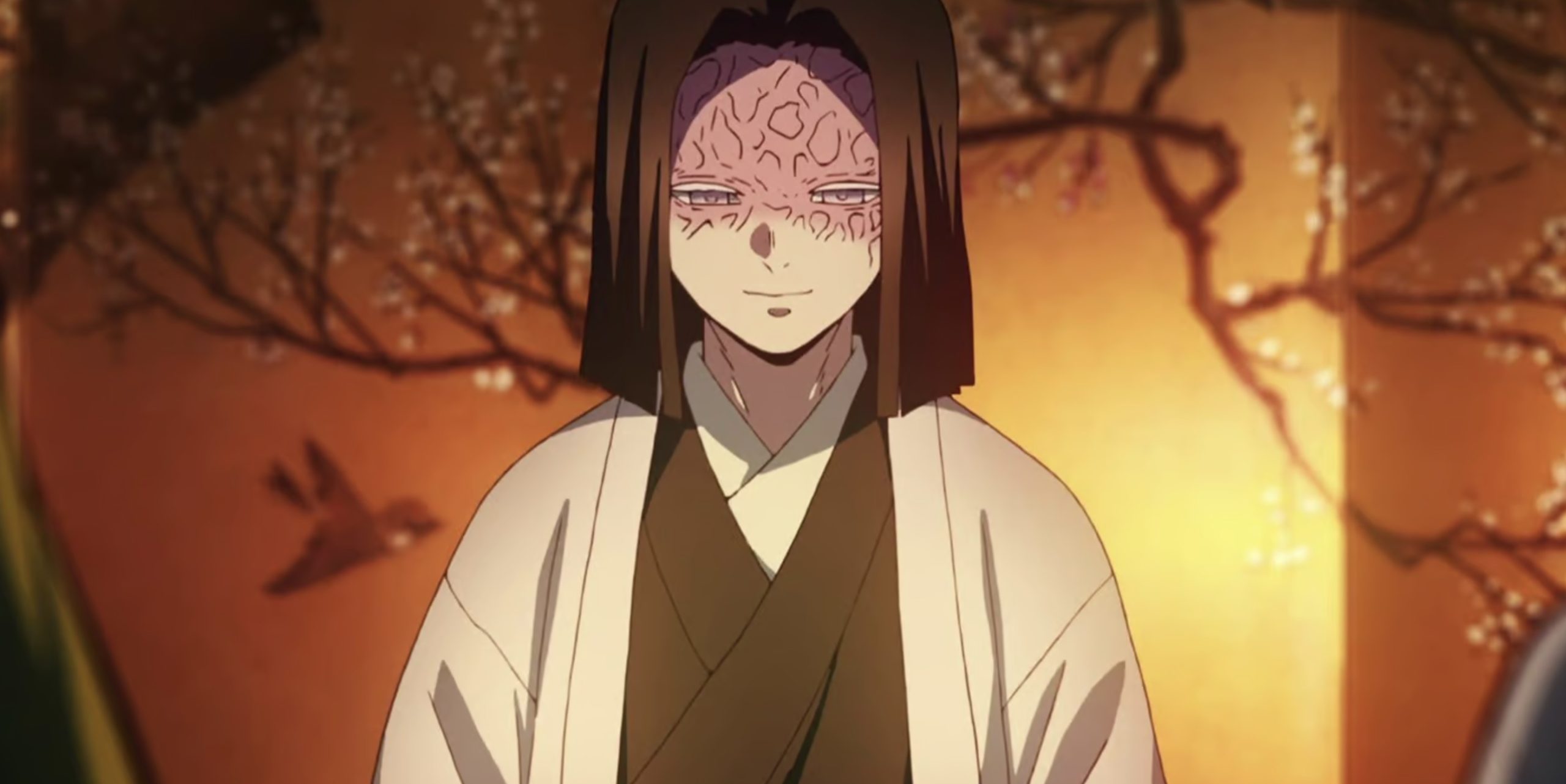
A Still From Demon Slayer (Credits: Koyoharu Gotouge)
This curse, while fantastical in nature, bears striking similarities to the real-world condition of sepsis. Sepsis arises when the body mounts an extreme response to an infection, triggering a cascade of harmful effects that spread throughout the body.
In Kagaya’s case, the curse manifests in symptoms reminiscent of sepsis, including shivering, shallow breathing, and other related manifestations.
Despite the debilitating nature of his condition, Kagaya embodies resilience and fortitude as he leads the Demon Slayer Corps with unwavering determination. His struggles with illness serve to deepen his character, adding layers of complexity to his role within the narrative.
8. Park Kyung Hye
Park Kyung Hye, the mother of Sung Jinwoo, serves as a significant figure in the narrative of Solo Leveling. Her story is marked by a harrowing ordeal—an affliction known as Eternal Slumber, induced by mana, which plunged her into a deep sleep for a staggering four years. It wasn’t until the protagonist intervened, utilizing the ‘Elixir of Life,’ that she was roused from her dormant state.
Though Eternal Slumber exists within the fantasy, its parallels with real-world medical conditions are evident. One could liken it to a coma, wherein the afflicted individual enters a prolonged state of unconsciousness, with no definite timeline for awakening.
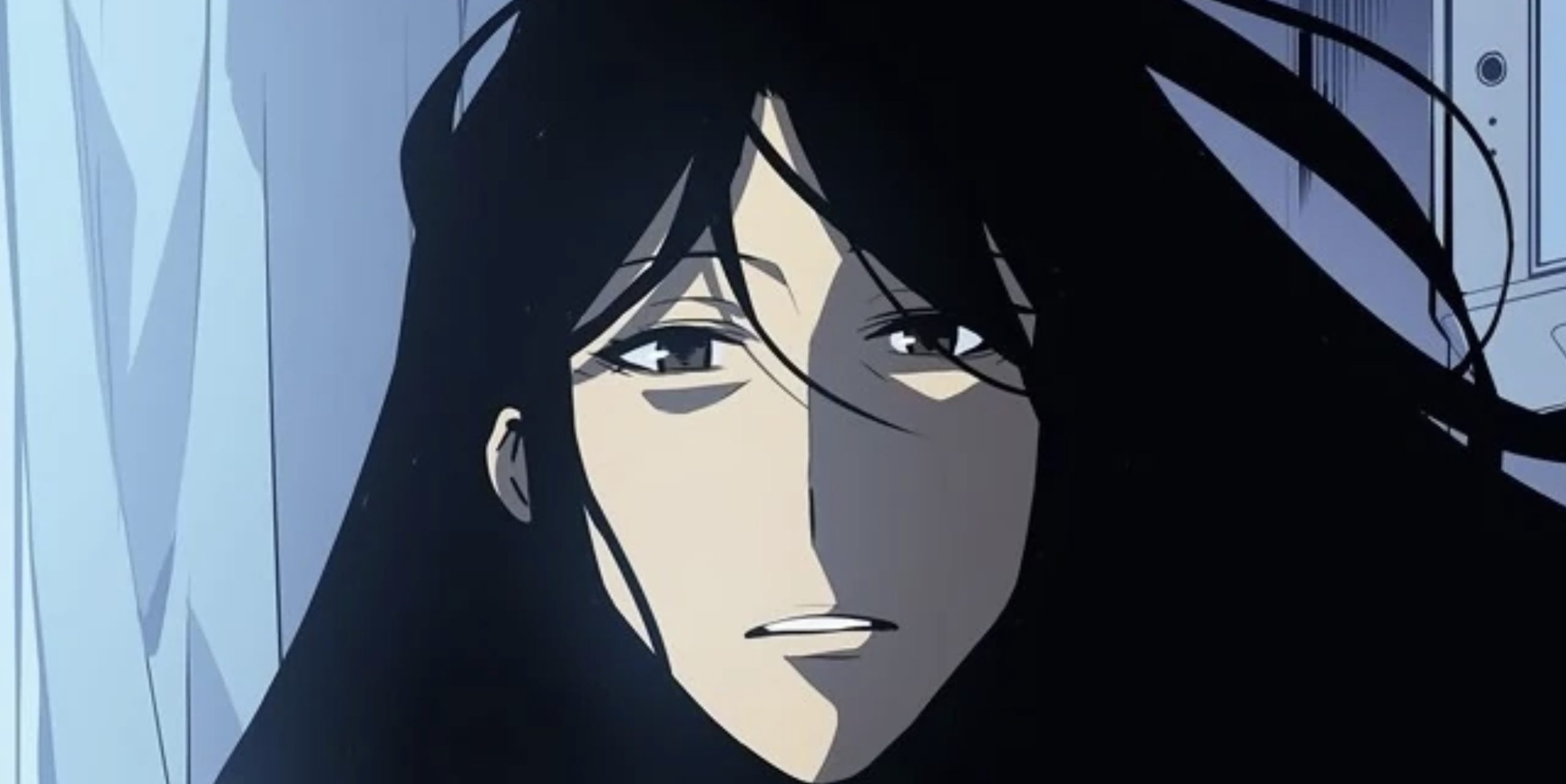
Park Kyung Hye / Crunchyroll
During her time in Eternal Slumber, Park Kyung Hye remained unresponsive, hardly moving or engaging with those around her, aligning her with the archetype of anime characters plagued by chronic illness.
Her awakening heralded a pivotal moment in the story, underscoring the protagonist’s journey and the bonds of familial love that transcend even the most formidable obstacles.
Park Kyung Hye’s struggle with Eternal Slumber serves as a poignant reminder of the fragility of life and the enduring power of hope in the face of adversity.
7. Kentarou Momose
Momose, a protagonist in My New Boss is Goofy, carries with him a heavy burden from his past workplace—a burden manifested in the form of PTSD (Post Traumatic Stress Disorder). This affliction casts him into the group of anime characters who grapple constantly with illness.
The symptoms of Momose’s PTSD are far-reaching, affecting not only his mental health but also manifesting in physical ailments such as difficulty concentrating and stomach issues. Transitioning to a new workplace does little to alleviate his struggles; if anything, they seem exacerbated by the new environment.
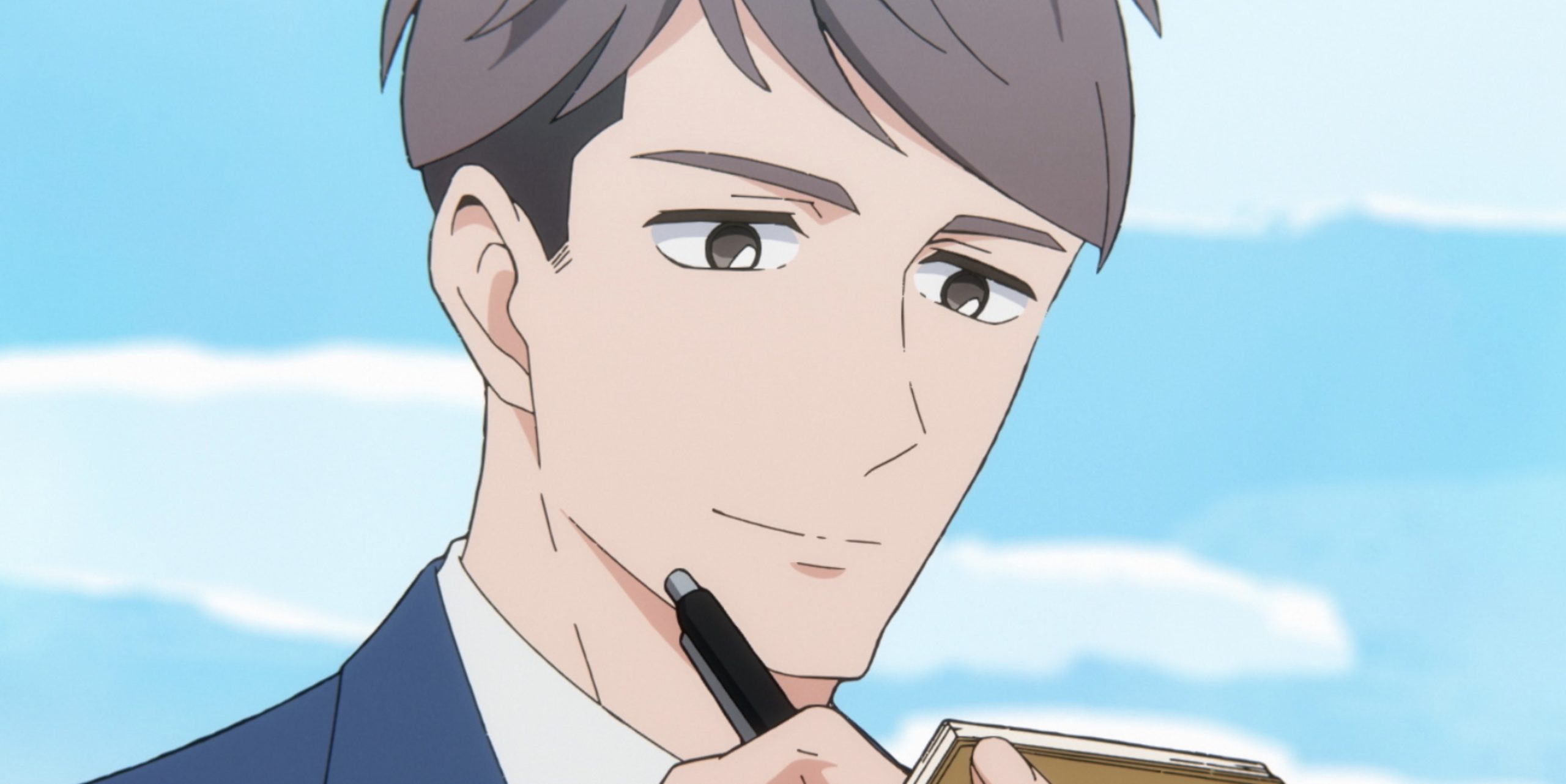
Kentarou Momose (Credits: Dan Ichikawa)
However, amidst the turmoil, Momose finds a beacon of hope in the form of his new boss, Shirosaki. Through patience, understanding, and unwavering support, Shirosaki becomes a lifeline for Momose, guiding him on a path toward recovery from his debilitating illness.
Gradually, with Shirosaki’s help, Momose begins to reclaim his sense of well-being, shedding the shackles of his past trauma and embracing a brighter future.
6. Nagisa
Nagisa, the beloved female protagonist of Clannad, finds herself ensnared in the relentless grip of illness—a fate that places her among the group of anime characters perpetually plagued by infirmity. Her journey is marked by a series of setbacks, beginning with a severe bout of illness that forces her to miss an entire year of high school.
Despite her valiant return to school, Nagisa’s health remains precarious, with frequent bouts of sickness casting a shadow over her aspirations. Tragically, her fragile constitution proves fatal, as she succumbs while giving birth to Ushio, her immune system too feeble to withstand the rigors of childbirth.
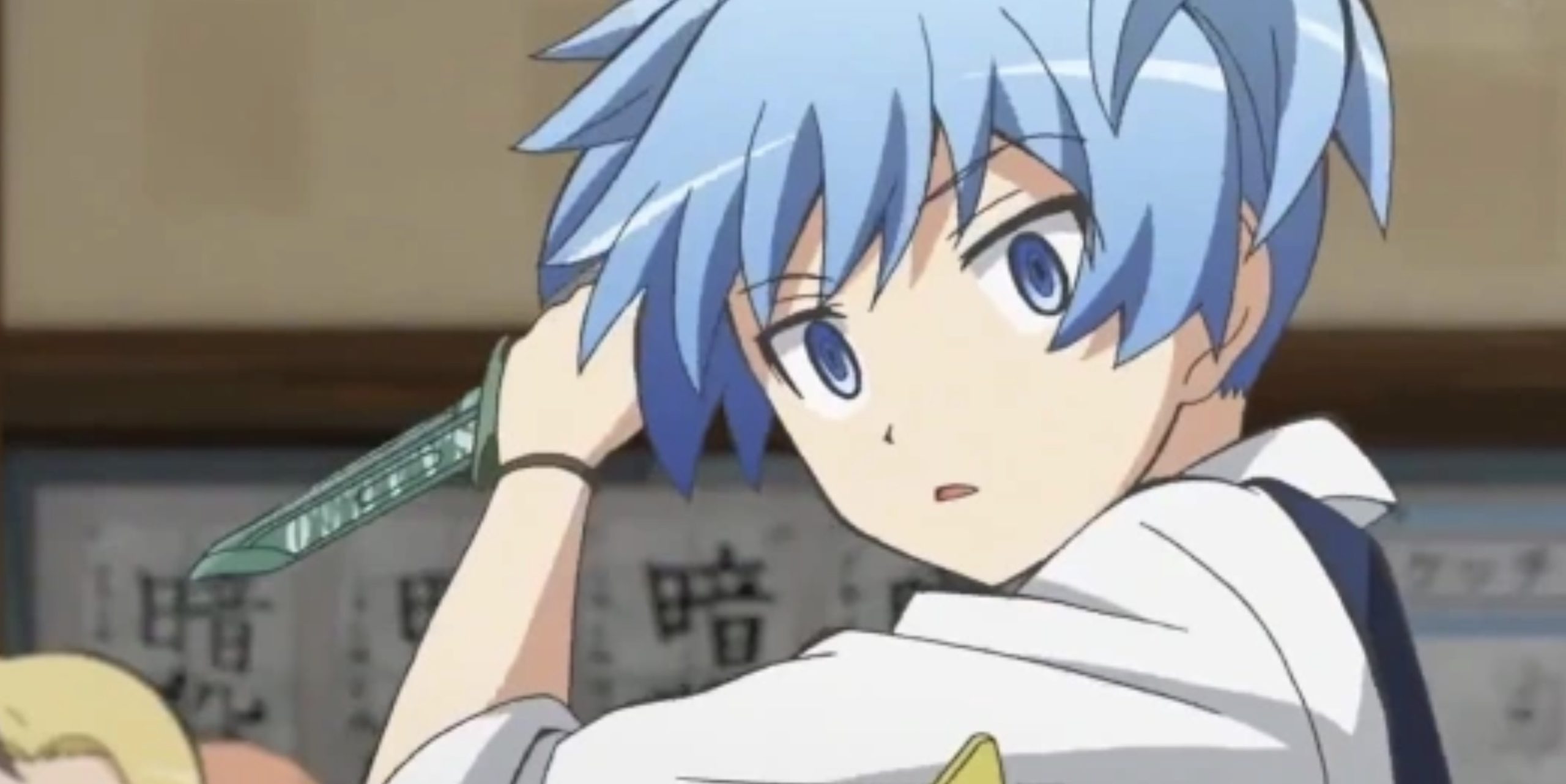
Nagisa From Clannad / Kyoto Animation
The specifics of Nagisa’s illness remain shrouded in mystery within the official source material, leaving fans to speculate on its nature.
Among the conjectures, sickle-cell anemia emerges as a plausible candidate—a rare condition in Japan but one that aligns with the symptoms exhibited by Nagisa, including sudden fevers and debilitating fatigue.
Nagisa’s plight serves as a poignant reminder of the fragility of life and the profound impact of illness on individuals and those around them. Her story resonates deeply with audiences, underscoring themes of resilience, love, and the enduring human spirit in the face of adversity.
5. Kaori
Kaori, the poignant female protagonist of Your Lie In April, finds herself ensnared in the cruel clutches of illness—a fate that places her among the group of anime characters perpetually afflicted by infirmity. Initially introduced as a vibrant and healthy individual, Kaori’s condition gradually deteriorates over the course of the series, leaving her in a perpetual state of sickness until her untimely passing.
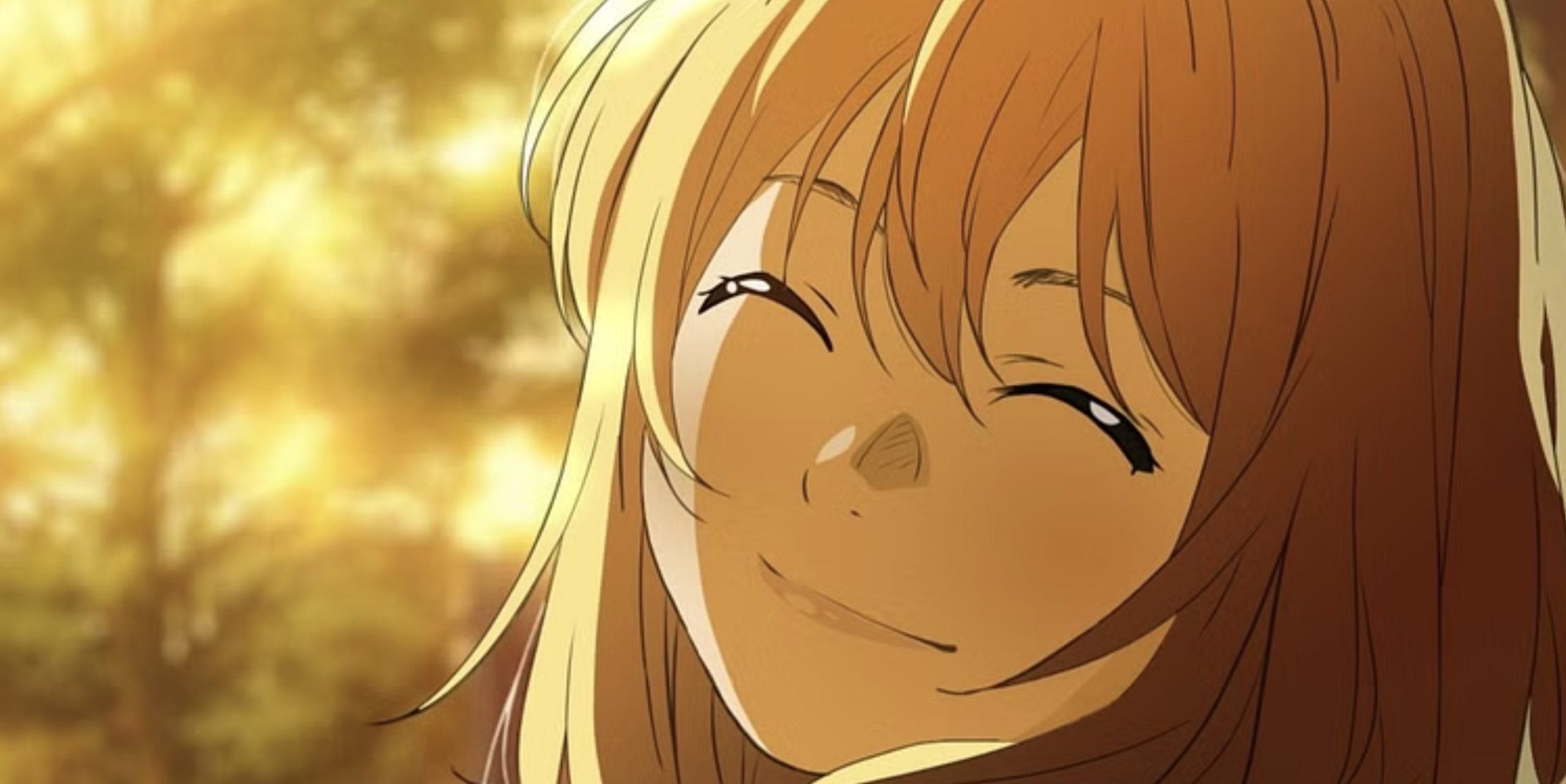
Kaori Your Lie In April / Naoshi Arakawa
Though the specifics of Kaori’s illness remain undisclosed in the official source material, fans have speculated on its nature.
Among the conjectures, Friedreich’s Ataxia emerges as a plausible candidate—a condition characterized by fatigue and imbalance of the body, mirroring the symptoms exhibited by Kaori as her health declines.
Tragically, Kaori’s journey is cut short before her final performance with Arima Kousei, the protagonist of the series, as she succumbs to her illness in the hospital.
Her story serves as a poignant reminder of the fleeting nature of life and the profound impact of illness on individuals and those who love them.
Through her struggles, Kaori embodies resilience and grace, leaving an indelible mark on the hearts of audiences who resonate with her tale of love, loss, and the pursuit of passion amidst adversity.
4. Clara Magnolia
Clara Magnolia, a supporting character in Violet Evergarden, is ensconced within the anime characters perpetually grappling with illness. Her narrative arc is defined by a poignant farewell—a terminal illness that casts a shadow over her remaining days.
With time slipping away, Clara entrusts Violet with a poignant task: to pen a series of letters destined for her daughter, a heartfelt legacy to be cherished long after her passing.
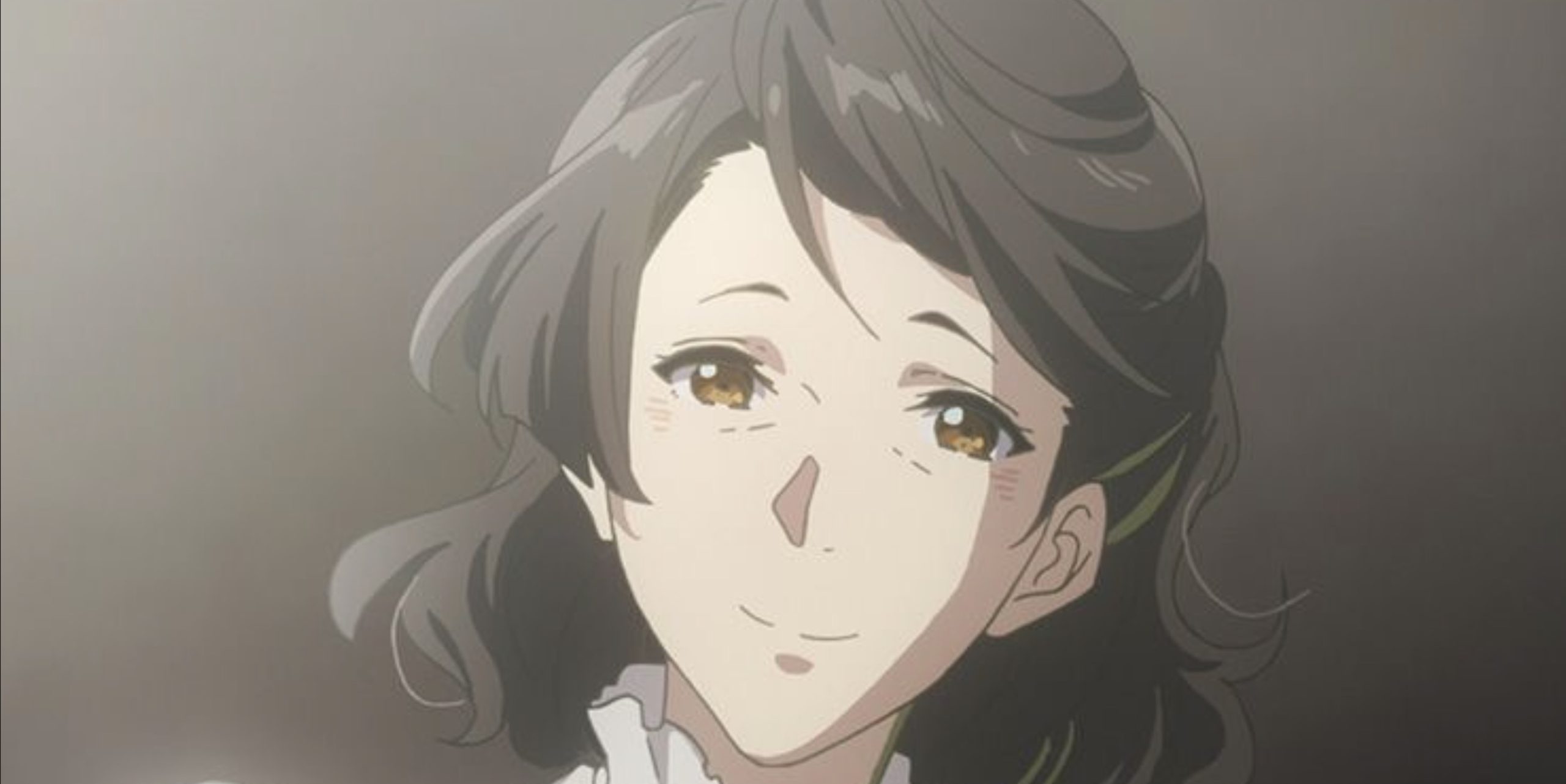
Clara Magnolia From Violet Evergarden / Kana Akatsuki
While the series offers no official disclosure regarding Clara’s specific ailment, her limited screen time leaves little room for insight into her symptoms. Consequently, the scope of her illness remains open to interpretation, encompassing a spectrum of terminal conditions such as cancer, organ failure, and others.
Despite the brevity of her appearance, Clara’s story resonates deeply, touching upon themes of love, loss, and the enduring power of connection.
Through her character, Violet Evergarden explores the profound impact of illness on individuals and their loved ones, weaving a narrative tapestry that elicits empathy and reflection from audiences.
Clara’s legacy, immortalized in her letters, serves as a testament to the resilience of the human spirit in the face of life’s most formidable trials.
3. Kaya
Kaya, a supporting character in One Piece, finds herself ensnared in a web of illness and deceit—a fate that aligns her with the group of anime characters constantly plagued by infirmity.
Her struggles unfold against the backdrop of a sinister plot orchestrated by her own butler, Klahadore, who poisons her slowly, sapping her vitality and leaving her lethargic and incapacitated at times.
Though the specific poison remains undisclosed within the series, fans speculate that Klahadore administered a sedative to keep Kaya bedridden, facilitating his nefarious schemes.
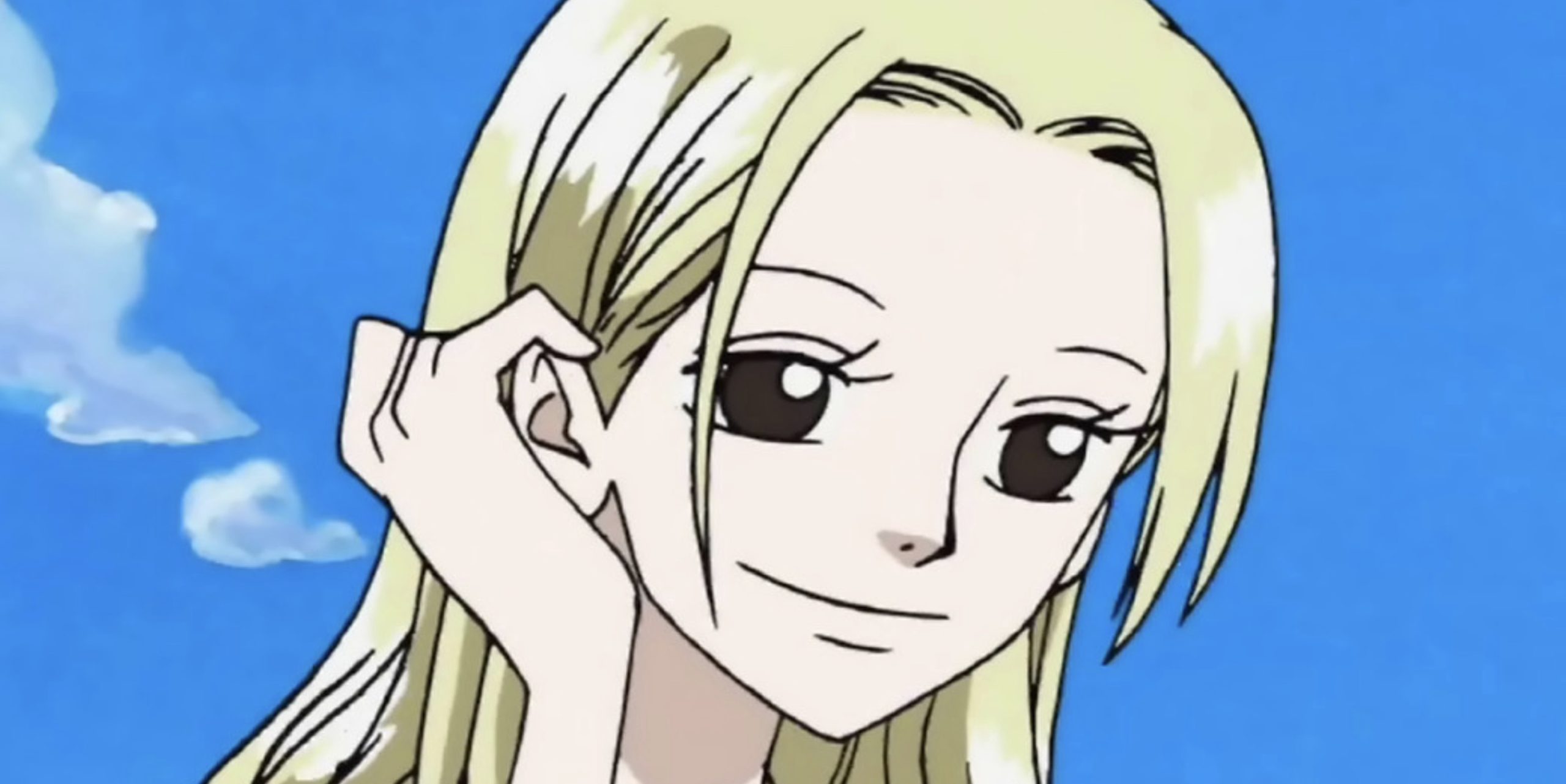
Kaya One Piece (Credits: Eiichiro Oda)
However, fate intervenes when Monkey D. Luffy’s bold invasion of Syrup Village disrupts Klahadore’s plans, sparing Kaya from further harm and robbery.
Kaya’s ordeal serves as a testament to the resilience of the human spirit in the face of adversity, highlighting the insidious nature of betrayal and the power of friendship to triumph over treachery.
Her story resonates with audiences, underscoring themes of perseverance and the enduring bonds that unite even the most unlikely allies in the pursuit of justice and redemption.
2. Kimimaro
Kimimaro, a supporting character in Naruto, finds himself entrenched in a tragic tale of illness and destiny—a narrative that places him among the ranks of anime characters persistently besieged by infirmity.
Originally slated to serve as Orochimaru’s next vessel, Kimimaro’s path takes an unexpected turn when he is spared due to a mysterious affliction that renders him unfit for the role, thus continuing his service under the enigmatic former.
Though the specifics of Kimimaro’s illness remain shrouded in mystery within the anime, fans have speculated on its nature. Among the conjectures, tuberculosis or cancer emerge as plausible candidates, given his manifestation of symptoms such as coughing blood—a hallmark sign of these diseases.
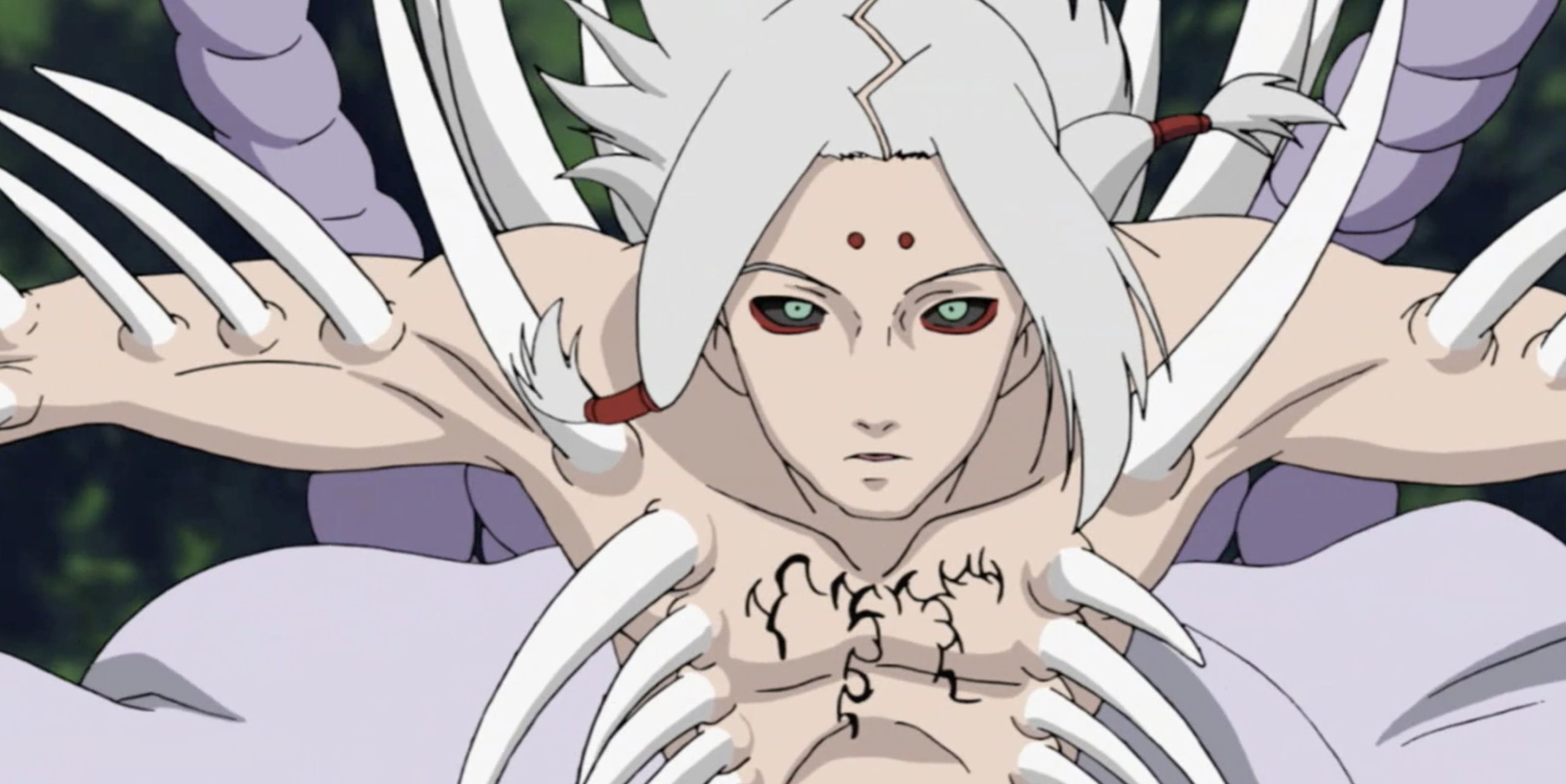
Kimimaro From Naruto (Credits: Masashi Kishimoto)
Tragically, Kimimaro’s journey is cut short as he meets his demise while engaged in battle. His story serves as a poignant reminder of the fragility of life and the enduring impact of illness on individuals and their destinies.
Through his character, Naruto delves into themes of sacrifice, redemption, and the indomitable spirit that persists even in the face of insurmountable odds.
Kimimaro’s legacy, immortalized in his valiant struggle against his affliction and his loyalty to his cause, leaves an indelible mark on the hearts of audiences who resonate with his tale of courage and resilience.
1. Nikaidou
Nikaidou, a supporting character in March Comes in Like a Lion, finds himself entangled in the complex web of illness—a fate that aligns him with the cohort of anime characters perpetually grappling with infirmity. His character draws inspiration from real-life shogi prodigy Satoshi Murayama, whose struggles mirror those of his fictional counterpart.
While the specifics of Nikaidou’s illness remain veiled within the anime, his real-life inspiration provides insight into a potential diagnosis.
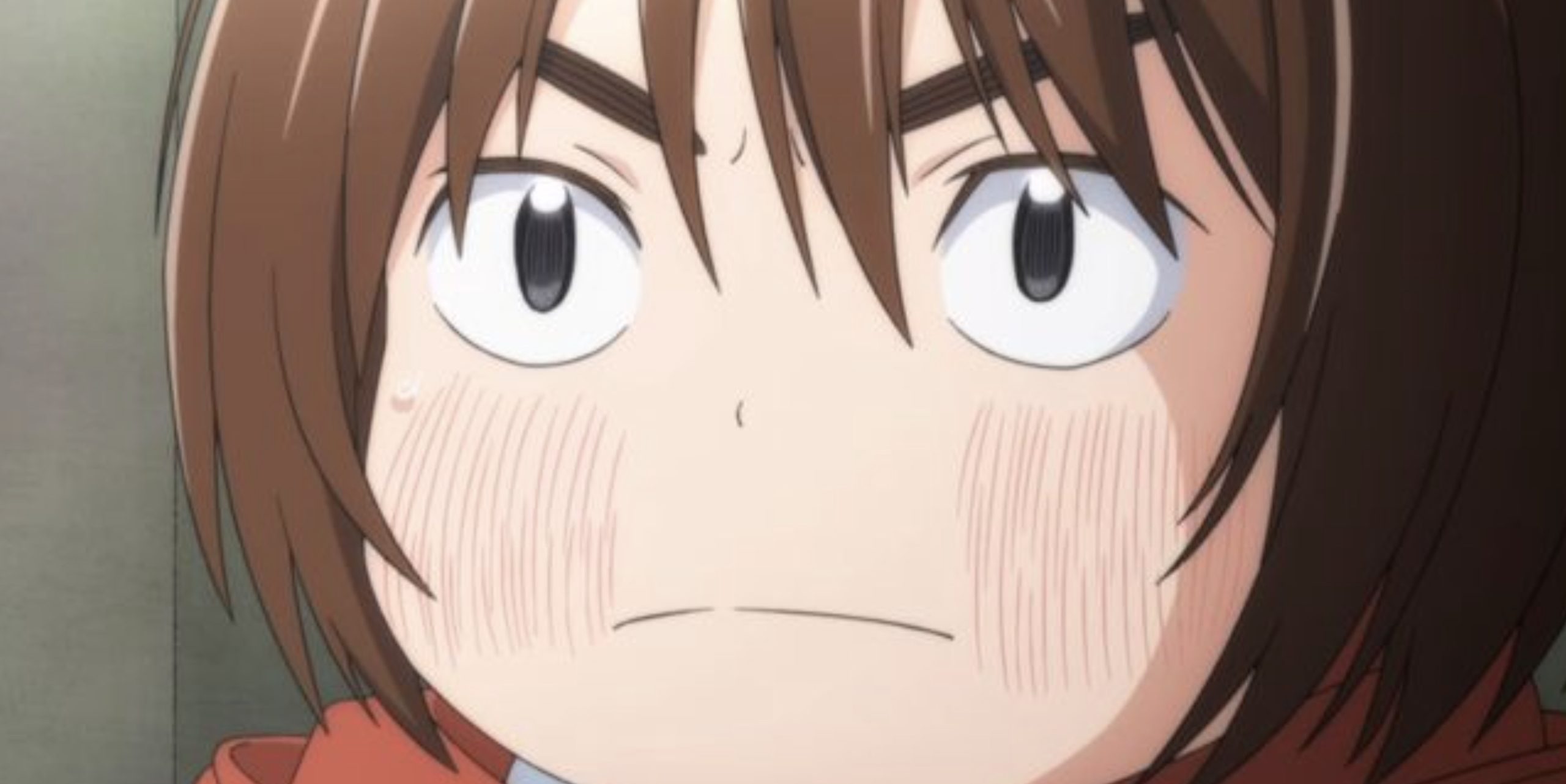
Nikaidou From Clannad / Kyoto Animation
Like Murayama, Nikaidou’s portrayal suggests affliction with Nephrotic Syndrome—a kidney-related disorder characterized by symptoms such as weight gain, fatigue, and other related manifestations.
Nikaidou’s journey, both on and off the shogi board, serves as a poignant exploration of the human spirit’s resilience in the face of adversity. Through his struggles, March Comes in Like a Lion delves into themes of perseverance, friendship, and the transformative power of empathy.
Nikaidou’s character, a reflection of the indomitable spirit that perseveres in the face of illness, leaves an indelible impression on audiences, resonating with those who find solace in tales of courage and resilience.
Honorable Mention
Desire Realization App
My Big Sister Never Says No
Stepmother’s Past

Kiriya Hakushakuke no Roku Shimai

Pixiv 62778551

Could You and Your Mom Stop Being Such.

Yachin ga Muri nara Omae no Karada de Haratte Moraou ka | If You Can’t Make Rent, Can I Have You Pay With Your Body? [NCP]
Kokoro no Ame | Rainy Heart
Atashi no Mizugi ga Suki? | Do You Like My Swimsuit?

Naruto centers on Naruto Uzumaki, an orphaned boy shunned by his village because of the Nine-Tailed Fox sealed inside him. Unaware of why he’s rejected, he yearns for acceptance and sets his sights on becoming Hokage, the village’s strongest ninja, in hopes of earning recognition and respect.
