Shojo anime often revolves around romantic stories that capture the hearts of viewers, creating some of the most beloved couples in anime.
However, many of these love stories, while popular, often involve relationships that wouldn’t be considered healthy in real life.
Even though these couples are admired for their passionate and dramatic romances, they sometimes display concerning behaviors that reveal the darker side of shojo relationships.
The genre is known for romanticizing toxic patterns, where relationships may include possessive partners or forceful love interests.
These traits are sometimes portrayed as passionate or desirable, but they can blur the line between love and manipulation.
As a result, these portrayals can unintentionally make unhealthy dynamics appear appealing, despite the negative consequences they would have in real-world relationships.
Another recurring issue in shojo romances is the significant age gaps between the characters. While the genre sometimes presents these differences as charming or exciting, they can be problematic when one partner holds more power or authority.
This can lead to an imbalance in the relationship, where the younger character may be easily influenced or pressured, raising concerns about consent and maturity.
Despite these problematic aspects, the popularity of these shojo couples hasn’t faded. Many fans continue to look back on these stories with nostalgia, finding comfort in their dramatic plots and intense emotions.
Still, the controversies surrounding some of these romances prompt a deeper look at how love is portrayed in anime and whether it sends the right message about what a healthy relationship should be.
1) Usui’s Actions Blur the Line Between Love and Harassment in Maid Sama!
Maid Sama! is a beloved shojo series that has garnered a loyal fanbase, often hailed as one of the best in the genre.
The central romance between Misaki Ayuzawa and Takumi Usui is especially popular, but it hasn’t aged well in some aspects.
While many fans still cherish their relationship, it’s clear that the beginnings of their story are filled with troubling elements that overshadow the romance.
The relationship kicks off when Usui discovers that Misaki works at a maid café, which she tries to keep secret.
Instead of respecting her privacy, Usui starts to invade her space, frequently visiting her workplace and using her secret against her.
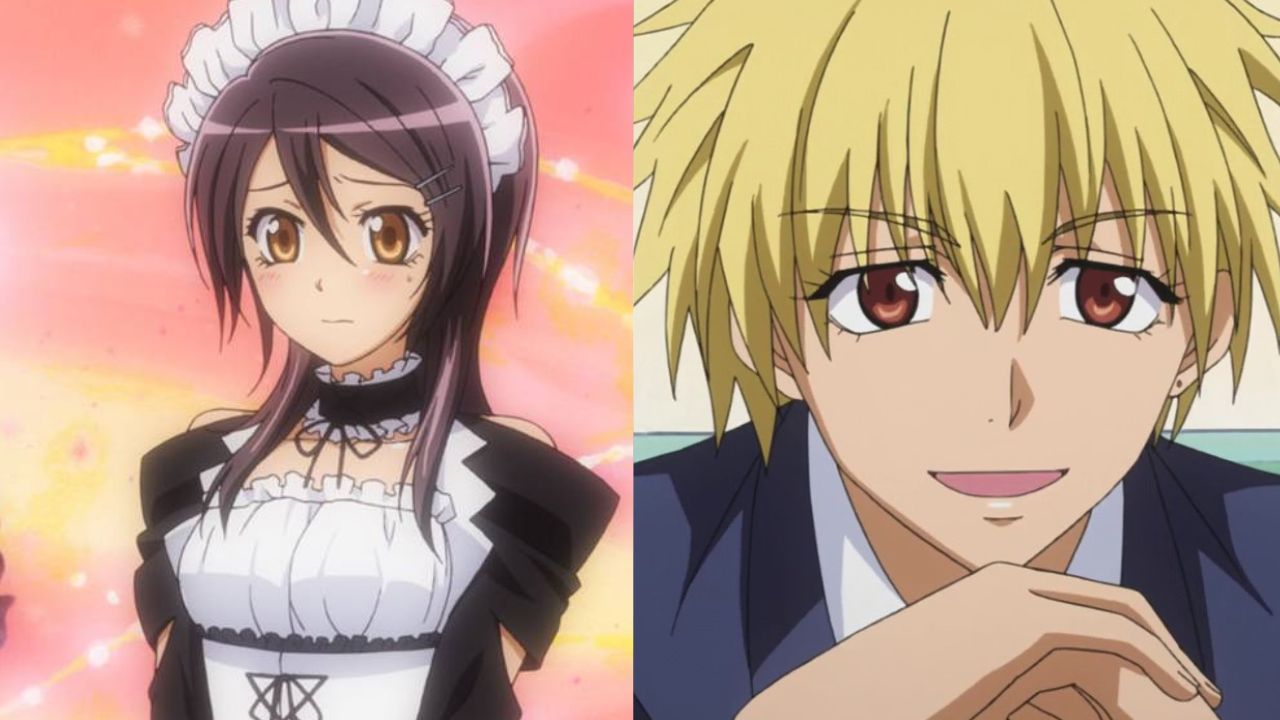
Maid Sama! (J.C. Staff)
His behavior can be described as harassment, as he tries to blackmail her into complying with his demands. This kind of treatment raises serious concerns about consent and respect in their relationship.
As the story progresses, Usui displays stalker-like tendencies that make it difficult to view their connection in a positive light.
He pressures Misaki into letting him into her life, often ignoring her boundaries. These actions create an uncomfortable atmosphere that detracts from the more romantic aspects of their relationship.
What should be a charming love story instead feels like an invasion of privacy and personal space.
Despite the issues present in their dynamic, fans still root for Misaki and Usui. However, the toxic beginnings of their relationship bring into question whether their romance is truly a healthy one.
The series serves as a reminder that even well-loved stories can have problematic elements, and it’s essential to examine how these dynamics play out in the story.
2) Romance That Struggles to Evolve With Modern Sensibilities in Ouran High School Host Club
Ouran High School Host Club is a well-loved shojo anime, capturing fans’ hearts with the unique bond between Haruhi Fujioka and Tamaki Suoh.
The pairing is built on their contrasting personalities, with Haruhi’s grounded and practical nature clashing against Tamaki’s charming and flamboyant ways.
While this opposites attract dynamic brings a lot of charm to the anime, their relationship isn’t without its complications.
Over time, certain behaviors in their interactions, particularly from Tamaki, have come under scrutiny for not holding up well with changing perspectives on relationships.
Tamaki genuinely cares for Haruhi, but his feelings often come across as more about his perception of who she should be rather than who she truly is.
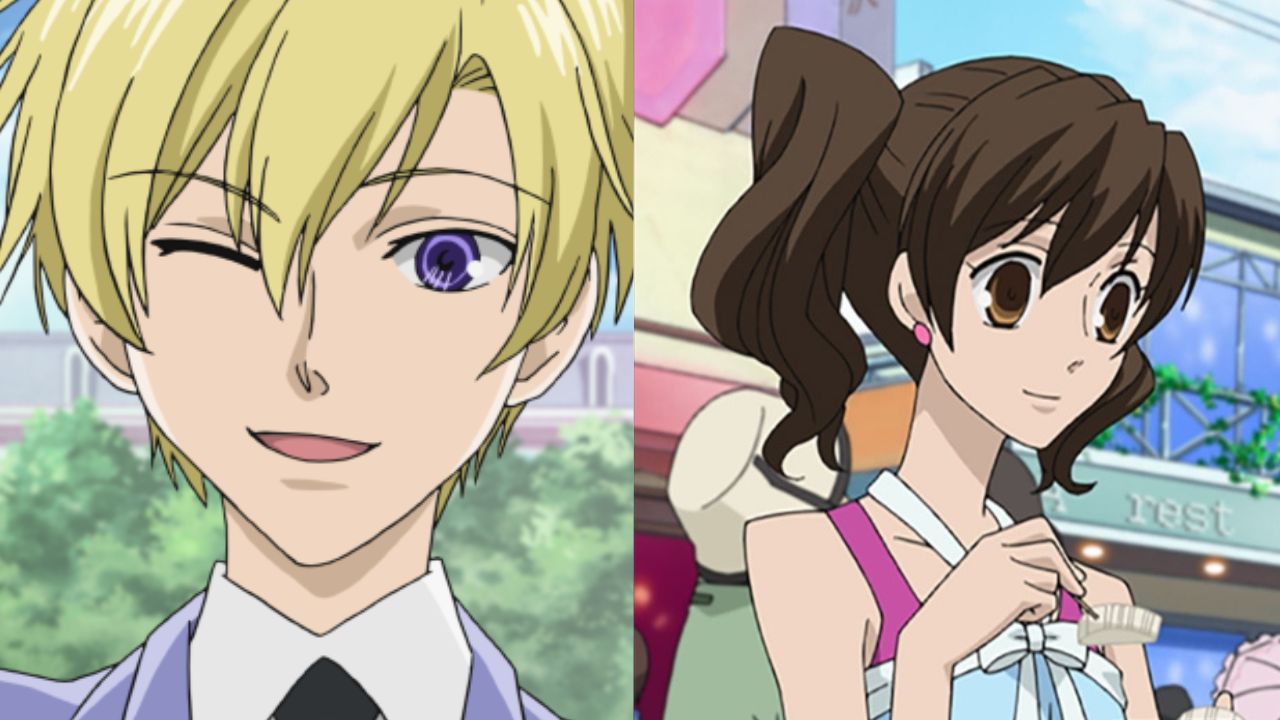
Ouran High School Host Club (J.C. Staff)
His view of Haruhi is sometimes shaped by his own fantasies and expectations, leading him to treat her less as an individual and more as a character in his idealized world.
There are instances where Tamaki’s protectiveness and possessiveness blur the lines, making it seem like he’s more interested in shaping her into his image of a perfect girl than respecting her own identity.
Haruhi’s personality challenges traditional gender norms, and she expresses little interest in conforming to conventional feminine traits.
This often puts her at odds with Tamaki, who regularly tries to push her towards a more traditionally girly appearance and behavior, believing it suits her better.
However, Haruhi feels comfortable in her own skin and resists being pigeonholed into a role that doesn’t align with her sense of self.
This disconnect between them highlights Tamaki’s struggle to fully accept Haruhi’s choices and creates friction in their relationship.
Despite the genuine affection that exists between them, the relationship sometimes falls into problematic patterns, where Tamaki’s idealized notions clash with Haruhi’s individuality.
These moments add complexity to their bond but also reveal outdated aspects of the series.
As much as Ouran High School Host Club remains a classic, the way their dynamic unfolds reflects some views that no longer resonate as positively, even though the anime continues to hold a special place in shojo anime.
3) My Little Monster Exemplifies Harmful Tropes
My Little Monster is a well-known series in the shojo genre, but it features a troubling romance that raises many concerns.
The story revolves around two main characters: Haru Yoshida and Shizuku Mizutani. From the start, Haru openly confesses his feelings to Shizuku, who is emotionally distant and doesn’t fully understand what he’s feeling.
Instead of respecting her rejection, Haru sees it as a challenge and becomes even more persistent in pursuing her.
Haru’s behavior towards Shizuku becomes overwhelming. He repeatedly expresses his feelings, not taking her no for an answer.
This constant pressure wears her down, making it difficult for her to maintain her boundaries. Rather than fostering a healthy relationship, Haru’s actions feel more like harassment, which is concerning.
Instead of supporting Shizuku’s autonomy, he pushes her into a situation she isn’t comfortable with.
Things take a darker turn as Haru’s behavior escalates beyond mere persistence. He exhibits emotionally and physically abusive tendencies, which are troubling to witness.
His violent outbursts and aggressive behavior are alarming, and they create an unhealthy dynamic between the two characters.
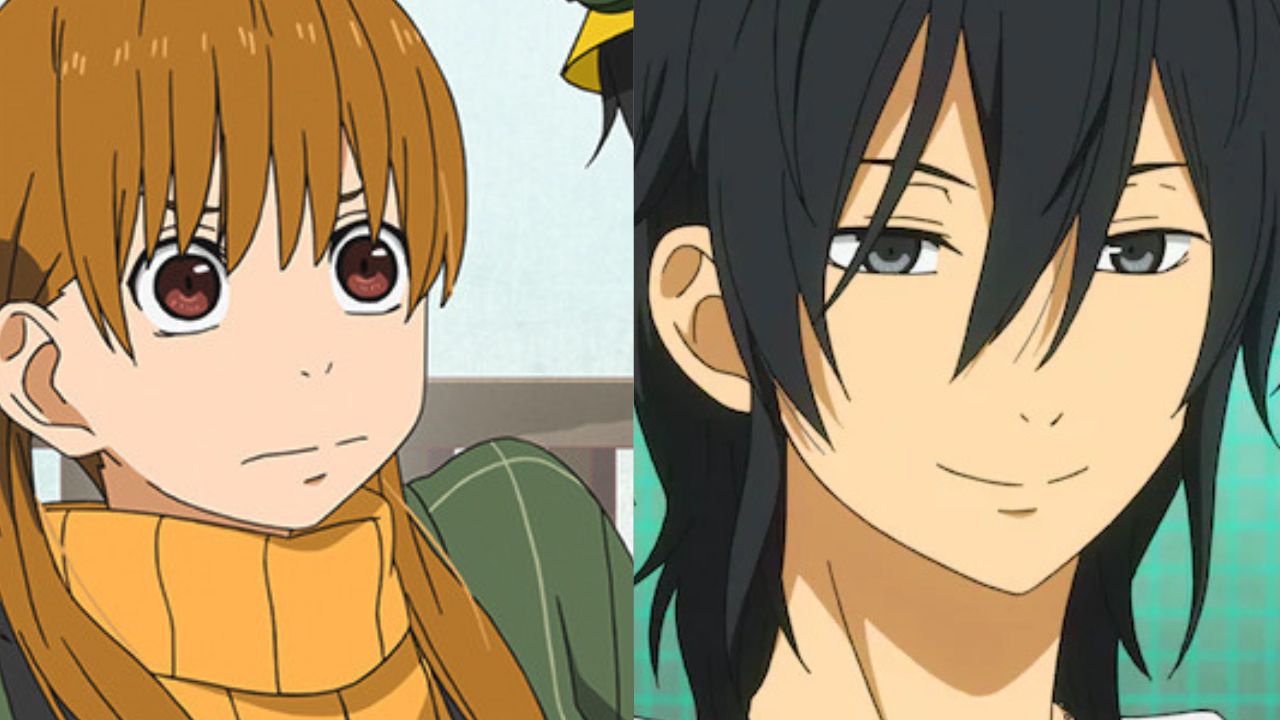
My Little Monster (Brain’s Base)
Such actions would be unacceptable in real life, yet the series often romanticizes these toxic traits. Despite the serious issues in their relationship, Shizuku and Haru remain a popular couple among fans.
Many viewers overlook the problematic aspects and focus instead on the idea of Haru’s determination to win Shizuku’s heart.
This disconnect between fantasy and reality highlights how some audiences may romanticize unhealthy relationships without recognizing the harm they can cause.
The portrayal of Shizuku and Haru’s romance in My Little Monster serves as a reminder of the dangers within certain shojo tropes.
The series presents a relationship that is far from a fairytale, filled with conflict rather than mutual respect and understanding.
The lack of healthy communication and boundaries contributes to a toxic environment that shouldn’t be idealized.
While My Little Monster may attract fans for its romantic storyline, it’s important to acknowledge the underlying issues that come with it.
Relationships depicted in media should reflect healthy dynamics rather than glorifying behaviors that can lead to emotional and physical harm.
This calls for a critical reassessment of how romance is portrayed in the shojo genre and the messages it sends to its audience.
4) Shigure and Akito’s Romance Remains a Divisive Topic Among Fans in Fruits Basket
In Fruits Basket, the Sohma family is full of tangled relationships, but none are as controversial as Akito and Shigure’s.
Akito, as the family head, holds significant power over everyone, while Shigure’s crafty and calculating personality allows him to handle these dynamics to his advantage.
Their relationship has always been divisive among fans, with some drawn to its dark and complex nature, while others find it unsettling and problematic.
Despite these mixed reactions, their romance remains a focal point of discussion and one of the most compelling yet troubling aspects of the series.
The power imbalance between Akito and Shigure is a key issue in their relationship. With Akito’s authority over the entire Sohma family, including Shigure, the balance of control is heavily tilted, adding a layer of manipulation to their interactions.
However, Shigure isn’t just a passive participant; he plays his own manipulative games, creating a back-and-forth dynamic that often feels more like a power struggle than a genuine relationship.
This constant manipulation from both sides adds a toxic element to their bond, making it difficult to see their love as entirely sincere.
Another concerning aspect is the significant age difference between Akito and Shigure, which further complicates their relationship.
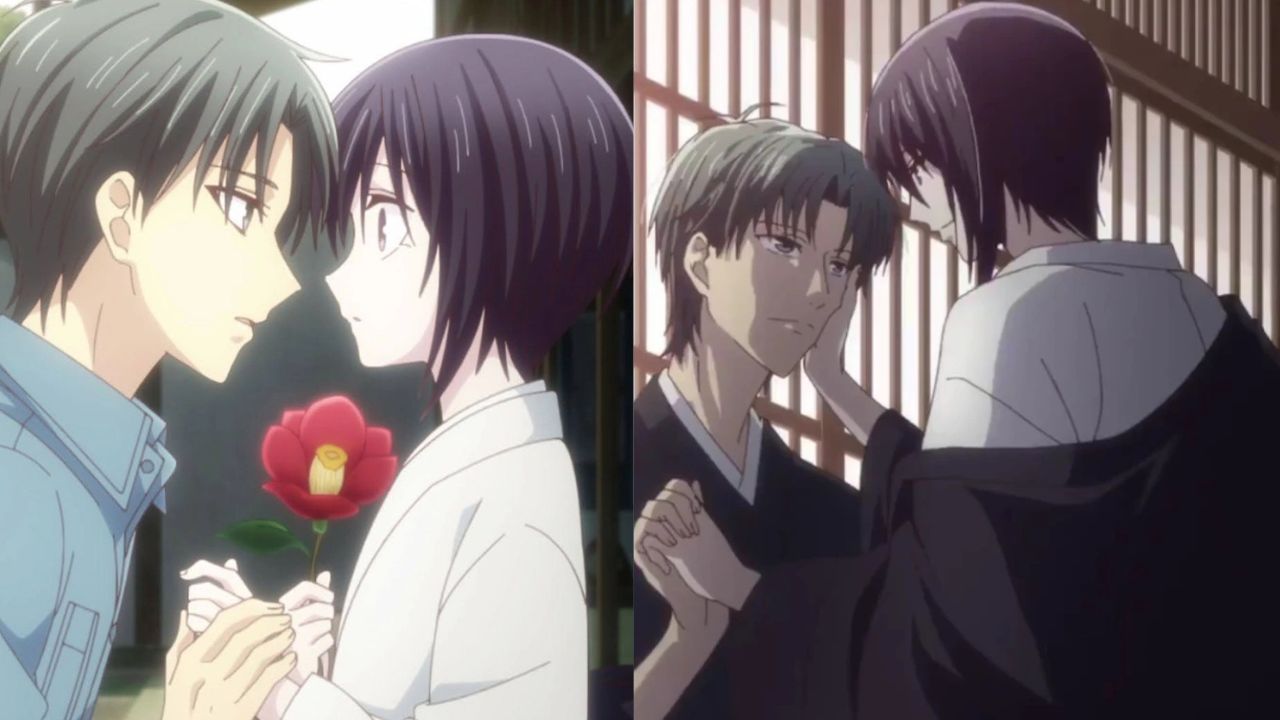
Fruits Basket (Studio DEEN)
Shigure’s older age raises questions about his true intentions, as his feelings often appear to be intertwined with taking advantage of Akito’s vulnerabilities.
The age gap blurs the line between a twisted form of love and exploitation, casting doubt on whether their connection is rooted in genuine emotion or driven by Shigure’s selfish desires.
This imbalance adds to the already problematic nature of their romance, pushing it into more unsettling territory.
Despite the toxicity and dysfunction, Akito and Shigure’s relationship adds a unique depth to the story, showing how love can become intertwined with power games and manipulation.
The complex and often disturbing nature of their bond challenges the audience to look beyond a typical romance and explore the darker aspects of human relationships.
Even if it isn’t a love story everyone can support, its amazing complexity leaves a lasting impact on the series.
5) Mei’s Struggle with Yamato’s Pressure in Say I Love You
The shojo genre often features the popular boy falling for a shy, outcast girl, and Say I Love You is a notable example of this trope.
The story revolves around Mei Tachibana, a lonely high school student who struggles to connect with others.
Her life changes dramatically after a chance meeting with Yamato Kurosawa, the most popular boy in school, who quickly falls in love with her after their first encounter.
At first glance, the relationship between Mei and Yamato appears sweet. Yamato’s desire to help Mei become more confident and open is a nice sentiment.
However, his approach to pursuing her is concerning. Instead of respecting her boundaries, he often tries to pressure her into forming a relationship, showing a lack of understanding of her feelings.
Yamato’s persistence can be seen as overwhelming, as he doesn’t take no for an answer. Even when Mei expresses discomfort or reluctance, he continues to push for a connection.
This behavior raises questions about the balance of power in their relationship, as it often feels one-sided. Mei’s feelings seem to be secondary to Yamato’s determination to be with her.
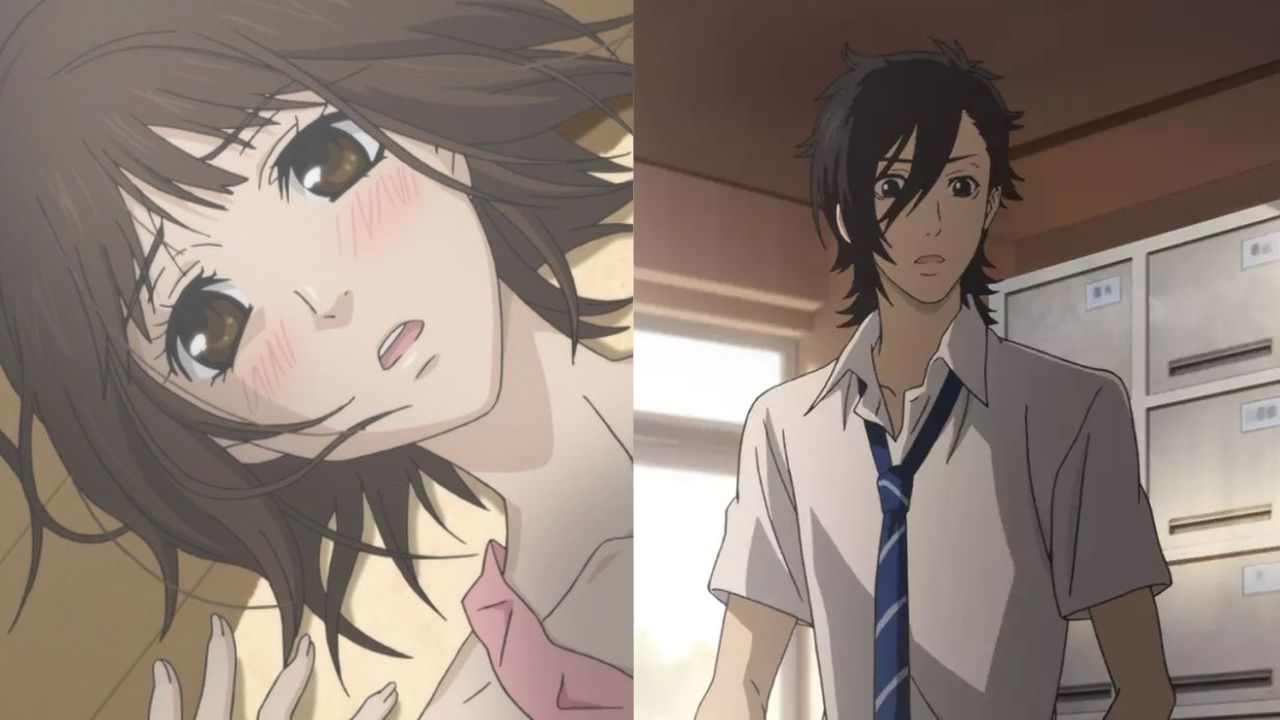
Say I Love You (ZEXCS)
While it’s admirable that Yamato wants to help Mei, his methods can come off as manipulative. He often prioritizes his emotions and desires over hers, making it hard for Mei to express herself freely.
This imbalance creates a dynamic that is troubling, especially when viewed through a more critical lens.
As the story progresses, it becomes clear that Yamato’s insistence on being close to Mei may not be as supportive as it seems.
His actions can undermine her autonomy and self-discovery. Rather than fostering a healthy relationship, his forceful tactics might inadvertently make Mei feel trapped.
Say I Love You presents a relationship that, while rooted in good intentions, reveals deeper issues concerning consent and respect.
The portrayal of Mei and Yamato’s romance invites viewers to reflect on the importance of understanding and valuing each other’s boundaries in any relationship.
6) Yuki’s Emotional Turmoil and Conflicting Affections In Vampire Knight
In Vampire Knight, the relationships among the main characters, particularly between Yuki Cross and her two love interests, Kaname Kuran and Zero Kiryu, reveal many unhealthy aspects.
One of the most significant issues is Kaname’s controlling behavior. He often makes decisions for Yuki without asking for her thoughts or feelings.
This controlling nature creates a sense that Yuki is more of a possession to Kaname rather than an equal partner, raising serious concerns about her independence and choices in their relationship.
Yuki’s emotional journey is complicated by her feelings for both Kaname and Zero. She finds herself torn between the two, which creates significant inner conflict.
The secrets that both Kaname and Zero keep from her make her emotional struggles even harder.
Instead of feeling supported, Yuki often feels manipulated as each boy has his own motivations that affect her happiness. This adds a layer of confusion and turmoil, making it difficult for Yuki to find clarity in her feelings.
Zero’s feelings for Yuki are also problematic, filled with jealousy and anger, especially concerning her bond with Kaname.
His darker side, fueled by his hatred for vampires, sometimes leads him to lash out at Yuki. This behavior mixes love with resentment, creating a toxic environment where Yuki often feels caught in the middle.
Instead of providing a sense of safety and affection, Zero’s actions complicate their relationship and add to Yuki’s emotional distress.
Meanwhile, Kaname’s feelings for Yuki veer into obsession. He sees himself as her protector and believes he is destined to keep her safe.
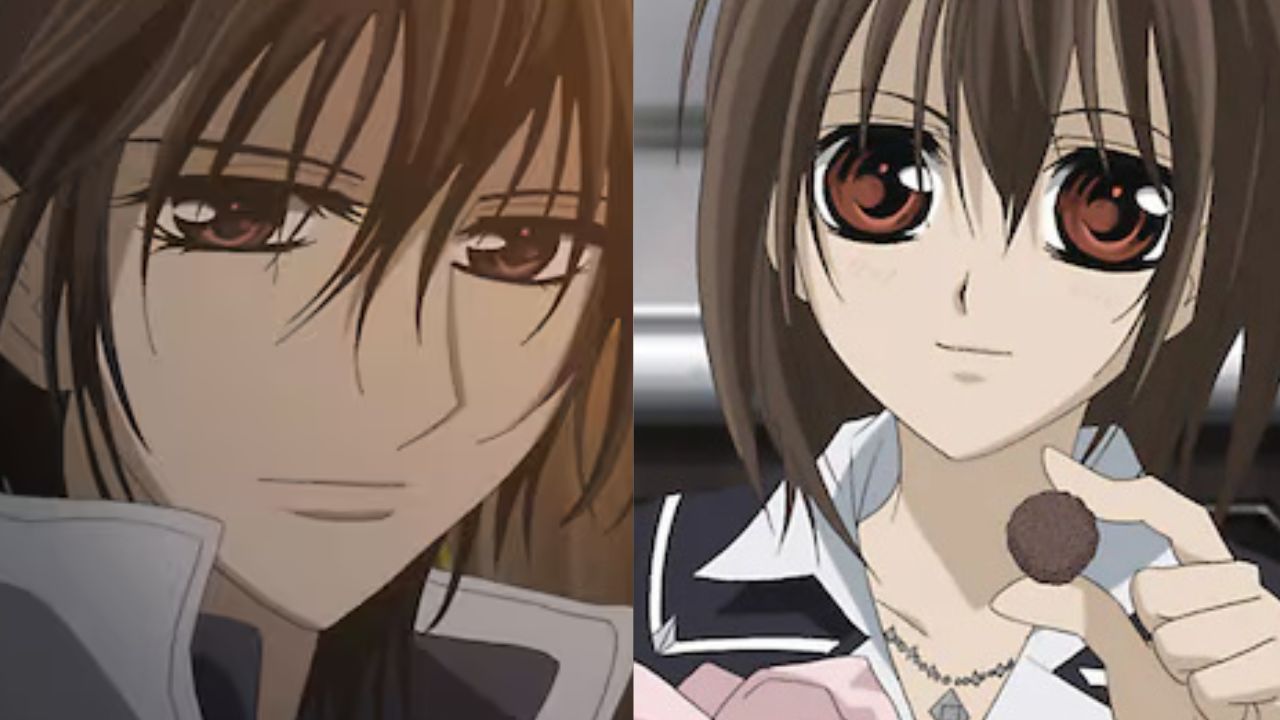
Vampire Knight (Studio DEEN)
While this may sound romantic, it actually restricts Yuki’s freedom and ability to make her own choices. Kaname’s possessiveness can overshadow any genuine feelings of love, making it hard for Yuki to feel truly free and equal in the relationship.
The love triangle between Yuki, Kaname, and Zero creates a constant emotional whirlwind. Each character carries their own baggage and traumas, which complicates their interactions.
This ongoing cycle of pain and misunderstanding prevents them from communicating openly and finding resolution.
Instead of fostering healthy relationships, their history and conflicts lead to continuous emotional turmoil for all involved.
Additionally, the societal pressures within the story play an important role in shaping the characters’ relationships. Yuki, being a human among powerful vampires, faces unique challenges that limit her choices.
This dynamic emphasizes her lack of power, making it difficult for her to handle her feelings and relationships.
The failure of the characters to communicate effectively adds another layer of complexity. Yuki struggles to express herself, while Kaname and Zero often act impulsively, leading to misunderstandings that only worsen their situation.
While Vampire Knight features intriguing characters and an amazing plot, the relationships presented are rife with unhealthy dynamics.
Issues of control, obsession, emotional manipulation, and poor communication make the love stories far from ideal.
These portrayals prompt important discussions about love and relationships, especially in a genre that sometimes glamorizes toxic behaviors.
7) Emotional Abuse Shapes Their Relationship in Wolf Girl and Black Prince
The relationship between Erika Shinohara and Kyoya Sata in Wolf Girl and Black Prince stands out as one of the most troubling romances in the history of shojo anime.
This series is known for its many toxic tropes, presenting a romantic comedy that is painful to watch. From the very beginning, Kyoya views Erika as nothing more than a toy.
He uses blackmail to control her, making her do humiliating things against her will. This dynamic sets the stage for a relationship filled with discomfort and manipulation.
As the story progresses, viewers witness several uncomfortable situations where Kyoya treats Erika harshly. He goes so far as to force her to act like his dog, showcasing his cruel behavior.
Instead of developing a loving connection, their interactions highlight Kyoya’s sadistic tendencies. This cruel treatment makes it hard for anyone to believe that real love could blossom between them.
The nature of their relationship raises serious concerns about the portrayal of romance in the series.
The fact that Erika eventually falls for Kyoya is shocking to many viewers. After enduring his mistreatment and abuse, her ability to develop feelings for him feels frustrating and unfair.
This aspect of the story not only reflects poorly on their relationship but also raises questions about how such dynamics can be romanticized in media.
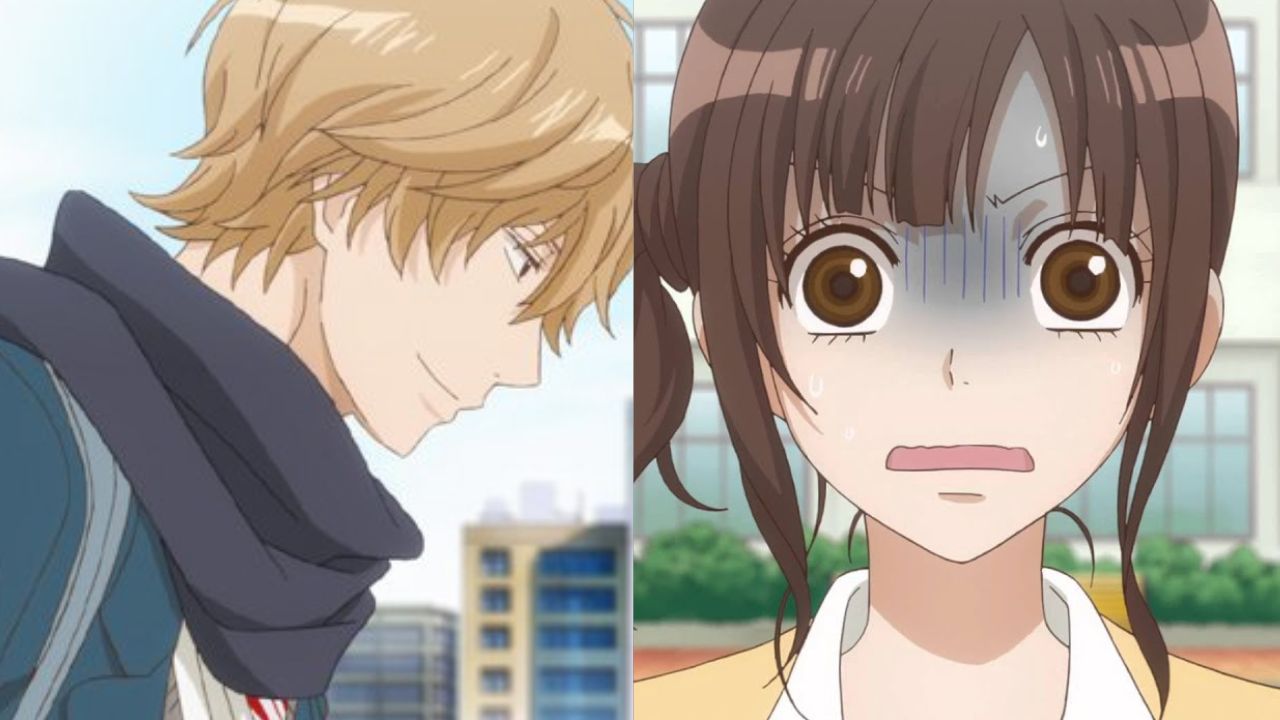
Wolf Girl and Black Prince (TYO Animations)
It is troubling to think that viewers might see this as an acceptable or relatable romance when it is rooted in such toxicity.
Despite its popularity when it first aired, this couple has not aged well in the eyes of modern audiences. Many fans now criticize the series for its problematic themes and troubling portrayal of relationships.
The shift in perspective reflects a growing awareness of the importance of healthy relationships in storytelling, especially in genres aimed at young audiences.
Viewers are increasingly questioning how these stories impact their understanding of love and consent.
In recent years, there has been a push for more positive representations of romance in shojo and other anime.
Many fans are advocating for stories that promote mutual respect, understanding, and emotional support between partners.
This shift highlights a desire for stories that uplift healthy relationships instead of glorifying toxicity and manipulation. As a result, older series like Wolf Girl and Black Prince face scrutiny for their outdated portrayals.
Wolf Girl and Black Prince serves as a cautionary tale about the dangers of romanticizing unhealthy relationships.
The story of Erika and Kyoya illustrates how harmful dynamics can be disguised as romance, making it essential for viewers to critically analyze the media they consume.
As the genre evolves, there is hope for more positive and realistic portrayals of love that resonate with modern audiences. The need for change in how romance is depicted remains more important than ever.
8) The Fine Line Between Sibling Love and Romantic Desire in My Next Life as a Villainess
In My Next Life as a Villainess, Katarina Claes’ mission to dodge the doom flags threatening her future leads her to unknowingly attract the affections of nearly everyone around her.
Her warm personality and genuine kindness form the foundation of her relationships, making her interactions with each admirer feel unique and heartwarming.
The variety of characters vying for her affection adds charm to the series, and the question of who Katarina might ultimately end up with keeps fans invested.
However, not all of her potential romances are without controversy, with one in particular standing out as problematic.
Keith Claes, who was adopted into the Claes family, is one of Katarina’s closest companions and views her as more than just a sibling.
Despite not being related by blood, they share a strong familial bond, having grown up together. However, Keith’s feelings for Katarina gradually shift from brotherly affection to romantic interest.
Initially subtle, his attempts to win her over become much more pronounced in the second season, introducing a sense of unease that disrupts the series’ generally lighthearted tone.
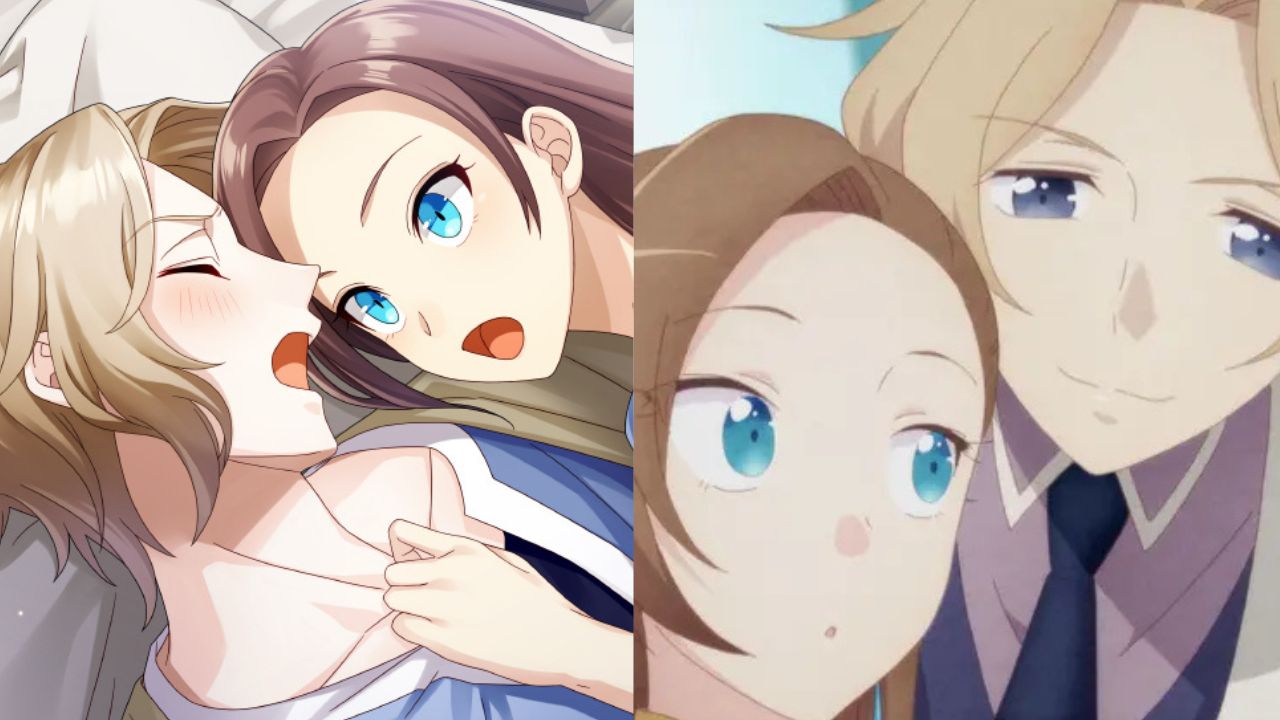
My Next Life as a Villainess (SILVER LINK.)
This shift in Keith’s behavior feels out of step with the otherwise wholesome atmosphere of the anime.
While Katarina’s other suitors approach her with light, innocent charm, Keith’s advances lean toward a more possessive and intense pursuit.
The transition from caring sibling to a character who increasingly views Katarina as a romantic interest blurs the lines and adds a layer of discomfort, which has left many viewers divided.
His growing infatuation doesn’t align with the playful nature of the story, making it harder for some to enjoy their interactions.
As a result, Keith’s evolving behavior has cast a shadow over what was once a joyful and endearing series.
His pursuit complicates the narrative, taking away from the otherwise delightful story of Katarina handling friendship and avoiding disaster.
For some fans, it has tainted the series’ charm, turning what could have been an innocent tale into a more troubling dynamic that detracts from the anime’s appeal.
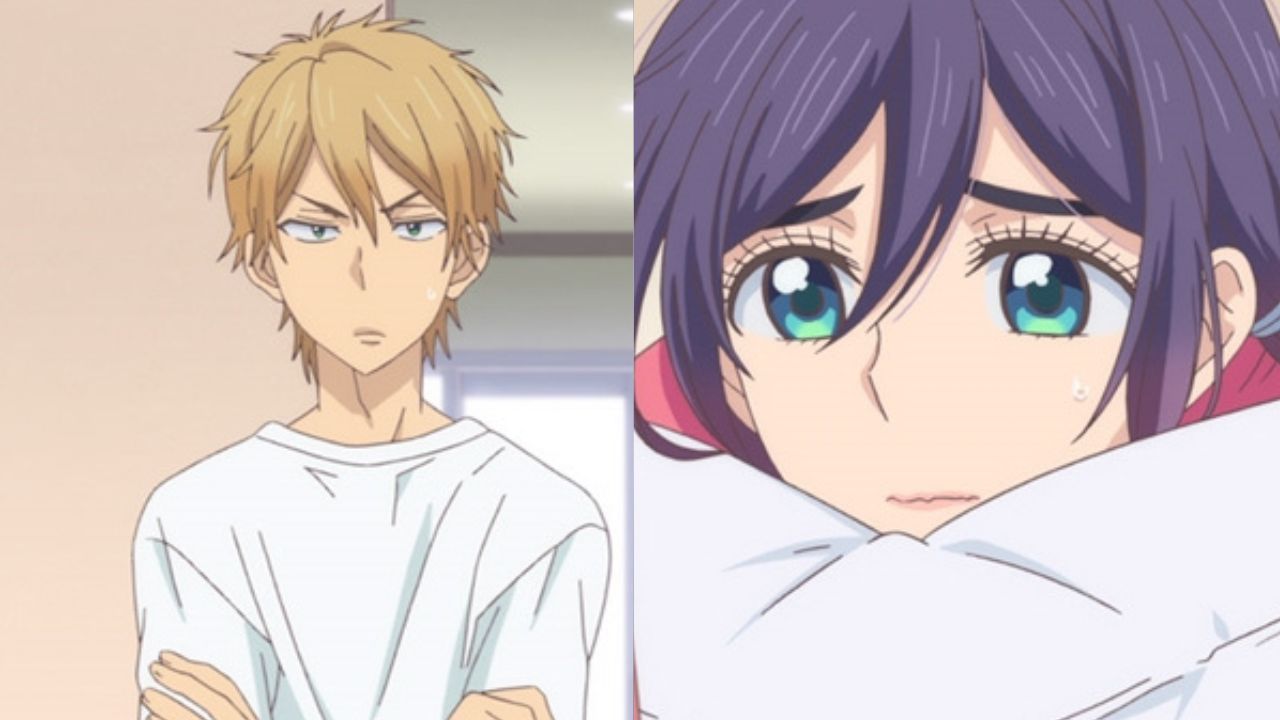
9) Rollercoaster of Relationships and Mixed Signals In Kiss Him, Not Me
In Kiss Him, Not Me, Kae Serinuma experiences a big change in her appearance, going from an awkward girl to a stunning beauty.
This transformation catches the attention of her love interests, who seem more interested in how she looks than who she is as a person.
This focus on her physical appearance takes away from the emotional connections that are important in any relationship.
It raises concerns about how people often value looks over personality, which can be damaging to the concept of genuine love.
The male characters in the series start to compete for Kae’s affection, but their methods can be quite superficial. Instead of genuinely getting to know her, they often rely on flashy gestures or shallow tactics to win her over.
This creates a situation where Kae feels like a trophy to be won rather than a person with her own thoughts and feelings.
It can be unhealthy when love becomes a competition, as it puts Kae in a position where she is objectified instead of respected.
Being at the center of this rivalry can also affect Kae’s ability to express her true feelings. With the boys constantly vying for her attention, she might feel pressured to choose one of them quickly.
This rush can prevent her from understanding her emotions or taking the time to figure out what she genuinely wants in a partner.
Kiss Him, Not Me (Brain’s Base)
The pressure can lead to confusion, making it difficult for Kae to enjoy her romantic experiences fully.
In addition to the external competition, the behaviors of the characters can be inconsistent. Some of them may shift from showing real interest to expressing jealousy or possessiveness.
This inconsistency creates an emotional rollercoaster for Kae, complicating her relationships with each boy.
When feelings are mixed, it can lead to misunderstandings and uncertainty about where everyone stands, making it hard for Kae to handle her love life.
Kae’s friendships also play a role in the complexity of her situation. While her friends often support her, there are times when their involvement can feel intrusive.
They might take it upon themselves to meddle in Kae’s romantic affairs, which can create additional stress.
This overstepping can blur the lines between friendship and romance, making it harder for Kae to focus on her own desires and feelings.
While Kiss Him, Not Me aims for humor and fun in its portrayal of romance, the relationships presented come with several issues.
The emphasis on looks, the competition among boys, and the inconsistent behavior of characters all contribute to a story that raises questions about healthy relationships.
It is important for stories like this to explore the deeper aspects of love and friendship, rather than just the surface-level excitement.
10) Age and Power Dynamics in Sailor Moon
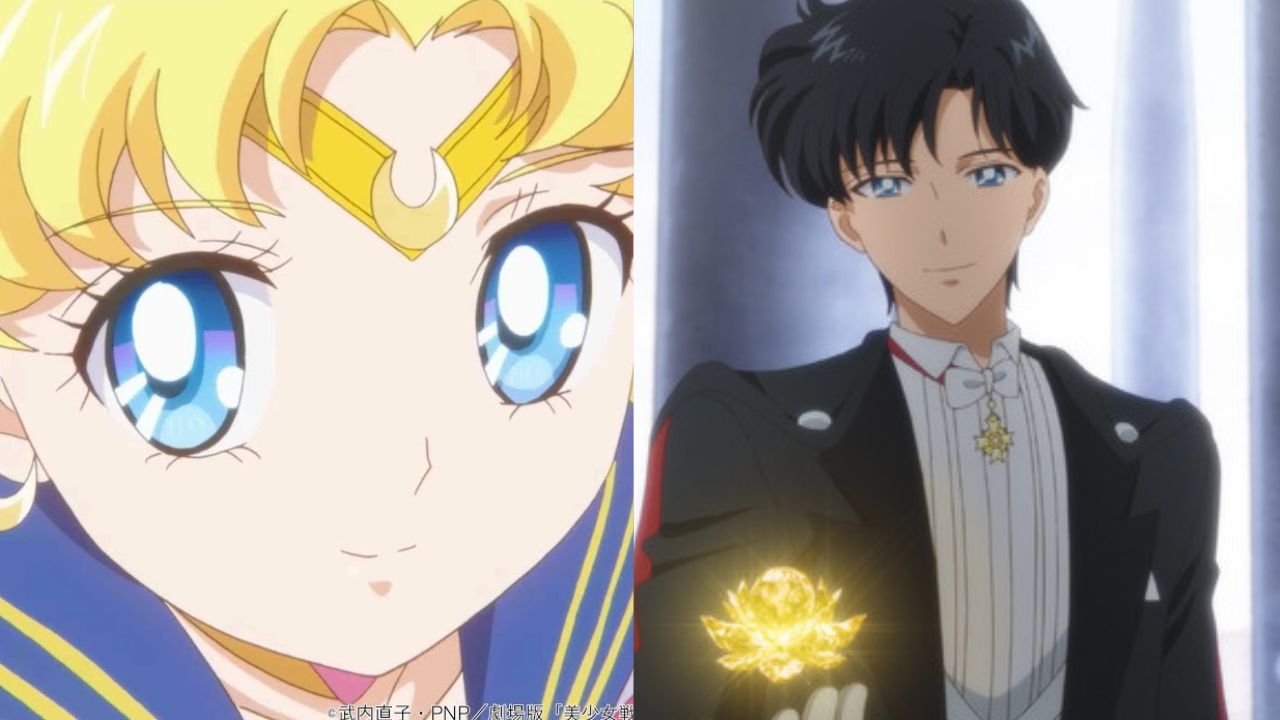
Usagi Tsukino and Mamoru Chiba are known as one of the most famous couples in shojo anime, particularly in Sailor Moon.
Their love story is central to the series, influencing many events and character developments throughout the story.
As iconic figures, their relationship has inspired many other anime couples, marking them as a defining pair in the genre.
However, beneath their romantic facade lies some complexities that raise questions about the nature of their bond.
One issue that stands out is the age difference between Usagi and Mamoru. In the original ’90s anime, Usagi is just 14 years old, while Mamoru is portrayed as a 17-year-old high school student.
Although this is only a three-year gap, it creates an uncomfortable dynamic where Mamoru’s pursuit of Usagi can come off as slightly inappropriate.
This age difference can lead to mixed feelings about their relationship, especially considering the context of their interactions.
Sailor Moon (Toei Animation)
Mamoru’s treatment of Usagi often raises concerns about his character. At times, he can be unkind to her, teasing her and being emotionally distant during critical moments in the story.
His behavior makes viewers question whether his feelings for Usagi are genuine or if their connection is merely a result of their past lives together.
This inconsistent treatment can overshadow the affection that they share, leaving fans wondering about the depth of Mamoru’s love.
Despite these issues, Usagi and Mamoru’s relationship remains a core part of Sailor Moon, amazing fans with its highs and lows.
Their journey, filled with challenges and growth, offers a mix of romance and drama that resonates with many viewers.
However, the problematic aspects of their dynamic invite deeper reflection on how love is portrayed in anime, particularly regarding age and emotional respect in relationships.
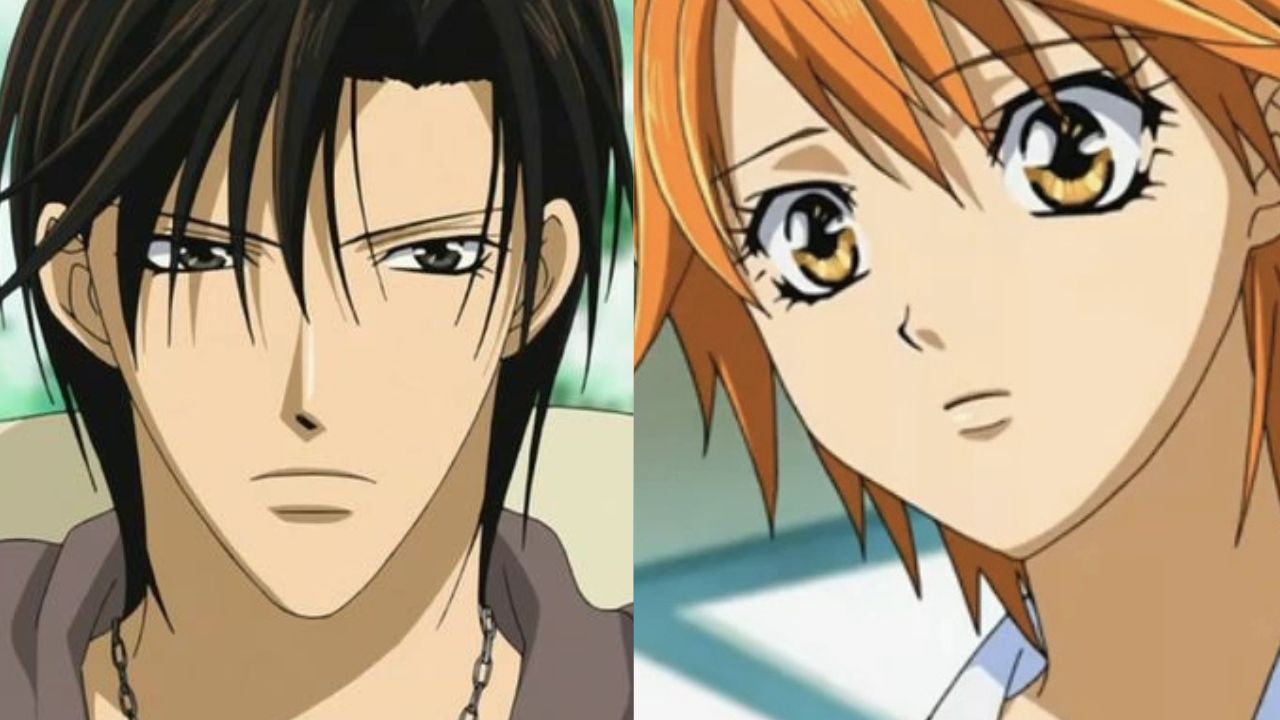
11) Barriers to Connection in Ren and Kyoko’s Relationship In Skip Beat!
In Skip Beat!, Ren Tsuruga is portrayed as a character who struggles with emotional distance. He deals with his own past traumas, which prevents him from fully opening up to Kyoko Mogami.
This emotional wall makes it hard for Kyoko to connect with him on a deeper level. As she seeks a meaningful relationship, Ren’s inability to share his feelings often leaves her feeling ignored and uncertain about their bond.
The lack of communication about their emotions creates barriers that make their relationship more complicated.
Kyoko’s journey begins with a desire for revenge against her ex-boyfriend, Shoutaro, who took advantage of her.
This motivation drives her to enter the entertainment industry, aiming to prove her worth and show him what he lost.
However, her focus on revenge can overshadow her true feelings for Ren. Instead of developing a genuine relationship, her initial motives complicate their connection, making it hard for her to see Ren for who he is outside of her revenge quest.
The relationship between Kyoko and Ren also highlights a power imbalance. Ren is a well-known actor, while Kyoko is just starting her career.
This difference in status can lead Kyoko to feel inferior and insecure about herself. She often questions her value in the relationship, wondering if she is good enough for someone like Ren.
This power dynamic can create challenges as they handle their feelings for one another, making it harder for Kyoko to feel confident in herself.
Skip Beat! (Hal Film Maker)
Ren’s protectiveness over Kyoko is another aspect of their relationship that can be seen as both caring and suffocating.
While he genuinely wants to keep her safe, this overprotective instinct can limit her independence. Kyoko needs to learn and grow on her own as she faces challenges in her career.
When Ren steps in too much, it can hinder her development and make her rely on him rather than fostering her own strengths.
Throughout the series, miscommunication is a recurring issue for both characters. They often find it difficult to express their true thoughts and feelings, which leads to misunderstandings and emotional pain.
Their inability to have open conversations prevents them from resolving their issues and contributes to the emotional turmoil in their relationship.
Instead of addressing their problems directly, they tend to let them linger, causing frustration and confusion.
Finally, both Kyoko and Ren carry emotional baggage from their past experiences. Ren’s traumas make it challenging for him to fully engage in a relationship, while Kyoko’s history shapes how she interacts with others.
This shared struggle can create a unique bond, but it can also complicate their romantic connection. They both need to confront their pasts and learn to communicate effectively to build a healthier relationship.
While their love story is compelling, it showcases many issues that prevent it from being entirely healthy.
12) Shugo Chara! is a Magical Girl Series with Dark Undertones
Shugo Chara! was a hugely popular magical girl anime in the late 2000s, drawing in many fans with its themes of romance.
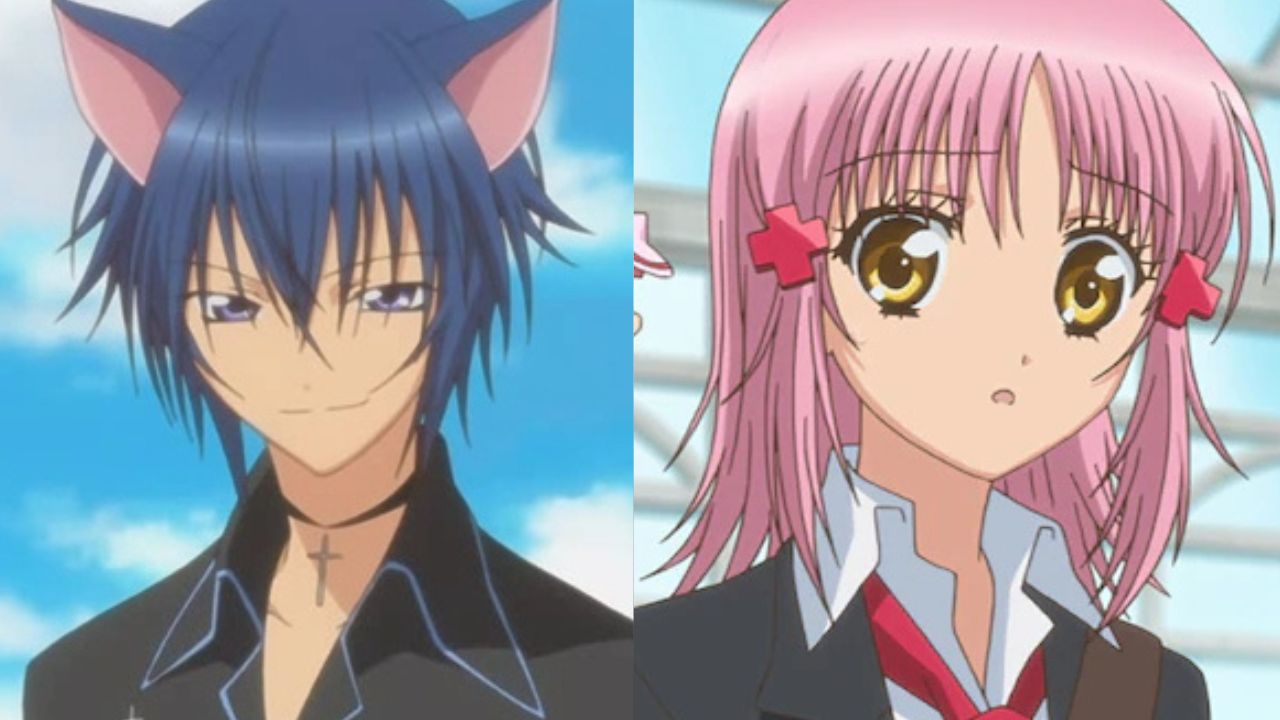
Among the various couples in the series, the relationship between the main character Amu Hinamori and Ikuto Tsukiyomi, known as Amuto, stood out as the favorite among viewers.
Fans felt a strong connection to this couple, and their chemistry made them a beloved pairing in the series.
However, as fans have reflected on the anime over the years, concerns have arisen about the appropriateness of this relationship.
One major issue with Amuto is the significant age gap between the two characters. Amu is only 11 years old, while Ikuto is a 16-year-old high school student.
This difference in age raises serious questions about the dynamics of their relationship. Many fans now find it troubling that a teenager is romantically involved with someone so much younger and still in elementary school.
The age difference brings an uncomfortable element to their interactions. Ikuto’s behavior towards Amu adds to the problems in their relationship.
Shugo Chara! (Satelight)
Throughout the series, he often flirts with her and displays a lack of respect for her personal space. In several instances, he touches her without her permission, which takes the affection between them into disturbing territory.
The implications of non-consensual behavior create a negative light on their relationship, suggesting that it is not a healthy example of romance.
As time has passed, many long-time viewers have reconsidered their support for the Amuto pairing. What was once seen as a charming romance is now widely regarded as problematic.
Fans recognize that the nature of their relationship, marked by significant age differences and inappropriate behavior, is something that should not be romanticized.
This shift in perspective reflects a broader understanding of healthy relationships in media and the importance of consent, particularly when it comes to young characters.
13) Abuse and Emotional Neglect in Gravitation
In the 1990s and 2000s, finding Boys Love (BL) anime was quite challenging. However, Gravitation changed that by bringing the genre into the spotlight.
It became a significant title for many fans, praised for its influence on the evolution of BL. Despite its groundbreaking nature, Gravitation shares many of the same problematic themes that appear in classic Boys Love stories.
The main characters, Shuichi Shindo and Eiri Yuki, were once celebrated as an iconic couple in the BL community.
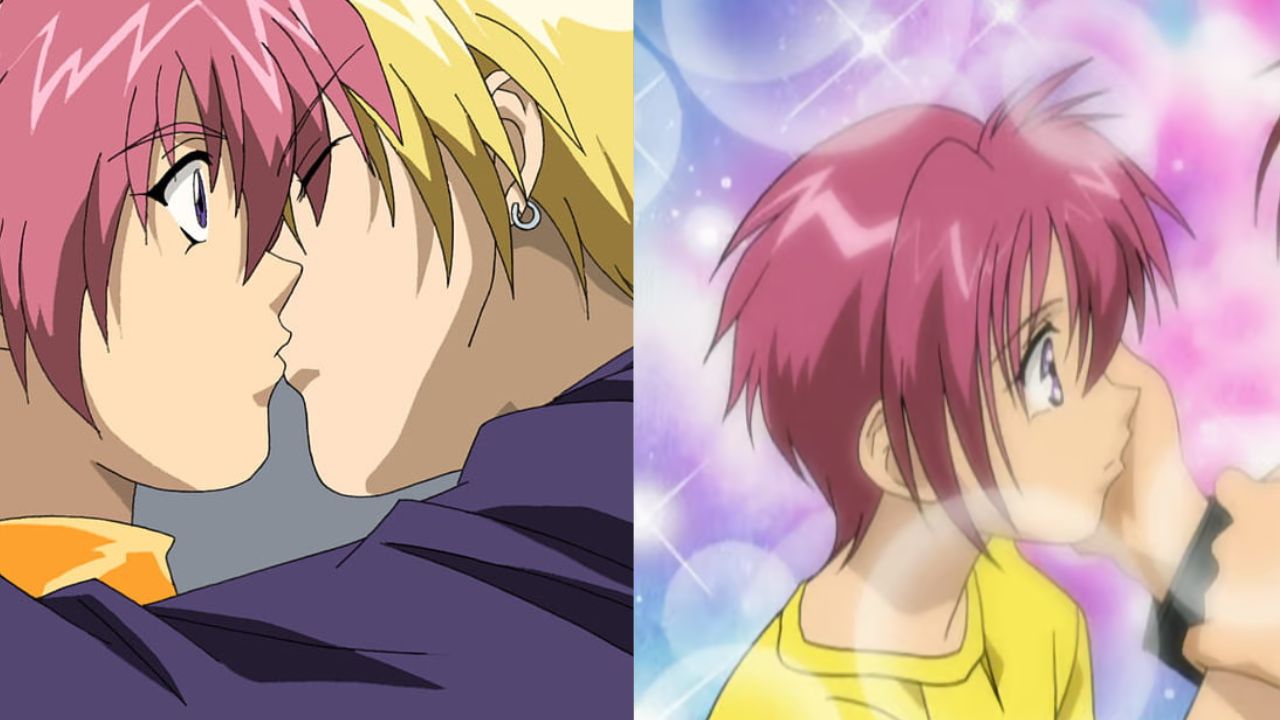
However, their relationship has lost favor with many fans over the years due to its toxic elements. Their romance starts with a non-consensual kiss, which sets a troubling tone for their interactions from the beginning.
This moment highlights issues of consent that are often overlooked in the genre. Shuichi is portrayed as loving and devoted to Yuki, who is characterized by his cold and harsh demeanor.
Yuki’s behavior is shaped by a traumatic experience from his youth, which has left him emotionally scarred.
Unfortunately, instead of seeking help, Yuki takes his pain out on Shuichi, creating a toxic dynamic between them. This cycle of emotional neglect and cruelty makes their relationship hard to root for.
Despite Shuichi’s unwavering support for Yuki, the way Yuki treats him raises serious concerns. Many viewers feel sympathy for Yuki’s mental health struggles but find it unacceptable that he directs his issues toward Shuichi.
Gravitation (Studio DEEN)
This emotional abuse creates a troubling atmosphere, where Shuichi’s love seems unreciprocated and unhealthy.
Over time, audiences have begun to recognize and critique the unhealthy aspects of their relationship. The initial appeal of Shuichi and Yuki as a couple has diminished as viewers reflect on the implications of their toxic romance.
While the series has historical significance in the BL genre, it also serves as a reminder of the pitfalls that can arise in storytelling.
Gravitation highlights the need for more thoughtful portrayals of relationships in Boys Love anime. As the genre continues to evolve, fans are increasingly looking for stories that prioritize healthy dynamics and mutual respect.
This shift in perspective indicates a growing awareness of the importance of consent and emotional well-being in romantic relationships.
Sauce at Honorable Mentions On Next Page
Honorable Mentions
Yume ka Utsutsu ka
Saimin Seishidou
Sis’s Boyfriend by Regdeku
HANAB**CH BORUTAGE
Wakamatsu
As we approach the final two episodes of Only Murders in the Building Season 4, the mysteries that have kept fans on edge are starting to reveal themselves.
While there are still questions surrounding the biggest puzzle — the death of Sazz (Jane Lynch) — a secondary mystery has been running parallel, one that has captured the curiosity of both the characters and viewers: the peculiar residents of the West Tower, known as “the Westies.”
The Introduction of the Westies: A Quirky Group of Suspects
We were first introduced to the Westies early in Season 4, when Mabel (Selena Gomez), Charles (Steve Martin), and Oliver (Martin Short) began investigating potential suspects in Sazz’s murder.
The trio had their hands full, especially after Charles’s near-death experience, and the Westies quickly became persons of interest due to their strange behavior and close proximity to the crime scene.
Backed by their Hollywood counterparts, who refused to stay out of the investigation, Mabel, Charles, and Oliver set their sights on learning more about the Westies. To do this, they devise a clever plan to gather all of them in one place: a friendly game of Oh Hell at Oliver’s apartment.
Oh Hell, a card game, becomes the perfect cover to lure the Westies into a relaxed, social setting where the trio hopes they’ll let some crucial details slip. Their strategy is simple: get the Westies comfortable enough to talk and possibly reveal their involvement in any suspicious activities. However, the situation quickly takes a dangerous turn.
The Westies, initially appearing friendly and harmless, soon drop their cheerful demeanor and pull weapons on the trio. They reveal that they know Mabel, Charles, and Oliver have been spying on them and accuse them of prying into their personal lives.
The Westies are fully aware that the trio has caught them cashing Dudenoff’s checks, which they try to explain. As tensions rise, the Westies become defensive, especially when Mabel and the group accuse them of being involved in Dudenoff’s death.
They adamantly deny these accusations, but their explanations soon lead to deeper reveals of who they really are and how they ended up in their current situation.
The Westies Share Their Stories: Personal Connections to Dudenoff
As the Westies sit down one by one to share their personal stories, we learn how each of them became intertwined with Dudenoff’s life. Alfonso (Desmin Borges), a member of the Sauce Family, is the first to speak. Alfonso reveals that Dudenoff and his wife used to be regulars at their restaurant, coming in frequently to enjoy meals together.

Still from Only Murders in the Building (Credit: Netflix)
After Dudenoff’s wife passed away, he became reclusive and began ordering takeout instead of dining at the restaurant. Alfonso and his family, wanting to maintain the relationship they had with Dudenoff, would personally deliver his meals, often stopping by his apartment on their way home.
It was during these deliveries that Alfonso and his family began spending more time with Dudenoff, eventually playing cards with him — specifically, Oh Hell — on Friday nights.
The game became a regular event, and their bond with Dudenoff deepened. Alfonso is adamant that they had nothing to do with Dudenoff’s death, insisting that they loved him and saw him as a member of their family.
Next, the spotlight shifts to Rudy (Kumail Nanjiani), another Westie who shares his story of how he met Dudenoff. Rudy, an aspiring actor, first encountered Dudenoff when he decided to take one of Dudenoff’s acting classes. In a bid to impress Dudenoff, Rudy memorized a monologue from A Few Good Men, one of Dudenoff’s favorite films.
During class, Rudy performed the monologue and caught Dudenoff’s attention, leading to a growing relationship between them. Dudenoff was impressed by Rudy’s talent and invited him to his apartment, where they bonded further over their shared love of movies.
Rudy, like Alfonso, denies having any involvement in Dudenoff’s death, insisting that their connection was purely based on friendship and mutual admiration.
The final Westie to share his story is Vince (Richard Kind), who had a similarly close relationship with Dudenoff. Vince, a widower, explains that after his wife passed away, he promised her that he wouldn’t become a lonely, eccentric old man. He struggled to keep that promise, often feeling lost without her.
One day, Vince stumbled upon Dudenoff’s class and saw it as a sign — a way to reconnect with the world and keep his wife’s memory alive. Vince, a lover of classic films, found solace in Dudenoff’s appreciation for old movies, and the two of them bonded over their shared passion for cinema.
They spent hours discussing films, and Dudenoff even invited Vince to join his card games with the rest of the Westies. Vince insists that Dudenoff was a dear friend, and he never would have harmed him.
Dudenoff’s Legacy: How the Westies Came to Live in the West Tower
After sharing their individual stories, the Westies collectively explain how they ended up living in the West Tower under Dudenoff’s name. As it turns out, Dudenoff’s wife had been a music teacher, and when apartments in the West Tower became available at a low price, the couple began purchasing units.
They used the extra apartments to host music lessons or offer a place for people to stay. After his wife’s death, Dudenoff found himself alone, living in a nearly empty hallway. Rather than sell the apartments, he decided to allow the Westies to live there, both as a way to stave off his own loneliness and to help his friends.
Vince reveals that after a while, Dudenoff moved to Portugal, leaving behind the apartments for the Westies to manage. They hadn’t seen or heard from him since his departure, but they continued cashing his checks and taking care of the building. However, it becomes clear that their situation is more complicated than it seems.
The Introduction of Helga: Another Piece of the Puzzle
Just when the Westies think they’ve cleared their names, Mabel pulls a “Ding Dong,” a phrase she learned from Eva Longoria earlier in the season, which refers to a “sexy surprise.”

Still from Only Murders in the Building (Credit: Netflix)
The surprise in this case is the arrival of Helga (Alexandra Templer), the mysterious voice the group had previously heard on the HAM radio. Helga, with her no-nonsense demeanor, walks into the apartment and announces that she’s ready to tell the truth, much to the shock of the Westies.
Helga, we learn, is a locksmith by trade, having inherited her father’s locksmith business after his passing. She met Dudenoff through her work, as he frequently lost his keys and often called her to unlock his door. In a flashback, we see Helga installing a keypad on Dudenoff’s door.
When she asks him what he wants the code to be, he replies with “Oh Hell,” a reference to the card game he loved so much. Helga recognizes the reference, telling Dudenoff that she and her father used to play the game regularly before her father’s death.
This shared connection leads to Dudenoff inviting Helga to join the Friday night card games, and she eventually becomes a regular participant, as well as a resident of the West Tower.
Helga’s involvement in the mystery deepens when she reveals a strange event that occurred shortly before Dudenoff’s departure. One day, Helga came home to find a note from Dudenoff taped to her door. The note explained that he had to leave suddenly, but gave little explanation beyond that.
As she was reading the note, there was a power surge in the building, something that Helga found odd. She knew that the power only surged when the incinerator was in use, leading her to suspect that something unusual was happening.
As Mabel, Charles, and Oliver began investigating Sazz’s murder and digging into the secrets of the West Tower, Helga started piecing together the strange occurrences she had noticed, which led her to become more suspicious of Dudenoff’s departure.
The Truth About Dudenoff: A Dark Secret Revealed
After Helga shares her side of the story, Vince takes the group to his apartment, where he pulls up a floorboard and reveals a hidden roll of film. This film contains the final piece of the puzzle regarding Dudenoff’s fate. Vince explains that the Westies each received a note from Dudenoff on the same night — the night he disappeared.
The note invited them to his funeral, which naturally confused them, as Dudenoff was still very much alive. They followed his instructions and met him in the incinerator room, hoping to get some answers.
Once they arrived, Dudenoff explained that he had received devastating medical news: he had only a few months left to live. Rather than face the slow decline of his health, Dudenoff had decided to take matters into his own hands.
He revealed that he had taken a large number of pills and that he planned to have the Westies dispose of his body in the incinerator after he passed. His reasoning was simple: he didn’t want his apartments to be repossessed by the bank, and he didn’t want anyone to know that he had died.
To maintain the illusion that he was still alive, he asked the Westies to continue cashing his Social Security checks and tell everyone that he had moved to Portugal. He had chosen not to tell Helga about his plan, fearing that the truth would break her heart.
Instead, he promised to record a video for her, explaining everything and offering her closure. Vince plays the video, and the group watches as Dudenoff calmly explains his decision to Helga.
A New Lead in Sazz’s Murder: The Stuntman Who Knew Too Much
With the Westies cleared of any wrongdoing, the focus shifts back to Sazz’s murder. Mabel, Charles, and Oliver regroup to discuss their next move, unsure of where to go from here. Without the Westies’ story, their podcast lacks a solid narrative. However, Helga provides a crucial clue.
She reveals that Sazz had been using the HAM radio to investigate inconsistencies in the podcast. During one of their conversations, Sazz mentioned a stuntman she had worked with on a movie called “Project Ronkonkoma.”
According to Sazz, this stuntman had been her protégé, but after a particularly disastrous stunt gone wrong, he began harassing her. Sazz had mentioned to Helga that she felt unsafe around him, even telling her, “He’s dangerous and is gonna be the death of me.”
With this new information in hand, Mabel pulls up IMDb and begins searching for the stuntman. She soon finds a name that rings a bell: Glen Stubbins (Paul Rudd), who is currently unconscious in the hospital. Could Glen hold the key to solving Sazz’s murder?

Still from Only Murders in the Building (Credit: Netflix)
As the trio prepares for the final episodes, the pieces of the puzzle are beginning to fall into place, but the answers remain just out of reach.
In Episode 8 of Only Murders in the Building Season 4, the long-standing mysteries surrounding the Westies and Dudenoff finally come into focus. We now understand how the quirky residents of the West Tower became tied to Dudenoff’s life and his shocking request for them to cover up his death.
Their motivations, driven by loyalty and friendship, show that the group is more complex than just suspects in a murder case. With their names cleared, attention shifts back to the central mystery — the death of Sazz.
Helga’s revelation about the dangerous stuntman, Glen Stubbins, provides a crucial lead, positioning him as a key figure in solving the case.
As the final two episodes approach, the trio faces a race against time to uncover the truth about Sazz’s death and tie together the various threads of this season’s mystery.
With Glen unconscious and questions still swirling, the stage is set for a thrilling conclusion that promises more twists and surprises. Only Murders in the Building continues to deliver suspense and humor, keeping viewers hooked until the last reveal.
