Anime has a history of amazing viewers with engaging stories, only for some of these series to be abruptly cut short, leaving fans yearning for more.
Many promising anime have been left unfinished, whether due to financial difficulties, studio closures, or simply being ahead of their time.
These incomplete stories have created a sense of longing among fans, who are left wondering what could have been if the stories were allowed to continue.
Some anime series, like Bleach and Rurouni Kenshin, have been fortunate enough to receive reboots, giving them a chance to complete their tales and satisfy their audiences.
However, there are many other beloved series that have not yet been given this opportunity. Anime like Berserk and Deadman Wonderland are prime examples of stories that were cut short, leaving fans eager for a proper continuation or a fresh start to fully explore their potential.
These short-lived anime stand out as perfect candidates for a revival. With the right support and attention, they could make a triumphant return, allowing them to complete their stories and offer closure to the fans who have been waiting.
Reviving these series would not only bring joy to their dedicated followers but also introduce new audiences to the rich worlds and characters that these anime had begun to create.
1) No Game No Life
The anime No Game No Life ended after just one season, even though it was very popular. The anime was praised for its colorful animation, smart game strategies, and the fun sibling duo, Sora and Shiro.
However, it was put on hold unofficially. This happened because the studio moved on to other projects and because of controversies surrounding the author, Yuu Kamiya, which affected the anime’s progress.
The series finished with a lot of excitement but left fans wanting more, especially to see the final battle with the god of games, Tet.
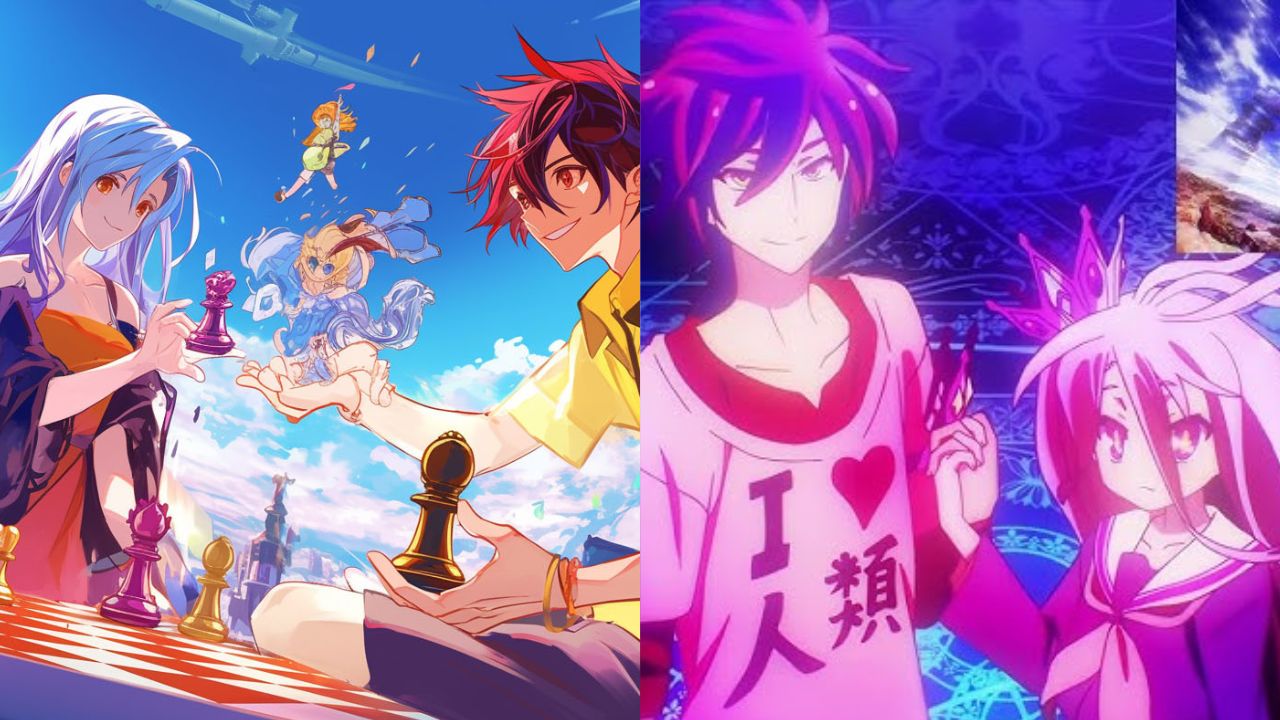
No Game No Life (MADHOUSE)
The anime didn’t wrap up its main storylines or fully explore the creative world of Disboard, leaving viewers disappointed with the incomplete ending.
A reboot of No Game No Life could give fans the ending they’ve been waiting for. With more material available from the light novels, a new version could improve the pacing and tell a more complete story.
This would allow for better character development and more thrilling, high-stakes games, giving the series a richer and more satisfying story.
2) Elfen Lied
Elfen Lied is a well-known but controversial anime that deals with deep themes like human cruelty, identity, and redemption.
It follows Lucy, a mutant with invisible telekinetic arms, as she escapes from a lab and faces tragic outcomes. The anime, noted for its intense violence and mature content, was cut short after just 13 episodes.
Its extreme elements made it hard to attract a larger audience, which contributed to its early end.
The anime only adapted a small part of the manga, missing out on many important character developments and plot twists.
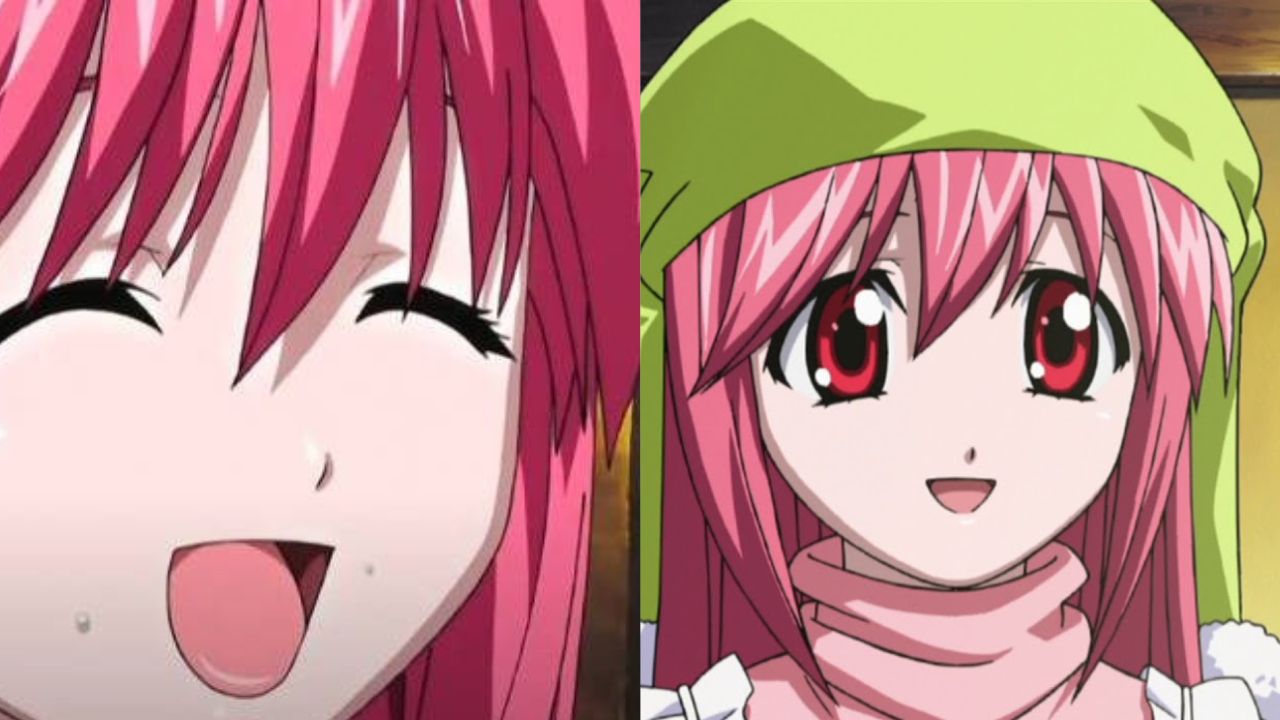
Elfen Lied (Arms)
This left the story feeling incomplete and deprived fans of a fuller experience. Many key arcs and ideas from the manga were not explored in the anime.
A reboot of Elfen Lied could address these issues by adapting the entire manga. This would allow for better character development and a deeper exploration of the manga’s complex themes.
With a complete adaptation, the series could fully realize its potential and provide a more satisfying and nuanced story for its fans.
3) Highschool of the Dead
Highschool of the Dead had a rocky start when it aired in 2010. Known for its mix of intense zombie action and fan service, it became a cult favorite but didn’t win widespread acclaim.
After the death of its creator, Daisuke Satō, in 2017, the anime and manga were left incomplete out of respect. Fans were left hanging after a dramatic cliffhanger in the first season.
Although it was decided to leave the series unfinished, a reboot could honor Satō’s work while offering a fresh take on the story.
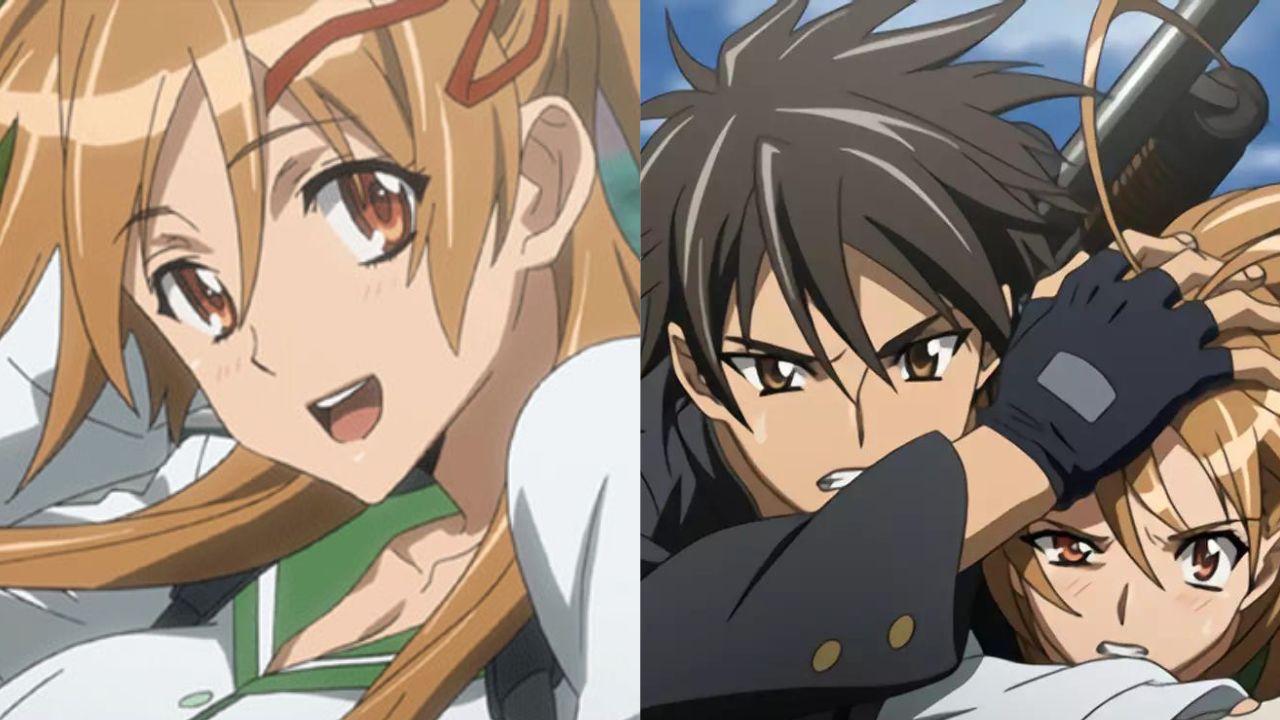
Highschool of the Dead (MADHOUSE)
It could refine the mix of action and fan service, potentially making the series more appealing to a broader audience. This approach would respect the original’s legacy while providing a new direction.
Reviving Highschool of the Dead could fulfill the story’s promise and bring closure to fans.
With modern animation and a more balanced approach, the series could be reintroduced in a way that respects its roots but also reaches a wider audience.
4) Deadman Wonderland
Deadman Wonderland mixed intense action with psychological horror, set in a prison that functions as a deadly amusement park.
The anime, though unique and gripping, only adapted a small part of the manga’s story and ended abruptly.
It left many unresolved plotlines and failed to achieve the financial success needed to continue, partly due to its rushed pacing and lack of depth.
A reboot could fix these issues by offering a more complete and faithful adaptation of the manga. With more episodes, it could explore the characters, especially Ganta and Shiro, in greater detail.
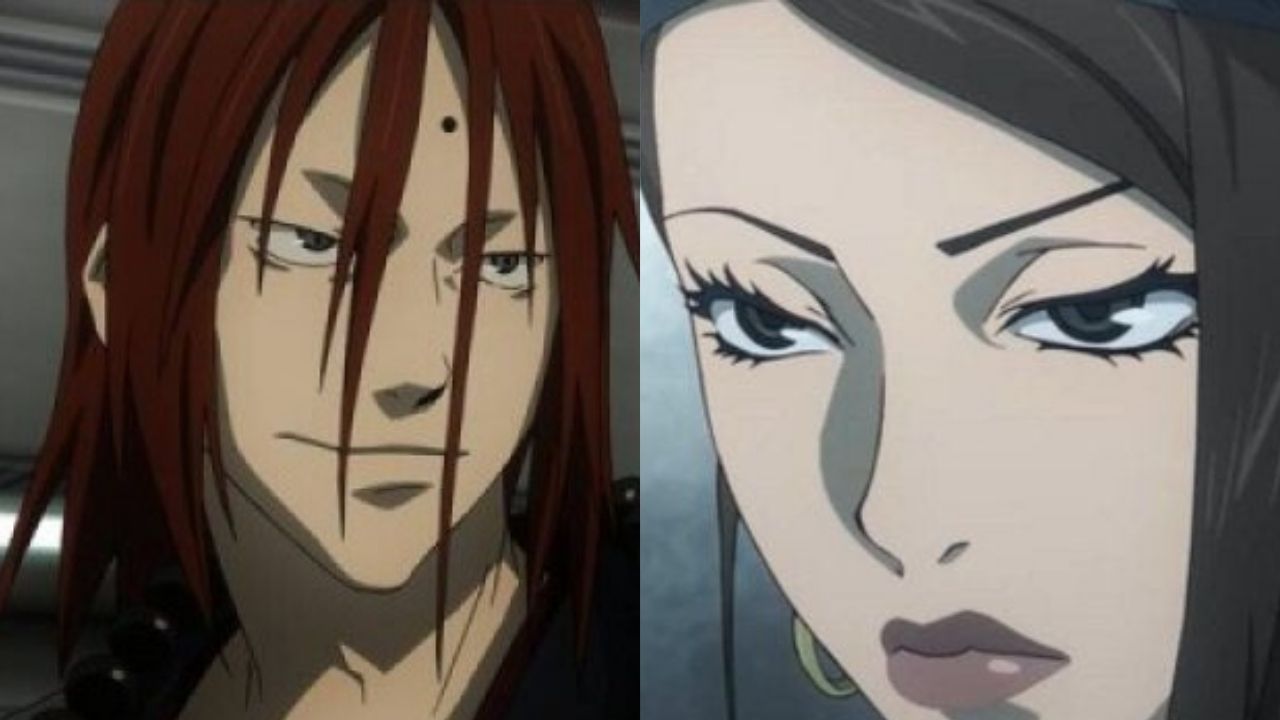
Deadman Wonderland (Manglobe)
This would allow the story to develop fully and provide the closure that fans have been missing.
Reviving Deadman Wonderland could bring back the dark and amazing story in a way that respects the original manga.
With improved pacing and a complete story, it could satisfy both old fans and new viewers, making the series relevant and engaging once again.
5) Magi: The Labyrinth of Magic
Magi: The Labyrinth of Magic wasn’t technically canceled, but its anime adaptation wrapped up before telling the full story.
The series, drawing inspiration from One Thousand and One Nights, won over viewers with its blend of high fantasy, detailed world-building, and diverse characters.
However, despite its strong potential, the anime ended after just two seasons, leaving much of the manga’s story incomplete.
As a result, many important plotlines and character developments, especially the major conflicts and growth in the later parts of the story, were left unresolved.
A reboot of Magi could provide a more complete and faithful adaptation of the entire manga.
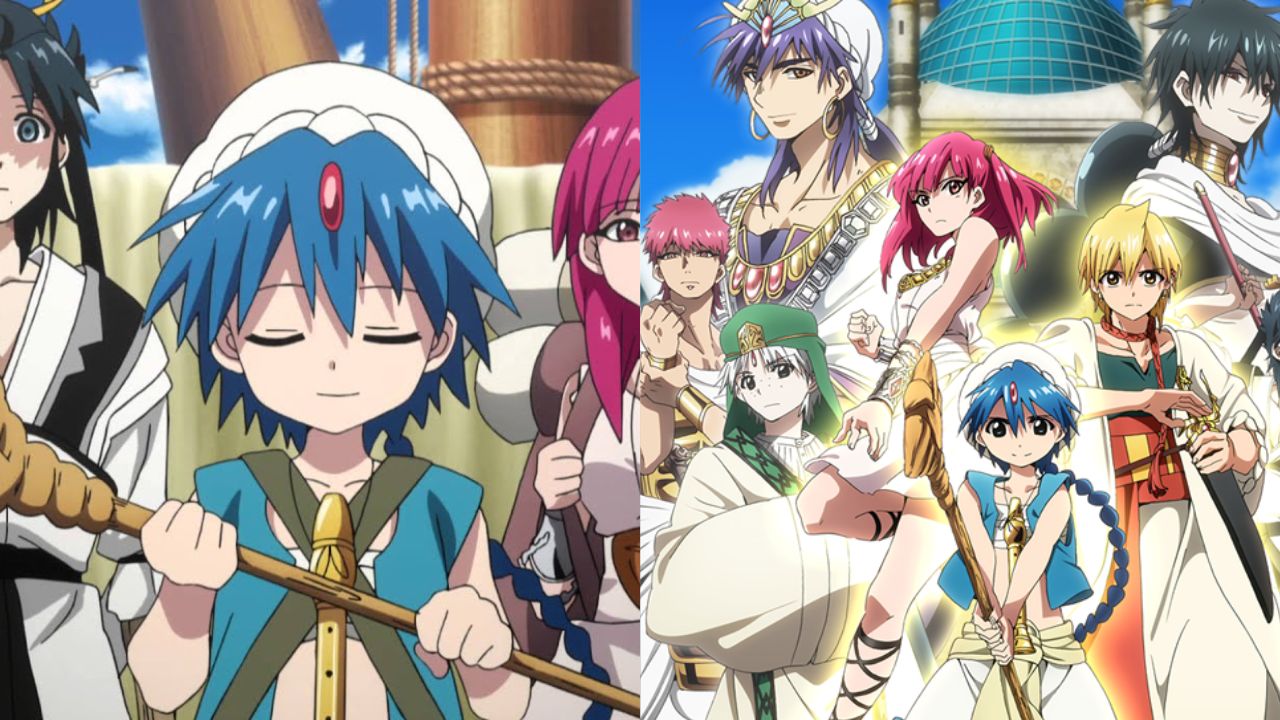
Magi The Labyrinth of Magic (A-1 Pictures)
This would allow the series to explore the deeper aspects of the story, such as the political intrigue, moral dilemmas, and epic battles that are key to the story.
With modern animation techniques, the magical and action scenes could be brought to life with even more vibrancy, making the world of Magi feel more vivid and immersive.
This would give the series the opportunity to fully develop the themes of power, destiny, and freedom that it had begun to explore.
Such a reboot wouldn’t just satisfy long-time fans who have been waiting for a complete adaptation, but it would also attract new viewers.
By telling the entire story, Magi could finally offer the full experience that the original anime left unfinished, capturing the depth and excitement that made the manga a beloved classic.
6) Baccano!
Baccano! is a series that didn’t reach its full potential. It was canceled after just 16 episodes due to low sales and its unusual storytelling style.
The anime was praised for its unique, non-linear story but struggled to attract a large audience at the time.
The anime industry then was less open to anime that broke from traditional formats, and Baccano! was ahead of its time.
The anime had a complex plot with multiple storylines and a large cast, which might have been too intricate for casual viewers back then.
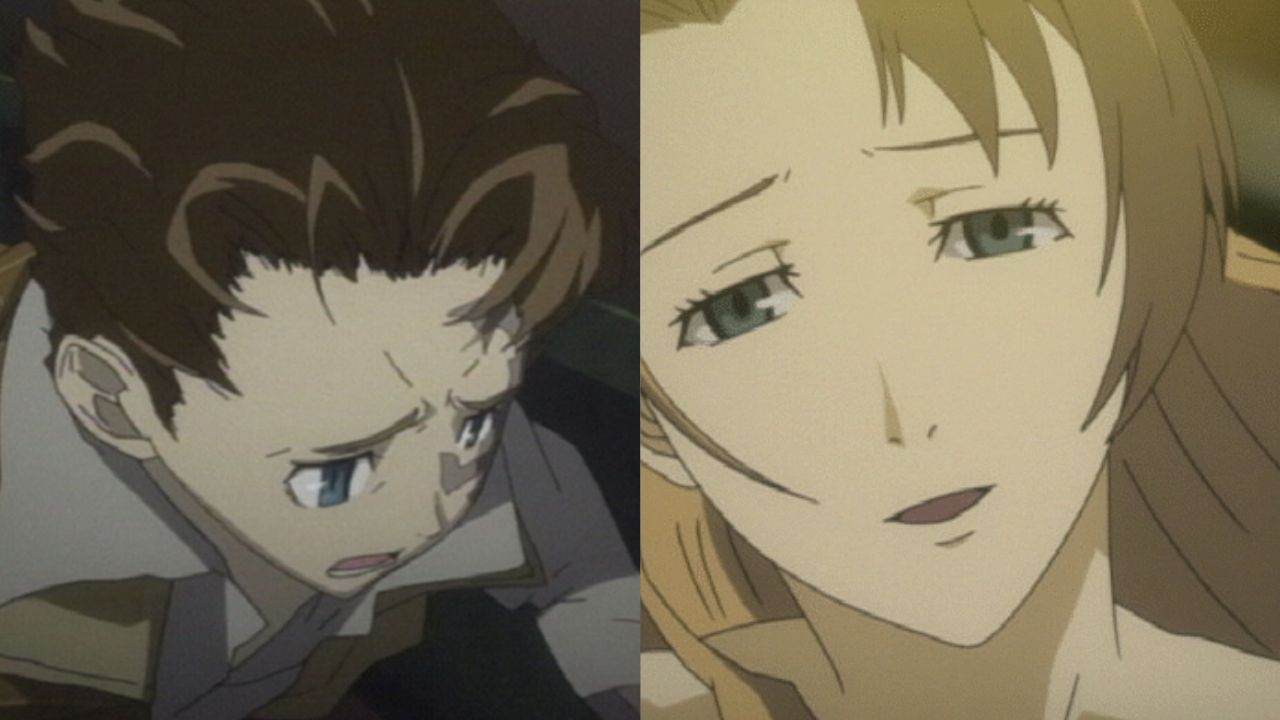
Baccano! (Brain’s Base)
Despite this, Baccano! has gained a strong following over the years. A reboot could take advantage of today’s viewers who enjoy complicated stories and can handle more complex storytelling.
A new version of Baccano! could explore the story further by adapting more of the light novels beyond the original 16 episodes.
With modern audiences more receptive to detailed and intricate plots, a reboot could finally give Baccano! the chance to fully showcase its unique and engaging story.
7) Btooom!
Btooom! was cut short before it could fully establish itself as a standout series. Released in 2012, it was effectively canceled after its first season due to disappointing sales and a lack of interest in continuing the story.
Despite having a gripping premise where players of a survival video game are forced to fight for their lives in reality the anime struggled to stand out in a market crowded with similar survival-themed anime.
The series ended on a cliffhanger, leaving fans without closure for the intense and morally complex storylines it had started to build.
This abrupt ending left many viewers wanting more and wondering how the story would have unfolded.
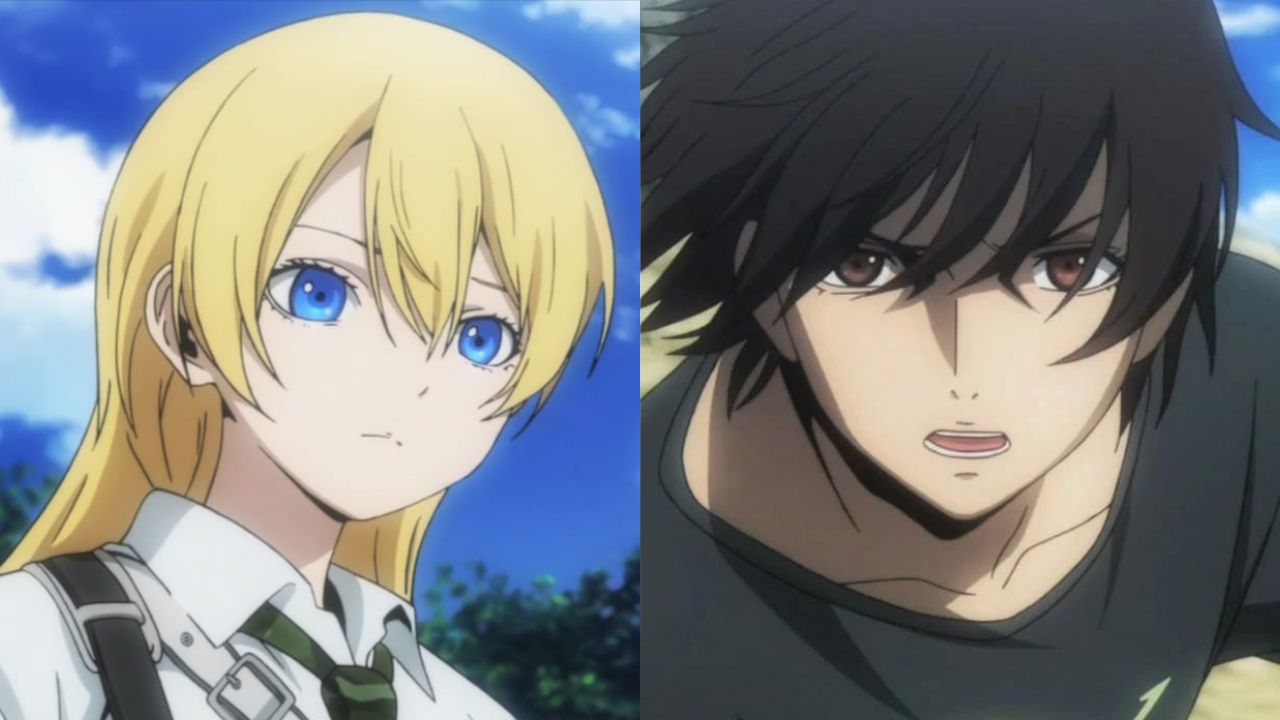
Btooom! (MADHOUSE)
A reboot could take advantage of the enduring popularity of the battle royale and survival genres, offering a more complete and polished adaptation of the manga.
With better pacing, a Btooom! reboot could enhance the psychological tension and character development, making the stakes even higher.
By fully exploring the story’s darker themes and giving a satisfying conclusion, the series could finally deliver the resolution that fans have been eagerly waiting for since its original run.
8) Claymore
Claymore is a story filled with intense battles and a dark, medieval setting that left its fans wanting more when it ended abruptly.
The anime aired in 2007 and only lasted 26 episodes. Unfortunately, it didn’t follow the original manga closely and instead created its own ending, which disappointed many viewers.
At the time, the manga was still ongoing, and rather than risk a long wait or filler episodes, the anime chose to finish with a quick conclusion that didn’t fully capture the depth of the story.
A reboot of Claymore could fix these issues by staying true to the entire manga, allowing the story to develop fully as intended.
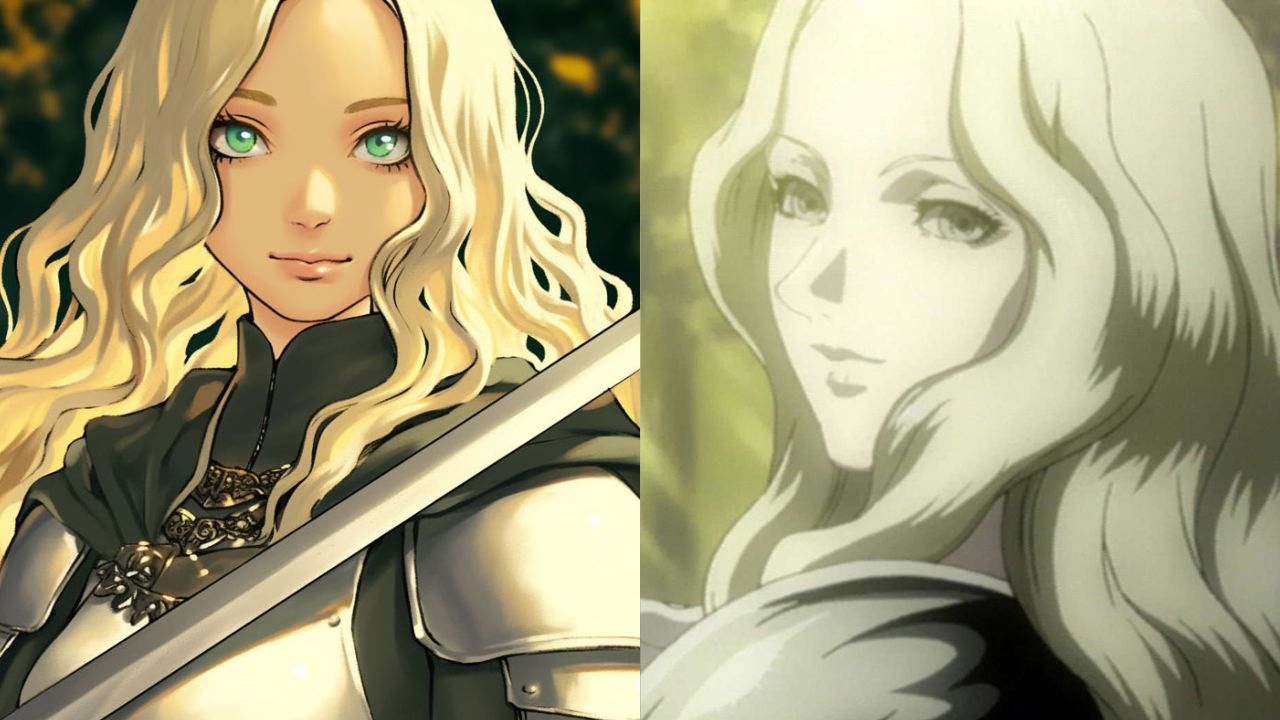
Claymore (MADHOUSE)
With today’s advanced animation techniques, the series’ intense fight scenes and haunting could be depicted with even greater impact.
This would not only honor the original material but also provide a more satisfying experience for both old fans and new viewers.
Given Claymore’s unique mix of horror, fantasy, and action, a reboot would be a chance to offer the complete, thrilling story that fans have been hoping for.
It could bring back the dark atmosphere and fierce battles that made the series stand out, giving it the justice it deserves.
9) Berserk
Berserk, a dark fantasy anime, was canceled after its 1997 adaptation left fans with a cliffhanger and no resolution.
The series ended abruptly because it caught up with the manga and there was not enough source material to continue.
Despite its strong following, the story remained unfinished for many years. In 2016, the series was revived, but the new adaptation was not well received.
The 2016 version continued the story but was criticized for its poor animation quality and excessive use of CGI, which many felt did not fit with the original manga’s detailed and gritty style.
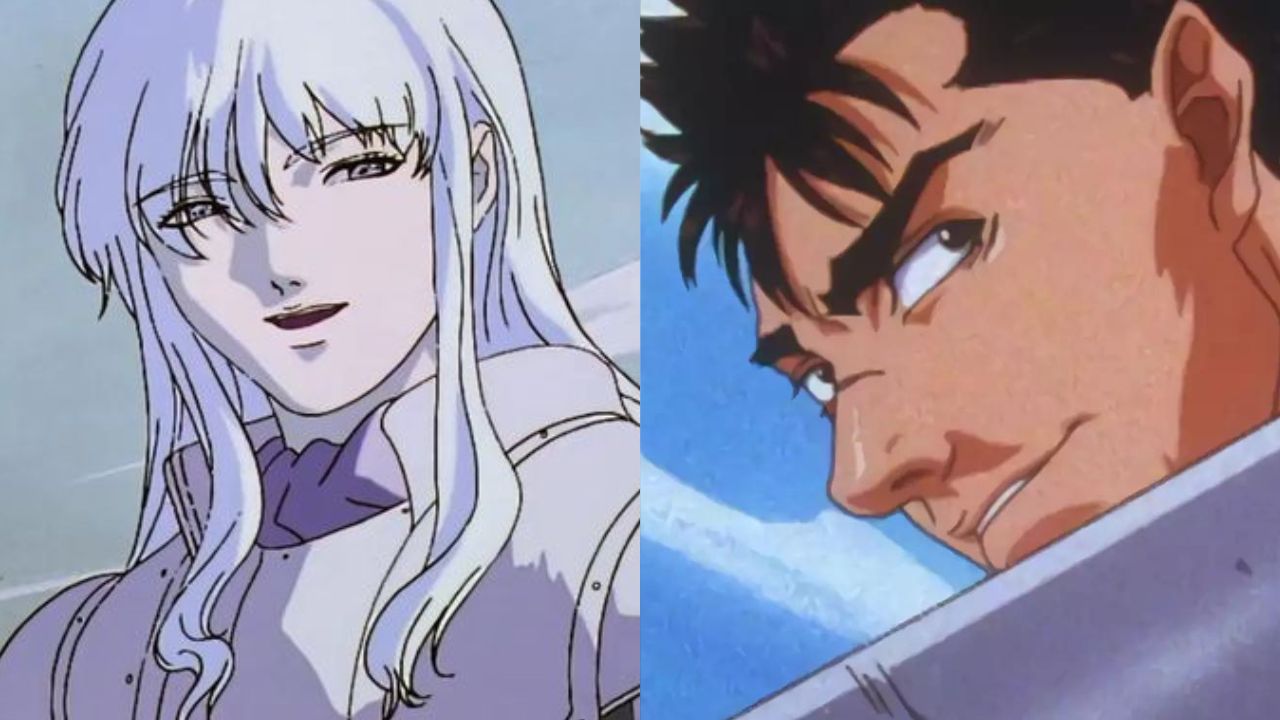
Berserk (OLM)
It also failed to complete the manga’s storyline, leaving fans disappointed once again. A reboot of Berserk is needed to provide a proper adaptation of Kentaro Miura’s work.
It would give the series the high-quality animation and comprehensive storytelling it deserves, allowing both long-time fans and new viewers to experience the full and immersive journey through this iconic dark fantasy world.
10) Rokka: Braves of the Six Flowers
The anime Rokka: Braves of the Six Flowers was canceled after one season due to disappointing sales and a slow-paced story that divided viewers.
While the series had an interesting premise, where six heroes fight against a Demon God but discover a mysterious seventh among them, its execution didn’t fully capture a broad audience.
The focus on mystery and character interactions, while intriguing, took away from the action-packed fantasy that many viewers were expecting, which might have led to its poor commercial performance and eventual cancelation.
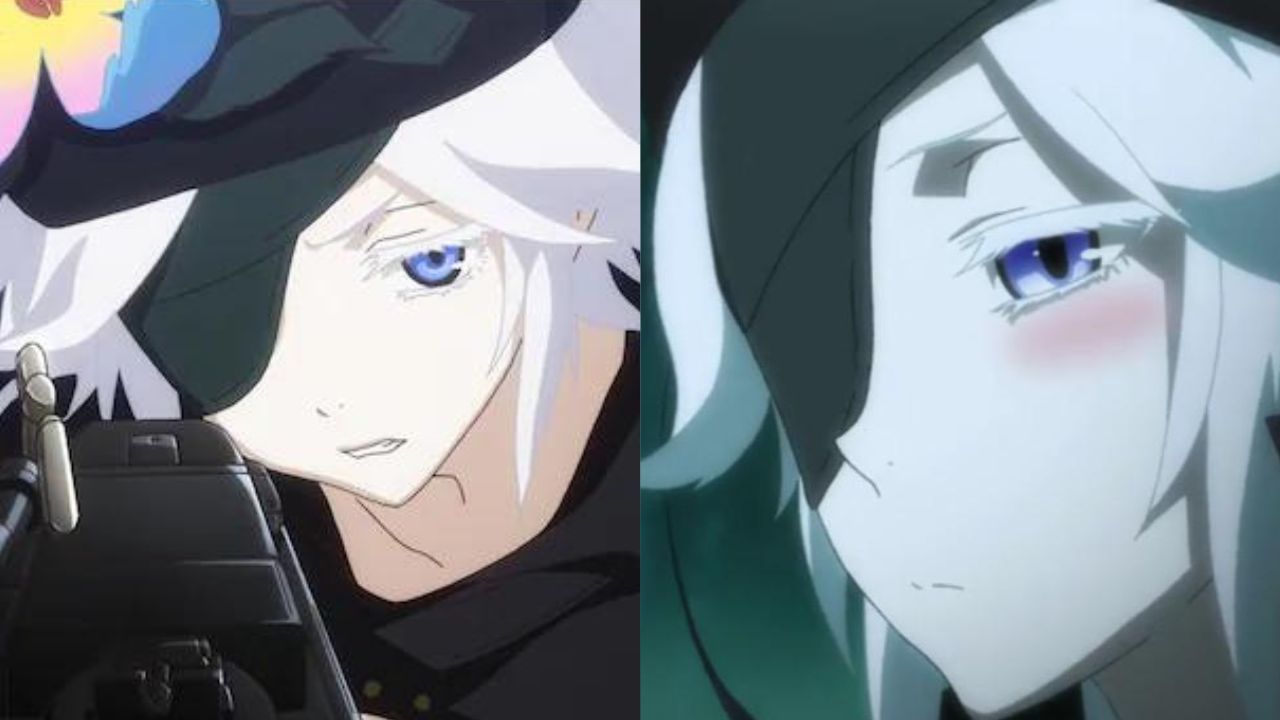
Rokka Braves of the Six Flowers (Passione)
Despite its flaws, Rokka has the potential to shine with a reboot. The anime’s unique mix of action, mystery, and psychological drama makes it a standout in the fantasy genre, but it just needed better pacing to keep viewers hooked.
A reboot could strike a better balance between the mystery elements and exciting action scenes, making the story more engaging for a wider audience.
A reboot could explore more of the rich world and complex characters that were only hinted at in the first season.
By delving deeper into the lore and resolving the unanswered questions, a new version of Rokka could provide a more satisfying and complete experience, giving the series the recognition it deserves.
11) Gangsta.
The anime Gangsta. faced an unfortunate end due to the bankruptcy of its production studio, Manglobe.
The series, known for its gritty portrayal of a violent city filled with corruption and complex characters, was left incomplete.
This abrupt cancellation was especially disappointing to its growing fanbase, as the anime’s mature themes and unique focus on characters with disabilities set it apart from other series.
Financial problems at Manglobe led to the anime’s sudden halt, ending any hopes for a continuation. The studio’s closure meant that Gangsta. did not get the chance to finish its story.
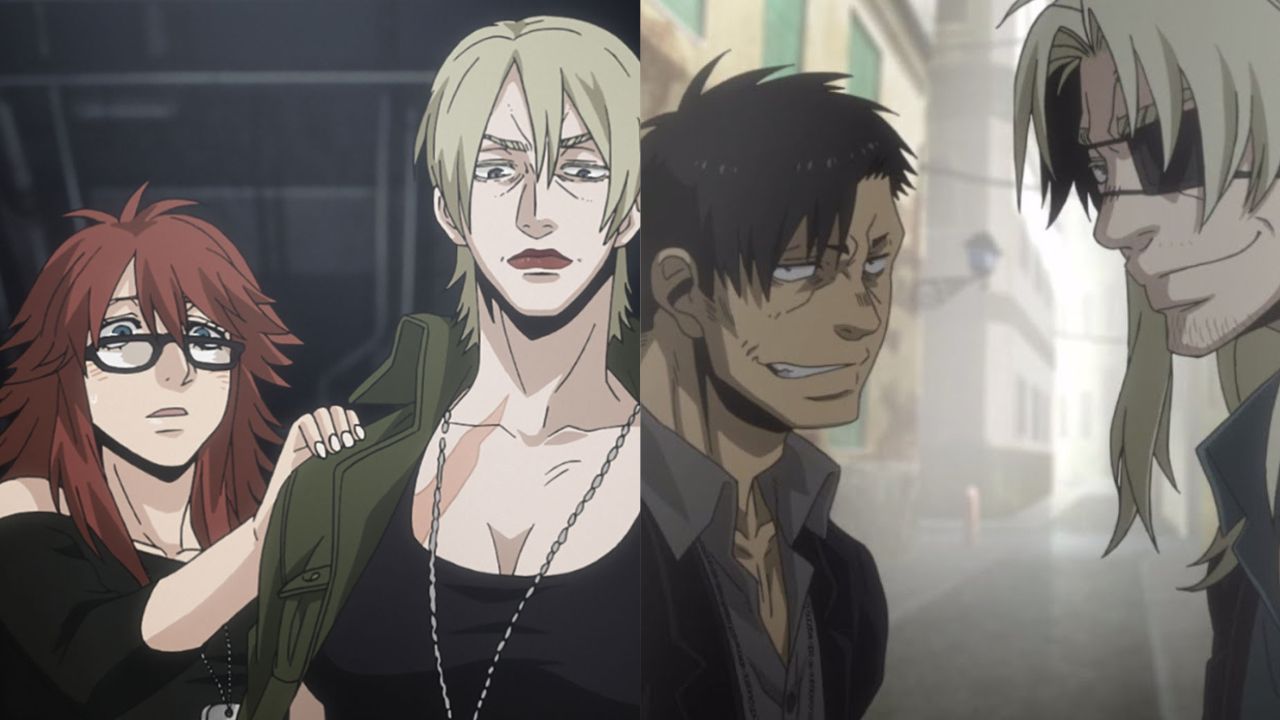
Gangsta. (Manglobe)
However, if a new studio took over and rebooted the series, it could resolve the cliffhanger and present the story with the depth it needs.
A reboot could also benefit from modern animation techniques, bringing the dark, noir-inspired world of Ergastulum to life in a more vivid and immersive way.
With a stable production and updated visuals, a new version of Gangsta. could fulfill the potential of its unique setting and complex characters, giving fans the complete experience they have been waiting for.
12) Usagi Drop
Usagi Drop is a series that ended without covering the entire story from the manga. The anime tells the touching story of Daikichi, a man who decides to adopt his grandfather’s young daughter, Rin.
This heartwarming tale of unexpected parenthood resonated with audiences, highlighting both the challenges and joys of raising a child.
However, the anime only covered the early, well-loved parts of the manga, stopping before reaching the more controversial developments in the later chapters.
In the manga, the story takes a surprising turn with a time skip and a major shift in the relationship between Daikichi and Rin.
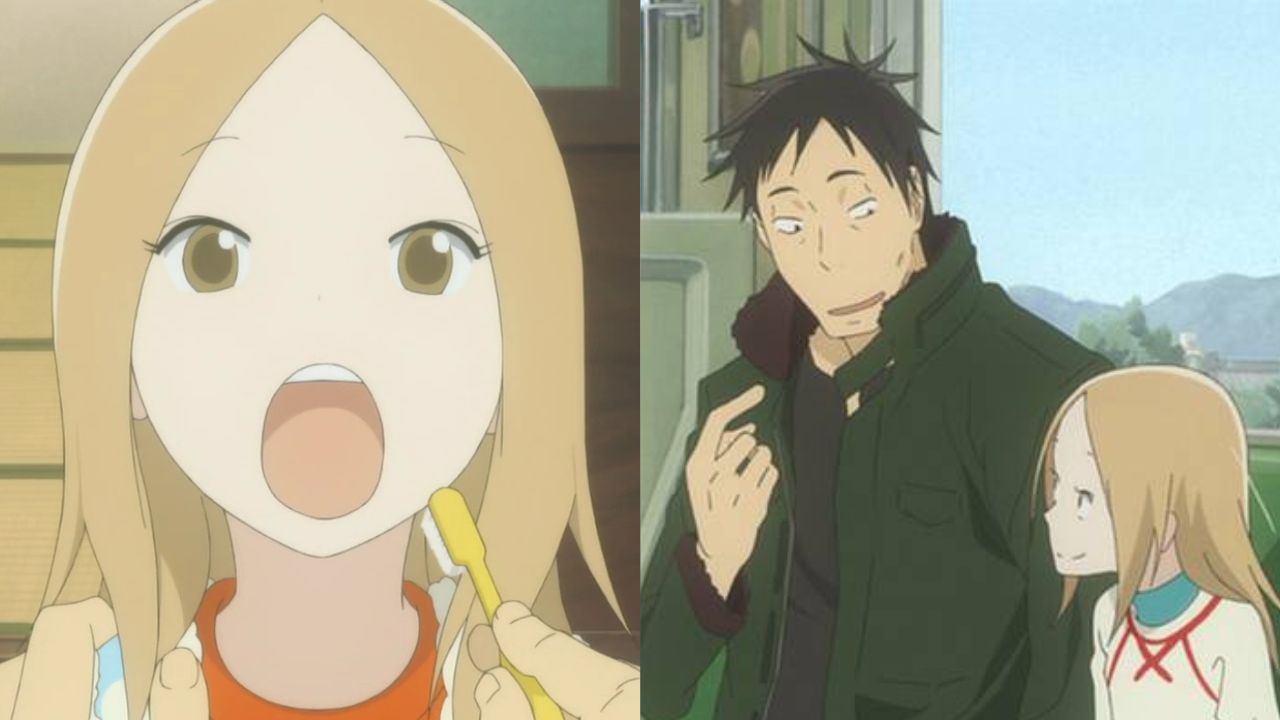
Usagi Drop (Production I.G)
These later developments were not adapted into the anime, likely because of their divisive reception among fans.
The anime chose to end on a positive and widely accepted note, avoiding the complexities introduced later in the manga.
A reboot of Usagi Drop could revisit these unadapted chapters with a more thoughtful and sensitive approach.
By carefully exploring the characters’ evolving relationships, the reboot could explore the ethical and emotional questions raised in the second half of the story.
This would offer fans a more complete and nuanced portrayal of the series, addressing the full scope of the original manga’s story.
13) Tokyo Ravens
Tokyo Ravens ended after just one season due to mixed reviews and poor sales. The anime combined Japanese folklore, magic, and school life, but struggled to stand out in a crowded market of similar supernatural anime.
The pacing was also an issue, as it took a long time for the story to pick up speed, which may have led some viewers to lose interest before the more engaging parts of the plot.
Despite having a loyal fanbase and interesting source material, Tokyo Ravens didn’t get a second season to continue its story.
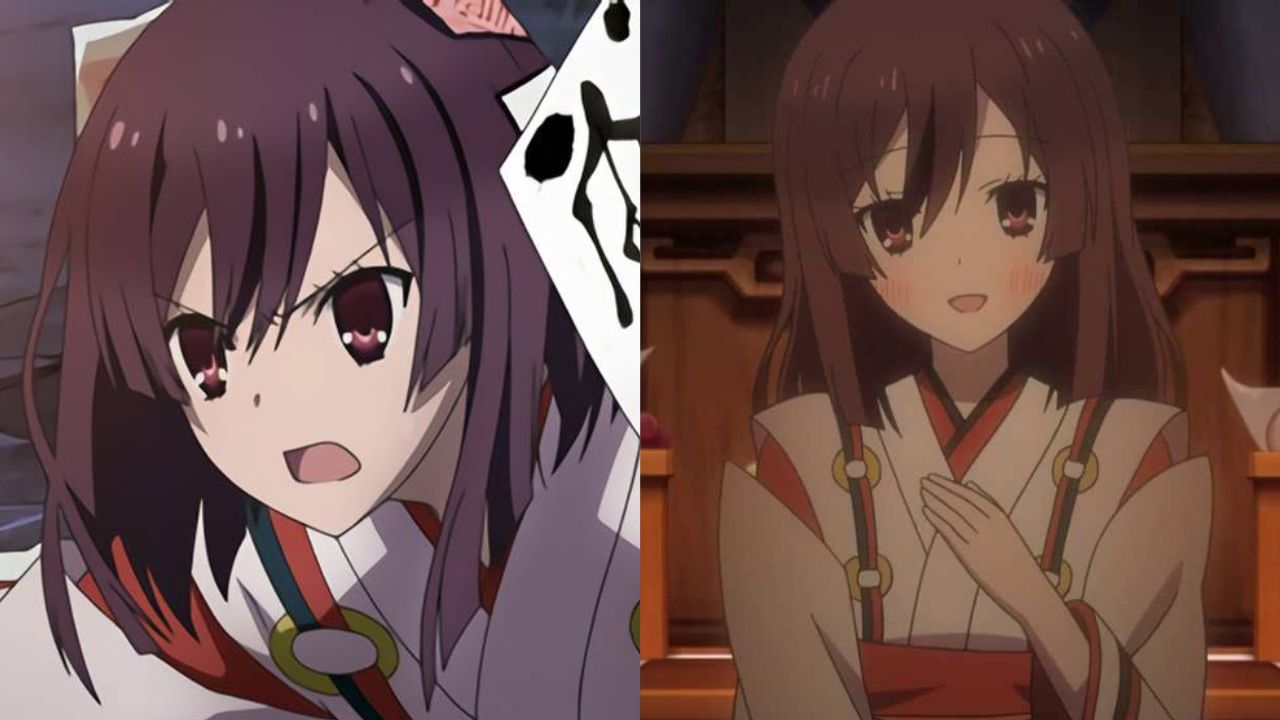
Tokyo Ravens (Funimation)
The anime’s potential was left largely unexplored, missing the chance to develop its world of onmyouji and spiritual battles fully.
A reboot of Tokyo Ravens could fix these problems by improving the pacing and focusing more on the exciting conflicts and darker aspects of its magical world.
By exploring the series’ intriguing elements sooner, a reboot could help the anime become a standout hit and give fans the deeper story they’ve been waiting for.
14) Slam Dunk
Slam Dunk, which first aired in the mid-90s, quickly became a major hit, sparking a love for basketball in Japan with its exciting mix of sports action and humor.
Despite its popularity, the anime was cut short due to falling viewership and competition from other anime at the time.
This abrupt ending meant that fans never got to see the most intense and an important part of the story, including Hanamichi Sakuragi and his team’s biggest challenges on the basketball court.
A reboot of Slam Dunk could bring new life to the series, using modern animation to make the basketball scenes even more dynamic and engaging.
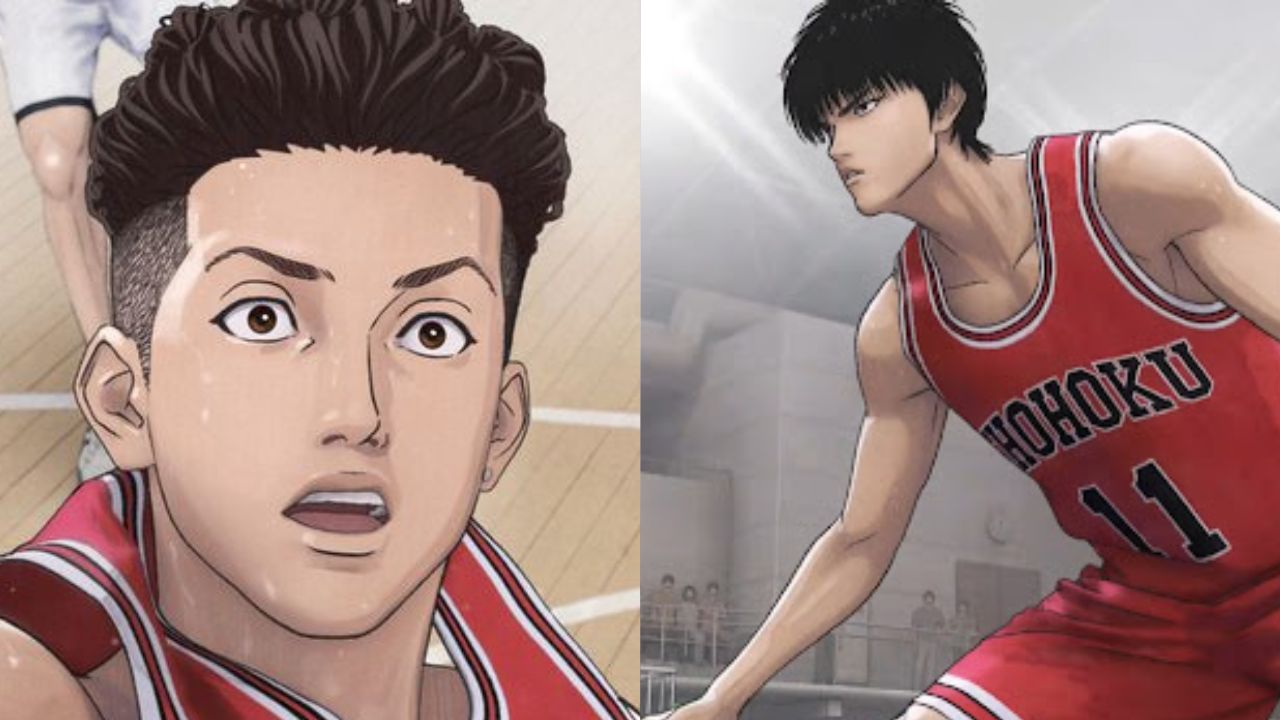
Slam Dunk (Toei Animation)
The updated visuals could capture the sport’s energy in ways that weren’t possible in the 90s, making the action more thrilling for viewers.
A reboot could explore the characters’ personal journeys in greater depth, especially Sakuragi’s evolution from a troublemaker to a dedicated athlete.
With a full adaptation of the manga, a Slam Dunk reboot would finally give fans the complete experience they’ve been waiting for.
They would get to witness the iconic matches and the emotional peaks that made the manga a beloved classic, while also seeing the characters grow and develop in ways that were cut short in the original series.
15) D. Gray-man
D.Gray-man was canceled after 103 episodes due to the anime catching up to the manga and the frequent breaks in the manga’s release caused by the health issues of its creator, Katsura Hoshino.
The series, which follows exorcists battling demonic forces in a dark, gothic world, quickly gained a strong fanbase.
However, when the anime ended in 2008, it left fans with an unfinished story and many unresolved plotlines.
The series made a brief comeback in 2016 with a 13-episode continuation, picking up where the original left off.
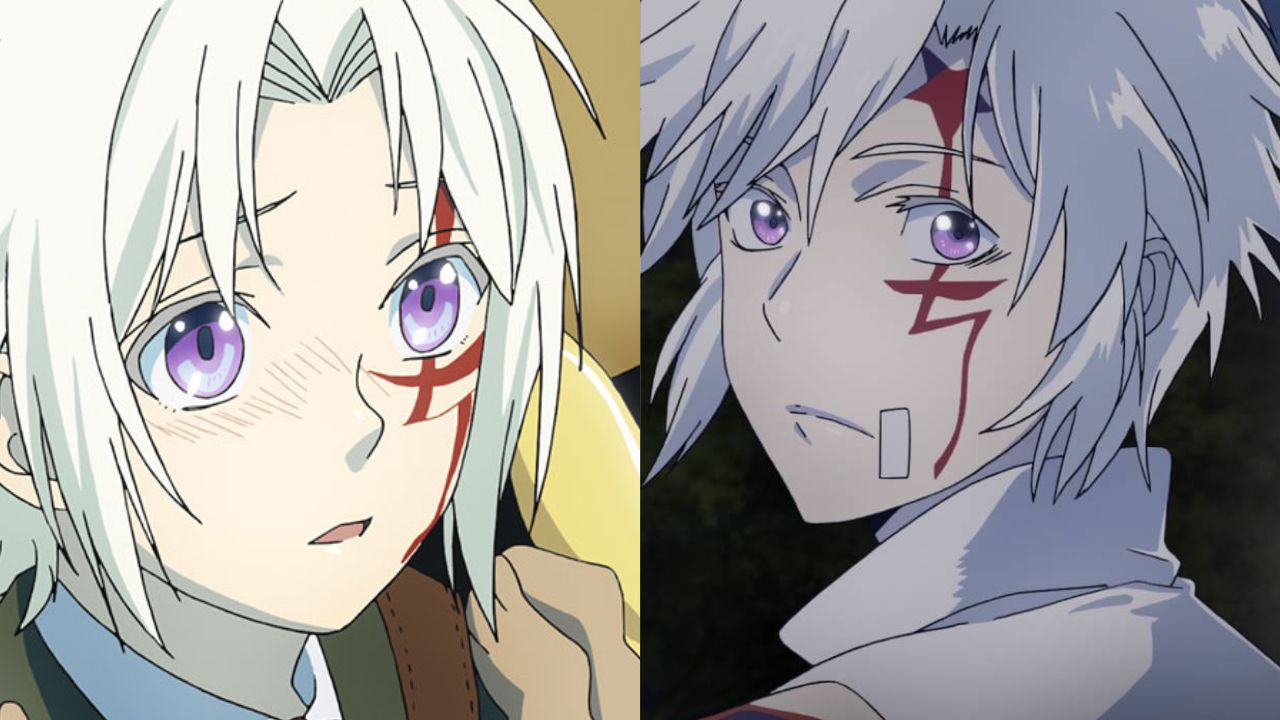
D. Gray-man (TMS Entertainment)
However, even this revival didn’t provide a conclusive ending, leaving the epic battle between the Black Order and the Millennium Earl unfinished.
Fans were left disappointed, as the story’s major conflicts remained unresolved. A full reboot of D.Gray-man could finally give the series the proper conclusion it deserves.
By adapting the remaining arcs, the reboot could deliver the epic battles and resolution that fans have been waiting for, providing the closure that the original and its continuation failed to achieve.
Memes of the Day
あの娘もこの娘も憑依で発情!憑りつかれてエロエロになったクラスメイトたちとハーレムしちゃおう~
Living in a Fu*k Room
Sauce : Pixiv 117989588
Sauce : Pixiv 122195129
Lifestyle Guidance Matsunoha is eating the students she glares at! O.p Com
Dekiru Onna Joushi
Marin Cos Ecchi | Lewd Cosplay With Marin
Tinderbox
living doll sumire: semestr of pleasure
Oshiete Ageru ne. | I’ll teach you.
Boku no Atarashii Okaa-san wa Succubus-san datta!?
Kanojo ga Gyaku Bunny ni Kigaetara
The three Elven Rings have finally found their rightful owners. In the Season 2 premiere of “The Lord of the Rings: The Rings of Power,” titled “Elven Kings Under the Sky,” the rings are given to Galadriel (Morfydd Clark), Círdan the Shipwright (Ben Daniels), and the High King of the Noldor, Gil-galad (Benjamin Walker).
These rings are the most powerful and important of all the Rings of Power created by Celebrimbor (Charles Edwards).
The future of Middle-earth during the Second Age is closely connected to these rings and those who hold them. There are some notable differences between the story of the Elven Rings in the Prime Video series and J.R.R. Tolkien’s original writings, which adds more depth to the tale.
Why Are the Elven Rings Forged?
In “The Rings of Power,” the Elves in Middle-earth face a difficult situation. As Sauron (Charlie Vickers) and Adar (Sam Hazeldine) gain strength, the Elves’ powers weaken. This is symbolized by the dying tree of Lindon.
The Elves must decide whether to use the rings they have just received or return to the Undying Lands of Valinor. When Galadriel, Círdan, and Gil-galad put on their rings for the first time, the tree is saved, allowing the Elves to remain in Middle-earth.
In J.R.R. Tolkien’s writings, the Elves face a similar problem. The creation of the Three Rings is closely tied to the fading of the Light of the Eldar in Middle-earth. As immortal beings, the Elves experience time differently, witnessing the world around them die and fade while they remain.
The rings were created to preserve and enhance the beauty and longevity of the things they cherish in Middle-earth, as well as to maintain their physical light and cultural and spiritual influence. “The Silmarillion” explains that the Elves wished to stop the effects of time and keep their lands and works from fading.
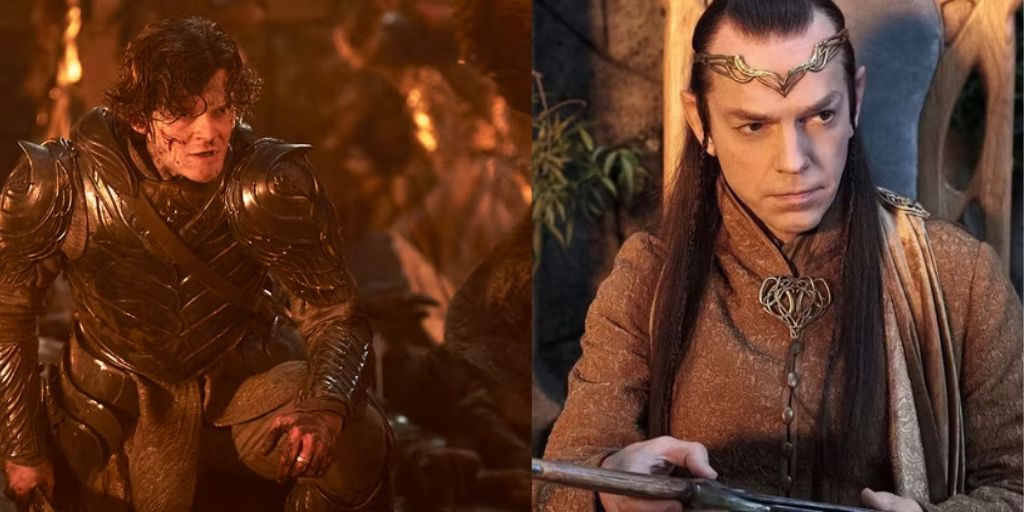
Still from The Rings of Power (Credit: Prime Video)
Though three rings may seem like a small number for such a significant task, there is a reason behind it. In “The Rings of Power,” Galadriel and Elrond are present when Celebrimbor forges the rings. They conclude that making three rings is a way to prevent power from being concentrated in one person’s hands.
“One will always corrupt. Two will divide,” Galadriel says, to which Celebrimbor adds, “With three, there is balance.” In the books, the reasons are different but complement the series. The Elves understood the danger of creating more powerful artifacts. Sauron had already influenced the creation of the Seven and the Nine Rings, and making more could lead to further corruption.
When Are the Three Elven Rings Created?
The purpose of the Three Elven Rings is to heal and preserve. In the series, Sauron, disguised as Halbrand, suggests to Celebrimbor to create a mithril alloy to enhance the properties of the Dwarven ore.
However, Sauron does not participate in the actual forging of the three rings, which occurs after Galadriel discovers his true identity as Sauron. This is consistent with Tolkien’s lore. The main difference is that in the books, the three rings were forged after the other Rings of Power, not before.
When Celebrimbor agrees to work with Annatar (another of Sauron’s disguises), they first create a batch of lesser rings to perfect their craft. Then, they forge the Seven Dwarven Rings and the Nine Rings for Men. Finally, after Annatar has left Eregion, Celebrimbor forges the Three.
This means that the three Elven Rings were not tainted by Sauron’s influence, making them the most powerful of the Rings of Power and the most sought after by the Dark Lord.
They are still connected to the One Ring, however, and when it is destroyed in “The Lord of the Rings: The Return of the King,” the Elven Rings lose their power. This marks the end of the Light of the Eldar in Middle-earth, forcing the Elves to return to the Undying Lands of Valinor.
When Sauron learns about the creation of the Three, he returns to Eregion with his army. He destroys the Elven realm, searching for the rings. When he fails to find them, he tortures Celebrimbor but learns nothing about their location. Celebrimbor dies without revealing that the rings were in Lindon, protected by Gil-galad.
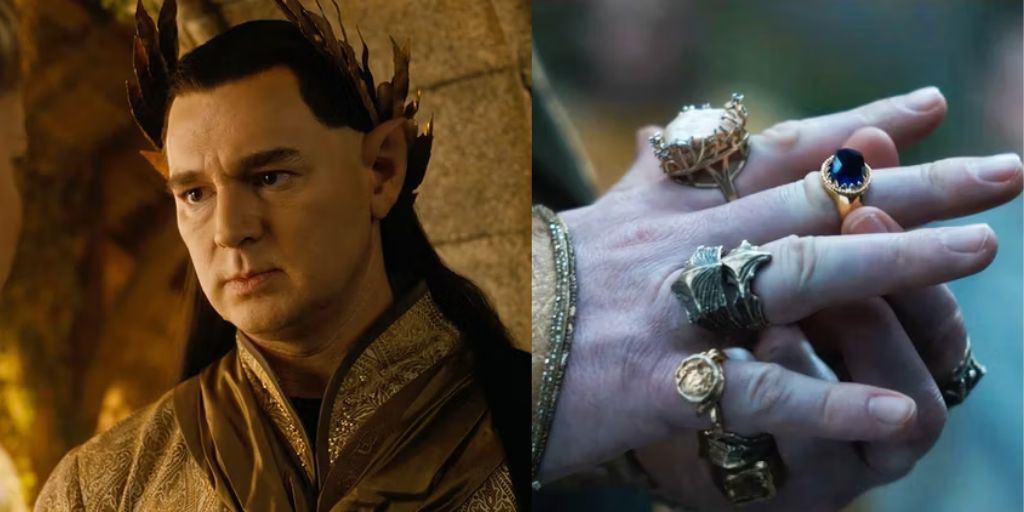
Still from The Rings of Power (Credit: Prime Video)
In the series, however, the Sacking of Eregion may differ due to Adar’s presence and Sauron’s continued disguise as Annatar. Celebrimbor’s story has always been tragic, and the show adds a new layer by highlighting his desire to create something as beautiful and powerful as the Silmarils, the masterpieces forged by his grandfather, Feänor.
Nenya, the Ring of Water
In “The Rings of Power,” Galadriel receives Nenya, the Ring of Water, after it falls and bounces toward her in Lindon.
The ring features an adamant gemstone and is the only one confirmed by Tolkien to be made from mithril. The Elves of Eregion and the Dwarves of Khazad-Dûm had a good relationship at the time, which allowed Celebrimbor to use the special ore. Although the ring has a silver appearance, its element is water.
In the books, however, Nenya is given directly to Galadriel by Celebrimbor, who is rumored to have secretly loved her despite her being married to Celeborn.
The ring’s properties give it the power of preservation, protection, and possibly concealment from evil, making Lothlórien, Galadriel’s realm, difficult (but not impossible) for Sauron’s dark forces to access. As it represents the element of water, Nenya also strengthens Galadriel’s longing for the sea and her return to Valinor, although she can resist this pull.
In “The Lord of the Rings: The Fellowship of the Ring,” Galadriel (Cate Blanchett) shows Nenya to Frodo (Elijah Wood) in a deleted scene and then says the now-iconic line, “To bear a Ring of Power is to be alone,” as no one can fully understand the effects a Ring of Power has on its bearer. In the book, however, Samwise Gamgee (Sean Astin) also notices the ring, saying he “saw a star through her fingers.”
Narya, the Ring of Fire
The names and properties of each of the Elven Rings directly refer to the natural element they represent. Narya, the Ring of Fire, is set with a ruby.
According to Tolkien’s lore, the metal used in its forging is unknown. However, in the show, Celebrimbor mentions the need for silver, leading to the use of Finrod’s (Will Fletcher) dagger, so it could be silver. Also, in the series, Celebrimbor uses mithril, but in the books, the ring is free of the Dwarven mineral.
Narya’s properties give its bearer resistance to the weariness of time and the power to inspire others to resist tyranny, domination, and despair.
In “The Rings of Power,” Círdan receives the ring after failing to throw it into the sea. In the books, however, Gil-galad gives it to him. Círdan is considered one of the wisest Elves in Middle-earth, justifying the High King’s decision.
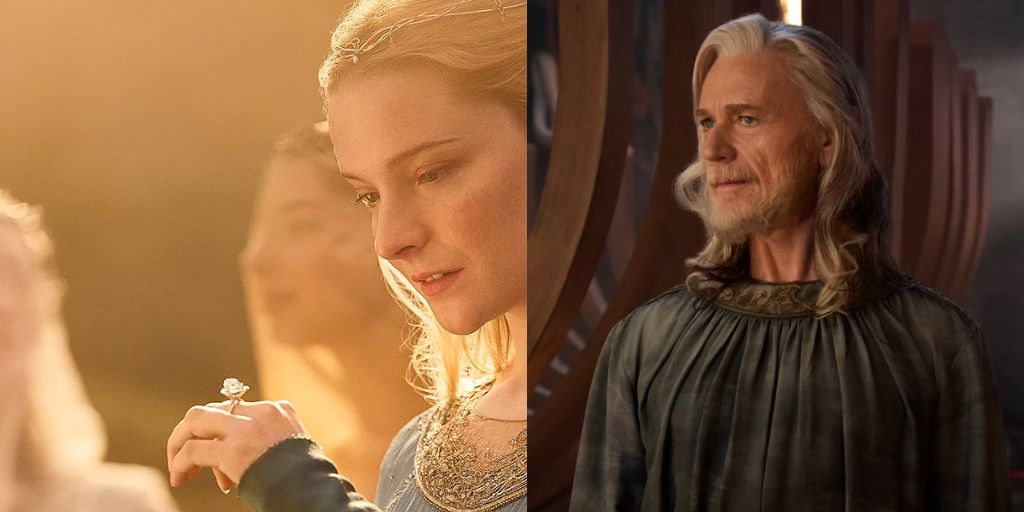
Still from The Rings of Power (Credit: Prime Video)
Círdan’s wisdom eventually leads him to pass Narya on to someone else. In the books, the Istari arrive in Middle-earth only in the early Third Age, and it is then that the Elven shipwright meets Gandalf (Ian McKellen – or Daniel Weyman, too?).
Círdan recognizes that the Grey Wizard is the wisest of the Istari and that his mission will benefit from possessing Narya. A Ring of Power could not be in better hands, as Gandalf is both wise and powerful, and his task is to inspire resistance against Sauron’s threat among the peoples of Middle-earth.
Vilya, the Ring of Air
Vilya, the third of the Three Elven Rings, is known as the Ring of Air. Despite its blue color, the ring carries a gem of sapphire and is made of gold. In The Rings of Power, it’s suggested that there might be some mithril alloy in its composition. This ring is considered the most powerful among the three, although its exact powers are not clearly defined. It does have effects linked to healing and preservation.
In the books, Vilya was given by Celebrimbor to Gil-galad after it was forged. The High King of the Noldor initially wore the ring. After the Sacking of Eregion, the battle continued as Sauron and his forces ravaged the lands of Eriador.
Following the fall of Eregion, Elrond established Rivendell, where he would stay until the end of The Return of the King. Once Sauron’s forces were defeated and driven back to Mordor, a council was held at Rivendell. At that point, Gil-galad passed the ring to Elrond. Elrond kept it secret and safe and never used it while the One Ring was still intact.
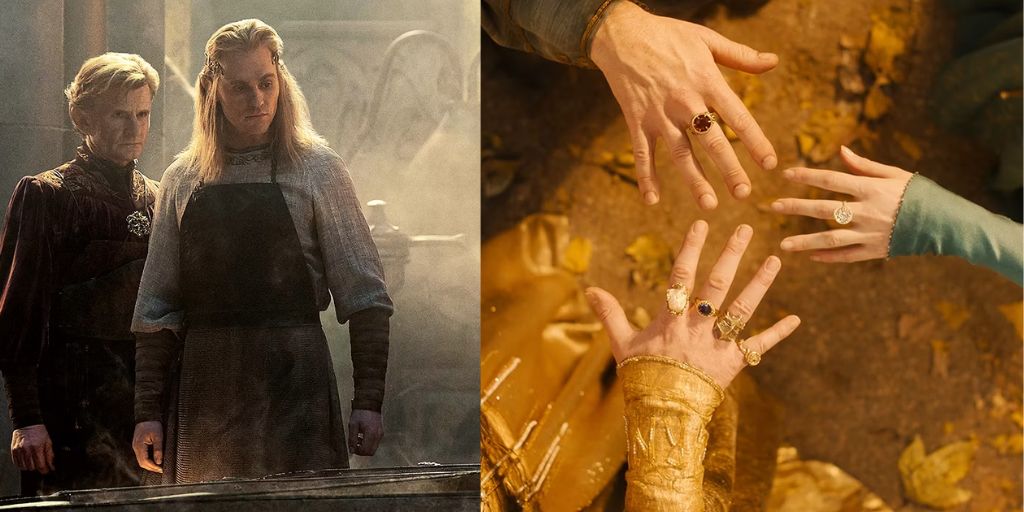
Still from The Rings of Power (Credit: Prime Video)
Though Elrond was cautious with Vilya, the ring remained powerful. It was associated with healing, protection, and preservation. Elrond was known as a skilled healer, and Vilya greatly enhanced these abilities.
He played a vital role in the fight against Sauron, offering counsel and refuge to those who opposed the Dark Lord. His leadership and the power of Vilya ensured that Rivendell stayed a stronghold of hope and wisdom throughout the ages.
Season 2 of The Rings of Power is streaming on Prime Video, with new episodes airing weekly on Thursdays.
