The anime industry has grown exponentially since its early beginnings. Widespread access through both streaming services and traditional broadcasters has helped the medium flourish, transforming it into one of Japan’s most impactful cultural exports. What was once a niche fascination has become a thriving, multibillion-dollar market that shows no signs of slowing down.
Even the most passionate fans struggle to keep up with the steady stream of new titles. As anime continues expanding into global markets, the sheer volume of content available often feels overwhelming — yet that same abundance is what sustains the industry’s incredible momentum and widespread appeal.
While there are many ways to assess the impact of an anime, commercial results remain the clearest indicator. Franchises that consistently pull in high earnings tend to mirror cultural currents, with their popularity rising or falling depending on new releases or prolonged inactivity.
Considering this ever-shifting scene, the roster of top-grossing anime franchises continues to evolve. With fresh data and renewed interest, five more series have been added to the list of industry giants, showing how financial triumph often reflects deeper fan devotion and global relevance.
15. Pretty Cure
While Pretty Cure may not enjoy the same level of recognition globally as it does in Japan, it stands tall as one of the nation’s most lucrative anime franchises.
Despite emerging on the scene long after the magical girl craze had waned, Pretty Cure made an immediate impact upon its debut in 2004, swiftly asserting itself as the dominant force in magical girl anime throughout the 2000s.
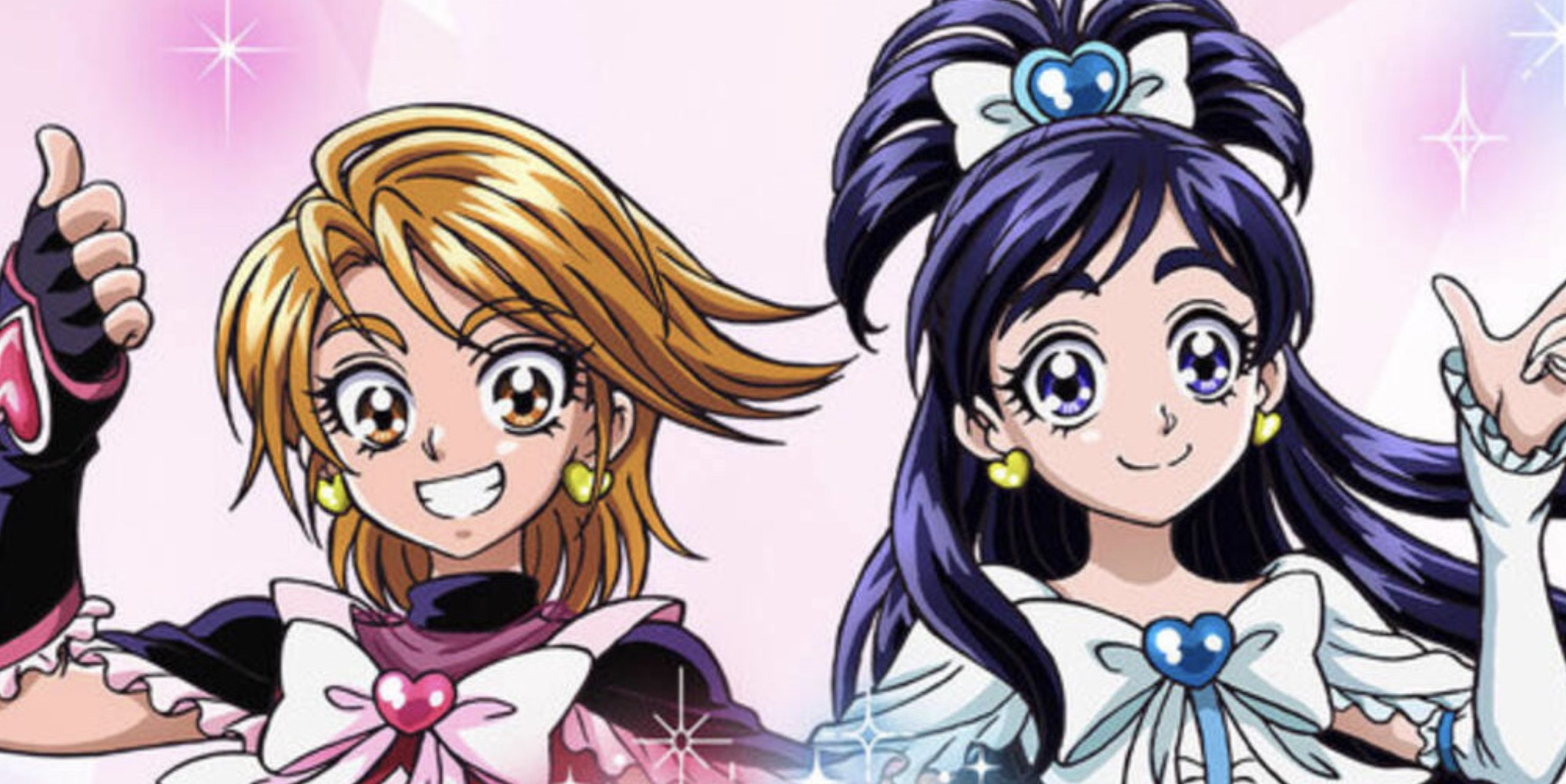
The bulk of Pretty Cure’s revenue stemmed from its extensive range of merchandise, raking in an impressive sum of nearly $9 billion solely through sales. A key factor in its enduring success and dedicated fanbase lies in its accessibility.
Each new installment of Pretty Cure caters to a fresh generation of viewers, ensuring the franchise’s perpetual relevance in the high-grossing anime.
While its sales figures are certainly commendable, Pretty Cure finds itself at the lower end of the spectrum among the top earners despite amassing a substantial $8 billion in revenue.
14. Demon Slayer
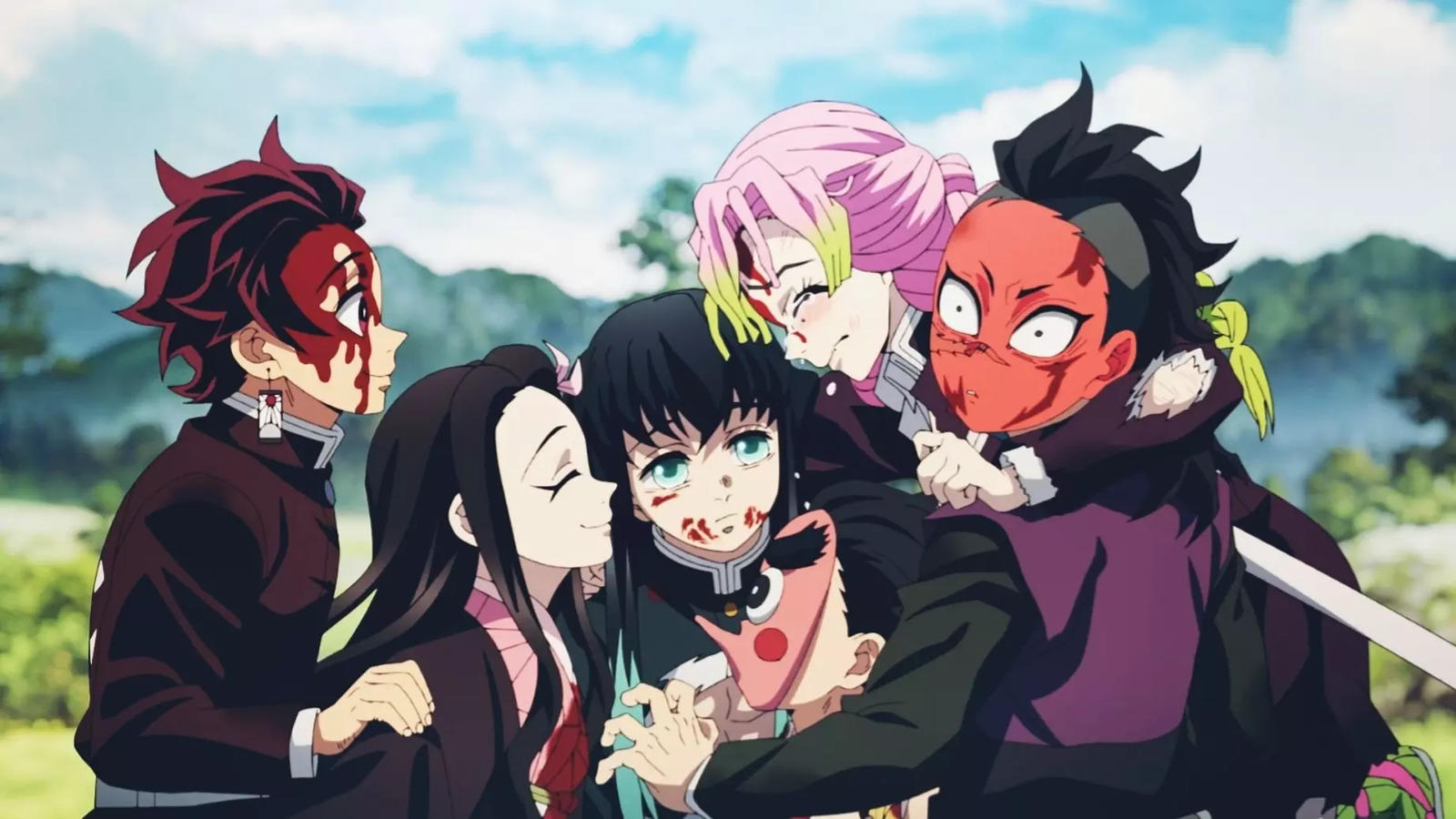
Demon Slayer Season 4 (Credits: Ufotable)
Demon Slayer stands out as the lone contender from the 2010s to secure a spot among the highest-grossing anime of all time. A fusion of impeccable animation, gripping narrative, and fortuitous timing propelled this standout series from a surprise hit in 2019 to a powerhouse of profitability in the anime world.
The immense success of Demon Slayer not only raised its status but also catapulted the original manga by author Koyoharu Gotouge to the summit of best-seller lists.
At present, Demon Slayer boasts a staggering global sales figure exceeding 150 million manga volumes. Its formidable net worth is further augmented by stellar television and streaming ratings, while its cultural and political relevance only serves to enhance its already illustrious reputation.
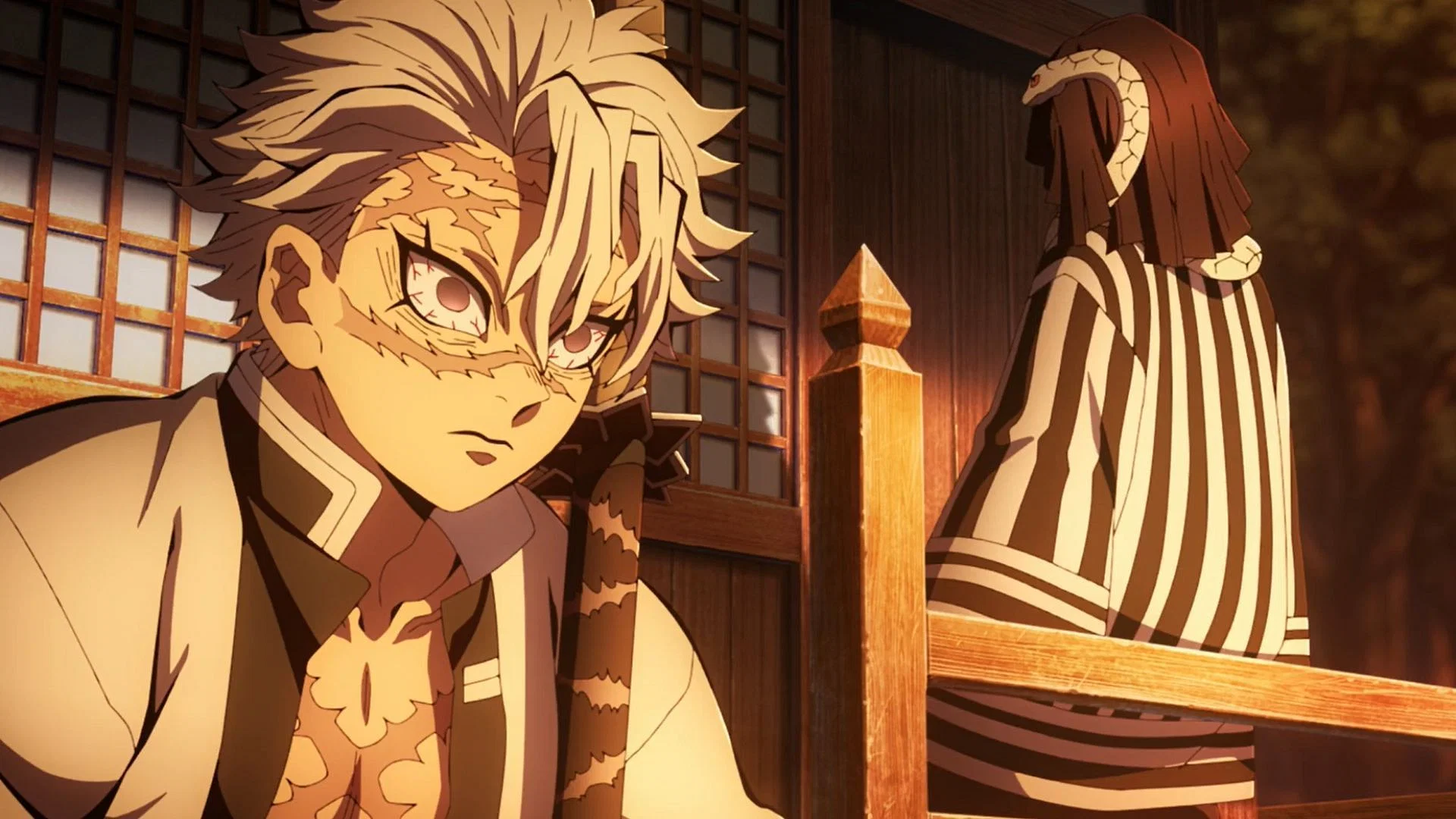
Demon Slayer
With the anime adaptation still ongoing, Demon Slayer’s financial success is poised to ascend even higher before it reaches its much-anticipated end.
Demon Slayer carries a sharp emotional edge from the very start. It’s a tale about family, sorrow, and perseverance, framed by stunning visuals and memorable characters. At its core is Tanjiro Kamado, a kind-hearted boy whose life changes drastically when demons destroy his family, leaving only his sister, Nezuko—transformed into a demon herself.
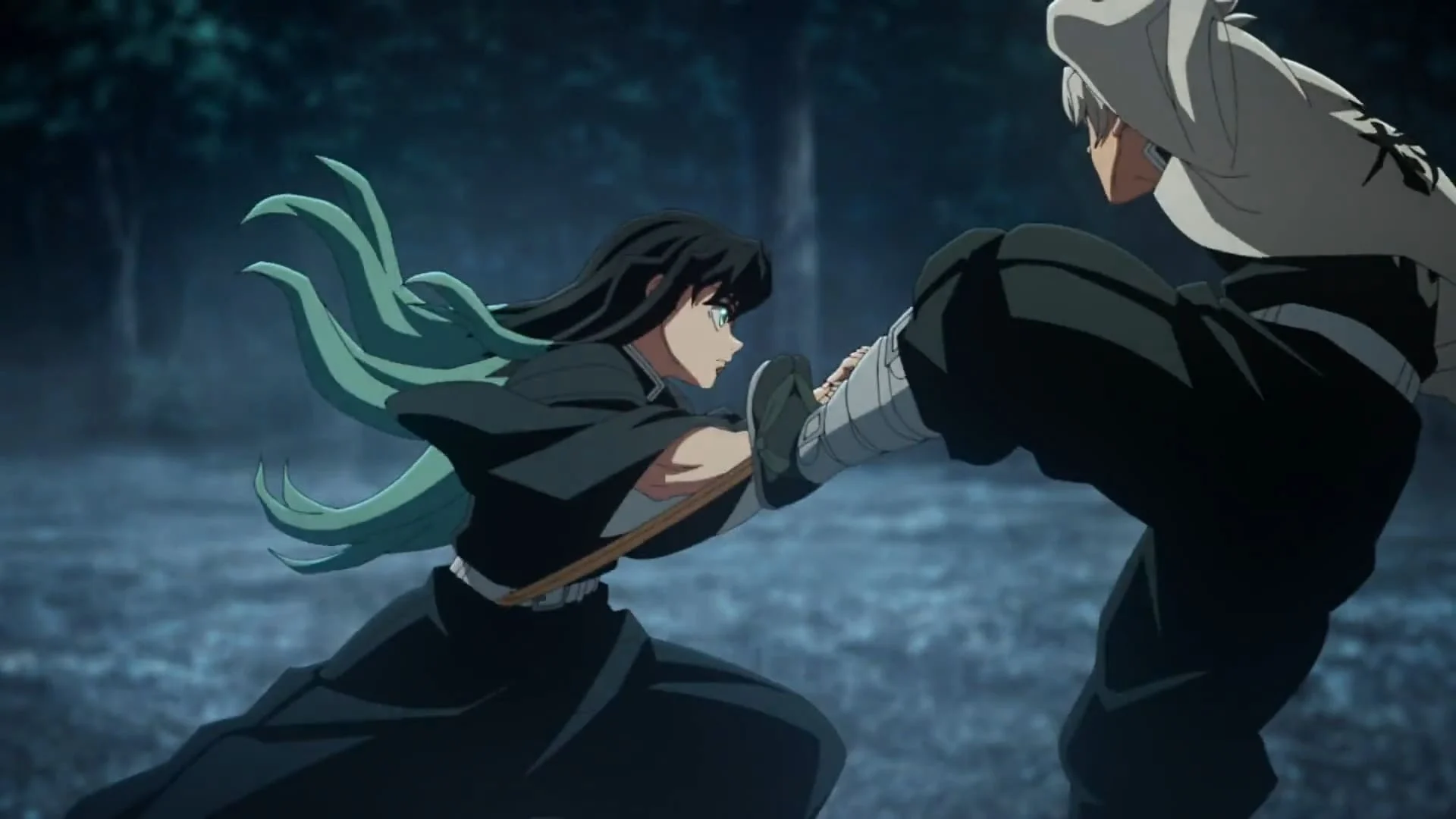
Demon Slayer
The story begins with quiet mountain life. Tanjiro, the eldest sibling, supports his family by selling charcoal. This peaceful routine is shattered when he returns home one day to find his entire family slain. The only survivor is Nezuko, but she’s no longer human. Instead of turning monstrous, she clings to what remains of her humanity.
This powerful emotional hook sets the tone. Tanjiro’s pain is immediate, and his compassion is unwavering. Rather than seeking revenge, his goal is to save Nezuko. This sets him apart from other shonen leads who often pursue vengeance. His journey is rooted in love and hope, which gives the series its emotional warmth.
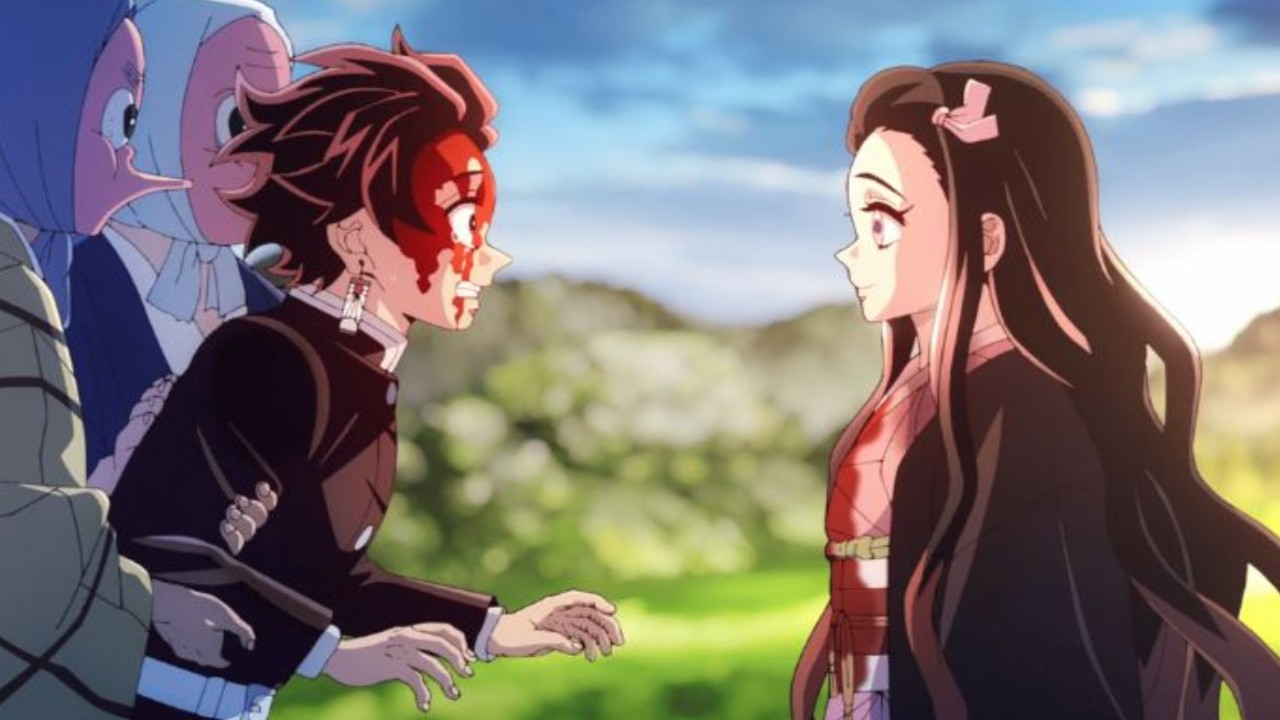
Tanjiro and Zesuko | Demon Slayer Season 4 (Credits: Ufotable)
Tanjiro enters the Demon Slayer Corps, a secret organization that hunts demons across Japan. His training is harsh, and the path is full of loss. Along the way, he meets allies like Zenitsu and Inosuke. Their personalities differ drastically, but they create a dynamic team full of tension, humor, and heart.
Zenitsu is fearful, constantly trembling, but reveals great power when unconscious. Inosuke is brash and wild, wearing a boar’s head and charging into danger. Their exaggerated quirks create contrast against Tanjiro’s calm and gentle nature. Despite the comedic interactions, each character has painful backstories that slowly unfold over time.
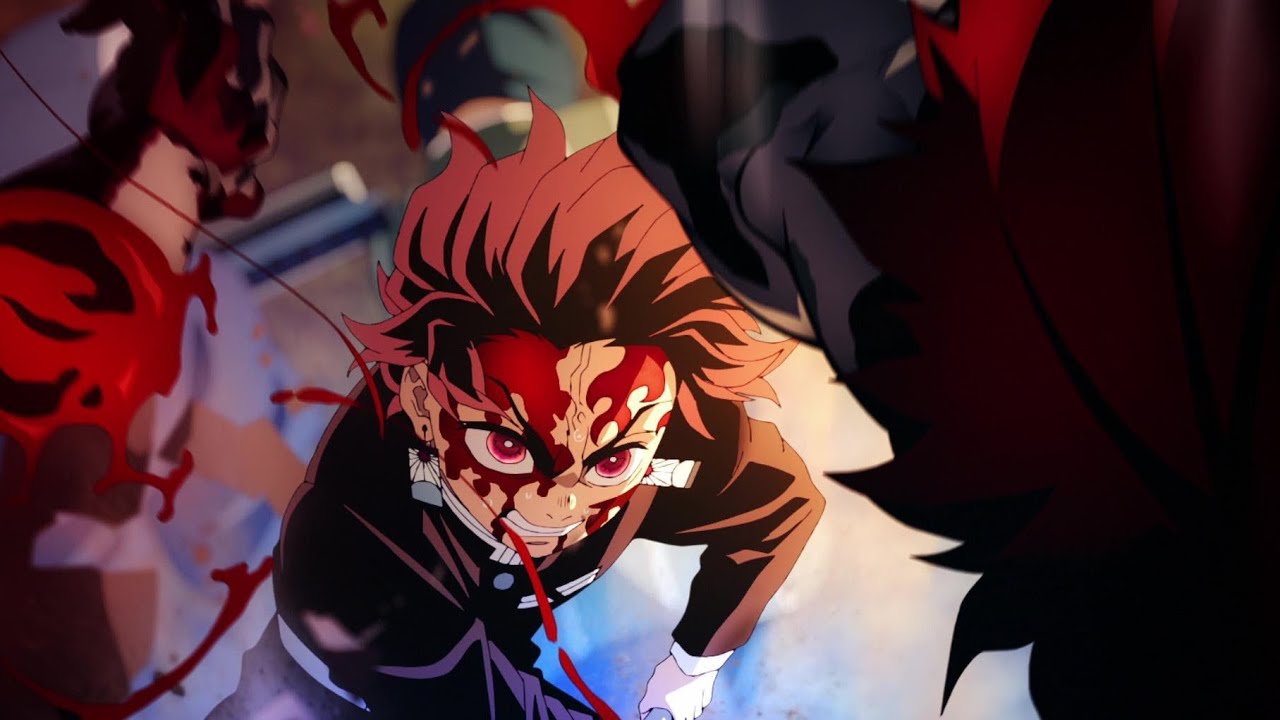
Tanjiro | Demon Slayer Season 4 (Credits: Ufotable)
What Demon Slayer handles well is emotional layering. Even demons are given sympathy. Instead of being portrayed as pure evil, they often have tragic pasts. As Tanjiro battles them, he shows empathy, sometimes holding their hands as they fade into ash. These moments build a strong sense of humanity within the violence.
Visually, the anime is breathtaking. The animation, especially during battles, sets a high standard. Ufotable’s direction uses vibrant colors, flowing movement, and artistic effects that mimic brush strokes or water flow. Each fight becomes a visual spectacle, especially when breathing techniques are unleashed in full force.
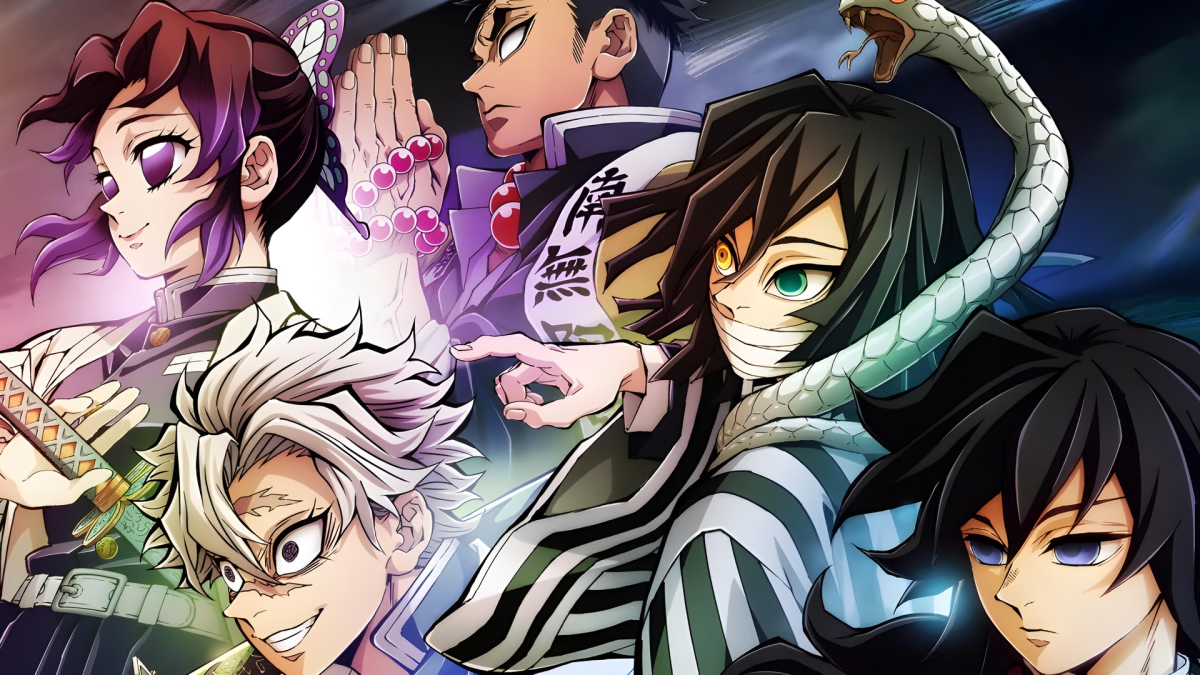
Demon Slayer Season 5 (Credits: Ufotable)
The Water Breathing forms, used by Tanjiro, have a graceful and elegant quality. Flame Breathing, Thunder Breathing, and other styles bring their own aesthetics. These abilities don’t just look good—they’re symbolic of each user’s spirit. It’s not about flashy power, but the emotion and discipline behind every move.
One of the standout arcs is the Mugen Train storyline. This arc transitions seamlessly from television to film, showcasing not only top-tier animation but a heart-wrenching emotional climax. The introduction of Kyojuro Rengoku, the Flame Hashira, adds a burst of energy and honor that leaves a deep impression.
Rengoku’s final moments are not just tragic—they’re inspiring. His presence reminds others what it means to live with conviction. He burns brightly, even when faced with overwhelming odds. His sacrifice stirs something in the remaining team, pushing them forward. It becomes a defining moment in Tanjiro’s development.
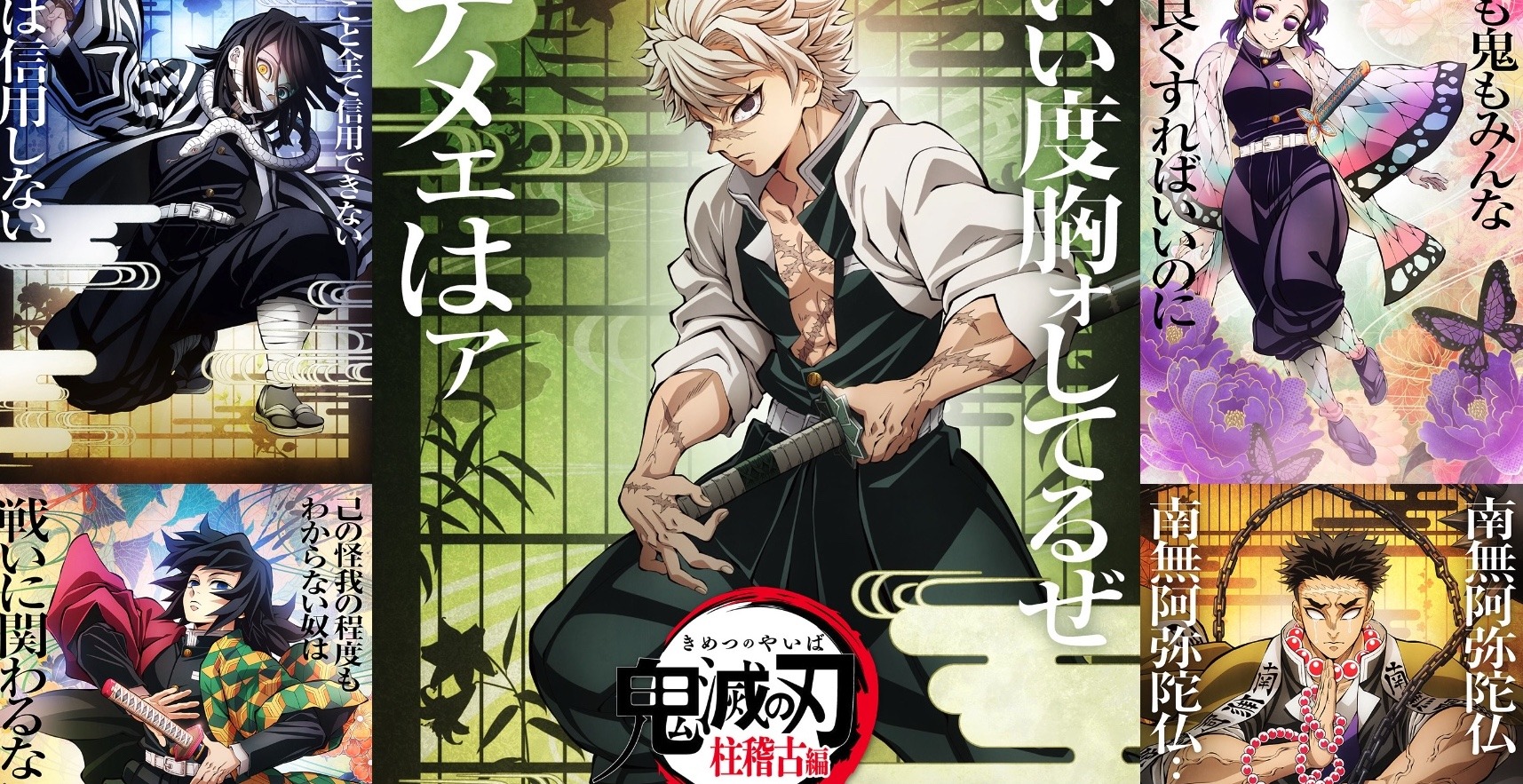
Demon Slayer Season 4 (Credits: Ufotable)
The Hashira, elite demon slayers, are a diverse group with unique fighting styles and personalities. Each represents a different aspect of the Corps, from discipline to chaos. As the story progresses, we’re gradually introduced to their lives, motivations, and past scars. This slow reveal helps build connection.
Tengen Uzui, the Sound Hashira, brings flair and bravado during the Entertainment District arc. Despite his showy nature, his dedication to his three wives and sense of duty show emotional depth. His battle against Upper Rank Six is intense, mixing humor, teamwork, and devastating consequences.
Upper Rank demons present real danger. They’re not disposable villains—they’re carefully developed, dangerous, and emotionally complex. Characters like Akaza or Daki have layered backgrounds that make battles feel more than physical contests—they’re ideological confrontations about pain, desire, and regret. Tanjiro often acts not just as a warrior, but as a witness.
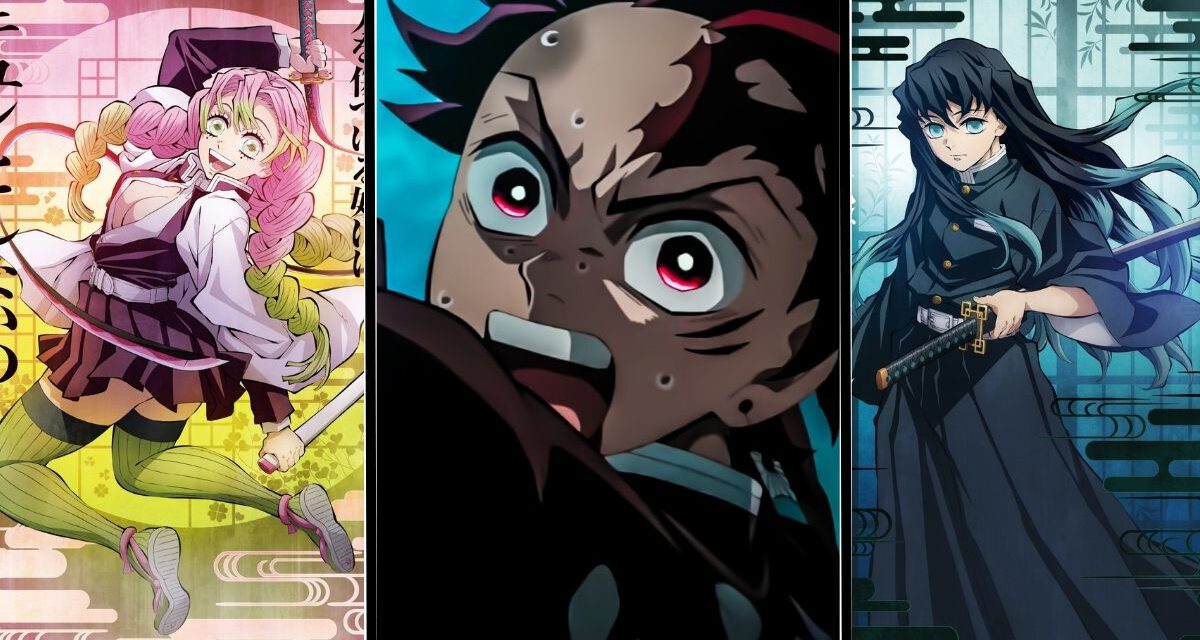
Mitsuri, Tanjiro, and Muichiro | Demon Slayer Season 4 (Credits: Ufotable)
What helps Demon Slayer stand apart is its pacing. Each season progresses steadily without filler. The focus remains tight, which allows emotional weight to build without distraction. That consistency has contributed to its rapid rise in popularity, even among viewers who aren’t seasoned anime fans.
Nezuko’s role, while mostly silent, grows with time. Her strength evolves beyond brute force. She symbolizes endurance and innocence in the face of corruption. Her relationship with Tanjiro is the emotional core, a reminder that even in battle, the bond of family gives purpose to everything.
The setting, a Taisho-era Japan, adds a layer of history and atmosphere. There’s a sense of change in the air—traditional values clashing with modernization, and demons lurking beneath society’s surface. That duality gives the world texture, making it feel grounded even with supernatural elements.
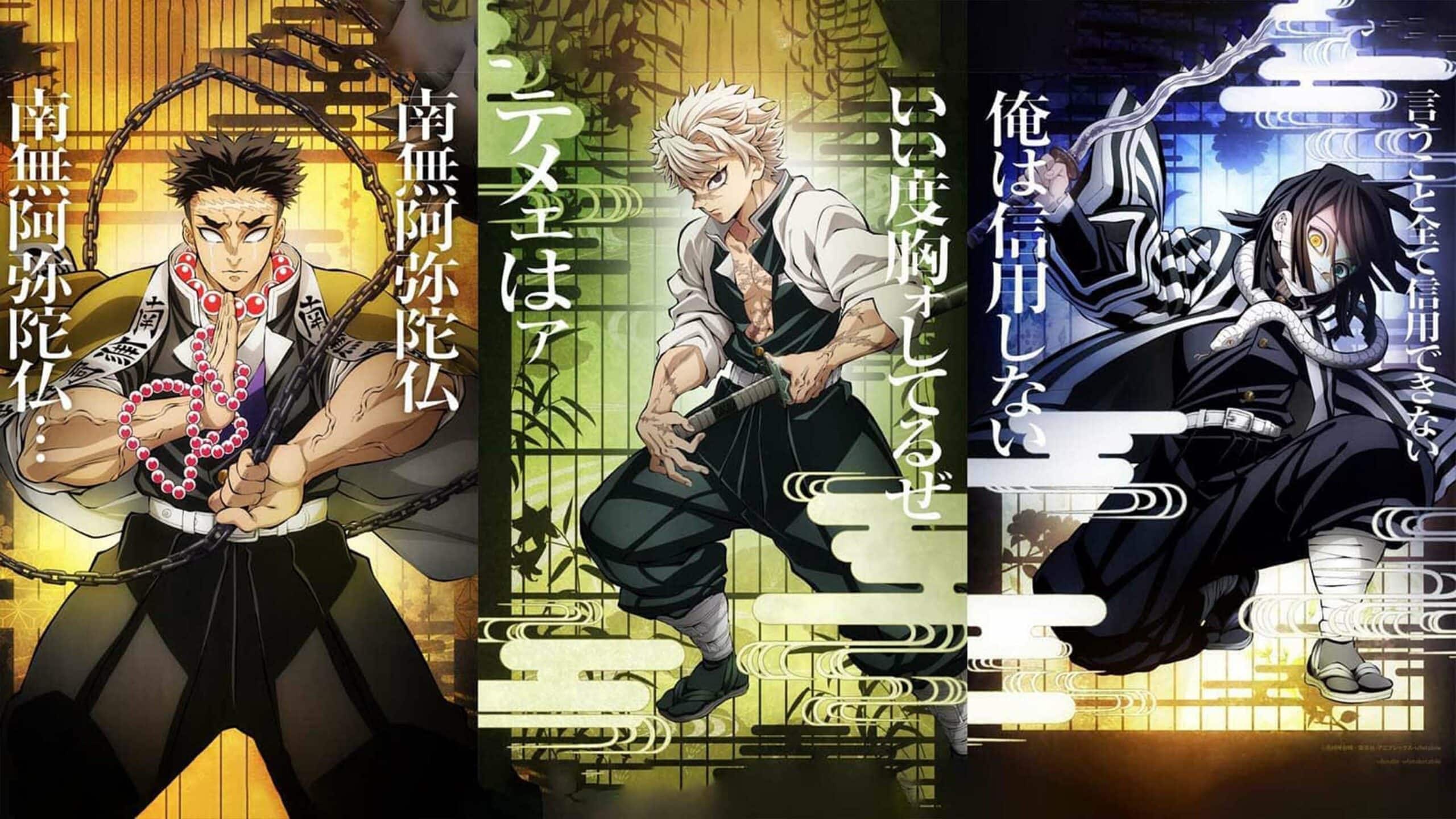
Demon Slayer Season 4 (Credits: Ufotable)
Music enhances everything. From haunting vocal pieces to adrenaline-charged battle tracks, the soundtrack shapes each scene’s tone. LiSA’s “Gurenge” and Aimer’s opening songs became hits for a reason—they reflect the story’s emotional intensity. The background score never overwhelms, but always reinforces the scene’s core feelings.
Tanjiro himself is not without flaws. He can be overly idealistic, sometimes naive. But it’s that purity that becomes his strength. He doesn’t let the horrors change his principles. He wants to believe there’s something left to save, even in the worst moments. That belief gives the show a steady heartbeat.
Demon Slayer doesn’t reinvent the genre, but it refines it. It takes familiar elements—training arcs, rivalries, power scaling—and gives them emotional substance. The animation helps, but it’s the story’s sincerity that connects. Every slash of a blade feels earned, every tear justified.
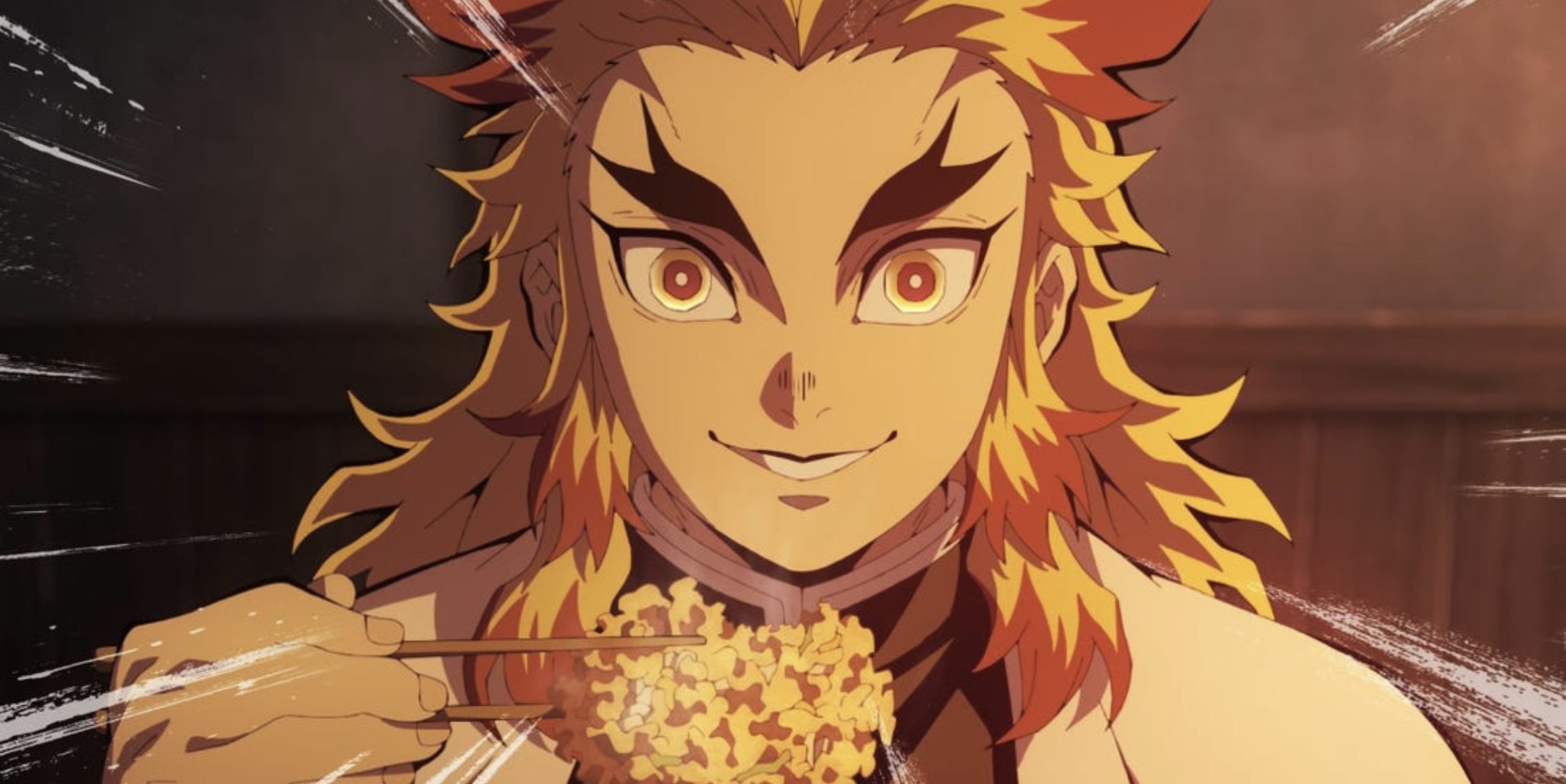
Kyojuro Rengoku (Demon Slayer) | ufotable
While some critics point out predictable beats or overused tropes, those aspects are often balanced by the care shown in execution. Characters aren’t just vessels for fights—they’re reflections of loss, survival, and the will to protect what matters. That emotional grounding gives Demon Slayer surprising depth.
As the series moves toward its finale, anticipation continues to build. The remaining Upper Ranks, the truth behind Muzan, and the fate of the Demon Slayer Corps promise powerful moments ahead. Fans know the end is near, but the story has built enough trust that the journey will be worth it.
At its heart, Demon Slayer reminds us of the strength that comes from compassion. It shows that even in a cruel world, kindness can cut through darkness. Through every breath and every blade, it carries a message of hope—a rare gift in a genre often focused only on strength.
13. JoJo’s Bizarre Adventure
For many English-speaking enthusiasts, JoJo’s Bizarre Adventure truly gained traction in 2012 with the release of its anime adaptation.
However, in Japan, the saga had already established itself as one of the highest-grossing anime franchises since its inception in 1987. Prior to its anime breakthrough, Hirohiko Araki’s JoJo’s Bizarre Adventure enjoyed immense success as a manga, boasting sales exceeding 120 million copies.
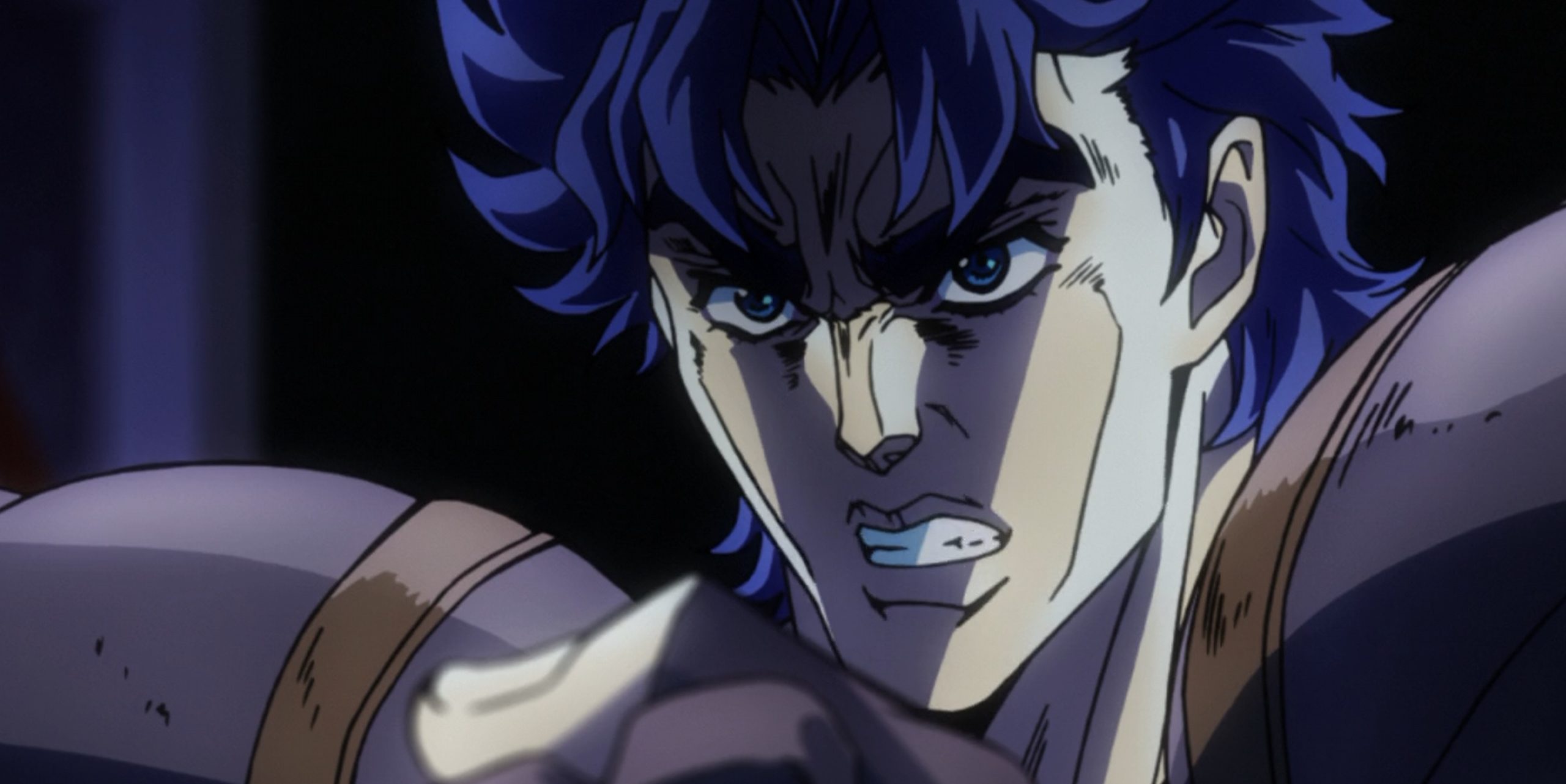
Jonathan Joestar From Jojo | Hirohiko Araki
The franchise’s triumph in Japan transcended mere manga sales, as it ventured into worlds ranging from video games to live-action adaptations.
Yet, perhaps the most significant measure of its groundbreaking impact lies in its transformative influence on the shonen storytelling.
The innovative approach of JoJo’s Bizarre Adventure reshaped the conventions of narrative delivery in the genre, leaving an indelible mark that continues to reverberate throughout contemporary anime.
12. Naruto
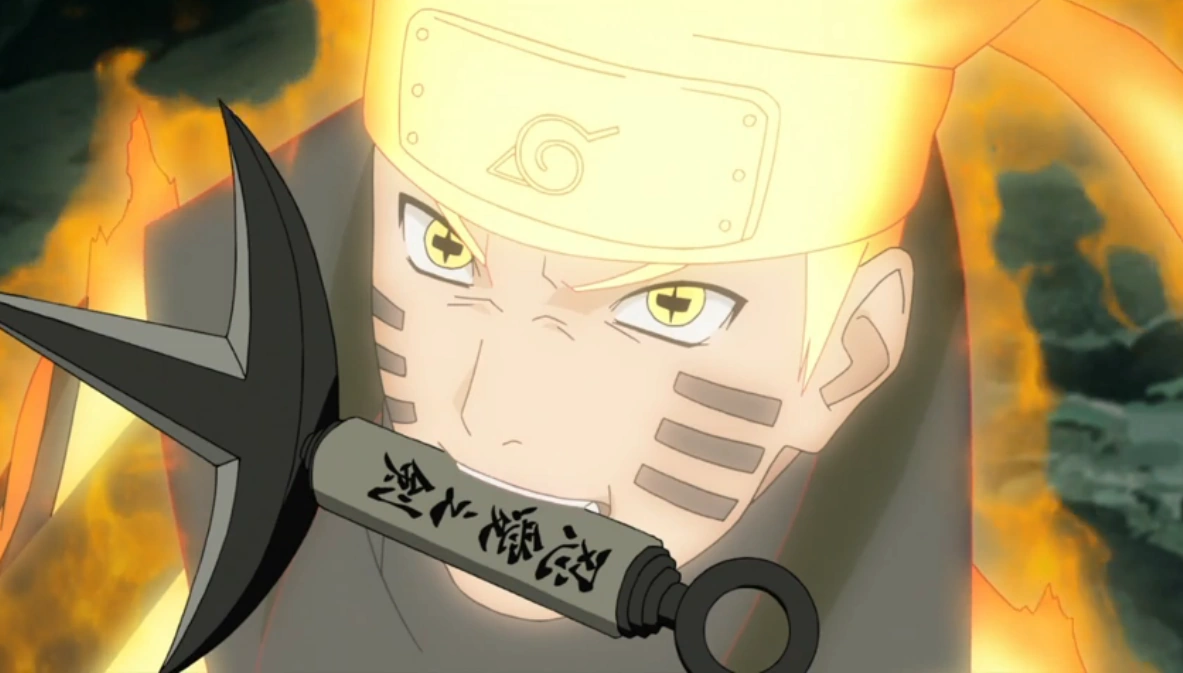
Naruto Uzumaki (Credits: Pierrot)
Given its profound cultural impact on audiences worldwide , it comes as no surprise that Naruto’s financial standing has propelled it to the ranks of the highest-grossing anime in history.
The martial arts odyssey of Naruto primarily owes its success to its manga roots, yet its anime adaptation, immortalized as one of Shonen Jump’s Big Three, undeniably played a pivotal role in solidifying its status as a household name.
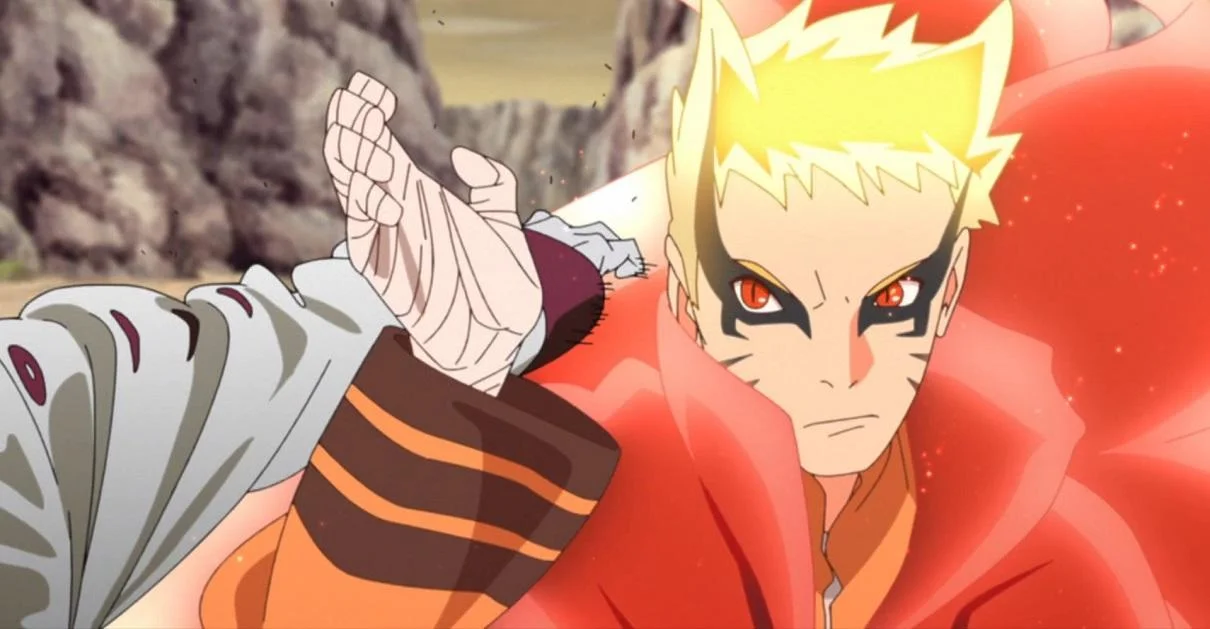
Nartuo (Credits: Pierrot)
Naruto’s triumph extended beyond animation, branching out into movies, video games, and collaborations with other equally iconic anime franchises. A key factor in its enduring prosperity lies in its sprawling narrative, which seems boundless in its scope.
Despite the divisive reception of Boruto: Naruto Next Generations as a legacy sequel, it undeniably contributed to sustaining Naruto’s profitability.
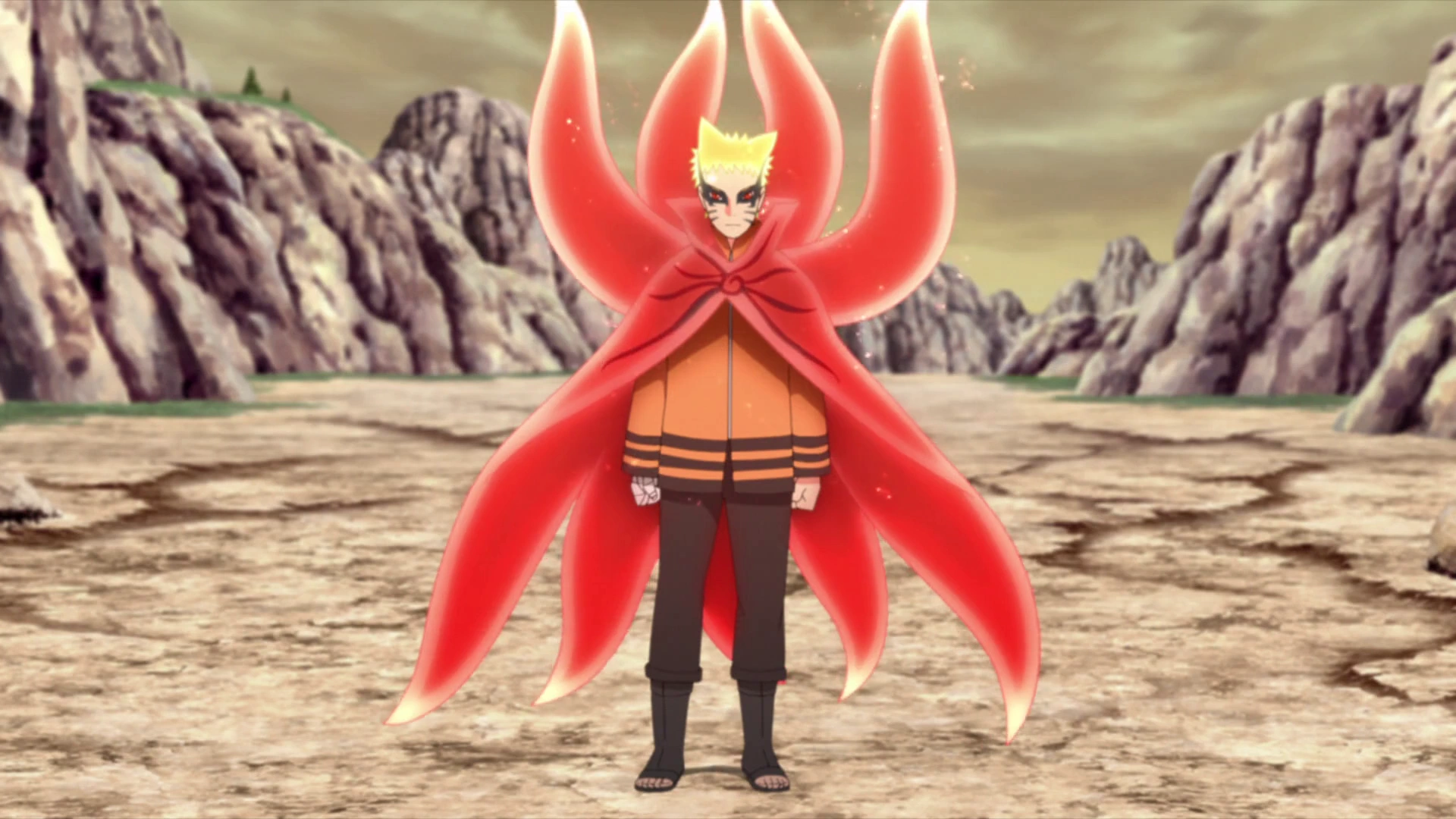
Nartuo Baryon Mode (Credits: Pierrot)
At its core, Naruto is a profoundly resonant tale centering around the indomitable spirit of its protagonist, Naruto Uzumaki.
His journey, marked by unwavering determination and a commitment to surmounting prejudice and enmity, resonates deeply as a timeless saga of perseverance, redemption, and the pursuit of global harmony.
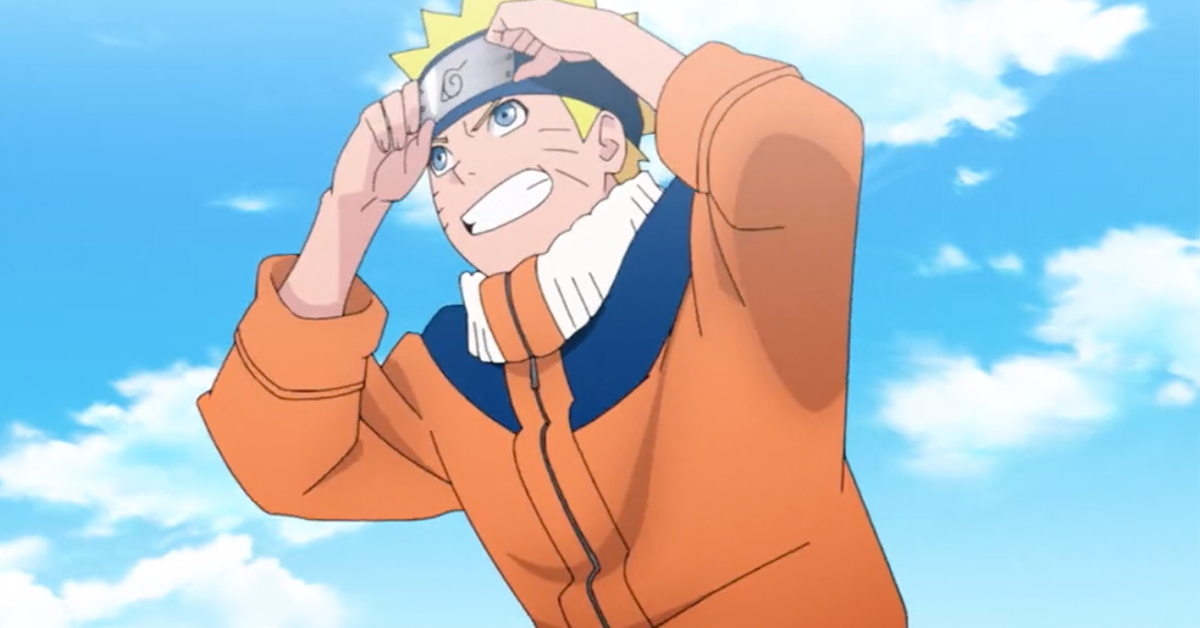
Naruto (Credits: Pierrot)
Naruto isn’t just a story about ninjas—it’s a story about pain, ambition, and finding your place. At the center is Naruto Uzumaki, a loud, misunderstood boy bearing a dark burden. His journey from outcast to hero is filled with setbacks, growth, and emotional trials that continue to connect with audiences across generations.
The anime opens in the Hidden Leaf Village, where Naruto is viewed as a troublemaker. Unknown to many, he’s the host of the Nine-Tailed Fox, a creature that once devastated the village. His isolation pushes him to seek recognition, not through resentment, but through determination. He wants to be Hokage—the leader everyone respects.
Nartuo Baryon (Credits: Pierrot)
This drive to be acknowledged forms the core of his development. While other ninja chase power or revenge, Naruto clings to his ideals. He fails often, but keeps getting back up. His persistence becomes his most defining trait. His progress isn’t quick, and that makes it real and impactful.
The bond between Naruto, Sasuke, and Sakura adds emotional tension to the early arcs. Sasuke, with his brooding past, serves as Naruto’s rival and mirror. Their differences lead to one of anime’s most complex friendships. Sakura’s early obsession with Sasuke slowly evolves as she matures and begins finding her own strength.

Naruto fans after the announcement of live action (mixed reaction) (Credits: Pierrot)
Kakashi, their mentor, plays a huge role in shaping them. His calm exterior hides immense pain, and his teachings go beyond combat. He emphasizes teamwork and purpose, trying to keep the trio grounded despite their differing paths. His presence often anchors moments of emotional chaos.
The Chūnin Exams arc is where the series truly comes alive. With new characters like Rock Lee, Gaara, and Neji entering the picture, the story widens. Each new fighter brings distinct philosophies and personal struggles. It’s not just about battles—it’s about the ideals clashing behind those battles.
Rock Lee, for instance, becomes a fan favorite because of his reliance on hard work. Born without the ability to use ninjutsu, he fights purely with taijutsu. His perseverance speaks to many viewers who understand what it’s like to be underestimated and still try anyway.
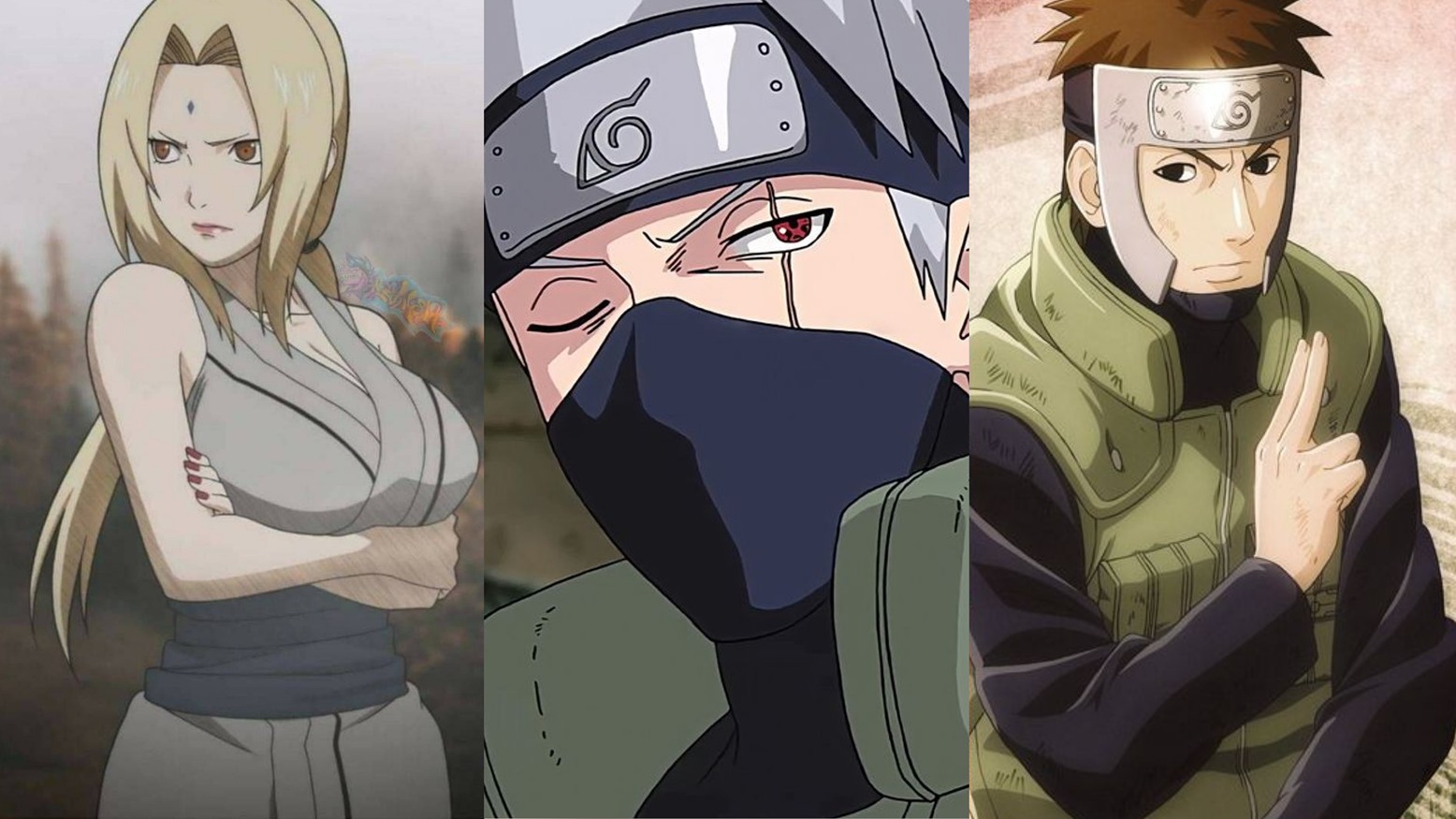
Tsunade, Kakashi, Yamato (Credits: Pierrot)
Naruto’s impact increases when it begins examining darker themes. The idea of inherited hatred, cycles of violence, and the cost of revenge becomes more prominent. Gaara’s trauma parallels Naruto’s, but shows what could’ve happened if Naruto had no one to believe in him. Their confrontation marks a major shift in the story’s emotional weight.
As the series transitions into Naruto: Shippuden, the tone matures. Characters age, and the stakes grow. The Akatsuki—a shadowy group of rogue ninja—become central antagonists. Each member brings philosophical depth, making the conflict less about good vs. evil and more about understanding pain and ideology.
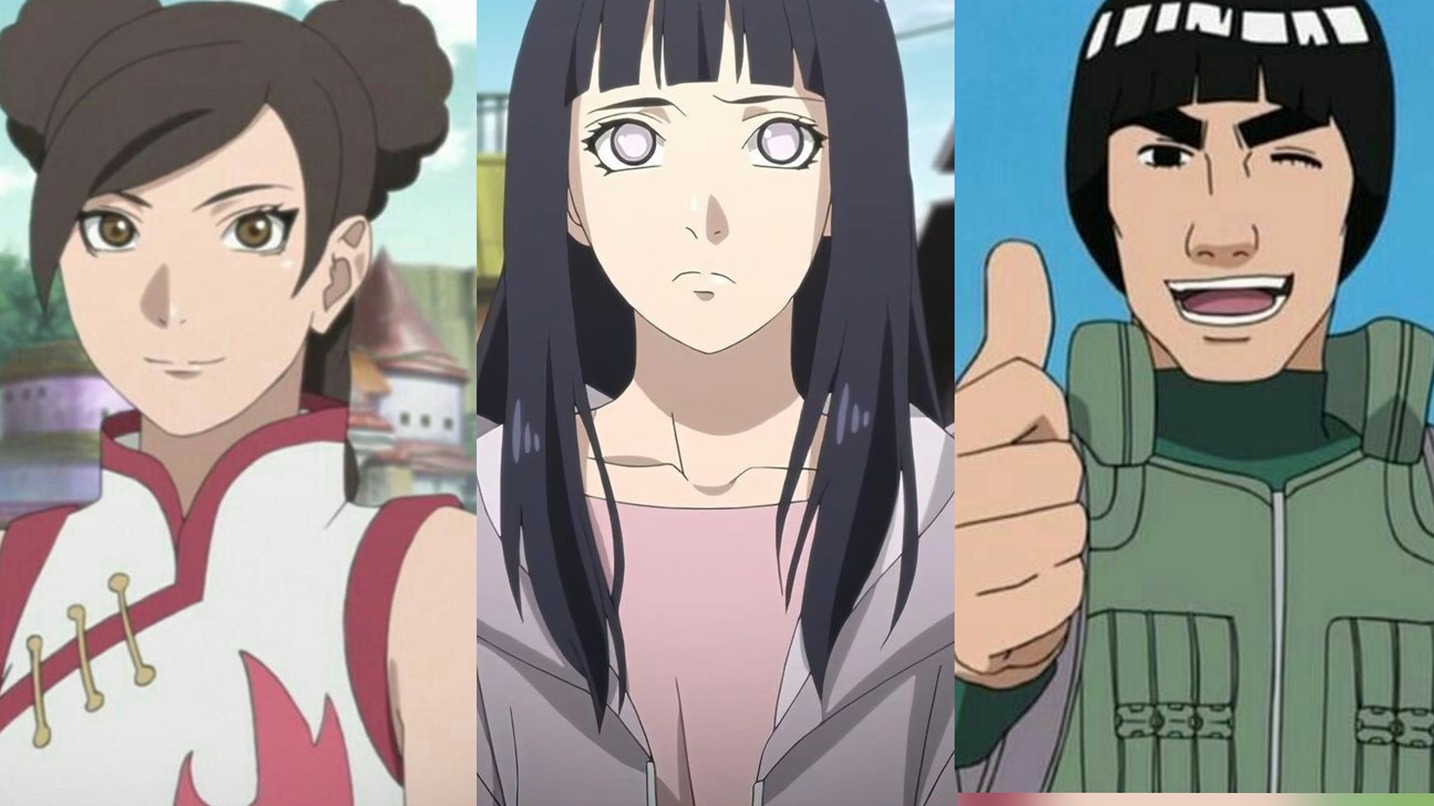
Tenten, Hinata, and Might Guy (Credits: Pierrot)
It’s during this period that Naruto’s empathy begins to shine. He doesn’t just fight enemies; he tries to understand them. His conversation with Nagato (Pain) stands out as one of the most powerful moments in the series. Rather than kill him, Naruto chooses to listen, forging a path different from those before him.
Sasuke’s descent into darkness provides constant contrast. While Naruto seeks peace through connection, Sasuke turns toward vengeance. Their paths feel inevitable, and their eventual confrontation is both tragic and cathartic. Their bond remains central, even when they stand on opposite sides of conflict.
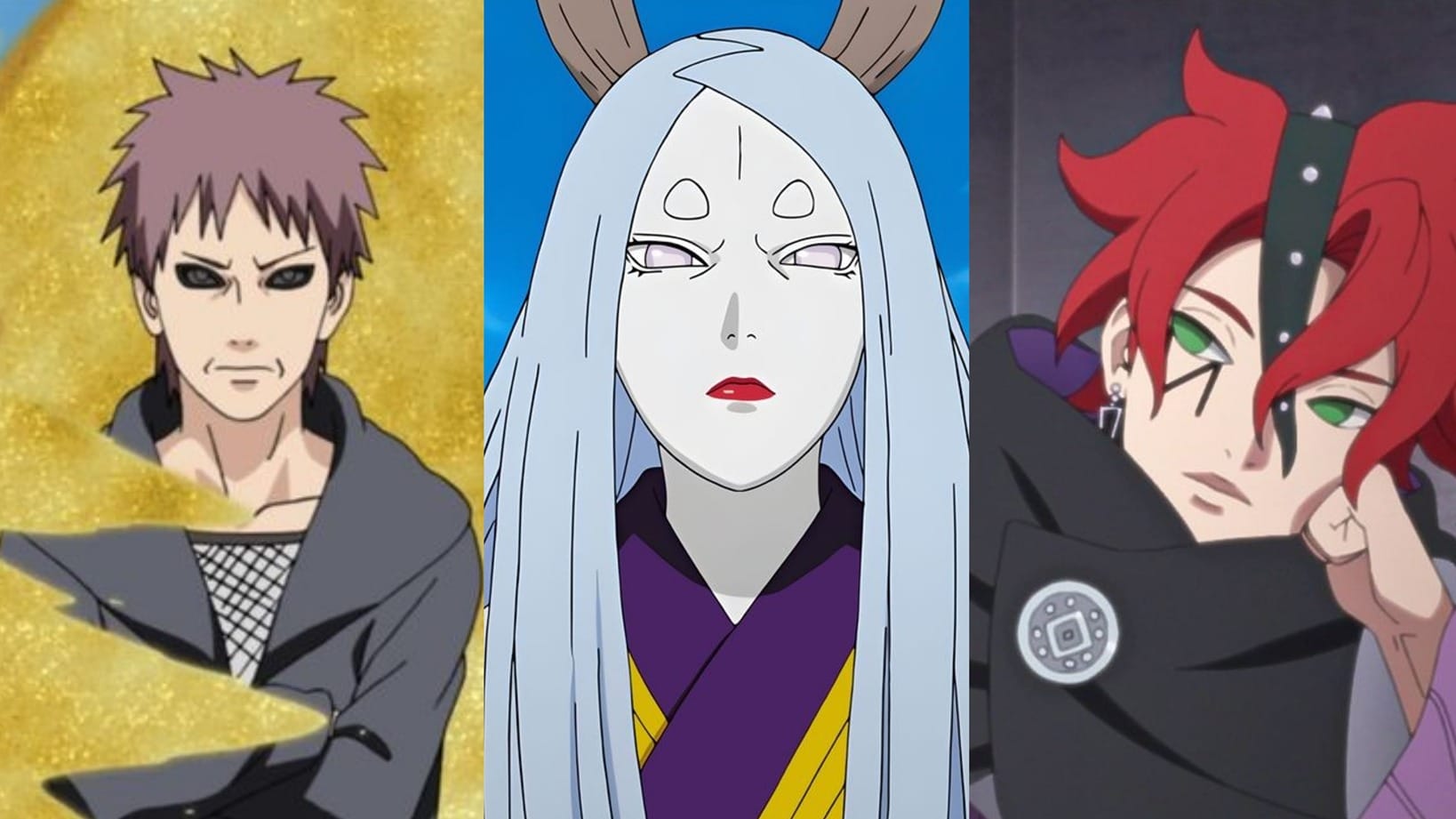
Rasa, Kaguya, and Code (Credits: Pierrot)
The female characters, often a point of critique, have their moments too. While Sakura’s early characterization revolves around love and jealousy, she eventually trains under Tsunade and becomes a powerful medic-ninja. Her emotional arc might not be as prominent as Naruto or Sasuke’s, but it’s a quiet story of resilience.
Shikamaru’s growth deserves mention as well. His intelligence, once dismissed as laziness, proves invaluable. After Asuma’s death, Shikamaru matures rapidly, stepping up as a leader. His journey reflects the burden of war, responsibility, and the loss of innocence that comes with conflict.
Jiraiya’s mentorship leaves an unforgettable mark on Naruto. More than a teacher, he becomes a father figure. His lessons go beyond strength—they teach Naruto how to carry pain with grace. Jiraiya’s death and the aftermath showcase some of the most heart-wrenching storytelling in the entire series.
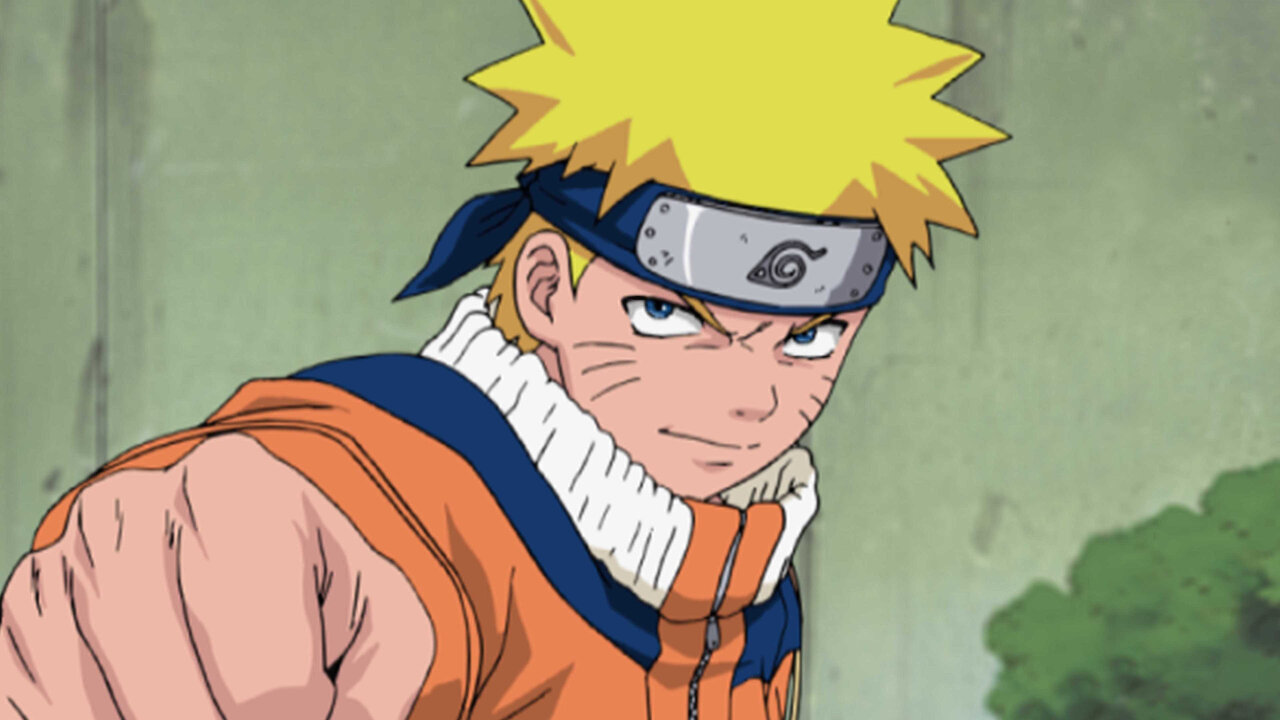
Naruto Uzumaki (Credits: Pierrot)
The war arc stretches across many episodes, combining action and introspection. It brings together nearly every character introduced, showing how much everyone has changed. Naruto becomes a symbol of hope, no longer chasing acknowledgment but inspiring others through his actions.
The final battle between Naruto and Sasuke is both inevitable and necessary. It’s not just about resolving rivalry—it’s about letting go of pain, guilt, and expectation. That fight condenses the emotional and ideological tension built over hundreds of episodes. And when it ends, it feels earned.
Music and animation contribute heavily to the show’s emotional weight. From the haunting piano themes to adrenaline-pumping fight tracks, the score heightens every key moment. The animation can vary in quality, but during pivotal scenes, it often reaches breathtaking intensity.
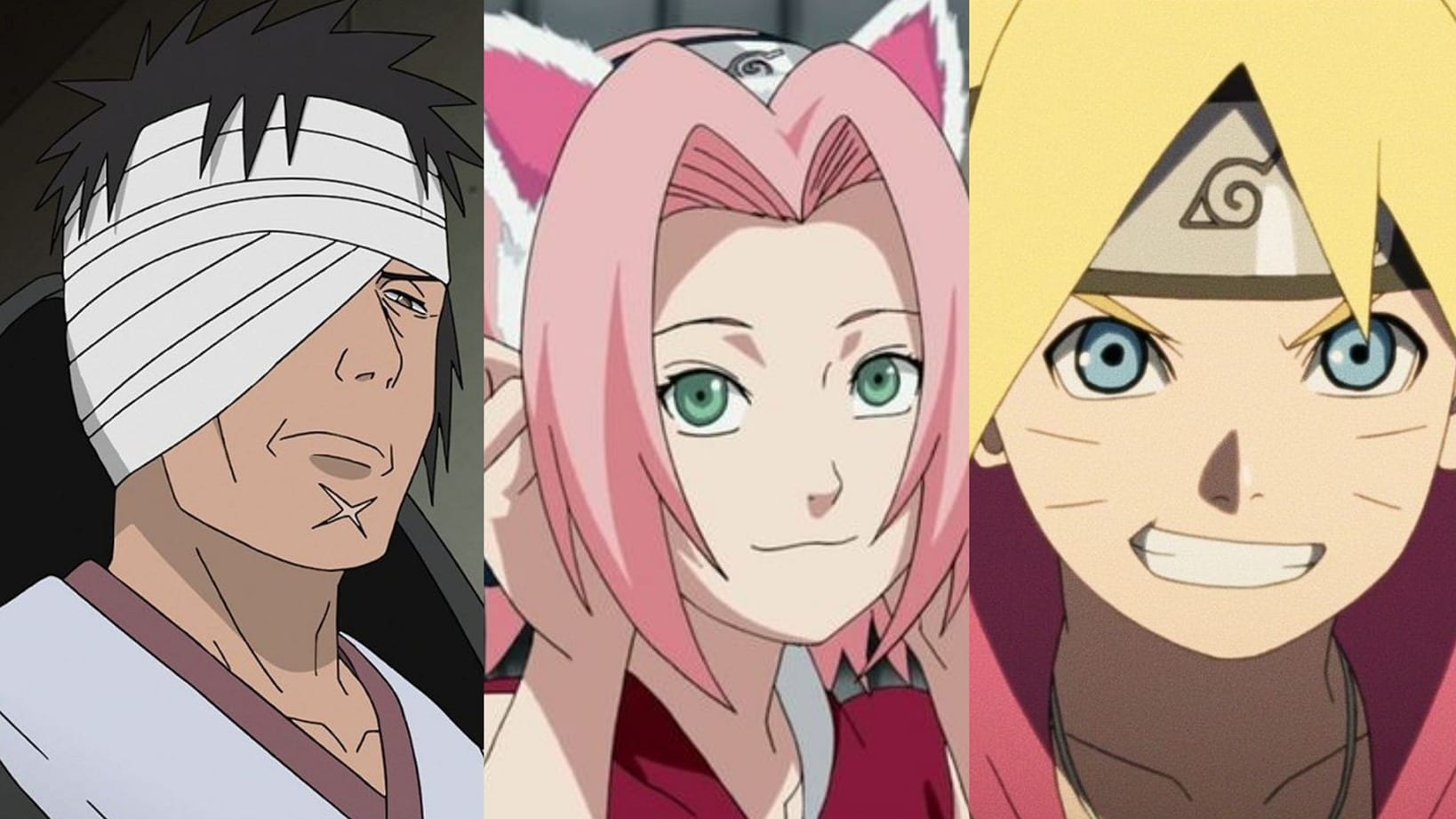
Danzo, Sakura, and Boruto (Credits: Pierrot)
There are flaws—filler episodes often disrupt pacing, especially in the original series. Certain female characters are underused, and some themes are repeated more than necessary. Still, these issues don’t overshadow the depth and sincerity at the story’s core.
One of Naruto’s lasting strengths is how it treats its cast. Side characters have purpose and arcs. From Hinata’s quiet devotion to Neji’s fatalistic views, each character reflects different ways people deal with hardship, expectation, and choice. Their presence builds a living world.
Even after Naruto ends, its story continues through Boruto. While reception to the sequel is mixed, Naruto’s arc as a father and Hokage adds new dimensions to his character. It shows the challenges of leadership and parenting, keeping his legacy relevant.
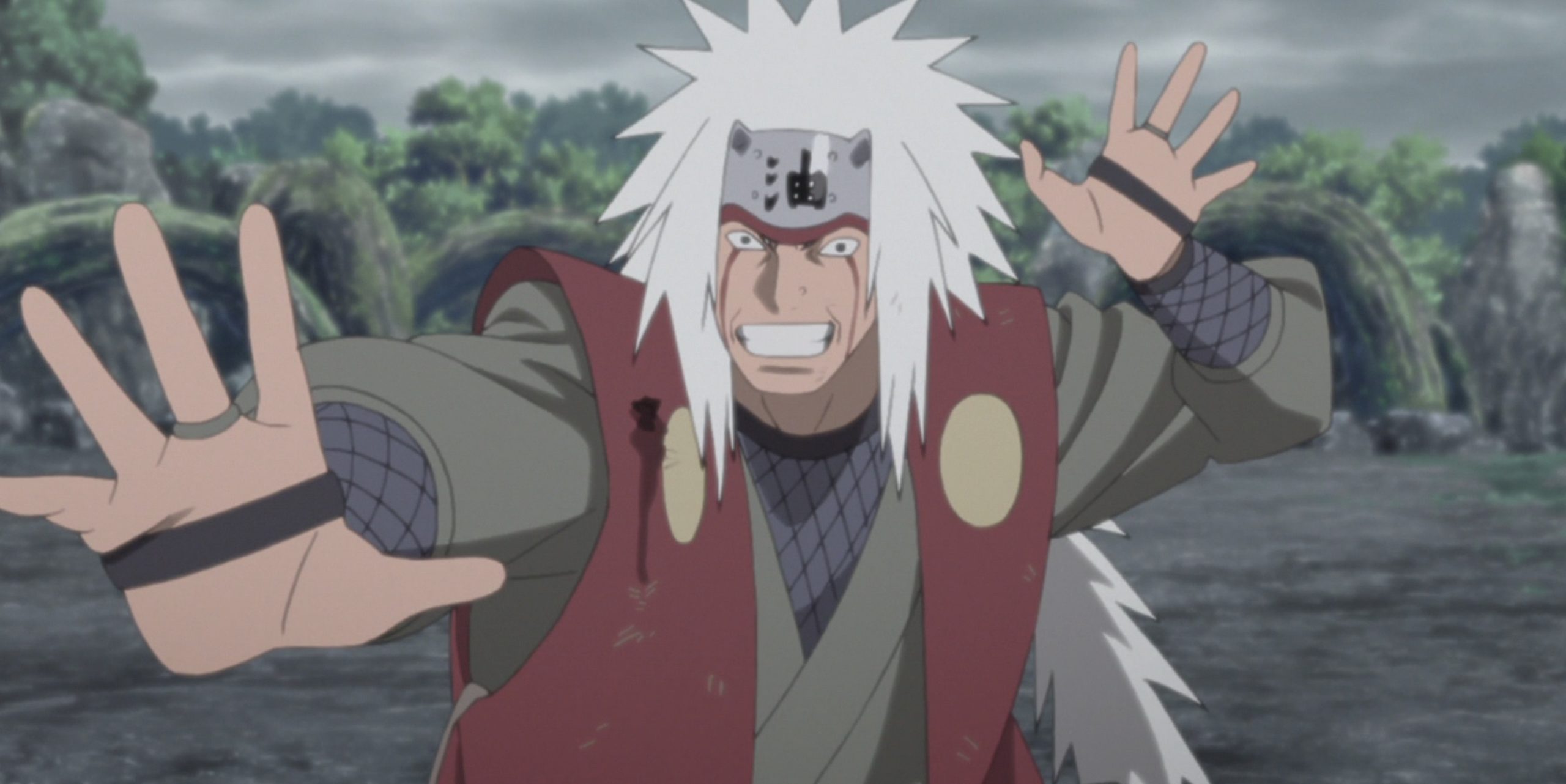
Jiraiya (Naruto Shippuden) | Pierrot
What makes Naruto resonate is its emotional honesty. It never hides the pain of loneliness, the desire for belonging, or the weight of expectations. Through every fight, failure, and friendship, it reminds viewers that growth comes from struggle, and that compassion can be stronger than hate.
The anime’s legacy is undeniable. It introduced millions to anime, inspired countless fan works, and influenced other creators. It has moments that are etched into the memories of those who watched it weekly, waiting for the next step in Naruto’s climb toward his dream.
Whether you’re returning for nostalgia or watching it for the first time, Naruto offers more than action. It offers heart. It offers a boy who, despite everything, kept believing in himself—and made others believe too.
11. Sailor Moon
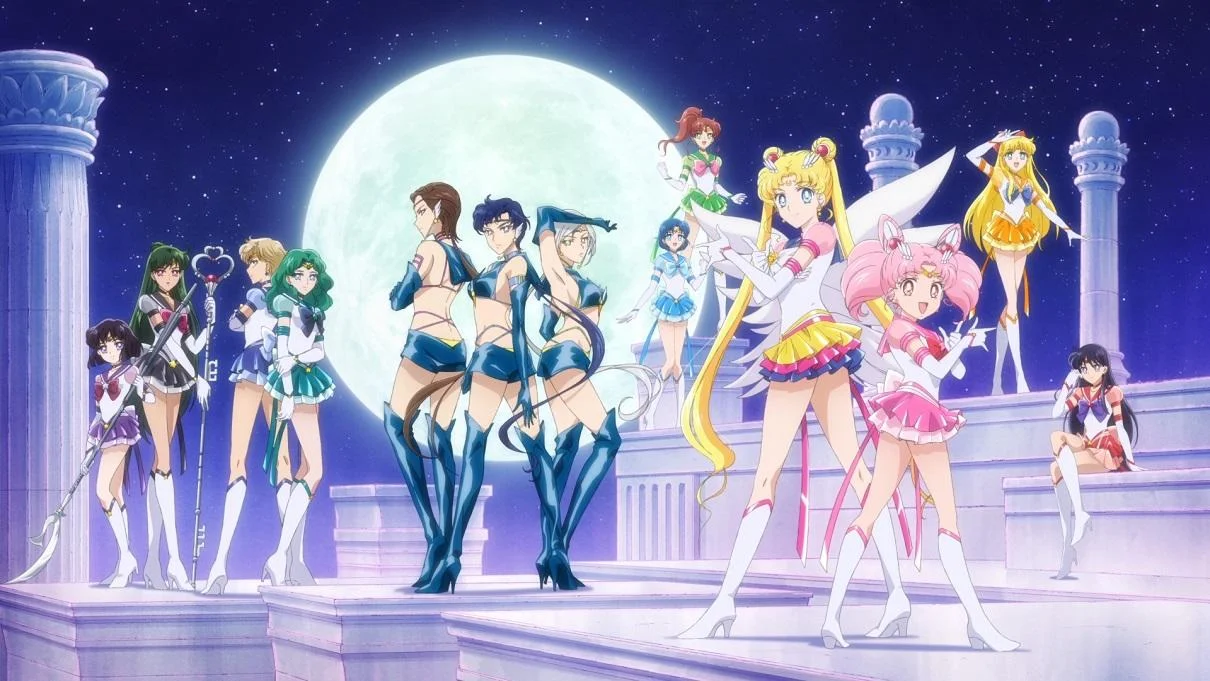
Sailor Moon (Credits: Toei Animation)
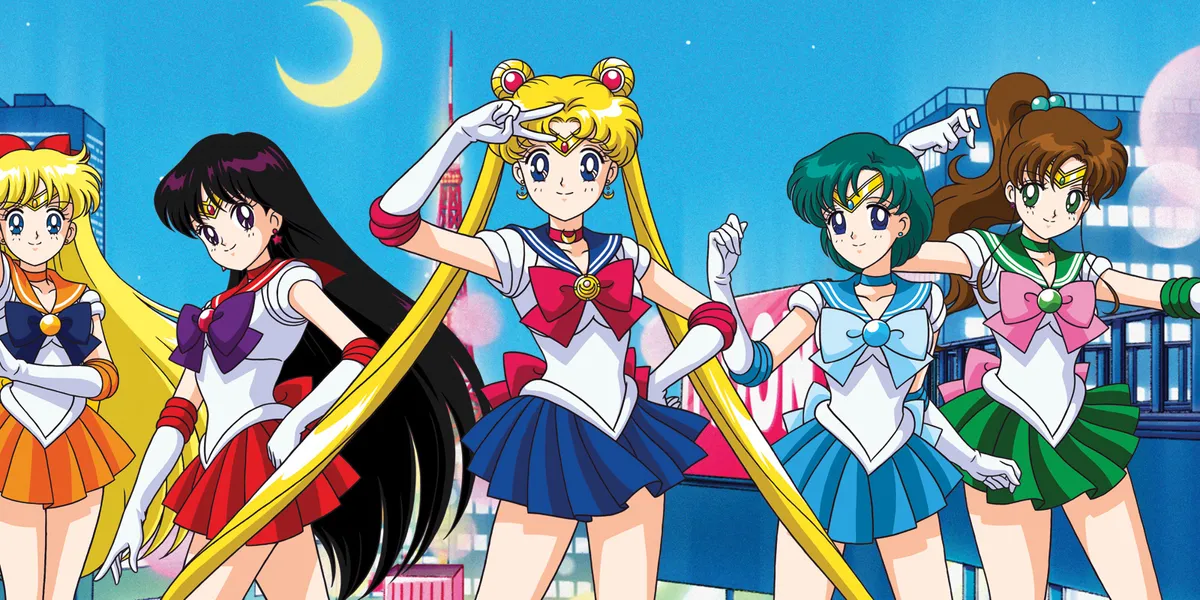
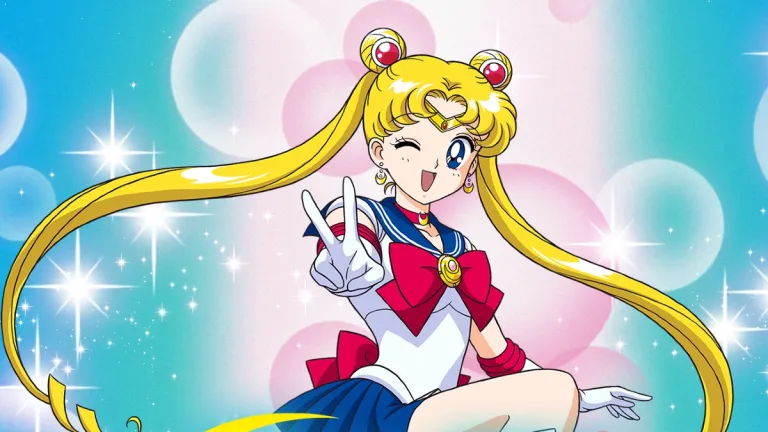
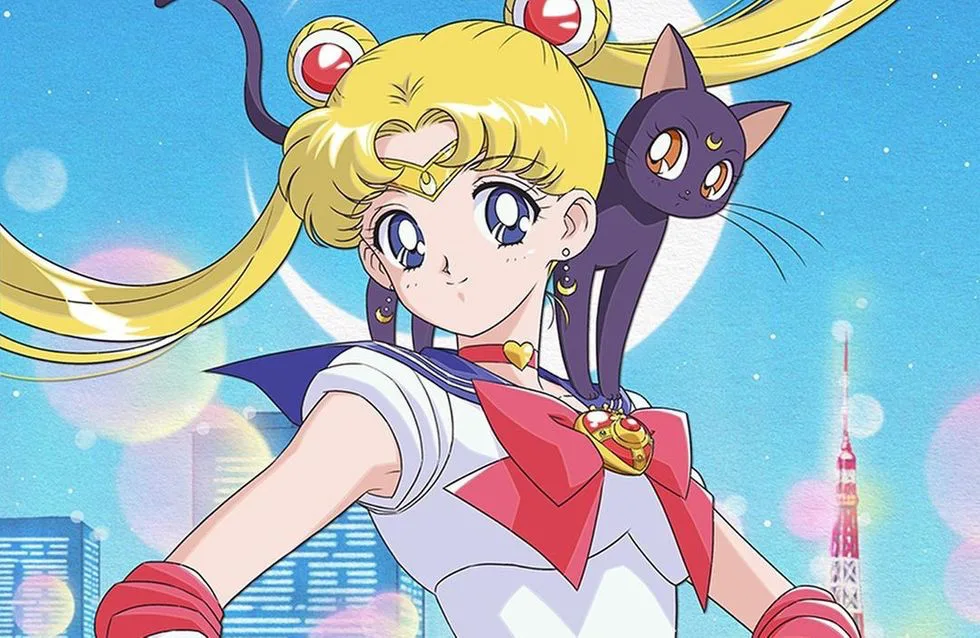
Sailor Moon chronicles the valiant efforts of Usagi Tsukino to safeguard Earth as the eponymous magical girl. Beyond its amazing narrative, Sailor Moon holds a distinguished position as a trailblazer within the anime.
Breaking barriers in a predominantly male-dominated world, it emerged as one of the pioneering blockbuster shojo anime and soared to become one of the highest-grossing anime franchises of all time.
Debuting in 1992, Sailor Moon swiftly ascended to the zenith as the quintessential shojo and magical girl series, a title it has retained ever since. While the original Sailor Moon anime ended its main storyline years ago, its enduring legacy continues to thrive primarily through merchandise sales.
Nevertheless, Sailor Moon’s journey is far from over, with new movies and other ventures slated for the future, ensuring its enduring presence in the annals of anime history.
Sailor Moon holds a special place in anime history, shaping the magical girl genre for generations. Premiering in the early ’90s, it brought a mix of action, friendship, romance, and supernatural elements. The story revolves around Usagi Tsukino, an ordinary girl who transforms into Sailor Moon, a guardian destined to protect Earth from evil forces.
Usagi starts out clumsy and emotional, far from the image of a heroic figure. But as the series progresses, she shows growth, taking on immense responsibilities while staying true to her heart. Her journey is about more than just battles; it reflects the struggles and changes that come with growing up.
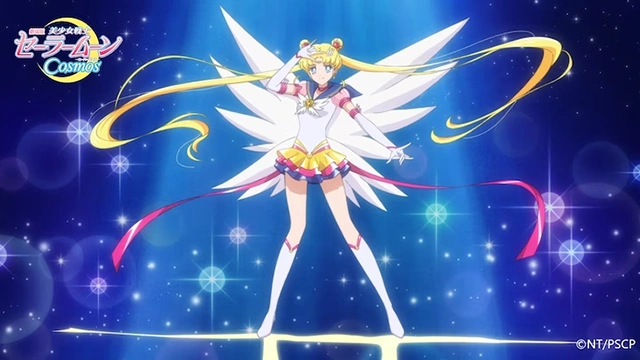
Sailor Moon (Credits: Toei Animation)
She’s joined by fellow Sailor Guardians—each with distinct personalities, powers, and backstories. From the intelligent Ami to the fiery Rei, the cast becomes a tight-knit team. Their relationships feel genuine, filled with conflict, support, and humor, creating a strong emotional center for the show.
The villains add dramatic tension, with enemies like Queen Beryl and the Black Moon Clan threatening the balance of Earth and the universe. Each arc introduces new challenges that test the Guardians’ unity and determination, pushing their character development forward.
A unique aspect is the way the anime blends real emotions with fantasy elements. Love, jealousy, fear, and hope are not just plot devices—they’re deeply rooted in the characters’ experiences. Usagi’s relationship with Mamoru, also known as Tuxedo Mask, adds romantic depth without overshadowing the main narrative.
<img loading=“lazy” src=“https://otakukart.com/wp-content/uploads/2024/03/Sailor-Moon-Spin-Off-Team-Angel.webp" onerror=“this.onerror=null;this.src=‘https://blogger.googleusercontent.com/img/a/AVvXsEhe7F7TRXHtjiKvHb5vS7DmnxvpHiDyoYyYvm1nHB3Qp2_w3BnM6A2eq4v7FYxCC9bfZt3a9vIMtAYEKUiaDQbHMg-ViyGmRIj39MLp0bGFfgfYw1Dc9q_H-T0wiTm3l0Uq42dETrN9eC8aGJ9_IORZsxST1AcLR7np1koOfcc7tnHa4S8Mwz_xD9d0=s16000';" alt=“Sailor Moon Spin-Off “Team Angel” Shows Bible Uncovered From Library of Congress - 28”>
Sailor Moon (Credits: Toei Animation)
The animation, especially in the original seasons, has a nostalgic charm. While not always polished, it captures emotion well. Certain transformation sequences and battle scenes became iconic, influencing how future magical girl shows approached style and drama.
As the seasons progressed, the animation improved. Sailor Moon Crystal , the rebooted adaptation, offers a sharper, more detailed look but has sparked debate among fans. Some appreciate its faithfulness to the manga, while others prefer the emotional warmth of the original series.
Music also plays a vital role. The opening theme, “Moonlight Densetsu,” remains one of the most recognizable songs in anime. The background score changes to match mood shifts—lighthearted scenes use whimsical melodies, while intense moments are matched with dramatic tunes.
A lot of the show’s charm comes from its balance of everyday life with magical missions. School events, family dinners, and casual hangouts often intersect with monster attacks or cosmic threats. This rhythm creates a familiar yet exciting world that resonates with viewers.
<img loading=“lazy” src=“https://otakukart.com/wp-content/uploads/2024/03/Sailor-Moon-Crying.jpg" onerror=“this.onerror=null;this.src=‘https://blogger.googleusercontent.com/img/a/AVvXsEhe7F7TRXHtjiKvHb5vS7DmnxvpHiDyoYyYvm1nHB3Qp2_w3BnM6A2eq4v7FYxCC9bfZt3a9vIMtAYEKUiaDQbHMg-ViyGmRIj39MLp0bGFfgfYw1Dc9q_H-T0wiTm3l0Uq42dETrN9eC8aGJ9_IORZsxST1AcLR7np1koOfcc7tnHa4S8Mwz_xD9d0=s16000';" alt=“Sailor Moon Spin-Off “Team Angel” Shows Bible Uncovered From Library of Congress - 29”>
Sailor Moon (Credits: Toei Animation)
Friendship is more than just a theme—it’s the core of Sailor Moon . The Guardians’ loyalty to each other, their shared experiences, and their collective resolve demonstrate how powerful unity can be. It’s not just about strength; it’s about compassion and connection.
The show doesn’t shy away from heartbreak either. Loss, betrayal, and self-sacrifice are all present. Characters make hard choices and face the consequences, adding a layer of maturity to a series that initially seems lighthearted. These emotional moments linger long after the episode ends.
What makes Sailor Moon so effective is its relatability. Usagi isn’t perfect. She cries, complains, and doubts herself. But that vulnerability is what makes her feel real. She learns, grows, and becomes someone others can depend on—not because she’s flawless, but because she keeps trying.
Representation also plays an important part. The show includes diverse relationships and characters who don’t always fit traditional norms. Though some aspects were censored in earlier Western releases, the original content offers a more inclusive and progressive message.
<img loading=“lazy” src=“https://otakukart.com/wp-content/uploads/2024/03/SailorMoon_Channel_1440x1080_Promo_C.webp" onerror=“this.onerror=null;this.src=‘https://blogger.googleusercontent.com/img/a/AVvXsEhe7F7TRXHtjiKvHb5vS7DmnxvpHiDyoYyYvm1nHB3Qp2_w3BnM6A2eq4v7FYxCC9bfZt3a9vIMtAYEKUiaDQbHMg-ViyGmRIj39MLp0bGFfgfYw1Dc9q_H-T0wiTm3l0Uq42dETrN9eC8aGJ9_IORZsxST1AcLR7np1koOfcc7tnHa4S8Mwz_xD9d0=s16000';" alt=“Sailor Moon Spin-Off “Team Angel” Shows Bible Uncovered From Library of Congress - 30”>
Sailor Moon (Credits: Toei Animation)
Each arc brings something different to the table. The first season lays the foundation, while Sailor Moon R explores deeper emotional ties. Sailor Moon S is considered by many as the peak, introducing fan favorites like Sailor Uranus and Sailor Neptune. Their presence added complexity and challenged existing dynamics.
Sailor Moon SuperS takes a lighter tone but develops Chibiusa and focuses more on dreams and hopes. Meanwhile, Sailor Stars closes the saga with a powerful finale that questions identity, loyalty, and destiny. It shows how far the characters—and the audience—have come since the beginning.
The influence of Sailor Moon is undeniable. It inspired countless anime and manga, from Cardcaptor Sakura to Puella Magi Madoka Magica . Its legacy continues through merchandise, musicals, and global fan communities. For many, it was their introduction to anime and still holds emotional significance.
<img loading=“lazy” src=“https://otakukart.com/wp-content/uploads/2024/03/SailorMoon-copertina.webp" onerror=“this.onerror=null;this.src=‘https://blogger.googleusercontent.com/img/a/AVvXsEhe7F7TRXHtjiKvHb5vS7DmnxvpHiDyoYyYvm1nHB3Qp2_w3BnM6A2eq4v7FYxCC9bfZt3a9vIMtAYEKUiaDQbHMg-ViyGmRIj39MLp0bGFfgfYw1Dc9q_H-T0wiTm3l0Uq42dETrN9eC8aGJ9_IORZsxST1AcLR7np1koOfcc7tnHa4S8Mwz_xD9d0=s16000';" alt=“Sailor Moon Spin-Off “Team Angel” Shows Bible Uncovered From Library of Congress - 31”>
Sailor Moon (Credits: Toei Animation)
Despite its age, Sailor Moon remains approachable for new viewers. Its themes are timeless, its characters relatable, and its story uplifting. Whether through the original series, the manga, or the Crystal reboot, the magic of Sailor Moon continues to reach new generations.
The anime’s blend of fantasy and reality gives it a lasting appeal. It never relies solely on action or drama; instead, it weaves everyday struggles into its cosmic conflicts. That balance is what gives it heart—and what keeps it relevant even decades later.
Many moments from the show stay with fans for years. Usagi’s bravery, the Guardians’ loyalty, and the heartbreaks they endure are etched into anime history. There’s a reason the series is still being watched, discussed, and celebrated long after its debut.
Nostalgia is part of its charm, but it’s not the only reason people keep returning. The emotional beats are real. The lessons about friendship, perseverance, and love continue to resonate. It’s a show that grows with you, offering something different at each stage of life.
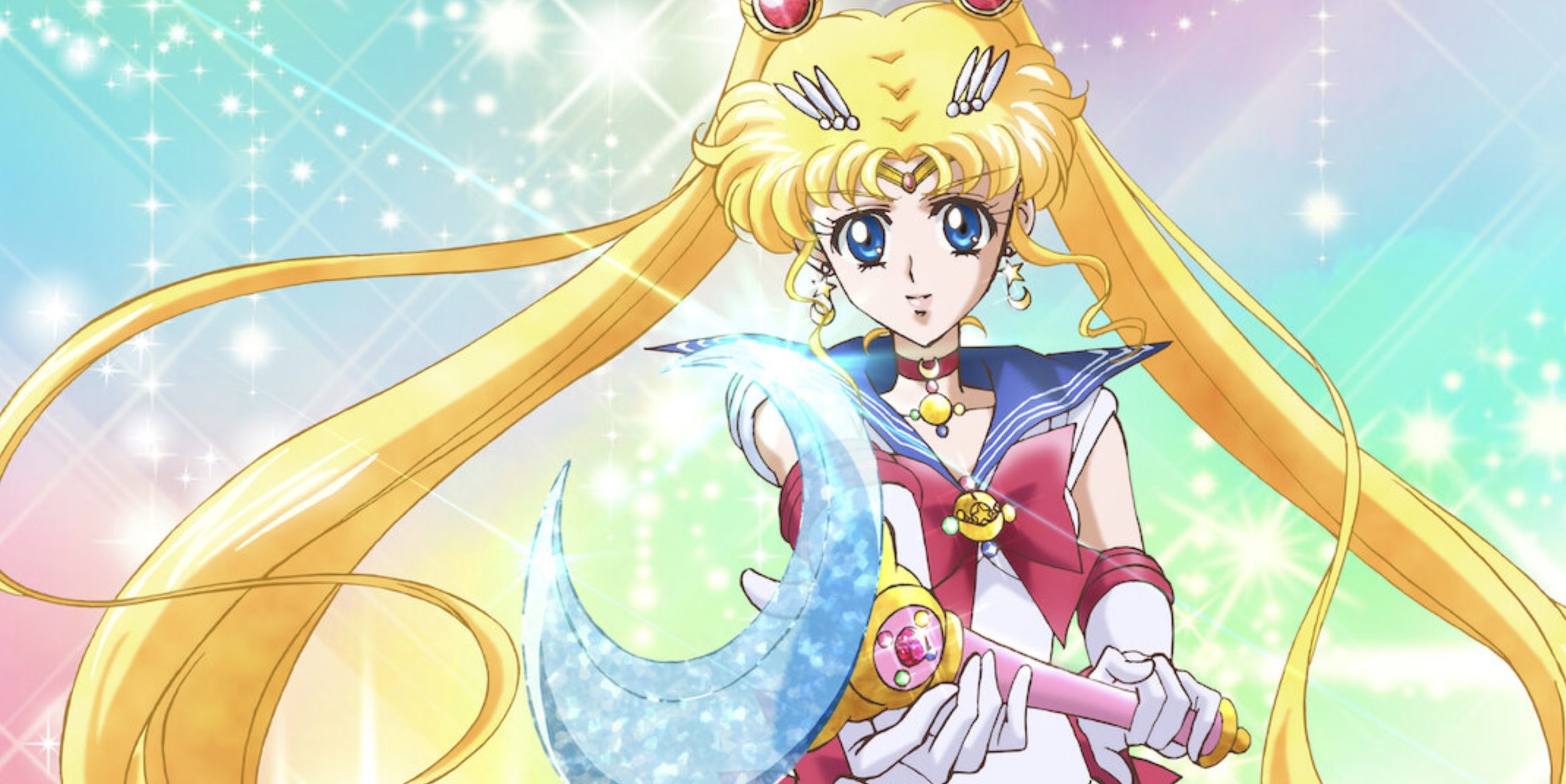
Sailor Moon | Netflix
Even its flaws—occasional filler, inconsistent pacing—don’t diminish its power. Instead, they give it character. Its imperfections make it feel authentic. You’re not watching a polished product; you’re watching a story that cares more about heart than perfection.
The magical girl genre owes much to Sailor Moon , but its impact goes beyond anime. It shaped cultural ideas about female strength, unity, and emotional expression. It showed that being kind, vulnerable, and strong aren’t opposites—they coexist beautifully.
Whether you’re new to anime or a longtime fan, Sailor Moon offers an experience that’s hard to forget. It invites viewers into a world where love and justice go hand-in-hand, and where even the most unlikely hero can shine brightly in the darkest night.
10. KochiKame: Tokyo Beat Police
KochiKame: Tokyo Beat Police may not ring a bell for most audiences outside of Japan, yet within its home country, it holds an esteemed position as one of the highest-grossing anime in history.
More than just a cultural footnote, KochiKame stands as a veritable institution within both the anime industry and Japanese society at large.
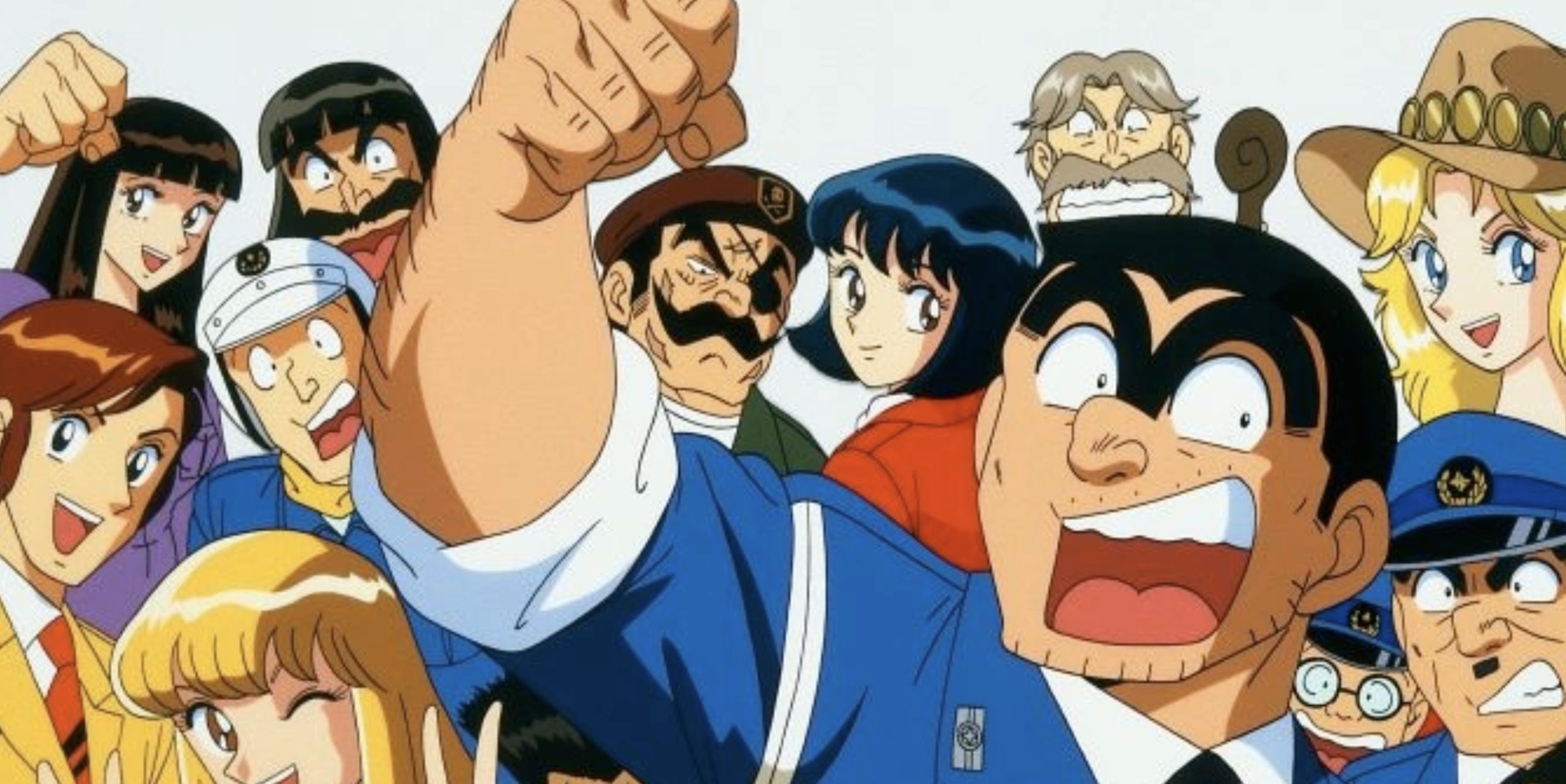
KochiKame | Gallop
Commencing its serialization in 1976 and ending a remarkable four decades later in 2016, KochiKame remains a financial powerhouse, generating revenue through reprints, merchandise sales, and commemorative reruns of its anime and movies.
While new content may be scarce, KochiKame persists as an enduring sitcom and cultural touchstone, solidifying its status as one of the premier anime series in terms of financial success despite its relative obscurity in the Western hemisphere compared to the juggernauts of shonen anime.
9. Neon Genesis Evangelion
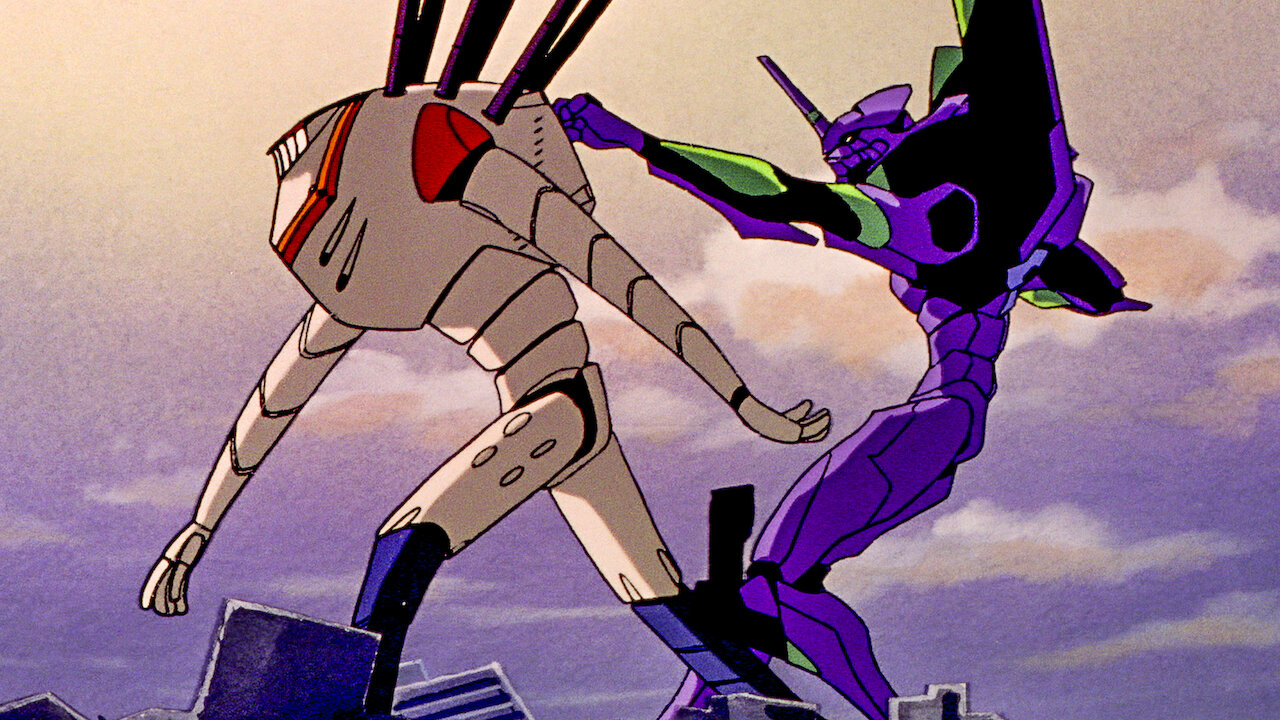
Neon Genesis Evangelion
Neon Genesis Evangelion revolutionized the mecha genre by offering a groundbreaking portrayal of the darker aspects of piloting giant robots, subverting traditional anime tropes.
Through its depiction of teenagers compelled to combat monsters with their Evangelion, the series introduced a level of gravitas previously unseen in mecha anime, earning it acclaim as one of the greatest anime of all time.
Despite its enduring legacy and status as one of the highest-grossing anime franchises, a significant portion of Evangelion’s revenue stems from pachinko machines.
Additionally, the franchise garners substantial profits from the royalties of its iconic music. In total, Evangelion’s sales have surpassed nearly $9 billion, cementing its position as a financial juggernaut in the anime.
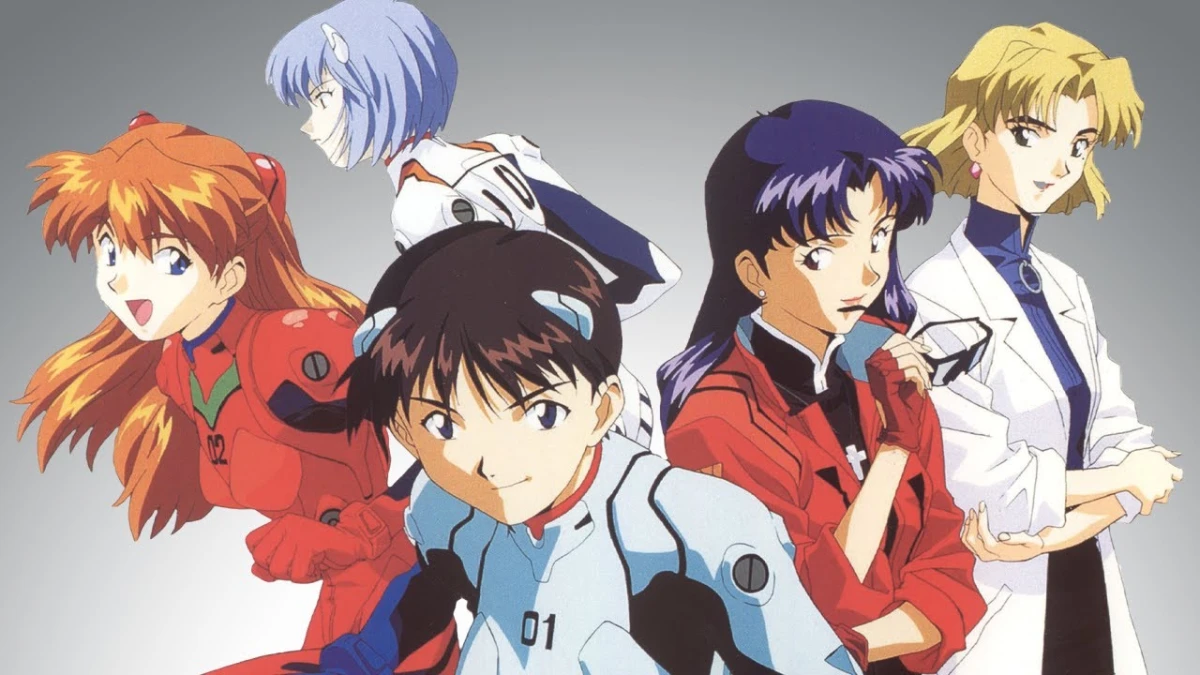
Neon Genesis Evangelion
Neon Genesis Evangelion, directed by Hideaki Anno, is one of the most influential and emotionally complex anime series of the 1990s. First aired in 1995, it blends mecha action with psychological drama, offering a layered and often unsettling look at trauma, identity, and isolation through the lens of a post-apocalyptic setting.
Set in the futuristic city of Tokyo-3, the story follows Shinji Ikari, a 14-year-old boy summoned by his estranged father to pilot a giant bio-mechanical weapon known as an Evangelion. These machines are humanity’s last line of defense against mysterious beings called Angels, which threaten to destroy what remains of civilization after a global catastrophe known as Second Impact.
Shinji’s initial reluctance to fight reflects the emotional distance he feels from others. Unlike typical action-driven protagonists, his struggles center on feelings of abandonment, inadequacy, and a longing for acceptance. He isn’t interested in heroism—he just wants to be wanted, to find a place where he belongs, and to escape the emotional weight placed on him.
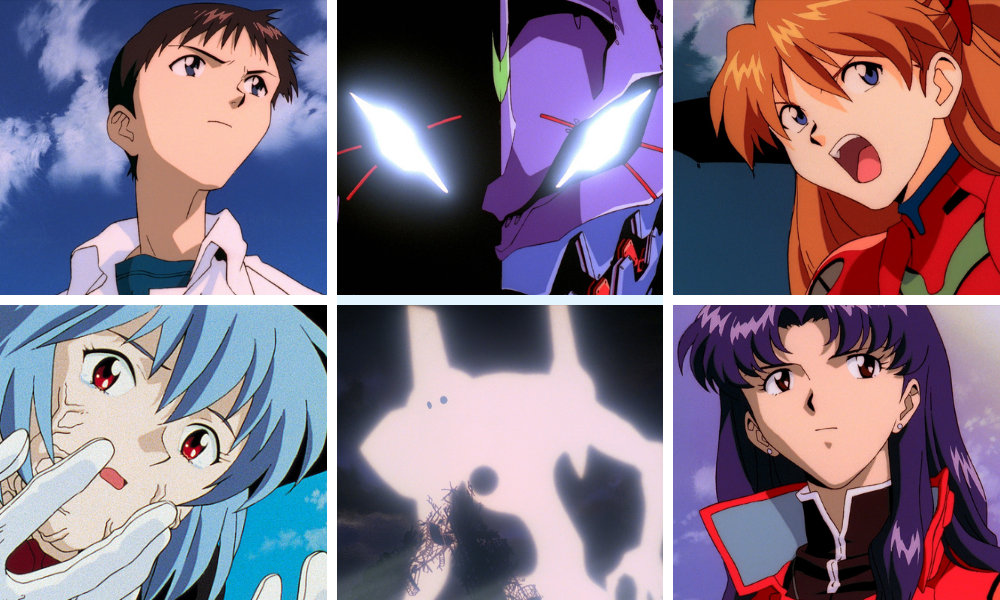
Neon Genesis Evangelion
The show’s other central characters mirror and challenge Shinji’s emotional state. Rei Ayanami, a quiet and distant pilot, embodies detachment and duty. Her ambiguous background adds layers of mystery to the narrative. Asuka Langley Soryu, fiery and confident, masks her own deep-rooted insecurities with arrogance and bravado. These characters aren’t just allies—they are mirrors to Shinji’s internal conflict.
The series begins as a somewhat traditional mecha show, but gradually moves toward intense introspection. Battles become less about external conflict and more about what’s happening within the characters. Episodes feature increasingly fragmented storytelling, hallucinations, internal monologues, and symbolic visuals. The more time passes, the less the show adheres to typical action structure.
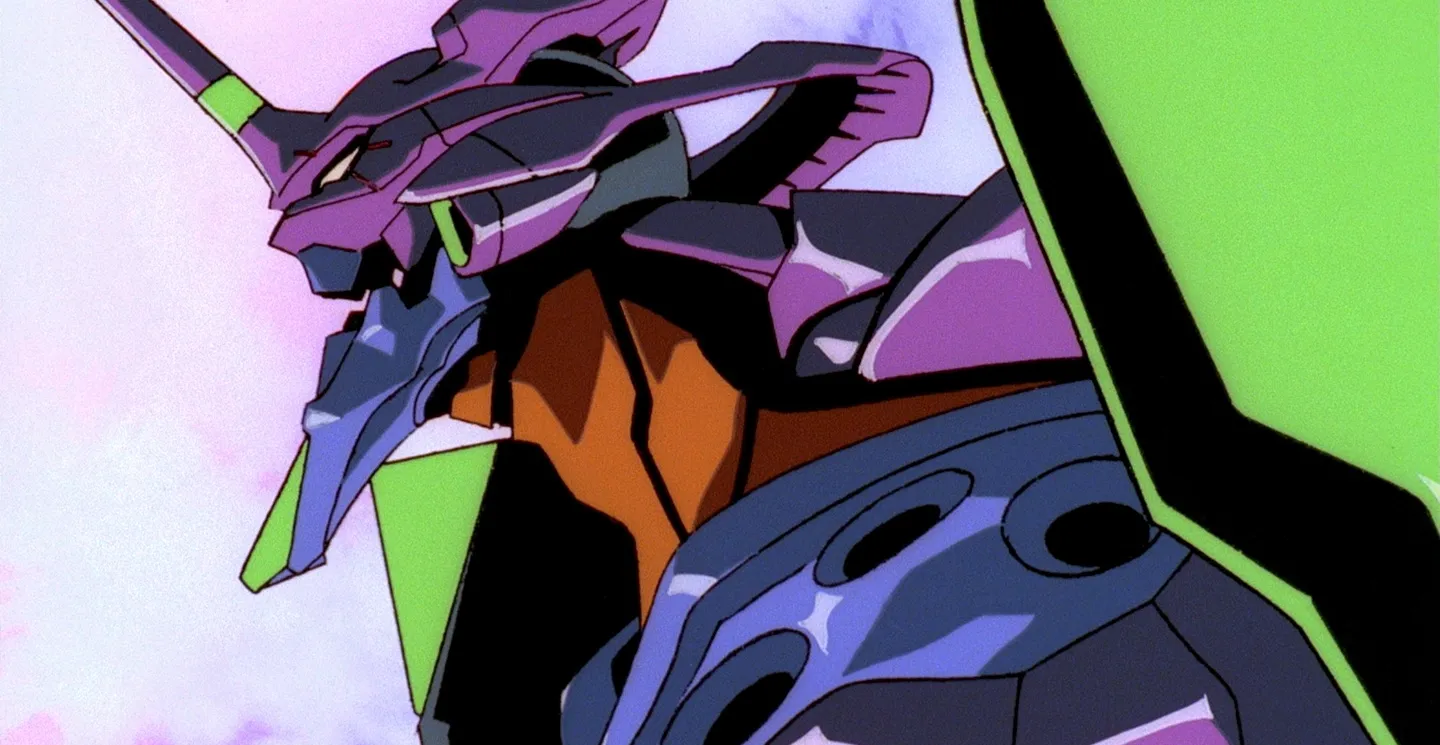
Neon Genesis Evangelion
The visual presentation of Evangelion is minimalist at times but layered with meaning. Rather than relying on flashy animation during battles, it uses silence, still shots, and psychological imagery to focus on the characters’ internal states. This choice not only builds tension but also turns ordinary scenes into moments of existential reflection and discomfort.
A recurring theme throughout the series is the concept of “The Hedgehog’s Dilemma”—the idea that humans long for closeness but hurt each other when they get too near. This metaphor encapsulates the entire structure of Shinji’s relationships. He is constantly torn between needing connection and fearing the pain that comes with it.
Gendo Ikari, Shinji’s father and the head of NERV (the organization behind the Evangelions), remains emotionally inaccessible. His coldness drives much of Shinji’s pain and reinforces themes of parental rejection. Gendo’s manipulations and obsession with bringing back Shinji’s mother reveal deeper motivations, suggesting personal grief hidden beneath his stoicism.
Evangelion
As the narrative unfolds, viewers are introduced to deeper layers involving Seele, a secretive organization with its own agenda. Religious imagery such as crucifixes, angels, and the Tree of Life is used throughout, not to provide theological commentary but to suggest the weight of destiny, sacrifice, and the clash between divine ambition and human fragility.
The soundtrack by Shiro Sagisu is both haunting and majestic. From the upbeat opening theme “A Cruel Angel’s Thesis” to the melancholy piano pieces and choral arrangements, the music enhances the emotional tension. The use of silence and ambient sound in key moments adds to the unease, reinforcing the psychological focus of the show.
While battles with Angels often contain excitement, they’re used sparingly and with purpose. These scenes become more like metaphors for the emotional crises the characters face. One of the most memorable battles involves Asuka in the latter episodes, where her fierce resistance spirals into mental collapse, underscoring the cost of emotional vulnerability.
The final two episodes abandon traditional storytelling entirely. With dwindling production budgets and rising creative tensions, the series turns inward. Using abstract visuals, inner monologues, and symbolic frames, these episodes dissect the mental states of the core characters. For some, this was a letdown; for others, it was an artistic peak that dared to be different.
For viewers seeking more closure, The End of Evangelion was released as a companion film that retells the ending through a more narrative-focused approach. It replaces introspective ambiguity with visceral imagery and brutal emotion. The film reinforces the same psychological themes while offering a dramatic, unsettling look at human consciousness and choice.
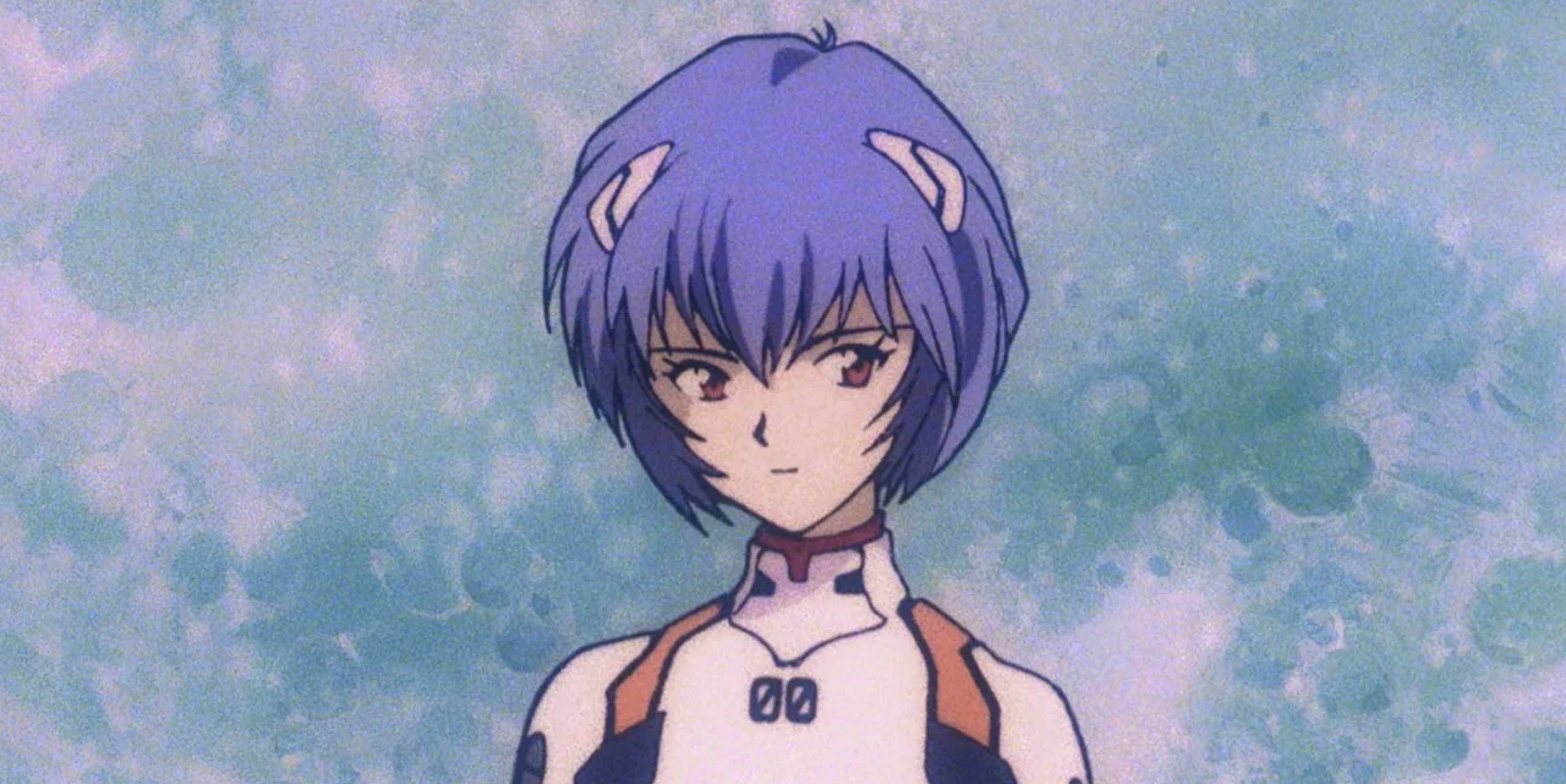
Neon Genesis Evangelion | Tatsunoko Production
One of the reasons Evangelion stands out is how it challenges the viewer to engage with uncomfortable truths. Instead of giving easy answers or resolutions, it asks questions about why we seek meaning, why we run from pain, and how we define self-worth. The mechs and monsters are window dressing for far more personal conflicts.
The impact of the show on anime and pop culture has been vast. Many modern series draw from its emotional complexity, broken characters, and refusal to stick to genre conventions. Yet few have matched the intensity or introspective power it maintains across just 26 episodes. It created a template, but also a warning.
It’s not just the themes or characters that leave a mark. It’s the moments of silence, of looking into a character’s eyes as they confront their fears. It’s the feeling of being exposed through animation, of seeing parts of yourself you didn’t expect reflected back through Shinji, Asuka, or Rei.
The brilliance of Evangelion lies in its honesty. It doesn’t lie about how hard it is to understand others—or yourself. It shows how trauma hides beneath silence, how connection feels like both salvation and a risk. For many viewers, it becomes less about sci-fi and more about their own thoughts, memories, and regrets.
For all its confusion and abrupt tonal shifts, Neon Genesis Evangelion remains a defining series for its ability to challenge expectations. It doesn’t offer a comfortable escape but forces you to confront anxiety, identity, and meaning itself. It’s raw, introspective, and sometimes painful—but also deeply human in its attempt to understand what it means to exist.
8. Yu-Gi-Oh!
Yu-Gi-Oh! stood out in the anime with its focus on a card game, providing it with a distinct advantage over its counterparts.
While ostensibly centered around Yugi Muto’s journey to become a legendary card duelist, the series’ true priority lay in serving as a promotional platform for its titular card game.
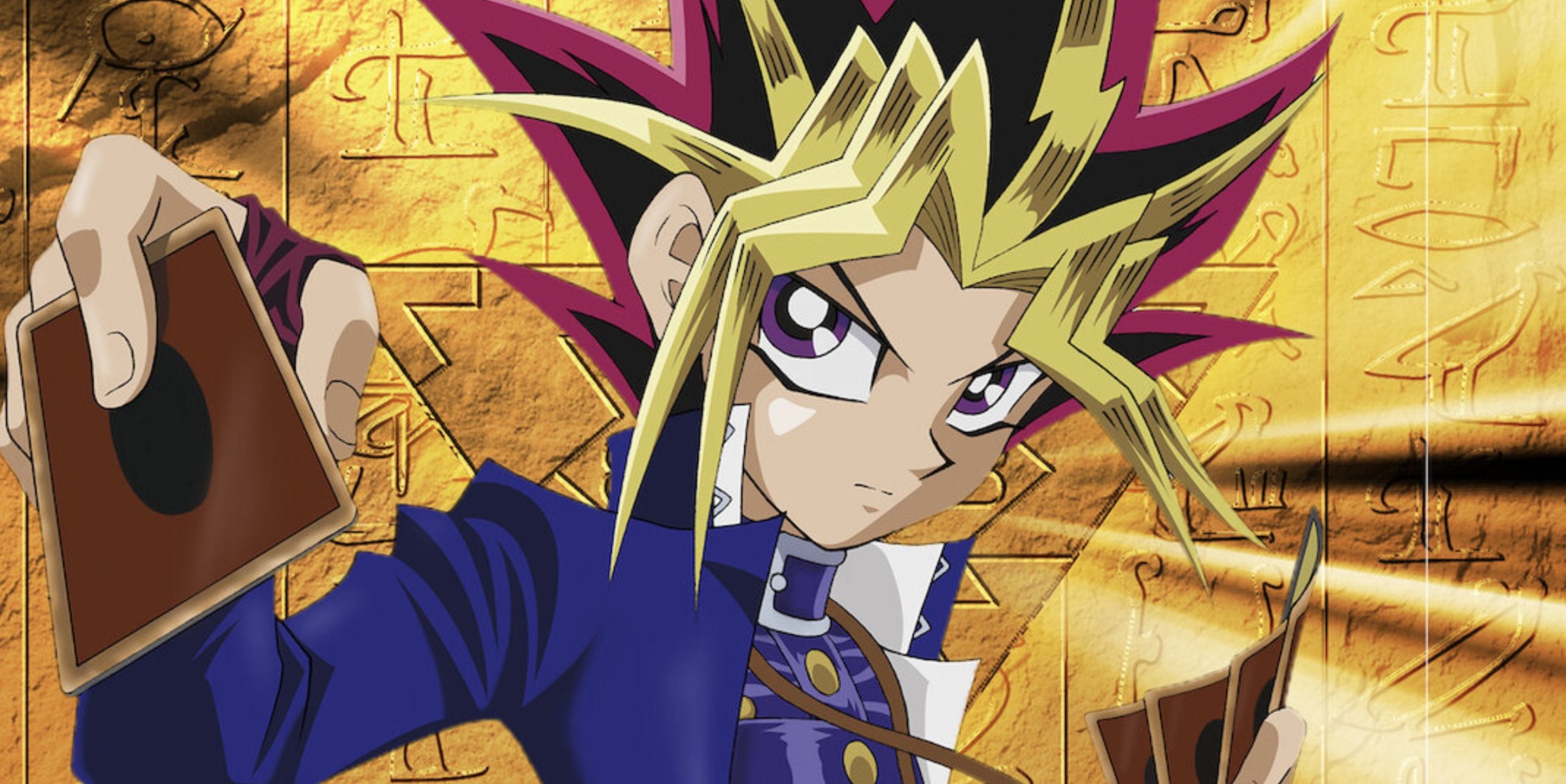
Yu-Gi-Oh! | Netflix
Unsurprisingly, Yu-Gi-Oh!’s advertising strategy proved highly effective. Sales from the Yu-Gi-Oh! card game alone soared to over $11 billion, emerging as the franchise’s primary and most lucrative revenue stream.
Meanwhile, the anime series and movies of Yu-Gi-Oh! Enjoying financial success, their earnings pale in comparison to the staggering profits generated by the cards themselves.
7. One Piece
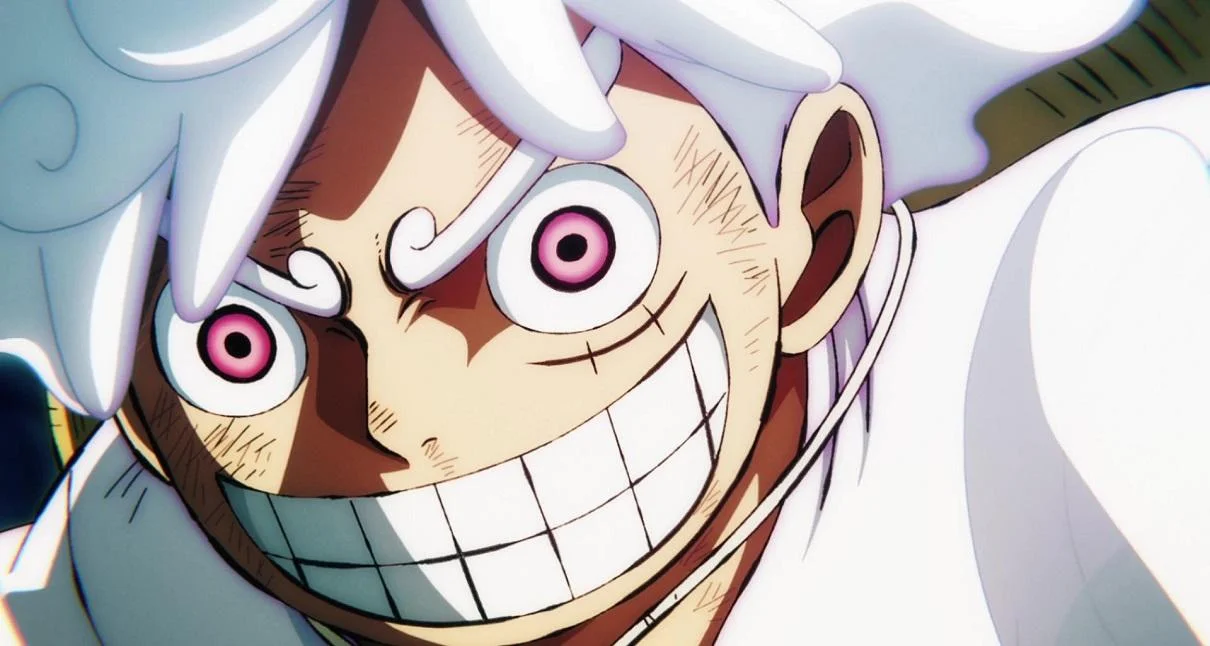
Luffy’s Gear 5 (Credits: Toei Animation)
One Piece stands as one of the longest-running anime series of all time , boasting an impressive tally of over 1,087 episodes. Its enduring popularity can be attributed to its vast and devoted fanbase, as well as a narrative that seems boundless in its scope.
The anime chronicles the adventures of Monkey D. Luffy and his crew as they begin on a quest to discover the fabled One Piece treasure and secure Luffy’s title as the King of the Pirates.
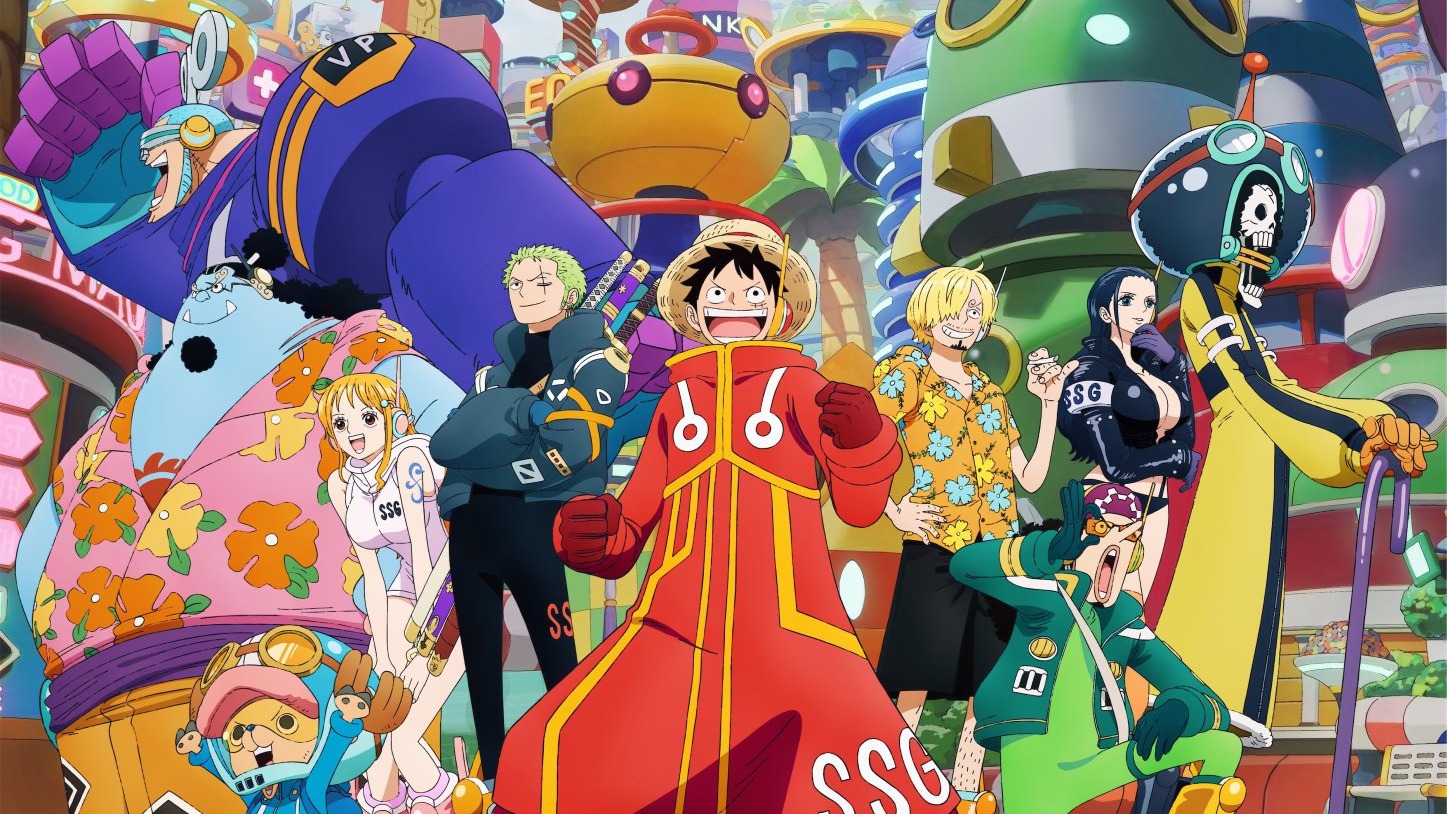
One Piece (Credits: Toei Animation)
Since its debut in 1999, One Piece has maintained unwavering ratings and earnings.
While the anime series and movies have achieved blockbuster success, the bulk of One Piece’s net worth is derived from merchandise and video game sales.
One Piece (Credits: Toei Animation)
As the series progresses into its final arc, it is anticipated to continue its financial ascent, further solidifying its status as one of the most lucrative franchises in anime history.
Eiichiro Oda’s One Piece stands as one of the most enduring and celebrated anime series of all time. It begins with a boy named Monkey D. Luffy who sets out to become the King of the Pirates. But this isn’t just a treasure-hunting story — it’s a journey about chasing dreams and challenging fate.
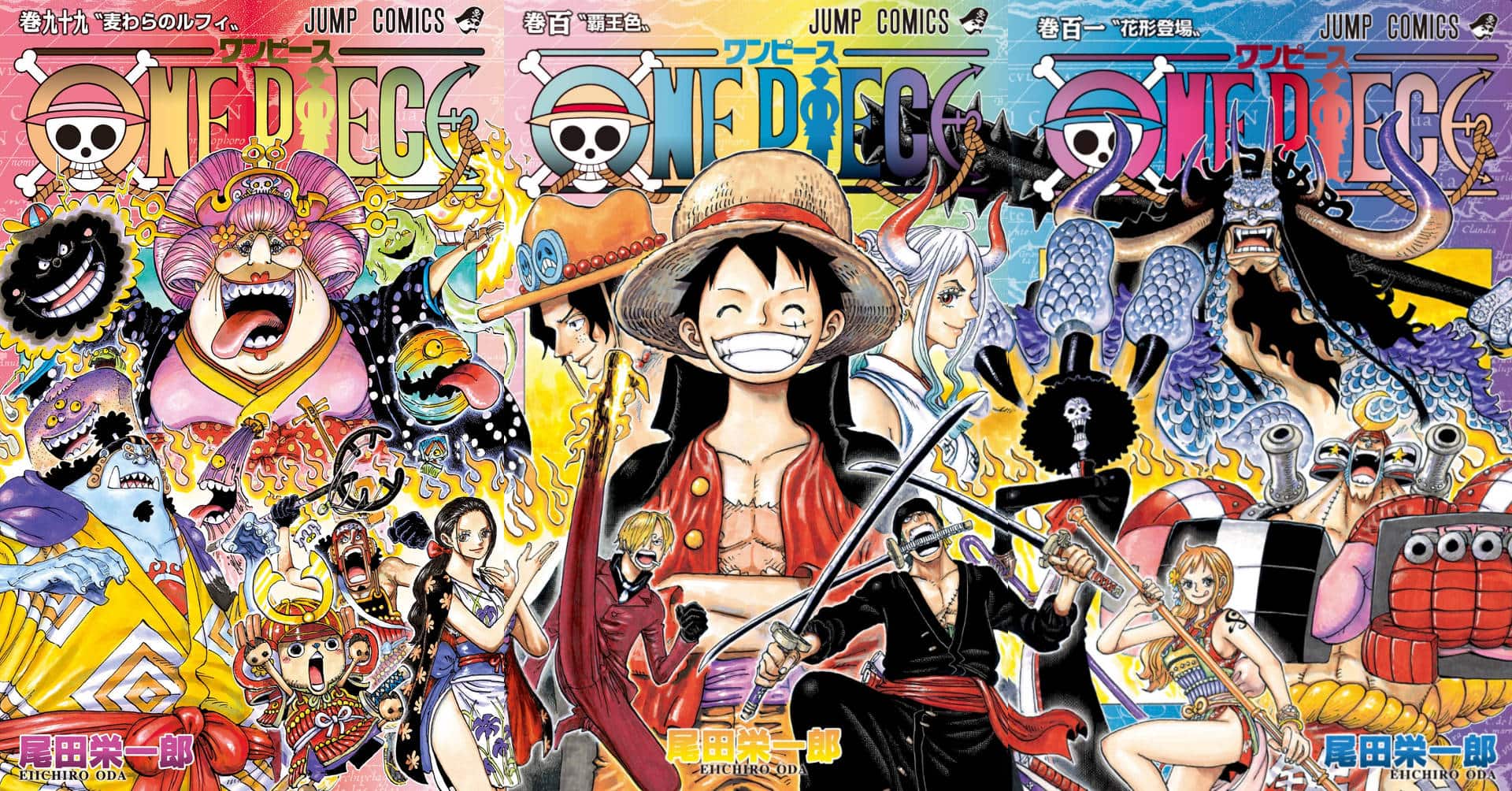
One Piece (Credits: Jump Comics)
Luffy, a cheerful and unpredictable protagonist, gains the power of rubber after eating a Devil Fruit. His ability to stretch his body makes for exciting battles, but what makes him special is his unshakeable belief in freedom and loyalty to his friends. He’s fearless, honest, and emotionally sincere — the perfect heart for such a sprawling tale.
Luffy’s adventure begins in the East Blue, where he gradually builds his crew, known as the Straw Hat Pirates. Each member brings something unique, not just in ability but in emotional depth. Zoro, the swordsman, is committed to becoming the strongest. Nami, the navigator, hides a painful past under her tough exterior.
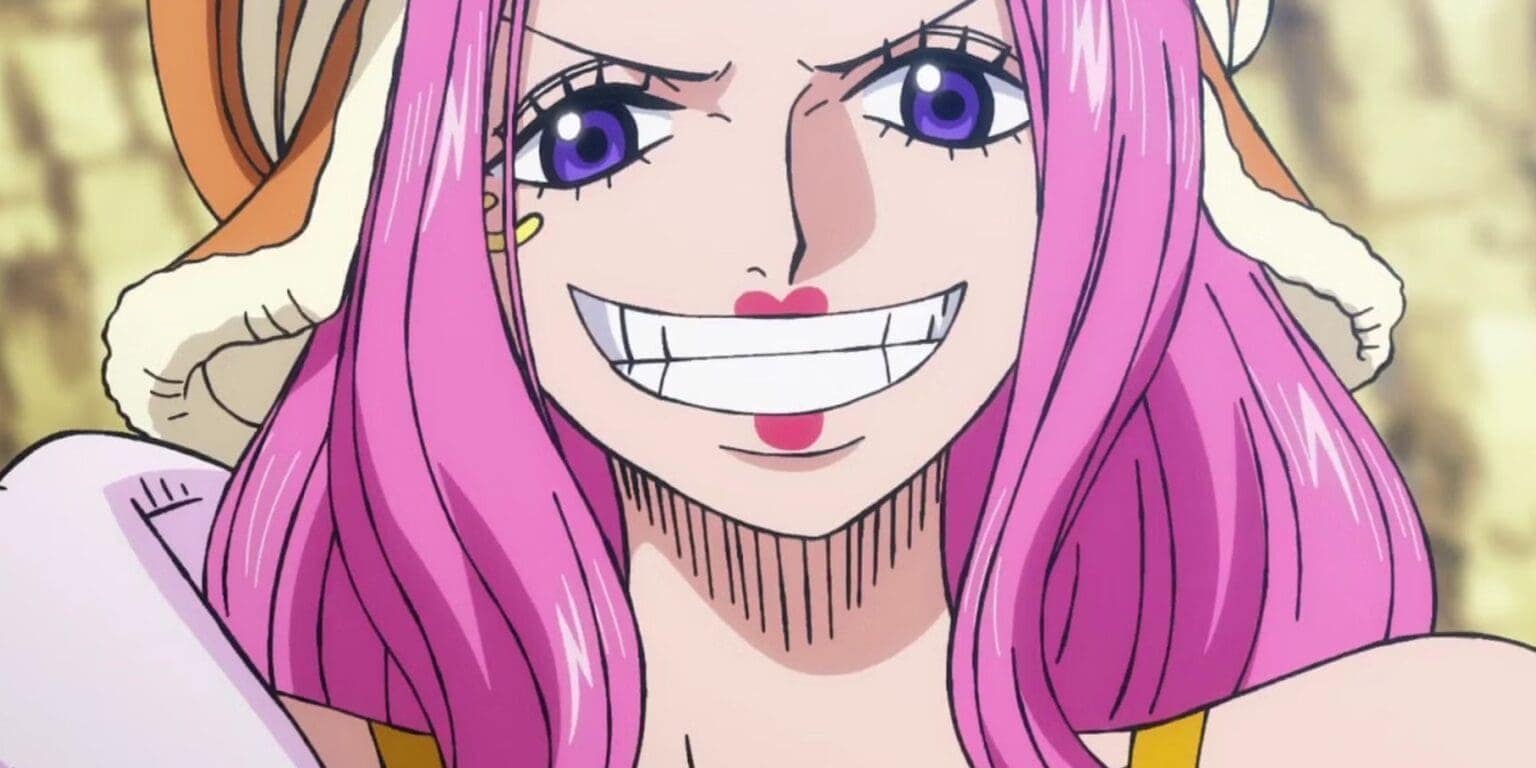
Bonney (Credits: Toei Animation)
Sanji, a chivalrous cook, carries deep personal scars. Usopp masks insecurity with bravado and storytelling. Chopper, a reindeer doctor, is kind but misunderstood. Robin, a former assassin, seeks the truth about history. Franky, the cyborg shipwright, is eccentric yet sentimental. Brook, the skeleton musician, carries immense loneliness. Jinbe, the helmsman, brings calm strength.
The emotional center of One Piece often lies in its backstories. These moments, layered with tragedy, loss, and resilience, add weight to every victory the crew earns. Characters are not just fighting for power but for personal liberation, identity, and belonging. Each arc peels away another layer of their past and deepens their motivations.
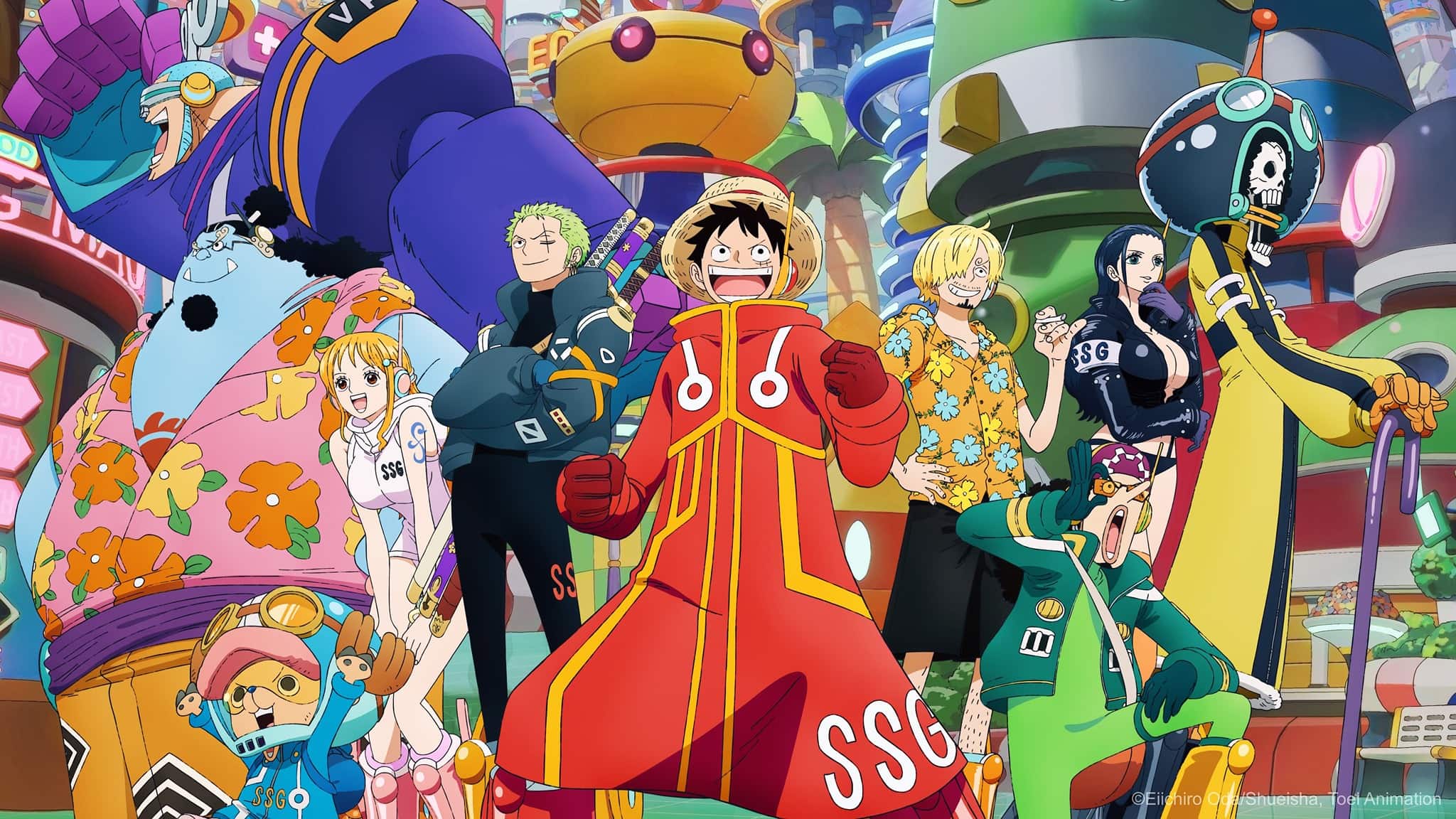
New Egghead Island poster (Credits: Toei Animation)
The series stretches across oceans, islands, and entire civilizations. Yet despite the vast setting, Oda manages to build a connected world full of politics, history, and moral ambiguity. The Grand Line, where most of the journey unfolds, is full of powerful adversaries, shifting alliances, and ancient secrets waiting to be unearthed.
The villains in One Piece aren’t just obstacles — they often symbolize systemic cruelty. Crocodile’s manipulation of a kingdom, Enel’s self-proclaimed godhood, Doflamingo’s reign of terror, and the World Government’s secrecy reflect real-world dynamics. These foes push Luffy and his crew to mature and redefine their mission.
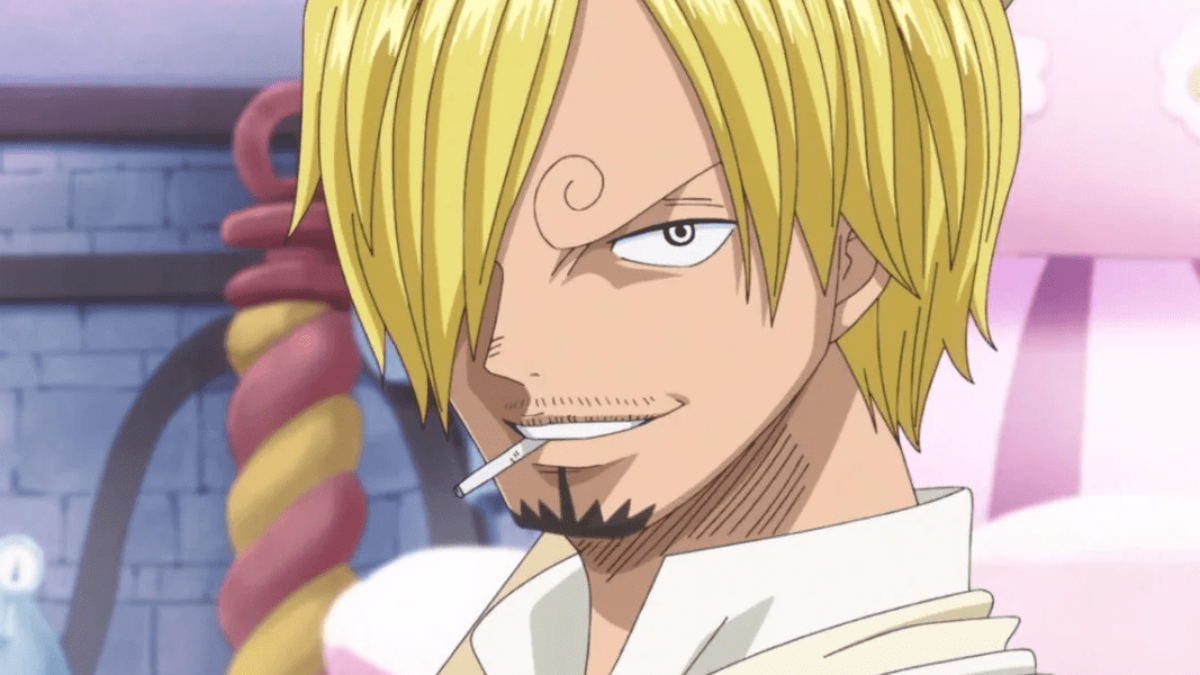
Sanji (Credits: Toei Animation)
Luffy doesn’t aim to rule others. His idea of becoming the Pirate King is rooted in freedom — the ultimate right to live by one’s will. This message, repeated throughout the story, becomes more powerful with each episode. The treasure, the “One Piece,” is symbolic of a larger truth rather than just gold.
The bonds among the Straw Hats are the series’ emotional anchor. Their loyalty goes beyond duty. Every time one of them is threatened or wounded, the rest rally fiercely. The moment Luffy declares war on the World Government to protect Robin remains one of the most powerful turning points in anime history.
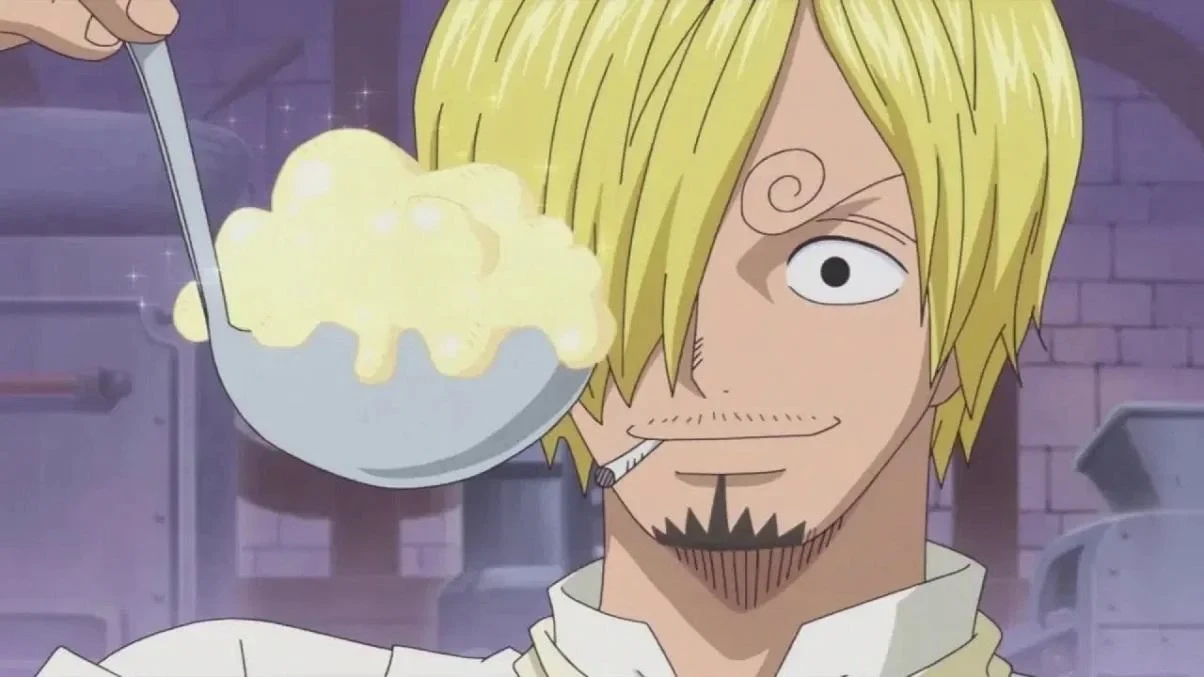
Sanji (Credits: Toei Animation)
One Piece also stands out for its humor. Whether it’s Luffy’s clueless antics, Zoro’s poor sense of direction, or Brook’s constant skull jokes, the show balances emotional weight with silliness. This balance makes heavy arcs more digestible and moments of joy all the more rewarding after intense battles.
The animation has evolved dramatically over time. While the early episodes feel dated, the recent arcs — especially Wano — display fluid motion, bold color design, and crisp fight choreography. The use of vibrant palettes and stylized action scenes matches the energy and absurdity of the world perfectly.
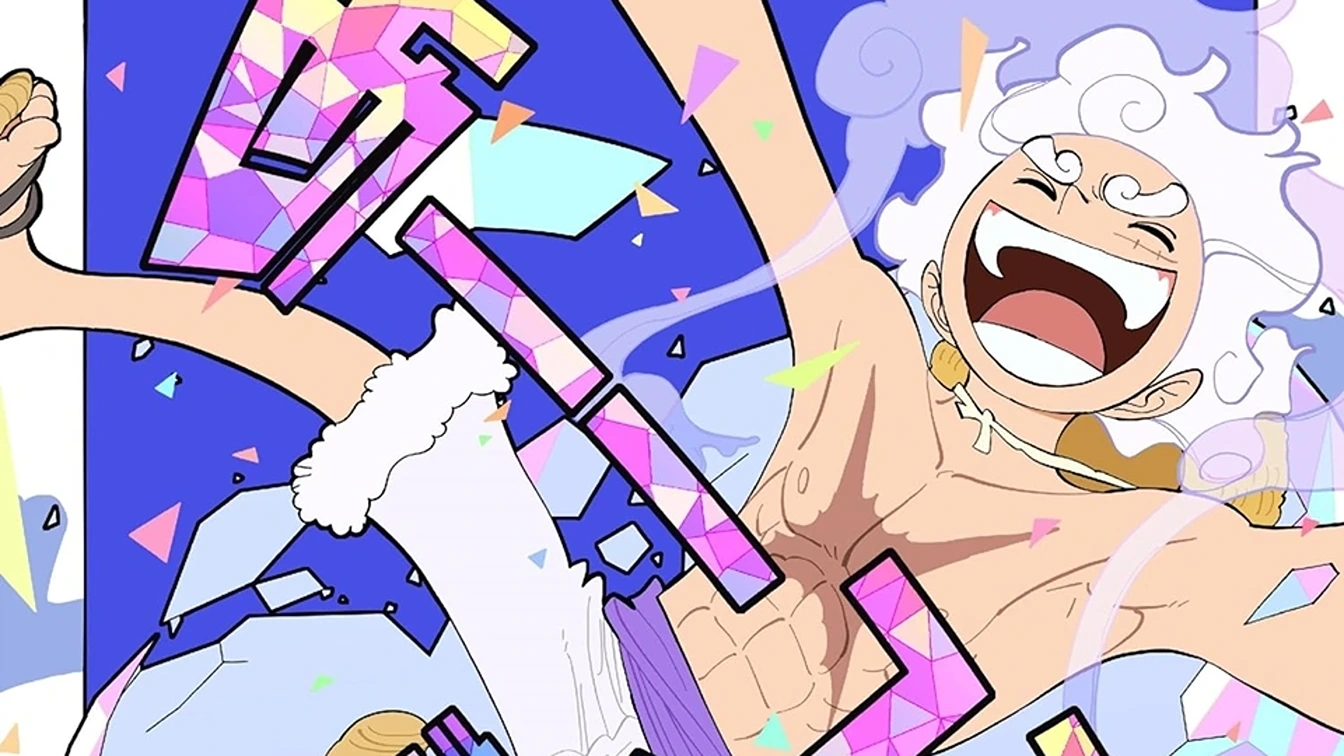
Luffy (Credits: Eiichiro Oda)
Voice acting deserves special recognition. Mayumi Tanaka brings an infectious energy to Luffy. Kazuya Nakai captures Zoro’s gruff loyalty, and Akemi Okamura gives Nami a complex range of emotion. These voices, familiar to long-time fans, help root the audience emotionally in the characters’ struggles and triumphs.
The music, composed by Kohei Tanaka and Shiro Hamaguchi, elevates the mood of each arc. From the upbeat “We Are!” opening theme to dramatic orchestral pieces during major battles, the soundtrack contributes heavily to the series’ emotional pull. Even the quieter tracks have a way of staying with you long after watching.
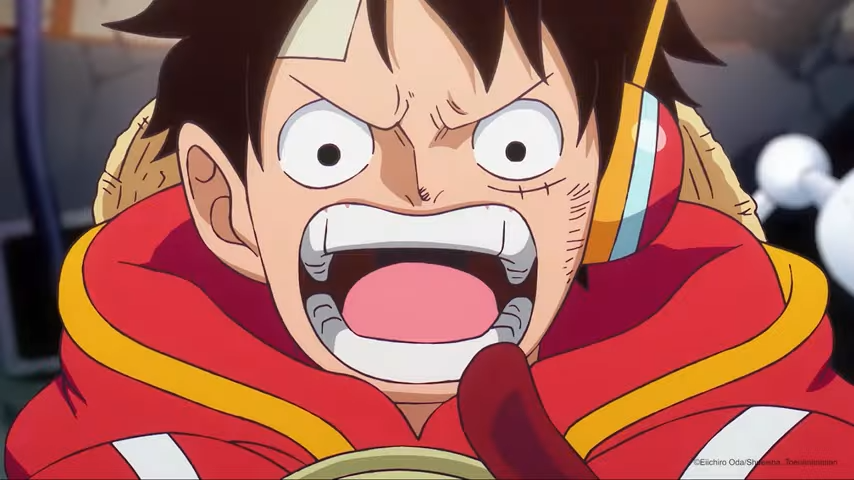
One Piece Egghead Arc Part 2
Arc after arc, One Piece manages to remain fresh by shifting tone, scale, and stakes. From Alabasta to Enies Lobby, Marineford to Dressrosa, and now into Wano, each saga expands the universe while reinforcing core themes: justice, freedom, legacy, and the grayness between right and wrong.
Oda also excels at foreshadowing. Plot threads introduced hundreds of episodes earlier suddenly become relevant again. This narrative patience creates a sense of reward for long-time viewers and demonstrates Oda’s mastery of long-form storytelling. The world feels alive, not just because of its detail but because of its narrative cohesion.
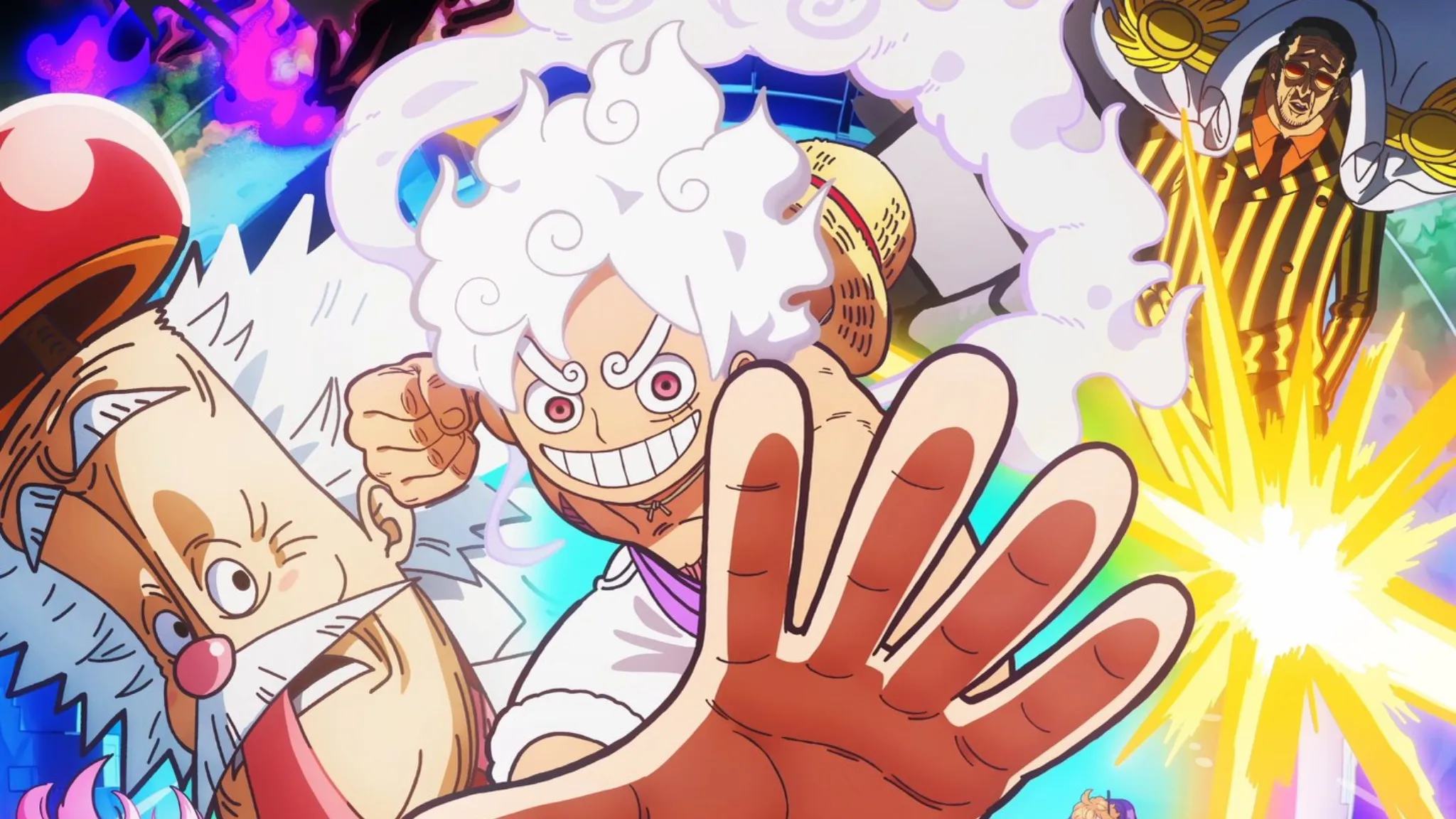
One Piece Egghead Arc Part 2
Despite its epic length, the series rarely drags. Filler arcs exist, but they don’t dominate the experience. The majority of the story is driven by meaningful progress, character growth, and rising tension. And unlike many long-running anime, One Piece retains a strong sense of identity throughout its run.
Fans are particularly invested because the stakes feel personal. These characters have dreams — real, vulnerable ones. Watching them chase those dreams through hardship, loss, and friendship creates a deep connection. The journey isn’t just Luffy’s; it becomes the viewer’s too.
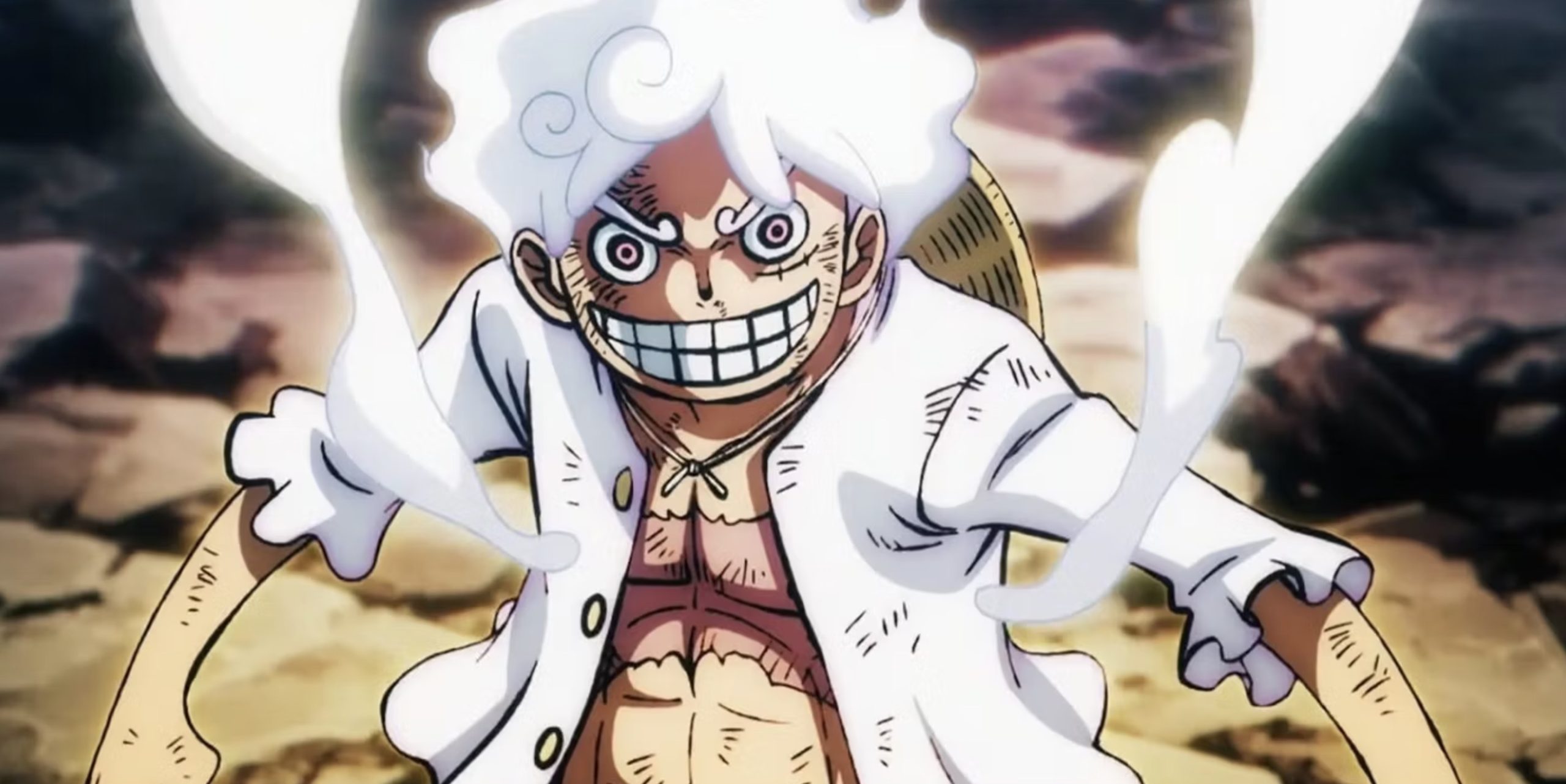
Luffy In Gear 5 From One Piece (Credits: Eiichiro Oda)
One Piece is often misunderstood as simply a battle anime. But beneath its action lies thoughtful storytelling about ambition, trauma, and chosen family. The themes grow more mature with time, making it a rare example of a show that matures with its audience.
Even after more than 1,000 episodes, the excitement surrounding One Piece hasn’t waned. New characters, unresolved mysteries, and the looming final war keep fans engaged. With the manga approaching its final act, the anime continues to build momentum toward what promises to be a legendary conclusion.
There’s no single reason why One Piece continues to connect with so many. It’s a blend of its heart, its humor, its scale, and its sincerity. It makes you laugh, cry, and believe in the power of dreams — all while riding along on a ship with a crew that feels like family.
6. First Of The North Star
Fist of the North Star emerged as a revolutionary franchise during the 1980s, playing a pivotal role in establishing anime’s presence overseas. Set in a post-apocalyptic world, the narrative revolves around Kenshiro, a formidable martial artist on a quest to safeguard the innocent and vulnerable from various adversaries.
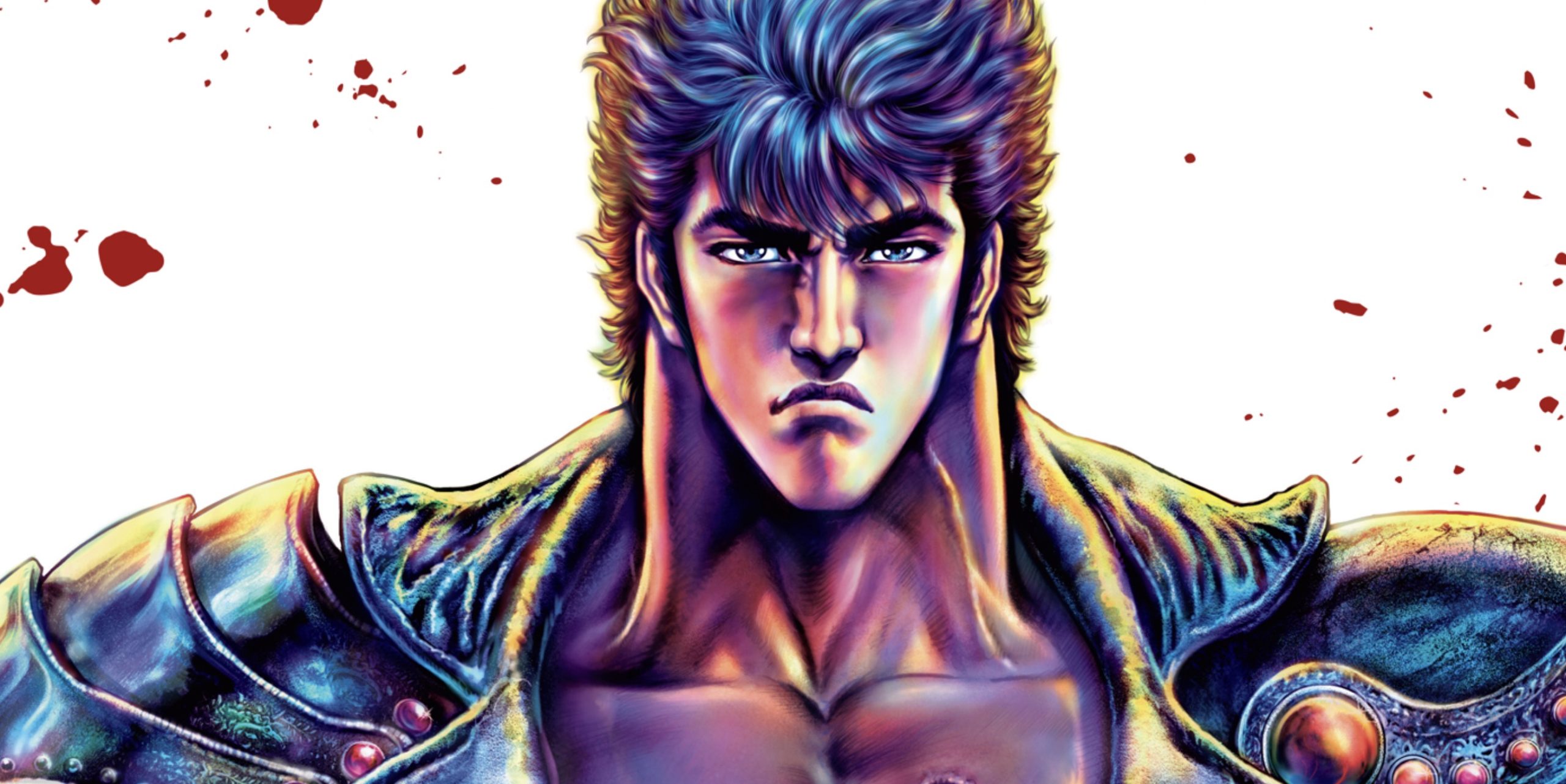
First Of The North Star | Tetsuo Hara
Despite its vintage origins, Fist of the North Star remains among the highest-grossing anime franchises to date. Surprisingly, a significant portion of its financial success stems from pachinko machines, which have generated a staggering $14 billion in sales.
While the quintessentially ’80s Fist of the North Star may have fewer releases in recent years, each new installment continues to command a respectable sum upon its release.
5. The Dragon Ball
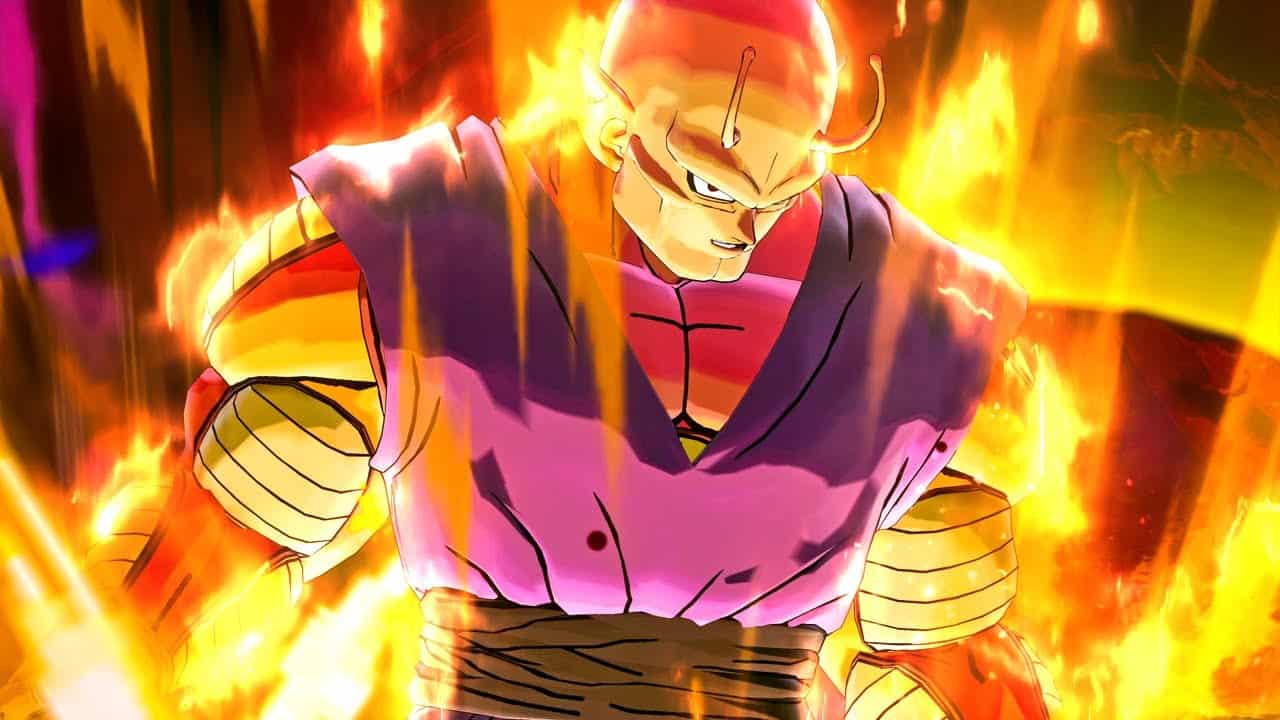
Orange Piccolo | Dragon Ball Super: Superhero (Credits: Tori Animation)
Dragon Ball stands as an enduring icon among the highest-grossing anime of all time, with amazing audiences since its inception in the ’80s, and continues to thrive to this day.
A beloved shonen classic, the series traces the journey of Son Goku from his youth to adulthood, with its title derived from the mystical Dragon Balls that possess wish-granting powers when collected in full.
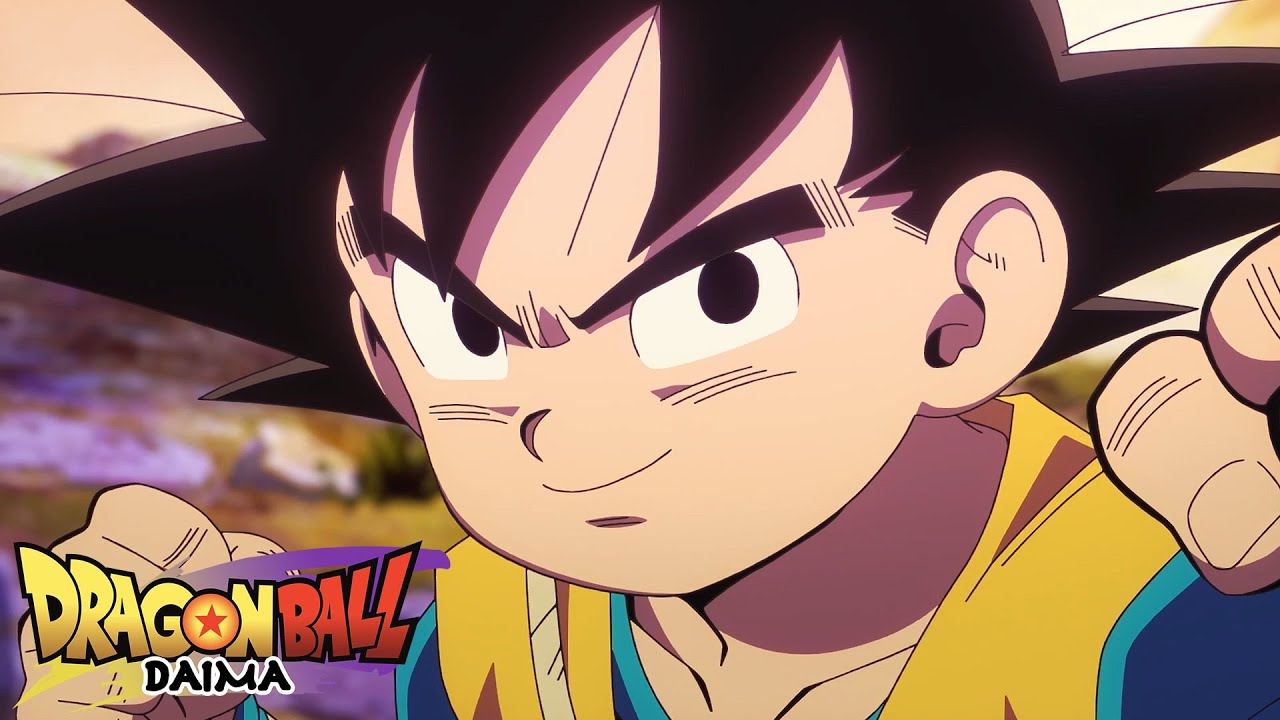
Goku (Credits: Toei Animation)
A significant portion of Dragon Ball’s revenue stems from video games and merchandise sales, underscoring its immense commercial success.
Recent blockbuster movies have further solidified its status as a titan in the anime industry. With its impeccable animation and unwavering popularity, Dragon Ball shows no signs of slowing down, with plans for future releases already in the pipeline.
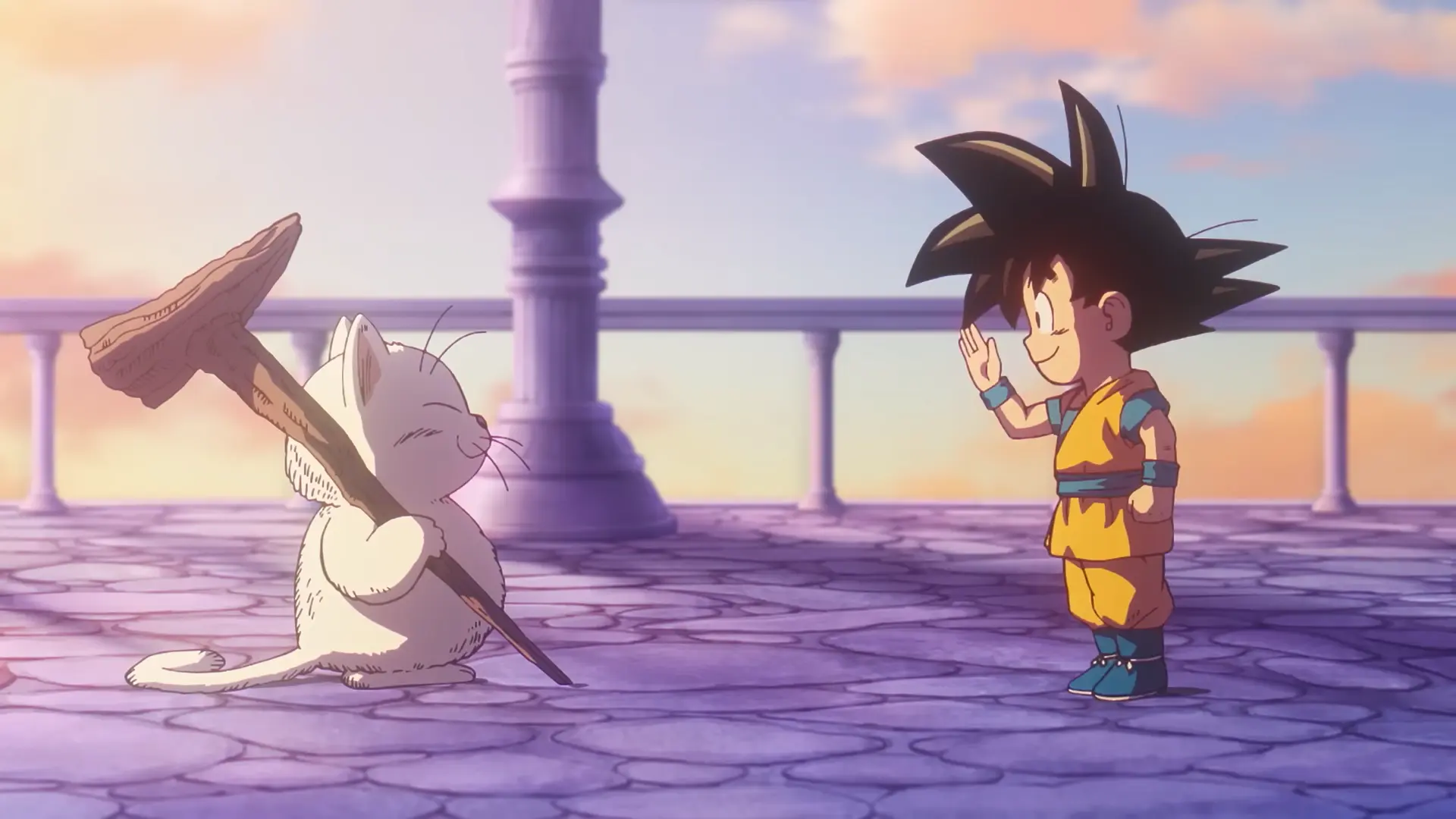
Goku (Credits: Toei Animation)
Renowned for its broad appeal among action enthusiasts worldwide, Dragon Ball ranks among the highest-grossing anime of all time.
Its enduring legacy is a witness to its unparalleled resonance and cultural significance, placing it among the elite few in the anime that have achieved such monumental success.
Dragon Ball remains one of the most influential and widely recognized anime franchises ever made. Beginning in the mid-1980s, it not only transformed Japanese animation but also helped introduce anime to mainstream international audiences. The story follows Son Goku, a naive but strong boy with a monkey tail, as he seeks the mystical Dragon Balls.
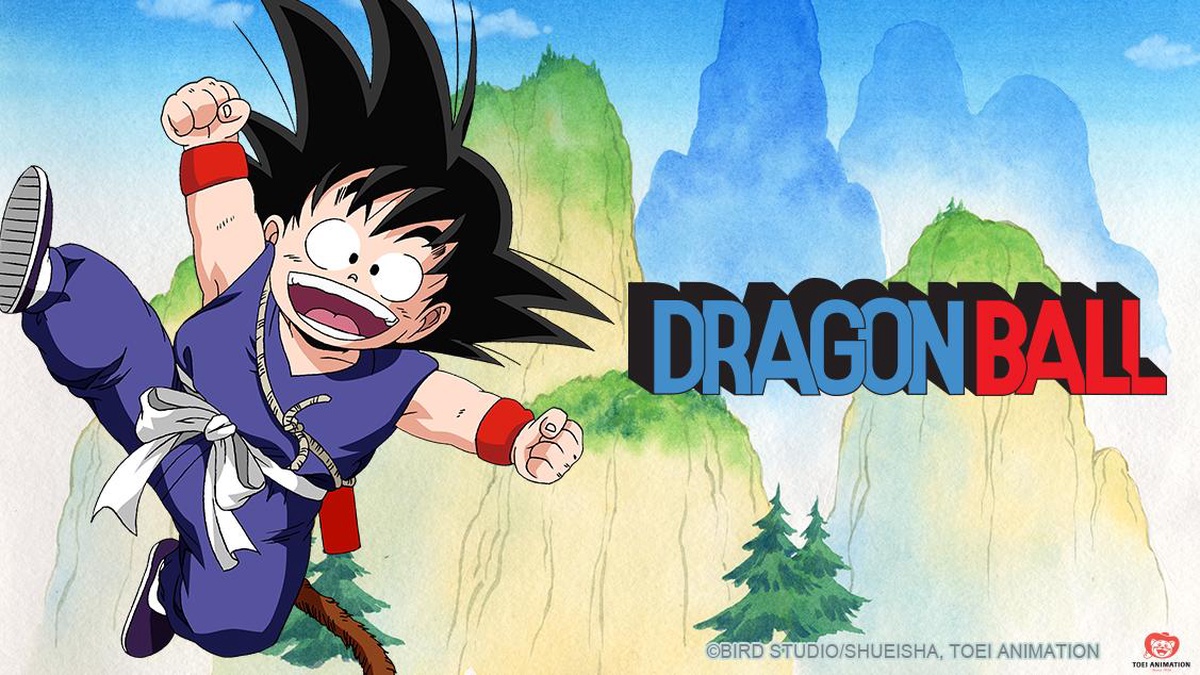
Goku from Dragon Ball (Credits: Toei Animation)
Created by Akira Toriyama, the series started as a lighthearted martial arts journey based loosely on the Chinese novel Journey to the West . The manga, serialized in Weekly Shonen Jump , gradually shifted into action-heavy arcs filled with powerful enemies, energy beams, and iconic transformations. These changes shaped the tone of modern shonen anime.
Early episodes focused more on humor and adventure, with Goku meeting characters like Bulma, Master Roshi, Krillin, and Yamcha. These interactions were playful but paved the way for deeper relationships. Goku’s innocence and overwhelming strength made him an endearing lead, admired by audiences across generations.
As the story continued, tournaments became a central feature. The World Martial Arts Tournaments allowed characters to showcase growth, challenge rivals, and introduce new techniques. This recurring structure helped build anticipation and kept fans interested in each new matchup and training arc.
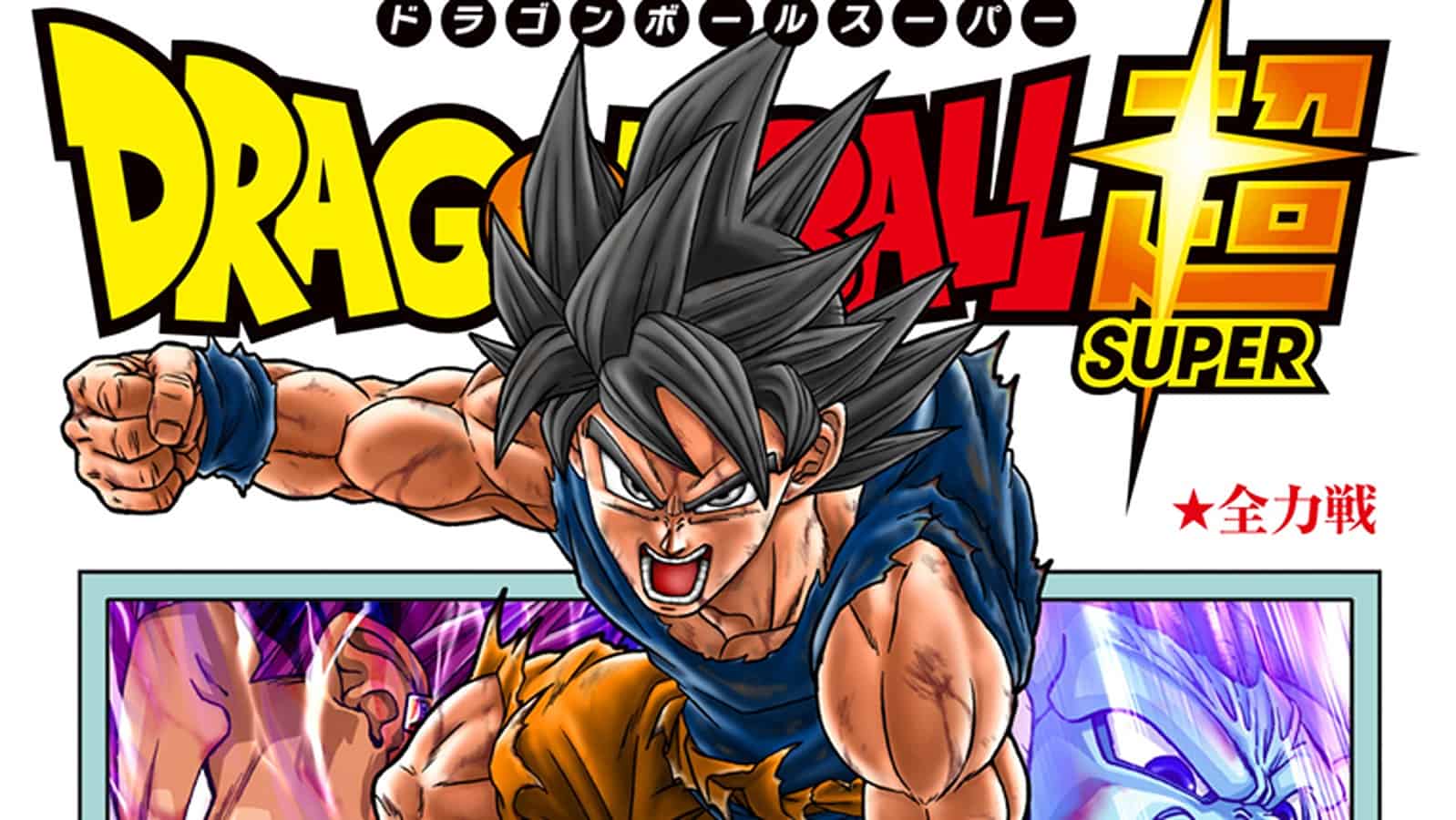
Dragon Ball Super (Credits: Manga Plus)
One of Dragon Ball’s strengths lies in how it manages character development through physical and emotional trials. Goku evolves not just in power, but also in wisdom and responsibility. His journey from carefree boy to protector of Earth is filled with personal milestones and unforgettable showdowns.
Dragon Ball Z introduced a tonal shift. Starting with the arrival of Goku’s brother, Raditz, the stakes grew higher, and so did the scale of power. This era brought in Super Saiyans, energy clashes, and intense intergalactic threats. Viewers got deeper into themes of destiny, family, and sacrifice.
Vegeta’s arc became a cornerstone of the series. His pride, rivalry with Goku, and gradual softening added emotional weight. Initially cold and ruthless, he slowly grew into a father and reluctant ally, showing how even the most hardened warrior could grow and change over time.
The series is famous for its transformations. Super Saiyan, introduced during the battle with Frieza, became a pop culture moment. Later forms — Super Saiyan 2, 3, and eventually God — allowed fans to see characters grow stronger, each level visually distinct and narratively meaningful.
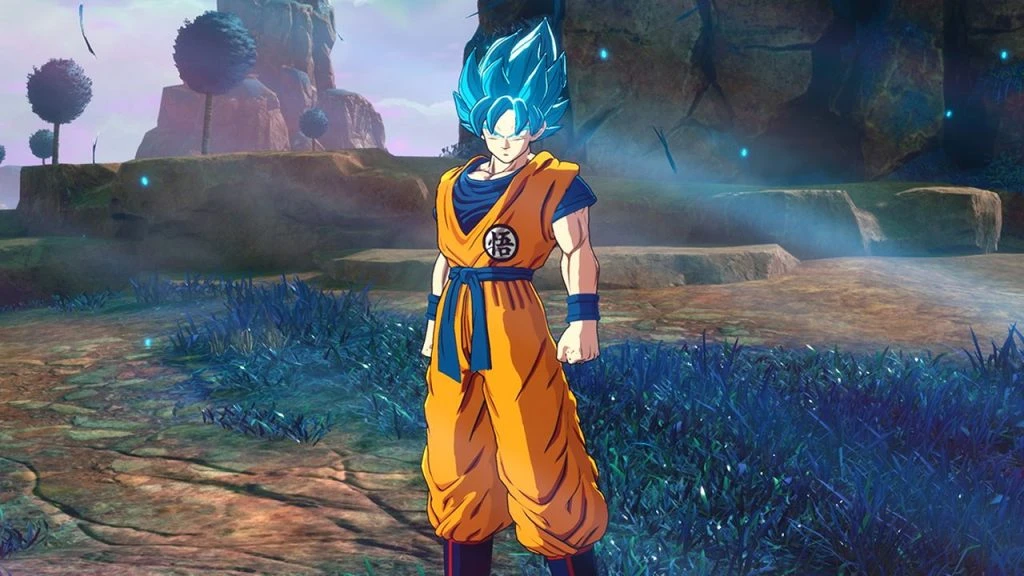
Dragon Ball: Sparking Zero (Credits: Bandai Namco)
Villains like Frieza, Cell, and Majin Buu weren’t just obstacles — they reflected different dangers. Frieza represented oppression and cruelty. Cell stood for evolution and perfection. Buu brought chaos and unpredictability. These arcs offered unique challenges and forced the Z Fighters to grow stronger together.
Dragon Ball’s appeal wasn’t only in battles. Its humor, character interactions, and slice-of-life episodes added balance. Scenes of Goku trying to get a driver’s license or Vegeta attending a family vacation reminded viewers that even world-saving warriors have everyday lives and moments of levity.
Dragon Ball GT, although not based on the original manga, experimented with different themes. It sent Goku back to childhood, traveled through space, and introduced new characters and transformations. While divisive, GT still contributed to the franchise’s rich universe and introduced lasting ideas like Super Saiyan 4.
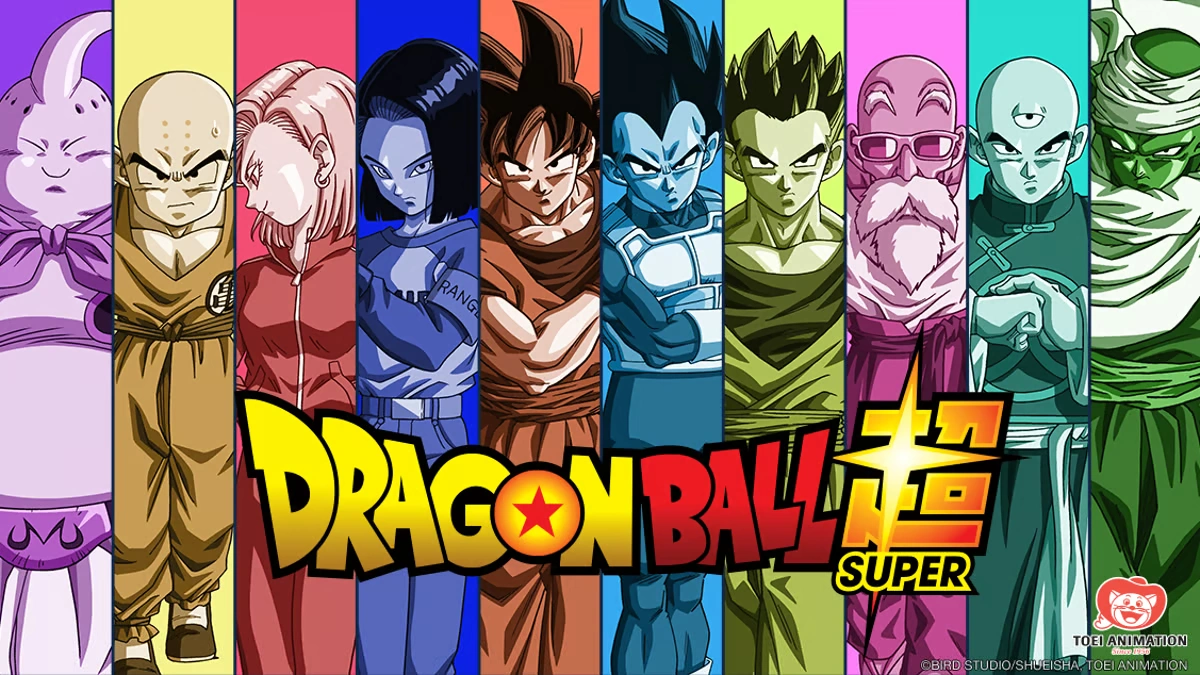
Dragon Ball Super (Credits: Toei Animation)
Dragon Ball Super followed years later, reviving fan enthusiasm worldwide. This installment expanded the universe further with the multiverse concept, new gods, and epic tournaments. Goku’s fight against Jiren during the Tournament of Power remains one of the most visually stunning and emotionally driven battles in the series.
Goku’s development in Super showed his desire for challenge more than heroism. He wasn’t saving the world out of duty but seeking strong opponents. This nuance added complexity to his character, making him feel more like a martial artist than a traditional savior figure.
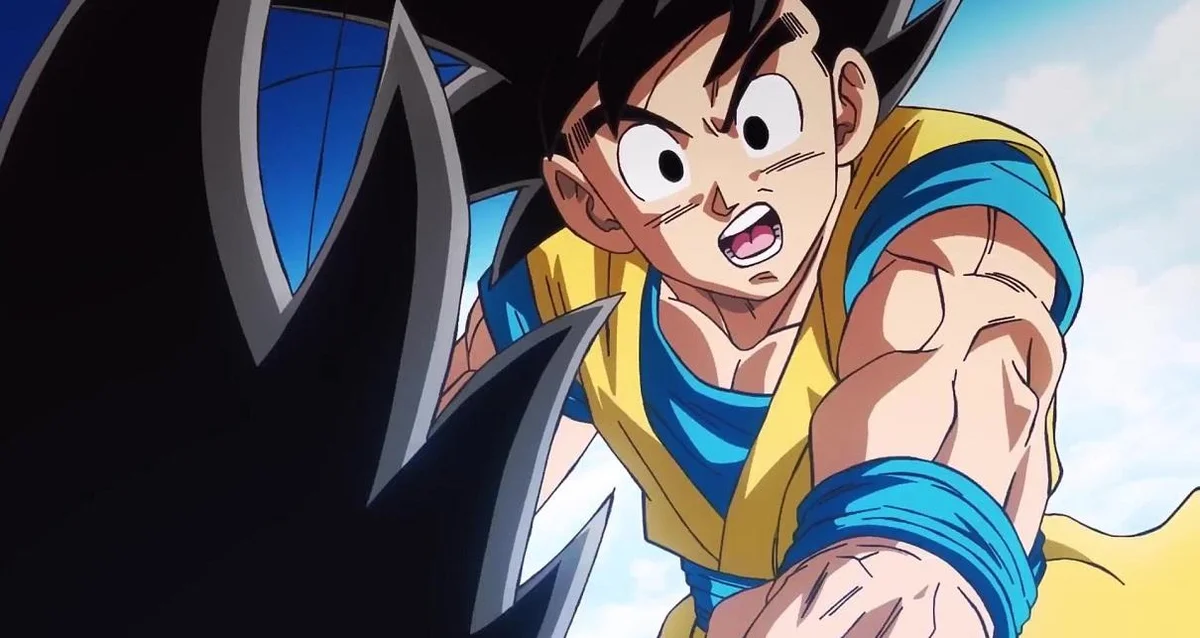
Goku (Credits: Toei Animation)
The introduction of Beerus and Whis added divine scale and humor. Beerus, the God of Destruction, wasn’t purely evil but playful and unpredictable. His dynamic with Goku and Vegeta refreshed the tone of the series, bringing comedy and tension in equal measure.
Animation quality has improved significantly over time. Earlier arcs were hand-drawn with occasional inconsistencies, but later episodes and movies like Dragon Ball Super: Broly showcased sleek designs, fluid action, and detailed character expressions. These upgrades helped the franchise stay visually relevant for modern viewers.
Music has played a vital role throughout. From the original Japanese opening “Makafushigi Adventure!” to Super’s energetic “Limit-Break x Survivor,” each song adds energy and emotion. Background scores during battles or emotional moments intensify the mood and keep audiences hooked.
One aspect fans admire is the generational effect. Viewers who grew up with the original series now share it with their kids. Dragon Ball has become a shared cultural bond, discussed through memes, rewatch sessions, and fan art across all platforms.
Merchandise has remained a major pillar of its success. Action figures, apparel, trading cards, and video games keep the brand alive. From classic arcade titles to modern console games like Dragon Ball FighterZ , fans continue reliving iconic battles in interactive form.
Dragon Ball’s influence extends beyond anime. It has inspired countless artists, creators, and athletes. Its emphasis on hard work, training, and perseverance resonates globally. Phrases like “over 9000” and poses like the Kamehameha are now embedded in internet and sports culture alike.
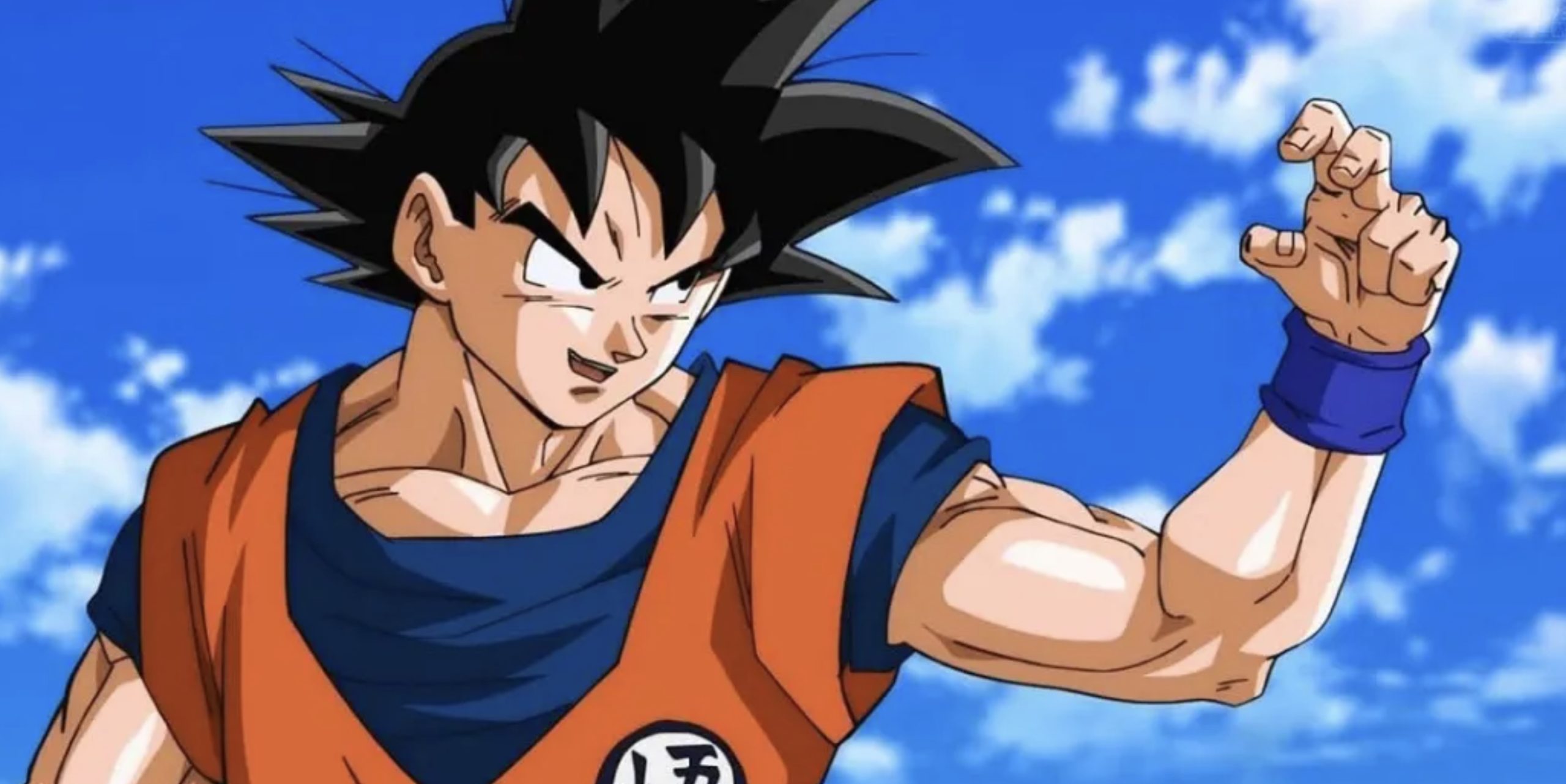
Goku | Dragon Ball (Credits Akira Toriyama)
Despite criticism about pacing or filler episodes, Dragon Ball endures because of its heart. The message that strength comes from effort, support, and belief in oneself connects deeply. Goku’s endless drive reminds fans to keep pushing forward, no matter the challenge.
Toriyama’s legacy lives on, not only through anime and manga but also through the ongoing stories he left behind. With each arc, Dragon Ball invites viewers to look beyond limits, accept rivalries as motivation, and treat each failure as a path to progress.
Dragon Ball isn’t just about punches or power levels. It’s about family, endurance, and protecting what matters. The combination of intense action, comedy, and emotional beats creates a story that spans generations. Fans keep coming back not just for battles, but for the lessons hidden beneath them.
4. Mobile Suit Gundam
It’s widely recognized that Mobile Suit Gundam soared to become one of the highest-grossing anime franchises in history, largely due to its toy sales.
While the classic Mobile Suit Gundam anime and its numerous retellings enjoyed success, the franchise owes its very existence to its model kits, known as Gunplas, which consistently outsell all other merchandise.
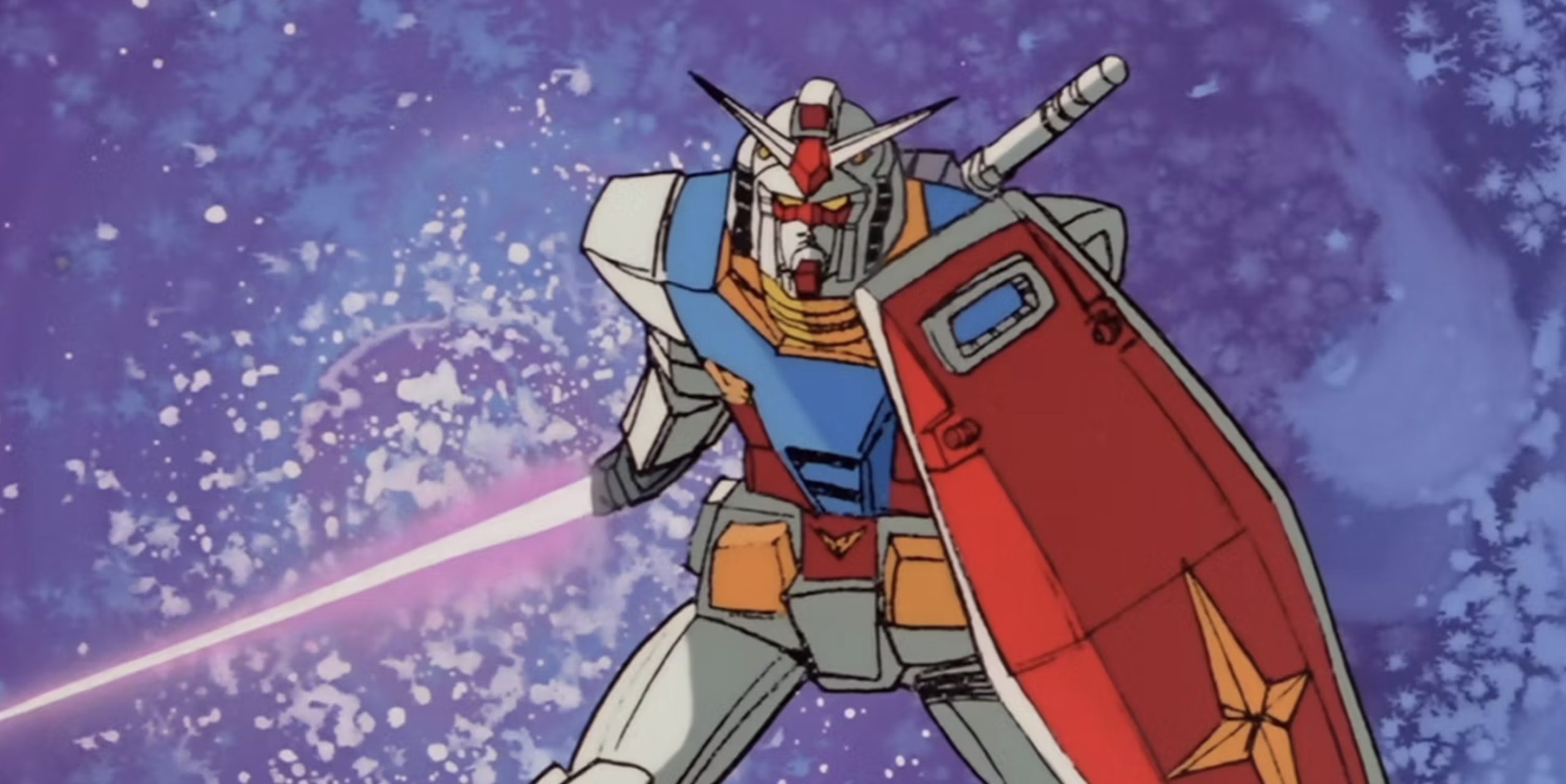
Mobile Suit Gundam | Yoshiyuki Tomino
A pivotal factor in Gundam’s enduring prosperity lies in its ability to adapt to contemporary trends. Despite maintaining its core themes and narratives, each new Gundam anime installment is tailored to resonate with the sensibilities of its respective era’s youth.
This deliberate approach ensures that a fresh Gundam tale is crafted for every decade and generation, further solidifying its relevance and appeal across diverse audiences.
3. Anpanman
Anpanman may not be a household name beyond Japan, but within the country, it reigns as a beloved children’s anime. The series revolves around a superhero whose head is a delectable cake filled with red bean paste—a traditional Japanese treat known as “anpan”—who defends the world against the villainous germ, Baikinman.
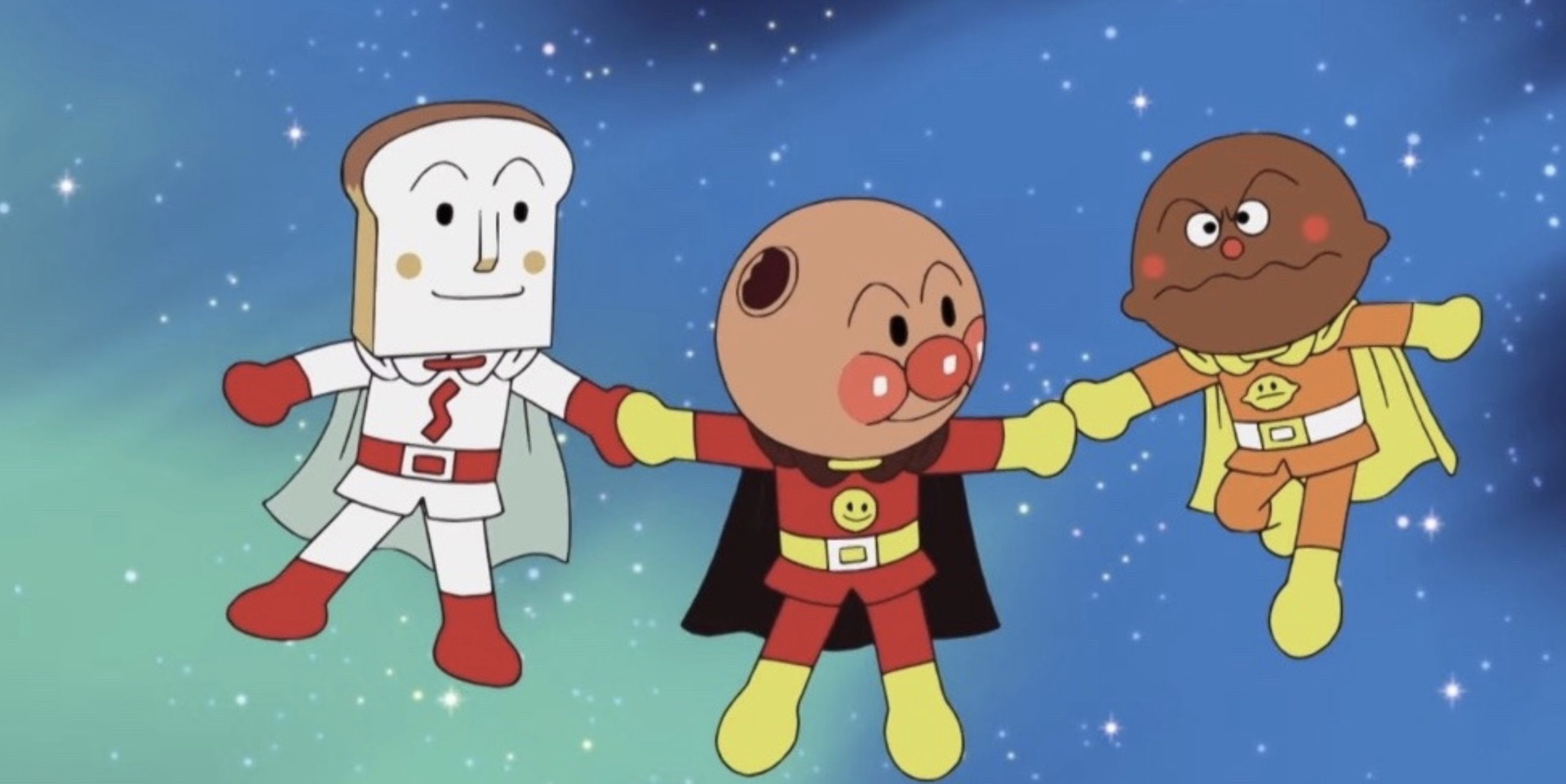
Anpanman | TMS Entertainment
Parents understand the unwavering dedication children have to the things they love. It’s no surprise then that nearly all of Anpanman’s revenue stems from retail sales of Anpanman-themed merchandise for kids.
Additionally, a significant portion of its earnings, amounting to nearly $14 billion, can be attributed to ticket sales for the Yokohama Anpanman Children’s Museum.
2. Hello Kitty
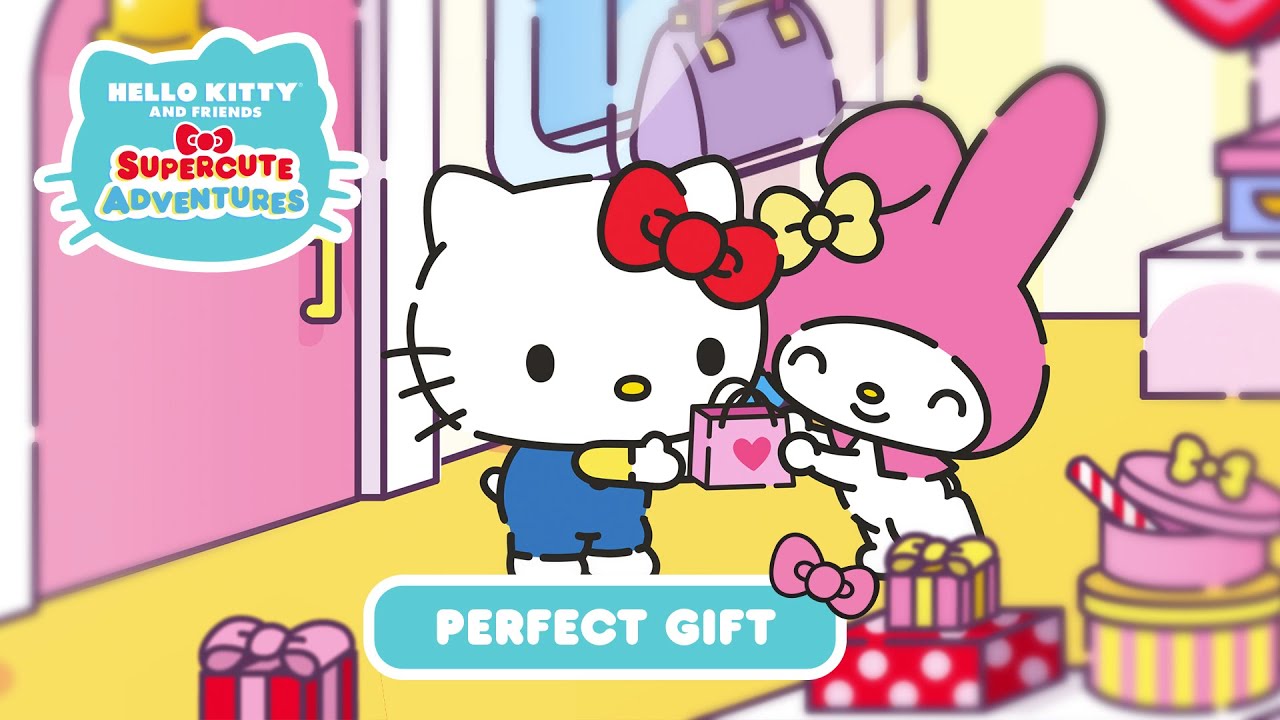
Hello Kitty
To many, Hello Kitty epitomizes a merchandising icon rather than a prominent anime character. Notably, Hello Kitty’s revenue stream is predominantly fueled by merchandise sales, prompting some to view its numerous, albeit often overlooked, anime as little more than promotional vehicles for licensed goods and apparel.
This perception gained validation in 2014 when estimates suggested that Hello Kitty could rake in a staggering $8 billion annually. It’s reasonable to assume that this figure has only escalated in the years since.
While Hello Kitty’s cartoons and movies may not serve as lucrative cash cows, it appears that maximizing profits through media ventures was never the primary focus of this franchise.
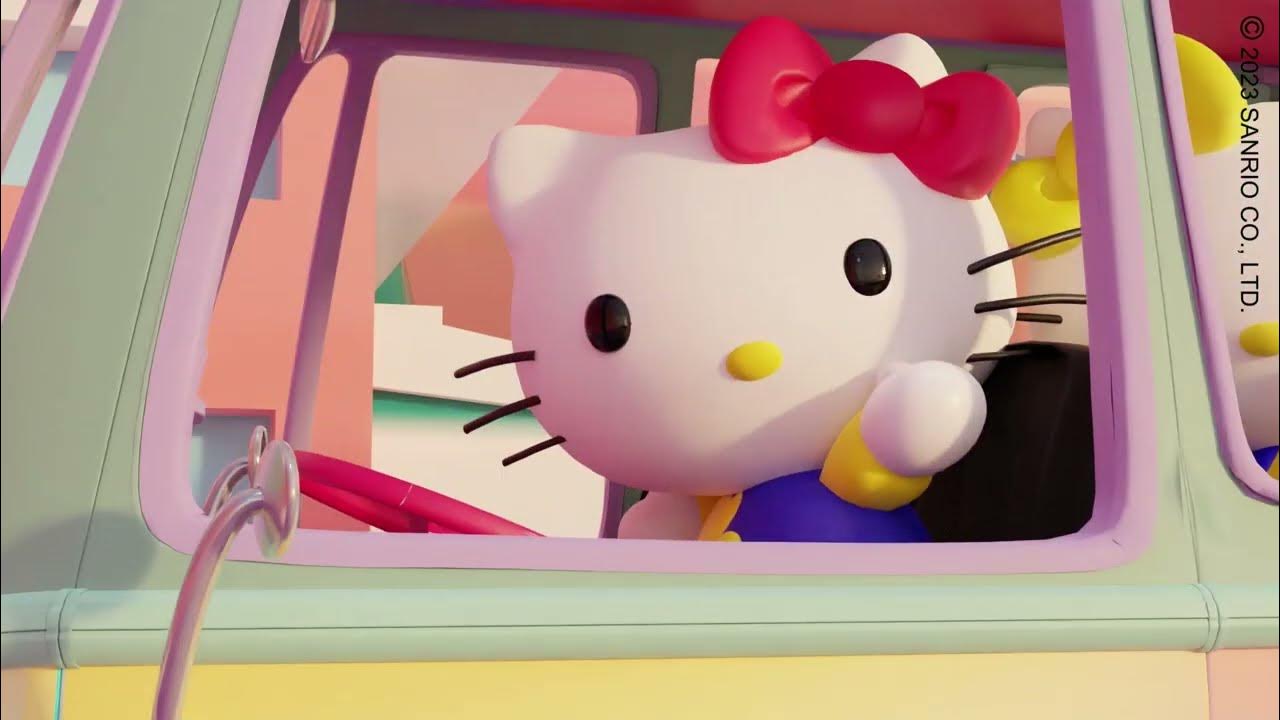
Hello Kitty
Hello Kitty has remained a global phenomenon for decades, becoming more than just a character — she’s a cultural figure recognized across continents. Created by Sanrio in 1974, Hello Kitty was originally intended for a young audience, but over time, her appeal stretched far beyond childhood into fashion, media, and lifestyle.
Designed by Yuko Shimizu, Hello Kitty debuted as a small image on a vinyl coin purse. Her simplistic look — a round face, small dot eyes, and signature red bow — was minimal yet unforgettable. She didn’t have a mouth, a creative decision meant to allow people to project their own feelings onto her.
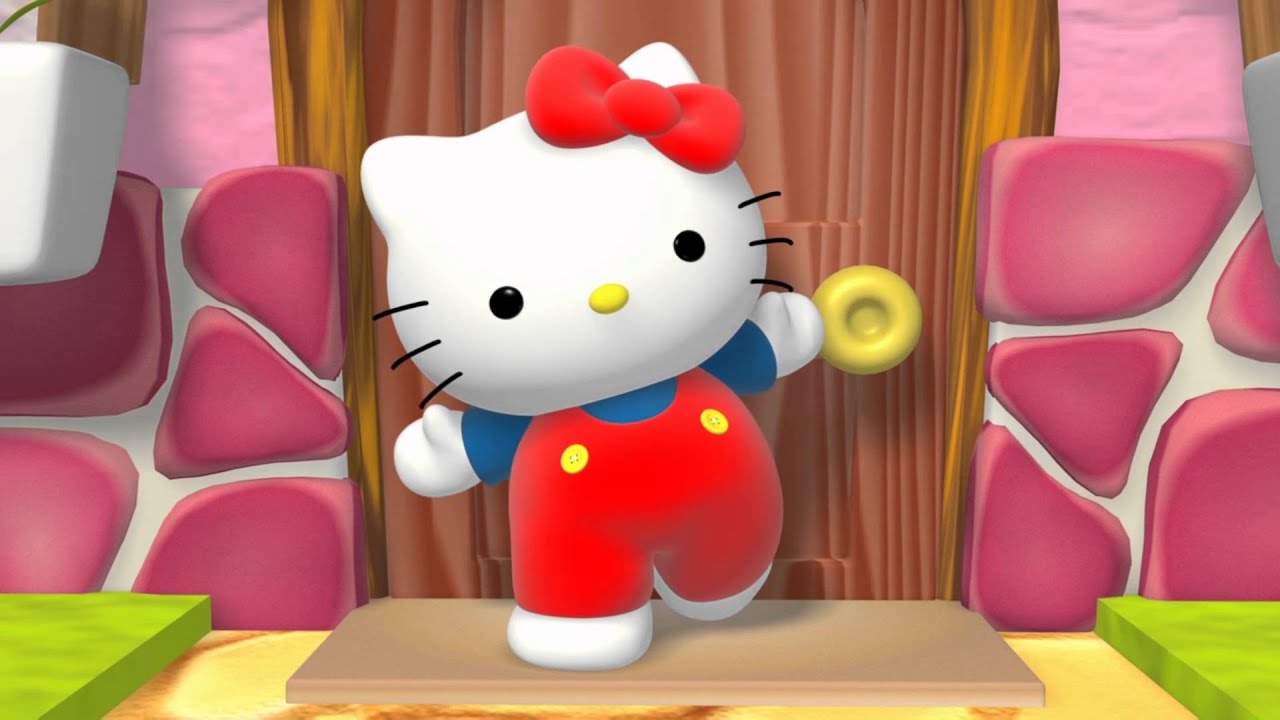
Hello Kitty
Although she began in Japan, Hello Kitty quickly spread through international markets, especially in the United States during the late ’70s and early ’80s. Young girls were drawn to her innocent charm, and soon she appeared on everything from stationery to lunch boxes, winning hearts in households worldwide.
One key factor behind her lasting success lies in her adaptability. Hello Kitty has evolved with time, staying relevant through collaborations with designers, celebrities, and major franchises. These joint ventures have helped her maintain visibility and connect with newer generations without losing her nostalgic identity.
Sanrio also expanded her universe by introducing friends like My Melody, Badtz-Maru, and Keroppi. These characters gave the brand more personality and allowed Hello Kitty to exist in a broader, imaginative setting where stories, friendships, and adventures could unfold in playful ways.
Hello Kitty’s world has grown through animations, video games, mobile apps, and even theme parks like Sanrio Puroland in Tokyo. These expansions helped build her identity beyond just being a merchandise icon. She became part of childhood memories and nostalgic reflections for many adults.
Hello Kitty
While her primary image is innocent and sweet, Hello Kitty has crossed into edgier or more mature domains. High-end designers have incorporated her into fashion runways, and she’s even been tattooed as body art. Her flexibility in style gives her a unique edge other characters rarely match.
The absence of a defined personality also works in her favor. Unlike most characters, Hello Kitty doesn’t speak or show extreme emotion. This makes her universally relatable — people of any culture or language can connect with her image without needing translation or specific context.
Critics have at times questioned the overwhelming commercialization of Hello Kitty, wondering if the brand values substance as much as style. However, fans argue that the brand’s appeal lies in its simplicity and how it allows people to project their emotions onto a calm and familiar figure.
Hello Kitty-themed cafés, makeup lines, and household goods have helped blend the character into adult lifestyles. Unlike most characters that fade with age, Hello Kitty matures alongside her audience. Many who once wore Hello Kitty backpacks now drink from Hello Kitty mugs in their offices.
The brand also works well due to its attention to detail. Sanrio maintains tight control over Hello Kitty’s aesthetic, ensuring she never strays far from her recognizable form. Whether appearing in Japanese ads or European boutiques, she maintains a look that is both consistent and comforting.
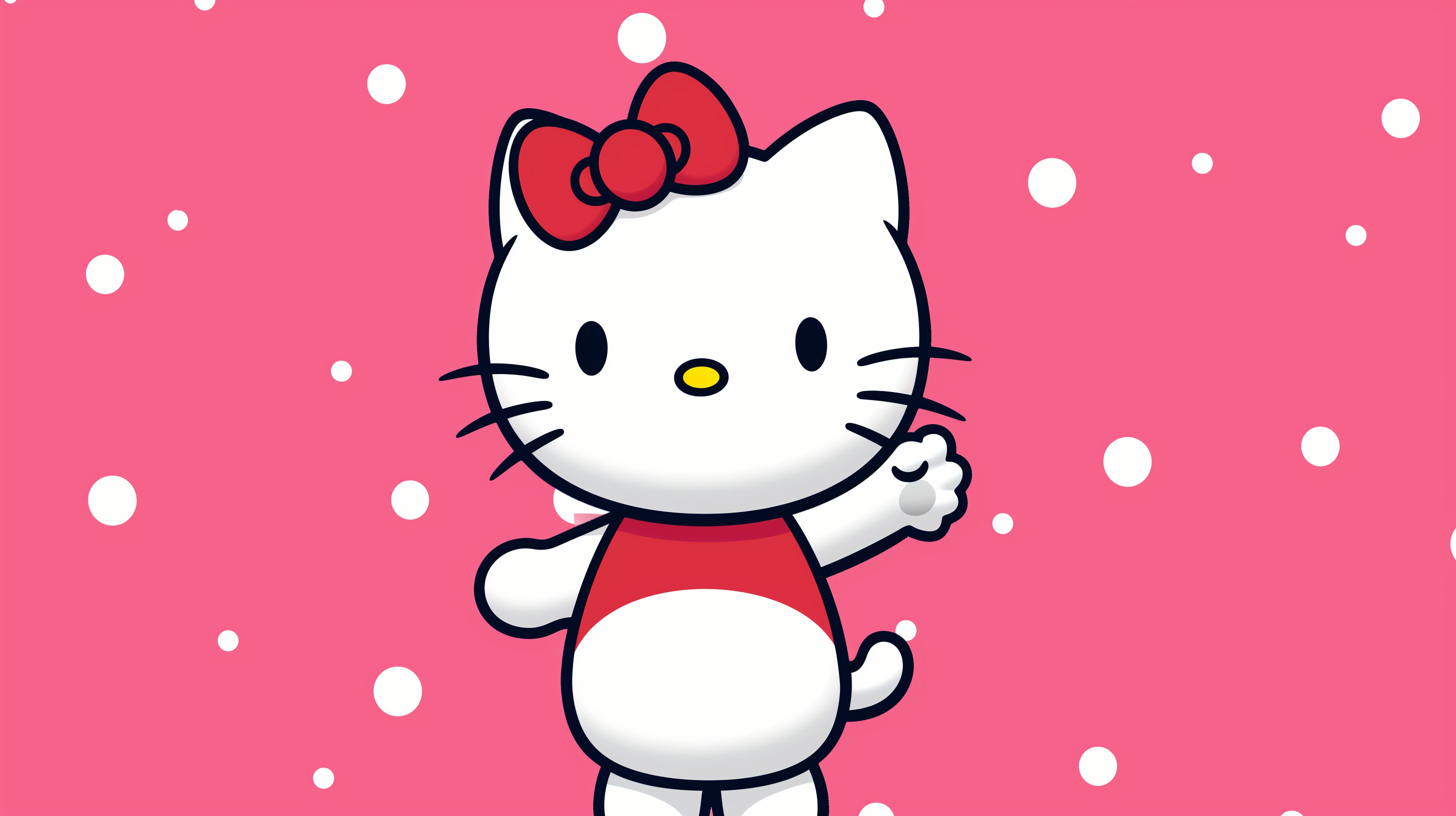
Hello Kitty
On television, Hello Kitty has had multiple series, each reflecting the values of friendship, kindness, and imagination. These shows are designed with young viewers in mind but occasionally reference broader themes that resonate with parents and older fans as well.
Her influence in pop culture cannot be overstated. Hello Kitty has graced the sides of airplanes, appeared in music videos, and even had a presence at fashion events. She manages to bridge gaps between generations and subcultures without losing her soft, iconic charm.
Despite her global fame, Hello Kitty remains rooted in Japanese pop culture. She’s often associated with “kawaii” — a style and philosophy of cuteness that has deep cultural resonance in Japan. Her image is considered a gentle escape from stress and complexity.
Interestingly, Hello Kitty isn’t even a cat — at least, not officially. Sanrio has stated that she is a British girl named Kitty White who lives just outside London. This quirky fact only adds to her appeal and invites discussions that keep her in the spotlight.
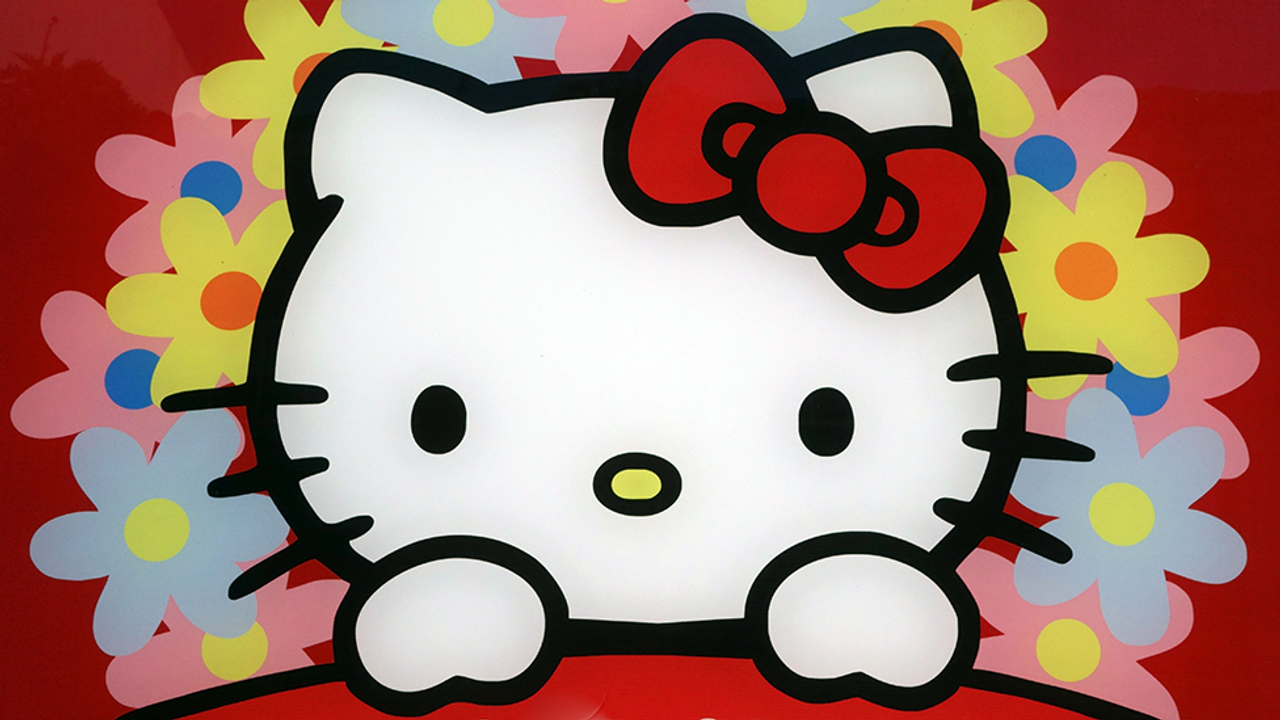
Hello Kitty
Merchandising continues to be the backbone of Hello Kitty’s success. From toys and gadgets to high-end fashion accessories, she covers a wide range. Her face is both nostalgic and modern, making her just as likely to appear on a child’s pencil case as a designer handbag.
Social media has helped revive interest in Hello Kitty. Influencers post photos of Hello Kitty-themed items, rooms, and fashion, giving the brand renewed exposure. Memes and fan art also contribute to her cultural presence and help younger generations discover her charm.
Children still encounter Hello Kitty in early stages of development, learning about friendship, patience, and creativity through her shows and books. For adults, she’s a symbol of nostalgia, often tied to memories of childhood and simpler times. She represents joy across age gaps.
Hello Kitty’s influence extends into philanthropy and causes. She has been featured in health campaigns, environmental initiatives, and even as a UNICEF ambassador. Her image adds a gentle face to serious issues, helping reach broader and more diverse audiences.
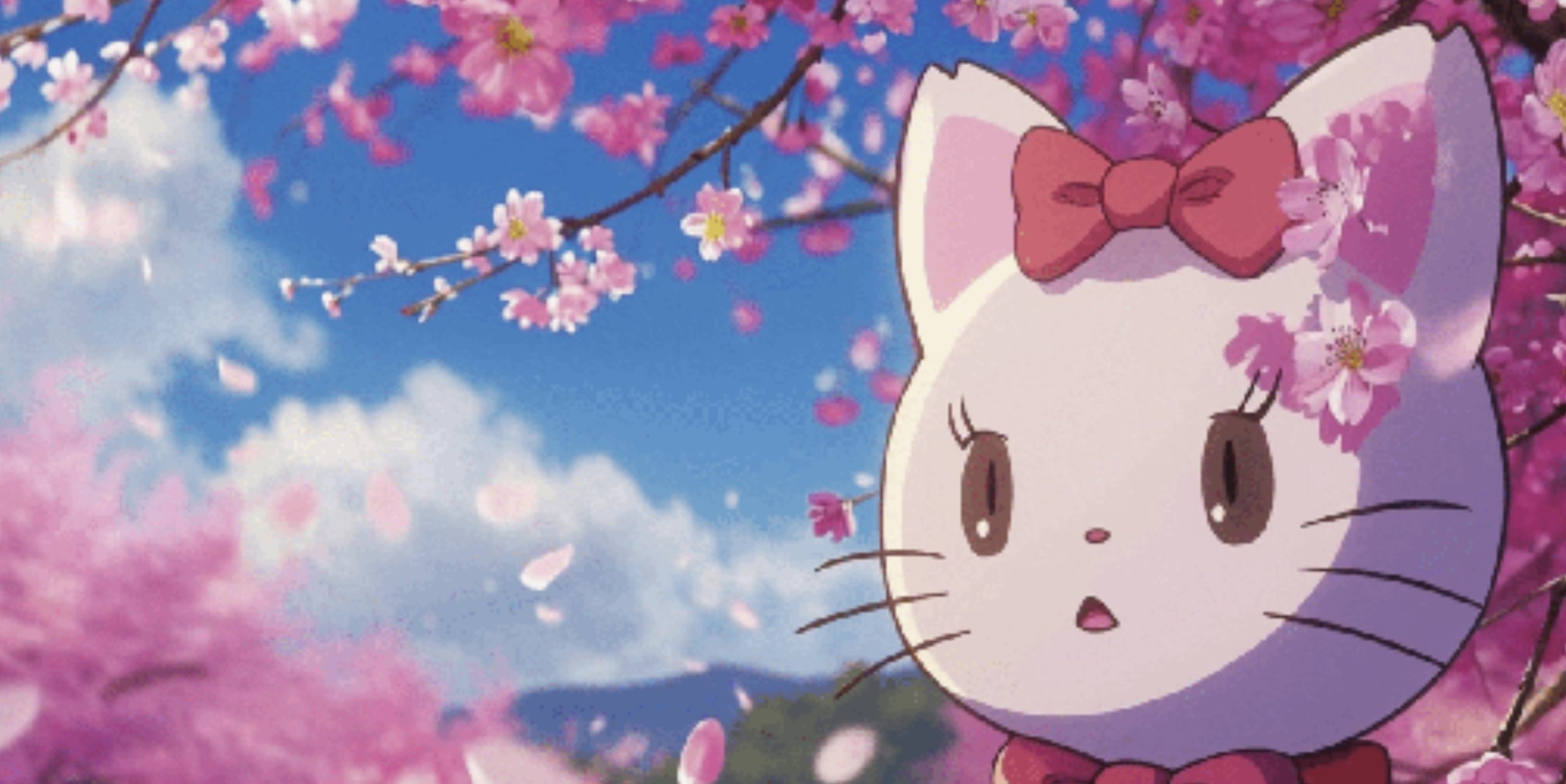
Hello Kitty | Yuko Shimizu
There’s something timeless about Hello Kitty. She has managed to stay charming and relevant without changing too much. In a rapidly shifting world, her constant smile and soft presence offer stability and comfort that few pop culture icons can match.
As Sanrio continues to innovate while respecting tradition, Hello Kitty remains a central figure in their brand. Her ability to balance nostalgia with trendiness ensures she’ll continue engaging hearts — whether through plush toys or limited-edition fashion drops — for years to come.
Hello Kitty’s story is ultimately one of endurance, gentle charm, and universal connection. From coin purses to digital media, she continues to offer a calm, welcoming presence. Her silent smile speaks volumes, reminding fans that simplicity and kindness still have power in every corner of life.
1. Pokémon
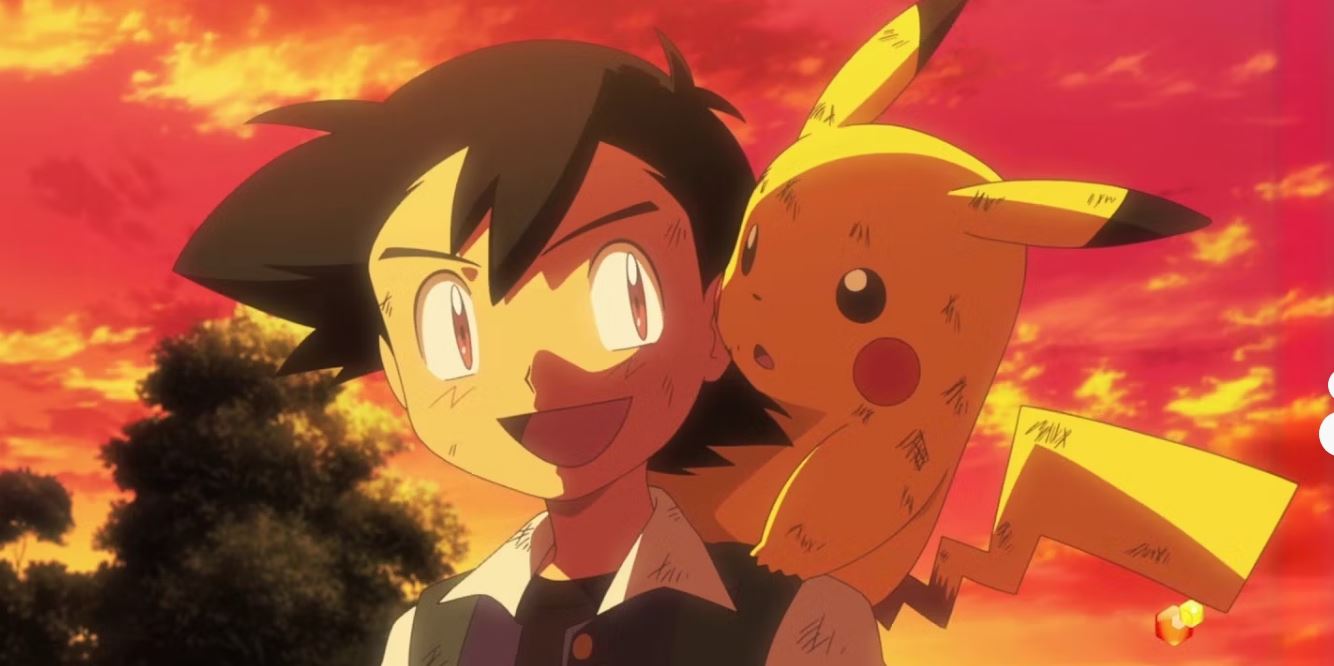
Ash and Pikachu (Credits: Studio OLM)
It comes as no surprise that Pokémon reigns as the highest-grossing anime franchise in history. While The Pokémon Company ceased publicizing Pokémon’s total worth in 2019, estimations placed its value at approximately $71 billion at that time. By 2022, this figure purportedly surged to surpass $100 billion.
Despite boasting an immensely successful anime, trading card game, and video game lineup, licensed merchandising emerges as Pokémon’s primary revenue driver.
Sales of licensed merchandise, including toys and books, consistently surpass those of Pokémon’s video games, manga, cards, and anime combined.
With its formidable presence across various mediums, this juggernaut franchise has solidified its status as the highest-grossing anime of all time and shows no signs of relinquishing its title in the foreseeable future.
Pokémon began as a Game Boy title in the 1990s but quickly expanded into one of the most influential franchises of all time. With its anime series launching in 1997, it introduced global audiences to Ash Ketchum, Pikachu, and a universe filled with imaginative creatures. Over time, the show grew beyond just collecting creatures—becoming a story of ambition, friendship, and emotional resilience.
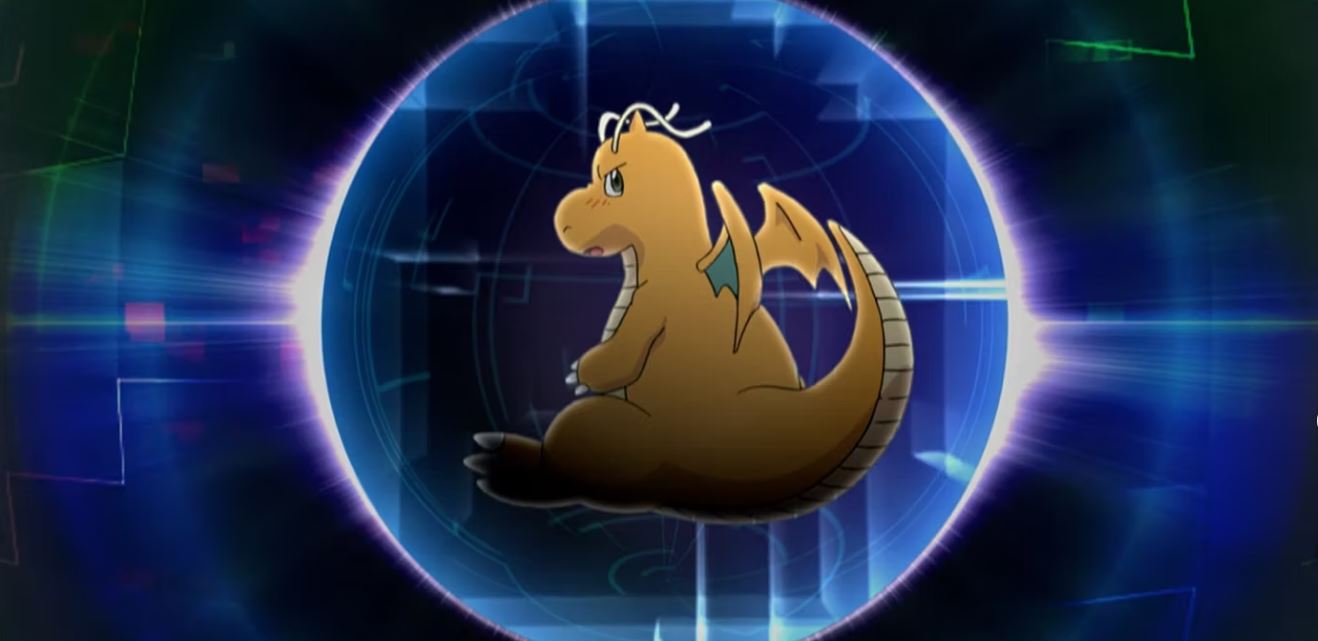
Inside a Poke Ball (Credits: Studio OLM)
The anime’s charm lies in its core idea: trainers setting out to bond with Pokémon and grow together. Ash, an eager young boy from Pallet Town, starts with his loyal Pikachu. Their early struggles laid the foundation for an evolving partnership built on trust and perseverance. Through each region, their connection grows, becoming a symbol of mutual respect and understanding between humans and Pokémon.
One standout element is how the series captures emotional maturity. While the surface presents lively battles and humorous misadventures, deeper themes surface often—letting go of a companion, overcoming self-doubt, or learning from failure. These moments add heart and sincerity, especially when Ash parts with close partners like Butterfree or Goodra to support their growth.
As the series traveled from Kanto to Johto, Hoenn, Sinnoh, and beyond, the anime adapted its tone to match the shifting era of Pokémon games. Each region came with new rules, companions, and legendary Pokémon. The show stayed relevant by blending nostalgia with fresh experiences, ensuring fans of all ages remained connected through both familiarity and novelty.
Ash’s journey wasn’t just about gym badges. His encounters with trainers, gym leaders, and rivals brought different philosophies about battling, loyalty, and teamwork. Gary Oak pushed Ash to become more strategic. Paul, in contrast, challenged Ash’s belief in bonding with Pokémon emotionally. These rivalries weren’t merely competitive—they were philosophical.
The anime doesn’t shy away from themes of failure. Ash loses leagues, falters in battles, and occasionally makes poor choices. These defeats aren’t dismissed—they’re turning points. The Kalos League finale, where he falls short despite immense growth, is one such emotional blow that mirrors real-life setbacks and the importance of perseverance.
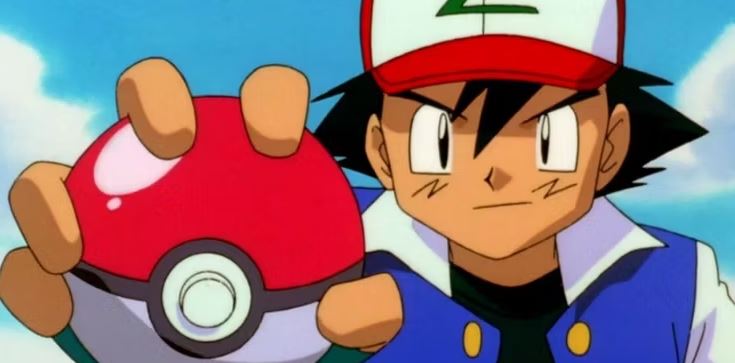
Inside a Poke Ball (Credits: Studio OLM)
Team Rocket—Jessie, James, and Meowth—add comic relief, but their consistent failures also highlight another theme: persistence. Despite countless defeats, they remain determined. Occasionally, the show offers glimpses into their pasts, revealing the pain behind the laughter. These moments add depth to their characters, making them more than just villains.
The companionship in Pokémon is not limited to trainer and Pokémon. Ash’s relationships with Misty, Brock, May, Dawn, and others highlight diverse friendships. Each companion brings unique strengths and flaws, teaching Ash—and viewers—about trust, disagreement, and support. Their departures are always emotional, underlining the show’s focus on fleeting yet meaningful connections.
Music in the series plays a critical role in its emotional appeal. The opening themes across generations aren’t just catchy—they reflect the spirit of the seasons. Songs like “The Journey Starts Today” or “Together” emphasize hope, courage, and new beginnings, enhancing the emotional beats of the episodes.
Visually, the animation has evolved significantly. The early hand-drawn style of the Kanto region gave way to smoother, vibrant digital art in recent years. Battle scenes became more dynamic, and character expressions more nuanced. The shift was especially notable in Pokémon Journeys , which embraced cinematic quality, pushing the franchise’s artistic standards.
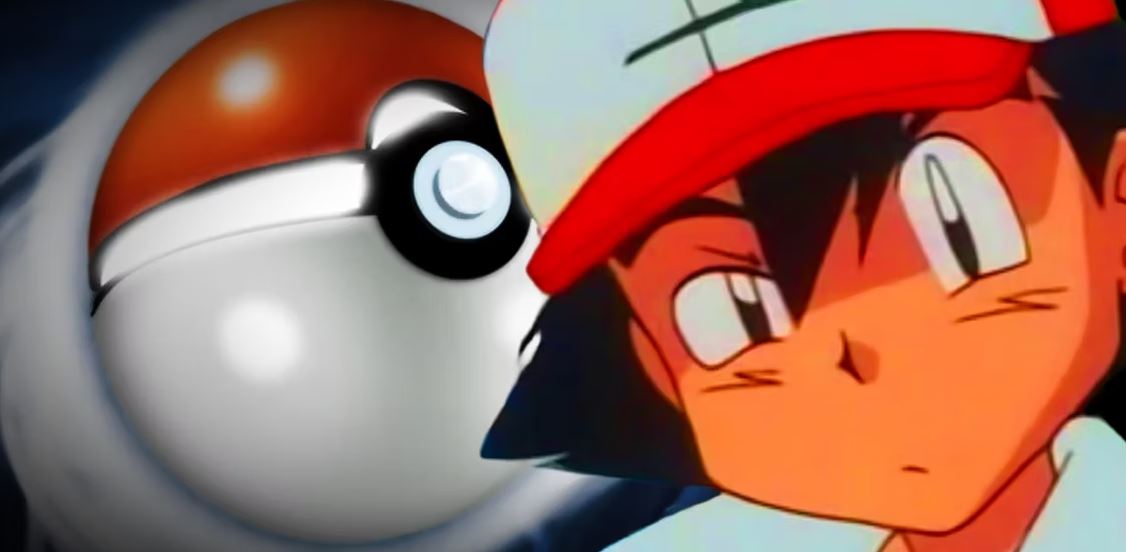
Ash (Credits: Studio OLM)
One of the series’ proudest moments came when Ash finally became a world champion in Pokémon Journeys . This long-awaited achievement felt earned—not just for Ash, but for fans who had grown up watching his struggles. It wasn’t just a victory in the narrative—it was a payoff for years of commitment to a character that embodied effort and growth.
The introduction of Goh in Journeys shifted the focus slightly. Unlike Ash, who focused on battles, Goh aimed to catch every Pokémon. This contrast allowed the show to explore a new dimension of the franchise: research and discovery. It showcased how Pokémon trainers can follow different paths and still achieve meaningful goals.
Outside the anime, Pokémon extended its reach into films, merchandise, and spinoffs. Movies like Pokémon: The First Movie and Pokémon: I Choose You! explored the deeper bonds between Ash and his Pokémon. The former, especially, left a lasting impression with its moral about coexistence and empathy, introducing viewers to powerful emotional stakes.
The presence of legendary and mythical Pokémon added an element of awe to the narrative. Their inclusion often came with moral questions—about power, responsibility, and balance. Encounters with Mewtwo, Lugia, or Zeraora weren’t just flashy events; they carried philosophical undertones that offered a deeper message behind the action.
Newer series like Pokémon Horizons introduce fresh protagonists and storylines, showing that the franchise is not reliant solely on Ash. This transition allows for new interpretations while respecting the foundation laid by earlier series. It demonstrates the flexibility of the Pokémon universe, capable of reinventing itself without losing its core.
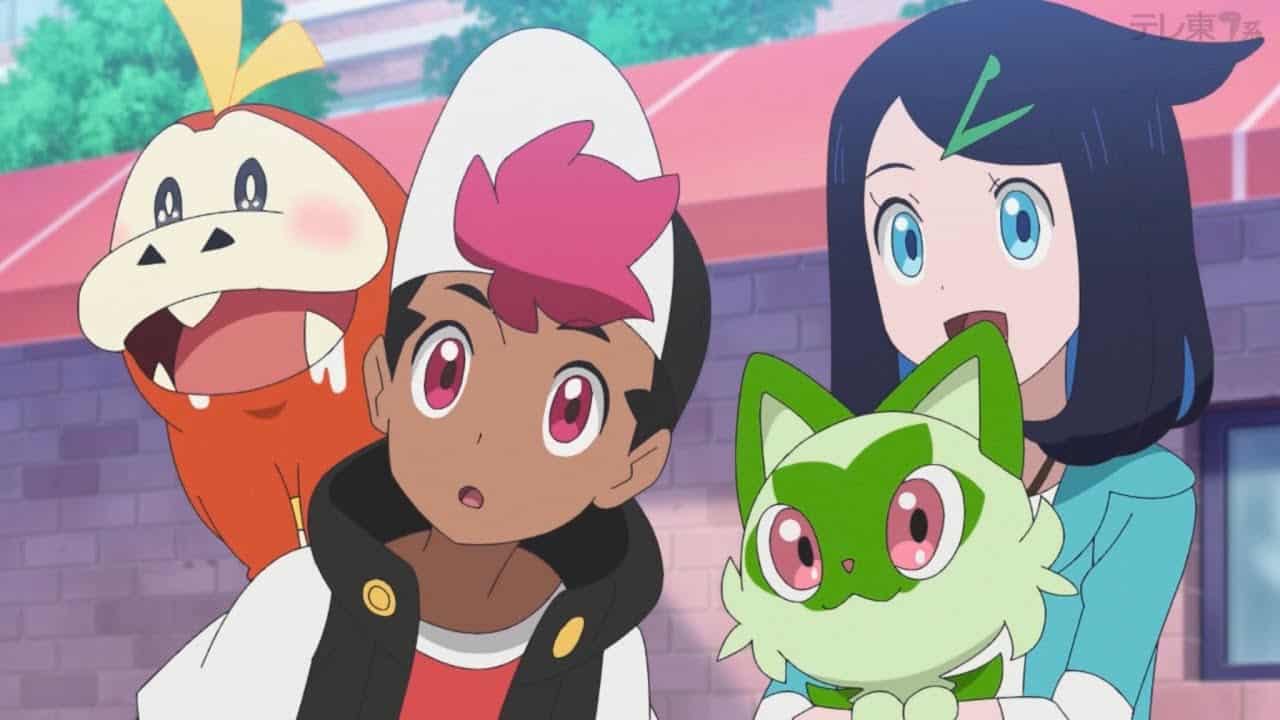
Roy and Liko | Pokémon Horizons: The Series (Credits: Studio OLM)
The emotional reach of the anime is universal. Kids find wonder in the colorful creatures and adventures. Teenagers relate to the trials of growing up, while adults revisit the show for comfort or nostalgia. The timeless themes of loyalty, kindness, and perseverance ensure that every viewer finds something meaningful, regardless of age.
Beyond fiction, Pokémon has impacted real life. It encourages players and viewers to explore, collect, and build bonds—whether with digital creatures or real-world friends. Events like Pokémon Go further blurred the lines between the game and reality, building a global community rooted in shared curiosity and adventure.
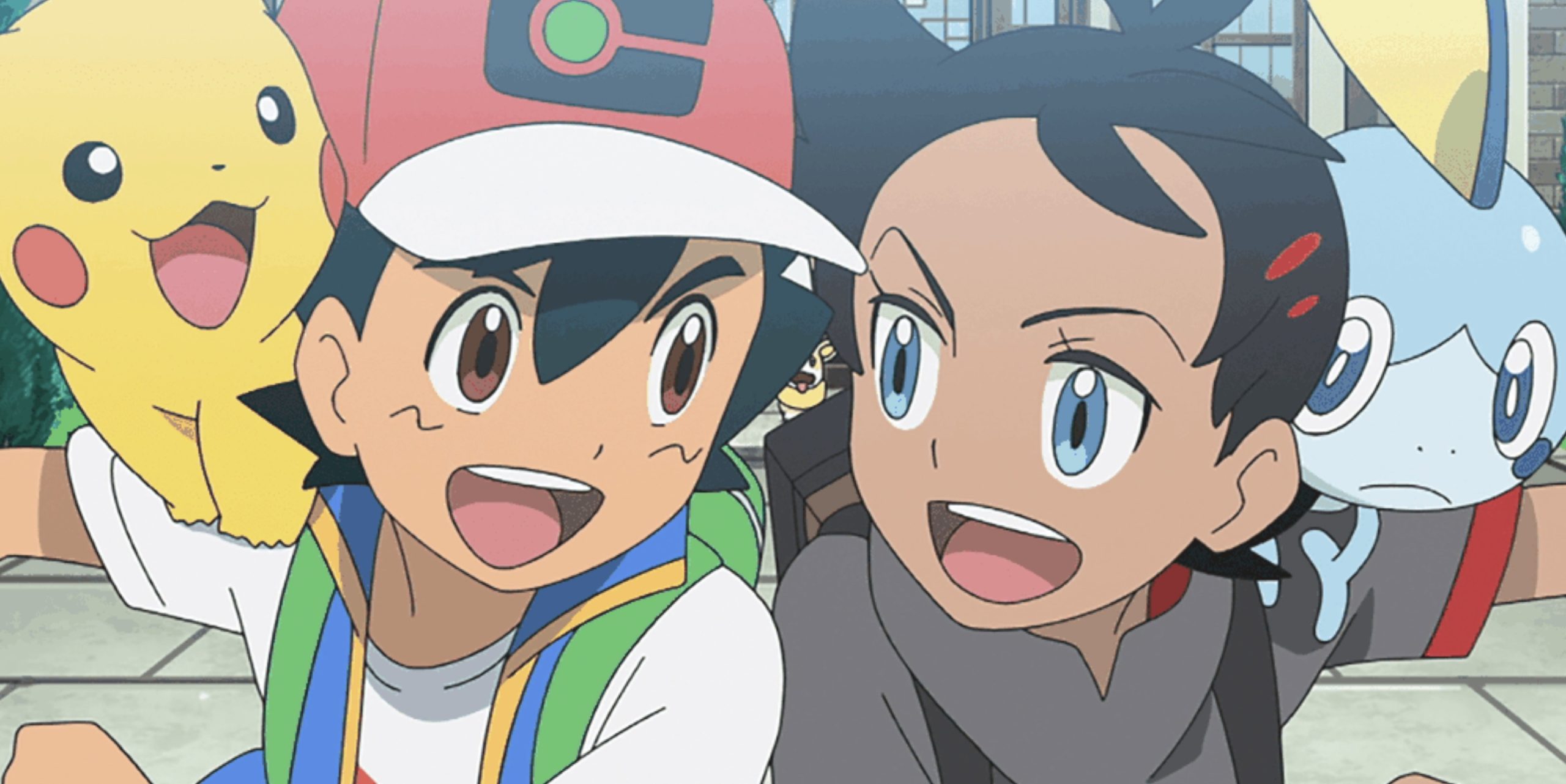
Pokémon | Satoshi Tajiri
Educationally, the franchise has also found a place. Concepts like evolution, habitats, and cooperation mirror real-world biology and ethics, making it an engaging way for younger audiences to absorb lessons without realizing it. It’s entertainment that educates, often through the lens of empathy and respect for life.
Pokémon remains more than just an anime. It’s a cultural marker—a symbol of generations growing up, dreaming big, and continuing to chase after something meaningful. Whether you’re just starting with Pikachu or reminiscing about Charizard’s early battles, there’s always another region, another story, another friendship waiting to unfold.
You’ve spent hours hyping up anime—sharing intense battles, revealing deep storylines, and convincing a skeptical friend to finally give it a try. But when you suggest One Piece, a show with over 1,000 episodes, they hesitate. The idea of committing to something that long feels overwhelming, and just like that, their interest fades. What could’ve been their gateway into anime now feels like an impossible task.
It’s frustrating, right? You were so close to bringing them into a world of incredible storytelling, but the sheer length of your recommendation pushed them away. Instead of throwing them into a marathon, why not start with something more approachable? A shorter, well-paced series makes it easier for new fans to get hooked without feeling pressured. That way, they’ll be more likely to stick around for more.
30) Summer Time Rendering
In Summer Time Rendering’s concise 25 episodes, viewers are treated to a story without unnecessary detours, keeping them on the edge with unexpected plot twists. Shinpei Ajiro’s return home for a funeral takes an unexpected turn when he discovers he can travel back in time.
To his surprise, his childhood crush Ushio, previously deceased, is alive and well. As they uncover the existence of ominous “shadows” and a looming tragedy, Shinpei and Ushio must unite to confront this looming threat to their island.
29) She And Her Cat: Everything Flows
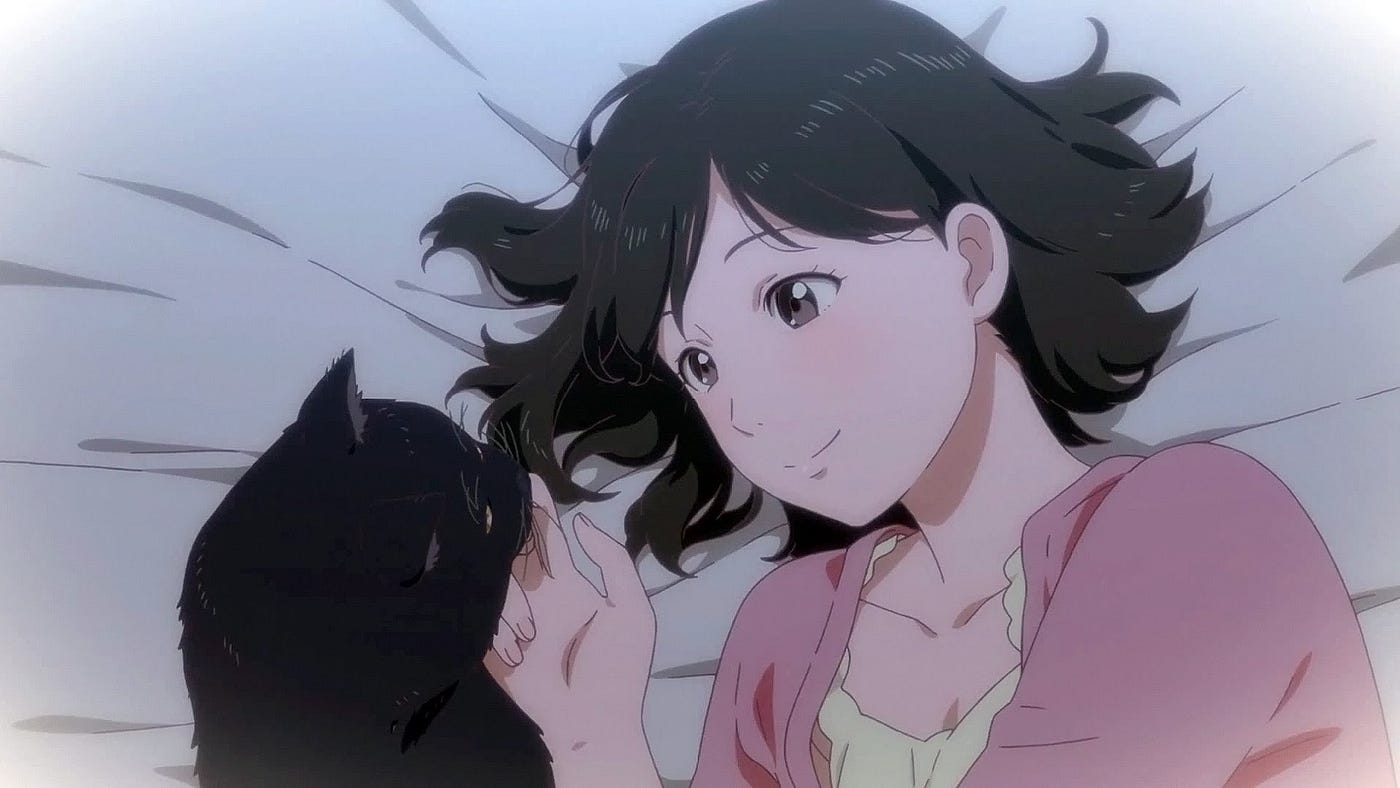
“She And Her Cat” (Credits: Liden Films)
“Gather, feline enthusiasts! Makoto Shinkai’s brief five-minute short expands into a delightful series chronicling the life of Kanojo and her beloved cat Daru. Bound by an unbreakable bond forged over years of companionship, the duo maneuvers life’s ups and downs together.
As Kanojo transitions into adulthood, Daru offers a unique perspective on her everyday struggles, from job hunting to adjusting to changes in their shared routine.
‘She And Her Cat: Everything Flows’ offers a heartwarming ”tail” of the intimacy of human-cat companionship, providing a refreshing twist on the typical cat-centric narrative.”
28) Afro Samurai
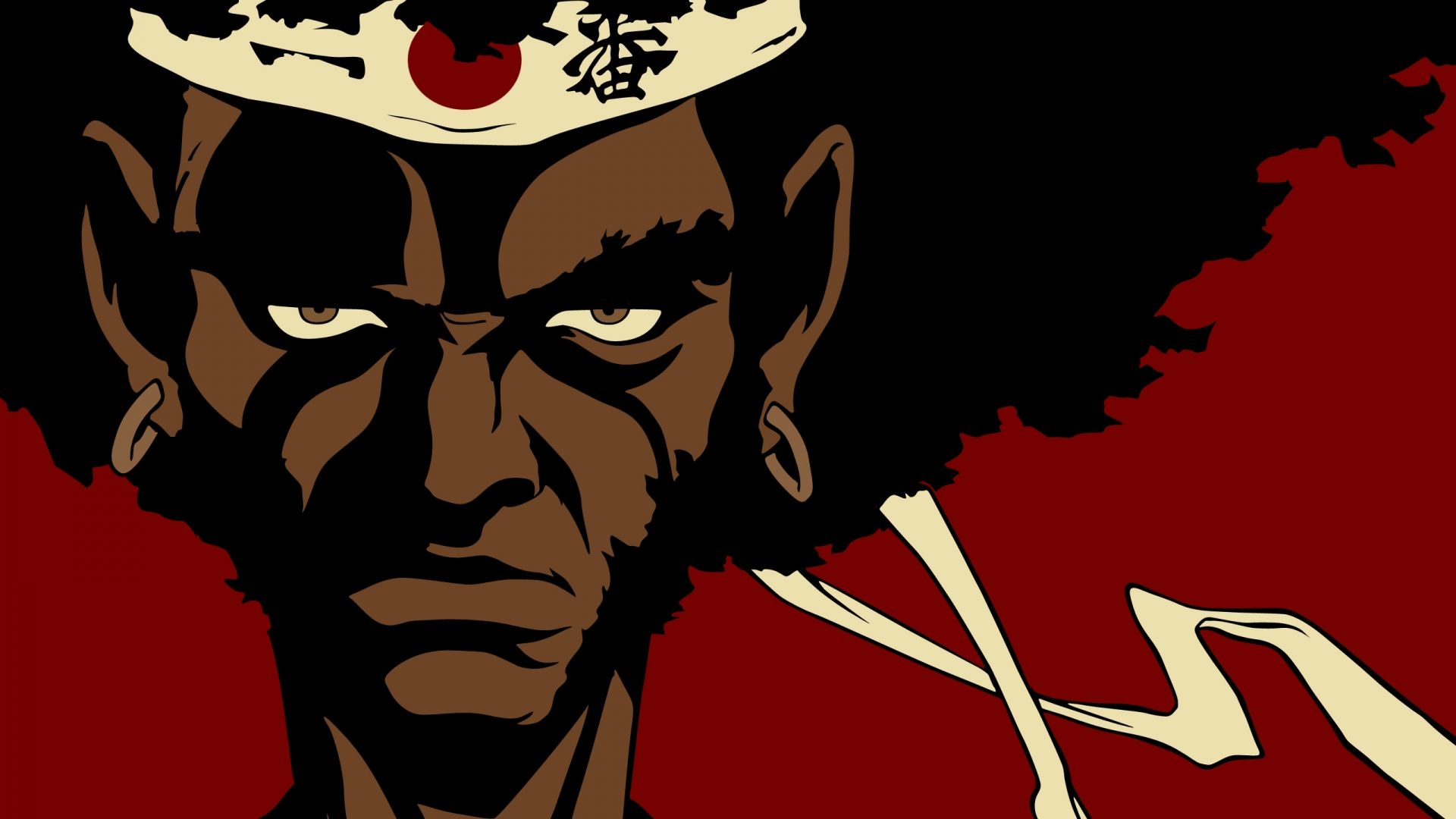
“Afro Samurai” (Credits: Studio Gonzo)
“For action aficionados, ‘Afro Samurai’ is an absolute treat. Set in a feudal Japan, the story follows Afro, who witnesses his father’s defeat in a fierce samurai duel.
Fueled by a thirst for vengeance, Afro heads on a journey to become the greatest samurai, aiming to claim the Number One badge from his father’s victor, Justice.
But to reach his goal, Afro must first overcome countless challengers vying for his coveted Number Two position. Boasting lightning-fast action sequences, a stellar soundtrack, and top-notch animation, ‘Afro Samurai’ delivers a thrilling and immersive viewing experience from start to finish.”
27) Gakuen Handsome
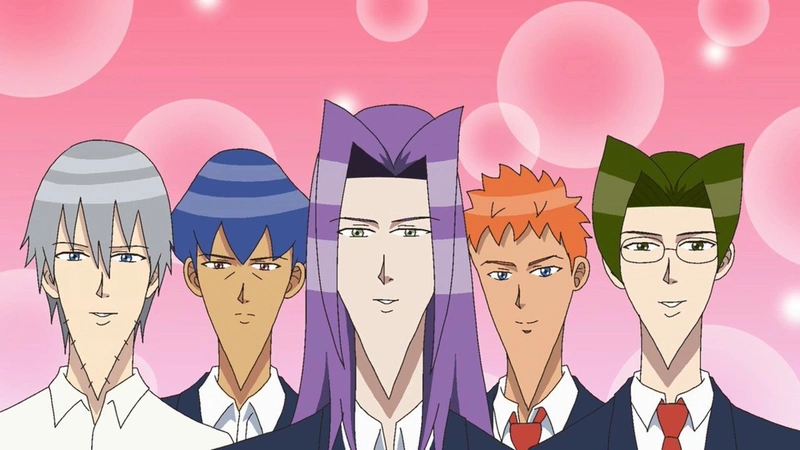
“Gakuen Handsome” (Credits: Team YokkyuFuman)
“Yoshiki Maeda finds himself in a whirlwind of eccentricity after transferring to the all-boys Baramon High School. From a peculiar and theatrical homeroom teacher to a childhood friend reappearing after seven years, Yoshiki encounters a cast of quirky characters at every turn.
Amidst the chaos, Yoshiki must deal with the pressures of being the school’s heartthrob, all while his younger sister Yuu revels in the excitement. Join Yoshiki on his journey as he faces the challenges of high school life in this charming and lighthearted series.”
26) No Game No Life
“Sora and Shiro, the ultimate gamer siblings, reign supreme as the top players on Earth. But when they find themselves transported to Disboard, where games determine all outcomes, their skills are put to the ultimate test.
In Disboard, brute force and aggression hold no sway—victory hinges solely on strategic gaming prowess. To return home, Sora and Shiro must face a series of high-stakes challenges, facing off against formidable opponents and ultimately confronting the boss.
No Game No Life is a vibrant and intellectually stimulating anime that blends strategy, fantasy, and humor into a thrilling adventure. Released in 2014 by Madhouse, it is based on the light novel series by Yuu Kamiya. The story follows siblings Sora and Shiro, a legendary gaming duo known as “Blank,” who dominate every game they play. Their skills catch the attention of Tet, the god of games, who transports them to Disboard, a world where everything is decided through games instead of violence.
Sora and Shiro are immediately drawn to this world, as it aligns perfectly with their talents. In Disboard, the Ten Pledges enforce a strict rule system that prevents physical conflict, making intelligence, strategy, and deception the key to victory.
The siblings set their sights on uniting the fractured human race, known as Imanity, and challenging the strongest races to eventually face Tet once again. Their journey is filled with mind games, high-stakes battles, and clever outmaneuvering of powerful opponents.
One of the most striking aspects of No Game No Life is its visual style. The anime uses an intense color palette filled with bright neons, deep contrasts, and glowing pastels, creating a dreamlike and immersive world.
Every scene feels like a painting, with dynamic lighting and vibrant settings that make Disboard feel alive. The unique aesthetic enhances the fantasy element of the series, making it visually unforgettable. The animation also shines during complex game sequences, where the strategic depth is presented with stunning clarity and creativity.
The sibling duo, Sora and Shiro, drive the narrative with their over-the-top confidence and undeniable genius. Sora is the charismatic strategist, excelling in psychological manipulation, while Shiro is a quiet prodigy with unmatched mathematical and computational abilities.
Their bond is unbreakable, and they function as a single entity, relying on each other completely. This dependence is played both for comedy and emotional depth, highlighting their past struggles and the reasons behind their isolation from society.
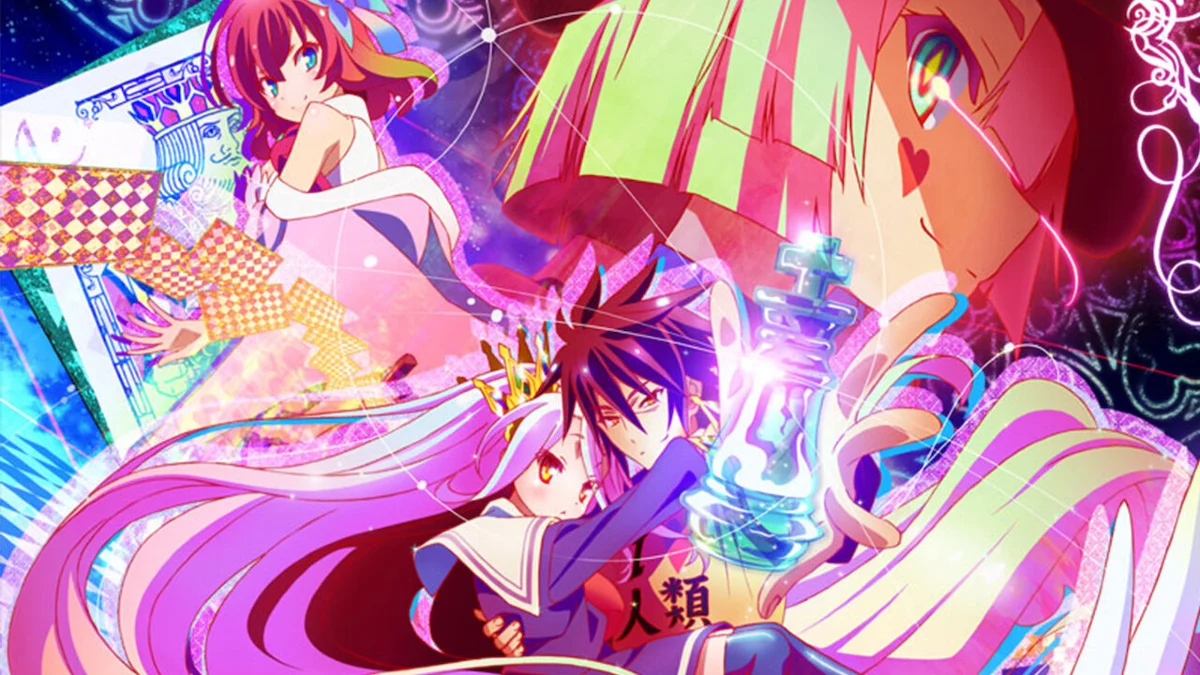
No Game No Life (Credits: Crunchyroll)
The humor in No Game No Life is another defining feature. The show frequently breaks the fourth wall, mocks common anime tropes, and exaggerates character expressions for comedic effect. Sora and Shiro’s absurd levels of intelligence and arrogance create hilarious interactions, especially when they outwit opponents in ridiculous ways.
The supporting cast, including Stephanie Dola, Jibril, and the Warbeast Izuna, adds variety to the comedy while also bringing their own strengths to the story.
Despite its lighthearted tone, the anime goes into deeper themes. The struggle of Imanity, the weakest race in Disboard, parallels real-world ideas of intelligence, adaptability, and survival. Sora and Shiro’s mission to raise humanity is not just about winning games—it’s about proving that intelligence and strategy can overcome brute strength.
Their victories inspire others, showing that even the weakest can rise with the right mindset.
The strategic depth of the games in No Game No Life is one of its biggest draws. Each game is more than just a simple match; they involve deception, loopholes, psychological warfare, and deep layers of strategy.
From chess matches that become full-scale battles to memory games that test reality itself, the series continuously raises the stakes. The unpredictability of each challenge keeps the tension high, making every episode exciting and engaging.
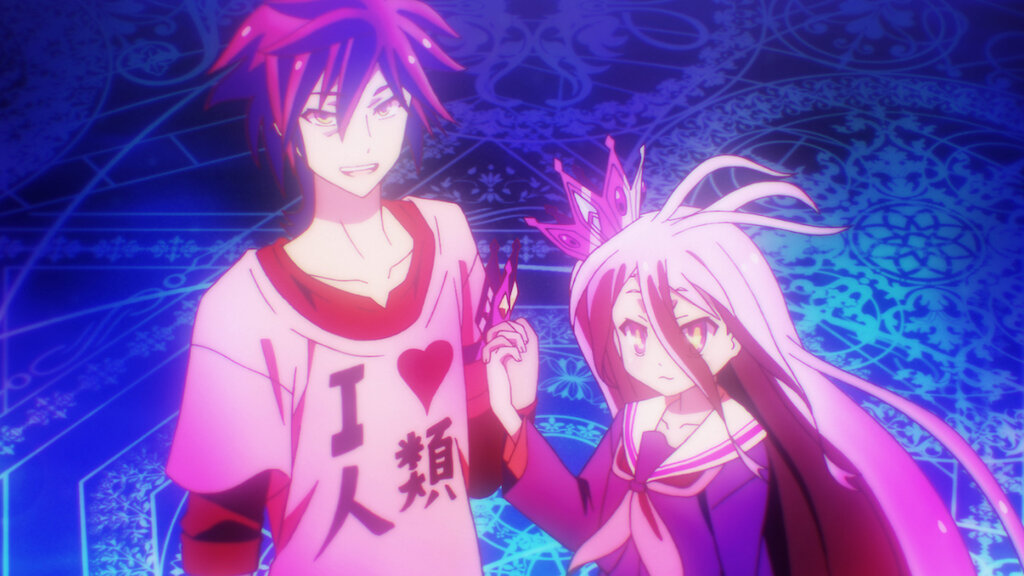
“No Game No Life” (Credits: Studio MADHOUSE)
The soundtrack perfectly complements the anime’s intense yet playful atmosphere. The opening theme, “This Game” by Konomi Suzuki, is one of the most iconic anime openings, setting the tone with its energetic beat and powerful visuals.
The background score enhances the dramatic moments, emphasizing both the thrill of victory and the weight of potential defeat. The voice acting, particularly in Japanese, captures the wit and eccentricity of the characters, making their interactions even more entertaining.
One of the few criticisms of No Game No Life is its reliance on fanservice and exaggerated character behavior. Some scenes can feel overly indulgent, particularly with Stephanie Dola, who is often used for comedic embarrassment.
However, these moments never overshadow the core brilliance of the story. The pacing is fast but controlled, ensuring that the plot remains engaging without dragging on unnecessary moments.
The biggest frustration for fans is the lack of a second season. Despite its popularity and the wealth of material available from the light novels, the anime remains incomplete, with only one season and a prequel movie, No Game No Life: Zero. The movie explores the history of Disboard, showcasing a more serious and emotional story about war, sacrifice, and the origins of the current world.
While beautifully executed, it only makes the desire for a sequel even stronger.
No Game No Life is an anime that excels in entertainment, creativity, and intellectual engagement. It delivers a refreshing take on the isekai genre by focusing on games and strategy instead of traditional combat.
Sora and Shiro’s unmatched brilliance, combined with the stunning animation and thrilling mind games, make for an unforgettable experience. The blend of humor, adventure, and high-stakes competition keeps viewers hooked from start to finish.
For those who enjoy smart storytelling, strategic battles, and unique world-building, No Game No Life is a must-watch. It stands out not just for its striking visuals but also for its clever writing and unpredictable plot twists. While the wait for a second season continues, the existing episodes and movie remain a fantastic watch, leaving a lasting impression on fans.
25) Gunbuster
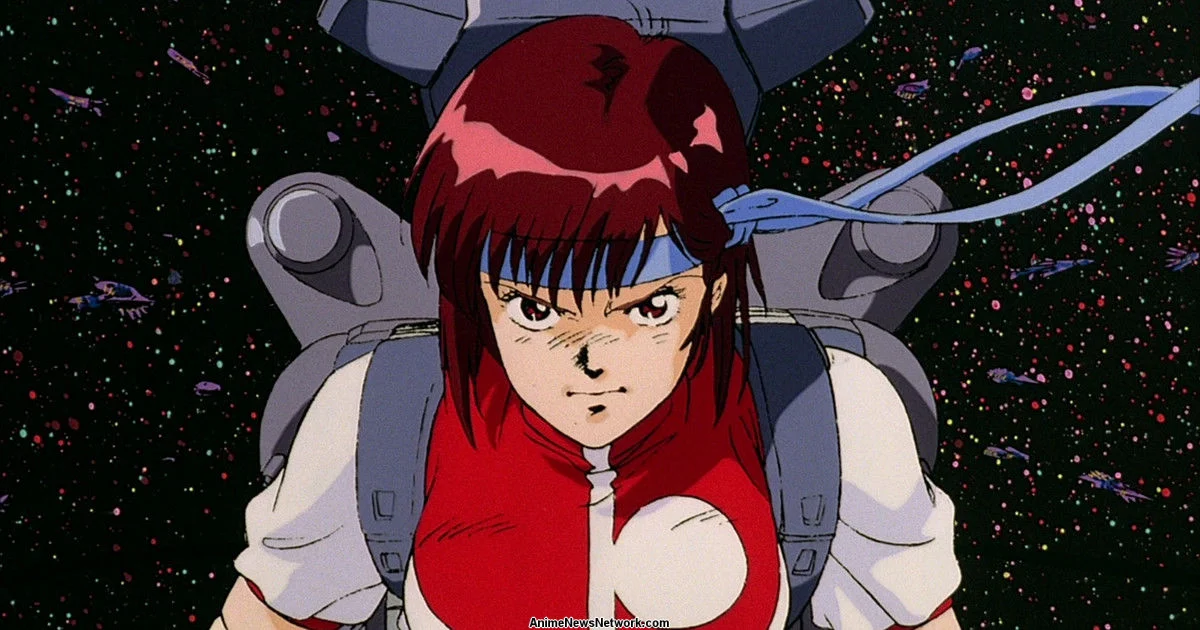
“Gunbuster” (Credits: Bandai Visual)
Gunbuster, a six-episode OVA, catapults viewers into a thrilling mecha anime adventure. Following the daughter of a space captain, the series heads into her journey as she pilots a giant robot to defend Earth against an alien invasion.
While initially appearing as a typical space-themed action saga, Gunbuster’s depth and innovation laid the groundwork for Gainax’s iconic Neon Genesis Evangelion.
24) Skull-face Bookseller Honda-san
“Skull-Face Bookseller Honda San” (Credits: Pixiv)
Meet Honda, the skeleton who shattered the fantasy of owning a quaint bookstore and living the aesthetic life. As a seasoned bookstore owner, Honda knows firsthand that the job entails far more than meets the eye. Forget sipping iced lattes – this is the reality of running a bookstore.
23) Death Parade
“Death Parade” (Credits: Studio MADHOUSE)
Quindecim in Death Parade is where the afterlife takes an intriguing turn. Instead of the typical Heaven or Hell, souls find themselves in Quindecim bar. Here, Decim, the seasoned bartender, and his keen assistant Chiyuki, orchestrate high-stakes bar games that push souls to expose their innermost truths.
22) Violet Evergarden
Violet Evergarden
Evergarden, is an anime set in the aftermath of war. The story unfolds in Telesis, a continent still reeling from the echoes of a devastating conflict. At its center is Violet, an artificial creation engineered for warfare.
Yet, as the war fades into memory, Violet seeks solace in a new vocation as an auto Memory Doll. Tasked with helping others process their emotions and memories, she grapples with her own journey of redemption and self-discovery.
Violet Evergarden is a beautifully crafted anime that explores themes of love, loss, and self-discovery. Released in 2018 by Kyoto Animation, it is based on the light novel by Kana Akatsuki. The story follows Violet, a former soldier who was trained solely for battle. After the war ends, she is left with deep emotional scars and a desperate need to understand the meaning of the last words her commanding officer, Major Gilbert Bougainvillea, said to her: “I love you.”
Now working as an Auto Memory Doll—someone who writes letters for others—Violet goes on a journey to help people express their emotions while also trying to understand her own. Through her work, she meets various individuals with different struggles, each letter helping her grow as a person.
Violet Evergarden
As she learns to translate emotions into words, she begins to uncover what love truly means and how deeply it has shaped her own life.
The anime’s emotional depth is one of its greatest strengths. Violet’s journey is not just about adapting to a post-war world but also about healing from her past trauma. Having been raised as a weapon rather than a person, she struggles with human emotions, making her growth throughout the series incredibly powerful.
Every interaction she has with clients adds another layer to her understanding of love and compassion.
Kyoto Animation’s breathtaking visuals bring Violet Evergarden to life in stunning detail. The backgrounds are vibrant and rich, with every scene meticulously crafted to reflect the emotions at play. From the warm glow of candle-lit letters to the vast blue skies of the countryside, the animation enhances the story’s depth.
Character expressions are subtly detailed, conveying emotions even in moments of silence, making every scene feel immersive and heartfelt.
Violet Evergarden
The soundtrack is another highlight, perfectly complementing the anime’s emotional storytelling. Composed by Evan Call, the music blends soft piano melodies with sweeping orchestral arrangements, heightening the impact of each moment. T
he opening theme, “Sincerely” by TRUE, and the ending theme, “Michishirube” by Minori Chihara, set the tone for the series, evoking a sense of nostalgia and longing. The music plays a crucial role in building the atmosphere, making emotional scenes even more powerful.
Each episode of Violet Evergarden tells a unique, self-contained story while contributing to Violet’s overall growth. Whether she is helping a playwright reconnect with his deceased daughter or assisting a terminally ill mother in writing letters for her child, every episode is packed with emotion.
These stories not only expand Violet’s understanding of human feelings but also resonate deeply with viewers, often leaving a lasting impact.
Violet Evergarden (Credits: Crunchyroll)
One of the most emotional arcs revolves around Violet confronting her own past. As she learns more about Major Gilbert’s fate, she is forced to face the pain she has long suppressed. Her realization of what love means and her acceptance of loss make for some of the most heart-wrenching yet beautiful moments in anime. The series doesn’t rush this process, allowing Violet’s emotions to develop naturally over time.
Despite its emotional weight, Violet Evergarden balances its themes with moments of warmth and hope. The friendships Violet forms with her colleagues at the CH Postal Company provide lighthearted interactions that contrast with the heavier moments.
Characters like Claudia Hodgins, her mentor, and Cattleya Baudelaire, a fellow Doll, play crucial roles in guiding her toward understanding her emotions. Their support helps Violet find her own path beyond the battlefield.
The anime also explores the impact of war beyond the battlefield. Many of the clients Violet meets are struggling with grief, regret, and the scars left behind by conflict. Their stories highlight different aspects of love—romantic, familial, and platonic—showing how it can both heal and hurt. Violet’s growth mirrors the healing process of those she helps, reinforcing the idea that even in loss, love endures.
“Violet Evergarden” (Credits: Kyoto Animation)
Violet Evergarden’s finale is both bittersweet and satisfying. By the end of her journey, Violet has learned to express her emotions and understand the weight of the words “I love you.” While not all questions are answered, the conclusion leaves room for interpretation, allowing viewers to reflect on Violet’s growth.
The follow-up movie, Violet Evergarden: The Movie, provides further closure, delivering a deeply emotional and visually stunning conclusion to her story.
Violet Evergarden is a masterpiece of storytelling, emotion, and animation. It is a deeply moving experience that explores the complexities of love and human connection in a way few anime do.
Whether you are drawn to its breathtaking visuals, touching character development, or heartfelt themes, it is a must-watch for anyone who appreciates a beautifully told story. The series lingers in the heart long after the final scene, making it one of the most unforgettable anime ever created.
21) Angel Beats
“Angel Beats” (Credits: P.A. Works)
In just 13 episodes, Angel Beats! delivers an emotional rollercoaster like no other. Meet Yuzuru Otonashi, a 17-year-old thrust into a wild universe after death, devoid of memories but driven by purpose.
Alongside 14 other characters, Otonashi starts a poignant journey through an unconventional school setting. Together, they form the Afterlife Battlefront, a ragtag group determined to challenge the oppressive rule of the school officials.
Their mission: to confront Angel, the figure at the heart of their struggle, and uncover the answers they seek in unexpected places.
20) 91 days
“91 Days” (Credits: Studio Shuka)
In the Prohibition era of the United States, 91 Days spins a tale of vengeance and betrayal. Avilio Bruno, once known as Angelo Lagusa, returns to his hometown of Lawless seven years after fleeing the tragic murder of his family.
Armed with a new identity and a burning desire for revenge, Avilio infiltrates the Vanetti mafia family, responsible for his family’s demise. His plan? To dismantle the very organization that tore his life apart.
Alongside Nero, the boss’ son, Avilio journeys the treacherous Prohibition-era America, uncovering dark secrets and plotting his vengeance with meticulous precision.
19) Terror In Resonance
“Terror In Resonance” (Credits: MAPPA)
In a dystopian Tokyo, a shadow of fear looms after a terrorist attack leaves only the cryptic mark ‘VON’. As chaos ensues, two youths, Nine and Twelve, emerge as ‘Sphinx’, challenging authority with calculated precision. While their actions unsettle society, their true aim is not destruction but revolution.
Driven by a desire to dismantle a corrupt regime, they travel a perilous path, confronting themes of disillusionment and the quest for a brighter tomorrow. Crafted by the director of Cowboy Bebop and Samurai Champloo, Terror in Resonance is a gripping tale of deception and the power of hope amidst darkness.
18) Elfen Lied
“Elfen Lied” (Credits: Arms Corporation)
Elfen Lied deals with the plight of mutant humans subjected to cruel experiments by the government. Lucy, a Diclonius with extraordinary powers, escapes confinement but loses her memory and speech abilities. Despite her murderous instincts, she forms an unlikely bond with college students Kouta and Yuka.
Their intertwined fates unfold in a dark narrative of madness and tragedy, echoing themes of amorality. With its gripping storyline, Elfen Lied’s influence extends even to Netflix’s Stranger Things, drawing parallels to its haunting tale.
17) Yuri!!! On Ice
Yuri!!! On Ice isn’t just your typical sports anime; it’s a tale that ignites a fire within you, leaving a lasting impression. It centers around Yuri Katsuki, a figure skater who’s lost his passion for the sport.
However, everything changes when a video of him mimicking Victor Nikiforov’s routine goes viral, catching the attention of the skating legend himself. With Victor as his mentor, Yuri rediscovers his determination and dedicates himself to training.
Their journey unfolds with each step on the ice, showcasing not only their bond but also Yuri’s pursuit of his dreams and the potential for greatness.
16) Paranoia Agent
“Paranoia Agent” (Credits: Studio MADHOUSE)
Paranoia Agent takes viewers on a surreal journey into the depths of the human psyche, delving into subconscious fears and societal vulnerabilities. The figure known as Shounen Bat (Lil’ Slugger) wreaks havoc in Musashino City with his golden bat, leaving a trail of terror in his wake.
Initially dismissed as manifestations of anxiety, the attacks escalate, prompting detectives Keiichi Ikari and Mitsuhiro Maniwa to reveal the mystery. As they head deeper, they confront unsettling truths about the human condition, making Paranoia Agent a chilling discovery of the darker corners of the mind.
15) Kids On Slope
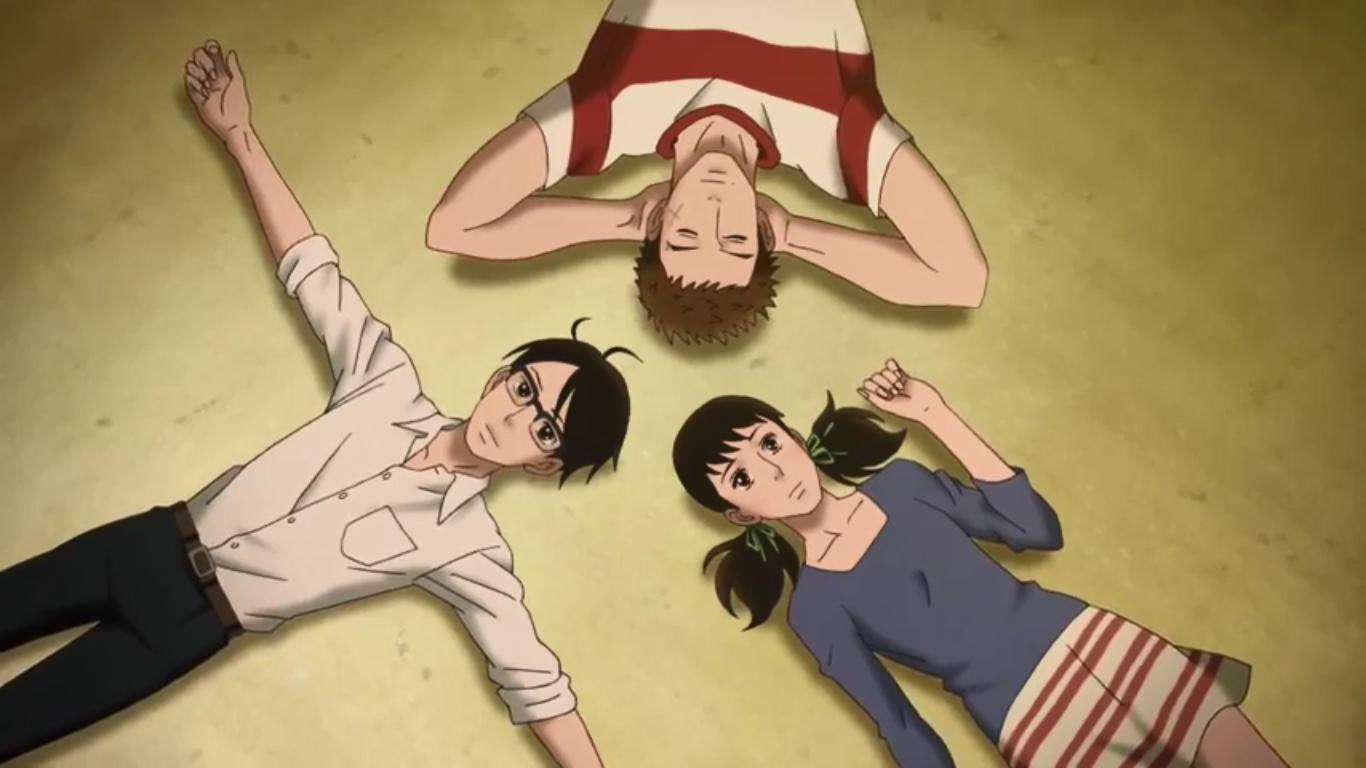
“Kids On Slope” (Credits: MAPPA)
If you’re seeking a cozy anime with a charming vibe, Kids on Slope might just hit the spot. This heartfelt tale follows Kaoru Nishimi, a newcomer to Kyushu High School, struggling to fit in due to his nomadic upbringing.
But everything changes when he crosses paths with the lively Sentarou Kawabuchi and the kind-hearted Ritsuko Mukae. United by their love for music, Kaoru discovers a newfound passion for jazz, inspired by Sentarou’s infectious enthusiasm.
14) Ghost Hunt
“Ghost Hunt” (Credits: J.C. Staff)
Finding the right balance between horror and humor isn’t easy, but Ghost Hunt nails it in its concise 25-episode run. Each episode presents a fresh ghost-hunting case, drawing inspiration from real-life stories and theories.
The cast, including a researcher, monk, priest, and high school girl, may seem mismatched at first, but their unique skills and personalities blend seamlessly as they tackle supernatural mysteries.
When Mai Taniyama accidentally wrecks ghost-hunting gear, she ends up working for Kazuya Shibuya, leading her to discover her own latent psychic abilities.
13) Barakamon

“Barakamon” (Credits: Studio Kinema Citrus)
Barakamon weaves a heartfelt journey of self-discovery amidst its slice-of-life charm. Following the story of calligraphist Sei Handa, the series mentions themes of growth and redemption. Sei’s journey begins with a clash of egos, leading to his retreat to the tranquil Goto Islands.
There, amid the quirky locals and spirited Naru Kotoishi, Sei learns valuable lessons about humility and authenticity. Through laughter and reflection, he sheds his arrogance and finds his artistic voice, discovering the true meaning of his craft.
As Sei understands the challenges of adulthood, Barakamon delivers poignant insights into life’s complexities.
12) Dororo
“Dororo” (Credits: MAPPA)
Introducing newcomers to anime, Dororo stands as a timeless masterpiece from the legendary Osamu Tezuka, beautifully revived by MAPPA. With roots dating back to 1969, this gripping tale unfolds against the backdrop of feudal Japan, where the protagonist, Hyakkimaru, faces a life haunted by death’s shadow.
Sacrificed by his own father to demons, Hyakkimaru heads on a relentless quest to reclaim his stolen body parts. Along the way, he encounters Dororo, a spirited companion who joins him on his perilous journey.
Through its dark and gritty themes, Dororo charms audiences with its compelling narrative and rich character development, offering an insight into the depths of human resilience and redemption.
10) Monthly Girls’ Nozaki-Kun
“Monthly Girls’ Nozaki Kun” (Credits: Studio Doga Kobo)
Monthly Girls’ Nozaki-kun spins a delightful rom-com yarn centered around Chiyo Sakura’s attempts to confess her feelings to her crush, Umetarou Nozaki. However, her plans take an unexpected turn when she inadvertently becomes his manga assistant.
Filled with witty humor, endearing characters, and peaks into the manga industry, this series offers a charming blend of slice-of-life antics and heartfelt moments that will leave viewers both laughing and touched.
10) One Punch Man
“One Punch Man” (Credits: Studio J.C. Staff)
When you blend superhero strength with Deadpool-style humor, you get One Punch Man. This anime packs a punch with its blend of comedy and action across just 12 episodes.
Meet Saitama, an average guy turned superhero after intense training. Armed with unbeatable strength, he can take down any foe with a single punch. It’s the perfect pick for newcomers craving action and laughs.
One Punch Man is a standout anime that blends action, comedy, and satire into a unique superhero story. Adapted from the webcomic by ONE and later illustrated by Yusuke Murata, the series follows Saitama, an overpowered hero who can defeat any enemy with a single punch.
Despite his immense strength, he struggles with boredom and the lack of a real challenge. His journey is both hilarious and thrilling, as he navigates a world filled with absurd villains, over-the-top battles, and a flawed hero ranking system.
Saitama (Credits: ONE)
Saitama’s character is refreshingly different from traditional anime protagonists. Unlike heroes who train to become stronger, he has already reached the peak of his abilities. His deadpan reactions and nonchalant attitude toward threats contrast with the dramatic stakes often found in superhero stories.
His daily life, from grocery shopping to dealing with mundane problems, adds to the humor. Yet, beneath the comedy, the series subtly explores themes of purpose, recognition, and the meaning of strength.
The animation quality, especially in the first season by Madhouse, is top-tier. The action sequences are fluid, fast-paced, and visually stunning, capturing the sheer scale of destruction Saitama can unleash. His fights often end in an instant, but the buildup and reactions of other characters make them exciting. The second season, handled by J.C. Staff, had noticeable animation differences, but the core appeal of the story remained intact. The humor and satire on superhero tropes continued to shine, keeping the series engaging.
Saitama (Credits: ONE)
One Punch Man also introduces a vast array of heroes and villains, each with their own unique abilities and personalities. Genos, Saitama’s devoted cyborg disciple, serves as a perfect contrast to his master’s laid-back attitude.
The Hero Association, with its flawed ranking system, adds an interesting dynamic as heroes compete for recognition and status. Characters like Speed-o’-Sound Sonic, Mumen Rider, and Bang bring depth to the world, showcasing different perspectives on heroism and power.
The show’s humor is one of its strongest aspects. It expertly plays with expectations, often setting up dramatic moments only to subvert them with Saitama’s effortless victories. His complete lack of struggle makes for a refreshing take on the typical power progression found in shonen anime. The exaggerated reactions from other characters, especially when they realize how powerful he is, add to the comedic effect.
Despite its comedic nature, One Punch Man doesn’t shy away from exploring deeper themes. Saitama’s existential crisis over his unmatched strength highlights the idea that limitless power doesn’t necessarily bring happiness. Many characters, including Genos and other heroes, are driven by ambition, revenge, or the desire to prove themselves. The contrast between their struggles and Saitama’s effortless wins makes the story more than just a parody—it’s also a commentary on heroism and fulfillment.
Fubuki (Credits: Viz)
The villains in One Punch Man are as exaggerated as the heroes, often having ridiculous motivations and designs. Some, like Vaccine Man and Mosquito Girl, are played for laughs, while others, like Boros and Garou, offer genuine threats. Boros, the final antagonist of season one, is one of the few who can survive multiple hits from Saitama, leading to one of the most visually spectacular fights in anime. Garou, introduced in season two, provides a more complex and morally gray antagonist, challenging the definition of a hero and villain.
The series also excels in world-building. The Hero Association, city divisions, and constant monster threats create a structured setting that feels both ridiculous and well-developed. The power hierarchy, with S-class heroes at the top and C-class struggling for relevance, adds interesting conflicts.
Heroes like King, who is feared but secretly powerless, and Mumen Rider, who has no abilities but endless determination, showcase different takes on heroism, making the world feel diverse and layered.
One Punch Man’s soundtrack complements its tone perfectly. The opening theme, “The Hero!!” by JAM Project, is an energetic and fitting anthem that hypes up every episode. The background score adds intensity to battles while also enhancing comedic moments. T
he voice acting, both in Japanese and English, captures the humor and personality of each character, particularly Saitama’s monotone delivery, which contrasts hilariously with the dramatic stakes surrounding him.
Saitama (Credits: Viz)
The anime’s pacing keeps things engaging, blending episodic battles with overarching storylines. The first season, focusing on Saitama’s introduction and his encounter with Boros, is tightly structured and well-received.
The second season shifts focus to the rise of Garou and the growing monster threats, setting up even bigger conflicts. While some fans felt the animation quality dipped in season two, the story itself remained compelling, and the anticipation for future arcs continues to grow.
One of the biggest appeals of One Punch Man is its rewatch value. The mix of stunning fights, clever humor, and sharp writing makes it easy to revisit. Saitama’s simple yet entertaining personality, combined with the variety of quirky heroes and villains, ensures that every episode remains engaging. Even after knowing the outcomes, the comedic timing and exaggerated reactions make it fun to experience again.
One Punch Man is a must-watch for both anime fans and newcomers. It offers a perfect mix of action, humor, and satire, turning superhero tropes on their head while still delivering incredible fights and engaging characters. Saitama’s journey, despite being absurdly overpowered, remains surprisingly relatable, making the show more than just a parody. Whether you watch it for the action, the comedy, or the deeper themes, it’s an anime that delivers on all fronts.
9) Steins Gate
Steins Gate
Steins;Gate, a sci-fi gem spanning 24 episodes, talks about the mind-bending concept of time travel. Meet Rintaro Okabe, a college student whose discovery shakes the very foundations of reality: he can send text messages through time, altering the past and reshaping the future.
Steins;Gate is a critically acclaimed science fiction anime and visual novel that masterfully combines time travel, complex characters, and emotional storytelling. Developed by 5pb. and Nitroplus, the series began as a visual novel before being adapted into an anime, manga, and light novels. Its intricate plot, thought-provoking themes, and well-crafted characters have made it a favorite among fans of the genre, earning it a reputation as one of the best time-travel stories in anime.
Steins Gate
The story follows Rintarou Okabe, a self-proclaimed “mad scientist” who runs the Future Gadget Laboratory with his friends Mayuri Shiina and Itaru Hashida. While experimenting with a microwave and a cellphone, they accidentally create a device capable of sending messages to the past, altering the flow of time. What starts as a playful discovery soon spirals into a high-stakes journey as Okabe and his friends uncover the dangerous consequences of their actions.
One of the standout aspects of Steins;Gate is its meticulous attention to detail in its time-travel mechanics. The series avoids common pitfalls of the genre by presenting a coherent and internally consistent system. The concept of “world lines” and the butterfly effect are central to the narrative, creating a sense of tension and unpredictability. This careful approach to storytelling keeps viewers engaged as they try to piece together the intricate web of cause and effect.
Rintarou Okabe is a protagonist whose growth drives the story. Initially, he comes across as eccentric and overly dramatic, but as the plot progresses, his layers are revealed. His struggles with the weight of responsibility and the emotional toll of altering time make him a deeply relatable character. His relationships with the other characters, particularly Mayuri and Kurisu Makise, add emotional depth to the narrative.
Steins Gate
Kurisu Makise, a brilliant neuroscientist, serves as both a foil and a partner to Okabe. Her sharp intellect and no-nonsense attitude contrast with Okabe’s eccentricity, creating a dynamic and engaging relationship. Their interactions are filled with witty banter and genuine moments of vulnerability, making their bond one of the highlights of the series. Kurisu’s role in the story is pivotal, and her character development is handled with care.
Mayuri Shiina, Okabe’s childhood friend, brings warmth and innocence to the series. Her cheerful demeanor and unwavering support for Okabe provide a stark contrast to the darker themes of the story. Mayuri’s presence serves as a reminder of the human cost of tampering with time, and her character arc is both heartwarming and heartbreaking. The emotional weight of her story adds a layer of poignancy to the narrative.
The supporting cast is equally well-developed, with each character contributing to the story in meaningful ways. Itaru Hashida, also known as Daru, provides comic relief while also playing a crucial role in the group’s efforts. Other characters, such as Suzuha Amane and Moeka Kiryu, have their own motivations and backstories that tie into the larger plot. The ensemble cast ensures that the story remains rich and multifaceted.
Steins Gate
The anime adaptation, produced by White Fox, is widely praised for its faithful adaptation of the visual novel. The pacing is deliberate, allowing the story to unfold gradually while maintaining suspense. The animation is clean and expressive, with a muted color palette that fits the series’ tone. The soundtrack, composed by Takeshi Abo, enhances the emotional impact of key scenes, making the viewing experience even more immersive.
Themes of fate, free will, and the consequences of one’s actions are central to Steins;Gate. The series raises thought-provoking questions about the ethics of time travel and the lengths one would go to protect loved ones. These themes are explored through Okabe’s journey, as he grapples with the moral dilemmas and emotional burdens of altering reality. The philosophical undertones add depth to the story, making it more than just a sci-fi thriller.
The emotional core of Steins;Gate lies in its exploration of human connections. The bonds between the characters are tested and strengthened as they face unimaginable challenges. The series emphasizes the importance of trust, friendship, and love, even in the face of overwhelming odds. These relationships ground the story, making the high-stakes plot feel personal and relatable.
“Steins Gate” (Credits: Studio White Fox)
One of the few criticisms of Steins;Gate is its slow start. The first half of the series focuses heavily on setting up the characters and the rules of time travel, which may feel slow to some viewers. However, this buildup is essential for the payoff in the second half, where the stakes are raised, and the emotional intensity reaches its peak. Patience is rewarded with a gripping and satisfying narrative.
The series also excels in its use of foreshadowing and callbacks. Events and dialogue from earlier episodes take on new significance as the story progresses, creating a sense of cohesion and depth. This attention to detail encourages multiple viewings, as viewers can pick up on subtle hints and connections they may have missed the first time.
Steins;Gate is a masterpiece of storytelling that seamlessly blends science fiction, drama, and emotional depth. Its intricate plot, well-developed characters, and thought-provoking themes make it a standout in the anime world.
Whether experienced through the visual novel or the anime, Steins;Gate offers a and unforgettable journey that challenges the mind and touches the heart. It’s a testament to the power of storytelling and the enduring appeal of well-crafted narratives.
8) Horimiya
“Horimiya” (Credits: Studio CloverWorks)
Horimiya, a delightful romantic comedy anime spanning 13 episodes, is tailor-made for fans of heartwarming rom-coms. Join Hori and Miyamura, two seemingly different classmates whose unexpected connection blossoms into something beautiful. Perfect for newcomers craving charming slice-of-life tales with a dash of romance.
The story focuses on Kyoko Hori and Izumi Miyamura, two high school students who seem to lead opposite lives. Hori is popular, outgoing, and academically successful, while Miyamura is a quiet, reserved loner who hides his true self. However, when they accidentally discover each other’s secrets outside of school, their lives connect in unexpected ways. This chance meeting sets the stage for a heartfelt story of friendship, love, and personal growth.
One of the standout features of Horimiya is its character development. Hori and Miyamura are complex protagonists who break away from stereotypes. Hori, despite her popularity, deals with family responsibilities and insecurities, while Miyamura, often seen as a gloomy outcast, shows a kind and thoughtful nature. Their relationship grows naturally, highlighting the importance of trust, communication, and acceptance in building meaningful connections.
The supporting cast adds richness and variety to the story. Characters like Toru Ishikawa, Yuki Yoshikawa, and Remi Ayasaki each have their own quirks and storylines, contributing to the series’ layered design. Their interactions with the main duo emphasize themes of friendship, loyalty, and the challenges of adolescence. The ensemble cast ensures the story stays engaging and relatable for a wide audience.
Horimiya (Credits: Crunchyroll)
The anime adaptation, produced by CloverWorks, captures the essence of the manga with its vibrant animation and expressive character designs. The pacing is well-balanced, mixing comedic moments with emotional depth. The soundtrack fits the tone of the series, enhancing key scenes without overpowering the dialogue or visuals. Fans of the manga will appreciate the faithful adaptation, while newcomers will find it accessible and enjoyable.
What makes Horimiya stand out from other romance series is its focus on authenticity. The characters’ struggles and triumphs feel real, making their journeys resonate with viewers. The series avoids over-the-top drama or clichéd tropes, instead thriving on subtle, heartfelt moments that reflect the complexities of real-life relationships. This grounded approach makes the story both refreshing and impactful.
The humor in Horimiya is another strong point, seamlessly blended into the narrative. The comedic timing is excellent, with witty dialogue and situational comedy that never feels forced. These lighthearted moments provide a perfect balance to the more serious themes, ensuring the series remains engaging and enjoyable throughout. The humor also strengthens the bonds between characters, making their relationships even more endearing.
Themes of self-acceptance and vulnerability are central to Horimiya. Both Hori and Miyamura learn to embrace their true selves, shedding the masks they wear to meet societal expectations. This message of authenticity is delivered with care, encouraging viewers to reflect on their own lives. The series emphasizes that everyone has insecurities, and it’s okay to be imperfect, a lesson that resonates deeply with its audience.
The romance in Horimiya is tender and realistic, steering clear of melodrama. Hori and Miyamura’s relationship develops gradually, rooted in mutual respect and understanding. Their interactions are filled with small, meaningful gestures that speak volumes about their feelings. This slow-burn approach makes their love story all the more satisfying, as it feels earned and genuine.
The series also highlights the importance of communication in relationships. Hori and Miyamura’s ability to openly discuss their feelings and concerns sets a positive example for viewers. Their willingness to listen and support each other through challenges reinforces the idea that healthy relationships are built on trust and empathy. This focus on communication adds depth to their dynamic.
While Horimiya primarily focuses on romance, it also touches on themes of family and friendship. Hori’s relationship with her younger brother, Sota, and her struggles with her absent parents add layers to her character. Similarly, Miyamura’s bond with his friends highlights the value of companionship and acceptance. These subplots enrich the narrative, making it more than just a love story.
Horimiya (Credits: Crunchyroll)
The art style of the manga is clean and expressive, with detailed character designs and emotive facial expressions that enhance the storytelling. The anime adaptation stays true to this aesthetic, with fluid animation and a warm color palette that fits the series’ tone. Both mediums excel at capturing the subtleties of the characters’ emotions, drawing viewers into their world.
One of the few criticisms of Horimiya is its pacing in the anime, which condenses several manga arcs to fit into a single season. While this allows for a concise narrative, some fans feel that certain character developments and side stories were rushed. However, the core story remains intact, and the emotional impact is preserved, making it a worthwhile watch despite this limitation.
The series’ ability to balance humor, romance, and drama is a testament to its strong writing. Each episode or chapter feels purposeful, advancing the plot while deepening the characters’ relationships. This careful balance ensures that Horimiya remains engaging from start to finish, appealing to both romance enthusiasts and casual viewers alike.
Horimiya is a standout series that excels in its portrayal of love, friendship, and self-discovery. Its relatable characters, authentic storytelling, and heartfelt moments make it a memorable experience.
Whether through the manga or anime, Horimiya offers a touching and uplifting journey that resonates with audiences of all ages. It’s a celebration of the small, everyday moments that make life beautiful, and a reminder that true connections are built on honesty and understanding.
7) The Devil Is a Part-Timer
The Devil is a Part-Timer! (Credits: Crunchyroll)
Picture the mighty king of hell flipping burgers at McDonald’s. “The Devil Is a Part-Timer!” is a hilarious anime with 13 episodes that follows Sadao Maou, the Devil King, as he maneuvers a new life in Japan, complete with a part-time job. Perfect for newcomers seeking a blend of comedy and fantasy.
The Devil Is a Part-Timer! is a unique blend of comedy, fantasy, and slice-of-life that turns an epic battle between good and evil into a hilarious story of everyday struggles. Adapted from Satoshi Wagahara’s light novel series, the anime first aired in 2013, produced by White Fox.
It follows Satan, the Demon Lord from the war-torn world of Ente Isla, who is forced to flee after being defeated by the Hero, Emilia. Escaping through a portal, he ends up in modern-day Tokyo with his loyal general, Alciel.

The Devil is a Part-Timer! (Credits: Crunchyroll)
Stripped of his powers and unable to return home, Satan, now going by the name Sadao Maou, must adapt to human society. Without magic to conquer the world, he does the next best thing—gets a job at MgRonald’s, a fast-food restaurant. His goal is to climb the corporate ladder and achieve domination through hard work and career success.
The premise alone sets up an endless stream of comedic moments, as the once-feared Demon Lord struggles with rent, customer service, and annoying coworkers.
The humor is one of the anime’s strongest elements. Watching Sadao take his fast-food job seriously, treating it as a grand mission, is both absurd and entertaining. His dramatic speeches about workplace efficiency and employee dedication contrast hilariously with the mundane nature of flipping burgers.
Alciel, his right-hand man, takes on the role of a househusband, obsessing over budgeting and household chores, which adds another layer of comedy to their daily life.
The Devil is a Part-Timer! (Credits: Crunchyroll)
Complicating matters, Emilia, the Hero who once fought to defeat Satan, also finds herself in Tokyo, living a regular life under the name Emi Yusa. Unlike Sadao, she refuses to accept her new circumstances, keeping a close watch on him in case he regains his power.
Their dynamic is one of the highlights of the show—what was once a battle of life and death turns into petty bickering about part-time jobs and daily expenses. Their interactions are filled with witty banter, misunderstandings, and unexpected moments of camaraderie.
The supporting cast adds to the charm of the series. Chiho Sasaki, Sadao’s cheerful and kindhearted coworker, has a huge crush on him, leading to comedic love-triangle moments. Lucifer, another former Demon General, becomes a lazy NEET obsessed with online shopping and gaming, contributing to the chaos in Sadao’s tiny apartment.
The mix of fantasy characters adapting to modern life keeps the story fresh and engaging.
The Devil is a Part-Timer! (Credits: Crunchyroll)
Visually, The Devil Is a Part-Timer! delivers solid animation with expressive character designs and smooth comedic timing. While it doesn’t boast the grand battle sequences of other fantasy anime, it makes up for it with well-executed humor and strong character animation.
The contrast between the dramatic moments—when remnants of their past power surface—and the mundane reality of their new life is presented in a way that keeps the comedy sharp.
The series also subtly explores themes of redemption and personal growth. Sadao, despite being the former Demon Lord, is surprisingly kind and responsible, showing genuine care for his coworkers and friends.
His actions raise the question of whether he was truly evil or simply a product of his past environment. Similarly, Emi, while still wary of him, begins to see him in a new light, leading to a compelling shift in their relationship.
“The Devil Is A Part-Timer” (Credits: White Fox Studio)
Despite its strong start, one of the main criticisms of the anime is its abrupt ending. The first season covers only a small portion of the light novel series, leaving many plot threads unresolved. Fans waited nearly a decade for the second season, which finally aired in 2022, continuing the story but with a different animation studio, resulting in a noticeable shift in art style.
While it was exciting to see the characters return, the sequel received mixed reactions due to pacing issues and a less polished visual presentation.
Even with its flaws, The Devil Is a Part-Timer! remains a highly entertaining anime that stands out for its clever mix of fantasy and comedy. It takes a well-worn trope—the clash between heroes and villains—and flips it into a hilarious take on modern life’s mundane struggles.
Whether you’re a fan of fantasy, workplace comedies, or character-driven humor, this series offers plenty of laughs and an enjoyable cast of characters. It may not have an epic conclusion yet, but its charm and humor make it a worthwhile watch.
6) Your Lie In April
Your Lie In April (Credits: Crunchyroll)
“Your Lie in April” is a music-themed drama anime with 22 episodes that seamlessly weaves romance and music together. Follow the journey of Kosei Arima, a gifted pianist who lost his ability to hear his own music after the tragic loss of his mother. An ideal choice for beginners drawn to the emotional depth of music and drama.
Your Lie in April is a beautifully crafted anime that blends music, emotion, and drama into a compelling story. Released in 2014 by A-1 Pictures, it is based on Naoshi Arakawa’s manga of the same name. The series follows Kōsei Arima, a piano prodigy who loses his ability to hear the sound of his own playing after his mother’s passing.
His world becomes dull and colorless until he meets a free-spirited violinist, Kaori Miyazono, who helps him rediscover the joy of music. Their bond transforms Kōsei’s perspective, pulling him out of his stagnant existence and immersing him back into the art he once loved.
The anime is a journey of self-discovery, trauma, and healing, depicted through breathtaking visuals and a powerful soundtrack. Kōsei’s internal struggles make him a deeply relatable protagonist, as he battles the fear and pressure instilled in him by his strict mother. Kaori, on the other hand, is a vibrant and unpredictable force, the complete opposite of Kōsei.
Her carefree nature masks a deeper pain that gradually unfolds throughout the series. The contrast between their personalities drives the emotional weight of the story, making each interaction meaningful and memorable.
One of the anime’s strongest aspects is its music, featuring classical compositions from Beethoven, Chopin, and other legendary composers. The performances are animated with stunning detail, capturing the emotion and technicality behind each piece.
The way the music ties into the narrative raise the storytelling, as Kōsei’s playing reflects his mental and emotional state. Kaori’s energetic violin performances contrast with Kōsei’s controlled and calculated piano, symbolizing their differing approaches to life. Music is not just an element in the show; it becomes a language through which the characters communicate their feelings.
Your Lie In April (Credits: Crunchyroll)
Visually, Your Lie in April stands out with its use of color and lighting. The animation shifts dynamically to represent Kōsei’s emotional shifts, often using muted tones when he feels lost and vibrant palettes when he experiences joy.
The concert scenes are particularly striking, employing fluid animation and imaginative visual metaphors to express the depth of the performances. The character designs are expressive, enhancing the emotional impact of key moments. Even the smallest details, such as Kaori’s subtle expressions or the trembling of Kōsei’s hands, contribute to the realism of the story.
The anime’s pacing is carefully structured, balancing lighthearted moments with deep emotional beats. While the story revolves around music and competition, it is ultimately a tale about love, loss, and personal growth.
The humor is well-placed, preventing the narrative from becoming overly heavy. The friendships between Kōsei, Kaori, and their childhood friends, Tsubaki and Watari, add layers to the story, as each character struggles with their own insecurities and unspoken feelings. Their dynamic keeps the show engaging, making every scene feel meaningful.
Kaori’s presence in Kōsei’s life is transformative, but as the story unfolds, it becomes clear that she carries a burden of her own. Her cheerful exterior hides a tragic reality, and as Kōsei grows stronger, she begins to fade.
The revelation of her true condition in the later episodes is a heartbreaking twist that recontextualizes her actions and motivations. Despite her struggles, Kaori continues to inspire Kōsei, teaching him to embrace life and music with passion. Her impact lingers even beyond the final moments of the show, leaving a lasting impression on both Kōsei and the audience.
The romance in Your Lie in April is subtle yet deeply emotional. Kōsei and Kaori’s relationship is built on mutual admiration and an unspoken understanding of each other’s pain. While their bond is undeniably strong, it is not a conventional love story. Instead, it focuses on how love can be transformative, pushing individuals to overcome their fears and embrace life more fully.
Tsubaki’s feelings for Kōsei add another layer of complexity, creating a bittersweet dynamic that resonates throughout the series. The way emotions are portrayed feels authentic, making the story’s conclusion all the more impactful.
Your Lie In April (Credits: Crunchyroll)
The final episodes are some of the most emotional in anime history, culminating in a performance that encapsulates the entire journey of the characters. Kōsei’s last piano piece for Kaori is not just a tribute but a farewell, conveying everything he couldn’t say in words.
The combination of music, visuals, and storytelling reaches its peak, delivering a tear-jerking finale that stays with the viewer long after the credits roll. The letter Kaori leaves behind adds a poignant touch, revealing her true feelings and the depth of her connection with Kōsei.
Your Lie in April is not just an anime about music; it is an exploration of how art, love, and loss shape individuals. It portrays the struggles of moving forward after tragedy and the impact of fleeting yet meaningful connections.
The series does not shy away from painful themes, making it an emotionally intense experience. However, it also offers a sense of hope, reminding viewers that even the briefest encounters can leave a lasting influence. The way the story unfolds makes it one of the most unforgettable anime in the drama and romance genre.
For those who enjoy character-driven narratives with emotional depth, Your Lie in April is a must-watch. It delivers a beautifully told story with breathtaking animation, an outstanding soundtrack, and deeply moving themes.
While it is heartbreaking, it is also uplifting in its message about embracing life and pursuing one’s passions despite hardships. The blend of music, storytelling, and emotion makes it a unique experience, cementing its place as one of the most beloved anime series of its kind. It is an unforgettable tale that lingers in the heart long after the final note is played.
5) Sk8 The Infinity
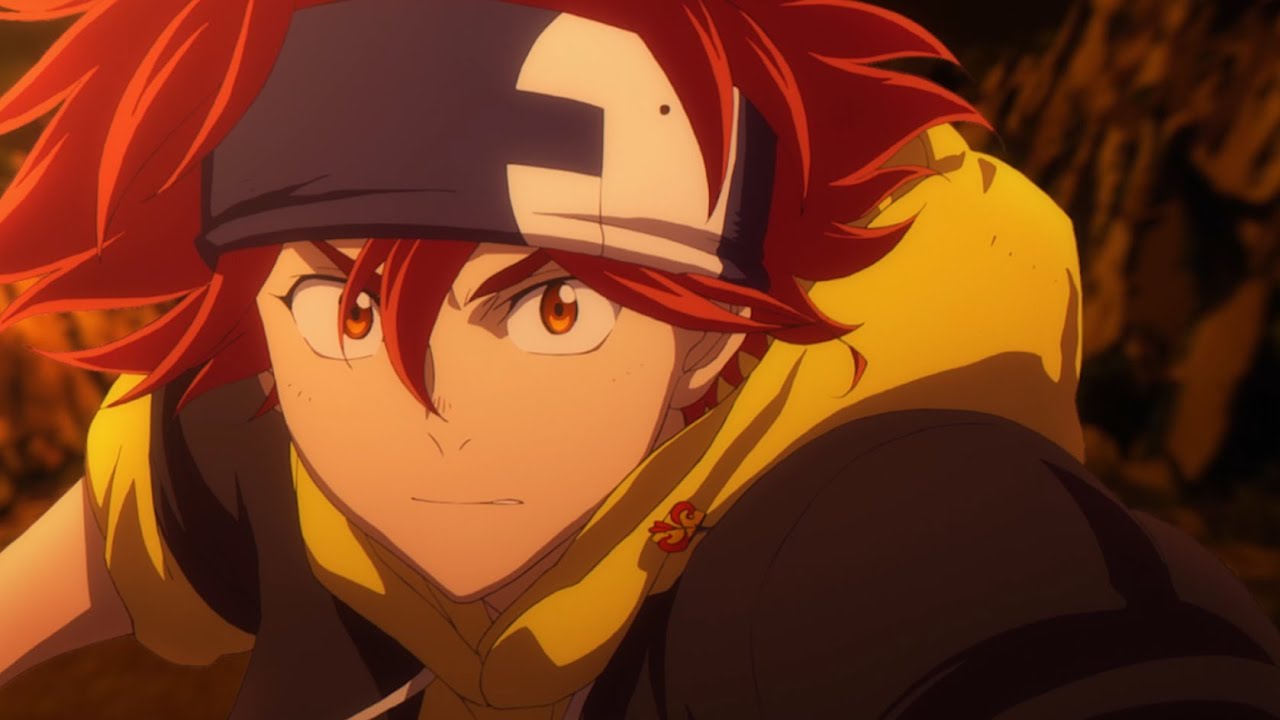
Sk8 The Infinity
“Sk8 The Infinity” offers a thrilling ride through the underground skating scene in just 12 episodes. Follow Reki as he maneuvers the high-stakes of secret skating races known as “S,” where competition is fierce and adrenaline runs high. A perfect pick for newcomers craving the excitement of sports and heartfelt drama.
Sk8 the Infinity is an adrenaline-fueled sports anime that brings high-energy skateboarding action to life. Released in 2021 by studio Bones, it follows Reki Kyan, a passionate skater, and Langa Hasegawa, a transfer student with no prior experience in skateboarding.
Their lives change when Reki introduces Langa to “S,” an underground skateboarding race where competitors risk everything for the thrill of victory. The anime blends stylish animation, intense rivalries, and heartfelt friendships into an exhilarating experience.
Langa, who previously excelled in snowboarding, quickly adapts to skateboarding, using his unique balance and footwork to dominate races. His natural talent catches the attention of the skating community, especially the eccentric and highly skilled competitors at “S.”
Meanwhile, Reki, despite his passion and skill, struggles with his own insecurities as he watches Langa’s rapid rise. Their dynamic forms the heart of the series, showcasing themes of growth, jealousy, and the pure joy of skating.
The visuals in Sk8 the Infinity are breathtaking, with fluid animation that perfectly captures the speed and excitement of skateboarding. Every trick, grind, and high-speed maneuver is animated with incredible detail, making races feel thrilling and immersive.
Sk8 The Infinity
The neon-lit tracks and creative race settings add to the spectacle, while character expressions and body language enhance the emotional depth. The anime doesn’t just focus on action—it makes every moment visually striking and engaging.
Each character in Sk8 the Infinity brings their own personality and flair to the show. From the flamboyant and unpredictable Adam to the calculating and strategic Cherry Blossom, every skater has a unique style and philosophy about skating.
The rivalries between these characters make for intense races filled with dramatic stakes and mind-blowing tricks. Their interactions, both on and off the board, add humor, tension, and depth to the story, keeping viewers invested.
Reki’s character arc is one of the most emotionally compelling parts of the series. As Langa continues to improve, Reki begins to feel left behind, leading to a crisis of confidence. His struggle with self-worth and his place in the skating world is deeply relatable, making his journey feel authentic and impactful.
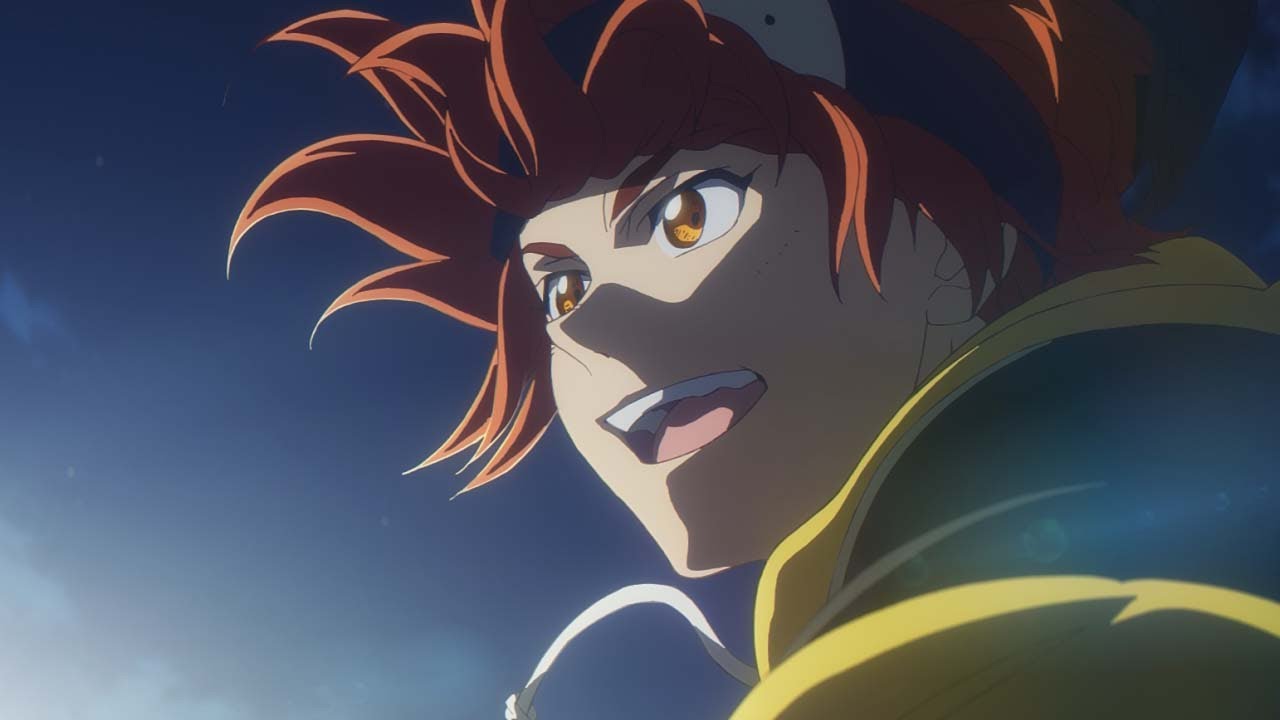
Sk8 The Infinity
The friendship between him and Langa is tested but ultimately strengthened, emphasizing the importance of camaraderie and personal growth.
The skateboarding culture in Sk8 the Infinity is depicted with love and respect. The series highlights different aspects of skating, from the freedom of expression to the technical precision required for tricks. The underground race scene at “S” is exaggerated and dramatic, but it captures the thrill and rebellious spirit of real-life skateboarding communities.
The anime celebrates both the competitive and personal aspects of the sport, making it appealing to skaters and non-skaters alike.
Music plays a vital role in the anime’s high-energy atmosphere. The opening theme, “Paradise” by Rude-α, perfectly captures the excitement and carefree spirit of skating, while the background score enhances both the fast-paced action and quieter emotional moments.
The soundtrack complements the stylish animation and dynamic storytelling, making every episode a sensory experience. The voice acting, both in Japanese and English, adds further personality to the characters, elevating their unique traits.
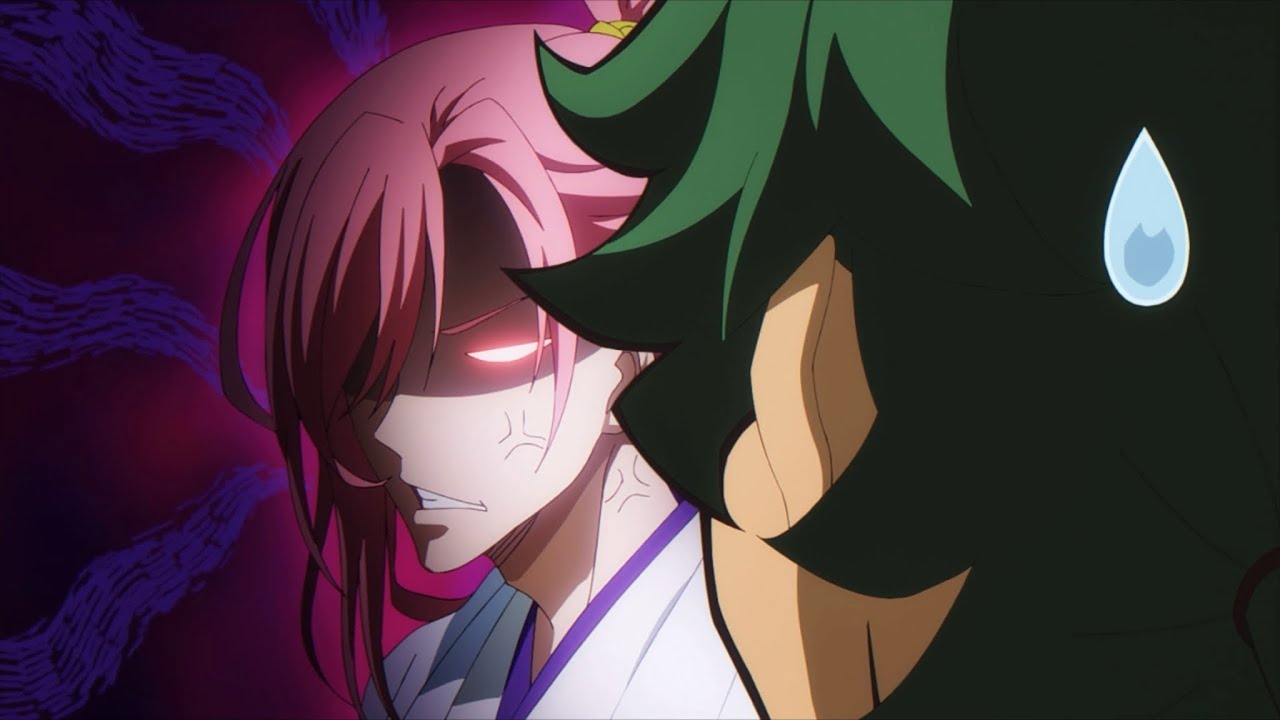
Sk8 The Infinity
One of Sk8 the Infinity’s biggest strengths is its pacing. The series never drags, maintaining a perfect balance between action, character development, and humor. Every episode delivers a satisfying mix of breathtaking skate sequences and meaningful interactions.
The humor is well-executed, with comedic moments often coming from the exaggerated personalities of the skaters and their over-the-top rivalries. Despite its lighthearted tone, the anime also delivers emotional weight when needed.
The rivalry between Langa and Adam is one of the most intense aspects of the show. Adam, the self-proclaimed “matador of love,” sees skating as a form of domination and obsession, in contrast to Langa’s love for the freedom it provides.
Their final race is a spectacular showdown that encapsulates their opposing philosophies. The clash of ideals, combined with jaw-dropping tricks and animation, makes for one of the most memorable moments in the series.
“Sk8 The Infinity” (Credits: Studio Bones)
While Sk8 the Infinity is primarily focused on skating, it also explores deeper themes of identity, passion, and friendship. It portrays how different people connect through a shared love of a sport, despite their varying approaches and skill levels.
The relationships between the characters, particularly Reki and Langa, feel genuine and heartfelt. The show emphasizes that skating is not just about winning—it’s about the joy and bonds it creates along the way.
One minor criticism of the anime is that it occasionally leans into dramatic exaggeration, particularly with Adam’s flamboyant and theatrical skating style. However, this also adds to the charm and excitement of the show.
The mix of realism and over-the-top action makes Sk8 the Infinity stand out from traditional sports anime, giving it a distinct personality that sets it apart from the rest.
Sk8 the Infinity is a must-watch for fans of sports anime and anyone who enjoys exhilarating, fast-paced storytelling. Its combination of stunning animation, engaging characters, and electrifying skateboarding action makes it an unforgettable experience.
Whether you’re a skater or just someone looking for a fun, stylish, and emotionally resonant series, Sk8 the Infinity delivers on every level. It’s a celebration of passion, perseverance, and the freedom that comes with doing what you love.
4) Erased
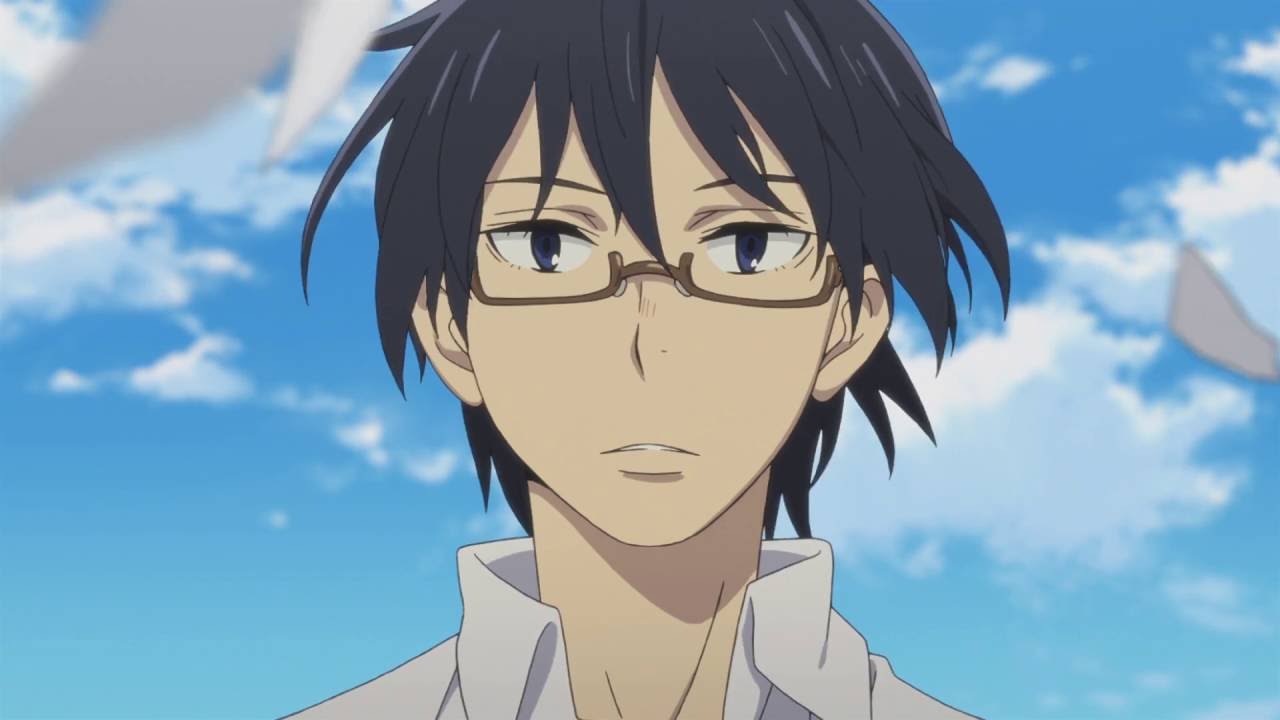
Erased
“Erased” blends the suspense of the thriller with the intrigue of mystery across its 12 episodes. Join Satoru Fujinuma, a manga artist with the unique ability to rewind time and prevent tragedies. When his mother falls victim to murder, Satoru leaps into the past to rewrite fate. Perfect for newcomers drawn to mature plots and the complexities of time travel.
Erased is a gripping psychological thriller that blends mystery, time travel, and emotional storytelling into an unforgettable experience. Released in 2016 by A-1 Pictures, it is based on Kei Sanbe’s manga, Boku Dake ga Inai Machi.
The story follows Satoru Fujinuma, a struggling manga artist with a unique ability called “Revival,” which allows him to go back in time moments before a tragedy occurs. However, when his mother is murdered, Satoru’s ability unexpectedly sends him back 18 years to his childhood, giving him a chance to prevent a series of kidnappings that haunted his past.
As an adult trapped in his 10-year-old body, Satoru must navigate the challenges of being a child again while investigating the mysterious disappearances of his classmates. His primary focus is saving Kayo Hinazuki, a quiet and abused girl who was the first victim of the unknown killer.
With the knowledge of the future and the determination to change fate, Satoru works against time, forming new bonds and confronting his own past fears.
Erased
The anime masterfully builds suspense through its storytelling. Every episode unfolds new layers of the mystery, keeping viewers engaged as Satoru pieces together clues. The narrative seamlessly shifts between his adult thoughts and childlike limitations, creating a compelling perspective.
The stakes feel real, as every decision he makes has significant consequences. The series balances its intense thriller elements with emotional depth, making it much more than just a mystery anime.
Kayo Hinazuki’s story is one of the most heartbreaking aspects of Erased. She is a victim of severe domestic abuse, which Satoru attempts to prevent while also protecting her from being murdered. Their growing friendship is tender and heartfelt, showing Satoru’s genuine care for her well-being.
The anime portrays the harsh realities of child abuse with sensitivity, making Kayo’s struggles deeply impactful. Watching her slowly open up to Satoru is one of the most touching parts of the show.
The relationship between Satoru and his mother, Sachiko, is another emotional highlight. Unlike many anime parents who are either absent or indifferent, Sachiko is a strong, loving, and intelligent figure in Satoru’s life.
Her sharp intuition and unwavering support make her one of the most beloved characters in the series. Even after her tragic fate in the present, her influence on Satoru’s actions remains powerful, driving him to uncover the truth and fight for justice.
Erased
Visually, Erased captures both the warmth of childhood and the coldness of its darker themes. The animation is detailed and expressive, using lighting and color to reflect the mood of each scene.
The snowy landscapes of 1988 add to the sense of isolation and mystery, while moments of warmth between characters are highlighted with soft, inviting tones. The contrast between light and dark mirrors the story’s themes, making the visuals an integral part of its storytelling.
The soundtrack enhances the emotional and suspenseful atmosphere. The opening theme, “Re:Re:” by Asian Kung-Fu Generation, is energetic and nostalgic, perfectly fitting the anime’s blend of past and present.
The background score is subtle yet effective, heightening tension during key moments and adding emotional weight to heartfelt scenes. The sound design, from the eerie silence during suspenseful moments to the natural sounds of everyday life, contributes to the immersive experience.
One of Erased’s strengths is its pacing. At just 12 episodes, the anime wastes no time, delivering a tightly woven narrative without unnecessary filler. Every episode serves a purpose, either progressing the mystery or deepening the emotional connections between characters.
While some mystery anime drag out their reveals, Erased keeps the tension high, ensuring that every twist and revelation feels impactful. The storytelling remains engaging from beginning to end.
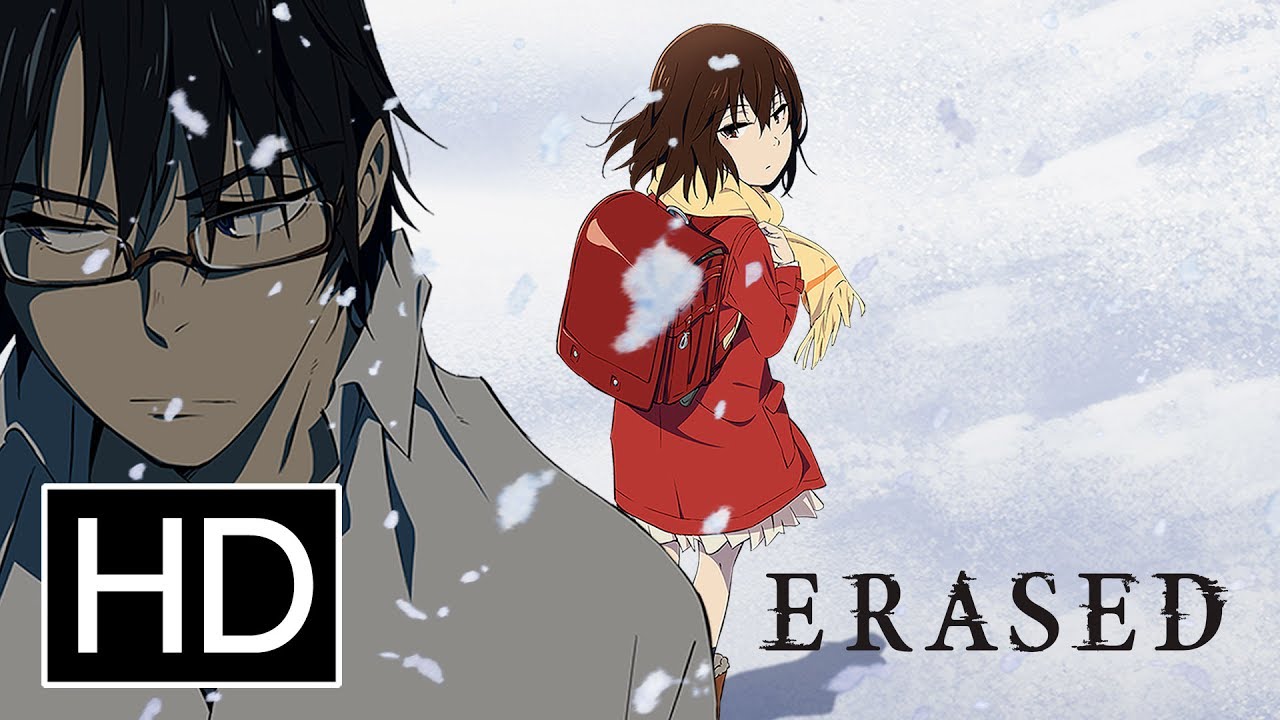
Erased
The series also explores themes of regret, second chances, and the impact of small actions. Satoru’s journey is not just about solving a mystery; it’s about learning to appreciate the people around him and understanding the power of kindness.
His actions in the past don’t just alter events—they change lives. Erased beautifully conveys how one person’s determination to do the right thing can create ripples that extend far beyond what they initially intended.
However, one of the anime’s most debated aspects is its ending. While the final confrontation with the true antagonist provides closure, some fans feel it is rushed compared to the careful build-up of previous episodes.
The tension that had been meticulously crafted throughout the series wraps up relatively quickly. Despite this, the conclusion remains satisfying in terms of character growth, particularly for Satoru and those he sought to save. The emotional resolution outweighs any flaws in pacing.
Erased is a rare anime that blends mystery, drama, and emotional storytelling seamlessly. Its gripping narrative, well-developed characters, and powerful themes make it stand out in the thriller genre. Whether you’re drawn to suspenseful mysteries, heartfelt character relationships, or stories about changing fate, Erased delivers on all fronts.
Despite its short length, the series leaves a lasting impact, making it a must-watch for anyone who enjoys thought-provoking and emotionally charged anime.
3) Free!
“Free!” mentions themes of friendship, nostalgia, and determination across its 12 exhilarating episodes. Join Haruka Nanase, a gifted swimmer who reunites with childhood friends to revive their passion for swimming. Perfect for newcomers seeking the thrill of sports and the journey of coming-of-age tales.
2) The Tatami Time Machine Blues
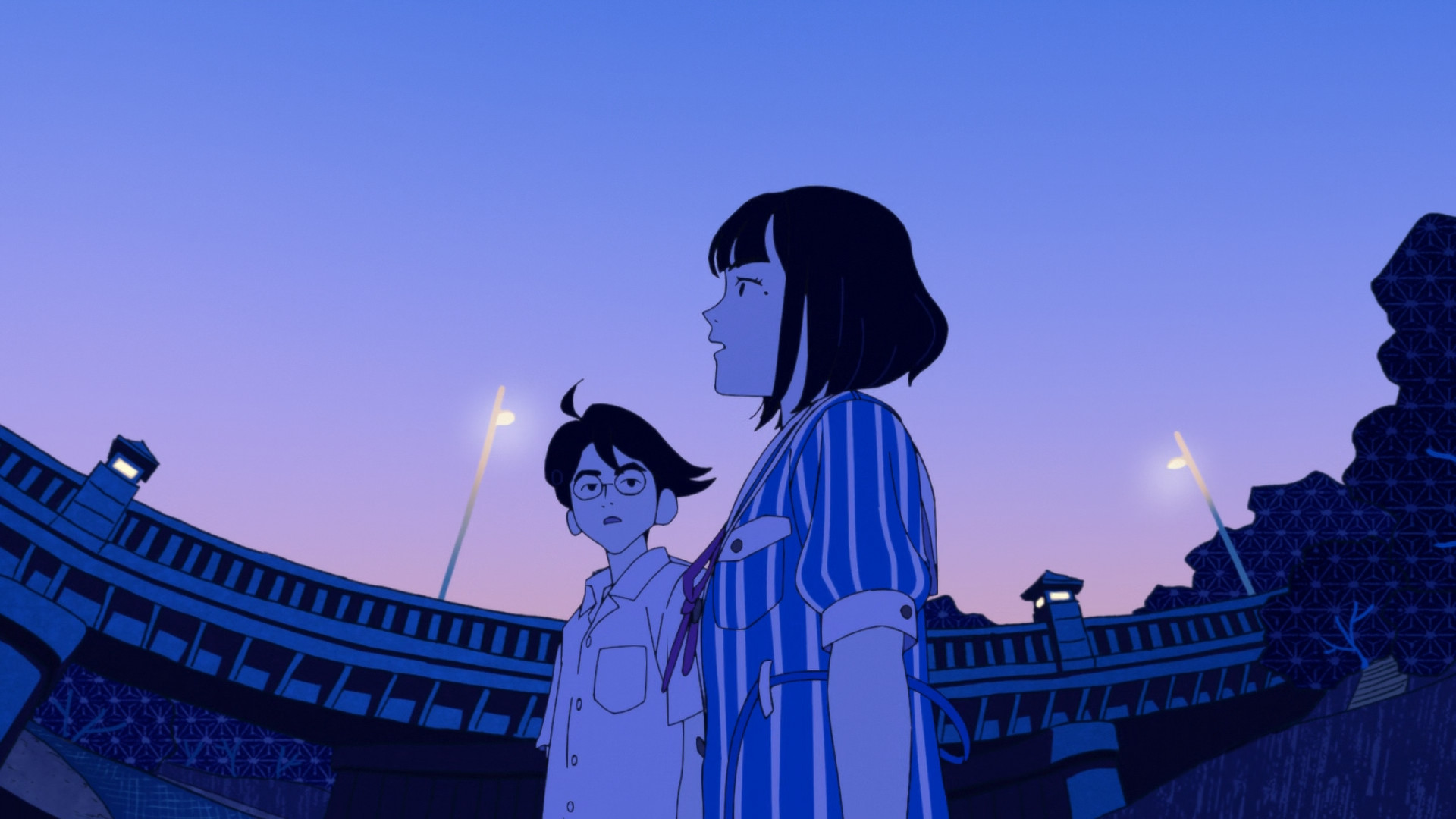
“The Tatami Time Machine Blues” (Credits: Studio Doga Kobo)
‘The Tatami Time Machine Blues,’ is a sequel to ‘The Tatami Galaxy,’ offers just under two hours of pure entertainment. Set on a scorching summer day at Kyoto University, students face a dilemma when the air conditioner remote malfunctions.
Their solution? A time machine to fix the mishap. What follows is a hilarious rollercoaster of disasters and comedic chaos.”
1) Shikimori’s Not Just A Cutie
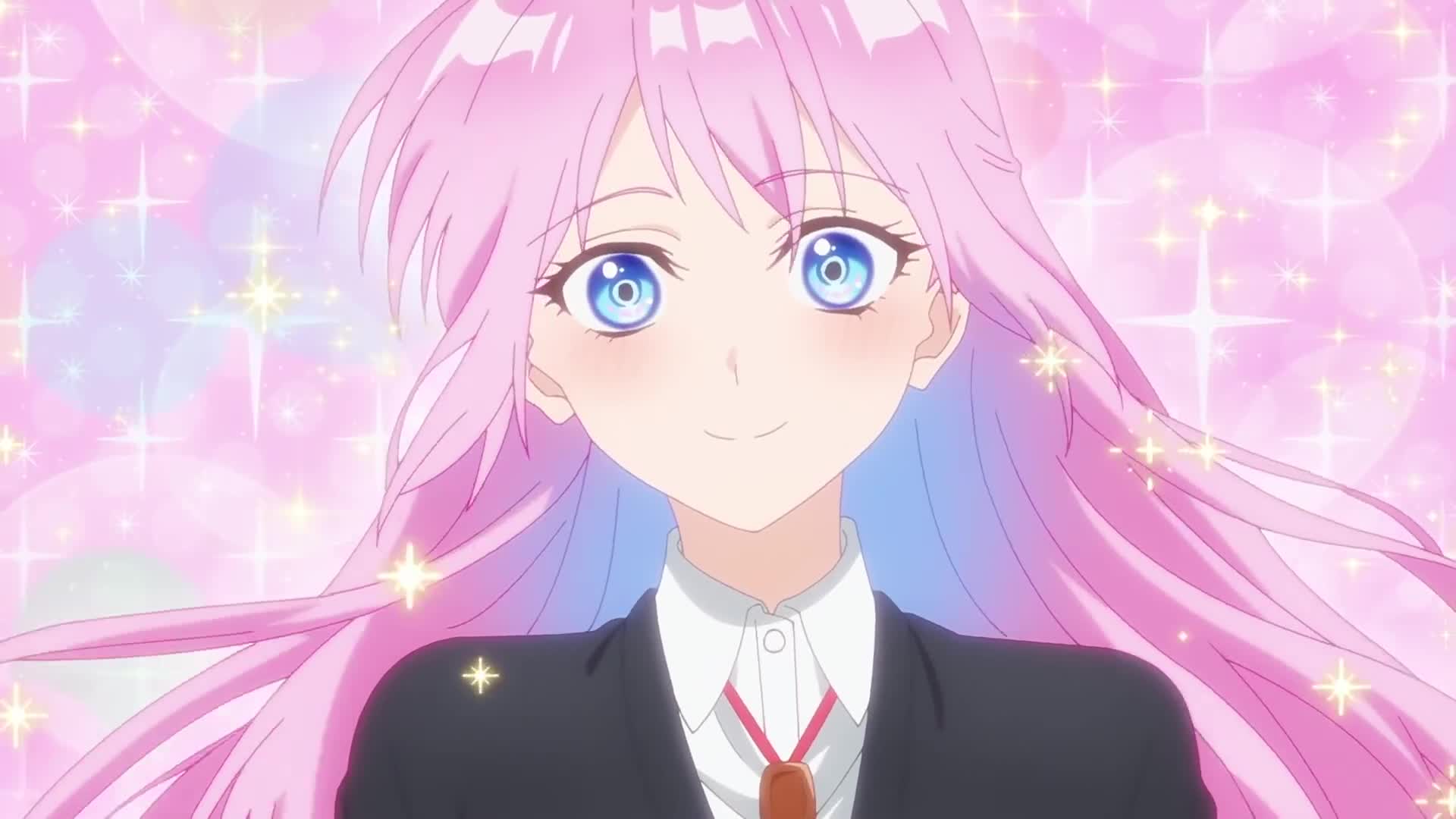
“Shikimori’s Not Just A Cutie” (Credits: Studio Doga Kobo)
‘Shikimori’s Not Just A Cutie,’ is where love takes center stage in the most endearing way. Meet Shikimori and her clumsy beau, Izumi, an odd but utterly lovable pair. While Shikimori dazzles with her sweetness and occasional athleticism, Izumi fumbles through life with two left feet and a knack for trouble.
But when danger looms, Shikimori transforms into a heroic figure, saving her bumbling boyfriend with style. From Izumi’s stunned reactions to Shikimori’s breathtaking metamorphoses, this series is a delightful journey from start to finish.”