Romance has always charmed audiences, and anime has a special way of portraying love through stunning visuals and compelling storytelling. Whether it’s a lighthearted rom-com or an emotional drama, Japanese animation continues to craft unforgettable love stories.
With so many titles available, finding the perfect romance anime can feel overwhelming, but certain series shine, capturing love’s magic in ways that leave a lasting impact.
For romance fans, choosing what to watch next can be tricky with so many options available. Some anime bring laughter through charming misunderstandings, while others weave bittersweet narratives that linger in the heart. Regardless of the approach, these standout series express the essence of romance, ensuring that every viewer can find a love story that resonates with them on a personal level.
So get ready for heartfelt confessions, touching moments, and relationships that leave an impression. Whether you’re in the mood for lighthearted fun or an emotional ride, these anime offer something special. Grab some popcorn, snuggle into a cozy blanket, and lose yourself in the beautiful world of anime romance.
21. Nana
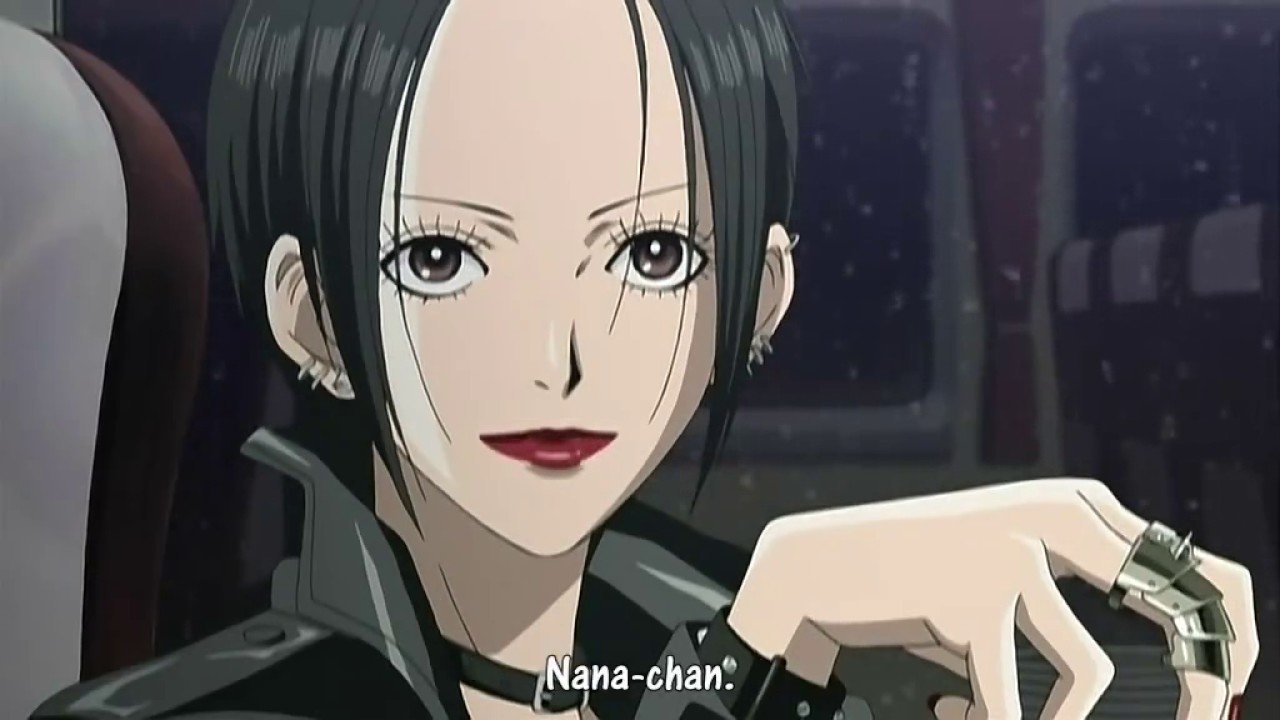
Nana
Nana is undeniably one of the most iconic and beloved shoujo anime of all time, fascinating audiences with its compelling storyline and rich character development. The series revolves around two women, both named Nana, whose seemingly disparate lives intersect in unexpected ways, leading to divergent outcomes.
Without giving away spoilers, Nana offers a fascinating narrative that defies conventional expectations, presenting surprising twists and turns along the way. Spanning 47 episodes, the anime looks into the unique perspectives on love held by both protagonists, exploring a variety of relationships that shape their individual journeys.
Whether you’re a dedicated romance enthusiast or not, Nana’s universal themes and nuanced storytelling make it a must-watch for any anime fan.
20. Clannad
Clannad is truly an anime of two halves: the initial series and its sequel, After Story. While After Story shines brighter, Clannad sets the stage and is essential viewing for the full impact of its successor. At its core, the series revolves around the journey of Tomoya Okazaki and Nagisa Furukawa, whose story unfolds in a deeply moving and powerful manner.
Unlike many romance anime that focus solely on high school dynamics, Clannad After Story looks into the characters’ lives beyond graduation, showcasing their growth as individuals and as a couple. The series tackles real-life struggles with authenticity, portraying the challenges and triumphs of adulthood in a heartfelt and genuine manner. Through its exploration of Tomoya and Nagisa’s relationship, Clannad After Story offers a poignant and memorable narrative that resonates with viewers long after the credits roll.
Clannad is an emotional rollercoaster that beautifully weaves romance, drama, and slice-of-life elements into a deeply moving story. Based on the visual novel developed by Key, the anime adaptation by Kyoto Animation captures the essence of love, loss, and the power of family bonds. Unlike many high school romance anime, Clannad goes beyond simple romantic development and explores themes of personal growth, redemption, and the importance of human connections. It is often regarded as one of the most emotionally impactful anime ever created.
The story follows Tomoya Okazaki, a delinquent high school student who sees life as dull and meaningless. Having lost his mother at a young age and living with an alcoholic father, he has grown distant and apathetic toward the world around him. However, everything changes when he meets Nagisa Furukawa, a shy and kind-hearted girl who has been held back a year due to illness. Despite her frail nature, Nagisa is determined to revive the school’s drama club, and Tomoya, with little direction in life, decides to help her. This simple act sets the stage for a heartwarming and deeply emotional journey.
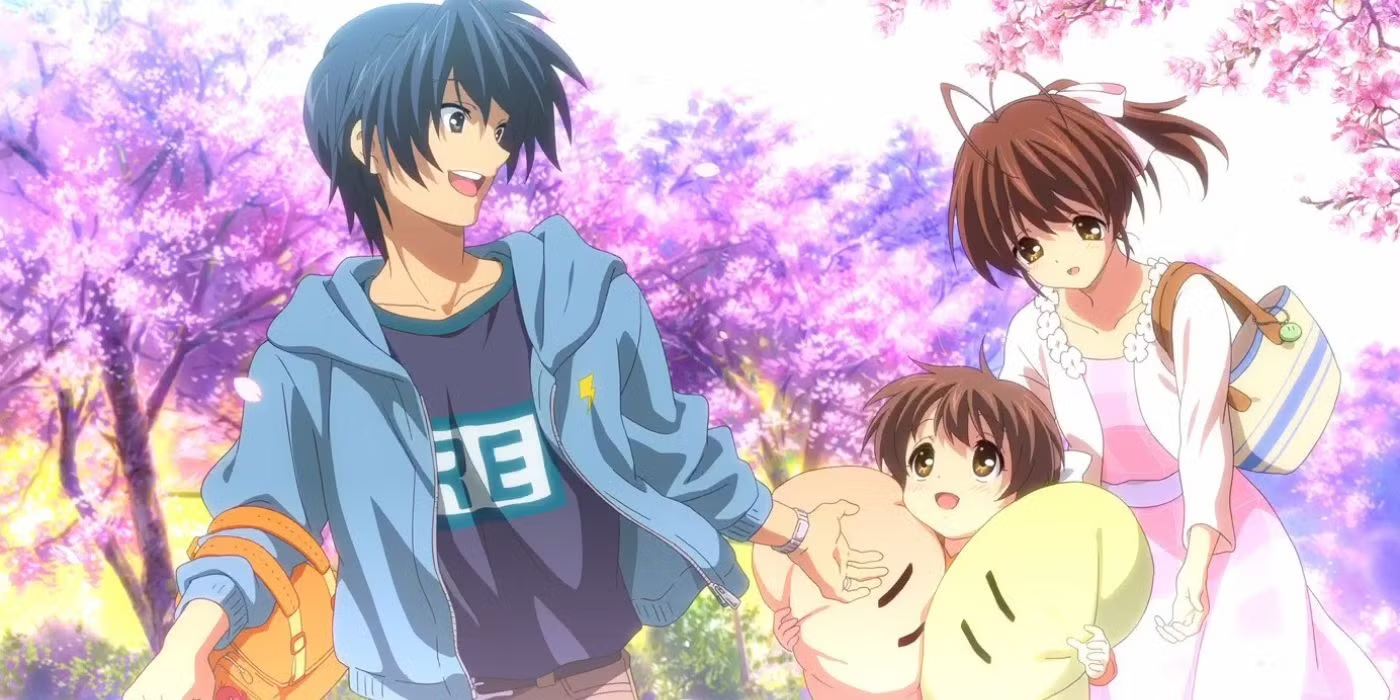
Clannad
One of Clannad’s strongest aspects is its character-driven storytelling. The anime introduces a variety of unique and well-developed side characters, each with their own struggles and dreams. From the energetic and mischievous Youhei Sunohara to the reserved yet strong-willed Kotomi Ichinose, every character has a distinct personality that adds depth to the narrative. The series takes time to explore their backstories, giving each of them meaningful arcs that contribute to the overarching theme of growth and healing.
Nagisa herself is a standout protagonist, embodying kindness, resilience, and quiet strength. Her determination to overcome her fears and pursue her dreams inspires those around her, particularly Tomoya, who begins to see the value in forging meaningful connections.
Their slow-building romance feels natural and sincere, evolving from friendship to something much deeper. Unlike many romance anime where love is depicted through dramatic confessions or over-the-top gestures, Clannad takes a more subtle and realistic approach, focusing on the small yet significant moments that define a relationship.
While the first season of Clannad is primarily a mix of comedy, lighthearted moments, and gradual character development, it also plants the seeds for the emotional weight that will come later. The interactions between Tomoya and the people around him begin to shape his character, slowly pulling him out of his emotional isolation.
After Story shifts the focus from high school life to adulthood, exploring the challenges of growing up, taking responsibility, and facing the harsh realities of life. The transition from youthful romance to the struggles of married life, parenthood, and loss is handled with immense care, making it a rare anime that does not shy away from portraying the hardships of real life.
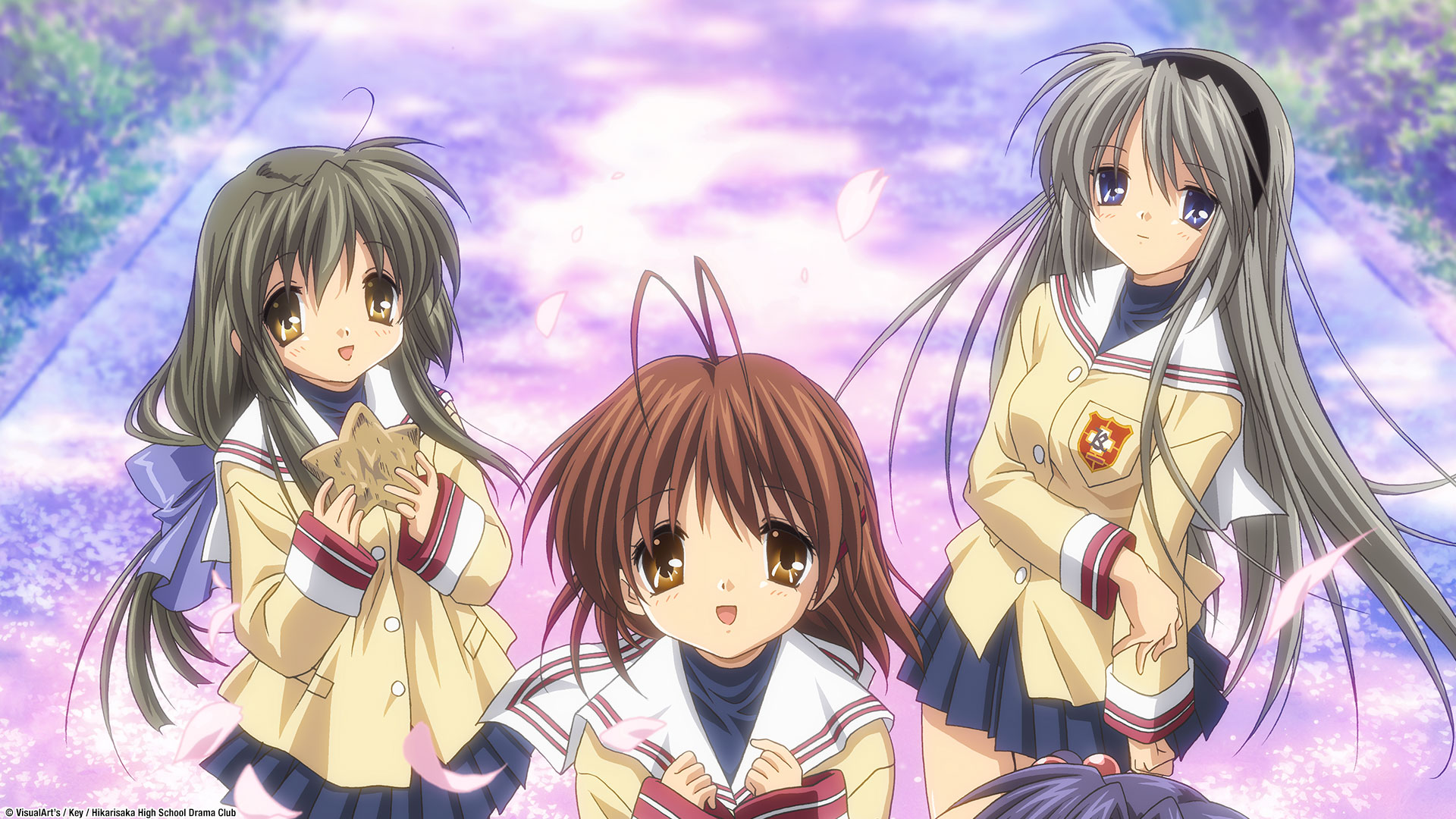
Clannad
The themes of family and perseverance become the driving force of the story, showcasing how love is not just about happiness but also about enduring hardships together.
Despite its heavy themes, Clannad is not entirely a sorrowful experience. It balances its emotional weight with moments of warmth, humor, and hope. The comedic moments in the first season, while sometimes exaggerated, serve as a contrast to the later emotional beats, making them hit even harder.
Even in After Story, where the tone becomes significantly more serious, there are still glimpses of joy, reminding viewers that life, even in its most painful moments, is still filled with love and connection.
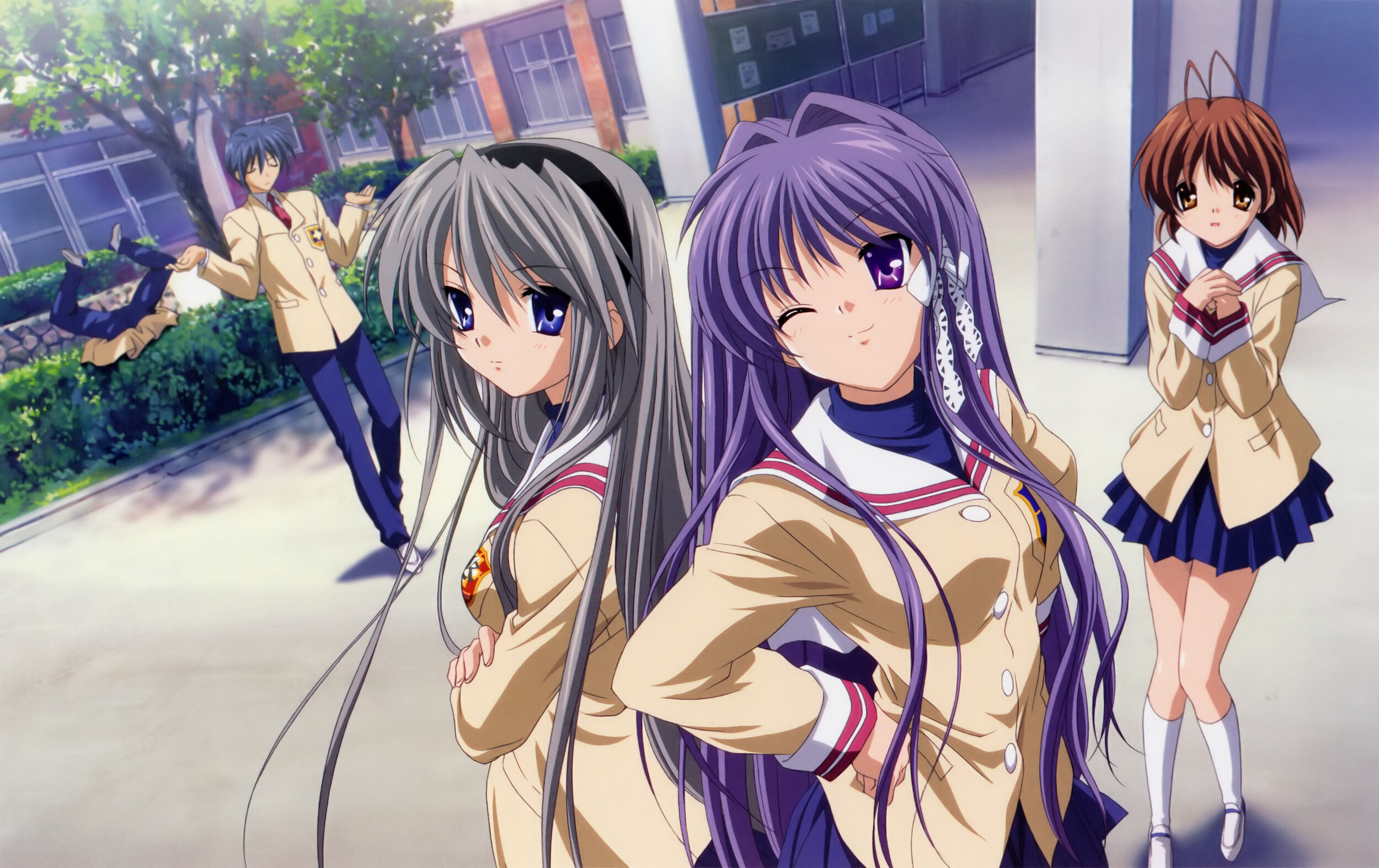
Clannad (Credits: Crunchyroll)
Kyoto Animation’s work on Clannad is visually stunning, with beautifully designed backgrounds and expressive character animations that enhance the emotional impact of every scene. The use of lighting, colors, and detailed scenery adds to the dreamlike atmosphere of the series, making every moment feel immersive and meaningful.
The soundtrack is another standout element, with pieces like Dango Daikazoku and The Place Where Wishes Come True becoming iconic within the anime community. The music perfectly complements the story’s emotional highs and lows, amplifying the impact of every heartfelt moment.
What makes Clannad such a timeless and universally beloved anime is its ability to connect with viewers on a deeply personal level. It does not just tell a story; it makes you feel every emotion along the way.
Whether it’s the joy of watching Tomoya grow from a cynical teenager into a responsible adult, the heartbreak of witnessing his struggles, or the warmth of seeing him find happiness again, every moment feels real and meaningful. It reminds us of the importance of cherishing the people in our lives and finding strength in love and family.
Broadly, Clannad is not just an anime—it is an experience that stays with you long after you finish it. Its emotional storytelling, well-developed characters, and meaningful themes make it one of the most powerful romance and drama series ever created. Whether you are looking for an anime that will make you laugh, cry, or reflect on life, Clannad delivers a journey that is unforgettable and deeply touching.
19. Your Lie in April
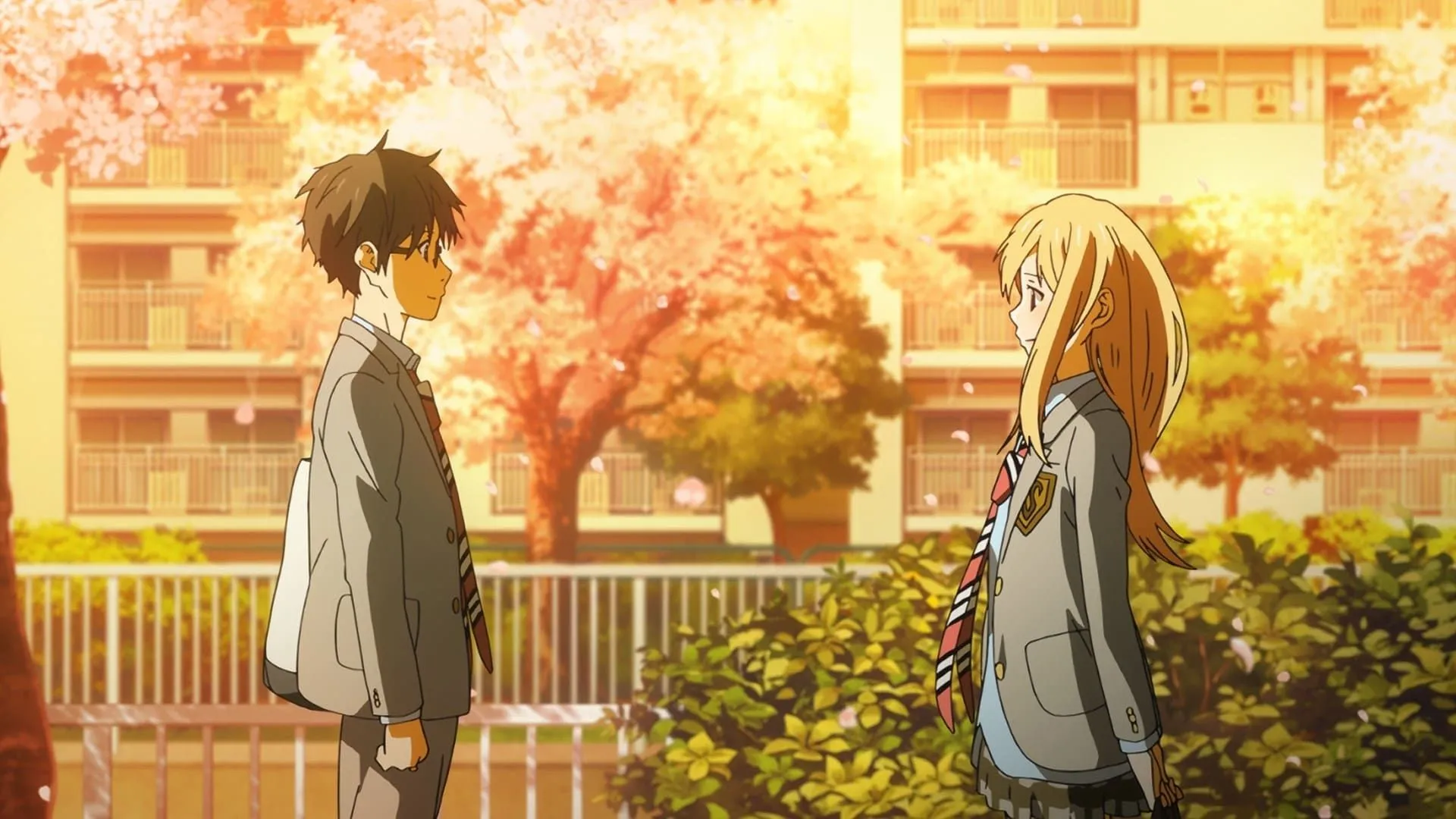
Your Lie In April (Credits: Crunchyroll)
Your Lie in April stands as one of the most renowned romance anime, centering on the journey of two musical prodigies, Kousei Arima and Kaori Miyazono. Struggling with depression following his mother’s passing, Kousei has lost his passion for the piano, leading him to distance himself from performance arts.
However, upon hearing Kaori play the violin with unmatched freedom and passion, Kousei finds himself drawn to her and rekindles his love for music.
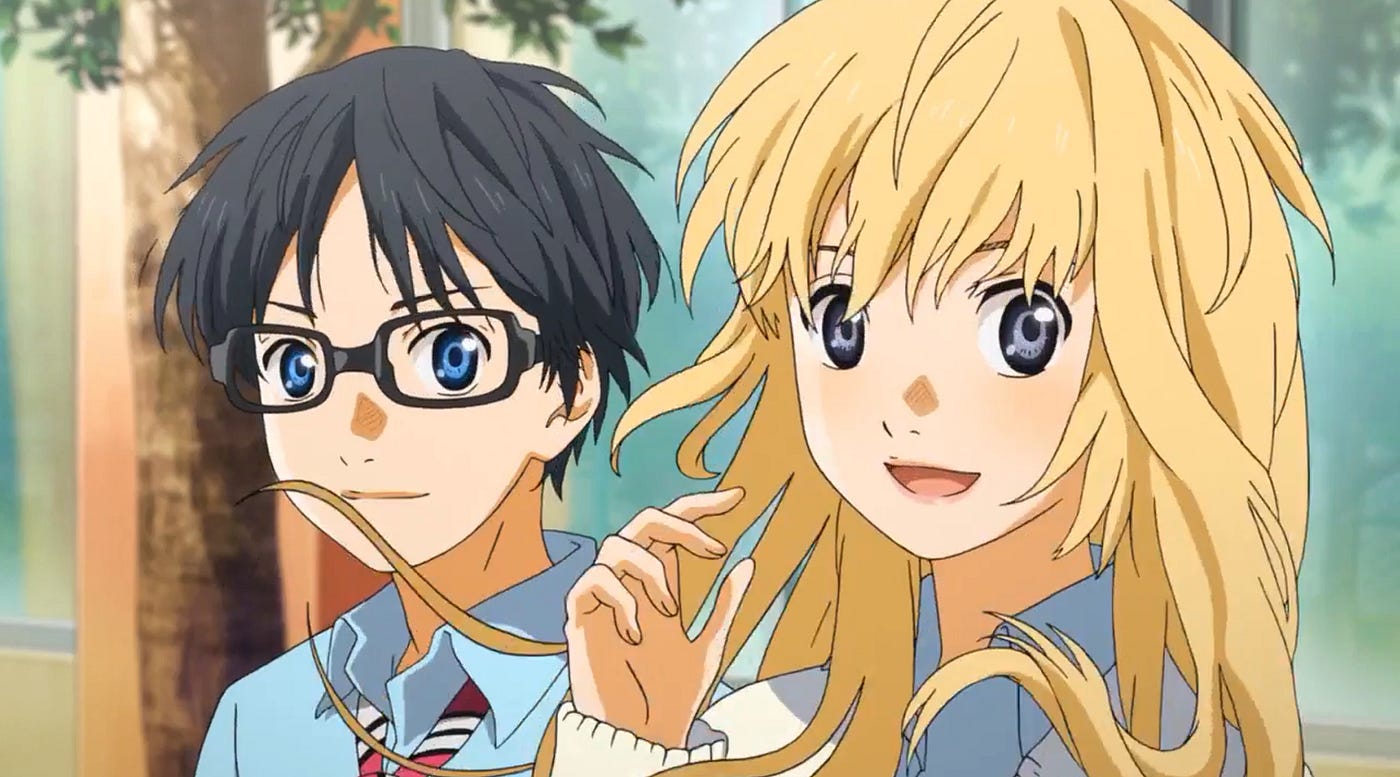
Your Lie In April (Credits: Crunchyroll)
The anime looks into themes of grief, life, love, and the transformative power of music. Kousei’s path toward healing is fraught with challenges and heartbreak, yet it also offers moments of beauty, tenderness, and joy.
Through its poignant storytelling, Your Lie in April captures the complexities of human emotion and the profound impact of connection and artistry.
18. The Angel Next Door Spoils Me Rotten
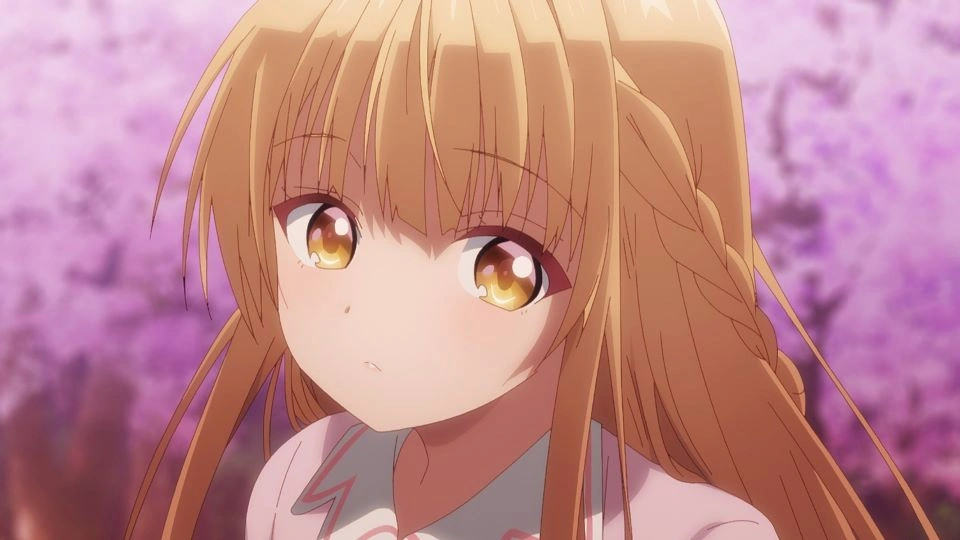
The Angel Next Door Spoils Me Rotten (Credits: Crunchyroll)
The Angel Next Door Spoils Me Rotten leaves a lasting impression from the get-go, thanks to several standout features. Firstly, Project No.9’s animation shines with its clean and detailed visuals, particularly in the character designs. Secondly, and perhaps most importantly, the chemistry between the main characters is palpable from their very first encounter; the moment Amane extends his umbrella to a soaked Mahiru, sparks fly.
Despite the majority of the series featuring the leads together on screen, The Angel Next Door Spoils Me Rotten skillfully looks into the individual journeys of Amane and Mahiru, while simultaneously nurturing the bond of their friendship. This dual focus adds depth and richness to the narrative, allowing viewers to connect with the characters on a more personal level while witnessing the growth of their relationship.
17. My Love Story
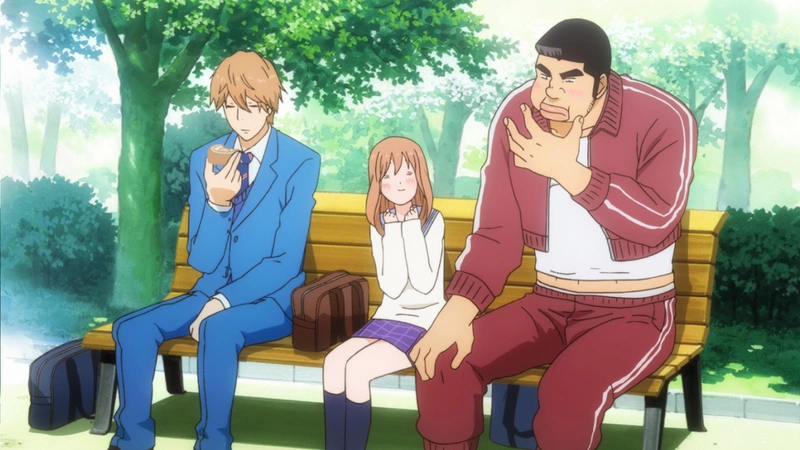
My Love Story!! (Credits: Crunchyroll)
My Love Story!! is a wonderful romantic anime largely due to its main character, Takeo Gouda. This tall, broad, and initially intimidating high schooler falling head-over-heels for the dainty Rinko is undeniably heartwarming. What sets this series apart is seeing Takeo’s genuine efforts to play cupid for Rinko with his best friend, despite his own romantic feelings, showcasing his heart of gold.
Audiences will find themselves rooting wholeheartedly for Takeo and Rinko’s sweet relationship. My Love Story!! doesn’t hold back on delivering heartwarming moments, as the two leads are in a relationship for the majority of the episodes, eschewing the typical slow build to a confession seen in many romance anime.
16. Kimi ni Todoke
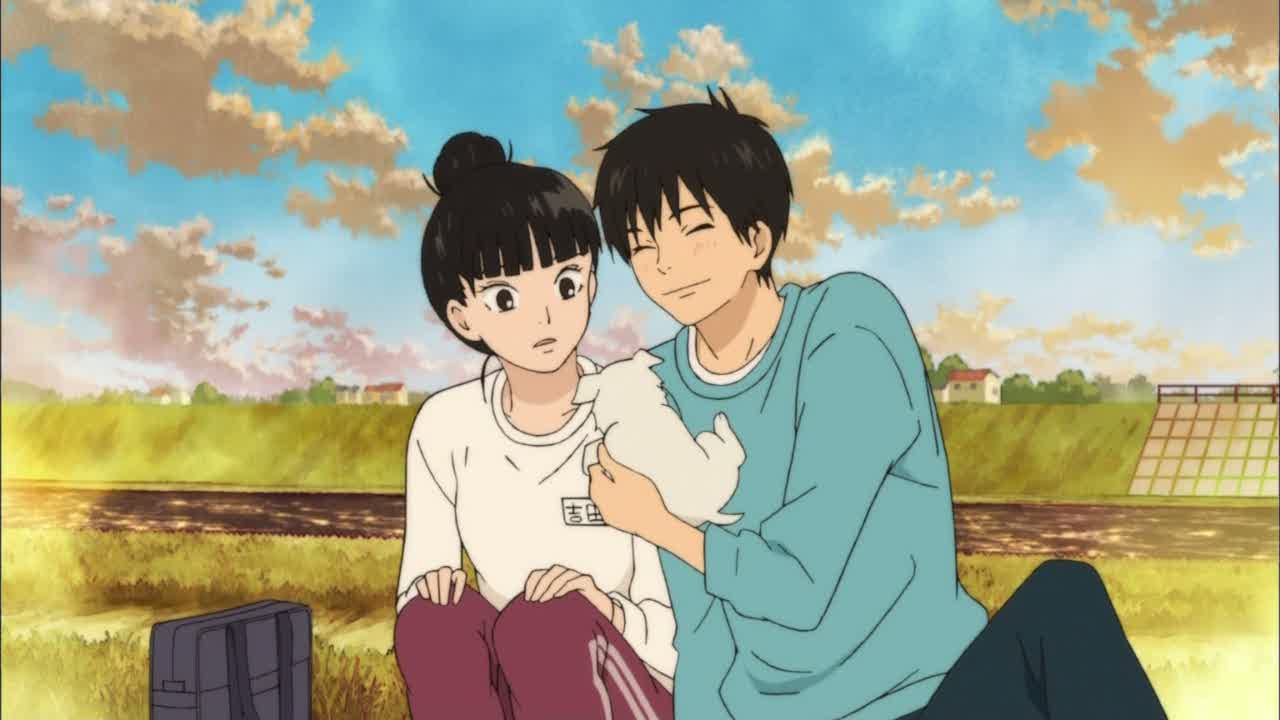
Kimi ni Todoke
Kimi ni Todoke beautifully demonstrates that opposites can indeed attract, even if the concept has become somewhat cliché in romantic comedies. The anime follows the endearing friendship between the painfully shy Sawako Kuronuma and the popular Shouta Kazehaya. Sawako, often mocked for her resemblance to Sadako from The Ring, is a lonely figure at school, and it takes considerable effort for her to break out of her shell. Fortunately, Kazehaya proves to be the perfect catalyst for her transformation.
Kimi ni Todoke is a delightful blend of humor, heartwarming moments, and well-written character development. While it does adhere to some common tropes of romance anime, such as delaying certain pivotal scenes, the journey it takes viewers on remains fascinating throughout.
15. Ouran High School Host Club
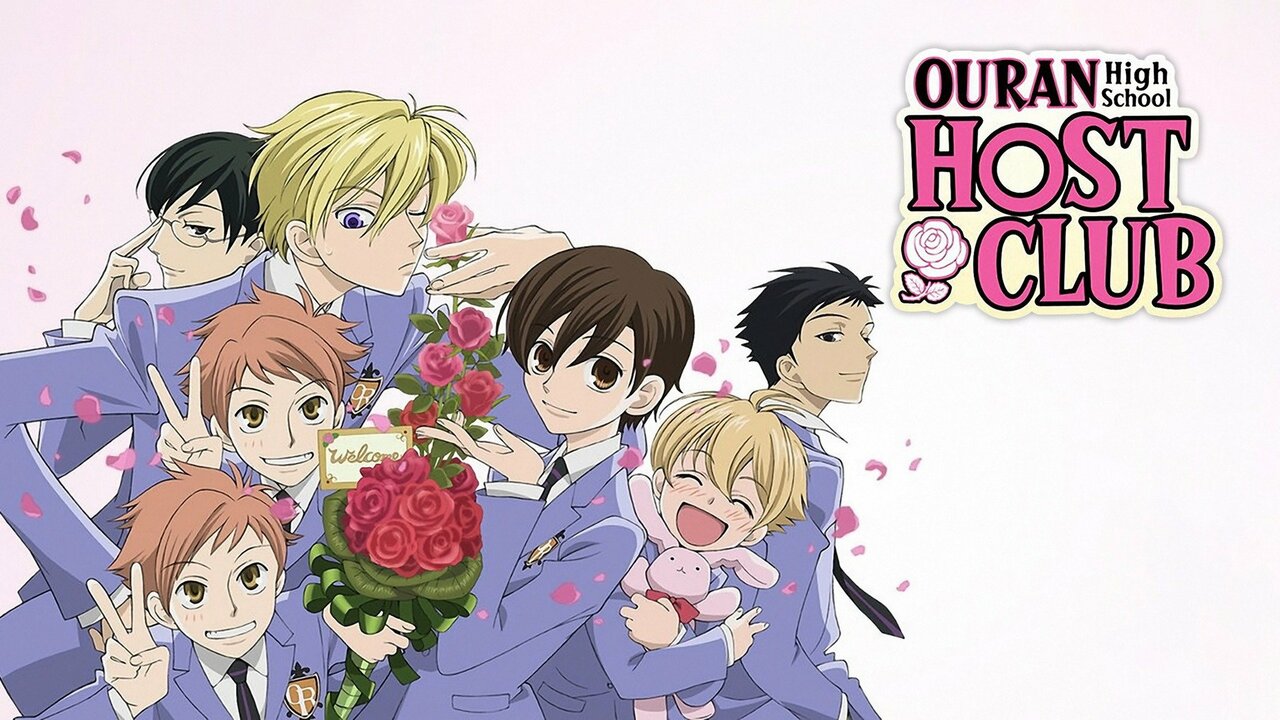
Ouran High School Host Club
Ouran High School Host Club is a delightful reverse harem anime that is brimming with lighthearted humor and poignant moments. When Haruhi Fujioka accidentally breaks an antique vase belonging to her school’s Host Club, she finds herself in debt and must repay it by disguising herself as a boy and working as a host alongside the club’s other members.
The series excels in its character development, skillfully fleshing out not only Haruhi’s character and motivations but also those of her fellow hosts. It’s a must-watch for fans of shojo anime, featuring a memorable cast of characters who carry the show with their charm and charisma throughout its run.
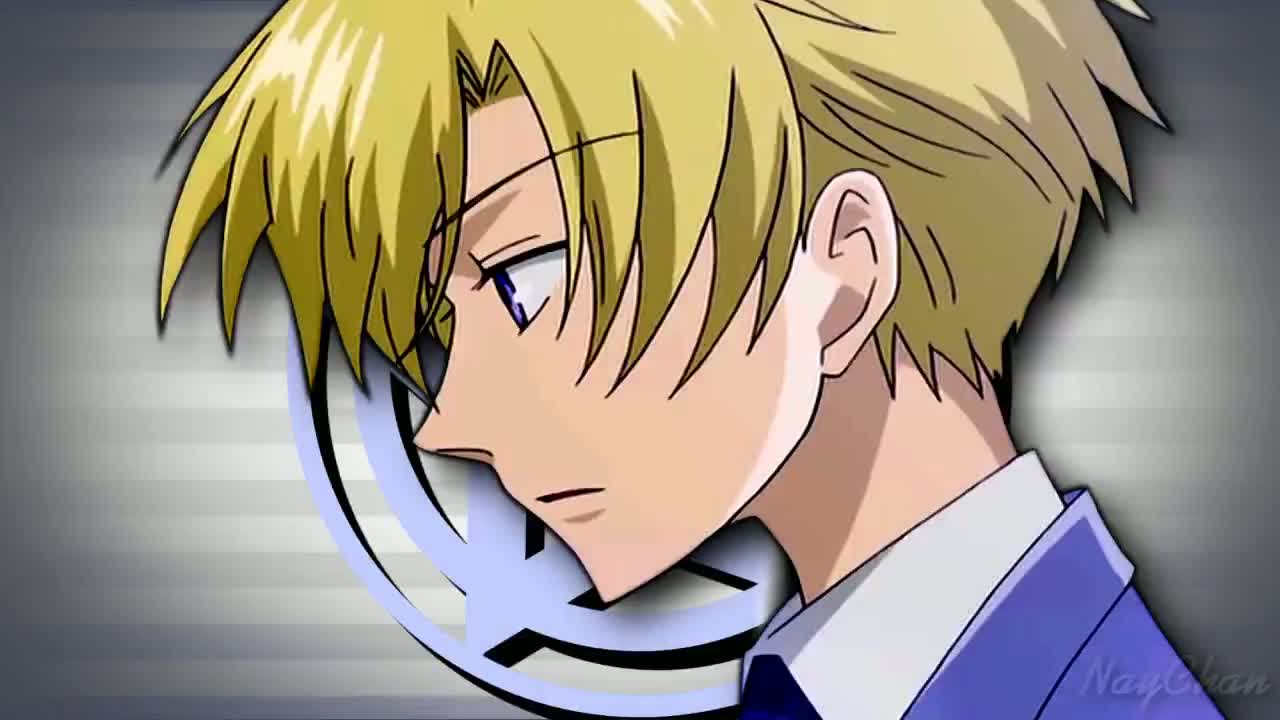
Ouran High School Host Club
Ouran High School Host Club is a delightful blend of comedy, romance, and satire that playfully deconstructs the tropes of the shoujo genre. Adapted from Bisco Hatori’s manga, the anime, produced by Studio Bones, delivers an entertaining mix of humor, heart, and over-the-top antics. Despite its seemingly lighthearted premise, the series also explores themes of identity, class differences, and self-acceptance, making it a standout in the romantic comedy genre.
The story follows Haruhi Fujioka, a highly intelligent student who earns a scholarship to the prestigious Ouran Academy, a school for the ultra-wealthy. Unlike her affluent classmates, Haruhi comes from a modest background and has little interest in the extravagant lifestyles of the elite.
While searching for a quiet place to study, she stumbles into the Host Club, a group of charming and eccentric boys who entertain female students. In a clumsy accident, Haruhi breaks an expensive vase and is forced to work as a host to repay her debt. Due to her short hair and androgynous appearance, the club members initially mistake her for a boy, and she plays along to avoid the financial burden.
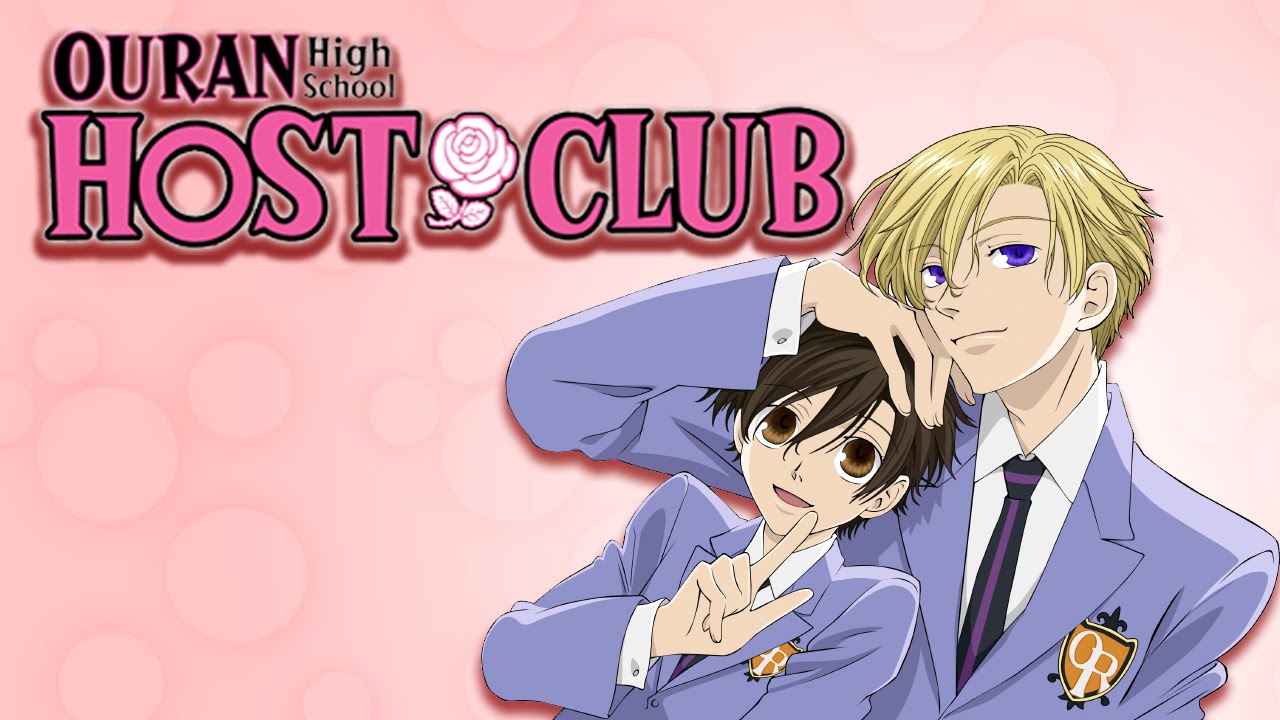
Ouran High School Host Club
One of the strongest aspects of Ouran High School Host Club is its cast of unique and lovable characters. Each member of the club has their own quirks and personalities that add to the charm of the series. Tamaki Suoh, the self-proclaimed king of the club, is a flamboyant yet endearing character whose dramatic expressions and exaggerated gestures provide endless comedic moments.
Despite his over-the-top nature, Tamaki has a kind heart and genuine concern for his friends, making him more than just a comedic figure.
The Hitachiin twins, Hikaru and Kaoru, bring mischief and playful chaos to the group with their teasing personalities, while also showcasing a deeper bond that explores themes of individuality and emotional growth.
Kyoya Ootori, the cool and calculating vice president, serves as the brains behind the club, handling finances and ensuring their success. Despite his seemingly detached demeanor, he has his own motivations and complexities. Honey and Mori, the inseparable duo, add another layer of contrast with Honey’s childlike demeanor and Mori’s stoic and protective nature.
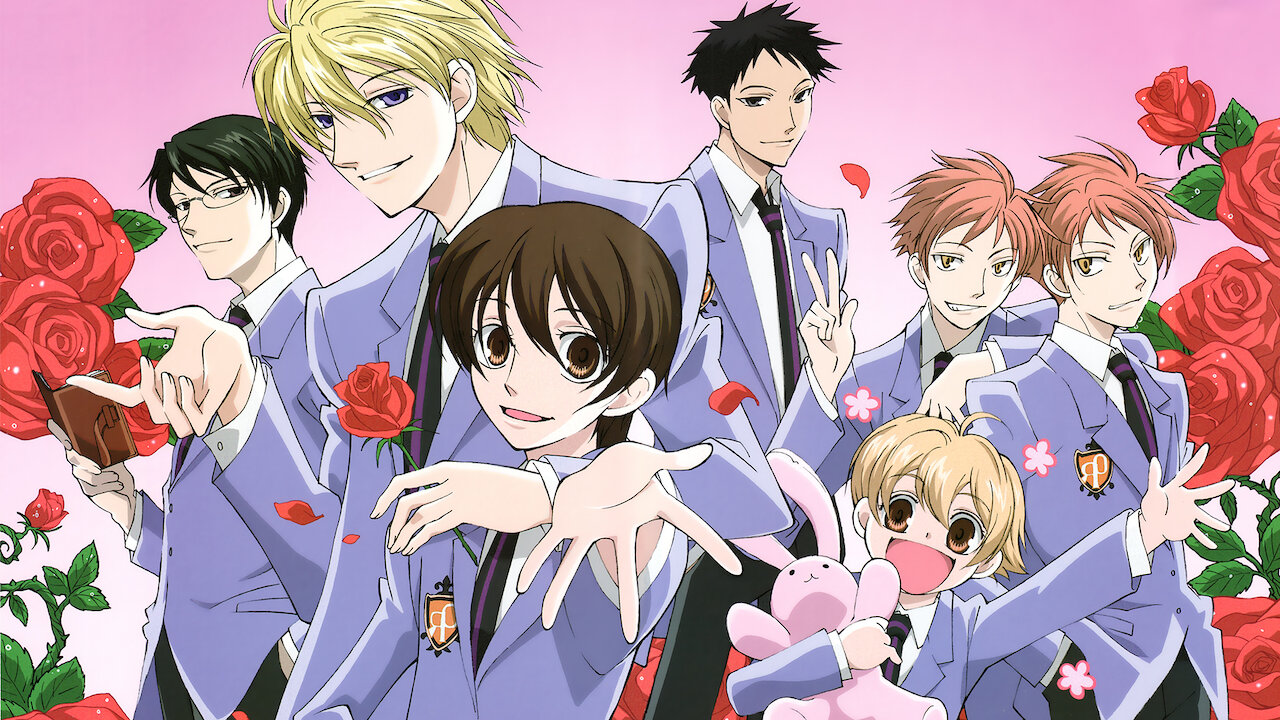
Ouran High School Host Club
Haruhi stands out as a refreshing protagonist in romantic comedy anime. Unlike the typical damsel-in-distress often seen in shoujo series, Haruhi is practical, independent, and unbothered by the superficiality of wealth and status. Her level-headed attitude and dry wit contrast perfectly with the exaggerated antics of the club, making her interactions with the other members both entertaining and insightful.
The humor in Ouran High School Host Club is one of its biggest strengths. The series embraces absurdity, with exaggerated reactions, fourth-wall breaks, and parody elements that poke fun at the extravagant nature of host clubs and the romantic clichés often found in shoujo anime.
However, beneath the comedic surface, the show subtly critiques social class differences and the expectations placed on individuals based on their upbringing. Haruhi’s down-to-earth perspective serves as a grounding force, challenging the privileged yet well-meaning members of the club to see the world beyond their bubble of wealth and luxury.
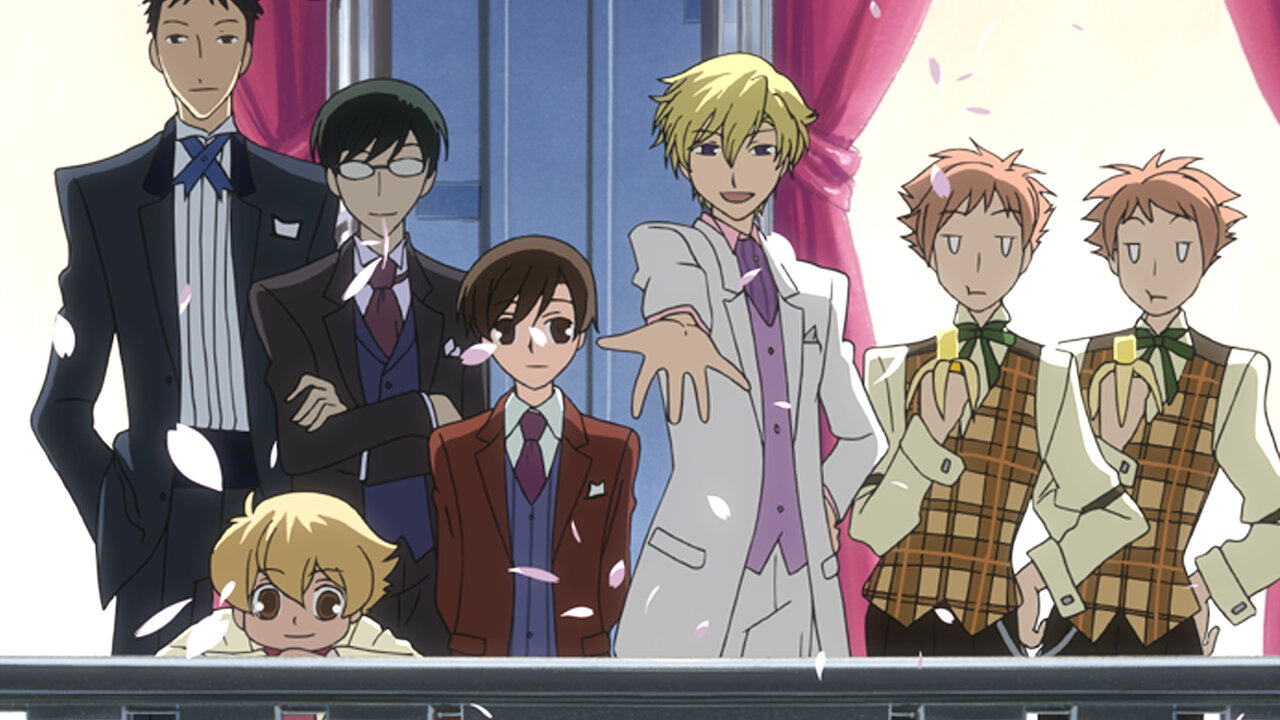
Ouran High School Host Club
Another aspect that sets Ouran High School Host Club apart is its handling of gender roles and identity. Haruhi’s nonchalant attitude toward gender expectations is refreshing, as she frequently dismisses the importance of labels and embraces practicality over appearances. Her ability to navigate both male and female social dynamics without conforming to traditional norms adds depth to her character and highlights the fluidity of identity.
The relationships within the show, while often comedic, also carry emotional weight. Tamaki’s growing feelings for Haruhi are portrayed with a mix of humor and genuine tenderness, making their dynamic one of the highlights of the series.
While much of the romance remains lighthearted and playful, there are moments of sincerity that hint at deeper emotions and character growth. The bonds between the club members evolve over time, revealing their vulnerabilities and personal struggles.
Visually, the anime boasts a bright and colorful aesthetic that matches its extravagant setting. The animation is expressive, especially in its comedic moments, where exaggerated facial expressions and dynamic poses enhance the humor.
The lavish backgrounds and opulent designs reinforce the wealth and grandeur of the Ouran Academy, further emphasizing the contrast between Haruhi and her privileged peers. The soundtrack, featuring classical and orchestral pieces, adds to the elegant atmosphere of the series while also complementing its playful tone.
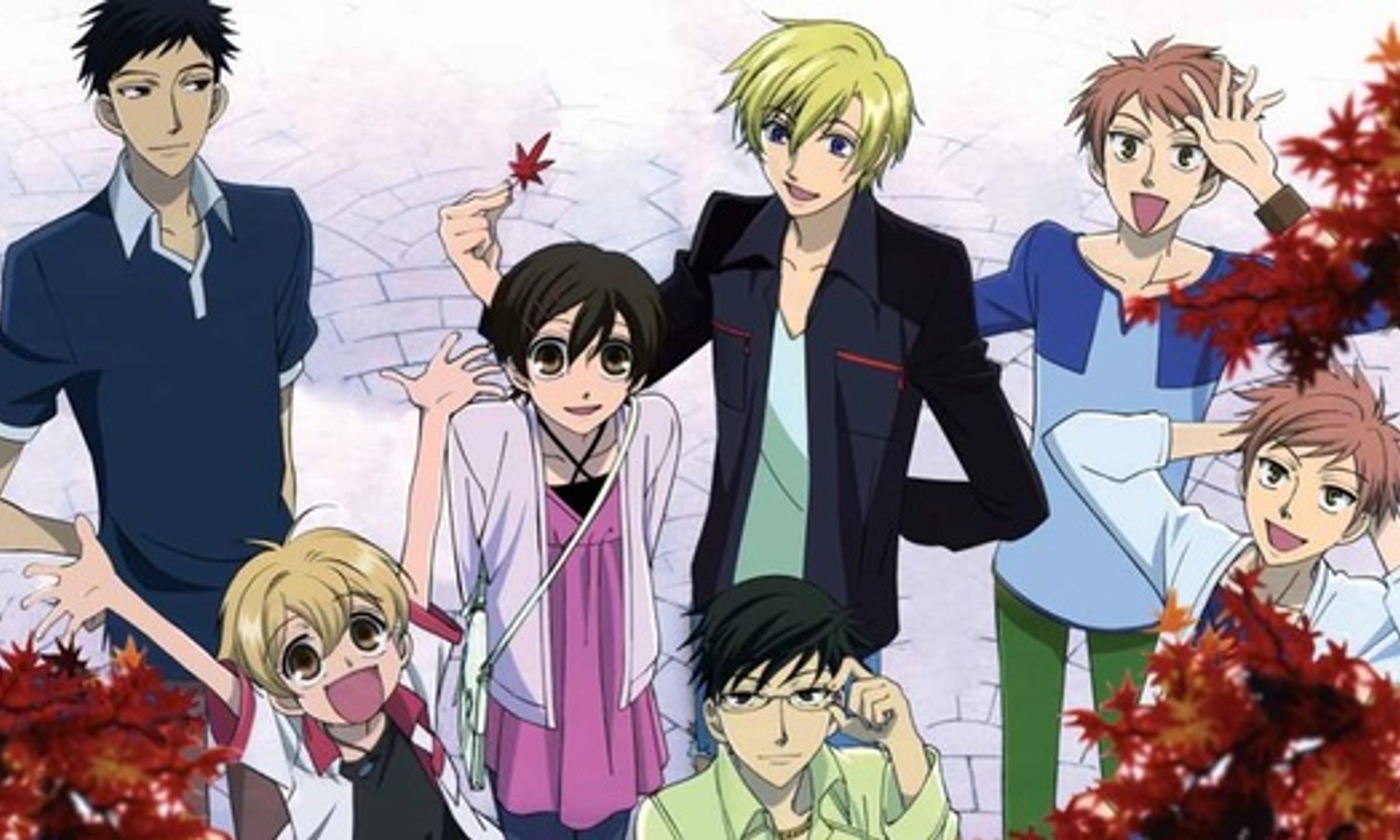
Ouran High School Host Club (Credits: Crunchyroll)
Despite its many strengths, one of the biggest criticisms of Ouran High School Host Club is that the anime does not fully adapt the entire manga. While the series delivers a satisfying and entertaining experience, it leaves many plotlines and character developments unresolved.
The manga continues beyond where the anime ends, offering deeper explorations of the characters’ relationships and backstories. Fans who wish for a more conclusive resolution to Haruhi and Tamaki’s relationship, as well as other character arcs, may find themselves seeking out the manga to experience the full story.
Broadly, Ouran High School Host Club is a timeless and highly enjoyable anime that blends humor, romance, and social commentary in a way that remains engaging from start to finish. Its lovable cast, witty dialogue, and satirical take on the shoujo genre make it a standout series that appeals to both longtime anime fans and newcomers alike.
Whether you’re looking for a lighthearted comedy, a charming romance, or a story with deeper messages about identity and social class, Ouran High School Host Club delivers a well-balanced and memorable experience.
14. Tonikawa: Over The Moon For You
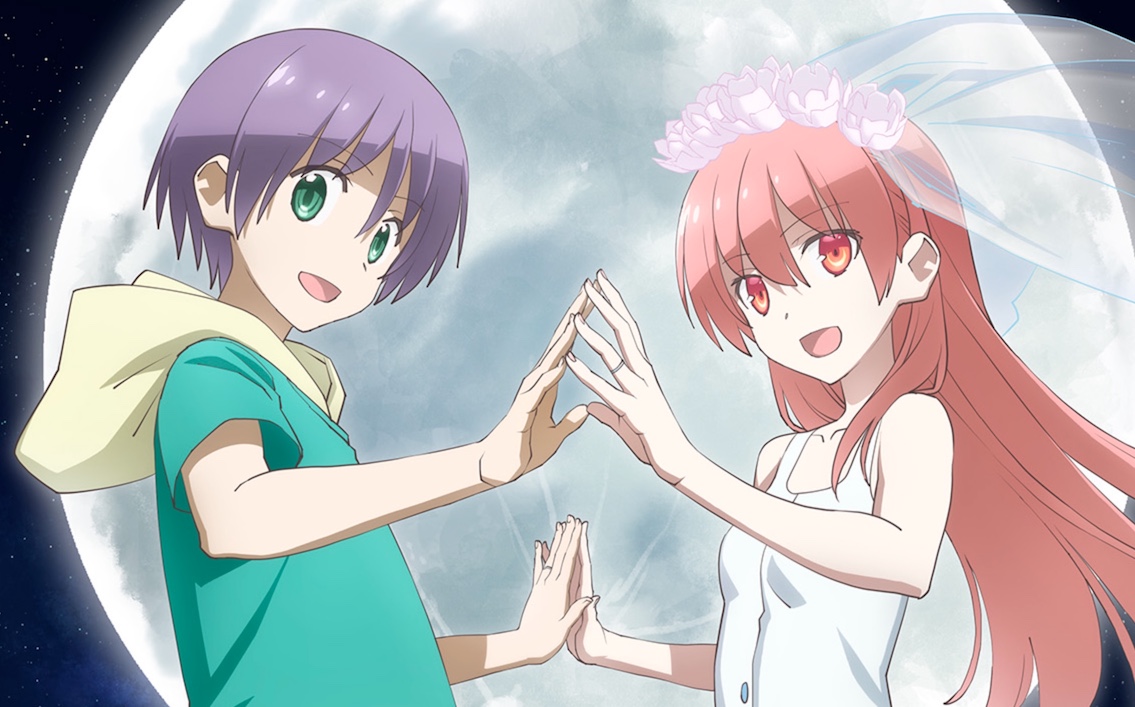
Tonikawa: Over the Moon For You
Tonikawa: Over The Moon For You stands out in the romance stories by focusing on a married couple who have already traversed the journey of falling in love. In contrast to traditional romance narratives, the anime adopts a slice-of-life approach, offering glimpses into the daily antics of Nasa and Tsukasa as they navigate married life.
With its emphasis on pleasantness over dramatic highs, Tonikawa lacks the typical tension associated with romance, opting instead for a charming and lighthearted tone.
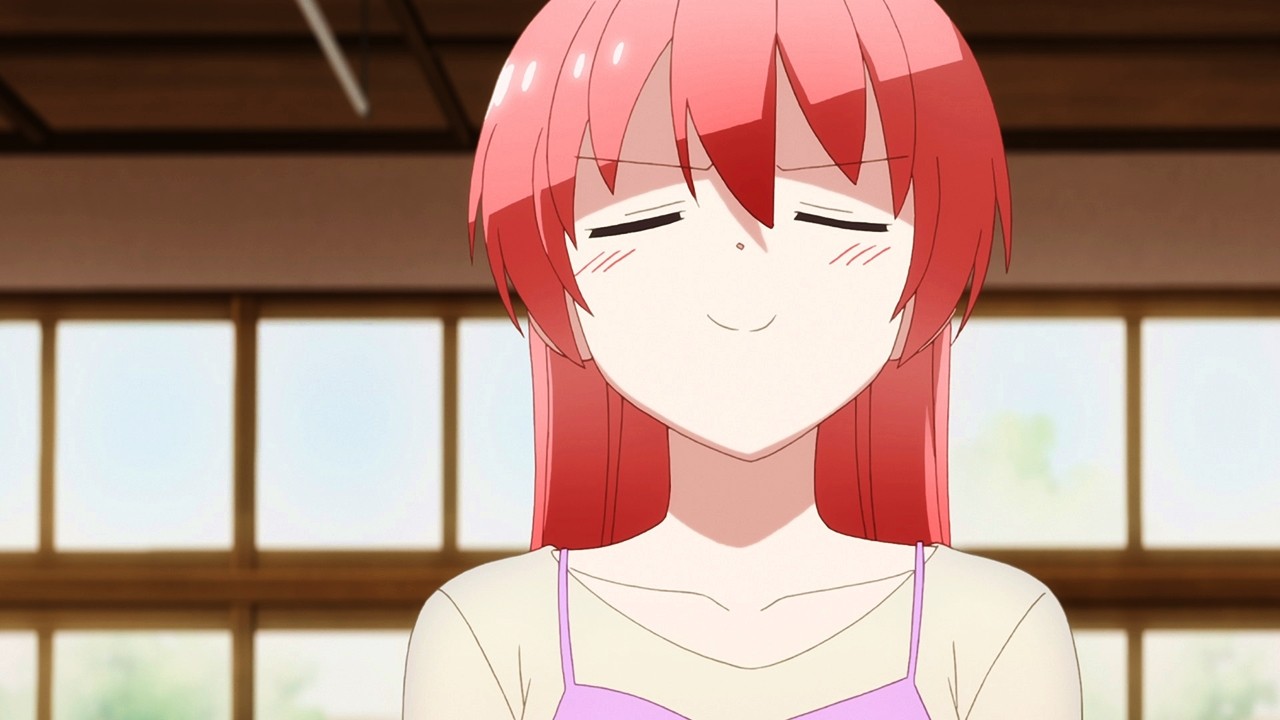
Tonikawa: Over the Moon For You
While the anime may not cater to those seeking melodramatic romance, it serves as a refreshing palate cleanser within the genre. Nasa and Tsukasa’s refreshingly direct approach to expressing their feelings, coupled with their witty and likable personalities, adds to the series’ appeal.
Despite their propensity for blushing at the mere suggestion of physical contact, their genuine affection for each other shines through, making their relationship both endearing and relatable.
13. The Dangers in My Heart
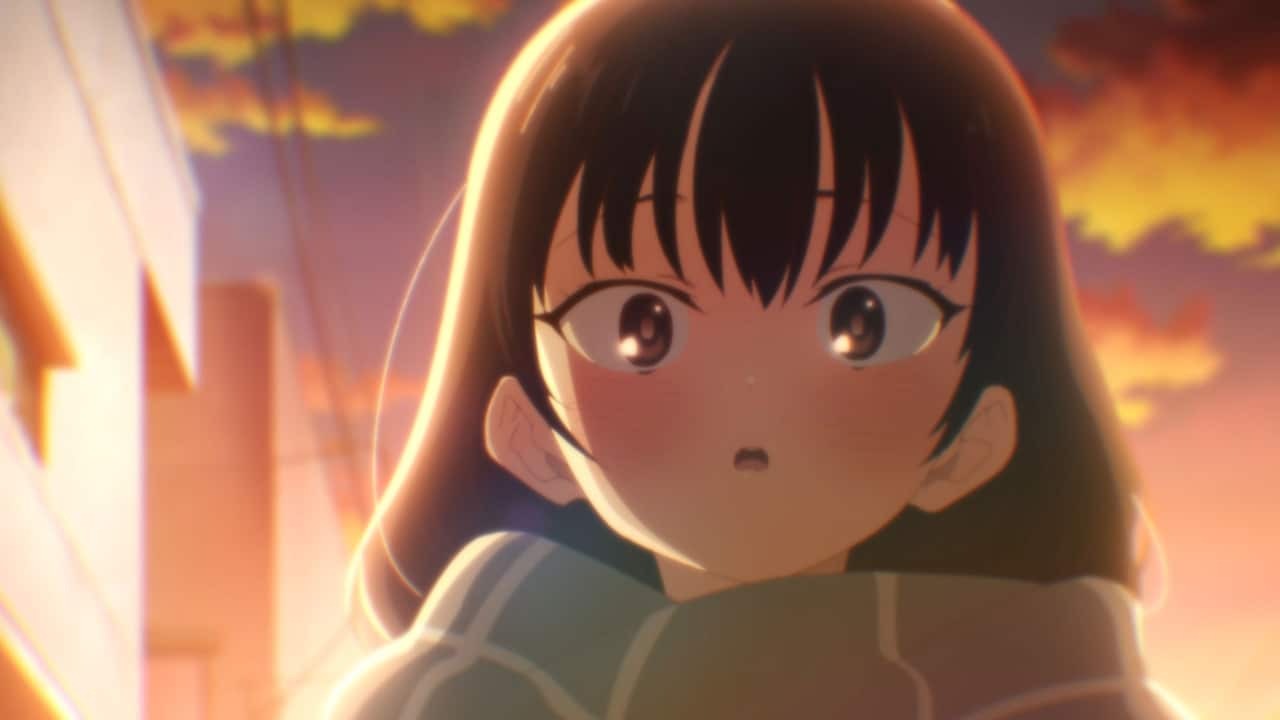
Dangers in My Heart
The Dangers in My Heart stands out as a brilliant addition to the realm of shonen romance anime, defying expectations and offering a refreshing take on a familiar trope. At first glance, it may appear to follow the typical formula of a popular girl falling for an ordinary loner, but the anime exceeds these clichés to deliver a compelling and nuanced story.
Ichikawa, our protagonist, is an average high school student with few friends, who often finds solace in daydreaming about unconventional topics. Anna, on the other hand, is a bubbly yet shy girl who works as a model and loves to eat. Their unexpected encounter at the school library sparks a friendship that gradually evolves into something deeper. As Anna encourages Ichikawa to break out of his shell, he undergoes significant personal growth throughout the series.
What sets The Dangers in My Heart apart is its character development and realistic portrayal of relationships. While the romance may start as a slow burn, it gradually evolves into something truly special, making it one of the best romance anime of its time. Anna and Ichikawa are both well-rounded characters, with Anna’s depth and vulnerabilities adding layers to the storyline. Their relationship feels genuine and convincing, elevating the series beyond mere wish fulfillment.
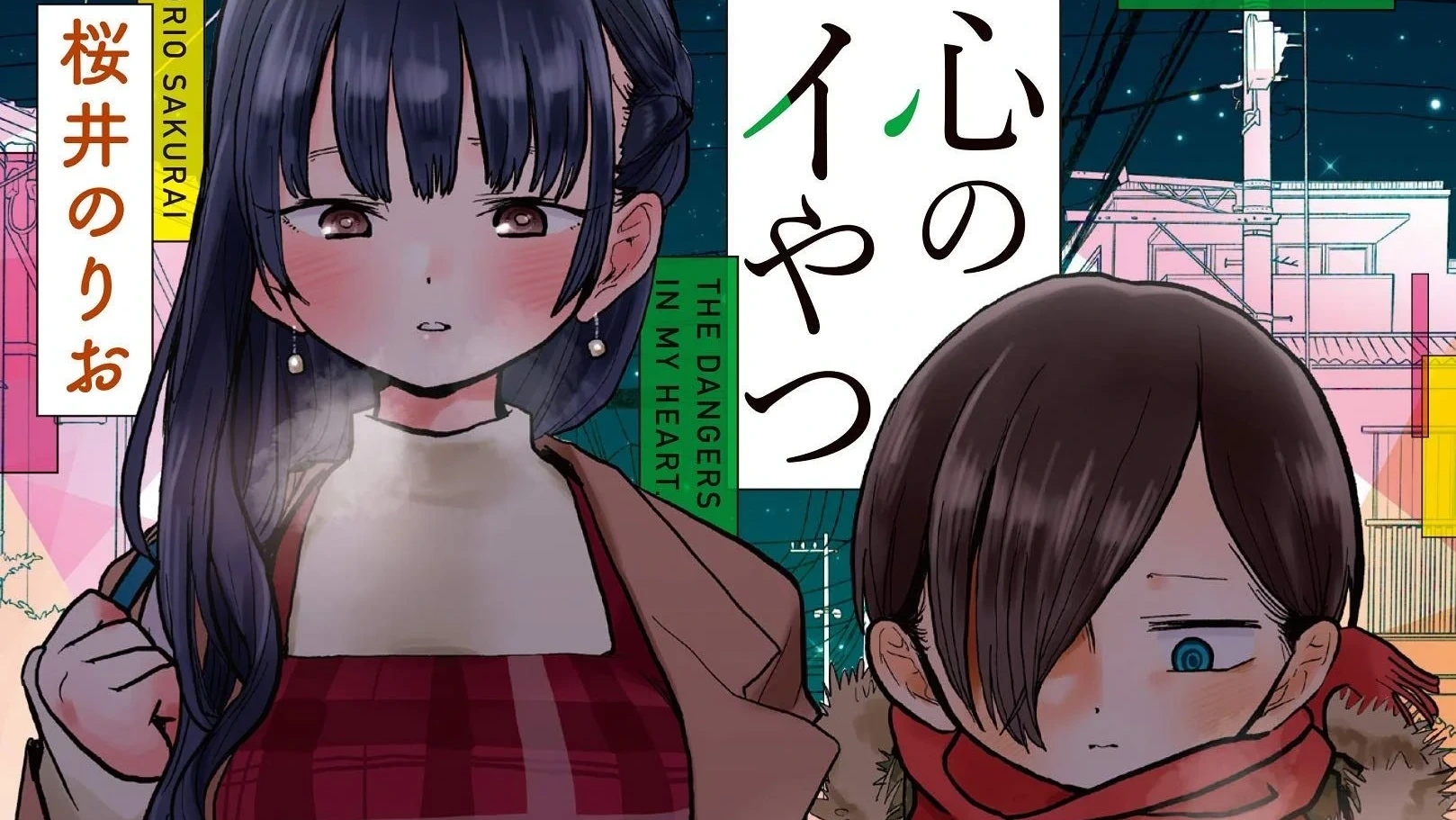
Boku no Kokoro no Yabai Yatsu (Credits: Manga Cross)
The Dangers in My Heart is a romantic comedy anime that blends lighthearted humor with deep emotional moments, offering a fresh take on the slice-of-life and school romance genre. Adapted from Norio Sakurai’s manga, the series introduces an engaging dynamic between two contrasting characters, making it an entertaining yet heartfelt watch. With its well-paced character development, sharp humor, and touching moments, the anime succeeds in drawing viewers into a story that goes beyond typical high school romance tropes.
At the heart of the story is Kyotaro Ichikawa, a socially awkward and introverted middle schooler who initially harbors dark and violent fantasies. He often envisions himself as the main character in a psychological thriller, imagining gruesome scenarios in which he takes revenge on his classmates.
However, despite these thoughts, he is not actually a bad person—his behavior is more of a defense mechanism rooted in his insecurities and social isolation. Beneath his brooding exterior, he is just a lonely boy struggling with self-esteem and anxiety.
Contrasting him is Anna Yamada, the most popular girl in school. Unlike the stereotypical perfect heroine, Anna is quirky, cheerful, and surprisingly goofy. Though admired by her classmates for her beauty and charm, she has a carefree and somewhat clumsy personality that makes her more relatable.
She enjoys snacks, often sneaking them into class, and doesn’t hesitate to express herself in an unfiltered, almost childlike manner. Her genuine and easygoing nature slowly breaks down Kyotaro’s emotional walls, leading to a unique and endearing relationship.
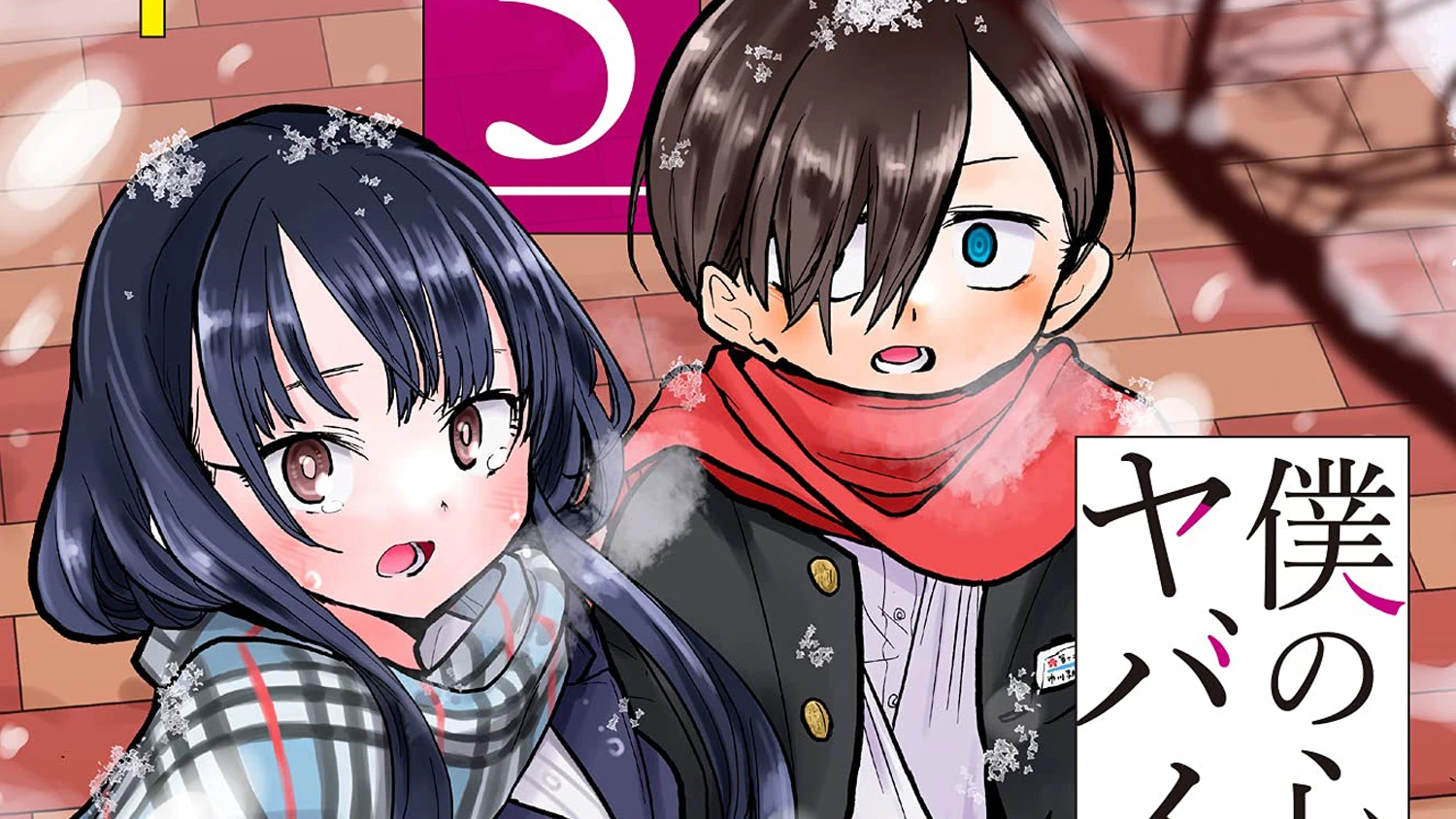
Boku no Kokoro no Yabai Yatsu | Manga Cover (Credits: Manga Cross)
One of the most impressive aspects of The Dangers in My Heart is its character development. While the series starts off with an unconventional and slightly dark premise, it quickly shifts into a more heartfelt exploration of personal growth, human connection, and self-acceptance.
Kyotaro’s journey is particularly compelling—his perception of the world gradually changes as he spends more time with Anna, realizing that his initial thoughts about people, especially her, were misguided. Instead of being an unreachable idol, Anna is just a normal girl with her own insecurities and emotions.
The romantic aspect of the story is handled with a slow-burn approach, making the progression of their relationship feel natural and genuine. Unlike many school romance anime that rely on exaggerated misunderstandings or forced drama, The Dangers in My Heart builds its emotional moments through small yet meaningful interactions. Kyotaro’s growing admiration for Anna is portrayed with sincerity, and Anna’s increasing fondness for Kyotaro is shown in subtle but impactful ways. Their chemistry is a perfect balance of humor and tenderness, making every scene between them enjoyable to watch.
The humor in the series is another standout element. Much of the comedy stems from Kyotaro’s over-the-top inner monologues, where he imagines himself as a dark and menacing figure, only to be hilariously contradicted by reality. Anna’s playful and mischievous personality also adds to the fun, as her antics often catch Kyotaro off guard. Their interactions are filled with awkward yet charming moments, making for a refreshing and lighthearted viewing experience.
Beyond the romance and comedy, The Dangers in My Heart subtly touches on deeper themes such as loneliness, self-worth, and the struggle of fitting in. Kyotaro’s internal struggles reflect the feelings of many introverted or socially anxious individuals who find it difficult to connect with others.
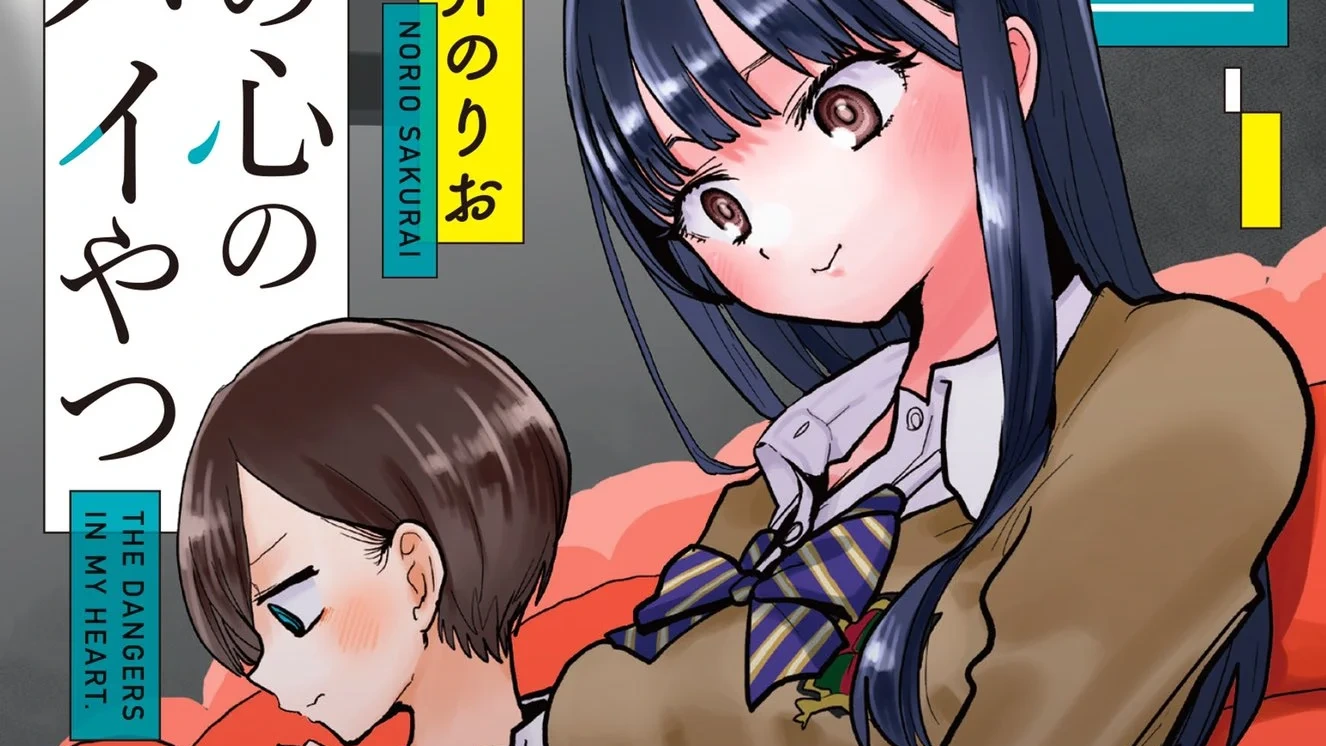
Boku no Kokoro no Yabai Yatsu | Manga Cover (Credits: Manga Cross)
His slow but steady growth, facilitated by Anna’s presence in his life, highlights the importance of human connection and understanding. Similarly, Anna, despite being loved by many, also deals with her own vulnerabilities, showing that even those who seem to have everything together still have personal battles.
The animation, produced by Shin-Ei Animation, is simple yet effective in bringing the characters to life. The character designs are expressive, allowing for a wide range of emotions to be conveyed, especially during comedic and romantic moments.
The backgrounds and color palette enhance the overall mood, shifting between warm and inviting tones during tender scenes and darker shades during Kyotaro’s more introspective moments. The animation style complements the series’ storytelling by maintaining a balance between realism and exaggerated expressions for comedic effect.
The soundtrack plays a crucial role in setting the tone of the series. The background music blends soft melodies with playful tracks, perfectly matching the emotional shifts throughout the episodes. The opening and ending themes add to the overall charm, capturing the youthful and somewhat melancholic essence of the story.
The voice acting is another strong point, with each character brought to life through natural and expressive performances that make their personalities feel even more authentic.
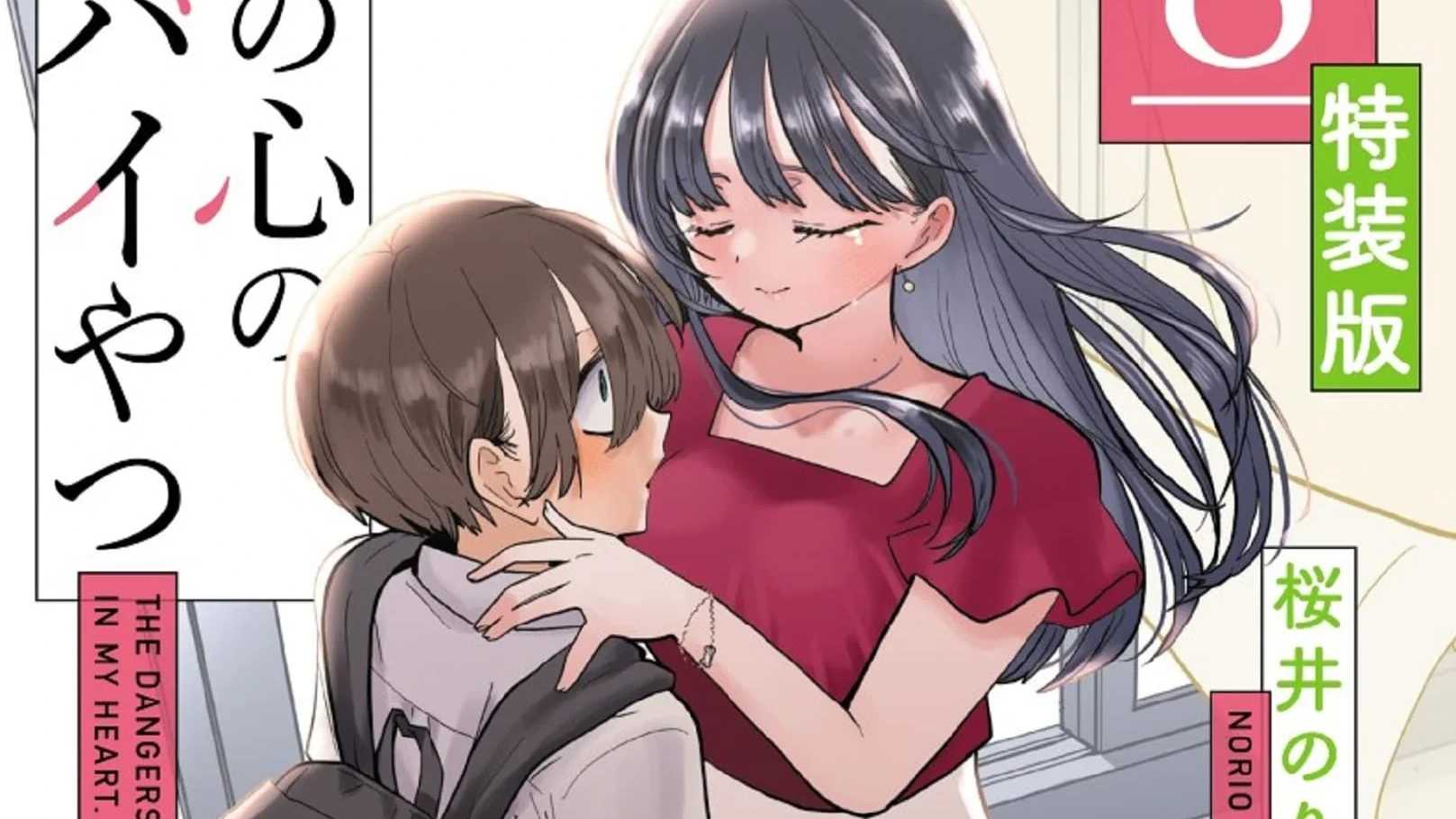
Boku no Kokoro no Yabai Yatsu (Credits: Manga Cross)
Despite its strengths, The Dangers in My Heart may not appeal to everyone, especially those expecting a fast-paced romance or heavy drama. The series takes its time developing relationships, focusing more on small, everyday moments rather than grand romantic gestures.
However, this slow and realistic approach is what makes the story feel so genuine. For those who appreciate character-driven narratives with subtle yet meaningful growth, this anime delivers an emotionally satisfying experience.
Broadly, The Dangers in My Heart is a refreshing and heartfelt take on the school romance genre. With its well-developed characters, clever humor, and thoughtful exploration of emotions, it stands out as a unique and engaging series.
By balancing lighthearted comedy with genuine emotional depth, the anime creates a memorable and relatable story that resonates with viewers. Whether you’re a fan of romance, comedy, or coming-of-age stories, this series offers a charming and touching journey worth watching.
12. A Sign of Affection
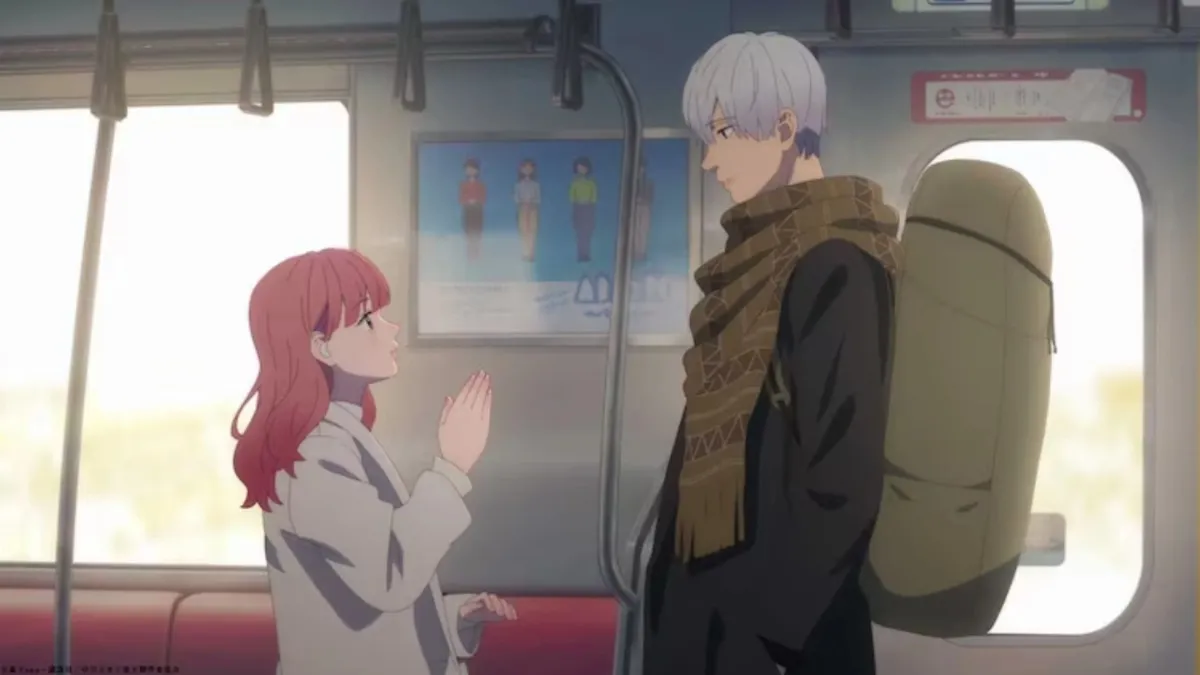
A Sign of Affection (Credits: Crunchyroll)
A Sign of Affection is a heartwarming romantic comedy that looks into the complexities of love and communication among college-age individuals. While the story features multiple pairings, Yuki and Itsuomi take center stage as the main couple, immediately fascinating audiences with their undeniable chemistry.
Yuki, who is hearing-impaired, relies on sign language, text, and lip-reading to communicate, while Itsuomi’s passion for languages and world travel adds depth to his character. Their chance encounter on a train sparks an instant connection, prompting them to explore their budding relationship further in subsequent meetings.
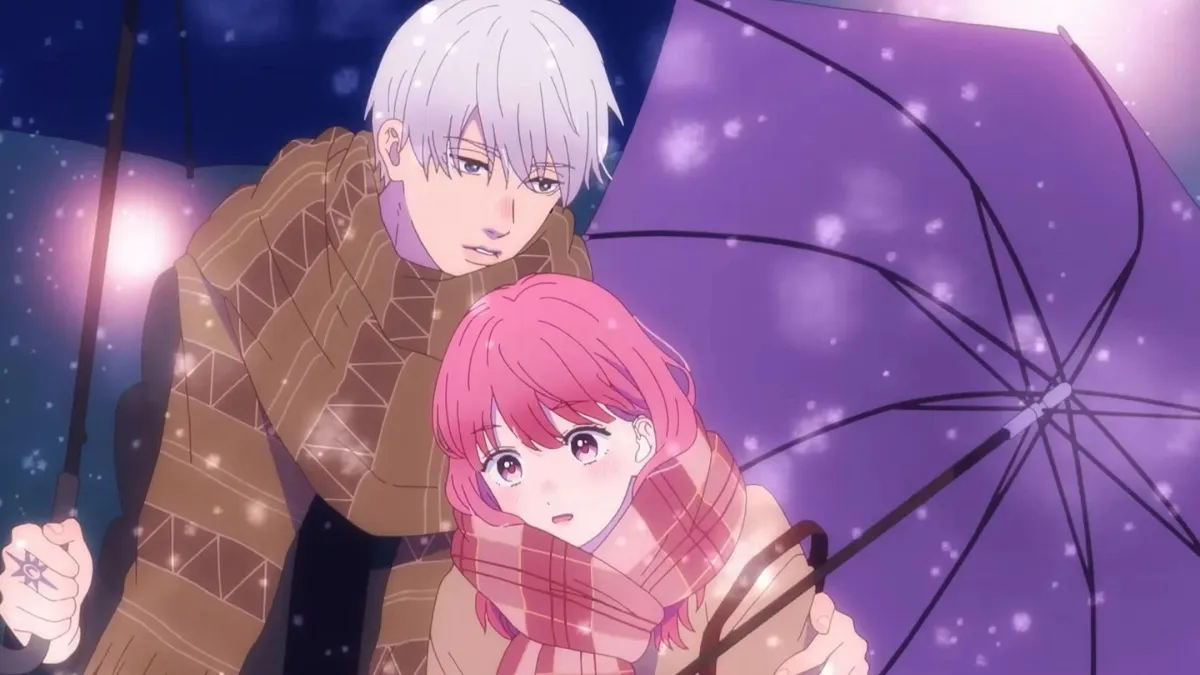
A Sign of Affection (Credits: Crunchyroll)
The series excels in capturing the rollercoaster of emotions associated with falling in love, culminating in poignant moments, particularly in the opening episode.
Unlike many romance anime, A Sign of Affection features an older cast, lending a mature tone to the story. As the season unfolds, Yuki and Itsuomi’s bond deepens, with each interaction brimming with sweetness and charm.
11. Fruits Basket
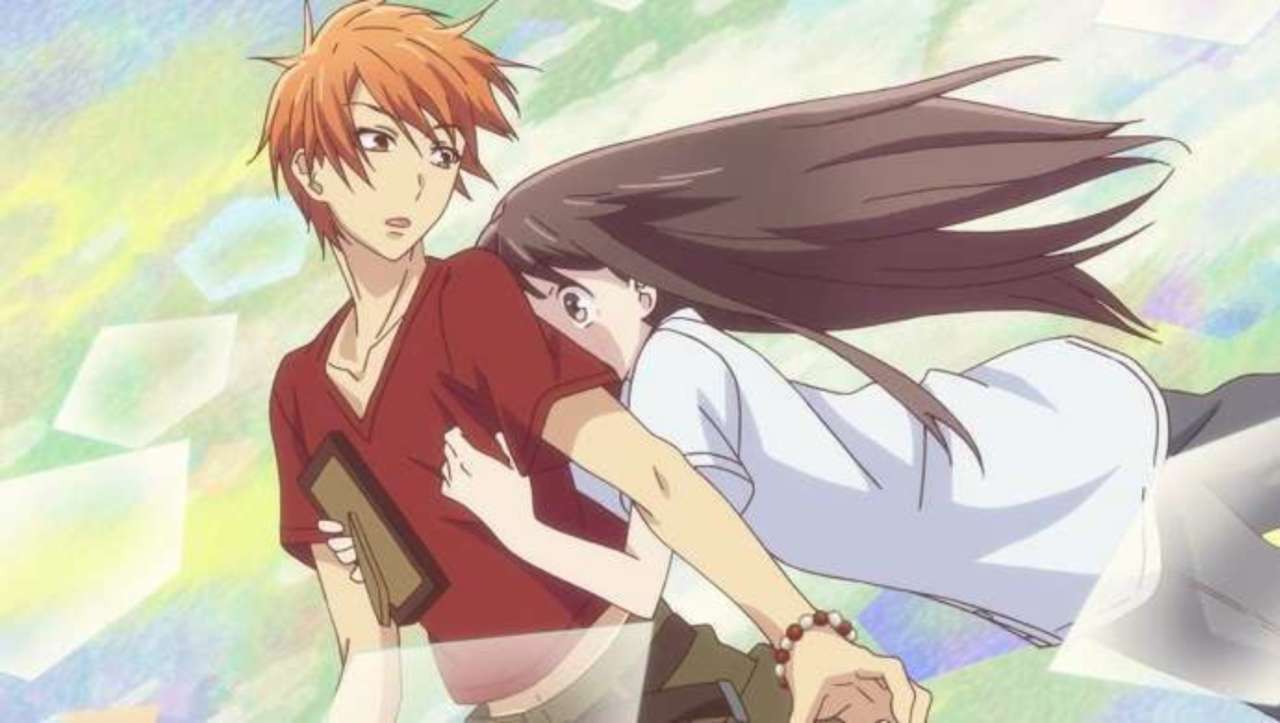
Kyo and Tohru (Credits: TSM Entertainment)
Fruits Basket stands as the epitome of romance anime, masterfully blending drama and comedy. The endearing protagonist, Tooru Honda, undergoes a transformative experience when she moves in with the enigmatic Souma family, whose members, particularly Yuki Souma, are idolized at school. However, beneath their glamorous facade lies a shocking secret that challenges everyone’s perceptions.
While love triangles in anime often lean towards favoring one potential partner, Fruits Basket defies this norm with its nuanced portrayal of relationships. Each character is intricately developed, serving as individuals rather than mere plot devices. Across its three seasons, Fruits Basket takes viewers on an unforgettable journey, setting itself apart as a true masterpiece of the genre.
Fruits Basket is a deeply emotional and beautifully crafted story that blends romance, drama, and fantasy elements in a way that resonates with viewers on a personal level. Based on the manga by Natsuki Takaya, Fruits Basket has seen multiple adaptations, with the 2019 version standing out as a faithful and complete retelling of the original story. Unlike many other shoujo series, it does not rely solely on romantic tropes but instead focuses on themes of family, trauma, healing, and self-discovery, making it one of the most beloved anime in its genre.
The story follows Tohru Honda, a kind and optimistic high school girl who, after losing her mother, finds herself living in a tent due to unfortunate circumstances. Despite her struggles, she maintains a cheerful attitude and refuses to burden others with her problems.
Her life changes when she is taken in by the mysterious Sohma family, only to discover that some of its members are cursed. The curse causes certain members of the family to transform into animals of the Chinese zodiac whenever they are hugged by someone of the opposite sex. However, this supernatural element is merely the surface of a much deeper, more emotional tale.
One of the strongest aspects of Fruits Basket is its characters, each of whom carries their own emotional burdens and personal struggles. Tohru is an inspiring protagonist—not because she is perfect, but because she is strong in a quiet, compassionate way. Her kindness is not just a simple character trait; it is a form of strength that allows her to break through the emotional barriers of those around her. Unlike many shoujo heroines who rely on grand gestures or dramatic declarations, Tohru’s impact comes from her small, sincere acts of care and understanding.
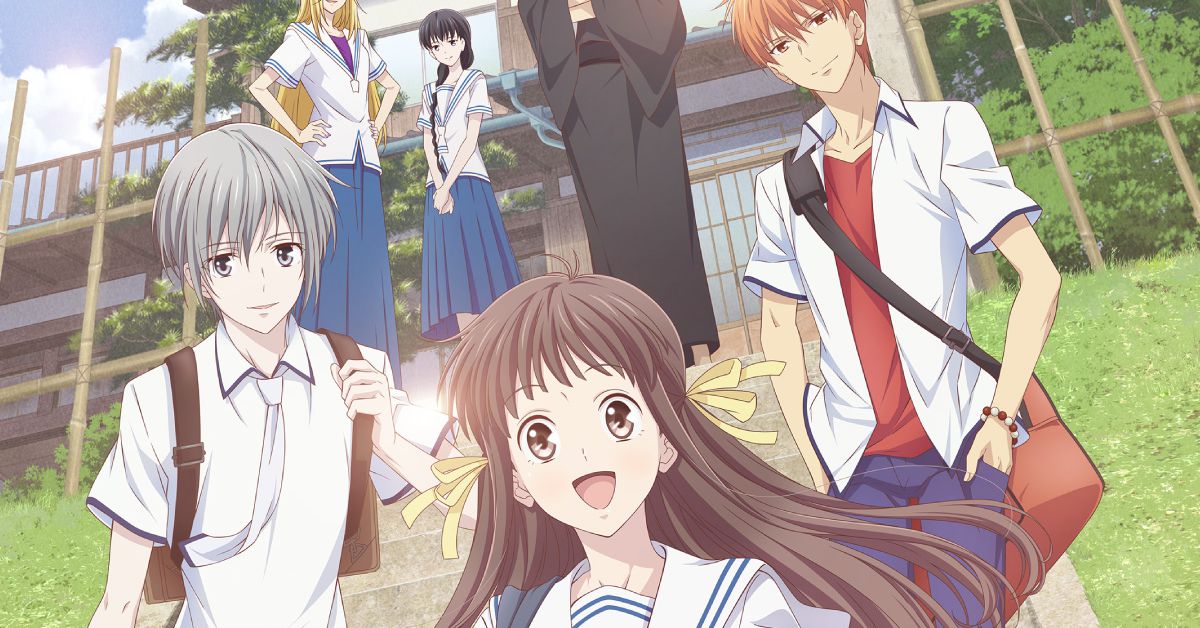
Fruits Basket (Credits: TSM Entertainment)
The Sohma family members, particularly Kyo, Yuki, and Shigure, play pivotal roles in the story’s progression. Kyo, the hot-headed and impulsive cat of the zodiac, carries immense guilt and self-loathing due to the way he has been treated by the family.
His journey is one of learning to accept himself and realizing that he is worthy of love. Yuki, on the other hand, presents himself as calm and composed but struggles with deep-seated insecurities from his upbringing. He longs for genuine connections but has difficulty expressing his true feelings. Shigure, while often seen as playful and carefree, hides a much more complex and calculating nature that slowly unravels as the story progresses.
Beyond the main trio, the secondary characters in Fruits Basket are just as impactful. Each of the zodiac members carries their own emotional scars, stemming from the toxic family dynamic perpetuated by the curse.
Whether it’s Rin’s fear of love, Momiji’s heartbreaking family situation, or Akito’s internal struggles as the leader of the family, every character adds depth to the narrative. No one’s pain is dismissed or treated lightly, making their development feel genuine and impactful.
One of the most powerful themes in Fruits Basket is the concept of breaking free from emotional chains. The Sohma family is bound not just by a physical curse but also by psychological and emotional wounds inflicted by years of neglect, control, and fear.
The series explores how trauma shapes a person’s identity and how difficult it can be to move forward. Tohru, with her unwavering kindness and determination, serves as a catalyst for change, helping the Sohma members realize that they are not defined by their past pain. However, the story does not present healing as a simple or instantaneous process—it acknowledges that growth takes time, effort, and the willingness to face one’s deepest fears.
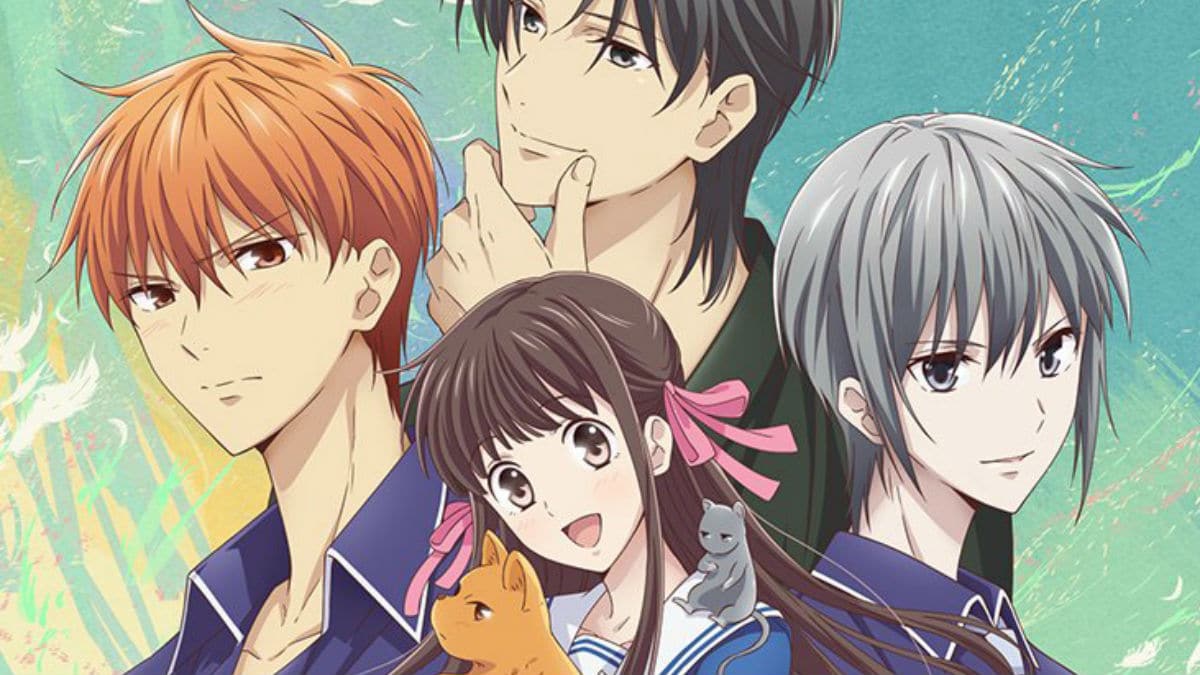
Fruits Basket (Credits: TSM Entertainment)
The storytelling in Fruits Basket balances moments of lightheartedness with deeply emotional scenes, creating a rollercoaster of emotions for the audience. The humor never feels forced or out of place, and even the silliest moments contribute to character development.
At the same time, the dramatic moments hit hard, often leaving a lasting emotional impact. The way the anime handles heavy topics such as grief, abandonment, and self-worth is handled with care and sensitivity, making the story feel raw and authentic.
Visually, the 2019 adaptation by TMS Entertainment captures the heart of the original manga beautifully. The character designs are more refined and expressive compared to the early 2001 adaptation, and the animation is smooth and emotionally evocative.
The use of color and lighting enhances key scenes, adding depth to both cheerful and melancholic moments. The soundtrack also plays a significant role in setting the tone, with soft piano melodies and emotionally charged compositions heightening the impact of key moments. The opening and ending themes perfectly capture the essence of the series, evoking both warmth and nostalgia.
As the story progresses, Fruits Basket transitions from a simple slice-of-life setup to a deeply emotional tale of self-discovery and love. The romance, while an important aspect, never overshadows the characters’ personal growth.
The love stories in the series are not about instant attraction or shallow feelings—they are built on understanding, acceptance, and shared experiences. Whether it’s Tohru’s growing connection with Kyo, Yuki’s journey toward self-acceptance, or even the more tragic love stories within the Sohma family, every relationship in Fruits Basket feels meaningful and profound.
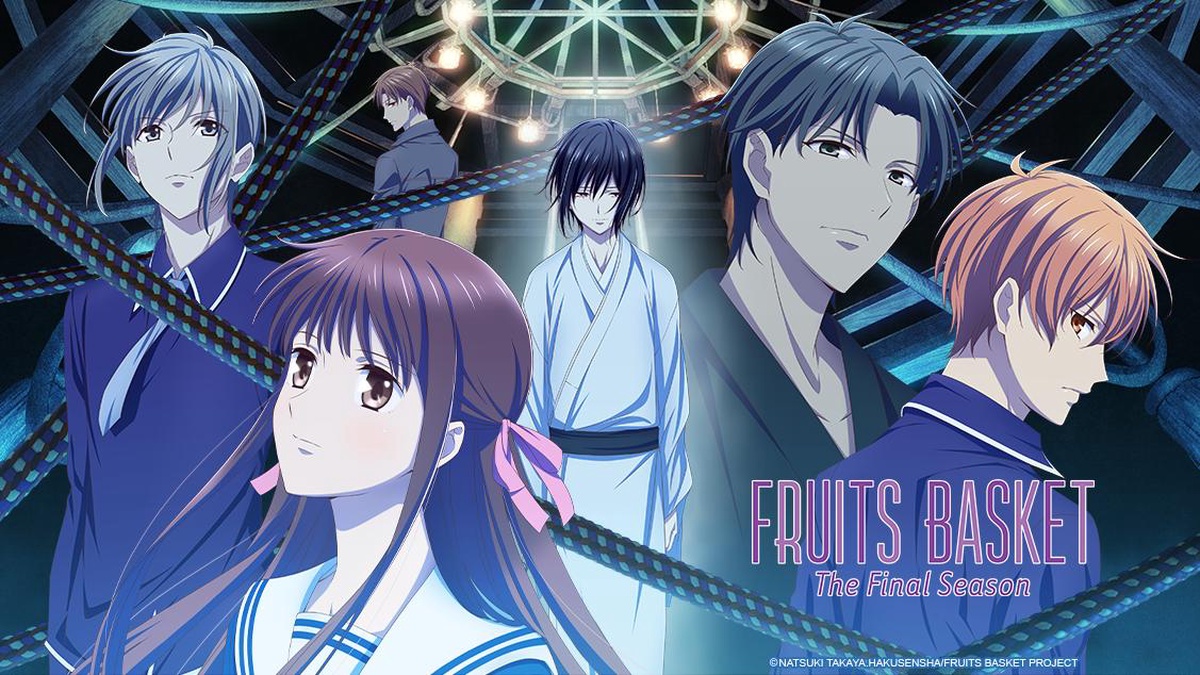
Fruits Basket (Credits: TSM Entertainment)
The conclusion of the series is both heartwarming and cathartic, providing closure to long-standing conflicts while emphasizing the theme of moving forward. Watching the characters find happiness after years of pain is incredibly rewarding, and the final episodes leave a lasting impression.
Unlike many romance or drama anime that struggle to deliver a satisfying conclusion, Fruits Basket ties up its narrative threads beautifully, making it a rare example of a story that ends on a truly fulfilling note.
Fruits Basket is more than just a romance or fantasy anime—it is a deeply touching story about healing, love, and the importance of human connection. Its well-developed characters, emotional storytelling, and meaningful themes make it a standout in the shoujo genre. Whether you are a longtime fan of the manga or new to the series, Fruits Basket offers an unforgettable experience that will stay with you long after the final episode.
10. Tomo-chan Is a Girl!
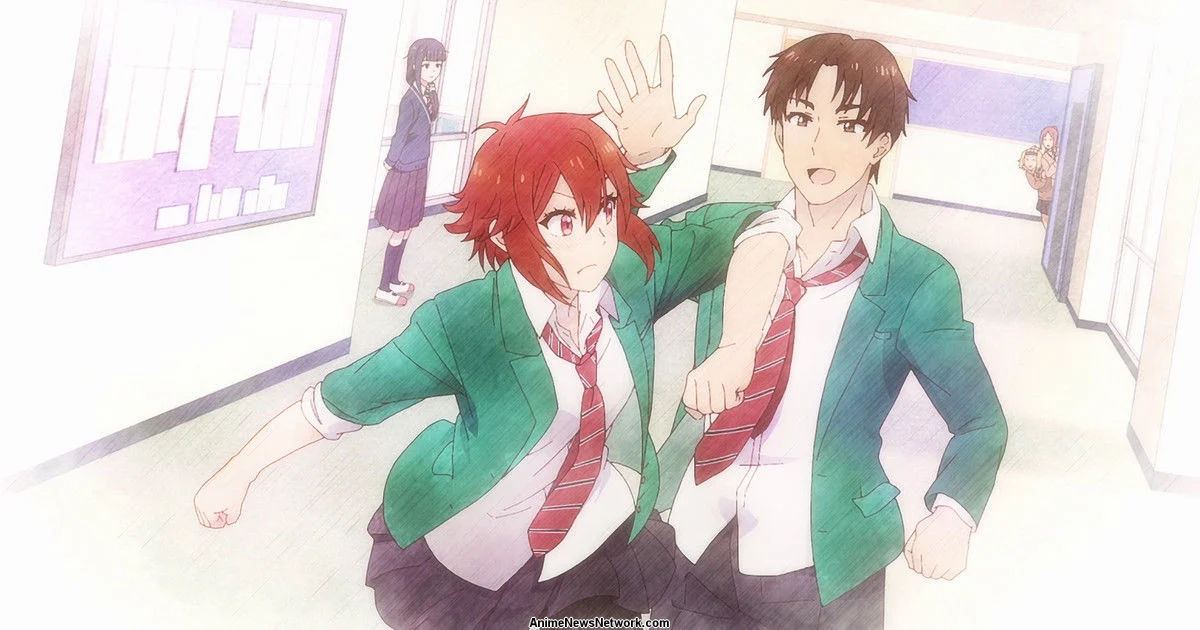
Tomo-chan Is a Girl (Credits: Crunchyroll)
Based on Fumita Yanagida’s popular and completed manga, Tomo-chan Is a Girl! was one of the standout rom-coms of Winter 2023. The series follows Tomo and Jun, who share a close friendship. However, while Tomo harbors romantic feelings for Jun, he only sees her as a buddy, creating comedic tension between them.
Despite its romantic undertones, Tomo-chan Is a Girl! primarily excels as a comedy. The endearing dynamic between Tomo and Jun forms the heart of the humor, complemented by the delightful antics of characters like Misuzu and Carol. Despite the comedic focus, Tomo and Jun’s chemistry develops convincingly over the season, adding depth to their relationship.
Unlike many romance anime, Tomo-chan Is a Girl! succeeds in portraying a believable bond between its leads, making it a refreshing and enjoyable watch for fans of the genre.
9. Toradora!
Toradora
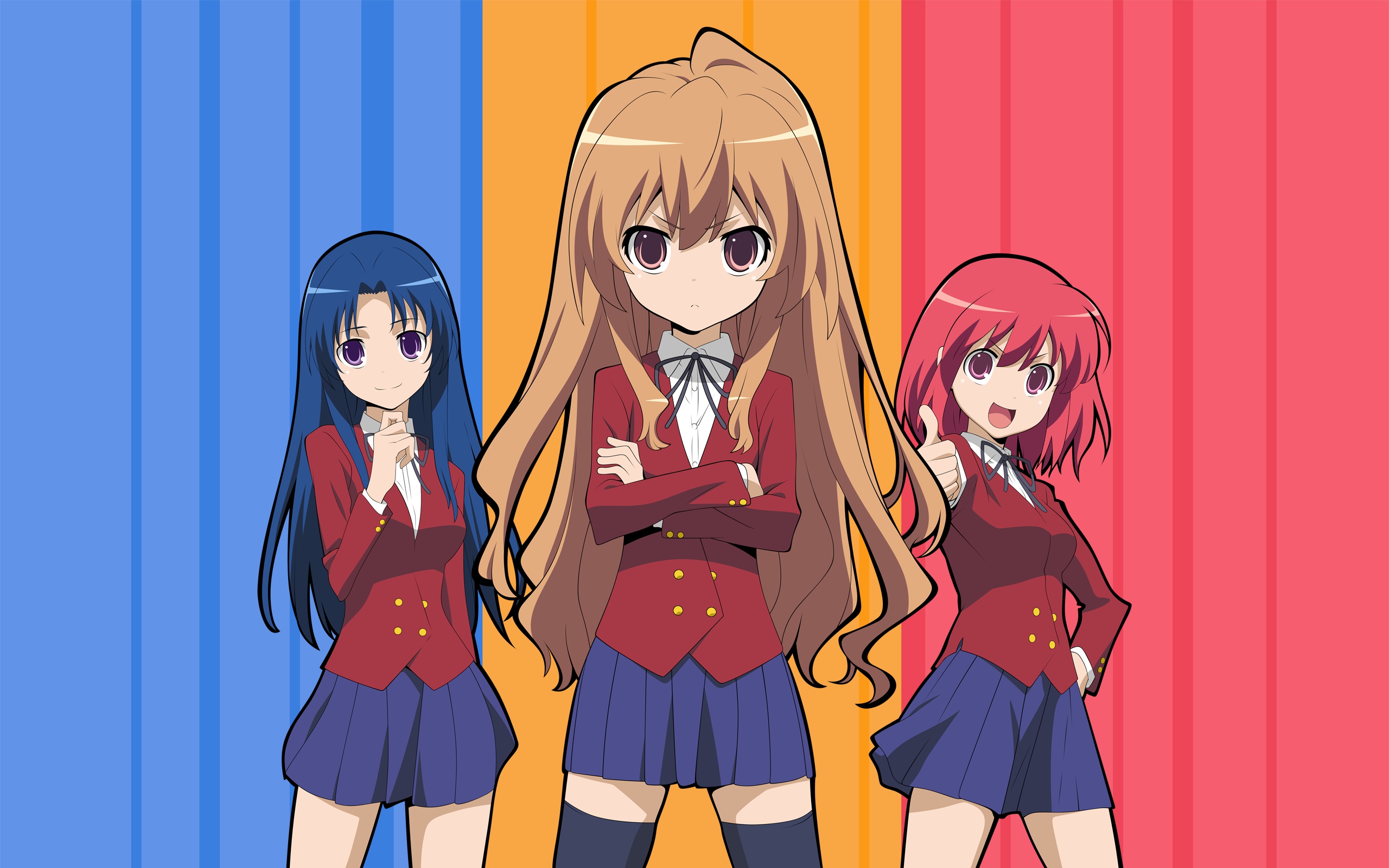
Toradora! is a timeless slice-of-life romantic comedy that serves as an excellent entry point into the genre. The story revolves around Ryuji Yusaku and Taiga Aisaka, two high school students who have crushes on each other’s best friends.
Both Ryuji and Taiga are considered outcasts at school—Ryuji because of his intimidating appearance and Taiga due to her fiery temper. Despite their differences, they form an unlikely alliance to assist each other in their romantic pursuits. The series looks into the dynamic between the two protagonists and the humorous misadventures that ensue as they navigate the complexities of love and friendship.
Unlike many other romantic comedies that rely on clichés and predictable plotlines, Toradora! brings a fresh perspective with its deeply layered characters and realistic exploration of relationships.
Toradora
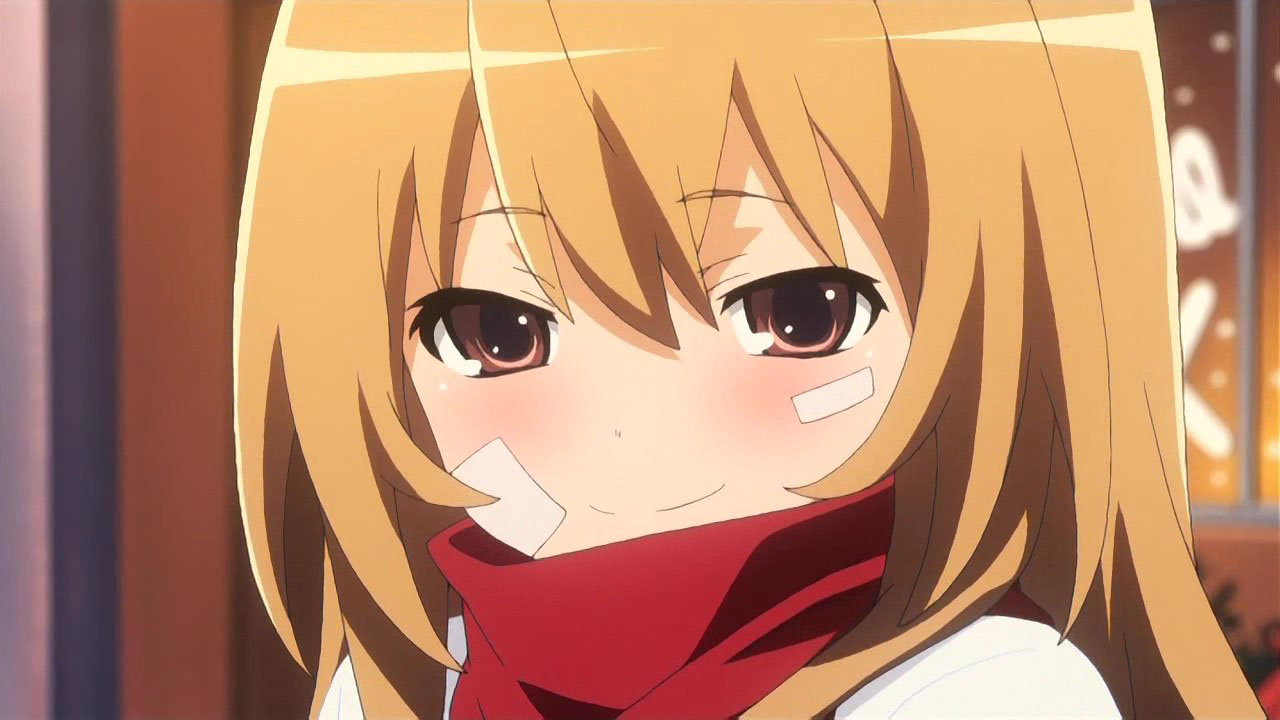
The story follows Ryuuji Takasu, a high school student with an intimidating face that often leads people to mistake him for a delinquent. Despite his fierce appearance, he is actually a kind and responsible person who loves cleaning and cooking.
His life takes an unexpected turn when he crosses paths with Taiga Aisaka, a short but fiery girl known for her aggressive personality and tendency to lash out at others. Taiga, nicknamed the “Palmtop Tiger,” is feared by most of her classmates due to her unpredictable temper, but beneath her tough exterior lies a vulnerable and insecure girl.
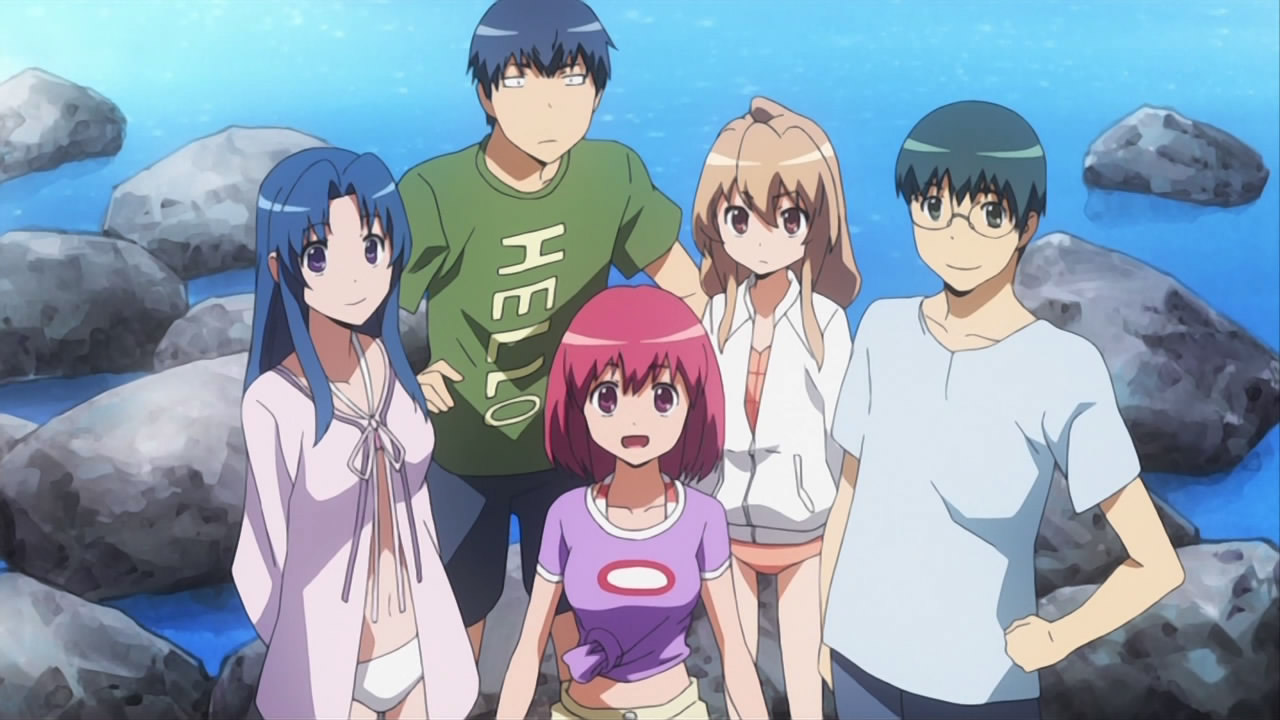
Ryuuji and Taiga initially bond over their shared romantic dilemmas—Ryuuji has feelings for Taiga’s best friend, Minori Kushieda, while Taiga has a crush on Ryuuji’s best friend, Yuusaku Kitamura. In an effort to help each other get closer to their respective crushes, they form an unlikely alliance.
However, as they spend more time together, their relationship takes on new complexities, leading them to question their true feelings. This gradual shift in their emotions is one of the strongest aspects of Toradora!, making the romance feel natural and earned rather than rushed or forced.
Toradora
What sets Toradora! apart from many other romance anime is the depth of its characters. Taiga may initially seem like the typical “tsundere” character—harsh and aggressive on the outside but secretly caring—but as the series progresses, her vulnerabilities become more apparent.
Her difficult home life and fear of abandonment add layers to her personality, making her far more than just a trope. Similarly, Ryuuji defies expectations by being the opposite of what his appearance suggests. His selflessness and maturity make him a refreshing male lead who genuinely cares for those around him.
The supporting characters also play a crucial role in the story’s emotional weight. Minori, who initially seems cheerful and energetic, harbors her own insecurities and fears, while Kitamura’s seemingly carefree nature hides deeper struggles.
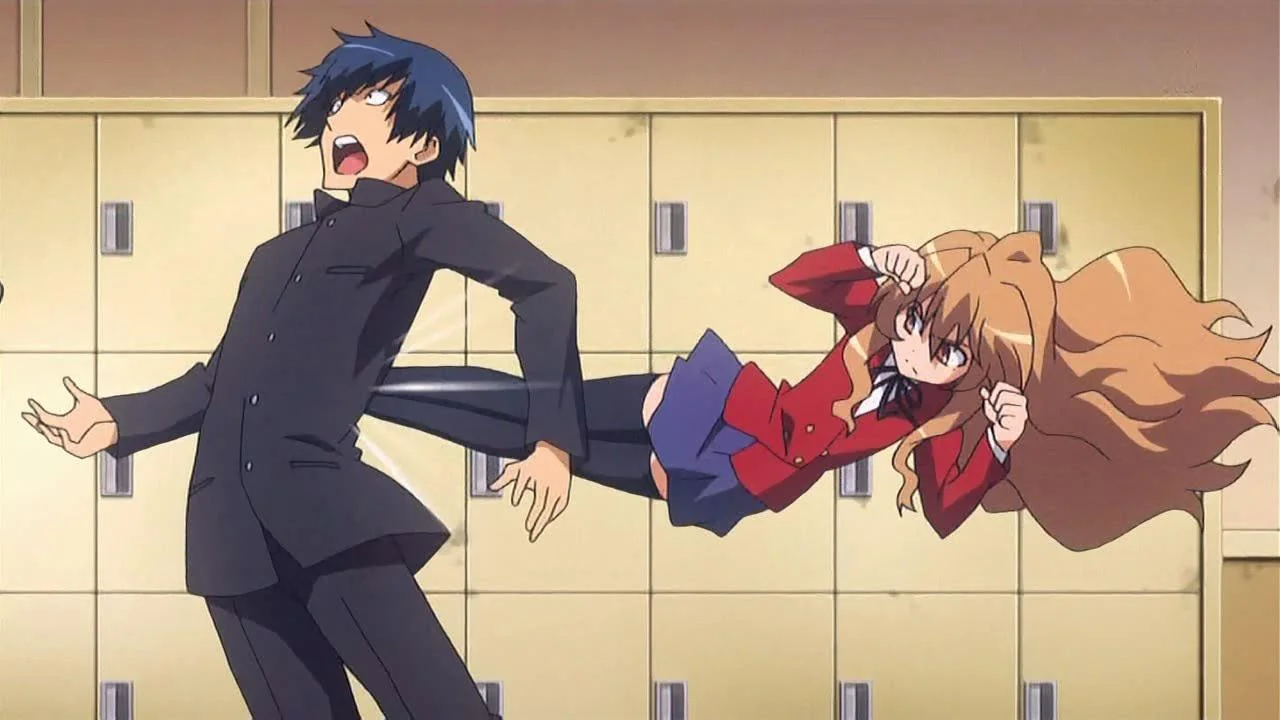
Toradora
Ami Kawashima, a model who appears halfway through the series, brings a new dynamic with her sharp observations and complex personality. Unlike many secondary characters in romance anime who exist just to create love triangles, each of Toradora!’s side characters has a well-developed arc that adds depth to the overall story.
Another standout aspect of Toradora! is its ability to shift between humor and emotional moments seamlessly. The comedy is sharp and well-timed, often coming from the characters’ exaggerated reactions and misunderstandings.
Taiga’s explosive personality and Ryuuji’s exasperation create plenty of hilarious moments, but the humor never overshadows the emotional depth of the series. As the story progresses, the comedic elements gradually give way to more serious themes, such as self-acceptance, family struggles, and the fear of growing up. This transition feels natural rather than abrupt, making the emotional moments hit even harder.
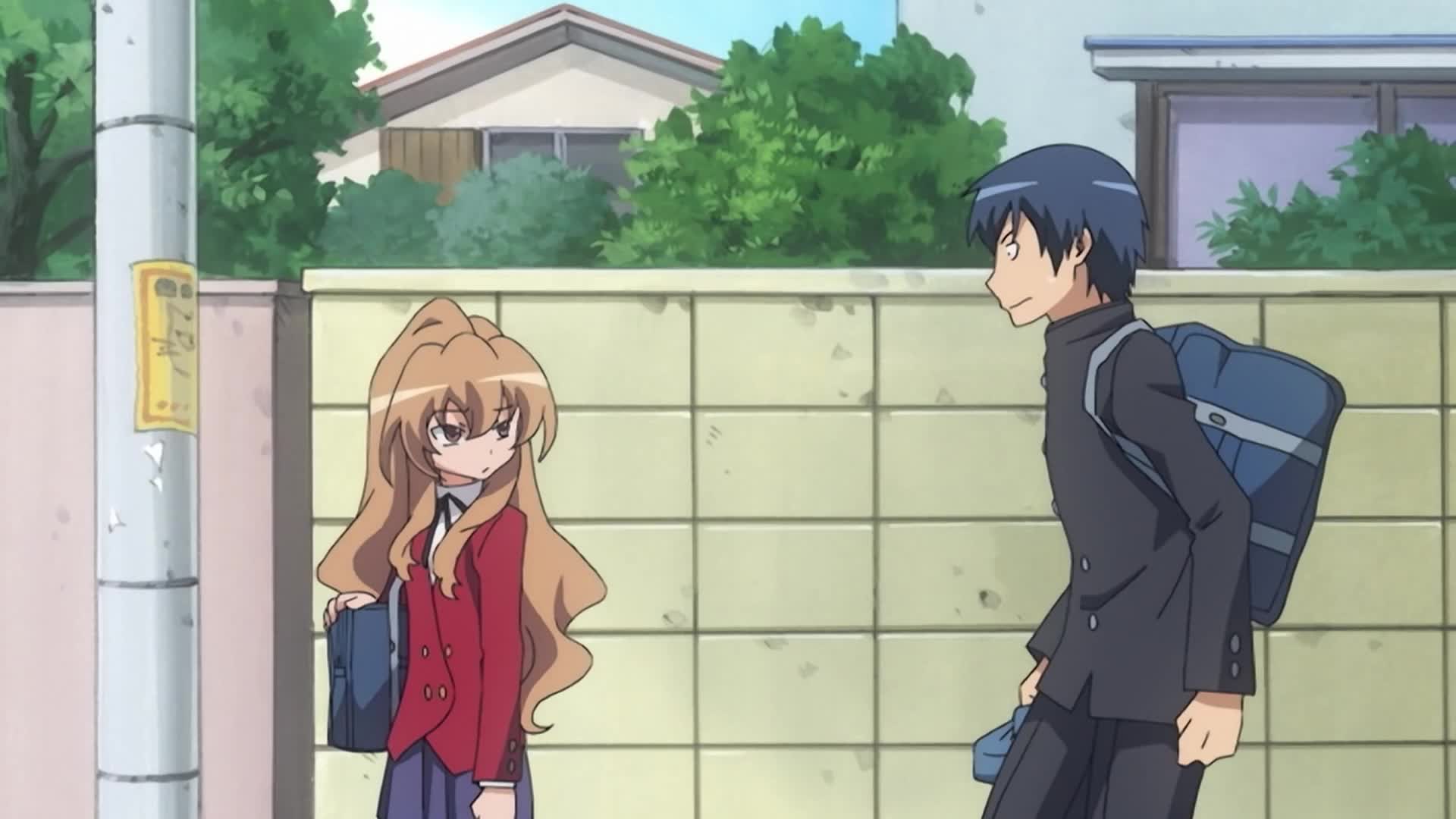
Toradora (Credits: Netflix)
The animation, handled by J.C. Staff, is clean and expressive, perfectly capturing the characters’ emotions. While it may not have the most groundbreaking visuals, the character designs are appealing, and the animation remains consistent throughout.
The series also features a memorable soundtrack that enhances the emotional beats of the story. The opening and ending themes, particularly Silky Heart and Orange, beautifully complement the series’ tone, making them fan favorites even years after the show aired.
As Toradora! reaches its climax, it delivers some of the most heartfelt and emotionally charged moments in romance anime history. The confessions, realizations, and difficult choices the characters face feel incredibly real, making it easy for viewers to connect with them on a personal level.
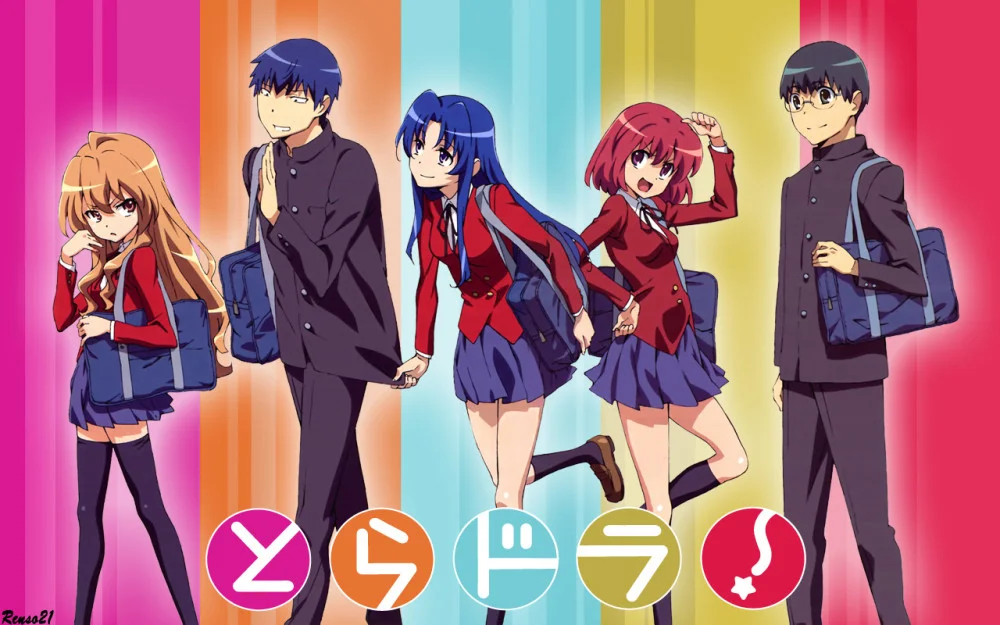
Toradora (Credits: Netflix)
The way the story handles love is not overly idealized but instead acknowledges the confusion, pain, and growth that come with genuine emotions. The ending, while somewhat divisive among fans, stays true to the characters and provides a satisfying conclusion to their journey.
Broadly, Toradora! is much more than just another high school romance—it is a deeply emotional and beautifully crafted story about love, friendship, and personal growth. Its well-developed characters, engaging humor, and heartfelt moments make it a standout in the romance genre.
Whether you’re a fan of romantic anime or just looking for a series with strong storytelling and emotional depth, Toradora! is a must-watch that will stay with you long after the final episode.
8. Rascal Does Not Dream of Bunny Girl Senpai
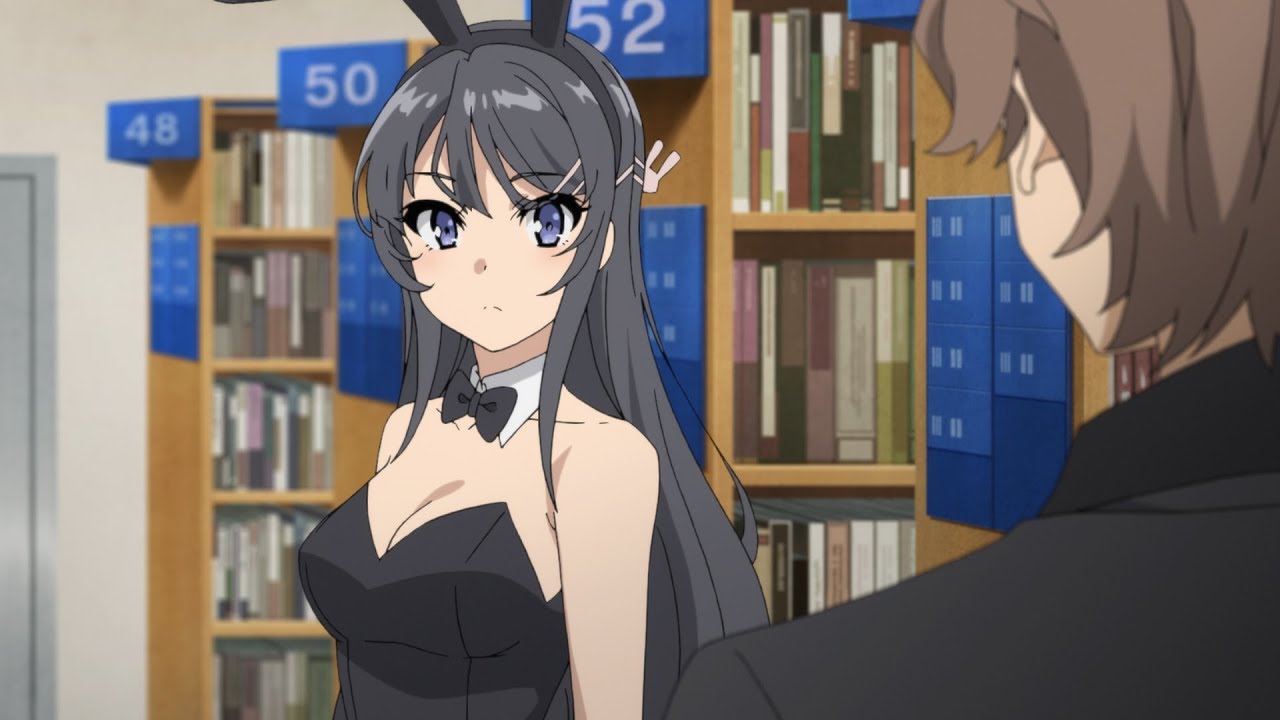
Sakurajima Mai (Credits: Cloverworks)
In Rascal Does Not Dream Of Bunny Girl Senpai, romance takes a backseat while simultaneously being the best part of the series. The anime centers around Sakuta Azusagawa, a high school student who has a knack for encountering girls suffering from Adolescence Syndrome, a condition stemming from their insecurities.
While the series features multiple story arcs focusing on different girls, the standout is the first saga involving Mai Sakurajima, an actress who forms a close bond with Sakuta. The chemistry between Sakuta and Mai is palpable, filled with romantic tension, warmth, and clever banter. Though romance isn’t always the primary focus, their relationship develops beautifully across the remaining arcs, leading to a satisfying conclusion in the feature film sequel.
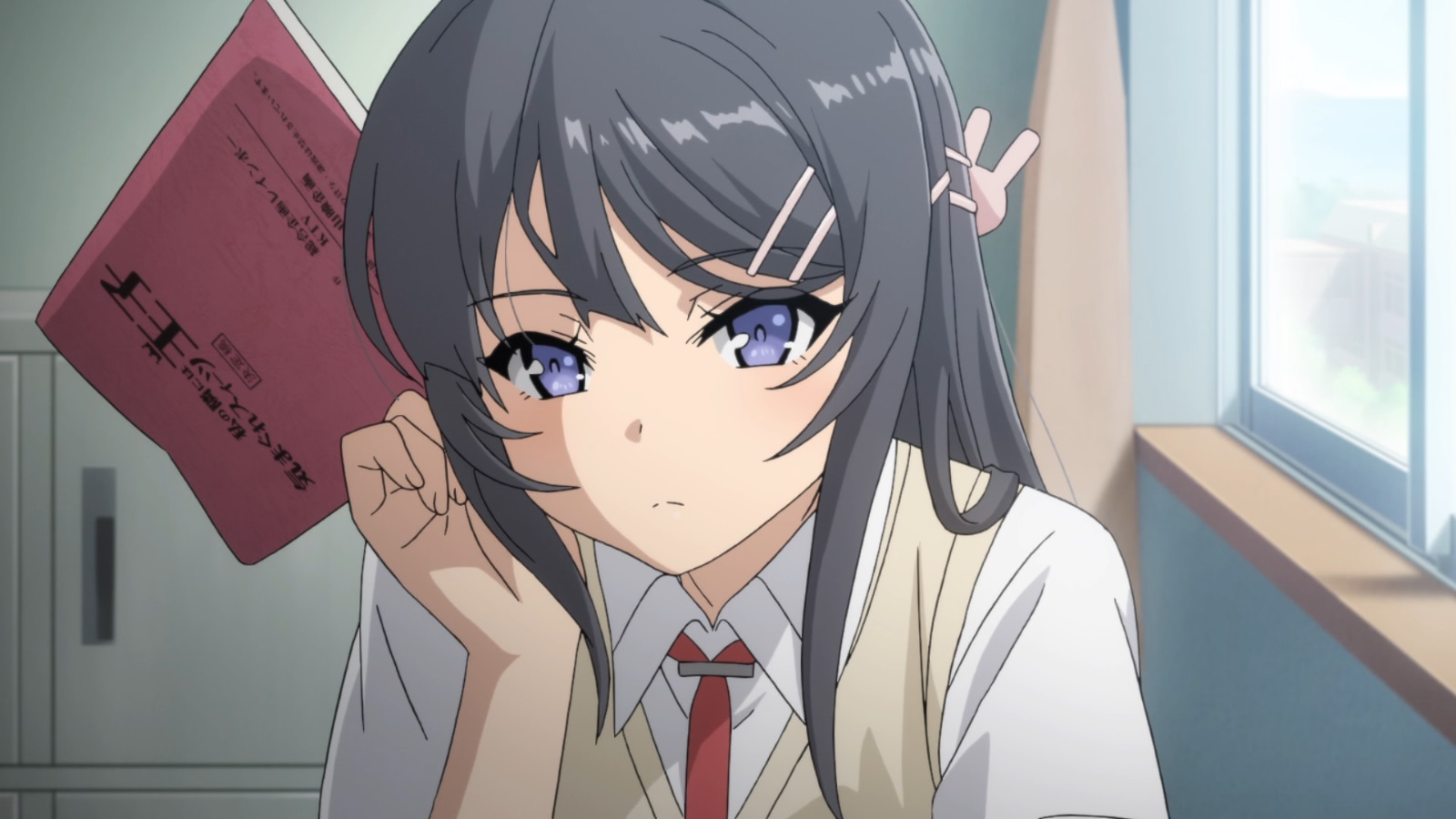
Sakuta and Sakurajima Mai (Credits: Cloverworks)
The anime adaptation, produced by CloverWorks, aired in 2018 and was widely praised for its thought-provoking narrative, strong character development, and emotionally charged storytelling. With a unique blend of romance, mystery, and supernatural elements, the series offers a fresh take on adolescent struggles through the lens of an unusual phenomenon known as “Adolescence Syndrome.”
The story follows Sakuta Azusagawa, a high school student who encounters Mai Sakurajima, a famous actress who mysteriously finds herself becoming invisible to the world. Dressed in a bunny girl outfit to test the extent of her invisibility, Mai crosses paths with Sakuta, who is one of the few people able to see her.
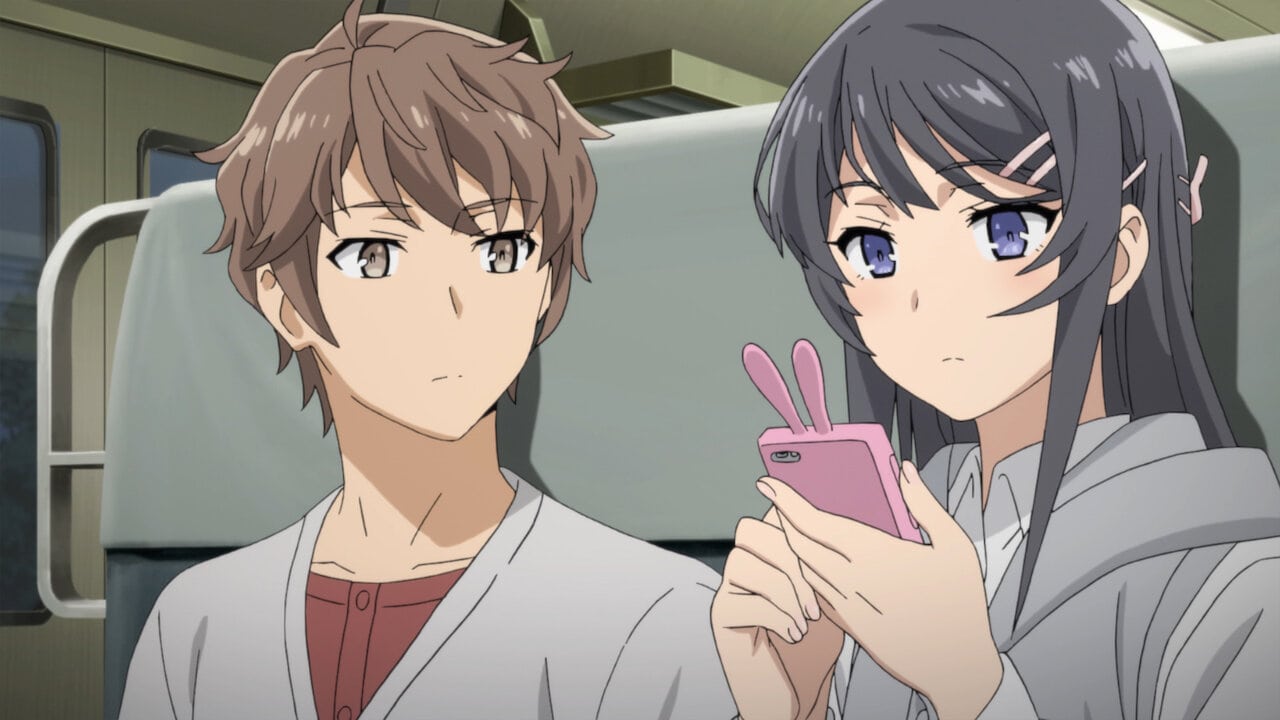
Bunny Girl Senpai
As Sakuta investigates the cause of Mai’s predicament, he discovers that Adolescence Syndrome manifests in various supernatural ways, often tied to the emotions, insecurities, and struggles of teenagers. As he helps Mai and other girls affected by this phenomenon, Sakuta’s journey becomes one of self-discovery, love, and understanding.
One of the strongest aspects of Rascal Does Not Dream of Bunny Girl Senpai is its well-crafted dialogue and deep character interactions. Sakuta’s witty, sarcastic personality makes him an engaging protagonist, while Mai’s strong yet vulnerable character provides a compelling contrast.
Their dynamic is refreshing, as the series avoids many common romantic clichés by presenting a relationship that feels organic and mature. Mai’s struggles with her fading existence serve as a metaphor for the pressures of growing up and the fear of being forgotten, making her character arc particularly poignant.
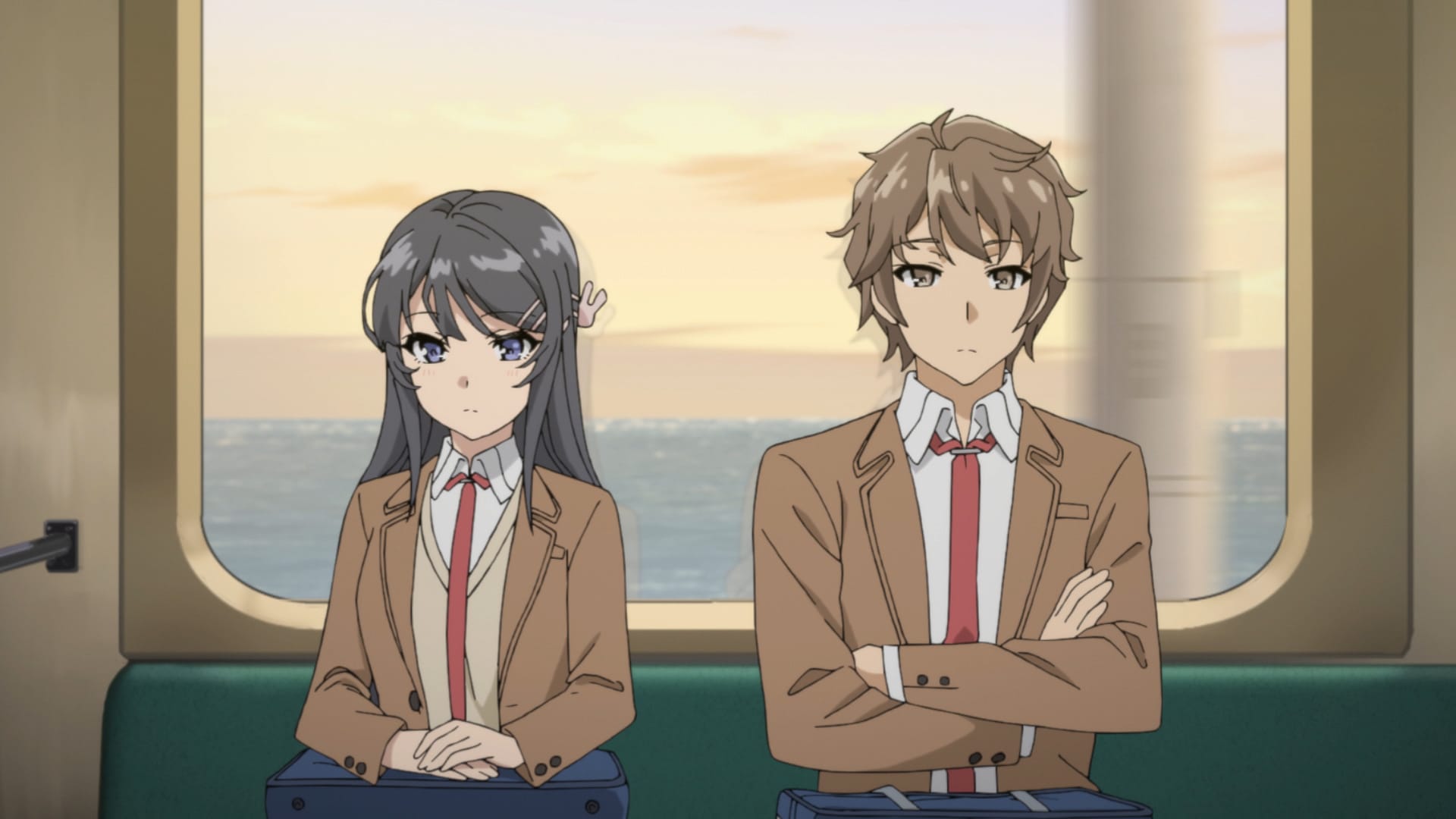
Bunny Girl Senpai
Beyond Mai, the series introduces several other characters dealing with different manifestations of Adolescence Syndrome. From a girl caught in a time loop due to her inability to move forward in life to another who physically duplicates herself due to conflicting identities, each arc explores profound psychological and emotional themes.
The series cleverly intertwines supernatural elements with real-world issues, making its storytelling both and meaningful.
Visually, the anime is well-animated, with clean character designs and subtle yet effective use of supernatural effects to highlight the bizarre nature of Adolescence Syndrome. The animation may not be as flashy as some high-budget productions, but it excels in conveying emotions through facial expressions and body language.
The soundtrack, composed by Fox Capture Plan, further enhances the experience, with a melancholic yet hopeful tone that perfectly complements the series’ themes.
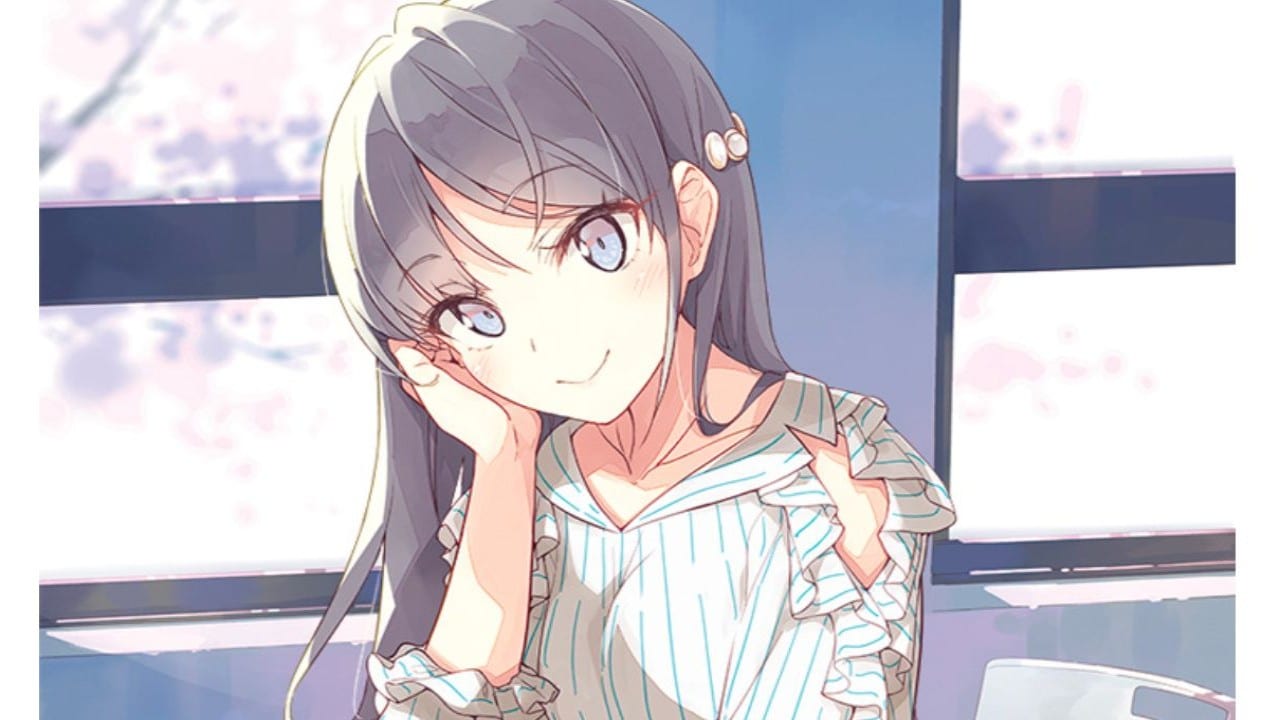
Sakurajima Mai (Credits: Cloverworks)
The movie sequel, Rascal Does Not Dream of a Dreaming Girl, continues Sakuta’s journey, diving deeper into his past and introducing an even more emotional and complex conflict. The film expands on the themes of love, sacrifice, and the pain of moving forward, making it an essential watch for fans of the series.
Generally, Rascal Does Not Dream of Bunny Girl Senpai is more than just its eye-catching title—it is a deeply emotional and thought-provoking series that blends supernatural mystery with heartfelt romance.
Its strong character development, engaging dialogue, and meaningful themes make it stand out among other romance anime. For those looking for a series that combines witty humor, psychological depth, and emotional storytelling, this anime is a must-watch.
7. My Happy Marriage
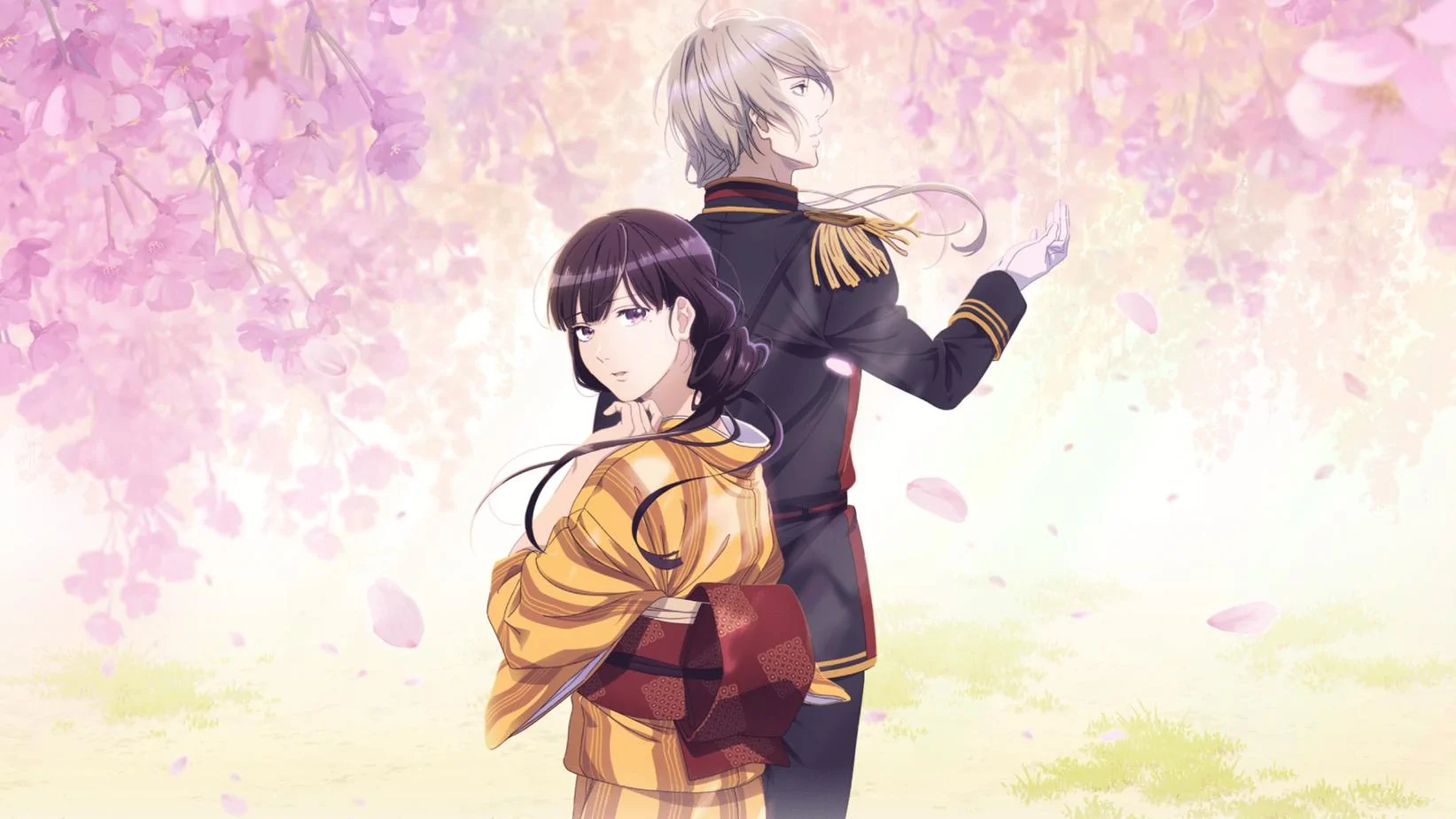
My Happy Marriage (Credits: Netflix)
My Happy Marriage emerged as the standout romance anime of Summer 2023, offering a unique blend of historical setting and supernatural elements drawn from Akumi Agitogi’s novel series. Set against an alternative version of the Meiji Restoration era, the story follows Miyo, who endures a tumultuous existence under the oppressive rule of her stepmother, stepsister, and father.
When her family attempts to rid themselves of her by arranging a marriage with the notorious military figure Kiyoka, Miyo’s fate hangs in the balance. However, contrary to expectations, Kiyoka not only takes an interest in Miyo but becomes fascinated by her and incensed by her family’s mistreatment.
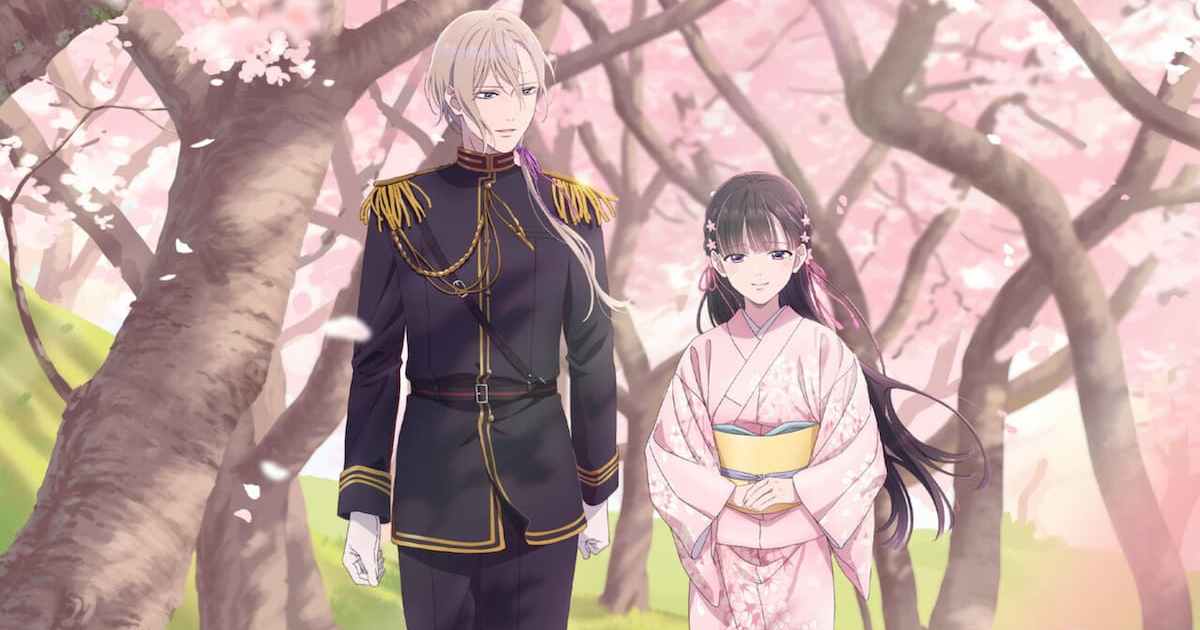
My Happy Marriage (Credits: TBS Sparkle)
My Happy Marriage doesn’t shy away from depicting the lasting impact of Miyo’s abuse, portraying her journey toward healing and self-worth within the safety of Kiyoka’s care. Meanwhile, Kiyoka himself emerges as a complex character with hidden motives underlying his initial attraction to Miyo, although his genuine feelings for her gradually become apparent.
While the central romance between Miyo and Kiyoka is portrayed with sweetness and warmth, My Happy Marriage falls short in certain aspects. The inclusion of supernatural elements can sometimes feel discordant, and the antagonists, while detestable, lack depth beyond their villainous roles. Despite these shortcomings, the anime offers a compelling and heartwarming exploration of love and resilience amidst adversity.
6. Wotakoi: Love is Hard for Otaku
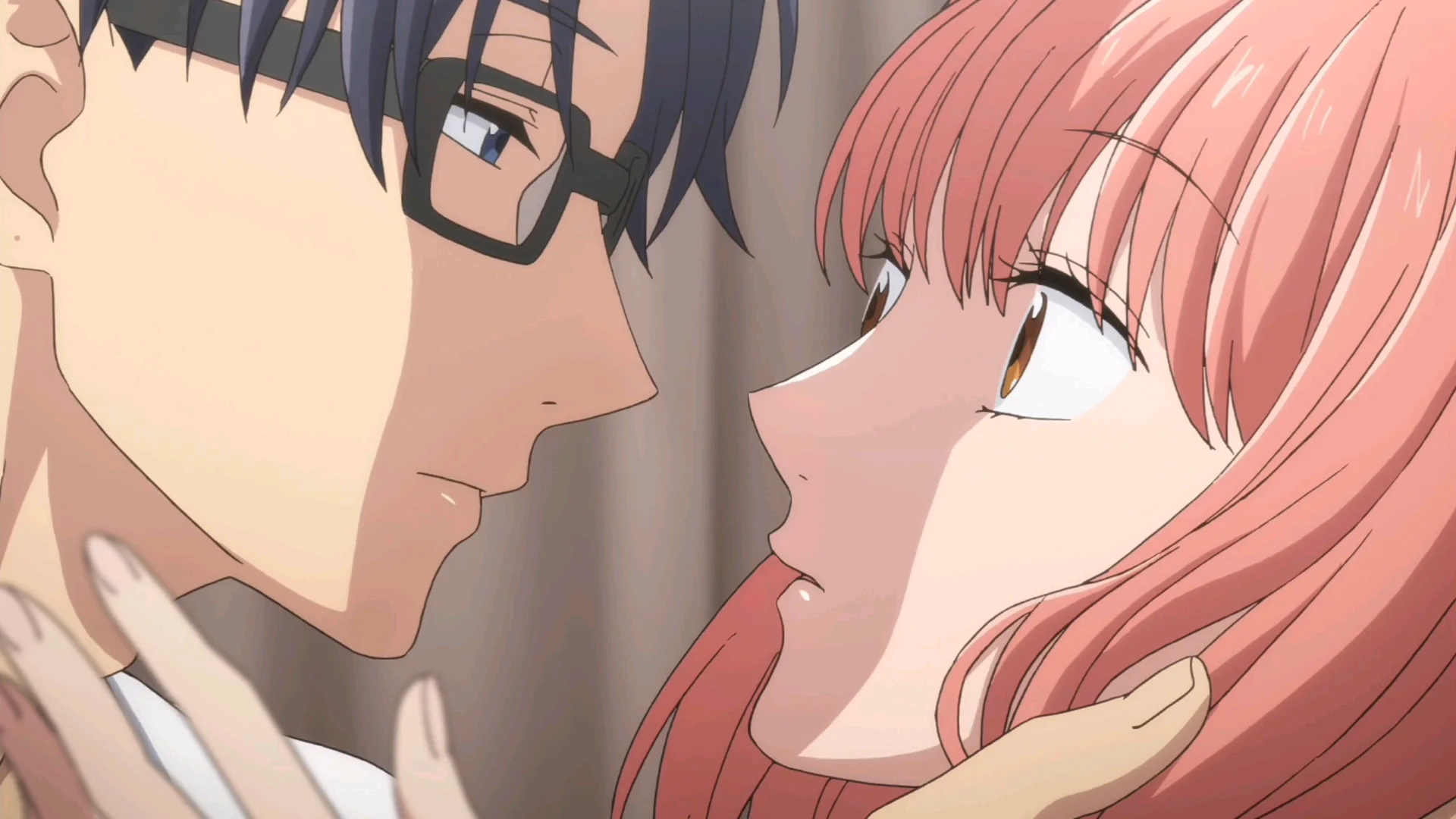
Wotakoi: Love is Hard for Otaku (Credits: A-1 Pictures)
Although humor takes precedence over romance in Wotakoi, the relationships are depicted with a refreshing sense of realism, particularly in the case of Tarou and Hanako. Despite being childhood friends, Narumi’s uncertainty about seeing Hirotaka as a romantic partner remains a recurring theme throughout the series.
While the anime’s short length limits the depth of exploration into these relationships, Wotakoi: Love is Hard for Otaku remains an enjoyable and entertaining ride from start to finish. It offers a unique perspective on romance in the workplace and provides relatable insights into the challenges and joys of navigating relationships as adults.
“Wotakoi: Love is Hard for Otaku” (Wotaku ni Koi wa Muzukashii) is a Japanese romantic comedy manga series written and illustrated by Fujita. The series began serialization on the pixiv website in 2014 before being acquired by Ichijinsha for publication in their Comic Pool magazine.
The popularity of the manga led to an anime adaptation by A-1 Pictures in 2018. “Wotakoi” stands out for its humorous yet heartfelt portrayal of adult relationships, particularly focusing on the lives of otaku, or individuals with obsessive interests, typically in anime, manga, or gaming.
“Wotakoi” follows the lives of Narumi Momose and Hirotaka Nifuji, two childhood friends who reconnect as adults working at the same office. Narumi, a fujoshi (a female fan of yaoi), has just started a new job after her previous boyfriend dumped her upon discovering her otaku tendencies.
Hirotaka, a hardcore gamer, has always had feelings for Narumi. When Narumi confides in Hirotaka about her struggles with dating as an otaku, he suggests they date each other since they understand each other’s lifestyle.

Wotakoi: Love is Hard for Otaku (Credits: A-1 Pictures)
Their relationship serves as the main plot thread, exploring the comedic and romantic aspects of dating within the otaku subculture. Alongside them are their colleagues and fellow otaku couple, Hanako Koyanagi, a cosplayer, and Tarou Kabakura, a closet otaku. The series goes into the dynamics of these relationships, offering a refreshing look at romance among adults who share niche hobbies.
“Wotakoi” is rich with themes that resonate with a wide audience, particularly those familiar with otaku culture. Here are some key themes explored in the series:
The series highlights the importance of accepting and understanding each other’s interests and quirks in a relationship. Narumi and Hirotaka’s relationship thrives because they embrace each other’s otaku lifestyle. This theme is central to the narrative, emphasizing that mutual respect and shared interests can strengthen romantic bonds.
Unlike many romantic comedies that focus on high school or college relationships, “Wotakoi” portrays romance among working adults. This shift in perspective brings a unique maturity to the series. The characters deal with real-life issues such as balancing work and personal life, managing adult responsibilities, and navigating the complexities of dating as grown-ups.
The series offers an insightful look into otaku culture, portraying it with humor and affection. It explores different facets of being an otaku, from gaming and cosplay to manga and anime fandom. Through its characters, “Wotakoi” addresses the challenges and stigmas otaku often face in society, promoting a message of acceptance and self-identity.
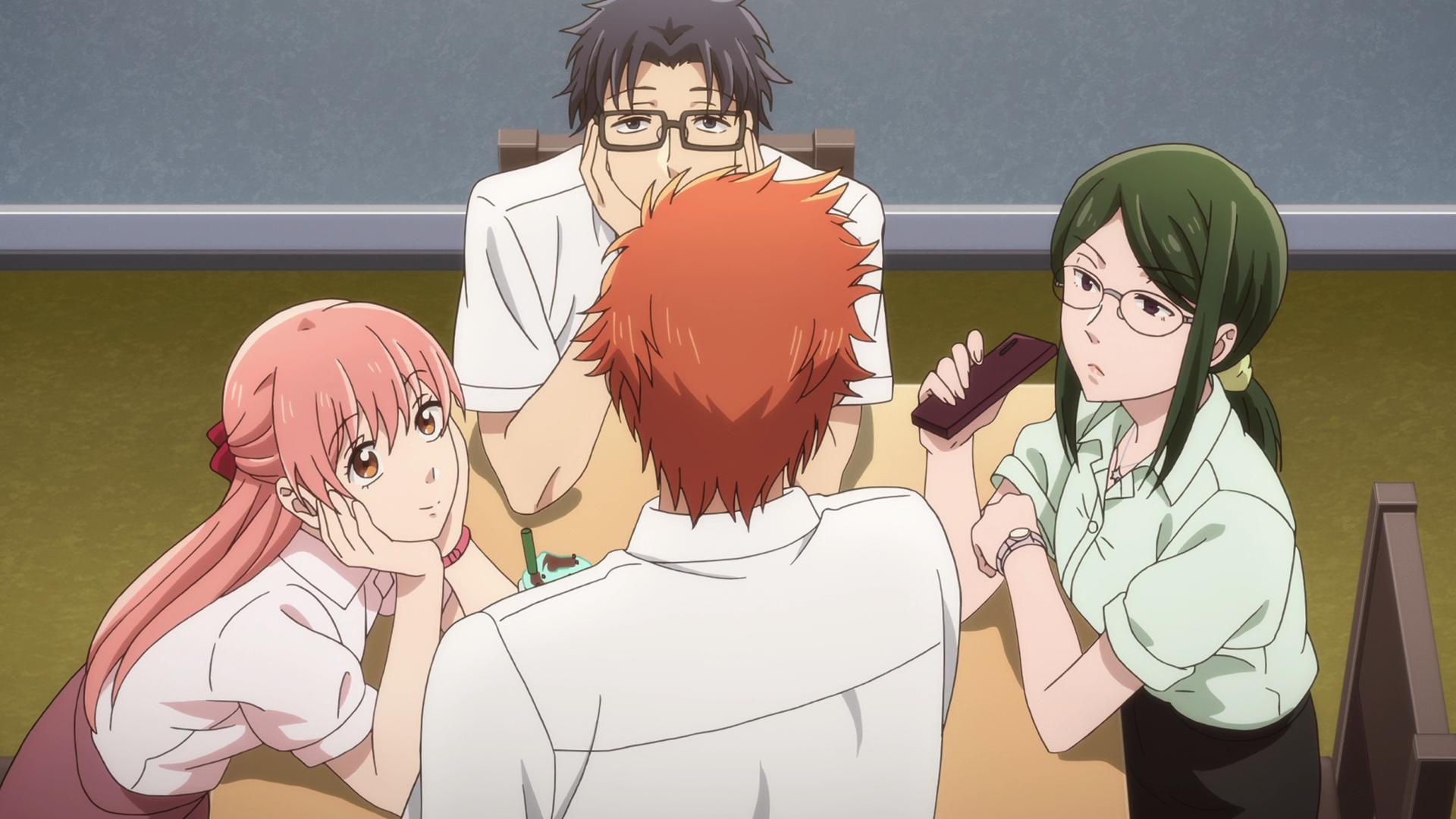
Wotakoi: Love is Hard for Otaku (Credits: A-1 Pictures)
Friendship plays a significant role in “Wotakoi.” The camaraderie among the main characters adds depth to the story. Their interactions are filled with playful banter, mutual support, and shared experiences, creating a warm and engaging atmosphere. This theme underscores the idea that friendships can be just as enriching as romantic relationships.
The characters in “Wotakoi” are well-developed and relatable, each bringing their unique personality and charm to the story.
Narumi is an energetic and cheerful office worker who hides her fujoshi tendencies from most people. Her struggles with maintaining a balance between her public and private personas make her a relatable character. Her relationship with Hirotaka evolves from friendship to romance, highlighting her growth and acceptance of her otaku identity.
Hirotaka is a stoic and dedicated gamer who has harbored feelings for Narumi since childhood. His calm demeanor contrasts with Narumi’s bubbly personality, creating a dynamic and complementary relationship. Hirotaka’s journey is one of learning to express his emotions and becoming more open in his relationship with Narumi.
Hanako is a confident and fashionable office worker who enjoys cosplaying as male characters. Her strong-willed and sometimes tsundere personality adds a layer of complexity to her character. Hanako’s relationship with Tarou provides a humorous yet realistic portrayal of a couple with contrasting interests and personalities.
Tarou, despite his gruff exterior, is a caring and supportive partner to Hanako. He is a closet otaku who enjoys reading manga. His interactions with Hanako are often filled with playful arguments, reflecting a realistic depiction of a long-term relationship where both partners have strong personalities.
Naoya is Hirotaka’s younger brother, who is outgoing and sociable, contrasting sharply with Hirotaka’s introverted nature. Naoya’s presence adds another dimension to the series, showcasing different aspects of otaku culture through his own budding interest in gaming and his interactions with Ko Sakuragi, another gamer.
Ko is a shy and introverted gamer who becomes friends with Naoya. Her character arc involves gaining confidence and finding her place within the group. Ko’s development highlights the series’ theme of self-acceptance and the positive impact of supportive friendships.
A-1 Pictures’ adaptation of “Wotakoi” is visually appealing, with vibrant and clean animation that captures the essence of the characters and their interactions. The character designs are faithful to the manga, and the animation effectively conveys the humor and emotional moments of the story. The use of color and detailed backgrounds add depth to the scenes, enhancing the viewing experience.
The anime’s visual style balances realism with the whimsical aspects of otaku culture, often incorporating playful chibi sequences and exaggerated expressions to emphasize comedic moments. This stylistic choice aligns well with the series’ tone, making the humor more engaging and relatable.
The series’ soundtrack, composed by Akimitsu Honma, complements the narrative with its lighthearted and cheerful melodies. The opening theme, “Fiction” by Sumika, is particularly catchy and sets a lively tone for the episodes. The ending theme, “Kimi no Tonari” by Halca, provides a soothing conclusion to each episode, reflecting the warmth and comfort of the characters’ relationships.
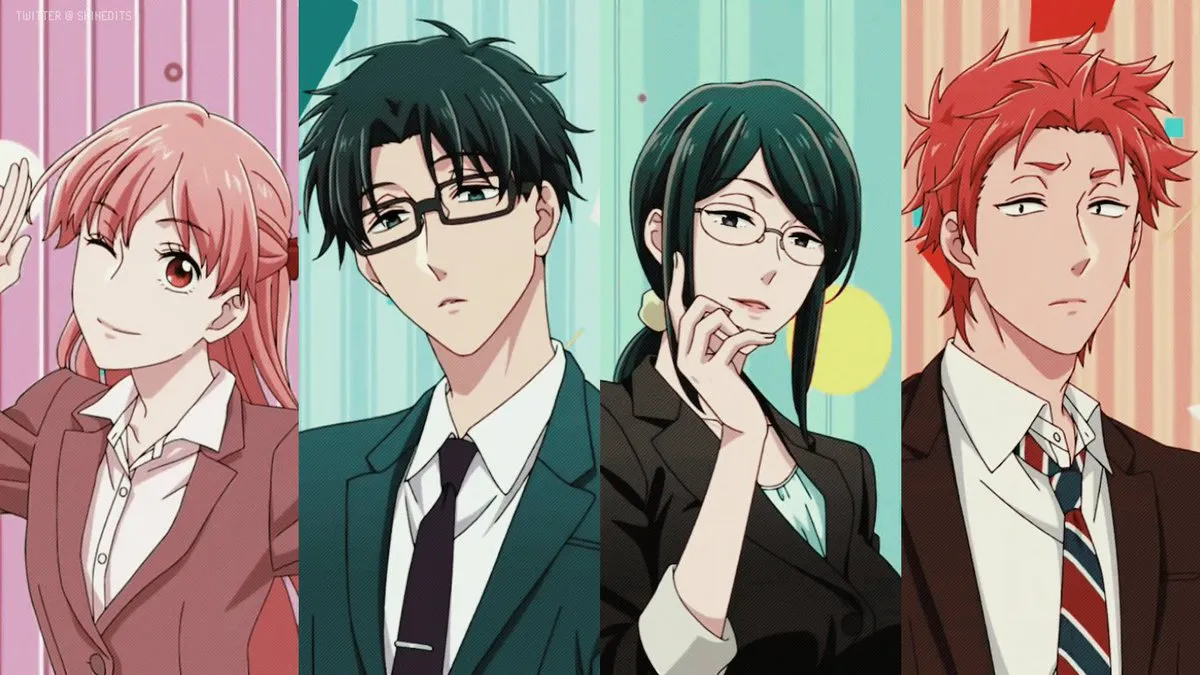
Wotakoi: Love is Hard for Otaku (Credits: A-1 Pictures)
Voice acting is another highlight, with Arisa Date (Narumi), Kent Itou (Hirotaka), Miyuki Sawashiro (Hanako), and Tomokazu Sugita (Tarou) delivering standout performances. Their ability to bring out the characters’ personalities and emotions adds depth and authenticity to the series, making the interactions more engaging and enjoyable.
“Wotakoi: Love is Hard for Otaku” is a charming and relatable series that offers a fresh perspective on romance and otaku culture. Its well-developed characters, humorous yet heartfelt narrative, and insightful themes make it a standout in the romantic comedy genre. By focusing on adult relationships and the nuances of being an otaku, the series provides a unique and engaging viewing experience.
Whether you are a fan of romantic comedies, interested in otaku culture, or simply looking for a series with well-rounded characters and a compelling story, “Wotakoi: Love is Hard for Otaku” is a must-watch. Its ability to balance humor with emotional depth and its celebration of diverse interests and personalities make it a timeless and universally appealing story.
5. Maid Sama
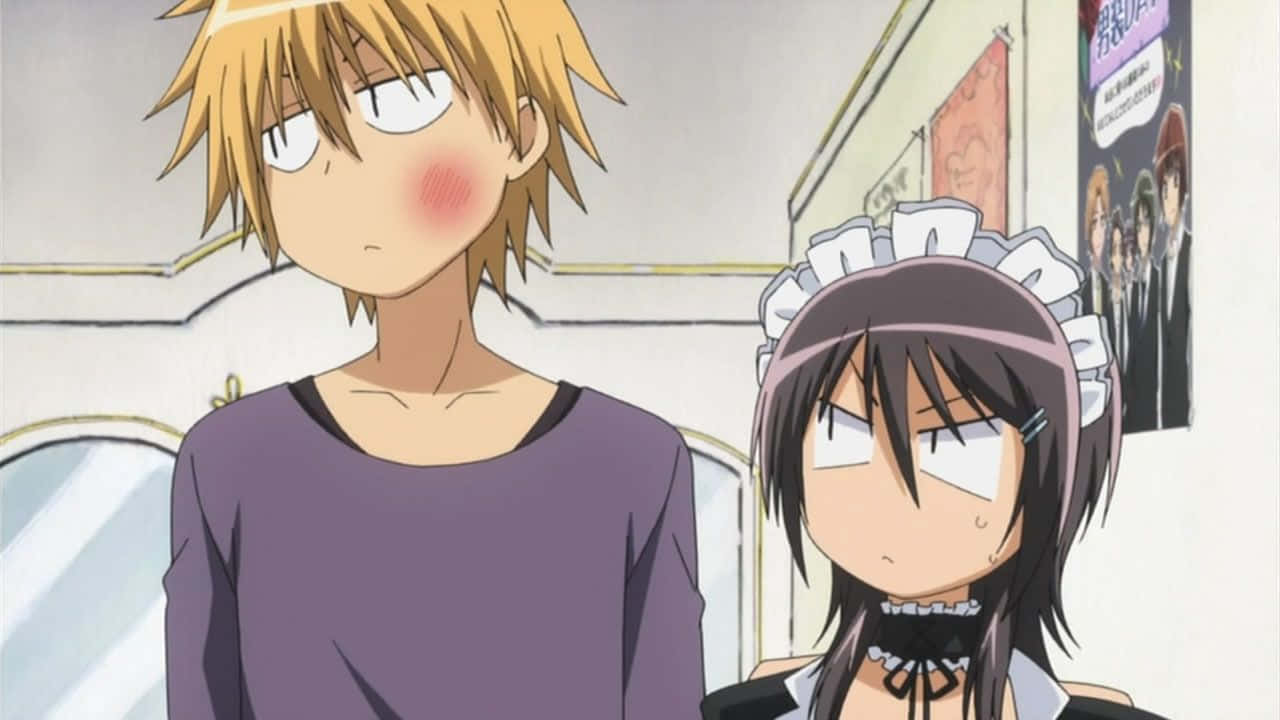
Maid Sama
Maid Sama! may feature some clichéd tropes that would normally detract from a romance anime, such as the flawless male lead and the damsel-in-distress portrayal of the female protagonist. Additionally, the introduction of a love triangle adds little to the plot. However, despite these shortcomings, Maid Sama! manages to shine through its vibrant personality.
At its core, Maid Sama! centers around the dynamic between Takumi Usui, the charming heartthrob, and Misaki Ayuzawa, the strong-willed student council president. While Takumi navigates life with ease, Misaki must juggle her responsibilities at school, home, and work. When Takumi discovers Misaki’s part-time job at a maid cafe, it offers him a look into a different side of her personality.
Despite its flaws, Maid Sama! fascinates audiences with its engaging characters and lively interactions, making it a worthwhile watch for fans of romance anime.
4. Love, Chunibyo & Other Delusions
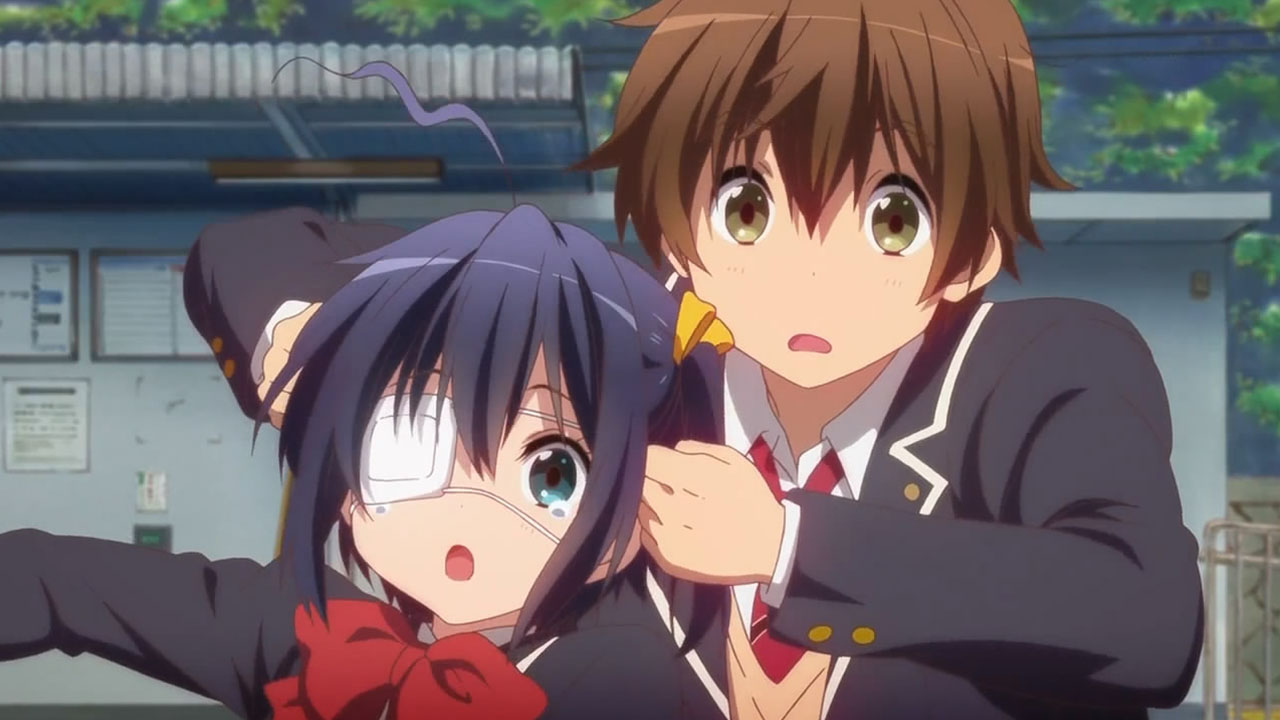
Love, Chunibyo, And Other Delusions!
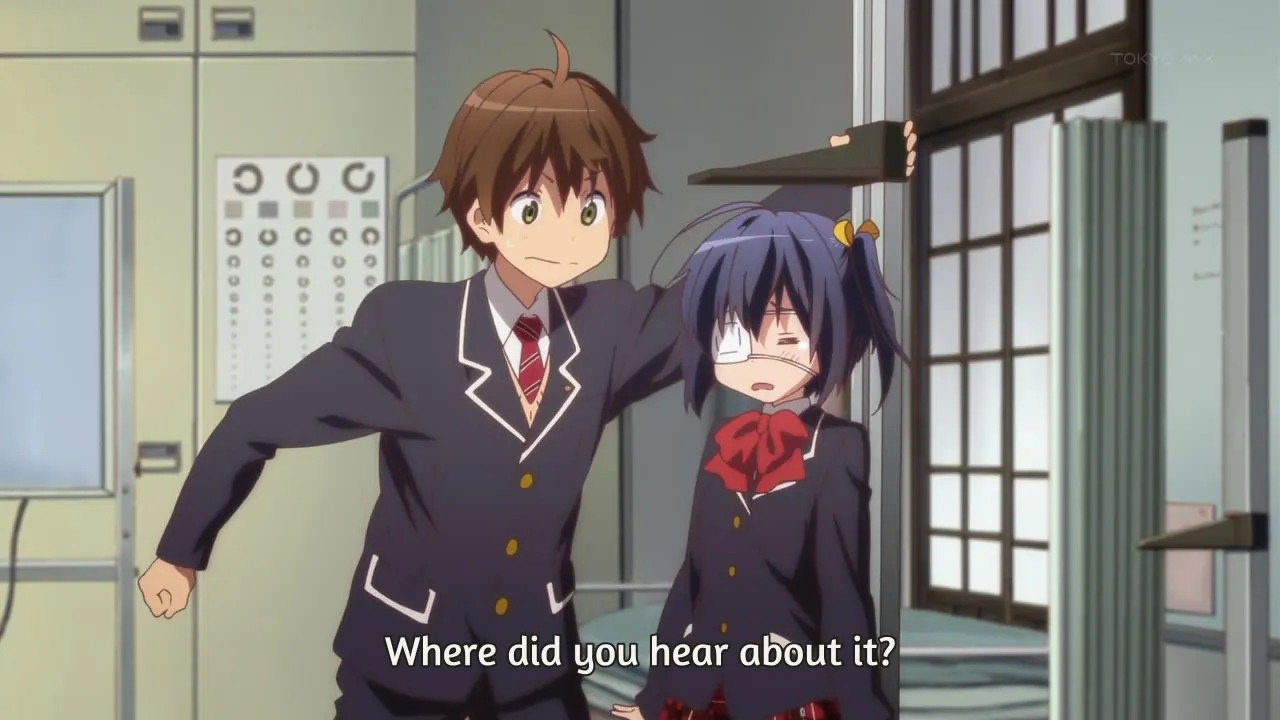
Kyoto Animation has produced a plethora of beloved anime series, and among them, Love, Chunibyo & Other Delusions! holds a special place. The series revolves around a phenomenon known as Chunibyo, which refers to adolescents who harbor grandiose and unrealistic delusions.
After outgrowing his own Chunibyo phase, Yuta Togashi strives for a normal high school experience. However, his plans are thrown into disarray when a classmate, Rikka Takanashi, resurfaces memories of his past and attempts to draw him back into Chunibyo with her own fantastical delusions. Through their evolving relationship, Yuta looks into the origins of Rikka’s delusions, looking the complexities of her psyche along the way.
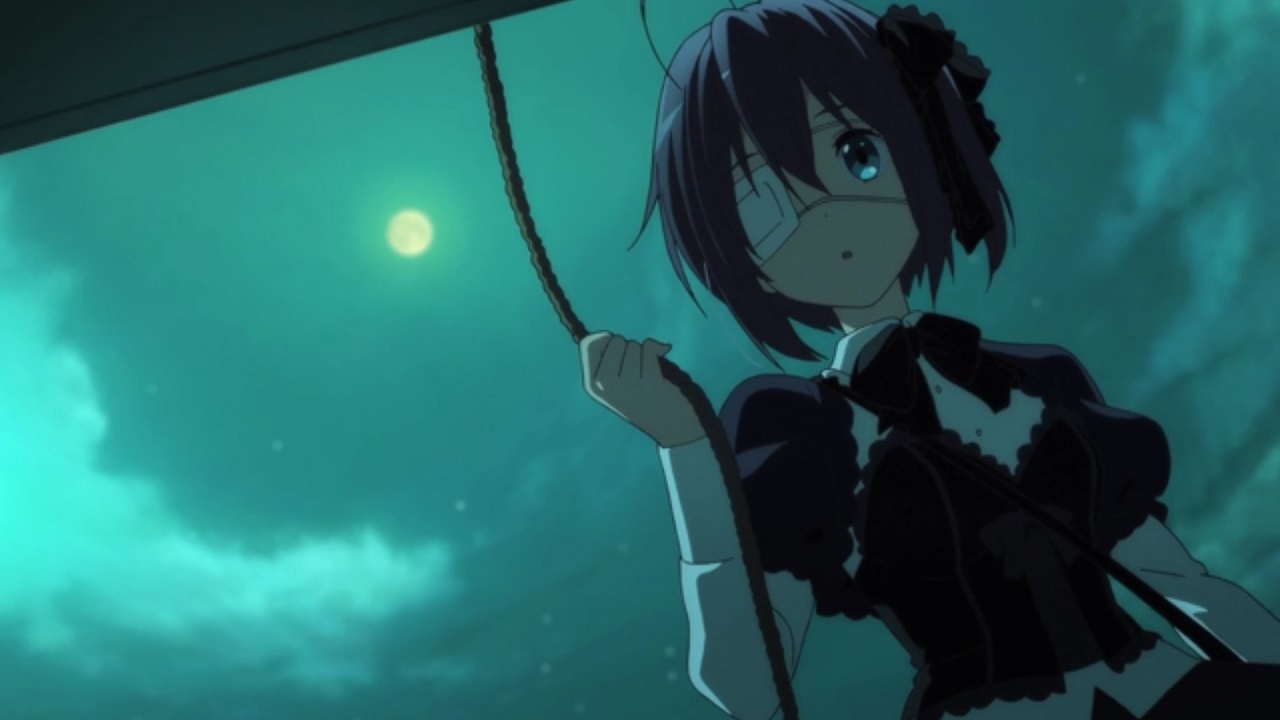
Love, Chunibyo, And Other Delusions!
The story centers around Yūta Togashi, a high school student who once suffered from “chunibyo,” a condition where adolescents believe they have supernatural powers or are part of a fantastical world. Determined to leave his embarrassing past behind, Yūta starts high school at a new place where no one knows him. However, his hopes for a normal life are dashed when he meets Rikka Takanashi, a girl who is still deeply immersed in her own chunibyo fantasies.
Rikka believes she possesses the “Wicked Eye” and lives in a world of magic and intrigue. Intrigued by Yūta’s past persona as the “Dark Flame Master,” she quickly attaches herself to him. Despite his initial reluctance, Yūta finds himself drawn into Rikka’s delusional world, and the two form a bond that helps them navigate the complexities of adolescence and self-acceptance.
“Love, Chunibyo & Other Delusions” is rich with themes that explore the nature of adolescence, fantasy, and reality. Here are some key themes the series goes into:
The series poignantly captures the struggles of adolescence, a time when individuals grapple with their identity and place in the world. Yūta’s desire to shed his chunibyo past and Rikka’s refusal to abandon her fantasies highlight the tension between childhood innocence and the expectations of adulthood. The show explores how these characters come to terms with their past selves while forging a new identity.
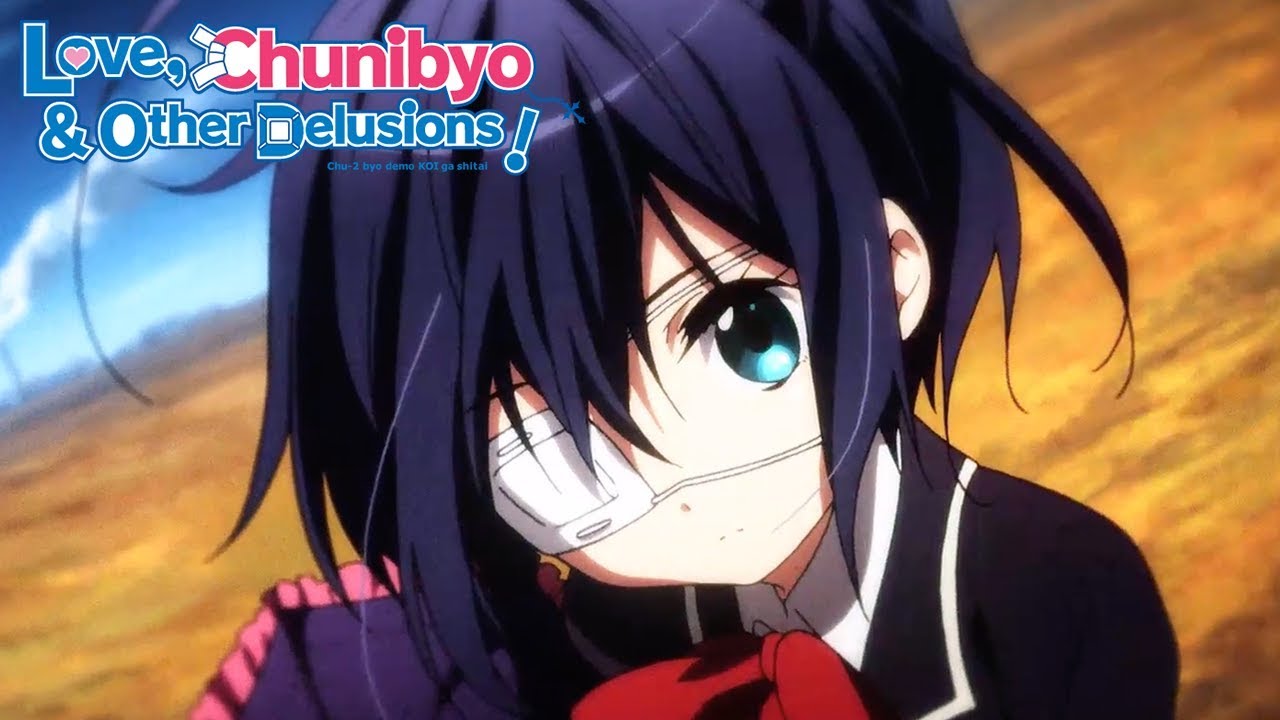
Love, Chunibyo, And Other Delusions!
Chunibyo is portrayed as a form of escapism, a way for adolescents to cope with the mundane or painful aspects of reality. Rikka’s elaborate fantasies serve as a shield against her emotional pain, particularly the loss of her father. The series sympathetically examines how fantasy can be a coping mechanism while also emphasizing the importance of balancing it with reality.
At its core, the series is about acceptance—accepting oneself, one’s past, and others. Yūta and Rikka’s relationship develops as they learn to understand and accept each other’s quirks and delusions. This theme resonates with viewers who have ever felt misunderstood or judged for their interests or past actions.
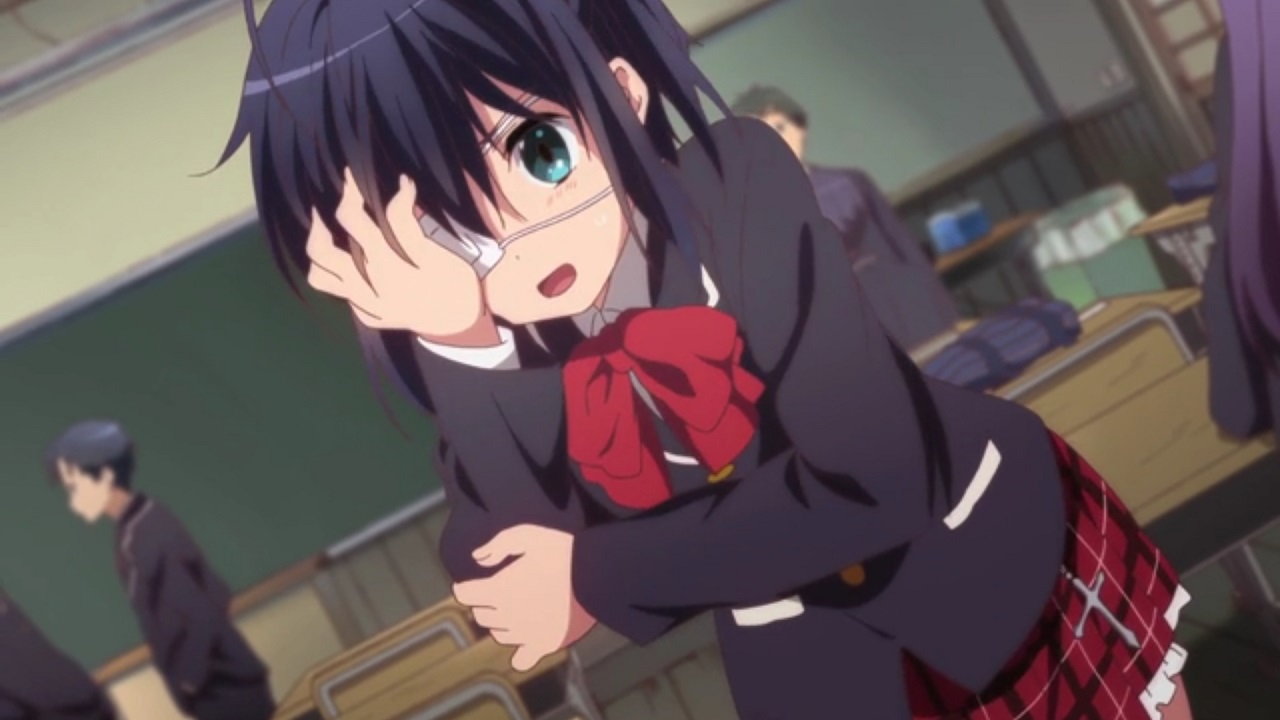
Love, Chunibyo, And Other Delusions!
Throughout the series, characters experience significant personal growth. Yūta learns to embrace his past rather than be ashamed of it, while Rikka gradually confronts her feelings of grief and loss. The show beautifully illustrates the process of letting go of certain fantasies while still cherishing the joy they brought.
The characters in “Love, Chunibyo & Other Delusions” are well-developed and relatable, each contributing to the richness of the narrative.
Yūta is a relatable protagonist who embodies the universal desire to start anew. His internal conflict between wanting a normal life and his lingering connection to his chunibyo past makes his character journey compelling. His growing affection for Rikka and his protective nature highlight his kind and empathetic side.
Rikka is the heart of the series with her vibrant imagination and endearing eccentricities. Her chunibyo persona is both a source of comedy and a poignant reminder of her struggles with loss and loneliness. Her development throughout the series, particularly her journey toward accepting reality while maintaining her unique outlook, is deeply moving.
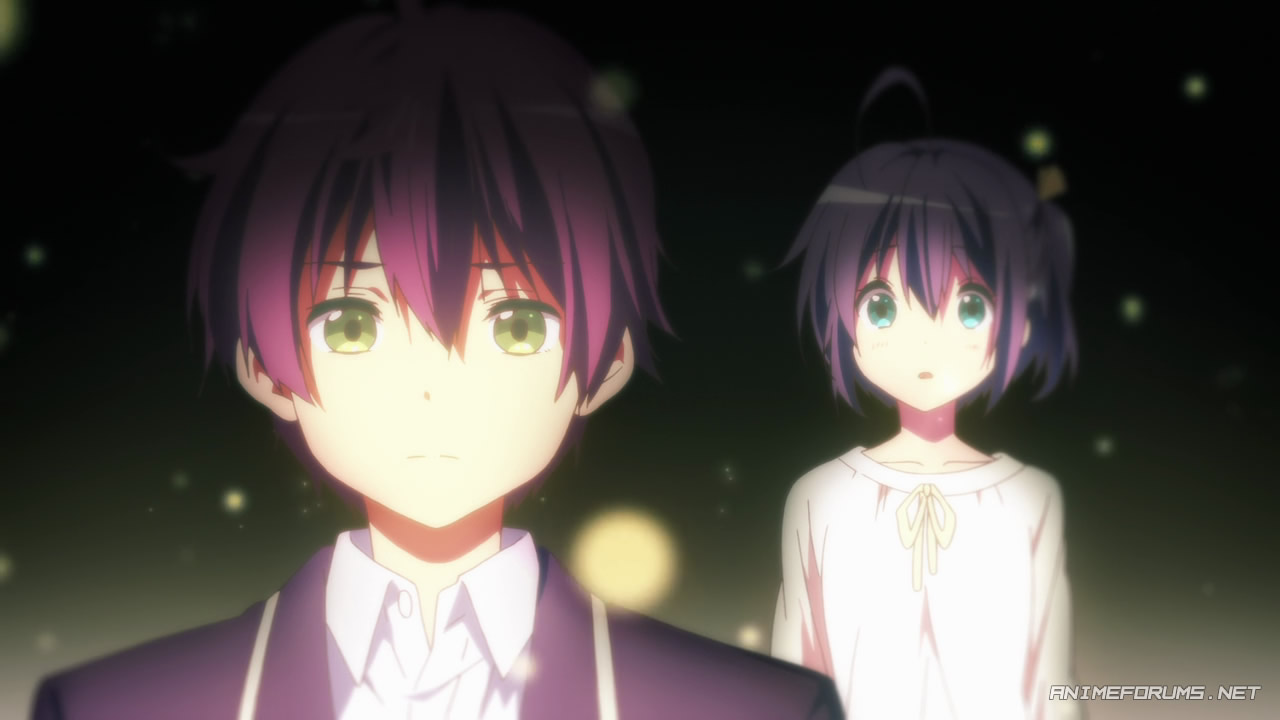
Love, Chunibyo, And Other Delusions!
Shinka, another former chunibyo, tries to present herself as a model student but struggles with her past as “Mori Summer.” Her interactions with Yūta and Rikka add depth to her character as she grapples with her dual identity and desire for acceptance.
Kumin is the laid-back, sleepy member of the group who provides a calming presence. Though she doesn’t have a chunibyo past, her acceptance and support of her friends’ quirks underscore the theme of understanding and acceptance.
Sanae is a chunibyo enthusiast who idolizes Rikka and maintains her own delusional persona. Her energetic and often comical antics provide humor, while her loyalty to Rikka highlights the strong bonds of friendship within the group.
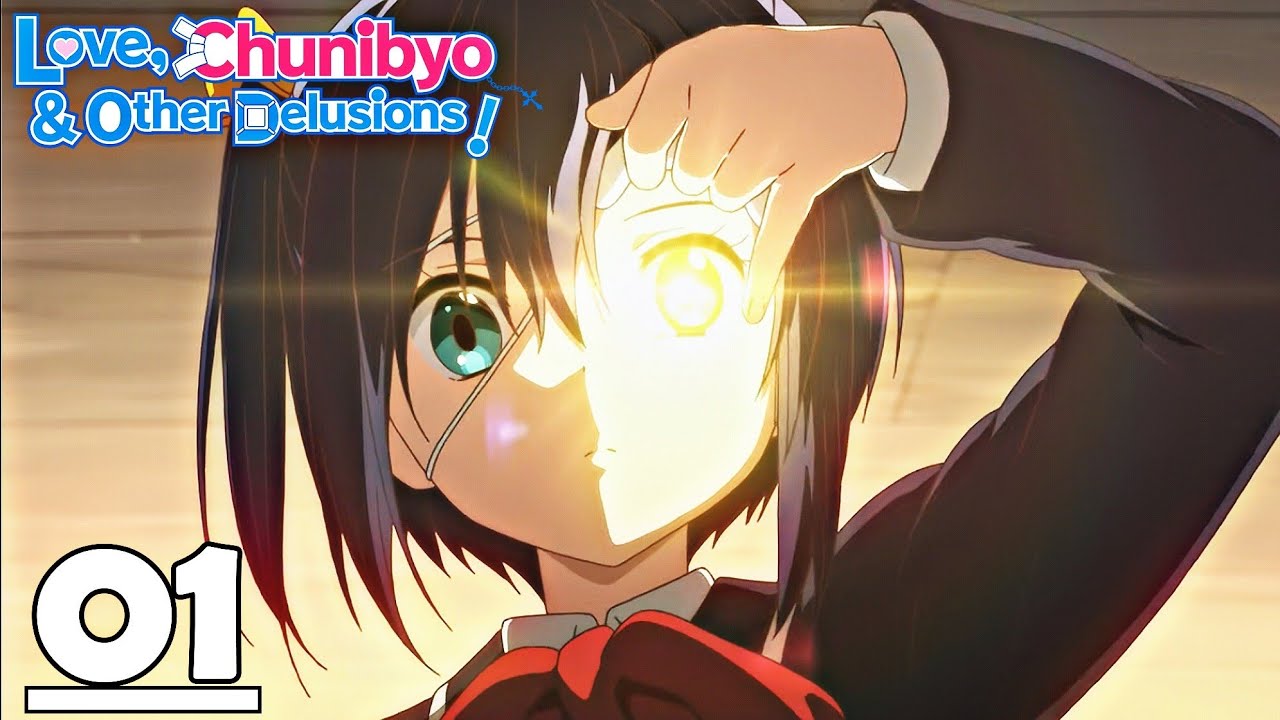
Love, Chunibyo, And Other Delusions!
Kyoto Animation’s work on “Love, Chunibyo & Other Delusions” is visually stunning. The studio is known for its high-quality animation, and this series is no exception. The vibrant color palette and fluid animation bring Rikka’s fantastical delusions to life, creating a visually immersive experience. The contrast between the everyday world and the chunibyo delusions is depicted beautifully, enhancing the storytelling.
The character designs are detailed and expressive, capturing the nuances of the characters’ personalities and emotions. The animation’s attention to detail, from the subtle facial expressions to the dynamic action scenes within Rikka’s fantasies, adds depth to the viewing experience.
The series’ soundtrack, composed by Nijine, complements the narrative perfectly. The music ranges from whimsical and playful during chunibyo moments to tender and emotional during more serious scenes. The opening and ending themes, particularly “Sparkling Daydream” by ZAQ, are catchy and set the tone for the series.
Love, Chunibyo, And Other Delusions!
Voice acting is another strong point, with Jun Fukuyama (Yūta) and Maaya Uchida (Rikka) delivering standout performances. Their ability to convey the characters’ emotions, from comedic moments to heartfelt confessions, adds an extra layer of authenticity to the series.
“Love, Chunibyo & Other Delusions” is a masterful blend of comedy, romance, and drama that offers a heartfelt exploration of adolescence and self-acceptance. Its unique premise, relatable characters, and emotional depth make it a standout series in the anime genre. By going into the whimsical world of chunibyo, the series not only provides entertainment but also offers insightful commentary on the challenges of growing up and the importance of accepting oneself and others.
Whether you’re a fan of romantic comedies, coming-of-age stories, or simply looking for a series with a unique and engaging premise, “Love, Chunibyo & Other Delusions” is a must-watch. Its ability to balance humor with heartfelt moments and its sympathetic portrayal of adolescent struggles make it a timeless and universally appealing story.
3. Oshi no Ko
Ai (Credits: Doga Kobo)
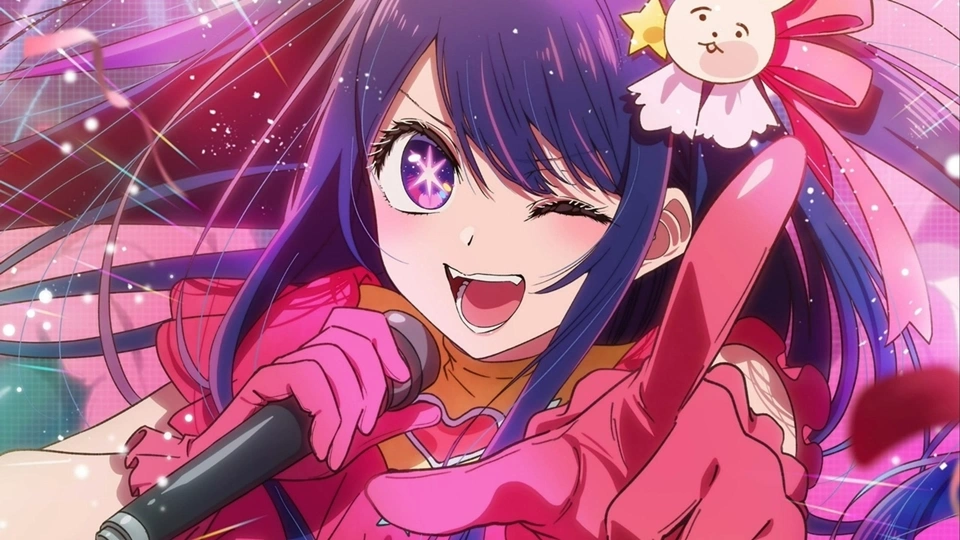
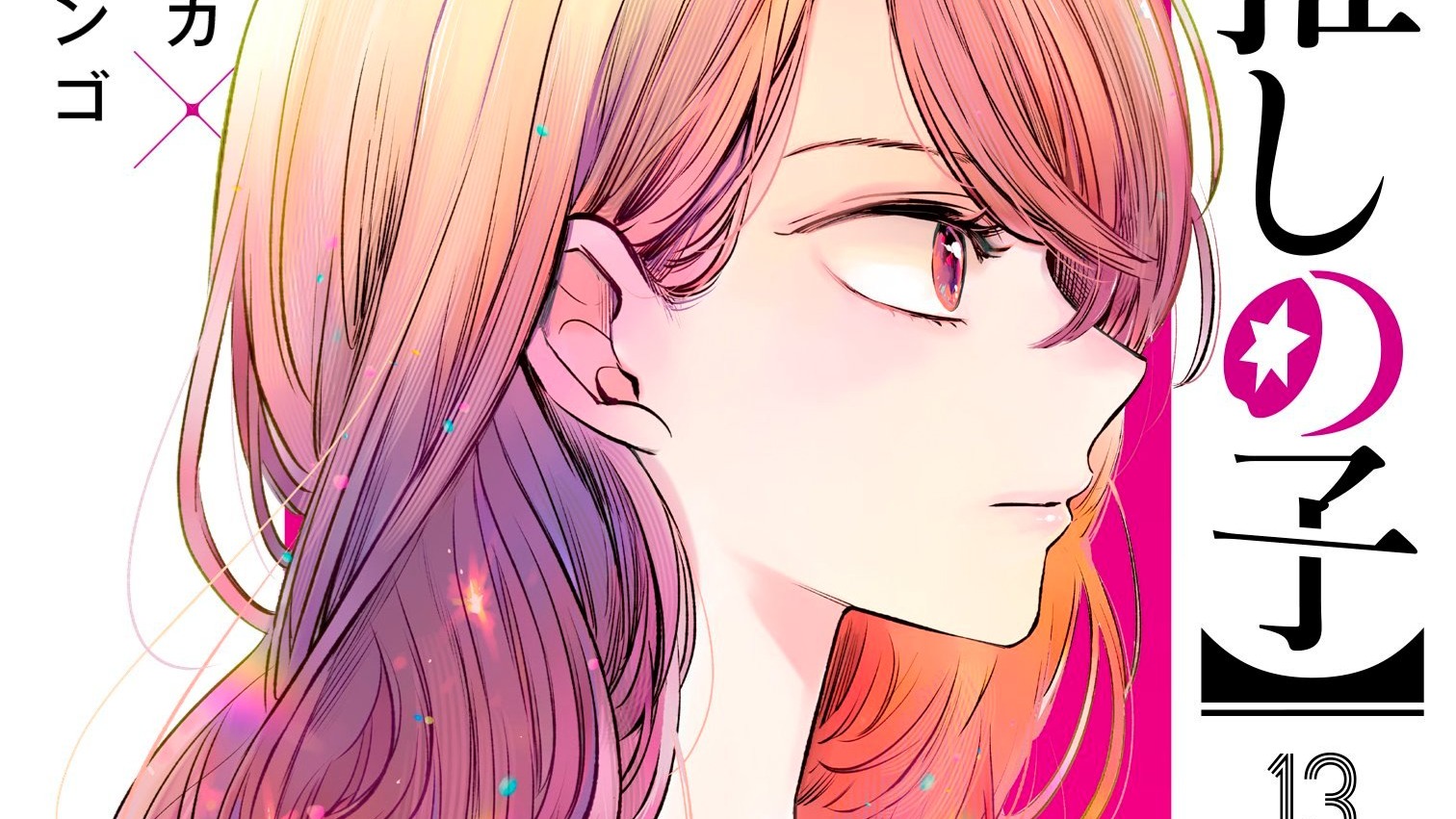
“Oshi no Ko” is a nice manga and anime series created by Aka Akasaka (known for “Kaguya-sama: Love is War”) and illustrated by Mengo Yokoyari (known for “Scum’s Wish”). The series, which debuted in April 2020 in Weekly Young Jump, has quickly gained a significant following due to its unique blend of drama, mystery, and industry critique.
The story goes into the dark and complex world of the Japanese entertainment industry, presenting a narrative that is as compelling as it is thought-provoking. The story of “Oshi no Ko” centers around a young and talented idol named Ai Hoshino. Ai represents the epitome of idol culture: she is beautiful, charismatic, and adored by her fans.
Oshi no Ko Volume 13 Cover (Credits: Manga Plus)
However, the plot takes a dramatic turn when Ai is murdered by a deranged fan shortly after giving birth to twins. These twins, Aqua and Ruby, are reincarnations of people who had previous lives connected to Ai: Aqua was a doctor who was a fan of Ai, and Ruby was his terminally ill patient.
After their rebirth, Aqua and Ruby retain memories of their past lives and vow to uncover the truth behind Ai’s murder. Aqua, in particular, is determined to navigate the entertainment industry to find and exact revenge on the person responsible for his mother’s death.
Meanwhile, Ruby aspires to follow in her mother’s footsteps and become an idol herself. This dual pursuit forms the backbone of the series, intertwining themes of revenge, ambition, and the search for identity.
Oshi no Ko Season 2 (Credits: Doga Kobo)
“Oshi no Ko” is rich with thematic elements that provide a critical look at the entertainment industry. Here are some key themes explored in the series: The series does not shy away from showcasing the darker aspects of the entertainment world. It addresses issues such as the pressure of maintaining a public image, the exploitation of young talents, and the psychological toll of fame. Ai Hoshino’s story, in particular, highlights the vulnerability of idols and the often unrealistic expectations placed upon them.
Aqua’s quest for revenge is a central theme that drives much of the plot. His journey is filled with moral dilemmas and ethical questions. The series explores whether revenge is a justifiable pursuit and at what cost it comes. Aqua’s character development is intricately tied to his inner conflict between seeking vengeance and protecting those he loves.
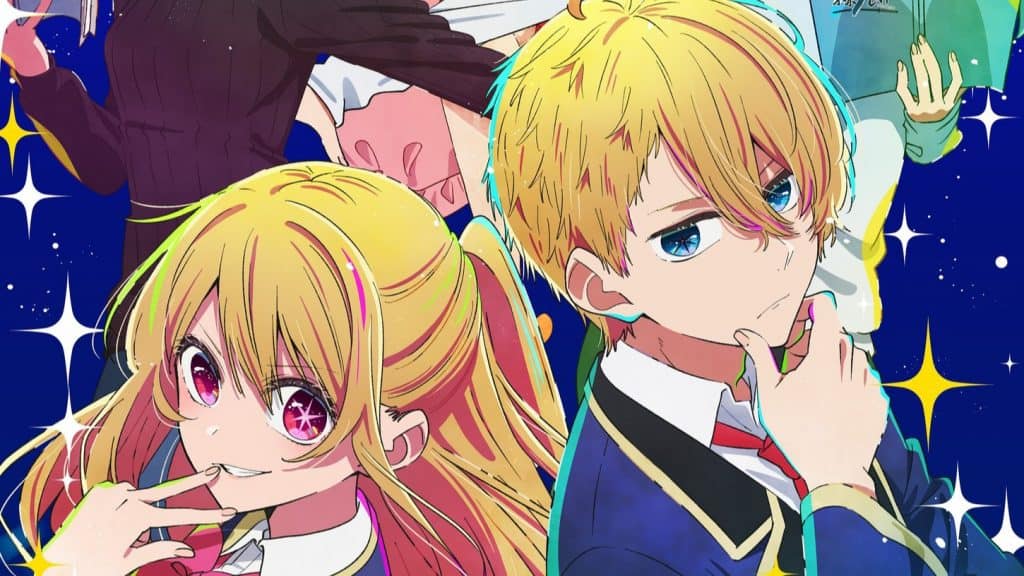
Ruby and Aqua (Credits: Doga Kobo)
Both Aqua and Ruby struggle with their identities as reincarnated individuals. They grapple with the memories of their past lives while trying to forge new paths in the present. This theme is particularly poignant as it explores the idea of second chances and the possibility of rewriting one’s destiny.
The series provides a critical examination of idol culture in Japan. It goes into the manufactured nature of idols, the fanatical fan base, and the often harsh realities behind the glittering façade. Through Ruby’s aspirations and the challenges she faces, the series offers insights into the sacrifices and hardships endured by those in the idol industry.

Kana and Aqua
The characters in “Oshi no Ko” are well-developed and multi-dimensional, each contributing to the depth and complexity of the narrative.
As one of the reincarnated twins, Aqua’s character is defined by his determination and intelligence. His past life as a doctor gives him a mature perspective, but his quest for revenge often puts him in morally ambiguous situations. Aqua’s character arc is compelling as he navigates the entertainment industry with a singular focus on uncovering the truth behind Ai’s murder.
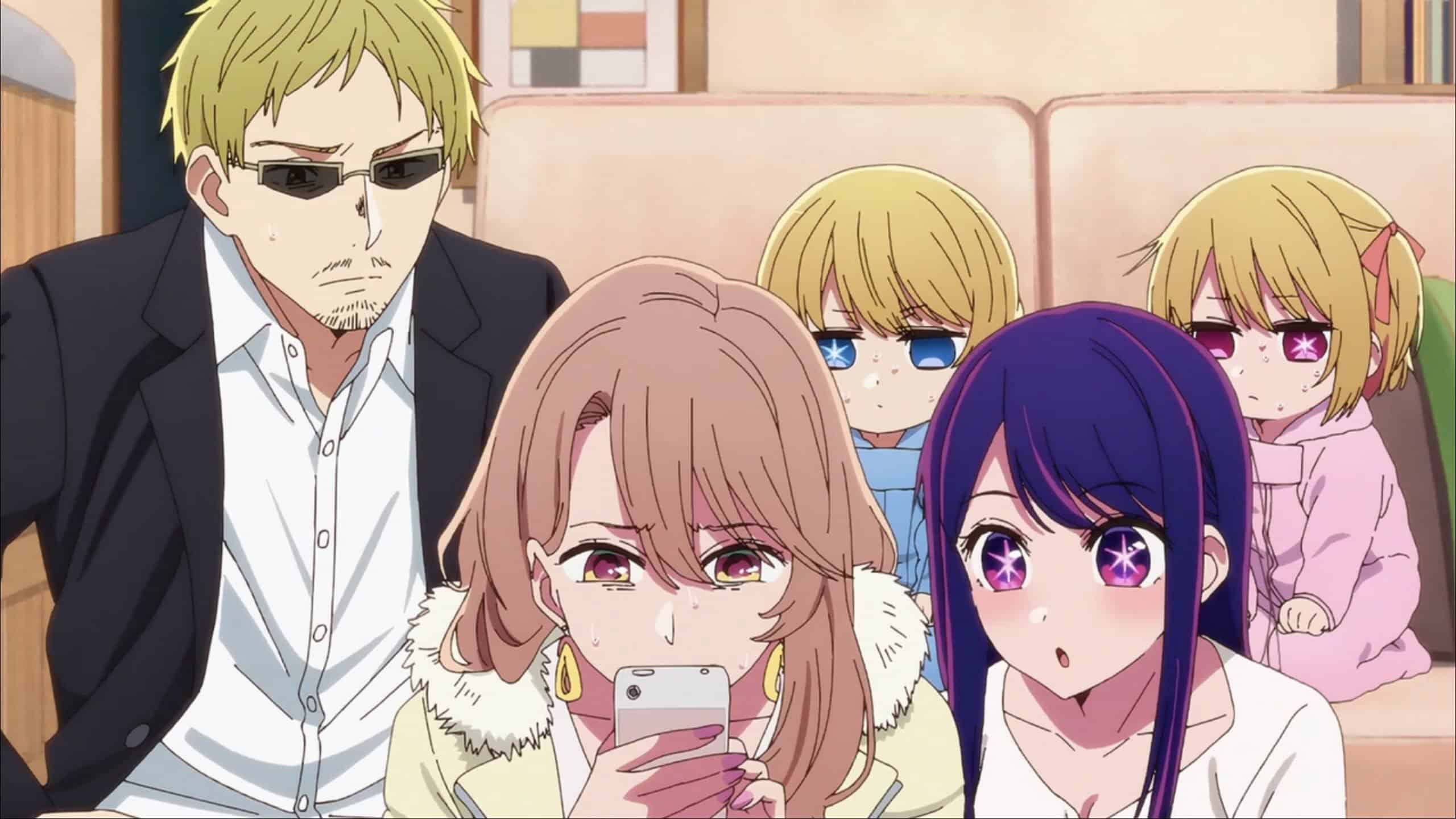
Ichigo, MIyako and Ai | Oshi no Ko (Credits: Doga Kobo)
Ruby’s character represents hope and resilience. Despite the traumatic events of her past life, she retains a passion for becoming an idol. Ruby’s journey is one of self-discovery and perseverance, as she strives to honor her mother’s legacy while creating her own identity in the industry.
Ai’s character, though deceased early in the story, remains a pivotal figure. Her tragic life and mysterious death are central to the plot. Ai’s complexity as a character is revealed through flashbacks and the memories of those who knew her, painting a picture of a young woman who balanced her public persona with private struggles.
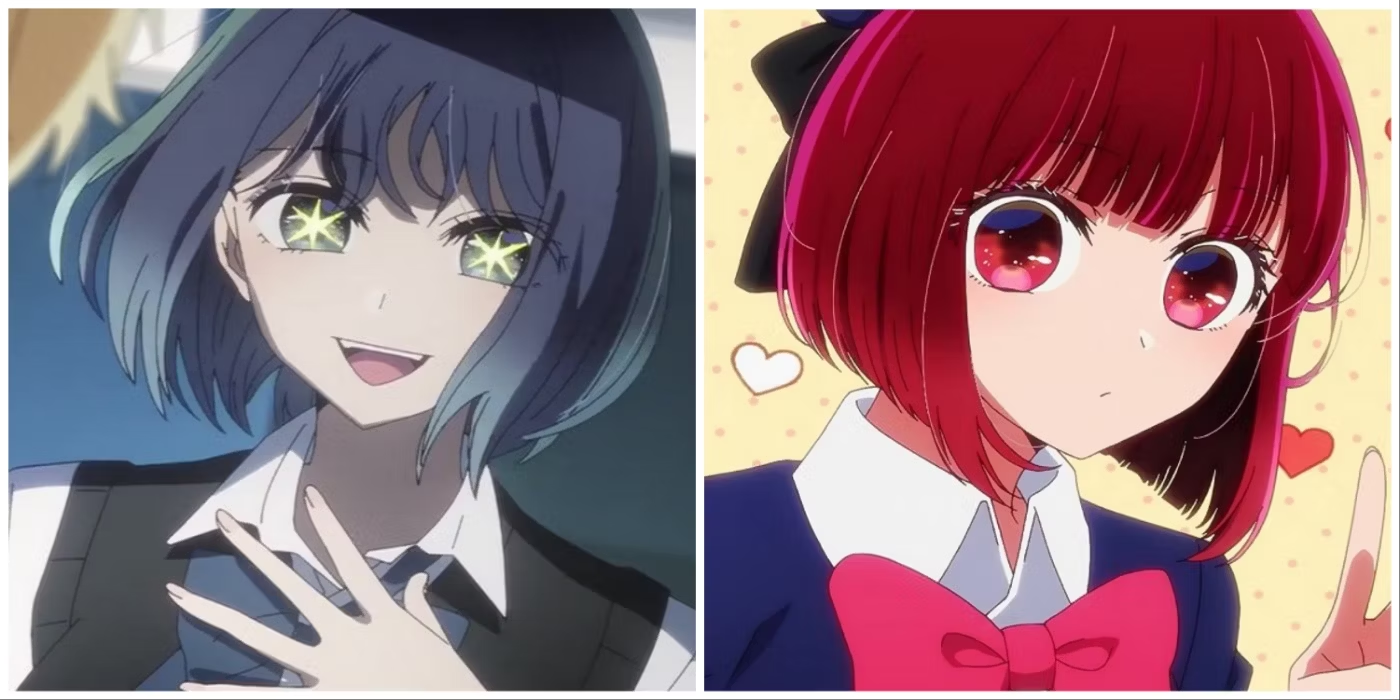
Akane and Kana
Mengo Yokoyari’s art style complements the narrative beautifully. The illustrations capture the emotional intensity of the characters and the vibrant, yet often deceptive, world of entertainment. The contrast between the bright, cheerful imagery associated with idols and the darker, more sinister undertones of the story is effectively portrayed through the art.
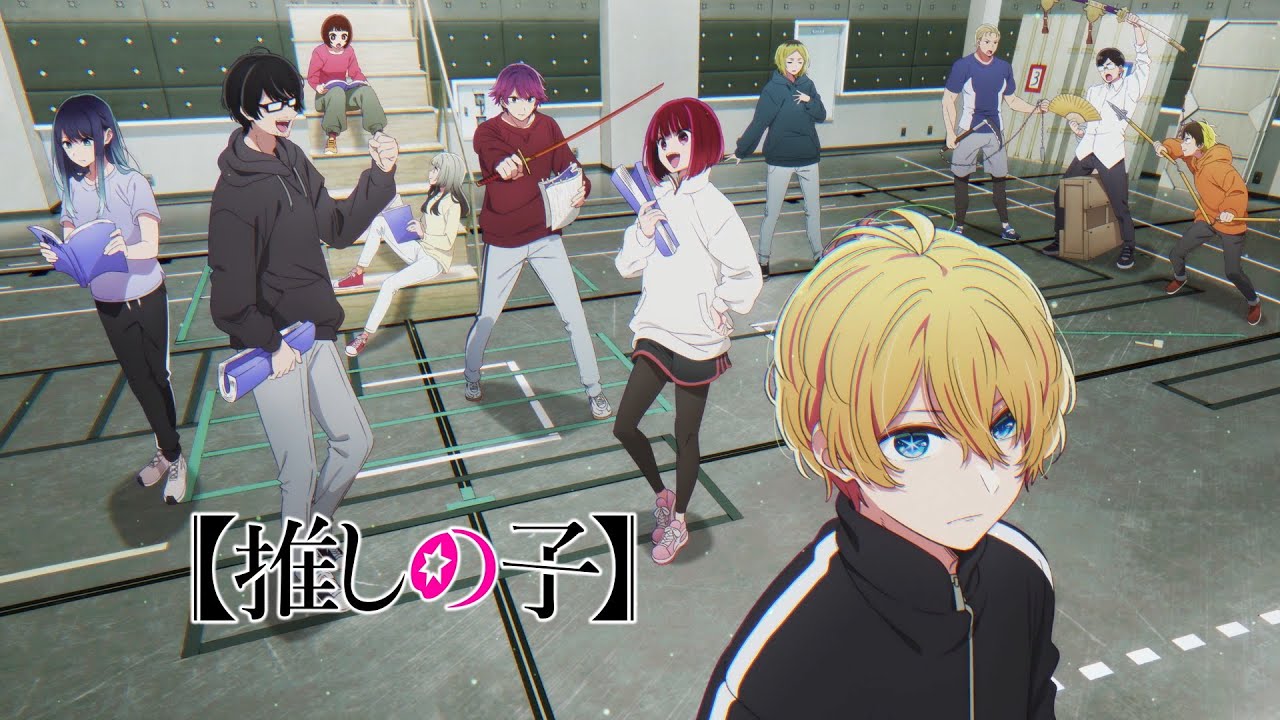
The anime adaptation, produced by Doga Kobo, enhances the story with dynamic animation, expressive character designs, and a fitting soundtrack. The anime successfully translates the manga’s intricate plot and emotional depth to the screen, making it accessible to a broader audience.
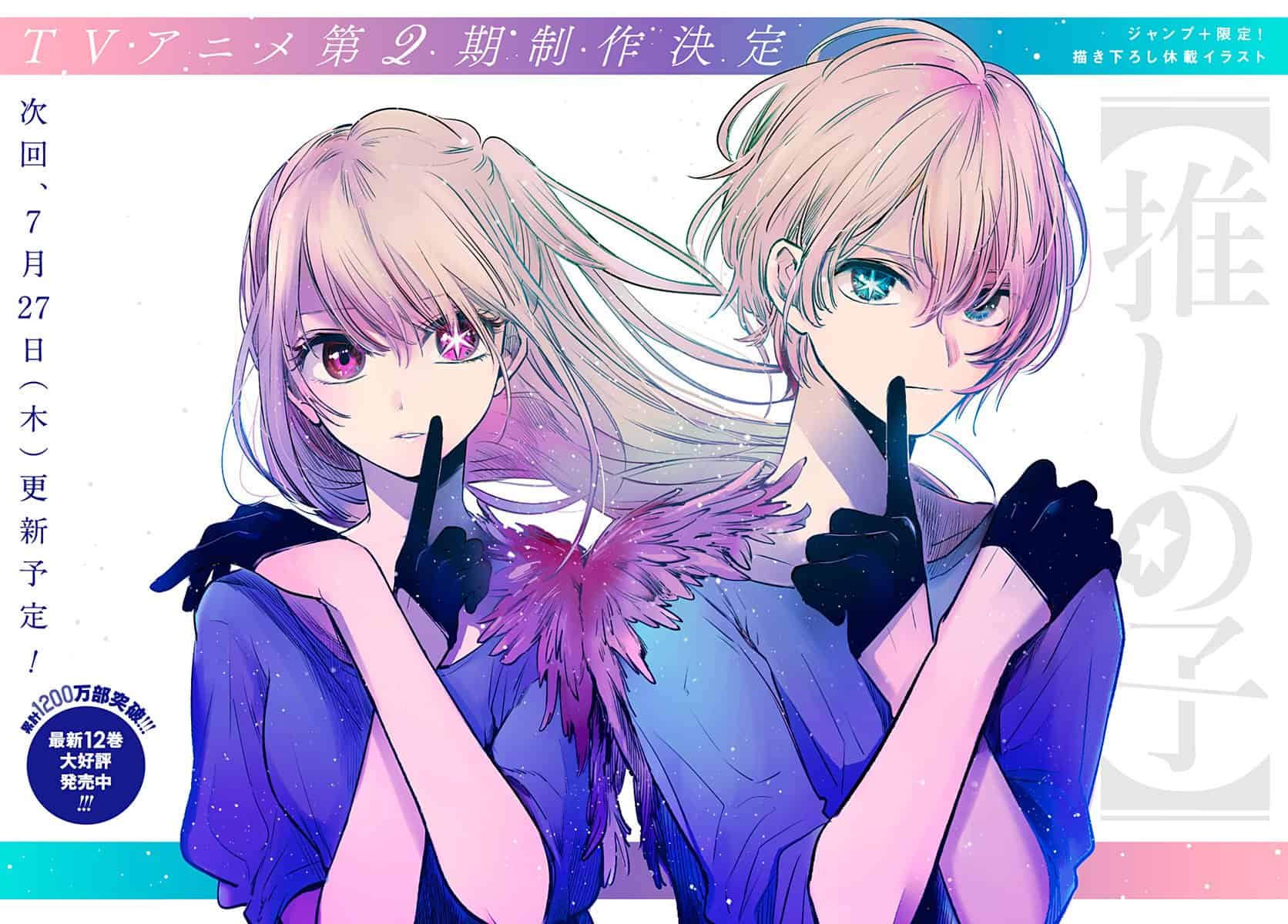
Aqua and Ruby | Chapter 124 (Credits: Manga Plus)
“Oshi no Ko” is a masterful blend of drama, mystery, and industry critique. Its compelling narrative, complex characters, and exploration of dark themes set it apart from typical idol-related series. By going into the harsh realities of the entertainment world, the series offers a thought-provoking and emotionally resonant experience.
Whether you’re a fan of manga, or anime, or simply looking for a gripping story, “Oshi no Ko” is a series that deserves attention. Its unique perspective on fame, identity, and justice makes it a standout work in contemporary Japanese media.
2. Kaguya-sama: Love is War
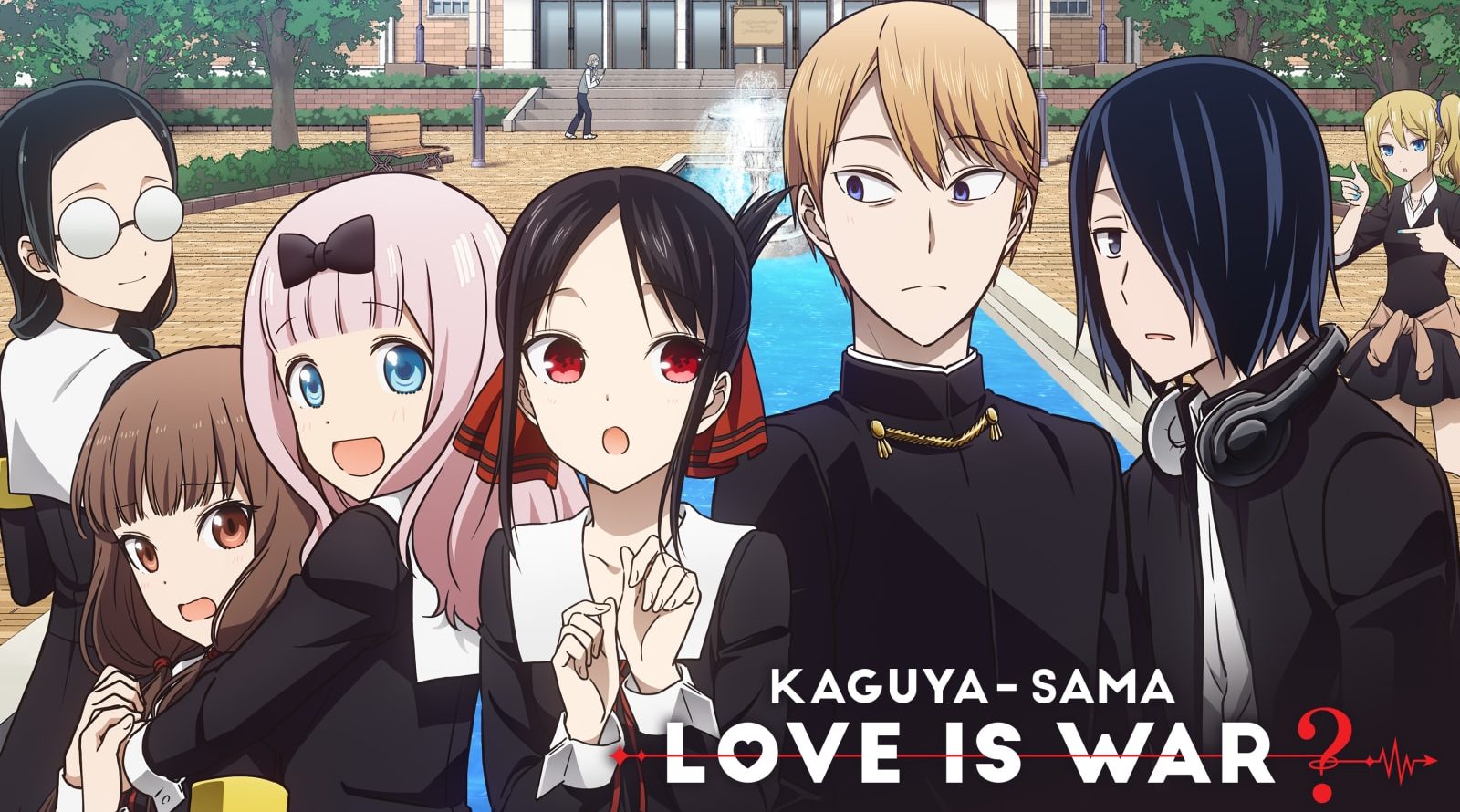
Kaguya-sama Love Is War (Credits: Crunchyroll)
Love is War is a delightful departure from typical romance anime tropes, as Miyuki and Kaguya engage in a battle of wits to avoid confessing their feelings first. Their rivalry is fueled by their intense intellect and determination to outsmart each other, resulting in hilarious and heartwarming moments as they navigate their roles in the student council at an elite school.
Season 3 of Kaguya-sama: Love is War, which aired in Spring 2022, continued to deliver comedic brilliance while also subtly advancing Miyuki and Kaguya’s relationship. The anticipation for the next season, which promises to look deeper into their romance, is palpable among fans. If the anime stays true to the manga, Love is War has the potential to become one of the greatest romance anime of all time.
“Kaguya-sama: Love is War” is a critically acclaimed manga and anime series created by Aka Akasaka. Since its debut in 2015 in Shueisha’s Miracle Jump magazine and later serialization in Weekly Young Jump, the series has grabbed audiences with its unique blend of romantic comedy and psychological warfare.
The story revolves around two high school students, Kaguya Shinomiya and Miyuki Shirogane, who are determined to make the other confess their love first. With its clever writing, well-developed characters, and insightful exploration of teenage romance, “Kaguya-sama: Love is War” has become a standout series in contemporary manga and anime.
Set in the prestigious Shuchiin Academy, the series follows Kaguya Shinomiya, the vice president of the student council, and Miyuki Shirogane, the council president. Both Kaguya and Miyuki are at the top of their class and widely admired by their peers. Despite their mutual attraction, they are too proud to confess their feelings, believing that the one who confesses first will be seen as inferior. This sets the stage for a series of hilarious and strategic battles of wits as they each try to outmaneuver the other into confessing.
The student council also includes other colorful characters such as Chika Fujiwara, the bubbly and unpredictable secretary, and Yu Ishigami, the introverted treasurer with a pessimistic outlook on life. Their interactions add depth and humor to the series, creating a dynamic and engaging narrative.
“Kaguya-sama: Love is War” is rich with thematic elements that provide a humorous yet insightful look at teenage romance and human nature. Here are some key themes explored in the series:
The central theme of the series is the interplay between pride and love. Both Kaguya and Miyuki are incredibly intelligent and capable, yet their pride prevents them from expressing their true feelings. The series humorously portrays the lengths they will go to avoid confessing, highlighting the absurdity of their situation while also touching on the universal fear of vulnerability in romantic relationships.
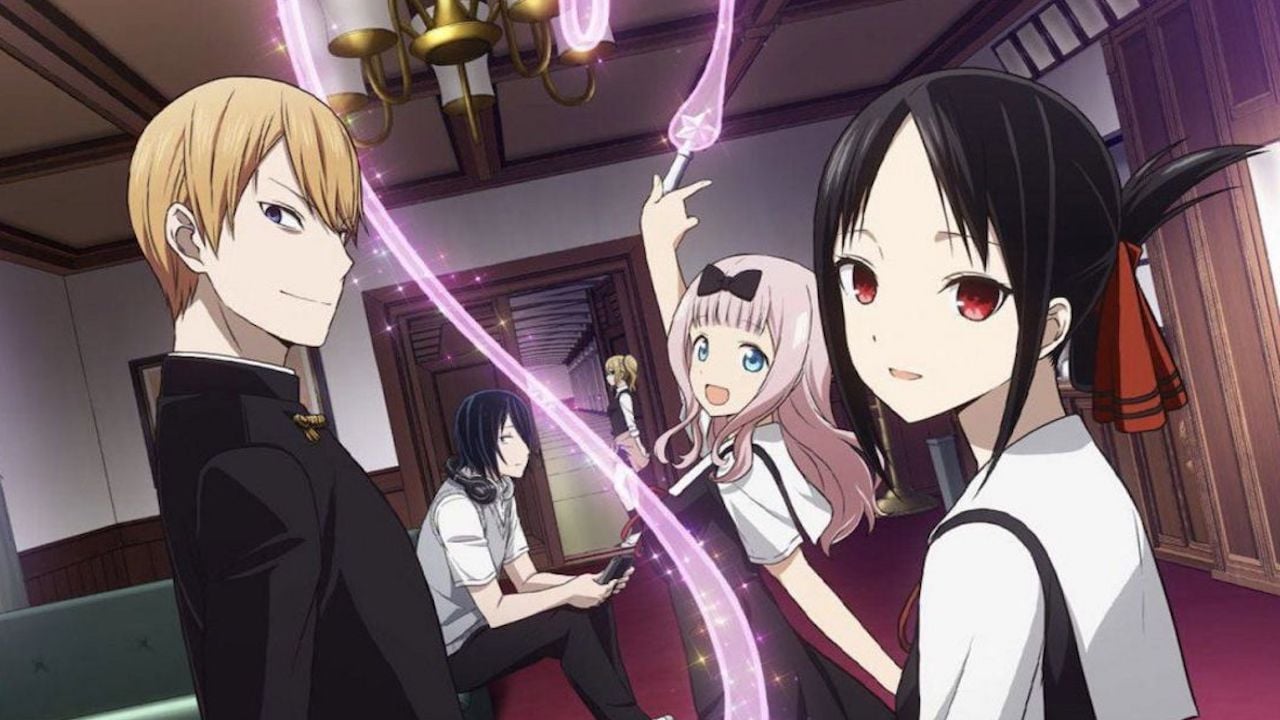
Kaguya-sama Love Is War (Credits: Crunchyroll)
Each episode is structured around various “battles” where Kaguya and Miyuki engage in psychological warfare to outsmart each other. These battles are often absurdly elaborate, involving intricate schemes and counter-schemes. This theme adds a layer of intellectual stimulation to the comedy, as viewers are invited to follow and predict the characters’ strategies.
As students of an elite academy, the characters are often preoccupied with social status and expectations. Kaguya, being from a wealthy and influential family, faces pressure to maintain her image, while Miyuki, who comes from a more modest background, works tirelessly to prove his worth. The series explores how these pressures shape their interactions and decisions.
Beyond the comedic battles, the series also goes into the characters’ personal growth and development. Over time, Kaguya and Miyuki begin to confront their own insecurities and misconceptions about love. Their evolving relationship reflects a deeper understanding of themselves and each other, making their journey as individuals as compelling as their romantic endeavors.
The characters in “Kaguya-sama: Love is War” are well-developed and multifaceted, each contributing to the richness of the narrative.
Kaguya is portrayed as a highly intelligent and capable individual with a cold exterior, but she harbors a deep sense of vulnerability and longing for genuine affection. Her internal conflicts and growth are central to the series’ emotional depth.
Miyuki is the diligent and hardworking student council president who strives for excellence in all areas. His determination and sense of responsibility make him an admirable character, but his interactions with Kaguya reveal his more tender and insecure side.
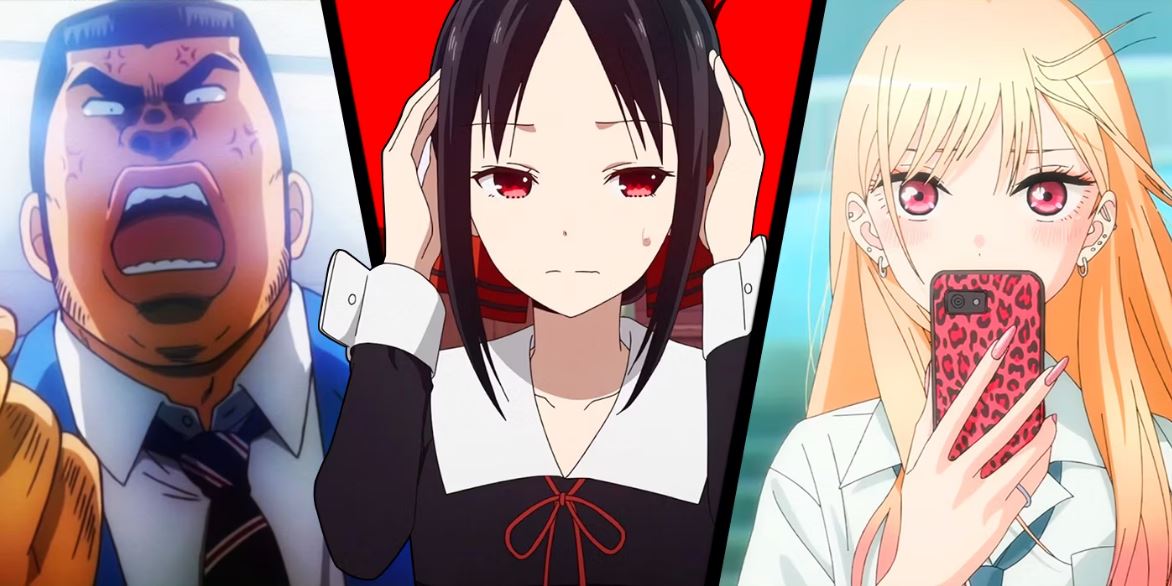
My Love Story!!, Kaguya-sama Love Is War, and My Dress-Up Darling (Credits: Crunchyroll)
Chika serves as the comic relief with her quirky and unpredictable nature. Despite her seemingly airheaded demeanor, she often plays a crucial role in disrupting Kaguya and Miyuki’s schemes, adding an element of chaos to the story.
Yu is the brooding treasurer who initially appears detached and cynical. His backstory and character development add a layer of poignancy to the series, as he learns to open up and find his place within the student council.
Aka Akasaka’s art style is both expressive and detailed, effectively conveying the characters’ emotions and the comedic timing of their interactions. The manga’s panel layouts and visual gags enhance the storytelling, making each “battle” dynamic and engaging.
The anime adaptation, produced by A-1 Pictures, faithfully captures the essence of the manga. The animation is fluid and vibrant, with careful attention to character expressions and comedic timing. The voice acting, particularly for Kaguya and Miyuki, adds an additional layer of charm and humor to the series. The opening and ending themes are catchy and well-suited to the series’ tone, further enhancing the viewing experience.
“Kaguya-sama: Love is War” is a masterful blend of romantic comedy and psychological intrigue. Its clever writing, well-rounded characters, and insightful exploration of teenage romance make it a standout series. The humorous battles of wits between Kaguya and Miyuki are both entertaining and intellectually stimulating, while the underlying themes of pride, vulnerability, and personal growth add depth to the narrative.
Whether you are a fan of romantic comedies, psychological dramas, or simply looking for a series with a unique premise and engaging characters, “Kaguya-sama: Love is War” is a must-watch. Its ability to balance humor with heartfelt moments and its insightful commentary on love and human nature make it a timeless and universally appealing story.
1. My Dress-Up Darling
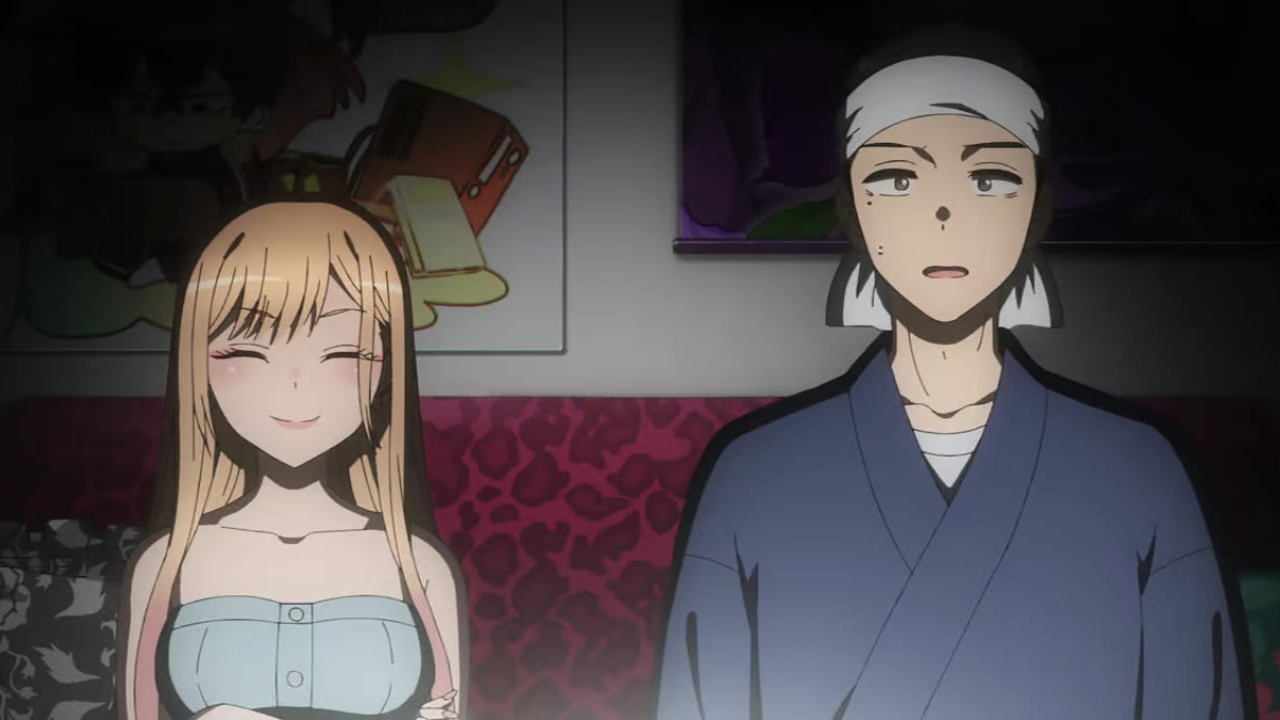
My Dress-up Darling
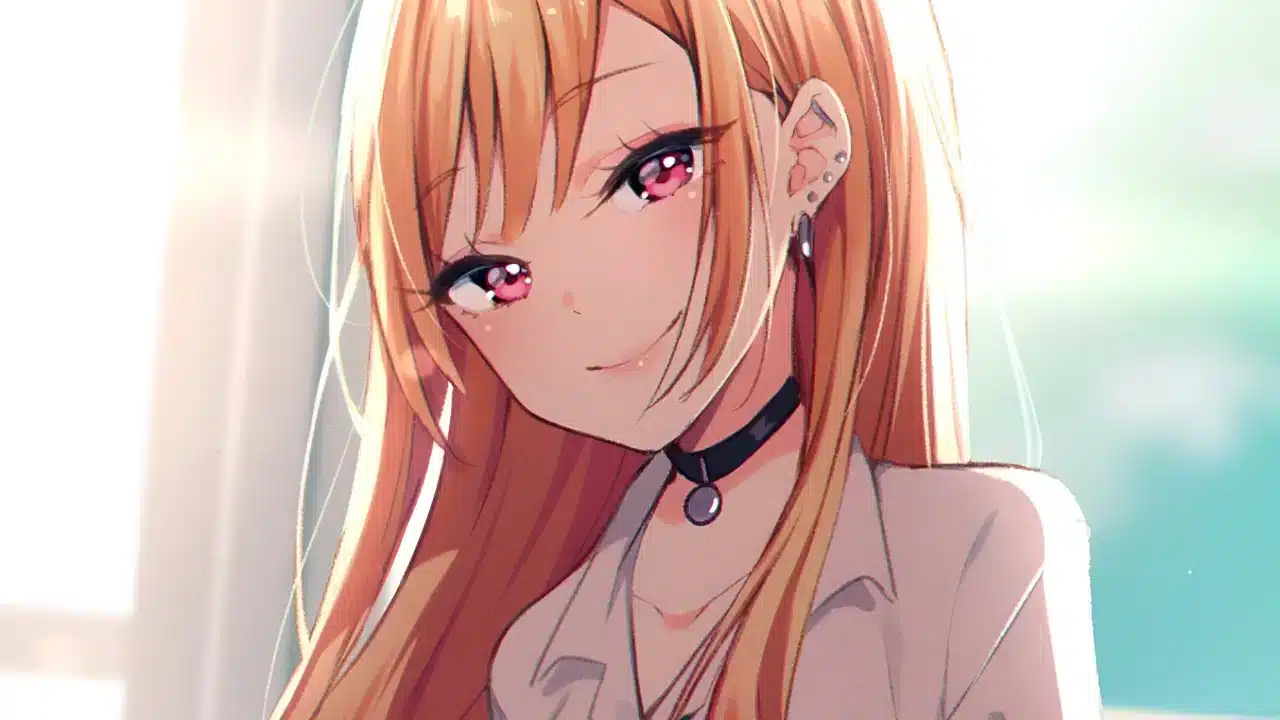
Gojou and Marin Kitagawa couldn’t be more different. Gojou is reserved and isolated, with no friends, keeping himself apart from others due to fear of ridicule for his interest in hina dolls. On the other hand, Kitagawa is popular, outgoing, and confident.
Despite their contrasting worlds, Kitagawa becomes intrigued by cosplay and discovers that Gojou might be the ideal person to create outfits for her. My Dress-Up Darling is a heartwarming, humorous, and exquisitely animated romance anime that excels in executing the genre’s tropes with finesse. Despite its relatively conventional approach, the series fascinates viewers with its endearing characters and engaging storyline
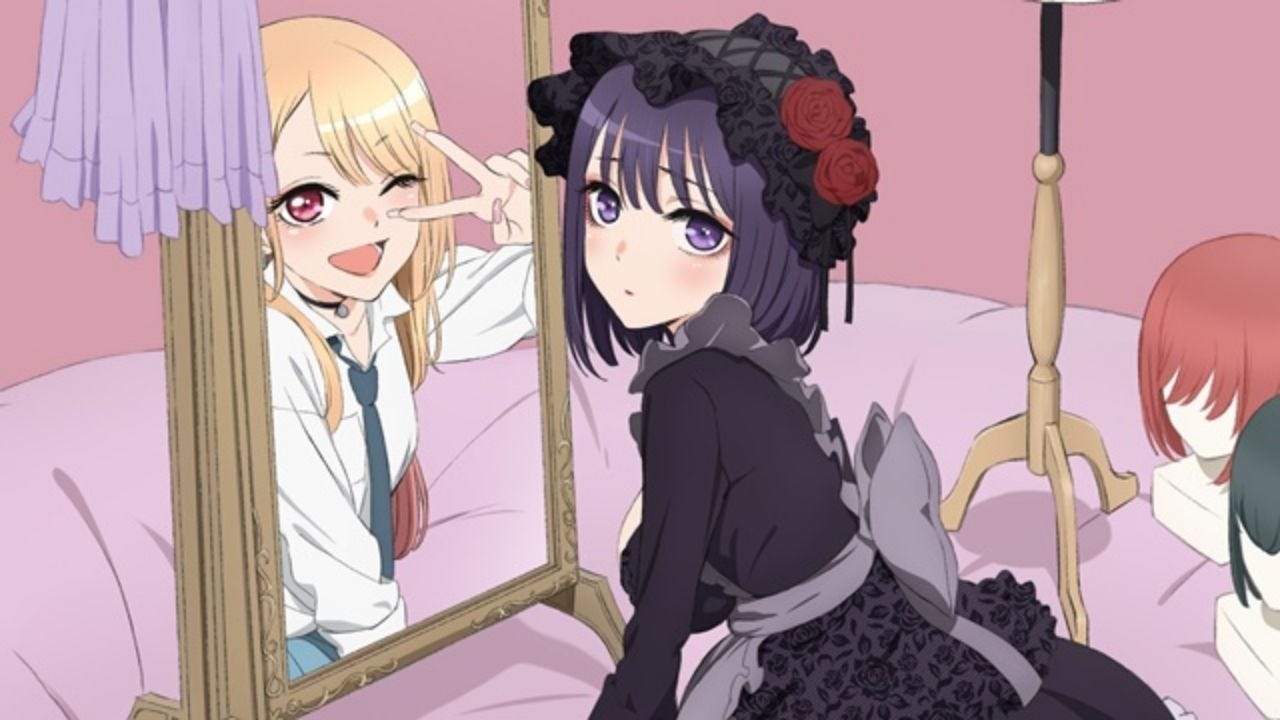
My Dress-up Darling
My Dress-Up Darling (Sono Bisque Doll wa Koi wo Suru) is a romantic comedy anime and manga series written and illustrated by Shinichi Fukuda. The manga began serialization in Young Gangan in 2018, and its anime adaptation by CloverWorks premiered in 2022.
The series quickly gained popularity for its charming characters, engaging romance, and refreshing take on the cosplay and otaku culture. With a balance of humor, heartwarming moments, and genuine passion for craftsmanship, My Dress-Up Darling stands out as a delightful addition to the slice-of-life and romance genre.
My Dress-up Darling
The story follows Wakana Gojo, a high school student who dreams of becoming a skilled craftsman in the art of making Hina dolls. Due to his unusual hobby, he has always kept to himself, fearing judgment from his peers. His life takes an unexpected turn when he crosses paths with Marin Kitagawa, a bright and outgoing girl who has a deep love for anime, video games, and cosplay.
Marin, despite her enthusiasm for cosplay, struggles with the actual process of creating costumes. When she discovers Gojo’s talent for sewing, she enthusiastically asks him to help her bring her favorite characters to life through cosplay. Though hesitant at first, Gojo agrees, setting the stage for a heartwarming journey of self-discovery, confidence, and romance.
One of the highlights of My Dress-Up Darling is its charming dynamic between Gojo and Marin. Their personalities contrast in an entertaining way—Gojo is reserved and inexperienced when it comes to socializing, while Marin is confident, expressive, and full of life.
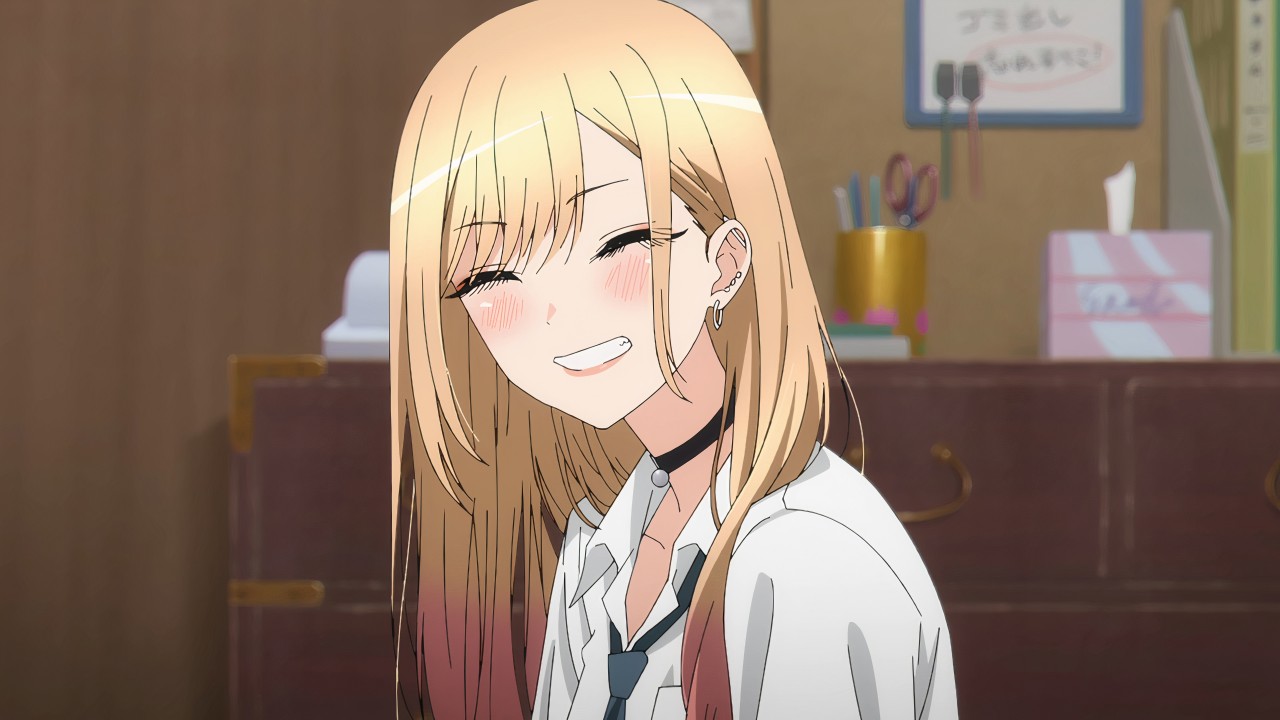
My Dress-up Darling
Despite their differences, they develop a close bond as they work together, and their interactions feel natural and heartfelt. The series takes time to show their growing trust, respect, and admiration for one another, making their relationship feel genuine rather than rushed.
Marin, in particular, is a standout character due to her infectious enthusiasm and unwavering support for Gojo’s passion, proving that being true to oneself is something to be celebrated rather than hidden.
Aside from the romance, the series does a great job of highlighting the craftsmanship and dedication involved in cosplay. It offers insight into the effort it takes to design, sew, and assemble costumes, as well as the importance of accuracy and comfort in cosplay.
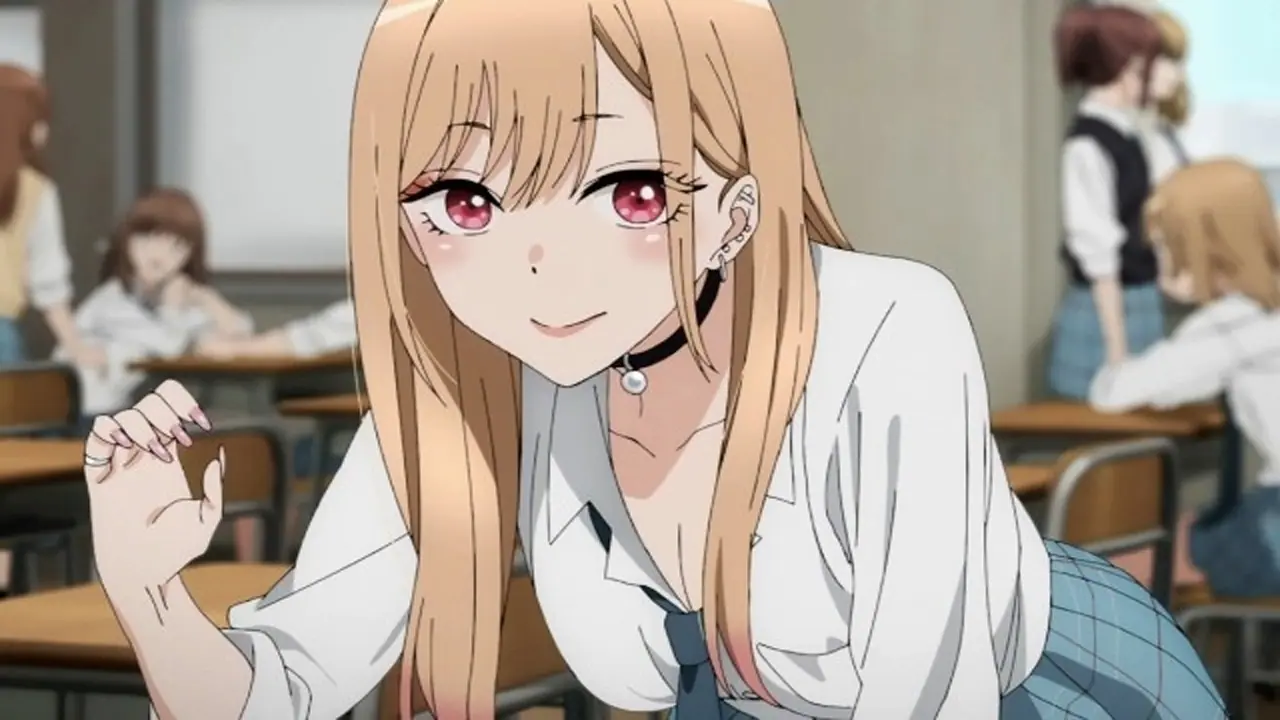
My Dress-up Darling
The story also sheds light on the struggles of beginners and the joy of seeing one’s hard work pay off. These elements make the series not only a sweet romance but also an appreciation of the art and dedication behind cosplay culture.
Visually, the anime adaptation by CloverWorks is vibrant and expressive, perfectly capturing the fun and excitement of Marin’s cosplay dreams. Character animations are lively, and the attention to detail in costume designs enhances the overall experience.
The voice acting further brings the characters to life, with Marin’s cheerful and energetic personality shining through in every scene. The soundtrack complements the story well, adding warmth to emotional moments and energy to comedic ones.
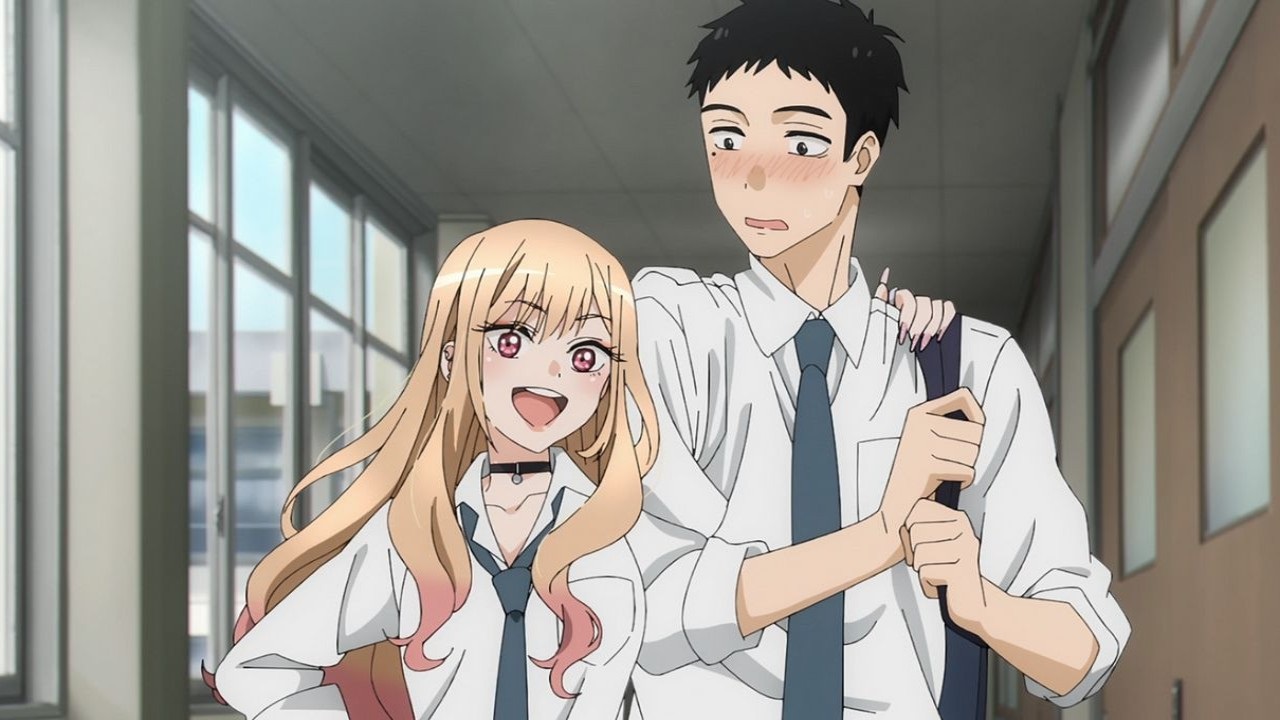
My Dress-up Darling
Despite its lighthearted nature, My Dress-Up Darling also touches on deeper themes such as self-acceptance, overcoming insecurities, and embracing one’s interests without fear of judgment. Gojo’s journey from self-doubt to confidence is particularly rewarding to watch, as he learns to appreciate his skills and passions rather than hiding them.
Marin, on the other hand, serves as a wonderful example of someone who embraces what she loves wholeheartedly, inspiring others to do the same.
My Dress-Up Darling is a delightful blend of romance, comedy, and passion for craftsmanship. Its well-developed characters, engaging chemistry, and appreciation for cosplay culture make it a standout among modern romance anime. With its heartwarming story and visually stunning execution, it is a must-watch for fans of slice-of-life romance who enjoy a mix of humor, creativity, and emotional depth.
Anime has grown from a niche interest into a worldwide sensation, both longtime fans and newcomers with its variety of compelling stories, breathtaking animation, and unforgettable characters. The debate over the best anime ever continues to spark conversations within the community, as the most influential titles have shaped the medium’s history and left an enduring impact on audiences.
From legendary series that have stood the test of time to recent hits earning global recognition, top-tier anime break genre boundaries and offer something for everyone. These standout productions go beyond entertainment, pushing limits in storytelling, visual artistry, and cultural significance. Whether it’s the grand adventures of Naruto or the introspective depth of Attack on Titan, each show brings its unique brilliance to the table.
Anime’s true strength lies in its constant evolution, surprising audiences with fresh narratives and groundbreaking ideas. As the industry grows, so does the list of legendary titles that have influenced fans around the world. Whether revisiting iconic classics or uncovering modern gems, anime lovers are always on an exciting journey filled with discovery, creativity, and artistic expression, making the medium a thriving force in global entertainment.
10. Demon Slayer: Kimetsu no Yaiba
Demon Slayer Season 4 (Credits: Ufotable)
Demon Slayer: Kimetsu no Yaiba is a visually stunning and emotionally gripping anime that has taken the world by storm. Based on Koyoharu Gotouge’s manga, the series blends intense action, heartfelt character development, and breathtaking animation to create a truly unforgettable experience. With its gripping storyline, well-crafted fight sequences, and rich emotional depth, it has cemented itself as one of the most impactful anime of recent years.
The story follows Tanjiro Kamado, a kind-hearted boy who lives in the mountains with his family. His life takes a tragic turn when he returns home one day to find his entire family slaughtered by demons, with only his sister Nezuko surviving—though she has been transformed into a demon herself.
Determined to save her and avenge his family, Tanjiro goes on a journey to become a Demon Slayer, an elite warrior tasked with hunting down demons and protecting humanity. His mission is not only fueled by revenge but also by his unwavering hope to find a cure for Nezuko.
Tanjiro | Demon Slayer Season 4 (Credits: Ufotable)
One of Demon Slayer’s greatest strengths is its emotional storytelling. While it delivers exhilarating battles and supernatural elements, at its core, it is a tale of love, loss, and resilience. Tanjiro’s unwavering devotion to Nezuko is the emotional anchor of the series, making their bond one of the most compelling sibling relationships in anime.
Unlike many protagonists driven purely by vengeance, Tanjiro retains his kindness and empathy, even toward demons who were once human. This nuance adds depth to his character, making him stand out from traditional action-driven heroes.
Demon Slayer
The supporting cast is just as strong, each bringing their own unique personalities and strengths to the story. Zenitsu Agatsuma, though often seen as a coward, hides immense potential when pushed to his limits. His Thunder Breathing techniques and sharp instincts make him a formidable fighter despite his fears.
Inosuke Hashibira, the wild and aggressive swordsman raised by boars, adds both comic relief and raw power to the group. His brash personality contrasts sharply with Tanjiro’s gentle nature, but over time, their camaraderie grows into a strong friendship.
The Hashira, the elite warriors of the Demon Slayer Corps, are another fascinating aspect of the series. Each Hashira specializes in a unique breathing technique, from Rengoku’s flame-based attacks to Tokito’s mist-based combat.
Demon Slayer
Their distinct personalities and incredible abilities make them some of the most characters in the series. Rengoku, in particular, leaves a lasting impact in Mugen Train, displaying an unshakable sense of duty and selflessness that resonates deeply with viewers.
Of course, no great story is complete without powerful antagonists, and Demon Slayer excels in crafting terrifying yet complex villains. Muzan Kibutsuji, the first and most powerful demon, exudes an aura of absolute menace. His ability to manipulate, deceive, and annihilate anyone who opposes him makes him a chilling presence throughout the series.
The Twelve Kizuki, his elite group of demons, provide some of the most intense and emotionally charged battles in the story. Each of them has a tragic past, making their downfall feel both satisfying and heartbreaking.
Demon Slayer
One of the defining features of Demon Slayer is its breathtaking animation. Ufotable’s work on the series is nothing short of extraordinary, with fluid movement, stunning lighting effects, and incredible attention to detail. The fight scenes, in particular, showcase the studio’s technical mastery, blending traditional swordsmanship with beautifully animated elemental effects.
The Water Breathing techniques, for example, create the illusion of waves flowing through each attack, making every battle feel dynamic and visually striking. The same level of care extends to the character designs, backgrounds, and even small details like facial expressions, all contributing to an immersive experience.
The soundtrack, composed by Yuki Kajiura and Go Shiina, enhances the emotional weight and intensity of the series. From hauntingly beautiful melodies to pulse-pounding battle themes, the music perfectly complements every moment.
Demon Slayer
The opening theme, Gurenge by LiSA, became an instant hit, embodying the spirit of determination and perseverance that defines Demon Slayer. Other standout tracks, like Kamado Tanjiro no Uta, deliver some of the most moving musical moments in anime, elevating already emotional scenes to new heights.
Another aspect that sets Demon Slayer apart is its ability to blend action with meaningful themes. The series explores the nature of humanity, grief, and redemption, showing that demons, despite their monstrous actions, were once human beings with their own suffering.
This theme is especially evident in characters like Rui, Akaza, and Daki, whose tragic pasts add layers of depth to their conflicts with Tanjiro and his allies. Rather than simply painting every demon as irredeemably evil, Demon Slayer offers a more nuanced perspective, making the fights feel more than just battles of good versus evil.
Rengoku (Credits: Ufotable)
While the series is widely praised, some viewers find certain elements repetitive, particularly the frequent use of flashbacks during battles. Additionally, Zenitsu and Inosuke’s exaggerated personalities can be divisive, as their comedic antics occasionally interrupt serious moments. However, these minor criticisms do little to detract from the overall brilliance of the series.
Generally, Demon Slayer is an extraordinary anime that delivers everything one could hope for—emotional depth, exhilarating action, unforgettable characters, and jaw-dropping visuals. It is a story about perseverance in the face of despair, the strength of human bonds, and the ability to find hope even in the darkest moments.
Whether you are a longtime anime fan or new to the medium, this series is an absolute must-watch, and its impact on the industry will be felt for years to come.
9. Jujutsu Kaisen
Gojo Satoru (Credits: Mappa)
Jujutsu Kaisen is a modern masterpiece in the action-horror genre, seamlessly blending intense battles, supernatural elements, and deep emotional storytelling. Based on Gege Akutami’s manga, the anime adaptation by MAPPA has received widespread acclaim for its breathtaking animation, compelling characters, and well-executed themes of life, death, and personal growth.
While it follows some traditional shonen tropes, it injects fresh energy into the genre with its dark undertones, strategic fights, and morally complex world.
Jujutsu Kaisen (Credits: Gege Akutami)
The story centers around Yuji Itadori, an athletic high schooler who, despite his immense physical abilities, prefers a laid-back life. However, his fate takes a drastic turn when he encounters Megumi Fushiguro, a Jujutsu Sorcerer searching for a cursed object.
In an attempt to save his friends from deadly curses, Yuji swallows the object—one of Sukuna’s fingers—becoming the host of the most powerful and malevolent curse in history. This sets him on a path where he must learn Jujutsu Sorcery, navigate a world filled with dangerous enemies, and struggle with the terrifying entity now residing within him.
Nanami | Jujutsu Kaisen Season 2 Episode 18 (Credits: Mappa)
What makes Jujutsu Kaisen stand out is its well-developed power system, known as Cursed Energy. Unlike conventional energy-based abilities in anime, Cursed Energy operates with distinct rules, requiring mastery, intelligence, and creativity.
Techniques such as Domain Expansions—personalized battlefields where the user gains an overwhelming advantage—add a layer of strategic depth, making each fight unique and unpredictable. The variety of abilities, from Gojo Satoru’s Limitless Technique to Sukuna’s Malevolent Shrine, ensures that no two battles feel the same.
Sukuna from Jujutsu Kaisen Season 2 Episode 17 (Credits: Mappa)
Yuji’s journey is enriched by the presence of strong supporting characters, each bringing something different to the story. Megumi Fushiguro, a reserved and tactical sorcerer, contrasts Yuji’s emotional and impulsive nature, creating an intriguing dynamic between them.
Nobara Kugisaki, the team’s fierce and confident fighter, defies traditional female character archetypes, showcasing raw strength, intelligence, and independence. Their chemistry as a trio makes every interaction engaging, balancing humor, tension, and camaraderie.
Of course, no discussion of Jujutsu Kaisen is complete without mentioning Satoru Gojo, the fan-favorite mentor figure. As the strongest Jujutsu Sorcerer, Gojo possesses near-godlike abilities, including the Six Eyes and Limitless Cursed Technique.
Sukuna from Jujutsu Kaisen Season 2 Episode 16 (Credits: Mappa)
His overwhelming power is matched by his eccentric personality, making him both an unpredictable force and a source of comic relief. Despite his carefree demeanor, Gojo harbors a deep hatred for the corrupt Jujutsu system and seeks to reform it, adding layers to his character beyond just being overpowered.
The series thrives on its antagonists, who are not merely evil for the sake of being evil. Mahito, a twisted and sadistic curse, represents the terrifying unpredictability of cursed spirits, reveling in human suffering while constantly evolving.
His dynamic with Yuji is particularly compelling, as it forces Yuji to confront his ideals and the grim reality of being a sorcerer. Sukuna, the King of Curses, is another highlight, exuding pure menace and charisma. Unlike many villains who are driven by revenge or ideology, Sukuna operates on his own whims, making him all the more dangerous.
Gojo Satoru (Credits: Mappa)
One of Jujutsu Kaisen’s strongest aspects is its ability to balance high-intensity action with emotional weight. The Kyoto Goodwill Event arc, for example, delivers thrilling battles while also highlighting the struggles and aspirations of its characters.
The Shibuya Incident arc, widely regarded as one of the most devastating storylines in modern anime, pushes every character to their limits, resulting in shocking losses and irreversible consequences. This willingness to embrace tragedy and moral ambiguity sets Jujutsu Kaisen apart from many of its peers.
MAPPA’s animation quality is another reason the series has resonated with audiences worldwide. Fluid motion, dynamic camera angles, and stunning fight choreography make every battle feel cinematic.
The use of color, lighting, and effects enhances the eerie and supernatural atmosphere of the world, bringing Akutami’s art to life with breathtaking detail. The soundtrack, composed by Hiroaki Tsutsumi, Yoshimasa Terui, and Alisa Okehazama, further amplifies the intensity of the series, blending haunting melodies with pulse-pounding beats.
Toji from Jujutsu Kaisen Season 2 Episode 14 (Credits: Mappa)
While Jujutsu Kaisen excels in many areas, it is not without its minor criticisms. Some viewers find the pacing uneven, particularly in the earlier episodes where exposition-heavy scenes slow down the momentum.
Additionally, certain character arcs, such as those of side characters like Panda and Maki Zenin, could benefit from deeper exploration. However, these are minor issues compared to the overall quality of storytelling, world-building, and action-packed sequences.
Broadly, Jujutsu Kaisen is a phenomenal anime that successfully reinvents the supernatural battle genre. With its compelling characters, intelligently designed combat system, and an unpredictable yet engaging narrative, it has rightfully earned its place among modern anime greats.
Whether you’re drawn to high-stakes battles, deep character development, or philosophical themes about strength and morality, this series offers something for everyone. As the story continues to unfold, it promises even greater emotional intensity and breathtaking action, making it a must-watch for any anime enthusiast.
8. Hunter x Hunter
Yoshihiro Togashi (Credits: MadHouse)
Hunter x Hunter is an exceptional anime that blends adventure, strategy, and emotional depth into a gripping narrative. Adapted from Yoshihiro Togashi’s manga, the series has gained recognition for its well-crafted world, unpredictable story arcs, and deeply layered characters. Unlike many traditional shonen anime, Hunter x Hunter challenges genre norms by introducing morally complex themes, intricate power systems, and a sense of realism that sets it apart from its counterparts.
At its core, the story follows Gon Freecss, a bright and optimistic boy who dreams of becoming a Hunter—a prestigious title given to elite individuals with extraordinary skills. His primary motivation stems from his desire to find his father, Ging Freecss, who abandoned him as a child to pursue his own journey as a legendary Hunter.
Instead of resenting him, Gon is inspired by his father’s accomplishments and sets out to prove himself worthy of the same path. However, the world he steps into is far more dangerous and complex than he initially anticipates.
Kurapika, Gon, Killua, and Leorio (Credits: MadHouse)
One of the anime’s strongest elements is its dynamic cast of characters, each with distinct personalities and well-developed motivations. Killua Zoldyck, Gon’s best friend, is a former assassin from a notorious family, struggling to break free from the expectations placed upon him.
Unlike Gon’s cheerful and innocent outlook, Killua possesses a darker, more cynical perspective, making their friendship a compelling contrast. Their bond is the emotional anchor of the series, showcasing themes of loyalty, self-discovery, and personal growth.
Leorio Paradinight and Kurapika, the other two main members of the group, also bring unique elements to the story. Leorio initially appears to be comic relief, but his ambition to become a doctor for the underprivileged adds depth to his character.
Kurapika, Gon, Killua, and Leorio (Credits: MadHouse)
Kurapika, on the other hand, is driven by vengeance against the Phantom Troupe, a group of powerful criminals responsible for wiping out his entire clan. His story arc is one of the most intense, exploring themes of justice, revenge, and the consequences of obsession.
Unlike many adventure anime that rely on straightforward battles, Hunter x Hunter excels in strategic combat. The series introduces Nen, a highly intricate power system that allows users to manipulate their aura in unique ways.
Unlike typical energy-based abilities seen in other shonen anime, Nen requires intelligence, training, and a deep understanding of one’s strengths and weaknesses. Battles in Hunter x Hunter often feel more like a game of chess than a simple display of brute force, making every encounter unpredictable and intellectually engaging.
Hunter x Hunter (Credits: Jump Comics)
The series is structured into multiple arcs, each with its own tone, challenges, and stakes. The Hunter Exam arc serves as the introduction, testing Gon and his companions in a brutal and often deadly selection process. The Yorknew City arc shifts into a darker, crime-thriller atmosphere as Kurapika confronts the Phantom Troupe in a high-stakes battle of wits and power.
The Greed Island arc immerses the characters in a video game-like setting, blending action and puzzle-solving in an innovative way.
However, the Chimera Ant arc is often regarded as the pinnacle of the series. This arc takes an unexpected philosophical turn, exploring the nature of humanity, morality, and evolution. The antagonist, Meruem, starts as a ruthless and seemingly unstoppable creature but undergoes one of the most profound character transformations in anime history.
His relationship with Komugi, a blind girl who excels at a strategic board game, serves as a hauntingly beautiful exploration of compassion and change. This arc challenges the audience’s perception of good and evil, making it one of the most thought-provoking storylines in the medium.
Hunter x Hunter
The final major arc, the Election arc, introduces new political dynamics and focuses on the repercussions of the Chimera Ant conflict. It also goes into the enigmatic character of Ging Freecss, shedding light on his motivations and philosophy. This arc marks the culmination of Gon’s emotional journey, forcing him to confront the consequences of his choices and actions.
The animation quality, particularly in the 2011 adaptation by Madhouse, is consistently strong. Fluid fight sequences, expressive character designs, and detailed backgrounds enhance the immersive experience.
The soundtrack, composed by Yoshihisa Hirano, effectively amplifies the emotional and intense moments of the series. Themes like Departure! capture the adventurous spirit of the show, while darker, more atmospheric tracks heighten the tension in key scenes.
One of Hunter x Hunter’s greatest strengths is its unpredictability. Unlike many shonen anime where the protagonist follows a clear-cut path to strength and victory, this series subverts expectations at every turn. Characters do not always win, and victories often come with significant costs. The story does not shy away from exploring the harsh realities of its world, making every decision and battle feel meaningful.
Hunter x Hunter
While Hunter x Hunter is widely praised, it does have its drawbacks. The biggest issue is its incomplete status—Togashi’s frequent hiatuses have left the manga unfinished, meaning there is no definitive conclusion yet. Fans continue to wait for future developments, but the uncertainty remains a challenge for those seeking closure.
Despite this, the anime adapts the material exceptionally well, ending at a satisfying point while leaving room for more potential storytelling.
Broadly, Hunter x Hunter is an extraordinary anime that transcends the typical adventure genre. With its masterful storytelling, strategic battles, complex characters, and philosophical themes, it offers a rich and rewarding viewing experience.
Whether you’re a longtime anime fan or a newcomer looking for something compelling, this series is a must-watch. Its blend of action, emotion, and intellectual depth ensures that it remains one of the most remarkable and enduring titles in anime history.
7. Bleach: Exploring the Soul Reaper’s World
Bleach (Credits: Pierrot)
“Bleach,” created by Tite Kubo, is a popular Japanese manga and anime series known for its supernatural themes, intense battles, and intricate world-building. Serialized from 2001 to 2016 in Weekly Shonen Jump, “Bleach” has garnered a dedicated fanbase worldwide.
The series follows the journey of Ichigo Kurosaki, a teenager with the ability to see ghosts, who becomes embroiled Soul Reapers—spiritual beings responsible for guiding souls to the afterlife and combating evil spirits known as Hollows. This review will explore the plot, themes, characters, and enduring impact of “Bleach.”
The story begins with Ichigo Kurosaki, a high school student with the unique ability to see ghosts. His life changes dramatically when he encounters a Soul Reaper named Rukia Kuchiki, who is injured while hunting a Hollow—a malevolent spirit that devours souls. In a desperate situation, Rukia transfers her Soul Reaper powers to Ichigo, unintentionally turning him into a substitute Soul Reaper.
Uryu | Bleach: Thousand Years of Blood War Part 2 (Credits: Pierrot)
As a substitute Soul Reaper, Ichigo must now protect the living world from Hollows and help lost souls find peace. Alongside his friends—Orihime Inoue, Yasutora “Chad” Sado, and Uryu Ishida—Ichigo navigates dangerous spiritual realms, battles powerful adversaries, and uncovers the mysteries of his own lineage.
The narrative of “Bleach” unfolds through various story arcs, each introducing new characters, conflicts, and revelations. Key arcs include the Soul Society arc, where Ichigo and his friends journey to the afterlife realm to rescue Rukia from execution;
the Arrancar arc, where they confront powerful Hollows known as Arrancars; and the Thousand-Year Blood War arc, which goes into a war between Soul Reapers and Quincy—a clan of spiritually aware humans with their own abilities.
“Bleach” explores themes of identity and purpose through Ichigo’s journey as a Soul Reaper. Initially reluctant to embrace his new role, Ichigo grapples with questions of duty, destiny, and the true meaning of strength. His interactions with other characters—both allies and enemies—challenge his beliefs and shape his understanding of his place in the spiritual world.
Shunsui Kyoraku and Yamamoto
Central to the series is the theme of power and its inherent responsibilities. Soul Reapers wield spiritual powers to protect the balance between the living world and the afterlife. Ichigo’s development as a fighter, leader, and protector reflects his evolving understanding of the consequences of wielding power and the sacrifices required to protect those he cares about.
The bonds forged between characters in “Bleach” are integral to the series’ narrative. Ichigo’s friendships with Rukia, Orihime, Chad, and others deepen through shared experiences, mutual support, and moments of camaraderie amidst battle. These friendships serve as a source of strength and motivation, reinforcing the importance of trust and loyalty in overcoming adversity.
The concept of death and the afterlife is central to “Bleach,” as characters navigate spiritual realms populated by souls, Hollows, and Soul Reapers. The series explores different interpretations of the afterlife, the cycle of reincarnation, and the impact of death on both the living and spiritual worlds.
Ichibe | Bleach: Thousand Years of Blood War Part 2 (Credits: Pierrot)
“Bleach” examines themes of redemption and forgiveness through the struggles of its characters, particularly former enemies who seek to atone for past actions. The series challenges the notion of irredeemable villains, presenting complex narratives that explore the motivations and regrets of antagonists who undergo personal transformations.
Ichigo is the protagonist, known for his orange hair, stubborn demeanor, and innate sense of justice. Initially reluctant to assume the role of a Soul Reaper, Ichigo’s determination to protect his loved ones and uphold his principles drives him to master his spiritual powers and confront formidable adversaries.
Rukia is the Soul Reaper who inadvertently transfers her powers to Ichigo, setting the series’ events in motion. As a member of the noble Kuchiki clan, Rukia balances her duties as a Soul Reaper with her friendships and personal convictions. Her relationship with Ichigo evolves from mentorship to mutual respect and deep friendship.
Ichigo Kurosaki (Credits: Pierrot)
Orihime possesses spiritual abilities that enable her to manipulate energy and heal wounds. Kind-hearted and compassionate, Orihime’s unwavering support for her friends and her desire to protect those she cares about make her a valuable ally in battles against Hollows and other threats.
Chad is Ichigo’s childhood friend with superhuman strength and resilience. Despite his quiet demeanor, Chad’s loyalty to Ichigo and his friends drives him to confront danger head-on, often serving as a stalwart defender in battles against powerful foes.
Uryu is a Quincy—a descendant of a clan of spiritually aware humans who specialize in archery and spiritual techniques. Initially a rival to Ichigo, Uryu’s sense of pride and duty compels him to join forces with the Soul Reapers to combat mutual threats, contributing his skills and knowledge to their cause.
Ichigo | Bleach: Thousand Years of Blood War Part 2 (Credits: Pierrot)
“Bleach” features a diverse cast of characters, including Soul Reapers from various squads, enigmatic spiritual beings, and formidable adversaries such as Hollows and Arrancars. Each character brings their own motivations, backgrounds, and abilities to the series, enriching its narrative depth and thematic exploration.
Tite Kubo’s artwork in “Bleach” is characterized by detailed character designs, elaborate battle sequences, and atmospheric settings that evoke a sense of mystery and danger.
Kubo’s use of dynamic panel layouts, intricate linework, and expressive facial expressions enhances the intensity of action scenes and emotional moments, drawing readers into the series’ supernatural world.
Ichigo Kurosaki (Pierrot)
The anime adaptation of “Bleach,” produced by Studio Pierrot, faithfully adapts Kubo’s artwork and storytelling, capturing the series’ distinctive visual style and narrative depth.
The anime’s use of animation, color palettes, and sound design enriches the viewing experience, heightening the impact of key story arcs and character developments.
“Bleach” has garnered widespread acclaim for its engaging storyline, memorable characters, and exploration of spiritual themes. The manga’s serialization and the anime adaptation have attracted a global fanbase, inspiring merchandise, video games, and adaptations into other media formats.
Uryu | Bleach: Thousand Years of Blood War Part 2 (Credits: Pierrot)
The series’ cultural impact extends beyond Japan, influencing cosplay communities, fan conventions, and discussions within the anime and manga industry.
Critics and fans have praised “Bleach” for its complex characters, intricate plot twists, and themes that resonate with universal human experiences. The series’ exploration of friendship, identity, and the supernatural realm has entertained audiences of all ages, cementing its status as a classic within the shonen genre.
“Bleach” stands as a compelling and enduring work within manga and anime, offering a of supernatural adventure, intense battles, and profound character development.
Ichigo Kurosaki (Pierrot)
Tite Kubo’s masterful storytelling, combined with vibrant artwork and dynamic animation, creates a world that continues to entertain and inspire fans around the globe.
Whether you are drawn to the supernatural intrigue, the bonds forged through battle, or the exploration of spiritual themes, “Bleach” offers a compelling journey through a realm where the living and spiritual worlds collide.
As Ichigo and his allies confront challenges, uncover secrets, and protect their loved ones, the series remains a testament to the power of determination, friendship, and the enduring legacy of the Soul Reapers.
Certainly! Here’s a detailed review and information on “Dragon Ball,” encompassing both the manga and anime series:
6. Fullmetal Alchemist: Brotherhood: Highest Rated Anime
Fullmetal Alchemist: Brotherhood
“Fullmetal Alchemist: Brotherhood” is an anime series based on the manga “Fullmetal Alchemist” by Hiromu Arakawa. It was produced by Studio Bones and aired from April 2009 to July 2010. Here’s a detailed review and information on “Fullmetal Alchemist: Brotherhood”:
“Fullmetal Alchemist: Brotherhood” is widely acclaimed as one of the greatest anime series ever created, praised for its compelling narrative, well-developed characters, intricate world-building, and thought-provoking themes.
Fullmetal Alchemist: Brotherhood
It is considered a faithful adaptation of the manga, following the story more closely than its 2003 predecessor, “Fullmetal Alchemist.” Directed by Yasuhiro Irie, the series unfolds across 64 episodes and explores themes of sacrifice, redemption, the consequences of war, and the ethics of alchemy.
The story is set in the fictional world of Amestris, where alchemy is a widely practiced science. The narrative follows two brothers, Edward and Alphonse Elric, who use alchemy in an attempt to resurrect their deceased mother.
Fullmetal Alchemist: Brotherhood
Their forbidden experiment goes tragically wrong: Edward loses his left leg, and Alphonse loses his entire body. In a desperate bid to save his brother’s soul, Edward sacrifices his right arm to bind Alphonse’s spirit to a suit of armor.
Determined to restore their bodies, the brothers go on a quest to find the Philosopher’s Stone, a legendary artifact said to amplify alchemical abilities. Their journey leads them into a complex web of political intrigue, ancient conspiracies, and encounters with powerful adversaries, all while grappling with the moral dilemmas of manipulating life and death through alchemy.
Central to the series is the theme of identity, as both Edward and Alphonse struggle with their physical transformations and what it means to be human. Their quest for the Philosopher’s Stone becomes a metaphorical journey to reclaim their lost identities and reconcile their past mistakes.
Fullmetal Alchemist: Brotherhood
“Fullmetal Alchemist: Brotherhood” explores the ethical implications of alchemy, emphasizing that power comes with a price. The use of alchemy for both creation and destruction forces characters to confront the consequences of their actions and the moral boundaries of manipulating natural laws.
The series goes into the devastating effects of war on individuals and societies. It critiques the militaristic ambitions of Amestris and examines the sacrifices made in the pursuit of power, justice, and vengeance.
Characters in the series grapple with guilt, remorse, and the possibility of redemption. Edward and Alphonse seek to atone for their past sins, while others, such as Colonel Roy Mustang and Scar, navigate paths of revenge and forgiveness in a world scarred by conflict.
Fullmetal Alchemist: Brotherhood
The protagonist, known as the Fullmetal Alchemist, is a skilled alchemist with a quick temper and a deep sense of loyalty to his brother. Despite his small stature, Edward’s determination and intelligence make him a formidable opponent in both combat and alchemical research.
Edward’s younger brother, whose soul is bound to a suit of armor following the failed resurrection attempt. Alphonse serves as the moral compass of the series, embodying innocence, compassion, and a steadfast belief in the goodness of humanity.
A charismatic State Alchemist known as the Flame Alchemist, Roy is driven by a desire to reform the corrupt Amestrian government from within. His journey is marked by personal tragedy and a commitment to achieving justice through political maneuvering and military strategy.
Edward (Bones)
The series features a diverse cast of supporting characters, including Winry Rockbell (the Elric brothers’ childhood friend and automail mechanic), Riza Hawkeye (Roy Mustang’s loyal subordinate and sharpshooter), and the Homunculi (artificial beings created through alchemy with their own agendas).
“Fullmetal Alchemist: Brotherhood” is praised for its high-quality animation, fluid action sequences, and detailed character designs that bring the world of Amestris to life. The animation effectively captures the emotional depth of the characters, the intensity of alchemical battles, and the atmospheric settings ranging from bustling cities to war-torn landscapes.
Upon its release, “Fullmetal Alchemist: Brotherhood” received critical acclaim for its storytelling, character development, and thematic depth. It has garnered a dedicated fanbase worldwide and remains a benchmark for excellence in anime adaptations. The series’ popularity has led to numerous accolades, including awards for its direction, voice acting, and soundtrack composed by Akira Senju.
Fullmetal Alchemist: Brotherhood (Bones)
“Fullmetal Alchemist: Brotherhood” has also inspired spin-off manga, light novels, video games, and theatrical adaptations, cementing its legacy as a modern classic in the anime industry. Its enduring appeal lies in its ability to blend action-packed adventure with profound philosophical exploration, making it a compelling watch for both anime enthusiasts and newcomers alike.
“Fullmetal Alchemist: Brotherhood” stands as a masterful achievement in anime storytelling, combining rich character development, complex themes, and breathtaking animation to create an unforgettable journey of redemption, sacrifice, and the search for truth.
Whether you are drawn to its epic battles, its exploration of ethical dilemmas, or its poignant portrayal of brotherly love, the series remains a testament to the power of storytelling and its ability to resonate across cultures and generations.
5. Dragon Ball: A Journey of Adventure, Friendship, and Martial Arts
Dragon Ball Daima (Credits: Toei Animation)
“Dragon Ball,” created by Akira Toriyama, is one of the most iconic and influential manga and anime series in history. Serialized from 1984 to 1995 in Weekly Shonen Jump, “Dragon Ball” has entertained audiences worldwide with its thrilling adventures, memorable characters, and epic battles.
The series spans two main parts: “Dragon Ball,” which focuses on the adventures of Goku in his youth, and “Dragon Ball Z,” which follows Goku into adulthood and explores more cosmic and powerful threats. This review will explore the plot, themes, characters, and impact of “Dragon Ball.”
The story begins with a young and adventurous boy named Goku, who possesses incredible martial arts skills and a mysterious tail. Raised in the mountains by his adoptive grandfather, Gohan,
Goku’s peaceful life is disrupted when he meets Bulma, a brilliant inventor searching for the seven mystical Dragon Balls that can summon a wish-granting dragon, Shenron. Together, Goku and Bulma go on a quest to collect all seven Dragon Balls, encountering friends and foes along the way.
Goku (Credits: Toei Animation)
As the series progresses, Goku trains under various martial arts masters, participates in tournaments, and faces increasingly powerful adversaries, including the Red Ribbon Army, Piccolo Daimao, and the Saiyans.
The narrative transitions into “Dragon Ball Z,” where Goku discovers his extraterrestrial heritage as a Saiyan warrior and confronts powerful enemies from across the galaxy, such as Frieza, Cell, and Majin Buu.
The themes of courage, determination, and the pursuit of strength are central to Goku’s journey, as he continually strives to protect his loved ones and surpass his own limits through rigorous training and battles.
Goten and Trunks (Credits: Toei Animation)
“Dragon Ball” emphasizes the importance of courage and determination in the face of adversity. Goku’s unwavering resolve to protect Earth and his friends motivates him to push beyond his limits, even when confronted with seemingly insurmountable challenges.
Friendship plays a significant role throughout “Dragon Ball,” as Goku forms deep bonds with allies such as Bulma, Krillin, Master Roshi, and later, Vegeta and Piccolo. The series explores the power of teamwork, loyalty, and the strength derived from supporting one another during times of crisis.
Dragon Ball Super (Credits: Manga Plus)
The series goes into themes of power and responsibility as Goku and other characters grapple with the consequences of their actions. As one of the most powerful warriors in the universe, Goku must balance his desire to grow stronger with his duty to protect the innocent and uphold justice.
“Dragon Ball Z” introduces themes of identity and heritage through Goku’s discovery of his Saiyan origins and the legacy of his warrior race. Goku’s dual identity as both an Earthling and a Saiyan influences his worldview and shapes his understanding of family, duty, and personal growth.
Several characters in “Dragon Ball,” such as Piccolo, Vegeta, and even former villains like Tien and Yamcha, undergo journeys of redemption and growth. The series explores how individuals can change, evolve, and find redemption through introspection, self-discovery, and acts of heroism.
Goku from Dragon Ball (Credits: Toei Animation)
Goku is the series’ protagonist, known for his cheerful demeanor, insatiable appetite, and boundless strength. Initially depicted as a naive and carefree child, Goku matures into a formidable warrior and compassionate protector of Earth.
His journey from a humble martial artist to a legendary Super Saiyan symbolizes the series’ themes of growth, resilience, and the pursuit of excellence.
Bulma is a brilliant inventor and Goku’s first companion on his quest for the Dragon Balls. As the series progresses, Bulma becomes a central figure in Goku’s adventures, providing technological support, strategic insight, and comedic relief amidst the chaos of battle.
Goku in Dragon Ball Daima (Credits: Toei Animation)
Vegeta is the prince of the Saiyan race and initially Goku’s rival, driven by a fierce desire to surpass Goku’s strength and reclaim his honor. Over time, Vegeta evolves from an antagonist to a reluctant ally, forging a complex relationship with Goku based on mutual respect and shared experiences in battle.
Piccolo is a Namekian warrior and former adversary of Goku, originally spawned as an incarnation of the villainous King Piccolo. Through his interactions with Goku and his son, Gohan, Piccolo undergoes a transformation from a vengeful antagonist to a protective mentor and guardian of Earth.
“Dragon Ball” features a diverse cast of allies, including Krillin, Goku’s lifelong friend and fellow martial artist; Master Roshi, the wise and eccentric Turtle Hermit who trains Goku and Krillin; and other supporting characters who contribute to the series’ humor, drama, and action-packed adventures.
Dragon Ball Super (Credits: Toei Animation)
Akira Toriyama’s artwork in “Dragon Ball” is characterized by its distinct character designs, dynamic action sequences, and whimsical humor.
Toriyama’s use of expressive facial expressions, exaggerated movements, and intricate battle choreography enhances the series’ visual appeal and comedic timing, making it a compelling read for manga enthusiasts.
The anime adaptation of “Dragon Ball,” produced by Toei Animation, faithfully adapts Toriyama’s artwork and storytelling, capturing the series’ vibrant colors, high-energy fight scenes, and memorable soundtracks.
The anime’s use of animation techniques, voice acting, and musical scores heightens the emotional impact of key moments and epic battles, immersing viewers in Goku’s world of martial arts and supernatural powers.
Akira Toriyama and Goku (Toei)
“Dragon Ball” has left an indelible mark on popular culture, inspiring multiple anime adaptations, films, video games, merchandise, and a dedicated fanbase around the globe. The series’ influence extends beyond manga and anime, influencing other media genres and contributing to the global popularity of Japanese pop culture.
Critics and fans alike have praised “Dragon Ball” for its engaging storyline, memorable characters, and timeless themes of heroism, friendship, and the pursuit of personal growth.
The series’ ability to blend action-packed battles with humor, character-driven narratives, and moral dilemmas has resonated with audiences of all ages, cementing its status as a classic within the anime and manga industry.
“Dragon Ball” remains a seminal work in manga and anime, offering a entertaining journey through a world of martial arts, mythical creatures, and larger-than-life battles.
Akira Toriyama and Goku (Toei)
Akira Toriyama’s imaginative storytelling, combined with vibrant artwork and dynamic animation, has created a cultural phenomenon that continues to entertain and inspire generations of fans worldwide.
Whether you are drawn to the series’ thrilling combat scenes, heartfelt character development, or its exploration of themes such as friendship and personal growth, “Dragon Ball” offers a compelling narrative that celebrates the power of courage, camaraderie, and the enduring spirit of adventure.
As Goku and his allies face new challenges, confront powerful adversaries, and unlock their true potential, the series remains a testament to the enduring legacy of one of manga’s most beloved franchises.
4. Naruto: A Journey of Growth, Friendship, and Ninja Legacy
Naruto and Sasuke
“Naruto,” created by Masashi Kishimoto, is a globally renowned manga and anime series that has left an indelible mark on the world of shonen anime.
Serialized from 1999 to 2014 in Weekly Shonen Jump, “Naruto” has garnered widespread acclaim for its compelling characters, intricate world-building, and exploration of themes such as perseverance, friendship, and the pursuit of one’s dreams. This review will goes into the plot, themes, characters, and enduring impact of “Naruto.”
Naruto Uzumaki (Credits: Pierrot)
“Naruto” tells the story of Naruto Uzumaki, a young ninja with dreams of becoming the strongest ninja and earning the respect of his village,
Konohagakure. Born with the Nine-Tails Fox sealed within him—a fact that ostracized him in childhood—Naruto grows up determined to prove himself as a capable and worthy ninja. His journey is marked by hardships, personal growth, and the forging of lasting bonds with friends and mentors.
The narrative begins with Naruto’s graduation from the Ninja Academy and follows his adventures as a member of Team 7, alongside Sasuke Uchiha and Sakura Haruno, under the guidance of their teacher, Kakashi Hatake.
Naruto (Pierrot Studio)
As Team 7 navigates missions, faces formidable adversaries, and uncovers secrets from their village’s history, they each confront their own inner demons and strive to protect their loved ones.
Central to the story is Naruto’s ambition to become the Hokage, the leader of the village, and gain recognition from his peers. His determination leads him to develop powerful ninja techniques, such as the Shadow Clone Jutsu and Rasengan, while also learning about the responsibilities and sacrifices that come with leadership.
The series progresses through multiple story arcs, each exploring different aspects of the ninja world, including ninja politics, clan rivalries, and the pursuit of power. The narrative culminates in a climactic battle between Naruto and his longtime rival, Sasuke, which tests their bonds and resolves lingering conflicts.
Tsunade, Kakashi, Yamato (Credits: Pierrot)
“Naruto” emphasizes the theme of perseverance in the face of adversity. Naruto’s journey from an outcast to a respected ninja is a testament to his unwavering determination and resilience. Through hard work, training, and learning from setbacks, Naruto continually evolves both as a ninja and as a person.
Friendship is a cornerstone of “Naruto,” as Naruto’s relationships with Sasuke, Sakura, and other characters deepen throughout the series. The bonds formed through shared experiences, mutual support, and loyalty underscore the importance of companionship in overcoming challenges and achieving personal growth.
The series explores themes of identity and acceptance through Naruto’s quest for recognition and belonging. As a jinchuriki (host) of the Nine-Tails Fox, Naruto initially struggles with his identity and the prejudice he faces from others. Over time, he learns to embrace his true self and earn the respect of his peers through his actions and character.
Danzo, Sakura, and Boruto (Credits: Pierrot)
“Naruto” goes into the legacy of previous generations and the responsibilities inherited by the next. Naruto’s aspiration to become Hokage is not only a personal goal but also a commitment to uphold the values of leadership, protection, and unity within the village. The series explores how individuals reconcile their personal desires with their duties to their community.
The theme of redemption is prominent in “Naruto,” particularly through the character of Sasuke Uchiha. Sasuke’s journey from a vengeful avenger to a seeker of truth and reconciliation highlights the complexities of forgiveness, healing, and the consequences of one’s actions. The series explores the emotional and moral dilemmas faced by characters striving for redemption.
Rasa, Kaguya, and Code (Credits: Pierrot)
Naruto is the protagonist, known for his determination, optimism, and signature catchphrase, “Believe it!” Despite his lonely upbringing, Naruto’s unwavering resolve to protect his friends and village drives him to achieve his dreams of becoming Hokage.
Sasuke is Naruto’s rival and teammate, marked by his tragic past, prodigious talent, and desire for revenge against his older brother, Itachi. Sasuke’s journey is defined by his quest for power, self-discovery, and eventual reconciliation with his past.
Sakura is the team’s intelligent and determined medic-nin, initially known for her infatuation with Sasuke. Throughout the series, Sakura undergoes significant growth in both combat skills and emotional maturity, becoming a reliable ally to Naruto and Sasuke.
Naruto Uzumaki (pierrot)
Kakashi is Team 7’s laid-back and enigmatic teacher, known as the “Copy Ninja” for his ability to mimic and master his opponents’ techniques. Kakashi serves as a mentor to Naruto and his teammates, imparting wisdom and guidance while grappling with his own past and responsibilities.
“Naruto” features a diverse cast of characters, including mentors like Jiraiya and Tsunade, fellow ninja from different villages, and formidable antagonists such as Orochimaru, Pain, and Madara Uchiha. Each character contributes to the series’ narrative depth and thematic exploration.
Boruto ( cc: Pierrot )
Masashi Kishimoto’s artwork in “Naruto” is distinctive for its detailed character designs, dynamic action sequences, and expressive facial expressions. The manga’s visual style enhances the intensity of battles, emotional moments, and dramatic revelations, drawing readers into the world of ninjas and supernatural abilities.
The anime adaptation of “Naruto,” produced by Studio Pierrot, faithfully adapts Kishimoto’s artwork and storytelling, expanding on key scenes with fluid animation, impactful voice acting, and memorable soundtracks. The use of color, sound effects, and cinematography heightens the series’ emotional resonance, making it a compelling viewing experience for fans.
“Naruto” has achieved widespread acclaim for its compelling narrative, memorable characters, and exploration of universal themes. The manga’s serialization spanned over 15 years, spawning a successful anime series, films, novels, video games, and merchandise. The series’ cultural impact extends beyond Japan, influencing pop culture, cosplay communities, and fan conventions worldwide.
Naruto Baryon Mode
Critics and fans have praised “Naruto” for its character development, intricate plot twists, and ability to balance action-packed battles with poignant emotional moments. The series’ exploration of themes such as friendship, identity, and redemption resonates with audiences of all ages, cementing its status as a beloved classic in the anime and manga industry.
“Naruto” stands as a seminal work in shonen anime and manga, entertaining audiences with its epic storytelling, memorable characters, and profound themes. Masashi Kishimoto’s masterful depiction of Naruto’s journey—from an ostracized orphan to a revered ninja leader—embodies the spirit of perseverance, friendship, and self-discovery.
Whether you are drawn to the intense ninja battles, the emotional depth of its characters, or the exploration of timeless themes, “Naruto” offers a rich and rewarding experience.
As Naruto and his allies confront challenges, forge alliances, and pursue their dreams, the series leaves a lasting legacy as a testament to the power of determination, bonds of friendship, and the enduring spirit of adventure.
3. Death Note: A Psychological Thriller of Cat and Mouse
Death Note (Madhouse)
Serialized from 2003 to 2006, the manga was adapted into an anime series that aired from 2006 to 2007, gaining widespread acclaim for its gripping narrative and thought-provoking themes. This review will go into the plot, characters, themes, and impact of “Death Note” as an anime.
Death Note’s L
The story centers on Light Yagami, a highly intelligent high school student who stumbles upon a mysterious notebook known as the Death Note. This notebook grants its wielder the power to kill anyone whose name they write in it, provided they have seen the person’s face.
Intrigued by Death Note’s supernatural abilities and disillusioned with the state of the world, Light goes on a mission to rid society of criminals and create a utopia under his self-proclaimed justice as the “god” of a new world.
As Light’s actions attract global attention, he draws the interest of authorities, including the enigmatic detective known only as “L.” L is a master detective with unmatched deductive skills and a keen intellect, who becomes determined to uncover the identity of the mysterious vigilante known as “Kira” (Light’s alias) and bring him to justice.
L and Light
What ensues is a high-stakes game of wits and deception between Light and L, each employing elaborate strategies, psychological manipulation, and ethical dilemmas to outsmart the other. The narrative intensifies as Light’s pursuit of his vision clashes with L’s pursuit of justice, leading to unexpected alliances, betrayals, and moral compromises.
“Death Note” explores complex themes of justice and morality through Light’s transformation from a righteous idealist to a ruthless vigilante. Light’s belief in his own version of justice raises questions about the nature of right and wrong, the abuse of power, and the ethical implications of playing god with the Death Note.
The series goes into the consequences of power and hubris as Light’s god-like abilities with the Death Note fuel his ambition and sense of invincibility. His escalating thirst for control and dominance over life and death serves as a cautionary tale about the corrupting influence of absolute power.
Identity and deception are central themes in “Death Note,” as both Light and L navigate a web of secrets, aliases, and hidden agendas. The series explores how individuals manipulate perceptions, conceal their true identities, and exploit vulnerabilities to achieve their goals, blurring the lines between heroism and villainy.
Death Note (Madhouse)
“Death Note” showcases intellectual prowess and strategic thinking as key components of the narrative. Light and L engage in a battle of intellects, utilizing deductive reasoning, psychological profiling, and tactical maneuvers to gain the upper hand in their relentless pursuit of each other.
The concept of fate versus free will is examined through the characters’ decisions and the consequences of their actions. Light’s belief in his predetermined destiny as Kira contrasts with L’s belief in the power of individual agency and the ability to shape one’s own fate, highlighting existential themes of choice and accountability.
Light is the series’ protagonist and antagonist, depending on perspective, whose intelligence, charisma, and moral ambiguity drive the plot. Initially portrayed as an idealistic student disillusioned with society’s failings, Light’s acquisition of the Death Note transforms him into a calculating and morally conflicted figure whose pursuit of justice blurs into tyranny.
Death Note’s L
L is the enigmatic and eccentric detective tasked with capturing Kira, whose unorthodox methods and deductive genius make him a formidable adversary for Light. L’s commitment to justice, coupled with his inscrutable personality and unyielding pursuit of the truth, creates a compelling foil to Light’s cunning and manipulation.
Ryuk is a Shinigami (death god) who originally owns the Death Note and serves as an observer of Light’s actions. His detached demeanor and dark sense of humor provide commentary on the consequences of Light’s choices and the ethical implications of wielding the Death Note’s power.
“Death Note” features a diverse cast of supporting characters, including law enforcement officials, government agents, and individuals influenced by Kira’s actions. Each character contributes to the series’ narrative depth and moral complexity, reflecting different perspectives on justice, morality, and the pursuit of truth.
Takeshi Obata’s artwork in the “Death Note” manga is renowned for its detailed character designs, expressive facial expressions, and atmospheric compositions that heighten the series’ suspense and psychological tension.
Death Note (Madhouse)
The anime adaptation, produced by Madhouse Studios, faithfully translates Obata’s artwork into dynamic animation, capturing the series’ dark and moody aesthetic, fluid action sequences, and cinematic storytelling.
“Death Note” has garnered widespread critical acclaim for its gripping storyline, complex characters, and exploration of ethical dilemmas and moral ambiguity. The series’ philosophical themes, psychological depth, and narrative twists have resonated with audiences, earning it a dedicated fanbase.
The anime adaptation of “Death Note” further solidified its status as a cultural phenomenon, inspiring live-action films, spin-off media, and adaptations into other formats. Its enduring legacy continues to influence popular culture, discussions on justice and morality, and the portrayal of intellectual conflict in storytelling.
Death Note (Madhouse)
“Death Note” stands as a seminal work in anime and manga, offering a riveting exploration of power, justice, and the human psyche through the intense rivalry between Light Yagami and L. Tsugumi Ohba’s masterful storytelling;
combined with Takeshi Obata’s evocative artwork and Madhouse Studios’ atmospheric animation, creates a compelling narrative that challenges viewers to ponder the consequences of one’s actions and the limits of moral certainty.
Whether you are drawn to its cerebral battles of wits, its exploration of moral gray areas, or its profound thematic depth, “Death Note” remains a thought-provoking and enduring classic that continues to entertain go audiences with its timeless examination of the price of ambition and the allure of absolute power.
2. Attack on Titan: A Dark Fantasy Epic of Humanity’s Struggle for Survival
Eren Yeager (Mappa)
“Attack on Titan,” created by Hajime Isayama, is a dark fantasy manga series that has entertained readers worldwide since its debut in 2009.
Known for its intense action, complex characters, and thought-provoking themes, the series explores humanity’s desperate fight for survival against gigantic humanoid creatures known as Titans. This review goes into the plot, characters, themes, and impact of “Attack on Titan” as a manga.
The story is set in a world where humanity resides within enormous walled cities to protect themselves from Titans, colossal beings that devour humans without reason.
The narrative follows Eren Yeager, his adoptive sister Mikasa Ackerman, and their friend Armin Arlert, who live in the outermost walled city, Shiganshina. Their lives change dramatically when a colossal Titan breaches the outer wall, leading to a catastrophic invasion that forces humanity to confront its greatest fears.
As the trio joins the military to fight against the Titans, they uncover dark secrets about the Titans’ origins, the true history of their world, and the mysteries surrounding the walls themselves.
The story evolves into a gripping tale of survival, betrayal, and the relentless pursuit of truth amidst escalating conflicts between humanity and both Titans and internal factions.

Attack on Titan (WiT Studio)
“Attack on Titan” explores existential themes of fear, desperation, and the struggle for survival in a world besieged by monstrous adversaries. The fear of the Titans, combined with the psychological toll of living under constant threat, drives the characters to confront their deepest anxieties and question the meaning of their existence.
The series goes into themes of freedom and oppression as humanity battles against the Titans and contends with internal political strife. The oppressive regime within the walls and the revelation of hidden agendas challenge characters to reconsider their allegiances and fight for a future where they can live free from fear and tyranny.
“Attack on Titan” examines themes of identity and self-discovery as characters confront their pasts, grapple with their destinies, and strive to define themselves amidst chaos and uncertainty. Eren, Mikasa, and Armin undergo profound transformations as they uncover their true origins and wrestle with the consequences of their choices.
The series explores moral ambiguity and the ethical dilemmas faced by characters who must make life-and-death decisions in the name of survival. The consequences of their actions, including sacrifice, betrayal, and redemption, highlight the complex nature of morality in a world where survival often necessitates difficult choices.

Attack on Titan (Mappa)
“Attack on Titan” portrays the brutal realities of war, depicting harrowing battles, loss of life, and the devastating impact of conflict on individuals and society. The series examines the psychological and emotional toll of warfare as characters navigate trauma, grief, and the quest for justice amidst the chaos of battle.
Eren is the series’ protagonist, driven by a deep-seated hatred for Titans following the loss of his mother during the initial Titan invasion. Determined to eradicate the Titans and uncover the truth behind their existence, Eren’s unwavering resolve and reckless determination propel the plot forward as he grapples with his evolving Titan abilities and the weight of his responsibilities.
Mikasa is Eren’s adoptive sister and a highly skilled soldier known for her exceptional combat prowess and unwavering loyalty to Eren. As one of the series’ central characters, Mikasa undergoes personal growth as she confronts her traumatic past, wrestles with her feelings for Eren, and finds her place in humanity’s struggle against the Titans.
Armin is Eren and Mikasa’s childhood friend and a strategic genius whose intellect and resourcefulness make him an invaluable asset to the Survey Corps. Throughout the series, Armin grapples with self-doubt, confronts his fears, and emerges as a key strategist in humanity’s battle against the Titans, embodying themes of courage, sacrifice, and the pursuit of knowledge.
“Attack on Titan” features a diverse cast of supporting characters, including Levi Ackerman, a skilled soldier known as humanity’s strongest warrior; Erwin Smith, the charismatic and determined commander of the Survey Corps; and other soldiers, allies, and adversaries who contribute to the series’ narrative depth and emotional resonance.
Levi (Mappa)
Hajime Isayama’s artwork in “Attack on Titan” is characterized by its gritty aesthetic, dynamic action sequences, and detailed character designs that capture the intensity and brutality of combat against the Titans. Isayama’s use of panel layout, cinematic storytelling, and visceral imagery enhances the series’ sense of urgency, suspense, and emotional impact, drawing readers into its dystopian world of towering walls and relentless Titans.
“Attack on Titan” has garnered widespread critical acclaim for its compelling storyline, complex characters, and exploration of existential themes and moral dilemmas. The manga’s success has spawned multiple anime adaptations, spin-off media, merchandise, and a global fanbase that continues to celebrate its dark fantasy elements, philosophical depth, and narrative twists.
The anime adaptation of “Attack on Titan,” produced by Wit Studio and later MAPPA, has further amplified the series’ popularity with its stunning animation, epic battle sequences, and atmospheric soundtrack that heighten the manga’s emotional intensity and visceral storytelling.
The series’ cultural impact extends beyond manga and anime, influencing discussions on storytelling, fandom engagement, and the portrayal of dystopian societies in popular media.
Attack on Titan (Credits: Wit Studio)
“Attack on Titan” stands as a landmark in manga and anime, offering a compelling narrative that blends dark fantasy, dystopian themes, and profound philosophical inquiries into the nature of humanity and its capacity for survival.
Hajime Isayama’s masterful storytelling, combined with evocative artwork and memorable characters, creates a gripping saga that challenges readers to confront their fears, confront their ideals, and confront their ideals.
Whether you are drawn to its epic battles, its exploration of moral complexity, or its examination of human resilience in the face of overwhelming adversity, “Attack on Titan” remains a poignant and unforgettable journey through a world where the line between hero and villain is often blurred, and the pursuit of truth comes at a harrowing cost.
1. One Piece: A Grand Adventure on the High Seas
Straw Hats (Toei Animation)
“One Piece,” created by Eiichiro Oda, is one of the most iconic and longest-running manga and anime series in Japan. Serialized in 1997 in Weekly Shonen Jump, the manga has spawned a highly successful anime adaptation, numerous films, video games, and a massive global fanbase.
Known for its imaginative world-building, compelling characters, and epic storytelling, “One Piece” continues to entertain audiences with its blend of action, humor, and heartfelt moments. This review will explore the plot, themes, characters, and enduring impact of “One Piece.”
“One Piece” follows the adventures of Monkey D. Luffy and his pirate crew, known as the Straw Hat Pirates, as they search for the ultimate treasure known as the “One Piece.”
Luffy’s dream is to become the Pirate King, the ruler of the seas who possesses the treasure hidden in the Grand Line. To achieve this dream, Luffy sets out on a journey across the vast and treacherous seas, recruiting crewmates, battling powerful foes, and uncovering the mysteries of the world.
Luffy (Toei)
The story begins with Luffy consuming a Devil Fruit, granting him the ability to stretch his body like rubber but also robbing him of the ability to swim—an essential skill for pirates.
Undeterred, Luffy forms his crew, each member bringing their unique skills and dreams to the table. Together, they navigate through perilous seas, face off against fearsome pirates, marines, and otherworldly creatures, all while forging bonds of friendship and loyalty.
As the Straw Hat Pirates travel through various islands and encounter different cultures, they confront political intrigues, ancient civilizations, and the secrets of the world’s history.
The narrative seamlessly blends action-packed battles with moments of humor, tragedy, and profound character development, keeping readers and viewers engaged with each new arc.
Straw Hats (Toei Animation)
Central to “One Piece” is the theme of friendship and comradery. Luffy’s crewmates—Zoro, Nami, Usopp, Sanji, Chopper, Robin, Franky, Brook, and Jinbe—each have their own dreams and aspirations.
Their unwavering loyalty to Luffy and to each other drives them forward, providing emotional depth to their adventures. The series emphasizes the importance of trust, unity, and mutual support in achieving goals.
The pursuit of dreams is a recurring motif in “One Piece.” Luffy’s dream of becoming the Pirate King inspires not only his crewmates but also numerous allies and adversaries they encounter along the way.
Each character’s dream is deeply personal, reflecting their desires for freedom, justice, or personal fulfillment. The series celebrates the courage to pursue one’s dreams despite overwhelming odds.
“One Piece” explores themes of justice and morality through the lens of its characters’ actions and motivations. The conflict between pirates, the World Government, and other factions raises questions about what constitutes true justice in a morally complex world.
Zoro and Sanji (Toei)
Characters like Luffy challenge conventional notions of right and wrong, often acting on their own sense of justice rather than societal norms.
The world of “One Piece” is vast and richly detailed, comprising diverse islands, cultures, and ecosystems. Exploration and discovery are integral to the narrative, with each new island offering unique challenges, mysteries, and treasures.
The series encourages curiosity and open-mindedness, inviting readers and viewers to embrace the thrill of the unknown.
Luffy
Luffy is the charismatic and determined captain of the Straw Hat Pirates. Known for his boundless optimism, love of adventure, and insatiable appetite, Luffy’s unconventional methods and unwavering loyalty inspire those around him.
His ability to stretch his body like rubber (thanks to eating the Gum-Gum Fruit) makes him a formidable fighter.
Zoro is the Straw Hat Pirates’ swordsman, known for his dedication to his swordsmanship and his dream of becoming the world’s greatest swordsman. Despite his gruff exterior, Zoro is fiercely loyal to Luffy and his crewmates, often serving as a reliable and formidable ally in battle.
Luffy Gear 5 (Toei Anomation)
Nami is the crew’s navigator, with an exceptional talent for navigation and cartography. Her dream is to create a map of the entire world, which drives her to explore new islands and seas with the crew. Nami’s intelligence, resourcefulness, and occasional greed for treasure make her a vital member of the crew.
Chopper is the crew’s doctor and a reindeer with the ability to transform into different forms using the Human-Human Fruit.
Despite his initially timid nature, Chopper grows in confidence and skill as a doctor and fighter, embodying the theme of personal growth and overcoming self-doubt.
Robin is an archaeologist with the ability to sprout additional limbs using the Flower-Flower Fruit. Her intellect, knowledge of history, and dark past as a former assassin make her a complex character.
Robin’s dream is to uncover the true history of the world, which aligns with the overarching mysteries of “One Piece.”
Each member of the Straw Hat crew brings their own unique skills, dreams, and personality traits to the group. Sanji is the chef with a chivalrous nature and exceptional fighting skills;
Lucci vs Luffy (Credits Toei Animation)
Usopp is the crew’s sharpshooter and storyteller; Franky is the shipwright with a passion for building and modifying ships; Brook is the musician and swordsman with a tragic past and a joy for life; Jinbe is the helmsman and former Warlord of the Sea, adding strength and wisdom to the crew.
Eiichiro Oda’s artwork in “One Piece” is distinctive and dynamic, characterized by exaggerated character designs, expressive facial expressions, and intricate panel layouts.
Oda’s ability to create visually stunning action sequences, emotional moments, and expansive landscapes contributes to the series’ immersive storytelling.
Joy Boy and Luffy
The manga’s vibrant art style has translated seamlessly into the anime adaptation, which has received praise for its faithful adaptation of Oda’s original vision.
The anime’s animation quality, particularly during key battles and emotional scenes, enhances the impact of the narrative, bringing Oda’s world to life with fluid movements and dynamic camera angles.
The use of color, sound effects, and voice acting further enriches the viewing experience, making “One Piece” a visually and emotionally engaging series.
“One Piece” has achieved unprecedented success and acclaim, both in Japan and internationally. The manga’s ongoing serialization and the anime’s long-standing popularity attest to its enduring appeal and cultural impact.
Lucci vs Luffy (Credits: Toei Animation)
“One Piece” has inspired a dedicated fanbase, countless merchandise items, theme park attractions, and even collaborations with other media franchises.
Critics and fans alike have praised “One Piece” for its rich storytelling, memorable characters, intricate world-building, and ability to tackle complex themes with sincerity and depth.
The series’ ability to blend humor, action, and heartfelt moments has resonated with audiences of all ages, transcending generational boundaries and cultural differences.
“One Piece” stands as a monumental achievement in manga and anime, entertainning audiences with its epic adventure, memorable characters, and profound themes.
Sanji (Credits: Toei Animation)
Eiichiro Oda’s masterful storytelling, combined with vibrant artwork and dynamic animation, has created a universe that continues to inspire and entertain millions around the globe.
Whether you are drawn to the high-seas adventures, the emotional journeys of its characters, or the exploration of timeless themes, “One Piece” offers a rich and rewarding experience.
As Luffy and his crew continue their quest for the “One Piece” treasure, the series remains a testament to the power of dreams, friendship, and the boundless possibilities of the human spirit.
