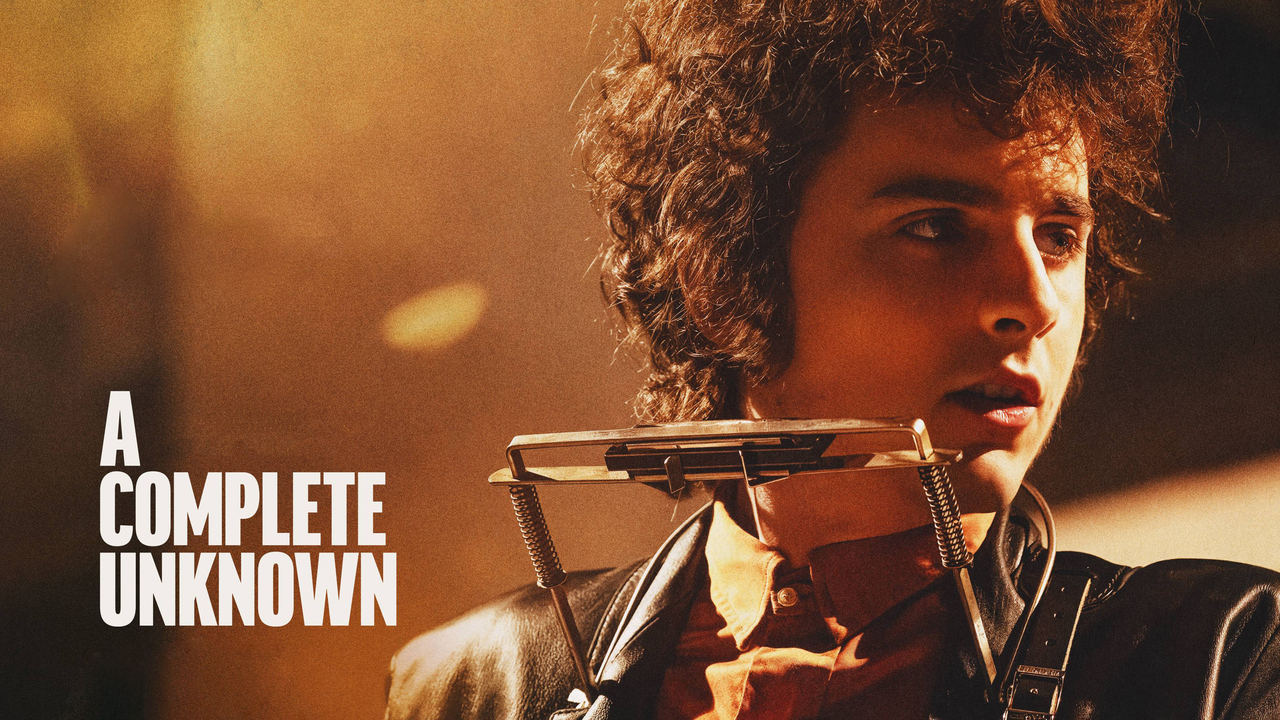
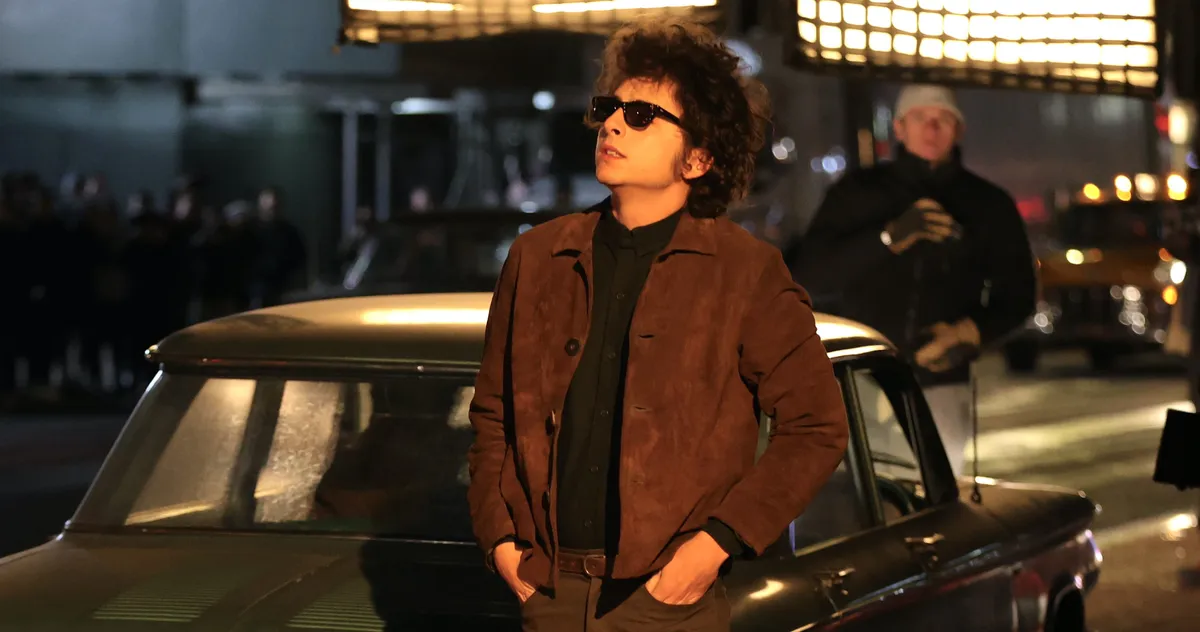
Directed by James Mangold, A Complete Unknown offers a unique take on Bob Dylan’s rise to fame in the 1960s. The film focuses on the transformative period leading to his controversial 1965 Newport Folk Festival performance. Timothée Chalamet’s portrayal of Dylan has earned positive reviews, highlighting both the narrative and his nuanced performance. The film chronicles Dylan’s journey from his arrival in New York City in 1961 to his electrifying performances that solidified his musical legacy.
A Complete Unknown Ending Explained
The 1965 Newport Folk Festival was a pivotal moment in Dylan’s career. Known for folk music, Dylan’s decision to perform with an electric guitar and rock band sparked controversy. In the film, the performance represents a major shift, with the audience’s negative reaction stemming from a perceived betrayal. Folk music, tied to social activism, clashed with Dylan’s shift to rock, though some cheered his boldness. The booing symbolizes the friction caused by Dylan’s departure from traditional folk.
Bob Dylan (Image via Getty)
The 1965 Newport Folk Festival incident is remembered as a controversial chapter in Dylan’s career. While the film centers on the emotional reaction of the crowd, the reality behind the booing is more complex. Beyond disappointment with Dylan’s musical shift, some festival-goers were put off by technical issues, including poor sound quality that made the electric performance difficult to appreciate. Additionally, Dylan’s set was noticeably brief, with only three songs performed before he walked off the stage. In comparison, other performers had much longer sets, which added to the frustration of the crowd. Still, the general sentiment of betrayal remained a core factor in the backlash.
Dylan’s Mysterious Motorcycle Ride: A Symbol of His Withdrawal
In the film, Dylan’s motorcycle ride is portrayed as a pivotal, mysterious moment. This ride is meant to allude to the real-life motorcycle accident Dylan had in 1966, a year after the Newport incident. While the film does not go into great detail about the crash, it subtly hints at the event that played a major role in Dylan’s sudden disappearance from the public eye. The crash, which occurred near Woodstock, New York, resulted in serious injuries, including broken vertebrae in his neck. Dylan’s retreat from the public spotlight after this accident marked the end of his intense media presence, with the musician refraining from public performances for nearly eight years. Despite this, Dylan continued to record new music, signaling a shift in both his career and personal life.
Following the dramatic 1965 performance, Bob Dylan did eventually return to the Newport Folk Festival, but it was a long wait. It wasn’t until 2002 that he made his much-anticipated comeback to the stage, 37 years after his controversial set. This return was marked by a striking contrast, as Dylan performed a much longer set, incorporating both newer material and classic hits. Interestingly, Dylan made a unique statement by wearing a fake beard, cowboy hat, and wig, adding a theatrical flair to his return. Despite this symbolic return, Dylan’s Newport appearances remained rare, and he has not performed at the festival again since.
Bob Dylan (Image via Getty)
The Character of Sylvie Rosso and the Real-Life Inspiration
In A Complete Unknown , Elle Fanning portrays Sylvie Rosso, a fictional character based on Bob Dylan’s real-life girlfriend, Suze Rotolo. Rotolo was a significant figure in Dylan’s early years, influencing much of his music during their relationship. Rotolo appeared on the cover of Dylan’s The Freewheelin’ Bob Dylan album, which solidified her place in the narrative of his rise to fame. Dylan and Rotolo’s relationship, however, was turbulent and eventually ended in 1964. The character of Sylvie in the film represents a blend of Rotolo’s essence but with alterations, as Dylan himself requested the change of name in the biopic. Rotolo, in her memoir, revealed how difficult it was to cope with the pressures of being involved with a figure as monumental as Dylan, expressing a desire to be seen as an individual outside of his shadow.
What the Film Omits About Bob Dylan’s Life
While A Complete Unknown highlights Bob Dylan’s rise in the 1960s, it excludes many personal aspects. The film omits his early life, family, and relationships, such as tensions with Suze Rotolo’s sister Carla and her abortion. Dylan’s marriage to Sara Lownds in 1965, along with their child, is also absent. Though Sylvie (based on Rotolo) attends the 1965 Newport Festival, they had already split by then.
The film simplifies Dylan’s complex personal life, leaving out details like his two marriages and children. Creative liberties are taken, such as the inclusion of Johnny Cash at the Newport Festival and the fictional Baez-Dylan argument. Additionally, the portrayal of meetings with Seeger and Guthrie at the hospital is altered for narrative purposes, while other significant events are missing.
Why the Focus on the 1960s in A Complete Unknown
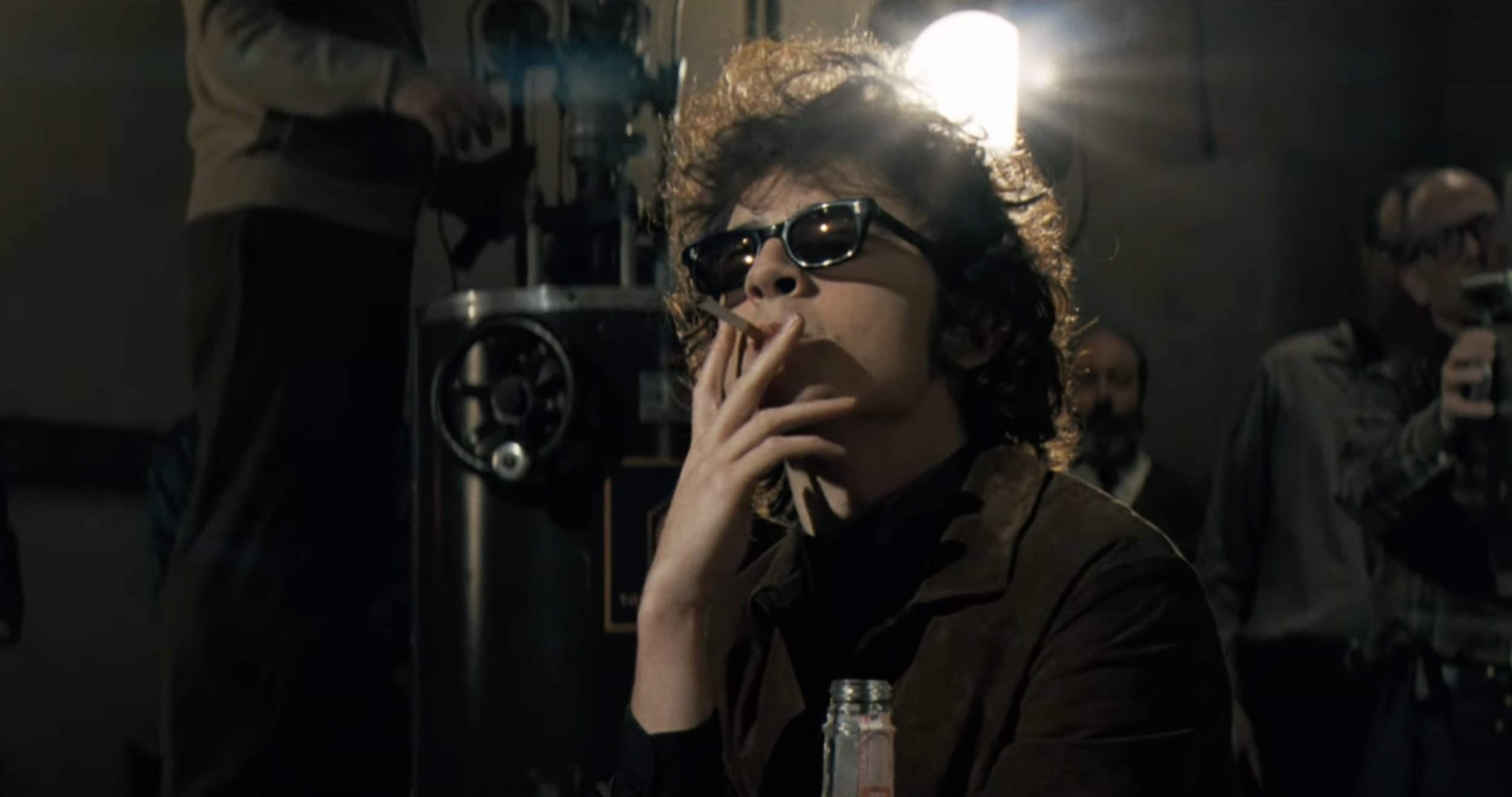
The decision to center A Complete Unknown on Dylan’s career in the 1960s is intentional and significant. The 1960s were a time of monumental change in both Dylan’s career and the cultural terrain of America. This period was marked by political upheaval, protests, and anti-war movements, all of which heavily influenced Dylan’s music. Mangold’s choice to focus on this decade allows for a deeper exploration of Dylan’s evolution from a folk singer to a rock icon. The 1965 Newport Folk Festival performance, with its pivotal shift in style, serves as the perfect moment to capture the dramatic arc of Dylan’s early career.
Bob Dylan (Image via Getty)
The film, loosely based on Elijah Wald’s book, focuses on the high-stakes tension surrounding the Newport Festival and Dylan’s transition to electric music. By honing in on just this decade, A Complete Unknown gives a concentrated and dramatic portrayal of Dylan’s transformation during a time when he was making his most significant musical and cultural impact.
The Meaning Behind A Complete Unknown ‘s Ending
The ending of A Complete Unknown leaves viewers with a sense of both completion and mystery. The film tracks Dylan’s evolution from a “completely unknown” to a legendary figure, with the 1965 Newport Folk Festival marking the moment when he solidified his place in music history. As Dylan moves from folk to rock, his influence on future generations of musicians becomes undeniable. The film’s final scenes offer an enigmatic closure to this phase of his career, leaving behind a legacy that continues to intrigue and inspire.
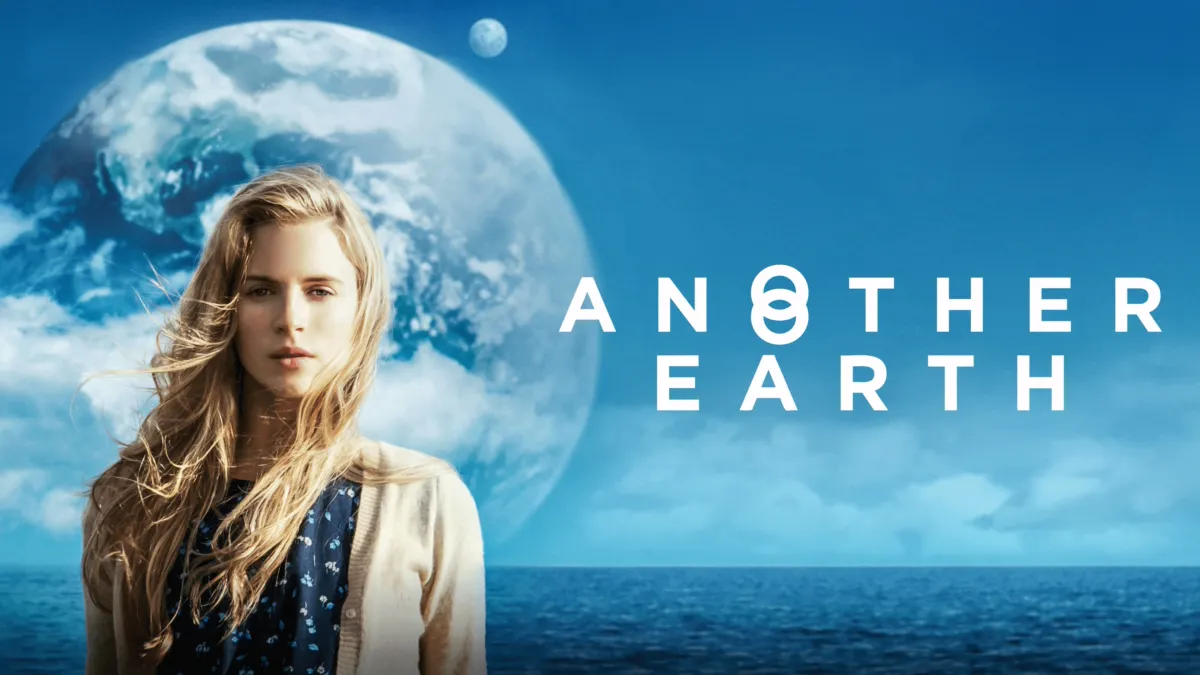
Another Earth presents a unique and thought-provoking concept, where Earth finds itself in close proximity to an alternate version of itself. The story explores the intertwined lives of two individuals, Rhoda and John, who experience profound changes due to a tragic accident and the mysterious appearance of this second Earth. The narrative, filled with emotional depth and philosophical musings, concludes with an open-ended twist that has left audiences speculating on its meaning. Below is an explanation of the film’s plot and its enigmatic ending.
The film begins by introducing Rhoda, a young and promising student who has just been accepted into MIT. However, she finds herself at a crossroads. Instead of celebrating, Rhoda parties and gets drunk, and while driving back home, her attention is diverted by a radio announcement. The discovery of an Earth-like planet, a potentially habitable world, catches her attention as she gazes up at the sky. Unfortunately, her distraction leads to a tragic accident.
Another Earth Ending Explained
While Rhoda’s eyes are on the sky, she crashes her car into another vehicle at full speed. The car she hits belongs to John, a man whose life is about to change drastically. In the accident, John’s wife and child are killed, and John himself falls into a coma. Due to Rhoda’s juvenile status, John never learns the identity of the person responsible for the crash. Rhoda, now consumed by guilt, finds her life completely derailed. She is sent to jail, and her dreams of attending MIT are shattered.
Another Earth (Image via Getty)
After her release, Rhoda struggles with guilt and self-forgiveness, taking a janitorial job. Meanwhile, Earth-2, growing closer, becomes a growing mystery. The film doesn’t explain its origins or potential impact on Earth. As Earth-2 approaches, scientists, including Dr. Jones from SETI, attempt contact. An alternate Dr. Jones from Earth-2 responds, revealing their similar histories, suggesting Earth-2 is a mirror image of Earth.
Rhoda’s Secret and Growing Connection with John
John eventually wakes from his coma, and Rhoda, filled with guilt, decides she must confess the truth. She tracks him down, intending to tell him who she is and ask for forgiveness. However, when John answers the door, Rhoda falters and decides not to reveal herself. Instead, she pretends to be a cleaner from a service called Maid in Haven.
Though John initially tells her to leave, he eventually changes his mind. He allows her to clean his home, and over time, Rhoda returns for subsequent cleaning sessions. As their relationship develops, John grows curious about the mysterious woman. He discovers that Rhoda doesn’t work for the company she claims, and he eventually confronts her. This leads to a deeply emotional moment between the two, during which Rhoda begins to open up to John.
Their relationship takes a romantic turn when John plays a saw for Rhoda, a makeshift musical instrument that involves striking and bending a saw to produce sound. This moment marks a significant turning point in their connection. Rhoda also participates in an essay competition, the winner of which would earn the opportunity to join a space expedition to Earth 2.
The Earth-2 Journey and Rhoda’s Confession
Rhoda tells John she’s won the competition for a trip to Earth-2. John congratulates her but expresses his hope for a relationship, especially with the one-way nature of the journey. Rhoda, emotional, admits she caused the accident that killed his family. John angrily tells her to leave.
Meanwhile, Rhoda’s parents learn about her Earth-2 selection. Rhoda believes that on Earth-2, the accident never happened, allowing for a different life. She shares her theory with John, but the confrontation turns violent. Rhoda leaves him a ticket to Earth 2, and John prepares for his journey.
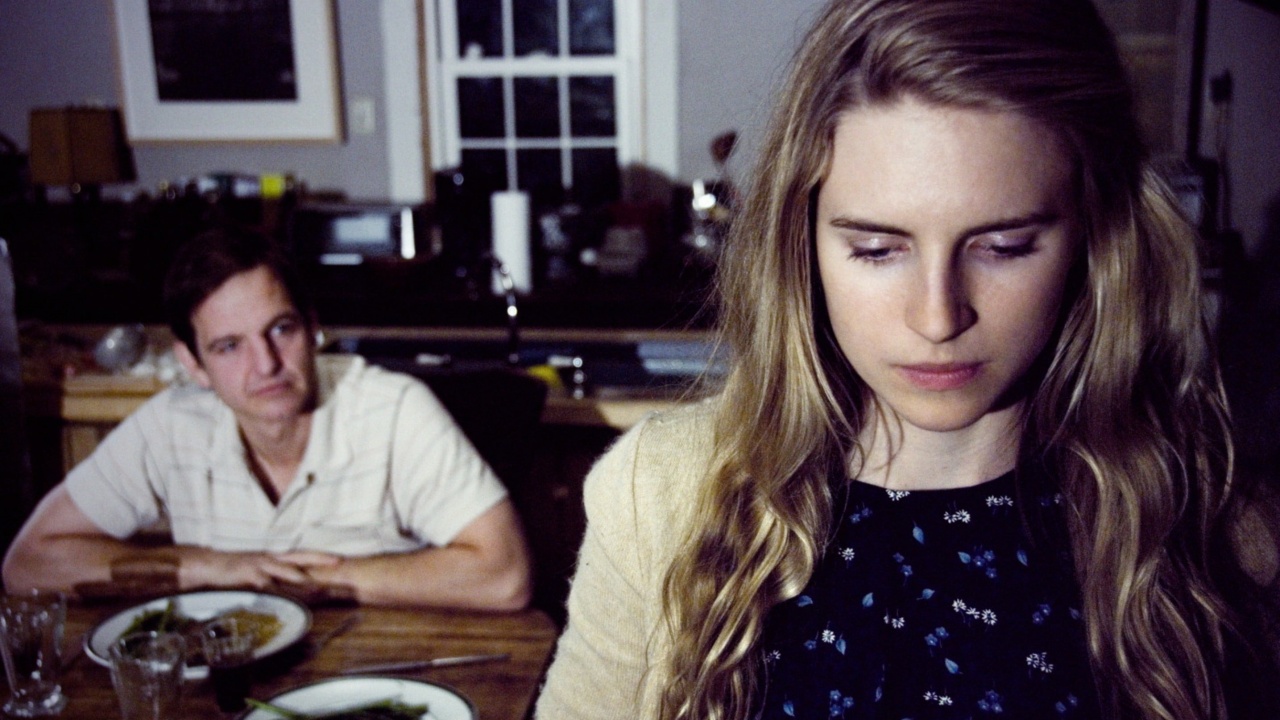
John and Rhoda (Image via Getty)
The Mysterious Encounter with the Alternate Rhoda
Several months pass, and Rhoda’s life continues in the same routine. But then, one day, she has an unexpected encounter. Rhoda runs into another woman who looks exactly like her. This woman, dressed in a suit, is Rhoda from Earth-2. The meeting between the two Rhodas raises numerous questions, as it’s unclear why the alternate version of Rhoda has arrived on Earth-1 after such a long delay.
The Film’s Open-Ended Conclusion
The film ends with the ambiguous meeting between the two Rhodas, leaving many questions unanswered. Is the Rhoda from Earth-2 the same person who stayed behind on Earth-1? Or is the encounter between the two Rhodas part of a broader narrative of parallel universes and alternate realities? The director intentionally leaves the ending open to interpretation, allowing viewers to form their own conclusions.
Explaining the Distance Between Earth-1 and Earth-2
One intriguing aspect of the film is the apparent proximity between Earth-1 and Earth-2. Throughout the movie, Earth-2 is depicted as being roughly three to four times as large as the moon appears in the sky. Given the size comparison between Earth and the moon, it is suggested that Earth-2 may be situated at a distance similar to that of the moon. If we consider the time it takes for a manned mission to reach the moon—about four days—it can be inferred that the journey between Earth-1 and Earth-2 might take roughly 15 days, factoring in the need to travel through an atmosphere.
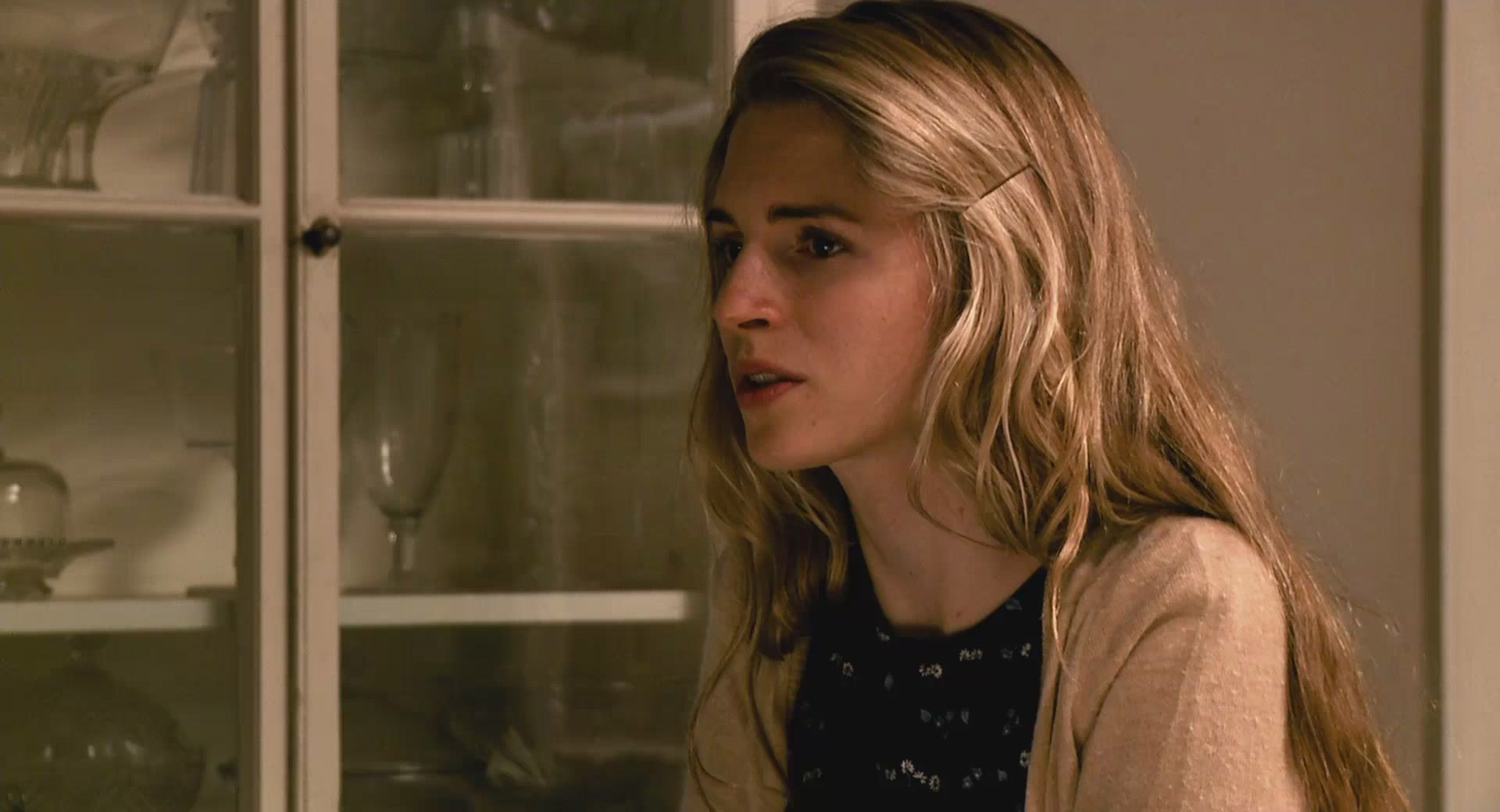
Rhoda (Image via Getty)
The Delay in Rhoda’s Arrival from Earth-2
When Rhoda meets her alternate self, it becomes evident that there is a significant delay in Rhoda’s arrival from Earth-2. The question arises: why did Rhoda from Earth-2 take so long to make the journey to Earth-1? One possible explanation is that the alignment of events between the two planets plays a crucial role in the timing of their encounters. If John’s journey to Earth-2 triggered a series of events on Earth-2, it might explain the delay in Rhoda’s arrival. Additionally, the essay competition and the life-altering accident may have contributed to the differences in the two versions of Rhoda.
On Earth-2, the accident may not have occurred, allowing Rhoda to pursue her dreams at MIT and avoid the emotional trauma of jail. Had she not experienced the same pain, it’s possible that Rhoda from Earth-2 would never have written the winning essay or won the opportunity to travel to Earth-1. This contrast in their lives could account for the time discrepancy in their encounters.
