The May issue of Kodansha’s Monthly Dessert magazine revealed that Megumi Morino’s A Condition Called Love manga will conclude after three more chapters. However, before the final arc unfolds, the series will take a short hiatus in the magazine’s next issue (April issue), which is scheduled for release on April 24, 2025.
Since its debut in December 2017, A Condition Called Love has been serialized in Monthly Dessert magazine. Kodansha has compiled the chapters into 16 tankobon volumes, with Kodansha USA handling the English release since 2020. The series’ conclusion is expected to be published in chapter 72.
Final arc and future plans confirmed
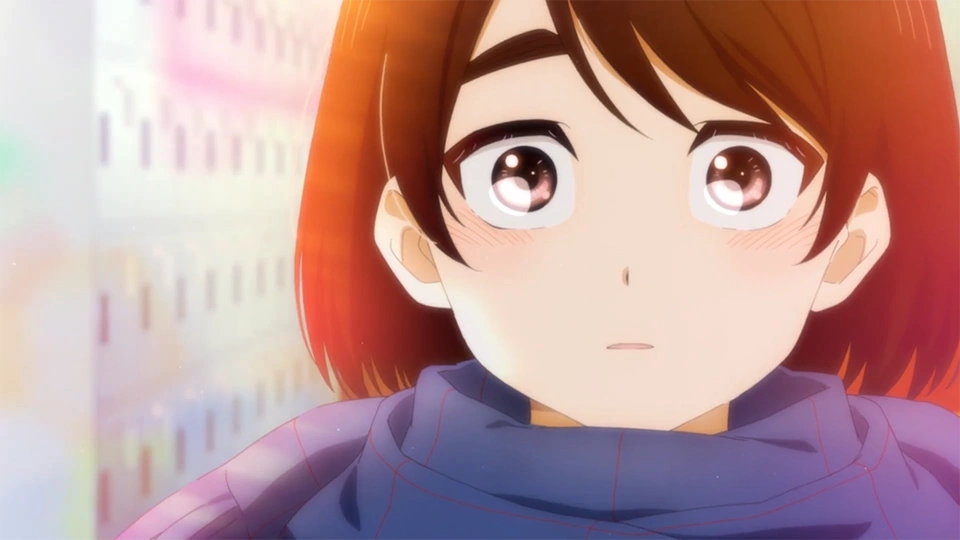
Romance Blooms in New A Condition Called Love (Credits: East Fish Studio)
On March 24, 2025, Monthly Dessert published chapter 69 of A Condition Called Love and announced that the manga will end in three more chapters. Before that, the series will go on a break in the next issue of the magazine, which is set to be released on April 24, 2025.
Following the official announcement, Megumi Morino shared a personal message on their official X account. Morino expressed relief at reaching this stage in the story and confirmed that volume 17, which will include chapter 69, will be released in May 2025.
本日発売のデザート5月号に『花野井くんと恋の病』69話載っております。ようやくここまで辿りつけてホッとしてます🥲5月発売予定の17巻はこのお話までが収録されます。本編も残すところあと3話ですが、先にお伝えしておきますと番外編も色々描く予定なので、あともう少しお付き合いください。 pic.twitter.com/WObcB10GC9 — 森野萌 (@megumi_ibara) March 24, 2025
Morino also reassured fans that the end of the main story won’t be the last they’ll see of the characters. The author revealed plans for multiple spin-offs featuring characters from the main story, though specific details about the content and format of the spin-offs have yet to be disclosed.
Anime adaptation and growing popularity
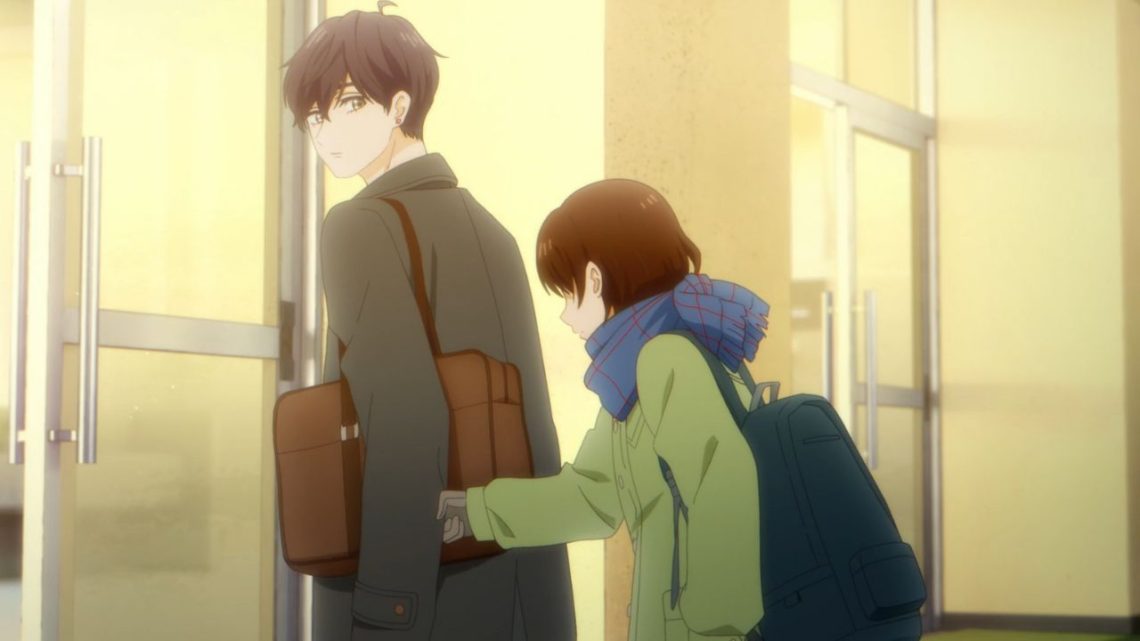
A Condition Called Love
A Condition Called Love gained significant recognition following its anime adaptation by East Fish Studio. The series aired 12 episodes from April 2024 to June 2024. Crunchyroll streamed the episodes globally, helping the series attract a wider international audience.
The anime successfully translated the story’s emotional depth and character-driven narrative, further cementing the manga’s status among shojo romance fans. The upcoming conclusion and future spin-offs are expected to maintain fan engagement even after the main storyline ends.
The passing of Dragon Ball creator Akira Toriyama shook the manga and entertainment world, with tributes pouring in from fans and industry figures alike. However, Toriyama’s former editors have voiced frustration over how his death was handled by Shueisha, the publisher behind Dragon Ball and Shonen Jump.
In a recent interview with Kazuhiko Torishima, Yu Kondo, and Fuyuto Takeda—three of Toriyama’s key editors—the trio expressed disappointment over Shueisha’s response. They criticized the publisher for failing to communicate properly about Toriyama’s death and not adequately recognizing his monumental contributions to the industry.
Editors express frustration over lack of communication and respect
How editors learned of Toriyama’s death 🧵17/n pic.twitter.com/HH9kg563pp — Enomis (@Venixys) March 24, 2025
Torishima, who played a major role in shaping Dragon Ball during its early years, shared that Shueisha’s announcement of Toriyama’s death was handled poorly.
He felt that the company’s acknowledgment lacked the gravity and respect that Toriyama’s legacy warranted. Kondo and Takeda echoed these concerns, adding that the lack of clear communication from Shueisha left fans and industry professionals in the dark during a sensitive moment.
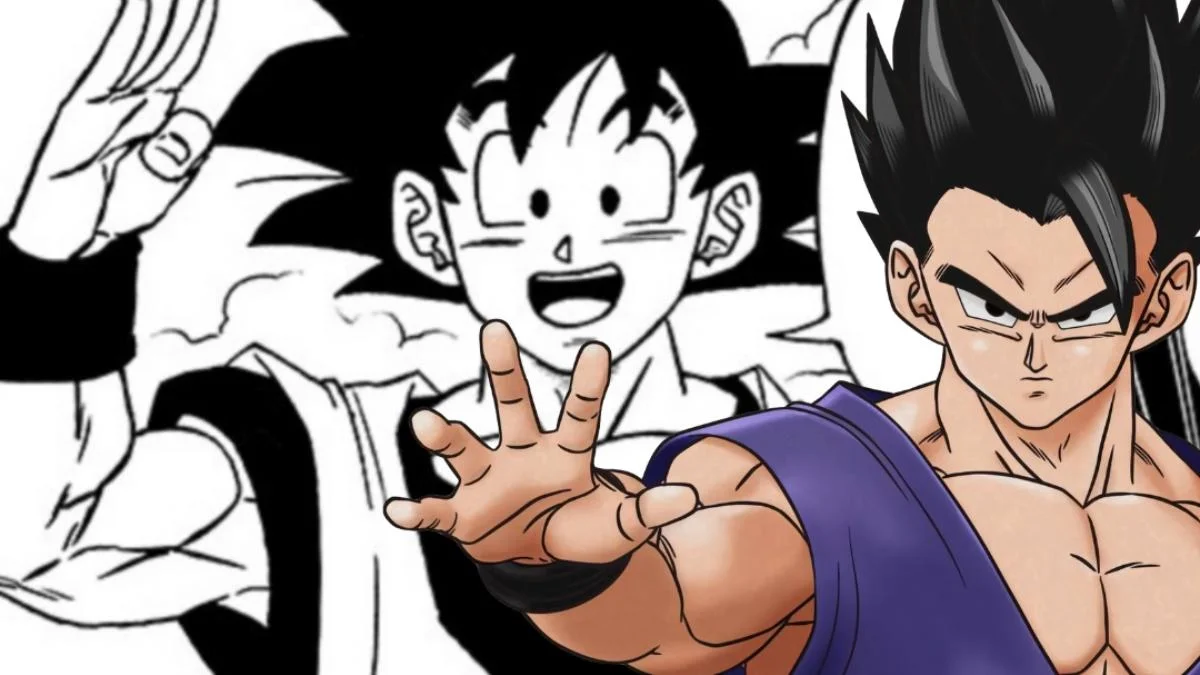
Goku and Gohan (Credits: Akira Toriyama)
The editors also questioned whether Toriyama received the level of respect he deserved from the publisher, considering Dragon Ball’s cultural and financial impact. Toriyama’s work not only defined a generation of manga and anime fans but also influenced countless creators and helped globalize Japanese pop culture.
Implications for the future of the manga industry
Beyond their frustrations with Shueisha, the editors expressed deeper concerns about the future of the manga industry following Toriyama’s death. Torishima highlighted how Toriyama’s influence extended beyond his creative work, shaping the business and creative culture of manga production.
Goku (Credits: Akira Toriyama)
Kondo and Takeda warned that the mishandling of such a significant moment raises questions about how major publishers will treat influential creators in the future. They stressed the need for better communication, transparency, and recognition when it comes to honoring the legacy of industry giants.
Toriyama’s legacy remains undeniable, with Dragon Ball continuing to inspire new generations of fans and creators. However, the editors’ criticism of Shueisha underscores the importance of preserving the dignity and legacy of creators who have shaped the manga and anime industries.
