The new school year is here for the Abbott Elementary team, and Season 4 looks ready to impress. When we last saw our favorite teachers, Janine (Quinta Brunson) was busy throwing a perfect end-of-year party. She made sure to cater to each of her co-workers’ tastes, showcasing her special touch.
The most memorable moment from the last season was Janine and Gregory (Tyler James Williams) sharing a passionate kiss. This kiss placed them firmly in the “will-they-won’t-they” category that many fans love to watch.
As the new season begins, we will not spoil the surprises that lie ahead for Teddie (a combination of Teagues and Eddie). However, we can say that Brunson continues to bring new life into the best sitcom traditions in Season 4. The opening episode is called “Back to School.”
In this episode, Janine has fully returned to daily life at Abbott after her time in the school district. We are introduced to a significant new source of conflict this season. The construction of a new golf course will lead to gentrification in West Philadelphia, affecting the community in ways that will likely become a central theme in the upcoming episodes.
Although Janine has moved back from the district, we will still see familiar faces from her past appear as guest characters. These guest appearances will add humor and interesting conflicts for our favorite teachers.
As the dynamics between characters change, the show remains fresh and engaging, preventing the formula from feeling repetitive. As we move into the fourth season, the cast feels more connected and realistic, which adds to the show’s charm.
The Strength of the Abbott Elementary Cast
The cast of Abbott Elementary has always been one of its biggest strengths, and this continues as we enter the fourth season. The show opens with its 50th episode, highlighting how well the cast works together. They effortlessly balance each other’s strengths and deliver jokes with great chemistry.
While we can’t share what will happen with Janine and Gregory after their amazing kiss, Brunson writes their evolving relationship in a way that excites fans while feeling completely natural for their character growth. She ensures that the series does not repeat itself and moves the storyline forward in a way that keeps viewers smiling.
Another important relationship in the show is between Janine and Principal Ava Coleman (Janelle James). These two characters have very different personalities but have found enough common ground to avoid direct conflict. Ava remains chaotic and unpredictable, but she also recognizes Janine’s talents.
The writers continue to create plenty of humor from this relationship while deepening their bond and keeping the unique quirks of both characters intact. Although Janine still deals with anxiety, she also shows newfound confidence that will help her in both her personal life and her career in Season 4.
The friendship between Barb (Sheryl Lee Ralph) and Melissa (Lisa Ann Walter) stays strong. Their comedic differences provide subtle laughs in the opening episodes. The show has not forgotten that Melissa and Jacob (Jacob Perfetti) now live together, so viewers can expect more fun from this dynamic both at school and home.
While it feels like most characters receive equal screen time, Janine naturally remains the most developed character within the group. It would be nice to show the personal lives of the other characters more in-depth. Balancing character development in a comedy with seven main characters can be challenging, but after four seasons, we are ready for more scenes.
Abbott Elementary Remains Hilarious and Heartfelt
With fresh and familiar relationship dynamics, Abbott Elementary is just as funny and heartwarming as ever. The show continues to stand out as a top-notch sitcom, one you can watch multiple times and still laugh at the jokes as if it’s your first time hearing them.
Each character in the ensemble is both charming and funny, making the series even more enjoyable. The clever writing contributes to its humor, and the physical comedy enhances the viewing experience. The show’s ability to break the fourth wall draws viewers into the world of Abbott Elementary effortlessly.
Ava’s character stands out in this season. It’s hard not to laugh at every line she delivers. Her timing is spot on, whether she’s delivering one-liners or performing physical comedy bits. One of her lines from the opening episodes is sure to become a favorite among fans.
Barbara, played by Ralph, is another standout character, a fact that is not surprising since she has already won an Emmy for her role as the lovely Barbara Howard. The lines that might sound ridiculous coming from other actors seem natural when Ralph delivers them. She brings so much charm to the character that we can’t help but find Barbara endearing.
As we enter Season 4, every element of Abbott Elementary comes together to create one of the best comedies on air. The cast remains strong, and with episodes like the highly anticipated crossover with It’s Always Sunny in Philadelphia coming soon, it seems Brunson and her team have adopted a “go big or go home” approach this season—and it is paying off tremendously.
The Return of Class and Community
In Season 4, the story returns to the classroom, where Janine and her friends face new challenges together. The show captures the real struggles of teachers and their commitment to their students. While the new golf course brings change to West Philadelphia, it also highlights how important it is for the community to come together.
The show shows these themes with humor and heart, showing how the teachers support each other while faces the ups and downs of their work.
As the teachers tackle various obstacles, their friendships deepen, and they learn to rely on one another even more. The sense of community in Abbott Elementary is a crucial part of the show.
It illustrates how important it is for teachers to support each other as they face challenges in the classroom. Their relationships with one another not only create laughter but also reflect the reality of what many teachers experience daily.
Character Development and Growth
One of the most enjoyable aspects of Abbott Elementary is witnessing the growth of its characters. Janine, for example, is evolving into a more confident and capable teacher. Her experiences in the district have shaped her, but her return to Abbott Elementary allows her to shine in new ways.
As she faces her role as a teacher and friend, viewers will see her face new challenges that will test her abilities and resolve. This growth is relatable for many, as it reflects the journey of self-discovery that often comes with new experiences.
Gregory’s character also undergoes significant development in Season 4. Following his kiss with Janine, he must face the complexities of their relationship while continuing to focus on his work as a teacher.
This situation provides plenty of opportunities for humor and heartfelt moments. Fans are excited to see how Gregory will balance his feelings for Janine with his professional responsibilities.
Meanwhile, the supporting characters are not left behind. Ava continues to challenge Janine while learning to appreciate her strengths.
This dynamic is not only funny but also highlights the importance of understanding and teamwork in a school environment. As these characters grow individually, they also contribute to the full development of the group.
Themes of Friendship and Support
Abbott Elementary shows themes of friendship and support throughout Season 4. The bond between Barb and Melissa showcases how different personalities can come together to create a strong friendship.
Their playful banter and contrasting styles bring laughter to the show while reminding viewers of the value of friendship. These relationships are central to the show, demonstrating how they can help characters overcome obstacles.
In addition to friendship, the show highlights the importance of supporting one another in challenging times. The teachers at Abbott Elementary face numerous hurdles, but they never shy away from helping each other. This sense of camaraderie resonates with viewers and serves as a reminder of the strength found in the community.
A Show for All Ages
Abbott Elementary is a show that appeals to a broad audience. Its humor is accessible to people of all ages, making it a great choice for family viewing.
The characters are relatable, and the situations they encounter resonate with viewers, regardless of their background. The balance of comedy and heartfelt moments creates a viewing experience that entertains while also touching the heart.
As the fourth season progresses, Abbott Elementary continues to deliver laughs while addressing important themes. The combination of humor, character development, and relatable situations makes it a standout series. Whether viewers are tuning in for the jokes, the heartwarming moments, or the relatable stories of teachers, there is something for everyone.
The Future of Abbott Elementary
Looking ahead, fans are eager to see what Season 4 will bring. The anticipation builds with every episode, as viewers are excited about the upcoming storylines and character arcs.
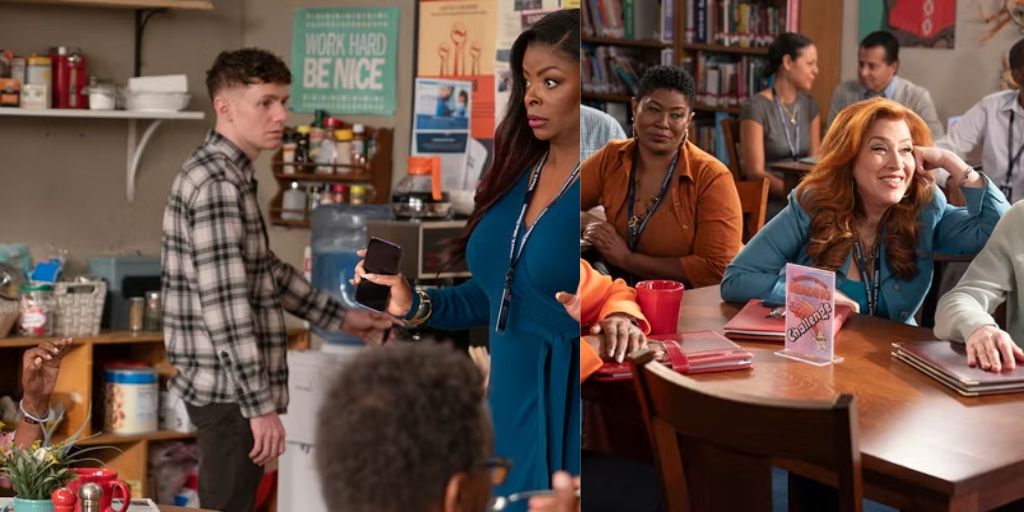
Still from Abbott Elementary (Credit: ABC)
The unique blend of humor and heart that has defined Abbott Elementary will surely continue to shine. The show has successfully carved out a place for itself in the television comedies, and its popularity shows no signs of slowing down.
In the upcoming episodes, we can expect more laughs, new challenges, and the continuation of character growth. The relationships that fans have come to love will evolve further, creating fresh storylines that keep audiences engaged. With a talented cast and a strong writing team, Abbott Elementary is well-positioned to deliver another memorable season filled with laughter and heart.
Watch Abbott Elementary This Season
New episodes of Abbott Elementary Season 4 will air every Wednesday on ABC at 9 PM ET. For those who want to catch up, previous episodes are available on Hulu. Whether you’re a longtime fan or a newcomer to the series, now is the perfect time to join the fun at Abbott Elementary.
The Terrifier franchise has carved its place in horror cinema, featuring the infamous Art the Clown, played brilliantly by David Howard Thornton. Art is a character unlike any other. He walks around with a giant sack filled with accessories, almost like a sinister version of Santa Claus.
His bag contains a range of tools, from harmless items like a bicycle horn or a child’s doll to terrifying instruments capable of inflicting horrific pain. This collection represents endless possibilities, blending lightheartedness and gruesome violence. The same can be said about the films in this series, especially the latest Christmas-themed installment, Terrifier 3.
Throughout this cult horror franchise, which has gained immense popularity in recent years, the storyline follows a consistent pattern. Art the Clown engages in despicable and disgusting acts of murder, showcasing his unique methods.
This brutal violence is often juxtaposed against a mundane story about ordinary people who must eventually confront Art’s terrifying presence. While the budget for Terrifier 3 has increased significantly compared to the first film, the kills have become more gruesome. Still, this latest installment remains a mixed bag, much like its predecessors.
What Is ‘Terrifier 3’ About?
For those who are new to the Terrifier series, this third film begins by immersing the audience in its distinctive brand of violence and gore. It opens with Art the Clown, dressed as Santa, entering the home of an unsuspecting family during the holiday season.
As he steps inside, the viewer quickly realizes his intentions are far from friendly. He decides to murder everyone in the house. This family exists solely to serve as fodder for Art’s chaotic mayhem.
What sets Terrifier apart from other horror franchises is its unapologetic celebration of savagery. We don’t just see Art kill the parents and their child; we witness him hack away until all that remains is a pool of red goo where humans used to be.
This bloodshed is soundtracked by the heart-wrenching screams of the victims’ loved ones. It is intense and shocking, and even those who are desensitized by the first two films in this series will find plenty to make them flinch and squirm in this latest massacre.
Terrifier 3 is set five years after the events of Terrifier 2. In the previous film, Sienna Shaw (played by Lauren LaVera) and her brother Jonathan (Elliot Fullam) survived Art’s attack. They managed to decapitate him and escape to safety. However, the act of decapitation does not mean much to Art.
At the end of Terrifier 2, viewers see his alive yet severed head being birthed by his partner-in-crime, Victoria “Vicky” Heyes (Samantha Scaffidi), in a mental institution. This shocking revelation sets the tone for the chaos that follows.
Over the last five years, Sienna has been in and out of psychiatric hospitals, grappling with her understandable fears and suffering from visions of those she feels responsible for leading to their deaths at Art’s hands. Meanwhile, Jonathan is in college, trying his best to move beyond the traumatic events of the past. This has meant staying mostly away from his sister, trying to heal on his own.
Art and Vicky, however, have been biding their time. They are literally sitting in one place, covered in dust and cobwebs, waiting for their maniacal return. While there does not seem to be a clear method to their madness, director Damien Leone expands the lore within this series in a somewhat blunt manner.
Through heavy-handed Christian imagery, it becomes evident that while Art and Vicky represent extreme evil, Sienna symbolizes the good that can counterbalance them. She may be the only one capable of stopping this twisted duo.
‘Terrifier 3’s Dual Story Is Uneven and Doesn’t Work as It Should
Terrifier 3 wants viewers to revel in the vicious kills that Art engages in, presenting new unsettling methods of destruction. Like the earlier films, Art and Leone are at their peak in showcasing bloodshed. They excel in breaking bones, peeling back skin, and allowing violence to flow.
There is no question that Leone’s skill in escalating these murders has significantly improved since the first film, and the practical effects are undeniably impressive with each new death.
However, it is the manner in which these kills are executed that makes Terrifier 3 truly horrifying. Art does not simply kill his victims; he feels the need to utterly obliterate their bodies, resulting in murders that stretch on for several agonizing minutes. Each possible part of a human is broken to cause immense pain and suffering.
What is even more disturbing is that Leone often makes family members of the deceased watch as Art wreaks havoc on their loved ones. In the opening sequence, we hear a child’s murder, followed by a mother discovering her dismembered child in his bed, crying and screaming in despair.
The Terrifier series goes so far that as viewers witness yet another person being hacked to bits, one begins to wonder if there is a larger commentary in Leone’s madness.
These films shine brightest when they focus on Thornton’s performance, particularly when he plays around with his future victims, miming jokes, and, of course, embodying the role of a clown. Art the Clown is a fascinating character who deserves more than what this franchise provides.
Art often reminds us of horror icons from the ‘80s and ‘90s who became larger than their respective franchises, like Freddy, Jason, or Pinhead. With his extreme murders and grotesque antics, Art shifts from a comical presence to a terrifying figure.
It is as if Leone is forcing viewers to question why they are drawn to movie serial killers and their fondness for violence. Alternatively, and more likely, Terrifier 3 and the franchise as a whole just wants to indulge in the maximum amount of grisly scenes without worrying about any larger meaning or message.

Still from Terrifier 3 (Credit: Cineverse)
Yet, the duality of Terrifier 3’s story—a recurring problem throughout the series—does not work well, leading to films that feel tonally uneven. When the film relies on Thornton’s monstrous clown persona, it is silent, disturbing, and grotesque (in a good way).
But when Leone attempts to write real human characters, they often come across as stiff, unsatisfying, and frankly, boring. It feels as though these human characters exist solely to become dead bodies, and writing genuine people has never been a strong suit in this series.
This division in the story pulls the audience in two opposing directions. On one hand, Terrifier 3 clearly wants viewers to appreciate the new ways in which Leone and Art find to kill people. On the other hand, it also seeks to evoke sympathy for those who have witnessed this madness and escaped Art’s clutches.
The film wants its blood-soaked cake and to eat it too, and it fails to achieve this balance. While it is commendable that Terrifier 3 pushes the lore surrounding Art and Sienna into an interesting direction, it does so primarily for the sake of future releases, rather than offering a satisfying conclusion to this film.
The Mix of Humor and Horror
Terrifier 3 is an unusual film in an unusual series. Leone clearly wants viewers to appreciate the escalated gore present in this horrific world, but he also wants us to recognize the implications of such violence. We are invited to sit back and enjoy the organs and blood that spew everywhere.
Still, we are also told not to pay too much attention to the parents or children of the murdered who witness their lives being destroyed before their very eyes. Yet, we are expected to care when it serves the story at hand.
As a display of mindless killing, Terrifier 3 is impressive. The film showcases the practical effects and the artistry that goes into creating these horrific sequences. However, it also attempts to be more than just a collection of brutal scenes, and that is where the issues lie.
Like Art’s bag of tricks, Terrifier 3 often feels like a haphazard mix of elements drawn upon depending on the whims of its creator. It presents a chaotic blend of horror and humor that lacks a clear purpose, resulting in a film that feels disconnected at times.
The humor woven into the horror is another aspect that deserves attention. Art’s antics and clownish behavior create moments of dark comedy amidst the chaos. The juxtaposition of laughter and horror is a signature element of the franchise.
However, this balance is delicate, and it can easily tip into awkward territory. While Art’s humor can offer a brief respite from the violence, it can also undermine the film’s more serious moments. The shift from lightheartedness to brutality can leave viewers feeling confused about how to react.
The Importance of Practical Effects
One undeniable strength of Terrifier 3 lies in its practical effects. The filmmakers have poured significant resources into ensuring that each kill looks realistic and horrific.
The attention to detail in the special effects is commendable. From blood sprays to dismembered limbs, every aspect is crafted with care, contributing to the full impact of the film.
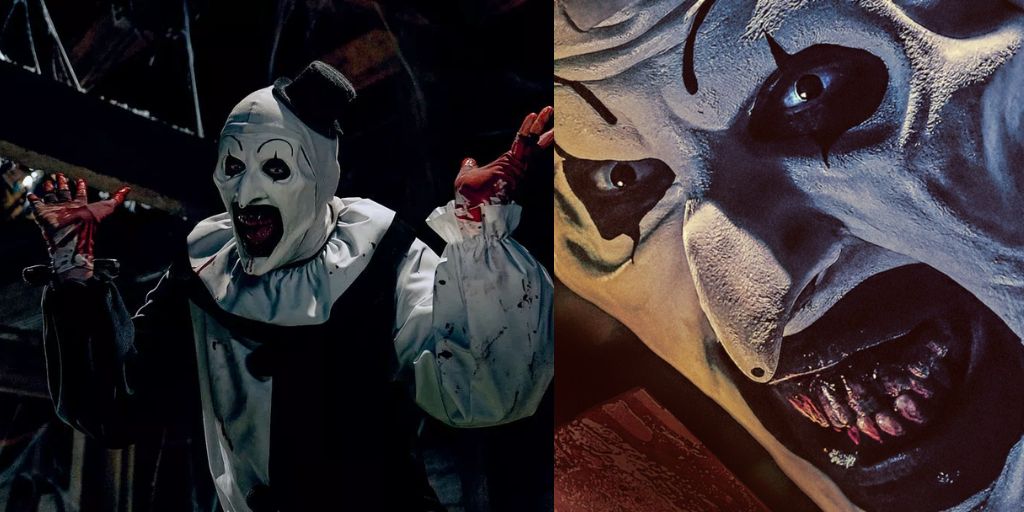
Still from Terrifier 3 (Credit: Cineverse)
Practical effects hold a unique charm that computer-generated imagery (CGI) often fails to replicate. In a world where many horror films rely on digital effects, the Terrifier franchise stands out by embracing the visceral nature of practical effects.
The authenticity of these effects amplifies the shock value, making the horrific moments more impactful. The filmmakers have succeeded in creating a sense of realism that draws the audience into the chaos.
Character Dynamics and Development
While the practical effects in Terrifier 3 shine, the character dynamics leave much to be desired. Art the Clown is a memorable figure, and David Howard Thornton’s performance is commendable.
He brings a unique charm to the role, blending humor and horror in a way that keeps viewers engaged. However, the film’s human characters struggle to make a lasting impression.
Sienna Shaw and Jonathan, despite their traumatic backstory, often feel like placeholders rather than fully developed characters. Their experiences and struggles could be shown more deeply, providing a more satisfying emotional arc.
Sienna’s battles with her mental health and visions of the past could serve as a powerful backdrop against the chaos unleashed by Art. Unfortunately, these themes often take a back seat to the gore, leaving viewers yearning for more depth and connection to the characters.
The relationship between Sienna and Jonathan is another aspect that feels underdeveloped. They share a traumatic history, yet their interactions lack emotional weight.
The tension of surviving a horrific encounter with Art could lead to significant character growth. However, their relationship remains stagnant, primarily serving the plot rather than offering genuine character development.
The Question of Genre Expectations
As Terrifier 3 pushes the boundaries of horror, it raises questions about genre expectations. The film revels in gore, often prioritizing shock value over narrative cohesion. This approach may satisfy some fans of extreme horror, but it risks alienating others who seek a more well-rounded experience.
Horror films often show deeper themes, using fear as a lens to examine human experiences. While Terrifier 3 indulges in excessive violence, it does not fully capitalize on the potential for commentary.
The duality of its narrative—between the gruesome killings and the psychological impact on survivors—could have been a fertile ground for scheme. Instead, the film often veers into mindless brutality, sacrificing emotional depth for shock.
The franchise’s commitment to over-the-top violence can also lead to desensitization. What was once shocking may become mundane as the series progresses.
While fans may appreciate the escalating gore, there is a risk that the novelty will wear off, leaving viewers craving more than just spectacle. A successful horror film balances fear, character development, and thematic depth, creating a lasting impact that goes beyond mere shock.
The Role of Humor in Horror
Another layer to consider is the role of humor in Terrifier 3. The balance between horror and comedy is a delicate one, and the film attempts to blend these elements through Art’s clownish persona. While this can lead to moments of dark comedy, it can also create a jarring experience for the audience.
Art’s antics, from exaggerated facial expressions to playful gestures, inject moments of levity amidst the chaos. However, this humor can sometimes undermine the gravity of the situations he creates.
The juxtaposition of laughter and horror can provoke a visceral reaction, yet it can also leave viewers uncertain about how to feel. In a franchise that thrives on the extreme, the integration of humor adds complexity but also risks diluting the impact of the horror.
Setting Up for Future Installments
Terrifier 3 sets the stage for future installments in the franchise, hinting at potential developments in the lore surrounding Art and Sienna. The conclusion leaves several unanswered questions, teasing the possibility of further scenes in subsequent films. However, while these hints may excite dedicated fans, they also raise concerns about the series’ trajectory.
The film’s reliance on gore and violence may overshadow its narrative. While expanding the lore can be enticing, it is crucial to ensure that the storytelling remains cohesive and satisfying.

Still from Terrifier 3 (Credit: Cineverse)
As audiences become accustomed to extreme horror, there is a risk that the franchise could fall into a formulaic trap, relying on shock value without meaningful character development or thematic scenes.
Final Thoughts
Terrifier 3 is an interesting addition to the franchise, showcasing impressive practical effects and a commitment to extreme horror. Art the Clown remains a attractive figure, and David Howard Thornton delivers a performance that balances horror and humor. However, the film struggles with character development and narrative cohesion, often prioritizing shock over emotional depth.
The duality of its story presents an opportunity for scenes, but it frequently falls short, leading to a tonally uneven experience. While the film may satisfy fans of gore, it risks alienating those seeking a more balanced horror experience.
As the franchise moves forward, it will be essential to find a way to integrate character arcs and thematic depth alongside the brutal killings that have become its hallmark.
Terrifier 3 ultimately serves as a reflection of the challenges faced by horror films today. It invites viewers to engage with the spectacle of violence while hinting at deeper themes, yet it often misses the mark.
The franchise has the potential to push boundaries and show new territory, but it must strive for a balance that keeps audiences engaged and invested. The legacy of Art the Clown is only just beginning, and the path forward will determine whether he becomes an enduring icon or simply another fleeting horror trend.
