Did you know that Goku, the beloved hero of Dragon Ball, has an unexpectedly rich and transformative history behind his design? Akira Toriyama, the creator of the series, revealed that Goku was originally meant to resemble an actual monkey. In an interview, Toriyama shared insights into how this idea evolved and why it changed, offering fans a deeper understanding of one of anime’s most recognizable characters.
Initially, Toriyama’s concept for Goku was inspired by the classic Chinese novel Journey to the West, where the main character, Sun Wukong, is a monkey. This led Toriyama to think of creating Goku as a similar monkey character. However, he soon realized that following this route would lack innovation. Toriyama decided to redesign Goku as a human boy, which turned out to be a pivotal move in shaping the iconic character we know today.
A Unique and Distinguishable Design
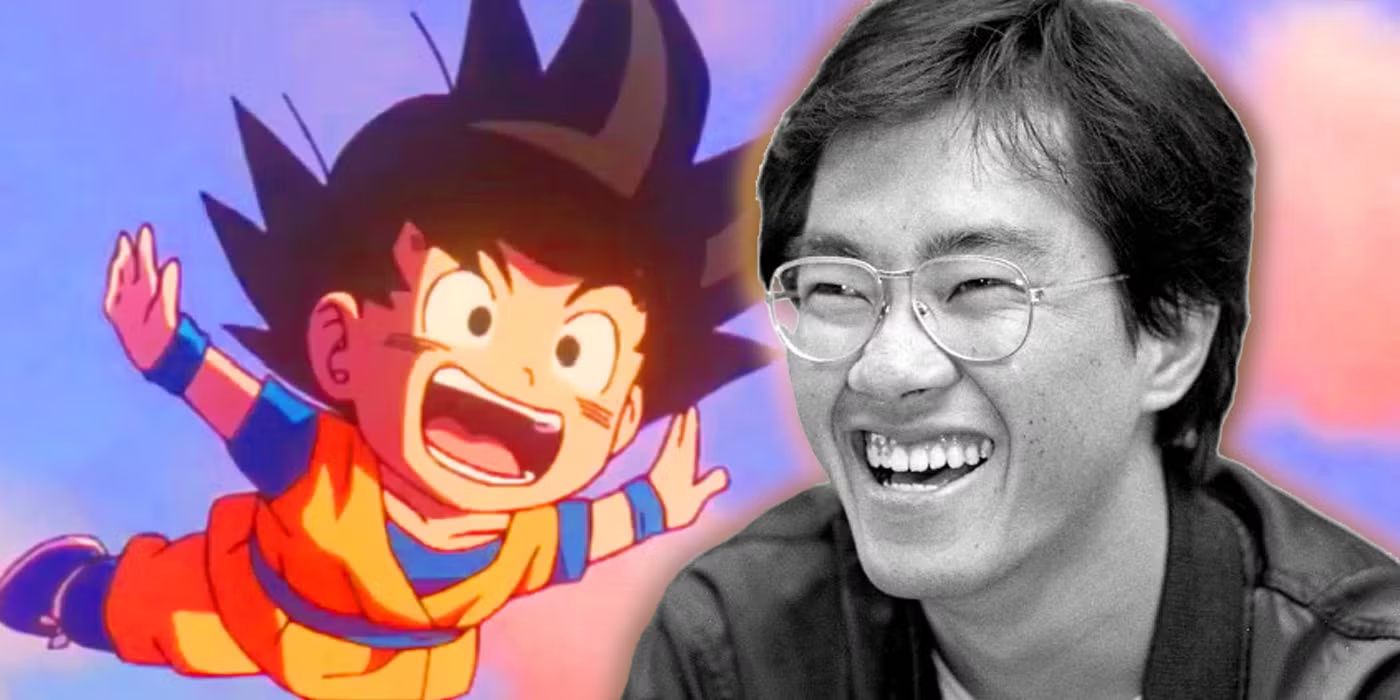
Akira Toriyama
Toriyama’s creative process was aimed at making Goku stand out from other anime characters. Drawing inspiration from his previous work Dragon Boy, where the protagonist had wings, Toriyama wanted a physical feature that would make Goku instantly recognizable. The solution came in the form of a tail, a feature that became central to Goku’s identity. Whether hidden behind a rock or in the spotlight, Goku’s tail ensured that fans could always identify him.
As the story progressed, with the introduction of the Dragon Balls and the epic journey to collect them, the series evolved into the legendary Dragon Ball we know today. Toriyama’s decision to shift from a monkey-like design to a more human appearance ultimately set the stage for the series’ massive success. This change in Goku’s design became one of the most important milestones in Toriyama’s career, leaving a lasting legacy in anime.
The relationship between Hayao Miyazaki and Yoshiyuki Tomino is a tale of fascinating contrasts, professional rivalry, and mutual respect. Both of these legendary filmmakers hail from the same era, yet their creative philosophies and careers diverged significantly.
Miyazaki is known for his universally beloved films, including My Neighbor Totoro and Spirited Away, while Tomino’s Mobile Suit Zeta Gundam goes into the darker, grittier aspects of human nature and the trauma of war. This fundamental difference in tone and subject matter has led to a relationship defined by both admiration and professional envy, with the two men creating iconic works in their respective fields.
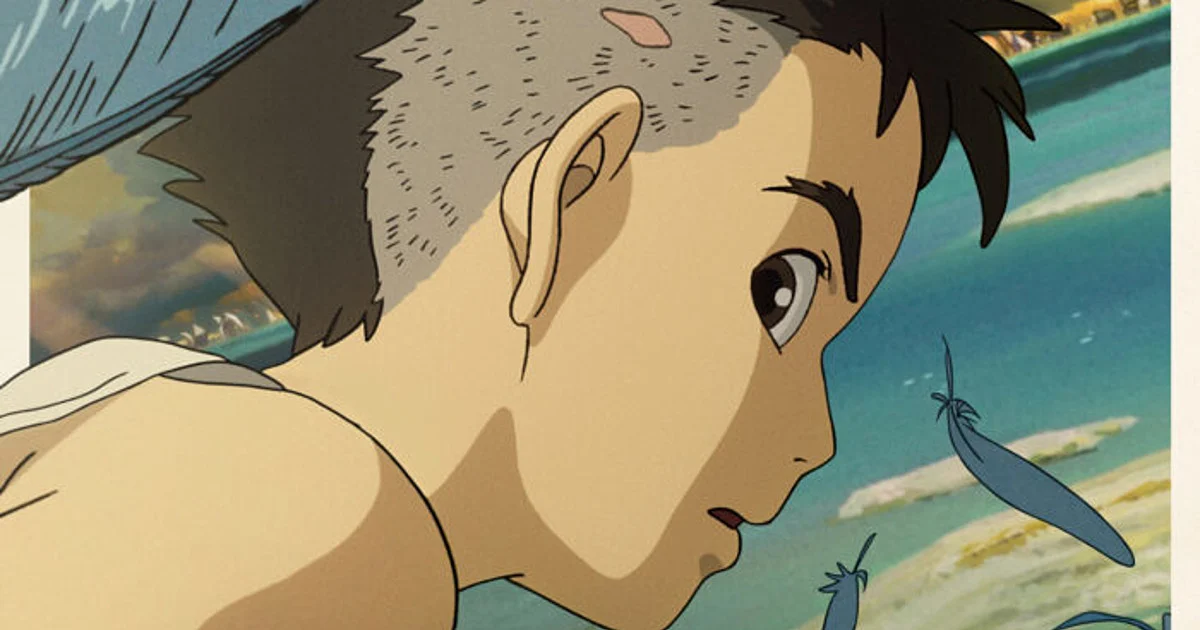
Despite their differences, Tomino has spoken candidly about his feelings towards Miyazaki’s work. In an interview at the Niigata International Animation Film Festival in August, Tomino was asked to share his thoughts on Miyazaki’s films. He admitted that while he didn’t resonate with most of Miyazaki’s work, he had a deep appreciation for The Boy and the Heron. Tomino admired the film’s boldness, noting that the lack of a happy ending was a rare and courageous choice in animation.
A Professional Rivalry Driven by Respect
<img loading=“lazy” src=“https://otakukart.com/wp-content/uploads/2024/03/The-Boy-and-the-Heron-ww.webp" onerror=“this.onerror=null;this.src=‘https://blogger.googleusercontent.com/img/a/AVvXsEhe7F7TRXHtjiKvHb5vS7DmnxvpHiDyoYyYvm1nHB3Qp2_w3BnM6A2eq4v7FYxCC9bfZt3a9vIMtAYEKUiaDQbHMg-ViyGmRIj39MLp0bGFfgfYw1Dc9q_H-T0wiTm3l0Uq42dETrN9eC8aGJ9_IORZsxST1AcLR7np1koOfcc7tnHa4S8Mwz_xD9d0=s16000';" alt=“Oscars Winning “The Boy and the Heron” Returns to Theaters in North America - 2”>
The Boy and the Heron (Credits: Studio Ghibli)
He stated that such a decision couldn’t be made by someone who was merely a craftsman but by a true auteur. For Tomino, Miyazaki’s approach to storytelling, especially in The Boy and the Heron, showed a level of creative control and vision that elevated him beyond the typical filmmaker. Tomino even compared him to literary greats like Victor Hugo, signaling his respect for Miyazaki’s ability to break conventions and challenge expectations.
Tomino’s respect for Miyazaki, however, is not without complexity. While he acknowledged Miyazaki’s artistic skills, he referred to him as an “enemy” in a professional sense. Tomino explained that the presence of Miyazaki, a filmmaker whose talents he could never surpass, served as a constant source of motivation throughout his career. Instead of bitterness, this rivalry appeared to drive Tomino to continually strive for excellence in his own work.
Tomino has even mentioned in previous interviews that his ambition to compete with Miyazaki pushed him to constantly improve. In 2001, Tomino famously encouraged the younger generation of animators to “crush Miyazaki,” reflecting how this professional competition spurred him on to work harder and achieve greater creative heights.
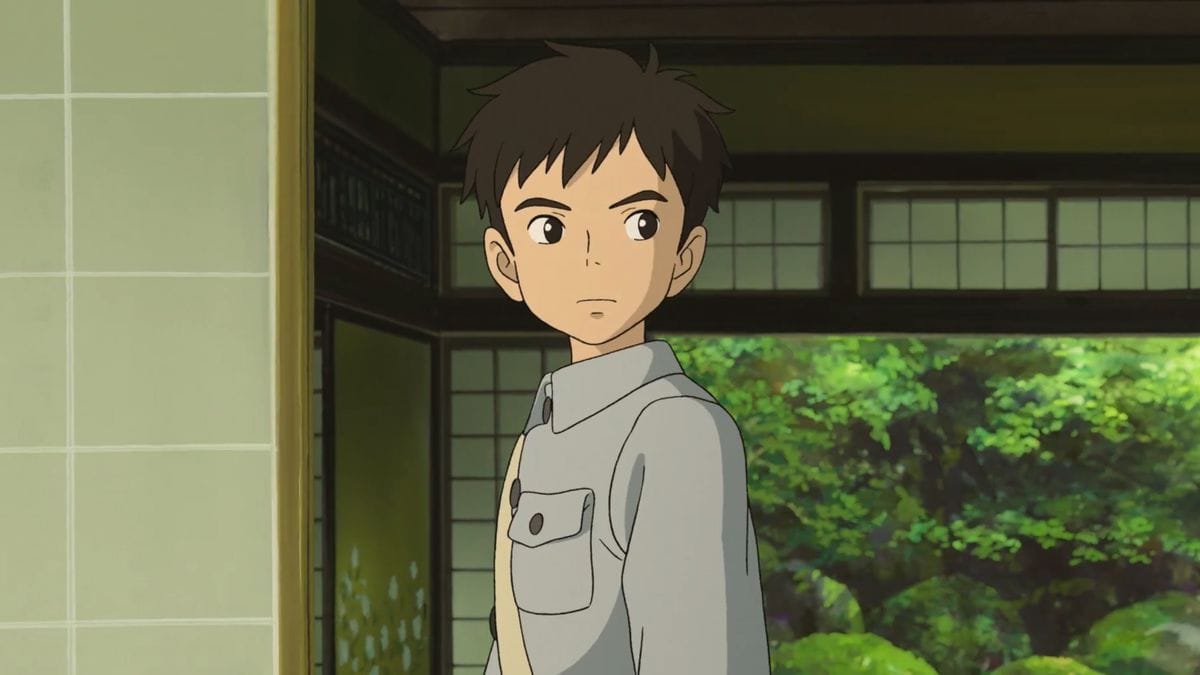
The Boy and the Heron (Credits: Studio Ghibl)
Tomino’s admiration for The Boy and the Heron and his acknowledgment of Miyazaki’s influence show that despite their artistic differences, the two directors share a mutual respect for each other’s work. Their rivalry, fueled by Tomino’s desire to exceed Miyazaki, has shaped both of their creative trajectories, with each director pushing the other to greater heights.