Since its debut, Dragon Ball has enthralled fans with its intense battles and memorable characters. However, the series’ legacy includes one controversial spinoff, Dragon Ball GT, which saw Goku reverted to a child through an accidental wish.
This decision received mixed reactions, leaving many fans disheartened by the lack of purpose behind his de-aging. Fast forward to Dragon Ball DAIMA, and the concept of de-aging is revisited, but this time, the plot feels more meaningful, drawing a stark contrast to its predecessor.
Dragon Ball DAIMA vs. Dragon Ball GT: A De-Aging Revisited with Purpose
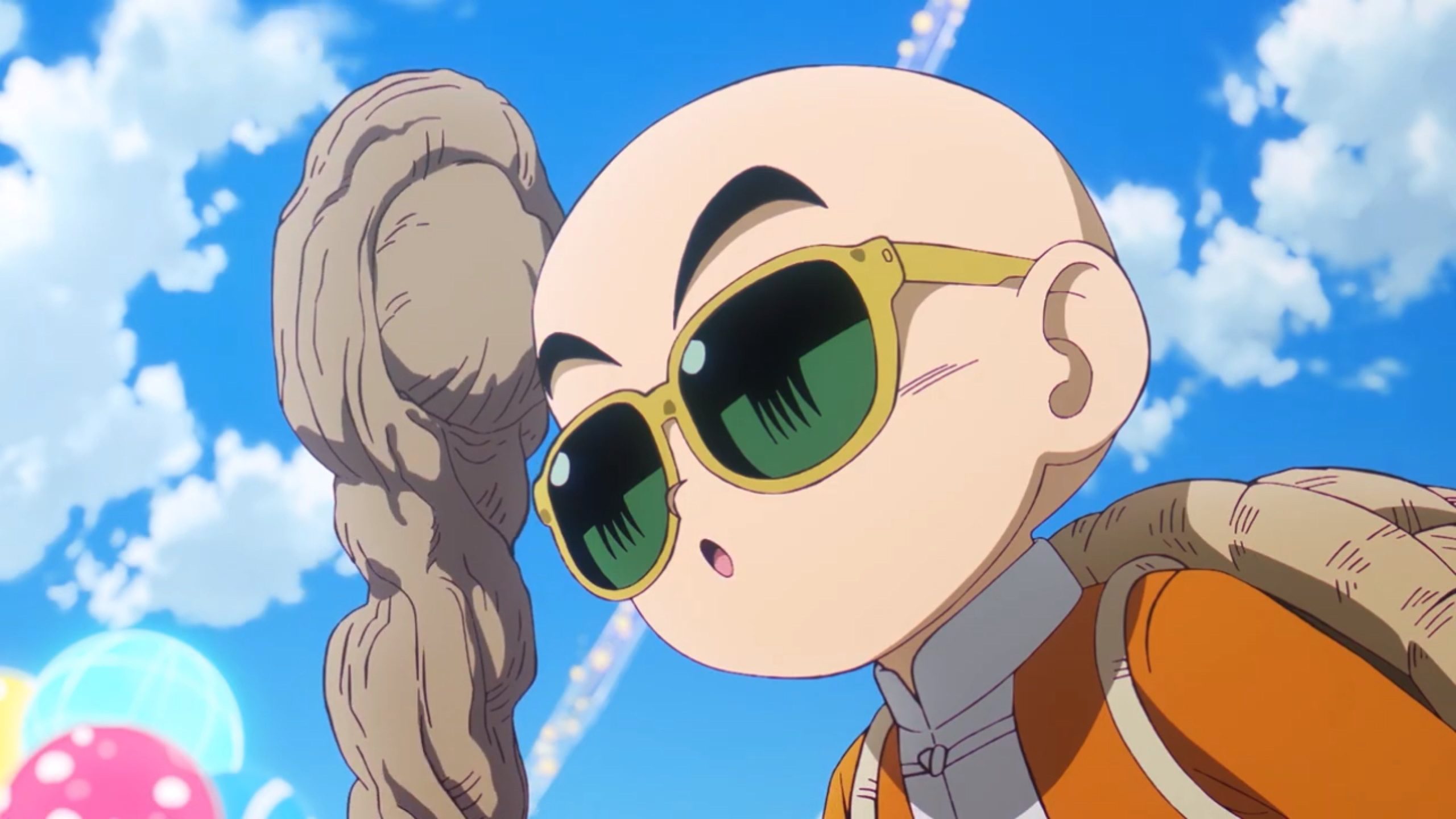
Krilin (Credits: Toei Animation)
While Dragon Ball GT used Goku’s transformation into a child as a result of a careless wish made by Emperor Pilaf, the reasoning behind it felt hollow. The wish was a random occurrence with little narrative depth. Goku’s acceptance of his new form was casual, which diminished the stakes of the transformation and frustrated fans who wanted more emotional depth in Goku’s character.
Moreover, the show failed to address the implications of turning Goku back into a child, leaving him to behave as if he had not experienced the growth of his adult years. This made the shift in his persona feel like a regression, not a meaningful change.
In contrast, Dragon Ball DAIMA takes a more thoughtful approach to the de-aging concept. Rather than an accident, the transformation is a strategic move by villains who view Goku and the other Z Fighters as significant threats. These enemies intentionally use Earth’s Dragon Balls to de-age Goku and his allies, weakening them significantly in preparation for an all-out attack. This not only increases the stakes of the story but adds complexity by involving other characters, such as Supreme Kai and Chi-Chi, in the transformation.

Goku (Credits: Toei Animation)
Dragon Ball DAIMA also uses the de-aging of its characters to pay homage to the roots of the Dragon Ball franchise. By returning characters to their younger forms, the series celebrates its 40th anniversary while reflecting on the growth and evolution of its beloved characters. This intentional choice provides a more nuanced and impactful narrative than the one seen in Dragon Ball GT, offering fans a fresh perspective while still honoring the past.
With Dragon Ball DAIMA, Akira Toriyama’s legacy continues to inspire, giving fans a reason to revisit the de-aging concept with a sense of purpose and excitement that GT lacked. The series not only addresses the flaws of its predecessor but also uses them as a springboard to craft a deeper and more engaging story that resonates with long-time Dragon Ball enthusiasts.

Young Goku, a strong boy with a monkey tail, teams up with teenage inventor Bulma on a quest to collect the seven Dragon Balls that summon Shenron (a wish‑granting dragon). Along the journey, they encounter allies and foes, including Master Roshi, Oolong, Yamcha, and the Pilaf Gang; Goku hones his skills through martial‑arts tournaments and battles against general‑purpose evil across the world.
The global rise of anime is a testament to the growing influence of Japan’s cultural export sector. Over the past decade, the anime market has expanded exponentially, with overseas sales seeing a dramatic increase.
As anime continues to gain popularity, especially in markets like the U.S., it has surpassed traditional entertainment industries, such as sports, in popularity among certain demographics. This trend is largely driven by the accessibility and convenience provided by streaming platforms, making it easier for fans around the world to discover anime without additional costs. The anime industry has found a unique way to transcend cultural barriers by focusing on universal storytelling.
Boost in Anime Popularity Overseas

Gojo and Naruto
Characters in anime are often relatable to audiences worldwide, and the diverse genres appeal to all ages, from children to adults. Anime’s ability to craft intricate narratives with complex characters—whether heroes or villains—has contributed to its widespread appeal. These elements allow anime to resonate with audiences across various cultures, making it a global phenomenon.
Streaming services, particularly during the COVID-19 pandemic, played a pivotal role in this expansion, providing audiences with easy access to anime. With platforms like Netflix, anime became more integrated into mainstream entertainment, leading to even greater international recognition. The appeal of anime is not merely in its animation style but in the depth of its stories and characters, which allow viewers from different countries to connect on a personal level.
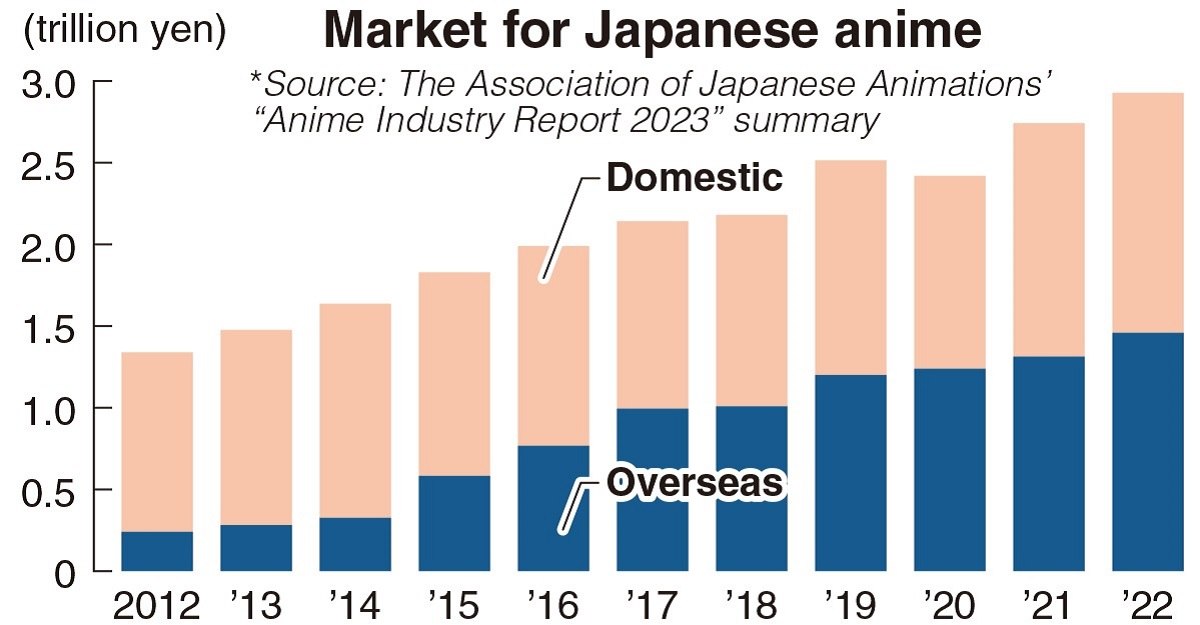
Anime Popularity
In Japan, however, the global impact of anime is still underappreciated. As the influence of anime continues to grow, there is a growing call for Japanese citizens to recognize anime not just as a niche entertainment form but as a significant cultural export that holds economic and diplomatic value.
As more people from different countries are drawn to Japan for its culture, particularly through anime, it’s clear that Japan’s creative industries could become even more vital as global ambassadors of the nation’s soft power.
