Since Jujutsu Kaisen began, it has taken the anime and manga world by storm. It’s an incredible mix of action, emotional depth, and philosophical exploration.
The series shines with its intense sorcery battles, complex characters, and riveting storyline.
There’s an undeniable appeal in watching the battles unfold, especially when the stakes are incredibly high.
Whether it’s Yuji Itadori battling to control the terrifying curse of Sukuna within him or witnessing Satoru Gojo display his almost god-like power, fans have been hooked from the start. But like all long-running series, it isn’t without its flaws.
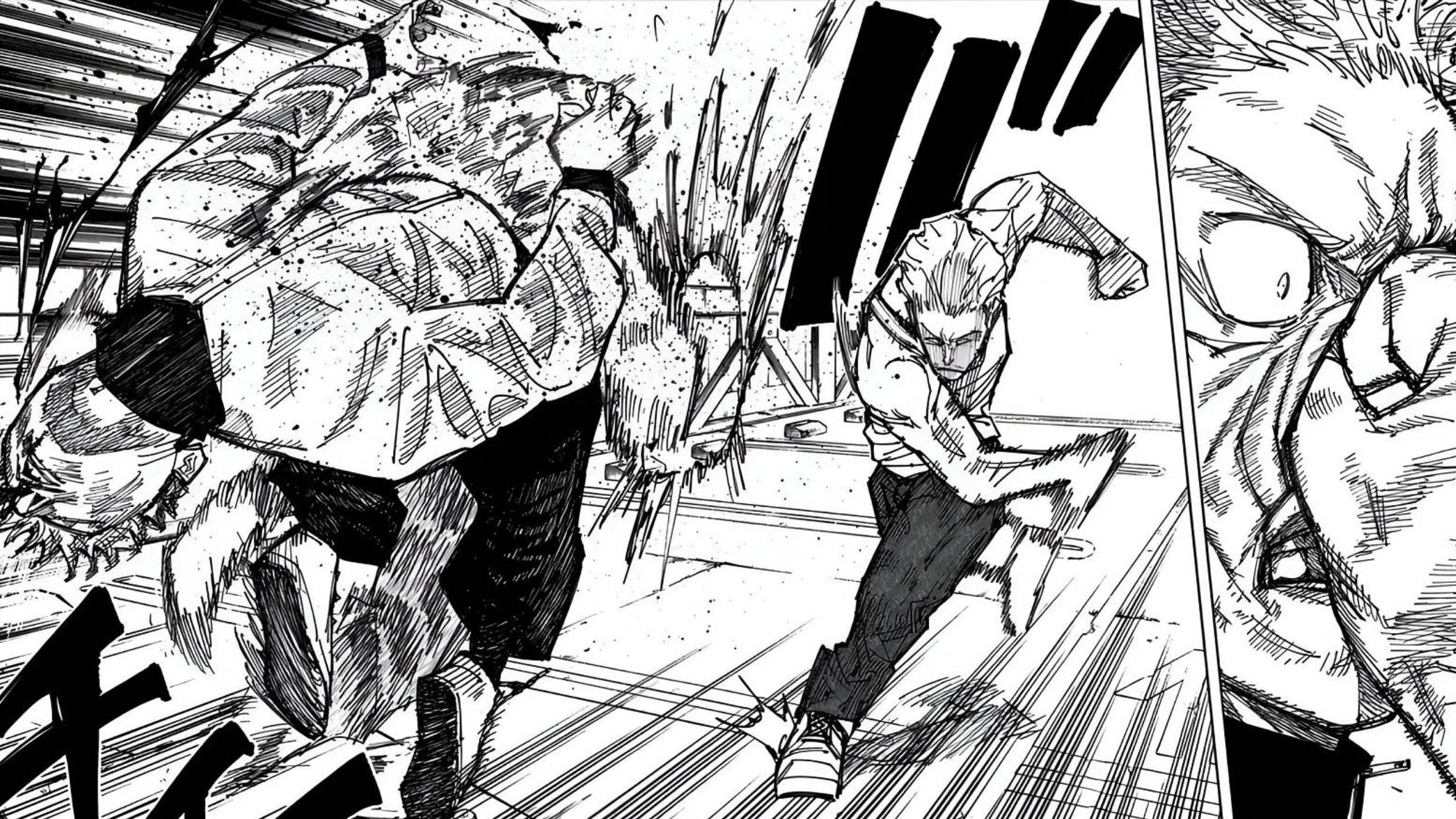
Hakari giving the sorcerers a run for their money (Shueisha)
One of the biggest debates currently within the Jujutsu Kaisen fandom centers around a particular character: Hakari Kinji.
Hakari’s introduction into the story had many fans excited, but over time, the character’s role began to fall short of expectations.
While other characters have had their moments of growth and development, Hakari, despite his potential, has been left by the wayside.
What started as a promising character arc has dwindled into something that leaves fans disappointed.
Many even go so far as to claim that the way Hakari’s character has been handled is one of Gege Akutami’s greatest mistakes.
In Jujutsu Kaisen chapter 268, the story took a pivotal turn with the death of Ryomen Sukuna, the King of Curses. This moment marked the ending of a major battle.
But instead of feeling like an epic resolution, the fight between Hakari and Uraume ended in an anti-climactic manner, leaving a sour taste in the mouths of many fans.
Not only did the battle lack the kind of deep, strategic sorcery combat the series is known for, but Hakari’s character development has felt stagnant.
His role in the series, once hyped as pivotal, now feels like a missed opportunity.
While some fans might be inclined to defend Akutami’s choices, arguing that there’s still time for Hakari’s character to be redeemed, others believe that the damage has already been done.
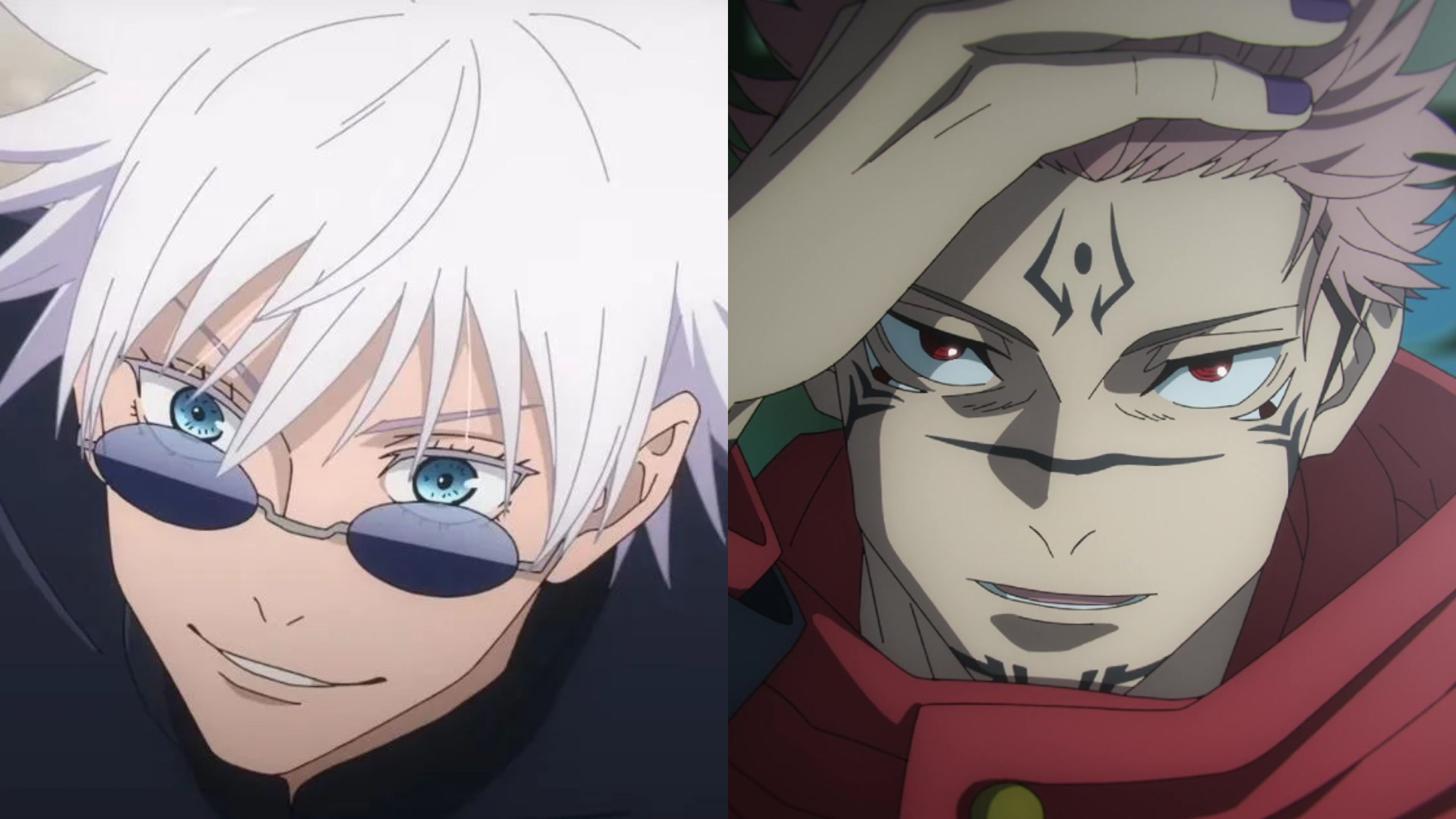
Gojo And Sukuna (Mappa)
As the manga nears its ending, the space to truly look through Hakari’s character feels limited. Thus, the question remains: has Akutami made an irredeemable mistake with Hakari Kinji?
The Battle That Should Have Defined Hakari
Chapter 268 of Jujutsu Kaisen held immense potential for Hakari. By this point in the series, the anticipation surrounding his character had reached a peak.
Fans had waited to see how he would fare against formidable enemies, particularly in the high-stakes battle against Uraume, Sukuna’s right-hand ally.
In a series where character growth is often tied to intense, life-or-death battles, this fight should have been Hakari’s moment to truly shine.
Yet, what transpired was far from what fans expected. The battle ended in a manner that was so unsatisfying, it almost felt like an afterthought.
There was little to no detail provided about the fight itself. Who had the upper hand? What strategies were employed?
What kind of cursed techniques were used? All of these questions were left unanswered. Instead of getting a breakdown of the fight, the narrative rushed past it, leaving fans confused and frustrated.
This is particularly disappointing because Jujutsu Kaisen has a history of delivering intricate and intense fight sequences.
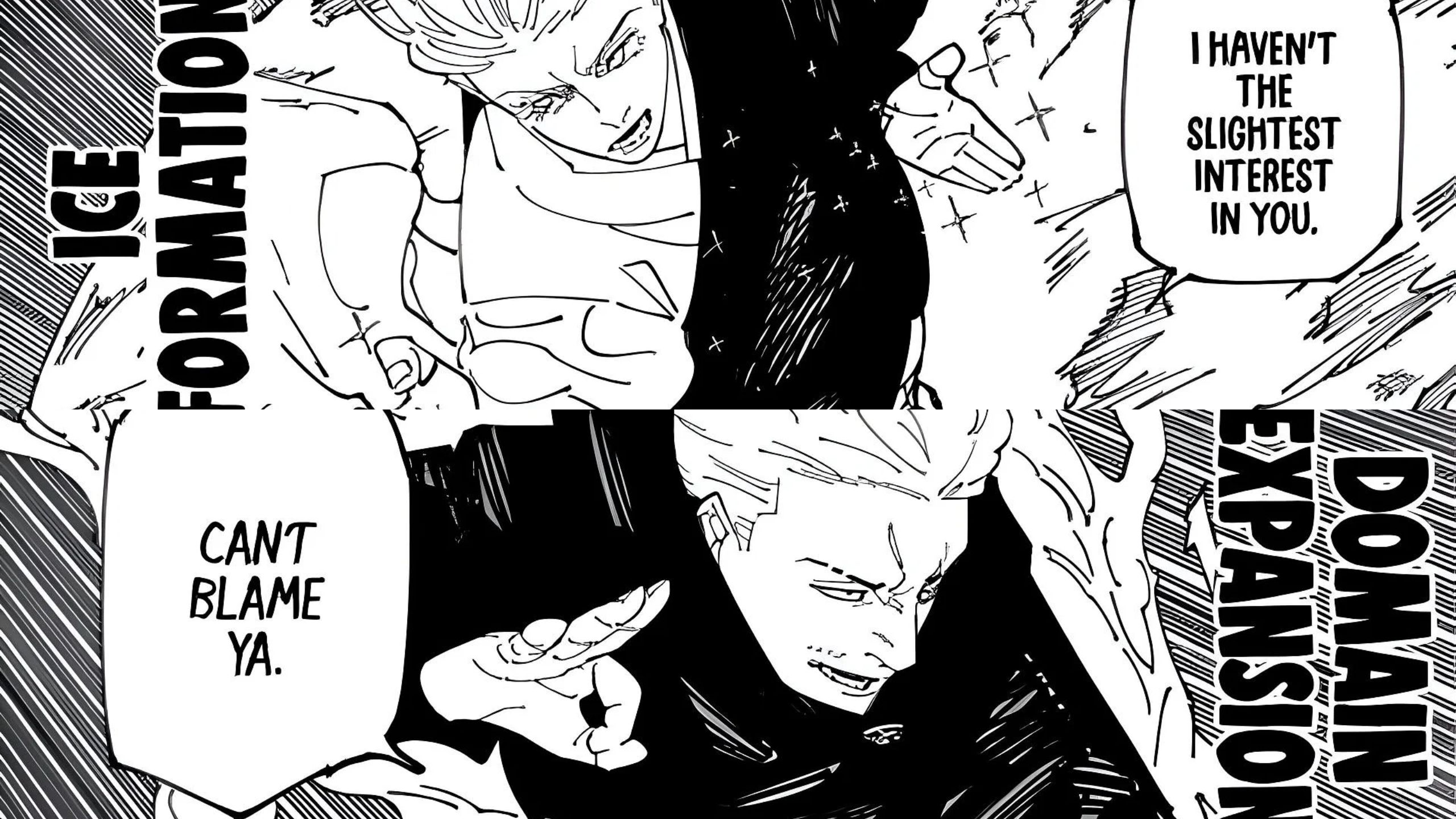
Hakari Kinji vs Uraume (Shueisha)
Think back to the fights involving Yuji and Megumi, or Gojo’s awe-inspiring display of power.
Each of these battles was meticulously choreographed, with a clear understanding of the characters’ abilities and their growth as sorcerers.
The battles weren’t just about who could deal the most damage; they were often mental and strategic battles where the characters had to outthink their opponents. Hakari’s battle with Uraume lacked all of this.
The lack of focus on the fight itself might have been forgivable if Hakari’s character had undergone some significant development as a result of the encounter.
But that didn’t happen either. Unlike many other characters in the series, who experience growth or evolution through their battles, Hakari came out of this fight seemingly unchanged.
There was no introspective moment, no revelation about his abilities, no sense that he had learned or grown from the experience.
It was as if the fight was simply a means to an end, with no real significance attached to it.
The lack of character development is one of the most glaring issues with Hakari throughout the series. From the moment he was introduced, he seemed like a character with immense potential.
Yet, every opportunity to look through his character has been either missed or underutilized. The battle with Uraume was just another example of this wasted potential.
Hakari Kinji: The Promised Sorcerer
To fully understand why Hakari’s lack of development is so frustrating, we need to go back to his introduction.
Mentioned for the first time during the Fearsome Womb arc and properly introduced in the Perfect Preparation arc, Hakari was built up as one of the strongest sorcerers in the series.
He was a third-year student at Tokyo Jujutsu High who had been suspended following the Night Parade of a Hundred Demons.
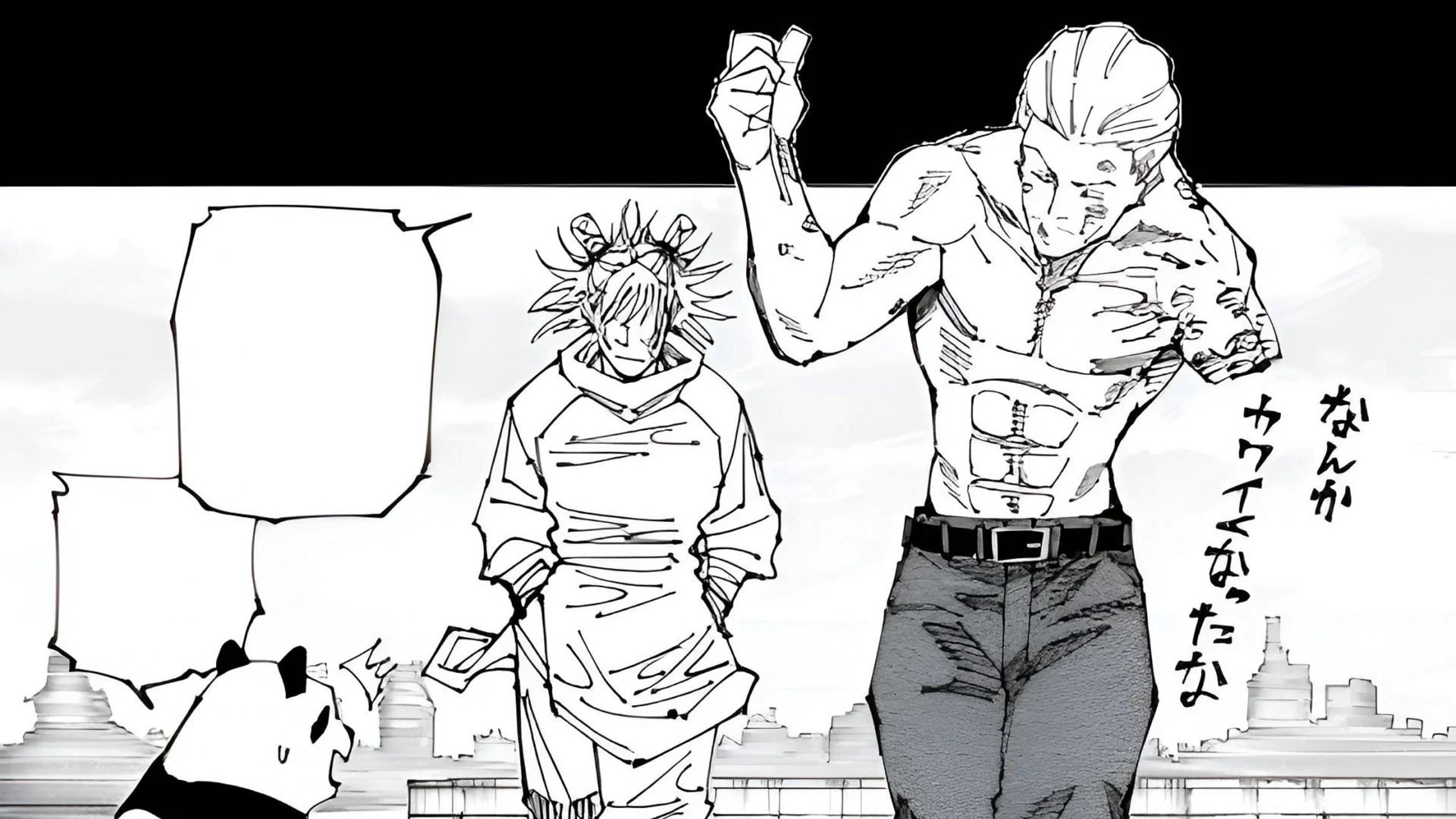
Kashimo joining Hakari’s side after failing to win against him (Shueisha)
This immediately made him intriguing. There was a sense of mystery surrounding his character. What had he done to warrant suspension?
What kind of power did he possess? What role would he play in the larger battle against the cursed spirits?
When the Culling Game arc was introduced, it seemed like the perfect opportunity to bring Hakari back into the story.
The Jujutsu sorcerers needed strong allies for the upcoming battles, and Hakari, with his immense power, was seen as a critical piece in their strategy.
His fellow third-year students hyped him up as one of the strongest sorcerers, and even Gojo Satoru, the most powerful sorcerer in the series, backed this claim. Fans were excited to see what Hakari could do.
Hakari’s reintroduction into the story came with a lot of fanfare. After a heated battle with other sorcerers at his underground fighting club, he was eventually recruited into the Culling Game.
This sequence showed that Hakari was no pushover. His abilities were impressive, and his reputation as one of the strongest sorcerers seemed well-earned.
But this was just the beginning. The real test of his strength would come in the battles that followed.
The highlight of Hakari’s involvement in the Culling Game arc came during his battle with Kashimo. This fight is often seen as Hakari’s defining moment in the series, and for good reason.
It was during this battle that fans finally got to see Hakari’s Domain Expansion, Idle Death Gamble, in action. The ability was unique, unpredictable, and perfectly suited to Hakari’s personality.
The Domain Expansion revolved around a gambling concept, where the odds were always uncertain. It was a risky technique, but when it paid off, the results were devastating.
The battle with Kashimo ended in a draw, but it was one of the most exciting fights in the series. For a brief moment, it seemed like Hakari had lived up to the hype.
But this would also be the last time Hakari truly shone in the series. After this fight, his role in the story began to diminish, and the potential that fans had seen in him started to fade away.
Missed Opportunities in Hakari’s Arc
The Shinjuku Showdown arc marked a critical point in Jujutsu Kaisen. This arc saw the climax of the battle against Sukuna and his cursed allies.
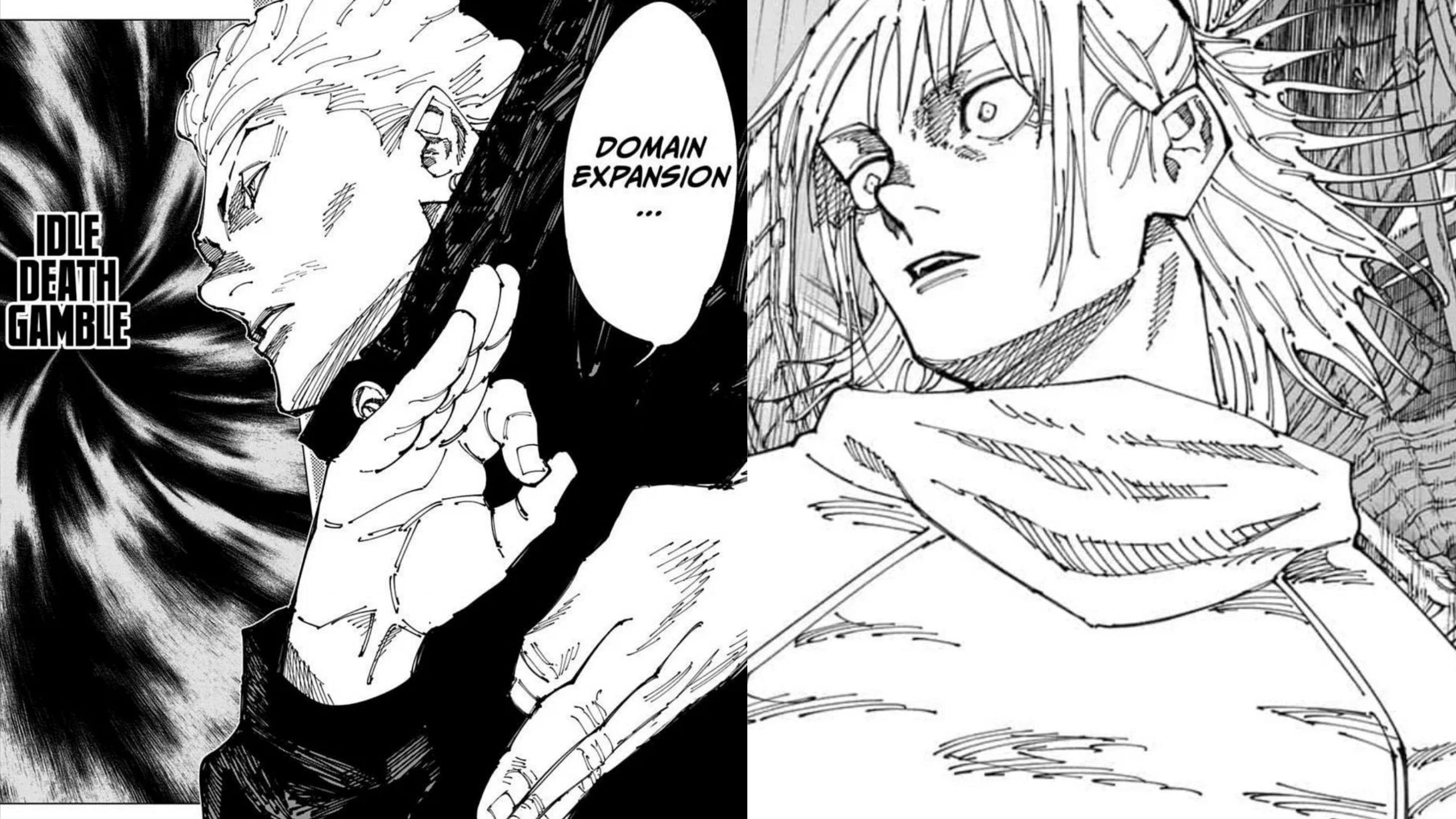
Hakari Kinji vs Kashimo (Shueisha)
It was a moment where every major character had the chance to play a crucial role. Yet, despite being one of the strongest sorcerers, Hakari was largely absent from this arc.
The only significant contribution he made during the Shinjuku Showdown was his battle against Uraume. As mentioned earlier, this fight ended in a way that left fans scratching their heads.
Hakari could have ended the battle quickly and joined the others in the larger fight against Sukuna. Instead, he prolonged the battle, allowing Sukuna to continue wreaking havoc and killing off other sorcerers.
This decision to prolong the fight is never fully explained. It’s possible that Akutami intended for this to be a strategic move perhaps Hakari was stalling Uraume to give the other sorcerers time to prepare.
But this doesn’t come across in the narrative. Instead, it feels like Hakari is simply wasting time. By the time he finally wins the battle, it’s too late.
Sukuna has already caused significant damage, and Hakari’s victory over Uraume feels hollow.
The manner in which Hakari won the battle only adds to the frustration. Instead of defeating Uraume through skill or strategy, Uraume’s body simply faded away due to Sukuna’s demise.
There was no sense of triumph, no feeling that Hakari had earned his victory. It was as if the fight didn’t really matter in the grand scheme of things.
This is a stark contrast to the battles that other characters have fought throughout the series, where each victory feels hard-earned and meaningful.
One of the biggest criticisms of Hakari’s character arc is that he has never had a defining moment of growth.
In a series where characters are constantly evolving and improving, Hakari has remained largely the same. His abilities are impressive, but they haven’t evolved in any significant way since his introduction.
Compare this to characters like Yuji Itadori, who has grown immensely in both power and maturity over the course of the series. Hakari, on the other hand, feels stagnant.
Another missed opportunity in Hakari’s development is his lack of interaction with Gojo Satoru.
Gojo was one of the key figures who believed in Hakari’s potential and saw him as a valuable asset in the fight against the cursed spirits.
Yet, Hakari never had any meaningful conversations or interactions with Gojo.
In a series where mentorship plays such a significant role whether it’s Gojo’s mentorship of Yuji and Megumi, or even Nanami’s influence on Yuji Hakari’s relationship with Gojo is completely unexplored.
This could have been a rich avenue for character development, but it was never pursued.
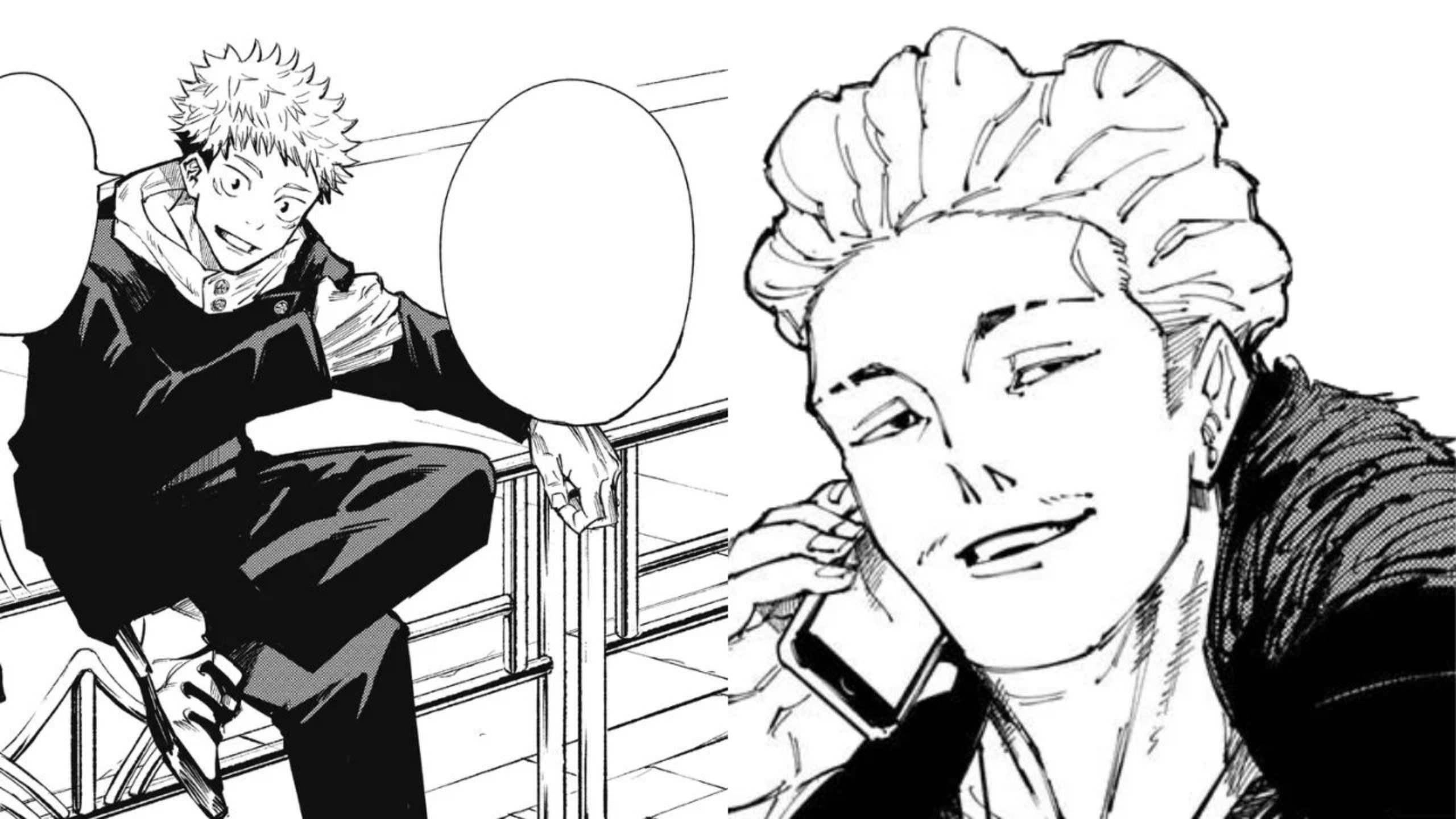
Yuji And Hakari Kinji (Shueisha)
Another glaring issue is Hakari’s lack of a Black Flash technique. For those unfamiliar, Black Flash is a high-level technique in the Jujutsu Kaisen world that significantly increases the power of a sorcerer’s attack.
Characters like Yuji, Megumi, and even Nobara have all achieved this technique at crucial moments in their development.
Yet, Hakari, who is supposed to be one of the strongest sorcerers, has never been shown using it.
This omission feels like a major oversight in his character arc, especially considering how central the Black Flash technique has been in the
development of other key characters. In many ways, achieving Black Flash is a mark of a sorcerer’s growth and their connection to cursed energy, yet Hakari has been left out of this vital aspect of sorcery battles.
For a character who was hyped as one of the strongest, his lack of mastery over this technique feels like a major gap in his skill set.
Additionally, Hakari’s Domain Expansion, Idle Death Gamble, despite its uniqueness, was severely underutilized in the series.
When it was first introduced, fans were intrigued by its gambling mechanics and the risks it posed to both Hakari and his opponents.
The concept of introducing randomness and luck into a fight was exciting, and it set Hakari apart from other sorcerers whose techniques relied more on strategy and control.
Yet, beyond his fight with Kashimo, Hakari’s domain was never fully explored again. In battles where it could have been a game-changer particularly against Uraume it was conspicuously absent.
This left fans wondering why Akutami didn’t give more attention to such a creative and potentially powerful ability.
Even outside of battle, Hakari’s personality and backstory remain underdeveloped. We know that he ran an underground fight club after being suspended from Jujutsu High, but we never really get an in-depth exploration of his motivations or his experiences during this time.
Why did Hakari turn to this kind of life? What were his feelings about being suspended from Jujutsu High, and how did that shape him as a character?
These are the kinds of questions that, if explored, could have added layers to his character and made him more relatable to the audience.
Contrast this with characters like Yuta Okkotsu, whose backstory and motivations are fleshed out in detail.
Yuta’s struggle with his cursed spirit Rika, his guilt over her death, and his journey to control her powers are all central to his character arc.
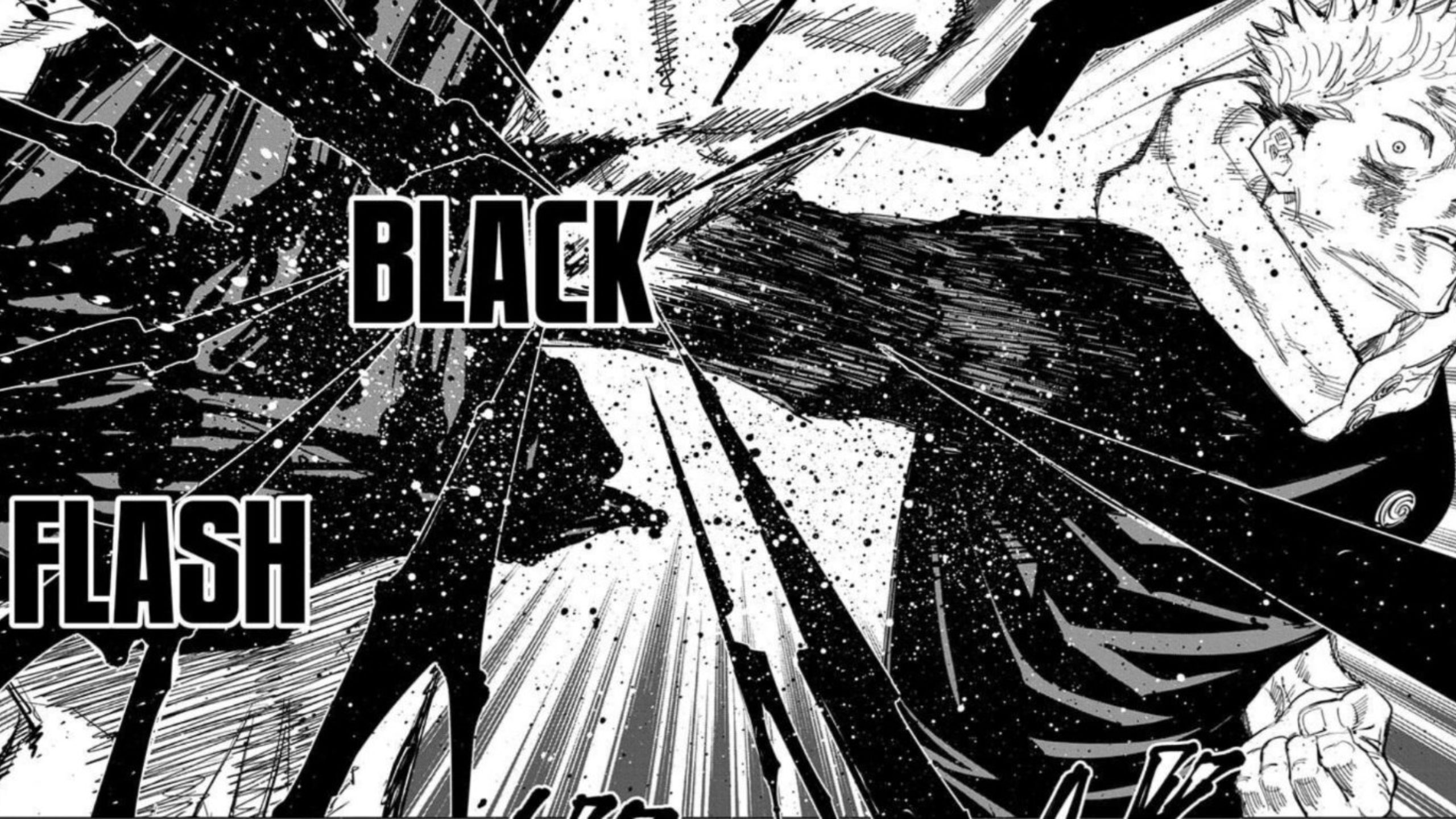
Yuji’s Black Flash From Jujutsu Kaisen (MAPPA)
These elements make Yuta a dynamic character who grows over time. Hakari, by comparison, feels like a character who was introduced with great potential but was never given the depth needed to make him memorable.
Expectations Set by Other Characters
One of the reasons why Hakari’s underdevelopment feels like such a letdown is because Jujutsu Kaisen is a series that has consistently delivered strong character arcs.
From the very beginning, we’ve seen characters like Yuji, Megumi, and Nobara evolve in meaningful ways. Yuji’s journey, in particular, has been at the heart of the series.
His struggle to come to terms with his role as Sukuna’s vessel, his desire to protect those around him, and his growing understanding of the complexities of cursed energy have all been central to the plot.
Even characters who aren’t part of the main trio, like Maki Zenin and Yuta Okkotsu, have had their moments to shine.
Take Maki, for example. Her arc has been one of the most powerful in the series. From being born without cursed energy in a clan that values strength above all else, to overcoming those limitations and becoming a force to be reckoned with, Maki’s journey has been one of perseverance and resilience.
Her battles, especially during the Zenin clan’s downfall, are filled with emotional weight and character growth.
We see Maki evolve not just as a fighter, but as a person who has come to terms with her own power and identity.
Similarly, Yuta Okkotsu’s story is rich with emotional depth. His bond with Rika, the cursed spirit that haunts him, is at the core of his character arc.
His journey from being a reluctant sorcerer to one of the most powerful figures in the series is filled with moments of growth and self-discovery.
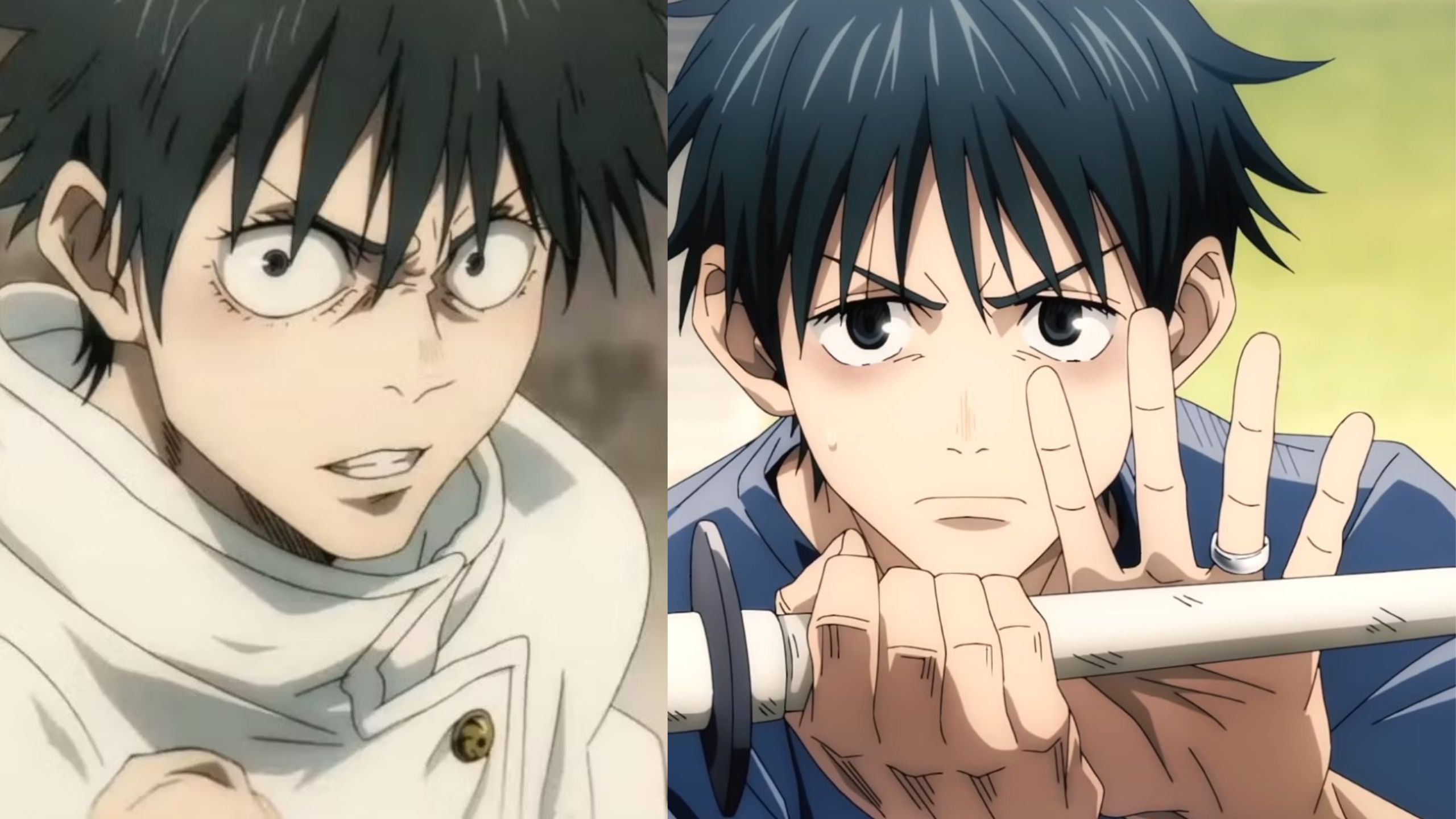
Yuta (MAPPA)
Yuta’s evolution feels earned, and his role in the larger narrative is both impactful and satisfying.
Even supporting characters like Panda and Toge Inumaki have had more memorable moments than Hakari.
Panda’s unique nature as a cursed corpse and his relationship with his siblings add layers to his character, while Toge’s cursed speech ability and his quiet, yet strong, presence have made him a fan favorite. These characters have all had their time to shine, and their arcs have been handled with care and attention to detail.
In contrast, Hakari’s arc feels rushed and incomplete. Despite being introduced as one of the strongest sorcerers, his role in the story has been minimal compared to other characters.
His battles, while impressive at times, lack the emotional weight and narrative significance that make other fights in the series so memorable.
And outside of battle, Hakari remains a largely mysterious figure, with little insight into his thoughts, motivations, or personal growth.
Social Media Hype vs. the Reality of Hakari
Another factor that contributed to the high expectations for Hakari was the social media buzz surrounding his character.
When Hakari was first introduced, fans quickly latched onto his potential. His cocky, confident demeanor, combined with his unique abilities, made him an intriguing character.
His Domain Expansion, Idle Death Gamble, became a popular topic of discussion online, with fans speculating about its mechanics and how it might play into future battles.
This buzz only intensified after Hakari’s fight with Kashimo, which was one of the most exciting battles in the Culling Game arc.
The fight showcased Hakari’s strength, his resilience, and his willingness to take risks. It seemed like Hakari was being set up for bigger and better things in the series.
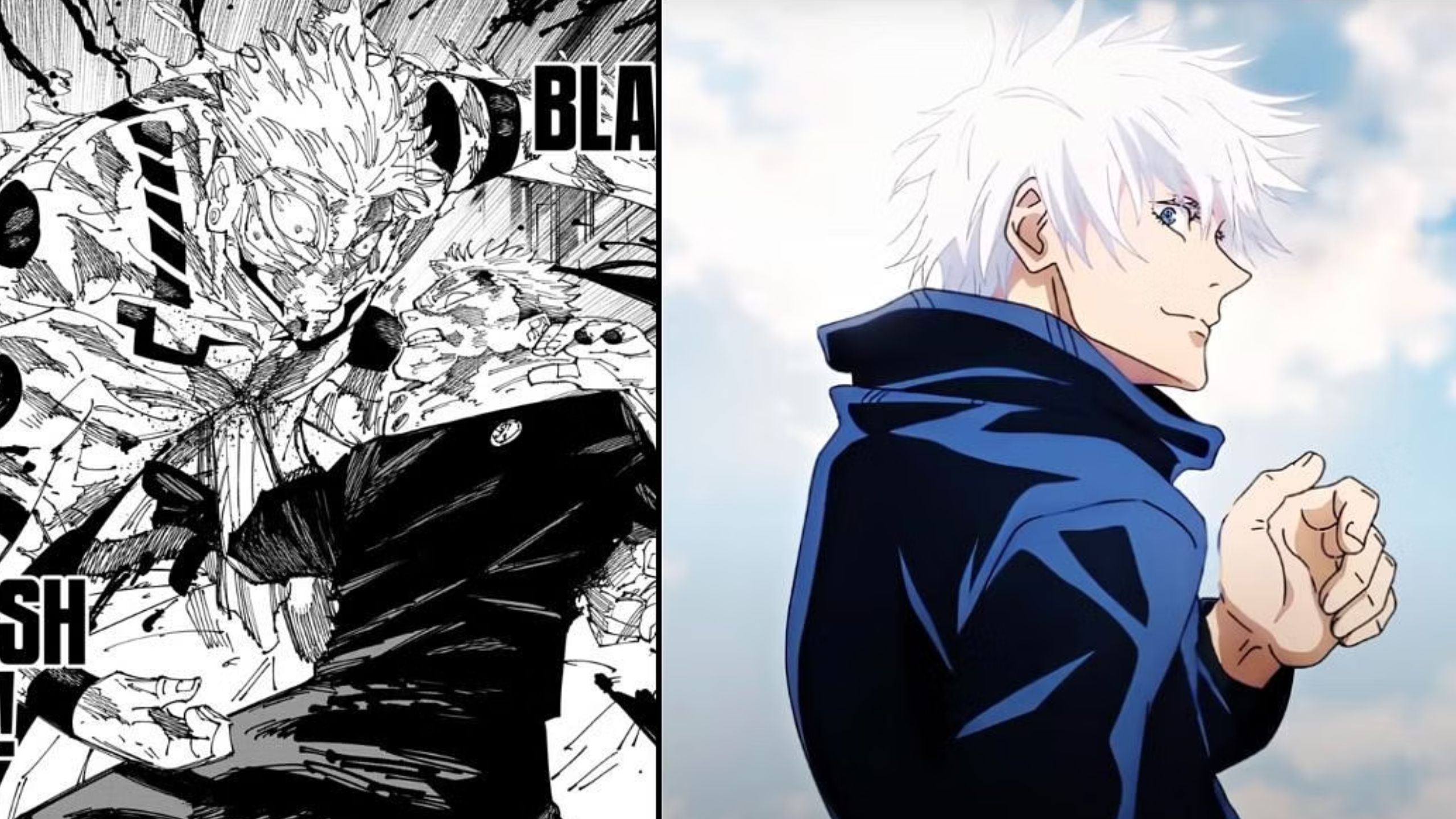
Sukuna And Gojo Satoru From Jujutsu Kaisen (MAPPA)
However, the reality of Hakari’s role in the story never lived up to the hype. While his introduction and his fight with Kashimo were memorable, his character faded into the background in subsequent chapters.
The social media hype that had surrounded him began to wane as fans realized that Hakari wasn’t going to play as significant a role in the story as they had hoped.
This disconnect between the fan expectations and the reality of Hakari’s character arc has been a major source of disappointment.
In many ways, Hakari became a victim of his own hype. Fans expected him to be a key player in the battle against Sukuna and his cursed allies, but instead, he was relegated to the sidelines.
His potential was never fully realized, and the excitement that once surrounded him has largely dissipated.
Why Hakari’s Lack of Development Feels Like a Mistake
There’s no denying that Jujutsu Kaisen is a series filled with complex characters and intricate storytelling.
But because of this, when a character like Hakari is introduced with such promise, only to be underutilized, it feels like a significant misstep.
The world of Jujutsu Kaisen is one where every sorcerer has their own unique abilities, struggles, and growth, and Hakari’s lack of development stands out even more when compared to his peers.
Part of the issue lies in the way Hakari was hyped up by other characters. The third-year students spoke of him as one of the strongest, and even Gojo Satoru, who rarely gives such high praise, saw potential in Hakari.
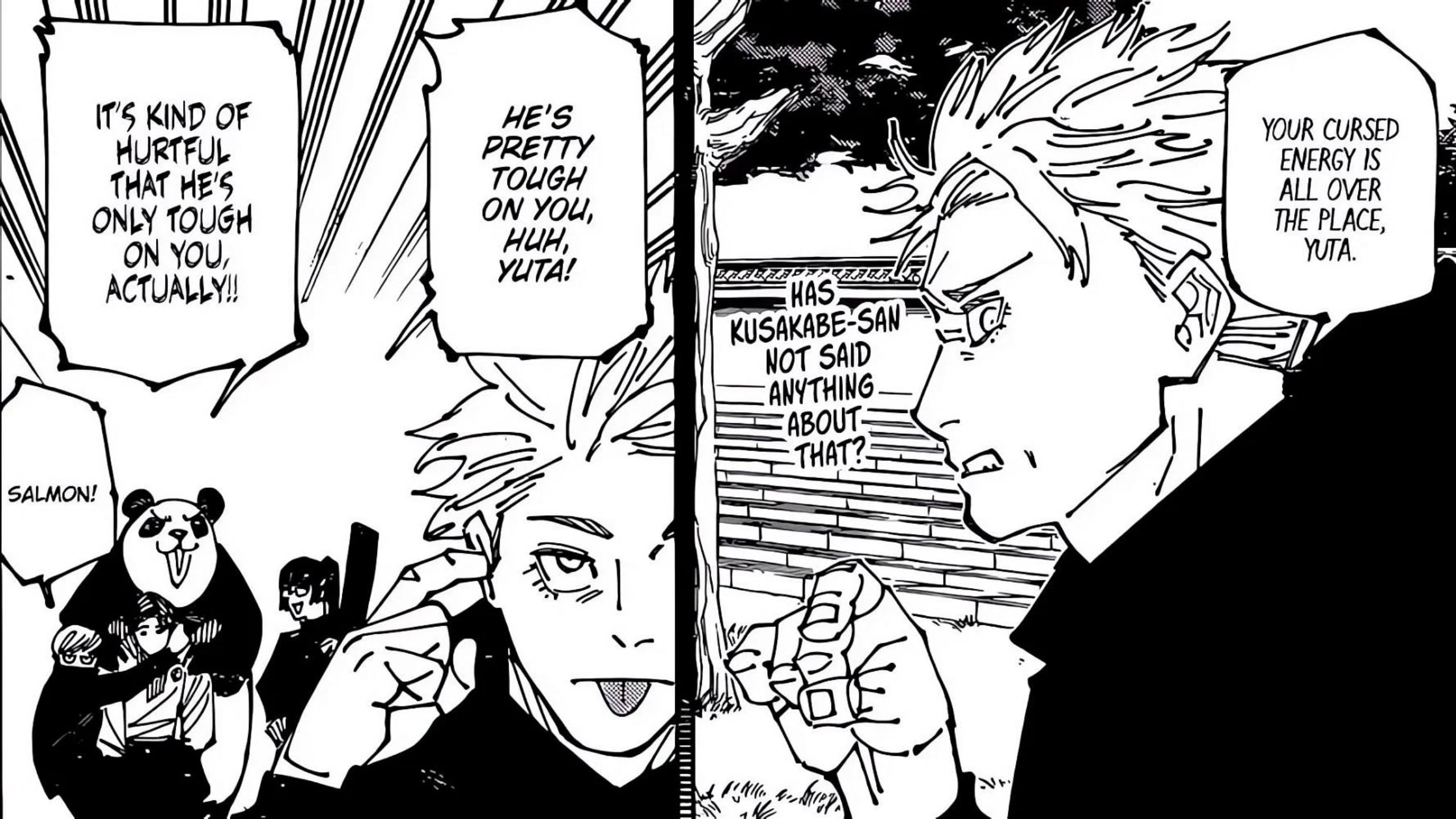
Gojo showing Yuta some tough love (Shueisha)
With this kind of build-up, fans naturally expected great things from him. But when those expectations weren’t met, it led to a sense of frustration and disappointment.
Moreover, Hakari’s character was introduced at a time when the stakes in the series were getting higher. The Culling Game arc raised the tension, with sorcerers facing off against increasingly powerful enemies.
This was the perfect opportunity for Hakari to step up and prove himself as one of the strongest sorcerers.
But instead of becoming a central figure in these battles, Hakari was sidelined, with his most significant fight ending in a draw and his later battle against Uraume being largely forgettable.
What makes this all the more frustrating is that Jujutsu Kaisen has shown time and time again that it knows how to handle character arcs.
Characters like Yuji, Megumi, Yuta, and Maki have all experienced significant growth throughout the series. Their battles have been pivotal moments in their development, both as sorcerers and as individuals.
Hakari, on the other hand, has remained largely static. His abilities are impressive, but he hasn’t grown or evolved in the same way that his peers have.
Is Hakari’s Redemption Still Possible?
With the series nearing its ending, many fans are left wondering if there’s still time for Hakari’s character to be redeemed.
Could Akutami pull off a last-minute twist that gives Hakari the development and spotlight he deserves? While it’s always possible, the chances seem slim.
The focus of the story has shifted towards the final confrontation with Sukuna, and there’s little room left for Hakari to make a meaningful impact.
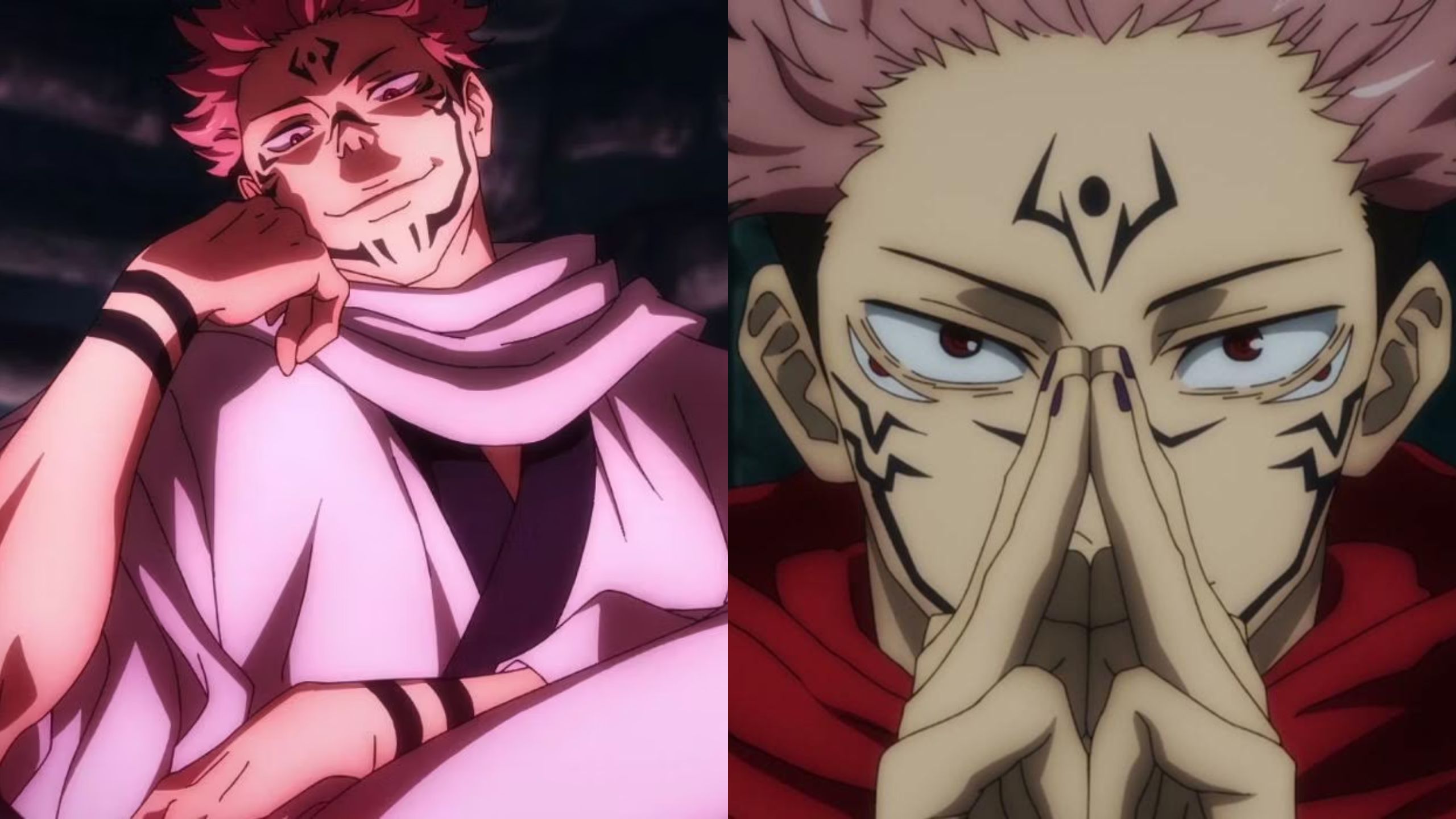
Sukuna (Image Via Mappa)
Most of the major players in the series have already had their defining moments, and the remaining chapters are likely to be dedicated to wrapping up the overarching plot.
That being said, there’s always a chance that Hakari could have one last moment to shine. Perhaps in the final battle, he’ll play a crucial role that redeems his character in the eyes of the fans.
But even if this happens, it’s unlikely that it will make up for the missed opportunities throughout the rest of the series.
Hakari’s Wasted Potential
In the end, Hakari Kinji is a character who will likely be remembered more for what he could have been than for what he actually was.
Despite being introduced as one of the strongest sorcerers in the series, Hakari’s role has been underwhelming.
His battles, while impressive at times, lacked the depth and emotional weight that fans were hoping for.
His Domain Expansion, Idle Death Gamble, was a creative and unique ability, but it was ultimately underutilized.
As Jujutsu Kaisen nears its ending, it’s unlikely that Hakari will get the development or redemption that he needs to truly stand out among the rest of the cast.
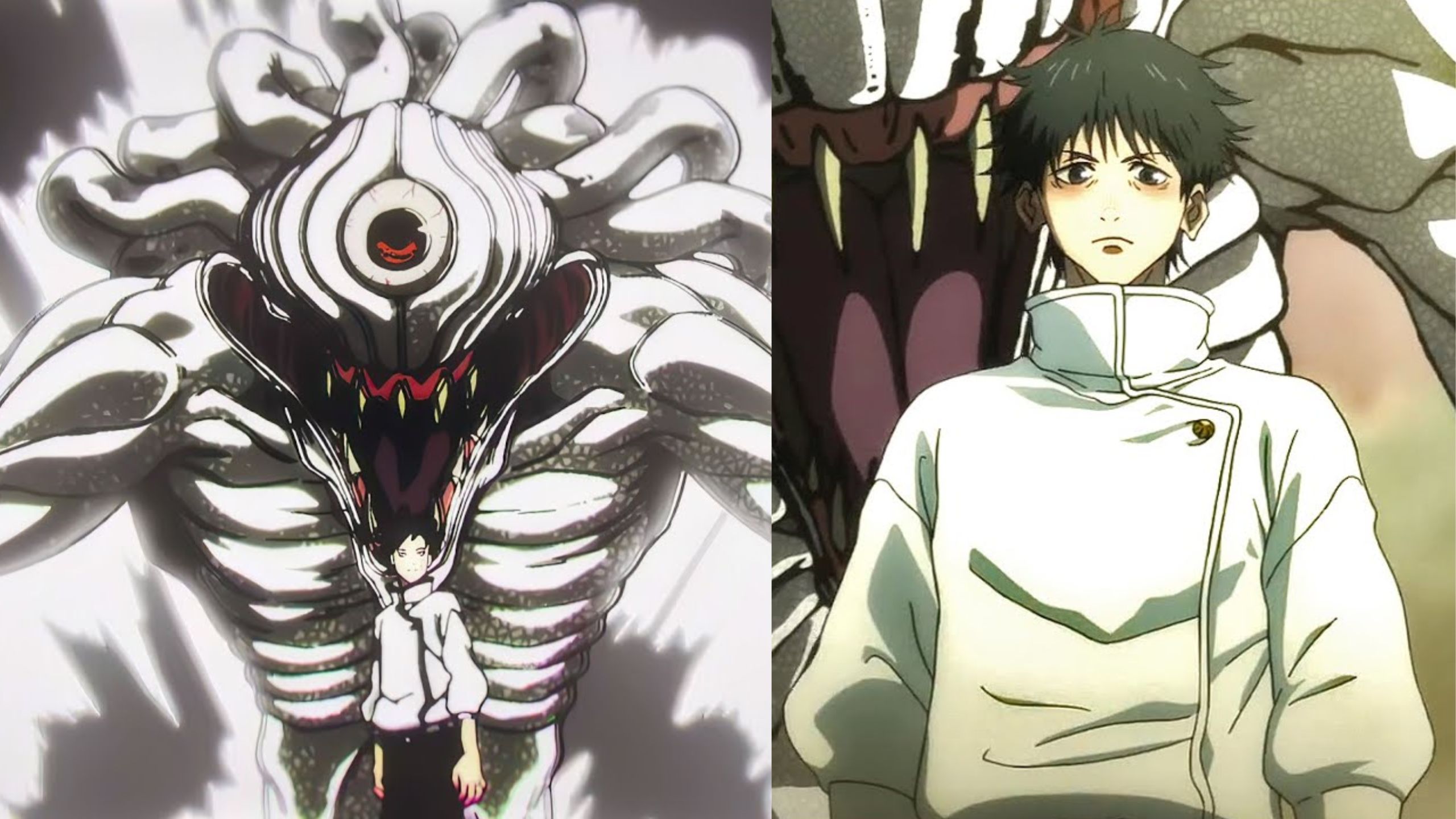
Rika And Yuta (MAPPA)
While other characters like Yuji, Megumi, Yuta, and Maki have had their time to shine, Hakari remains a largely static figure.
Ultimately, Hakari Kinji is a character who had all the potential in the Jujutsu Kaisen world but was never given the chance to fully realize it.
Chris Evans is an actor known for taking on various roles over the course of his career. Most notably, he portrayed Steve Rogers, also known as Captain America, in the Marvel Cinematic Universe.
However, Evans has shown that he can do more than just play a superhero. He’s taken on different types of characters, including villains like in the movies Knives Out and The Gray Man.
Beyond that, Evans has been involved in romantic comedies, though those roles are often underrated. Yet, one of his most unique films is Gifted.
The film, directed by Marc Webb, tells a compelling family story and gives Evans a role that stands out in his filmography because it feels like his most grounded and realistic character to date.
In fact, Evans plays such a key role in Gifted that his performance is a large reason why the movie works as well as it does.
Gifted centers around Chris Evans’ character, Frank Adler. Frank is a mechanic who takes on the responsibility of raising his niece, Mary (played by Mckenna Grace), after his sister’s death.
Mary is no ordinary seven-year-old girl. She’s a math prodigy, far ahead of other children her age. Frank, however, wants to give Mary a normal life, fulfilling what he believes were his sister’s final wishes.
He decides to enroll Mary in a public school, despite her incredible intelligence. Mary herself isn’t too fond of other kids and tells Frank that she doesn’t like school. Still, Frank insists on giving her the experience of an ordinary childhood.
However, things take a turn when Mary’s teacher, Bonnie Stevenson (played by Jenny Slate), recognizes Mary’s brilliance.
Bonnie brings up Mary’s potential with Frank, and they begin a romantic relationship along the way. This sets the stage for the conflict at the heart of the movie.

Still from the movie (Amazon Prime)
Frank’s mother, Evelyn (played by Lindsay Duncan), enters the picture, believing that Mary should attend a private school that can nurture her talents better. Frank disagrees, leading to a heated custody battle between the two over what’s best for Mary’s future.
The movie has moments that are both emotionally moving and heartwarming, with Frank’s fight to keep custody of Mary at the center.
Frank deeply believes that he’s fulfilling his sister’s wishes, wanting Mary to have the childhood that his sister could never have.
The court scenes are powerful, with raw emotion driving the tension between Frank and Evelyn as they debate over how best to raise Mary.
The movie doesn’t hold back in showing the difficulties of trying to do the right thing in a complicated family situation.
Being included on the Black List is a huge achievement for writers, and some famous films like Juno and Argo started off as Black List scripts.
Yet, not all scripts on the Black List actually get made into movies. Out of the many screenplays that have appeared on the list, fewer than half have been produced. So, the fact that Gifted went from being a Black List script to becoming a full-fledged film is impressive in itself.
To ensure the accuracy of the math presented in the movie, the filmmakers sought help from a former math prodigy.
Director Marc Webb came across an article about Jordan Ellenberg, who was a math whiz during his childhood.
After Webb reached out to Ellenberg, the former prodigy was brought on as a math consultant for the film. He even makes a brief cameo appearance.
With Ellenberg’s guidance, Gifted features real math problems, like the Millennium Problems, which adds an extra layer of realism to the film.
Ellenberg described his role on the set, saying, “The director and the producer wanted to make sure that there was someone who really understood the math.”
Ellenberg’s involvement added to the authenticity of the movie, ensuring that the math scenes felt believable and true to the story.
The performances in Gifted are another reason why the film works so well. Chris Evans shares the screen with a talented cast, including Lindsay Duncan and Octavia Spencer, who plays Frank’s next-door neighbor, Roberta.
Duncan delivers a strong performance as Frank’s determined mother, Evelyn, with whom Evans shares several intense scenes.
Spencer, as Roberta, provides a more lighthearted dynamic, often serving as Frank’s voice of reason. However, the two people Evans spends the most time with onscreen are Mckenna Grace, who plays Mary, and Jenny Slate, who plays Bonnie.

Still from the movie (Prime Video)
The chemistry between Evans and Grace is one of the highlights of the movie. They share several memorable scenes together, especially early on when their close relationship is established.
Frank comes across as a caring, yet firm guardian, particularly in scenes where Mary tries to talk her way out of going to school. Despite Mary’s clever attempts to manipulate him, Frank remains patient but resolute.
Another notable moment comes when Frank is called to the school because Mary got into trouble. After she punches another student, Frank must handle the situation, staying calm yet stern.
Evans’ performance in these scenes highlights Frank’s deep love for Mary, while also showing his commitment to raising her right, even when she challenges him.
On the other hand, Evans’ scenes with Jenny Slate show a different side of Frank. He is less guarded around Bonnie and opens up to her about his fears and the weight of his responsibilities.
Frank confesses that he’s scared of losing Mary and talks about how his mother’s pressure on his sister to succeed influenced his decision to give Mary a normal life.
Evans and Slate have strong chemistry in these scenes, which is not surprising since the two actors were dating in real life at the time of filming.
While their off-screen relationship didn’t last, their connection on screen brings depth to their characters’ bond. The romance between Frank and Bonnie feels genuine, with both characters finding comfort in each other amid the chaos of their lives.
Gifted stands out in Chris Evans’ career because it allows him to show more range as an actor. In many of his previous roles, he’s been pushed to extremes.
As Captain America, he played a hero with a strong moral compass, while in Knives Out and The Gray Man, he took on villainous roles that showcased the worst of humanity. In Gifted, though, Evans finds a balance.
Frank is not a hero or a villain; he’s just a regular guy trying to do the best he can. This makes Evans’ portrayal of Frank feel relatable and human.
His performance in Gifted allows him to show emotional depth, making the character of Frank one of his most memorable roles.
Ironically, Evans returned to playing a more down-to-earth character recently in the film Ghosted. Although the movie’s plot is far from realistic—Evans’ character gets caught up in an adventure involving a CIA agent—it still allowed him to play a character closer to his role in Gifted.
In Ghosted, Evans portrays Cole Turner, an ordinary guy who ends up in extraordinary circumstances, much like Frank in Gifted.
Despite the action-packed storyline, Evans’ character remains grounded and relatable, showing that Evans can handle a wide range of roles.

Still from the movie (Prime Video)
In conclusion, Gifted is a special movie in Chris Evans’ filmography because it allowed him to showcase a more nuanced, emotional performance.
While the movie may have received mixed reviews when it first came out, it’s worth watching, especially for fans of Evans who want to see him in a more down-to-earth role.
The film’s heartfelt story, strong performances, and its focus on family dynamics make it a standout in Evans’ career and a movie that resonates with audiences looking for a feel-good story.
Gifted is not just another family drama—it’s a film that captures the complex emotions of love, responsibility, and the struggle to do what’s right for the ones we care about.
At its core, the movie highlights the idea that raising a child, especially one with exceptional abilities, comes with immense challenges. Chris Evans’ performance as Frank Adler is central to the film’s success.
He portrays a man caught between the expectations of his mother, the pressures of society, and his personal commitment to giving his niece the normal life he believes she deserves.
What makes Gifted truly special is how it avoids turning into a predictable melodrama, instead presenting nuanced relationships and conflicts that feel authentic.
The film also sheds light on the tension between genius and normalcy—how a child prodigy like Mary is both a gift and a responsibility. With its emotionally charged narrative and Evans’ grounded performance, Gifted appeals to audiences seeking more than just entertainment.
It reminds us that family is defined not only by blood but by the love, sacrifice, and choices we make for each other. In the end, Gifted leaves a lasting impression, making it a film worth watching for its deep emotional resonance and honest storytelling.
