With Netflix’s Kaos, audiences were treated to a wild and almost crazy take on mythology. The show takes familiar Greek gods like Zeus, Hera, Poseidon, and Hades, and changes how we usually see them. Instead of being all-powerful, destructive beings, they are shown as deeply flawed and even petty at times.
The gods are involved in complicated divine politics that mess with the world of humans. Over eight episodes, these gods tell a story of lies, betrayal, and the thirst for power.
Things get so chaotic that humans discover what could be the biggest scam of their time. The season ends on a big cliffhanger. If this mix of divine messiness and modern storytelling left you wanting more, American Gods is the next show you should watch.
American Gods, based on Neil Gaiman’s novel, is more than just a story about gods fighting. It was developed by Bryan Fuller, the person behind Pushing Daisies and Hannibal, and Michael Green, who created Kings and co-wrote Logan.
At first glance, American Gods seems like a battle between old gods, like Odin and Anansi, and new gods, like technology and media. But if you look more closely, the show also talks about belief and how it shapes people.
It’s a clever reflection of America, representing its diversity, cultural clashes, and the tension between old traditions and modern trends. Just like Kaos reimagines the Greek gods in a modern world, American Gods shows the clash between the old and the new. It’s the perfect watch for anyone who likes mythology with a modern twist.
American Gods Shows Gods as Flawed and Relatable
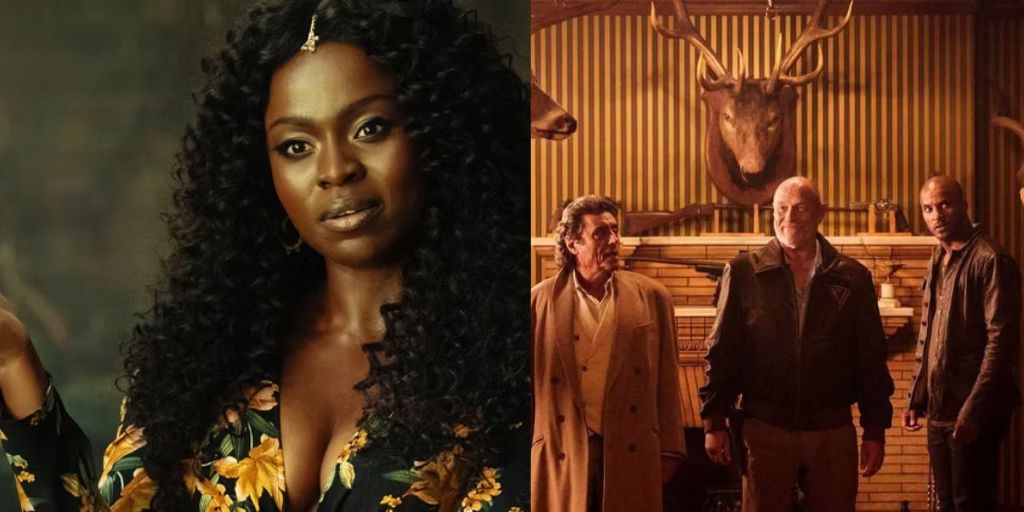
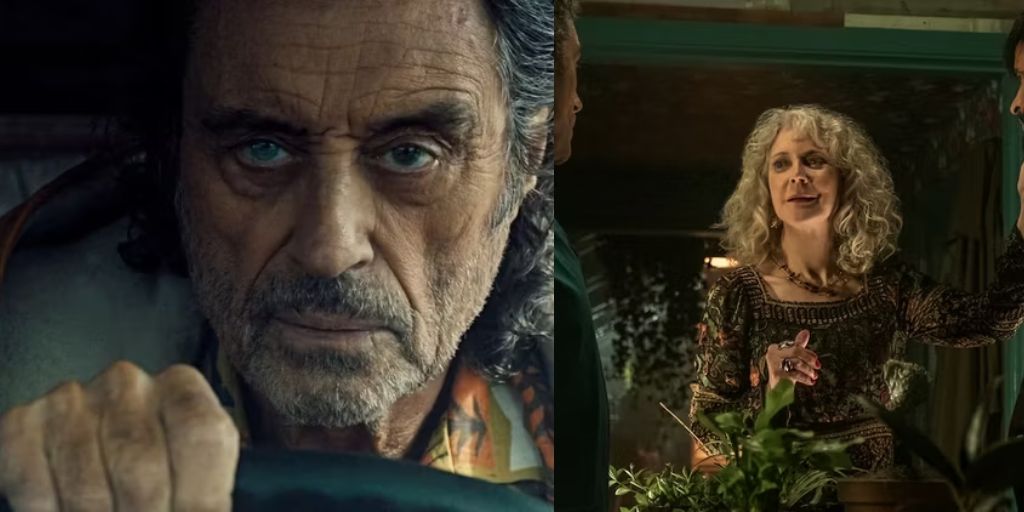
The gods in American Gods are powerful, but the show goes out of its way to highlight their flaws. Their lives are affected by chance events, just like humans. For example, Mr. Wednesday (played by Ian McShane), who is actually Odin, is wise and powerful.
Still from American Gods (Credit: Prime Video)
But he’s also manipulative and self-centered. When Shadow first meets him, Mr. Wednesday is pretending to be a confused old man at an airport to get a class upgrade. While his intelligence and divine power make him frightening, his trickster nature makes him more human. He constantly shifts between being a god and a crafty conman.
Then there’s Bilquis (Yetide Badaki), once the goddess of love and sex, who has fallen on hard times. Now, she gets her “worship” through sex work. Her need for attention is similar to the human need for validation and relevance.
Other gods, like Mr. Nancy (Anansi, played by Orlando Jones), use charm and wit to stay important, much like humans rely on humor and storytelling to survive. Even Easter (Kristin Chenoweth) feels angry and frustrated that Jesus has taken over her once-holy day.
The new gods are just as flawed. Technical Boy (Bruce Langley), for example, is impulsive and obsessed with power. He constantly seeks validation, similar to how people today chase likes, follows, and DMs on social media. Each god, old or new, is trying to prove their worth, making them relatable to humans.
Their interactions with one another and humans are not simple. They are layered and complicated, showing that they are more than just divine beings. American Gods presents characters that reflect our own imperfections and fears.
American Gods Gives a New Look at Belief
At the heart of American Gods is the clash between old and new gods. This gives viewers a look at how worship and faith have changed over time. On one side of this battle are the old gods, like Odin, Anansi, and Bilquis.
These gods were once worshipped by ancient cultures and were brought to the “new world” by immigrants. But in today’s modern world, they are mostly forgotten. This is where their struggle begins, as both the old and new gods survive by being believed in.
On the other side are the new gods, such as Technology, Media (played by Gillian Anderson), and Mr. World (Crispin Glover). These gods represent what modern society values, such as celebrity culture and constant connectivity.
Gone are the days when prayers and sacrifices were the main forms of worship. Now, it’s all about who has the best PR or marketing plan. For the new gods, belief is about popularity and staying in the public eye.
However, the old gods see belief as something much deeper. Mr. Wednesday refuses to change his image, despite advice from the new gods. To him, their shallow approach is meaningless.
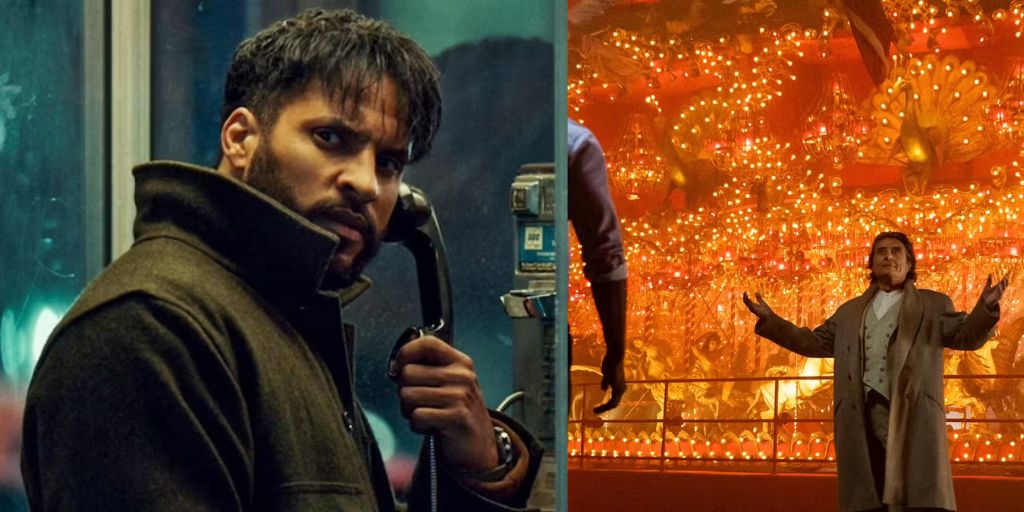
One god, Vulcan (Corbin Bernsen), the Roman god of fire, decides to embrace the modern world. In one episode, Mr. Wednesday visits Vulcan and discovers that he has adapted to the times by becoming the god of guns. Instead of traditional prayers and offerings, Vulcan’s worship comes in the form of bullets being fired.
Still from American Gods (Credit: Prime Video)
American Gods shows that the battle isn’t just between old and new gods, but also between old and new ideas. One key message of the show is how modern desires have replaced older spiritual beliefs, but the need to believe in something remains constant.
American Gods Stands Out with Its Stunning Visuals
If there were an award for visual creativity, American Gods would easily win it. Even when parts of the story feel unclear, the show’s visuals keep the audience engaged. From the first scene, where Viking warriors engage in a slow-motion, bloody battle to honor their god, it’s clear that this show is unique.
The visuals capture each god’s vibe perfectly. Media’s scenes are filled with playful pop culture references, like Lucille Ball, while Technical Boy’s scenes are filled with glitchy, neon effects. Bilquis’ scenes mix a sense of discomfort with attraction, and her glow is otherworldly, drawing you in even as she literally absorbs her lovers.
With visuals like these, even the slower parts of the story become more enjoyable. The road trip scenes with Shadow and Mr. Wednesday, while seemingly mundane, are made cinematic with sweeping shots of the American view and lighting that makes you want to join them — minus the ancient gods.
From the worn-out look of the old gods to the sleek, high-tech aesthetic of the new gods, the visuals in American Gods do a great job of showing their fight for relevance.
American Gods, based on Neil Gaiman’s novel, is a story about the clash between ancient and modern gods, showing themes of belief, power, and relevance.
Developed by Bryan Fuller and Michael Green, the show features old gods like Odin and Anansi fighting for survival against new gods like Media and Technology. While gods are often seen as all-powerful, American Gods highlight their human flaws.
Still from American Gods (Credit: Prime Video)
Characters like Mr. Wednesday (Odin) and Bilquis, once powerful gods, struggle with manipulation, validation, and adapting to modern times. The show cleverly reflects America’s cultural diversity and the tension between old traditions and new trends.
Visually stunning, American Gods uses creative imagery to represent each god’s personality, from neon-lit scenes for Technical Boy to pop culture references for Media. This modern take on mythology blends epic battles, deep character development, and striking visuals, making it a must-watch for fans of myth and modern storytelling.
You can watch American Gods on Prime Video in the U.S.
On July 16, 2024, the media was abuzz with news about HGTV stars Christina Haack and Joshua Hall. The couple, who had been in the spotlight for their reality TV roles and high-profile marriage, announced their separation, leading to widespread coverage and public speculation.
TMZ was the first to report that Haack and Hall were divorcing after nearly three years of marriage, citing “irreconcilable differences” as the reason for their split. This announcement came as a shock to many fans and followers who had been closely watching their relationship unfold on various HGTV shows.
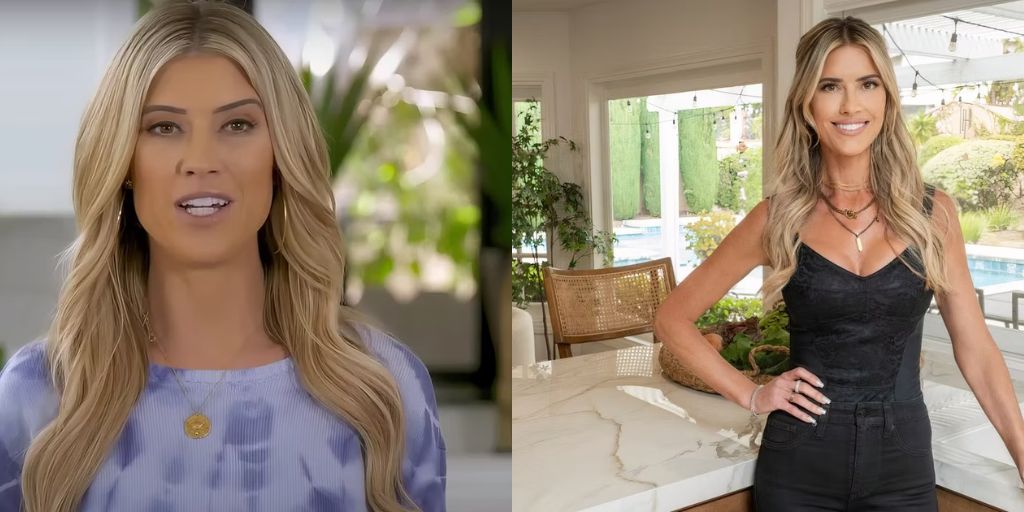
Haack, known for her roles in Christina on The Coast and Flip or Flop, has had a busy career on HGTV. She starred alongside Hall in Christina on The Coast, where Hall made guest appearances throughout the series.
Additionally, she hosted Flip or Flop with her ex-husband Tarek El Moussa. This was Haack’s third marriage; she had previously divorced El Moussa and Ant Anstead before her marriage to Hall.
Impact on HGTV’s Upcoming Series ‘Flip Or Flop’
The divorce has created significant uncertainty regarding HGTV’s upcoming series Flip Or Flop, which was set to feature Haack, Hall, and the El Moussas.
The show was designed as a house-flipping competition involving two couples: Haack and Hall, and the El Moussas. The series aimed to showcase their skills in real estate and renovation, competing for both profit and bragging rights.
However, with the news of the divorce, the future of the show has been put in question. Reports indicate that the show is now in limbo.
There have been few updates from HGTV about the status of the series, which was expected to be released in 2025. The absence of Hall from the promotional materials and ongoing public disputes between Haack and Hall have added to the uncertainty surrounding the show.
Details from the Divorce Filing
On July 15, 2024, Haack and Hall formally filed for divorce. The filings cited “irreconcilable differences” as the reason for their separation. While the filing date was July 15, the official date of separation was recorded as July 7. In Hall’s filing, he requested spousal support from Haack.
Still from Flip or Flop (Credit: Max)
Additionally, Hall sought to terminate Haack’s right to collect from him, a common request in divorce cases where one party seeks to protect their financial interests.
Hall also asked the court for full rights to his personal property and an equal division of community property acquired before the marriage. This included their Newport Beach, California home and any rights to the Discovery and HGTV shows they developed, produced, or contracted during their marriage.
Haack’s filing requested that her last name be restored to Haack. She also indicated that she would provide a detailed list of her separate property assets and debts at a later date.
The division of assets and property in high-profile divorces can be complex, often involving extensive negotiations and legal procedures. In this case, the couple’s shared properties and financial interests in television shows are likely to be significant points of contention.
Changes to ‘The Flip Off’
The news of Haack and Hall’s divorce quickly affected their joint projects, particularly The Flip Off. Following the announcement, US Weekly reported that Hall was removed from the show. This decision appeared to be a direct result of their separation, reflecting the challenges of working together after a personal split.
As Haack continued to promote The Flip Off with the El Moussas, Hall was noticeably absent from the promotional materials. Other reports suggested that Haack had resumed filming the series without Hall. This development further fueled speculation about the future of their collaboration on the show.
Court documents obtained by In Touch Weekly revealed that Hall had claimed Haack tried to have him removed from the show.
He alleged that Haack was also seeking to have him removed from a contractual agreement related to the production of The Flip Off. Despite these claims, HGTV has not confirmed Hall’s removal from the show or provided any official updates about his role.
The $35k Transfer Dispute
One of the more contentious issues in the divorce has been the transfer of $35,000 from Hall to his personal account. Following the divorce filings, Haack publicly accused Hall of transferring this money, suggesting it might have been used for personal reasons. Hall, however, explained the transfer.
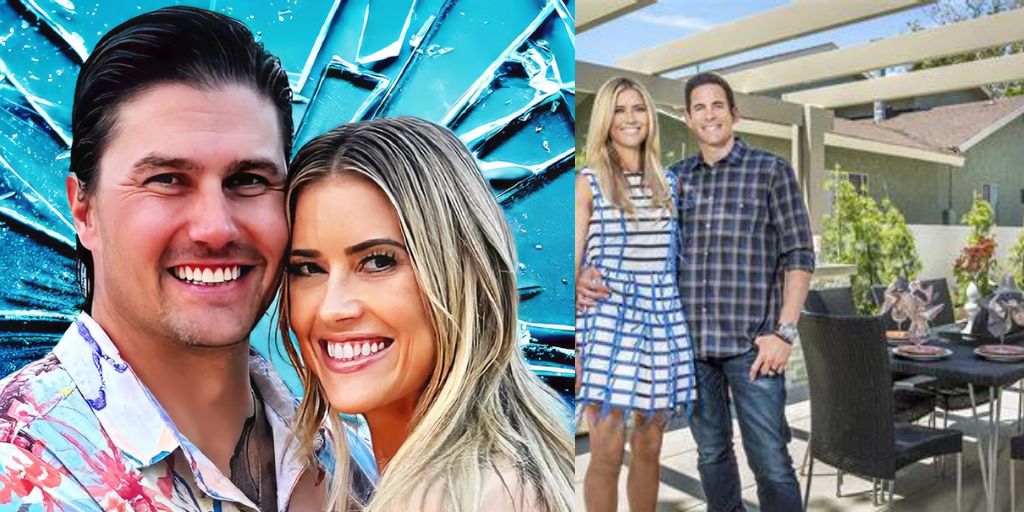
Still from Flip or Flop (Credit: Max)
He stated that he had been managing Haack’s rental properties during their marriage. They had purchased three properties to flip, and Hall requested that the $35,000 be deposited into his account for better access to the funds needed for property management.
Hall argued that the money was not intended for personal use but was required to continue managing the properties effectively.
In response to Haack’s accusations, Hall agreed to repay the $35,000. He also mentioned in court documents that Haack had removed his access to the business account and their joint American Express card.
Hall’s declaration explained that he needed to transfer the rental income to an account he could access to avoid delays in paying vendors and managing expenses related to the properties.
Living Arrangements After Divorce
The living arrangements following the divorce have also been a point of contention. Hall had agreed to move out of the home he shared with Haack so she could live there with her children from previous relationships.
They had agreed through their attorneys that Hall would have access to the property, known as King’s Place, on August 2, 2024, to move out his belongings.
However, Hall reported difficulties during his visit to retrieve his items. He claimed that court documents were missing and that Haack had alerted the paparazzi to his arrival.
Hall stated that Haack recorded him with her friends and made financial threats, demanding to know how much money he intended to claim in the settlement. To avoid further conflict, Hall only took a few items and left the property.
The situation highlighted the personal tensions between the estranged couple and the challenges of managing property and personal belongings during a high-profile divorce.
Settlement and Property Issues
Regarding the financial settlement, Hall had requested spousal support, but Haack agreed to an alternative solution. According to Page Six, Haack agreed to provide Hall with a $100,000 advance to cover expenses such as bills and attorney fees. This advance was part of the ongoing negotiations to settle their financial disputes.
Haack had previously offered Hall a seven-figure deal in August, which Hall rejected. The deal was deemed “too low” by his attorneys. Despite differing reports on the amount offered, it is clear that negotiations were challenging and complex.

Still from Flip or Flop (Credit: Max)
Regarding property division, Haack will retain their properties in Newport Beach, California, and Nashville. Hall will have access to their house in Franklin, Tennessee, if he does not rent it out. Hall filed a declaration in the California Superior Court on August 10, agreeing to these temporary property terms.
Final Status of the Settlements
The divorce settlements are currently temporary, with the final terms still pending. There has been no further information on Hall’s removal from The Flip Off, and viewers will need to stay tuned for updates on the situation.
The ongoing legal and personal disputes between Haack and Hall will likely continue to affect their public and professional lives as they work towards finalizing their divorce.
The Flip Off is scheduled to air in 2025, but the impact of the divorce on the show’s production and the couple’s future collaborations remains uncertain. Fans and followers will have to wait for more updates as Haack and Hall show the complexities of their separation and the effects on their careers.
