The anime community has found itself deep in debate after reports surfaced that Netflix Japan has begun testing AI-generated dubbed dialogue in real anime series. For many viewers, this news did not feel like a simple technical update.
Instead, it touched on deep feelings about art, creativity, and the human voices that have defined anime for decades. While some fans welcomed the move as a natural step forward in technology, others reacted with fear and anger, calling it “the death of voice acting.”
Anime has always been closely tied to its voice actors. In Japan, voice actors are often treated like stars, with loyal fan bases, concerts, interviews, and special appearances. A familiar voice can instantly bring a character to life.
For many people, the performance of a voice actor is just as important as the animation itself. It carries emotion, tone, and personality in a way that goes far beyond simple words. Because of this strong connection, the idea of replacing human voices with artificial intelligence feels, to some fans, like removing the soul from the art.
According to early discussions, Netflix Japan is not planning to fully replace voice actors at this stage. The AI-generated dialogue is reportedly in a testing phase only. The goal is to explore new methods for accelerating production and reducing costs, particularly for regional dubs in various languages.
By using AI, a single performance could potentially be adjusted, translated, and reshaped into other languages much faster than a full human recording session. This would help the company release content more quickly around the world.

Honkai Star Rail Franchise (Credits: Hoyoverse)
Netflix Japan’s AI Anime Dubs Spark Massive Fan Backlash and Industry Panic
Supporters of the experiment see it as a form of innovation. They argue that new technology has always caused fear in the beginning. In the past, people worried about digital animation, computer effects, and online streaming. Yet these changes eventually became normal and even helped anime reach a global audience. To these fans, AI might become another tool, not a full replacement. They believe that if used carefully, it could support artists instead of destroying their jobs.
However, the critics are much louder at the moment. Many are worried that once AI dubbing becomes good enough, companies will start to rely on it more and more. Human voice actors could find themselves replaced, not because they lack talent, but because machines are cheaper and faster.
This fear is not limited to Japan. Around the world, artists in music, writing, design, and acting are already worried about how AI might affect their careers. For voice actors, this test feels like a warning sign of what may be coming next.
The emotional reaction online has been intense. Some fans stated that they would cancel their subscriptions if anime begins using AI voices instead of real performers. Others posted that they would only watch the original Japanese version and avoid all AI dubs. There are also people who feel confused and conflicted. They see the dangers, but they also understand why a large company like Netflix would want to explore faster and cheaper methods.
Another concern is about quality. While AI voices have improved in recent years, many people feel they still lack true emotional depth. They may sound correct on the surface, but they can struggle with subtle feelings, cultural nuances, and complex emotional moments.
Anime often depends on powerful emotional scenes, where a small change in tone can completely alter the meaning of a line. Fans worry that AI will flatten these moments, making them feel empty or robotic.
“Death of Voice Acting?” Anime Community Erupts Over AI-Generated Dialogue
There is also a cultural issue at play. Anime is not just a product. It is a part of Japanese culture. Voice acting is a respected profession in Japan, and people spend years training to master it. Replacing that tradition with technology feels disrespectful to its history. Some fans say it is not just about jobs, but about preserving a form of art that has been built by real people over many generations.
Despite the anger, Netflix Japan has not released a strong public response yet. This silence has made fans even more nervous. Without clear communication, people begin to imagine worst-case scenarios. They worry that big decisions are being made behind closed doors, with profit placed above artistic values. Others hold onto hope that public reaction will influence the final decision.

Psycho Pass Franchise (Credits: Production IG)
In the end, this situation has become bigger than just one experiment. It has opened a wide discussion about the future of creative work in a world filled with advancing technology. Anime fans are now asking important questions. How much technology is too much? Where should the line be drawn between innovation and tradition? And most importantly, what does art mean if human voices are slowly replaced by machines?
For now, the anime community remains divided. Some are curious, some are afraid, and many are simply waiting to see what happens next. But one thing is clear. This moment marks a turning point in how people think about the future of anime, voice acting, and creativity in the digital age.
Recent online data has sparked a new wave of debate in the anime community, as One Piece has reportedly become the second most-searched anime in the world, sitting just behind Naruto. Even after more than a decade since Naruto ended, it still continues to dominate global search trends.
For many fans, this news came as a surprise, while for others, it simply confirmed what they already believed: that Naruto’s influence on global pop culture is far from over. At the same time, One Piece’s rise to the second spot shows just how powerful and relevant the series remains, even after running for more than twenty-five years.
One Piece is currently in its final saga, and the excitement around its story has reached an all-time high. New arcs, shocking twists, and long-awaited answers have pushed fans to constantly search for updates, theories, spoilers, and episode discussions.
Each new chapter release becomes an online event, often trending within minutes. The anime’s improved animation quality in recent years has also attracted a new generation of viewers who had previously avoided the series because of its length. All of this online activity has contributed to One Piece climbing high in worldwide searches.
However, Naruto still sits at the top. Even though the original story ended 11 years ago, people continue to search for Naruto more than any other anime. There are many reasons for this. First, Naruto was one of the biggest gateway anime for international fans.
For many people growing up in the 2000s and early 2010s, Naruto was their introduction to Japanese animation. That kind of emotional attachment lasts a long time. Fans continue to rewatch it, introduce it to new viewers, and search for information about its characters, fights, and iconic moments.

Naruto Franchise (Credits: Masashi Kishimoto)
One Piece Climbs to #2 Worldwide, But Naruto Still Rules Global Searches
Another reason for Naruto’s strong position in search trends is its continued presence through Boruto. Even though Boruto receives mixed reactions, it keeps the Naruto name in active circulation. People often search for Naruto even when they are actually looking for Boruto content.
In addition, clips and scenes from Naruto frequently go viral on platforms like TikTok, YouTube, and Instagram. Quotes from characters like Itachi, Madara, and Pain are shared constantly, keeping the series relevant in daily online life.
One Piece, on the other hand, has been gaining unstoppable momentum. The reveal of Gear 5 and the massive events in the Wano and Egghead arcs brought a huge spike in interest. New fans who once felt that One Piece was “too long” now see it as a legendary story worth starting.
Streaming platforms have also made it easier to access old episodes, and summary videos help people catch up more quickly. This growing accessibility has played an important role in increasing the series’ global search volume.
The rivalry between Naruto and One Piece fans is nothing new. For years, both fandoms have argued over which series is better, more impactful, or more meaningful. These debates often become intense, especially on social media and anime forums.
Some fans say Naruto has stronger emotional storytelling and character development, while others argue that One Piece has better world-building and long-term planning. These long-running arguments also fuel online searches, as fans look for facts and opinions to support their side.
Interestingly, this competition is not necessarily a bad thing. In fact, it shows how powerful both series are. Very few stories can survive in public interest for such a long time. Naruto has already completed its journey, yet it is still leading global trends. One Piece is still ongoing and is reaching new heights as it moves closer to its ending. Together, they represent two of the most important pillars in anime history.
Naruto’s Long Reign Continues as One Piece Surges in Global Popularity
Younger fans who were not even born when Naruto first aired are now discovering it for the first time. At the same time, many older fans who grew up with Naruto are now watching One Piece more seriously than ever. This crossover of generations keeps both anime alive in modern conversations. It is not just about which one is at number one or two. It is about how deeply both stories have shaped the anime world.
Another factor that helps Naruto remain on top is its presence in memes and pop culture. Hand signs, headbands, Naruto running, and the phrase “Believe it!” are still widely recognized, even by non-anime fans.
These symbols are simple, easy to share, and instantly recognizable. One Piece also has recognizable elements, like Luffy’s straw hat and the “Pirate King” dream, but Naruto’s imagery has somehow embedded itself deeper into mainstream culture in many regions.

One Piece Franchise (Credits: Eichiro Oda)
Still, being second to Naruto is nothing to be ashamed of for One Piece. In fact, it is an incredible achievement, especially for a series that is still ongoing and still building toward its ultimate conclusion. As the final saga continues, it is very possible that One Piece could temporarily overtake Naruto in certain regions or during major episode releases. The battle for the top spot may continue to shift as both franchises release new content in different forms.
In the end, what matters most is not the rankings, but the impact. Both Naruto and One Piece have inspired millions of people around the world. They have shaped childhoods, influenced artists and writers, and created lifelong fans. Whether someone types “Naruto” or “One Piece” into a search bar, it is clear that anime, as a whole, continues to grow stronger and more important in global entertainment culture.
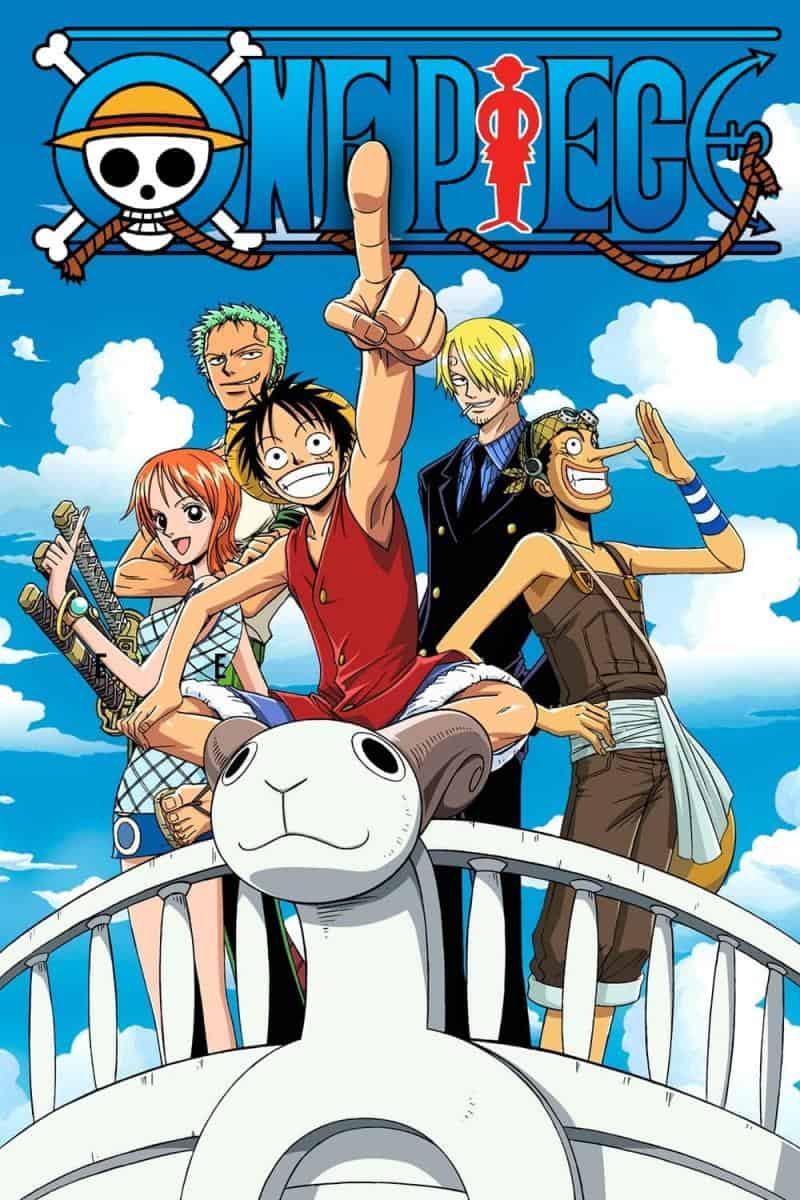
“One Piece” is a beloved Japanese manga and anime series that chronicles the adventures of Monkey D. Luffy and his pirate crew. Luffy, imbued with rubber powers from a mystical fruit Hito Hito no Mi, aspires to become the Pirate King. To achieve this, he seeks the ultimate treasure, the “One Piece,” hidden at the Grand Line’s end. Along the journey, Luffy gathers a diverse crew, confronts formidable foes, and uncovers world-altering secrets, all while promoting themes of friendship, freedom, and adventure.
