Despite expectations that hit series like House of the Dragon, Shogun, and Arcane would dominate the list of most pirated shows, new data reveals a surprising trend. Anime and manga have taken over the rankings, proving their immense popularity worldwide. While this surge in piracy is concerning for the industry, it also highlights the medium’s growing influence in international markets.
According to a report from data analytics company MUSO, anime accounted for eight of the ten most pirated series in 2024. Only The Boys and House of the Dragon made the cut from outside the anime genre. With anime becoming more accessible through platforms like Crunchyroll and Netflix, this increase in piracy raises questions about the evolving of digital entertainment.
Anime Dominates the List of Most Pirated Shows
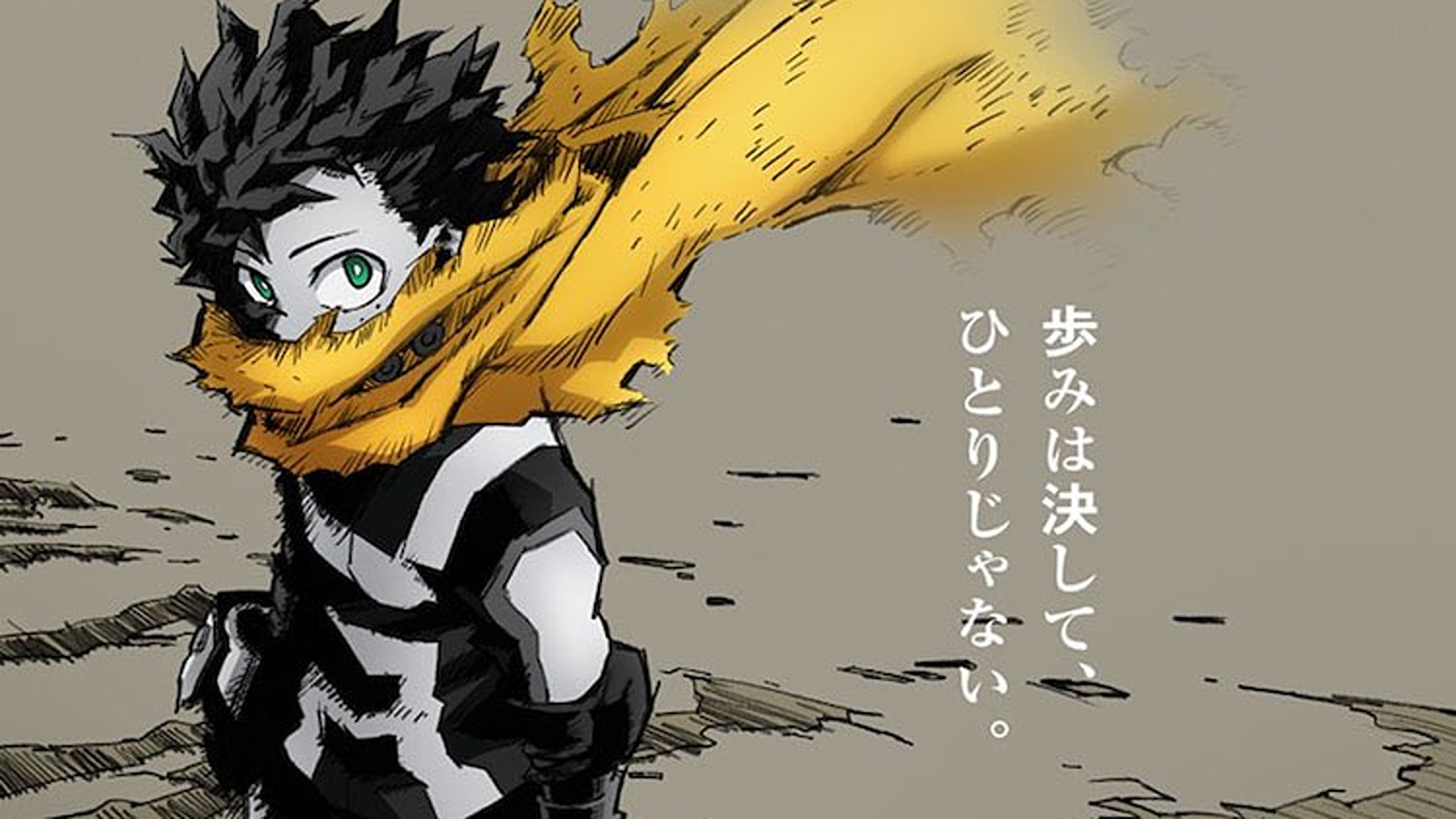
Deku (Bones)
Variety’s coverage of MUSO’s research confirms that anime piracy is more rampant than ever. That Time I Got Reincarnated as a Slime Season 3 led the rankings, followed by My Hero Academia Season 7 and Mushoku Tensei: Jobless Reincarnation Season 2. The widespread demand for anime has led to an increase in illegal streaming and downloads, showing how the medium has overtaken even last year’s biggest shows.
Top 10 Most Pirated TV Shows of 2024
- That Time I Got Reincarnated as a Slime Season 3
- My Hero Academia Season 7
- Mushoku Tensei: Jobless Reincarnation Season 2
- House of the Dragon Season 2
- Dandadan Season 1
- Tsukimichi: Moonlight Fantasy Season 2
- The Boys Season 4
- Solo Leveling Season 1
- Tower of God Season 2
- Blue Lock Season 2
While anime piracy has reached new highs, manga piracy has grown at an even faster rate. MUSO’s report shows that manga piracy skyrocketed from 16.5 billion views in the first quarter of 2024 to 25.7 billion by the fourth quarter. A 21.82% increase in views between Q2 and Q3 was noted as highly unusual, signaling a massive rise in illegal consumption.
Unlike anime, manga has not seen the same improvements in accessibility. Many fan-favorite series, including Hajime no Ippo, Basara, and Captain Tsubasa, still lack official English translations. Even major titles like Kingdom and JoJo’s Bizarre Adventure: Steel Ball Run have only recently secured English releases, leaving countless other series unavailable to international audiences.
A significant reason for rising manga piracy is the delay between the Japanese and English releases. While simulpubs are becoming more common, many major titles like One Piece, Berserk, and Kagurabachi still experience a gap between their magazine release and official translations. Additionally, the cost of physical and digital volumes remains high, making piracy a more attractive option for many fans.
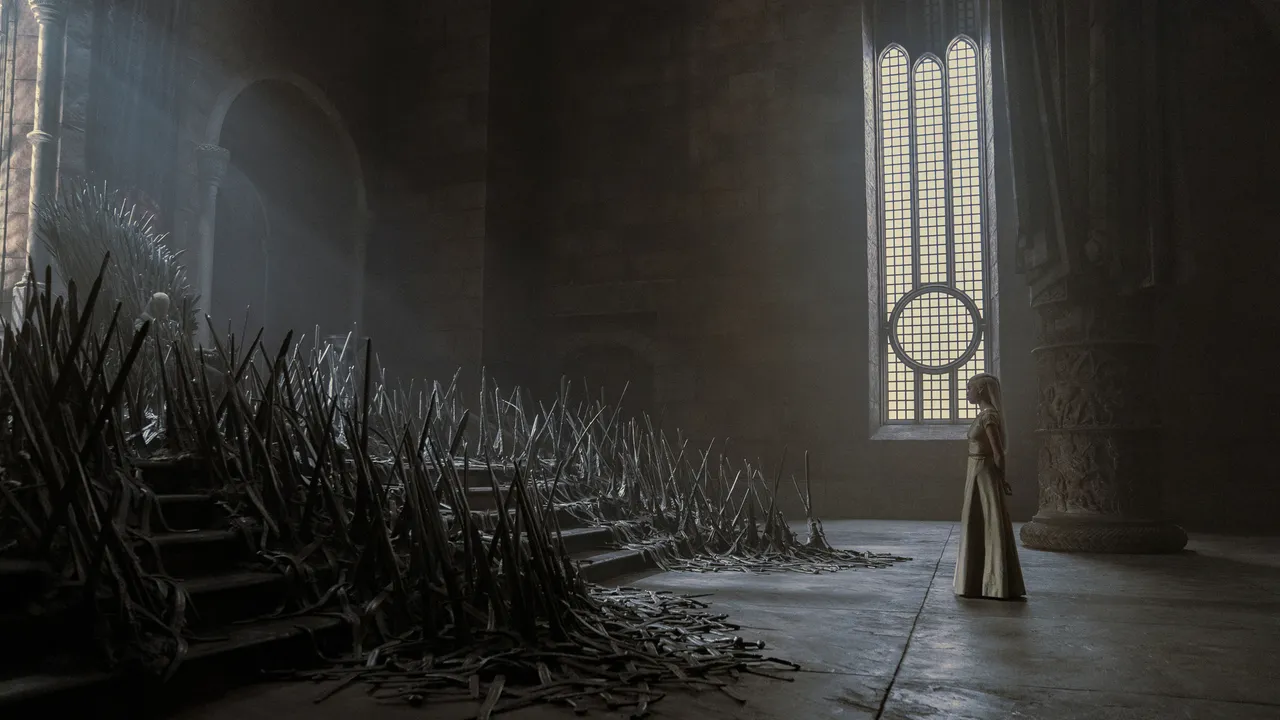
House of the Dragon
Japanese authorities have intensified efforts to combat anime and manga piracy, with international enforcement measures also taking place. While these crackdowns help reduce piracy in the short term, industry leaders must focus on making legal content more accessible and affordable. Without addressing the root causes of piracy, demand for illegal sources is unlikely to decrease.
New data has surfaced, shedding light on the most pirated TV shows of 2024, and anime is at the forefront. A recent report from data analytics company MUSO reveals that Japanese anime, particularly those streamed by Crunchyroll, have dominated the piracy. That Time I Got Reincarnated as a Slime Season 3 has claimed the unfortunate title of the most pirated series of the year.
Crunchyroll exclusively licensed all but one of the top ten most pirated TV series. Dandadan Season 1 was the exception, as it was streamed on Crunchyroll and Netflix. Alongside Tensura, My Hero Academia Season 7 and Mushoku Tensei: Jobless Reincarnation Season 2 took the second and third spots, respectively. The ranking highlights the ongoing issue of anime piracy, despite legal accessibility through streaming platforms.
Anime Takes Over the Most Pirated Shows List

That Time I Got Reincarnated as a Slime (Credits: Crunchyroll)
According to Variety, which covered MUSO’s latest findings, anime fans have turned to piracy at an alarming rate. The top ten pirated TV shows of 2024 saw a heavy presence of anime, with Crunchyroll being the primary streamer. The list includes major titles like Solo Leveling, Blue Lock, and Tower of God, all of which saw significant global interest throughout the year.
The report notes that the timing of the release may have influenced rankings, as many of the top-pirated series debuted in the Winter and Spring seasons. Two-cour anime dominated the list, while single-cour anime like Solo Leveling, Blue Lock, and Dandadan trailed behind. Promotion and accessibility also played a role, with Solo Leveling being one of the most widely available anime, dubbed in 12 languages and subbed in 18.
Crunchyroll has been aggressive in expanding its international reach, especially in India, where it offers an affordable subscription at just $1.14 per month. The platform has also localized content in multiple languages, making anime more accessible worldwide. Despite this, piracy remains a major issue, with India ranking among the top five countries for TV piracy in 2023, following the U.S., Russia, the U.K., and Canada.
Interestingly, most pirated titles have extensive subtitle and dubbing support in regions where piracy is rampant. Solo Leveling, Tower of God, and Blue Lock offer subtitles in 16 to 18 languages, furthering their reach. Meanwhile, Mushoku Tensei and Tower of God are the only titles available in Russian for both subbed and dubbed audiences. This suggests a direct correlation between language support and piracy trends.

That Time I Got Reincarnated as a Slime (Credits: Crunchyroll)
While Crunchyroll and other platforms continue to make anime more accessible, piracy remains a challenge. The latest MUSO report highlights how high-demand anime still struggles with illegal distribution, despite being available through legal means. With streaming services expanding globally, it remains to be seen whether improved access can curb piracy or if it will continue to be a persistent issue in the anime industry.
