A new dating trend on TikTok has sparked debate after users began labeling anime fans as “walking red flags.” The videos, many using trending audio and visual cues, often imply that being into anime suggests immaturity or emotional unavailability. These posts have been viewed millions of times, igniting controversy over what some call shallow stereotyping.
TikTok creator @shelbytalks posted a viral video stating, “If he has anime posters in his room, run.” The trend soon spiraled into a flood of similar content, targeting people—mostly men—who openly express love for anime. While meant to be comedic, fans argue it’s contributing to a larger pattern of unfair assumptions.
Anime as a Personality Red Flag?

A Whisker Away (Credits: Netflix)
The narrative implies anime lovers are emotionally stunted or socially awkward. This generalization has reignited long-standing criticisms of how anime culture is perceived in the West. Experts warn that such casual labeling can have real-world effects, especially among teens and young adults forming their identities around niche interests.
Fans Reclaim the Narrative

Please Put Them On, Takamine-san
Rather than retreat, fans have begun co-opting the trend to turn the stereotype on its head. Videos under hashtags like #AnimeIsNotARedFlag and #AnimeGreenFlag now showcase wholesome moments, emotional maturity, and community bonding through anime. These counter-trends aim to normalize anime appreciation in adult life and relationships.
Cultural analysts suggest the viral backlash is part of a larger conversation about how fandoms are judged. As anime’s popularity skyrockets globally, the gap between perception and reality becomes harder to ignore. “We’re not in 2005 anymore,” said one popular TikToker. “Anime is mainstream. Grow up.”
The Canadian government is exploring a controversial national policy that could mandate age-verification for anime streaming platforms. Lawmakers argue that explicit depictions of teen characters, often seen in ecchi and fanservice-heavy titles, warrant tighter content regulation. If passed, the legislation would require platforms like Crunchyroll and Netflix to implement strict age-gates for viewers.
This policy is gaining traction following a CBC News segment where child safety advocates argued that many anime series blur the line between entertainment and exploitation. Their concern is rooted in repeated portrayals of underage characters in adult scenarios, which critics say could normalize inappropriate behavior and impact young audiences.
Anime Industry and Fan Response

High School DxD
Fans and industry figures have swiftly pushed back against the proposal, warning of cultural overreach and artistic censorship. “This move misunderstands anime as a whole,” tweeted one prominent voice actor. Others pointed out that anime covers a wide range of genres, and lumping it all under a sexualized label is reductive and harmful.
Streaming services could face high compliance costs if the law passes. Platforms may be forced to remove titles or implement regional filtering systems that disrupt user experience. Smaller services catering to niche anime audiences would likely be hit the hardest, potentially losing Canadian access altogether.
Cultural Debate and Free Speech Concerns
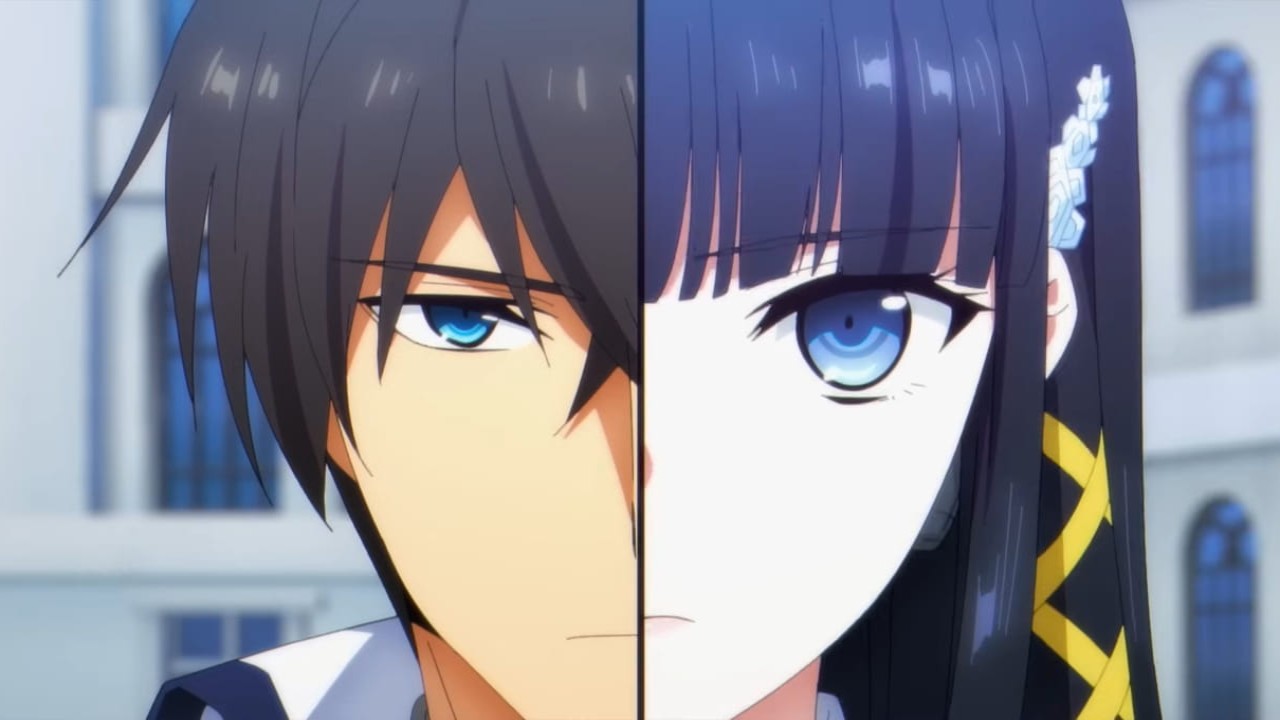
The Irregular At Magic High School
Civil liberties groups are also raising red flags. They argue that while protecting minors is vital, the bill may cross into territory that limits freedom of expression. Some critics compare it to previous attempts to censor video games and comics in North America, which were often rooted in cultural misunderstandings.
Canadian anime fans have begun organizing online, using hashtags like #SaveAnimeCanada to bring awareness to the issue. Many fear this could set a precedent for future global regulation of Japanese media. With anime being a booming export, the international community is watching closely as Canada debates how far content control should go.
