A Texas politician’s outburst declaring “Anime is grooming our kids” has gone viral, setting off an internet war that pits supporters against vehement critics. The inflammatory speech, shared widely on social media, has ignited debates about the impact of anime on youth. Supporters applaud the remarks as a bold stand against what they view as dangerous cultural influence, while detractors warn it stokes fear without basis.
Critics argue the official’s comment shows a lack of understanding of anime’s diverse storytelling and cultural value. On platforms like Reddit and YouTube, users have launched extensive counter-arguments, emphasizing that anime is a rich art form enjoyed by all ages.
Opponents claim that such language is designed to incite moral panic and foster censorship, rather than protect children. The debate quickly morphed into a clash of ideologies, with hashtags and livestream discussions dominating the conversation.
Viral Texas Politician Speech Sparks Internet War
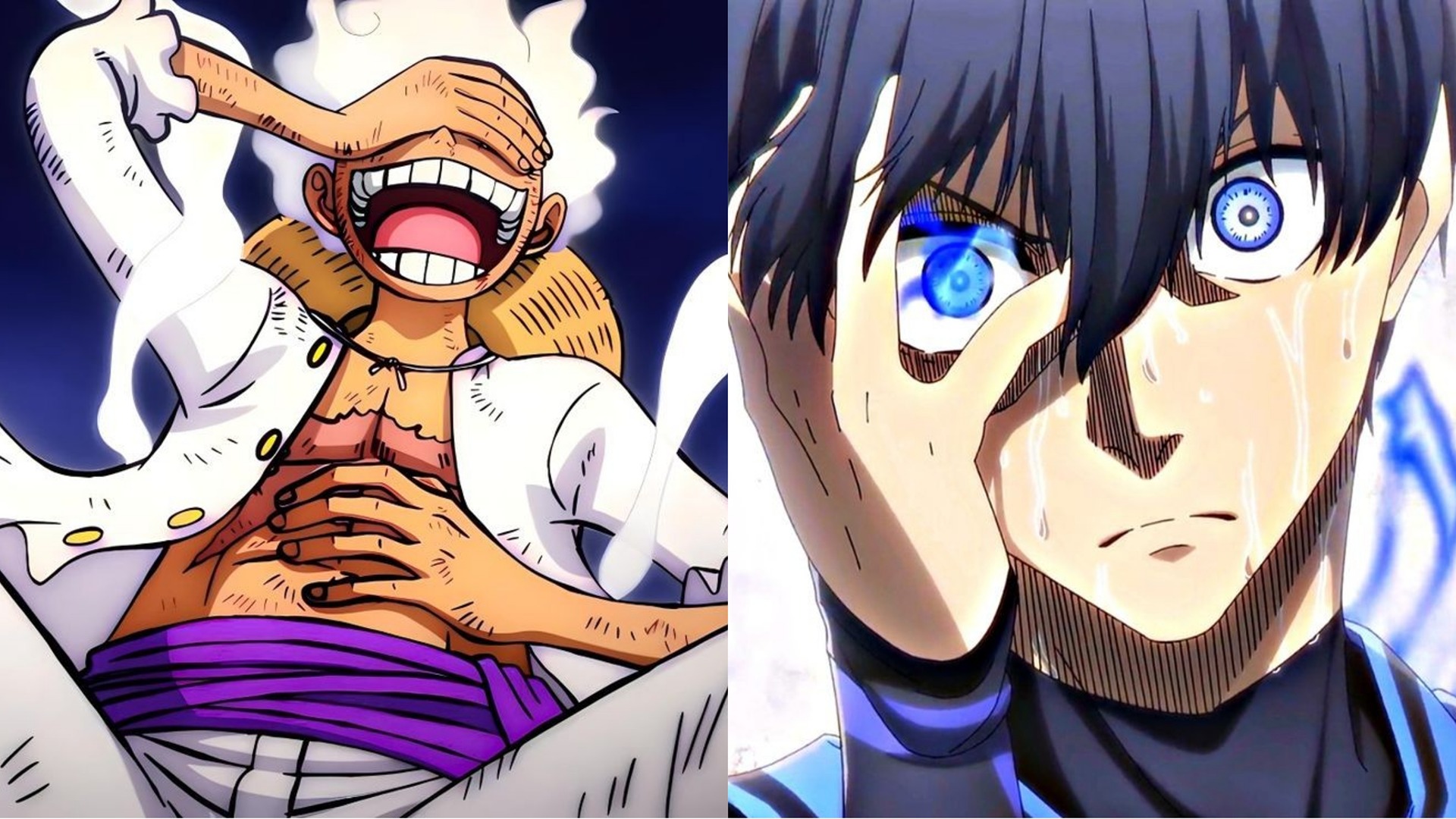
Luffy and Isagi (Credits: Toei Animation & Eight Bit)
Supporters of the politician insist that modern media, including anime, should be scrutinized for content they say could negatively influence impressionable minds. They argue that the speech highlights necessary concerns about content regulation and parental guidance. Critics, however, counter that the sweeping generalization undermines creative freedom and demonizes a global art form enjoyed by millions.
The controversy has drawn attention from media outlets and cultural commentators nationwide. Several YouTube debates and Twitter threads have documented the clash, with some calling for boycotts of anime streaming services. Meanwhile, others encourage a more measured response, urging policymakers to engage with experts rather than resort to sensational claims.
As the heated online war rages, one thing is clear: the politician’s statement has become a flashpoint in the broader cultural discussion surrounding anime. Whether this controversy will lead to legislative changes or fade as an internet meme remains to be seen. For now, the clash underscores a deep divide in perceptions of media, youth, and free expression.
A proposed law in Texas, known as Senate Bill 20 (SB-20), has ignited a firestorm of controversy within the anime, manga, and cosplay communities. The bill aims to criminalize the possession or promotion of obscene visual material that appears to depict minors engaged in sexual conduct, explicitly including cartoons, animations, and images created using artificial intelligence or other computer software. citeturn0search2
The broad language of SB-20 has led to widespread concern among cosplayers, particularly those who portray underage characters from anime and manga. Critics fear that individuals participating in such cosplay could be at risk of legal action if their portrayals are deemed obscene under the new law. This has sparked a heated debate over the balance between protecting minors and preserving freedom of expression.
Implications for Cosplay and Fan Communities

Touka Kirishima Cosplays
Legal experts have raised questions about the constitutionality of SB-20, suggesting that it may infringe upon First Amendment rights. They argue that the bill’s vague definitions could lead to subjective interpretations, potentially criminalizing a wide range of artistic expressions. This concern is compounded by the fact that anime and manga often feature characters who, while fictional, are depicted as minors in various contexts.
The proposed legislation has elicited strong reactions from both supporters and opponents. Proponents argue that the bill is necessary to protect children from exploitation and to address the proliferation of AI-generated explicit content. Lieutenant Governor Dan Patrick emphasized the importance of updating laws to keep pace with technological advancements, stating that steps must be taken to protect Texans, especially children, from harmful computer-generated content.
Community Response and Ongoing Debate
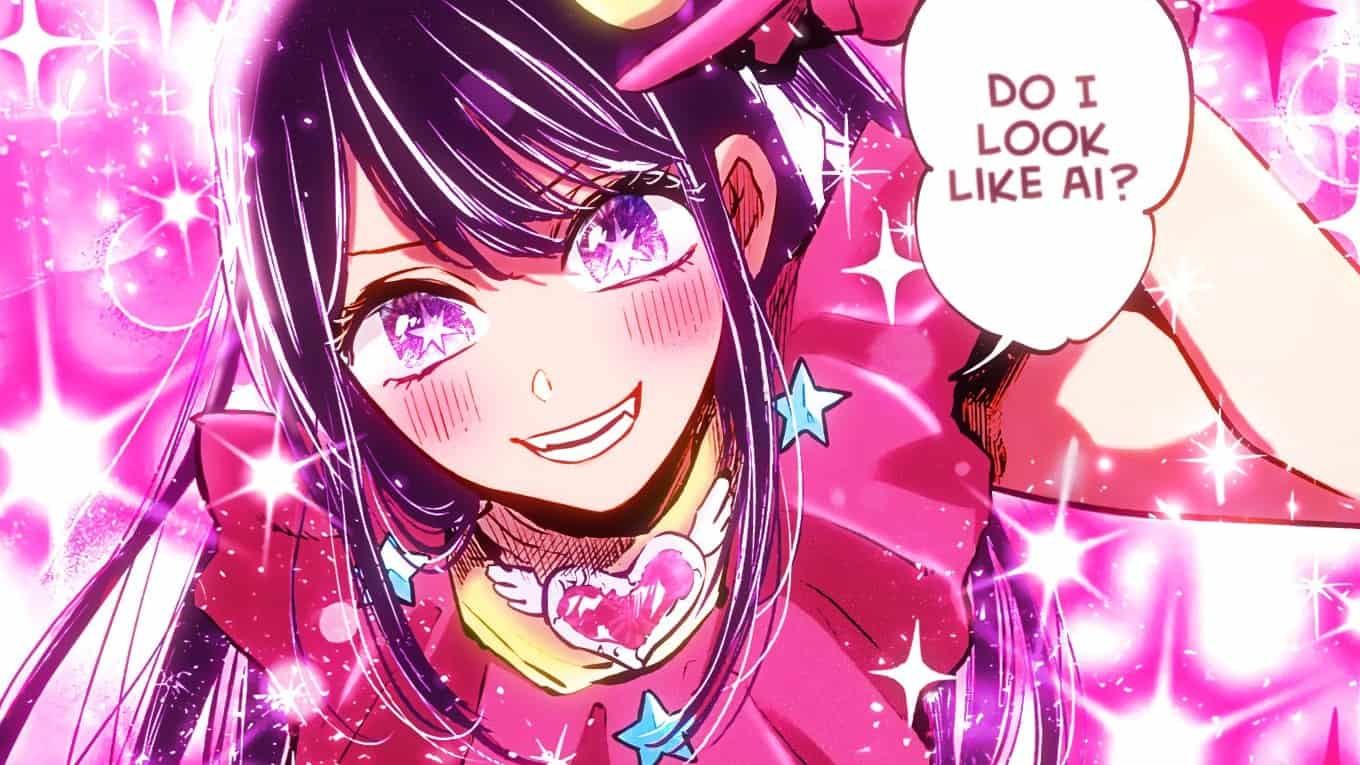
Ruby cosplaying as Ai (Color Credits: @Feyku on Twitter/X)
Opponents, however, contend that the bill’s overreach could lead to unintended consequences, stifling creativity and criminalizing fans and artists who engage with anime, manga, and cosplay. They call for more precise language in the legislation to ensure that it targets actual exploitation without encroaching on protected forms of expression.
As SB-20 moves through the legislative process, it remains to be seen how these debates will influence its final form and implementation. The outcome will have significant implications not only for Texas residents but also for the broader conversation about media, art, and the boundaries of lawful expression in the digital age.
