A recent comment from a U.S. health advisor has ignited controversy across anime communities worldwide. Speaking at a youth health panel, the official described anime as “the new cigarette,” arguing that excessive viewing may lead to emotional dependency, fantasy obsession, and social withdrawal. The claim quickly spread online, stirring widespread debate and sparking fierce backlash from anime fans.
The official cited rising concerns around dopamine-driven content habits, particularly in teenagers and young adults. While anime was singled out for its immersive narratives and “hyper-fantasy environments,” critics immediately pushed back. Fans, mental health experts, and creators accused the advisor of exaggeration and cultural stereotyping, especially given anime’s wide range of genres and its growing educational and artistic relevance globally.
Backlash and Fan Reactions
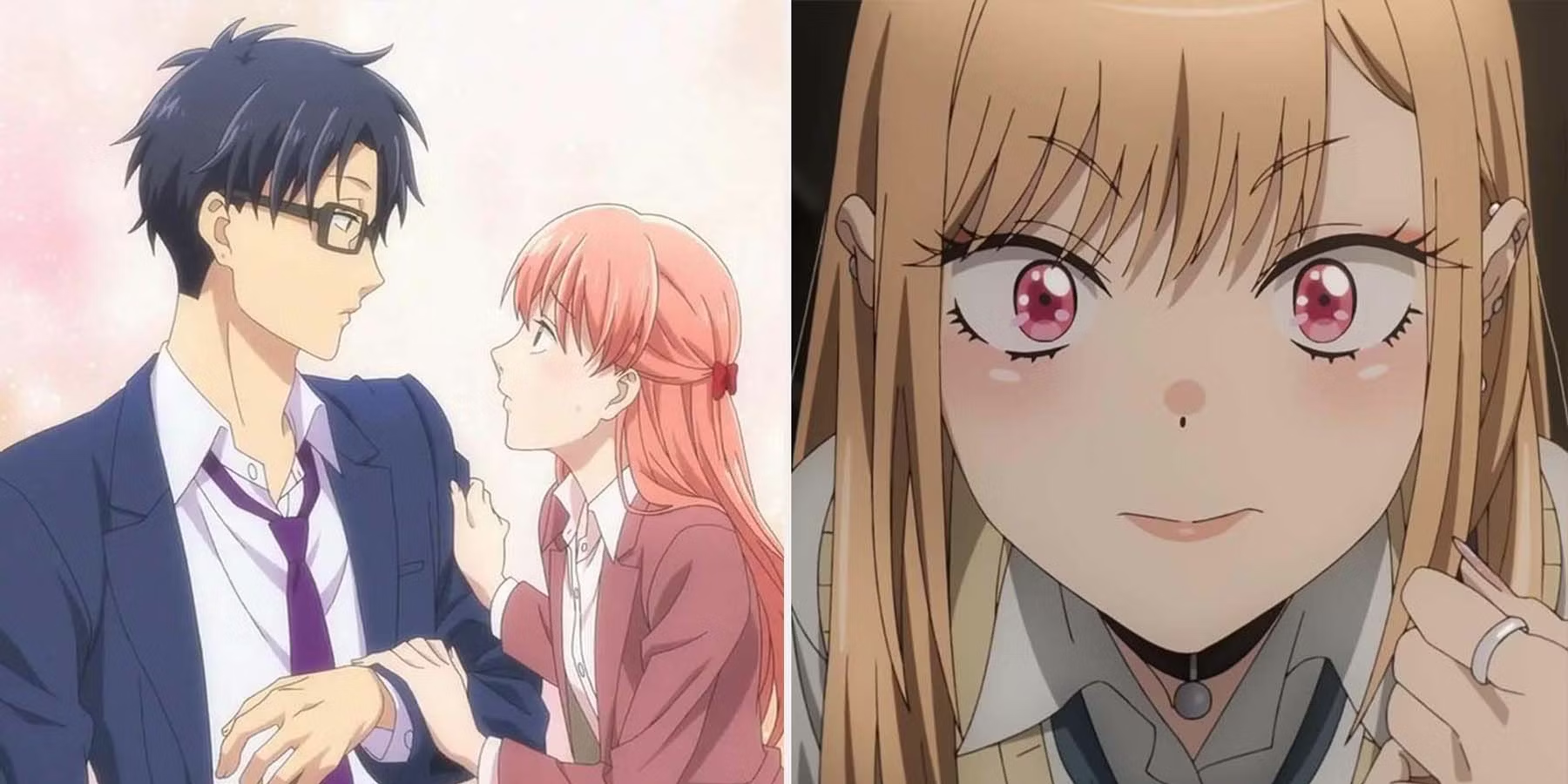
Shoujo Anime
Twitter and TikTok were flooded with reactions under trending hashtags like #AnimeIsNotAddiction and #OtakuRights. Many fans highlighted the double standard in blaming anime while ignoring Western binge-media habits like reality TV or social media scrolling. Creators also expressed frustration, noting how such remarks dismiss the emotional resonance and storytelling that anime offers to millions worldwide.
Some viewers acknowledged that any form of media can become a problem when consumed obsessively. However, they stressed that pathologizing anime alone reflects outdated biases against Japanese media. Professionals also noted that no scientific evidence supports singling out anime as inherently more addictive than other forms of visual storytelling.
Broader Discussion on Media and Health
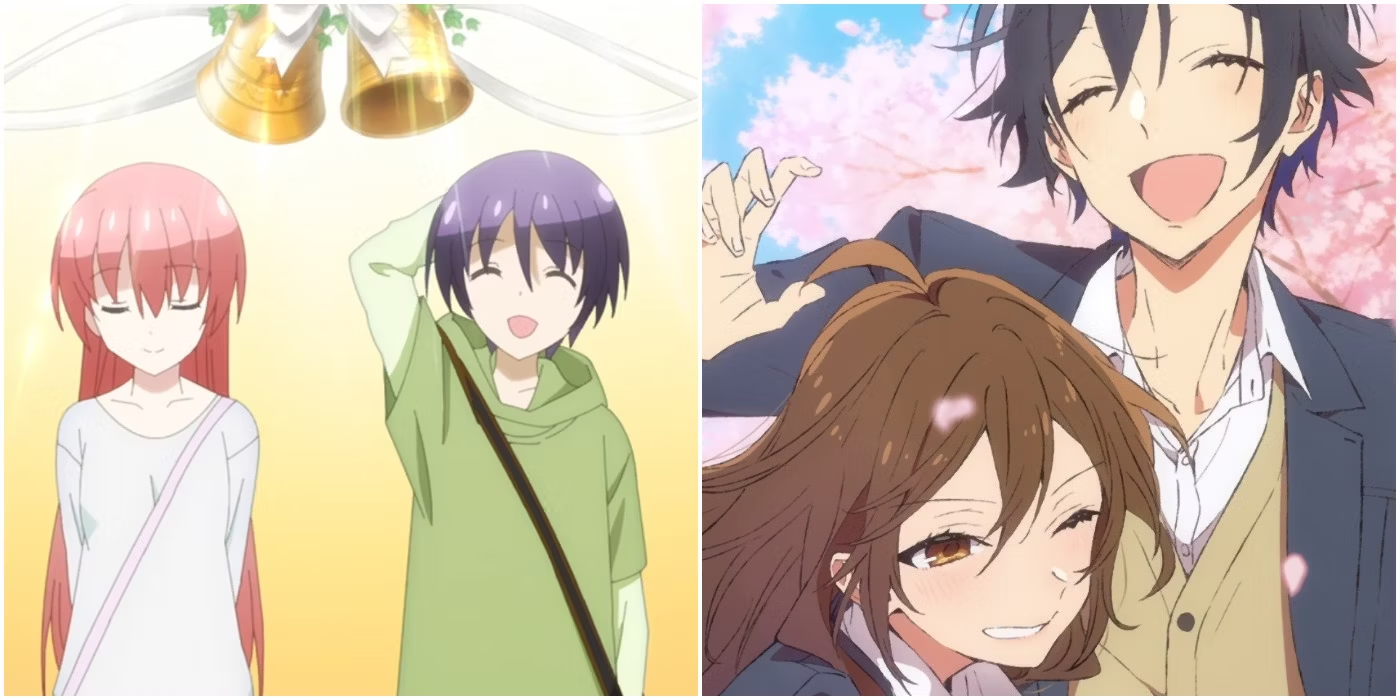
Heartwarming Anime That Bring Pure Joy
Experts emphasized that addiction stems from behavioral patterns, not specific content types. The American Psychological Association has not classified anime as addictive. Instead, conversations around screen-time and media health should include all genres and platforms. Singling out anime, they argue, risks feeding moral panic rather than addressing genuine youth wellness concerns.
This isn’t the first time anime has been scapegoated. Over the years, it’s been wrongly linked to everything from violence to loneliness. Yet research consistently shows that the anime community offers many fans a sense of belonging, creativity, and comfort—especially for those struggling with isolation or mental health issues.
An alliance of Muslim-majority nations recently submitted a formal appeal to the United Nations, demanding a crackdown on sexually suggestive anime. The petition, raised during a cultural ethics conference, claims such content distorts morality, influences youth negatively, and promotes values incompatible with Islamic principles. The move has launched a heated global debate on religious values versus creative expression.
The petition names several anime titles known for ecchi or fan-service elements, arguing that they blur boundaries of decency and often glorify indecent behavior. Officials cited the increasing online availability of such shows, which, they claim, bypass cultural restrictions and reach youth in conservative societies. These governments are urging international streaming services to adopt stricter filters or remove content altogether.
UN Response and Fan Outrage

Naruto fans after the announcement of live action (mixed reaction) (Credits: Pierrot)
The United Nations responded with a measured stance, stating that it would “review cultural standards and global media distribution policies.” While not a commitment to censorship, the acknowledgment alone sparked uproar. Fans across regions labeled the demand as overreach, arguing that art and media should not be globally censored to meet the expectations of one belief system.
Critics of the petition also point out the hypocrisy in targeting anime while overlooking problematic content in global cinema or Western entertainment. Hashtags like #AnimeIsArt and #HandsOffAnime began trending, with users defending freedom of expression and artistic diversity. Artists and content creators worry that this could set a precedent for restricting narratives across all media.
Cultural Values or Global Censorship?
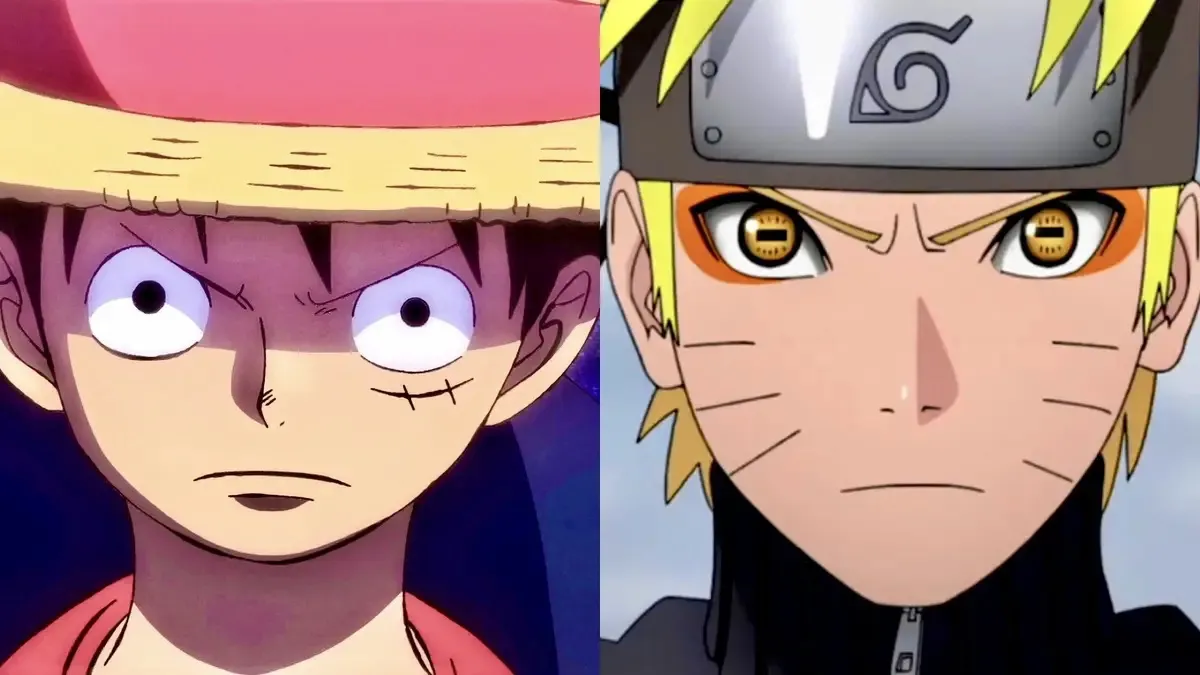
Luffy and Naruto
Supporters of the petition argue that the moral fabric of conservative societies is at risk. They emphasize the right of every culture to protect its youth and uphold spiritual teachings. They also call on anime studios to be mindful of global audiences and refrain from pushing boundaries that offend entire communities.
However, anime fans worldwide argue that regional values should not dictate global media regulations. They believe in viewer responsibility, platform-level parental controls, and content warnings—not blanket bans. For many, anime is a medium of escape, growth, and emotional resonance. The debate continues, balancing freedom of creativity with respect for deeply held beliefs.
