Apocalypse Now , the acclaimed Vietnam War film directed by Francis Ford Coppola, has had multiple versions released over the years. Each iteration offers a unique experience, sparking debates about which is the definitive one. Coppola, known for his bold cinematic choices, has revisited the film numerous times, offering different edits and cuts. These variations reflect his evolving vision, the chaotic production process, and the changing ways in which we experience films. Let’s look into the different versions of Apocalypse Now and explore which one stands out as the most compelling.
Apocalypse Now (1979) Ending Explained
Francis Ford Coppola’s journey into Apocalypse Now came after a series of monumental successes, including The Godfather and The Godfather Part II . But while Coppola had proven himself as a master filmmaker, the production of Apocalypse Now would test his limits. Based on Joseph Conrad’s novella Heart of Darkness , the film was initially meant to be a modern adaptation set during the Vietnam War.
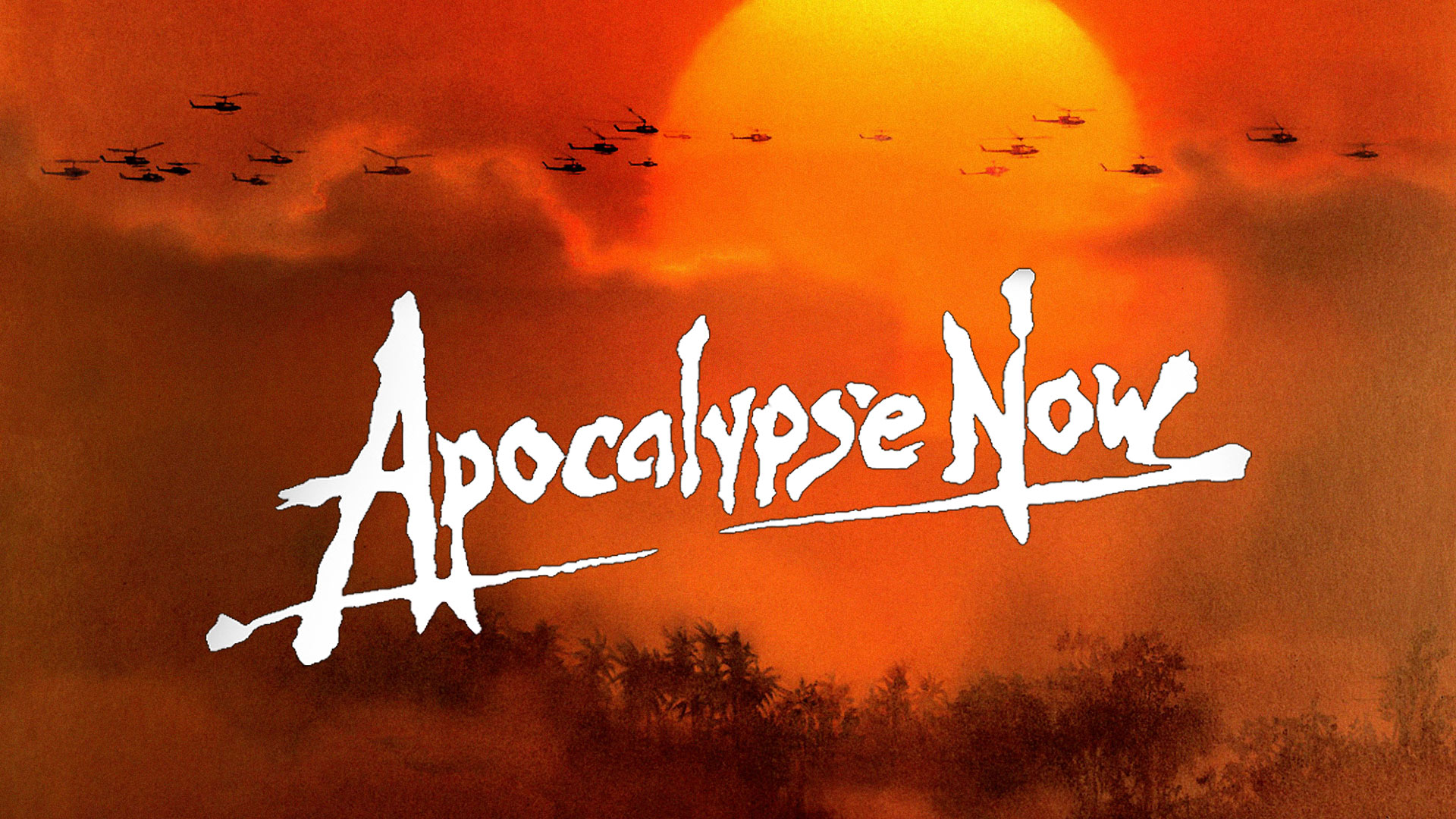
Apocalypse Now (Image via Getty)
However, the production quickly spiraled out of control. What was supposed to be a five-month shoot stretched into over a year? Martin Sheen, the lead actor, suffered a heart attack, and the filming environment was disrupted by unpredictable weather, a civil war in the Philippines, and constant logistical challenges. Coppola, in a state of near-constant stress, continued filming, eventually amassing over a million feet of film footage, far more than necessary for the final cut.
The challenges that plagued the movie’s production are part of its mythology, and they also explain why so many different versions of the film exist. These versions offer different perspectives on the same story, showcasing the evolution of Coppola’s vision as well as his efforts to make the movie palatable to both audiences and critics.
The Theatrical Release: A Focused and Commercially Viable Film
The first version of Apocalypse Now to reach audiences was the theatrical release, which debuted in 1979. After the troubled production, Coppola faced immense pressure to deliver a successful film. He had poured his personal finances into the project, and there were serious concerns that it might ruin his career.
To ensure a broad audience appeal, Coppola made the decision to remove some of the more bizarre and experimental sequences that had appeared in earlier cuts. These cuts helped streamline the narrative, allowing the film to maintain its momentum without losing the audience in its surrealism. The theatrical version became a hit, both critically and commercially. It was hailed as one of the greatest war films ever made and earned multiple Academy Award nominations. However, Coppola himself was not entirely satisfied with it. He knew the film could be different and perhaps better.
Apocalypse Now Redux: Adding More, but Not Always Better
In 2001, Coppola revisited the film with Apocalypse Now Redux , a re-edited version that reintroduced many scenes cut from the original release. This new edit added nearly 50 minutes of footage, including sequences that provided more context and depth to the characters and the narrative. For example, one notable addition was the French plantation scene, where Captain Willard and his crew interact with a French family in a remote village.
While Redux offered a deeper look into the story’s themes and provided more character development, it also led to a bloated, uneven film. Many viewers and critics felt that the additional scenes slowed down the film’s pacing, disrupting the original’s taut, focused narrative. The extra material, while interesting, often detracted from the intensity and urgency of the film. As a result, Apocalypse Now Redux is generally regarded as a step back from the more streamlined original.
The Assembly Cut: A Raw, Unfinished Version
Another version of the film, often referred to as the “First Assembly” cut, surfaced in the form of a bootleg. This version, which was never intended for public viewing, featured a whopping 289 minutes of raw footage. It included every scene shot during production, offering a fascinating but cumbersome look at the film’s creation.
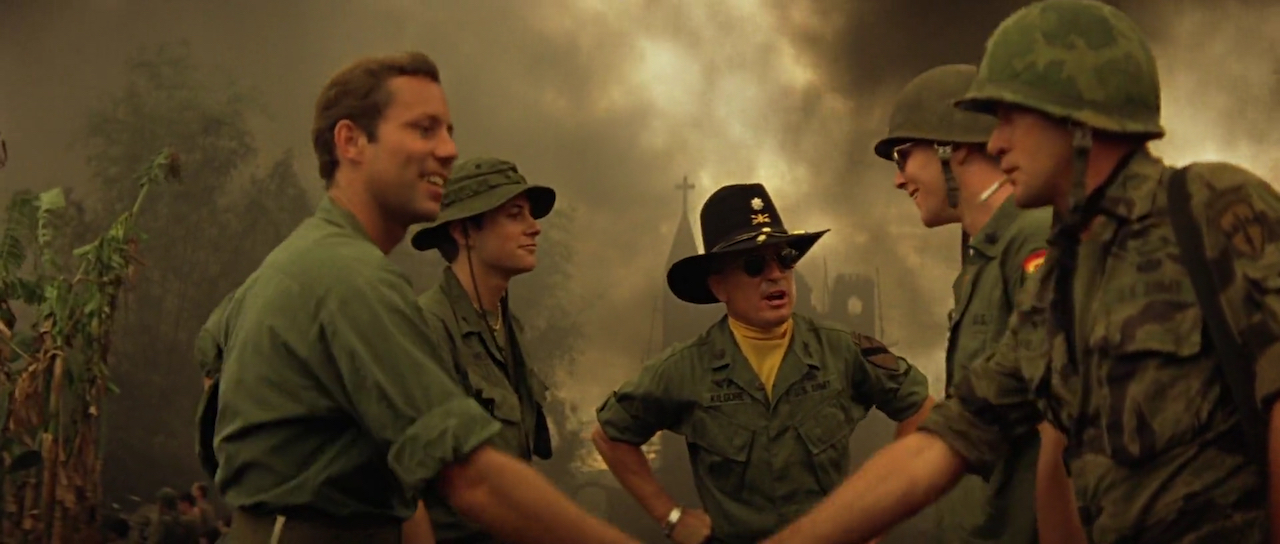
Apocalypse Now cast (Image via Getty)
The Assembly cut is far too long and unfinished to be considered a coherent film, and it likely wasn’t meant for a general audience. Its immense length and rough nature make it a curiosity for film buffs and historians but not something most viewers would want to sit through. It is more of a behind-the-scenes look at the film’s making than an actual version of the final product.
Apocalypse Now Final Cut: A Polished Version for Modern Audiences
In 2019, Coppola released the Apocalypse Now Final Cut , a new version of the film that addressed many of the issues raised by Redux . Taking into account the criticisms of the previous cuts, Coppola streamlined the story, cutting out much of the additional footage and refining the narrative. This new version also benefited from a stunning 4K restoration made from the original film negative, providing the best visual quality of any of the cuts.
The Final Cut was a balanced edit that retained the core essence of the theatrical release but polished it for modern audiences. The final product was more focused than Redux and more visually stunning, thanks to the new high-definition transfer. Coppola himself has expressed a great deal of pride in this version, as it represents the closest realization of his original vision for the film.
Which Version is the Best?
When considering which version of Apocalypse Now is the best, many argue that the original theatrical release stands as the definitive cut. It is the version that audiences first encountered, and its impact on cinema is undeniable. The film’s pacing, character development, and breathtaking visuals are all at their peak in this version, which captures the essence of the Vietnam War while maintaining a compelling, dramatic narrative.
While the Final Cut is a refined and visually superior version, it doesn’t possess the same raw intensity and surprise that the theatrical version holds. The original is tighter and more focused, making it the best introduction to Coppola’s masterpiece. The Final Cut is an excellent companion for fans of the film, but the theatrical version remains the most effective at communicating the film’s core message and its emotional weight.
The Length of the Versions: What Does It Mean for the Film?
The different versions of Apocalypse Now vary significantly in length, which directly impacts their pacing and viewing experience. The First Assembly cut is by far the longest, at 289 minutes, while the theatrical release is the shortest, at 153 minutes. Redux runs 202 minutes, and the Final Cut is 182 minutes long.
Interestingly, shorter versions are often regarded as better. The original theatrical release, though the shortest, has the most compact and effective storytelling. The longer cuts, particularly Redux , tend to drag on and lose the sharp intensity that made the original such a compelling experience.
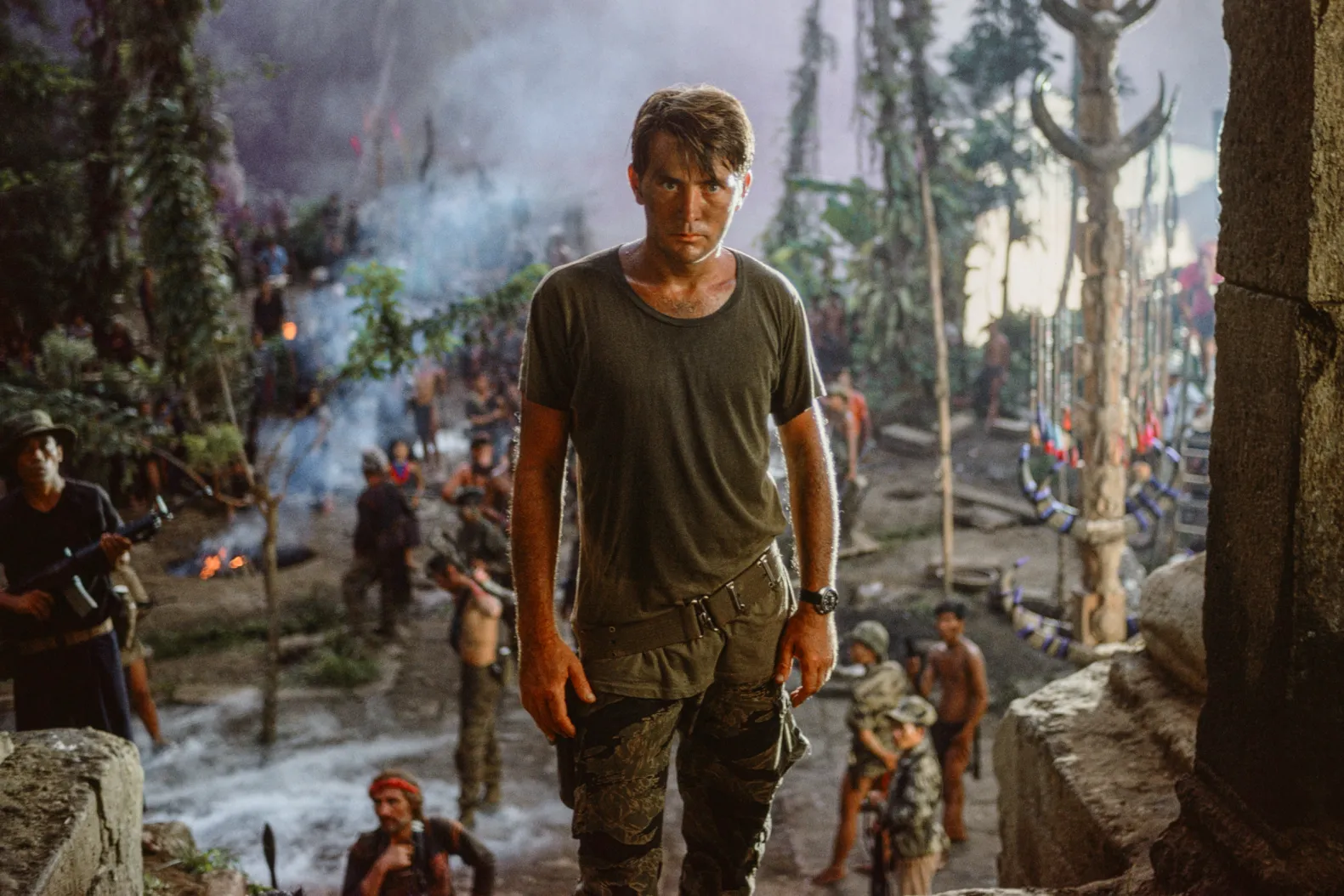
Apocalypse Now cast (Image via Getty)
WhyApocalypse Now ReduxMisses the Mark
Among all the versions, Apocalypse Now Redux is often considered the least successful. The additional 49 minutes of footage, although offering more character development and background, ultimately detract from the film’s core themes. The pacing becomes uneven, and scenes that initially add depth now feel extraneous and bloated. While there are moments that enrich the story, they come at the cost of the film’s momentum.
Appreciating Every Version
Despite the varying opinions on the different cuts, all versions of Apocalypse Now deserve respect. Each offers a unique lens on the same powerful story, allowing viewers to explore the film from different angles. The different versions speak to the creative process and the challenges that Coppola faced in bringing his vision to the screen. The fact that so many cuts of the film exist only adds to its mystique and enduring legacy.
Best Version for First-Time Viewers
For those experiencing Apocalypse Now for the first time, the theatrical version is the ideal choice. It is the version that earned the film its reputation as a modern classic. The theatrical cut delivers a compelling, emotionally charged narrative with unforgettable performances and stunning visuals. While it’s fascinating to explore the other versions, the theatrical release remains the most accessible and engaging starting point.
Martin Scorsese’s Goodfellas remains one of the most iconic gangster films of all time, based on the true story of Henry Hill. Released in 1990, it chronicles Hill’s rise through the criminal underworld, his involvement in the notorious Lufthansa heist, and his eventual downfall. The film’s unexpected turns in the final act, particularly its conclusion, leave much for audiences to analyze. The ending is layered with complexity, offering deep insights into the consequences of a life in crime.
Goodfellas (1990) Ending Explained
Paulie Cicero, the leader of the mob crew, had one firm rule that shaped his operations: no drug dealing. Despite their extensive involvement in various criminal activities, Paulie understood the risks of drug trafficking, particularly how it could attract unwanted attention from law enforcement and make his crew vulnerable to informants. Throughout Goodfellas , Paulie is shown to avoid modern surveillance tactics, like using phones, and prefers communication through personal messengers.
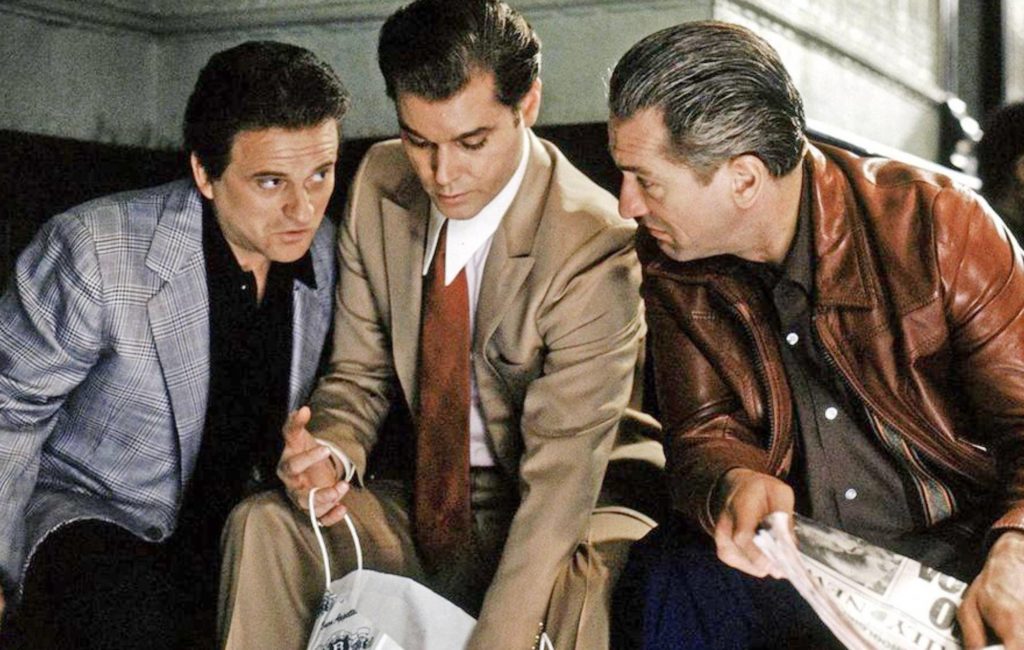
Goodfellas cast (Image via Getty)
The crux of Paulie’s stance was his commitment to protecting the privacy of his crew. The film subtly conveys that drug deals would expose them to wiretaps and RICO charges. However, Henry Hill’s involvement in the drug trade after being sent to prison was a violation of this cardinal rule. While incarcerated, Henry resorted to dealing drugs to support his family. Upon release, his continued participation in the business led to his arrest, ultimately proving Paulie’s fears valid.
The Fall of Henry Hill and His Betrayal
Henry’s involvement in drugs made him a target, not just for the authorities, but for his fellow mobsters. Once Paulie found out about Henry’s drug dealing, he cut him off completely, giving him a small sum of money and severing ties. Henry, now without protection, was vulnerable to retaliation from his former associates, especially Jimmy Conway, who had previously been one of his closest allies.
Fearing for his life, Henry found himself cornered and ultimately turned to the FBI. Realizing that Jimmy might be plotting to kill him, Henry chose to cooperate with law enforcement in exchange for protection. He and his family entered the witness protection program, severing their ties with the mafia world. This move not only sealed Henry’s fate but also marked his transition from a high-flying gangster to a regular civilian, a shift that the film highlights with his voiceover at the end, lamenting his fall from grace.
Karen’s Close Call with Death
One of the more chilling aspects of the film is the moment when Henry’s wife, Karen, narrowly escapes an assassination attempt orchestrated by Jimmy. After Henry’s fallout with Paulie, Karen sought help from Jimmy, unaware of his involvement in her husband’s criminal activities. Jimmy invited her to check out some designer dresses, but his true intent was far darker. He lured her into an abandoned store where two men waited in the shadows, hinting at a possible ambush.
Karen instinctively sensed the danger and fled before anything could happen. Though she didn’t initially share the full details with Henry, it was clear that Jimmy’s actions were motivated by self-preservation. He feared that Henry’s dealings in the drug trade could expose him, and he needed to eliminate the potential threat. Karen’s escape, while brief, marked a pivotal moment for the Hills, reinforcing their decision to enter witness protection.
The Murder of Tommy DeVito
Perhaps one of the most stunning twists in Goodfellas is the death of Tommy DeVito. Tommy, played by Joe Pesci, was known for his fiery temper and violent actions. As a member of Paulie’s crew, Tommy aspired to become a “made man,” an official member of the mafia with all the rights and privileges that came with it. However, his reckless actions, particularly the murder of Billy Batts, a made man from the Gambino family, led to his demise.
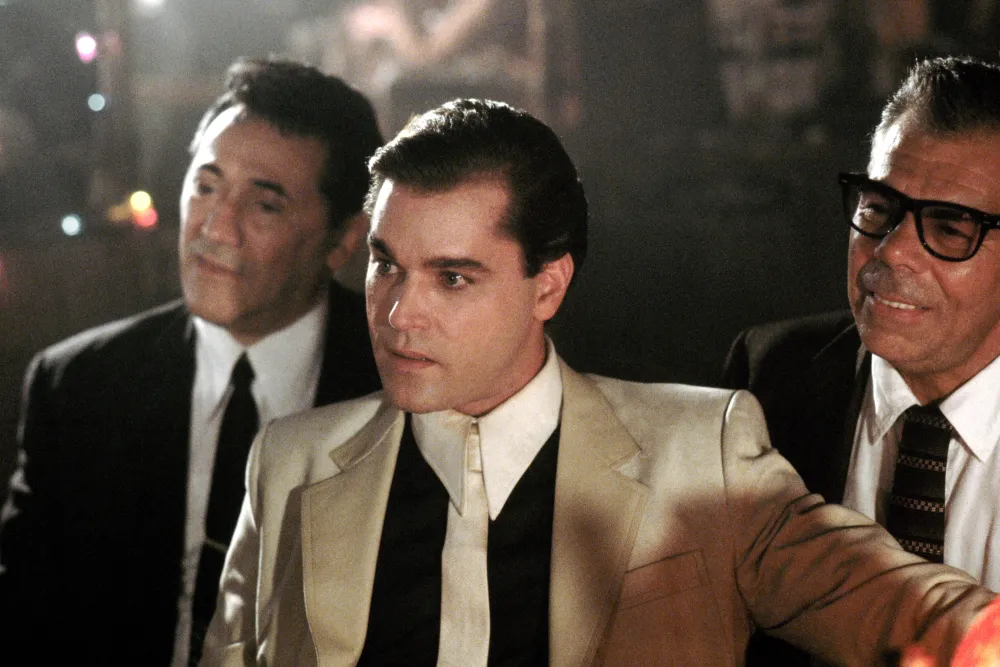
Goodfellas cast (Image via Getty)
Tommy’s killing, ordered as retribution for the unsanctioned murder of Batts, is a significant turning point in the film. The murder of a made man, even one as problematic as Batts, could not go unpunished. In a heartbreaking twist, Tommy is lured to what he believes is his initiation ceremony, only to be shot in the back by Paulie’s brother, Tuddy Cicero. The murder is a direct result of Tommy’s impulsive behavior and his inability to follow the mob’s strict codes.
The Ambiguous Nature of Tommy’s Death
While the film never explicitly reveals who ordered Tommy’s death, it strongly suggests that Paulie had a hand in it. In real life, it is believed that Paul Vario, Paulie’s character in the film, informed the Gambino family about Tommy’s crime. Vario had personal reasons to want Tommy dead, including his own affair with Karen and Tommy’s violent behavior. The film’s lack of clear answers leaves the death of Tommy open to interpretation, adding to the film’s tension and realism.
Tommy’s Final Scene: A Cinematic Homage
In one of the film’s final scenes, Tommy appears posthumously, shooting directly at the camera in a gesture that pays homage to the 1903 silent film The Great Train Robbery . Martin Scorsese intentionally included this shot as an allusion to the classic film, drawing parallels between the outlaws in both stories. The shot of Tommy’s gun pointing at the audience acts as a powerful visual reminder of the violent, unpredictable world in which Henry and his crew live.
The Fate of the Real-Life Figures Behind Goodfellas
While the film presents a dramatized version of the events surrounding Henry Hill and his associates, the real-life individuals experienced similarly tumultuous fates. Henry Hill, after his testimony led to the conviction of several mobsters, entered witness protection but continued to face legal troubles. He was eventually expelled from the program due to repeated offenses and spent his later years dealing with substance abuse issues. Hill passed away in 2012.
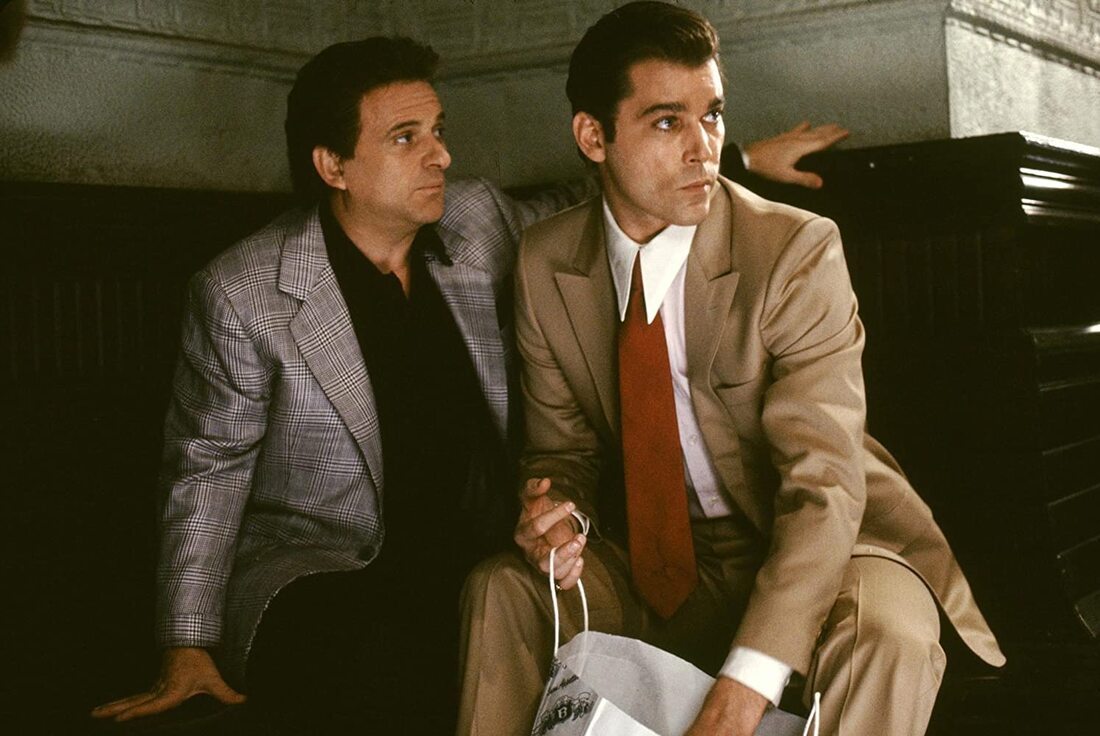
Goodfellas cast (Image via Getty)
Jimmy Burke, portrayed by Robert De Niro in the film, was convicted for his involvement in the infamous Lufthansa heist. He served time for other crimes, including a point-shaving scandal, and died of cancer while in prison. Paul Vario, the real-life counterpart to Paulie Cicero, faced legal troubles as well, including racketeering charges, and died in 1988.
The Mixed Reception of Goodfellas ’ Ending
The ending of Goodfellas has sparked extensive debate among critics and audiences alike. While some praise the film’s unflinching portrayal of a life in crime, others interpret the conclusion as a missed opportunity for moral resolution. The stark contrast between Henry’s luxurious past and mundane future in witness protection highlights the emptiness that accompanies the mob lifestyle, but some critics argue that the film’s lack of a redemptive arc diminishes its moral weight.
Despite differing opinions on the film’s ending, Goodfellas remains a masterclass in storytelling. It continues to provoke thought and discussion, with its ambiguous conclusion and complex portrayal of the mob world ensuring its lasting impact on cinema. Whether viewed as a sobering commentary on the cost of a life of crime or as a story without moral clarity, Goodfellas remains a compelling narrative that challenges its audience to reflect on the choices and consequences of its characters.
