The global success of K-Pop groups such as BTS and BLACKPINK has brought attention to the stringent contracts that govern their careers. These agreements often impose rigorous demands, leading to debates about their fairness and impact on artists’ well-being.
Historically, K-Pop contracts have been criticized for their length and restrictive clauses. Terms extending up to 13 years were not uncommon, limiting idols’ personal freedoms and financial autonomy.
The Evolution of K-Pop Contracts
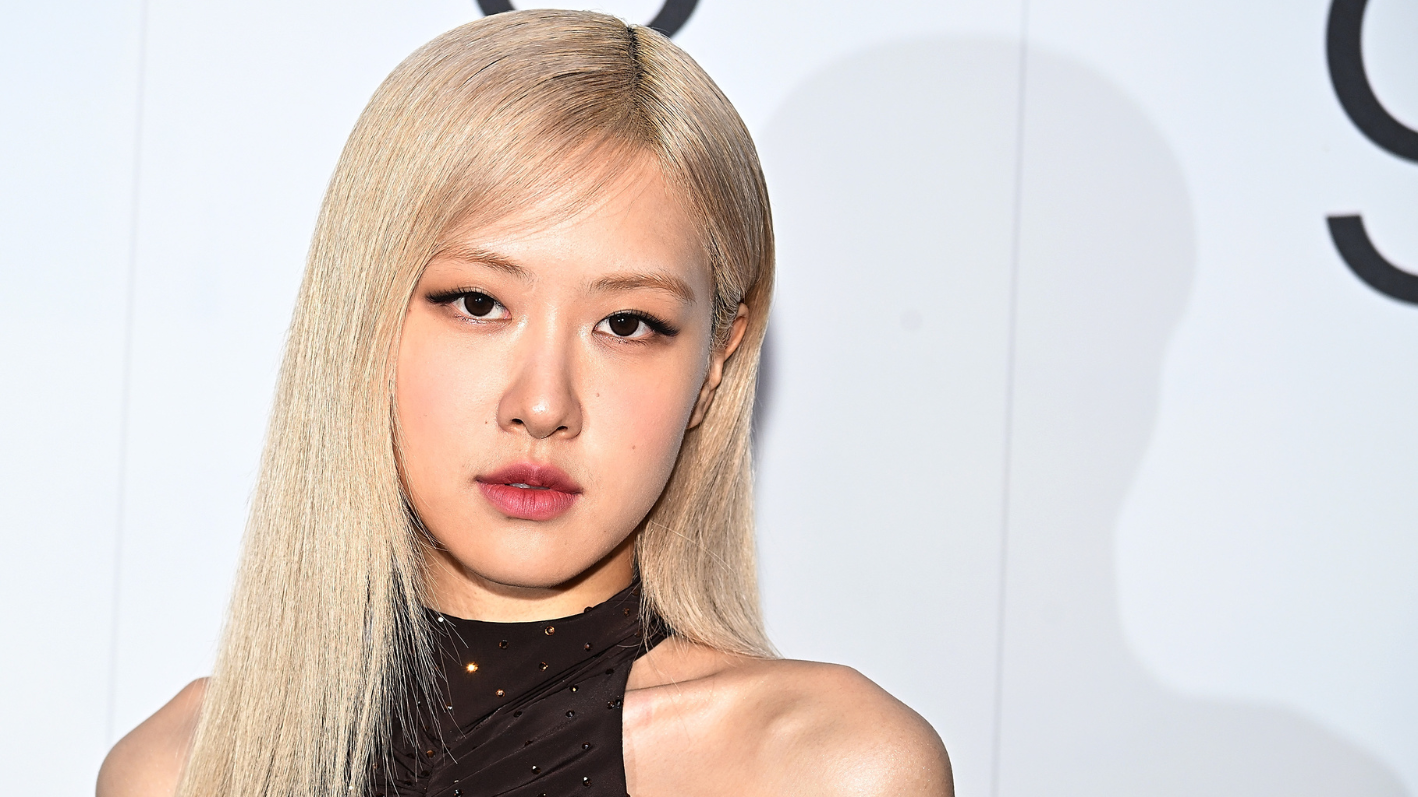
BLACKPINK’s Rosé
In 2009, members of TVXQ challenged their 13-year contract with SM Entertainment, labeling it excessively restrictive. This legal battle highlighted the industry’s exploitative practices and led to increased scrutiny.
Following this, South Korea’s Fair Trade Commission intervened, capping contract lengths at seven years to prevent such exploitation. Despite these reforms, concerns about the fairness of these contracts persist.
Challenges Faced by BTS and BLACKPINK
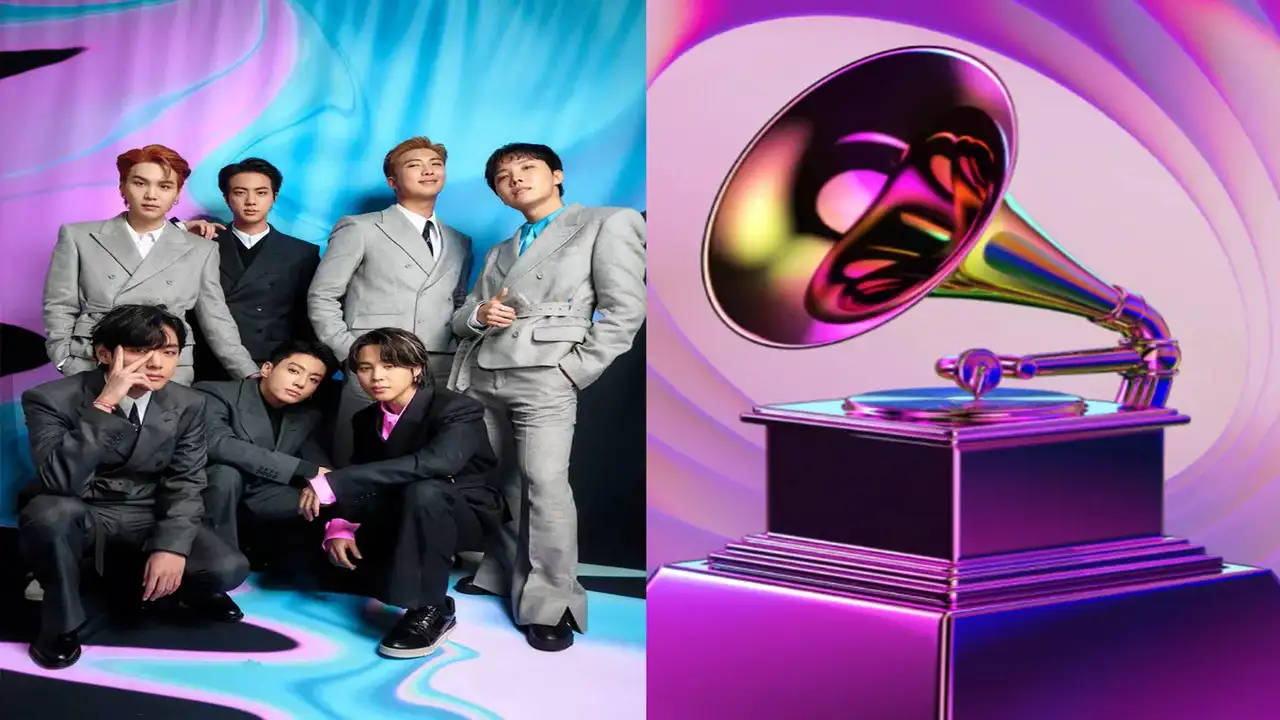
BTS and Grammy (via HYBE)
Even with regulatory changes, top groups like BTS and BLACKPINK have encountered contract-related issues. BLACKPINK’s recent contract renewal negotiations have been closely watched, with fans expressing concerns over potential restrictive terms. BBC.COM
Similarly, BTS has faced challenges related to the demanding nature of their contracts, including grueling schedules and limited personal time. These pressures have sparked discussions about the need for further reforms in the industry.
Ongoing Debates and Future Directions
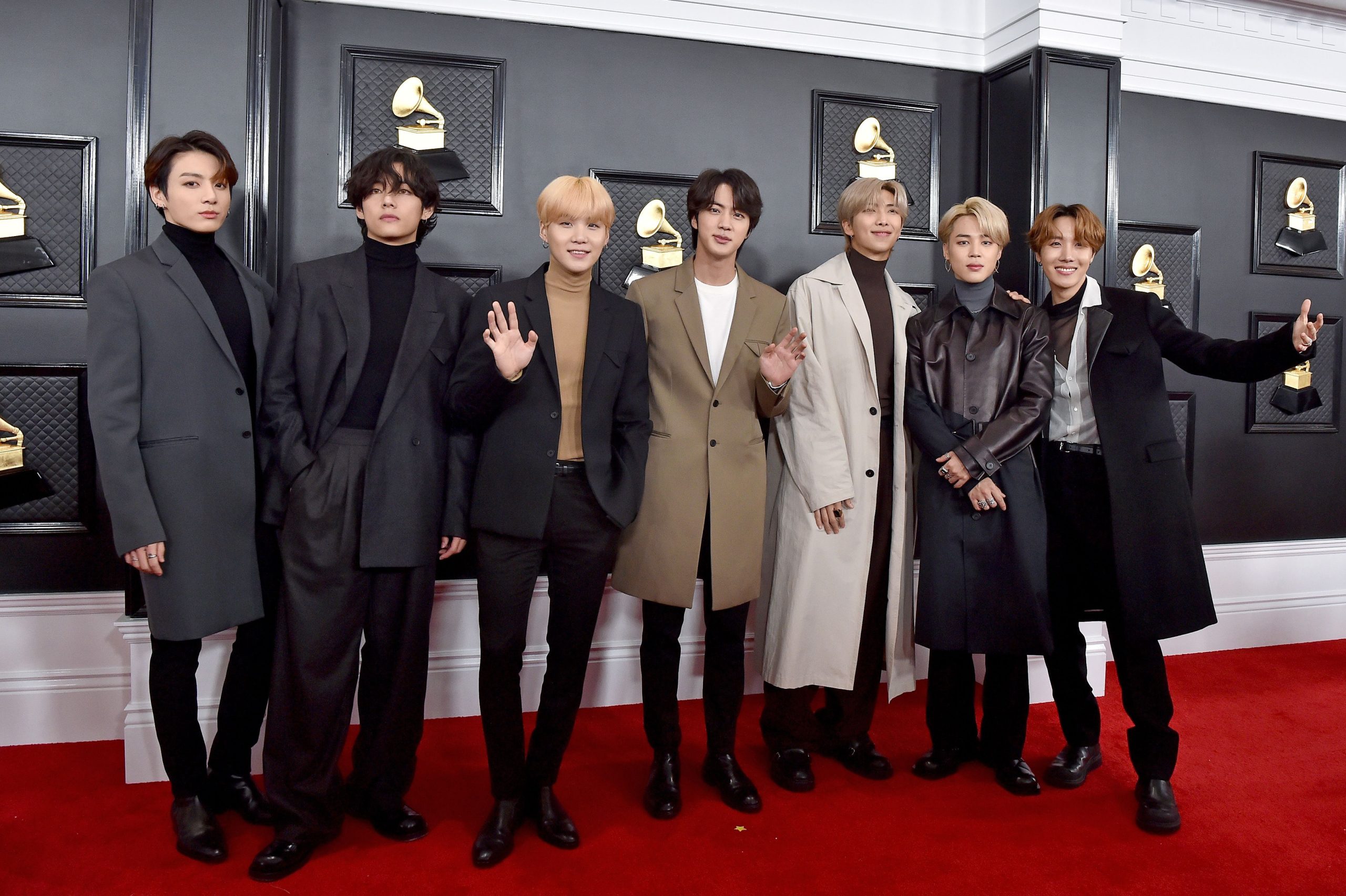
BTS (via HYBE)
The term “slave contracts” has been used to describe the exploitative nature of some K-Pop agreements. While reforms have been implemented, the balance between managing a successful idol career and ensuring artists’ rights remains a contentious issue.
As the K-Pop industry continues to grow globally, there is increasing advocacy for more equitable contracts that prioritize the well-being of artists. This includes calls for reasonable working hours, fair profit distribution, and respect for personal autonomy.
K-Pop’s global rise has fostered passionate fan communities, notably BTS’s ARMY and BLACKPINK’s BLINKs. While their enthusiasm has propelled these groups to international acclaim, intense rivalries have emerged between these fandoms. These conflicts often manifest in online disputes, leading to concerns about their impact on the overall fan experience.
The competitive nature of these fandoms can sometimes overshadow the music, resulting in negative interactions. This behavior not only affects the individuals involved but also taints the broader perception of K-Pop communities.
Manifestations of Toxic Behavior
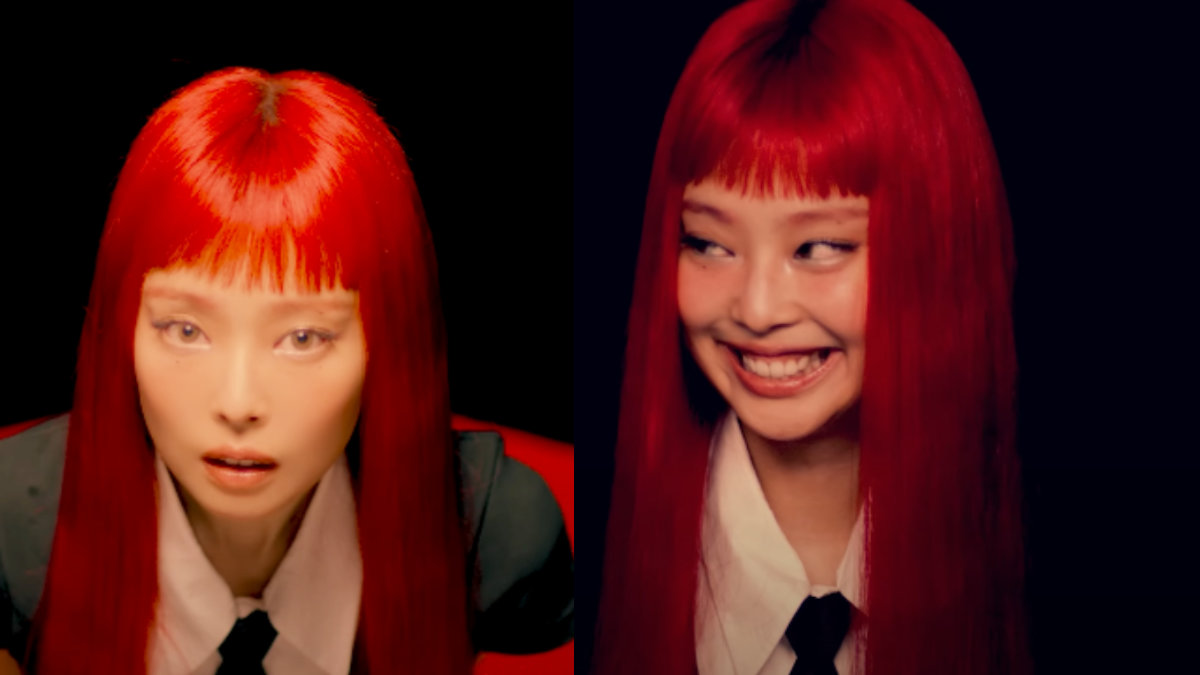
BLACKPINK’s Jennie
Online platforms frequently become battlegrounds for fan disputes. Instances of cyberbullying, harassment, and spreading false information are common tactics used to undermine rival groups. Such actions create a hostile environment, deterring potential fans and diminishing the enjoyment for existing ones.
These conflicts can escalate to personal attacks, with fans targeting individuals over differing opinions. This not only harms the individuals involved but also damages the reputation of the fandoms as a whole.
Impact on the K-Pop Community
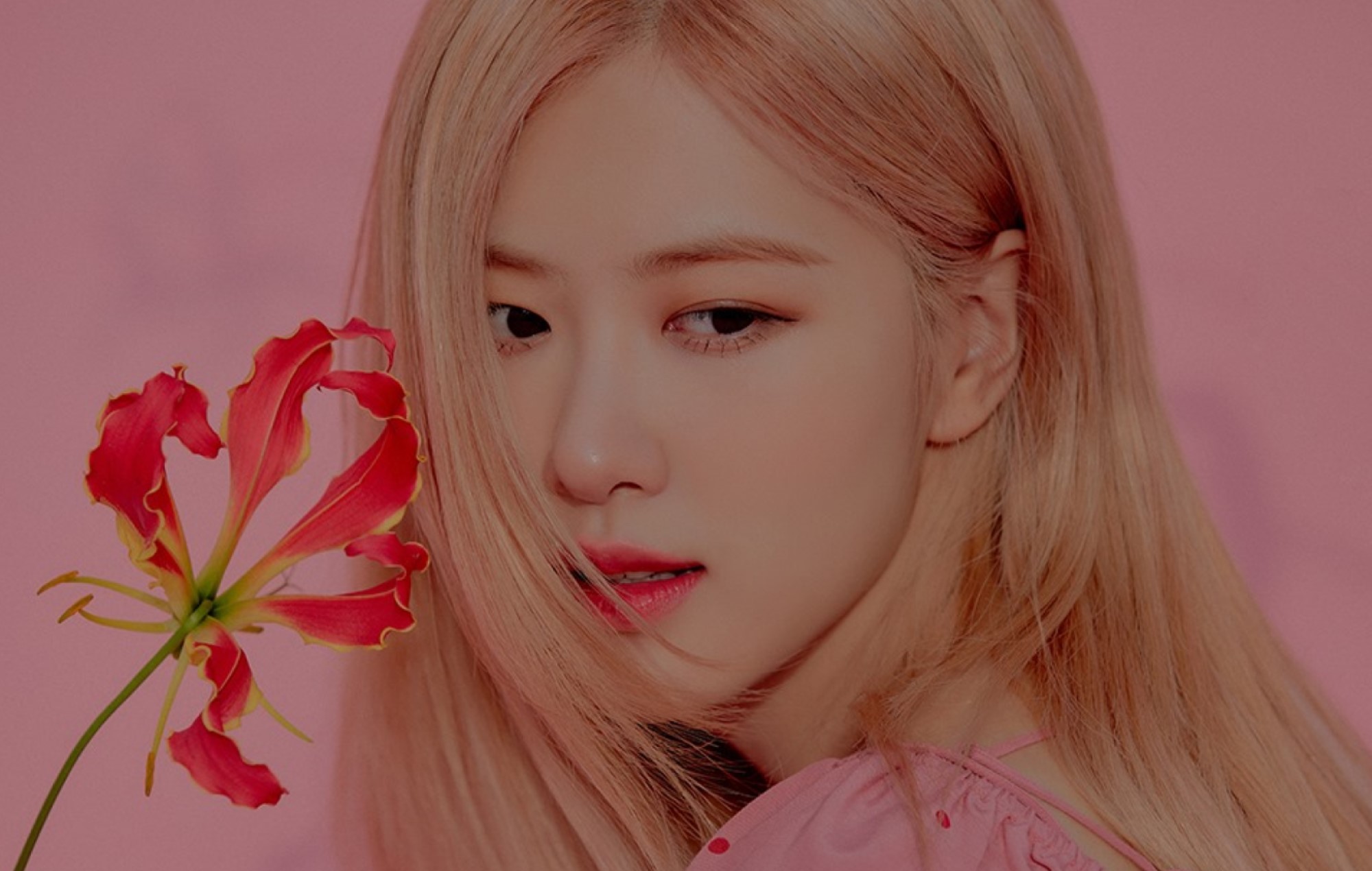
BLACKPINK’s Rosé
The prevalence of fan wars can discourage new listeners from engaging with K-Pop. The negative atmosphere created by these disputes overshadows the positive aspects of the music and culture. Additionally, artists may feel pressured by their fans’ actions, leading to strained relationships between idols and their supporters.
The focus on competition rather than appreciation can also stifle meaningful discussions about the music and its cultural significance. This shift in focus detracts from the shared enjoyment that should be central to the fan experience.
Addressing the Issue
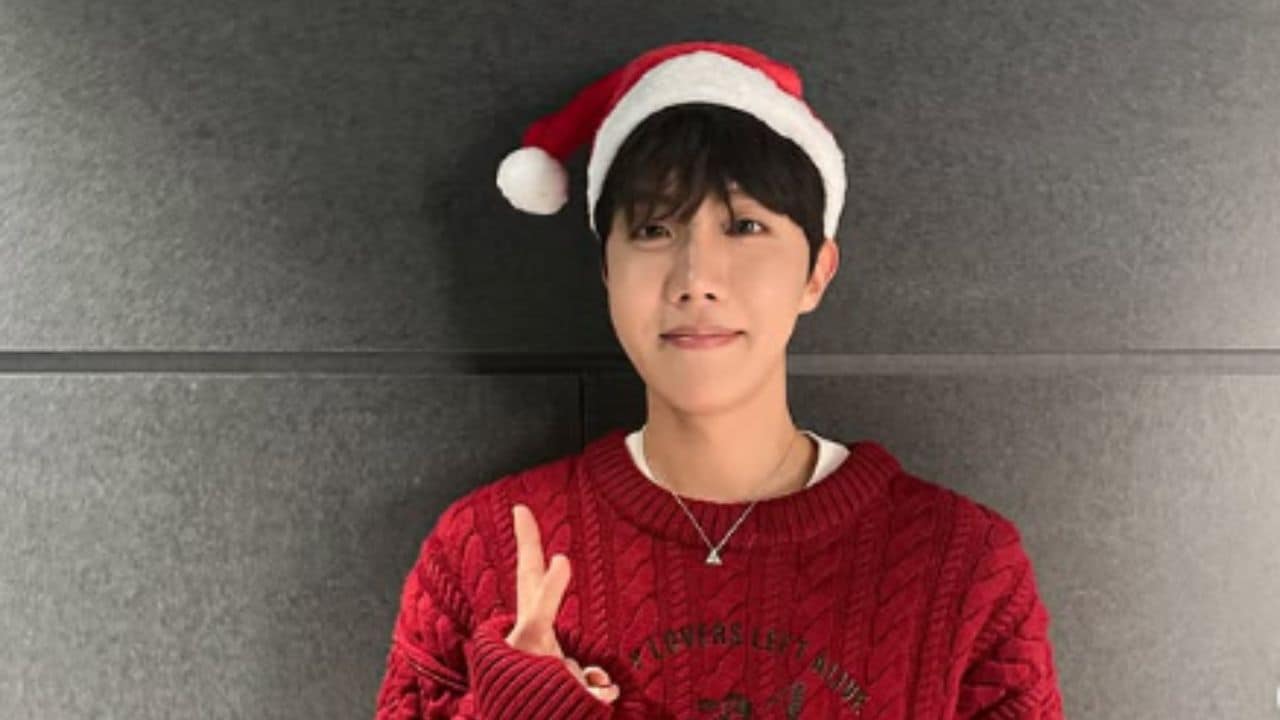
BTS’s J-Hope (via HYBE)
Promoting a culture of respect and understanding is essential to mitigate toxic behavior. Encouraging fans to appreciate multiple artists and fostering positive interactions can help reduce conflicts. Artists and entertainment companies can also play a role by advocating for harmonious fan relations and condemning harmful actions.
Educational initiatives that highlight the negative impact of toxic behavior can also be effective. By raising awareness, fans may become more mindful of their actions and their consequences.
While passionate support is a hallmark of K-Pop fandoms, it’s crucial to ensure that enthusiasm doesn’t lead to toxicity. By fostering a respectful and inclusive environment, fans can enhance their own experience and contribute positively to the global K-Pop community.
