The ending of Attack on Titan has been a source of debate since the final chapter and the last episodes aired. While the series has been widely praised for its world-building, intense action, and emotional depth, the conclusion left many fans divided.
Some felt satisfied with how the story wrapped up, while others were frustrated by plot decisions, character outcomes, and pacing choices. Recently, a fan-made project reignited the discussion dramatically. A short re-animated version of the ending, claiming to show “how it should have ended,” went viral, attracting millions of views in just a single day.
The fan-made animation aimed to address what many viewers saw as shortcomings in the original ending. It reimagined key moments, adjusted character arcs, and added visual details that some felt were missing from the official version. One of the most talked-about changes was the handling of main characters, where relationships and motivations were made clearer, giving certain emotional beats more impact.
Fans praised the project for recapturing the intensity and emotional resonance that made Attack on Titan so compelling throughout its run. The short managed to blend the series’ signature dark themes with moments of hope and closure that some viewers felt were lacking.
The project gained attention quickly. Within 24 hours of being uploaded, it amassed over 10 million views, with fans sharing it across social media platforms like X, Reddit, and TikTok. Many expressed excitement and relief, saying that it reflected their vision of how the story should have concluded.
Others praised the animation quality and attention to detail, noting that the creators had clearly studied the original series carefully. The fan-made ending seemed to offer a sense of catharsis for viewers who had been disappointed or conflicted about the official finale, and it sparked widespread discussion about fan creativity and storytelling.

Attack on Titan Franchise (Credits: Hajime Isayama)
Attack on Titan Fan-Made Ending Goes Viral, Sparks Debate Over Series Finale
Despite the positive reception, the animation was soon hit by a copyright claim. Attack on Titan is a property owned by Kodansha and MAPPA, and fan projects often face restrictions due to intellectual property laws. The claim led to the video being taken down from some platforms, though it continued to circulate online through reposts and discussion threads.
This sparked another wave of conversation about the balance between respecting copyright and allowing fans to engage creatively with the works they love. Many fans argued that while the legal issues are understandable, projects like this demonstrate the passion and dedication of the community.
The viral response also highlighted how invested audiences are in the story and its characters. Attack on Titan has always been a series that provokes strong reactions, both to its plot twists and to its treatment of key figures. The ending, in particular, became a polarizing topic because of its complex moral questions and the fates of beloved characters.
The fan-made animation tapped into these feelings, offering a version that resolved some narrative tensions in ways viewers found more satisfying. It also reminded creators and studios that fan engagement is powerful and that audiences often want to see stories concluded in ways that feel emotionally consistent and rewarding.
In addition, the incident shed light on the broader phenomenon of fan-made reinterpretations in anime. Across the community, fans frequently create art, animations, or alternate storylines to explore what could have been, sometimes achieving viral status.
These projects not only reflect admiration for the original work but also allow fans to express their own interpretations and fix issues they perceive in official adaptations. In the case of Attack on Titan, the project quickly became a cultural moment, illustrating both the influence of the series and the creative energy of its fan base.
Fans Re-Animate Attack on Titan Ending to Show “How It Should Have Ended”
While the official ending remains unchanged, the fan animation sparked a meaningful conversation about storytelling, expectations, and fan participation. Some viewers admitted that they preferred the fan-made version, while others maintained loyalty to the original.
Regardless, the project reminded the anime community of the power of fan creativity and the emotional connection people form with long-running series. It also underscored the ongoing dialogue between creators and audiences in modern fandom, where fans can respond, reinterpret, and even reimagine the stories that have fascinated them for years.

Attack on Titan Franchise (Credits: Hajime Isayama)
Although the re-animated ending is no longer widely available, its impact continues to be felt. Fans share clips, discuss alternate storylines, and debate what could have been done differently. The viral project demonstrated that for some stories, the conversation doesn’t end with the official conclusion.
Instead, the discussion evolves, fueled by the imagination and passion of fans who care deeply about the world and characters they love. In the case of Attack on Titan, this fan-made ending became a testament to how devoted audiences can create their own visions of closure when the original doesn’t fully satisfy them.

Attack on Titan is set in a dystopian world where humanity lives behind massive walls to protect itself from giant humanoid creatures known as Titans, who devour humans seemingly without reason. The story begins when a colossal Titan breaches one of the walls, destroying protagonist Eren Yeager’s home and triggering a violent chain of events.
In a surprising twist that few could have predicted, the iconic Jolly Roger flag from One Piece, the Straw Hat Pirates’ skull-and-straw-hat symbol, has recently become a real-world emblem in political protests. Demonstrators in Indonesia and Nepal were seen waving replicas of Luffy’s pirate flag during rallies, using it as a symbol of rebellion and unity.
What started as a playful reference to a beloved anime has now become a point of tension, with government officials in both countries labeling the display as “treasonous” and demanding that citizens refrain from using it in demonstrations.
The Straw Hat Jolly Roger has always stood for freedom, adventure, and resistance against oppression in Eiichiro Oda’s world. Within the story, it represents Luffy’s dream to explore the seas without limits and challenge the corrupt powers of the world government.
For many fans, the flag is more than just a fictional design; it is a symbol of courage and defiance. So when it appeared in real-life protests, it carried a message that many young people immediately understood: standing up to authority and dreaming of a freer world.
In Indonesia, several images circulated online showing crowds holding handmade Straw Hat flags during student-led protests against political corruption and rising costs of living. Videos of protestors chanting slogans while waving the black-and-white skull logo spread rapidly on social media, sparking both admiration and alarm.
While fans celebrated the creativity, government officials took a much more serious stance. Some officials called the flag’s use “disrespectful to national symbols” and claimed that adopting a pirate insignia in protests could “encourage anti-state sentiment.”

One Piece Franchise (Credits: Eichiro Oda)
Straw Hat Flag Sparks Political Storm in Indonesia and Nepal
Similarly, in Nepal, youth movements used the same symbol during demonstrations demanding government reform and greater transparency. Photos showed young protestors draping the Straw Hat flag over banners calling for justice and accountability. The image quickly went viral among anime fans, but local authorities were far from pleased.
The strong reaction has left many fans stunned. What was once a cheerful image associated with friendship and dreams is now being treated as a potential political threat. Online communities have debated whether governments are overreacting or whether protestors should be more cautious when mixing fandom culture with political activism. Many fans from around the world expressed solidarity with those using the Straw Hat flag, interpreting it as a symbol of hope rather than rebellion.
The controversy also highlights the growing influence of anime culture in global society. One Piece, one of the most popular and longest-running manga and anime franchises, has fans in nearly every country. Its messages about freedom, loyalty, and standing up against injustice resonate deeply across cultures. For many young people, Luffy’s refusal to bow to authority feels especially relevant in times of political frustration.
One Piece Symbol Used in Real Protests: Governments Call It “Treasonous”
Cultural experts have noted that this incident reflects how pop culture can evolve beyond its original intent. What was once a simple pirate adventure story has now turned into a form of global language, with its symbols carrying meaning far outside Japan.
The Straw Hat Jolly Roger, they argue, has become a modern emblem of rebellion, not violent, but symbolic of personal independence and courage. It represents people who wish to chart their own course, just as Luffy and his crew do on the Grand Line.
However, some critics warn that blending fiction with politics can be risky. They argue that while the Straw Hat flag might represent freedom to fans, it can also be misinterpreted by authorities as a sign of disorder or disrespect.

One Piece Franchise (Credits: Eichiro Oda)
Governments, especially those sensitive to public dissent, may see the use of any non-official flag during protests as a challenge to their legitimacy. This misunderstanding could lead to unnecessary crackdowns or punishment of peaceful demonstrators.
Despite the backlash, the use of the Straw Hat Jolly Roger in protests has inspired many across social media. Fans have shared messages emphasizing that One Piece has always been about fighting injustice in one’s own way, and that the flag stands for hope, not hostility. Some even pointed out that Luffy himself would probably smile at seeing people use his symbol to stand up for their beliefs.
For now, the controversy continues to unfold. Whether the Straw Hat flag remains a protest symbol or fades back into the world of fiction depends on how both fans and authorities handle the situation. What is clear, though, is that One Piece has once again proven its extraordinary cultural impact.
From the pages of a manga to the streets of real-world protests, its symbols continue to carry meaning, reminding people everywhere that the spirit of adventure and freedom can inspire change, even beyond the seas of imagination.
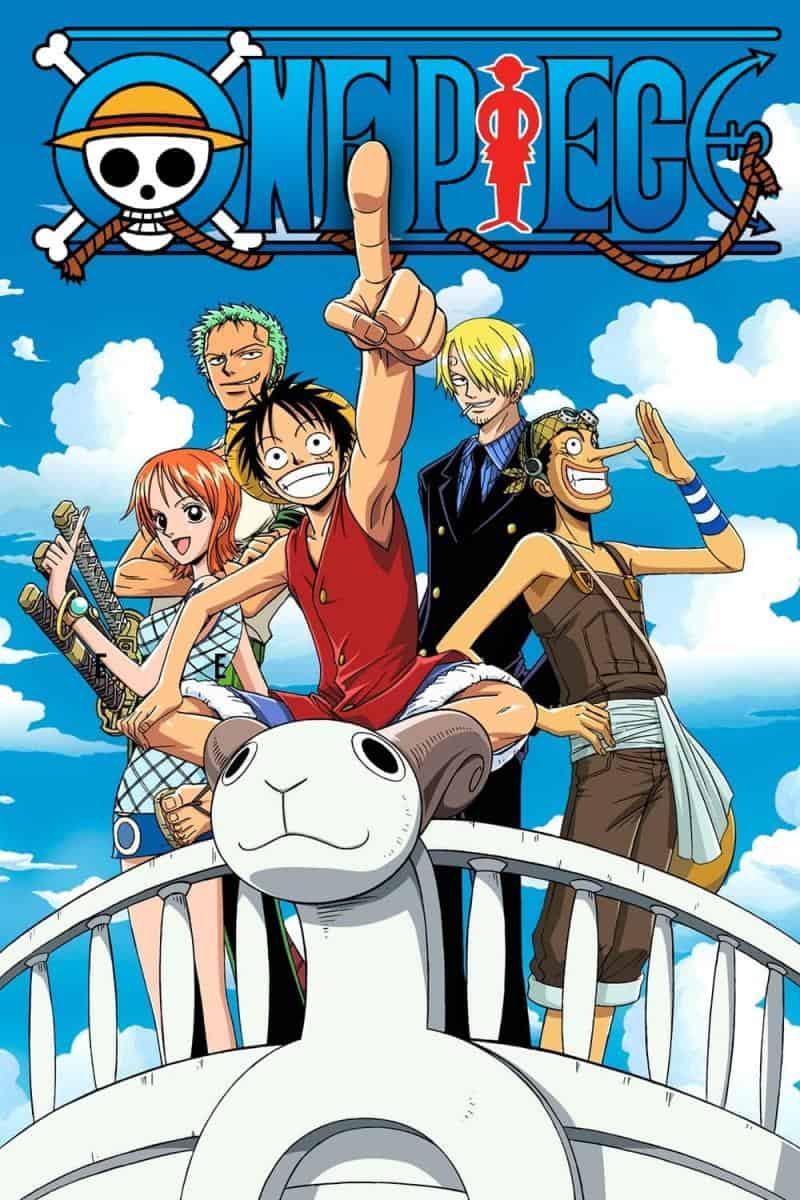
“One Piece” is a beloved Japanese manga and anime series that chronicles the adventures of Monkey D. Luffy and his pirate crew. Luffy, imbued with rubber powers from a mystical fruit Hito Hito no Mi, aspires to become the Pirate King. To achieve this, he seeks the ultimate treasure, the “One Piece,” hidden at the Grand Line’s end. Along the journey, Luffy gathers a diverse crew, confronts formidable foes, and uncovers world-altering secrets, all while promoting themes of friendship, freedom, and adventure.
