Attack on Titan fans were left with plenty to discuss after the anime’s finale aired, especially with the differences in the conclusion compared to the manga. While the core events remain the same, the anime opted for a few changes in how key moments played out, sparking conversation among the fanbase. Insider sources reveal that these alterations were intentionally made to enhance the emotional impact of the series.
In particular, the anime’s decision to adjust certain character dynamics and actions during the final episodes has been the subject of much discussion. With changes made to both character motivations and event sequences, the ending of Attack on Titan reflects an evolution of the story as it transitioned from manga to anime. These revisions have reshaped the narrative, offering a more satisfying conclusion for many fans.
Major Changes in Character Arcs
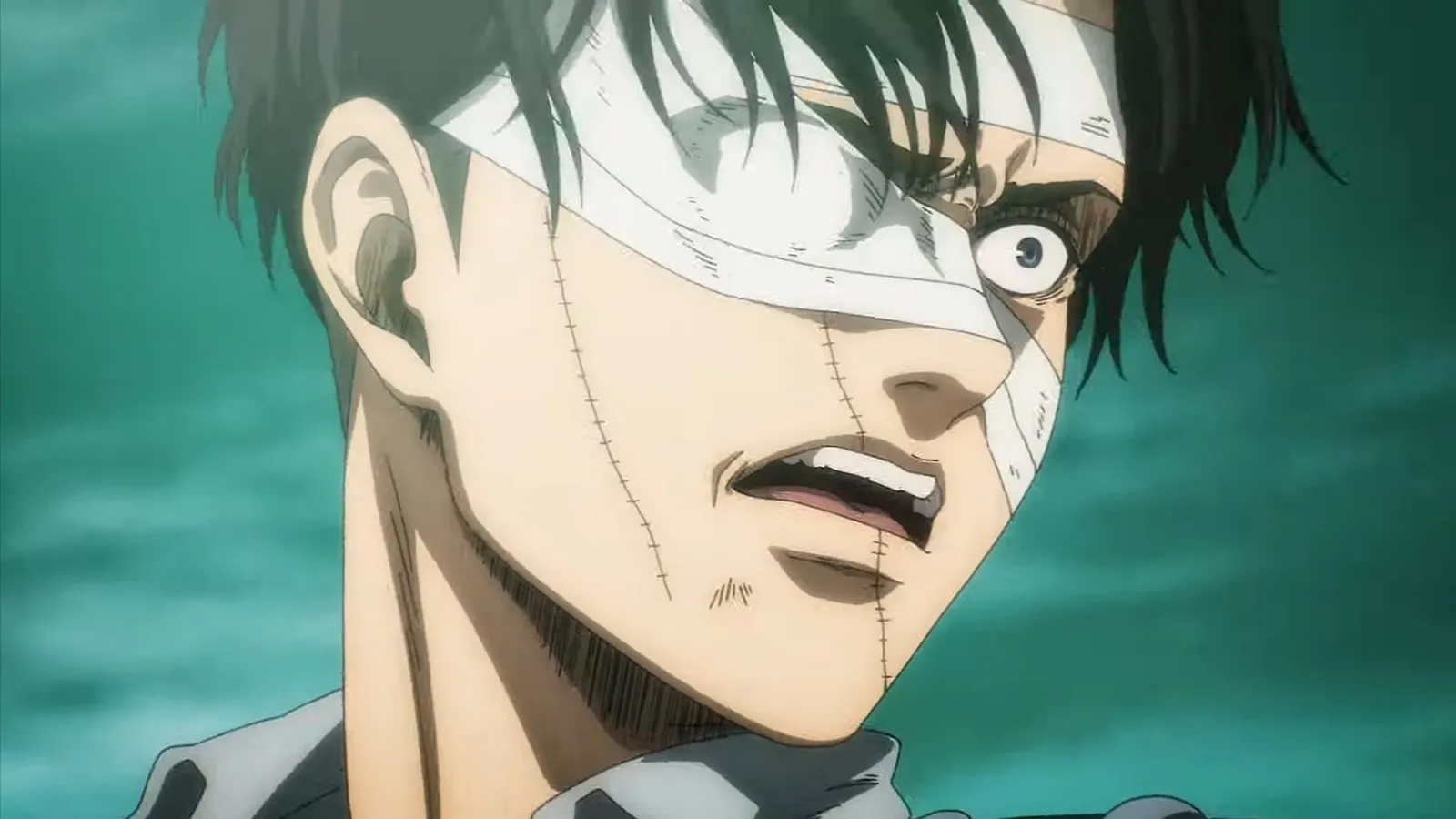
Attack on Titan Final Season Part 3 Part 2 (Credits: Mappa)
One of the most significant differences lies in the portrayal of Armin. While the manga presents Armin’s reaction to Eren’s actions in a subdued manner, the anime amplifies his emotional conflict. Armin’s internal struggle is given more focus, making his final moments feel more poignant and impactful. This shift enhances the depth of his character and better aligns with the anime’s more dramatic approach to storytelling.
Another notable change involves the Rumbling sequence. In the manga, the event is somewhat ambiguous, leaving much to the reader’s imagination. The anime, however, goes to greater lengths to depict the catastrophic consequences of Eren’s actions. The anime’s portrayal is more direct, highlighting the global devastation and heightening the emotional weight of the moment.
Isayama’s Intentions Behind the Ending Changes
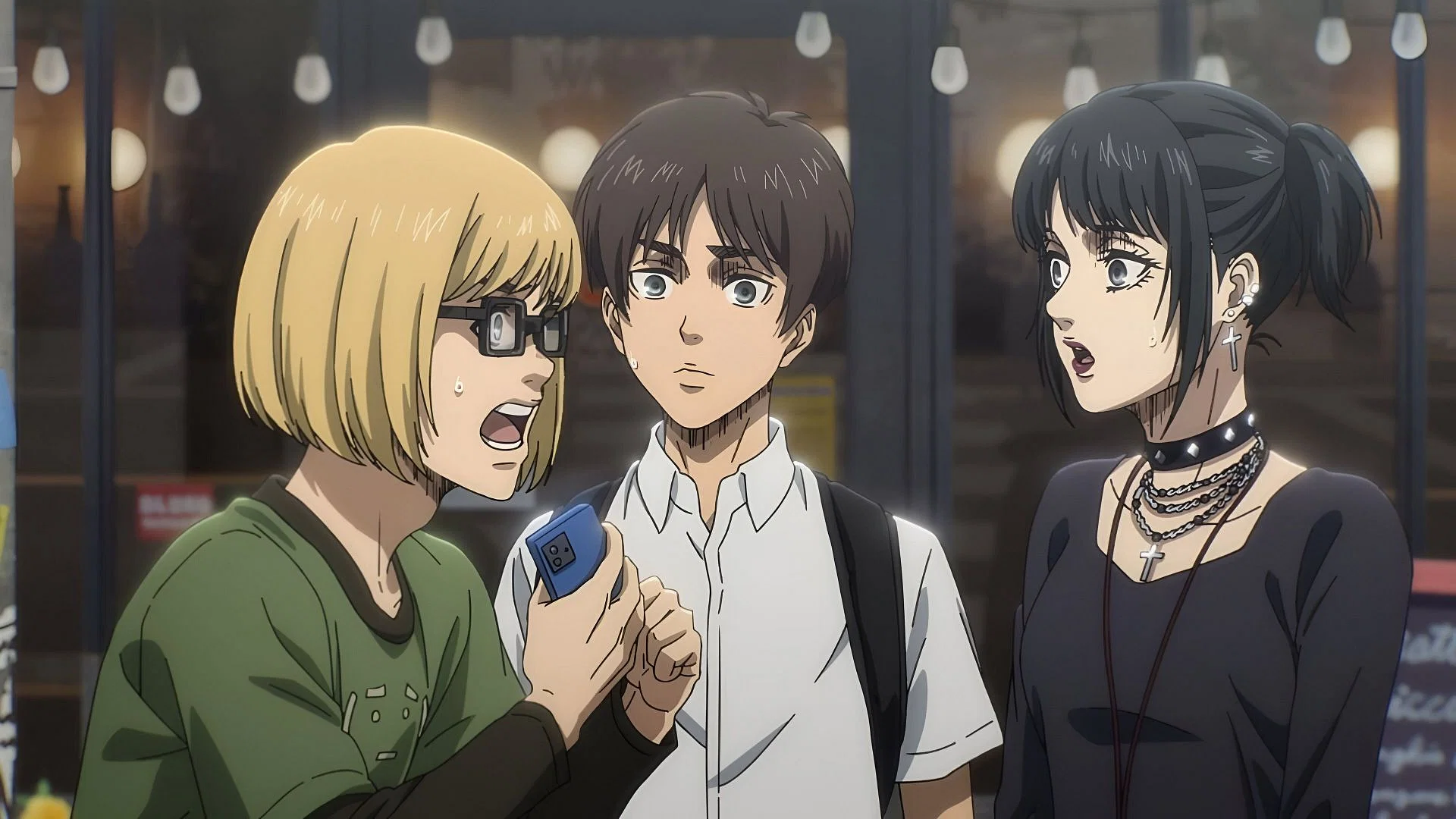
Attack On Titan post-credit scene (Mappa)
Hajime Isayama, the creator of Attack on Titan , has addressed the differences between the manga and anime endings. He explained that the anime’s conclusion was crafted to offer a more refined and emotionally charged ending. This change reflects Isayama’s understanding of the unique storytelling strengths of anime, compared to the manga’s more restrained style. The modifications were made with the aim of leaving a lasting emotional impact on viewers.
These adjustments have been widely discussed, and many fans feel that the anime’s conclusion resonates more deeply than the manga’s. Whether the changes were for the better is up for debate, but they undeniably offer a fresh perspective on the beloved series’ end.
The death of Satoru Gojo in Jujutsu Kaisen shocked fans around the world, and now, insights from creator Gege Akutami reveal that it wasn’t a simple narrative choice. Akutami recently revealed that his decision to kill off the beloved character came after significant disagreements with his editors. The clash of creative visions led to Gojo’s demise being shaped by his own overconfidence—a choice that didn’t sit well with many fans.
Akutami explained that Gojo’s death, while shocking, was meant to reflect the consequences of his overconfidence. However, this decision has caused a divide in the Jujutsu Kaisen fanbase, with some feeling that it was too soon or that the character’s death was not fully justified. Despite this backlash, Akutami has stood by his decision, signaling the importance of keeping the story unpredictable and impactful.
The Editor-Creator Disagreement
The tension between Akutami and his editors revolved around the handling of Gojo’s character arc. While editors pushed for a more traditional approach to the hero’s story, Akutami was determined to break away from the typical shonen tropes. He believed that Gojo’s overwhelming power had to come with a major downfall—his arrogance—and that this would add emotional weight to the narrative. This clash between creative freedom and editorial influence is not uncommon in the manga industry, where commercial pressures often conflict with artistic visions.
Gege allowed his personal feelings to ruin his writing by u/Omniverse10 in Jujutsufolk
Ultimately, Akutami’s decision to follow through with Gojo’s death was part of his desire to subvert expectations and push the series into new emotional territory. Despite the controversy, it’s clear that this move aligns with the overall darker themes of Jujutsu Kaisen , where no character is truly safe.
Fan Backlash and What It Means for the Future
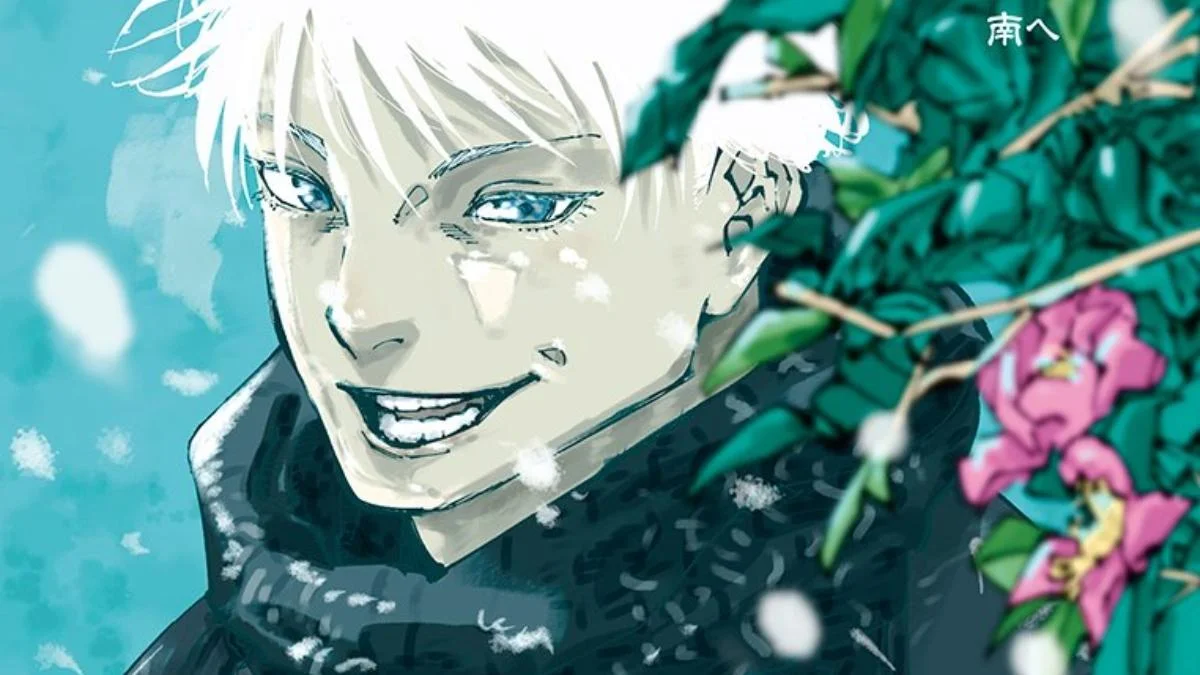
Gojo (Credits: Gege Akutami)
The backlash from fans has been intense, with many questioning the future of Jujutsu Kaisen without its most powerful character. However, Akutami’s bold choice to kill off Gojo might be just the beginning of an even more unpredictable storyline. Some fans have speculated that this move opens the door for new, less predictable developments in the story, as Akutami attempts to evolve the series beyond its previous limits.
In Jujutsu Kaisen , where the boundaries of power and narrative are constantly shifting, Gojo’s death represents a turning point. How the series will progress without its strongest character remains to be seen, but Akutami has proven that he’s willing to take risks for the sake of storytelling.
