A new policy quietly implemented across several Australian schools has sparked debate among students, parents, and manga readers. Administrators have started banning certain manga titles from being brought onto school grounds, citing concerns about excessive violence, disturbing imagery, and inappropriate themes for minors. The move is part of a broader review of school reading materials targeting graphic novels.
Titles like Tokyo Ghoul , Attack on Titan , and Death Note were reportedly the first to be restricted. Officials argue that the intense depictions of gore, trauma, and dark philosophical elements are not suitable for school-age readers. According to an ABC News Australia report , some schools have even removed entire manga sections from their libraries to avoid backlash.
Clash Between Safety and Expression
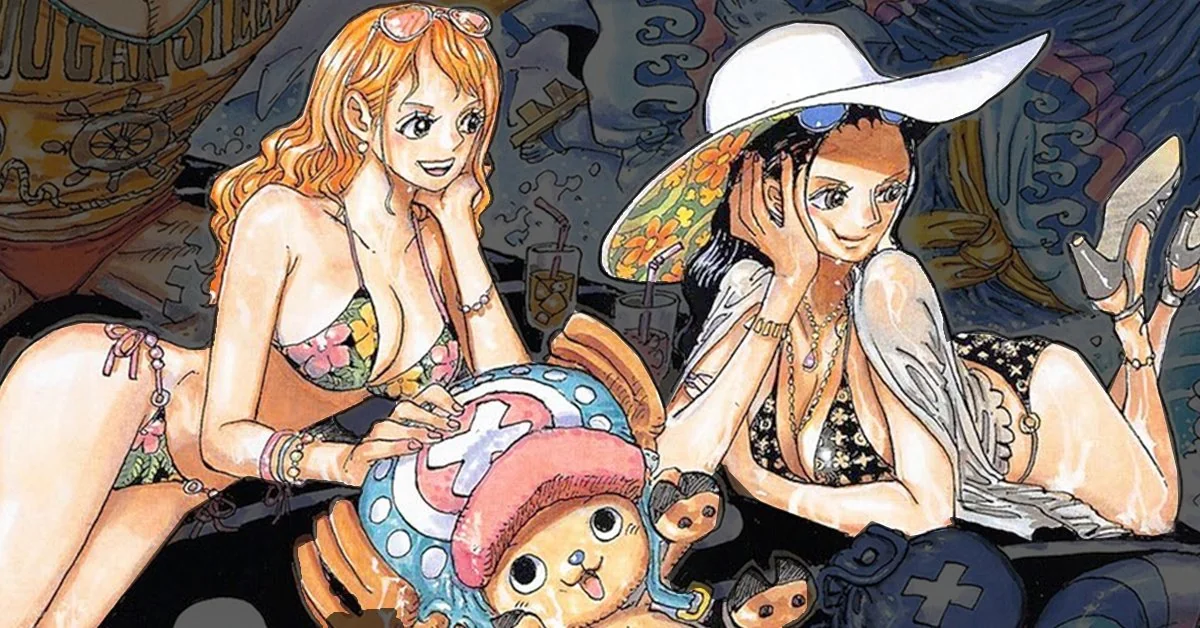
Nami, Robin, and Chopper (Credits: Eiichiro Oda)
Supporters of the ban argue that not all manga is equal—some are created for older audiences, with themes that stray far from educational value. Teachers say it’s part of their responsibility to protect students from harmful media. In some schools, staff have confiscated manga brought from home if it contains mature or graphic elements not age-rated for the classroom.
However, critics believe this approach oversteps into unnecessary censorship. Students and parents have spoken out on social media, claiming that educators are unfairly labeling manga as harmful, despite its rich artistic and narrative contributions. Some argue that the bans show a lack of cultural literacy and undermine interest in reading altogether.
Libraries and Bookstores React
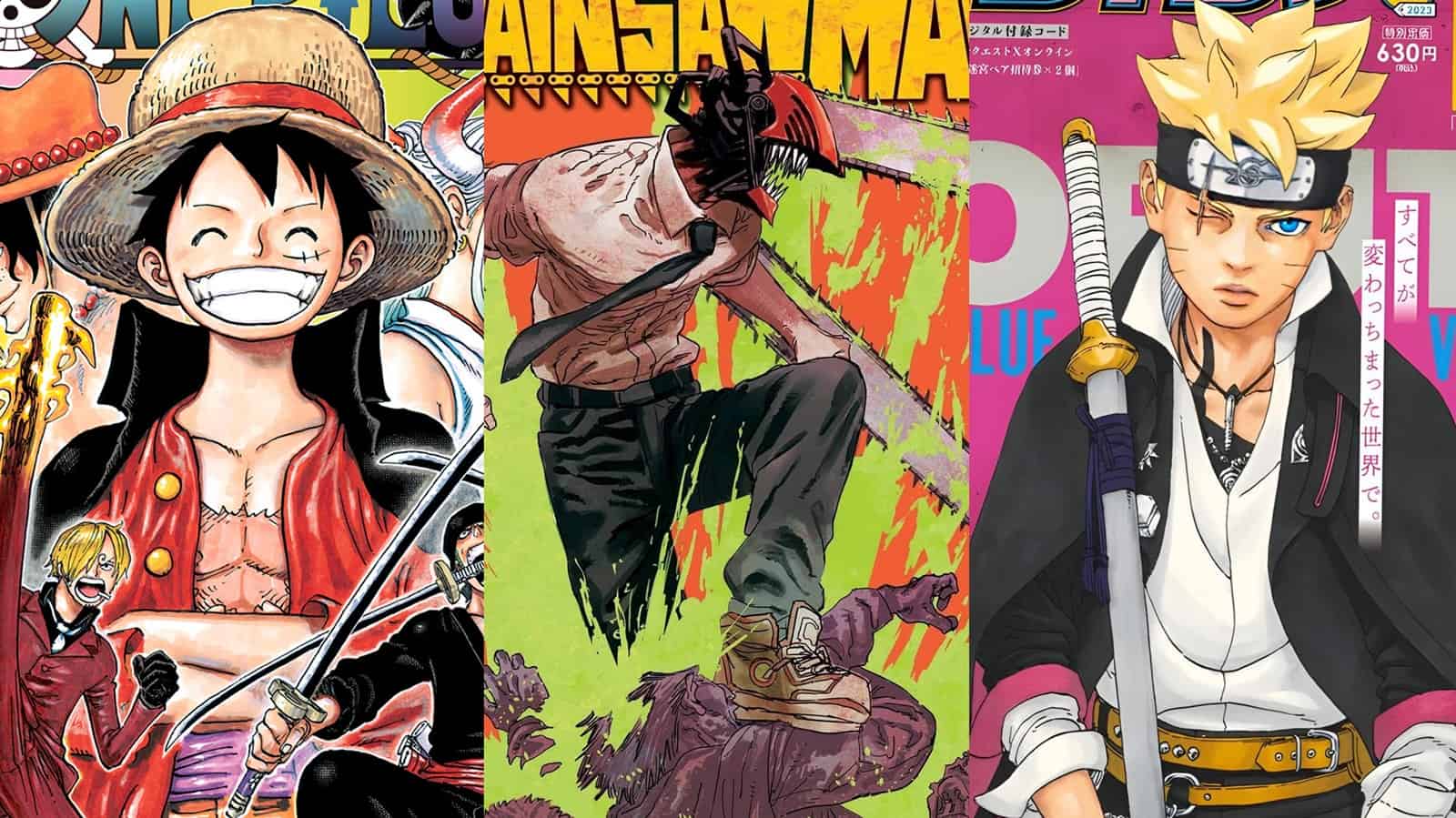
One Piece, Chainsaw Man, and Boruto (Credits: Shonen Jump Comics & V-Jump)
School librarians are caught in the middle. While some are complying with the policy, others argue that classification systems and age ratings should guide access—not outright bans. Independent bookstores have reported increased purchases from teenagers now unable to read their favorite manga at school, suggesting the demand hasn’t waned despite restrictions.
There’s also concern about whether anime adaptations of these same titles will face similar scrutiny in classrooms or after-school clubs. With manga’s growing popularity worldwide, this decision could set a precedent for other English-speaking education systems. Teachers and librarians now face tough decisions balancing cultural enrichment with regulatory oversight.
Global Fans Watch Closely
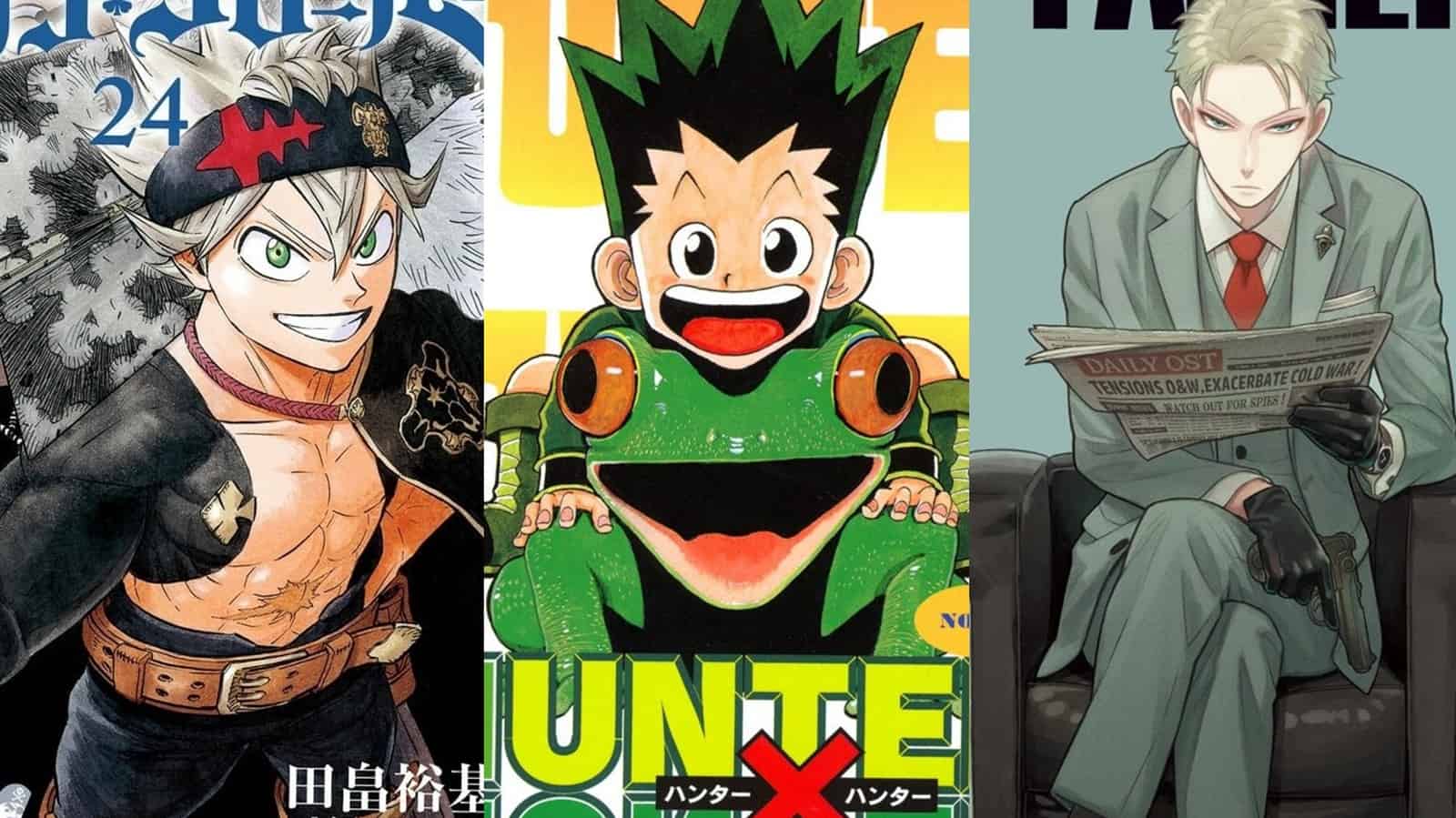
Black Clover, Hunter X Hunter, and Spy X Family (Credits: Shonen Jump Comics)
The policy has sparked heated online discussions across platforms like Reddit and X. Australian fans worry that their schools are failing to distinguish between content moderation and outright cultural policing. Meanwhile, manga creators in Japan and translators abroad continue advocating for better awareness of genre distinctions and proper age labeling.
Whether this marks a new norm or a passing controversy remains to be seen. But as schools navigate how to handle content from another culture, the conversation around manga’s place in education—and how it’s judged—will likely intensify.
North Korea has intensified its cultural censorship campaign by branding Japanese anime as “degenerate trash” and a threat to ideological purity. State media declared that consuming anime constitutes a violation of national values, warning that viewers may face imprisonment, labor camp sentences, or worse. The government blames anime for spreading “foreign mental contamination.”
This statement follows earlier crackdowns on South Korean dramas and Western films, but anime’s growing underground popularity among North Korean youth appears to have struck a nerve. As noted in a Radio Free Asia report , authorities now consider even possessing anime files or artwork as a subversive act, punishable under national security laws.
Cultural Warfare Behind the Ban
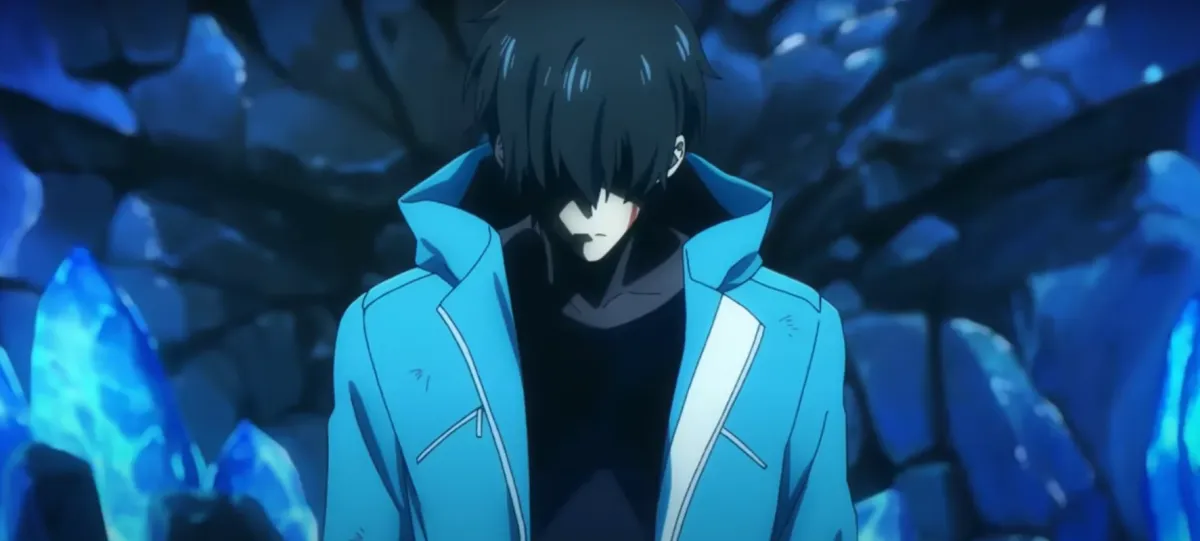
Sung Jinwoo from Solo Leveling (Credits: A-1 Pictures)
Analysts believe the extreme response reflects deeper anxieties about anime’s influence on younger generations. With its colorful characters, emotionally rich storytelling, and individualistic themes, anime clashes with North Korea’s rigid cultural narrative. The regime likely fears it may erode loyalty, especially among tech-savvy youth already exposed to smuggled foreign media.
Government officials claim anime promotes moral decay, perversion, and capitalist ideology. In public broadcasts, they’ve linked anime to “psychological destabilization” and “cultural infiltration” orchestrated by Japan and the West. Citizens are urged to report neighbors suspected of watching or trading anime, reinforcing the country’s pervasive surveillance culture.
Youth Risking Everything for Anime
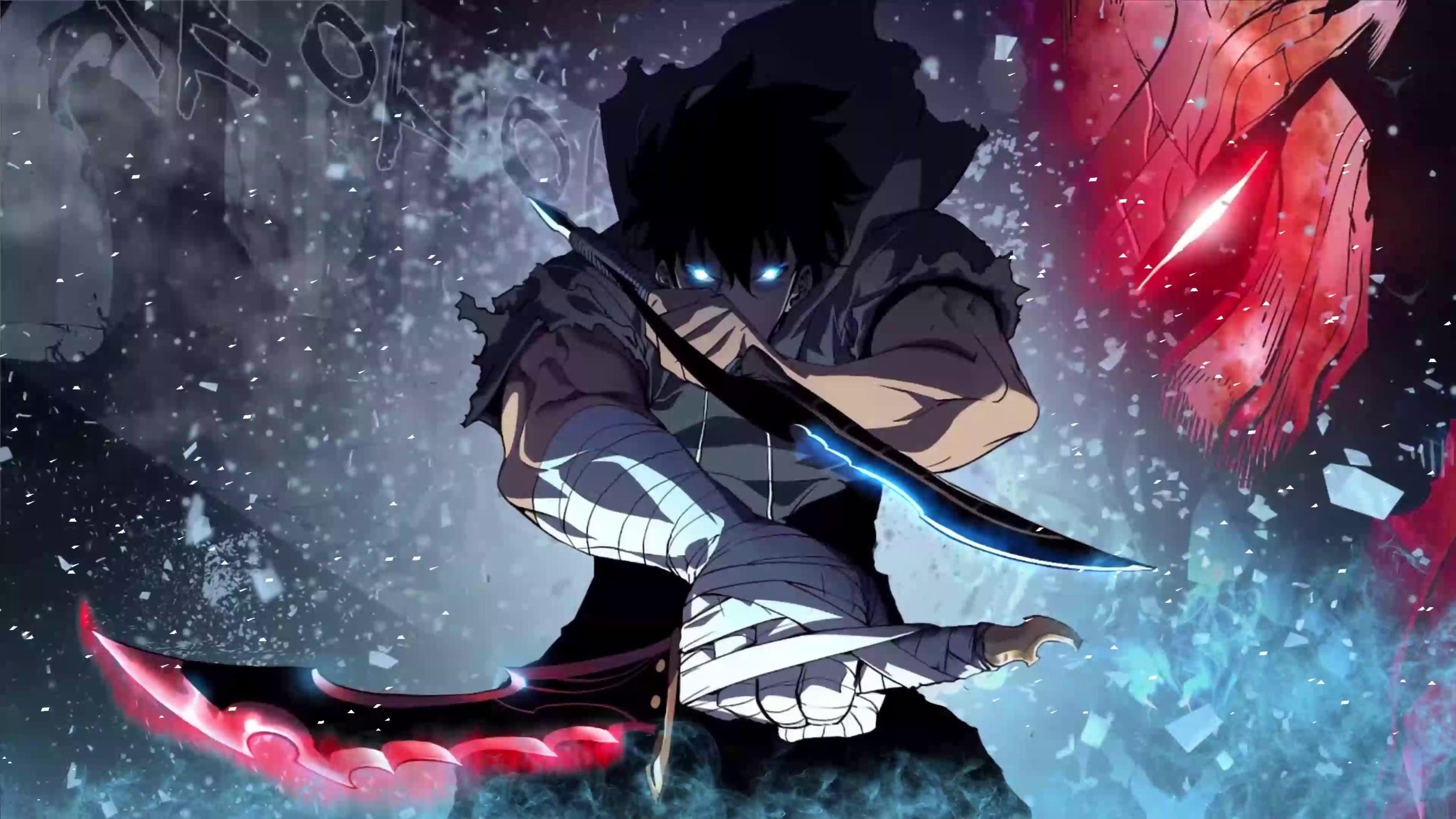
Sung Jinwoo from Solo Leveling (Credits: A-1 Pictures)
Despite harsh penalties, anime remains popular in North Korea’s black markets. Foreign media—including anime episodes—are often imported via USB drives from China or South Korea. Some students reportedly gather in secret to watch fan-subtitled episodes of Naruto , Attack on Titan , and Your Name . Punishments for being caught include fines, forced labor, or political reeducation.
This mirrors earlier cases where teens were sentenced to years in labor camps for simply watching South Korean dramas. According to defector testimonies, anime content is spreading quietly through encrypted media transfers and hidden memory cards. The growing risk speaks to how deeply anime resonates—even behind one of the world’s most closed borders.
International Condemnation and Attention
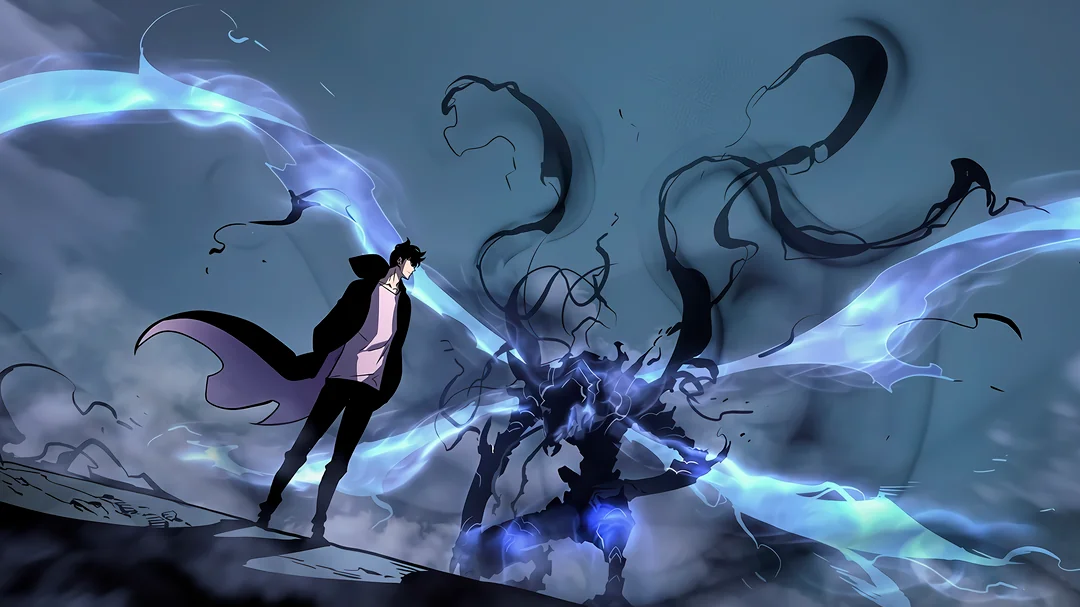
Sung Jinwoo and Beru (Credits: Kakao Page)
The international community has condemned North Korea’s media crackdowns as a violation of human rights. Advocacy groups argue that access to global culture, including anime, should not be criminalized. Japan’s foreign ministry has yet to comment, but Korean activists abroad are calling for pressure on Pyongyang to end cultural censorship.
As the regime’s list of banned media grows, so too does the defiance of those determined to enjoy the stories that connect millions across the globe. While anime might seem trivial to outsiders, in North Korea, it’s a symbol of rebellion—and hope.
