The anime adaptation of Uoto’s manga Chi Chikyu no Undo ni Tsuite (also known as Orb: On the Movements of the Earth) is set to air for 25 episodes, spanning two consecutive cours, or six months.
The series will begin airing on October 5, 2024, on NHK General, with the first two episodes premiering together. Following its broadcast, the episodes will be available for streaming on both Netflix worldwide and ABEMA.
The anime is directed by Kenichi Shimizu, with the studio Madhouse producing the series, and features an impressive cast that includes Maaya Sakamoto, Kenjirō Tsuda, and Shō Hayami, among others.
The anime features a strong creative team with Shingo Irie overseeing the series scripts and Masanori Shino handling character designs. Kensuke Ushio is composing the music, and sound direction is led by Kisuke Koizumi.
The opening theme song Kaiju is performed by sakanaction, while the ending theme song Aporia is performed by yorushika.
These elements are expected to contribute to the atmospheric and historical nature of the story, which revolves around scientific discovery during a dangerous time in human history.
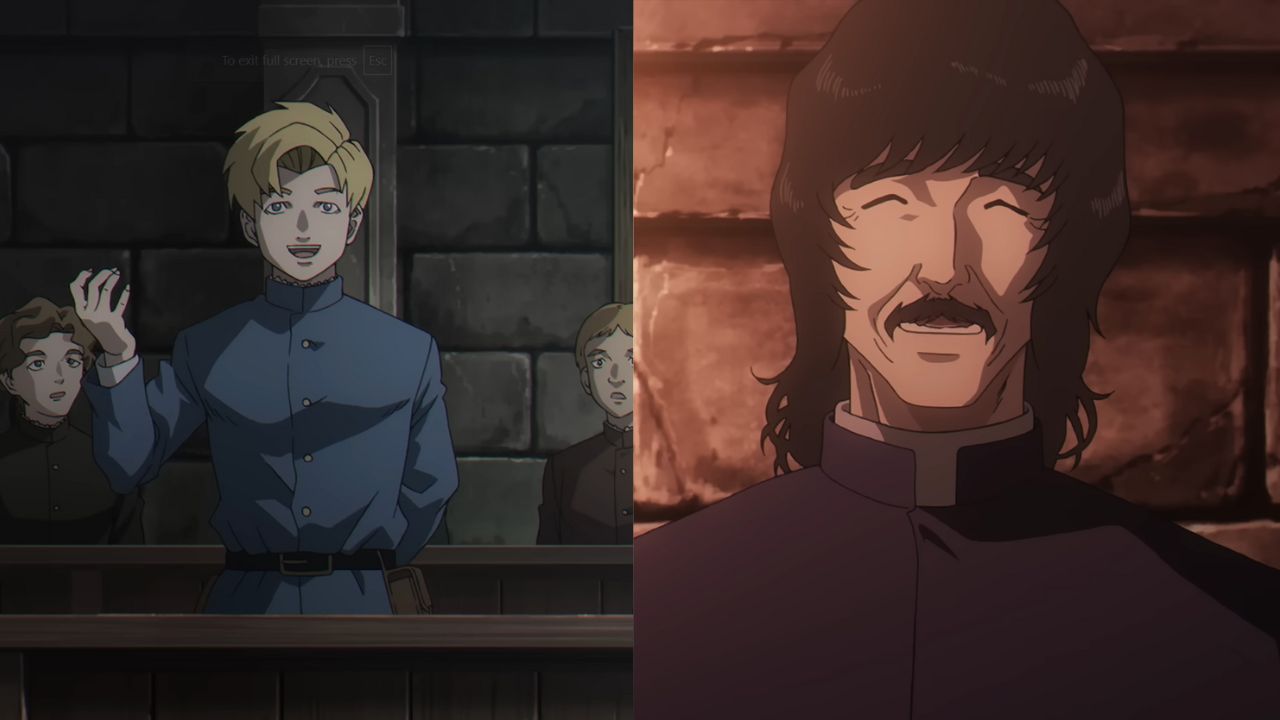
Orb: On the Movements of the Earth (MADHOUSE)
The story takes place in the fifteenth century, where the idea that the Earth revolves around the sun is considered a dangerous heresy.
It follows Rafal, a child prodigy who, after learning the truth about the world from his mentor, finds himself in danger when the Inquisition seeks to punish those spreading such knowledge.
Armed with only a mysterious pendant and his mentor’s research, Rafal goes on a journey to escape the persecution of the church and help others who also believe in these scientific ideas.
Uoto’s manga, which started in 2020 and concluded in 2022, has been highly praised. It won the Grand Prize at the 26th Annual Tezuka Osamu Cultural Prize, making Uoto the youngest recipient of this prestigious award at just 24 years old.
The manga has been published in an omnibus format by Seven Seas, allowing international readers to enjoy this historically inspired, thought-provoking story about science, truth, and the dangers faced by those who challenge established beliefs during the Inquisition.
When Netflix announced it was spending $17 million on Greg Jardin’s horror film It’s What’s Inside, excitement spread quickly. The film premiered at the Sundance Film Festival and instantly became a hot topic of conversation.
This type of spending reminded many people of the time when Apple made a major investment in the 2021 film CODA, which later went on to win an Academy Award.
While It’s What’s Inside was purchased for a significantly smaller price than CODA, it still had people talking.
However, it’s important to note that It’s What’s Inside isn’t aiming for prestigious awards. This movie is much more of a genre-based horror romp than anything meant to be taken too seriously. It fits comfortably in the category of fun, edgy horror films.
Despite all this excitement and its promising setup, It’s What’s Inside doesn’t fully live up to the potential that many believed it had. The movie often feels like it’s stalling and not quite reaching the level of excitement it promises.
While some horror films from Sundance delivered bold and new visions, this one feels like it’s trying to be edgy but doesn’t manage to break through.
There are moments of fun here and there, but as the story progresses, it becomes clear that the movie doesn’t have much substance underneath.
What Is It’s What’s Inside About?
The film opens with a character named Shelby, played by Brittany O’Grady from The White Lotus. Shelby is in a stale relationship with her boyfriend, Cyrus, who is portrayed by James Morosini.
In an attempt to spice things up in their sex life, Shelby decides to wear a wig as part of a roleplay scenario they had discussed earlier.
However, things quickly go wrong when she finds Cyrus watching pornography instead of being invested in the roleplay.
Shelby becomes frustrated with Cyrus’s lack of effort, but the couple is forced to put this issue on hold as they prepare to attend the wedding of their friend, Reuben, played by Devon Terrell.
The couple joins a group of their old college friends for a party leading up to the wedding. The friends include Nikki (Alycia Debnam-Carey), Dennis (Gavin Leatherwood), Brooke (Reina Hardesty), and Maya (Nina Bloomgarden).
Each character has their own distinct background and personality, but the main source of tension is between Shelby and Nikki.
Nikki is an influencer with a huge social media following, and Shelby, already feeling insecure, grows jealous of Nikki’s fame.
It soon becomes clear that Shelby secretly wishes she could be more like Nikki. This dynamic between the two women adds a layer of tension to the group’s interactions, and this tension only grows as the night goes on.
The group’s evening takes a strange turn with the unexpected arrival of Forbes, played by David Thompson.
Forbes is a character who nobody was quite sure would show up, but when he does, he brings along a mysterious game for everyone to play.
At first, the game seems like a fun addition to the night, but it doesn’t take long for things to go in a darker direction.
The film creates a sense of suspense as the group begins to play, and it quickly becomes clear that not everyone is interested in playing the game for fun. There are deeper secrets at play, and the game takes on a much more sinister tone.
A Movie Full of Surprises — But Not Enough Substance
At this point, it’s hard to discuss the rest of the plot without spoiling some of the film’s twists and turns.
It’s What’s Inside is a movie that relies heavily on surprises, and to give too much away would spoil the experience for those who want to watch it unfold.
However, what can be said is that the group finds themselves in a much more serious and dangerous situation than they initially expected.
Early in the film, there is a moment of dishonesty that sets the stage for what could have been a tense psychological thriller.
For a brief moment, the audience is left guessing about what’s really happening, and this mystery creates a sense of excitement. Unfortunately, this excitement doesn’t last long.
The film quickly starts revealing its mysteries too soon, which takes away from the tension it had been building.
There are clever visual clues throughout the movie, and the performances from the cast hint at deeper layers of the story.
However, these subtle hints are often overshadowed by the movie’s tendency to spell things out too clearly. One example of this is the use of a red light, which serves as a tool to reveal the truth in certain situations.

Still from It’s What’s Inside (Credit: Netflix)
While the red light is sometimes funny, it ultimately shows that the film doesn’t trust the audience to figure things out on their own. Instead of letting the suspense build naturally, the movie tends to give away its secrets too quickly, which undercuts the tension and makes the story feel less engaging.
A Lack of Confidence and Depth
Visually, It’s What’s Inside has some interesting and disorienting moments. The film uses a fragmented and flashy style to keep the audience on edge. However, despite its unique visual style, the movie repeatedly steps back to explain everything in detail, leaving little room for mystery.
There are moments when it feels like the movie could have been similar to the 2013 sci-fi thriller Coherence, where a group of people in a house slowly realizes that something strange and unsettling is happening.
Coherence built its tension by keeping the audience in the dark and allowing the mystery to unfold gradually. In contrast, It’s What’s Inside lacks the confidence to let its story remain mysterious for long.
There are some comedic beats in the movie that work well, mostly because they focus on the emotional insecurities of the characters. The actors do a solid job of capturing the nuances of their roles, and there are moments where it feels like the movie could have developed into something more complex and layered.
However, despite the cast’s best efforts, the film often feels like it’s holding back. Instead of allowing the mystery to deepen, the story frequently reveals too much, too soon.
The Ending Leaves Little Room for Interpretation
Without revealing any spoilers, it’s fair to say that the film’s ending is just as straightforward as everything that precedes it. The movie gives the audience a large amount of information at the end, trying to add complexity to the story.
Unfortunately, instead of making the movie more interesting, this information dump only serves to clarify everything that’s already happened.
Had the ending been more ambiguous or left more unanswered, it might have added an intriguing layer to the film. However, It’s What’s Inside chooses to tie up all its loose ends neatly, leaving the audience with no doubts or questions.

Still from It’s What’s Inside (Credit: Netflix)
It’s What’s Inside has some stylistic flair, but the story itself feels shallow. Despite its potential for something more, the film doesn’t fully deliver on its promise of a mind-bending thriller. It has its moments, but ultimately leaves the audience wanting more.
Netflix’s It’s What’s Inside promises an edgy horror experience but falls short by revealing too much too soon.
Despite strong performances and interesting visuals, the film lacks suspense and depth, leaving little room for mystery. While entertaining at moments, it ultimately fails to deliver a satisfying, mind-bending thriller.
