In the closing moments of Better Call Saul ‘s series finale, the title “Saul Gone” resonates deeply. It serves as a poignant conclusion to the seven-year journey of characters like Jimmy McGill and Kim Wexler. The finale ties up nearly all the burning questions raised throughout the prequel series, leaving one final mystery: What happens to Saul Goodman after the events of Breaking Bad ? In the end, the fate of Saul/Gene Takovic is a bittersweet balance of his past actions catching up with him while maintaining his unyielding nature.
Better Call Saul Ending Explained
The idea of going back in time is a theme that threads throughout the final episode. This concept takes center stage in flashbacks where characters reflect on pivotal moments in their lives. For Saul, these moments of introspection emphasize his refusal to change, his path filled with personal flaws, and his struggles with identity. Despite the regrets and reflections of other characters like Mike and Walter White, Saul’s responses to these memories remain staunchly self-centered and resistant to any form of change.
Jimmy McGill (Image via Getty)
In these flashbacks, Saul makes it clear that his road was his own to travel. Whether motivated by spite, greed, or the desire to show his worth, his actions were always driven by a personal agenda. This lack of empathy contrasted sharply with the more likable qualities of Jimmy McGill. While Saul’s selfishness and lack of compassion defined much of his actions, the vestiges of Jimmy remained in moments where he truly cared for others, notably Kim.
Gene’s Desperate Struggle
The show transitions to the present where Gene, now living a mundane life as a Cinnabon manager, finds himself pursued by the authorities. In his desperation, he contacts his former colleague, Bill Oakley, seeking a way out. This moment marks a turning point where fans might have expected redemption for Saul, but instead, the narrative doubles down on his trajectory toward self-destruction. The inclusion of Marie Schrader, grieving and angry over Hank’s death, adds weight to the finale, showing that even those connected to Saul’s past are still affected by his actions.
Gene’s encounter with Marie and the subsequent pursuit by the police further demonstrates his inability to escape his past. After a brief confrontation, he finds himself caught in a dumpster, leading to a moment of reflection. He contacts Bill Oakley again, this time to negotiate a plea deal that would implicate him in a range of crimes. However, despite his confession, Saul draws a line when it comes to Kim Wexler. His attempt to protect her, despite their fractured relationship, demonstrates the depth of his lingering care for her.
The Final Showdown in the Courtroom
The showdown takes place in a courtroom, where Saul’s fate is ultimately decided. Just as Breaking Bad ended with high-stakes action, Better Call Saul concludes with an intense legal battle, driven by words rather than violence. Saul’s decision to confess to his wrongdoings, including his role in various crimes, marks a turning point. Most notably, he absolves Kim from any involvement in Howard Hamlin’s death, sparing her from potential legal consequences.
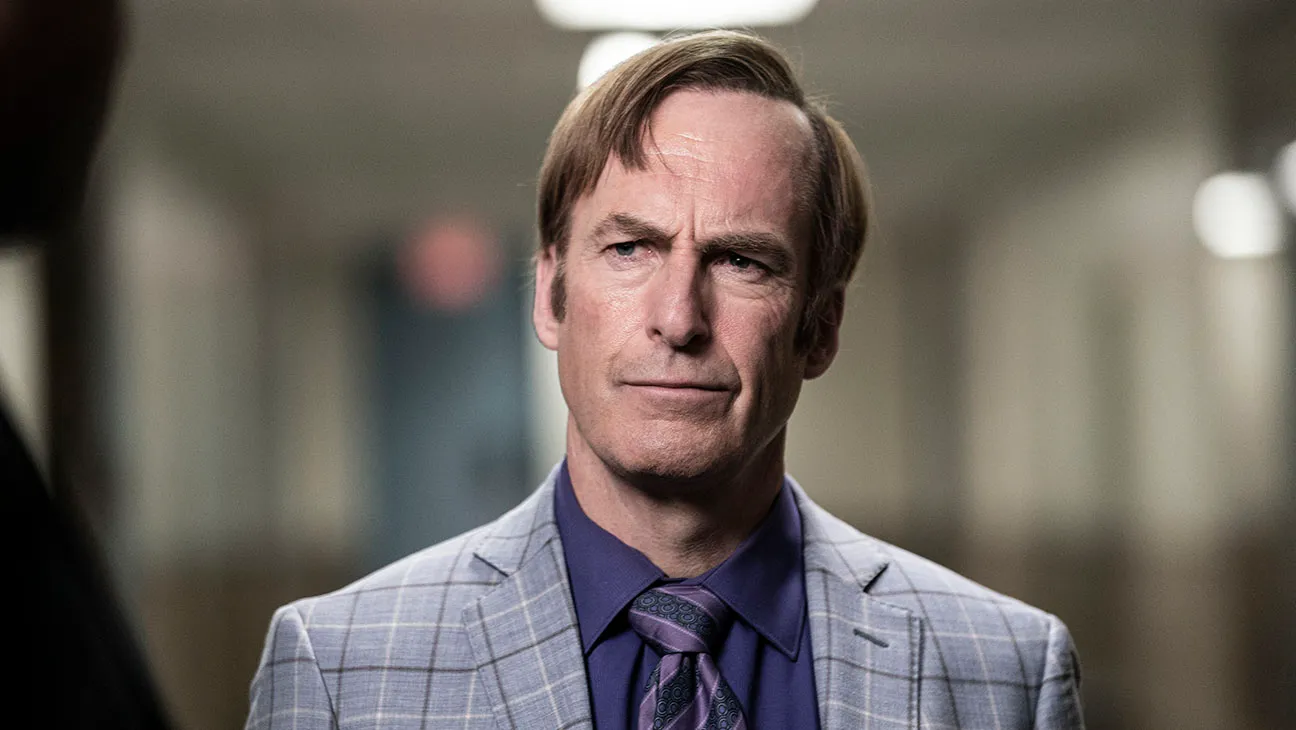
Jimmy McGill (Image via Getty)
Jimmy’s Emotional Confession
In a moment of vulnerability, Jimmy McGill, in a rare display of emotion, expresses regret over his role in his brother Chuck’s death. This is a significant moment, as it shows that, at his core, Jimmy was still grappling with guilt and remorse for the pain he caused. In that final courtroom scene, the hardened Saul Goodman fades into the background, and the true emotional core of the series shines through—Jimmy McGill’s final act of redemption.
The role of Kim Wexler throughout the series cannot be overstated. Her genuine desire to help others and her unwavering moral compass played a pivotal role in shaping Jimmy’s character. While Jimmy, motivated by greed, often found himself lost in the pursuit of personal gain, Kim’s influence kept him tethered to a sense of right and wrong. This contrast was most evident in the finale when Jimmy’s final act was not one of selfishness but of self-sacrifice for Kim.
The Inevitable Consequences of the Past
As the episode progresses, Jimmy McGill’s sentencing to 86 years in prison is a stark reminder that one cannot escape the consequences of their actions. However, the finale offers a sense of optimism, as Jimmy holds onto the possibility of redemption, even if it means serving time in prison. This is reflected in the final scene, where he shares a quiet moment with Kim, both of them reflecting on their past, their mistakes, and the possibility of a future together—albeit from different paths.
The significance of their final conversation cannot be understated. In the moments leading up to his sentencing, Jimmy and Kim share a smoke break, a symbolic gesture that harkens back to earlier moments in their relationship. While the fate of their future remains uncertain, this final exchange suggests that there is still some hope for their relationship, even in the face of overwhelming challenges.
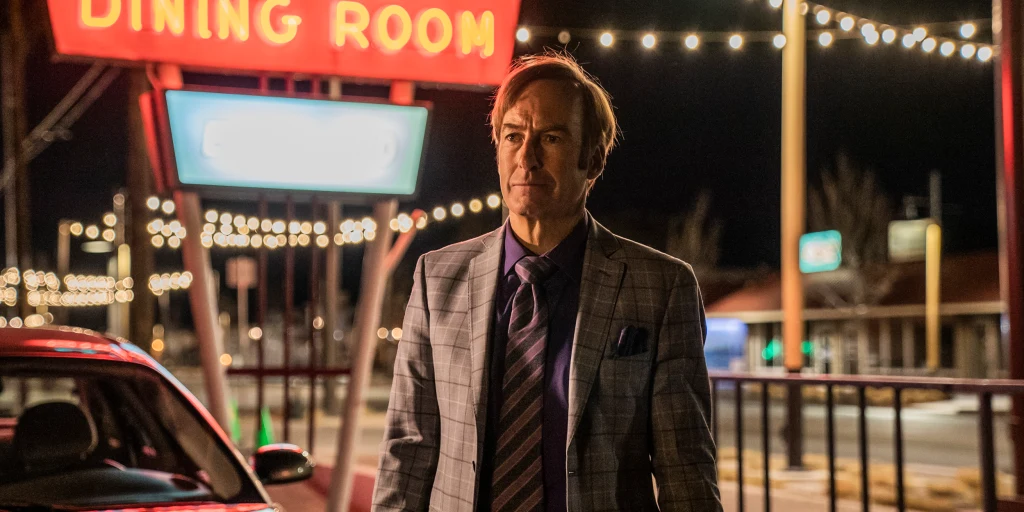
Jimmy McGill (Image via Getty)
A Complex Tale of Redemption and Consequences
At its core, Better Call Saul has always been about the complexities of identity, guilt, and redemption. Jimmy McGill’s evolution into Saul Goodman was marked by a series of choices that pushed him further away from the man he could have been. However, in the end, it was his love for Kim Wexler and his desire to protect her that ultimately led him to make the right choice. This moment of clarity, where he chose to absolve her and accept responsibility for his own actions, marked the true redemption of Jimmy McGill, the man who had always been trying to escape his past.
The Importance of the Final Scene
The finale also highlights the idea that we can’t change the past, but we can shape our future. Jimmy’s final moments with Kim reflect this notion, as they both seem to come to terms with the lives they’ve led and the paths they’ve chosen. While Jimmy may be locked away in prison, he holds onto a small glimmer of hope, suggesting that there may still be a way out for him—one that doesn’t involve slipping back into the old habits of Saul Goodman.
In the end, the story of Better Call Saul was never just about the rise and fall of a criminal lawyer. It was about the people who shaped him, the choices he made, and the consequences of those choices. The relationship between Jimmy and Kim, fraught with both love and pain, was the emotional backbone of the series. Their final moments together, while bittersweet, offered a sense of closure that was both satisfying and poignant.
Alan Wake 2 delivers a thrilling and complex narrative, expanding on the eerie atmosphere established in its 2010 predecessor. Blending survival horror, deep storytelling, and unique sound design, the game keeps players intrigued until its mysterious conclusion. The ending marks the culmination of a journey filled with mind-bending twists and thought-provoking revelations.
While bringing back familiar characters, the game introduces new ones, broadening its universe and even connecting it to the world of Control . Alan Wake and Saga Anderson work as co-protagonists, thrust into an extradimensional conflict. This dynamic adds depth, with multiple twists throughout the gameplay. By the end, players are left with much to reflect on. In addition to the main story, Alan Wake 2 introduces a New Game Plus mode called “The Final Draft,” offering an alternate ending and a significant plot twist. Both endings provide new insights into the storyline, encouraging players to experience both modes to fully understand the story’s conclusion.
Alan Wake 2 Ending Explained
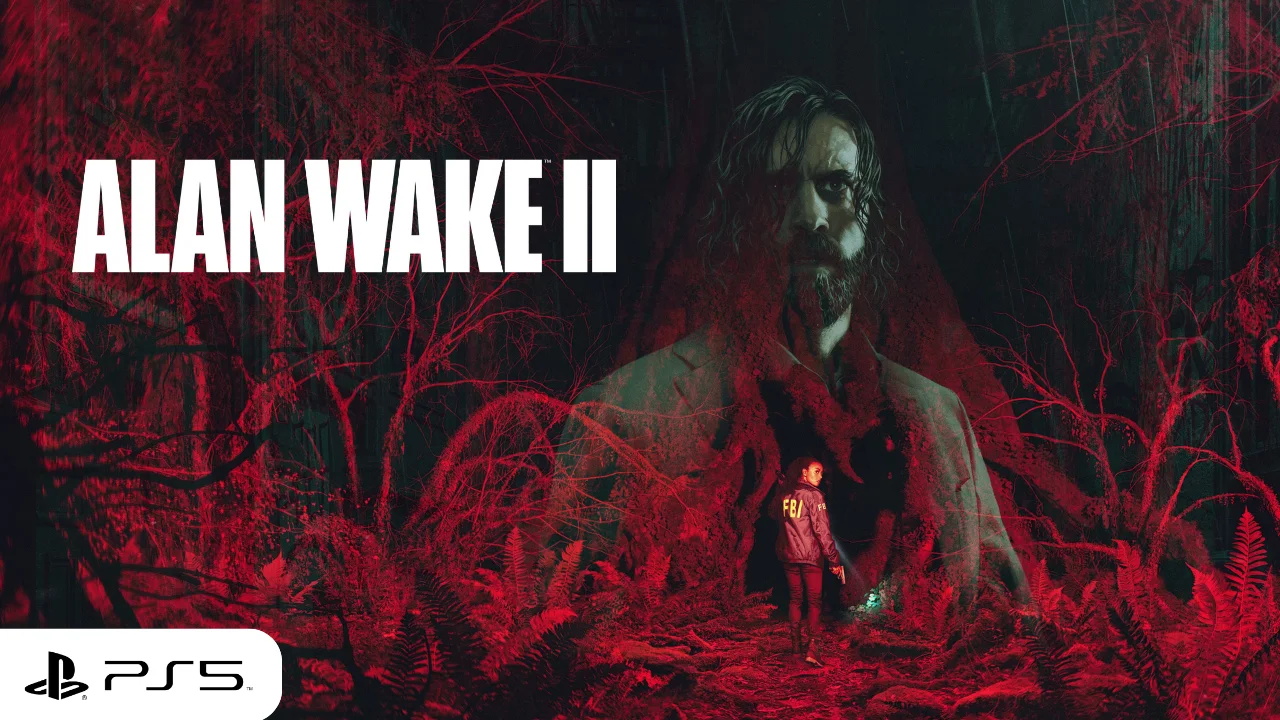
Alan Wake 2 (Image via Getty)
Yes, Alan Wake 2 features two distinct endings tied to different playthrough modes. After completing the main story, players can replay the game in New Game Plus, where an alternate ending unfolds, expanding upon the initial conclusion. However, this doesn’t mean there are branching story paths. To see both endings, players must first finish the main story before venturing into The Final Draft mode.
Despite being able to switch between Alan Wake and Saga Anderson throughout the chapters, their storylines eventually converge into one path. The game ultimately leads to the same conclusion, regardless of the chapter order. Additionally, players should watch for a post-credits scene, offering further insight into the game’s ending.
What Chapter Initiates The Ending?
The pivotal moment in Alan Wake 2 occurs in the latter part of Return 6: Scratch. After Scratch escapes his cell and kills Jaakko Koskela, players engage in a boss battle. This sets the stage for capturing Scratch, leading to a plan involving agents Kiran Estevez and Alex Casey. After this phase, a prompt signals the start of the game’s final act.
Before proceeding, players should explore all areas and gather hidden plot points, such as the identity of Mayor Setter. Completing Saga’s chapters up to Zane’s Film ensures a smoother transition to the final act, keeping the narrative consistent. Skipping ahead might send players back to the Dark Place to finish the remaining chapters.
What Happens In The Final Chapters?
To understand the twists leading to the ending, it’s essential to examine key chapters: Initiation 9, Return 7, Return 8, and Return 9. These chapters include surprising reveals and significant narrative shifts.
Initiation 9 – Gone marks a turning point for Alan, as he returns to his apartment in the Dark Place and uncovers a devastating truth: his wife, Alice, took her own life. This revelation leads to a live-action sequence where Alan confronts Scratch, only to realize he has been tormenting Alice all along, not Scratch.
Return 7 – Summoning reveals further shocks, including the revelation that Alan and Scratch are the same entity. After the Anderson Brothers try to trap Scratch in a containment cage, the Dark Presence overpowers them, throwing Saga into Cauldron Lake and back to the Dark Place. This chapter sets the stage for the most intense moments of the game.
Return 8 – Deerfest shows Alan arriving in Bright Falls, only to find the citizens wearing deer masks. The festival is a facade that crumbles when Alan tries to rewrite his novel, Return . This leads to a dramatic chase sequence and a rescue by Rose, who brings Alan to safety. Ahti directs him to Room 306, where the truth about the Writer’s Room and manuscript is revealed.
Return 9 – Come Home traps Saga inside her Mind Place, where she faces off against her evil double, “Other Saga.” After confronting her inner demons, Saga returns to the Dark Place and receives a call from Alice. This sets up the final moments, intertwining Alan and Saga’s fates.
Alan Wake 2 (Image via Getty)
How Is The Final Draft Version Of Return 9 Different?
The Final Draft mode in New Game Plus offers key changes to the ending of Return 9. While the sequence of events remains similar, additional content enhances the narrative. For example, Saga meets Odin and Tor Anderson, who were previously absent. Their reunion with Saga and new dialogue deepen the storyline.
The Anderson Brothers reveal they’ve made peace with Mr. Door, hinting at a potential return. New dialogue also suggests Ahti’s role in the creation of the Overlap, adding a layer of mythological intrigue to the game’s lore.
The Ending Scene, Explained
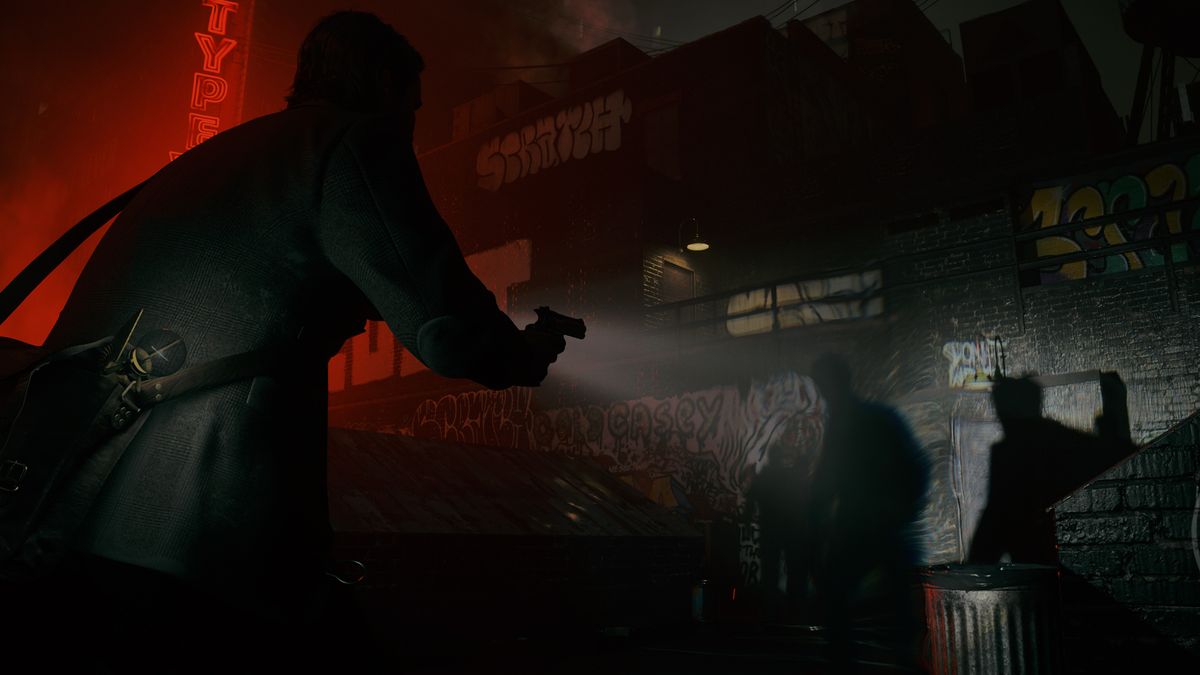
The final scene of Alan Wake 2 is dramatic and emotional. Alan accepts the necessity of a hero’s sacrifice. As the Scratch-possessed Casey enters the Writer’s Room, Alan’s rewritten ending activates. Saga uses the Clicker to trigger the light bullet, killing Alan and releasing the Dark Presence from his body.
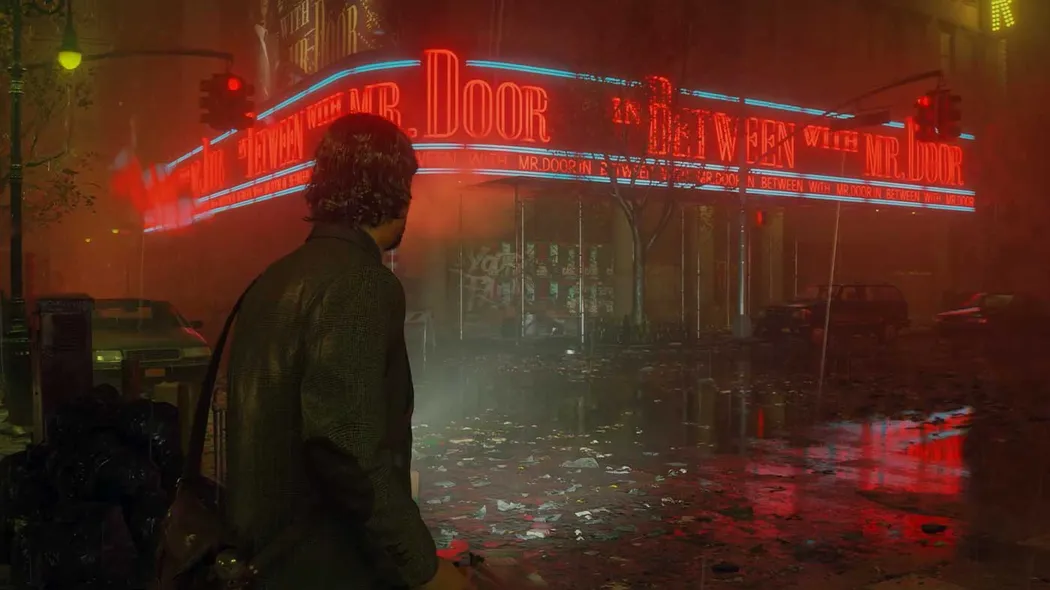
As Alan dies, the Dark Presence dissipates, signaling closure. However, the lingering question remains: is reality truly restored? The fate of Saga’s daughter, Logan, remains uncertain, and the cliffhanger leaves players questioning whether this new reality is the correct one.
Alan Wake 2 (Image via Getty)
The Post-Credits Scene, Explained
The post-credits scene introduces a twist involving Alice Wake. In a recorded message, Alice reveals that she is alive and orchestrated Alan’s journey to ensure his escape from the Dark Place. She hints at her own involvement in the events and confirms she guided Saga through payphone calls. Alice’s message also alludes to the Federal Bureau of Control, a mysterious organization tied to the Control universe, suggesting her actions have been influenced by them. She mentions a new strategy, “Ascension,” signaling a shift in the story’s progression.
New Game Plus Alternate Ending Scene, Explained
The alternate ending in New Game Plus provides closure to the cliffhanger involving Logan’s fate, continuing directly from the original campaign. Alan’s proclamation, “This is a Spiral,” suggests the story has taken a new direction. The post-credits scene’s events are now in full motion, as Alan and Saga strive to fix the timeline.
In this version, Saga is reunited with her daughter, Logan, who is revealed to be alive and safe, resolving one of the story’s emotional threads. As Alan wakes up in the Writer’s Room, he acknowledges Alice’s guidance, but his fate remains uncertain. This alternate ending further deepens the mystery, leaving the door open for future adventures.
