Since its debut, Black Clover has been subjected to constant comparisons with Naruto, with fans claiming that Asta, the series’ protagonist, is nothing more than a clone of Naruto Uzumaki. Both characters share an overarching goal of becoming the best—Asta wants to be the Wizard King, and Naruto aspires to become the Hokage. However, this comparison oversimplifies the complexities of Black Clover and ignores the broader context of Shonen tropes.
The criticism typically arises from the idea that Asta and Naruto are outcasts in their respective worlds. Asta, with his lack of magic in a society where magic is everything, and Naruto, who is ostracized due to the Nine-Tails fox sealed inside him, share similar struggles. However, this “outcast” trope is far from exclusive to Naruto and Black Clover.
It is a common device in many anime, used to garner audience sympathy and create a foundation for character growth. Characters like My Hero Academia’s Deku, who lacks a Quirk, or Chainsaw Man’s Denji, who is mistreated by the Yakuza, embody the same concept, but their stories are far from identical.
Black Clover: Debunking the ‘Naruto Clone’ Myth and Proving Its Unique Identity
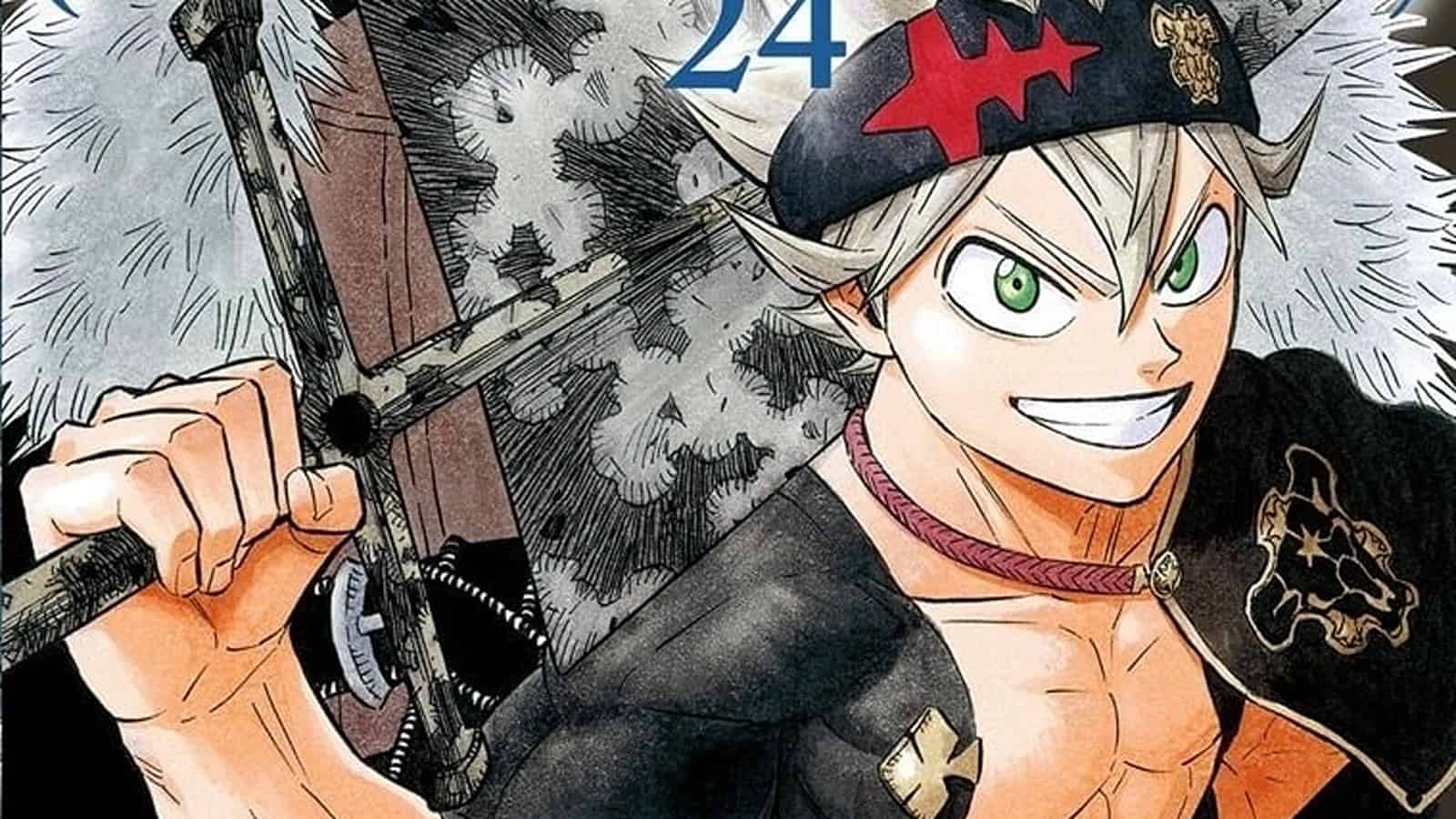
Black Clover (Credits: Jump Comics)
While both Asta and Naruto share similar core traits, such as kindness and a desire to improve, this is one of the most fundamental characteristics of Shonen protagonists. The “kind-hearted protagonist” trope is universal, seen in characters from Luffy in One Piece to Ash in Pokémon. This doesn’t make Asta a copy of Naruto—it makes him a classic Shonen hero.
The comparison is also fueled by the presence of deuteragonists who serve as foils to the protagonists—Yuno and Sasuke, who are both serious and somewhat mysterious characters. However, this is another common narrative device in Shonen anime. From Vegeta in Dragon Ball to Gray in Fairy Tail, the brooding sidekick has become a staple of the genre.
In terms of powers, both Asta and Naruto are linked to powerful beings: Asta with Liebe, his demon, and Naruto with Kurama, the Nine-Tails Fox. While these beings become integral to the characters’ growth, the similarities end there. Liebe and Kurama have different personalities and backstories, each serving a distinct purpose in their respective stories.
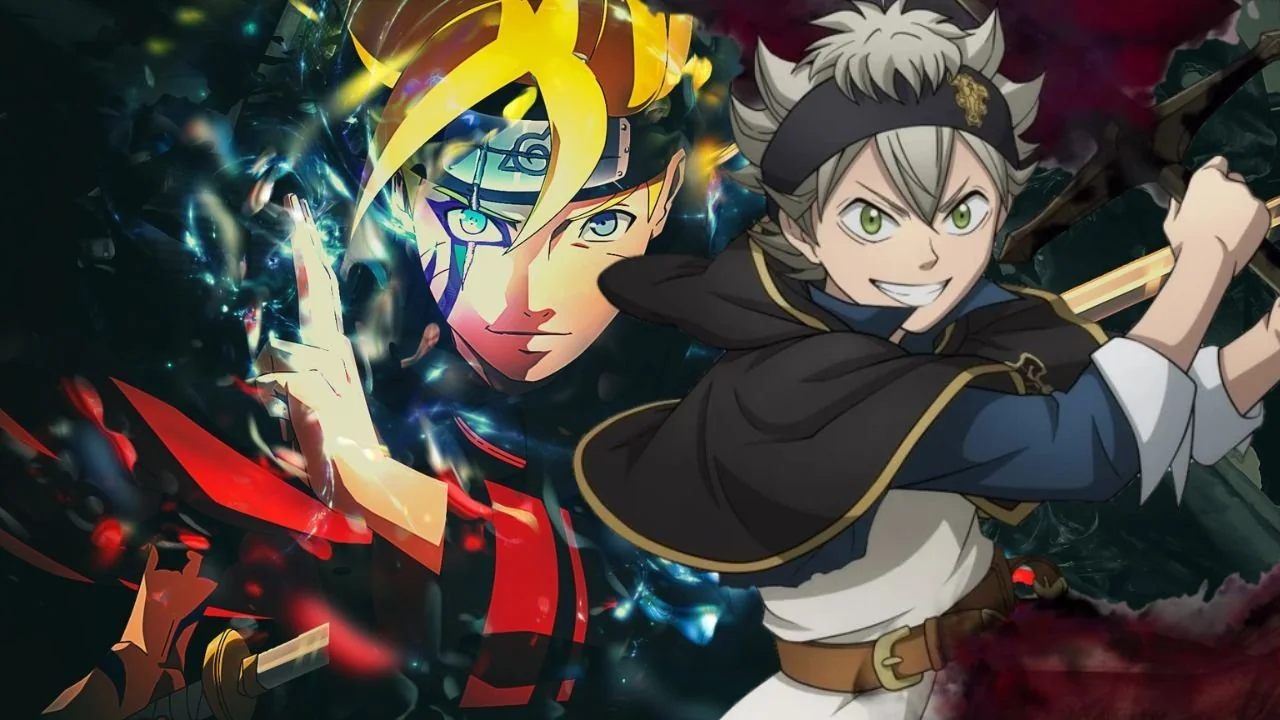
Boruto and Black Clove
Yuki Tabata, the creator of Black Clover, has never hidden his influences, which range from Yu Yu Hakusho and Berserk to Bleach. While Naruto might be one of many inspirations, Tabata has openly discussed how other works have shaped Black Clover, such as his admiration for Yu Yu Hakusho’s Hiei. His influences are broad, showing that Black Clover is far from a direct copy of any single series.
It’s important to note that even Naruto shares similarities with other works. For instance, the character of Sasuke is inspired by Hiei from Yu Yu Hakusho, but no one claims Naruto is a Yu Yu Hakusho clone. Likewise, Black Clover can draw from various influences without being a carbon copy of Naruto.
The comparisons between Asta and Naruto stem largely from broad Shonen tropes that are used to create engaging, relatable protagonists. While they share certain traits—such as their dreams, their struggles, and their kindness—Black Clover is far from a Naruto clone. Yuki Tabata has crafted a series that is inspired by many works but remains distinctly its own.
The similarities between Asta and Naruto are merely a reflection of the common narrative tools used in Shonen storytelling, not evidence of plagiarism. Black Clover’s identity goes beyond these surface-level comparisons, proving that it stands on its own as a unique and vibrant series.
One of the major reasons Attack on Titan became a global sensation was its ability to shift tones and moods as the series evolved. These changes in atmosphere kept fans engaged and continually excited for what was coming next. In season 4, however, the stakes were raised even further as Eren Yeager, the once passionate and determined protagonist, began to embrace moral ambiguity and became a villain in his own right.
With the transition to studio MAPPA, fans had concerns about the new art style, which looked more grim and intense. The characters’ emotions were far more pronounced, making every scene feel more impactful and raw. While the initial reaction was mixed, MAPPA quickly won over the fanbase, particularly with the episode titled ‘Declaration of War’, which became a turning point in the anime’s visual and narrative journey.
Eren’s evolution throughout Attack on Titan has been one of the most compelling arcs in anime. Initially, he was an immature and loud character, but by the time season 4 arrives, he has transformed into a morally gray figure willing to do whatever it takes to achieve his goals. This shift in personality was both shocking and thrilling to watch unfold.
Attack on Titan: How MAPPA’s ‘Declaration of War’ Episode Solidified Their Art Style and Eren’s Dark Turn
Attack on Titan
The ‘Declaration of War’ episode, specifically, marked a critical moment for Eren’s character, and MAPPA did an outstanding job in bringing this pivotal moment to life. The episode showcased Eren’s true power, which had been hinted at throughout the series but never fully realized until now. Despite previous indications of his eventual turn, it was still hard to fathom how the same character who once screamed for justice could become the terrifying figure now on screen.
The tension in ‘Declaration of War’ was built not just through the words of the characters, but through the careful composition of the visuals and music. MAPPA’s attention to detail made it clear from the start that this was a defining moment for the series. As Eren’s conversation with Reiner unfolds, the audience is drawn into a chilling yet fascinating revelation about his motivations. The episode’s masterful pacing allowed Eren’s descent into darkness to feel inevitable yet tragic.
At the same time, the episode focused on Willy Tybur’s speech, which presented Eren as the villain in front of Marley’s citizens. However, Tybur’s words contrasted sharply with Eren’s private conversation with Reiner, in which the viewer is reminded that Eren was once the victim of a brutal world. MAPPA juxtaposed these two scenes perfectly, and as the narrative intensified, so did the score, reinforcing the gravity of the moment.
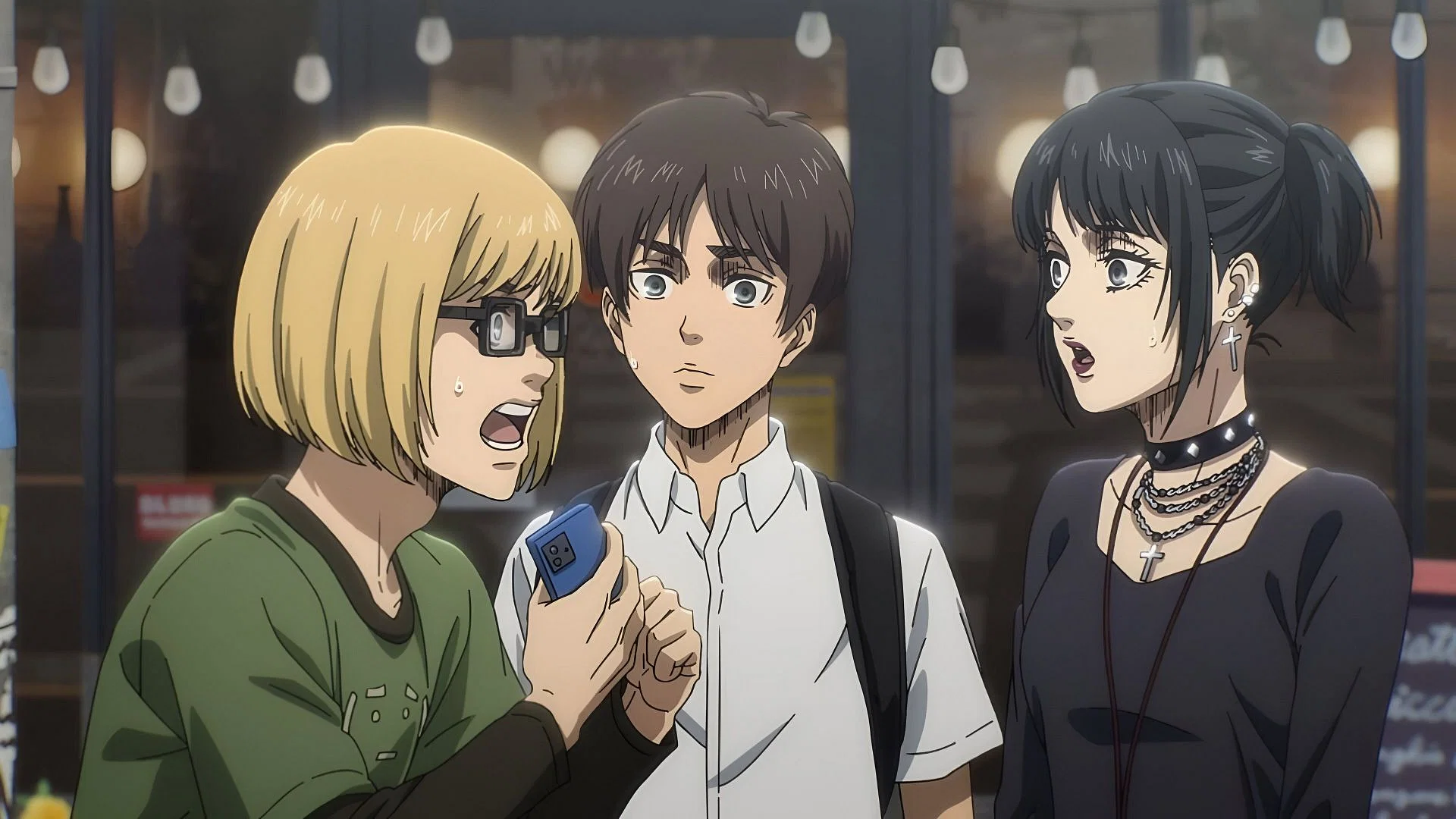
Attack On Titan post credit scene (Mappa)
What makes this episode so striking is how MAPPA handled the emotional weight of both Eren and Reiner’s positions. Eren, now a menacing figure, confidently declares his intentions, while Reiner is visibly burdened by his actions, unable to find peace even in the face of his former comrade. MAPPA’s animation style played a key role in conveying this inner turmoil. The grim intensity of the art style gave every emotion a more palpable presence, making the episode a visual feast and an emotional rollercoaster.
The scene where Eren devours Tybur after his declaration of war was nothing short of cinematic brilliance. The confrontation between these two figures, each with their own vision for the future, was the epitome of Attack on Titan’s thematic depth. The episode was not just a critical point in the plot but also a defining moment in the anime’s artistic journey under MAPPA’s direction.
Ultimately, ‘Declaration of War’ solidified MAPPA as the perfect studio to handle the conclusion of Attack on Titan. The episode encapsulated everything that made the series great: complex characters, intense narrative twists, and art that enhanced the storytelling. The emotional depth and moral complexity of Eren’s transformation would not have been as effective without MAPPA’s careful attention to detail. Their work ensured that this episode became one of the most memorable moments in anime history.
