Darren Aronofsky’s Black Swan is a gripping psychological thriller that explores the cost of artistic perfection. Set against the high-stakes ballet, the film delves into the complexities of Nina Sayers’ (Natalie Portman) journey toward becoming the perfect dancer. As she strives for greatness, Nina faces not only external pressures but also internal struggles that push her toward the brink of madness. In its exploration of identity, mental health, and artistic ambition, the film leaves audiences questioning the boundaries between reality and delusion.
Black Swan Ending Explained: The Story of Nina Sayers
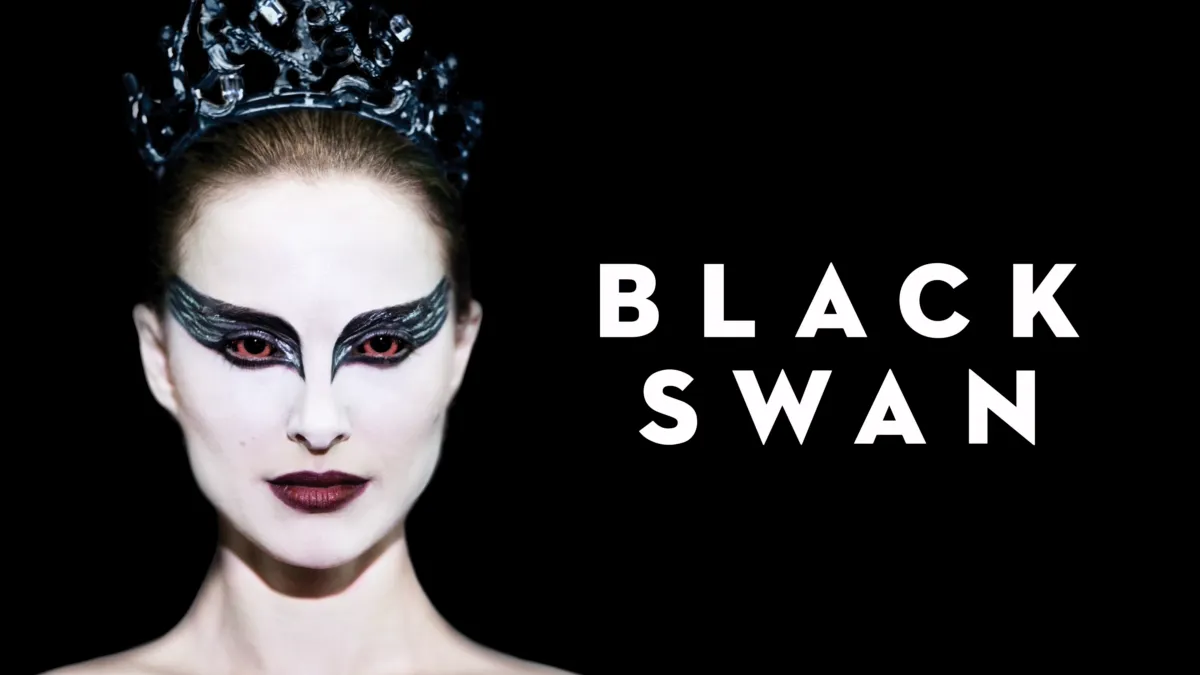
Black Swan (Image via Getty)
Nina, a talented but insecure ballerina in the New York City Ballet, is determined to land the leading roles in Swan Lake —the White Swan, Odette, and the Black Swan, Odile. With the pressure from her overbearing mother, Erica (Barbara Hershey), and her own desire for perfection, Nina pushes herself to extreme limits. When Lily (Mila Kunis), a new dancer, joins the company, Nina’s fear of being replaced intensifies, making her obsession even stronger. In her drive to be the perfect dancer, Nina’s mind begins to unravel, leading to haunting hallucinations and a blurred sense of reality.
Nina’s obsession with becoming the ideal dancer isn’t driven by a desire for fame or status. Rather, it’s an internal drive to master the craft, to embody both the White Swan and the Black Swan. This singular ambition eventually transforms her into her own greatest enemy. As Nina dives deeper into her pursuit of perfection, she alienates herself and spirals further into madness.
A Psychological Horror Wrapped in a Ballet
At first glance, Black Swan may appear to be a film about the competitive ballet. However, to reduce it to mere drama would be to overlook the film’s underlying themes. Aronofsky’s direction creates a sense of unease, with the psychological horror escalating as Nina’s grasp on reality slips. The haunting score by Clint Mansell amplifies the tension, adding a layer of dread to Nina’s descent. Portman’s Oscar-winning performance as Nina, along with supporting roles by Hershey and Kunis, creates an unforgettable cinematic experience.
As the film progresses, the narrative twists, reflecting Nina’s deteriorating mental state. Her delusions and hallucinations grow more intense, leaving both Nina and the audience unsure of what is real. The story builds toward a surprising and ambiguous conclusion, leaving viewers to decide what truly happened at the end.
The Body Horror of Nina’s Descent
Nina’s obsessive behavior manifests physically as her mind deteriorates. The night before her big performance, Nina begins to imagine herself transforming into the Black Swan, complete with black feathers and bird-like features. As Nina rehearses for the roles of Odette and Odile, she becomes convinced that Lily is trying to replace her. In a moment of psychosis, Nina confronts Lily and violently stabs her with a broken mirror. However, Nina’s mind has distorted the events. In reality, she stabbed herself, not Lily.
Aronofsky has a history of using body horror to convey emotional truths, as seen in his films Mother! and The Whale . Black Swan is no different. Nina’s dark side emerges as she transforms into the Black Swan, symbolizing the destructive power of perfectionism. Nina’s self-inflicted wounds reflect the inner turmoil caused by her relentless pursuit of artistic greatness.
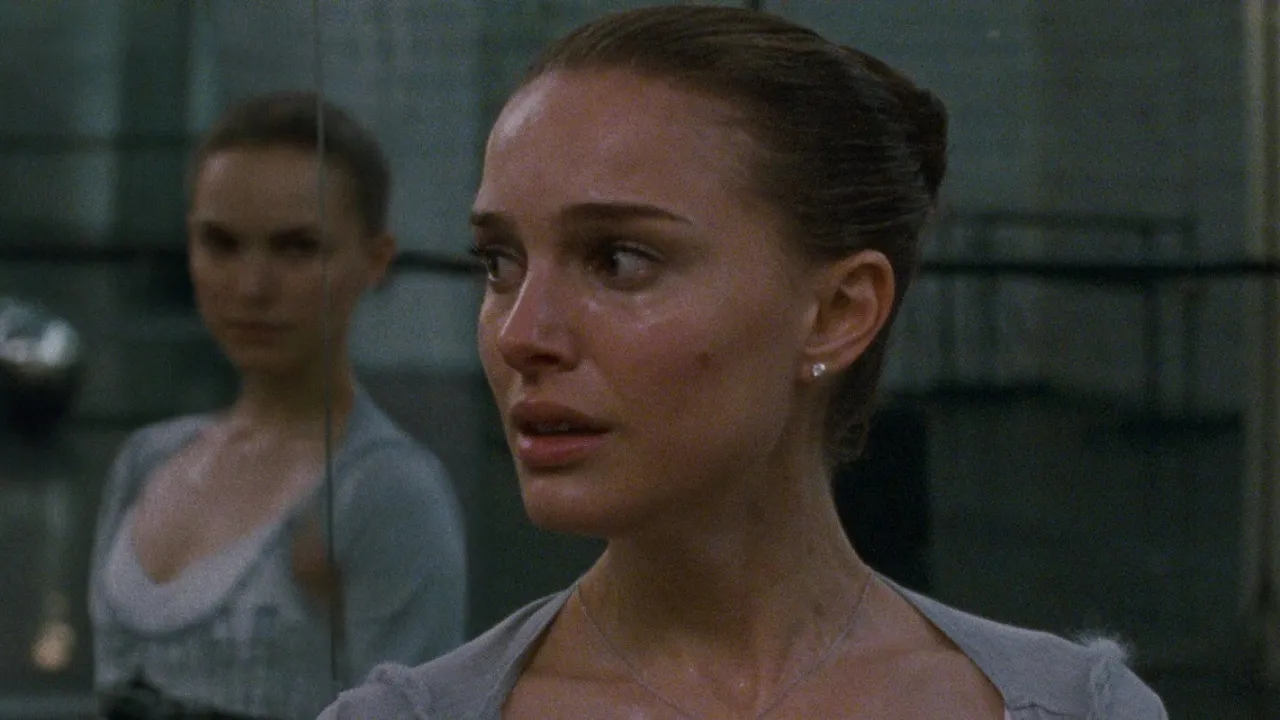
Nina (Image via Getty)
The Ambiguous Ending of Black Swan
After the violent altercation with Lily, Nina hides the body and prepares for her performance. However, she is stunned to see Lily alive and well, contradicting the hallucination she experienced. In a twist, it is revealed that Nina’s vision of stabbing Lily was a product of her psychosis. Nina had actually injured herself in a fit of mania. Despite this, she presses on with her performance, determined to live up to the expectations of perfection.
The final scene of Black Swan is both tragic and triumphant. Nina, covered in blood from her self-inflicted wound, continues her performance of Swan Lake. The audience erupts in applause, unaware of Nina’s suffering. As she falls to the ground in her final act, Nina whispers, “Perfect,” before the screen fades to white. The ambiguity of the ending leaves viewers to question whether Nina dies from her injuries or if she has completely merged with the character of the White Swan. The film presents perfection as a double-edged sword—Nina has achieved her goal, but at what cost?
Interpreting the Ending: Nina’s Illusions and Mental Health
The ending of Black Swan raises several questions, particularly regarding Nina’s unreliable perspective. With her mental state in question throughout the film, viewers must consider how much of Nina’s experiences were real and how much was a product of her delusions. Her relationship with Lily, for example, appears to be one-sided, with Nina’s paranoia turning Lily into a rival in her mind. The film suggests that Nina’s obsession with Lily may be rooted in her own mental illness rather than any real animosity between the two.
The true antagonists of Black Swan are not Nina’s external enemies, such as Lily or her director, Thomas (Vincent Cassel). Instead, the film presents mental illness as the most dangerous force at play. Nina’s struggle with body image, food guilt, and the pressures of perfection all contribute to her psychological breakdown. Her deteriorating mental health becomes the primary driver of her obsession and descent into madness.
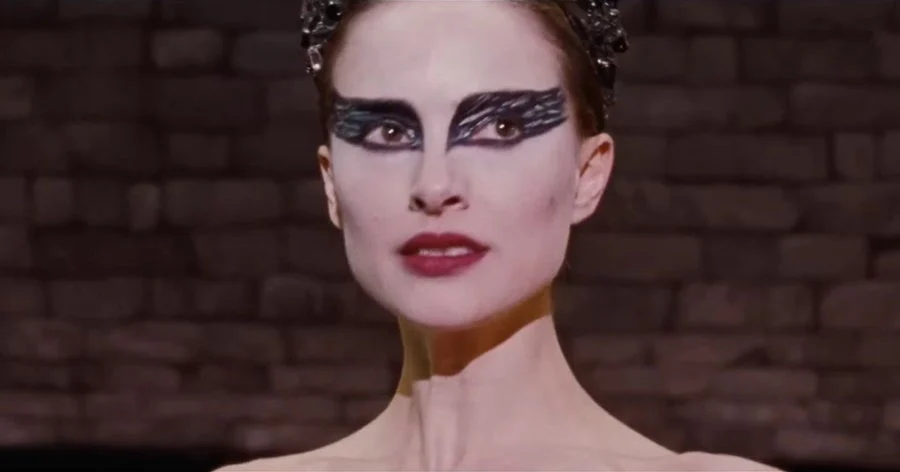
Nina (Image via Getty)
The Cost of Perfection: A Cautionary Tale
Throughout Black Swan , Nina’s pursuit of perfection is portrayed as a self-destructive force. The film illustrates how the desire to be the best can lead to personal ruin. From Nina’s unhealthy relationship with food to her self-harm and constant anxiety, her mental and physical health deteriorates under the weight of her ambition. Her need to be perfect becomes a prison that she cannot escape, and in the end, it may have cost her everything.
While perfection is an admirable goal for many, Black Swan reminds us that the pursuit of it can have devastating consequences. For Nina, the price of artistic excellence was too high to bear. The film stands as a stark warning about the dangers of ambition unchecked by self-care, mental health, and personal boundaries. Black Swan challenges the notion that perfection is worth any price, showing that the cost of chasing it can be fatal.
“Now You See Me” is a thrilling film that delighted audiences with its surprising twists and intricate narrative. Starring Jesse Eisenberg and Woody Harrelson, the story follows four talented magicians who pull off elaborate heists under the guise of magic tricks. Their audacious stunts break the law but also make them public figures, fueling a nationwide hunt led by Officer Rhodes. However, the story has more layers than initially apparent, with hidden motives and complex twists driving the plot.
Now You See Me Ending Explained
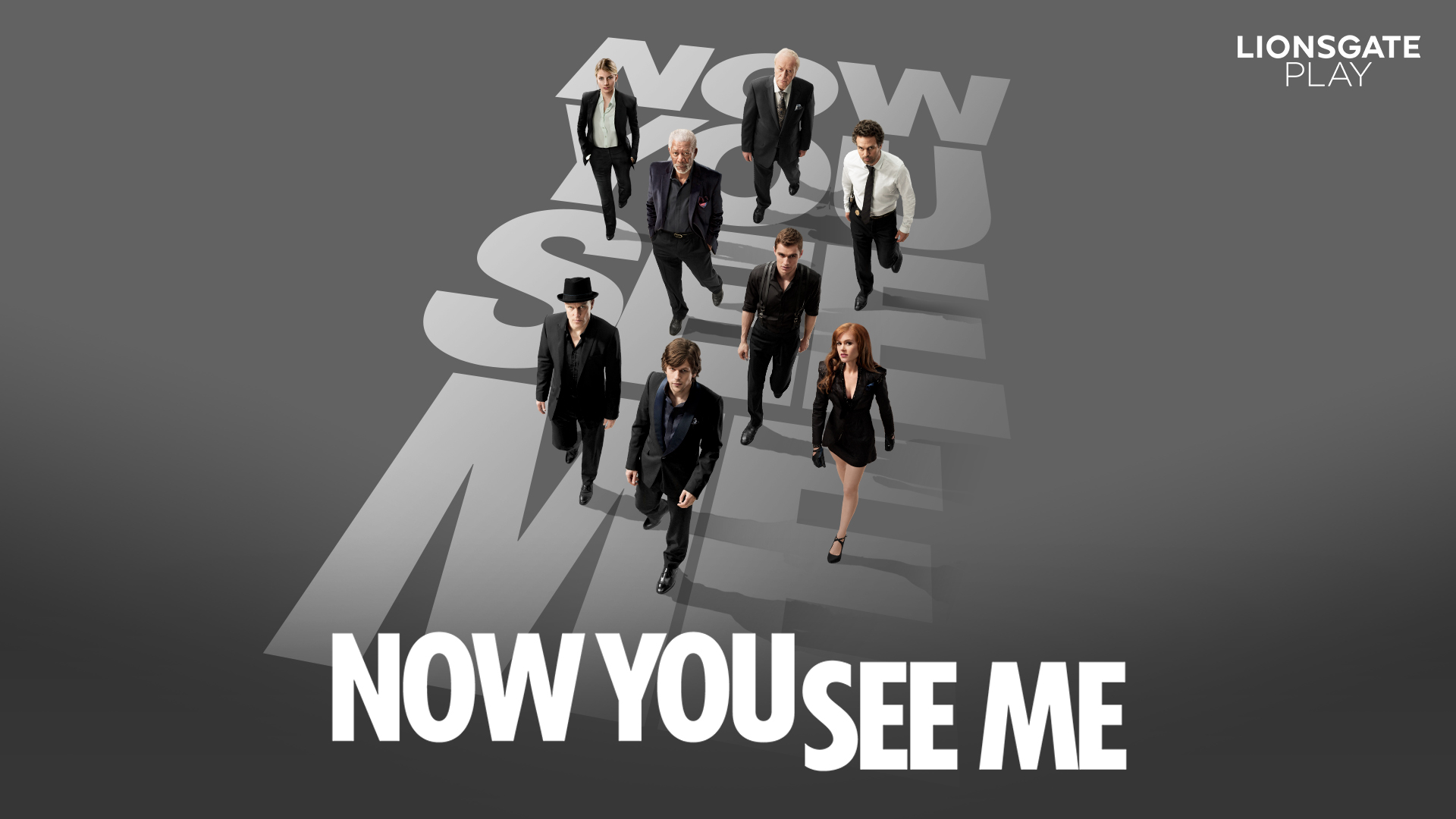
Now You See Me (Image via Getty)
The film is built on the theme of misdirection, much like the magic tricks it showcases. The audience is kept on edge, never knowing what to expect next. Throughout the movie, the plot’s tiny details and subplots are easy to overlook. Yet, on a second viewing, they become crucial to understanding the true meaning behind the film. These hidden pieces of truth beneath the fiction ultimately explain the real significance of the story and its characters.
Officer Rhodes and the Incredible Twist
A key element of the film’s narrative is Officer Rhodes, the character who initially appears to be the antagonist trying to bring the Four Horsemen to justice. As the investigation progresses, it becomes evident that Rhodes is playing a deeper game. The twist reveals that Rhodes is the son of Lionel Shrike, a disgraced magician whose death in a failed escape trick was orchestrated by several people involved in magic and deception.
Rhodes’ motive becomes clear: he seeks revenge for his father’s death. Shrike’s tragic demise, caused by a faulty safe during an escape trick, serves as the catalyst for Rhodes’ plan. Rhodes harbors resentment not only toward the individuals who caused his father’s death, such as Thaddeus Bradley but also toward the companies that profited from it, like Elkhorn Security and Tressler Insurance. His desire for vengeance is complex and serves as the driving force behind the formation of the Four Horsemen.
The Eye: A Secret Society of Magicians
The concept of The Eye, a secret society of magicians, is another central theme in “Now You See Me.” The Eye is portrayed as an organization that seeks to use its magical talents to fight against greed and oppression, targeting wealthy corporations that exploit people for profit. The members of The Eye, including Rhodes and the Horsemen, adopt a “steal from the rich, give to the poor” mentality. This ideology aligns with the actions of the Four Horsemen, whose heists are meant to right the wrongs caused by these corporations.
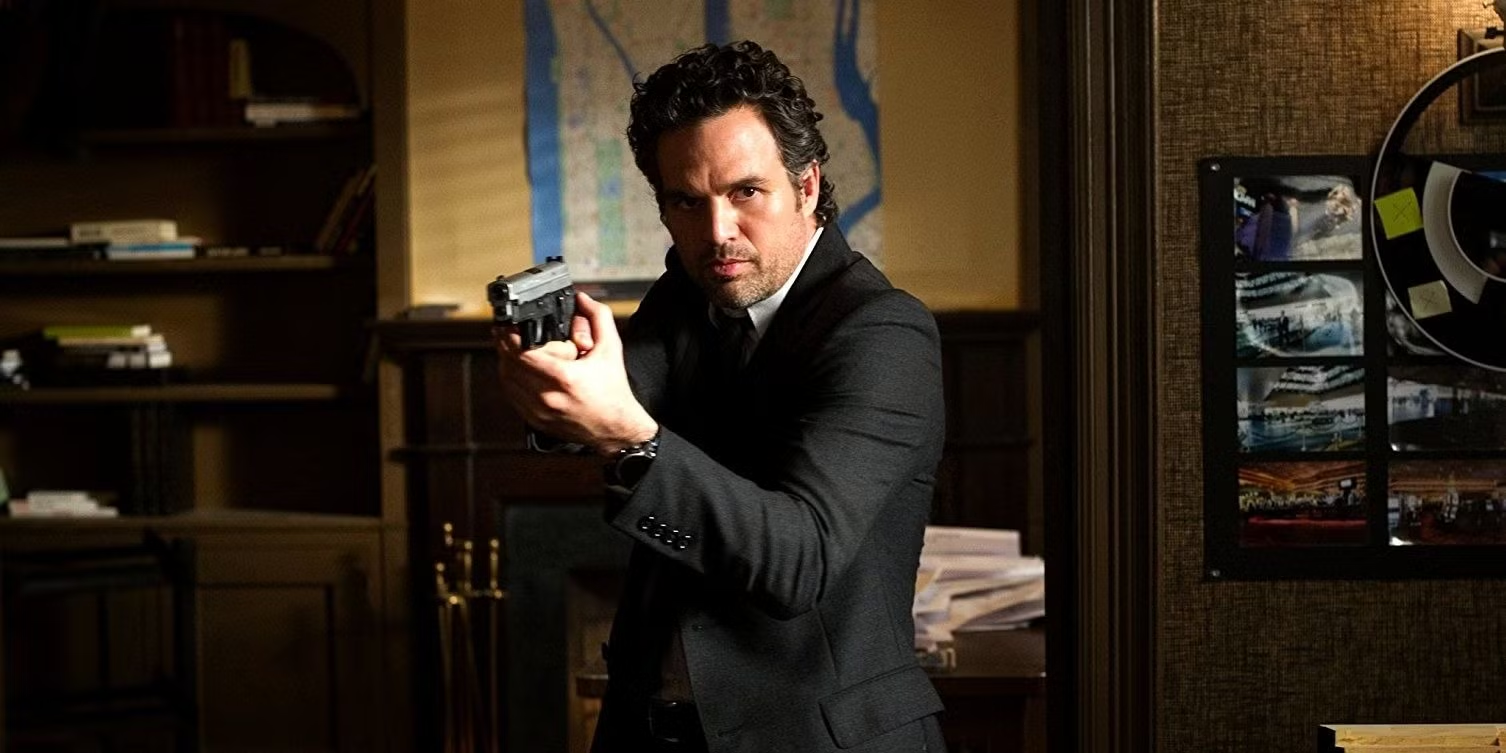
Rhodes (Image via Getty)
Rhodes Joins The Eye and Uses the Horsemen
In the film’s climactic moments, the character of Rhodes is revealed to be a member of The Eye. This secret society has provided him with the resources and support necessary to execute his elaborate revenge plan. The Eye’s values coincide perfectly with Rhodes’ motives, as he aims to bring down the corrupt corporations that were responsible for his father’s death. Through The Eye, Rhodes gains the power to manipulate the situation and use the Horsemen to fulfill his mission.
Jack Wilder’s Fake Death
One of the most surprising twists involves Jack Wilder, one of the Four Horsemen. Early in the film, Wilder appears to meet a tragic end in a car accident. However, it is later revealed that this was a carefully orchestrated ruse. Jack faked his death to work in the shadows and further Rhodes’ plan. By disappearing from the scene, Jack was able to slip under the radar of the FBI and continue his work undetected.
The method of Jack’s “death” is a brilliant piece of misdirection. It’s suggested that the Horsemen used a decoy vehicle and a stolen cadaver from the morgue to make it appear as though Jack had died. This sleight of hand allowed Jack to infiltrate Elkhorn Security and plant the money in Thaddeus Bradley’s car, setting the stage for Bradley’s arrest and Rhodes’ ultimate revenge. Jack’s survival, kept hidden from both the audience and the authorities, is one of the film’s most impressive tricks.
The True Meaning of “Now You See Me”
On a broader level, the ending of “Now You See Me” showcases the power of misdirection. The film’s structure and narrative intentionally mislead the audience, making it difficult to predict the twists that lie ahead. This technique mirrors the magic tricks performed by the Horsemen throughout the film, blurring the lines between fiction and reality. The film’s narrative is a masterclass in how to use misdirection not only to deceive characters but also to challenge the audience’s expectations.

Jack Wilder (Image via Getty)
Themes of Greed and Exploitation
The film also explores deeper themes of corporate greed and exploitation. The Four Horsemen’s heists serve as a form of revenge against the companies and individuals who profited from the suffering of others. Through these acts, the movie critiques the excesses of capitalist society, exposing the moral bankruptcy of those who benefit at the expense of others. Rhodes and the Horsemen use their talents not for personal gain but to make a statement about the injustices in the world.
The ending sets the stage for potential future installments in the “Now You See Me” franchise. By introducing the concept of The Eye, the film opens up new possibilities for exploring secret societies, magic, and revenge. The twist not only redefines the dynamic between the characters but also leaves room for further exploration of The Eye and its broader influence on magic.
The ending
“Now You See Me 2” builds on the foundation laid by the first film, continuing the story of Rhodes and the Horsemen while going deeper into The Eye’s workings. By the end of the sequel, Rhodes assumes the role of the grandmaster of The Eye, further expanding the narrative and hinting at the potential for more stories centered around this secret society. The future of the franchise looks promising, with “Now You See Me 3” poised to delve even further into the mysteries of The Eye and its members.
“Now You See Me” is a film that uses misdirection both in its story and its structure, challenging audiences to question what they think they know. Its ending is a testament to the power of surprise and the art of deception. Through its exploration of greed, revenge, and the secret of magic, the film leaves a lasting impression and sets the stage for an exciting future in the franchise.
