For fans of the Naruto franchise, the Boruto series offers much more than just another continuation of beloved characters.
It represents a chance to rectify one of the most divisive moments in Naruto’s story, where a surprising revelation threatened to undermine the victories and ideals its heroes fought for.
This revelation that ancient beings like Black Zetsu and the Otsutsuki clan manipulated events in the shinobi world left fans feeling that hard-won achievements were overshadowed by an unseen, otherworldly influence.
Many fans saw this as a misstep, a plot twist that detracted from Naruto’s core theme of resilience and self-determination.
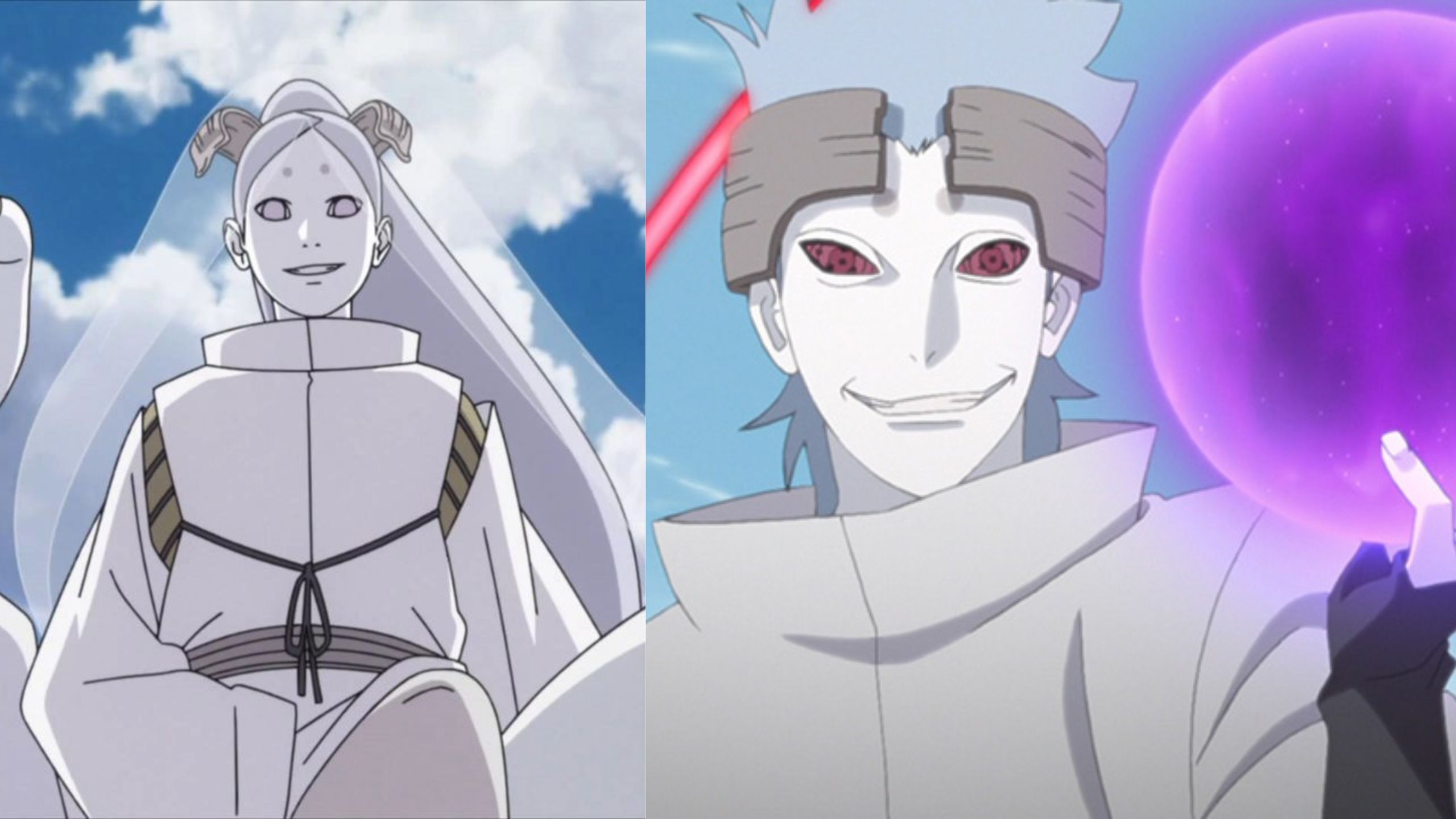
Momoshiki Otsutsuki And Urashiki Otsutsuki From Boruto (Studio Pierrot)
With the Boruto storyline, however, there’s hope that the legacy of Naruto, Sasuke, and others may be restored.
By focusing on the power of human choice and reemphasizing the agency of the shinobi, Boruto has the chance to bring the series back to its philosophical roots.
In this expanded look at Boruto, we’ll explore how it aims to redeem the Naruto franchise by reestablishing the message that shinobi are the masters of their destinies, and how this journey could cement Boruto as a powerful successor to Naruto.
The Legacy of Naruto and Its Core Themes
For anyone who followed the original Naruto series, it’s clear that it resonated not only as an action-packed adventure but as a deeply motivational story.
The world of Naruto is populated with characters who, despite personal flaws and tragic backstories, choose to rise above their circumstances.
The story of Naruto Uzumaki a boy ostracized for housing the Nine-Tails, who grows up with an unshakable resolve to prove his worth and protect his village is one of determination and personal growth.
Characters like Naruto, Sasuke, and Sakura represented themes of resilience, camaraderie, and redemption.
Their struggles, victories, and losses felt earned, and fans admired how they wrestled with difficult choices, each shaping their futures through sacrifice and grit.
The franchise established a world where character was formed through trials and challenges, and where growth was achieved through choice rather than destiny.
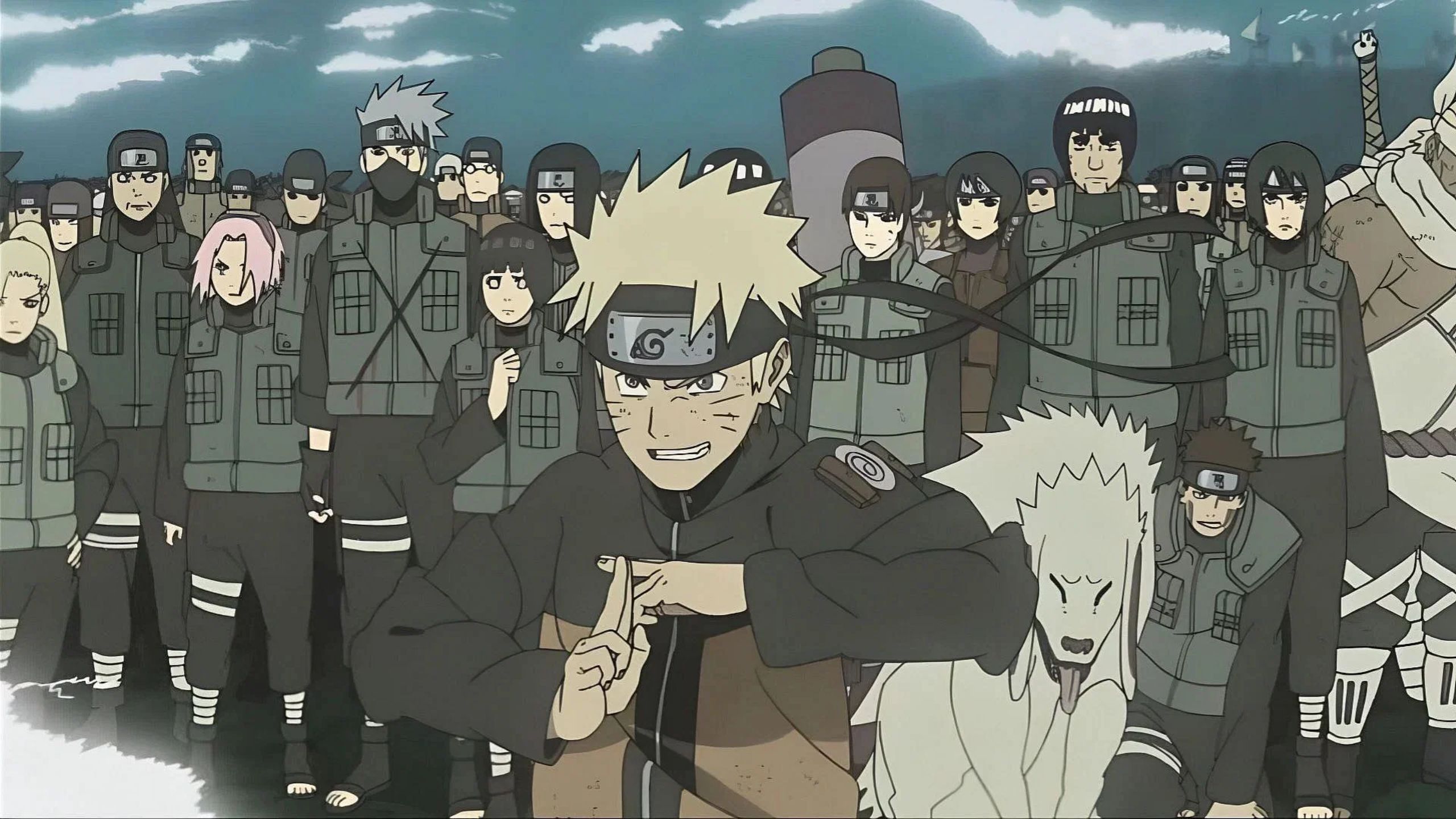
Shinobi’s From Fourth Greate Ninja War In Naruto (Studio Pierrot)
It was therefore surprising, even jarring, for many when the series introduced the idea of the Otsutsuki clan and their influence on the shinobi world.
Fans had believed that Naruto’s journey was his own and that his achievements and those of his friends were the results of their efforts, not the product of ancient interference.
However, by revealing that the Otsutsuki had orchestrated key events for centuries, the series inadvertently suggested that Naruto and others were merely participants in a larger plan devised by cosmic forces.
This revelation came primarily through Black Zetsu’s actions during the Fourth Great Ninja War, which disclosed his true loyalty to Kaguya Otsutsuki.
Many fans felt disillusioned by this twist, which cast doubt on whether the shinobi’s battles had been genuine accomplishments or just steps in a preordained cycle controlled by beings far beyond their understanding.
Enter Boruto: A Chance to Restore the Agency of the Shinobi
When Boruto: Naruto Next Generations debuted, it arrived with a different tone and vision.
Where Naruto’s story had been about an underdog finding his place, Boruto centered around the son of a Hokage grappling with the weight of legacy.
Boruto Uzumaki’s journey might have begun as a tale of a young boy seeking his own identity, but the story quickly evolved into something larger.
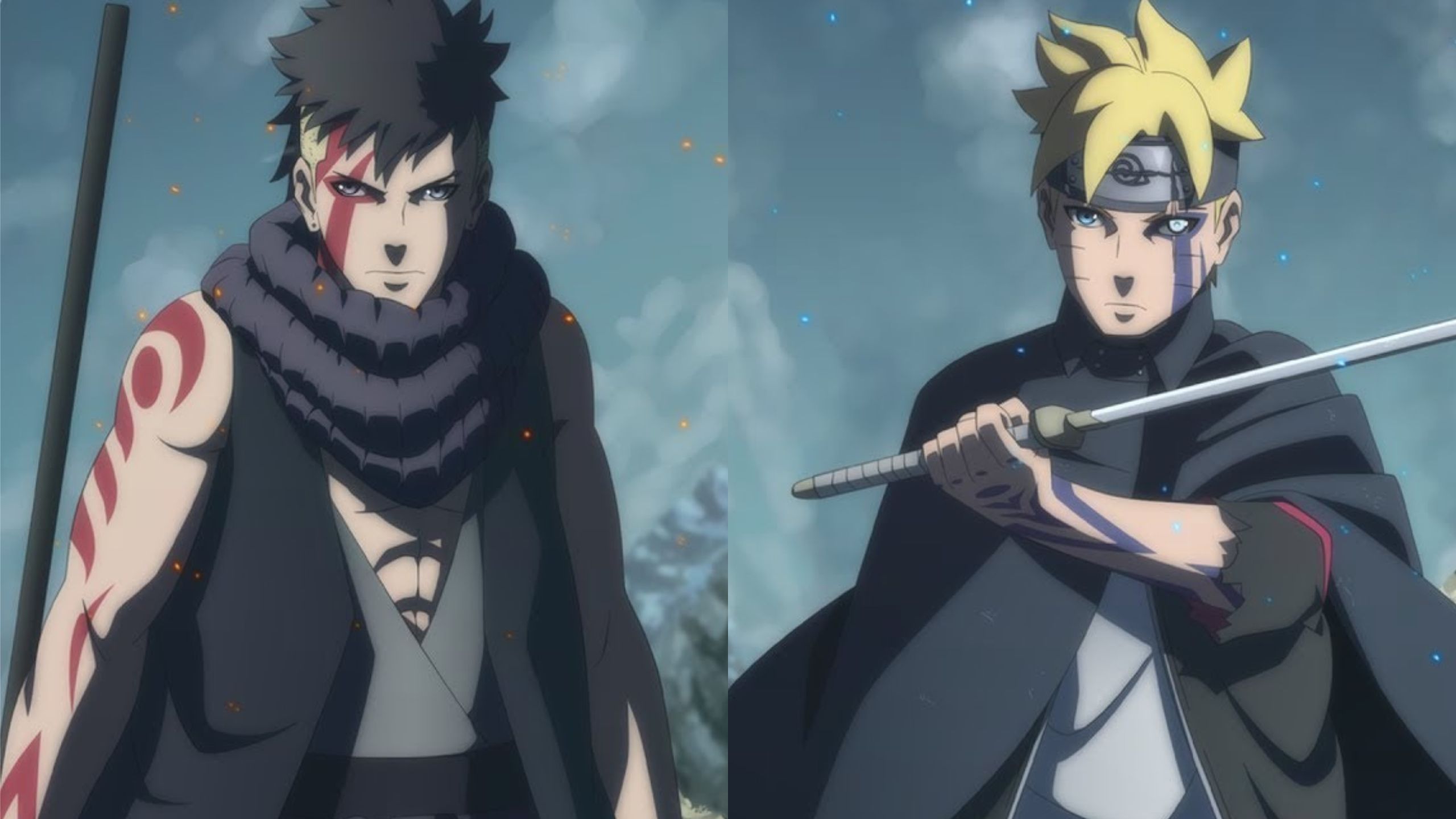
Kawaki (Left) Boruto (Right) In Thier Final Fight (Via Pierrot)
With Boruto, Kawaki, and the mysterious Kara organization, the series began to hint that the influence of the Otsutsuki clan wasn’t over and that the shinobi would need to confront these ancient powers again.
However, Boruto took a new stance in its approach to the Otsutsuki issue.
Where Naruto had inadvertently implied that shinobi were just pawns in a cosmic game, Boruto hinted at something else entirely: the shinobi are still in control of their own destinies.
This shift is evident in several key moments in the series, especially the flashforward scene where a battle-scarred Konohagakure lies in ruins, with Boruto and Kawaki standing at odds.
This iconic scene strongly suggests that by this point, the characters have taken control of their fates and escaped the ancient manipulation of the Otsutsuki clan.
A significant part of this narrative change comes through Boruto’s memorable declaration to Kawaki, “I’m still a shinobi.”
This line resonates deeply with long-time fans of the franchise, as it reasserts a core belief of the series: the strength of the human spirit and the shinobi’s power to choose their paths.
Despite the cosmic threats looming over them, Boruto’s statement is a reaffirmation of the shinobi way a pledge that, regardless of the Otsutsuki’s intentions, the shinobi remain true to their values and origins.
A Story of Shinobi Agency and Resilience
Boruto’s proclamation, simple though it may be, speaks volumes. It’s not just a commitment to tradition but a defiant stand against the idea that the shinobi are subject to some otherworldly control.
In Naruto’s world, being a shinobi is about much more than physical strength; it’s about the ability to shape one’s future and face challenges with unwavering resolve.
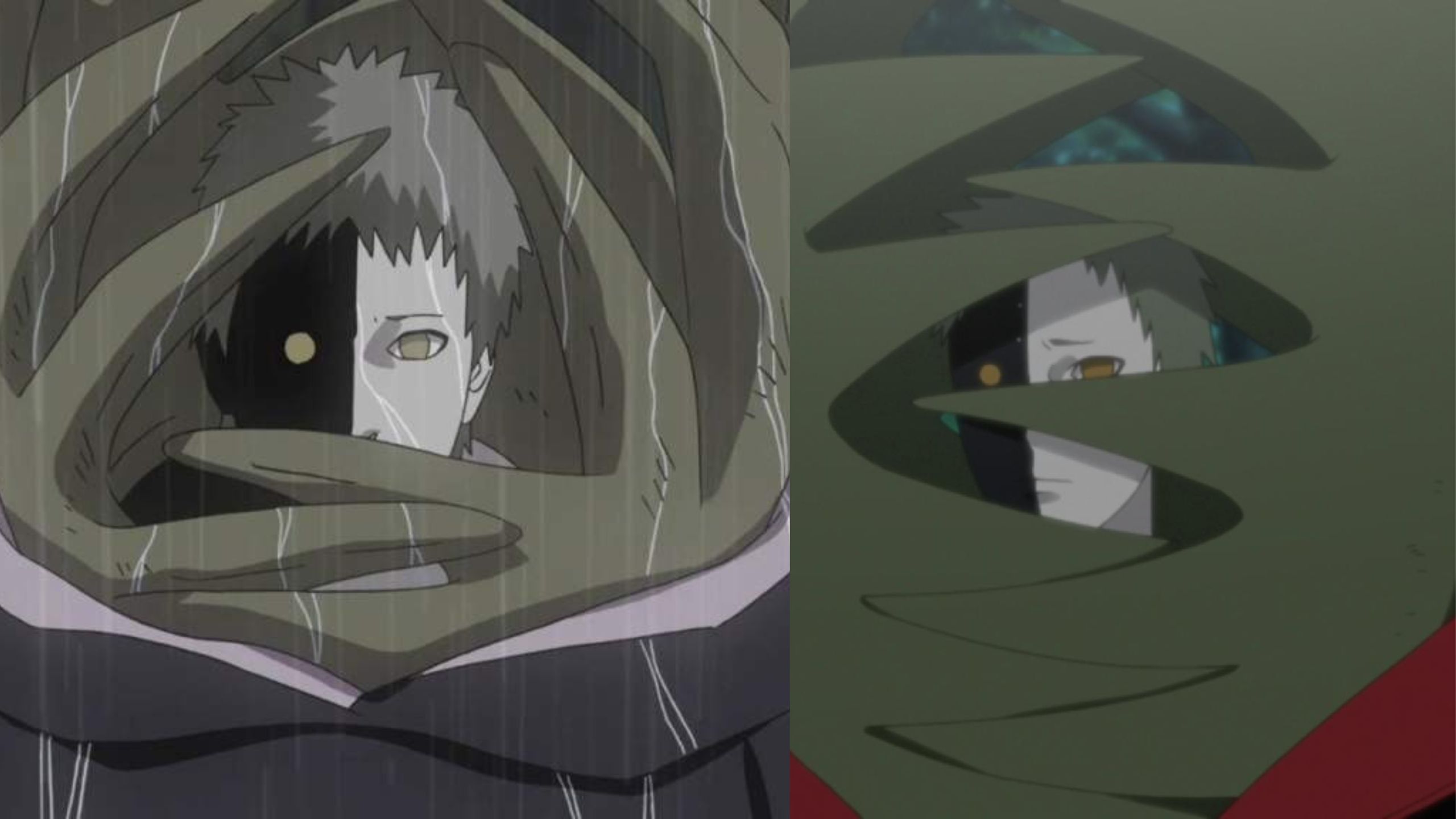
Black Zetsu From Naruto (Studio Pierrot)
By declaring himself a shinobi, Boruto signals that he and, by extension, his generation intend to uphold the values and determination that defined the shinobi of old.
In the original Naruto series, one of the most challenging aspects of the Fourth Great Ninja War’s ending was the revelation of Black Zetsu’s influence.
For fans who had invested years in the series, this twist felt like a betrayal. Naruto, Sasuke, and the other characters endured unimaginable hardships and confronted foes who pushed them to their limits.
They had grown and evolved, and their victories felt deserved. But the introduction of Black Zetsu as an agent of Kaguya’s will, manipulating events from behind the scenes, seemed to strip their struggles of meaning.
However, Boruto’s approach to the Otsutsuki narrative brings a refreshing change. It suggests that, while the Otsutsuki clan may have interfered in the past, the shinobi’s choices remain paramount.
The series implies that human willpower and the decisions of individual shinobi still drive the world forward.
This re-centers the story on human agency and reinstates the significance of each character’s actions, choices, and growth.
In many ways, Boruto is set up as a response to the dissatisfaction that arose from the Black Zetsu revelation.
It’s as though the creators recognized that Naruto’s journey and the journey of every shinobi character needed to be more than just a chapter in the Otsutsuki’s ancient plans.
Boruto thus aims to affirm that the world of shinobi is one where individuals are free to chart their paths, unbound by the hidden manipulations of cosmic entities.
Restoring the Heart of the Naruto Franchise
If Boruto succeeds in proving that shinobi are indeed the architects of their destinies, it would be more than just a narrative win it would be a restoration of the Naruto franchise’s core identity.
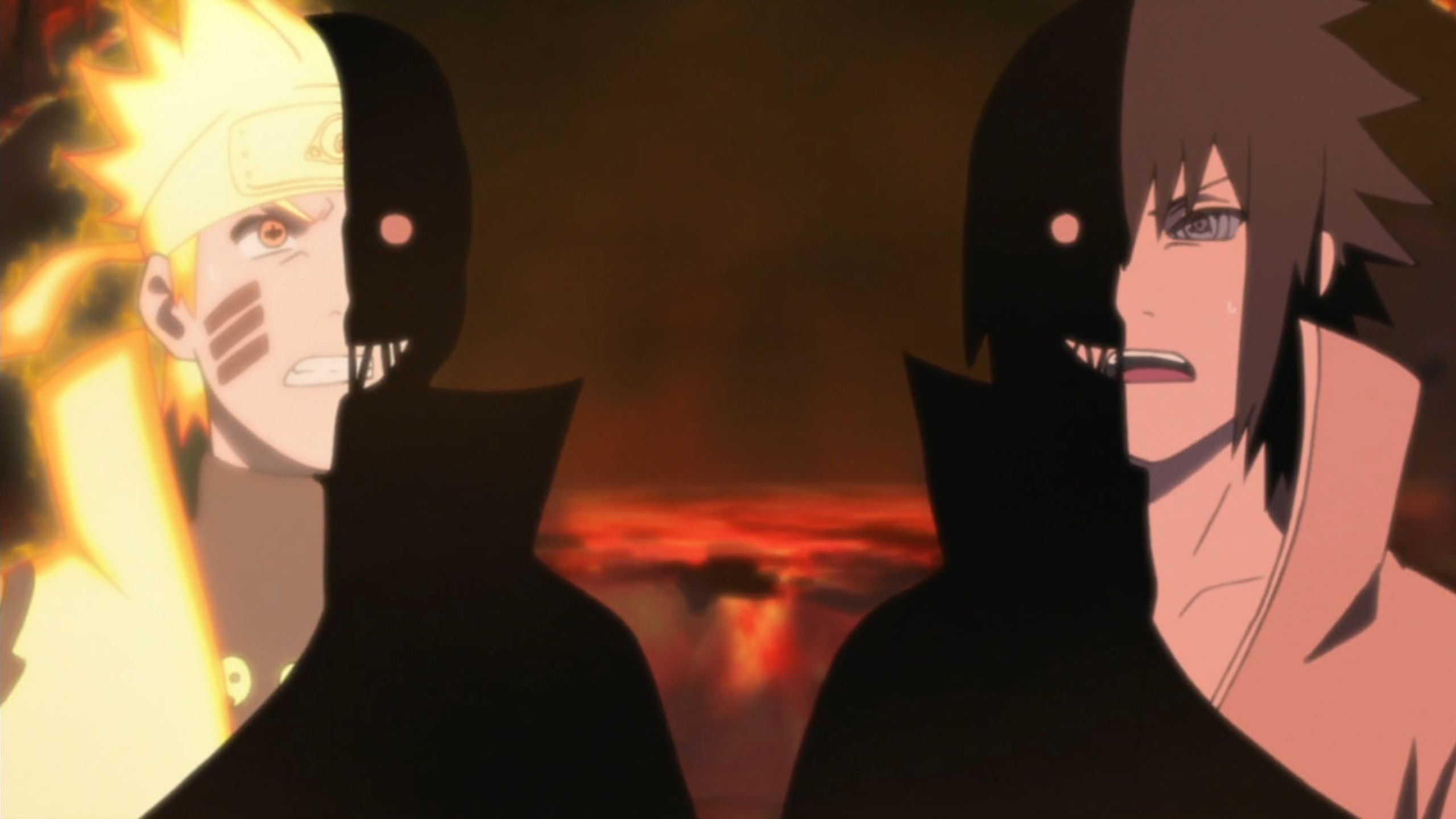
Black Zetsu Captured Naruto And Sasuke In Naruto (Studio Pierrot)
For a series that once symbolized resilience and growth, it’s essential that the characters are seen as empowered individuals who shape their futures through choice and sacrifice, not through the designs of an ancient clan.
By reclaiming this theme, Boruto would not only redeem the story but also pay homage to what made Naruto’s journey so inspiring.
For many fans, the notion that their beloved characters were mere pieces in a cosmic game was a disheartening realization.
By revisiting and reshaping this narrative, Boruto has the potential to validate the personal growth and sacrifices of characters like Naruto and Sasuke.
It reaffirms that their struggles were not merely orchestrated moves but genuine battles, fought with determination and courage.
The task for Boruto is monumental, but it holds the potential to repair a divide that many fans felt between the series’ ending and its underlying themes.
If Boruto can firmly reestablish the importance of human agency, it will not only enhance its own storyline but also reinforce the foundation upon which the Naruto franchise was built.
For fans, this would mean that the journeys of Naruto, Sasuke, and all the other shinobi were not in vain; their victories were real, and their growth was truly earned.
The Power of Human Will and Redemption in Boruto
The success of Boruto in reclaiming the agency of its characters would have far-reaching implications.
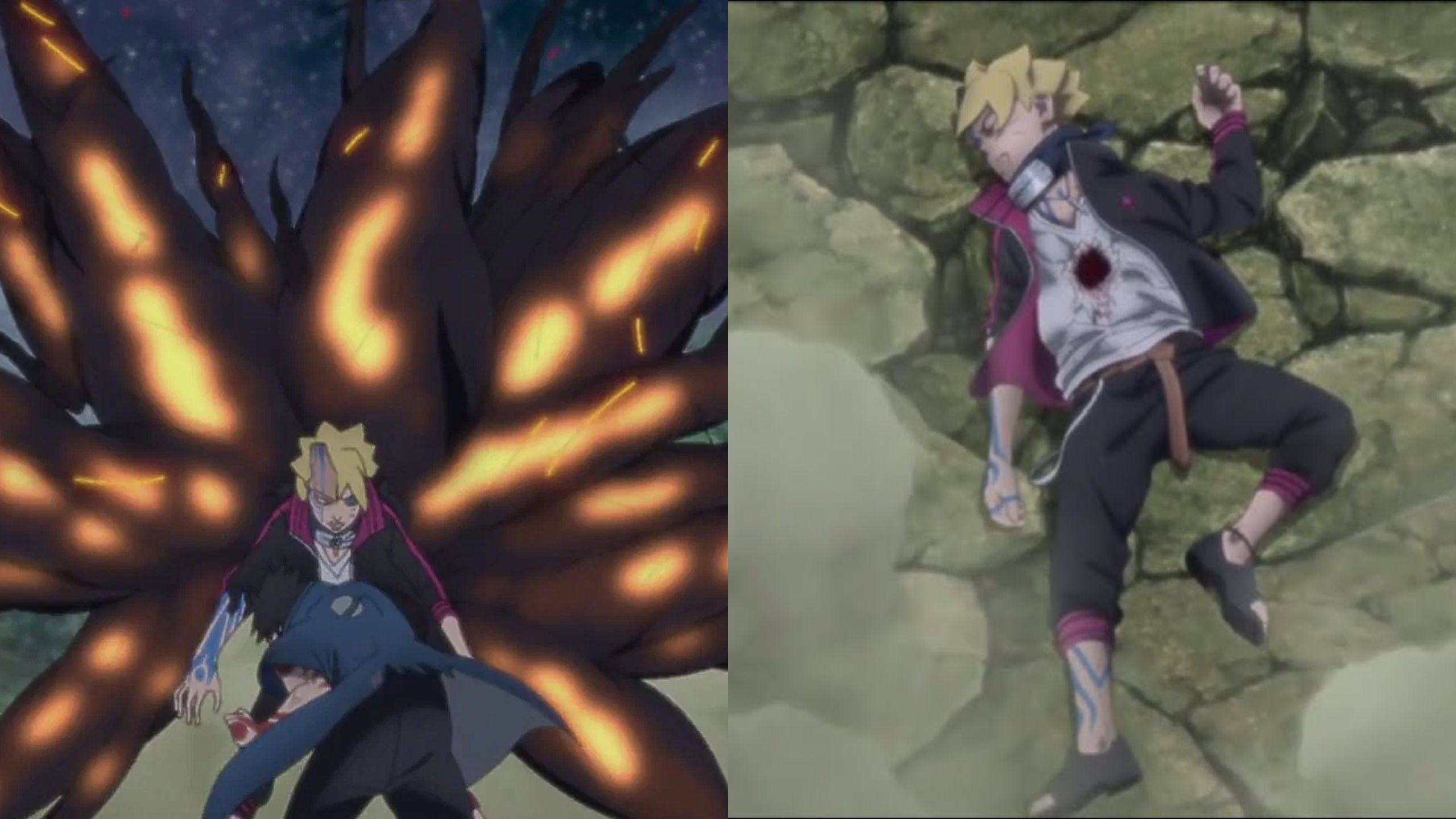
Kawaki Kills Boruto To Save Naruto (Left) Boruto (Right) (Via Pierrot)
It would serve as a reminder of the franchise’s core values and provide a compelling narrative that resonates with audiences.
At its heart, Naruto was always about the power of the human spirit and the idea that, no matter the obstacles, individuals have the strength to overcome and define their lives.
By challenging the Otsutsuki influence and emphasizing the choices and experiences of the shinobi, Boruto upholds this philosophy.
If Boruto successfully asserts that the human shinobi, rather than alien forces, are the true masters of their destinies, it will mark a turning point for the Naruto universe.
It will demonstrate that, despite the challenges and influences of powerful outsiders, the shinobi are still governed by their actions and relationships.
This focus on human potential over external manipulation aligns with the original series’ message: that true strength comes from within.
In doing so, Boruto has the chance to not only entertain fans with its story but to deliver a message that is both powerful and enduring.
By addressing the issues that troubled Naruto’s ending, Boruto could stand as a testament to the value of human determination and the belief that each individual has the power to shape their future.
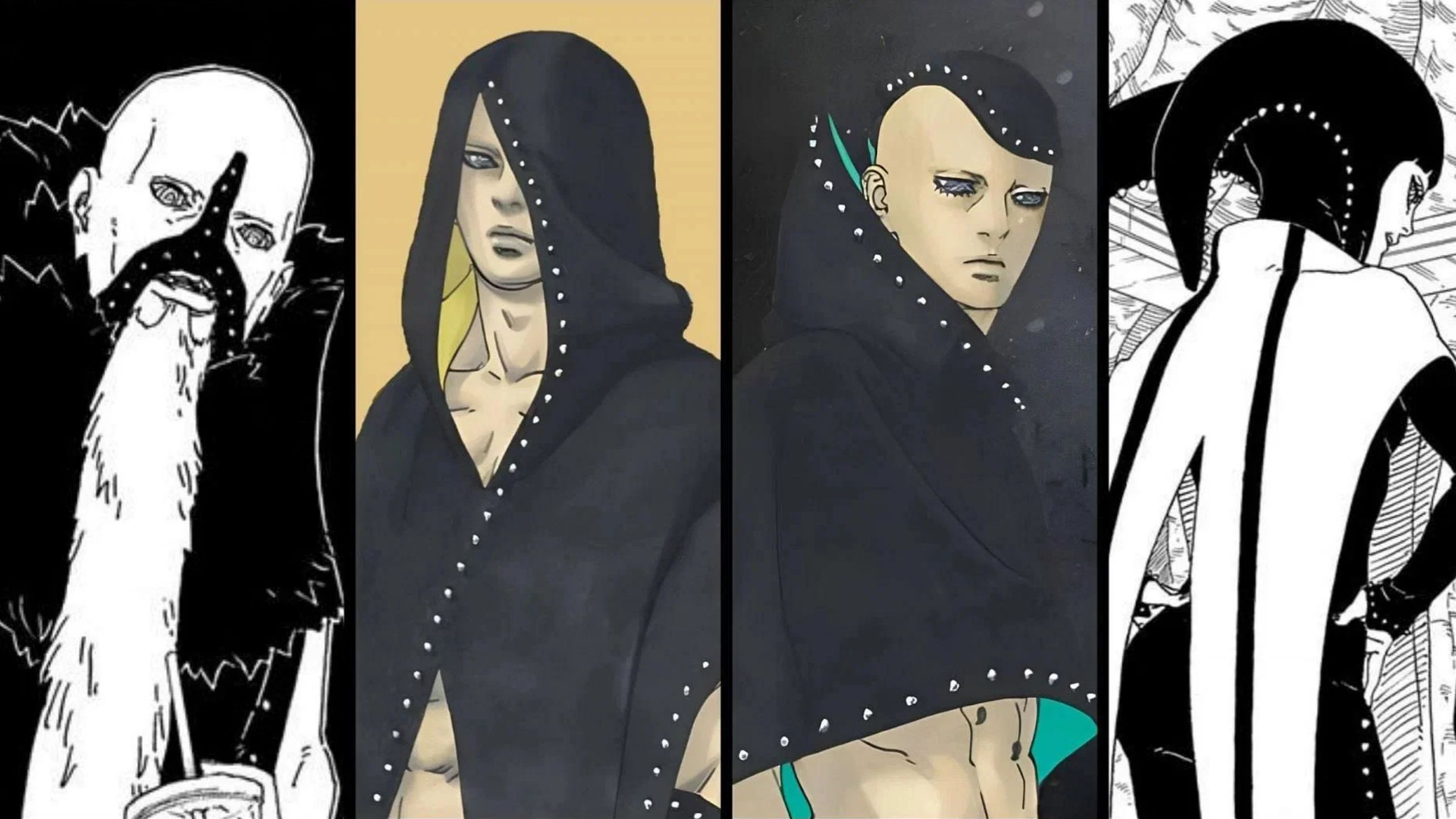
The Other Shinju (Studio Pierrot)
This would resonate deeply with fans who have grown up watching the series, reminding them that, even in the face of overwhelming forces, they have the power to stand tall and make choices that matter.
Boruto represents more than just the next generation of shinobi; it’s an opportunity to correct a narrative course that left many fans disillusioned.
By reestablishing the importance of human will, Boruto honors the legacy of Naruto and brings a fresh perspective to the franchise.
It asserts that, even in a world with cosmic influences, the spirit of a shinobi remains unbreakable and that, ultimately, the power to choose one’s path is the greatest strength of all.
Boruto may well be on its way to fixing what many considered Naruto’s biggest misstep, and in doing so, it reaffirms the timeless message that the true heroes of the story are those who fight with courage, heart, and unwavering resolve.
Movies about school shootings are not new, with films like Bowling For Columbine and The Fallout tackling the heavy subject matter. However, these stories remain tragically relevant in today’s society. The Graduates fit into this genre, sharing similarities with The Fallout by focusing on the survivors after a tragic event.
The film emphasizes friendship and showcases a standout performance by its lead, Mina Sundwall. Directed by Hannah Peterson, The Graduates stands out due to its thoughtful direction, making it feel both authentic and unique.
The Premise of The Graduates
The story of The Graduates revolves around a young woman named Genevieve, played by Mina Sundwall, during her senior year of high school. Her life includes typical teenage experiences, such as worrying about college applications, enjoying milkshakes, and swimming with friends.
These relatable moments ground the film in reality. However, it quickly becomes evident that Genevieve faces significant challenges. Her boyfriend, Tyler, was a victim of a school shooting the previous year, and she was present in the building during the tragedy.
The trauma of losing her boyfriend deeply affects Genevieve. She grapples with her feelings of grief, confusion, and the desire to remember Tyler while trying to move forward with her life. The film effectively portrays her emotional journey as she faces the aftermath of the shooting. Genevieve’s struggle is a powerful reminder of how young people cope with loss and how such experiences shape their identities and relationships.
Ben: The Other Survivor
Another key character in the story is Ben, Tyler’s best friend, portrayed by Alex Hibbert. Ben skipped school on the day of the shooting, which leaves him with a heavy burden of survivor’s guilt. He believes he should have been there for Tyler, and this feeling weighs heavily on him.
To cope, Ben transfers to a different school and eventually decides to drop out to pursue his GED. His journey highlights the far-reaching impact of such tragedies on friends and family, as well as the difficulties faced by those left behind.
As the one-year anniversary of Tyler’s death approaches, Genevieve and Ben reconnect. Their renewed friendship serves as a crucial element of the narrative, allowing both characters to confront their feelings and support each other in their healing processes. This relationship emphasizes the importance of human connection and understanding in overcoming trauma.
A Standout Performance: Mina Sundwall as Genevieve
Mina Sundwall delivers a powerful performance as Genevieve, bringing depth and nuance to the character. The role could easily slip into cliché, portraying Genevieve as either an overly emotional girlfriend or a stoic figure. However, Sundwall strikes a delicate balance, showcasing Genevieve’s vulnerability and strength.
Her performance allows the audience to empathize with Genevieve’s struggles, making her journey feel genuine and relatable.
When Genevieve experiences moments of breakdown or anger, Sundwall’s portrayal becomes even more impactful. These raw moments resonate deeply, emphasizing the weight of Genevieve’s grief and allowing viewers to feel her pain. If there is any justice in the film industry, this role will mark a significant point in Sundwall’s career, opening doors for more prominent opportunities.
Alex Hibbert’s portrayal of Ben is equally commendable, adding emotional depth to the story. Ben’s survivor’s guilt and his efforts to live life after tragedy resonate with the audience. The chemistry between Sundwall and Hibbert creates a strong foundation for the film, allowing their authentic friendship to shine through.
As their bond evolves into something deeper, the romance feels genuine and beautifully captured, further enhancing the emotional weight of the story.
Supporting Characters: Adding Dimension to the Narrative
The film also features Yasmeen Fletcher and Ewan Manley, who play members of Genevieve and Ben’s friend group. They bring a refreshing dynamic to the story, providing moments of levity amidst the heavy themes. Their portrayal of Generation Z feels relatable and authentic, avoiding common stereotypes and instead showcasing the complexities of young adulthood.
While the adult characters take a backseat in the story, they play vital roles in shaping the narrative. John Cho shines as the school’s basketball coach and Tyler’s father, showcasing his own journey through grief. The film hints at the father’s struggles but could benefit from more clarity in his character arc.
Similarly, Kelly O’Sullivan plays a supportive school counselor, defying the typical portrayal of overly cheerful or harsh authority figures. Her nurturing presence is vital for the students, though further development of her backstory would enhance her role.
One of the film’s most touching aspects is the relationship between Genevieve and her mother, portrayed by Maria Dizzia. Their bond is beautifully depicted, highlighting the importance of family support during challenging times.
The mother’s fierce love and compassion shine through, particularly in moments where Genevieve allows herself to lean on her. These tender interactions provide comfort and catharsis amidst the turmoil, reinforcing the idea that healing often comes from those we love.
The Director’s Vision: Hannah Peterson’s Approach
Director Hannah Peterson brings a thoughtful vision to The Graduates, mentoring under filmmakers like Sean Baker and Chloé Zhao. Their influence is evident in her work, particularly in the natural, lived-in quality of the cinematography and performances.
Peterson’s decision to avoid flashbacks to the shooting keeps the film from feeling exploitative or overly dramatic. Instead, she allows the characters’ experiences and emotions to carry the narrative.
Peterson’s confidence in her characters leads to a focus on meaningful details that enhance the story. Elements such as metal detectors at the school and memorials for the victims serve as powerful reminders of the tragedy without overwhelming the audience. The film effectively communicates the pain of the characters’ experiences through subtle references and details.
The film also highlights Tyler’s presence, despite him not appearing in lengthy flashbacks. Genevieve’s recollections, including a light-hearted moment from when Tyler came over for dinner, give life to his character.
This storytelling approach allows the audience to connect with Tyler, making his absence felt throughout the film. The ability to infuse Tyler with personality and depth without showing him on screen is a testament to Peterson’s skill as a director.
Addressing Unexplored Themes: Room for Growth
While The Graduates excel in many areas, certain elements feel underdeveloped or rushed. The arcs for Tyler’s father and the school counselor, as well as Genevieve’s interest in photography and the characters’ faith lives, could benefit from further schemes.
The film’s primary focus on the present and the relationships among the main characters leads to delightful moments but sometimes sacrifices depth in secondary storylines.
There are no clear villains or antagonists in the film, which adds to its authenticity. Even strict teachers show understanding and compassion, reinforcing the notion that everyone is facing their own grief. The absence of a traditional antagonist allows the film to emphasize the shared experience of loss within the community.
Conclusion: A Message of Hope Amidst Grief
The Graduates concludes on a hopeful note, reminding viewers that learning to live with grief is a continuous process. This message resonates with anyone who has experienced loss, making it a universal theme. The film is a compelling drama that showcases incredible performances and confident direction.

Still from The Graduates (Credit: The Future of Film is Female)
Though it may be a quieter film, The Graduates carries a strong message and perspective. The combination of personal journeys, deep friendships, and a supportive community creates a rich narrative that lingers in the minds of viewers. As the film unfolds, it invites the audience to reflect on their own experiences with loss and the power of connection.
T he Graduates is not just a story about tragedy but also about resilience and hope. As viewers, we are left eager to see what director Hannah Peterson and lead actress Mina Sundwall will create in the future. Their work in The Graduates marks a promising start to what could be long and impactful careers.
The Graduates is currently in theaters, offering a thought-provoking experience that captures the complexities of grief and the strength found in friendship. It serves as a poignant reminder of the resilience of the human spirit, even in the face of unimaginable loss.
