Since Boruto: Naruto Next Generations began, fans have been comparing the protagonist, Boruto Uzumaki , to his grandfather, Minato Namikaze the legendary Fourth Hokage of Konoha.
Unlike Boruto’s father, Naruto Uzumaki, who overcame numerous challenges to achieve his dreams, Boruto’s character showed signs of prodigious talent from an early age, much like Minato did.
Known for his natural genius, Minato’s remarkable speed and mastery over complex techniques left an unforgettable mark on the ninja world.
Although Boruto inherited his father’s confidence, his exceptional abilities made him seem closer to Minato’s legacy.
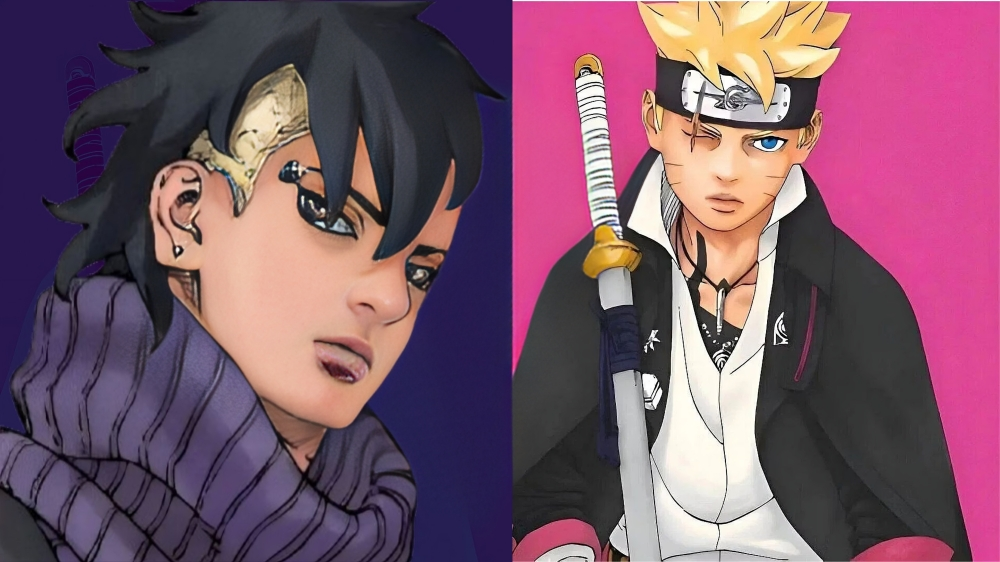
Kawaki And Boruto (Shueisha)
However, many fans were initially skeptical, arguing that Boruto lacked the maturity and discipline required to be a “worthy successor” to Minato’s legacy.
Throughout Boruto’s journey, his abilities and character have developed significantly, showing clear signs that he’s growing into a shinobi who respects his lineage and learns to embrace the values and responsibilities that come with it.
While the earlier chapters of Boruto may have shown him as brash and occasionally rebellious, recent events in the manga have shifted this perspective.
With the revelation of Boruto’s own version of the Flying Thunder God Technique, Boruto has achieved something that truly places him in line with Minato’s legendary prowess.
Here’s how Boruto’s journey has gradually proven that he is, in fact, a worthy successor to Minato’s incredible legacy.
Comparing Boruto and Minato’s Natural Genius
One of the primary reasons fans started comparing Boruto to Minato early on was his natural talent and intellect.
Minato was celebrated for being a genius and a prodigy, a ninja who rose through the ranks quickly and mastered techniques that others found daunting.
His speed and mastery over the Flying Thunder God Technique earned him the title of “Yellow Flash,” making him one of the most respected shinobi in Konoha’s history.
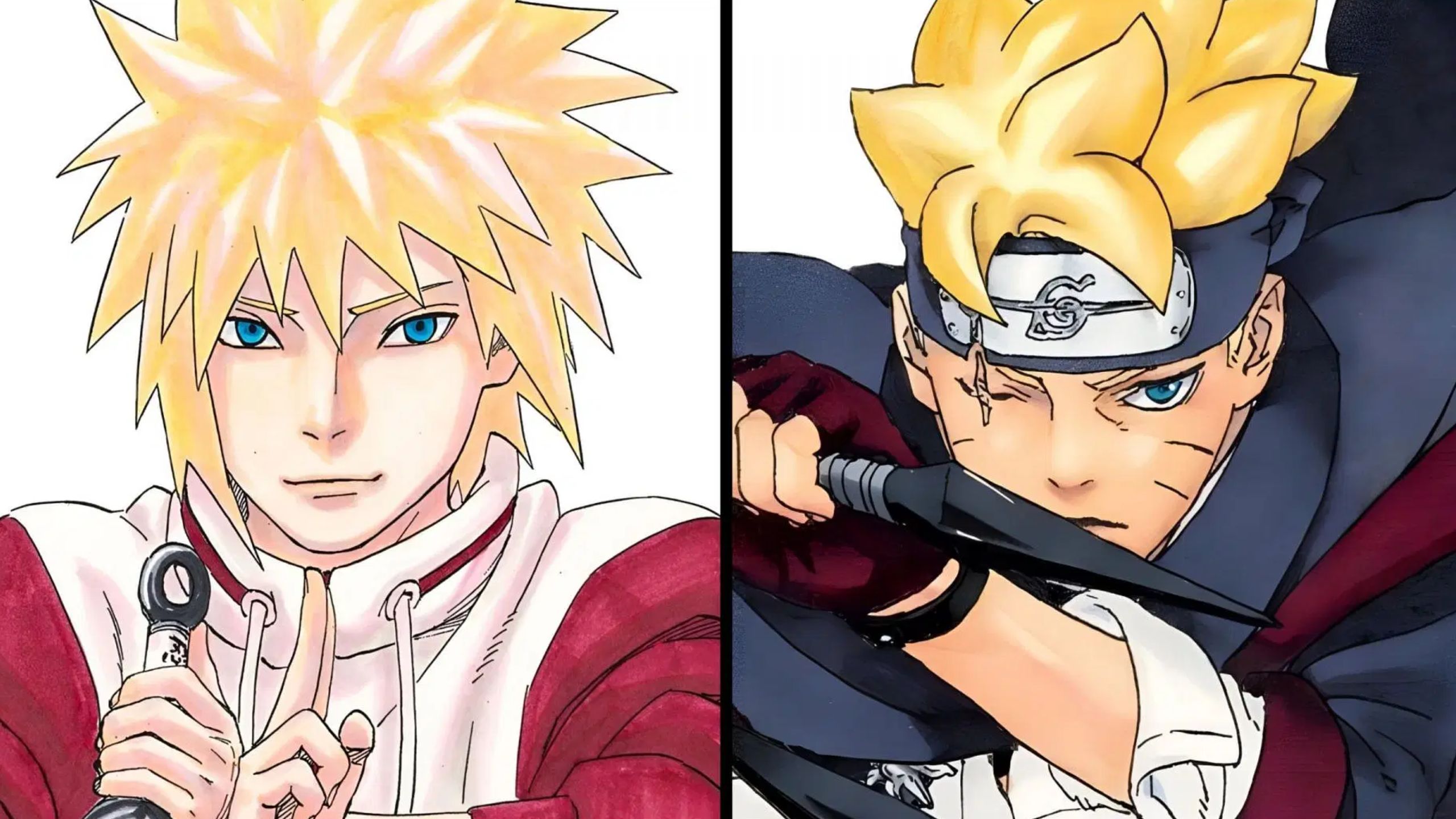
Minato And Boruto (Shueisha)
Although Minato did not come from a famous clan with unique abilities, his unparalleled skill and intelligence set him apart as a force to be reckoned with.
Boruto, by contrast, began his journey under a vastly different set of circumstances. Born into privilege as the son of the Seventh Hokage, he didn’t have to face the same hardships Naruto or even Minato did.
However, from a young age, Boruto displayed a remarkable aptitude for ninja techniques. Unlike his father, who struggled initially with ninjutsu, Boruto quickly picked up advanced skills, surprising those around him.
He demonstrated an ability to think quickly, adapt to situations, and perform jutsu with a finesse that resembled Minato’s natural talents.
Boruto’s rapid progress earned him the reputation of a genius within his generation, sparking comparisons to Minato’s own youthful excellence.
Despite this, many fans were hesitant to fully embrace the idea of Boruto as a successor to Minato’s legacy.
Boruto’s early behavior arrogant and resentful of his father’s role as Hokage made it difficult for some to see him as a mature, responsible shinobi.
Minato was admired not only for his strength but also for his humility, wisdom, and deep sense of duty.
For Boruto to prove himself worthy, he would need to develop similar qualities, something fans doubted he could achieve.
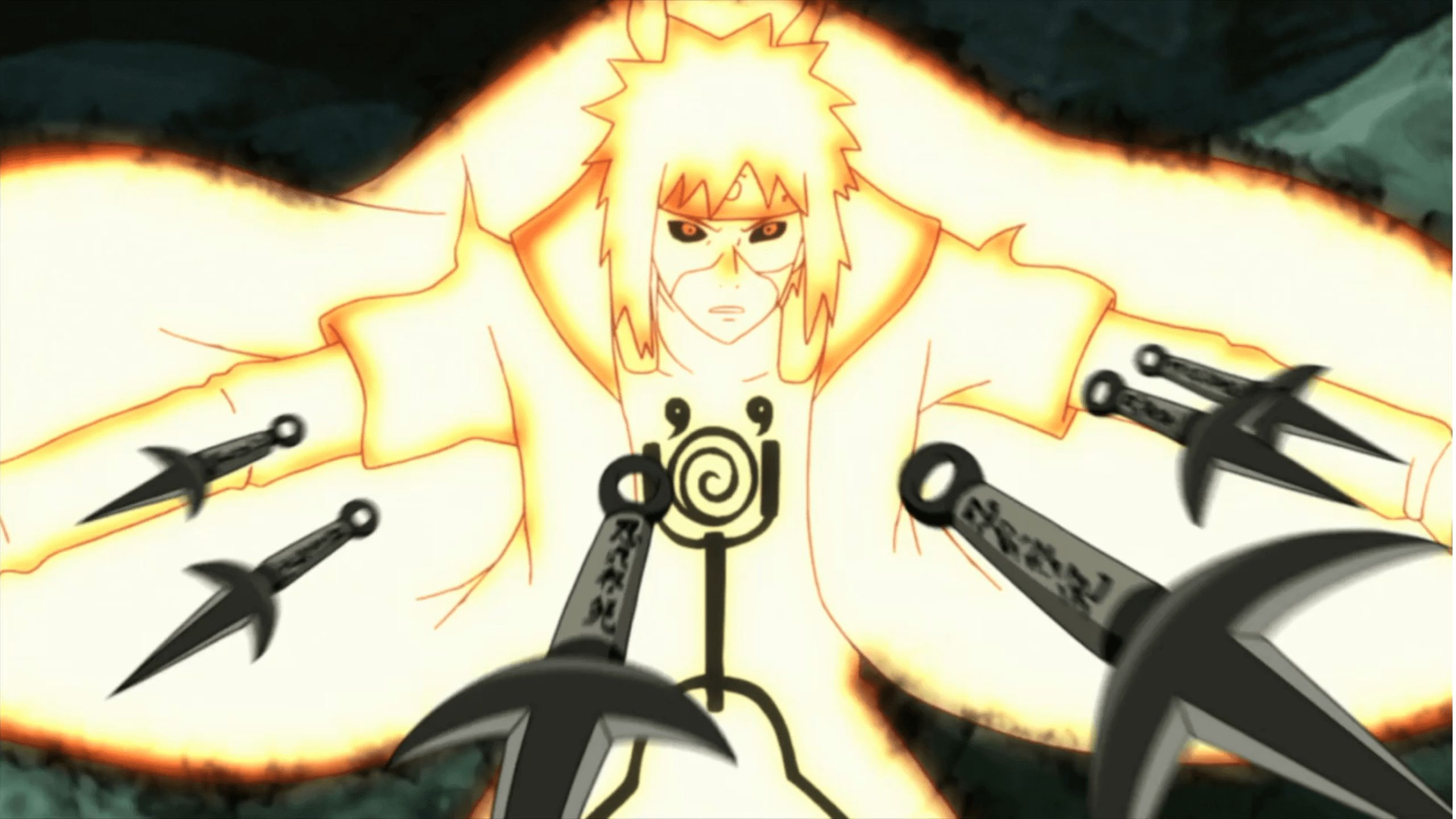
Minato Using Flying Raijin (Studio Pierrot)
However, as the story unfolds, Boruto’s character has evolved, showing that he has the potential to not only match his grandfather’s skills but also to embody his values.
Boruto’s Journey to Mastering Space-Time Ninjutsu
One of the most pivotal moments in Boruto’s journey has been his pursuit of Space-Time Ninjutsu, an advanced form of ninjutsu that allows the user to manipulate time and space.
In the Naruto universe, Space-Time Ninjutsu is exceptionally difficult to master, with very few shinobi capable of using it effectively.
Minato’s Flying Thunder God Technique, which allowed him to teleport instantaneously to marked locations, is a prime example of this kind of power.
This technique played a significant role in Minato’s legacy, making him one of the most feared and respected shinobi in the world.
For Boruto, the journey toward mastering a similar technique began with his Karma, a mysterious mark given to him by the Otsutsuki clan.
Karma granted Boruto access to abilities far beyond those of ordinary shinobi, including a form of Space-Time Ninjutsu.
However, unlike Minato’s technique, Boruto’s initial teleportation abilities were unstable and unpredictable, as they relied on the power of the Otsutsuki rather than his own skill.
This lack of control frustrated Boruto, who realized that he needed a more reliable method if he hoped to wield such power effectively.
In recent chapters, Boruto’s determination to create a stable Space-Time Ninjutsu technique has been a driving force in his training.
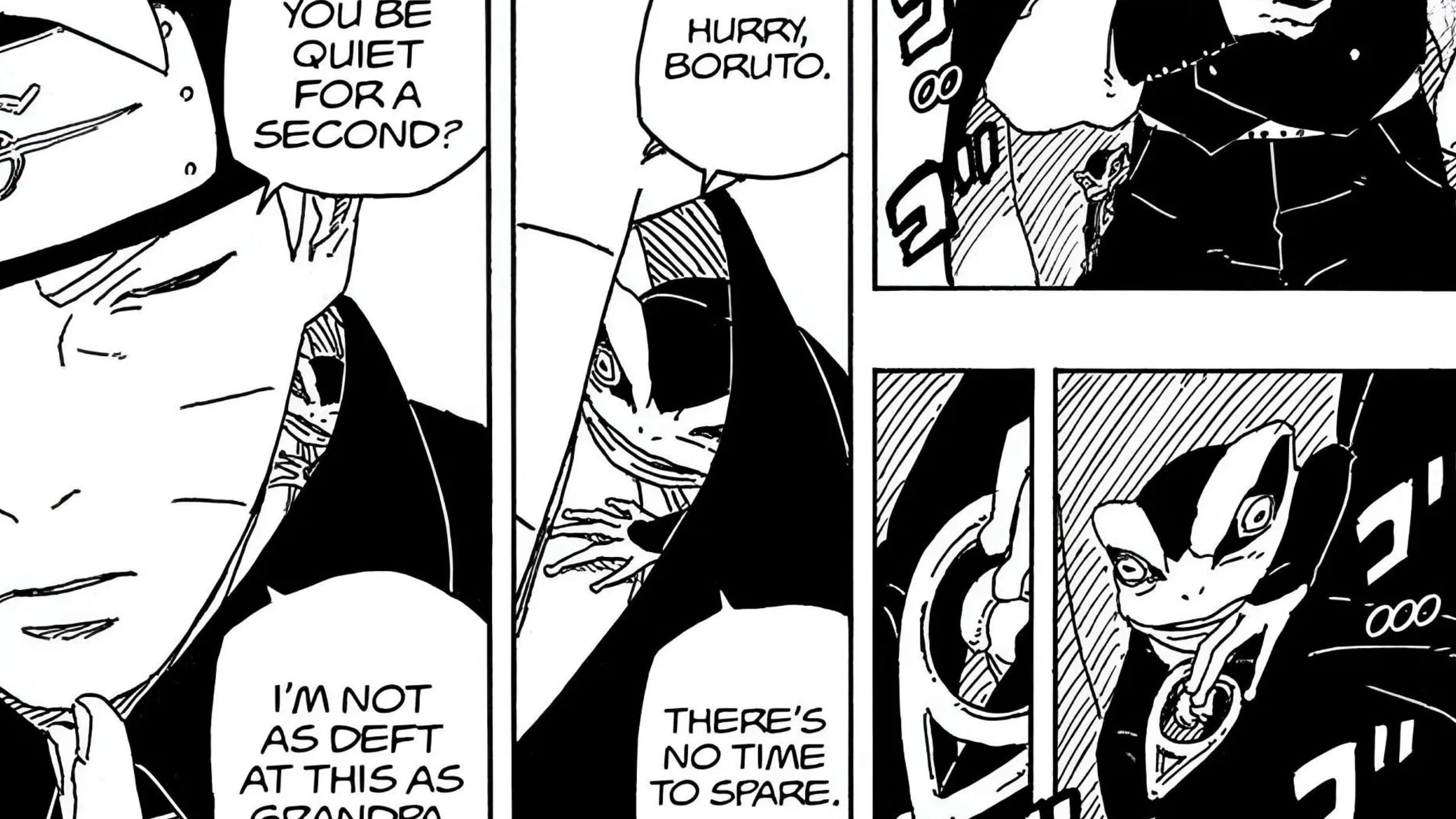
The Protagonist Using The Flying Thunder God Technique In The Manga (Shueisha)
Over a period of six years, he worked tirelessly to find a way to harness this power independently, without relying on the unpredictable nature of Karma.
His efforts eventually led him to create his own version of the Flying Thunder God Technique, one that is uniquely his own.
This achievement not only reflects his intelligence and creativity but also demonstrates his willingness to put in the hard work required to master such a challenging skill.
Kashin Koji’s Influence on Boruto’s Development
Another essential factor in Boruto’s growth as a shinobi has been his relationship with Kashin Koji, a mysterious figure with strong ties to the past.
Kashin Koji, who bears a striking resemblance to Jiraiya, has been an invaluable mentor to Boruto, helping him understand both the potential and the limitations of his powers.
In Boruto: Two Blue Vortex chapter 16, a flashback reveals a training session between Boruto and Koji, where they discuss the intricacies of Space-Time Ninjutsu and the challenges of mastering such a technique.
Kashin Koji’s role in Boruto’s life has been similar to that of Jiraiya in Naruto’s journey.
Just as Jiraiya guided Naruto and helped him develop into a powerful shinobi, Koji has provided Boruto with the guidance and knowledge he needs to grow.
Through his training with Koji, Boruto learned that power alone is not enough; it must be refined, controlled, and used responsibly.
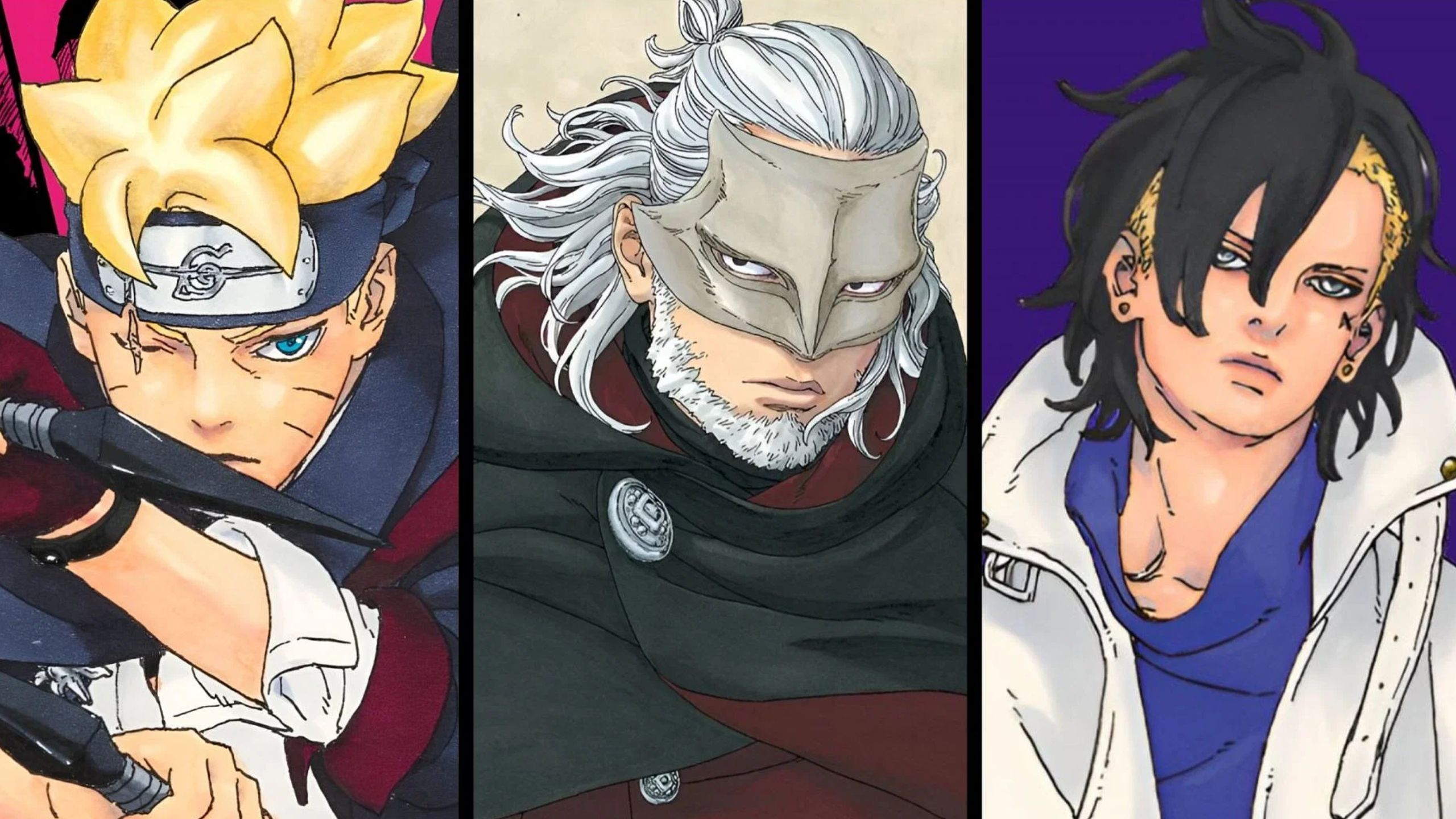
Boruto, Koshin Kaji And Kawaki (Shueisha)
This lesson has had a profound impact on Boruto’s development, instilling in him a sense of discipline and patience that was often lacking in his earlier years.
Koji’s mentorship has also helped Boruto move beyond his reliance on Karma, teaching him that true strength comes from within.
By focusing on his own chakra and abilities, Boruto has been able to create a technique that mirrors his grandfather’s legacy without depending on external powers.
This process has been a crucial part of his journey toward maturity, showing that he has the potential to live up to the legacy of the Fourth Hokage.
Creating a Unique Version of the Flying Thunder God Technique
Boruto’s version of the Flying Thunder God Technique is a testament to his ingenuity and adaptability as a shinobi.
While Minato’s original jutsu involved marking specific locations with a special seal, allowing him to teleport instantly, Boruto’s adaptation uses ninja tools as a medium for his teleportation.
By infusing these tools with his chakra, Boruto can teleport to their location, creating a technique that, while different from Minato’s, achieves a similar effect.
However, Boruto’s technique is not without its limitations. Unlike Minato’s instantaneous teleportation, Boruto’s version requires him to carefully manage his chakra-infused tools, making it more complex and challenging to use.
Additionally, while Minato could teleport instantly over vast distances, Boruto’s technique takes longer, especially when the destination is far away.
This slower teleportation makes it less effective in high-speed combat scenarios, though it still offers Boruto a significant advantage.
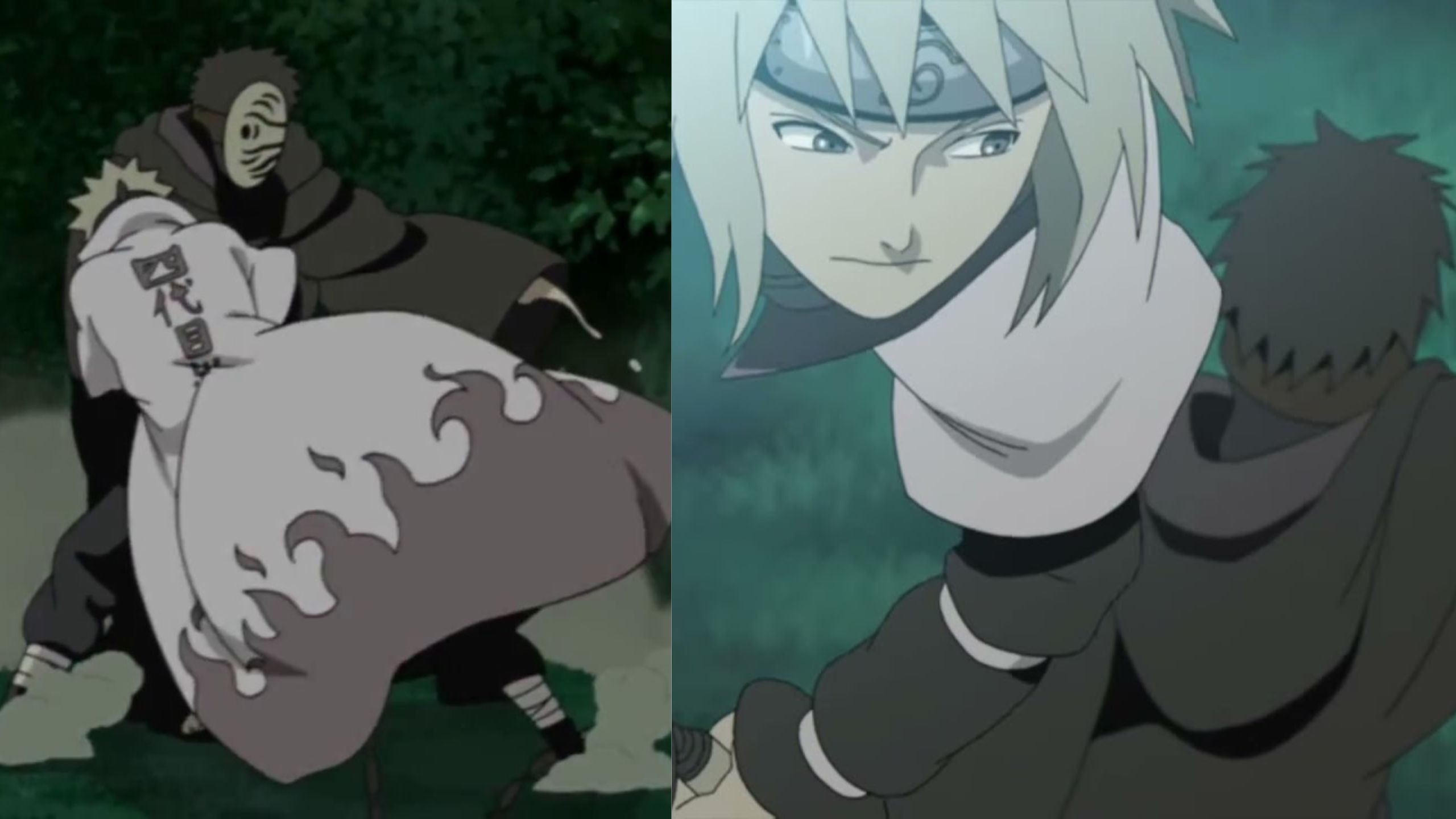
Obito Uchiha Vs Minato Namikaze In Naruto (Studio Pierrot)
To overcome these limitations, Boruto developed a method of organizing his tools by shape, allowing him to differentiate between various teleportation points.
This innovation not only showcases his intelligence and resourcefulness but also enables him to use the technique more effectively, even in complex situations.
By creating a system that allows him to manage multiple teleportation points, Boruto has shown a level of strategic thinking that is rare among shinobi of his generation.
Honoring Minato’s Legacy Through His Technique’s Name
One of the most powerful aspects of Boruto’s achievement is his decision to name his new technique after Minato’s Flying Thunder God Technique.
Despite the differences between the two jutsu, Boruto chose to honor his grandfather’s legacy by giving his own teleportation technique the same name.
This decision is deeply symbolic, reflecting Boruto’s respect for his family’s history and his desire to live up to the example set by Minato.
For Boruto, naming his technique after the Flying Thunder God represents a turning point in his character.
In the past, Boruto often felt weighed down by his family’s legacy, struggling to find his own path while living in the shadow of his father and grandfather.
By naming his jutsu after Minato’s, Boruto has embraced his heritage, acknowledging the importance of his family’s contributions to the ninja world.
This act demonstrates a newfound maturity, showing that Boruto no longer sees his lineage as a burden but as an inspiration to achieve greatness.
Boruto’s decision to adopt the Flying Thunder God name also symbolizes his commitment to upholding the values that Minato represented.
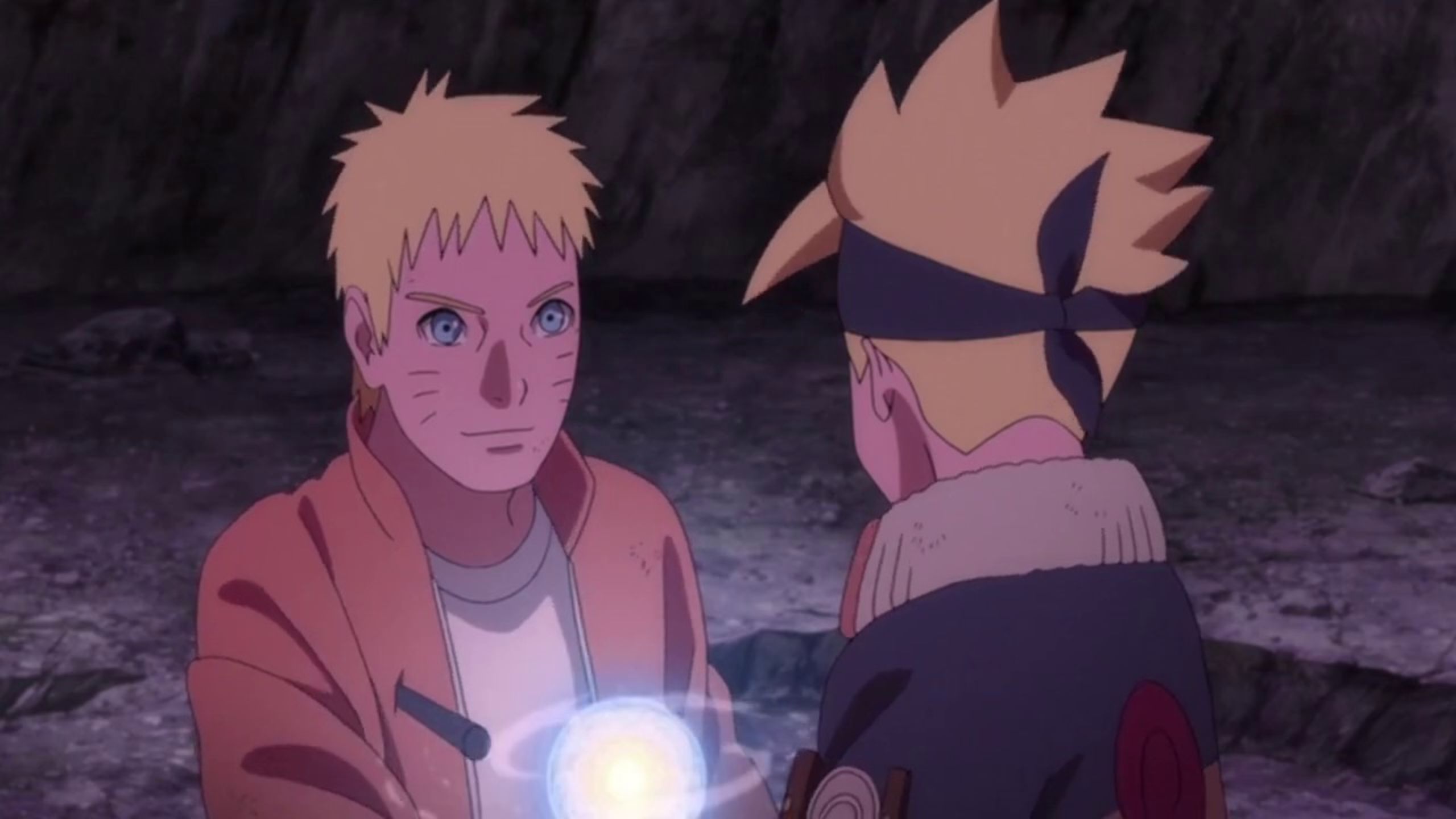
Boruto With Naruto And Boruto Using Rasengan (Crunchyroll)
The Fourth Hokage was not only a powerful shinobi but also a wise and compassionate leader who put the well-being of his village above all else.
By following in Minato’s footsteps, Boruto shows that he understands the responsibility that comes with such power and that he is prepared to use his abilities for the benefit of others.
Boruto’s Journey from Rebel to Responsible Shinobi
Boruto’s transformation from a rebellious child to a responsible shinobi has been a key theme in the series.
At the beginning of his journey, Boruto was often frustrated with his father’s role as Hokage, feeling neglected and resentful.
This resentment led him to act out, seeking attention and validation in ways that were often reckless.
However, as he has grown and faced various challenges, Boruto has come to understand the true nature of leadership and responsibility.
Through his training with Koji, his development of the Flying Thunder God Technique, and his decision to honor his family’s legacy, Boruto has shown a level of growth that few could have predicted.
He has moved beyond his initial frustrations, embracing his role as a shinobi and recognizing the importance of carrying on the values of those who came before him.
In doing so, he has proven himself not only as a worthy successor to Minato but as a young man who has the potential to become a powerful leader in his own right.
Boruto’s journey is far from over, and it is likely that he will continue to face new challenges and obstacles.
However, with each step forward, he brings honor to his family’s legacy, showing that he has the strength, wisdom, and determination to carry on the spirit of the Fourth Hokage.
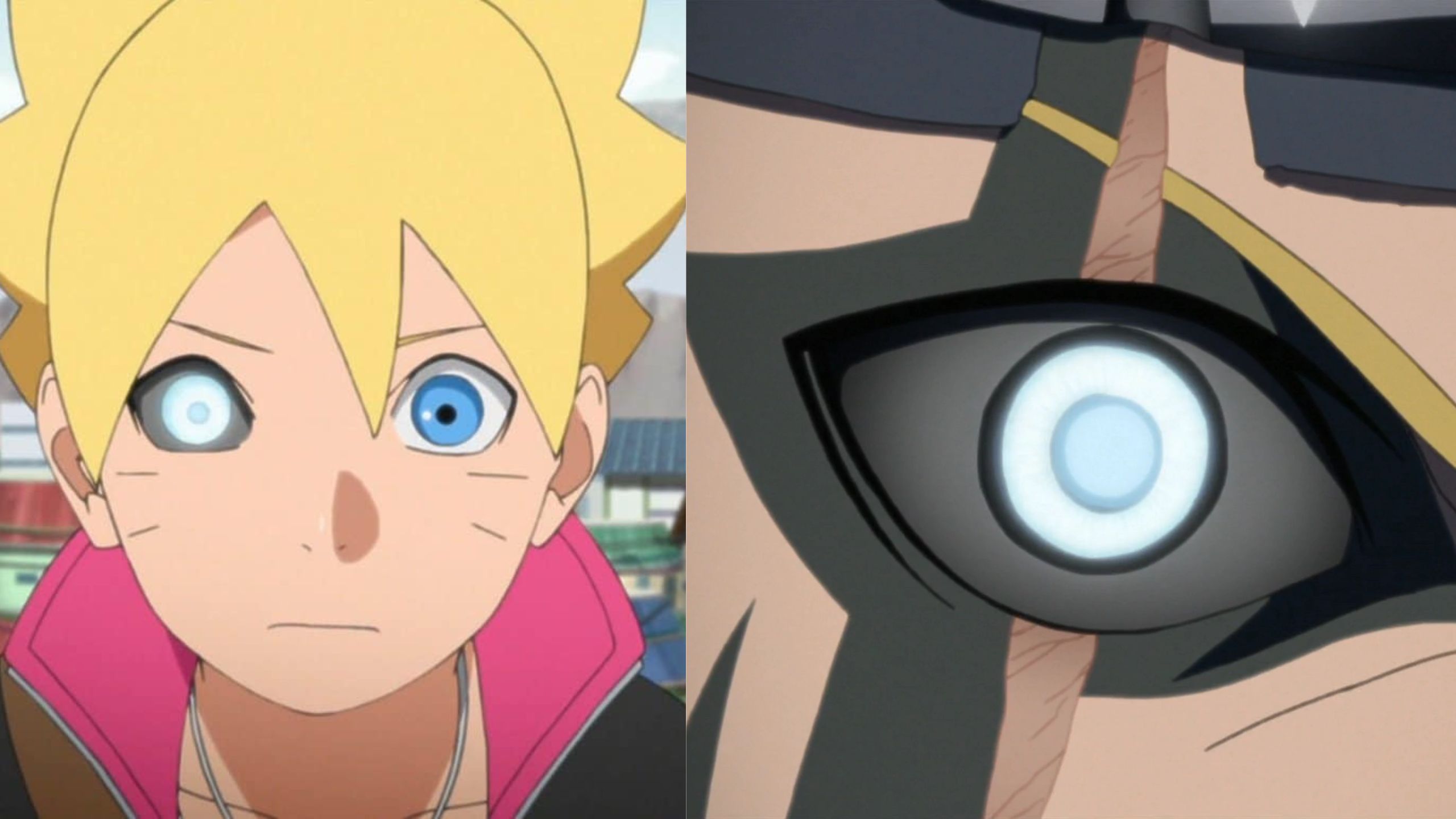
Boruto Jogan (Pierrot)
By forging his path and developing his version of the Flying Thunder God Technique, Boruto has truly proven himself as Minato’s worthy successor.
In the Boruto world, where the legacy of past generations is always present, Boruto’s journey serves as a powerful reminder of the importance of family, heritage, and personal growth.
By embracing his lineage and forging his way forward, Boruto has not only honored the memory of Minato Namikaze but also set a powerful example for the next generation of shinobi.
His achievements demonstrate that true strength lies not just in power but in wisdom, responsibility, and a commitment to using one’s abilities for the greater good.
In doing so, Boruto has shown that he is indeed Minato’s worthy successor, carrying forward the values and legacy of the Fourth Hokage into a new era.
The Jujutsu Kaisen manga has been a monumental success, attracting the audiences with its intense action, deep character development, and exploration of the darker aspects of humanity.
Among the most compelling aspects of the series has been the complex and ever-evolving relationship between Yuji Itadori and Sukuna, the King of Curses.
The release of volumes 29 and 30 marks a pivotal moment in this saga, one that brings their intertwined stories full circle.
From their initial dynamic of domination and subjugation to the stunning climax of Yuji’s rise to power, these volumes serve as a testament to Yuji’s growth, resilience, and the overarching themes of redemption, justice, and heroism that Jujutsu Kaisen explores.
The Initial Imbalance of Power Between Yuji and Sukuna
At the outset of Jujutsu Kaisen , the power imbalance between Yuji and Sukuna could not have been more apparent.
Sukuna, an ancient curse with an unparalleled level of power, dominates the story from the very moment he enters Yuji’s life.
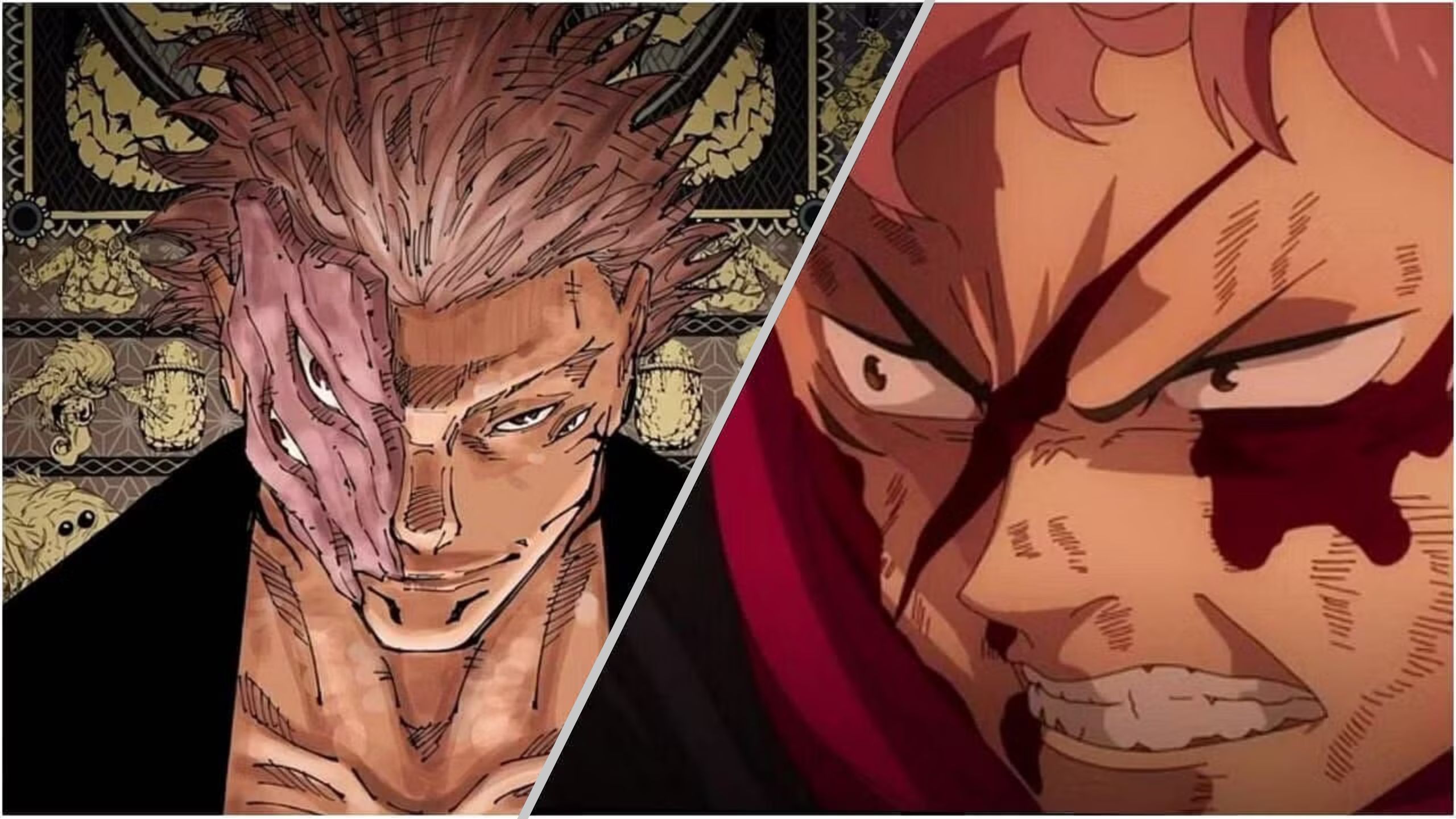
Sukuna and Yuji are going to have a final battle (Image via Shueisha and MAPPA)
Upon consuming one of Sukuna’s fingers, Yuji unknowingly becomes the vessel for this terrifying being, marking the beginning of a harrowing journey.
Initially, Yuji is powerless against Sukuna. The curse, seated in his body, asserts its dominance, often taking control of Yuji’s actions when it pleases, causing a great deal of inner turmoil and conflict for the young sorcerer.
In these early chapters, the symbolic imagery of Sukuna’s throne of bones is introduced. The throne represents not just his physical power but also the psychological dominance he holds over Yuji.
Sukuna is often depicted as sitting on this throne, looking down at Yuji as if he were a mere tool, a powerless host for his immense curse.
At this point in the story, Yuji’s purpose seems to be solely that of a vessel he is unable to exert any control over his own body when Sukuna decides to take charge, and he is at the mercy of this powerful entity.
However, this imbalance does not remain for long. The key to Yuji’s journey is his relentless growth, his undying resolve, and the relationships he builds along the way.
As the story progresses, we witness Yuji’s transformation from a helpless bystander into a formidable sorcerer in his own right, capable of not only surviving Sukuna’s influence but also standing up to him.
Yuji’s Growth and the Symbolism of Role Reversal
As the Jujutsu Kaisen saga progresses, Yuji’s character arc becomes one of the most compelling aspects of the series.
Initially a naive and impulsive teenager, Yuji matures both as a sorcerer and as an individual. His growth is not merely a result of his combat skills, but also his emotional and psychological development.
Through his interactions with his friends, mentors, and allies, Yuji comes to understand the deeper complexities of the world around him.
He learns to steer across the complexities of his own existence, struggling with the weight of the curse within him while also trying to hold on to his humanity.
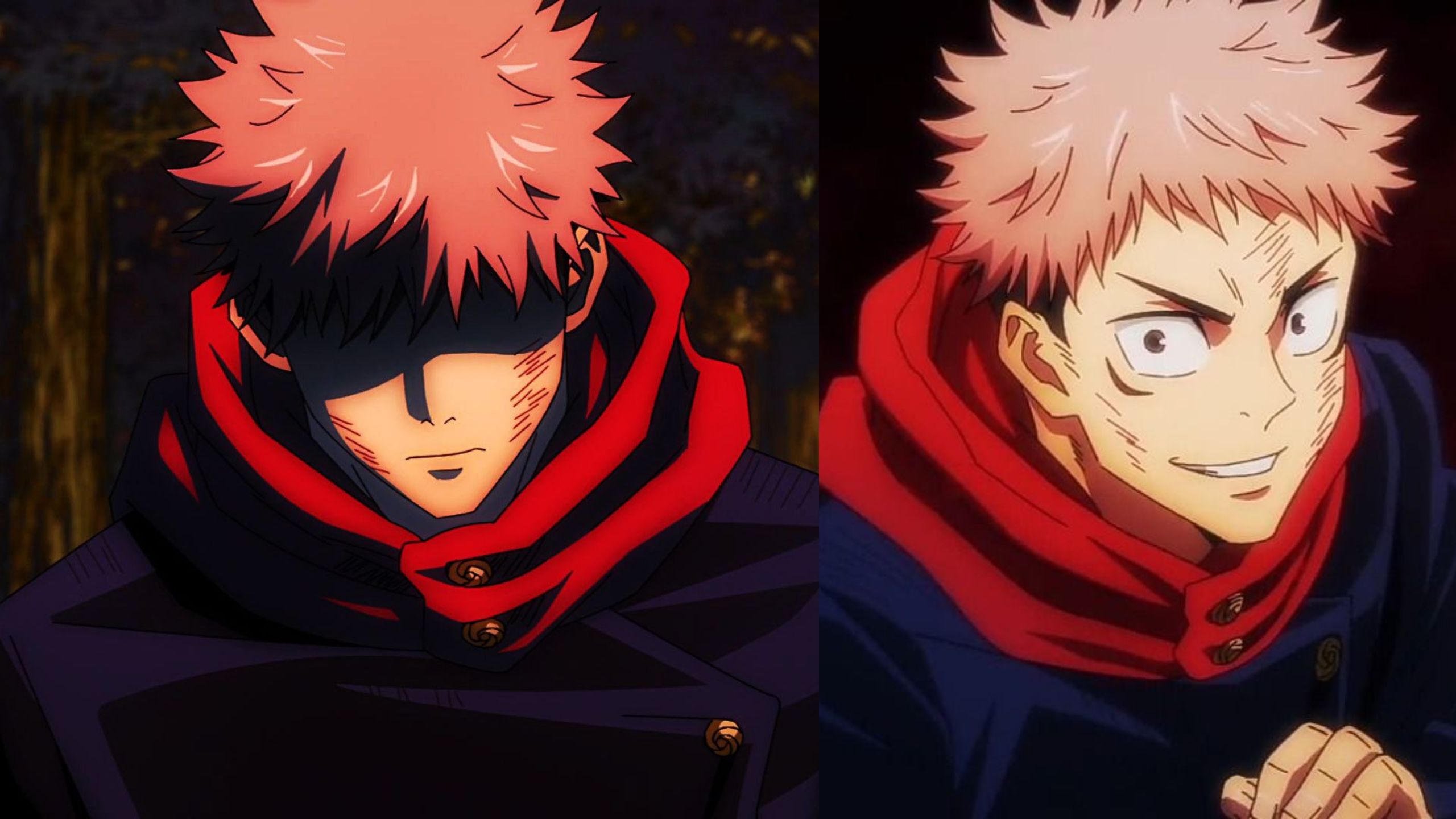
Yuji From Jujutsu Kaisen (MAPPA)
Volumes 29 and 30 serve as the culmination of Yuji’s growth. The most significant moment in this transformation is the dramatic reversal of roles between Yuji and Sukuna, a theme that has been foreshadowed throughout the series.
Where Sukuna once sat atop his throne of bones, Yuji now stands at the pinnacle. In these volumes, the cover art reflects this role reversal, with Yuji looking down at Sukuna, symbolizing his newfound strength and dominance.
This shift is monumental in both a literal and symbolic sense. Physically, Yuji’s newfound strength as a sorcerer has allowed him to fight back against Sukuna’s dominance.
However, on a deeper level, this reversal also speaks to the growth of Yuji’s character. He is no longer the passive, powerless host he once was.
Yuji’s battle with Sukuna becomes a battle not just for control of his body, but for control of his fate.
This transformation marks the emergence of a new Yuji, one who can stand against the forces of destruction and chaos that Sukuna represents.
The visual representation of this role reversal is not just an artistic choice, but a powerful narrative tool that underscores the theme of human growth and resilience.
Sukuna, who once appeared to be an invincible force of nature, is now the one who must be wary of Yuji’s power.
Yuji’s journey from being a helpless vessel to becoming a powerful sorcerer capable of standing toe-to-toe with the King of Curses is nothing short of remarkable.
This transformation is not just a physical one it is a reflection of Yuji’s inner strength, his resilience, and his commitment to his values.
The Significance of Yuji’s Triumph Over Sukuna
The battle between Yuji and Sukuna in volumes 29 and 30 is a turning point in the Jujutsu Kaisen narrative, marking the climax of their long-standing conflict.
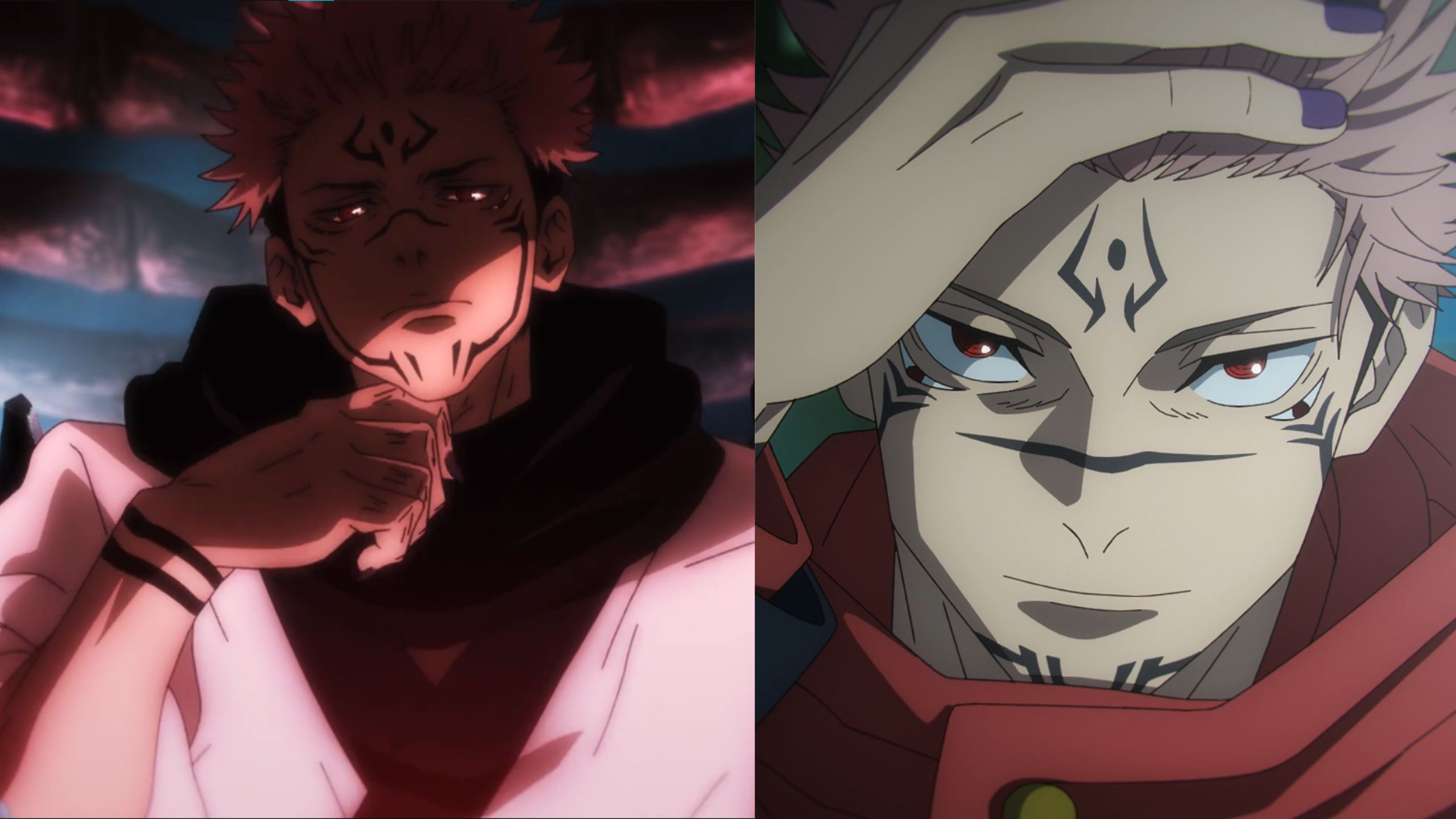
Yuji Itadori And Sukuna (Viz Media)
The fight is electrifying, showcasing not only Yuji’s incredible combat abilities but also his growth as a person.
In these volumes, Yuji pulls out all the stops, using his Reverse Cursed Technique, barrier techniques, and his innate techniques Blood Manipulation and Sukuna’s Shrine to overwhelm Sukuna.
Each of these techniques is a testament to Yuji’s growth as a sorcerer, demonstrating that he is no longer the inexperienced fighter he once was.
One of the most significant aspects of this battle is Yuji’s mastery of the Reverse Cursed Technique.
This technique, which allows him to heal his wounds and strengthen his body in the heat of battle, proves to be a key factor in his victory over Sukuna.
The battle between them becomes a showcase of Yuji’s strategic mind and his ability to adapt to the situation, using his skills not just to attack but also to protect himself and his allies.
Alongside Yuji’s abilities, the support of his allies is instrumental in this battle. Megumi Fushiguro, one of Yuji’s closest friends, plays a pivotal role in the conflict.
Sukuna, always looking for ways to exploit weaknesses, attempts to manipulate Megumi’s body as a means of regaining control.
However, Megumi’s internal struggle and his own desire to protect those he cares about weaken Sukuna’s hold, and his efforts to control Megumi are thwarted by Yuji’s determination.
This alliance between Yuji and Megumi, two characters who have grown together throughout the series, serves as a powerful reminder of the importance of friendship and unity in the face of overwhelming adversity.
It is through their combined efforts that Sukuna’s influence is weakened, and it is through Yuji’s unwavering resolve that Sukuna is ultimately defeated.
Defeat of Sukuna: A Moment of Redemption and Justice
In the climactic moment of their battle, Yuji delivers a devastating Black Flash strike, one of the most powerful techniques in his arsenal.
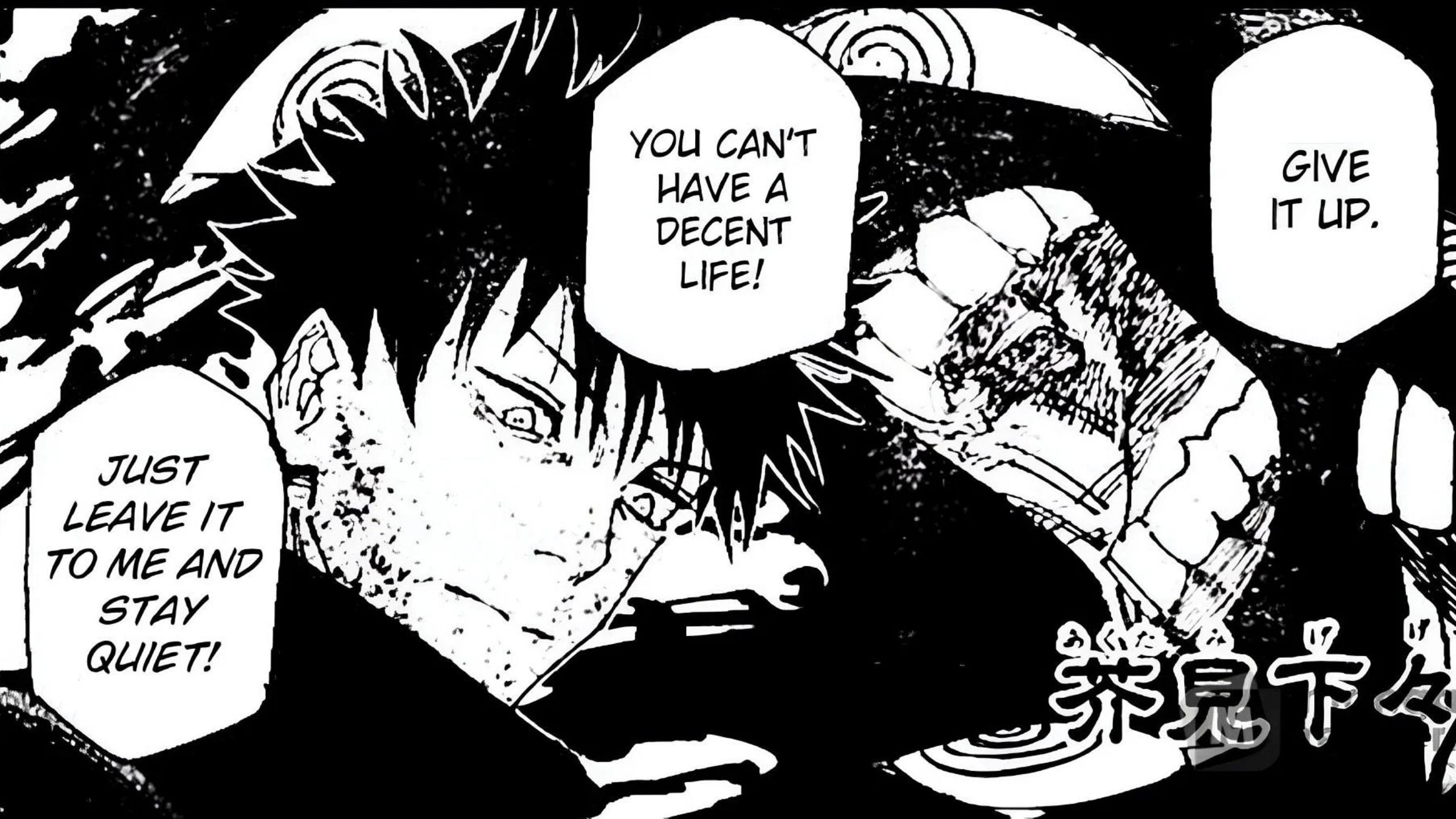
Megumi Vs Sukuna (Shueisha)
The strike obliterates Sukuna, ripping the King of Curses from Megumi’s body and leaving him a powerless, slime-like form.
This moment is the culmination of Yuji’s journey, not just as a sorcerer but as a person. Sukuna, who once represented destruction and chaos, is now reduced to a powerless shell of his former self.
The defeat of Sukuna is not just a physical victory it is a moral and symbolic triumph.
Throughout the series, Sukuna has represented the darker side of human nature the desire for power, destruction, and control.
In contrast, Yuji has embodied the values of compassion, redemption, and justice. Even in the face of Sukuna’s refusal to change or seek redemption, Yuji never wavers in his belief that there is always the possibility of salvation.
His desire to offer Sukuna a chance at redemption, even when the curse rejects it, speaks volumes about Yuji’s character.
This thematic exploration of redemption is central to Jujutsu Kaisen’s narrative. Yuji’s victory over Sukuna is not just about defeating an enemy it is about proving that redemption is possible, even for the most destructive forces.
It is a powerful message about the value of humanity, compassion, and the belief that change is always possible, no matter how dark the circumstances may seem.
Yuji’s Role as a True Hero
Yuji’s victory over Sukuna serves as the culmination of the series’ exploration of what it means to be a hero. In the Jujutsu Kaisen world, heroism is not defined by physical strength or the ability to destroy enemies.
Rather, it is about the ability to protect others, to stand firm in the face of overwhelming adversity, and to maintain one’s humanity in the midst of chaos.
Yuji’s character embodies these ideals, and his victory over Sukuna is a testament to the triumph of the human spirit.
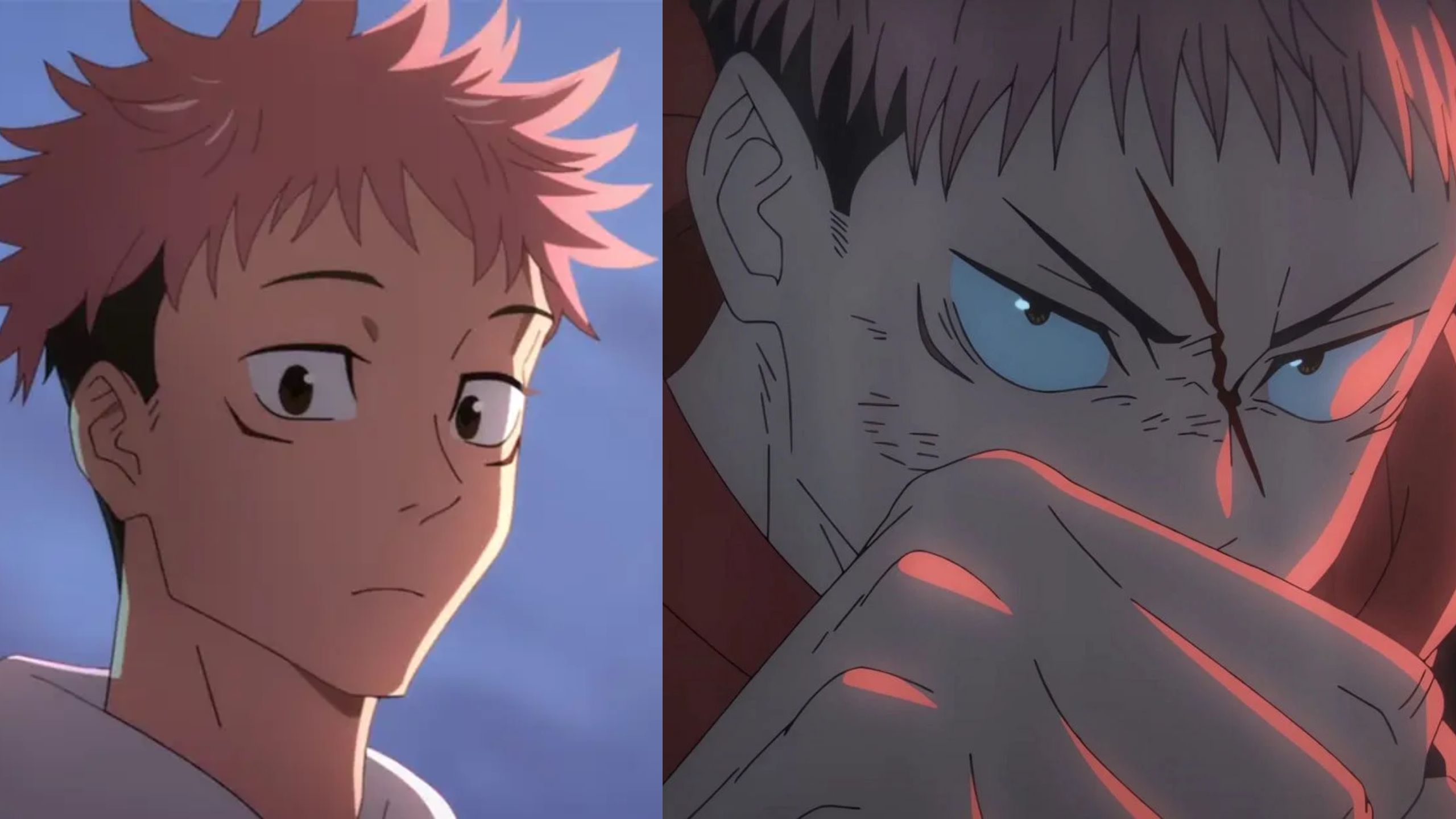
Yuji Itadori From Jujutsu Kaisen (MAPPA)
At the heart of Yuji’s journey is the theme of redemption. From the very beginning, Yuji has struggled with the weight of his actions and the curse within him.
He has constantly questioned whether he is worthy of the power he possesses and whether he can truly make a difference in the world.
But through his struggles, Yuji comes to realize that being a hero is not about perfection it is about the willingness to fight for what is right, even when the odds are against you.
In his defeat of Sukuna, Yuji proves that he is not just a vessel for the curse. He is a hero in his own right, capable of standing up to the darkness that Sukuna represents and offering a glimmer of hope in a world filled with despair.
Yuji’s victory is a celebration of the power of humanity, and it reinforces the idea that even in the darkest of times, redemption and justice are within reach.
A Full Circle Moment for Yuji and Sukuna
The events of Jujutsu Kaisen volumes 29 and 30 mark the culmination of an epic narrative arc that has been years in the making.
The shift in the dynamic between Yuji and Sukuna represents not only Yuji’s growth as a sorcerer but also the triumph of his humanity over the destructive force that Sukuna embodies.
The role reversal between the two characters symbolizes the evolution of Yuji’s strength, both physical and moral, and highlights the central themes of the series: redemption, justice, and the triumph of the human spirit.
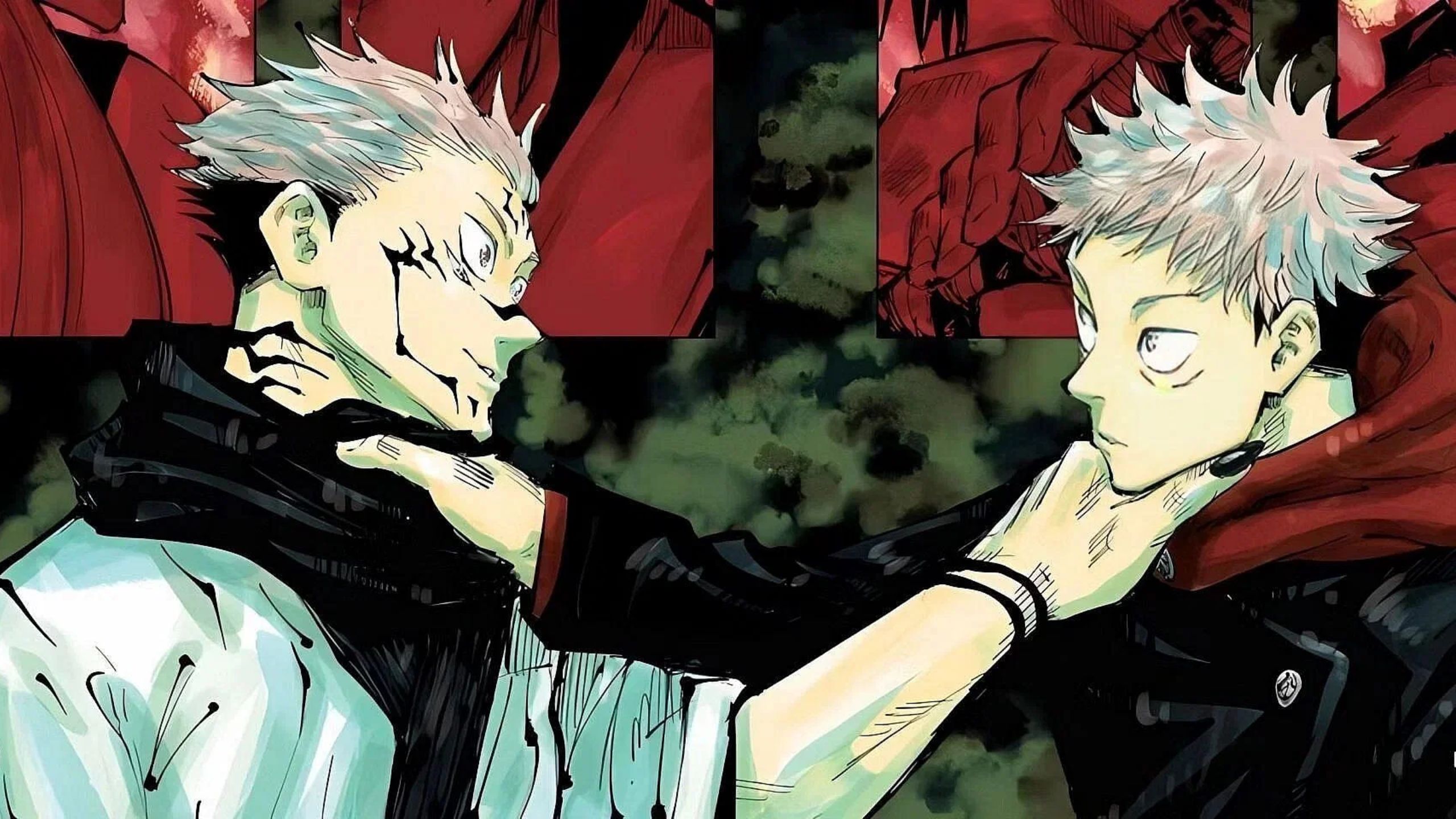
Sukuna and Yuji (Image via Shueisha)
As the series continues to unfold, Yuji’s journey is far from over. His triumph over Sukuna is just the beginning of a new chapter, one that promises to go even deeper into the complexities of his character and the world around him.
Jujutsu Kaisen has proven time and again that it is not just a story about fighting curses it is a story about what it means to be human, and the lengths we are willing to go to protect those we love and fight for what is right.
The journey of Yuji Itadori is one that is bound to resonate with fans for years to come, and as the series moves forward, the full impact of his victory over Sukuna will continue to shape the narrative in profound and meaningful ways.
