A controversial bill proposed by Brazilian congressman André Fernandes is making headlines for targeting ecchi anime, accusing the genre of “moral degradation” and “corrupting the minds of our children.” The motion, presented earlier this month, seeks to restrict or ban anime series that include sexually suggestive themes, regardless of viewer age restrictions or parental consent.
Fernandes, known for his conservative stances, specifically criticized titles like Prison School and High School DxD , claiming they “eroticize school settings” and contribute to rising moral concerns among parents. According to his public statement, such shows blur the lines between entertainment and softcore content, warranting urgent government regulation. His remarks have since gone viral, drawing both support and backlash online.
Nationwide Protests and Otaku Response
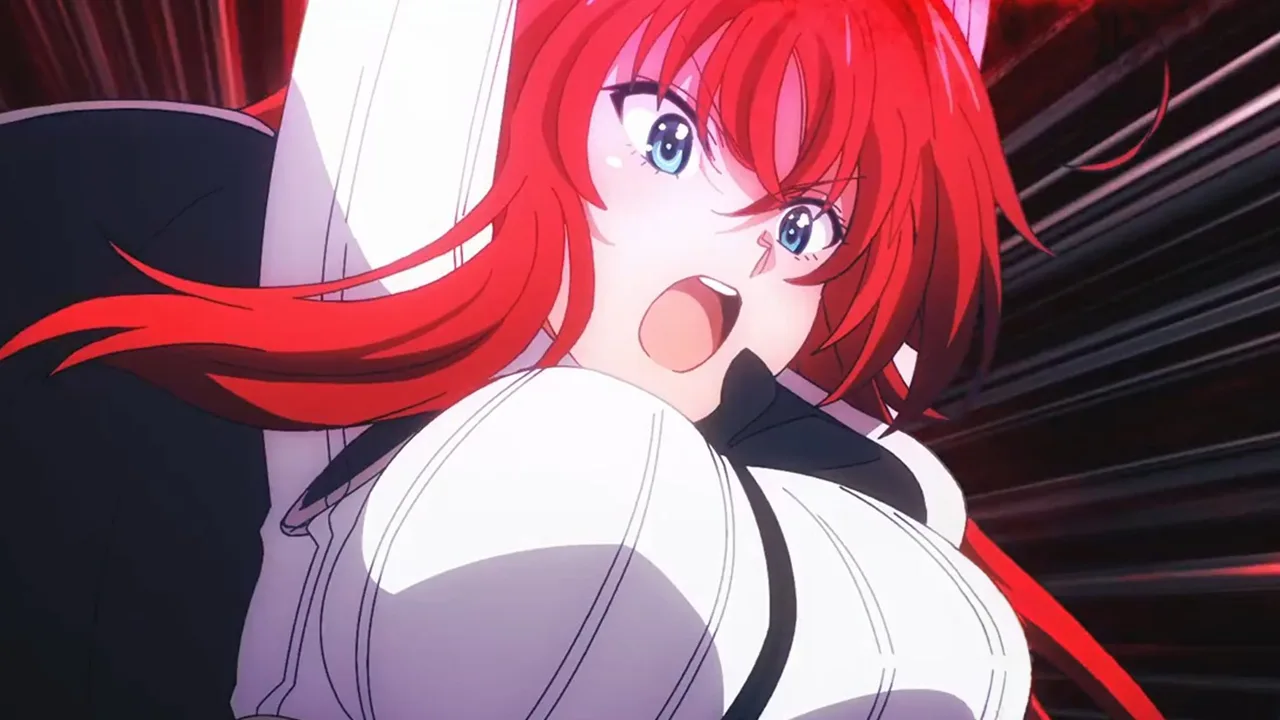
High School DxD
The Brazilian anime fanbase responded swiftly. Within days, demonstrations erupted in major cities like São Paulo and Rio de Janeiro. Protesters dressed as anime characters marched with placards reading “Anime is Art, Not a Crime” and “Don’t Kill Our Culture.” Online petitions also surged, with one gathering over 100,000 signatures demanding the bill’s dismissal.
Brazilian otakus have argued that the legislation misrepresents anime culture and unfairly targets a specific medium. Many pointed out that ecchi anime already carries appropriate age ratings and is typically consumed by adults. As noted in a report by Anime Senpai , critics fear that this could be a slippery slope leading to broader censorship of Japanese media.
Political and Cultural Ramifications
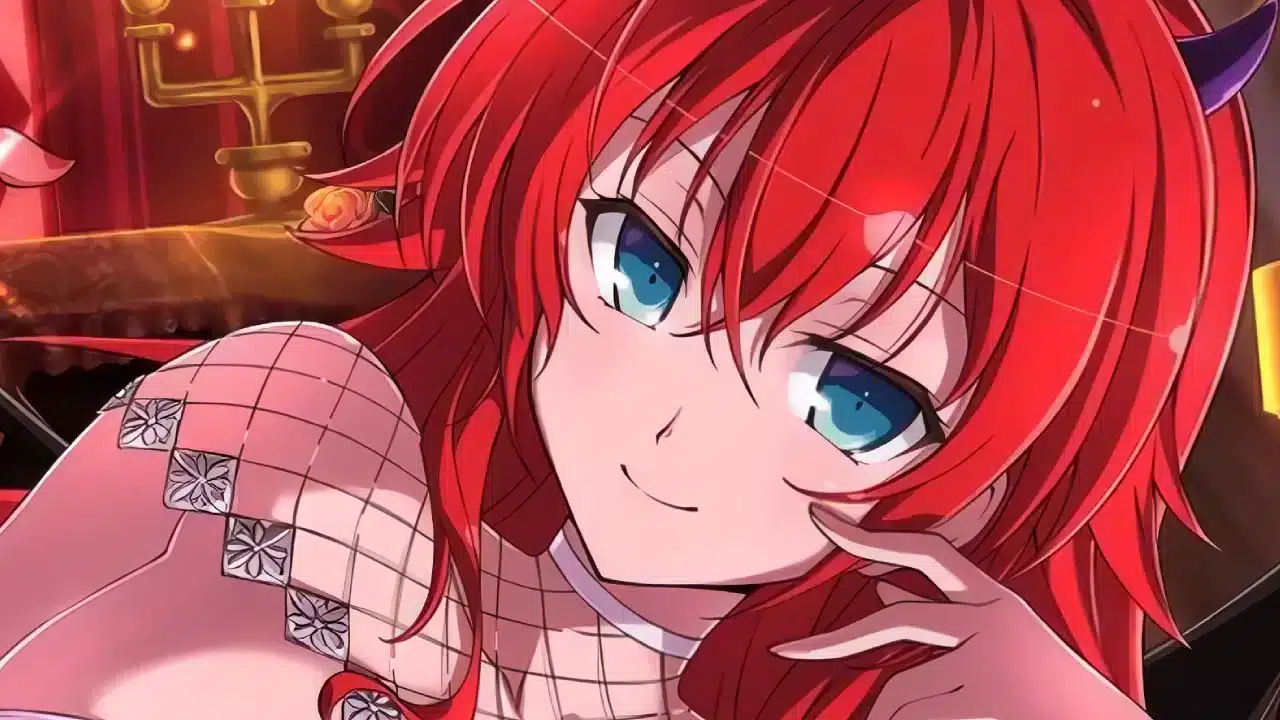
High School DxD
The proposal has ignited broader conversations about cultural imperialism and generational divides. Supporters of the bill view it as a necessary moral safeguard, while opponents call it an attack on freedom of expression and creative content. Analysts also argue that politicians are exploiting anime as a scapegoat to gain attention ahead of elections.
International anime distributors, many of which have large audiences in Brazil, are watching the developments closely. If the bill passes, streaming services could be forced to region-lock or remove large swaths of content, setting a troubling precedent for media regulation in Latin America. Meanwhile, the Brazilian otaku community shows no signs of backing down as they fight to defend their fandom in public and political spaces.
A recent controversy in the anime industry has sparked an uproar after a popular voice actress was fired for expressing her pro-LGBT views on Twitter. The actress, who had voiced key characters in several successful anime series, was let go by her studio after making a tweet in support of Pride Month. Fans quickly took to social media to express their disappointment, with many calling out the studio for “corporate cowardice” and accusing them of silencing the actress due to the controversial nature of her stance.
This incident follows a broader trend where public figures in the entertainment industry are facing backlash for expressing personal opinions. The studio, while not naming the specific reason for the firing, stated that they made the decision based on “company policies” and “alignment with their values.” However, many fans have accused the company of overstepping its boundaries by punishing an individual for their personal beliefs, especially when they did not directly impact the work they did for the studio.
The situation escalated when the actress’s supporters rallied on social media platforms, calling for a boycott of the studio and voicing concerns over freedom of expression in the workplace. Several petitions were started demanding the actress’s reinstatement, with supporters arguing that the studio’s actions were a direct attack on diversity and free speech.
Fans’ Reaction and the Broader Debate
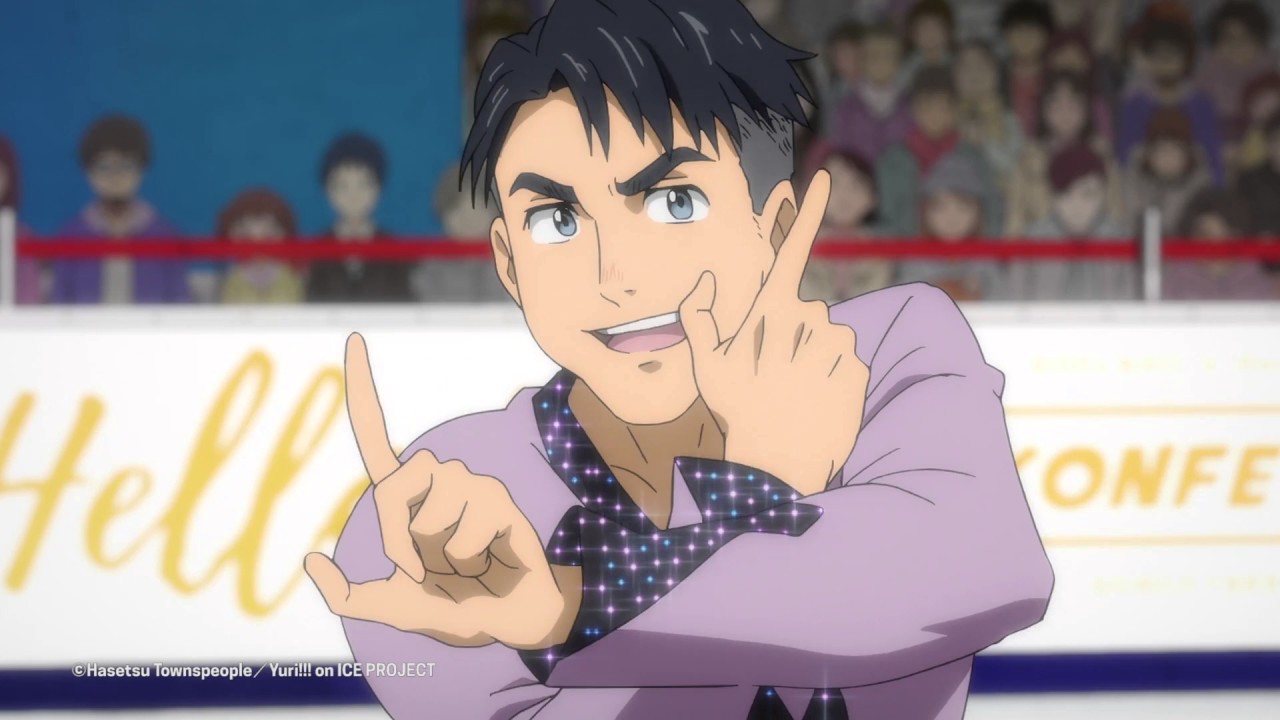
Yuri on Ice
In the wake of the firing, the debate over corporate responsibility and personal expression in the entertainment industry has intensified. Some fans have expressed their outrage, calling the studio’s actions a form of “cancel culture.” They argue that artists should be allowed to express their personal opinions without fear of losing their job, especially when these opinions do not affect their professional work. Others, however, have defended the studio’s decision, stating that businesses have the right to maintain a certain image and that employees must align with company values.
The incident has also sparked a larger conversation about the treatment of LGBTQ individuals in the anime industry. While some fans support the studio’s stance, others are using the incident as an opportunity to criticize the anime industry’s treatment of LGBTQ characters and creators. The episode has drawn comparisons to other recent controversies in the entertainment world, where individuals have faced consequences for their personal beliefs or for supporting marginalized communities.
The Future of Corporate Policies and Artist Expression
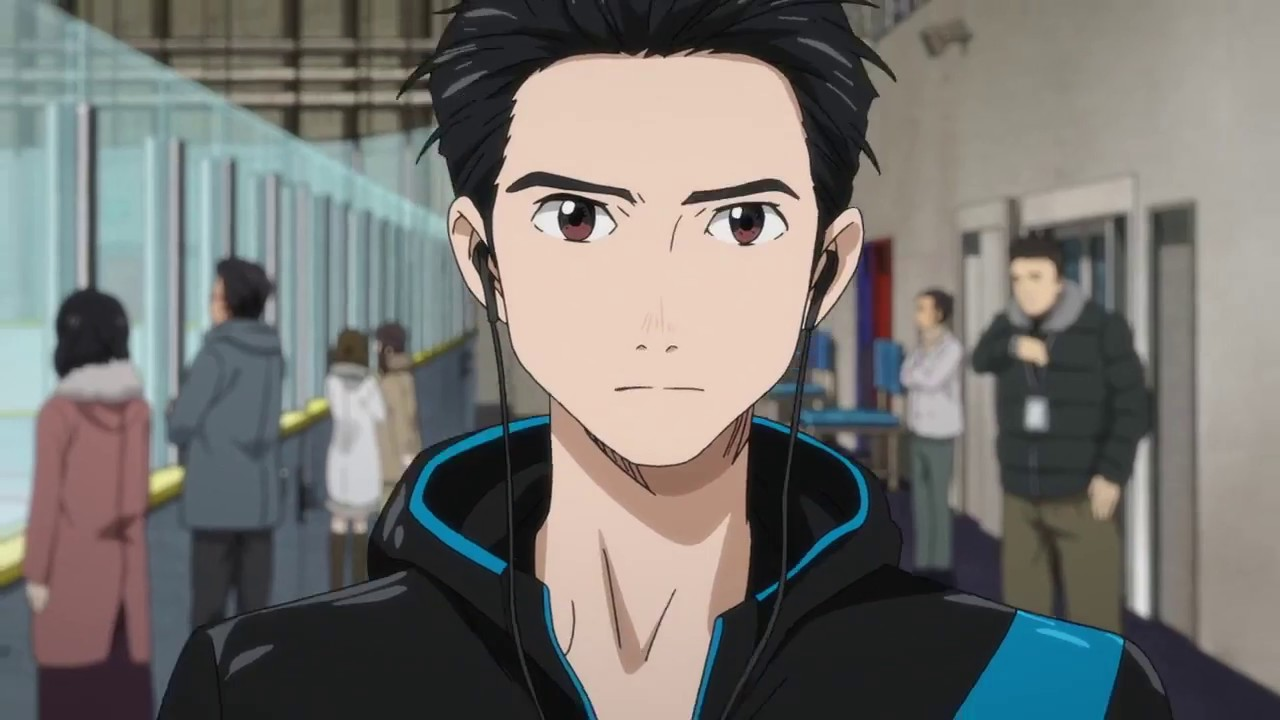
Yuri on Ice
As the controversy continues, many are questioning whether the entertainment industry will see a shift in how personal views and company policies intersect. The issue highlights a growing divide between artistic freedom and corporate interests, with many artists feeling increasingly censored. The question remains whether anime studios, and the entertainment industry at large, will change their policies to allow more room for individual expression or if they will continue to prioritize brand image over the voices of their artists.
The firing of the voice actress has sparked significant backlash from fans and the wider public, forcing the studio to reassess its policies. While the future of the actress’s career remains uncertain, the controversy has shed light on the challenges that artists face when it comes to expressing their personal beliefs in the modern entertainment industry.
