Breaking Bad is often regarded as one of the greatest television dramas of all time, and few would call it a happy show. While it offers moments of dark comedy and thrilling entertainment, it is primarily a tale of tragedy and moral decay.
The series starts with Walter White, a high school science teacher who receives a stage-three lung cancer diagnosis.
Faced with the reality of his illness and the financial burden it poses on his family, he makes a drastic decision: he turns to a life of crime, producing methamphetamine to secure his family’s future.
Walt’s transformation is gradual yet profound. He goes from a desperate, sympathetic figure to a ruthless criminal consumed by greed and the pursuit of power. As the series progresses, viewers witness the consequences of his choices, leading to many intense and dark moments.
Below, we show some of Breaking Bad’s darkest episodes, highlighting key events that significantly impact Walter’s character and the narrative.
“…And the Bag’s in the River” (2008)
Season 1, Episode 3
The episode “…And the Bag’s in the River” serves as a significant early indicator of the moral complexities and brutality that will define the series.
While it may not be the darkest episode in terms of shock value, it marks a critical turning point for Walt. At this stage in the series, he is still grappling with the reality of his cancer diagnosis and the desperate measures he feels compelled to take.
In this episode, Walt faces the immediate aftermath of his first criminal act. He has captured Krazy-8, a drug dealer, and must decide what to do with him. Unlike in the pilot, where Walt’s actions were more about survival, here he confronts the brutal reality of murder.
Walt struggles with the weight of his decision as he grapples with his humanity.
The act of strangling Krazy-8 becomes a pivotal moment in his descent into darkness, showcasing his first conscious choice to take a life. This scene sets the stage for the moral degradation that will continue to unfold throughout the series.
“Crawl Space” (2011)
Season 4, Episode 11
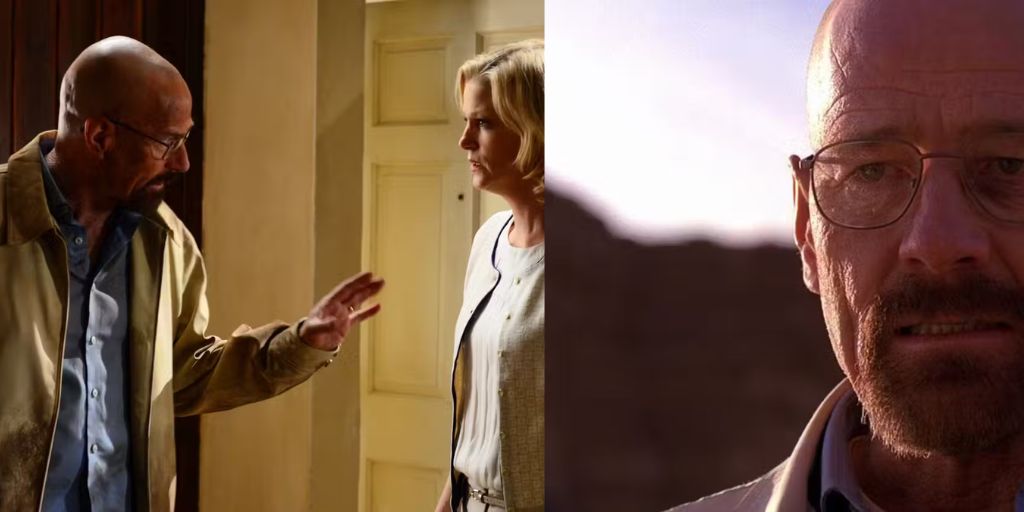
“Crawl Space” is often remembered for its chilling final scene, where Walt undergoes a terrifying psychological breakdown.
The episode centers around the escalating tension between Walt and Gus Fring, the drug lord who poses a significant threat to Walt’s life and family. At this point, Walt is desperate to protect his loved ones, but his paranoia is at an all-time high.
Still from Breaking Bad (Credit: Netflix)
The episode reaches its climax when Skyler informs Walt that she has given away the money he had hidden to help her boss. This revelation sends Walt into a downward spiral, as he believes he needs that money to protect his family from Gus’s impending threat.
The pressure becomes unbearable, and Walt’s reaction—laughing maniacally as he realizes his dire situation—resembles the breakdown of a man who has lost all control.
This moment captures Walt’s transformation from a sympathetic figure to someone who revels in his chaos. The psychological horror of this episode leaves viewers unsettled, reflecting the dark path Walt has chosen.
“Full Measure” (2010)
Season 3, Episode 13
In “Full Measure,” Jesse Pinkman is forced into a horrifying situation where he must kill someone for the first time. This episode serves as the season finale and represents a culmination of the series’ scheme of morality and the consequences of Walt’s actions.
Walt and Jesse find themselves cornered and believe that the only way out is to eliminate Gale, a character who, despite being a competitor, is portrayed as more sympathetic than others. The emotional weight of this decision hangs heavy over the episode, especially as Jesse is compelled to carry out the act.
The murder itself occurs off-screen, but the final image of Jesse’s face as he processes the gravity of what he has done speaks volumes about his inner turmoil. This moment is pivotal for Jesse, marking a significant shift in his character as he grapples with the loss of innocence and the psychological scars that will haunt him throughout the series.
“Face Off” (2011)
Season 4, Episode 13
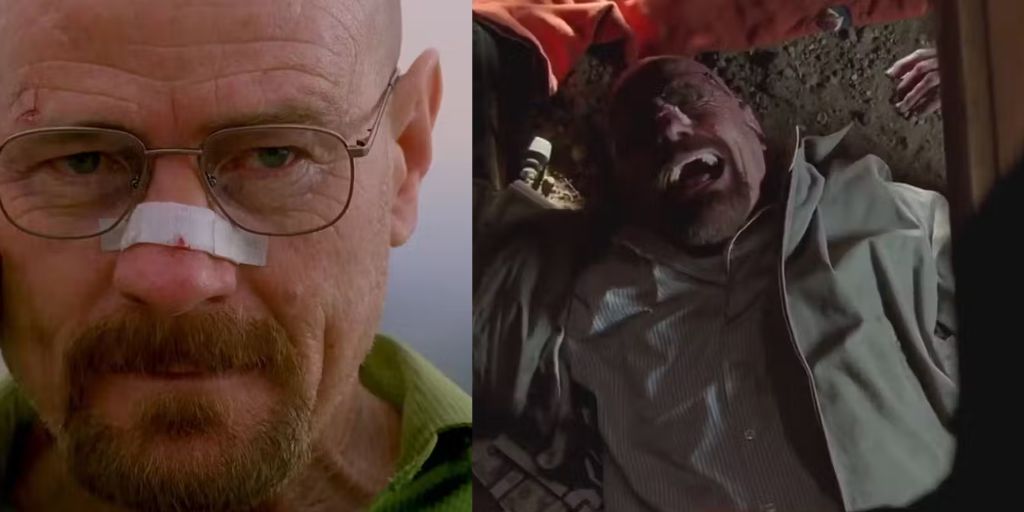
The finale of Season 4, “Face Off,” brings the intense conflict between Walt and Gus to a dramatic end. Viewers may feel a sense of catharsis as Walt triumphs over his formidable adversary, but this victory comes at a considerable cost. Walt’s methods become increasingly ruthless, and his moral compass continues to deteriorate.
Still from Breaking Bad (Credit: Netflix)
In this episode, Walt’s victory over Gus signifies a turning point in his character development. Without a major adversary, his ego swells, and he embraces his darker side more fully.
The shocking revelation at the end of the episode—that Walt intentionally poisoned a child to manipulate Gus—adds a layer of darkness to his character.
While viewers may root for Walt’s triumph, this moment serves as a stark reminder of the lengths he is willing to go to secure his power.
It complicates the viewer’s perception of Walt, blurring the lines between hero and villain in a way that resonates throughout the series.
“Dead Freight” (2012)
Season 5, Episode 5
“Dead Freight” is notable for its shocking and brutal ending, where a child is killed following a train heist.
The episode begins with a sense of adventure and excitement, harkening back to the earlier, lighter seasons when Walt and Jesse’s escapades felt more innocent.
However, the tone shifts dramatically when Todd, a character whose unsettling demeanor hints at his dangerous potential, coldly executes a young boy to eliminate witnesses.
The child’s death serves as a stark reminder of the escalating violence and moral decay that has permeated the series. Todd’s actions are chilling, especially considering the previous light-heartedness of the heist itself. This event leaves a lasting impact on viewers, reinforcing the notion that in Breaking Bad, no one is safe.
The brutality of this moment signifies a departure from earlier episodes, marking a descent into darker themes and the acceptance of violence as a necessary means to an end.
“ABQ” (2009)
Season 2, Episode 13
The finale of Season 2, “ABQ,” stands as one of the most tragic and consequential episodes in the series.
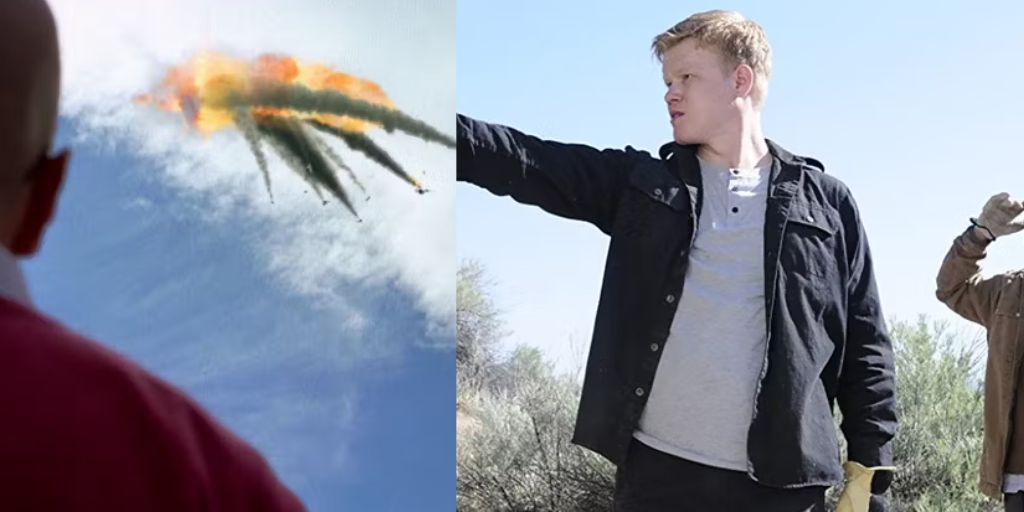
The fallout from Walt’s actions leads to a devastating midair collision that results in the deaths of over 160 people. The episode serves as a culmination of various plot threads that had been building throughout the season.
Walt’s indirect role in the disaster highlights the far-reaching consequences of his choices. His decision to let Jane die rather than save her while she was choking directly contributes to the air traffic controller’s distraction, resulting in the catastrophic collision.
Still from Breaking Bad (Credit: Netflix)
This episode underscores the theme that Walt’s actions ripple outward, affecting countless lives beyond his immediate circle. The horror of witnessing the collision adds a layer of weight to Walt’s guilt, illustrating how far-reaching the implications of his descent into criminality truly are.
“Granite State” (2013)
Season 5, Episode 15
As the penultimate episode of the series, “Granite State” serves as a bridge between despair and the eventual resolution of Walt’s story.
The atmosphere is thick with hopelessness, as characters grapple with the consequences of their actions. Jesse, in particular, experiences profound suffering, trapped in a life of servitude and facing yet another tragic death.
Walt’s journey in this episode reflects his isolation and the toll of his choices. The bleakness of the narrative is palpable, and the chilling moments emphasize the despair that pervades his life.
However, despite the grim circumstances, there is a slight sense of hope as the series moves toward its end. The ending of Granite State sets the stage for Walt’s final actions, where he seeks to tie up loose ends and confront the havoc he has wreaked.
“Say My Name” (2012)
Season 5, Episode 7
In “Say My Name,” Walt fully embraces his role as a villain, and the episode marks a turning point for his character.
The iconic scene where Walt demands that others acknowledge his name serves as a powerful declaration of his transformation. He is no longer the desperate man trying to provide for his family; he is now a ruthless drug kingpin.
This episode also showcases Walt’s increasing willingness to resort to violence, as he murders Mike, a character who had previously been a stabilizing influence. Mike’s death is particularly tragic, as he represents the consequences of Walt’s unchecked ambition and moral decay.
The cold-blooded nature of the murder reflects how far Walt has fallen, making it clear that he will do anything to maintain his power. This moment solidifies Walt’s position as an antagonist, and the impact of this shift resonates throughout the remaining episodes.
“Phoenix” (2009)
Season 2, Episode 12
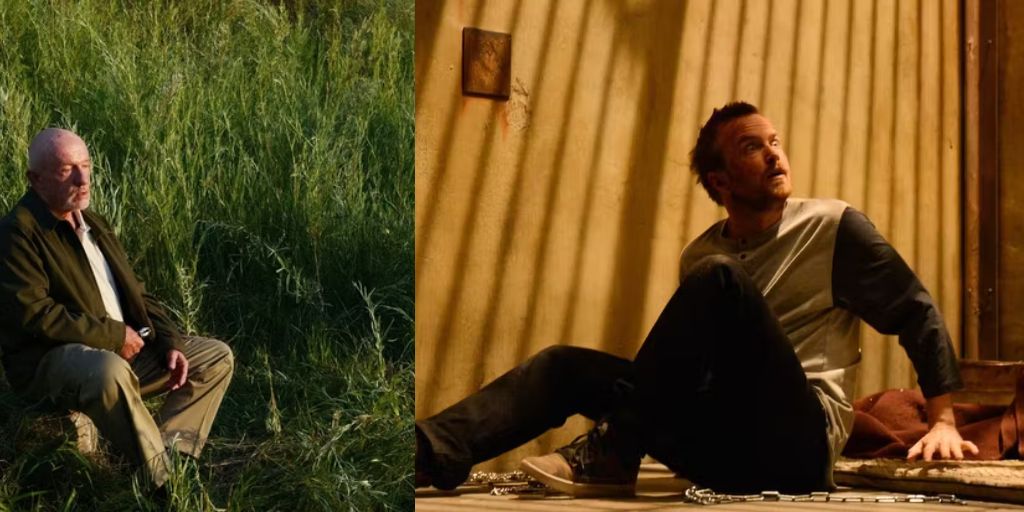
“Phoenix” is a pivotal episode that sets off a chain of tragic events leading to the Season 2 finale. In this episode, Walt makes a selfish choice that results in the death of Jane, Jesse’s girlfriend. When he sees her choking on her vomit, he chooses not to intervene, allowing her to die.
Still from Breaking Bad (Credit: Netflix)
Walt’s decision reflects his moral decline and willingness to sacrifice others for his own gain. This moment is critical because it reveals Walt’s true nature, showcasing his selfishness and disregard for the lives of those around him. Jesse’s subsequent grief and trauma become a central theme in his character arc, illustrating the profound effects of Walt’s actions on others.
“Ozymandias” (2013)
Season 5, Episode 14
“Ozymandias” is widely considered the most powerful and devastating episode of Breaking Bad. The title references the poem by Percy Bysshe Shelley, showing themes of power and the inevitable decline of rulers. In this episode, everything that Walt has built begins to unravel, leading to a catastrophic collapse.
The shocking death of Hank serves as the episode’s emotional center, showcasing the full weight of Walt’s choices. Walt’s inability to save his brother-in-law and the chaos that follows highlight the tragic consequences of his actions.
Jesse’s captivity and Walt’s failed attempts to maintain control serve as stark reminders of the destruction wrought by his descent into the criminal underworld.
The episode is a heartbreaking culmination of the series’ themes, leaving viewers devastated as they witness the final collapse of Walt’s empire.
Breaking Bad is a series that takes viewers on a journey through the darkest corners of human nature. The episodes highlighted above are the show’s ability to show themes of morality, consequence, and the transformation of its characters.
As Walt spirals deeper into darkness, the toll of his choices reverberates through the lives of those around him, leading to tragic outcomes.
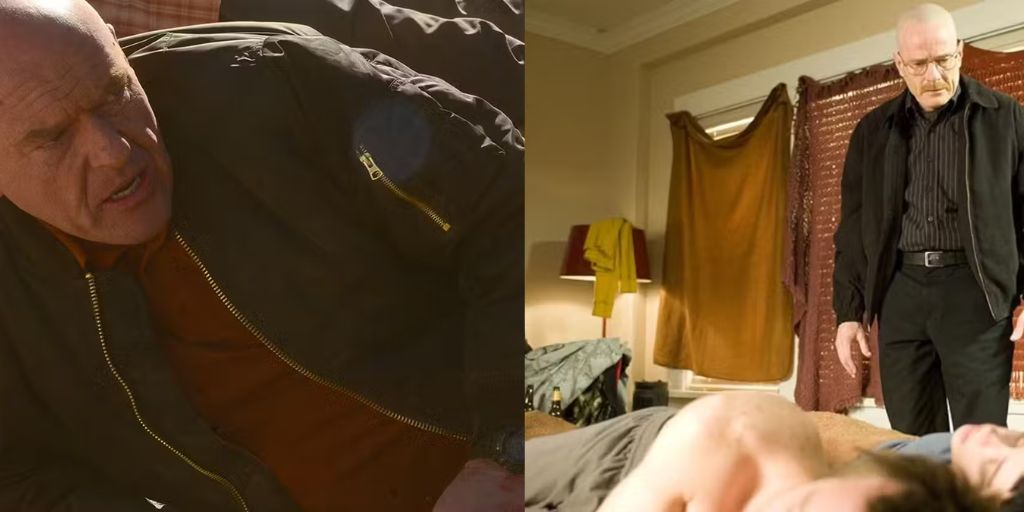
Still from Breaking Bad (Credit: Netflix)
The show’s legacy lies not only in its thrilling narrative but also in its ability to raise profound questions about morality and the human condition. Breaking Bad remains a landmark in television history, showcasing the complexities of character development and the impact of choices on individuals and society.
The darkness that permeates these episodes serves as a reminder that even the most ordinary of individuals can be driven to extraordinary lengths when faced with desperate circumstances.
In the One Piece world, few characters have remained as mysterious and as influential as Red-Haired Shanks.
First introduced as a kind and charismatic mentor to Luffy, Shanks has always appeared to be a force for good, someone who values freedom, honor, and loyalty.
His sacrifice of his arm to save Luffy from a sea monster solidified him as a hero in the hearts of both fans and the characters in the series alike.
Yet, recent developments in the manga, particularly the events surrounding One Piece chapter 1126 , have caused a stir in the fandom, as subtle hints have emerged that Shanks may not be the pure-hearted mentor we once believed.
Instead, it seems that Shanks may play a far more complex role in the grand scheme of things possibly even as one of Luffy’s final opponents.
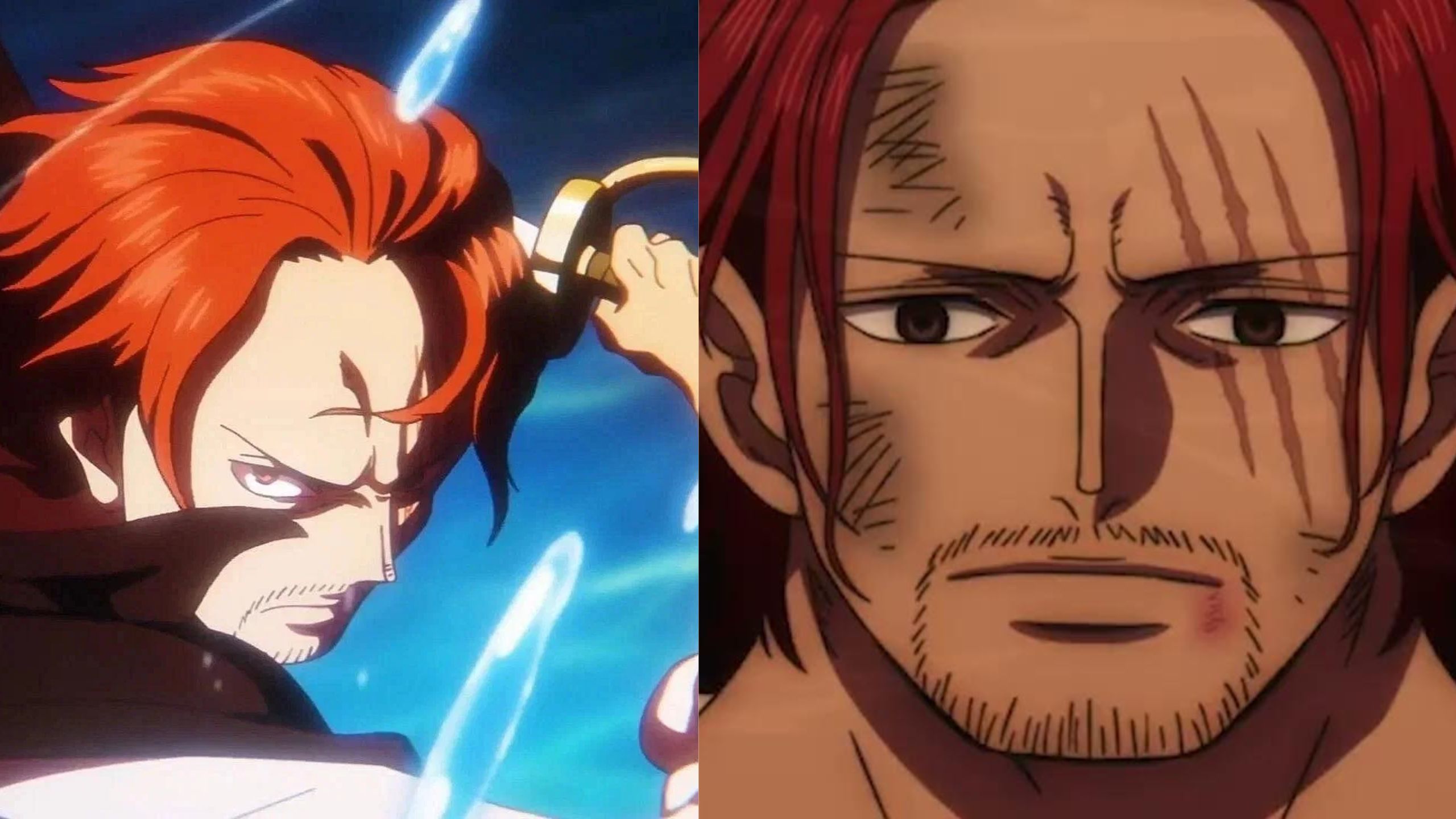
As One Piece approaches its final arc, fans are closely analyzing every piece of new information for clues about the endgame of this epic tale.
One question that has been looming large in fan discussions is: Could Shanks be the final villain?
While nothing has been explicitly confirmed by Eiichiro Oda, the creator of One Piece, recent chapters and long-standing hints throughout the series suggest that Shanks’ role may be far more sinister than we previously thought.
In this article, we will jump deep into the theories and evidence that support the idea of Shanks as the final antagonist, examine his mysterious actions, and explore what a potential Shanks vs. Luffy showdown could mean for the future of One Piece.
The Role of Shanks So Far
From the very beginning of One Piece, Shanks has played a pivotal role in shaping the story.
He is one of the Yonko, the four most powerful pirate captains in the world, and his influence stretches far and wide.
Yet, unlike his fellow Yonko, Shanks has always been shrouded in mystery. His true power, motivations, and backstory have largely remained hidden from the audience, making him one of the most intriguing characters in the series.
Shanks was the one who inspired Luffy to become a pirate, giving him the iconic straw hat that has become a symbol of Luffy’s journey.
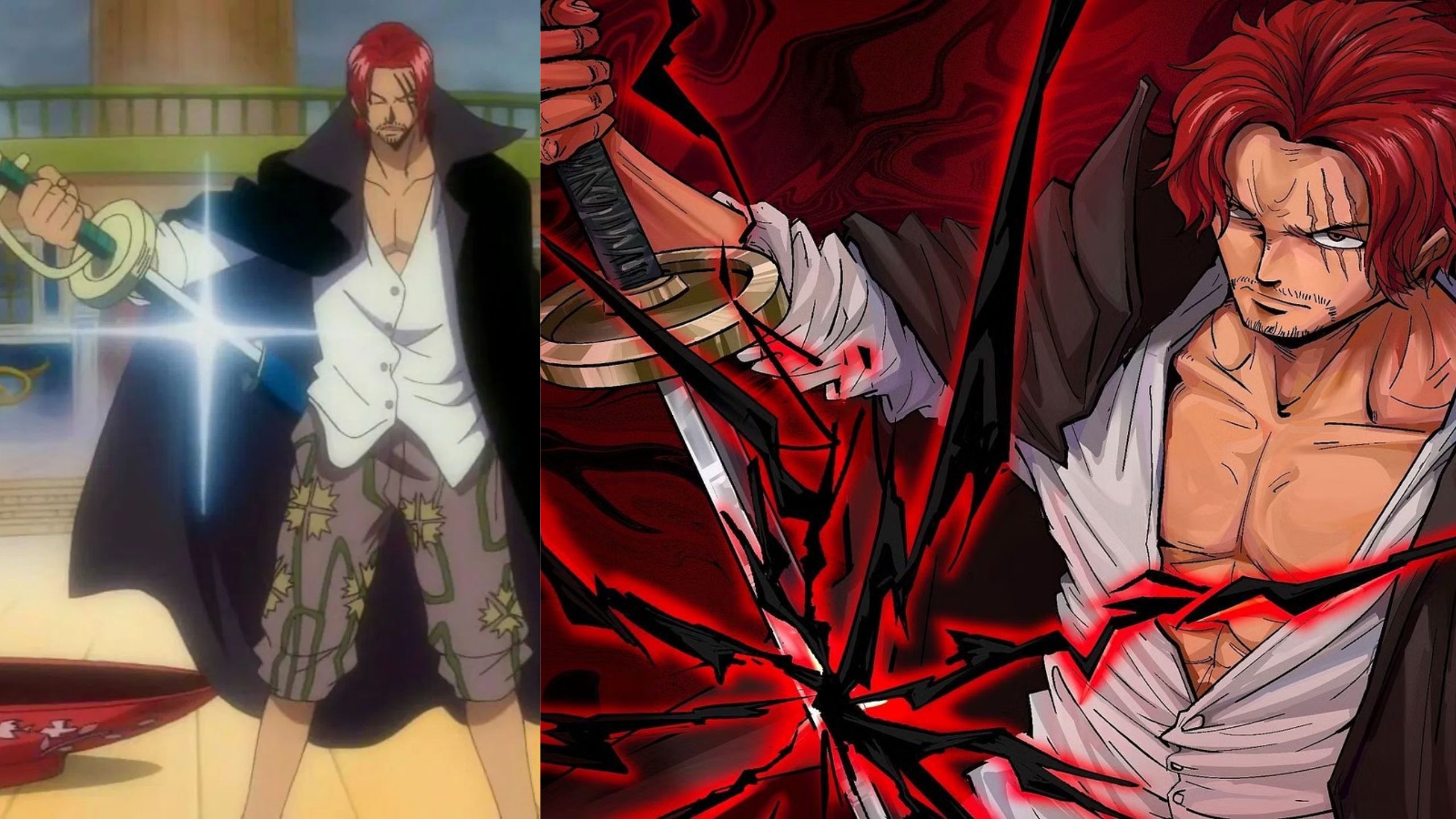
Red-haired Shanks (Toei Animations)
Their relationship was built on mutual respect and admiration, with Shanks serving as a mentor figure for Luffy.
In the early chapters of One Piece, Shanks is depicted as a laid-back and jovial character who values his friends and crew above all else.
His decision to sacrifice his arm to save Luffy only further cemented his role as a protector and a hero.
However, as the series progressed, more layers to Shanks’ character began to emerge.
His reputation as one of the most powerful pirates in the world, his mysterious connections to the World Government, and his ability to command the respect of even the most feared individuals in the One Piece universe raised questions about who Shanks really is.
Could it be that Shanks has been hiding his true intentions all along?
Shanks’ Mysterious Meeting with the Five Elders
One of the most significant moments in recent chapters that has sparked intense speculation about Shanks’ role in the story was his meeting with the Five Elders, the highest-ranking officials in the World Government, in Mary Geoise.
This meeting took place during the Reverie arc, and it shocked both fans and characters within the story.
The Five Elders are known to be the most powerful and secretive figures in the world, and they represent the interests of the Celestial Dragons, the tyrannical rulers who control the World Government.
The fact that Shanks, a pirate, was able to secure an audience with them is highly unusual.
In their meeting, Shanks discusses a “certain pirate” with the Five Elders, though the specifics of their conversation were not revealed.
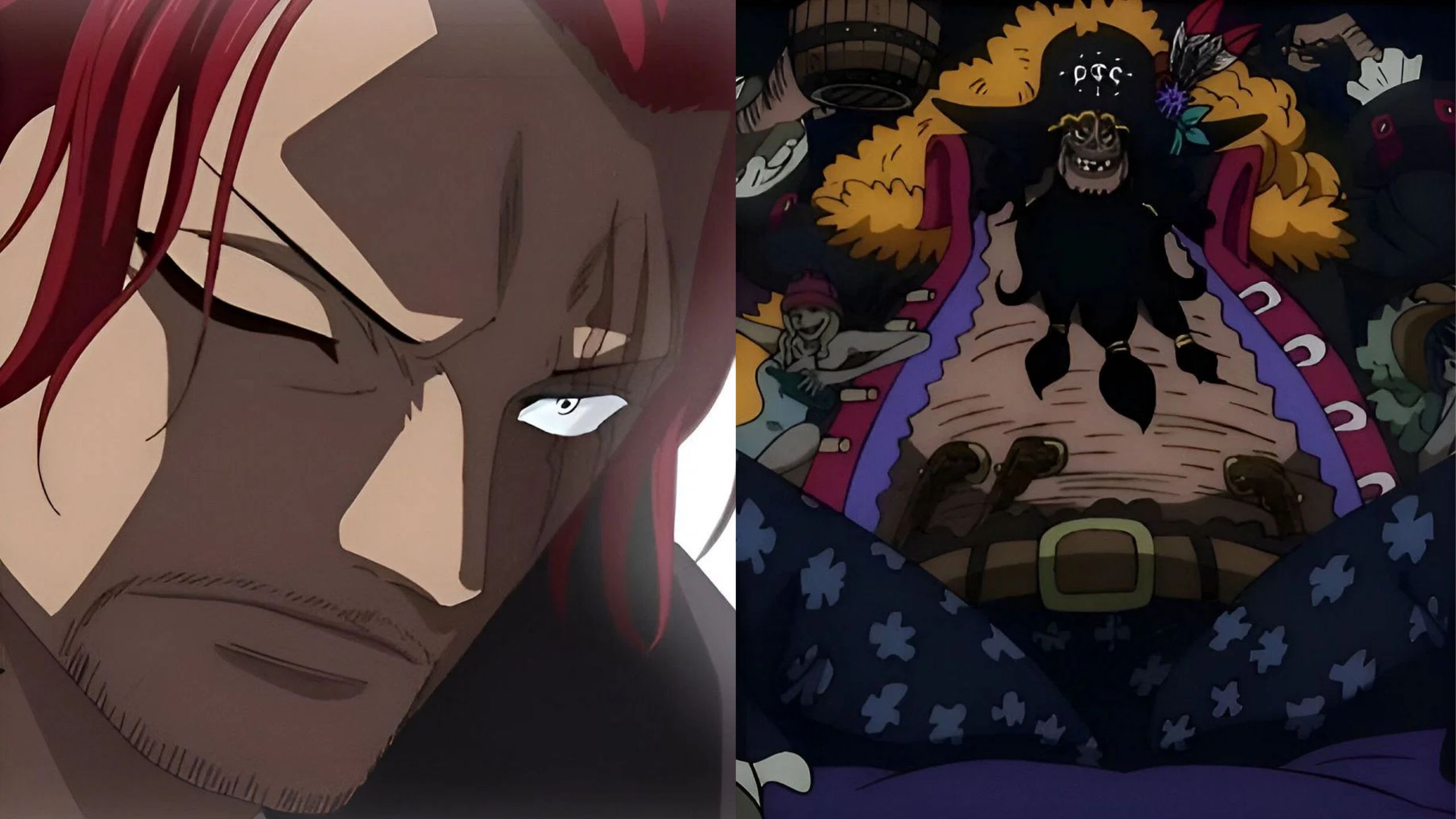
Shanks and Blackbeard (Toei Animations)
This interaction left fans wondering: What business could Shanks possibly have with the leaders of the World Government?
Some have speculated that Shanks may have a hidden connection to the Celestial Dragons, or perhaps he is working with them in some capacity.
Others believe that Shanks may be acting as a mediator, trying to maintain balance in the world as the race for the One Piece treasure intensifies.
What makes this meeting so significant is that it marks a turning point in how we perceive Shanks.
Up until this moment, Shanks had been portrayed as someone who opposed the corruption and tyranny of the World Government.
His willingness to meet with the Five Elders suggests that there may be more to his character than we previously thought.
Could Shanks be playing a long game, using his influence and connections to secure his own position in the world? And if so, what does this mean for his relationship with Luffy?
The Poison Test in One Piece Chapter 1126
One Piece chapter 1126 provided another potential clue about Shanks’ true nature. According to the alleged spoilers for the chapter, the story shifted away from the Straw Hat crew’s voyage to Elbaf and instead focused on the aftermath of a confrontation between Shanks’ crew and Bartolomeo’s crew.
For those unfamiliar, Bartolomeo is a member of Luffy’s Grand Fleet and one of his most loyal followers.
The clash between Shanks’ crew and Bartolomeo’s crew ended with the complete decimation of the latter, a surprising outcome given Bartolomeo’s unwavering devotion to Luffy.
But what happened next is even more intriguing. The spoilers suggest that Shanks gave Bartolomeo the task of delivering a fatal poison to Luffy within one month.
Shanks hoping everyone believes he purposely gave barto fake poison not knowing he got the bottles mixed up #ONEPIECE1126 pic.twitter.com/nhi01O6W9A — blick 🇳🇬 (@blickboy_pa) September 10, 2024
This revelation shocked fans, as it seemed out of character for Shanks to do something so underhanded.
However, Bartolomeo, ever loyal to Luffy, consumed the poison himself rather than betray his captain.
Shanks then revealed that the entire situation was merely a test of loyalty, a bizarre and dangerous test that left fans questioning his true motives.
While this poison test may seem like a minor detail in the grand scheme of things, it could be a significant hint about Shanks’ darker side.
Why would Shanks, someone who has always been portrayed as an honorable and trustworthy pirate, resort to such extreme measures?
What does this test of loyalty say about Shanks’ character? And most importantly, could this be Oda’s way of subtly foreshadowing Shanks’ role as a future antagonist?
Theories About Shanks as the Final Villain
For years, fans have speculated about the possibility of Shanks being the final villain in One Piece . While this theory may seem far-fetched to some, there is actually a surprising amount of evidence to support it.
One of the most compelling pieces of evidence is the fact that Shanks and Luffy are both competing for the same prize: the One Piece treasure.
While Luffy’s goal is to become the Pirate King and find the treasure that Gold Roger left behind, Shanks’ true motivations remain unclear.
Could it be that Shanks is also after the One Piece treasure, and that he will do whatever it takes to claim it for himself?
Another piece of evidence that supports the Shanks-as-villain theory is his possible connection to the Celestial Dragons.
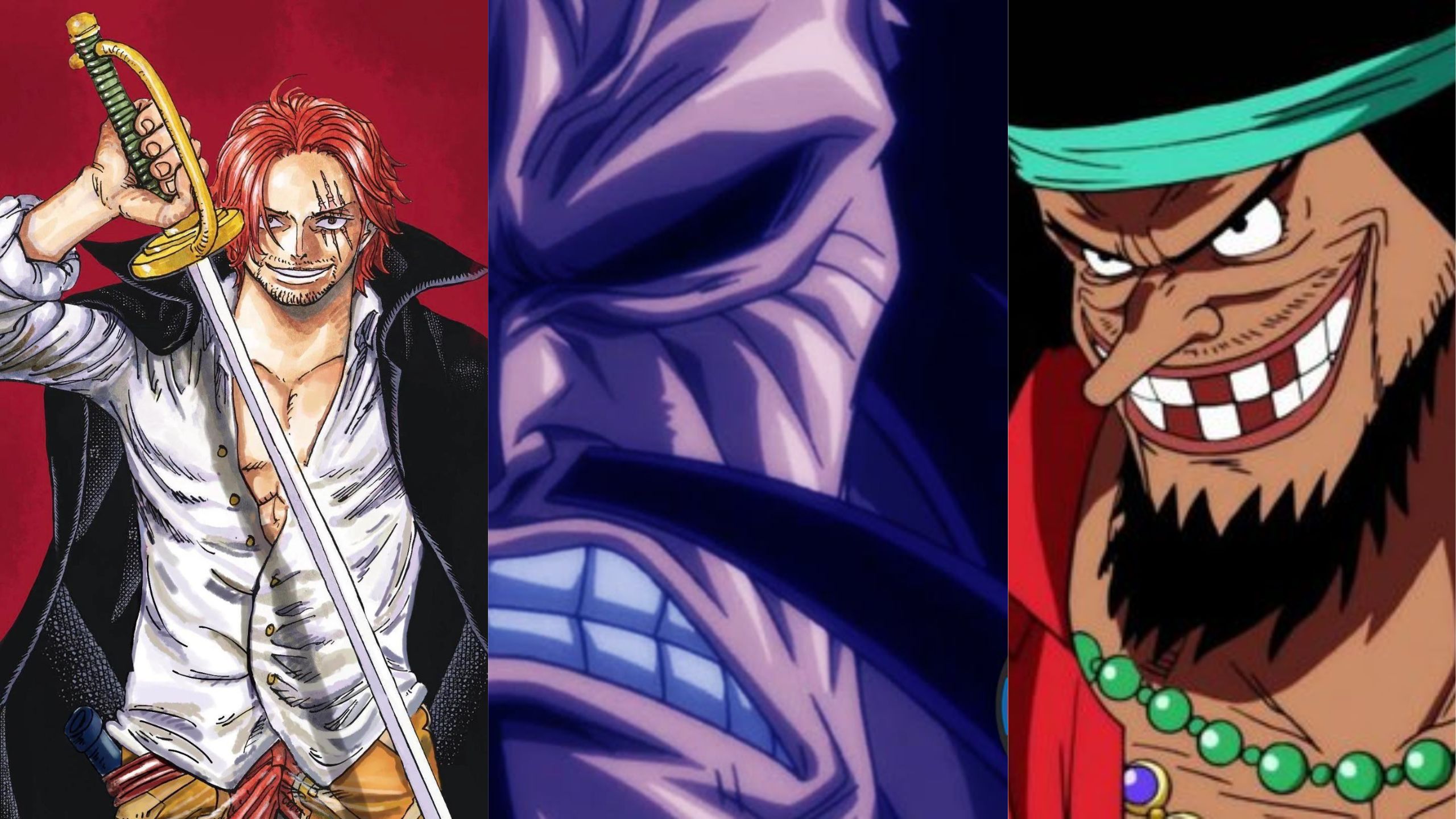
Yonko’s – Shanks,Oda hints at Shanks as One Piece’s final villain, signaling a potential showdown with Luffy Kaido, Blackbeard (Twitter)
Some fans believe that Shanks may actually be a member of the Celestial Dragons or at least have ties to them.
This theory is based on Shanks’ ability to meet with the Five Elders, something that no other pirate has been able to do.
If Shanks does indeed have connections to the Celestial Dragons, it would explain why he has been able to move so freely in the world and why he has been able to avoid conflict with the World Government.
One popular fan theory suggests that Shanks’ real name is Saint Figarland Shanks, linking him to one of the most powerful families within the Celestial Dragons.
If this theory is true, it would mean that Shanks has been hiding his true identity all along and that his actions throughout the series have been part of a larger plan to secure his place in the world.
This would make Shanks one of the most dangerous and cunning characters in the series, as he would have the backing of both the World Government and the pirate world.
Another key piece of evidence supporting the idea of Shanks as a villain is his role as one of the Yonko.
The Yonko are the four most powerful pirates in the world, and they each have their own territories and crews.
While Shanks has always been portrayed as the most honorable of the Yonko, it’s important to remember that he is still a pirate, and pirates are not always the most trustworthy individuals.
Shanks has the power and influence to challenge anyone who stands in his way, and if his goal is to claim the One Piece treasure, it’s possible that he will stop at nothing to achieve it.
Connection Between Shanks and Luffy
Perhaps the most intriguing aspect of the Shanks-as-villain theory is the potential for a final showdown between Shanks and Luffy.
From the very beginning of One Piece, Shanks has been a mentor and role model for Luffy.
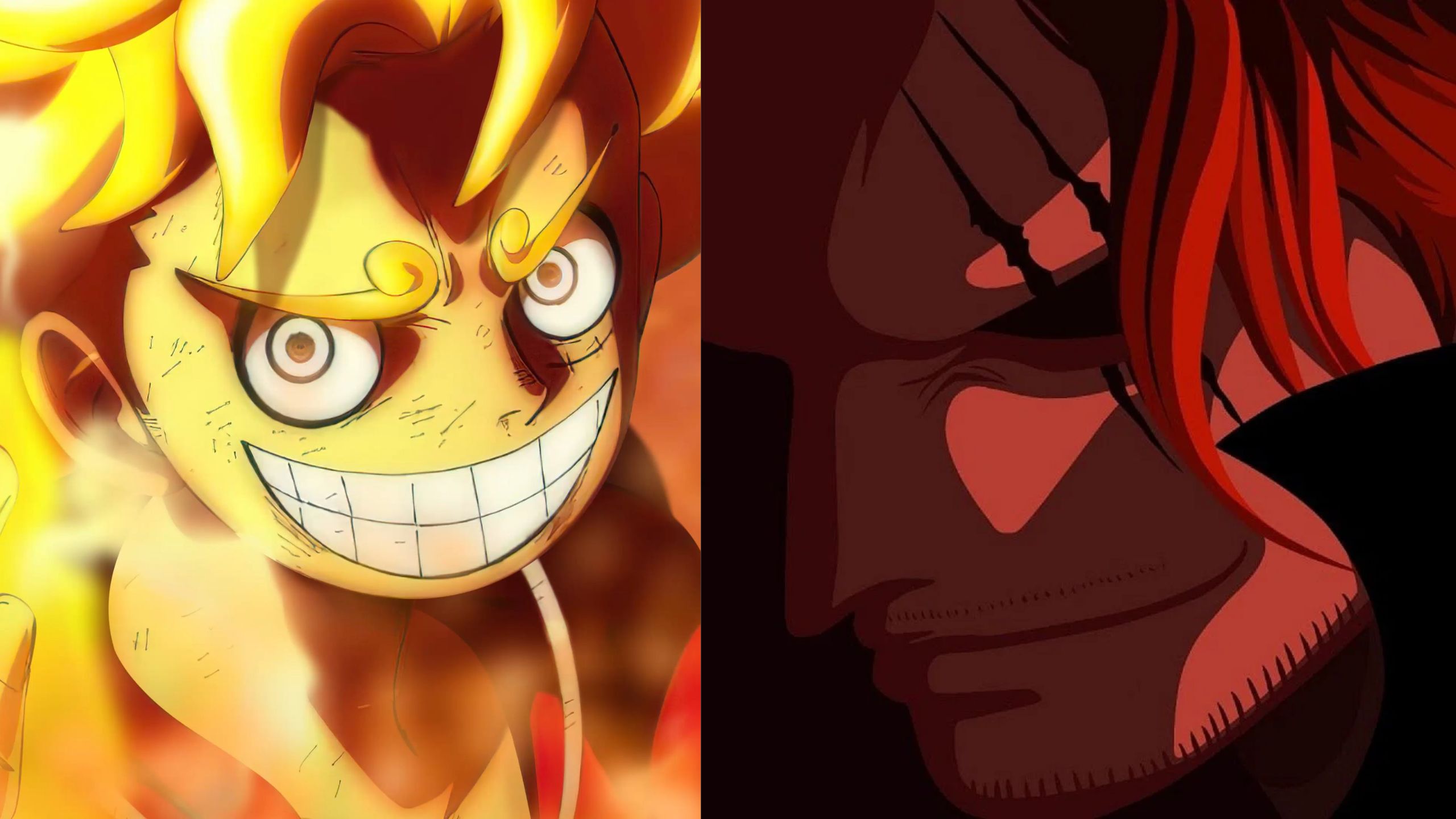
Luffy And Shanks – One Piece (Toei Animations)
Luffy’s dream of becoming the Pirate King was inspired by Shanks, and their relationship has always been one of mutual respect and admiration.
However, as the series has progressed, it has become increasingly clear that their goals may not align as perfectly as we once thought.
Luffy’s ultimate goal is to find the One Piece treasure and become the Pirate King, a title that represents ultimate freedom on the seas.
Shanks, on the other hand, has his own mysterious ambitions. While we don’t yet know exactly what Shanks is after,
it’s possible that his goals may clash with Luffy’s. If Shanks is indeed after the One Piece treasure, it could set up an epic final battle between the two, with both pirates fighting for the same prize.
What makes this potential conflict so compelling is the emotional weight behind it. Luffy looks up to Shanks, and the idea of fighting someone he admires would be devastating for him.
Similarly, Shanks has always treated Luffy with kindness and respect, so the thought of betraying him would likely be difficult for Shanks as well.
However, if their goals are truly in opposition, it’s possible that neither will have a choice.
A battle between Shanks and Luffy would not only be a clash of power, but also a clash of ideals, with both characters fighting for what they believe in.
The “Man Marked by Flames” and His Role in the Story
Another intriguing development in the story is the introduction of the “Man Marked by Flames.”
This mysterious character has been the subject of much speculation among fans, and many believe that he could play a crucial role in the final arc of One Piece.
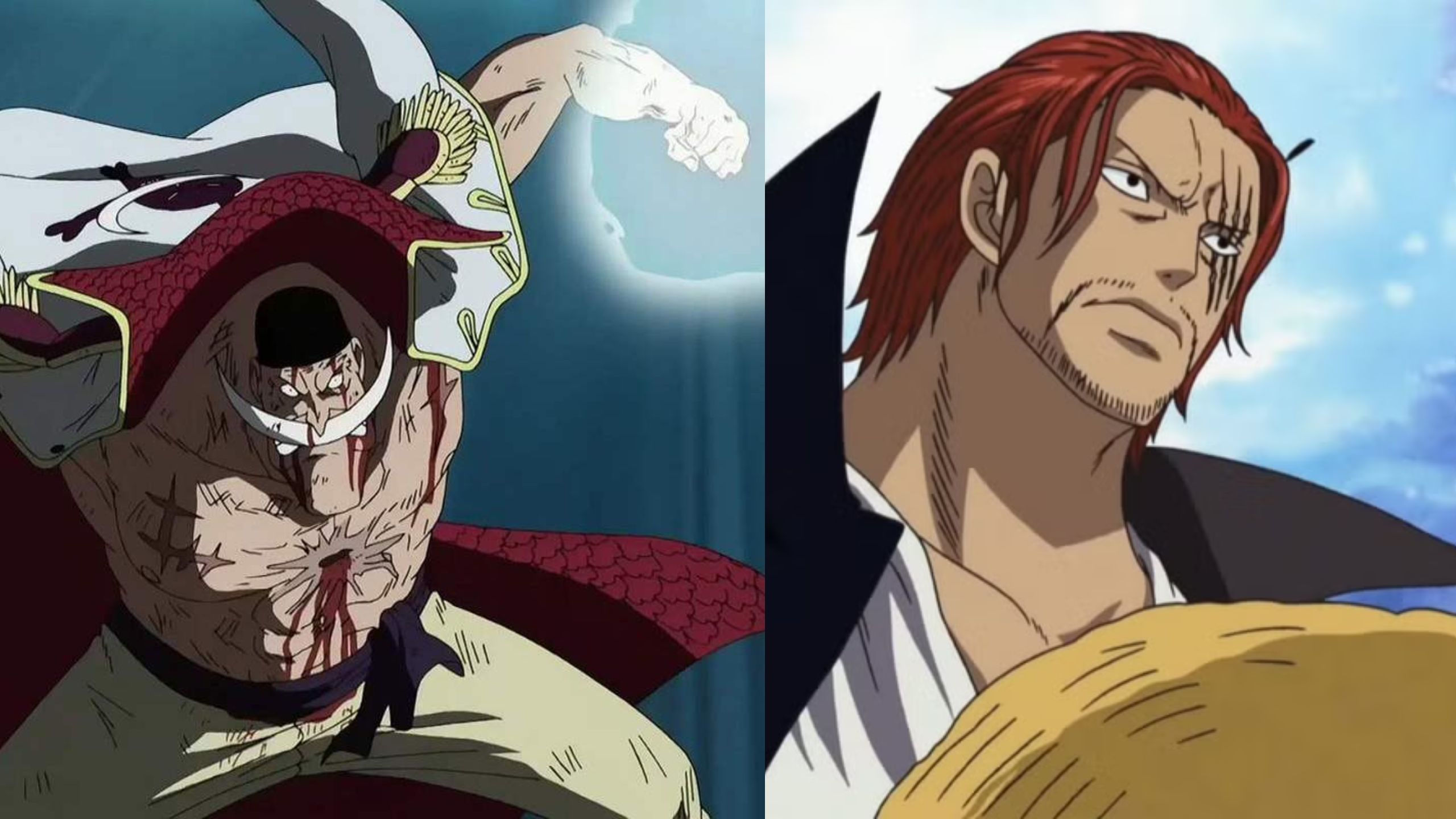
White Beard Vs Shanks (Toei Animations)
While we don’t yet know much about this character, it’s possible that he could be connected to Shanks in some way.
Some fans have theorized that the “Man Marked by Flames” could be working with Shanks, or that he may even be a member of Shanks’ crew.
Others believe that he could be an entirely separate player in the race to find the One Piece treasure. Whatever the case may be, the introduction of this character adds yet another layer of complexity to the story.
If the “Man Marked by Flames” is indeed connected to Shanks, it could further solidify the idea that Shanks is being set up as a major antagonist in the final arc.
Perhaps the “Man Marked by Flames” is working with Shanks to secure the One Piece treasure, or maybe he has his own agenda that will come into conflict with both Shanks and Luffy.
Either way, this character is sure to play a significant role in the story moving forward.
What Lies Ahead for the Elbaf Arc?
While the Elbaf arc has not officially started yet, it’s clear that the next few chapters will serve as an intermission, building up more plot points that will be resolved in the upcoming arc.
The Elbaf arc has been highly anticipated by fans for years, as it promises to go to the land of the giants and provide crucial information about the One Piece treasure.
However, with Shanks’ recent actions and the introduction of new characters like the “Man Marked by Flames,” it’s likely that the Elbaf arc will be much more than just a simple adventure.
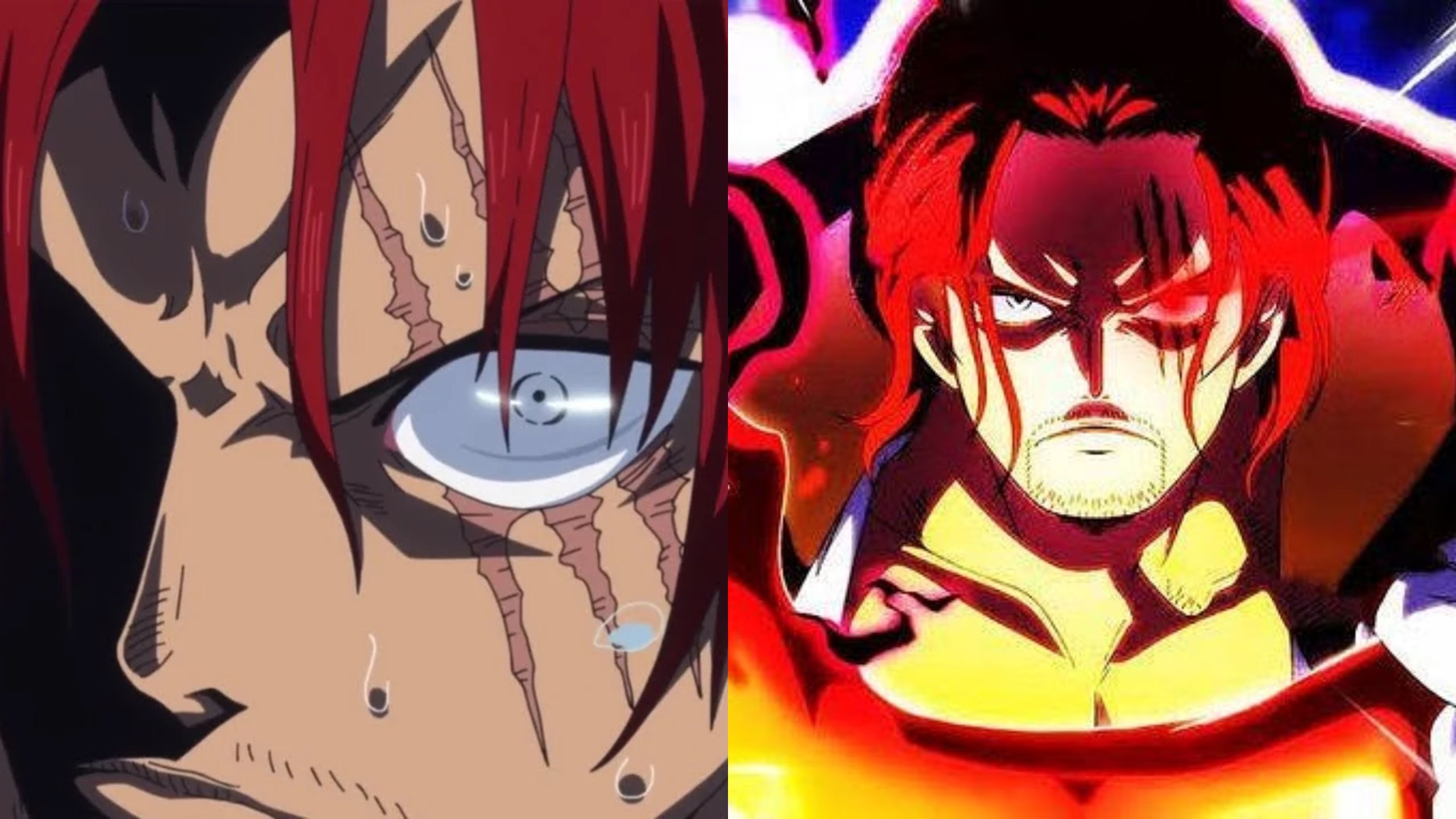
Red-haired Shanks (Toei Animations)
Fans can expect more twists and turns as Oda continues to develop the story.
Shanks’ role in the series will likely become even more important, and we may finally get answers to some of the questions that have been plaguing fans for years.
Is Shanks truly the final villain? What are his true goals? And how will Luffy react when he learns the truth about the man he once idolized?
Is Shanks Truly the Final Villain?
At this point in the story, it’s impossible to say for sure whether Shanks will be revealed as the final villain in One Piece.
However, the clues and hints that Oda has been dropping seem to suggest that Shanks may not be as benevolent as he appears.
His meeting with the Five Elders, his possible connections to the Celestial Dragons, and the poison test with Bartolomeo all point to the possibility that Shanks has a hidden agenda.
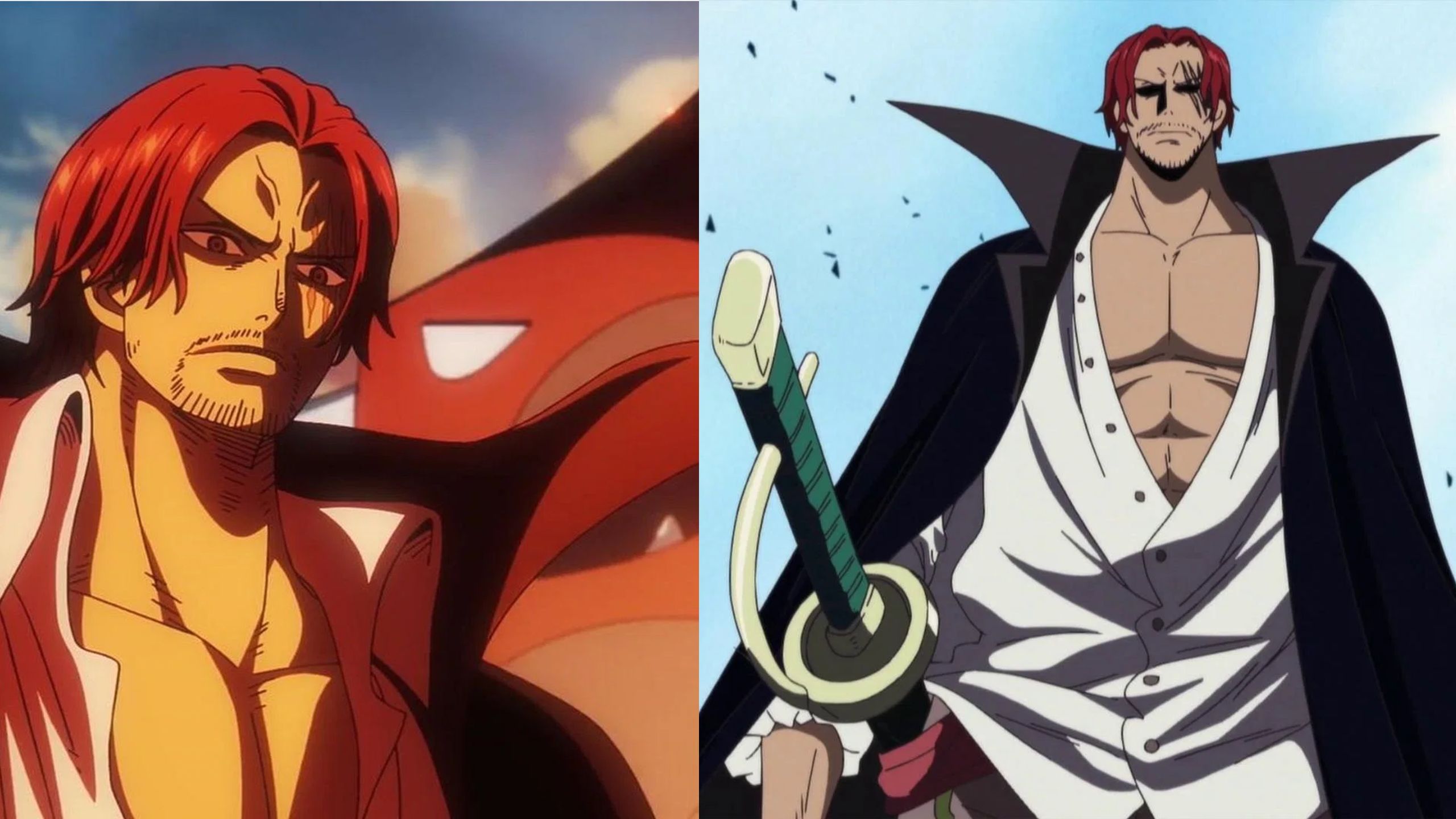
Shanks with his sword Gryphon (Toei Animation)
If Shanks is indeed the final villain, it would make for an incredible twist in the story. Not only would it add a new layer of complexity to his character, but it would also set up an epic final battle between him and Luffy.
Whether or not this will come to pass remains to be seen, but one thing is for certain – the world of One Piece is more exciting and unpredictable than ever before.
Fans will just have to keep reading to see where Oda takes the story next, but for now, all eyes are on Shanks and his mysterious plans.
