Medical dramas are some of the most popular shows on TV today. These intense series mix dramatic medical procedures with the personal lives of the doctors who perform them.
Over the years, many variations of this genre have emerged, from classics like ER to the long-running Grey’s Anatomy.
Each show tries to offer something unique. In the case of Brilliant Minds, created by Michael Grassi, it centers around a controversial doctor.
This doctor struggles with recognizing faces but, at the same time, understands his patients in deeper ways that most others cannot.
This idea is based on a real medical condition and helps the show focus on presenting the complicated illnesses of its patients in ways that haven’t been shown before.
In doing this, Brilliant Minds manages to shed light on medical truths that other shows often overlook in favor of more dramatic moments.
The show delivers a unique portrayal of medical cases that viewers can relate to. With an outstanding main cast and impressive guest stars, the series succeeds in being different.
However, Brilliant Minds sometimes loses focus by relying too heavily on gimmicks instead of staying grounded in the compelling human stories it tries to tell.
This distraction prevents the show from fully realizing its potential. Like its main character, Brilliant Minds has difficulty recognizing the plots and people that could help make it stand out from other medical dramas.
‘Brilliant Minds’ Focuses on Patients First
Though the core idea behind Brilliant Minds is similar to other medical dramas, the show stands out due to its focus on patients.
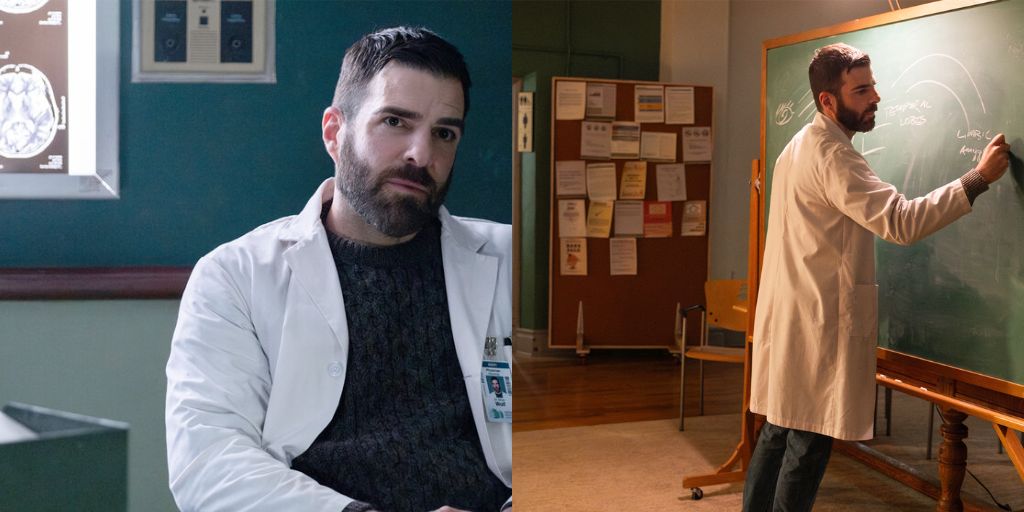
The main character, Dr. Oliver Wolf (played by Zachary Quinto), is a talented neurologist whose dedication to his patients often gets him in trouble.
He has been fired from many hospitals in New York because of his extreme methods and his struggle with prosopagnosia, a condition that makes it hard for him to recognize faces.
Dr. Carol Pierce (played by Tamberla Perry), an old colleague, offers him a job leading her hospital’s neurology department.
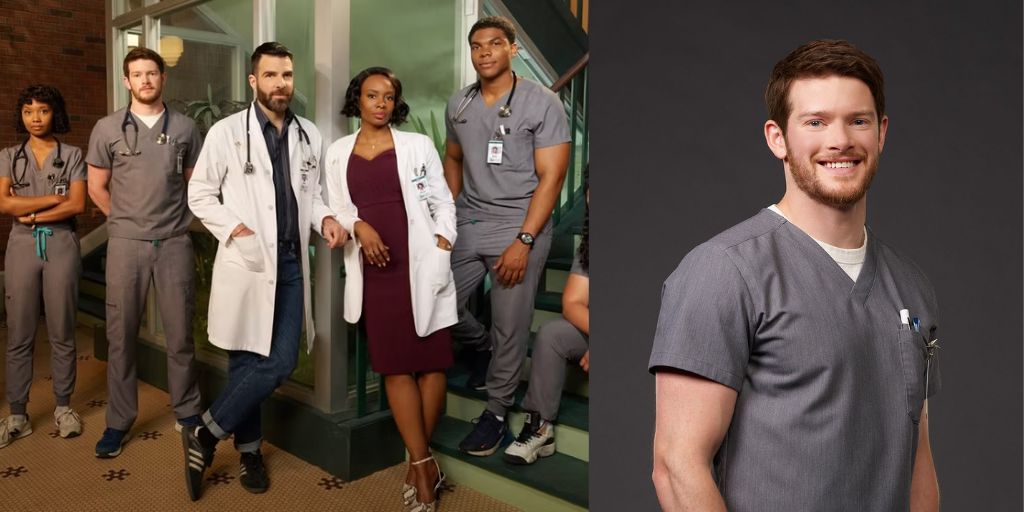
Here, Dr. Wolf works with a group of passionate interns and handles challenging medical cases under the supervision of his estranged mother, Dr. Muriel Landon (played by Donna Murphy), who is the hospital’s director.
Although some elements of the show may seem familiar to viewers, Brilliant Minds quickly sets itself apart by emphasizing the well-being of the patients.
From the first episode, it’s clear that the show is as invested in the patients’ stories as it is in Dr. Wolf’s character.
It’s uncommon to see much experimentation in medical dramas, which is why Brilliant Minds may surprise viewers with its unique way of portraying the patients’ experiences.
Medical shows often rely heavily on complicated jargon that leaves non-medical viewers confused, making it harder to fully understand the severity of the cases presented.
Brilliant Minds uses the same medical terminology but pairs it with creative camera work and visual effects that help viewers experience the patients’ struggles firsthand. For example, one episode shows a woman who feels like she’s losing control over her body.
Still from Brilliant Minds (Credit: NBC)
Through powerful digital effects, the show helps the audience understand how terrifying this experience is for her, shifting the viewers’ perspective from outside observers to participants in her struggle.
This technique helps the audience feel more connected to the patients and adds a deeper layer of empathy. It’s a brilliant way to highlight the strength of the show — its focus on people.
The Show’s Performances Shine
Like many episodic series, Brilliant Minds brings in guest actors for one-episode roles. However, few shows in recent memory have featured such strong performances from these temporary cast members.
These guest actors create some of the most touching moments in the show, whether it’s an elderly man with Alzheimer’s recalling his family through music or a mother unable to recognize her own children. These scenes leave a lasting emotional impact.
The main cast also delivers powerful performances, with Ashleigh LaThrop’s portrayal of intern Ericka Kinney standing out. Ericka is a hopeful but exhausted young doctor who adds heart to the show.
Her realistic performance offers a perfect entry point for the audience, someone viewers can relate to as they follow the medical stories. However, LaThrop’s strong performance also highlights one of the show’s biggest flaws: it often loses focus on its characters in favor of quirky plot twists.
The lead character, Dr. Oliver Wolf, is the main culprit of this issue. The writers try so hard to make him stand out as a unique TV doctor that they excuse his rude behavior, making it seem like his so-called brilliance justifies his actions.
The show suggests that his difficulty with recognizing faces makes it hard for him to connect with others. This is a real challenge for those with this condition, but instead of showing this emotional distance, the show piles on dramatic plot twists and exaggerated traits to make him seem more distinctive.
This overemphasis on making him a “brilliant” but difficult doctor takes away from the more realistic and relatable stories the show could focus on. Dr. Wolf also frequently critiques the unfairness of the medical system, a topic that could make him more sympathetic.
Still from Brilliant Minds (Credit: NBC)
However, the show rarely goes deep into this issue, only mentioning it in passing. This focus on adding new, exciting elements for the sake of being different weakens the show.
In one episode, an intern’s medical condition is treated almost like a superpower, while another episode centers around “WitchTok,” a trend that feels out of place in a serious medical drama. These gimmicks detract from the human-centered stories that should be at the heart of the show.
‘Brilliant Minds’ Needs More Time to Grow
Brilliant Minds deserves the chance to develop further. More episodes could allow the series to fix its early problems and focus on what truly matters: the emotional and medical realities of its characters.
The way the show brings viewers into the patients’ minds is powerful and creates a deep connection between the audience and the stories being told.
The empathy it generates for both the patients and the doctors is what makes the show special. However, before Brilliant Minds can reach its full potential, it needs to stop relying on gimmicks and focus on the genuine human experiences it already portrays so well.
Only then will it become a medical drama that truly stands out. Until then, Brilliant Minds risks being a show that fails to recognize the greatness it already possesses.

Still from Brilliant Minds (Credit: NBC)
Brilliant Minds is a new medical drama centered around Dr. Oliver Wolf, a neurologist with prosopagnosia, the inability to recognize faces. The show focuses on his dedication to patients and his struggle to connect with others due to his condition.
While the series stands out by highlighting the emotional and medical realities of its patients through unique visual effects and strong performances, it sometimes relies too much on gimmicks that detract from its core strength.
With more time, Brilliant Minds could refine its focus and become a standout medical drama by prioritizing its human-centered stories.
Brilliant Minds premieres on September 23 on NBC and will be available for streaming on Peacock in the U.S.
Bring Them Down is the first film directed by Christopher Andrews. It starts with a shocking scene that shows brutal violence, which symbolizes the rest of the film. Michael (played by Christopher Abbott, though his face is not shown) is driving on an Irish road.
His mother, Peggy (Susan Lynch), sits in the passenger seat, while his girlfriend, Caroline (Grace Daly), is in the back seat.
Everything seems normal until Peggy shares her news: she is leaving Michael’s father, Ray (Colm Meaney). After meeting Ray, it becomes clear why she wants to leave.
She tells Michael that Ray terrifies her. Instead of responding to his mother’s news, Michael presses the gas pedal.
He ignores the frantic pleas from Peggy and Caroline until the car crashes. This moment shows how anger drives him without any thought for the consequences.
A Cycle of Anger and Revenge
Bring Them Down is filled with moments where anger takes control. Michael’s actions in the opening scene create a chain reaction of revenge, anger, and grief for those around him. Poor decisions lead to more poor decisions.
The film shows that fury and vengeance are complicated and based on feelings, not clear thinking. Andrews, who wrote the film with Jonathan Hourigan, focuses on this kind of angry revenge. However, it reminds us that revenge often feels good at the moment but leaves you feeling empty in the long run.
The Impact of the Accident
After the car crash, Bring Them Down jumps ahead in time to show how the event affects the community and people close to Michael.
Caroline, now played by Nora-Jane Noone, carries a visible scar on her face. She has started a family with her sheep farmer husband, Gary (Paul Ready), and their son, Jack (Barry Keoghan).
While Caroline seems friendly with Michael, her family holds resentment toward him. Michael runs the sheep farm next to Caroline’s family farm, which brings them closer together.
Michael’s father, Ray, is now mostly unable to move from his chair, leaving bottles of his urine for Michael to clean up at the end of the day. Ray often yells at Michael and mourns his wife, not knowing how Peggy died.

Still from Bring Them Down (Credit: Mubi)
Michael spends most of his days alone, taking care of the sheep. However, one day, Gary and Jack call him and Ray to say that two of their rams have ended up on their property and are now dead.
This news brings long-hidden anger between the two families back to the surface, as both want to take revenge for their losses.
Strong Performances Drive the Story
Bring Them Down mainly works because of its two main characters, even though they are somewhat miscast. Abbott plays Michael as a quietly intimidating character who has always held onto his rage. He portrays this type of character well, making his outbursts more impactful.
Keoghan is also skilled at playing unsettling characters, making him an unpredictable and somewhat foolish person. Putting these two against each other creates a powerful conflict since both characters are volatile and erratic.
However, the film tries to make us believe that Abbott’s Michael could be Jack’s father, showing what he could have had if he had not ruined his relationship with Caroline. The small age difference between the two actors makes this connection less clear.
Andrews also uses violence sparingly but effectively. When violence occurs, it shocks the audience, similar to how Jeremy Saulnier uses brutality in films like Blue Ruin or Green Room.
The violence is never neat, serving as another example of acting without thinking about the consequences.
Andrews builds up to these moments but still surprises us with horrific acts against the backdrop of beautiful scenery captured by cinematographer Nick Cooke.
Staying Within One Emotion
Despite its effective violence and strong performances, Bring Them Down does not go beyond being a standard revenge thriller.
There are smart choices, such as shifting from Michael’s perspective to Jack’s perspective later in the film, which shows a different side of the story.
However, it does not add up to much full. While it is exciting to watch the conflict between the two families, the film does not reach greatness, even though it hints at something deeper.
Like its characters, Bring Them Down keeps moving forward, introducing new challenges and chances to go further into this dark story. However, it lacks a clear purpose or satisfying conclusion.
Bring Them Down stays focused on pain and the grief that comes with it, creating an unavoidable sense of misery.
Andrews and Hourigan’s script remains in this sorrow without seeking to show beyond this emotion, which weighs down both the characters and the audience.

Still from Bring Them Down (Credit: Mubi)
The film successfully showcases strong performances from Abbott, Keoghan, and Meaney, as well as Andrews’ ability to build tension and create shocking moments of violence.
For Andrews, Bring Them Down is a capable and interesting debut, but it needs more depth than this revenge story can provide.
“Bring Them Down,” directed by Christopher Andrews, shows themes of anger and revenge after a tragic car accident involving Michael and his family.
The film reveals how the event impacts the characters over time, particularly Caroline, who suffers lasting effects. Strong performances highlight the emotional weight, but the film struggles to transcend its standard revenge thriller format.
