Damian McCarthy’s directorial debut, Caveat (2020), is a psychological horror film that immerses viewers in an atmosphere of creeping dread and isolation. The film, while slow-paced in its early moments, builds tension with a haunted house formula that leaves many questions unanswered, but the fear it generates more than compensates for its narrative ambiguity.
Caveat Ending Explained
The story follows Isaac, a man suffering from amnesia, who is hired by an old acquaintance, Moe Barrett, to care for his disturbed niece, Olga. She is living alone in an isolated house after the traumatic death of her father, who committed suicide. Isaac’s task is to look after Olga, who is emotionally fragile and prone to violent outbursts. The payment is generous, which raises Isaac’s suspicions about the true nature of the job.
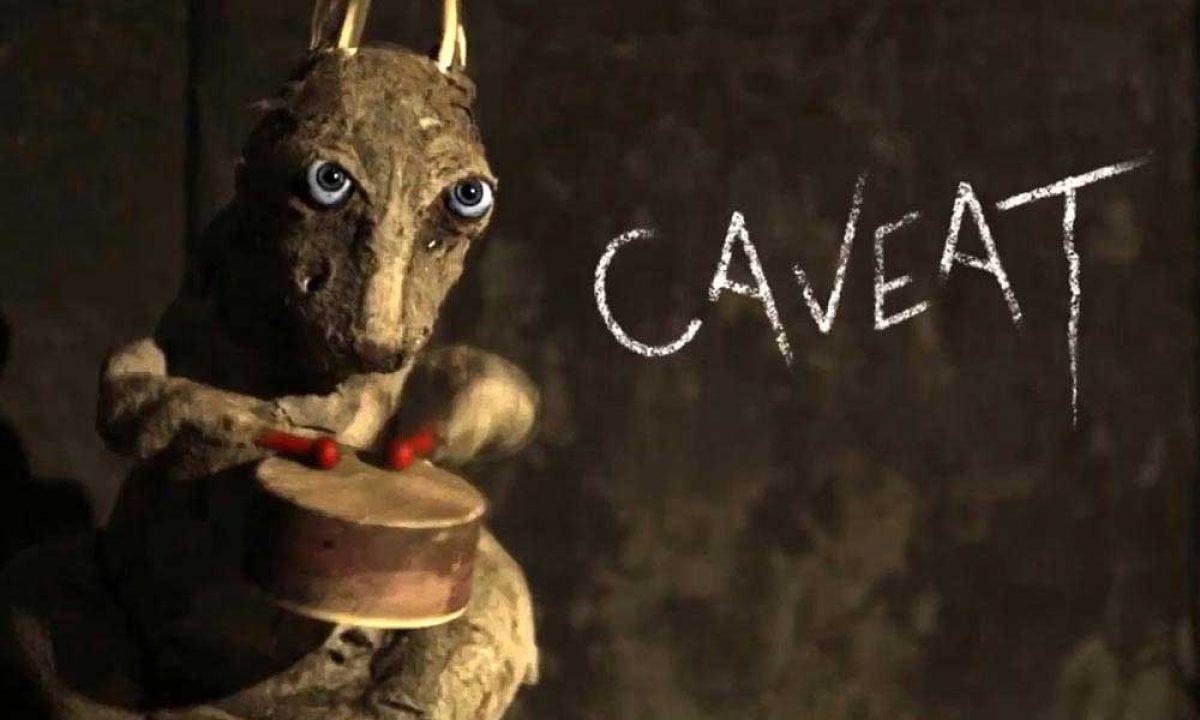
Caveat (Image via Getty)
Upon arriving at the house, Isaac is confronted with a series of unsettling details. The property sits on a remote island, only accessible by boat. Adding to the strange nature of the job, Olga is highly paranoid and insists Isaac be chained to a post in the basement, which severely limits his movement within the house. This odd condition adds an additional layer of discomfort, intensifying the claustrophobic atmosphere.
The House and Its Dark Secrets
Isaac, despite his doubts, begins his uneasy stay at the house. The house is not only remote but also eerie, with a gloomy, decaying atmosphere. Isaac soon notices a dog outside that is also tied up, and a range of disturbing events begins to unfold. Olga’s behavior shifts between catatonic states and erratic bursts of aggression, especially as she clutches a crossbow her father had used to take his own life.
Olga’s troubled history is soon revealed, including her belief that her father’s intense claustrophobia led to his suicide, which was triggered by an incident where her mother locked him in a harness as a cruel joke. These unsettling revelations only add to the growing mystery of the house and the grim fate that seems to have befallen her family.
Atmosphere Over Jump Scares
What makes Caveat so unsettling is its focus on atmosphere rather than relying on traditional jump scares. The film creates a sense of unease through long silences, unexplained sounds, and visual oddities. The decrepit house plays a significant role, with creaky doors opening on their own and unsettling portraits shifting positions by themselves. Olga’s behavior is equally disturbing, as she often assumes a ‘see no evil’ pose during her strange episodes.
One of the most unnerving elements of the house is the presence of a bunny, whose glassy eyes seem to warn of impending danger. Yet, the source of this danger remains unclear—whether it is Olga, the house itself, or something far more sinister lurking in the shadows. The house’s narrow corridors and repetitive rooms amplify the feeling of being trapped, both for Isaac and the viewer. This claustrophobic atmosphere is compounded by the lack of context, leaving the audience to question what is real and what is a product of Isaac’s deteriorating mental state.
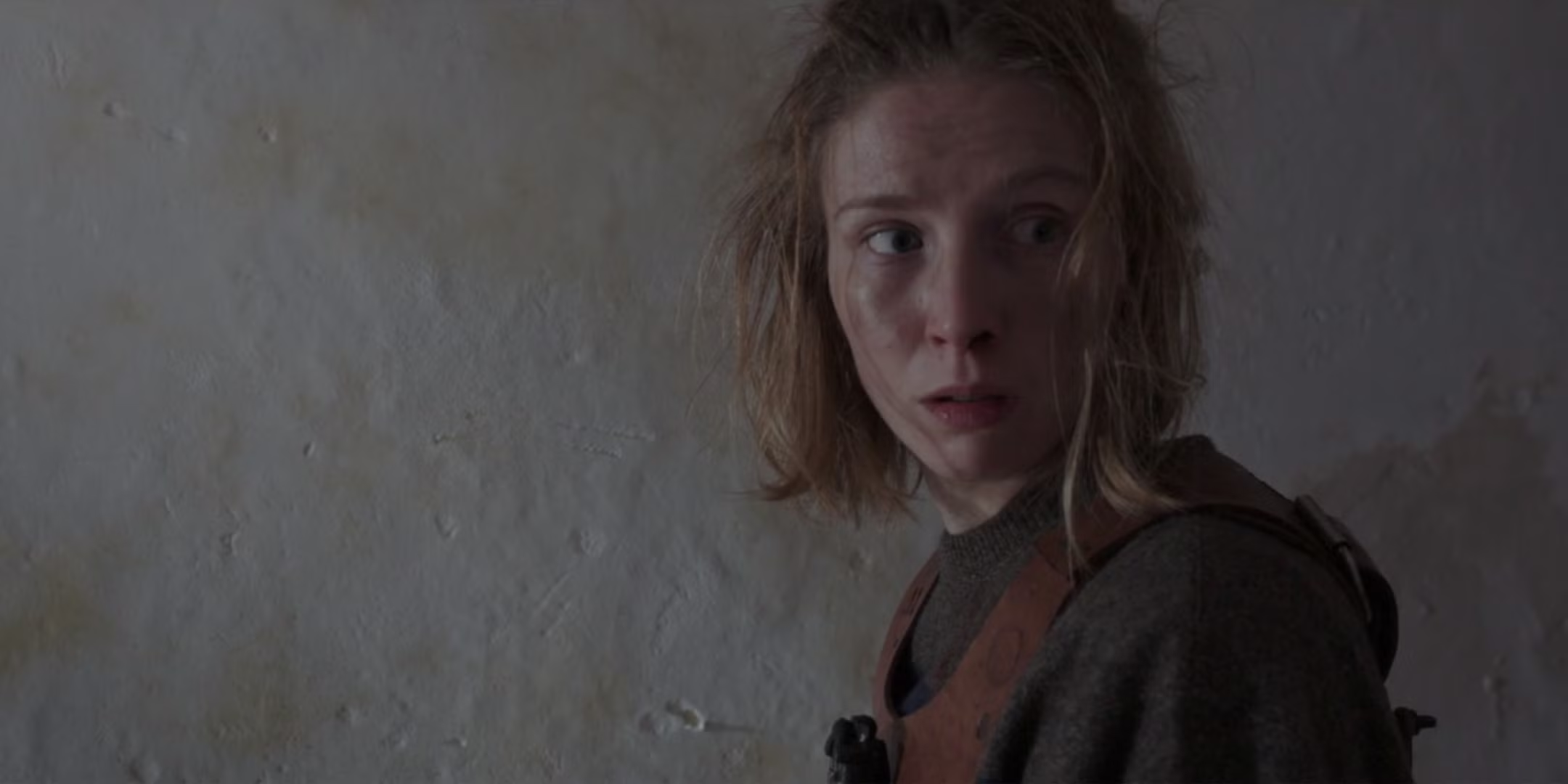
Caveat cast (Image via Getty)
A Twisted Discovery in the Basement
As Isaac continues his exploration, he uncovers the rotting corpse of Olga’s mother hidden behind a wall in the basement. This discovery leads to an even darker revelation. Olga admits that Moe and her father were responsible for her mother’s murder, and she further shocks Isaac by revealing that he had been to the house before. About a year prior, Moe hired Isaac to lock his brother, Olga’s father, in the basement, knowing his claustrophobia would drive him to suicide.
Isaac’s memories begin to resurface as Olga shows him the red jacket he had left behind during his previous visit. She also contacts Moe, who confirms the grim story. As Isaac’s past comes into focus, the dark truth about his involvement in the tragic events becomes clearer.
The Chaotic Climax and Final Confrontations
In the film’s tense climax, Isaac manages to free himself from his chains by stealing the key from Olga’s deceased mother. Olga, however, attacks him in an attempt to prevent him from escaping. In the midst of their struggle, Isaac recalls the fateful day when he tried to warn Moe’s brother of the impending danger. After hearing noises from the basement, Isaac had tried to intervene but arrived too late. Moe’s brother had already ended his life.
When Moe visited Isaac two days later, he discovered the note Isaac had left for the victim, and in a fit of rage, he pushed Isaac off a balcony. This fall resulted in Isaac’s memory loss, which has only now begun to clear up as he uncovers the truth.
Isaac finds a passage leading back to the basement, where he becomes trapped with the decaying corpse of Olga’s mother. As he attempts to break through the wall, Olga and Moe appear on the other side. Olga shoots an arrow at Moe before locking him in the basement, setting the stage for a final confrontation.
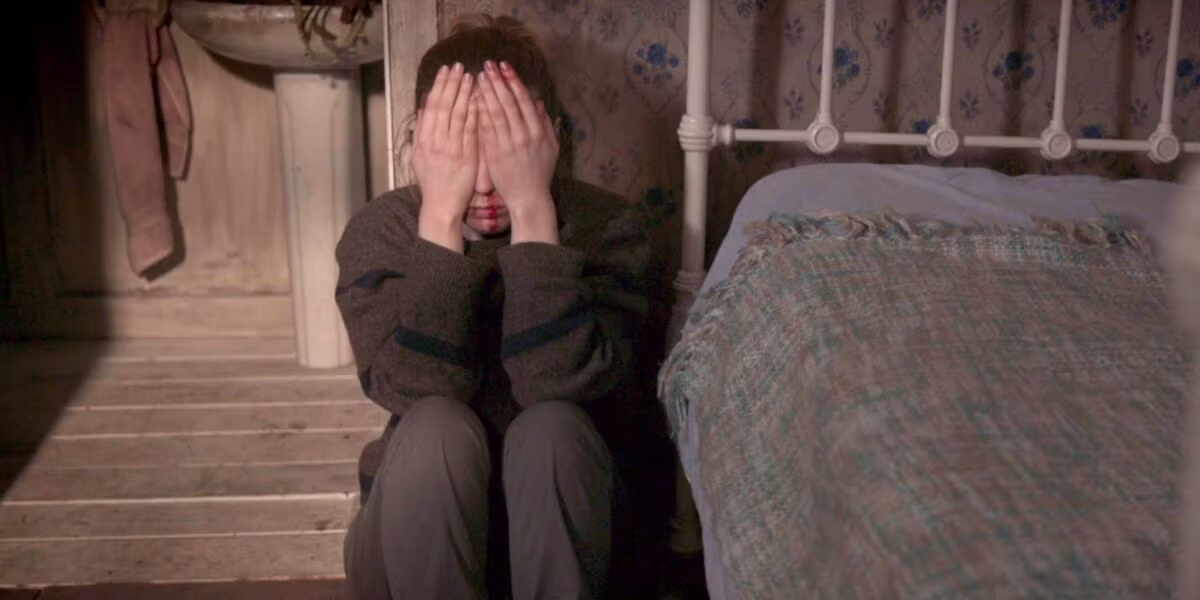
Caveat cast (Image via Getty)
Moe then tricks Isaac, pretending to ally with him to take down Olga. However, as Isaac reveals through an intercom that he has already escaped, the tension reaches its peak. The film’s conclusion is both haunting and ambiguous, leaving the audience to question the motives of each character. Was it Olga’s father’s guilt that led to his death, or did the spirit of his wife seek revenge?
The Unanswered Questions and the Meaning of It All
The film’s ending remains enigmatic, leaving many questions unresolved. The reasons behind the characters’ actions are never fully explained, and the motivations for their cruel behavior remain shrouded in mystery. What is certain, however, is that Isaac’s experience in the house has been both physically and mentally traumatic.
One of the most striking aspects of the film is the ambiguity surrounding the supernatural events. While the ghostly occurrences are deeply unsettling, they never cause Isaac direct harm. Whether these events are meant to scare him or push him toward the truth is left unclear, adding to the film’s sense of unease.
In the end, Caveat is a film that leaves viewers with more questions than answers. Its oppressive atmosphere and intense exploration of claustrophobia and fear make it a unique addition to the psychological horror genre. Though it leaves many elements to the imagination, the emotional and psychological journey of the protagonist remains unsettlingly powerful.
In Ready Player One , the hunt for Halliday’s Easter Egg goes beyond just a competition for unimaginable wealth. The quest was designed to find someone capable of not only understanding Halliday’s genius but also possessing the right qualities to govern the OASIS. The three keys that players must unlock in the hunt serve as metaphors for Halliday’s life lessons, including embracing mistakes, learning from them, and appreciating the journey itself.
Ready Player One Ending Explained
The Easter Egg hunt revolves around three keys, each representing an essential lesson Halliday learned too late in life. Halliday, a socially awkward man in his youth who later became regretful and lonely, created the contest as a way to identify a successor who would rule the OASIS with the wisdom he never had. Through the challenges, the goal was to find a player who understood not just the rules of the game, but the deeper significance of these lessons.

Ready Player One (Image via Getty)
The Copper Key, the first of the three, requires participants to complete a race by driving backward through a pop culture-laden course. The clue to this challenge, which hints at the need to “break the rules,” points to Halliday’s own disdain for convention. By succeeding, Parzival demonstrates the value of thinking creatively and making mistakes without fear of failure.
The Jade Key: Understanding Mistakes and Moving Forward
The second key, the Jade Key, involves a puzzle related to Halliday’s regrets. Parzival and Art3mis must solve the riddle by interpreting Halliday’s past relationship with Karen Underwood. The correct solution involves the 1980s film The Shining , a movie Halliday and Karen watched together. By making the mistake of not asking Karen to dance in the film, Parzival and Art3mis are tasked with correcting this error by asking a recreation of Karen to dance in the game.
This task teaches players the importance of learning from mistakes and making them right, a theme central to Halliday’s message. It’s not about winning or beating the system, but recognizing and rectifying past errors in order to grow.
The final key, the Crystal Key, comes with the challenge of playing Adventure , a classic game where an Easter Egg was famously hidden. To obtain the key, Parzival must find the hidden message from the game’s creator, Warren Robinett. This task underscores the idea that the journey itself is more important than the destination. In the end, it’s not about winning the game, but about taking a moment to appreciate the little things—something that Halliday failed to grasp in his own life.
The True Test: Halliday’s Final Challenge
After Parzival successfully obtains all three keys, he doesn’t immediately win the prize. Instead, he is presented with a contract by Anorak, Halliday’s avatar, offering him control of the OASIS. This moment, while seeming like victory, is another test. Parzival’s decision to reject the contract is symbolic of his understanding that true victory lies not in personal gain but in rejecting the very system that led Halliday to his mistakes.

Ready Player One cast (Image via Getty)
By refusing to sign the contract, Parzival proves he has learned Halliday’s ultimate lesson: the value of human connection over virtual power. This final test demonstrates that Halliday’s quest was not just about who could win the OASIS but who could understand its deeper purpose.
The Real Easter Egg: A Symbol of Connection
Once Parzival declines the contract, he receives the real Easter Egg. This object is not just a symbol of victory but represents the culmination of Parzival’s journey. It has a profound impact, bleeding into the real world and symbolizing the merging of the virtual and the authentic. This moment reveals Halliday’s true intentions for creating the OASIS: to connect with others who shared his love for pop culture. However, as Halliday eventually realized, virtual connections can never replace the real human bonds that he lacked in life.
The Role of Friendship and Human Connection
Throughout the movie, Parzival’s journey is driven by his relationships with his friends, particularly Art3mis and the High Five. These friendships are essential to his growth. Halliday’s regrets were rooted in the loss of his own human connections, especially his broken friendship with Ogden Morrow. This failed relationship, not the unrequited romance with Kira, is the central regret that motivated Halliday to create the Easter Egg hunt. Through the quest, Halliday hoped to ensure that his successor would not repeat his mistakes and would value relationships over solitary pursuits.
A New Beginning: Wade’s Decision for the OASIS
At the end of Ready Player One , Wade demonstrates his growth by making a significant decision regarding the future of the OASIS. Instead of keeping control for himself, he shares it with his friends, the High Five. This is a critical departure from the solitary journey of the hero. Wade’s decision reflects Halliday’s desire to see the OASIS become a place for community, not isolation. The OASIS will now be closed on Tuesdays and Thursdays, compelling people to disconnect from the virtual world and make real-world connections. This change marks the beginning of a new chapter, one where the OASIS serves as a tool for good, rather than a means of escape.
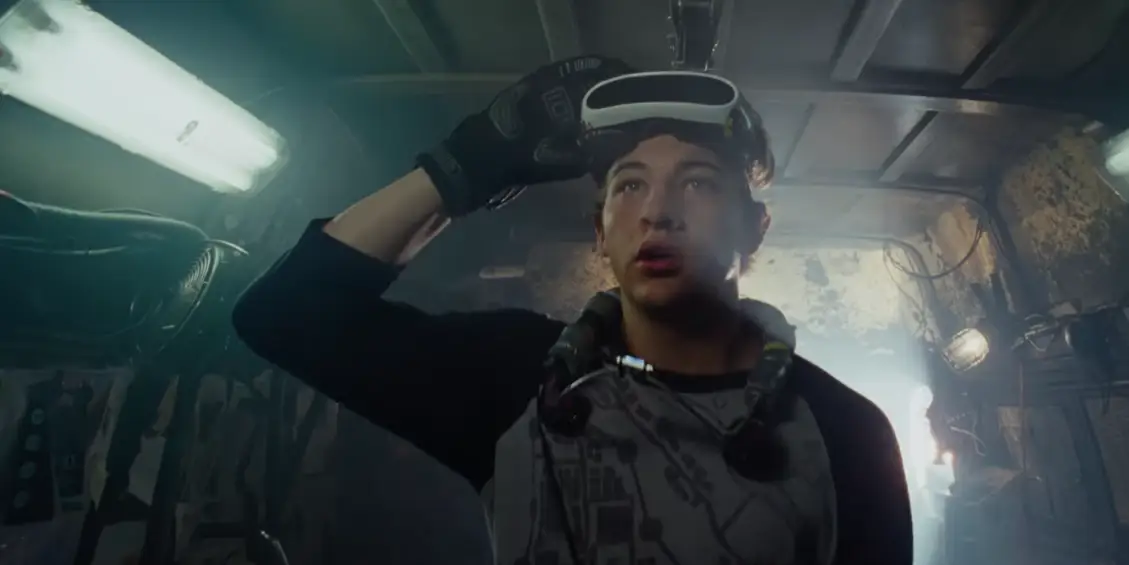
Ready Player One cast (Image via Getty)
The Fall of IOI: A Corporate Collapse
In contrast to the positive changes in the OASIS, the evil corporation IOI faces a downfall. The IOI’s goal was to monopolize the OASIS, turning it into a profit-driven enterprise. Throughout the story, their plan is to control the Easter Egg and use it to gain total control of the virtual world. However, by the end of the movie, Wade’s actions prevent this outcome. By locking out the Loyalty Centers from the OASIS and revealing the criminal actions of Nolan Sorrento, Wade and his friends undermine IOI’s power.
While the film doesn’t confirm the complete shutdown of IOI, it can be inferred that their influence over the OASIS is significantly diminished. This victory over IOI not only marks the fall of a corporate giant but also reinforces the importance of human connections over the pursuit of wealth.
The Mystery of Halliday’s Presence
At the film’s conclusion, Wade asks whether Halliday is truly dead. The version of Halliday that appears to Parzival is a highly advanced NPC, but his response leaves the question unanswered. This ambiguity has led to much speculation. The film hints that Halliday might not be fully gone, and this theme is explored further in the Ready Player One book series. In Ready Player Two , it’s revealed that Halliday had developed technology that allowed him to upload his consciousness into the OASIS, creating an AI version of himself that could live on after his physical death.
This technological advancement presents a tragic element to Halliday’s story, as his attempt to live on in the virtual world contrasts with the film’s overarching message about the importance of real-life relationships.
