The release of Chainsaw Man chapter 183 was one of the most highly anticipated events among fans, especially after chapter 182 ended with a hint of potential flashbacks involving two beloved characters, Aki and Power.
Since Denji’s journey has been marked by countless painful experiences and cherished friendships, this teased flashback sparked excitement about what it could reveal.
However, as readers opened the pages of chapter 183, the narrative took a different direction.
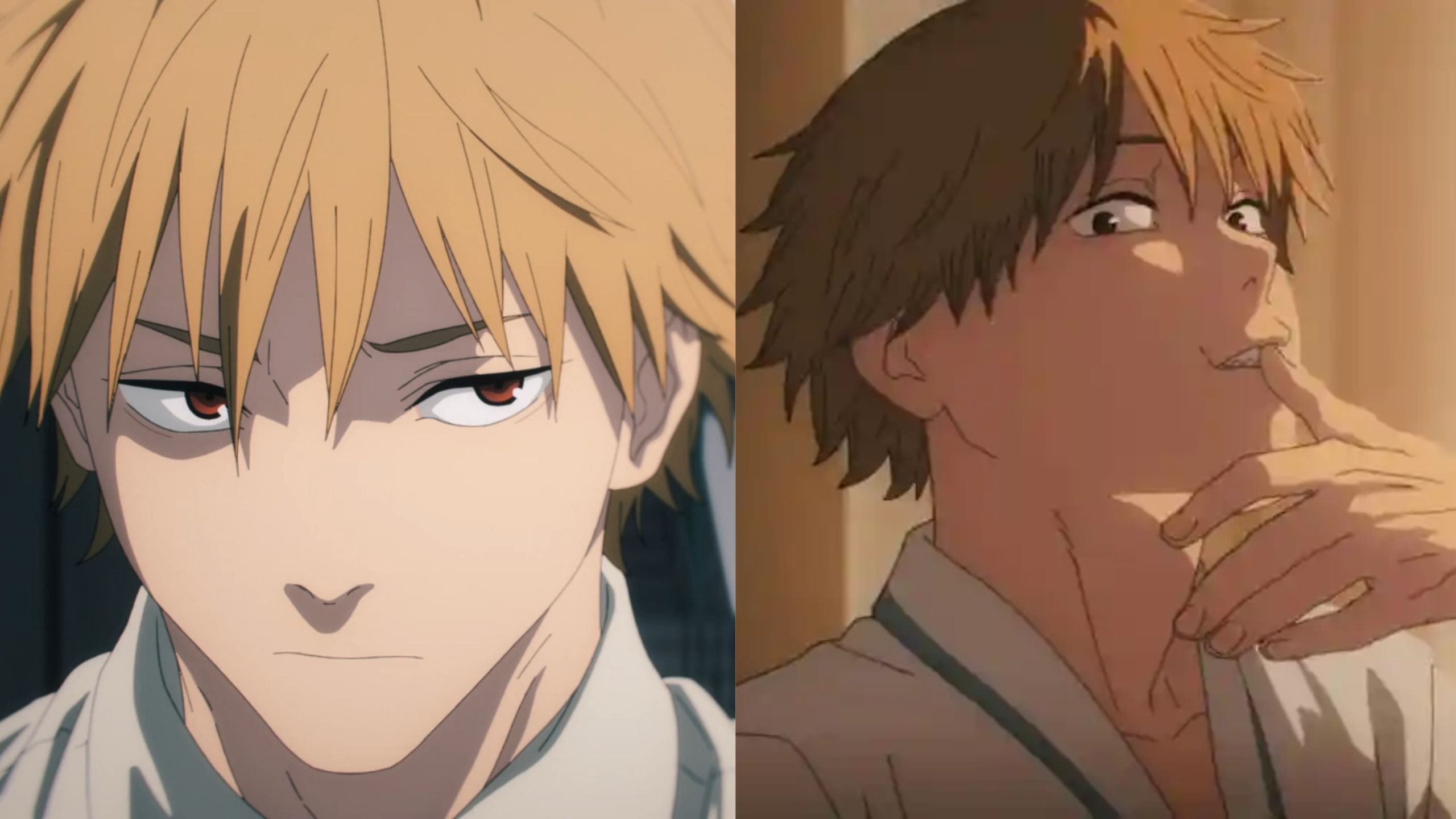
Denji In Chainsaw Man (MAPPA)
Instead of focusing on memories of Aki and Power in the way fans might have expected, this chapter peeled back layers of Denji’s psyche to reveal a surprising revelation.
What was once a high-stakes, emotional battle against Makima has gained new layers of meaning, changing how fans might interpret that iconic clash between Pochita and the Control Devil.
This new understanding not only deepens the character relationships in Chainsaw Man but also reinforces the thematic underpinnings of the series itself.
In a nutshell, chapter 183 offered fans a fresh look at why Pochita, a powerful devil with the ability to erase other devils from existence, chose to engage in a battle against Makima , whose own ideals revolved around domination and control.
Through Denji’s reflections, this encounter between Pochita and Makima has taken on new philosophical depth, highlighting contrasting beliefs about memories, growth, and the value of hardship.
Revisiting the Original Purpose of the Pochita vs Makima Fight
Before jumping into the revelations of chapter 183, it’s worth revisiting the context of the original battle between Pochita and Makima.
This encounter, which spans from chapter 93 of Chainsaw Man, wasn’t just a fight between two devils but a clash of two ideologies.
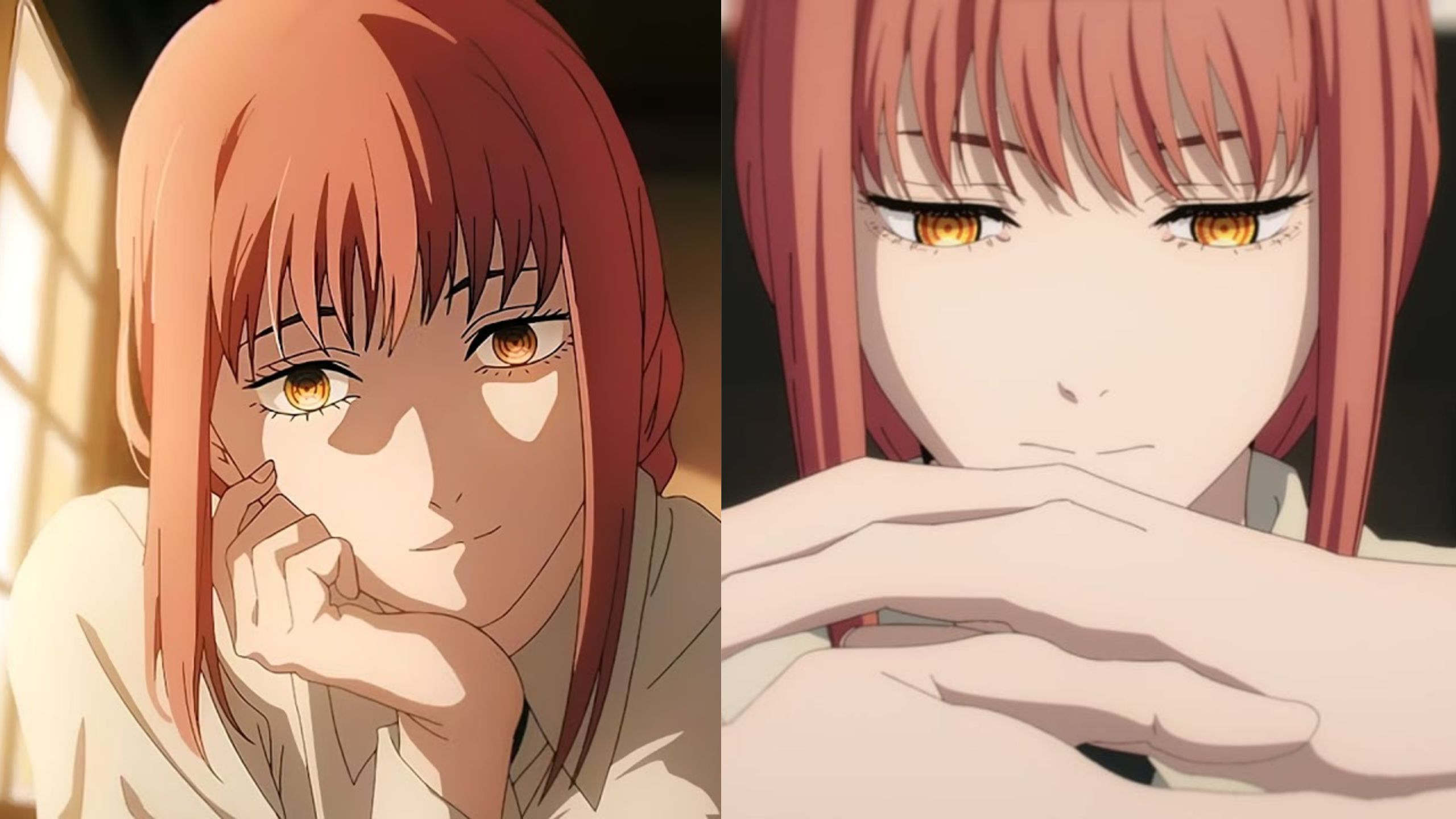
Denji In Chainsaw Man (MAPPA)
At the time, Denji found himself in a tense emotional state. His feelings for Makima were complicated and ran deeper than simple admiration.
Despite being aware of the darkness that Makima represented, he still felt drawn to her, symbolizing his youthful longing for someone who seemed powerful, invincible, and in control.
Yet, as Denji learned more about Makima’s plans and her intentions to control Pochita, his stance shifted.
Makima’s goals, though presented under the guise of creating a “perfect” world, were actually rooted in a desire to erase anything that she considered unpleasant or flawed.
She believed that by using Pochita’s unique ability to erase devils from existence, she could eliminate all negative elements from reality, thereby creating a world where fear, suffering, and imperfection would no longer exist.
This mission, however, was at odds with the very nature of life and growth. The desire to erase imperfections and negative emotions disregards the intrinsic value of struggles and hardships in shaping individuals.
In contrast, Pochita, despite having the power to erase other devils, seemed to carry a different set of beliefs.
Pochita understood that life’s beauty and complexity are woven together from both joyful and painful experiences.
This worldview, while subtle, became a defining factor in his clash with Makima, symbolizing a fight not only to protect Denji but also to uphold the idea that pain and memories, even the difficult ones, are essential parts of existence.
Denji’s Revelation in Chapter 183: A Shift in Perspective
In Chainsaw Man chapter 183, Denji’s experiences and memories take center stage in a way that sheds new light on this central battle between Pochita and Makima.
CSM chapter 183 Denji is going to get himself and Asa out this weird place pic.twitter.com/OuMNWYKuEB — 1cy 🧊 (@1cy_IC) November 12, 2024
The chapter begins with a vivid and somewhat grotesque moment where Denji throws up the head of the Bitterness Devil.
Initially, this act seems odd and somewhat unrelated to the larger story. However, as Denji processes this event, he begins to experience a series of flashbacks tied to people who were once incredibly important to him.
The flashbacks appear to be triggered by specific devils, each of which holds symbolic significance for Denji.
The Snow Devil, for instance, brings to mind the trip Denji took with Aki and Power to Hokkaido, a place where they shared rare moments of happiness and camaraderie.
On the other hand, the Bitterness Devil pulls Denji back to memories of Reze, specifically a moment where they drank bitter coffee together.
These memories are not merely fragments of the past they serve as reminders of the deep emotional pain that Denji felt after losing these people. Each memory is tinged with the bitter truth of loss and the inevitable separation from those he cared about.
But as these memories surface, Denji begins to sense something unusual. He experiences a vision of Pochita, during which he realizes that Pochita didn’t consume these devils to make him forget.
Quite the opposite, Pochita’s actions were intended to prompt Denji to remember. Denji’s vision leads him to understand that these devils were consumed and then thrown up not to erase painful memories but to reinforce them.
By re-experiencing these moments, Denji is reminded of the love he shared, the grief he endured, and the importance of holding onto memories, even if they bring pain.
This realization fundamentally shifts Denji’s perspective, helping him see that Pochita’s role was not only to protect him but also to teach him about the importance of accepting life’s hardships.
How Chapter 183 Changes the Meaning of Pochita vs Makima
With Denji’s newfound understanding, the Pochita vs Makima battle can now be seen in a different light.
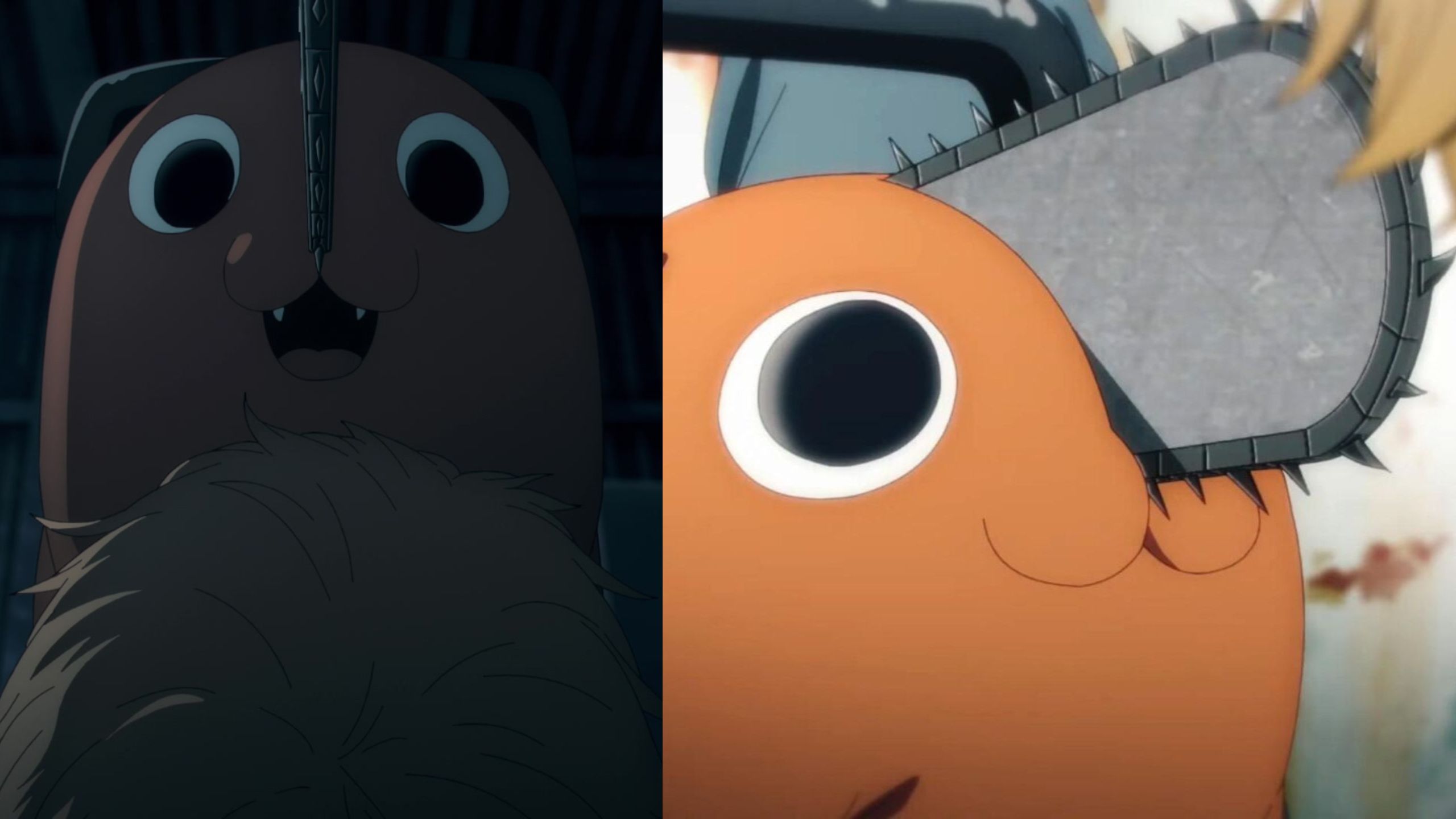
Pochita From Chainsaw Man (MAPPA)
Previously, it appeared as though Pochita was simply fighting to prevent Makima from achieving her goal of total control.
But chapter 183 redefines this conflict as something more than just a power struggle; it’s a philosophical confrontation between two opposing views on life and the nature of existence itself.
Makima’s motivation for controlling Pochita stemmed from her desire to shape the world according to her vision.
Her obsession with erasing devils was based on the idea that by eliminating the source of people’s fear and suffering, she could create a world free of conflict.
In her eyes, devils represented everything negative in the world, and by erasing them, she could bring about a version of reality that was free of pain and imperfections.
However, Pochita’s decision to resist Makima wasn’t only about self-preservation or the protection of Denji. It was an act of defiance against an ideology that dismissed the value of hardship and growth.
For Pochita, pain and struggle are not enemies to be vanquished but are part of what makes life meaningful.
His actions in the fight with Makima underscored his belief that even unpleasant memories have value. They are reminders of past relationships, personal growth, and the journey of life itself.
Denji’s vision in chapter 183 reinforces this point. By prompting Denji to remember those he’s lost and the pain he’s endured, Pochita emphasizes that these memories, while painful, contribute to who Denji is.
They are part of the foundation of his resilience and character. The Pochita vs Makima battle, in this sense, wasn’t just about stopping Makima’s plans; it was a battle to defend the principle that personal growth is forged in the fires of adversity.
The Symbolism of the Snow and Bitterness Devils in Denji’s Flashbacks
The appearance of the Snow and Bitterness Devils in chapter 183 plays a pivotal role in conveying this new understanding of Pochita and his beliefs.
Both devils are tied to memories of significant people in Denji’s life Aki, Power, and Reze.
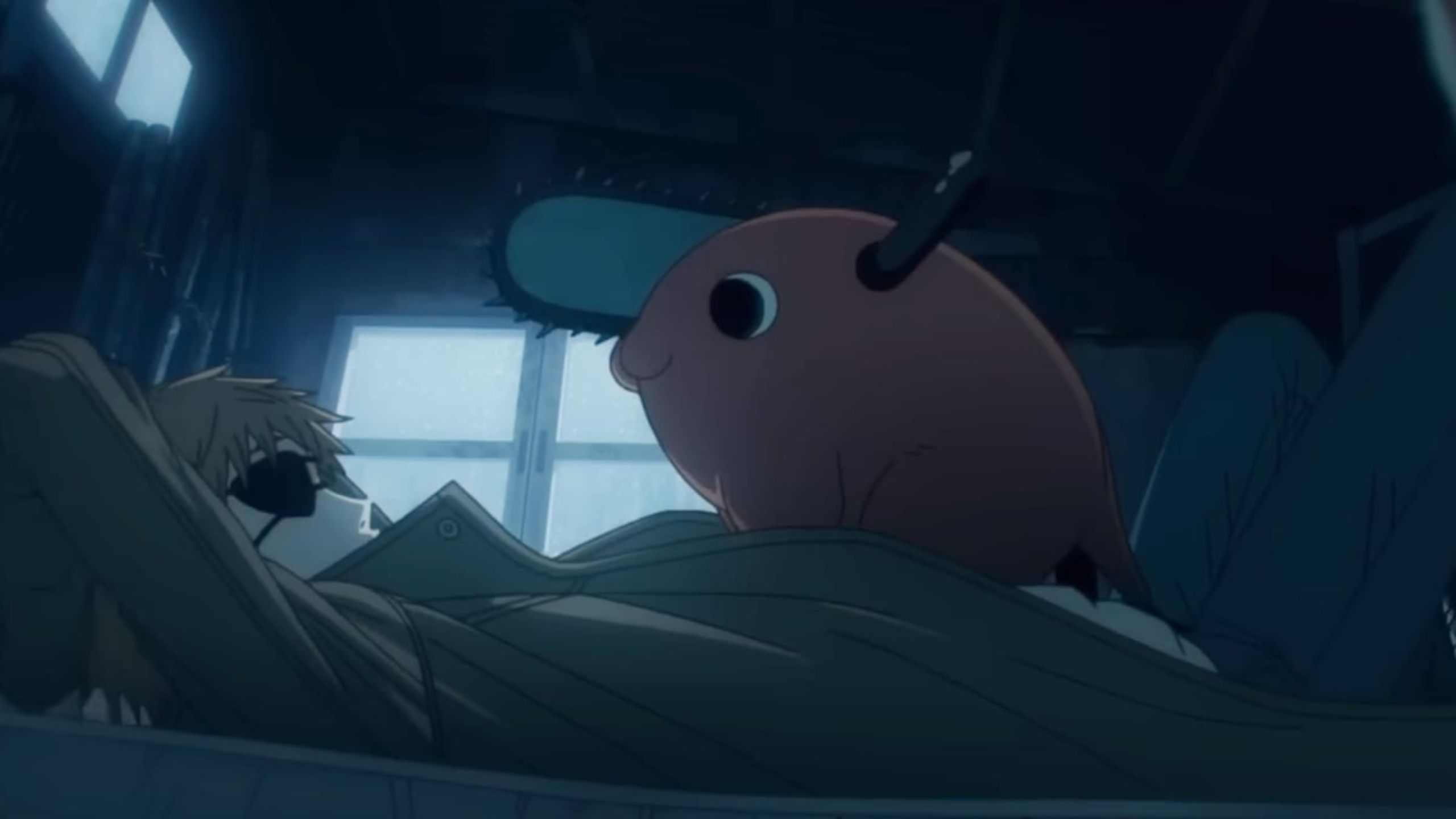
Denji With Pochita In Chainsaw Man (MAPPA)
These characters represent different kinds of relationships and different shades of loss, but they all share a common thread of emotional significance for Denji.
The Snow Devil, for instance, brings back memories of the trip to Hokkaido that Denji shared with Aki and Power.
This trip was a rare moment of happiness, a break from the chaos of devil-hunting and a chance for Denji to experience a sense of family and friendship.
The Snow Devil, therefore, symbolizes both the beauty and fragility of these connections.
It reminds Denji of what he had, even though it was fleeting, and the warmth of that memory is coupled with the cold reality that Aki and Power are no longer with him.
The Bitterness Devil, on the other hand, brings Denji back to a different kind of relationship that with Reze.
Their connection was brief yet impactful, marked by an underlying bitterness, much like the coffee they shared. Reze was someone Denji cared for but ultimately couldn’t keep in his life.
The bitterness of their relationship serves as a metaphor for unfulfilled longing and the sense of incompleteness that Denji feels when he thinks about her.
Through these flashbacks, Denji is confronted with the fact that his life has been filled with losses, some of which were incredibly painful.
Yet, these memories are not presented as things to be forgotten or discarded. Rather, they are valuable pieces of Denji’s past that contribute to his understanding of himself and his journey.
By prompting these memories, Pochita reinforces the idea that even painful experiences are worth holding onto, as they shape who we are.
Pochita’s Role as a Guide and Protector in Denji’s Life
One of the most striking aspects of chapter 183 is how it reframes Pochita’s role in Denji’s life. For much of the series, Pochita has been seen
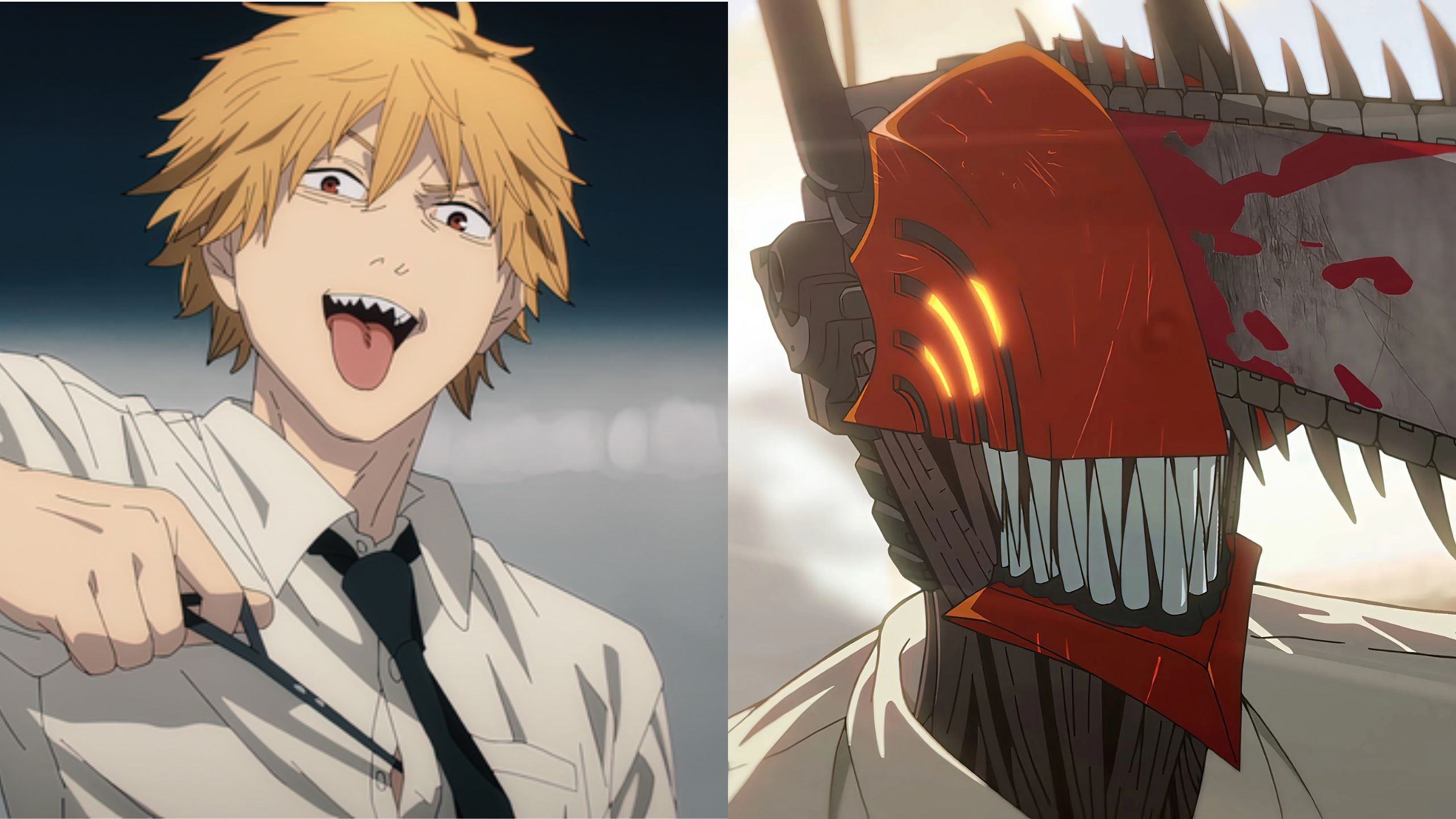
Denji As Chainsaw Man (MAPPA)
primarily as Denji’s ally and protector, a powerful devil who has helped Denji survive and fight against other devils.
However, chapter 183 reveals that Pochita’s influence goes beyond mere protection. Through his actions, Pochita serves as a guide, teaching Denji important lessons about life, resilience, and the value of memories.
Pochita’s decision to throw up devils tied to Denji’s memories can be seen as an intentional act of teaching.
By forcing Denji to confront these memories, Pochita is helping him come to terms with his past and recognize the importance of his experiences.
This act underscores Pochita’s belief that life’s struggles and hardships are not things to be erased or forgotten. Instead, they are essential components of personal growth and self-discovery.
In this way, Pochita’s relationship with Denji becomes more than just a partnership. It’s a mentorship of sorts, with Pochita imparting wisdom through actions rather than words.
By encouraging Denji to remember rather than forget, Pochita reinforces the idea that life’s value lies in its complexity and its mix of joy and sorrow.
This perspective stands in stark contrast to Makima’s desire to erase all negativity and create a “perfect” world.
Makima’s Vision vs. Pochita’s Philosophy: The Heart of Chainsaw Man
The ideological clash between Makima and Pochita lies at the heart of Chainsaw Man’s narrative.
Makima’s vision of a perfect world, free from fear, pain, and imperfections, represents an extreme form of control and domination.
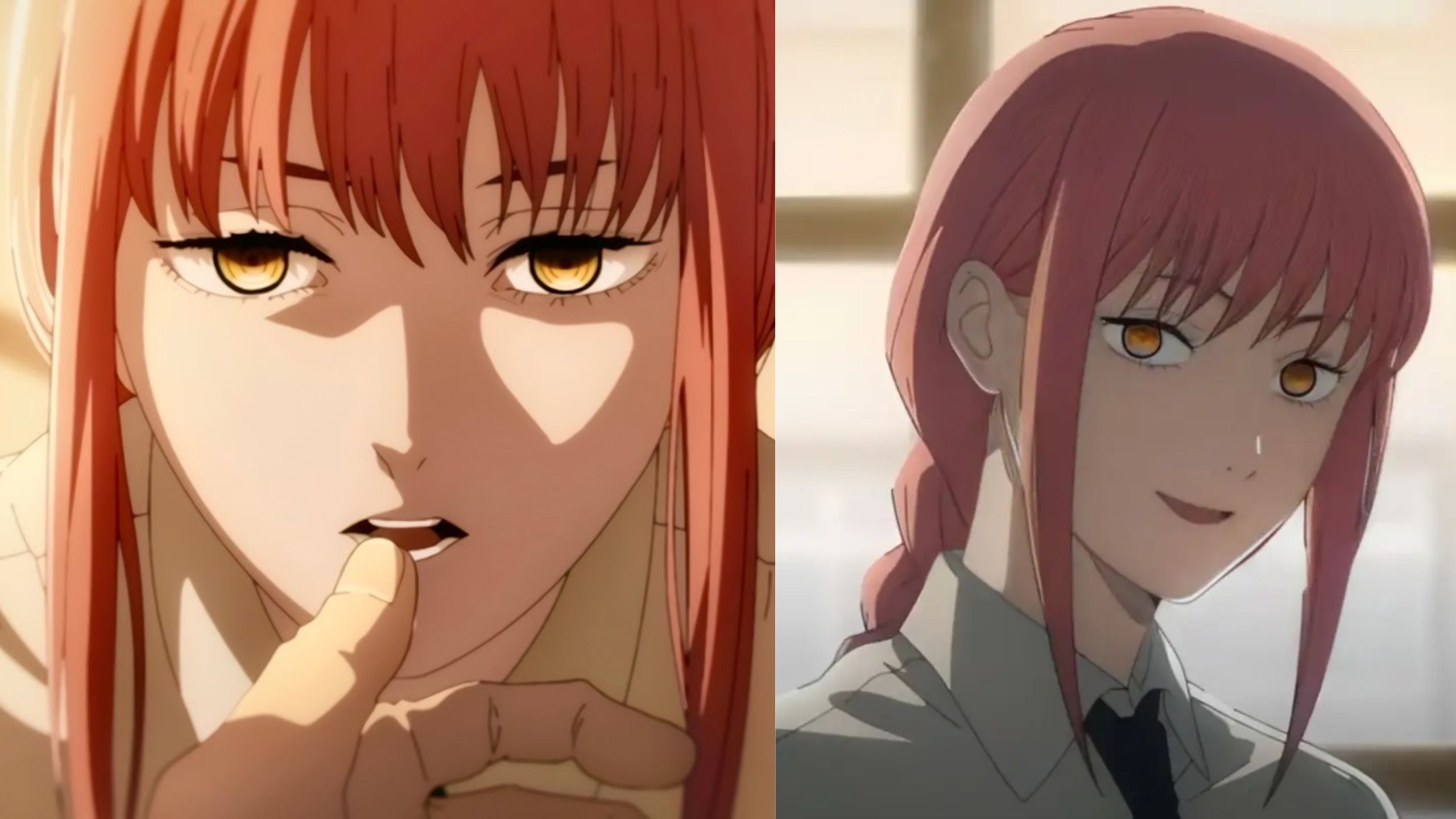
Makima From Chainsaw Man (MAPPA)
Her desire to erase devils and reshape reality according to her ideals highlights her fundamental rejection of life’s natural complexity.
To Makima, anything that causes suffering or discomfort is something to be eliminated.
Pochita, on the other hand, embodies a philosophy that accepts life’s messiness and embraces the beauty of imperfection.
His choice to resist Makima’s control and his encouragement of Denji to hold onto painful memories reflect a worldview that values growth through adversity.
Pochita’s actions suggest that life’s struggles and challenges are not things to be feared or erased. Instead, they are integral to the human experience, adding depth and meaning to existence.
This ideological battle between Makima and Pochita resonates with themes that are central to Chainsaw Man as a whole.
The series explores the complexity of human emotions, the pain of loss, and the resilience required to move forward in the face of hardship.
Through Denji’s journey, readers are reminded that life is not meant to be perfect or free of suffering. Rather, it is the sum of both good and bad experiences that make life meaningful.
Lasting Impact of Chapter 183 on Chainsaw Man’s Themes
Chainsaw Man chapter 183 adds a new layer of depth to the series, particularly in how it reframes the Pochita vs Makima battle as a clash of ideologies.
This chapter emphasizes the importance of memories, even painful ones, in shaping who we are and helping us grow.
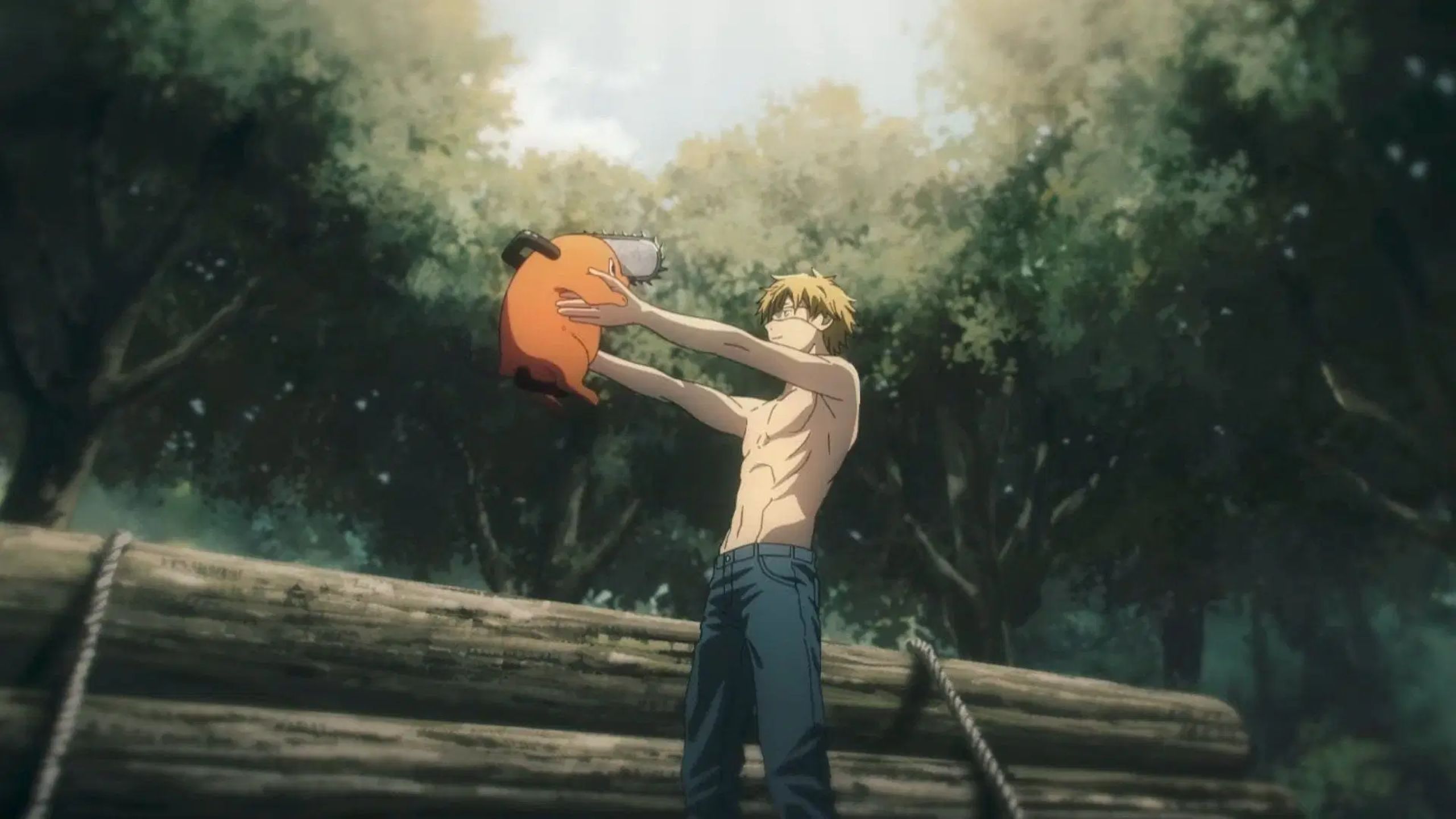
Denji and Pochita (MAPPA)
It reinforces the idea that life’s struggles are not things to be erased but are essential parts of the journey.
Through Denji’s flashbacks and his realization of Pochita’s intentions, chapter 183 drives home the message that pain, loss, and hardship have value.
These experiences are not just obstacles to be overcome but are integral to the process of self-discovery and growth.
Pochita’s philosophy that memories, even painful ones, contribute to personal development stands as a powerful counterpoint to Makima’s desire for control and perfection.
As Chainsaw Man continues, this new understanding of the Pochita vs Makima battle will likely have lasting implications for how fans view Denji’s journey and the series as a whole.
Chapter 183 serves as a reminder that even in a world filled with devils, despair, and loss, there is beauty in resilience and strength in embracing life’s imperfections.
As the Dutton family’s intense journey comes to an end, we meet the key players who will close out the series in style.
After five seasons filled with intense family drama, shocking betrayals, and gripping moments, Yellowstone is finally coming to a close. As fans wait for the final episodes, excitement and tension are at an all-time high.
The Paramount Network will soon air the last chapter of the Dutton family saga, and the characters we’ve followed for years are about to face their fates. Will they triumph, or will the dark forces surrounding them finally break them apart?
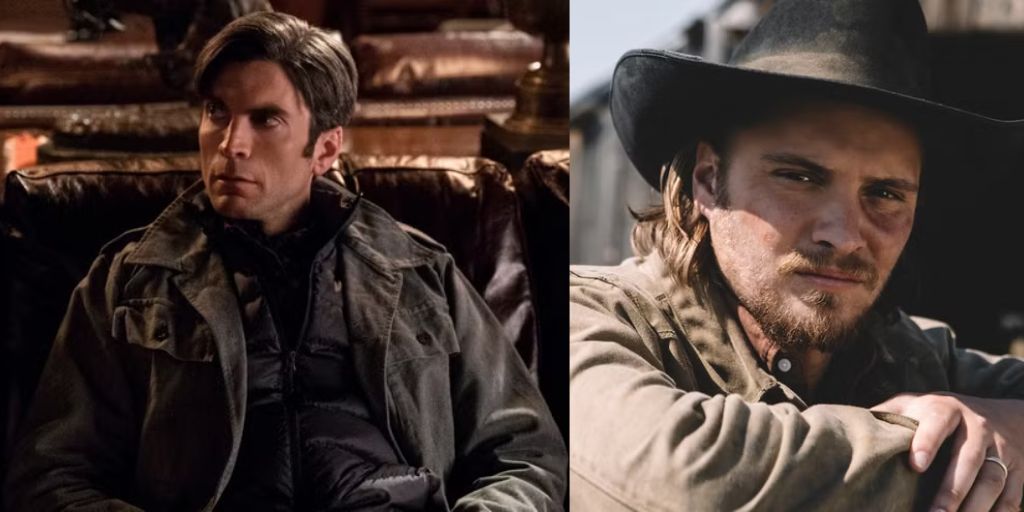
John Dutton (Kevin Costner) has faced everything from political threats to personal losses. Beth Dutton (Kelly Reilly) and Jamie Dutton (Wes Bentley) remain at odds, and the final episodes promise even more intense confrontations.
However, some familiar faces, including Rip Wheeler (Cole Hauser), Kayce Dutton (Luke Grimes), and Thomas Rainwater (Gil Birmingham), are back to ensure the ride ends on an unforgettable note.
As we prepare for the conclusion, let’s take a closer look at the key characters who are central to the Dutton family’s fate in the finale.
Kelly Reilly as Beth Dutton: The Fierce and Loyal Daughter
Beth Dutton is one of the most complex and intriguing characters on Yellowstone. She is the fiery, sharp-witted daughter of John Dutton, and the family’s chief of staff. Beth has always been fiercely loyal to her father and deeply protective of her family, but her loyalty sometimes leads to conflict, especially with her father.
As she faces her role within the Dutton family business, she constantly butts heads with John over how best to secure their future.
Beth’s relationship with Rip Wheeler (Cole Hauser) is one of the core elements of her storyline. Rip, a loyal member of the Dutton family, is her partner in both life and business. Their bond is strong, but Beth’s often harsh demeanor and emotional baggage complicate their relationship.
Her ongoing conflict with Sarah Atwood (Dawn Olivieri), a woman who seeks to disrupt the Duttons, will undoubtedly intensify in the final episodes. Will Beth and Rip’s love survive the chaos that surrounds them?
Kelly Reilly, known for her roles in Sherlock Holmes and Flight, has made Beth one of the standout characters in Yellowstone. Her ability to balance vulnerability with fierce determination has made her a fan favorite.
Wes Bentley as Jamie Dutton: The Outsider Who Could Bring Everything Down
Jamie Dutton has always been an outsider in the Dutton family, despite being John’s son. His complicated relationship with his father and sister, Beth, has been a constant source of tension throughout the series.
Jamie has often found himself at odds with the family, particularly when it comes to his ambitions and his desire to prove himself. In the final episodes, Jamie’s conflict with his family will reach its peak, especially as he teams up with Sarah Atwood to try to impeach his father, John Dutton.
Jamie’s loyalty to his family is questionable at times. He is willing to go to extreme lengths to secure power, even if it means betraying his family. His relationship with Beth is volatile and full of animosity, and as tensions rise, it’s clear that Jamie’s actions could either save or doom the Duttons.
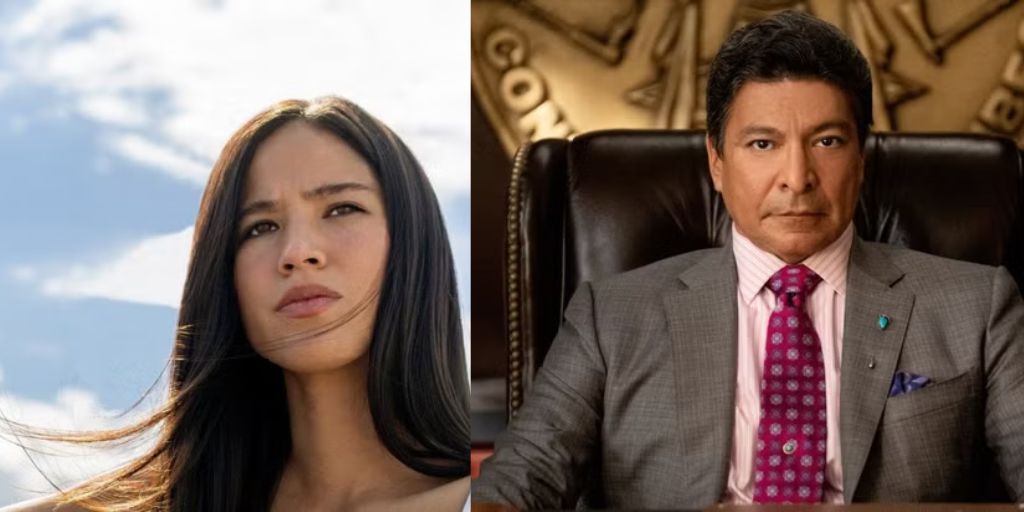
Still from Yellowstone (Credit: Peacock)
Wes Bentley is best known for his roles in American Beauty and The Hunger Games. His portrayal of Jamie Dutton has been one of the most unpredictable and riveting aspects of Yellowstone.
Luke Grimes as Kayce Dutton: Torn Between Duty and Family
Kayce Dutton, the youngest son of John, is a former Navy SEAL who has struggled with his identity and place within the Dutton family. Throughout the series, Kayce has been caught between his loyalty to his father and his love for his wife, Monica (Kelsey Asbille). This internal conflict has often led him to question his role on the ranch and his ability to protect his own family while remaining part of the Dutton legacy.
In the finale, Kayce is likely to be torn between his duty to the family and the increasing strain it puts on his marriage to Monica. The pressure is mounting, and with danger closing in on all sides, Kayce will face critical decisions. Can he ever find peace, or will he be consumed by the chaos that seems to follow the Dutton name?
Luke Grimes, best known for his role as James in True Blood and for his appearances in Fifty Shades of Grey and American Sniper, has brought Kayce’s inner turmoil and strength to life, making him a key character in the series.
Cole Hauser as Rip Wheeler: The Ultimate Dutton Loyalist
Rip Wheeler is the epitome of loyalty, and his devotion to the Dutton family makes him one of the most beloved characters in Yellowstone. As the ranch’s enforcer and Beth Dutton’s partner, Rip is unwavering in his commitment to protecting the family and the ranch, no matter the cost.
In the final season, Rip’s loyalty will be tested as he heads to Texas with the ranch’s cowboys, marking a pivotal moment in the story. His departure from Montana could leave the Duttons vulnerable, but his bond with Beth and his commitment to the ranch will undoubtedly remain strong.
Cole Hauser, who starred in 2 Fast 2 Furious and Tears of the Sun, has earned recognition for his tough-guy roles, and his portrayal of Rip has been a major factor in the show’s success. Rip’s steadfast loyalty and strength will be a key part of the finale.
Kelsey Asbille as Monica Long Dutton: Caught Between Two Worlds
Monica, Kayce’s wife, has always been torn between her loyalty to the Dutton family and her Native American heritage. While she’s grown close to John Dutton and has shared in the family’s hardships, her deep connection to her own people has often created tension.
Still from Yellowstone (Credit: Peacock)
Monica’s relationship with Kayce has been tested by the demands of the Dutton ranch, and as the final season unfolds, it seems that Monica may be forced to make difficult decisions that could change the course of her life.
Kelsey Asbille, known for her roles in Wind River and The Lion Gate, has portrayed Monica as a character caught in the middle, trying to balance her love for Kayce with her loyalty to her culture. Monica’s future is uncertain, but her storyline will play an important role in the finale.
Gil Birmingham as Chief Thomas Rainwater: A Rival with a Cause
Thomas Rainwater, the strong-willed leader of the neighboring Native American tribe, has always been a rival to the Duttons. However, Rainwater’s respect for the Duttons’ connection to the land has made him a more complex character.
His ongoing quest to restore his people’s land and legacy has put him at odds with the Duttons, and his uneasy alliance with Market Equities adds even more tension to his relationship with the family.
Gil Birmingham, known for his roles in Twilight and Wind River, has brought depth and complexity to Rainwater’s character. As the finale approaches, Rainwater’s fight for justice and land could collide with the Duttons’ struggle to preserve their legacy.
Dawn Olivieri as Sarah Atwood: The Manipulative Corporate Player
Sarah Atwood, brought in by Market Equities, is a major threat to the Duttons. As a manipulative figure, she knows how to exploit the weaknesses in the Dutton family and uses her relationship with Jamie to further her agenda.
Sarah’s no-holds-barred tactics and corporate connections make her a dangerous adversary. In the final season, her role in trying to dismantle the Dutton empire will reach new heights, and she could be the one to bring everything crashing down.
Dawn Olivieri, known for her roles in House of Lies and The Vampire Diaries, has played Sarah with a sharp and calculated edge, making her one of the most formidable characters in the series.
Lilli Kay as Clara Brewer: A Quiet Presence with Potential Impact
Clara Brewer, John Dutton’s assistant, has always been a quiet presence within the Dutton family’s power struggles. Though she may seem like an outsider, her access to private conversations and her knowledge of John’s plans suggest that Clara could play a pivotal role in the finale. With the family’s future at stake, Clara’s loyalty will be tested, and her actions could determine the fate of the Dutton ranch.
Lilli Kay, an up-and-coming actress known for her roles in Your Honor and The Terror: Infamy, has shown promise in her portrayal of Clara, and her role in the finale may surprise viewers.
Lainey Wilson as Abby: A Singer with a Love Story in the Making
Abby, a country singer, has become a potential love interest for Ryan (Ian Bohen) in the final season of Yellowstone. As Ryan’s duties on the ranch pull him away, their romance faces challenges. However, Abby’s authentic musical style adds a unique touch to the series, and her relationship with Ryan will likely play a role in the emotional depth of the finale.
Lainey Wilson, a country singer and songwriter known for hits like “Things a Man Oughta Know” and “Heart Like a Truck,” brings her real-life musical talent to the show, adding an extra layer of emotion to her character’s storyline.
Kai Caster as Rowdy: The Young Ranch Hand with a Past
Rowdy, a young ranch hand, appears in flashbacks to the 1990s. His rough interactions with a younger Rip Wheeler (Cole Hauser) leave a lasting mark on the Dutton family, especially influencing Rip’s decisions and relationship with Beth. Rowdy’s role in shaping the Dutton legacy is significant, even though his time on-screen is limited.

Still from Yellowstone (Credit: Peacock)
Kai Caster, known for his roles in American Horror Story and The Girl from Plainville, brings Rowdy to life in a way that ties the past to the present, highlighting the impact of history on the Duttons.
Orli Gottesman as Hailie: The Potential Love Interest for Carter
Hailie’s brief appearance in the series introduces her as a potential love interest for Carter, the young ranch hand. While their time together is short, Hailie’s presence could have a lasting impact on Carter’s development. She may also play a more significant role in the future of the Dutton family, leaving fans wondering how her character will evolve.
Orli Gottesman, known for her role in The Morning Show, adds depth to Hailie’s character, leaving room for future possibilities in the Duttons’ world.
