The police officers of the Windy City are back in action for Season 12 of Chicago P.D. The tough and dedicated uniformed cops, along with the Intelligence Unit, will face the city’s most dangerous criminals.
From solving high-profile murders to dealing with organized crime, these officers are always ready for a challenge.
This season also marks a big change with the exit of Det. Hailey Upton (Tracy Spiridakos), leaving fans to wonder how the team will adjust to her absence.
As they encounter new difficulties in both their jobs and personal lives, and welcome new members to the team, things are about to get intense.
Season 12 of Chicago P.D. will officially premiere on Wednesday, September 25 at 10/9c on NBC. While waiting, check out the returning cast members and their characters below.
Jason Beghe as Sergeant Hank Voight
Jason Beghe plays Sergeant Henry “Hank” Voight, a strong leader in the Chicago Police Department. He commands the 21st District Intelligence Unit and is inspired by his late father, who was also a cop. Hank sees himself as the protector of Chicago, even if it means bending the rules.
His methods are harsh but effective, and they have earned him both fear and respect. Though he seems tough on the outside, Hank has a soft spot for those he tries to help, even though some of his efforts end in heartbreak.
Beghe is known for his roles in Monkey Shines and Thelma & Louise.
Patrick John Flueger as Officer Adam Ruzek
Patrick John Flueger plays Officer Adam Ruzek, a member of the Intelligence Unit. Coming from a family with a strong police background, Adam always admired his father, who worked with Hank Voight. This admiration led him to join the force.
Adam was recruited straight out of the police academy for undercover work and has remained in Intelligence ever since.
However, his eagerness sometimes causes him to make rash decisions, which can create tension with his colleagues. He has also had a hard time balancing his personal life with his demanding job.
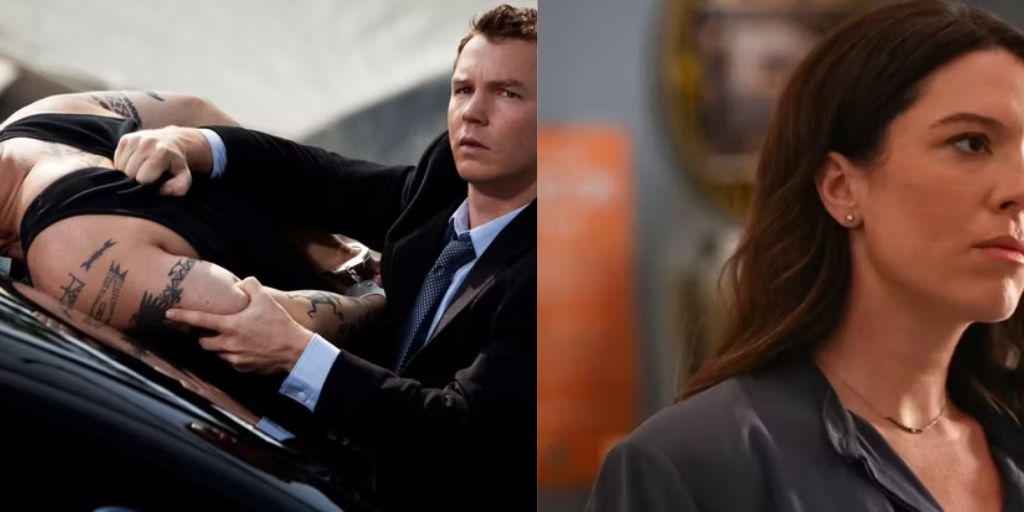
Still from Chicago P.D. (Credit: NBC)
Flueger is well known for his role as Shawn Farrell in The 4400, as well as appearances in Law & Order: Special Victims Unit and Criminal Minds.
Marina Squerciati as Officer Kim Burgess
Marina Squerciati stars as Officer Kimberly “Kim” Burgess, a police officer in the Intelligence Unit. Kim is known for her strong morals and compassion.
She sees the humanity in people, even when they are involved in crimes. Whether it’s paying for a mother’s stolen groceries or rescuing a kidnapped child, her empathy guides her actions.
Despite some tension with her superior, Sgt. Platt, Kim has proven to be a valuable member of the team. She shares a strong bond with her partner, Kevin Atwater, and the two often support each other through tough situations.
Squerciati is known for her roles in Law & Order: Criminal Intent, The Good Wife, Blue Bloods, and Gossip Girl.
LaRoyce Hawkins as Officer Kevin Atwater
LaRoyce Hawkins plays Officer Kevin Atwater, a cop in the Chicago Police Department. Kevin started as a patrol officer with Kim Burgess before moving up to the Intelligence Unit. He has a complicated relationship with his family, especially with his father, who went to prison for robbery.
After his father’s imprisonment and his mother’s death, Kevin took responsibility for his siblings. Despite the pain caused by his family’s actions, he strives to live a good life and contribute positively to society by becoming a cop.
Aside from acting, Hawkins is also a stand-up comedian and plays a regular role on Chicago Fire.
Benjamin Levy Aguilar as Officer Dante Torres
Benjamin Levy Aguilar plays Officer Dante Torres, a member of the Intelligence Unit.
Initially transferred from the Bureau of Patrol, Dante worked under Detective Jay Halstead before making the full switch to Intelligence. Dante is diligent and good at his job, though his rebellious side is a product of a rough upbringing.
Raised by his mother in a tough neighborhood and living with an abusive stepfather, Dante had to take matters into his own hands when the police didn’t respond to his calls. This past continues to influence him as he works to protect others.
Aguilar, originally from Guatemala, pursued a soccer career before switching to acting. He played with the AC Milan soccer youth team before deciding to move to Hollywood.
Amy Morton as Desk Sergeant Trudy Platt
Amy Morton plays Desk Sergeant Trudy Platt, who works at the 21st District of the Chicago Police Department. Before taking her desk job, Trudy was a patrol officer and also trained Antonio Dawson.
She once had dreams of becoming a detective and even took the exam twice, but an injury forced her to take a less active role.
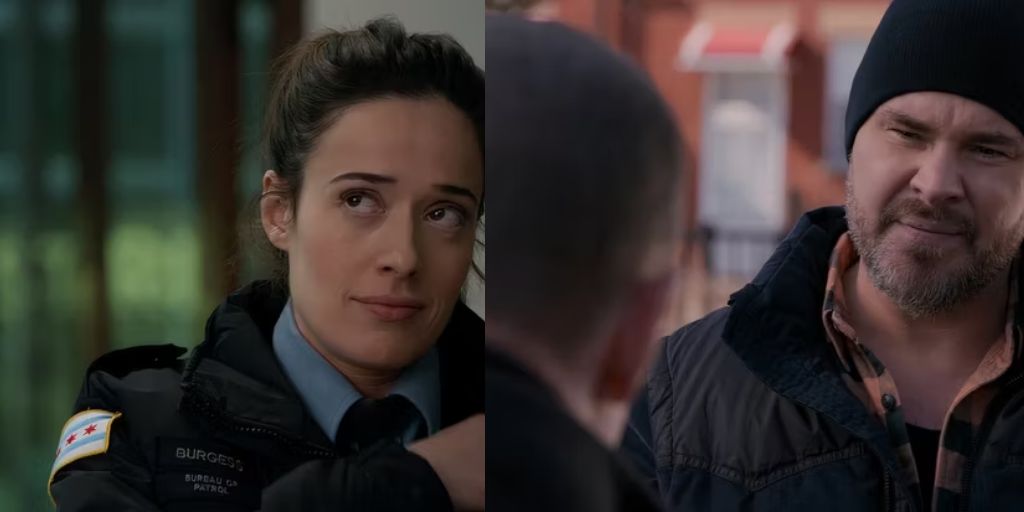
Still from Chicago P.D. (Credit: NBC)
Known for her tough love, she doesn’t hesitate to express her opinions, especially when things don’t go as planned. Despite her tough exterior, she often finds herself involved in personal issues at the station.
Morton has a strong theater background, having won Tony Awards for August: Osage County and Who’s Afraid of Virginia Woolf? She has also appeared in films like Bluebird, Rookie of the Year, and Up in the Air.
Toya Turner as Officer Kiana Cook
Toya Turner plays Officer Kiana Cook, the first Black female officer in the Intelligence Unit. After years on patrol, Kiana is not fazed by the new challenges of her job. With her vast experience, she knows how to handle herself and is ready to prove her worth.
She’s confident and unafraid to take risks, even if it means getting her hands dirty. Her straightforward personality also leads her to speak her mind without concern for what others may think.
Turner has appeared in Fallen Souls, Incredibles 2, and III Slices of Life.
Sara Bues as ASA Nina Chapman
Sara Bues stars as ASA Nina Chapman, the Head of Complex Prosecutions and Assistant State Attorney for Illinois. She shares a close professional relationship with Voight, confiding in him during difficult cases.
Despite being highly committed to her job, Nina faces a moral dilemma when she sleeps with her informant, who is later murdered. With Voight’s help, the case is solved, and her secret is safe.
Bues has appeared in popular shows like Law & Order: Special Victims Unit and FBI.
Shawn Hatosy as Deputy Chief Charlie Reid
Shawn Hatosy stars as Deputy Chief Charlie Reid, a new member of the Intelligence Unit.
Sharing similar work ethics with Voight, Charlie looks up to him, and their working relationship may evolve into something more personal. This season will show their connection and how it might shape the dynamics of the unit.
Hatosy has also directed several episodes of Animal Kingdom.
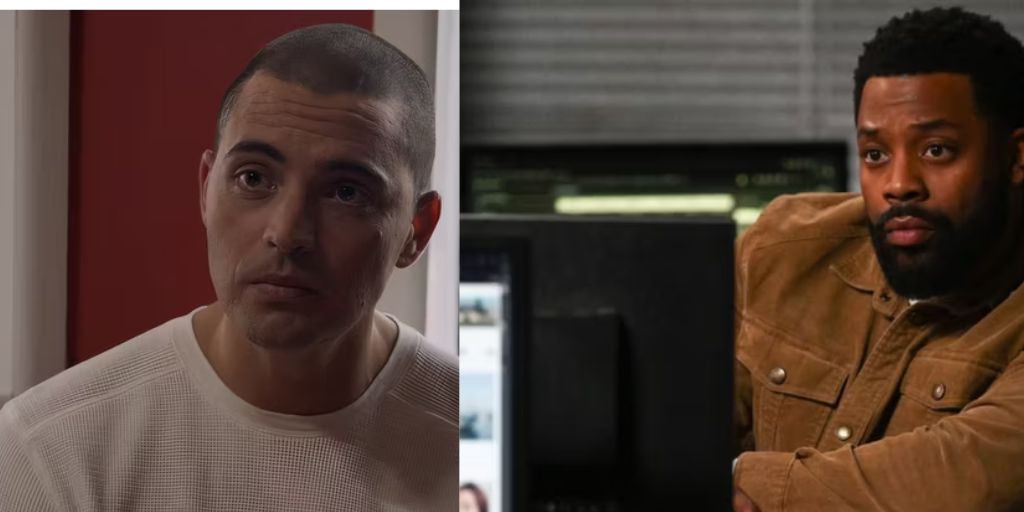
Still from Chicago P.D. (Credit: NBC)
Season 12 of Chicago P.D. returns with new challenges as the Intelligence Unit and uniformed officers continue tackling dangerous crimes in Chicago.
The season sees the departure of Detective Hailey Upton, leaving fans to wonder how the team will adjust.
Key characters like Sergeant Hank Voight, Officer Adam Ruzek, and Officer Kim Burgess return, alongside new additions such as Officer Kiana Cook and Deputy Chief Charlie Reid.
The season promises high-stakes cases, personal struggles, and evolving relationships within the unit. Premiering on September 25, Chicago P.D. continues to deliver intense drama, action, and gripping storylines.
You can stream Chicago P.D. on Peacock.
Breaking Bad is often regarded as one of the greatest television dramas of all time, and few would call it a happy show. While it offers moments of dark comedy and thrilling entertainment, it is primarily a tale of tragedy and moral decay.
The series starts with Walter White, a high school science teacher who receives a stage-three lung cancer diagnosis.
Faced with the reality of his illness and the financial burden it poses on his family, he makes a drastic decision: he turns to a life of crime, producing methamphetamine to secure his family’s future.
Walt’s transformation is gradual yet profound. He goes from a desperate, sympathetic figure to a ruthless criminal consumed by greed and the pursuit of power. As the series progresses, viewers witness the consequences of his choices, leading to many intense and dark moments.
Below, we show some of Breaking Bad’s darkest episodes, highlighting key events that significantly impact Walter’s character and the narrative.
“…And the Bag’s in the River” (2008)
Season 1, Episode 3
The episode “…And the Bag’s in the River” serves as a significant early indicator of the moral complexities and brutality that will define the series.
While it may not be the darkest episode in terms of shock value, it marks a critical turning point for Walt. At this stage in the series, he is still grappling with the reality of his cancer diagnosis and the desperate measures he feels compelled to take.
In this episode, Walt faces the immediate aftermath of his first criminal act. He has captured Krazy-8, a drug dealer, and must decide what to do with him. Unlike in the pilot, where Walt’s actions were more about survival, here he confronts the brutal reality of murder.
Walt struggles with the weight of his decision as he grapples with his humanity.
The act of strangling Krazy-8 becomes a pivotal moment in his descent into darkness, showcasing his first conscious choice to take a life. This scene sets the stage for the moral degradation that will continue to unfold throughout the series.
“Crawl Space” (2011)
Season 4, Episode 11
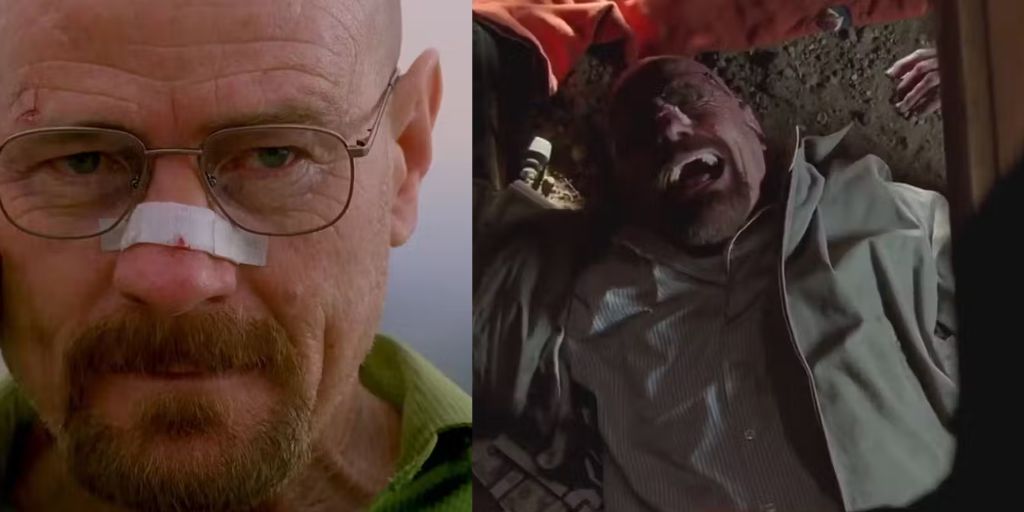
“Crawl Space” is often remembered for its chilling final scene, where Walt undergoes a terrifying psychological breakdown.
The episode centers around the escalating tension between Walt and Gus Fring, the drug lord who poses a significant threat to Walt’s life and family. At this point, Walt is desperate to protect his loved ones, but his paranoia is at an all-time high.
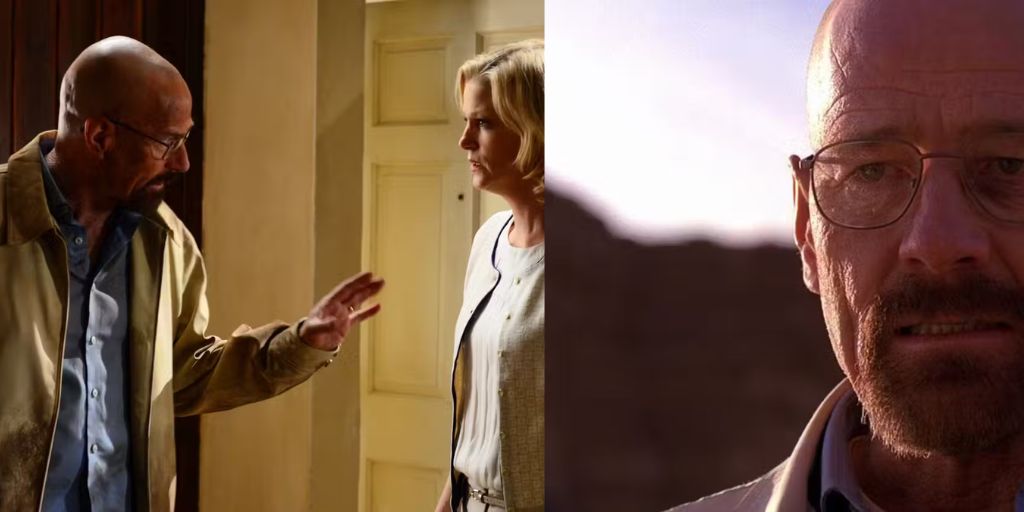
Still from Breaking Bad (Credit: Netflix)
The episode reaches its climax when Skyler informs Walt that she has given away the money he had hidden to help her boss. This revelation sends Walt into a downward spiral, as he believes he needs that money to protect his family from Gus’s impending threat.
The pressure becomes unbearable, and Walt’s reaction—laughing maniacally as he realizes his dire situation—resembles the breakdown of a man who has lost all control.
This moment captures Walt’s transformation from a sympathetic figure to someone who revels in his chaos. The psychological horror of this episode leaves viewers unsettled, reflecting the dark path Walt has chosen.
“Full Measure” (2010)
Season 3, Episode 13
In “Full Measure,” Jesse Pinkman is forced into a horrifying situation where he must kill someone for the first time. This episode serves as the season finale and represents a culmination of the series’ scheme of morality and the consequences of Walt’s actions.
Walt and Jesse find themselves cornered and believe that the only way out is to eliminate Gale, a character who, despite being a competitor, is portrayed as more sympathetic than others. The emotional weight of this decision hangs heavy over the episode, especially as Jesse is compelled to carry out the act.
The murder itself occurs off-screen, but the final image of Jesse’s face as he processes the gravity of what he has done speaks volumes about his inner turmoil. This moment is pivotal for Jesse, marking a significant shift in his character as he grapples with the loss of innocence and the psychological scars that will haunt him throughout the series.
“Face Off” (2011)
Season 4, Episode 13
The finale of Season 4, “Face Off,” brings the intense conflict between Walt and Gus to a dramatic end. Viewers may feel a sense of catharsis as Walt triumphs over his formidable adversary, but this victory comes at a considerable cost. Walt’s methods become increasingly ruthless, and his moral compass continues to deteriorate.
Still from Breaking Bad (Credit: Netflix)
In this episode, Walt’s victory over Gus signifies a turning point in his character development. Without a major adversary, his ego swells, and he embraces his darker side more fully.
The shocking revelation at the end of the episode—that Walt intentionally poisoned a child to manipulate Gus—adds a layer of darkness to his character.
While viewers may root for Walt’s triumph, this moment serves as a stark reminder of the lengths he is willing to go to secure his power.
It complicates the viewer’s perception of Walt, blurring the lines between hero and villain in a way that resonates throughout the series.
“Dead Freight” (2012)
Season 5, Episode 5
“Dead Freight” is notable for its shocking and brutal ending, where a child is killed following a train heist.
The episode begins with a sense of adventure and excitement, harkening back to the earlier, lighter seasons when Walt and Jesse’s escapades felt more innocent.
However, the tone shifts dramatically when Todd, a character whose unsettling demeanor hints at his dangerous potential, coldly executes a young boy to eliminate witnesses.
The child’s death serves as a stark reminder of the escalating violence and moral decay that has permeated the series. Todd’s actions are chilling, especially considering the previous light-heartedness of the heist itself. This event leaves a lasting impact on viewers, reinforcing the notion that in Breaking Bad, no one is safe.
The brutality of this moment signifies a departure from earlier episodes, marking a descent into darker themes and the acceptance of violence as a necessary means to an end.
“ABQ” (2009)
Season 2, Episode 13
The finale of Season 2, “ABQ,” stands as one of the most tragic and consequential episodes in the series.
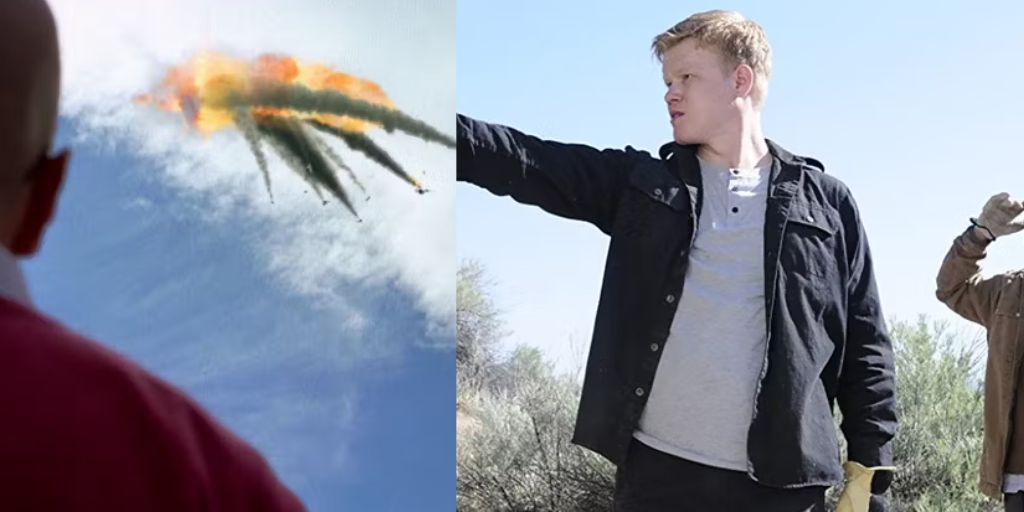
The fallout from Walt’s actions leads to a devastating midair collision that results in the deaths of over 160 people. The episode serves as a culmination of various plot threads that had been building throughout the season.
Walt’s indirect role in the disaster highlights the far-reaching consequences of his choices. His decision to let Jane die rather than save her while she was choking directly contributes to the air traffic controller’s distraction, resulting in the catastrophic collision.
Still from Breaking Bad (Credit: Netflix)
This episode underscores the theme that Walt’s actions ripple outward, affecting countless lives beyond his immediate circle. The horror of witnessing the collision adds a layer of weight to Walt’s guilt, illustrating how far-reaching the implications of his descent into criminality truly are.
“Granite State” (2013)
Season 5, Episode 15
As the penultimate episode of the series, “Granite State” serves as a bridge between despair and the eventual resolution of Walt’s story.
The atmosphere is thick with hopelessness, as characters grapple with the consequences of their actions. Jesse, in particular, experiences profound suffering, trapped in a life of servitude and facing yet another tragic death.
Walt’s journey in this episode reflects his isolation and the toll of his choices. The bleakness of the narrative is palpable, and the chilling moments emphasize the despair that pervades his life.
However, despite the grim circumstances, there is a slight sense of hope as the series moves toward its end. The ending of Granite State sets the stage for Walt’s final actions, where he seeks to tie up loose ends and confront the havoc he has wreaked.
“Say My Name” (2012)
Season 5, Episode 7
In “Say My Name,” Walt fully embraces his role as a villain, and the episode marks a turning point for his character.
The iconic scene where Walt demands that others acknowledge his name serves as a powerful declaration of his transformation. He is no longer the desperate man trying to provide for his family; he is now a ruthless drug kingpin.
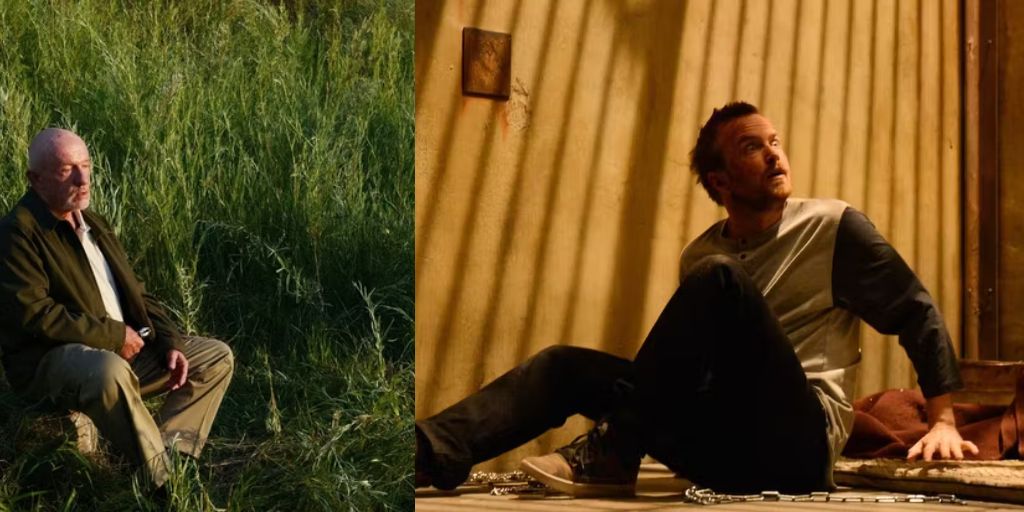
This episode also showcases Walt’s increasing willingness to resort to violence, as he murders Mike, a character who had previously been a stabilizing influence. Mike’s death is particularly tragic, as he represents the consequences of Walt’s unchecked ambition and moral decay.
The cold-blooded nature of the murder reflects how far Walt has fallen, making it clear that he will do anything to maintain his power. This moment solidifies Walt’s position as an antagonist, and the impact of this shift resonates throughout the remaining episodes.
“Phoenix” (2009)
Season 2, Episode 12
“Phoenix” is a pivotal episode that sets off a chain of tragic events leading to the Season 2 finale. In this episode, Walt makes a selfish choice that results in the death of Jane, Jesse’s girlfriend. When he sees her choking on her vomit, he chooses not to intervene, allowing her to die.
Still from Breaking Bad (Credit: Netflix)
Walt’s decision reflects his moral decline and willingness to sacrifice others for his own gain. This moment is critical because it reveals Walt’s true nature, showcasing his selfishness and disregard for the lives of those around him. Jesse’s subsequent grief and trauma become a central theme in his character arc, illustrating the profound effects of Walt’s actions on others.
“Ozymandias” (2013)
Season 5, Episode 14
“Ozymandias” is widely considered the most powerful and devastating episode of Breaking Bad. The title references the poem by Percy Bysshe Shelley, showing themes of power and the inevitable decline of rulers. In this episode, everything that Walt has built begins to unravel, leading to a catastrophic collapse.
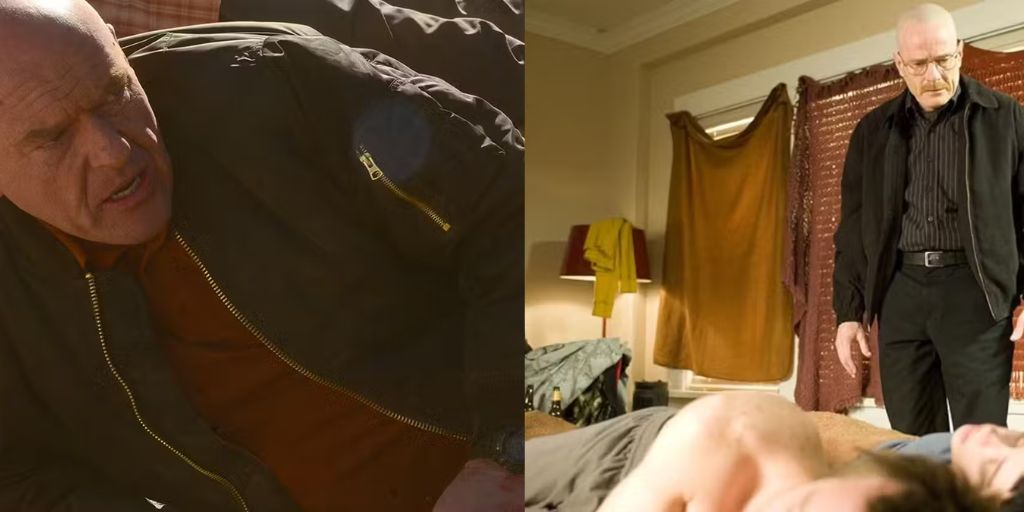
The shocking death of Hank serves as the episode’s emotional center, showcasing the full weight of Walt’s choices. Walt’s inability to save his brother-in-law and the chaos that follows highlight the tragic consequences of his actions.
Jesse’s captivity and Walt’s failed attempts to maintain control serve as stark reminders of the destruction wrought by his descent into the criminal underworld.
The episode is a heartbreaking culmination of the series’ themes, leaving viewers devastated as they witness the final collapse of Walt’s empire.
Breaking Bad is a series that takes viewers on a journey through the darkest corners of human nature. The episodes highlighted above are the show’s ability to show themes of morality, consequence, and the transformation of its characters.
As Walt spirals deeper into darkness, the toll of his choices reverberates through the lives of those around him, leading to tragic outcomes.
Still from Breaking Bad (Credit: Netflix)
The show’s legacy lies not only in its thrilling narrative but also in its ability to raise profound questions about morality and the human condition. Breaking Bad remains a landmark in television history, showcasing the complexities of character development and the impact of choices on individuals and society.
The darkness that permeates these episodes serves as a reminder that even the most ordinary of individuals can be driven to extraordinary lengths when faced with desperate circumstances.
