China’s National Radio and Television Administration (NRTA) has blacklisted 30 anime titles from major streaming platforms, citing concerns that the shows promote “rebellious behavior among minors.” Series featuring magical teens, dystopian schools, or characters questioning authority have all been scrubbed from availability, sparking heated reactions across both domestic and international audiences.
Officials claim the move is about “building healthy cultural content,” while critics see it as yet another example of ideological control masked as child protection.
Magic, Mayhem, and ‘Moral Pollution’
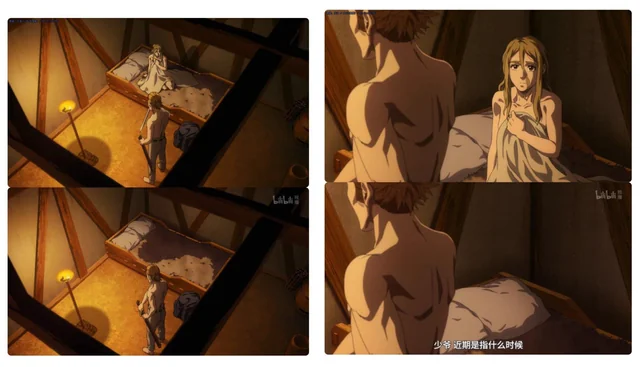
Vinland Saga’s Censorship in China
The banned list reportedly includes titles like Assassination Classroom, Jujutsu Kaisen, and Blue Exorcist—series widely praised for their complex characters and coming-of-age struggles set against supernatural backdrops. Chinese authorities argue that these shows glorify disobedience and erode respect for teachers, schools, and traditional family values.
In official statements, regulators described the content as “misleading to youth,” especially those who may be “emotionally vulnerable” or “socially isolated.” They emphasized the need for content that fosters “positive growth, loyalty, and respect for societal order.”
Parental Approval Meets Fan Backlash
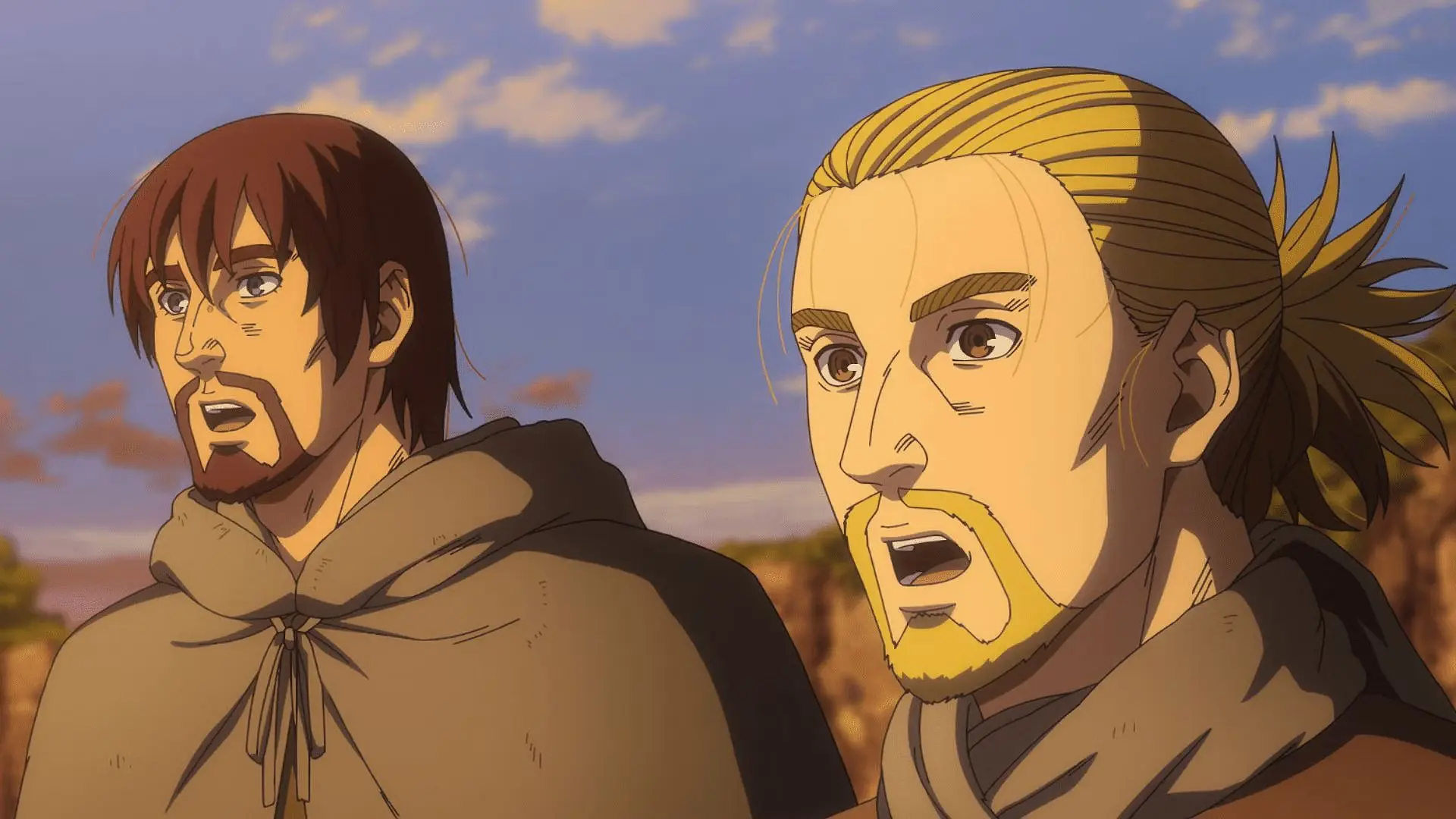
Vinland Saga (Mappa)
The announcement was met with widespread approval on Chinese parenting forums, where many users praised the move as overdue. “My son started acting defiant after watching anime about fighting teachers,” one parent wrote on Weibo. “This kind of media only confuses young minds.”
However, China’s online anime community has erupted in protest. Many users took to social media using VPNs to share clips from banned titles, post parody memes, and accuse the government of cultural erasure. International anime fans have also weighed in, calling the ban regressive and out of touch with modern youth culture.
Censorship vs. Cultural Clashes
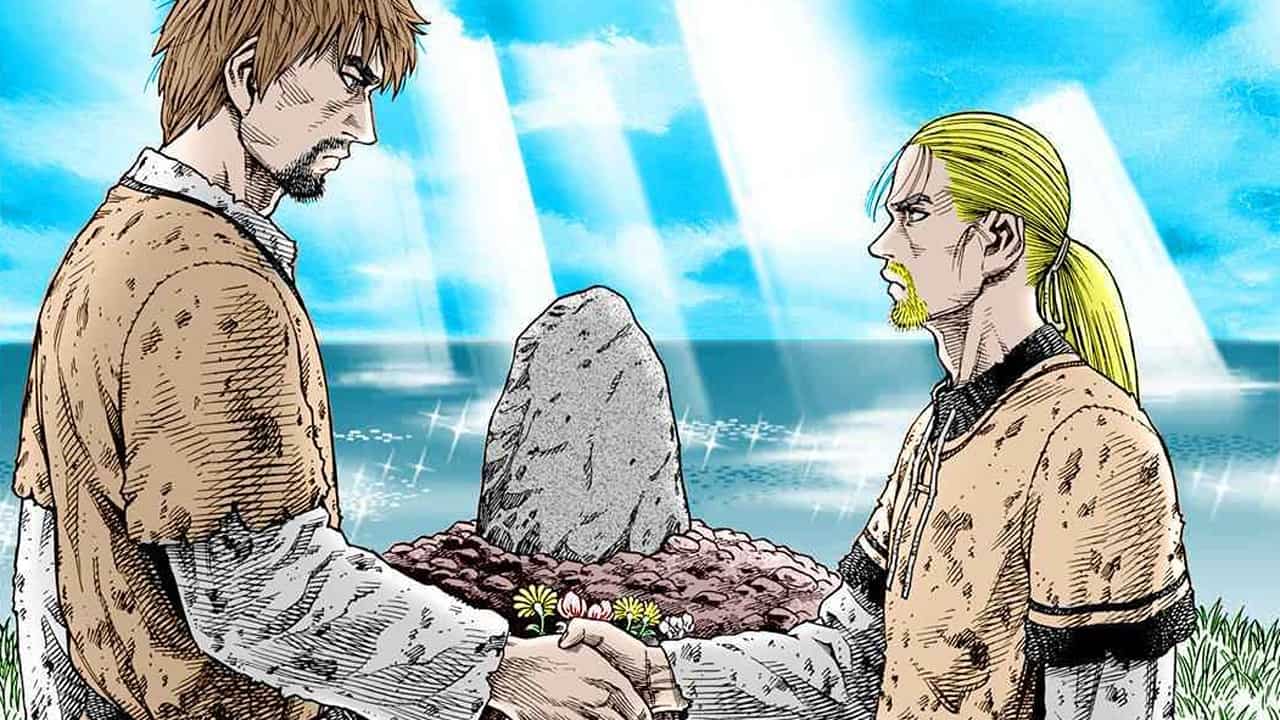
Hild (Color credits: AwesoMita on Reddit)
China has a long history of censoring foreign entertainment, especially content seen as ideologically dangerous or culturally incompatible. Anime, with its emotionally nuanced protagonists and stories about resistance and self-discovery, often becomes a target.
This crackdown highlights the growing friction between global pop culture and state-led values in China. While anime gains traction worldwide for tackling themes of identity and freedom, Chinese authorities continue to view it through a lens of political risk.
Streaming Giants and Studio Silence
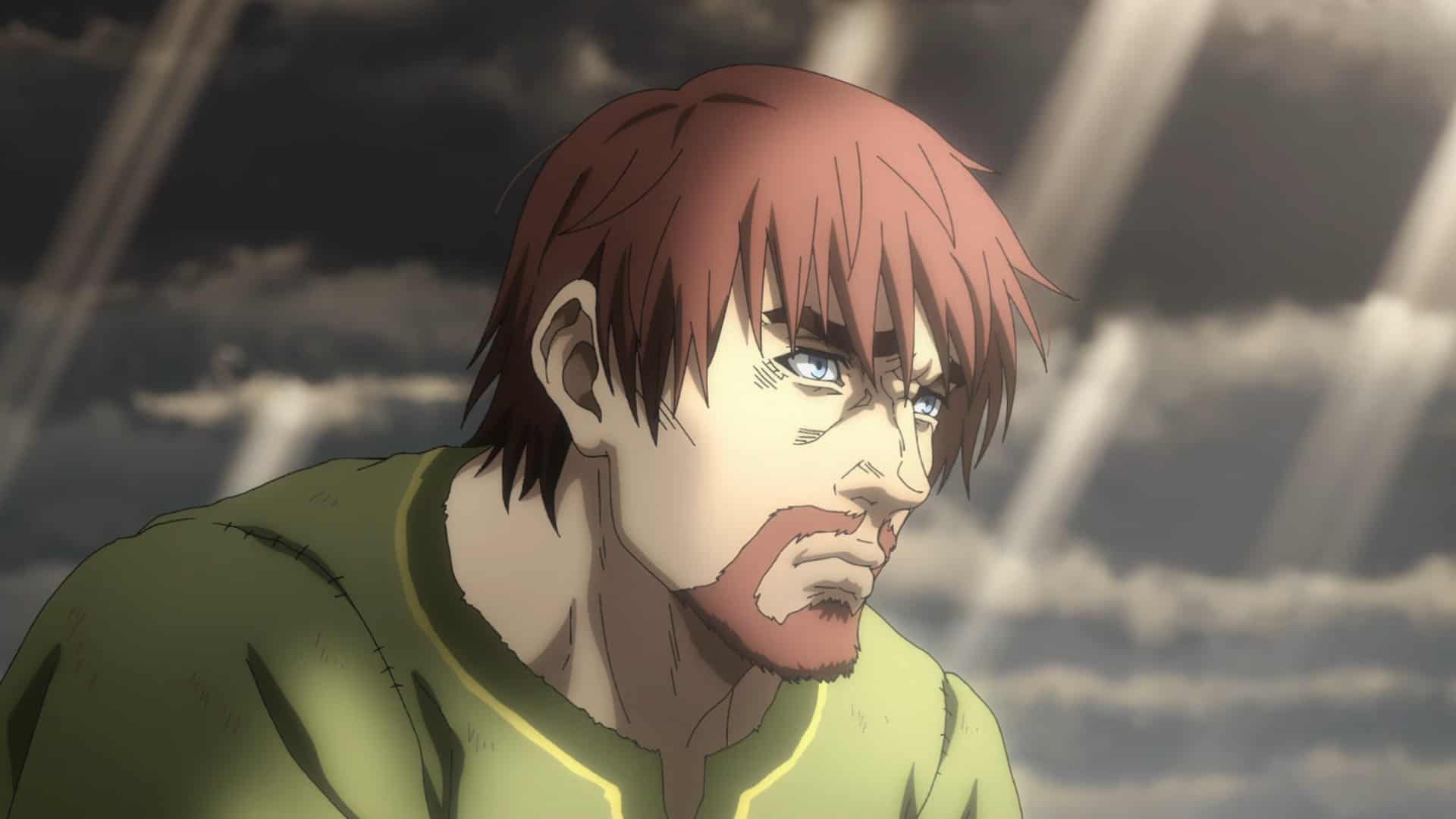
Einar (Credits: Mappa Studio)
Chinese streaming platforms like Bilibili and Tencent Video quickly complied with the directive, removing the banned shows overnight. Japanese studios and licensors have yet to comment publicly, likely wary of losing access to one of the world’s biggest media markets.
For many fans, this silence speaks volumes. As anime becomes more global, creators and companies may face increasing pressure to choose between preserving creative freedom and accessing authoritarian markets. For now, China’s anime fans are left in limbo—caught between what they love and what they’re allowed to see.
A Texas politician’s outburst declaring “Anime is grooming our kids” has gone viral, setting off an internet war that pits supporters against vehement critics. The inflammatory speech, shared widely on social media, has ignited debates about the impact of anime on youth. Supporters applaud the remarks as a bold stand against what they view as dangerous cultural influence, while detractors warn it stokes fear without basis.
Critics argue the official’s comment shows a lack of understanding of anime’s diverse storytelling and cultural value. On platforms like Reddit and YouTube, users have launched extensive counter-arguments, emphasizing that anime is a rich art form enjoyed by all ages.
Opponents claim that such language is designed to incite moral panic and foster censorship, rather than protect children. The debate quickly morphed into a clash of ideologies, with hashtags and livestream discussions dominating the conversation.
Viral Texas Politician Speech Sparks Internet War
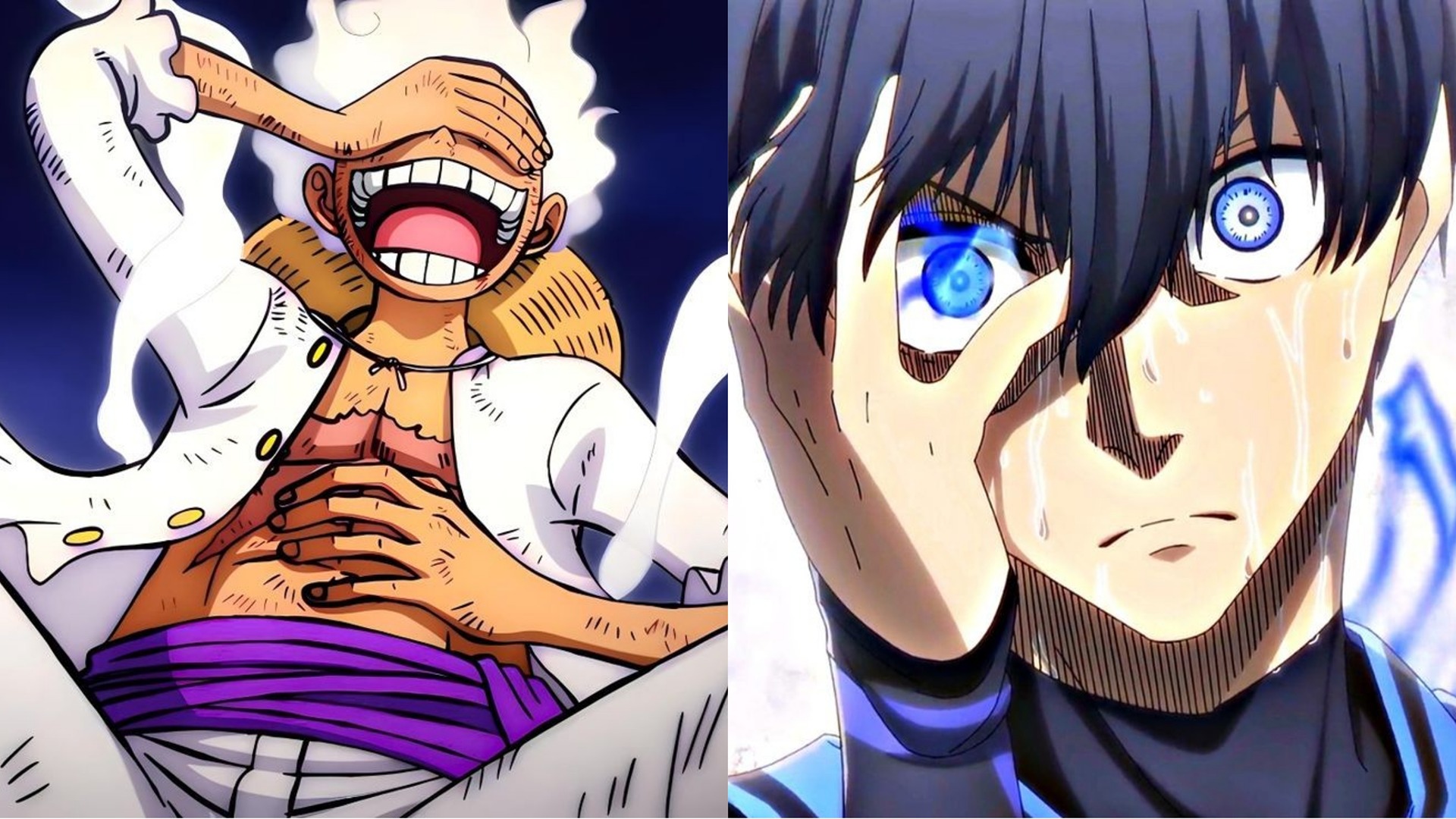
Luffy and Isagi (Credits: Toei Animation & Eight Bit)
Supporters of the politician insist that modern media, including anime, should be scrutinized for content they say could negatively influence impressionable minds. They argue that the speech highlights necessary concerns about content regulation and parental guidance. Critics, however, counter that the sweeping generalization undermines creative freedom and demonizes a global art form enjoyed by millions.
The controversy has drawn attention from media outlets and cultural commentators nationwide. Several YouTube debates and Twitter threads have documented the clash, with some calling for boycotts of anime streaming services. Meanwhile, others encourage a more measured response, urging policymakers to engage with experts rather than resort to sensational claims.
As the heated online war rages, one thing is clear: the politician’s statement has become a flashpoint in the broader cultural discussion surrounding anime. Whether this controversy will lead to legislative changes or fade as an internet meme remains to be seen. For now, the clash underscores a deep divide in perceptions of media, youth, and free expression.
