In a controversial move, Catholic leaders from several countries have petitioned the Vatican to officially denounce certain forms of Japanese animation. Specifically targeting ecchi anime and series with fanservice-heavy content, they argue that these shows are harmful to youth and undermine the Church’s teachings on modesty, family values, and sexual morality.
The call to action reportedly originated during a recent clergy conference held in Spain, where conservative church leaders discussed growing concerns about the rise of secular and “hyper-sexualized” media. A bishop from Argentina cited the global influence of anime like High School DxD and Prison School as examples of “moral decay,” according to a report from Crux Now .
A Cultural Crisis or Overreaction?

The Fragrant Flower Blooms with Dignity
Those in favor of Vatican intervention claim that anime is replacing religious education as a source of emotional guidance for teenagers. They argue that the medium’s mix of escapism, sexuality, and rebellion creates a “pseudo-faith” where characters become idols and fantasy triumphs over morality. According to these critics, the Pope’s silence signals tacit approval.
However, not everyone in the Church agrees. Some theologians believe that condemning anime would alienate younger Catholics rather than bring them closer. They argue that selective engagement with media—rather than blanket bans—is more effective. Others warn that focusing on fictional characters distracts from more pressing issues within the Church.
The Battle Over Anime’s Influence

New ‘Gundam’ Anime
Supporters of anime push back strongly on the narrative. Fans point out that anime spans genres and themes, many of which promote empathy, friendship, and perseverance—values consistent with Christian teachings. Titles like Your Lie in April or A Silent Voice are often used as examples of anime’s emotional depth and moral reflection.
Still, the ongoing debate has sparked renewed scrutiny of anime conventions, cosplaying, and online communities. Religious groups claim these spaces contribute to the normalization of “immodest” imagery and ideas. Parents are now being advised by church bulletins to monitor their children’s streaming habits for “unholy content.”
Will the Vatican Respond?

Welcome to Japan, Ms. Elf! Anime (Crunchyroll)
So far, the Vatican has not issued a public response. The Pope has occasionally commented on media influence in modern life, but anime has never been addressed directly. If the petition gains enough traction, it could mark the first time the Holy See weighs in on Japanese animation as a moral concern.
Regardless of the outcome, the controversy highlights an ongoing cultural divide between traditional religious institutions and the digital-native generation. As anime’s influence continues to grow worldwide, the Church may be forced to either adapt its approach—or risk further alienating a global youth audience.
The debate reignited following the latest UN Human Rights Council session , where speakers called out Comiket for hosting booths with questionable material. Critics argue that such content violates the spirit of international child protection laws, even if it’s technically legal under Japanese law. Advocacy groups claim Japan’s continued tolerance promotes harmful global trends.
Japan Cites Freedom of Artistic Expression
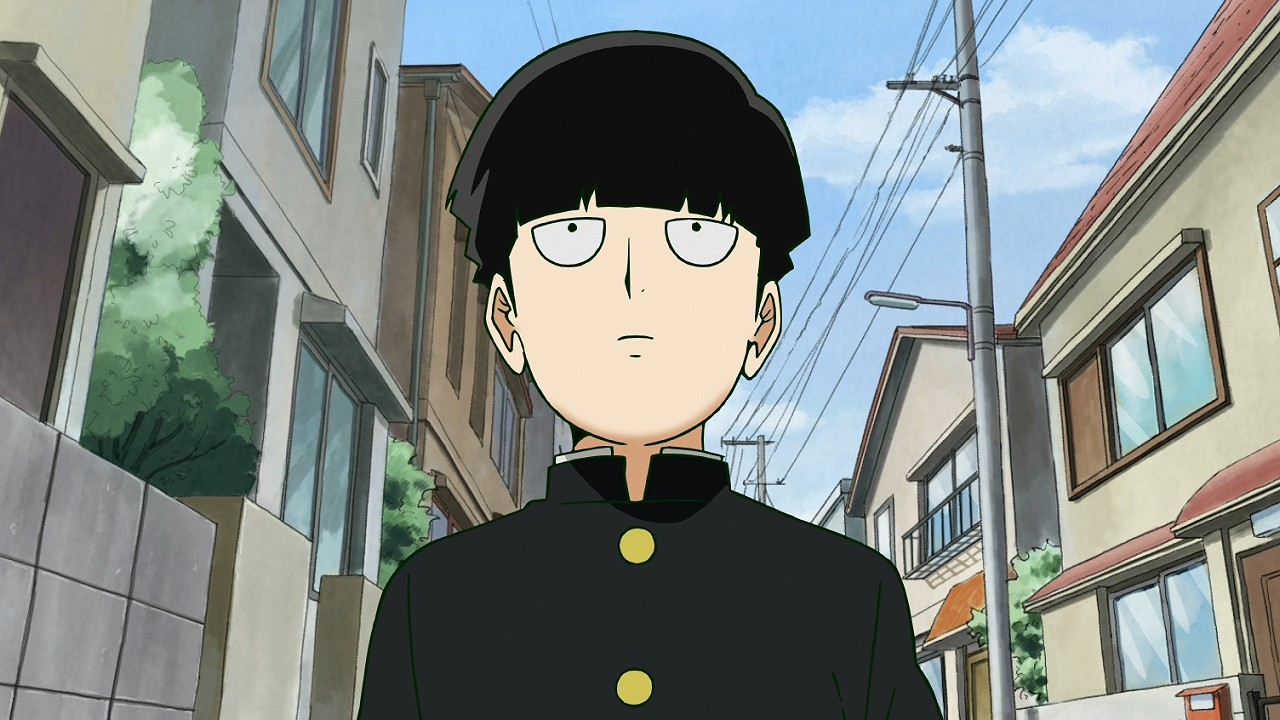
Mob Psycho
Japanese officials have defended their stance, stating that while some content may appear controversial, it remains protected under the country’s freedom of expression laws. Legal experts argue that fictional characters are not covered by exploitation laws unless they involve real people, a line Japan has been careful not to cross in its legal system.
Cultural analysts also highlight the importance of doujinshi and self-publishing culture in Japan, where boundaries are often pushed artistically. For many in the manga community, attempts to restrict fictional content are seen as a direct threat to creative freedom. Comiket organizers reaffirmed they have no current plans to ban loli genres from the event.
Global Pressure Mounts
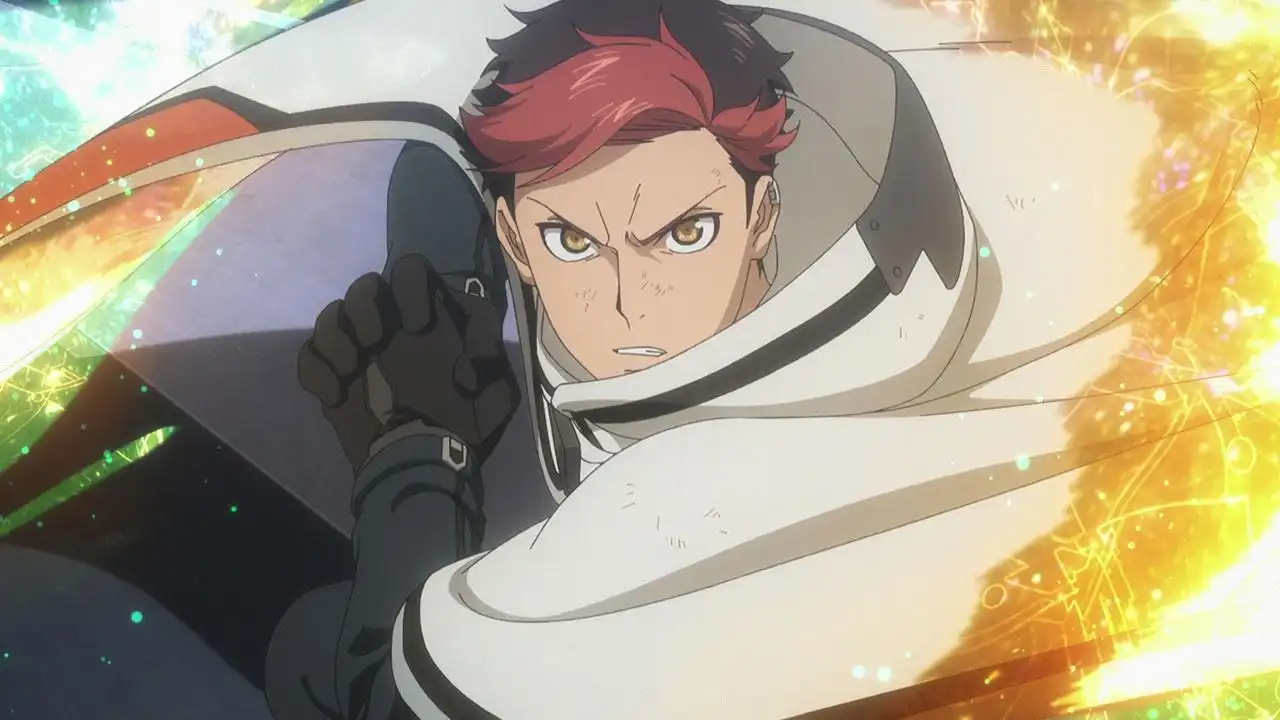
Moonrise
Despite Japan’s internal stance, pressure is increasing from international communities. Activists and diplomats from Western nations claim that the accessibility and normalization of such imagery, even in a fictional context, undermines global efforts to combat exploitation. This has prompted calls for sanctions and trade negotiations to include content restrictions in cultural exchanges.
Some Japanese citizens have expressed concern about the international backlash, fearing it could harm Japan’s image abroad. Others argue that the criticism reflects a misunderstanding of the difference between real-world harm and fictional storytelling. As social media debates flare, Comiket has become a battleground between cultural sovereignty and global ethical standards.
A Divided Future for Creative Liberties
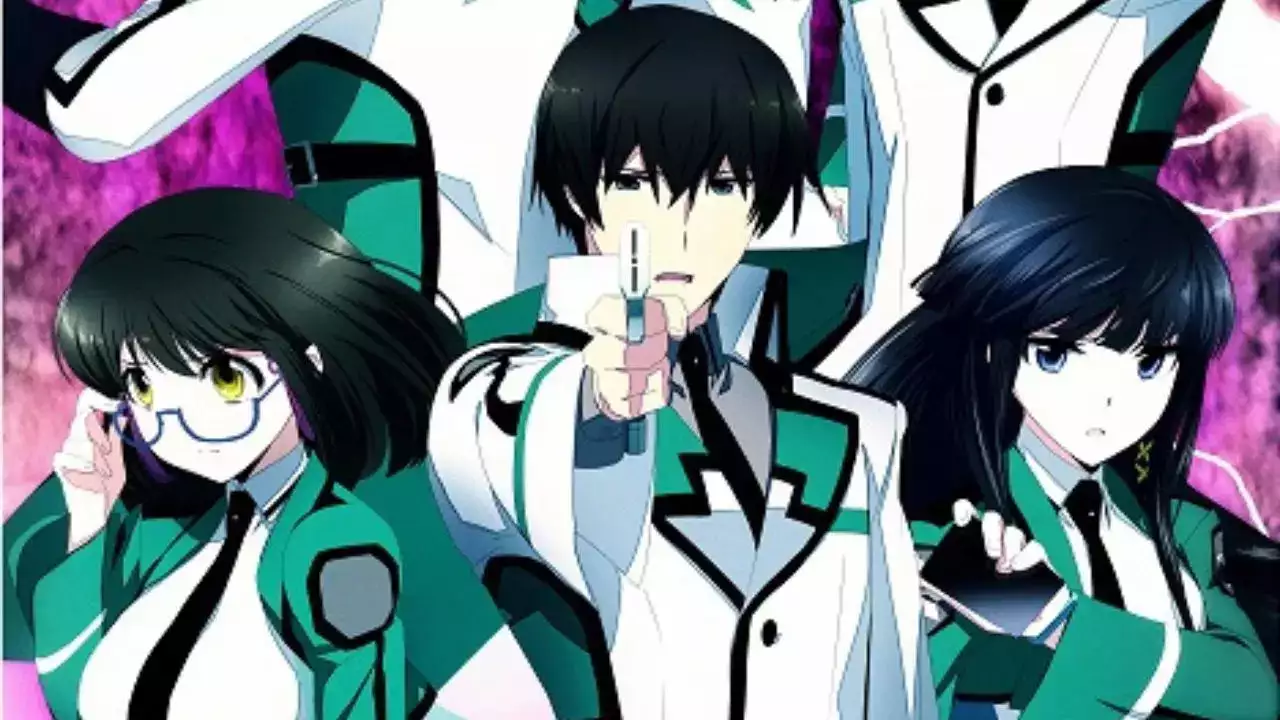
The Irregular At Magic High School
What happens next may set a precedent not just for Japan, but for the future of international creative norms. While Japan holds firm on its right to free expression, international voices are growing louder. Legal scholars predict that Japan will face increasing diplomatic tension if it doesn’t revise policies surrounding depictions of minors in media—even fictional ones.
The issue reflects a deeper ideological divide—between individual artistic liberties and global child protection frameworks. As anime and manga continue to grow in international popularity, Japan may soon need to navigate this complex terrain with greater sensitivity and diplomacy.
