A cosplay convention in the U.S. was raided after complaints were made regarding cosplayers dressed as underage characters in sexually suggestive outfits. The controversy has sparked heated debates about the line between artistic expression and morality. As law enforcement detained 14 cosplayers, the cosplay community reacted strongly, defending the freedom of expression while others questioned the appropriateness of such portrayals.
Cosplay has long been an outlet for fans to creatively bring their favorite characters to life, often pushing boundaries in terms of costume design. However, when it involves characters who appear underage in sexually charged contexts, the practice has been met with backlash. This incident, where cosplayers were detained, has highlighted growing concerns over what is considered acceptable in fan communities.
The Incident and Its Aftermath
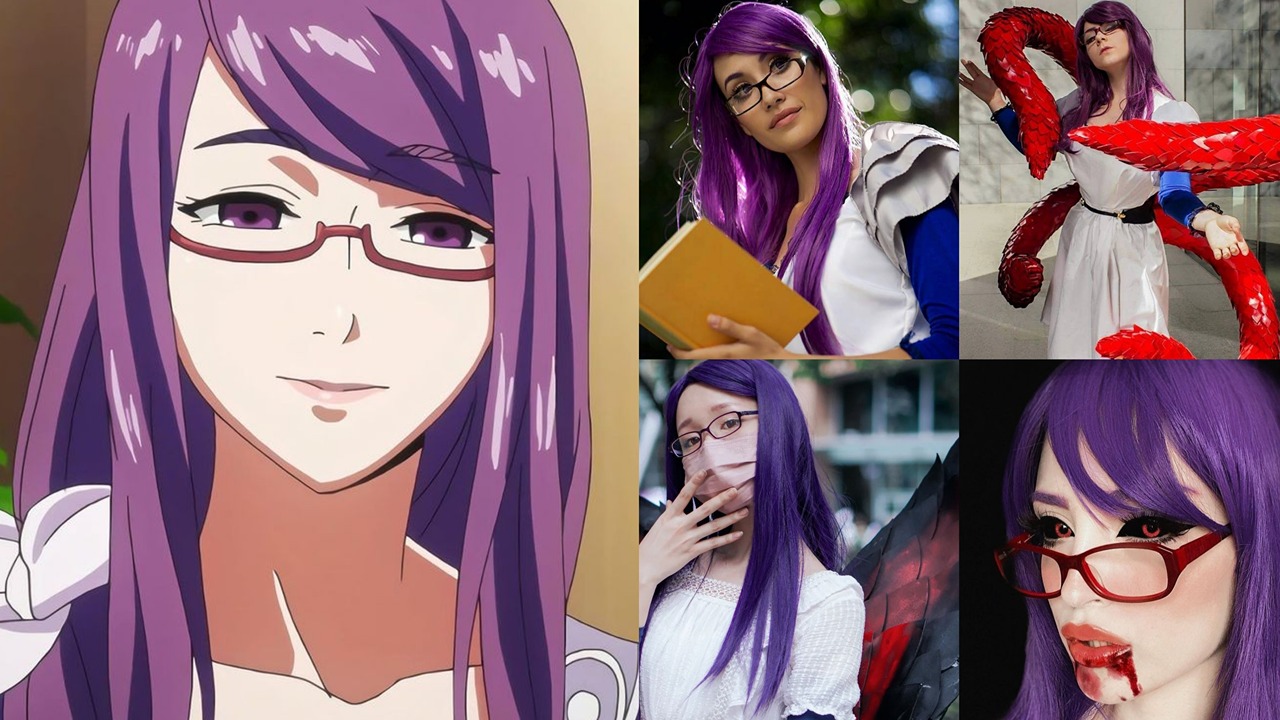
Rize Kamishiro Cosplay
The controversy erupted when local authorities received complaints about the depictions of minors in lewd costumes at the convention. These characters were primarily from anime, manga, and video games, where youthful, often sexualized characters are common. The raid led to the detainment of 14 cosplayers, some of whom were questioned about their portrayal of underage characters. While no formal charges were pressed, the incident has stirred a public debate on the balance between freedom of expression and societal values.
The detained individuals have expressed frustration, claiming they were simply embodying beloved characters and that cosplay is a form of personal expression. The portrayal of youthful anime characters is common in cosplay, and many participants argue that it is not meant to be sexual but instead a celebration of fandom and creativity. Supporters of the cosplayers also point out that the individuals involved were young adults and not minors themselves, making the detentions appear disproportionate.
However, critics of this practice believe that such portrayals normalize problematic behavior, arguing that sexualizing underage characters can contribute to a culture that is harmful to young people. Some believe that events like this one force society to consider whether there should be stricter regulations surrounding cosplay and its depiction of minor characters in adult contexts.
Cosplay and Artistic Freedom vs. Moral Responsibility
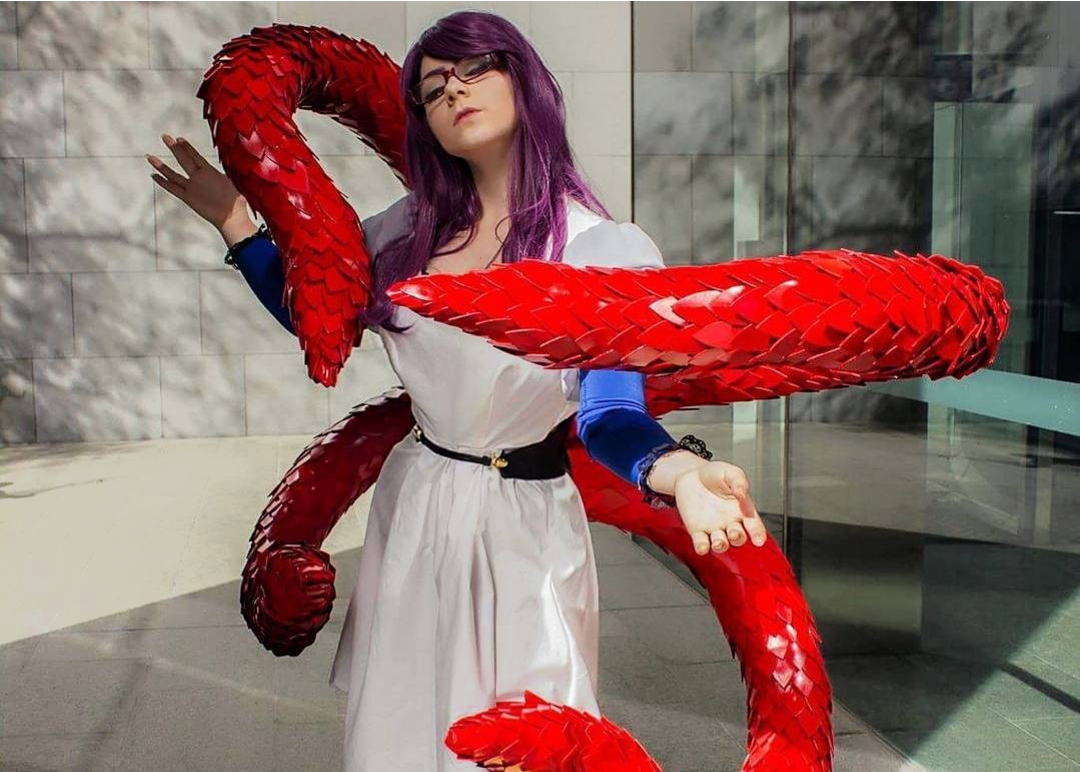
Emi.apollo cosplaying as Rize (Credits: @emi.apollo Instagram)
The incident has led to a broader debate within the cosplay and anime communities about the role of media in shaping cultural values. Proponents of cosplay as a form of artistic freedom argue that participants should be free to express themselves through creative costume design, without fear of censorship. They emphasize that cosplay is an inclusive art form that should be celebrated for its creativity and ability to unite fans from different backgrounds.
On the other hand, many critics believe there is a line that should not be crossed when it comes to portraying underage characters in adult contexts. They argue that such portrayals could perpetuate harmful ideologies and blur the lines between fantasy and reality. In the aftermath of this raid, some feel that tighter regulations are needed to ensure that cosplay remains a fun and innocent hobby, rather than one that raises ethical concerns.
In the wake of the raid, the cosplay community remains divided. While some argue that it is simply an overreaction, others believe that there should be more regulation to protect the integrity of the art form. As this controversy continues to unfold, it will likely set the stage for future debates about the boundaries of cosplay and whether restrictions on certain depictions are necessary to maintain moral standards.
A recent proposal from a U.S. senator has sparked controversy as he called for an investigation into anime streaming platforms, specifically Crunchyroll and HIDIVE, for distributing ecchi content without sufficient age verification measures. These platforms have been accused of failing to implement effective controls to prevent minors from accessing explicit material. This move has ignited a larger debate over the regulation of anime content.
Despite the availability of parental controls on platforms like Crunchyroll, which allows users to restrict access to mature content, concerns continue to rise about their effectiveness. Even with content filters in place, some critics argue that underage viewers can still easily access adult-themed anime without proper age checks. This ongoing issue underscores the complexities of regulating online content, especially in the realm of anime, where genres like ecchi are widely popular.
The Role of Parental Controls and Age Verification

In Another World With My Smartphone (Credits: Crunchyroll)
Crunchyroll offers a set of parental controls to help prevent minors from watching explicit content, including the ability to restrict mature-rated anime titles. However, there are concerns about how well these features work in practice, with some critics claiming that the age-restriction tools are not foolproof. Similarly, HIDIVE has implemented parental control settings to manage content visibility, but questions about the system’s rigor persist.
Debate Over Regulation and Creative Freedom

Welcome to Japan, Ms. Elf! Anime (Crunchyroll)
This controversy brings up broader discussions about the balance between protecting young viewers and respecting the artistic freedom of anime creators. While anime often portrays diverse and complex themes, including ecchi, it also faces scrutiny due to its accessibility to a global audience, including children and teens. The senator’s call for investigation places the onus on streaming services to ensure that they do not inadvertently expose minors to inappropriate material.
As streaming platforms like Crunchyroll and HIDIVE continue to grow in popularity, especially among younger audiences, the debate over content regulation will likely persist. Both the entertainment industry and lawmakers must work together to find a middle ground that protects viewers without restricting creative expression.
