In the ever-evolving world of manga, few series have made as significant an impact as Jujutsu Kaisen, a creation of Gege Akutami.
With its intricate storylines, well-developed characters, and dark thematic elements, the series has attracted the readers worldwide.
The recent release of chapter 268 marked a crucial juncture in the narrative, concluding the Shinjuku Showdown arc.
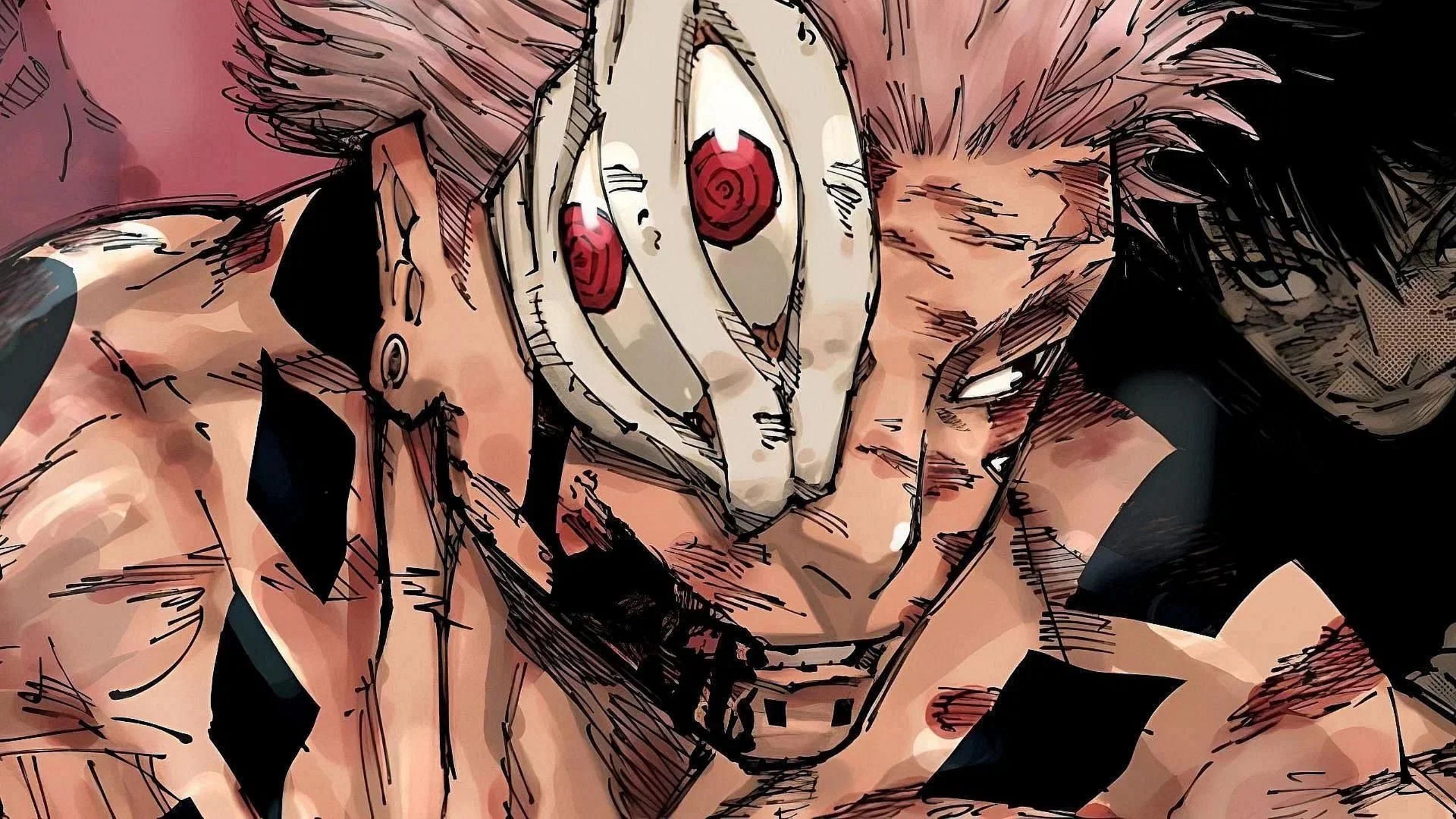
Sukuna (Shueisha)
However, this chapter also left many fans feeling unsatisfied, primarily due to the unresolved nature of one critical plotline: the merger.
As the manga nears its end, with only three chapters remaining, this perceived oversight has led to widespread concern about the series’ ultimate resolution.
Amid the fan dissatisfaction, an intriguing theory has surfaced within the Jujutsu Kaisen community, particularly on the popular subreddit r/Jujutsufolk.
This theory, proposed by Reddit user u/Adventurous_Dealer31, suggests that the merger might have already commenced, subtly hinted at by the events in chapter 268.
According to this theory, Kenjaku’s final words and Megumi’s dramatic awakening are key indicators of the merger’s activation.
To fully grasp the implications of this theory, we need to jump deeper into the recent chapters, the nature of the merger, and the broader context of the series.
Shinjuku Showdown Arc: An Overview
The Shinjuku Showdown arc has been a pivotal chapter in the Jujutsu Kaisen saga.
This arc brought together multiple storylines and character arcs, culminating in a high-stakes battle between Yuji Itadori and Ryomen Sukuna.
Sukuna, often referred to as the King of Curses, has been a central antagonist throughout the series. His defeat was anticipated as a major turning point, not just for the characters involved but for the entire narrative.
Chapter 268 was intended to be the climax of this confrontation. The defeat of Sukuna was a highly anticipated event, marking the end of a long and arduous battle.
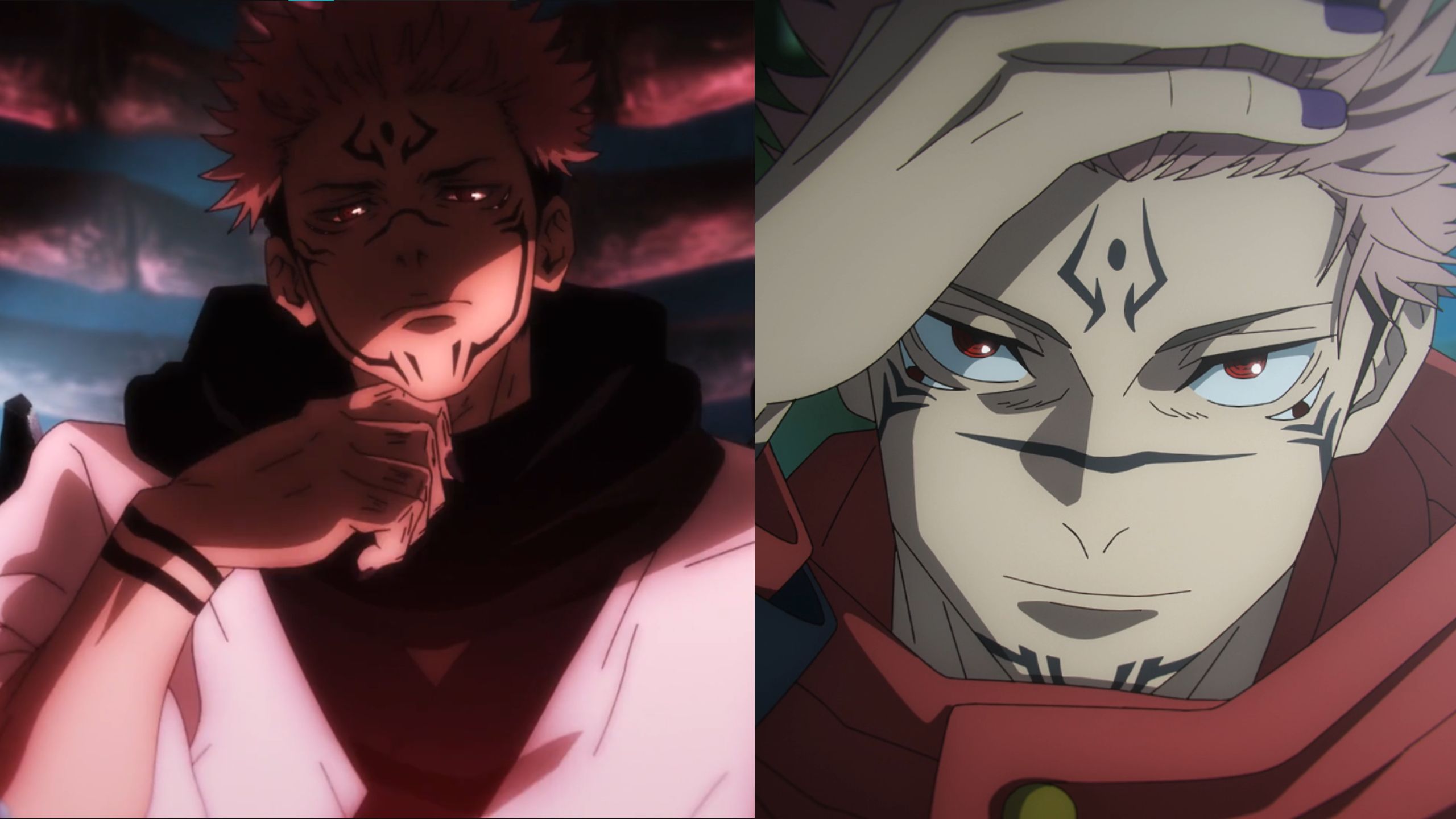
Yuji Itadori And Sukuna (Viz Media)
However, the resolution of this battle felt somewhat anticlimactic to many readers. The build-up to Sukuna’s defeat had been intense, and the actual moment seemed to lack the emotional and narrative punch that fans had expected.
The chapter focused heavily on the immediate aftermath, addressing the consequences of Sukuna’s defeat and the impact on the characters.
Despite the dramatic ending to Sukuna’s storyline, one significant element was conspicuously absent: the merger.
This plotline had been a looming threat throughout the series, and its potential activation was expected to play a crucial role in the story’s resolution.
The omission of this element left many readers feeling that the chapter had failed to address a critical aspect of the narrative.
The Merger: A Looming Threat
The concept of the merger has been a central element of Jujutsu Kaisen’s lore. The merger involves the fusion of Master Tengen with all of humanity in Japan, resulting in the creation of a powerful and malevolent Cursed Spirit.
This Cursed Spirit would possess immense strength and malevolence, capable of wreaking havoc on a global scale.
We are definitely getting the merger. Gege is paralleling previous arcs just like he did with Shibuya. Kenjaku’s vision will be realized and it will spell the end of the world. — IZZY | 云火 (@SatorIzzy) August 23, 2024
Kenjaku, one of the series’ key antagonists, has been orchestrating this plan for over a millennium. His goal was to merge Tengen with humanity to optimize Cursed Energy and usher humanity into a new stage of evolution.
Initially, Kenjaku’s motives were shrouded in mystery. However, it was later revealed that his primary motivation was his own curiosity.
He wanted to see what shape the merger would take and understand the outcome of his grand design.
The threat of the merger has been a constant undercurrent throughout the series. Fans had speculated that Sukuna’s defeat would lead to the activation of the merger, marking a dramatic and potentially catastrophic turn of events.
The activation of the merger would represent a significant shift in the series’ trajectory and align with the dark themes that have been a hallmark of the story.
Kenjaku’s Final Words and Megumi’s Awakening
In light of the recent developments, the theory proposed by Reddit user u/Adventurous_Dealer31 has garnered considerable attention.
According to this theory, the merger may have already begun, with subtle hints present in chapter 268. The theory is based on two key elements: Kenjaku’s final words and Megumi’s abrupt awakening.
Kenjaku’s final moments were marked by a cryptic statement about his will being inherited.
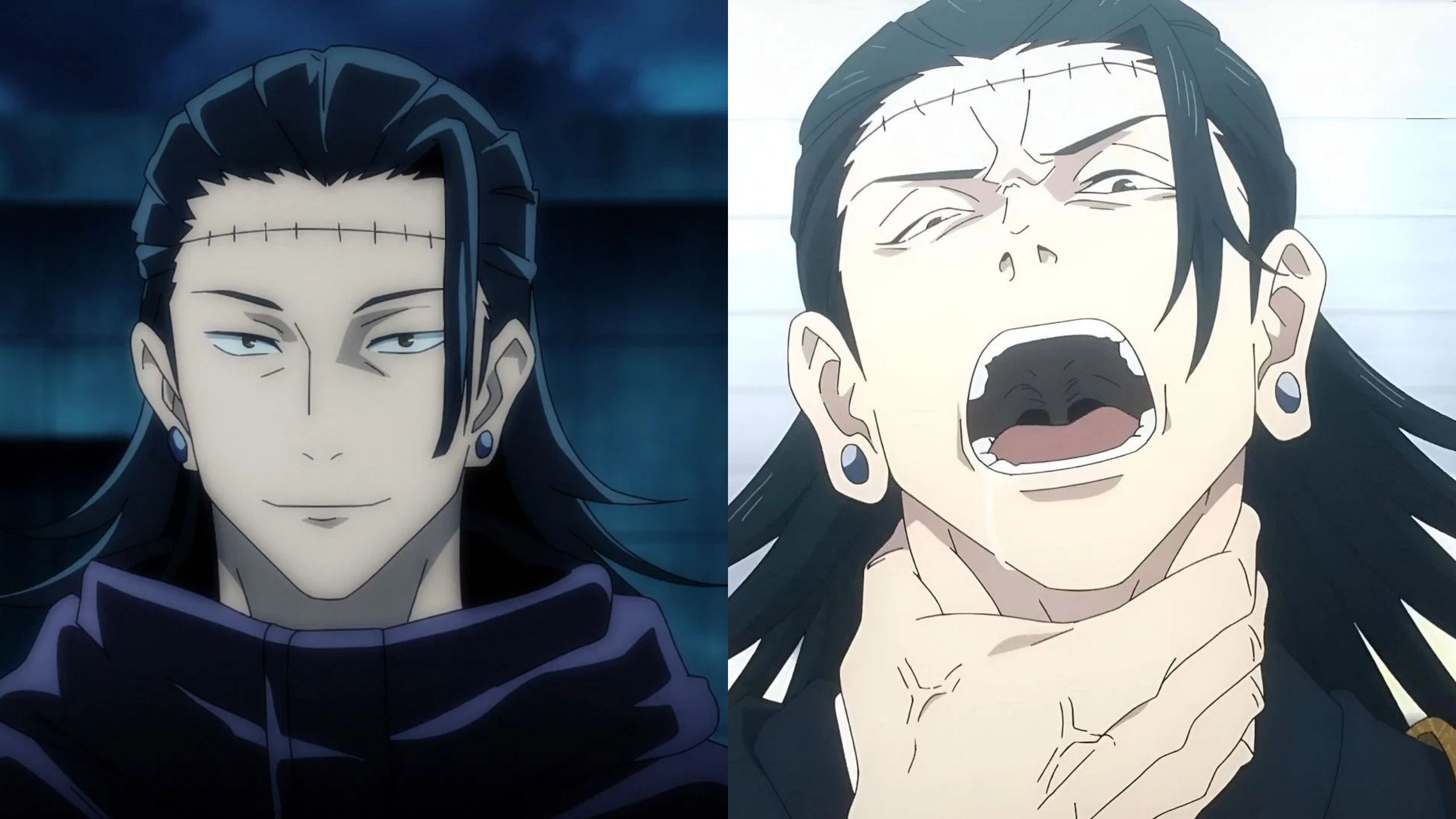
Kenjaku – Geto (MAPPA)
This statement has been interpreted by the Reddit user as an indication that Kenjaku intended to pass on his will to Sukuna.
Sukuna, having consumed Tengen, would then be in a position to activate the merger. This theory suggests that the merger might have been set in motion during Sukuna’s battle with the Jujutsu Tech sorcerers.
Kenjaku’s final words about his will being inherited could imply that Sukuna was the intended recipient of this will.
Sukuna’s consumption of Tengen places him in a unique position to trigger the merger, making him a key player in this potential development.
The theory posits that Sukuna, recognizing the imminent threat of his defeat, might have activated the merger as a failsafe measure.
Megumi’s Awakening: Reality or Illusion?
Another critical aspect of the theory involves Megumi’s sudden awakening in chapter 268. The transition from Sukuna’s defeat to Megumi’s revival was abrupt and jarring to many readers.
The theory suggests that Megumi’s awakening might be occurring within a dream sequence or an alternate reality.
According to this interpretation, Megumi could be trapped within the merger, experiencing a distorted or illusory reality.
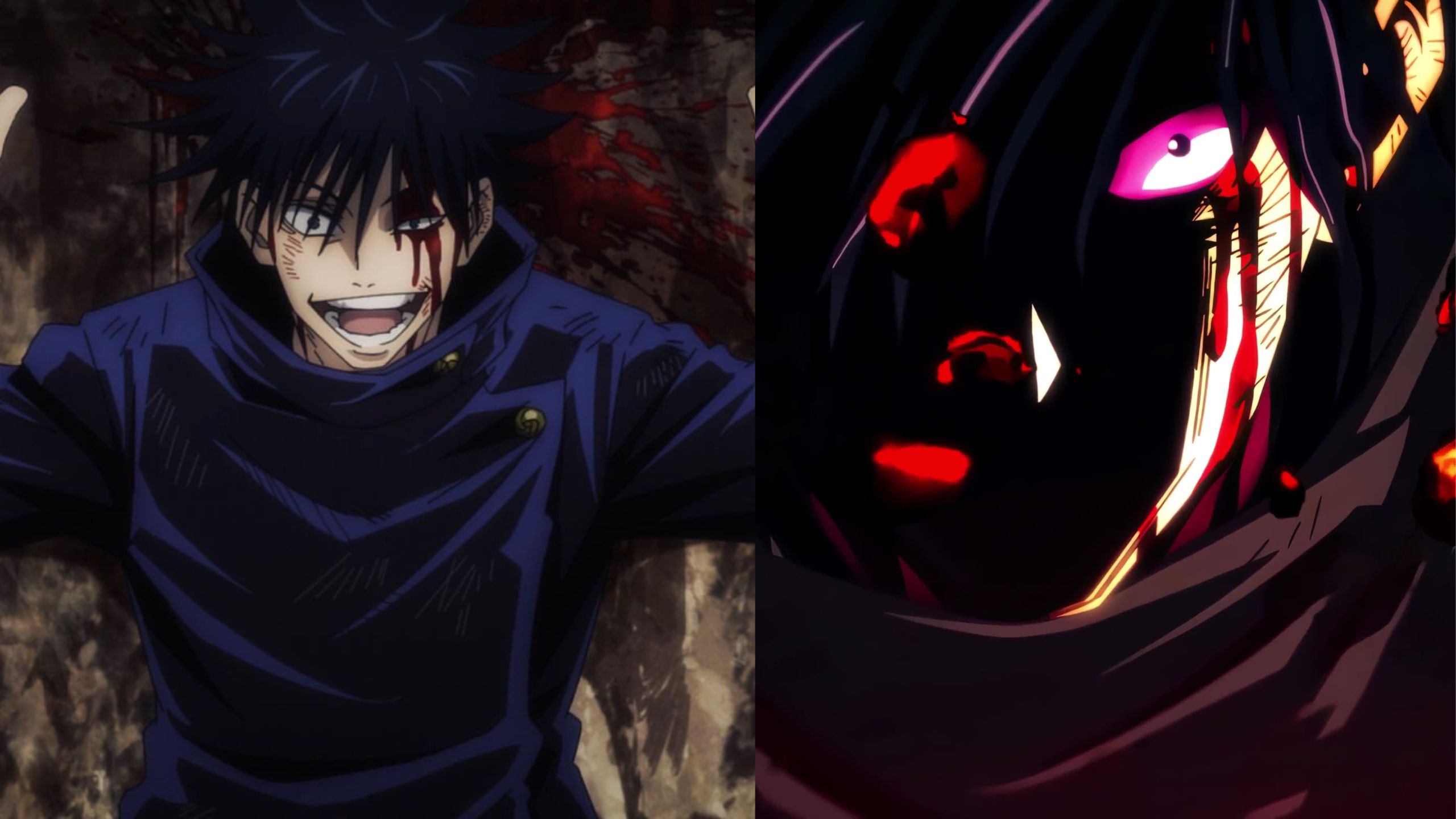
Megumi Using Shikigami (Mappa)
The events unfolding around him might be a representation of his subconscious or a world of illusion created by the merger.
This would explain the sudden and disjointed nature of the transition between Sukuna’s defeat and Megumi’s awakening.
The idea that Megumi’s experiences are not grounded in reality but rather in a dream-like sequence adds another layer of complexity to the narrative.
It raises questions about the true nature of the characters’ experiences and the implications of the merger’s activation on their perceptions of reality.
Open-Ended Final: Potential Implications
If the theory proposed by u/Adventurous_Dealer31 proves accurate, the series might conclude with an open-ended resolution.
This would mean that the activation of the merger and its consequences might remain unresolved, leaving readers with lingering questions about the fate of the characters and the world.
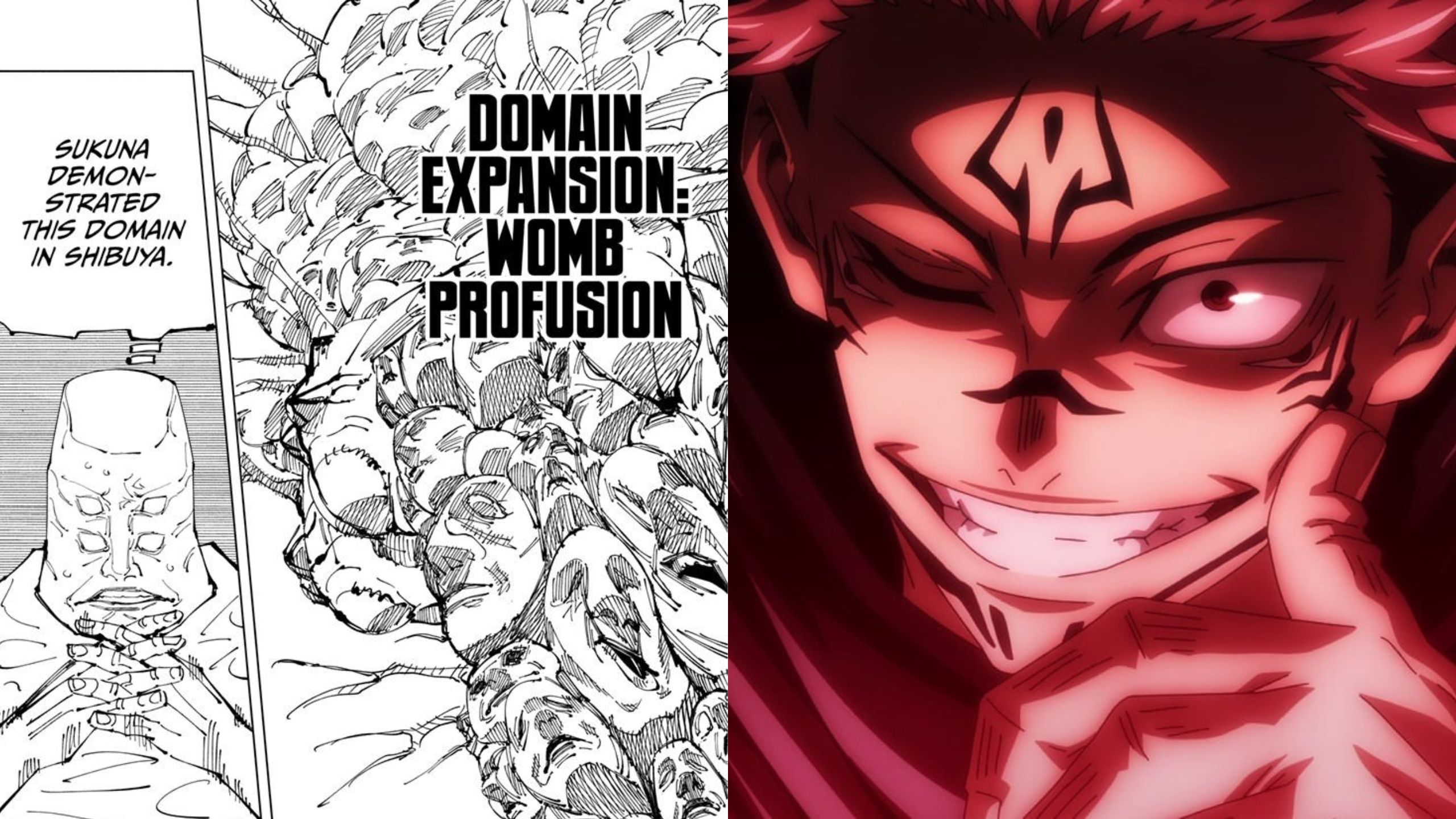
Domain Expansion Womb Profusion And Sukuna (image via Mappa)
An open-ended final would align with the series’ exploration of dark and ambiguous themes.
Rather than providing a neatly wrapped-up resolution, the series would maintain its focus on looking through complex and thought-provoking ideas.
This approach would further solidify Jujutsu Kaisen’s reputation as a series willing to confront difficult and unsettling themes.
The potential open-ended nature of the ending would reflect the series’ tendency to challenge conventional storytelling norms.
By leaving certain aspects unresolved, the series would invite readers to engage with its themes on a deeper level and consider the broader implications of the narrative.
Fan Reactions and Community Discussion
The theory about the merger’s activation has sparked significant discussion among fans. Many readers have engaged in lively debates about the theory’s validity and its implications for the series.
Honestly, I have a bad feeling about the next few chapters. It seems crazy why Kenjaku would put a Chekhov gun for such thing as merger and then give it to Sukuna for nothing. https://t.co/d6CmBdEBGk pic.twitter.com/nUTNErQIK0 — Eagle (@eagle97jjk) August 23, 2024
Some fans find the theory compelling, as it aligns with the series’ established themes and narrative patterns. Others are skeptical, feeling that the theory might be an overinterpretation of recent events.
The fan community has been abuzz with speculation and analysis, reflecting the deep engagement that Jujutsu Kaisen has inspired.
The theory has prompted readers to revisit key moments in the series and reconsider their implications in light of the potential merger activation.
The discussions have highlighted the series’ ability to provoke thought and generate meaningful dialogue among its audience.
Legacy of Jujutsu Kaisen
As Jujutsu Kaisen approaches its ending, the series’ legacy is being shaped by its exploration of complex themes and its willingness to push the boundaries of conventional storytelling.
The theory about the merger’s activation adds another layer of intrigue to the narrative and underscores the depth of engagement among fans.
Jujutsu Kaisen has established itself as a significant work in the manga world, offering a unique blend of intense action, intricate plotlines, and thought-provoking themes.
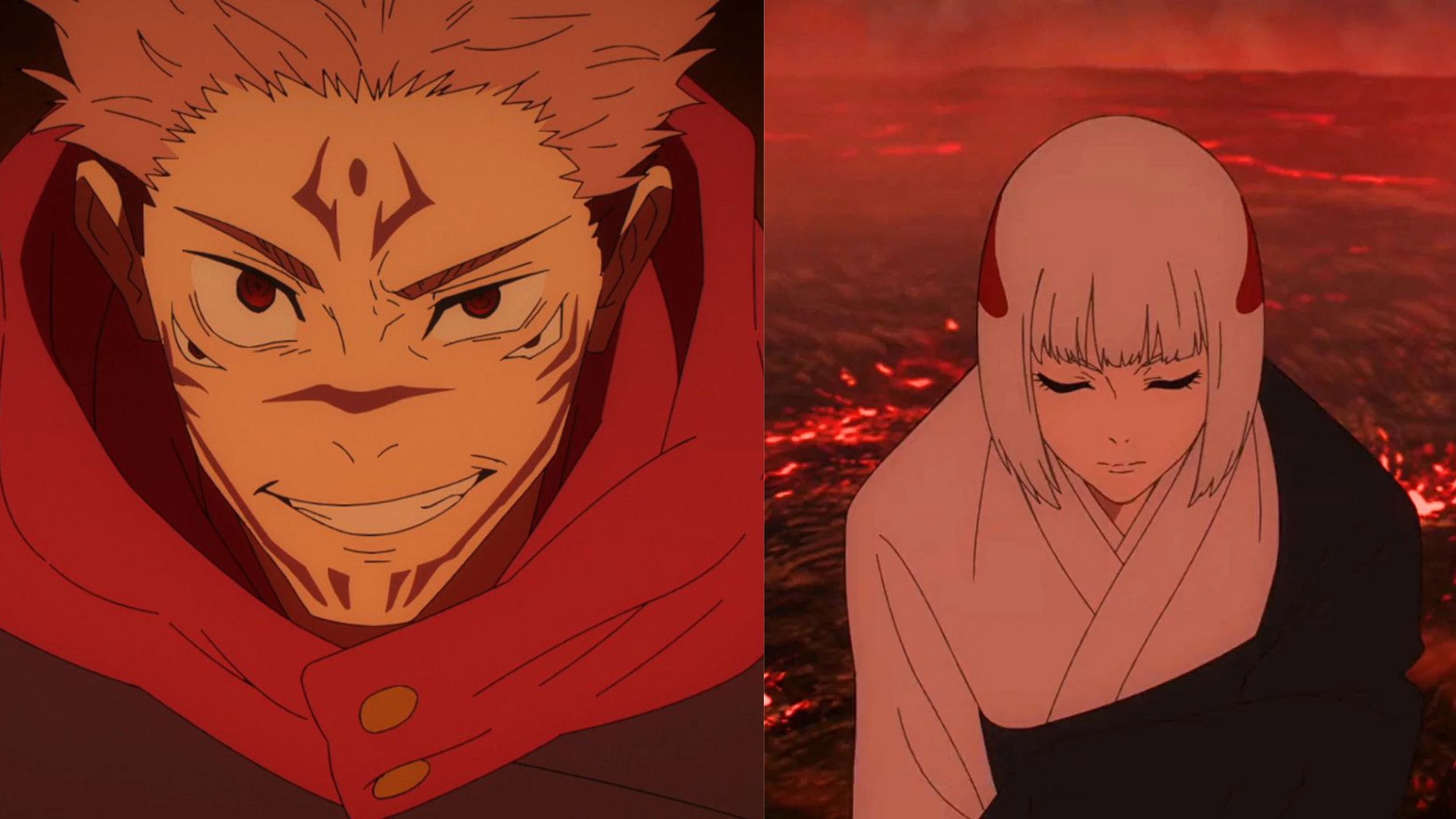
Ryomen Sukuna and Image via MAPPA)
The series has challenged traditional shonen tropes and provided a platform for looking through darker and more nuanced themes. Its legacy will be defined by its ability to attract the readers and inspire discussion.
The potential activation of the merger and its implications for the story will undoubtedly leave a lasting impression on the series’ legacy.
Whether or not the theory proves accurate, Jujutsu Kaisen’s exploration of dark themes and complex characters will continue to resonate with readers long after the final chapter is published.
In the end, Jujutsu Kaisen stands as a testament to the power of storytelling in manga.
The series has attracted the audiences with its rich narrative and compelling characters, and its legacy will be defined by its ability to provoke thought and inspire discussion.
As the story nears its ending, fans are left to ponder the ultimate fate of the characters and the world they inhabit.
The theory about the merger’s activation serves as a reminder of the series’ ability to engage its readers and challenge conventional expectations, ensuring that its legacy will endure.
The release of chapter 268 marked a significant moment in Jujutsu Kaisen, bringing the Shinjuku Showdown arc to a close and setting the stage for the series’ ending.
However, the chapter also left many fans feeling disillusioned, primarily due to the unresolved nature of the merger plotline. The theory proposed by Reddit user u/Adventurous_Dealer
31 suggests that the merger might have already begun, with Kenjaku’s final words and Megumi’s awakening serving as key indicators.
As the series approaches its end, fans are left to grapple with the potential implications of this theory.
The possibility of an open-ended final and the activation of the merger adds a new layer of complexity to the narrative.
Regardless of the outcome, Jujutsu Kaisen’s exploration of dark themes and its ability to provoke thought will continue to resonate with readers.
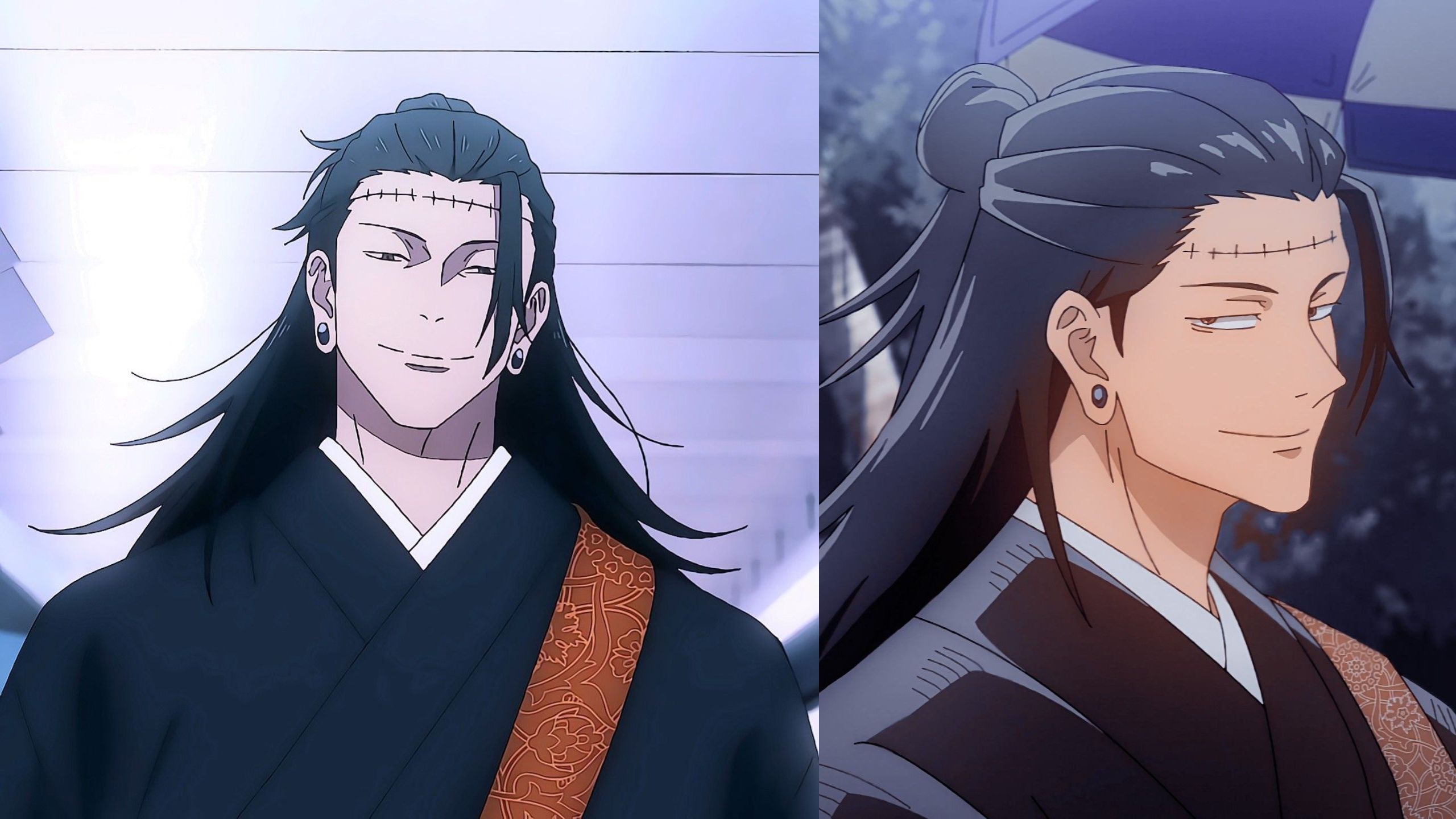
Kenjaku – Geto From Jujustu Kaisen (MAPPA)
The legacy of Jujutsu Kaisen will be defined by its impact on the manga world and its ability to engage and inspire its audience.
As the final chapters unfold, fans will be watching closely to see how the series concludes and what it ultimately says about the nature of its characters and the world they inhabit.
Whether the theory proves accurate or not, the discussions and debates sparked by the series will ensure that its legacy endures long after the final page is turned.
In the vast world of Jujutsu Kaisen, two characters stand head and shoulders above the rest when it comes to strength, power, and presence: Satoru Gojo and Ryomen Sukuna .
These two beings, hailing from completely different eras, embody the pinnacle of sorcery and cursed techniques, making them the most feared and respected figures in their respective timelines.
Gojo, a modern-day sorcerer, is revered for his boundless potential, while Sukuna, the ancient King of Curses, was once so powerful that his body had to be sealed away in fragments, each piece still harboring immense strength even after his death.
Despite the time gap between them, the two are ultimately viewed as the upper limit of what a sorcerer can achieve.
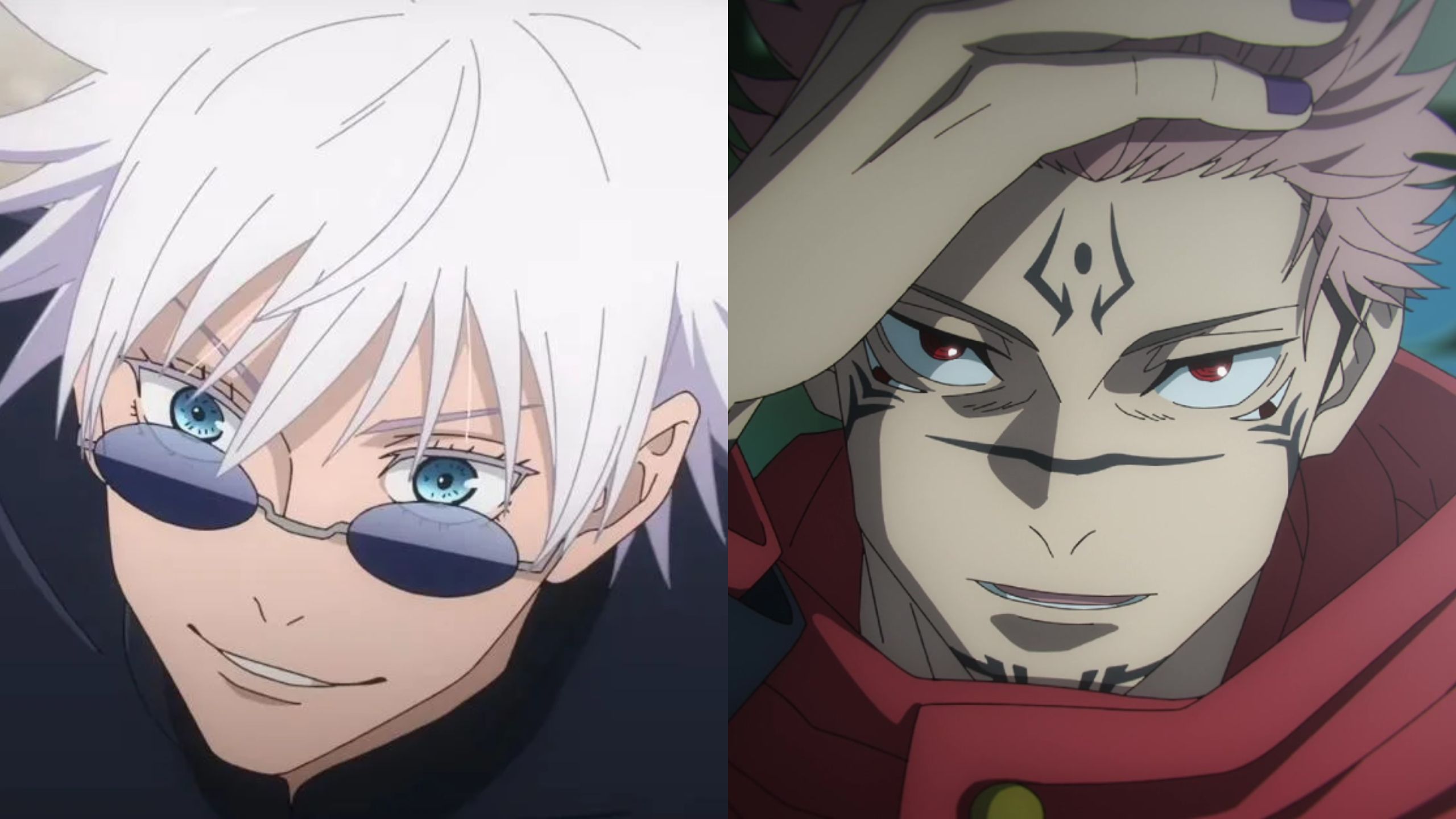
Gojo And Sukuna (Mappa)
As the story of Jujutsu Kaisen unfolds, fans are treated to a dramatic confrontation between these two titans in the Shinjuku Showdown arc, a battle that leaves audiences on the edge of their seats.
While both are clearly the strongest sorcerers to ever exist, their powers stem from very different places, and a closer look at their abilities reveals an undeniable contrast.
It’s this difference that defines their clash and highlights Sukuna’s hidden strength – a strength that lies in his knowledge and cunning, rather than just raw power.
Let’s jump deeper into the battle between Sukuna and Gojo and analyze how their abilities reflect not only their personalities but also the philosophies behind their sorcery.
A Battle of Legends: Gojo vs. Sukuna
The Shinjuku Showdown arc is one of the most highly anticipated parts of the series.
Fans had long speculated about what would happen when Satoru Gojo , widely regarded as the most powerful sorcerer alive, faced off against the reincarnated Ryomen Sukuna, the King of Curses, a being who once held dominion over all sorcery during the Heian period.
This confrontation was about more than just physical prowess; it was a battle of ideologies, experiences, and knowledge.
Both fighters were masters of jujutsu sorcery, but the origins of their power were drastically different.
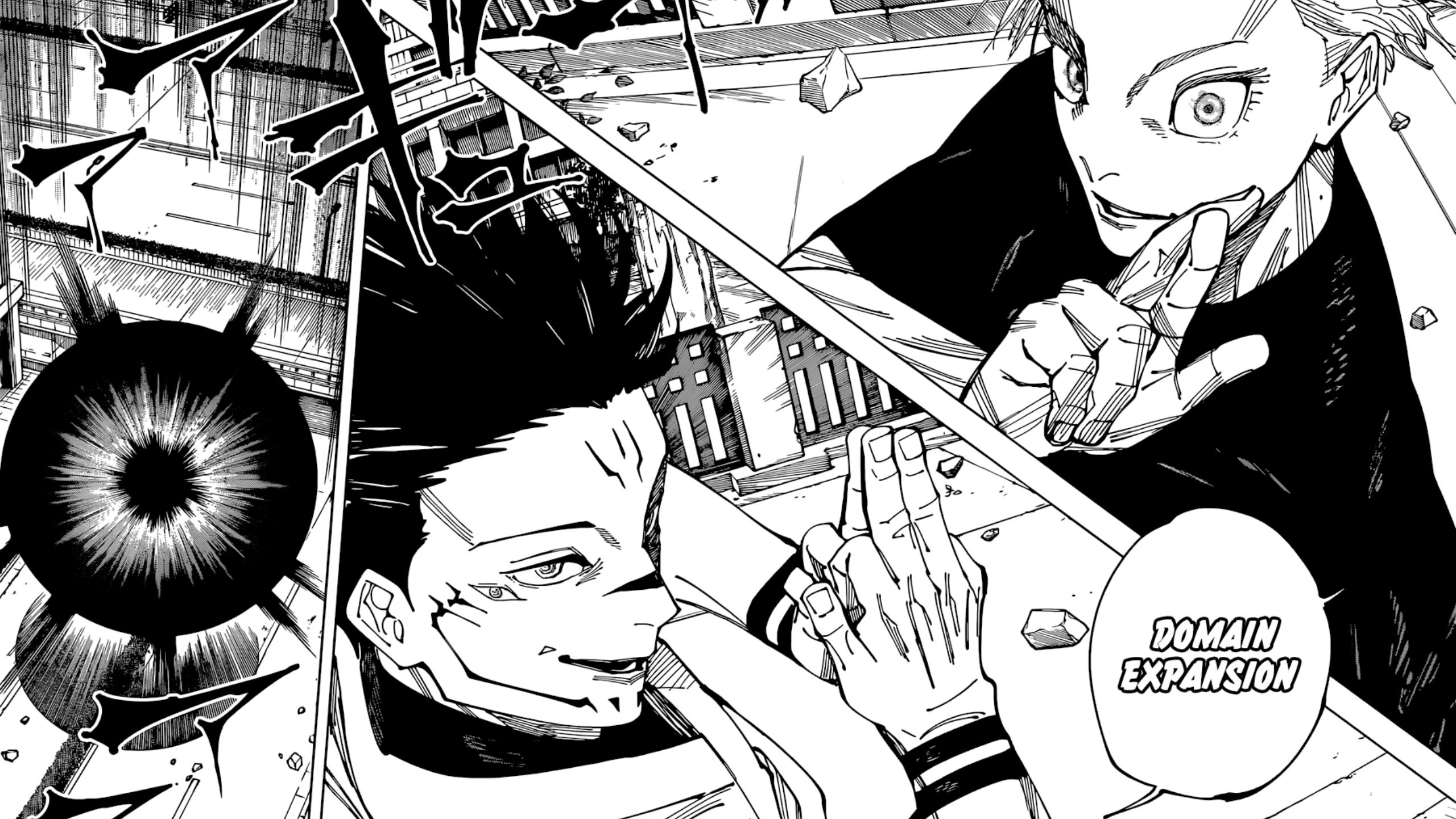
Sukuna And Gojo From Jujutsu Kaisen (Shueisha)
Where Gojo’s power is inherited, refined, and honed over his lifetime, Sukuna’s strength is rooted in his ancient experience and profound understanding of the sorcery system.
Gojo has always been a character that defies the conventional limits of strength in the series.
He possesses an overwhelming combination of Limitless and Six Eyes, two powers passed down through his clan that improve him far beyond any other modern-day sorcerer.
His abilities are so far-reaching that many in the jujutsu world view him as invincible. Throughout the series, Gojo is seen dispatching even the most powerful cursed spirits with relative ease, and his demeanor reflects his confidence in his power.
He is the face of modern jujutsu sorcery, a symbol of the untouchable.
On the other hand, Sukuna represents a much older and darker era. As the King of Curses, Sukuna is not just powerful because of his techniques, but also because of his unparalleled knowledge and experience.
In many ways, Sukuna’s strength comes from the centuries he has spent mastering every aspect of jujutsu sorcery.
His understanding of the principles, loopholes, and strategies that govern sorcery allows him to outwit even the most formidable opponents.
To call Sukuna merely a “strong sorcerer” would be an understatement. He is, in many ways, the embodiment of fear itself, both to humans and curses alike.
The Difference in Their Cursed Techniques
The difference between Satoru Gojo and Ryomen Sukuna is more than just their personalities and histories.
Their greatest strengths lie in their respective cursed techniques, which highlight the stark contrast between them.
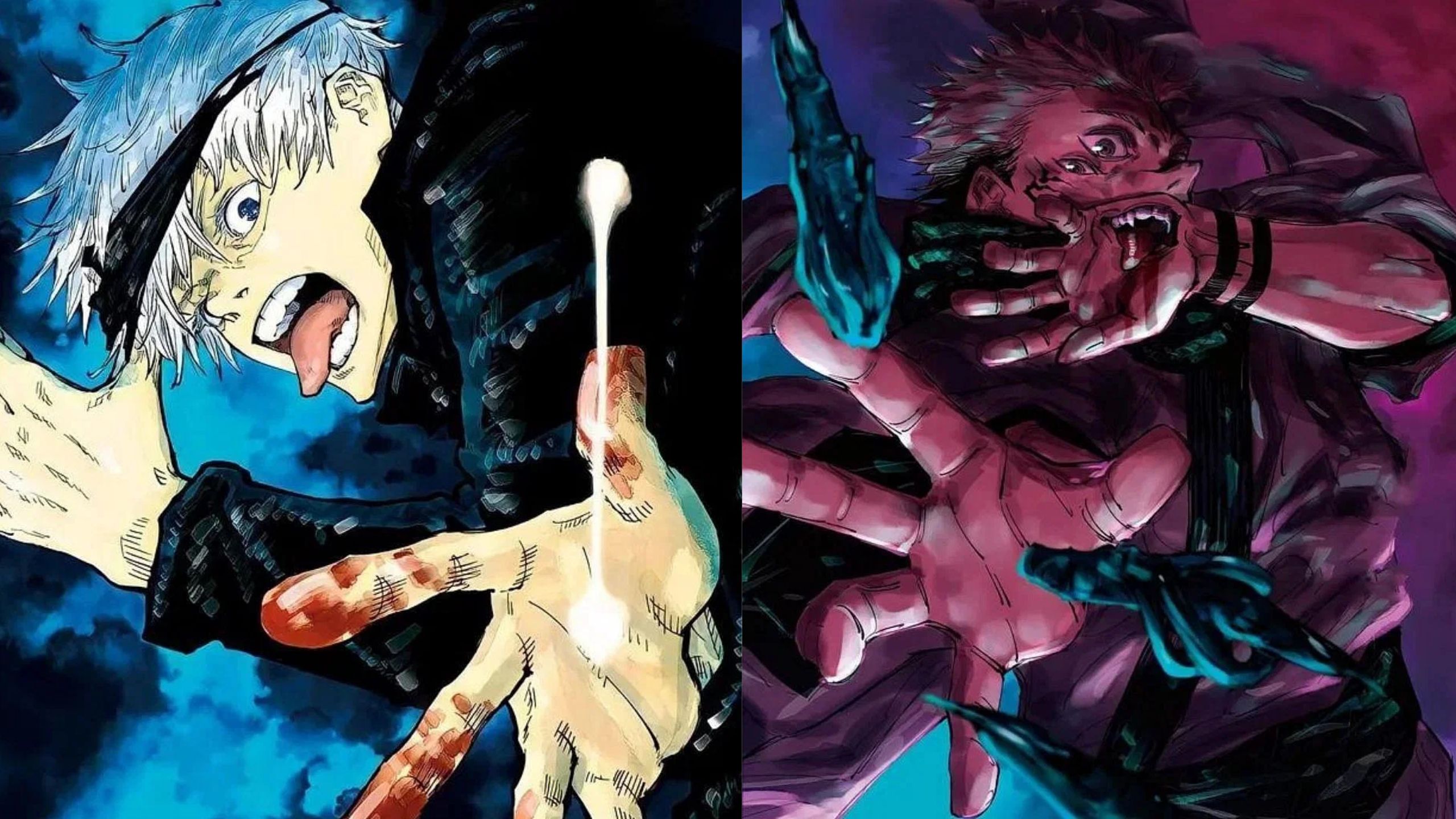
Gojo And Sukuna (Shueisha)
To understand how these two giants differ, we need to jump into their unique powers and what makes them so extraordinary.
Sukuna’s Cursed Technique: Shrine
Sukuna’s cursed technique, known as Shrine, is an ancient and fearsome ability that allows him to attack his opponents with devastating slashes and unleash powerful flames.
His main attacks are known as Cleave and Dismantle, both of which are capable of slicing through nearly anything, including Special Grade cursed spirits, and reducing entire cities to rubble.
His Divine Flame adds another deadly layer to his offensive arsenal, enabling him to scorch his enemies with immense heat and destructive force.
However, Sukuna’s power doesn’t merely lie in the raw destructive potential of his attacks. If that were the case, he would be just another powerful sorcerer.
Instead, Sukuna’s true strength is his intelligence and mastery of jujutsu sorcery. His ability to exploit every weakness and loophole within the system makes him an unpredictable and deadly opponent.
His immense knowledge of sorcery, accumulated over centuries, enables him to outthink and outmaneuver even the most formidable enemies.
One of Sukuna’s most notable strengths is his strategic mindset. Throughout the series, Sukuna has shown an incredible ability to adapt and evolve in the heat of battle, always staying one step ahead of his opponents.
His experience during the Heian Era, considered to be the most ruthless and dangerous time for sorcerers, has shaped him into a battle-hardened warrior.
This is what makes Sukuna such a terrifying presence he’s not just powerful, he’s clever and cunning, always seeking the most efficient way to end a fight.
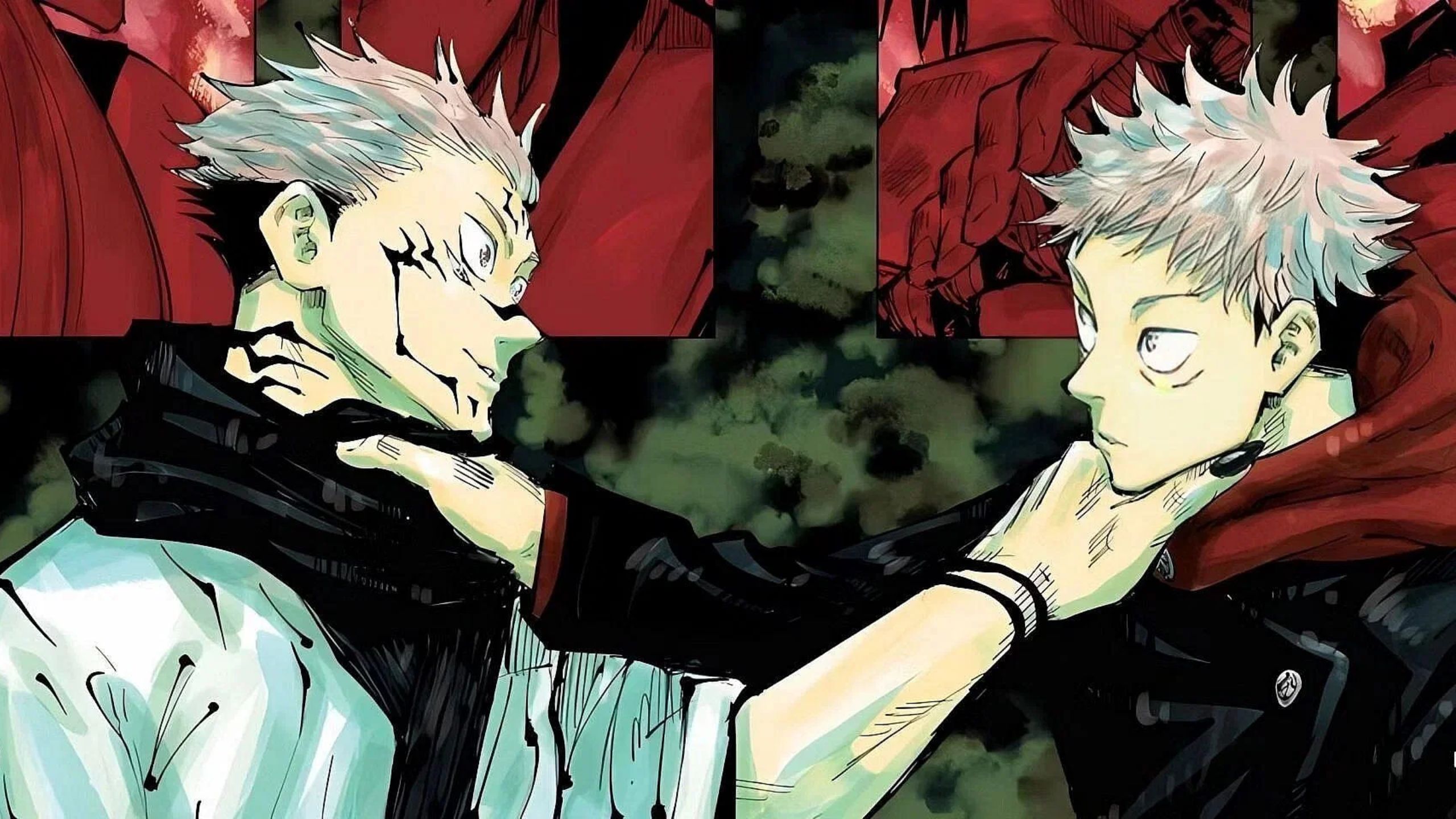
Sukuna and Yuji (Image via Shueisha)
A prime example of Sukuna’s brilliance comes in his fight against Satoru Gojo. During the battle, Sukuna utilizes Mahoraga’s second adaptation to Gojo’s Limitless technique.
He doesn’t just counter Gojo’s attack; he enhances his own Dismantle technique, expanding its range to affect the entire world.
This move, dubbed “the slash that can bisect the entire world,” showcases Sukuna’s unparalleled knowledge and ability to adapt on the fly.
Even after sustaining significant damage from Gojo’s Hollow Purple attack, Sukuna’s mind remains sharp, and he is able to devise the perfect strategy to deliver a killing blow.
In the end, Sukuna’s intelligence, combined with his centuries of experience, allows him to overcome Gojo’s overwhelming strength.
He proves that sometimes, knowledge and strategy are just as important if not more so than sheer power.
Gojo’s Cursed Technique: Limitless
Satoru Gojo, on the other hand, is the epitome of raw, inherited power. His Limitless technique, passed down through generations of the Gojo clan, allows him to control space at an atomic level by manipulating cursed energy.
This gives him near-invincible abilities, such as the Infinity barrier, which slows down anything approaching him to an infinite degree, making him virtually untouchable.
In battle, Gojo uses this power to devastating effect, warping space to shield himself from attacks while delivering punishing blows to his enemies.
The Limitless technique is what makes Gojo such an unshakable force. In his world, very few can even come close to touching him, let alone harming him.
This has given Gojo a kind of godlike status among sorcerers, as many believe him to be invincible.
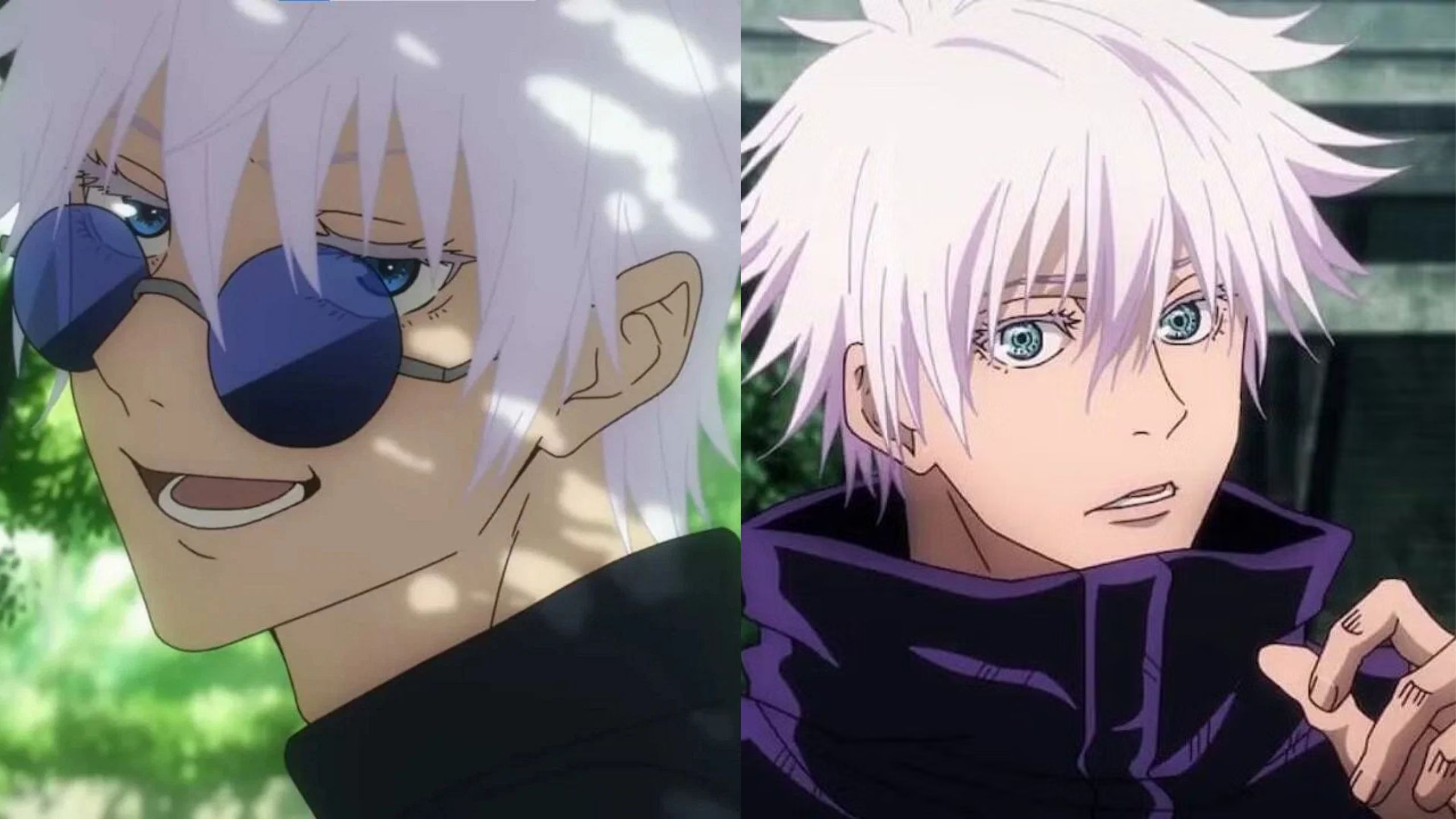
Gojo Satoru (Mappa)
His battles against powerful curses often seem effortless, as he relies on his mastery over space and cursed energy to dismantle his foes without breaking a sweat.
But Limitless is only part of Gojo’s power. His other defining trait is the Six Eyes, a rare ability that greatly enhances his perception and allows him to see and manipulate cursed energy with pinpoint accuracy.
Six Eyes also drastically reduces Gojo’s energy consumption, meaning that he can use his techniques almost indefinitely without running out of cursed energy.
This combination of Limitless and Six Eyes makes Gojo a nearly perfect sorcerer, with the ability to both attack and defend at an unparalleled level.
However, there is an important distinction between Gojo and Sukuna that becomes evident in their battle. While Gojo’s strength is undeniable, his power is largely inherited.
His mastery over Limitless and Six Eyes is a result of his lineage, passed down through generations of the Gojo clan.
While Gojo has certainly honed his abilities to perfection, his power is rooted in the techniques he was born with.
Sukuna, by contrast, is a self-made king. His strength is the result of centuries of practice, learning, and refining his techniques.
He wasn’t born with the same kind of inherited power that Gojo possesses, but he has worked tirelessly to achieve a level of mastery over jujutsu sorcery that allows him to stand toe-to-toe with Gojo and eventually defeat him.
A Deeper Look at Their Philosophies
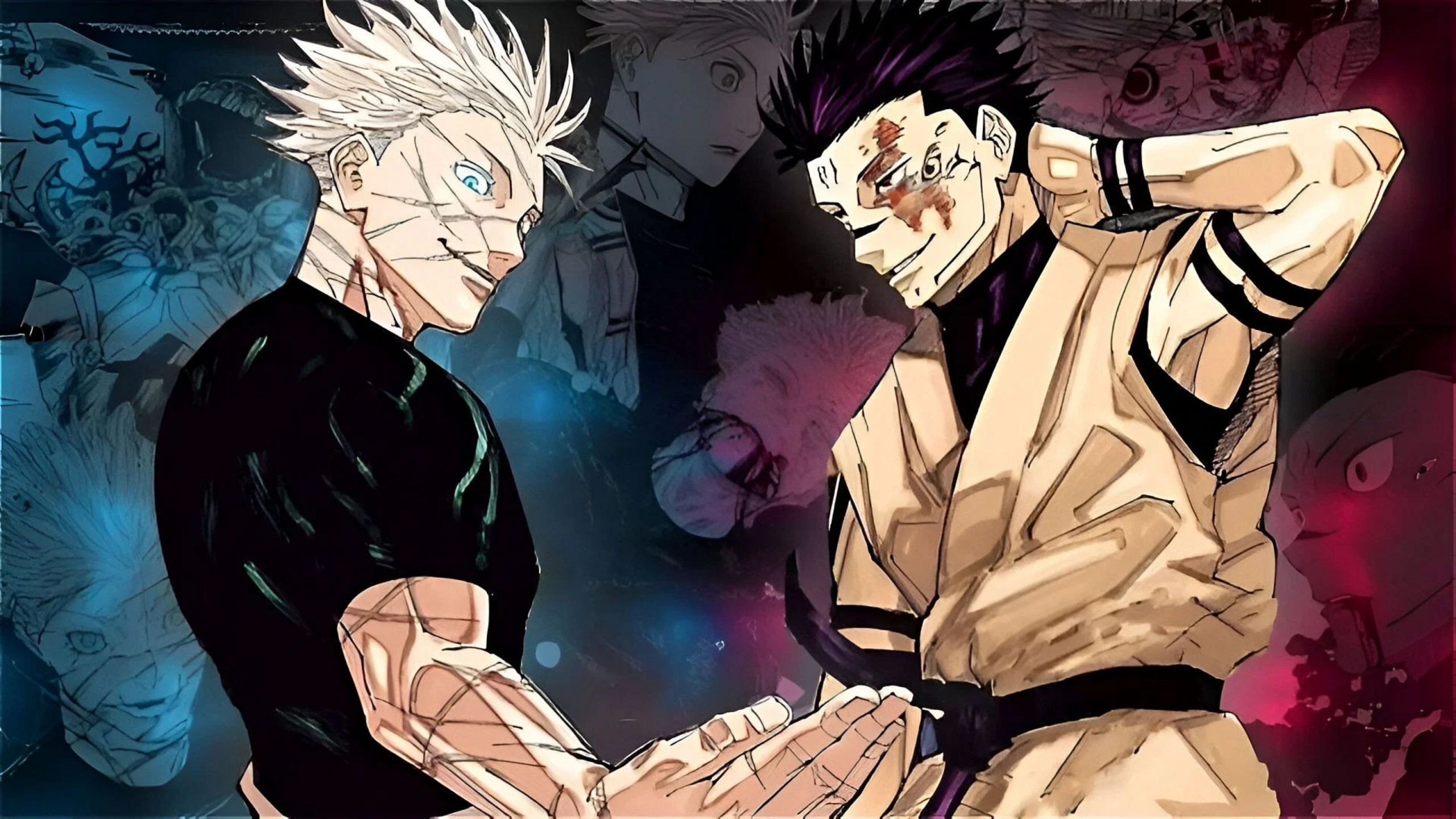
One of the most fascinating aspects of the Jujutsu Kaisen series is the philosophical contrast between Sukuna and Gojo.
Gojo (left) and Sukuna (right) (image via Shueisha)
While they both operate in the same world and use similar powers, their approach to sorcery – and their worldview – is drastically different.
Gojo’s Philosophy: The Untouchable Protector
Satoru Gojo represents a more traditional kind of heroism, though with a twist. He sees himself as a protector of the world, someone who is tasked with keeping balance and protecting humanity from curses.
Gojo’s incredible strength gives him an air of invincibility, which is both a blessing and a curse.
His unmatched power often makes him arrogant, believing that no one can touch him or stand up to his might.
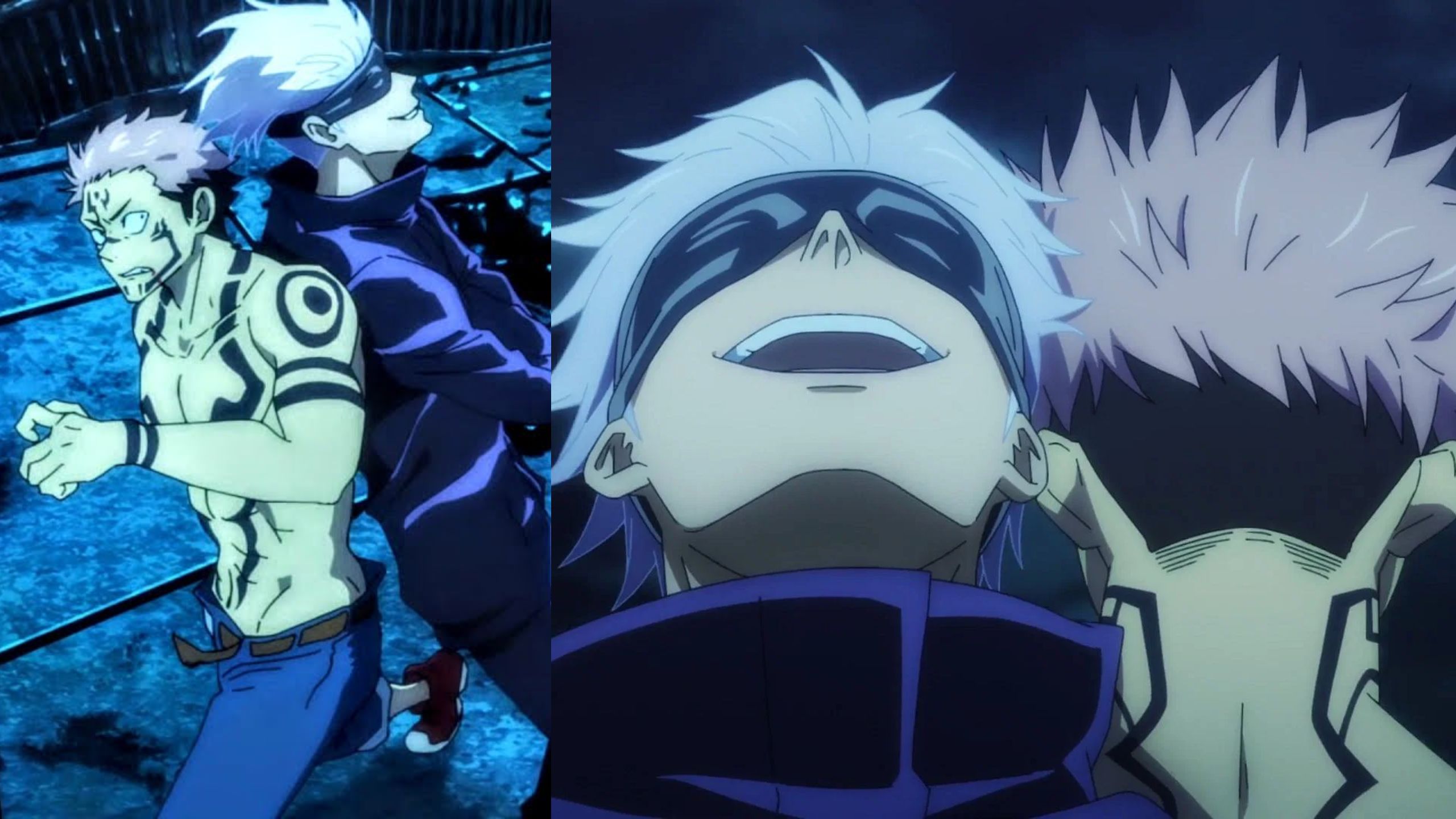
Gojo’s Infinity barrier is a perfect metaphor for his personality. Just as the barrier makes him untouchable in battle, his immense power also makes him emotionally distant.
Gojo is often portrayed as a figure who is disconnected from the people around him because he operates on a completely different level.
His power has isolated him, and while he cares for his students and colleagues, there’s a sense that he is alone in his strength.
Gojo (left) and Sukuna (right) (image via Shueisha)
This isolation is further emphasized in his battle against Sukuna. Gojo enters the fight confident in his abilities, but as the battle progresses, he begins to realize that he’s facing an opponent who operates on a different plane of existence.
Sukuna’s knowledge, experience, and cunning force Gojo to confront his own limitations, and for the first time, he’s pushed to his breaking point.
In the end, Gojo’s downfall is not just a result of Sukuna’s power but also of his own overconfidence.
Sukuna’s Philosophy: The Ruthless Strategist
Ryomen Sukuna, on the other hand, operates under a completely different set of principles.
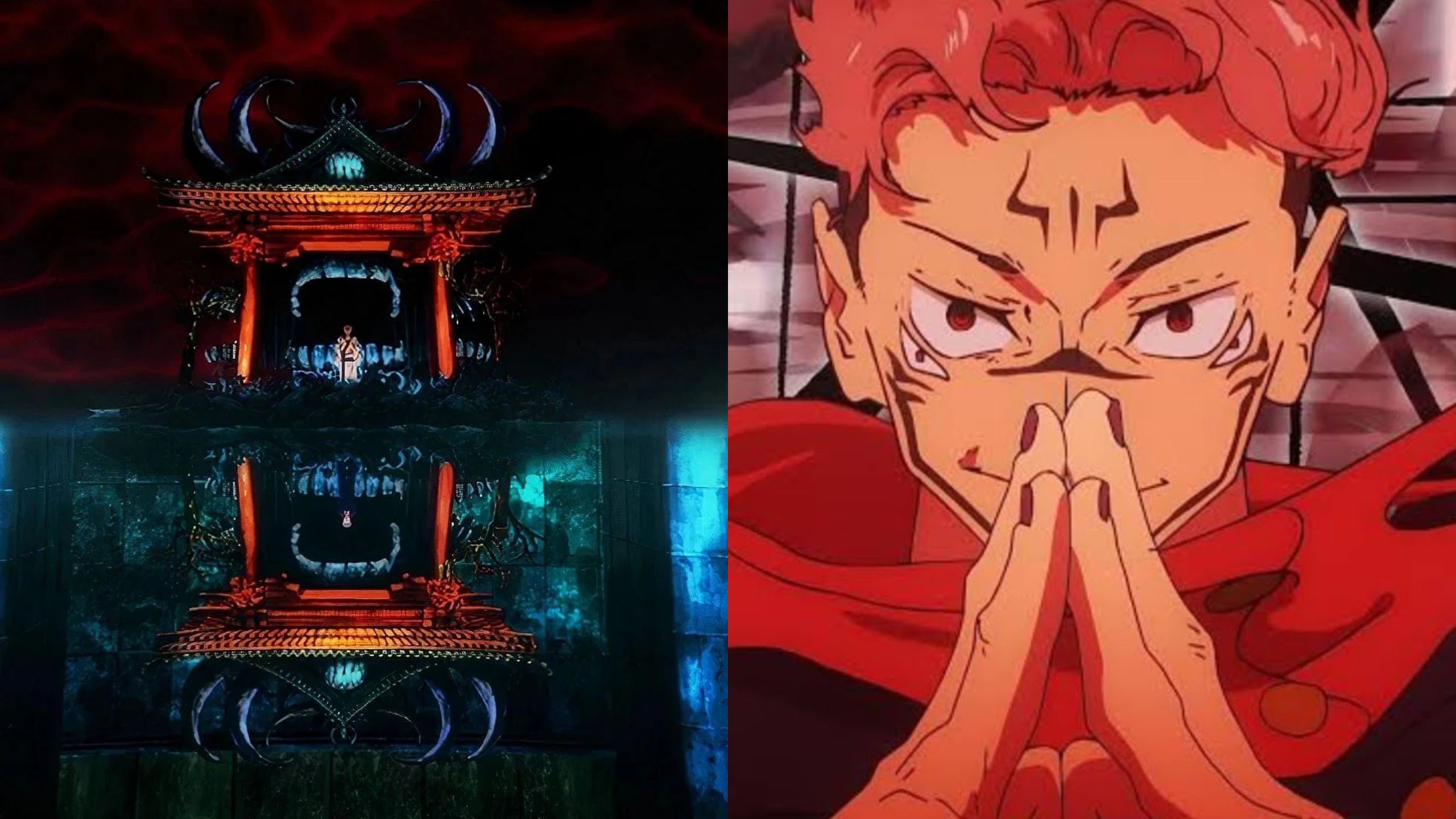
As the King of Curses, Sukuna is a figure of chaos and destruction, but his strength comes not from a desire to protect or serve, but from a deep, ruthless ambition.
Sukuna’s worldview is shaped by his time during the Heian Era, a period when power was everything, and survival was often determined by one’s ability to outthink and outfight their enemies.
Sukuna’s strength lies in his strategic mind and his willingness to do whatever it takes to win.
Unlike Gojo, who is often held back by his sense of responsibility and desire to protect others, Sukuna operates with complete freedom.
Sukuna’s Malevolent Shrine From Jujutsu Kaisen (image via MAPPA)
He has no ties, no moral obligations, and no need to follow the rules. In battle, this gives him a significant advantage, as he is able to exploit every weakness in his opponents without hesitation.
The final clash between Gojo and Sukuna is, in many ways, a battle between these two worldviews.
Gojo’s raw power and inherited techniques are pitted against Sukuna’s centuries of experience and strategic brilliance.
In the end, it’s Sukuna’s cunning that prevails, as he finds a way to overcome Gojo’s overwhelming strength and deliver the final blow.
The Ultimate Contrast
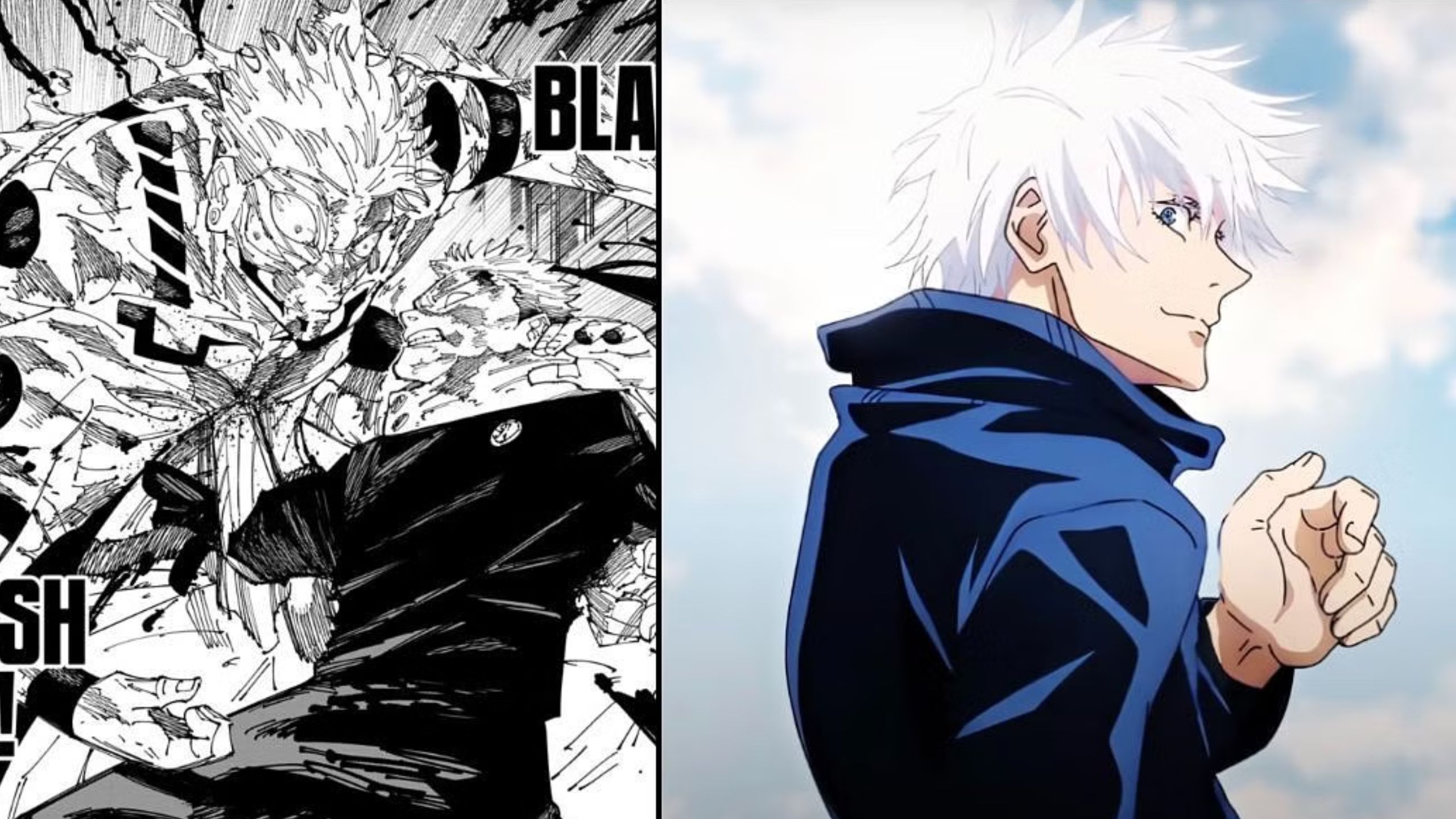
Ultimately, the battle between Satoru Gojo and Ryomen Sukuna is a showcase of the two greatest forces in the jujutsu sorcery world.
While Gojo’s power comes from his inherited techniques and overwhelming raw strength, Sukuna’s strength lies in his deep understanding of sorcery, his strategic mind, and his centuries of experience.
Sukuna And Gojo Satoru From Jujutsu Kaisen (MAPPA)
In the end, it’s this difference that defines their fight and highlights the true nature of Sukuna’s power.
He is not just a powerful sorcerer he is a master strategist, a cunning warrior, and a being who has honed his skills over centuries.
It’s this combination of knowledge, experience, and power that allows Sukuna to ultimately prevail over Gojo and claim the title of the Strongest Sorcerer in History.
