Dark Matter premiered in May on Apple TV+ and has received much praise from both critics and audiences for its engaging themes about identity, alternate realities, and the power of choice.
While fans eagerly await Season 2 of Dark Matter, they should show another series called Counterpart. This show aired on Starz for two seasons and provides a thrilling experience that many viewers enjoy.
Counterpart was created by writer Justin Marks in 2017. He is best known for his work on the Emmy-winning series Shōgun.
In Counterpart, Marks presents an original sci-fi espionage thriller that goes into complex ideas, including parallel universes and the choices that shape our identities.
The show combines elements of science fiction with intense drama, making it a compelling watch for fans of the genre.
The Premise of Counterpart
Counterpart introduces viewers to the idea of two parallel earths resulting from a Cold War experiment that went wrong. The parallel universe, called the Prime World, began as an exact copy of the original universe, known as Alpha World.
In this setup, each person has a “counterpart” in the other world. However, as time passes, small changes in the Prime World lead to significant differences between the two realities.
The main character, Howard Silk, is portrayed by actor J.K. Simmons. Howard is a gentle and kind man who works at the Office of Interchange, a mysterious government agency.
He has been employed there for 30 years but admits in the pilot episode that he does not fully understand what they do.
This lack of knowledge ultimately leads him to meet his counterpart, Howard Prime, who represents a very different version of himself on the other side.
Simmons plays both roles, showcasing his acting range as the two Howards could not be more different from each other.
The Setting and Structure of Counterpart
The events of Counterpart take place in Berlin, a city that holds historical significance due to its division during the Cold War. The show captures the tension and atmosphere of a city that has been split into two realities, reflecting the larger theme of duality.
Only a select few high-ranking officials at the Office of Interchange in Alpha World are aware of the existence of the Prime side. Among these officials is Peter Quayle, played by Harry Lloyd, who draws Howard into a tight inner circle where secrets abound.
As the plot unfolds, it becomes clear that there are members of a terrorist group called the “Others” who have crossed over from the Prime World to wreak havoc in the Alpha World.
This group seeks vengeance for the millions of lives lost due to a flu pandemic that struck the Prime side in the mid-1990s. They believe the Alpha side was responsible for this disaster, which adds another layer of complexity to the narrative.
Howard Silk and His Counterpart
Howard Silk, as depicted by J.K. Simmons, is a multifaceted character. In the Alpha World, he is a mild-mannered bureaucrat who is deeply committed to his job, even if he does not fully understand its nature.
His life takes a dramatic turn when he encounters Howard Prime, a much more ruthless and cold version of himself.
Howard Prime’s motivations revolve around infiltrating Howard’s life to track down the “Others” and protect his wife, Emily, who lies in a coma after a car accident.
The revelation that Emily is a target for the “Others” adds tension to the story. It is disclosed that she is a counterintelligence agent who has been in contact with the other side.
This twist propels the narrative forward, as the two sides are forced to cooperate to stop the worlds from collapsing. The resulting dynamics create rich drama and compelling character moments that draw viewers in.
Contrasting Themes in Counterpart and Dark Matter
While Dark Matter focuses more on the scientific principles behind alternate realities, Counterpart leans into the espionage genre, creating drama from the characters’ complex interactions and relationships.
Both series examine themes of identity and the consequences of choices, but they do so in different ways.
In Dark Matter, multiple versions of Jason, played by Joel Edgerton, illustrate how one decision can dramatically alter a life. One Jason is happily married to his wife, Daniela, and has a son.
The other Jason, however, is deeply absorbed in his work and makes a devastating choice that leads to a very different path. This theme of identity is also central to Counterpart, where the characters’ circumstances change who they are and who they become.
For example, in the Alpha World, Howard and Emily have experienced the loss of a child but remain married. In contrast, their counterparts in the Prime World are divorced and have a daughter named Anna.
In both realities, Emily works as a spy, but it is only in the Prime World that Howard learns the truth about her role and confronts her.
Howard Alpha chooses to remain silent about his suspicions, while Howard Prime becomes a cold and violent operative. This scheme of choices and their impacts highlights the show’s depth and complexity.
The Power of Choice in Counterpart
In this episode, viewers witness the origins of the parallel worlds and how the crossing between them occurs. A scientist named Yanek, played by Samuel Roukin, creates the Prime World, leading to a series of events that further complicate the lives of the characters.
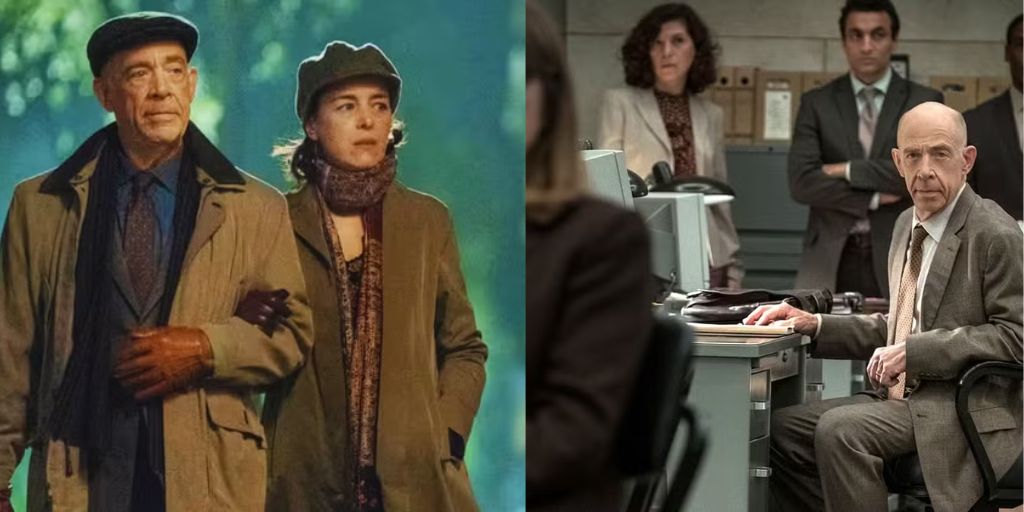
Still from Counterpart (Credit: Starz)
In this episode, the two versions of Yanek conduct an experiment that has tragic consequences in the Alpha World. This tragedy sends Yanek into a spiral of grief, resulting in a breakdown of trust between the two versions of himself.
Despite being the same person, a small decision leads to significant devastation. Yanek’s fears and insecurities come to the surface, showcasing how choices shape destinies and alter relationships.
This concept is fascinating, and Counterpart effectively shows it throughout its run. The series invites viewers to consider how their choices can lead to vastly different outcomes and experiences.
The careful storytelling and character development make these themes resonate with the audience, encouraging them to reflect on their lives and decisions.
J.K. Simmons: A Masterful Performance
One of the standout features of Counterpart is the exceptional performance by J.K. Simmons. He brilliantly portrays both Howard Silk and Howard Prime, showcasing his remarkable range as an actor. Each version of Howard possesses distinct characteristics, and Simmons expertly differentiates between the two.
Howard Alpha is portrayed as a gentle, caring man who tries to show the complexities of his world. He embodies vulnerability and compassion, even as he grapples with the weight of his choices.
In contrast, Howard Prime is a ruthless and cold figure, driven by a sense of purpose that often leads him to make morally questionable decisions.
Simmons’ ability to shift between these two characters is nothing short of remarkable. His physicality and demeanor change significantly, allowing viewers to easily distinguish between the Howards.
This talent is particularly evident in key scenes where both characters confront each other, showcasing the internal conflict that arises from their shared identity.
One notable scene occurs in Episode 8 of Season 1, titled “Love to Lie,” where both Howards confront each other after spending time in their respective worlds. Howard Alpha, despite looking into a mirror, is repulsed by what he sees in Howard Prime.
He confronts his counterpart with the question, “Is there any truth to you?” This moment is powerful, as it reveals Howard Alpha’s fear of becoming like Howard Prime. Simmons delivers a masterclass in acting, making this confrontation one of the most compelling scenes in the series.
Olivia Williams: A Powerful Counterpart
Opposite J.K. Simmons for much of the series is Olivia Williams, who plays Emily Silk. Williams brings a quiet grace to her role, portraying a character that is both strong and deeply flawed. Throughout the series, Emily faces her own challenges, making her character arc just as compelling as the Howards’.
This scene highlights the subtle changes in Emily’s character, reflecting the underlying sadness of losing her daughter. Williams plays this scene with incredible depth, showcasing her emotional range and making the moment resonate with viewers.
Emily’s character evolves significantly throughout the series, and Williams masterfully captures these changes. Her performance complements Simmons’ portrayal of Howard, creating a dynamic and engaging relationship that anchors the series.
Together, they demonstrate how different circumstances can lead to very different outcomes for individuals who started from the same place.
The Themes of Humanity and Choice in Counterpart
Like all great sci-fi stories, Counterpart poses important questions about what it means to be human. The series shows themes of identity, choice, and morality, inviting audiences to consider how their decisions shape their lives.
As characters face the complexities of their dual existence, viewers are encouraged to reflect on their own choices and the impact they have on their relationships and futures.
Counterpart stands out for its ability to make audiences care deeply about its characters. The writing, combined with the performances of the cast, creates a rich scheme of emotion and conflict.
Each character’s journey is filled with challenges and moral dilemmas that resonate with viewers, making them invested in the outcome of their stories.
The Cancellation of Counterpart
Despite its critical acclaim and dedicated fan base, Counterpart was unfortunately canceled after Season 2. This decision meant that Justin Marks and his writing team could not complete the story they had begun to tell.
Fans were left wanting more, as the series had set up numerous intriguing plotlines and character arcs that remained unresolved.
The cancellation was disappointing for viewers who had invested in the characters and their journeys. Many felt that the show had the potential to show even deeper themes and continue to challenge audiences with its thought-provoking storytelling.
Counterpart’s abrupt ending left a void in the sci-fi genre, highlighting the challenges that innovative shows often face in a competitive view.
Counterpart’s Legacy
Despite its cancellation, Counterpart remains a solid watch for fans of sci-fi and espionage dramas. The series masterfully blends elements of suspense, mystery, and deep emotional storytelling.
It is a show that encourages viewers to contemplate their own lives and the choices they make, as well as how those choices define their identities.
Counterpart has left a lasting legacy, earning a place among the most thought-provoking series in recent years. Its unique premise and scene of complex themes resonate with audiences, ensuring that it will be remembered long after its conclusion.
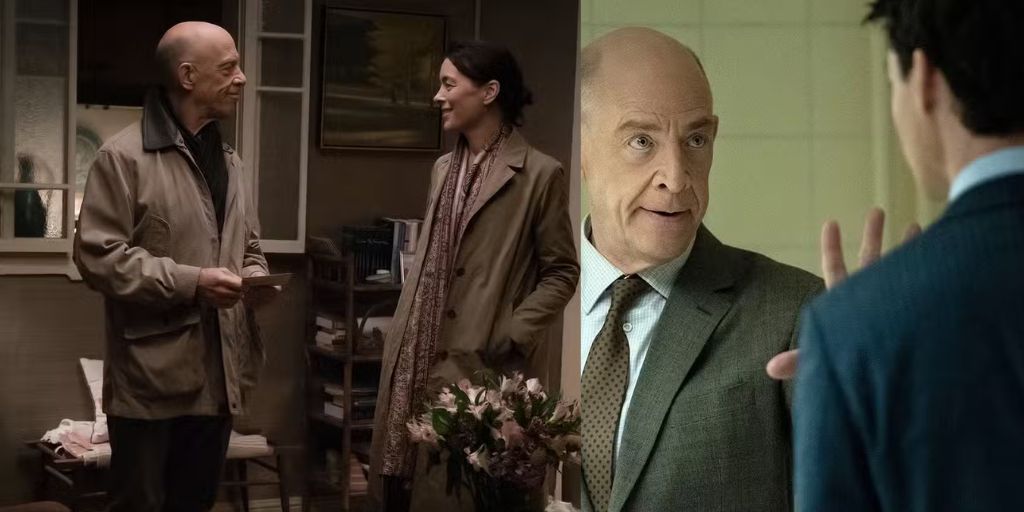
Still from Counterpart (Credit: Starz)
For fans of Dark Matter and those who appreciate character-driven narratives, Counterpart offers a compelling viewing experience that should not be missed. The performances, writing, and thematic depth make it a standout series that will continue to attract viewers even in its absence.
A Must-Watch for Sci-Fi Lovers
Counterpart is a remarkable series that goes into the complexities of identity, choice, and the human experience.
Through the performances of J.K. Simmons and Olivia Williams, viewers witness the profound impact of choices on individual lives. The themes of parallel worlds and espionage add layers of intrigue to the story, making it an engaging watch.
While the cancellation of Counterpart may have left some questions unanswered, the journey of the characters and the questions posed throughout the series offer a rich viewing experience. It is a show that challenges viewers to think deeply about their own choices and the nature of identity.
As fans of Dark Matter await the next season, they should take the time to show Counterpart. With its attractive storytelling and complex characters, it is sure to satisfy those craving a thought-provoking sci-fi experience.
In the Marvel Cinematic Universe (MCU), Thanos is one of the most compelling characters, particularly in Avengers: Infinity War and Avengers: Endgame. Portrayed by Josh Brolin, Thanos is introduced as a powerful being with a mission to collect the Infinity Stones.
He believes that wiping out half of the universe will create balance, and he expects that the remaining half will be thankful for his actions. While this is a central theme in the films, it only scratches the surface of Thanos’ character.
The MCU does not go deeply into Thanos’ background, leaving many questions about his motivations and history unanswered.
The character’s complexities are better shown in the comics, where his upbringing, family dynamics, and experiences shape a much darker figure than the one we see in the films.
This article shows Thanos’ story in depth, highlighting how his traumatic childhood, desire for immortality, and connections to the Eternals contribute to his persona as the Mad Titan.
Thanos: A Product of His Environment
Thanos’ origins are rooted in tragedy. Born on Titan, one of Saturn’s moons, he is the son of A’lars, also known as Mentor, and Sui-San.
A’lars belongs to the Eternals, a race of superhumans created by the Celestials. His family lineage gives him immense power, but it also sets the stage for his struggles.
Unlike his brother, Eros, who possesses a charming and attractive appearance, Thanos is born with a deviant gene. This genetic anomaly causes his purple skin and unusual features, making him an outcast from the moment he enters the world.
In the comic series Thanos Rising, Thanos’ appearance is a significant factor in shaping his identity. Being different in a society that values beauty and conformity creates a deep sense of isolation. This isolation is compounded by the treatment he receives from his own mother, Sui-San.
Rather than welcoming her son, she despises him for his appearance. Sui-San’s hatred is irrational, driven by societal standards and her inability to accept Thanos for who he is.
Instead of naming him Dione, as she initially intended, she names him Thanos. This name, often associated with death and destruction, foreshadows his dark future.
Sui-San’s rejection reaches a horrifying peak when she attempts to kill her son. This act of violence leaves a lasting scar on Thanos, planting the seeds of his future rage.
At the age of 12, Thanos ends up killing his mother, a significant event that illustrates the depth of his pain and the beginning of his violent tendencies.
The lack of maternal love and support profoundly impacts his psychological development. Thanos’ childhood is filled with trauma, resulting in a character unable to form healthy emotional connections.
The Development of a Dark Personality
The loneliness and rejection Thanos experiences foster a sense of rage that will define him. As he grows older, this rage turns into a desire for power and control. In the comic saga Infinity, Thanos goes on a violent spree across the universe.
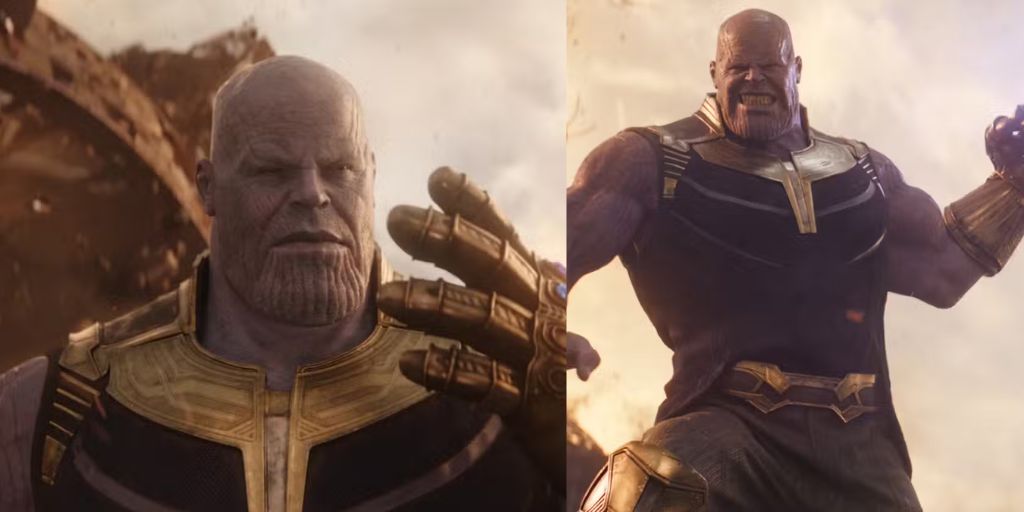
Still from Thanos (Credit: MCU)
He seeks to distract from his plans to kill his son, a shocking twist that reveals the depth of his madness. This pattern of violence is not random; it is deeply rooted in his experiences of isolation and rejection.
Thanos’ inability to connect with others further exacerbates his feelings of anger and vengeance. His relationships are superficial, and he fails to bond with anyone. He sees others as tools or obstacles rather than individuals worthy of empathy.
This lack of empathy is a crucial aspect of his character and influences his decisions as he seeks to achieve his goals.
The MCU portrays Thanos as a villain with a misguided sense of purpose, but the comics paint a more complex picture. His motives are driven not just by a desire for balance but by a deep-seated need for revenge and recognition.
A Quest for Immortality
One of Thanos’ central motivations is his obsession with immortality. As a being with immense cosmic power, he believes he can transcend death itself. This obsession leads him down a dark path, as he is willing to make sacrifices for the sake of achieving eternal life.
Thanos’ relationship with his brother Eros reflects this obsession. He chooses to spare Eros’ life, but this mercy is deceptive.
In Guardians of the Galaxy #6, it is revealed that Thanos implanted a failsafe in Eros’ mind to protect his own interests. This action highlights Thanos’ tendency to manipulate those around him, even when he appears merciful.
In the comics, Thanos’ quest for immortality culminates in his desire to court Death, the personification of death itself. This desire is not just an abstract concept; it manifests in his actions and decisions.
He wants to impress Death by committing acts of destruction, believing that if he can prove his worthiness, she will reciprocate his feelings. This relationship with Death is a significant departure from the MCU portrayal, where Thanos’ motivations are more focused on balance.
The Russo brothers, who directed Infinity War and Endgame, opted not to include Death in the films. They believed that introducing her would complicate the narrative and take the story to a “plane of existence” that the MCU was not ready for at that time.
While this decision makes sense in the context of the films, it also omits a key aspect of Thanos’ character from the comics.
Thanos: The Bloodthirsty Titan
Thanos’ quest for immortality is intertwined with his bloodthirsty nature. He views destruction as a means to an end and is willing to eliminate anyone who stands in his way. In the comic Infinity Gauntlet, his desire to impress Death leads him to wipe out half of the universe.
This act is not motivated by a sense of balance; rather, it is a twisted expression of love for Death. Thanos’ actions illustrate a profound misunderstanding of love and connection, as he equates destruction with power and control.
This darker interpretation of Thanos presents him as a villain who thrives on chaos and bloodshed. His childhood experiences of rejection and violence have left him emotionally scarred, and his quest for immortality amplifies his destructive tendencies.
The character’s complexity lies in this duality: he is both a tragic figure shaped by his past and a ruthless antagonist who will stop at nothing to achieve his goals.
Thanos’ Connection to the Eternals
Thanos is not only a member of the Deviants but also has strong ties to the Eternals. His grandfather, Kronos, was the leader of the Eternals, which explains Thanos’ cosmic powers.
This connection to the Eternals is an essential aspect of his character, as it gives him a background that is rich with history and lore.
The Eternals are tasked with assisting the Celestials, cosmic beings responsible for creation and destruction across the universe. Thanos’ lineage plays a significant role in his ability to wield such immense power.
Despite his connections, Thanos feels like an outsider among the Eternals. His deviant gene sets him apart, and he is constantly reminded of his differences. This rejection further fuels his anger and desire for power.
The MCU has only touched on this aspect of Thanos’ character, but with the introduction of Eros in Eternals, there is potential for future scheme of this family history.
Eros, played by Harry Styles, is Thanos’ brother and represents a connection to the Eternals that could be further developed in upcoming stories.
Thanos in the Comic Book Universe
In the comic book universe, Thanos’ character is even more layered. His history includes various arcs where he confronts cosmic entities, battles superheroes, and shows the depths of his own madness.
The comics depict Thanos as a character who is both powerful and deeply flawed. His relationships with other characters, including heroes and villains, provide insight into his psyche.
One notable storyline is the Infinity Abyss, where Thanos faces clones of himself. This arc shows the concept of identity and what it means to be Thanos. The clones serve as a reflection of his own darkness and the consequences of his actions.
The idea of cloning adds another layer to his character, suggesting that even in death, Thanos’ influence can persist. The potential for his return through cloning or other means remains an intriguing possibility for future MCU stories.
Even though Thanos is dead in the MCU, the concept of the Celestial World Forge offers a potential pathway for his return. Arishem, a character from Eternals, discusses the World Forge and its ability to create and program beings like the Eternals.
This element opens the door for Thanos to come back in some form, possibly as a clone or through other cosmic means. Although the chances of this happening are uncertain, it remains a fascinating avenue to show, especially considering Thanos’ lasting impact on the MCU.
The Impact of Thanos on the MCU
Thanos’ character has left a significant mark on the MCU. His actions in Infinity War and Endgame have repercussions that resonate throughout the entire franchise.
The emotional weight of his choices affects not only the heroes he battles but also the universe itself. The idea of sacrifice and the moral dilemmas faced by the Avengers come to the forefront due to Thanos’ relentless pursuit of power.
The Russo brothers crafted Thanos as a villain with a twisted sense of purpose, making him both terrifying and tragic. His journey from an outcast to a feared titan captures the audience’s attention, prompting them to question the nature of good and evil.
While many villains in the MCU have been portrayed as one-dimensional, Thanos stands out as a character whose motivations are deeply rooted in his past. The scheme of his family history adds depth to his character, making him more than just a villain seeking power.
The Legacy of Thanos
Thanos’ legacy is complex. He is remembered as one of the most formidable foes in the MCU, but his story goes beyond that. His family history, traumatic experiences, and quest for immortality create a multifaceted character that continues to fascinate fans.
As the MCU evolves, there is potential to show Thanos’ story further, especially with the introduction of characters like Eros and the possibility of his return.
The lore surrounding Thanos offers a wealth of material to examine. His connections to the Eternals and the Celestials can lead to new narratives that deepen the understanding of his character. Additionally, the scheme of his psychological struggles and motivations can shed light on the nature of villainy in the MCU.
Thanos is a character defined by his struggles and experiences. His traumatic childhood, obsession with immortality, and connections to the Eternals create a rich scheme of lore that shapes his identity. While the MCU provides a view into his character, the comics offer a more nuanced portrayal.
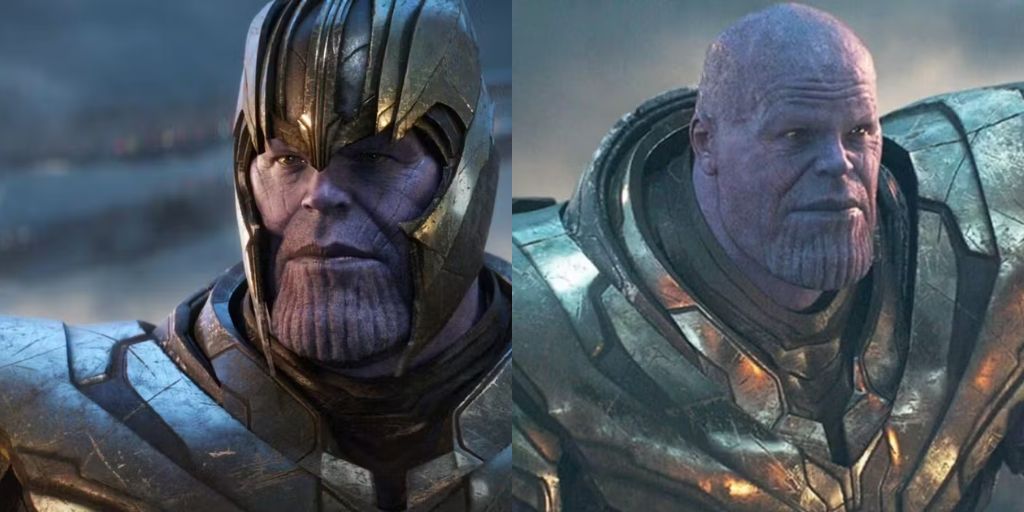
Still from Thanos (Credit: MCU)
Thanos is not just a villain seeking to destroy the universe; he is a tragic figure shaped by rejection, anger, and a desire for power.
As the MCU continues to expand, there are endless possibilities for showing Thanos’ story. Whether through flashbacks, new characters, or potential returns, his legacy will remain a crucial part of the Marvel narrative.
Thanos’ family tree and the consequences of his actions are ripe for scheme, providing a deeper understanding of the Mad Titan and the universe he inhabits.
Avengers: Infinity War is streaming on Disney+ in the U.S.
