Crunchyroll, North America’s leading anime streaming platform, is facing intense backlash after multiple voice actors came forward to criticize what they call exploitative working conditions. Allegations include rock-bottom pay rates, unrealistic turnaround times, and sweeping non-disclosure agreements that stifle transparency and organizing.
The dispute has triggered a larger conversation about the treatment of dub actors in the anime industry, a sector already known for its razor-thin margins and tight deadlines.
Dub Artists Expose Industry’s Hidden Struggles
The Fragrant Flower Blooms with Dignity
Actor Zeno Robinson, known for roles in My Hero Academia and Dragon Ball Super, revealed that many performers are paid as little as $75 per hour with no residuals, despite the episodes airing across multiple platforms and regions. Others report being barred from discussing rates or grievances due to broad NDAs.
Crunchyroll Responds Amid Mounting Pressure
Welcome to Japan, Ms. Elf! Anime (Crunchyroll)
In response to the backlash, a Crunchyroll spokesperson stated that the company remains “committed to supporting creative talent” and claimed that “industry standards” are being followed. However, critics argue that the company’s rapid growth—and its acquisition by Sony—means it can no longer lean on indie-level justifications.
Calls for union protections have intensified. SAG-AFTRA, the main union for U.S. voice actors, has begun investigating the issue. Some insiders argue that Crunchyroll is deliberately avoiding union partnerships to keep costs down—a move that could become a major labor flashpoint in coming months.
Fandom Reaction: Boycotts vs. Brand Loyalty
Welcome to Japan, Ms. Elf! Anime (Crunchyroll)
The anime fandom is deeply divided. While some users on X (formerly Twitter) have launched hashtags like #FairPayForDubs and urged boycotts of Crunchyroll, others argue that the platform is vital for keeping anime accessible and dubs alive.
“I get the outrage, but without Crunchyroll, most of these shows wouldn’t be dubbed at all,” one Reddit user wrote. “The system’s broken, but they’re the only ones doing it at scale.” This tension between support for artists and love for content has complicated any unified fan response.
A Flashpoint For Anime Localization Ethics
Heartwarming Anime That Bring Pure Joy
The situation echoes past controversies over video game voice acting and anime streaming models. As anime continues its mainstream expansion, more scrutiny is being placed on how studios treat the workers behind the scenes. Dub actors—once relegated to niche status—are now becoming vocal about the costs of that growth.
Crunchyroll may face more than just bad PR. If union momentum continues, and if fans withdraw support, the company may be forced to rework its localization practices. For now, the debate rages on, exposing the human toll behind the voices that bring anime to life in English.
China’s National Radio and Television Administration (NRTA) has blacklisted 30 anime titles from major streaming platforms, citing concerns that the shows promote “rebellious behavior among minors.” Series featuring magical teens, dystopian schools, or characters questioning authority have all been scrubbed from availability, sparking heated reactions across both domestic and international audiences.
Officials claim the move is about “building healthy cultural content,” while critics see it as yet another example of ideological control masked as child protection.
Magic, Mayhem, and ‘Moral Pollution’
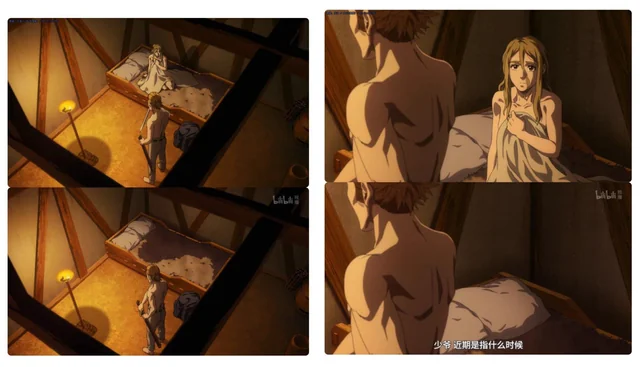
Vinland Saga’s Censorship in China
The banned list reportedly includes titles like Assassination Classroom, Jujutsu Kaisen, and Blue Exorcist—series widely praised for their complex characters and coming-of-age struggles set against supernatural backdrops. Chinese authorities argue that these shows glorify disobedience and erode respect for teachers, schools, and traditional family values.
In official statements, regulators described the content as “misleading to youth,” especially those who may be “emotionally vulnerable” or “socially isolated.” They emphasized the need for content that fosters “positive growth, loyalty, and respect for societal order.”
Parental Approval Meets Fan Backlash
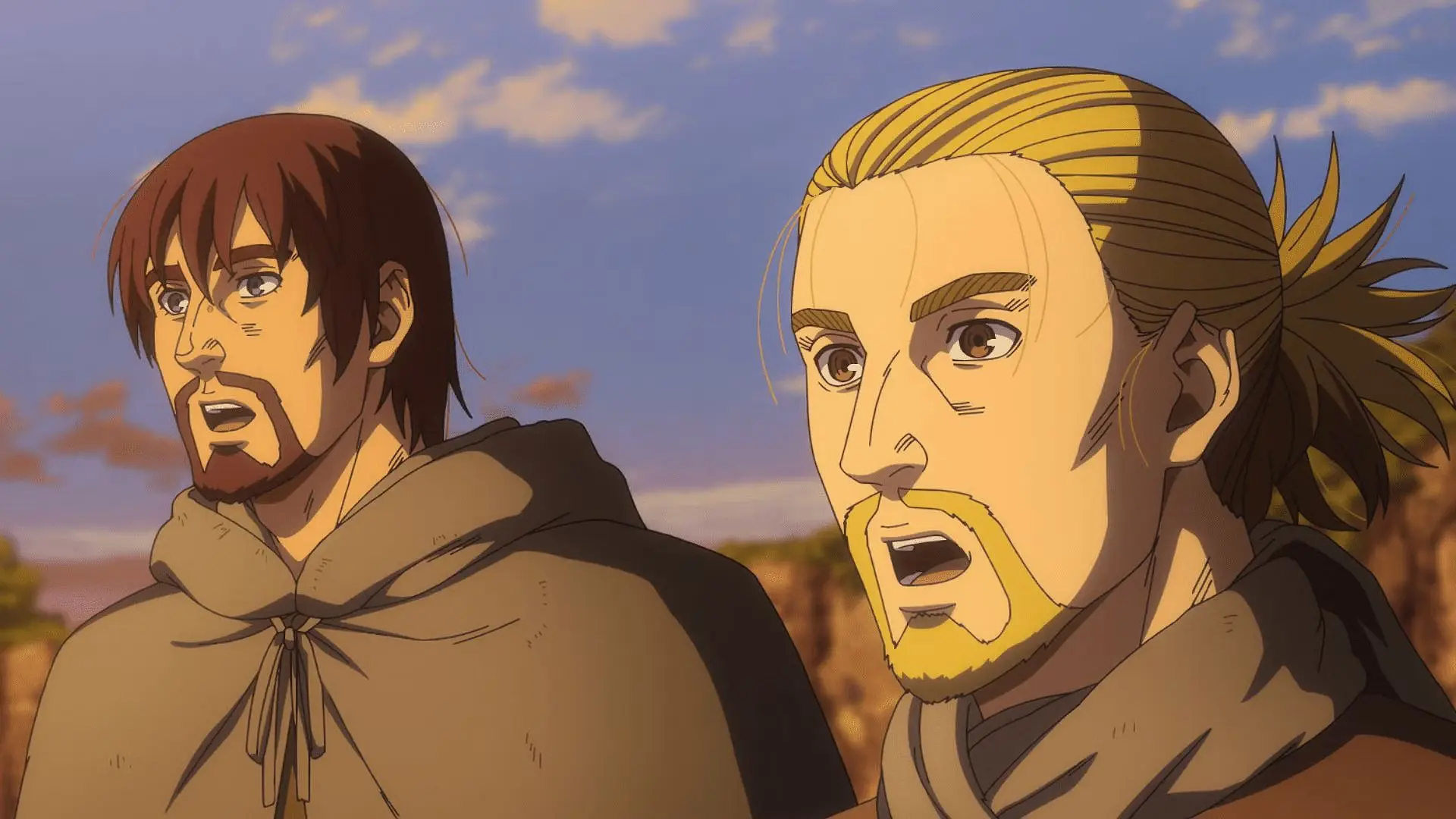
Vinland Saga (Mappa)
The announcement was met with widespread approval on Chinese parenting forums, where many users praised the move as overdue. “My son started acting defiant after watching anime about fighting teachers,” one parent wrote on Weibo. “This kind of media only confuses young minds.”
However, China’s online anime community has erupted in protest. Many users took to social media using VPNs to share clips from banned titles, post parody memes, and accuse the government of cultural erasure. International anime fans have also weighed in, calling the ban regressive and out of touch with modern youth culture.
Censorship vs. Cultural Clashes
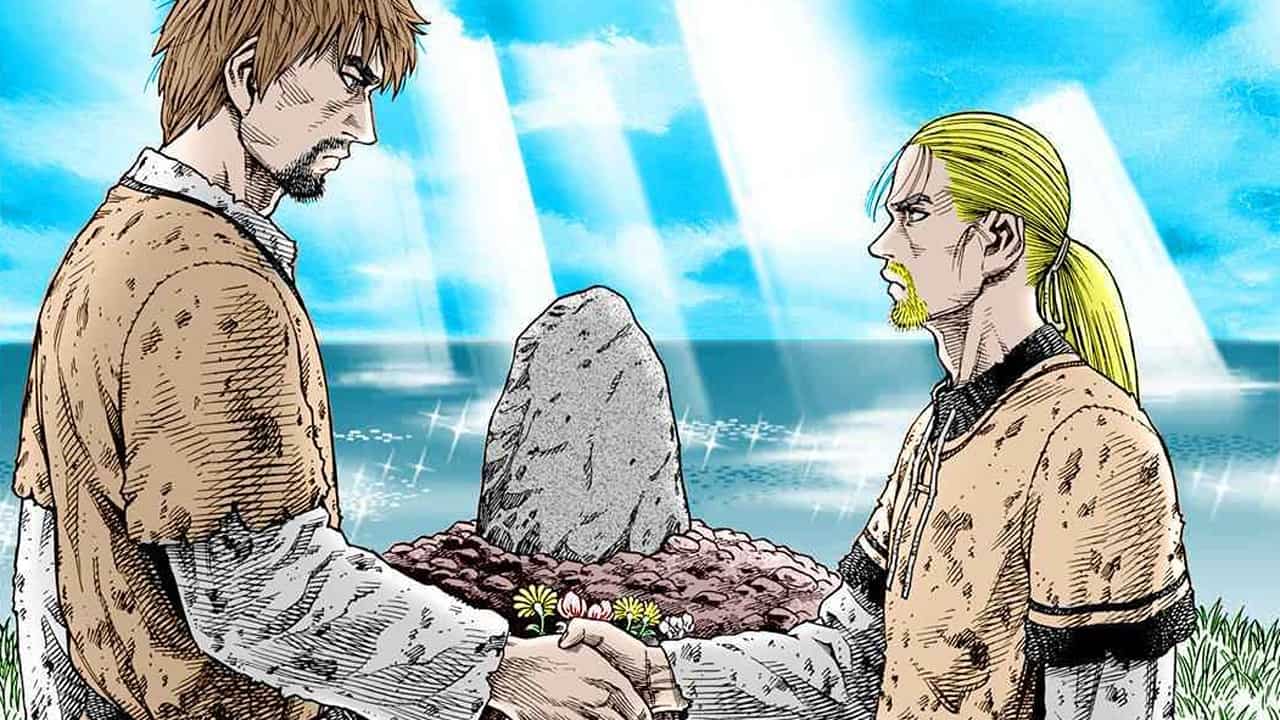
Hild (Color credits: AwesoMita on Reddit)
China has a long history of censoring foreign entertainment, especially content seen as ideologically dangerous or culturally incompatible. Anime, with its emotionally nuanced protagonists and stories about resistance and self-discovery, often becomes a target.
This crackdown highlights the growing friction between global pop culture and state-led values in China. While anime gains traction worldwide for tackling themes of identity and freedom, Chinese authorities continue to view it through a lens of political risk.
Streaming Giants and Studio Silence
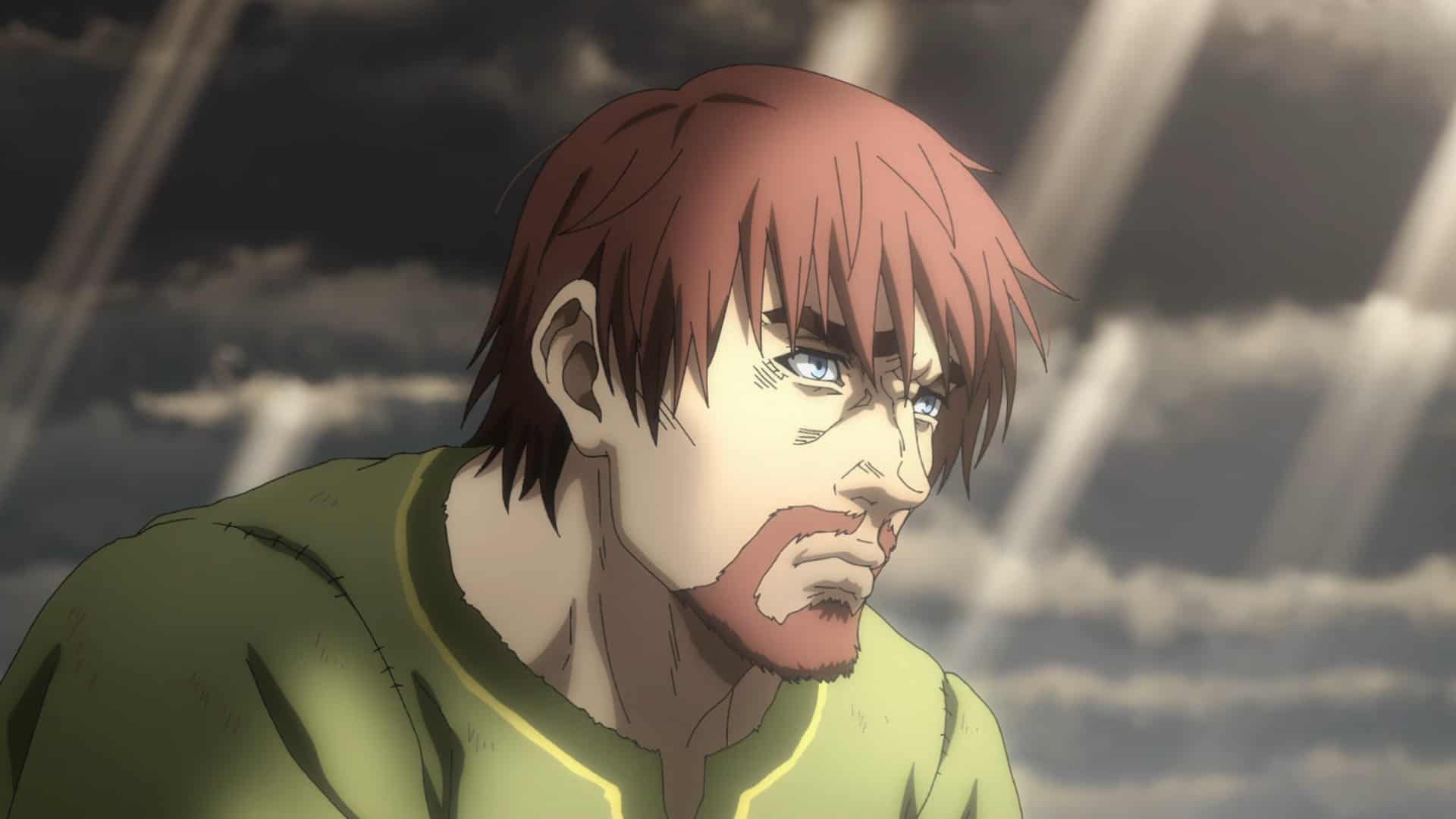
Einar (Credits: Mappa Studio)
Chinese streaming platforms like Bilibili and Tencent Video quickly complied with the directive, removing the banned shows overnight. Japanese studios and licensors have yet to comment publicly, likely wary of losing access to one of the world’s biggest media markets.
For many fans, this silence speaks volumes. As anime becomes more global, creators and companies may face increasing pressure to choose between preserving creative freedom and accessing authoritarian markets. For now, China’s anime fans are left in limbo—caught between what they love and what they’re allowed to see.
