A date-first, story-focused look at every anime premiering this summer, complete with context, highlights, and official sources for the most reliable updates.
Summer 2025 is shaping up to be a mix of returning fan favorites, long-awaited climaxes, and a healthy wave of brand-new shows. Big-name sequels promise to deliver on cliffhangers from last year, while fresh titles aim to grab attention with striking visuals and unique hooks.
Weekends will be stacked with heavy-hitting shonen and sports anime, while weekday slots will lean on comedies, slice-of-life, and experimental stories. Mid-season, expect surprise announcements and a few stealth drops from streaming platforms looking to grab late-summer attention.
How this guide works
The schedule is arranged by premiere date, from early July through late September, so you can quickly see what’s next. Each entry lists the key art, title, genre, season number (if applicable), and release date. Official “Watch” links will take you straight to the streaming platform’s title page when available.
Some shows only have a season window without a confirmed date. We will update those as official announcements come in, and move them into place once they’re locked in by broadcasters or streaming partners.
Action fans will find plenty to love, from the return of high-stakes battle arcs to the continuation of long-form sports dramas. Fantasy and isekai remain strong, with a handful of darker, more political storylines joining the usual adventure fare. Romance titles are leaning toward comedy this summer, with several adaptations of popular web novels and manga.
For something different, keep an eye on late-night mystery series, horror anthologies, and original productions from smaller studios. These often debut mid-season and can be the hidden gems of the summer lineup.
Summer 2025 Releases — Anime

Lord of Mysteries (2025)
Fantasy, Mystery
Watch on Crunchyroll

Takopi’s Original Sin (2025)
Drama, Sci-Fi
Watch on Crunchyroll

Detectives These Days Are Crazy! (2025)
Comedy, Mystery
Watch on Crunchyroll

Necronomico and the Cosmic Horror Show (2025)
Horror, Supernatural
Watch on Crunchyroll

Rent-a-Girlfriend (2020)
TBA
Watch on Crunchyroll

Clevatess (2025)
TBA
Watch on Crunchyroll

New Saga (2025)
TBA
Watch on Crunchyroll

Onmyo Kaiten Re:Birth Verse (2025)
TBA
Watch on Crunchyroll

Reborn as a Vending Machine, I Now Wander the Dungeon (2023)
TBA
Watch on Crunchyroll

Dandadan (2024)
TBA
Watch on Crunchyroll

Kamitsubaki City Under Construction (2025)
TBA
Watch on Crunchyroll

The Water Magician (2025)
TBA
Watch on Crunchyroll

Arknights: Rise from Ember (2025)
TBA
Watch on Crunchyroll

Betrothed to My Sister’s Ex (2025)
TBA
Watch on Crunchyroll

Secrets of the Silent Witch (2025)
TBA
Watch on Crunchyroll

Watari-kun’s ****** Is About to Collapse (2025)
TBA
Watch on Crunchyroll

My Dress-Up Darling (2022)
TBA
Watch on Crunchyroll

Rascal Does Not Dream of Santa Claus (2025)
TBA
Watch on Crunchyroll

Private Tutor to the Duke’s Daughter (2025)
TBA
Watch on Crunchyroll

Scooped Up by an S-Rank Adventurer! (2025)
TBA
Watch on Crunchyroll

The Shy Hero and the Assassin Princesses (2025)
TBA
Watch on Crunchyroll

With You and the Rain (2025)
Drama, Romance
Watch on Crunchyroll

Apocalypse Bringer Mynoghra: World Conquest Starts with the Civilization of Ruin (2025)
TBA
Watch on Crunchyroll

Cultural Exchange with a Game Centre Girl (2025)
TBA
Watch on Crunchyroll

Gachiakuta (2025)
TBA
Watch on Crunchyroll

Hotel Inhumans (2025)
TBA
Watch on Crunchyroll

Nyaight of the Living Cat (2025)
TBA
Watch on Crunchyroll

Puniru is a Kawaii Slime (2024)
TBA
Watch on Crunchyroll
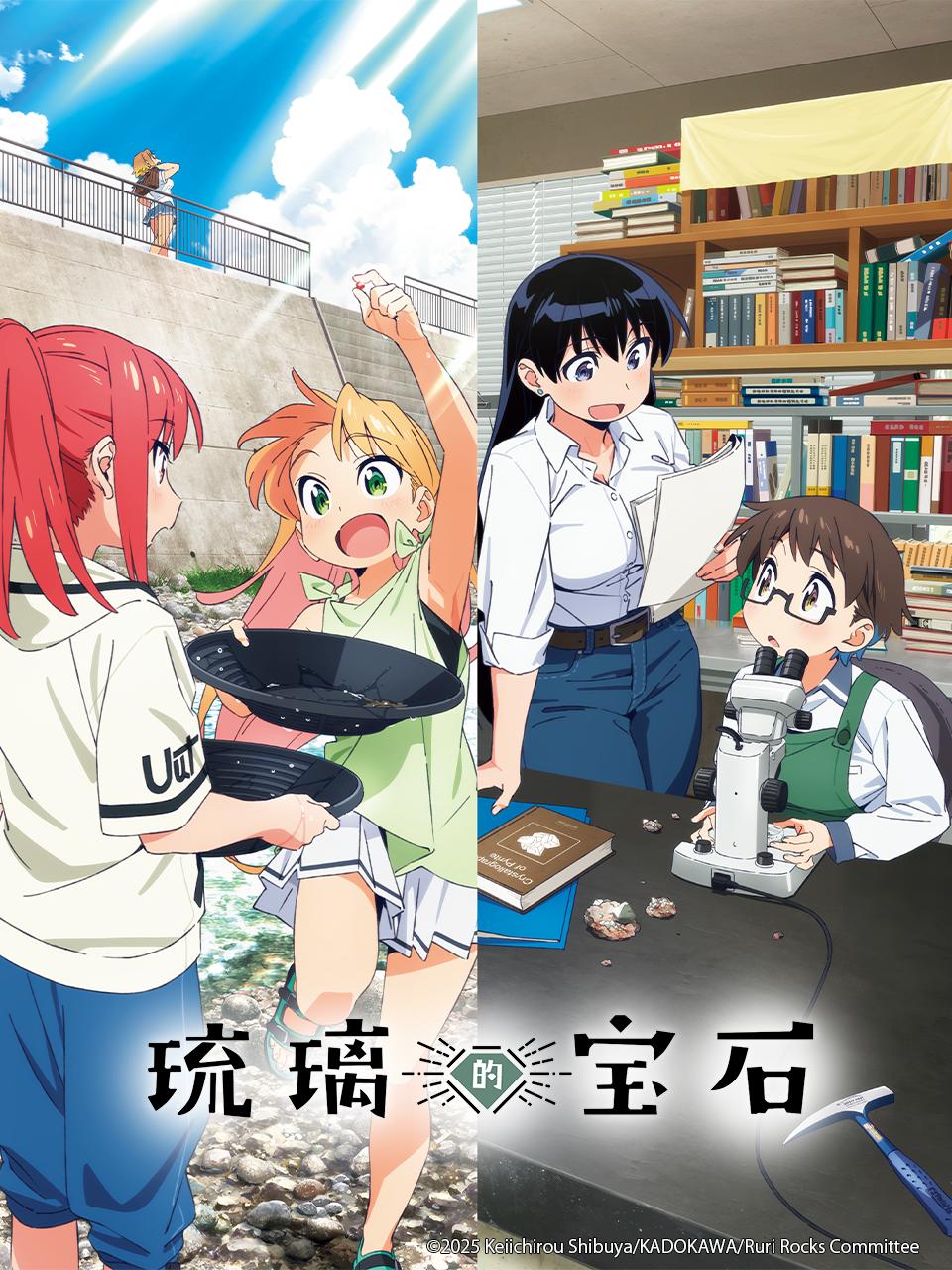
Ruri Rocks (2025)
TBA
Watch on Crunchyroll

Toilet-bound Hanako-kun (2020)
TBA
Watch on Crunchyroll

Uglymug, Epicfighter (2025)
TBA
Watch on Crunchyroll

Dekin no Mogura: The Earthbound Mole (2025)
TBA
Watch on Crunchyroll

Grand Blue Dreaming (2018)
TBA
Watch on Crunchyroll

A Couple of Cuckoos (2022)
TBA
Watch on Crunchyroll
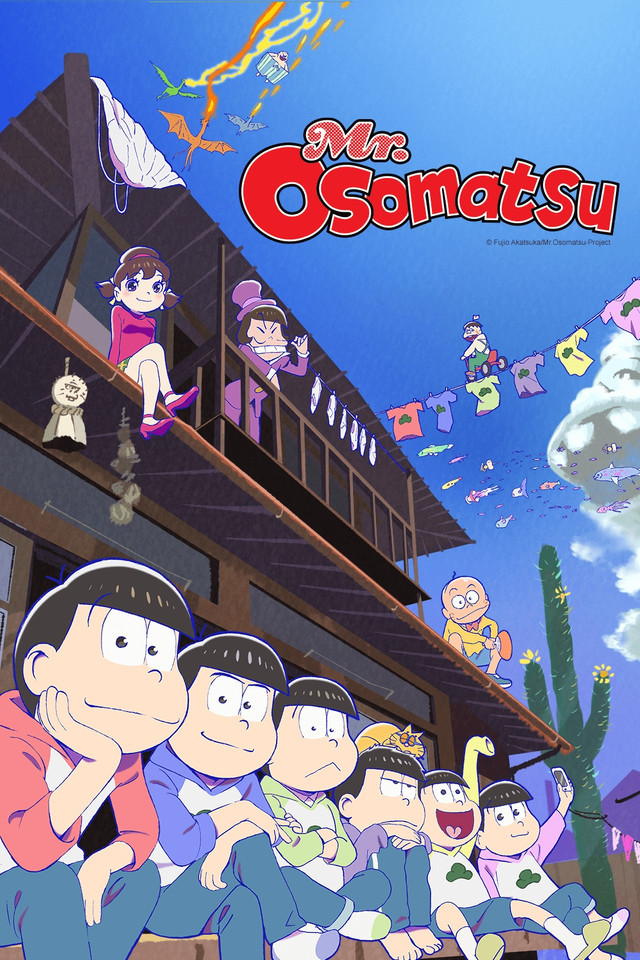
Osomatsu-san (2015)
TBA
Watch on Crunchyroll

Dealing with Mikadono Sisters Is a Breeze (2025)
TBA
Watch on Crunchyroll

I Was Reincarnated as the 7th Prince So I Can Take My Time Perfecting My Magical Ability (2024)
TBA
Watch on Crunchyroll

The Rising of the Shield Hero (2019)
TBA
Watch on Crunchyroll

Dr. Stone (2019)
TBA
Watch on Crunchyroll
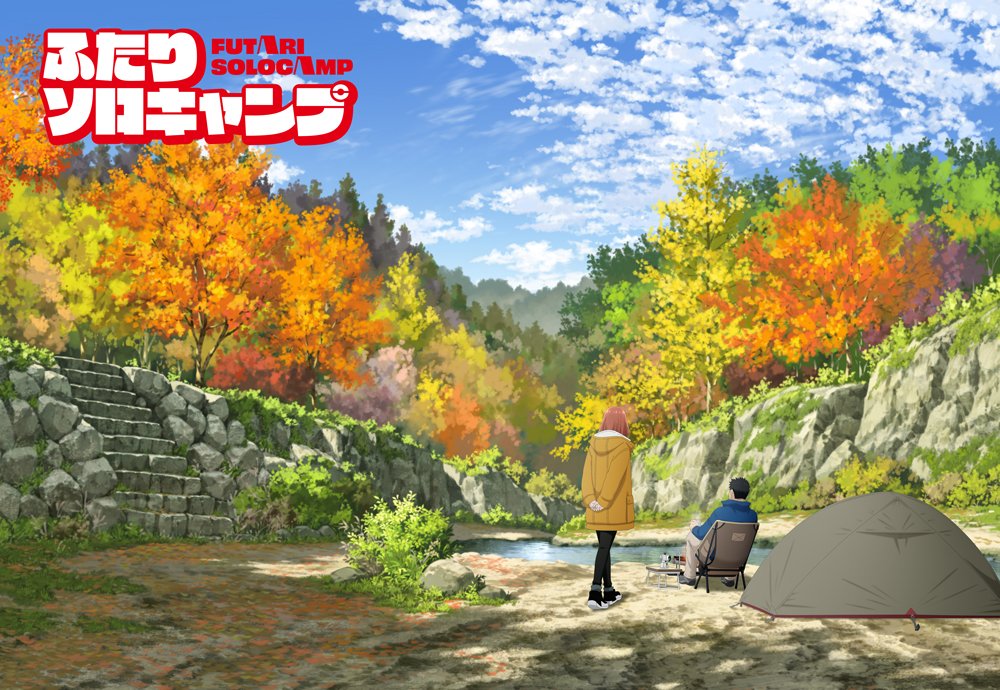
Solo Camping for Two (2025)
TBA
Watch on Crunchyroll

Tougen Anki: Dark Demon of Paradise (2025)
TBA
Watch on Crunchyroll

Theatre of Darkness: Yamishibai (2013)
TBA
Watch on Crunchyroll

Kaiju No. 8 (2024)
TBA
Watch on Crunchyroll

Let’s Go Karaoke! (2025)
TBA
Watch on Crunchyroll

Captivated, by You (2025)
TBA
Watch on Crunchyroll

Anne Shirley (2025)
TBA
Watch on Crunchyroll

Detective Conan (1996)
TBA
Watch on Crunchyroll

One Piece (1999)
TBA
Watch on Crunchyroll

Summer Pockets (2025)
TBA
Watch on Crunchyroll

To Be Hero X (2025)
TBA
Watch on Crunchyroll

Witch Watch (2025)
TBA
Watch on Crunchyroll

You and Idol Precure (2025)
Magical Girl, Fantasy
Watch on Crunchyroll
Where to watch and verify
Most global simulcasts land on Crunchyroll . Some territories may carry select titles on Netflix Anime or Disney+ . For production and schedule bulletins, check studio and distributor hubs such as Aniplex USA and TOHO animation .
If a premiere time shifts, the most reliable source is the official show page on your platform. Search the title directly, add it to your watchlist, and enable notifications so time zone changes do not catch you off guard.
Notes on dubs and availability
Simulcast subs arrive first, with dubs rolling out on separate weekly tracks. Catalog moves can happen mid season when licenses expand or rotate. If your region lacks a title, try the platform’s help pages or the studio’s news feed for status updates.
Help us keep this accurate
See a confirmed date or platform change we missed. Send a quick note with the official source and we will update the card and reorder the list as needed. Enjoy the season and happy watching.
Shoplifters (2018), directed by Hirokazu Kore-eda, is a powerful drama centered on a small, unconventional family living in poverty on the margins of Tokyo society. Osamu, a day laborer, shops with his young son Shota using secret signals to steal goods from stores.
They live together in a cramped, run-down apartment along with Nobuyo, Osamu’s partner who works at an industrial laundry, Aki, a teenage worker at a peep shop, and Hatsue, an elderly woman who owns the apartment and supports the family with her deceased husband’s pension.
The family’s life takes a turn when they shelter Yuri, a young girl locked out on her apartment balcony in freezing weather. After suspecting her parents’ abuse of her and disregard for her welfare, they secretly take her in, renaming her Lin and raising her as one of their own.
Yuri slowly bonds with them and learns their ways, including shoplifting, which becomes a means of survival and solidarity rather than mere crime.
The story reveals the secrets and past traumas of each character, including Osamu and Nobuyo’s history of having killed Nobuyo’s abusive ex-husband in self-defense, leading to their social alienation. Hatsue’s financial support comes from her late husband’s son from an affair, adding layers to the family’s fractured foundations.
The Climax: Exposure and Collapse
The fragile life the family has built begins to unravel when Shota deliberately exposes himself while shoplifting, leading to his capture and hospitalization. His intentional failure is a turning point; he abandons the techniques taught by Osamu and appears to want to break free from their way of life.
This moment signals his internal conflict, guilt, and his wavering belief in the morality of their actions.
The authorities descend upon the family, uncovering more than just shoplifting: Hatsue’s death, which they had hidden by burying her in the backyard to continue collecting her pension; the troubled truths behind Nobuyo and Osamu’s past; and Yuri’s disappearance.
This investigation forces the family into public scrutiny and legal reckoning. Despite their love and care for each other, the law sees only broken rules and secrets.
Nobuyo takes responsibility willingly to protect Osamu, who has a prior criminal record, and is sentenced to prison. Shota is placed in an orphanage, and Yuri is returned to her negligent parents, a devastating loss for both the girl and the family who had become her true home.
The ending portrays the harsh consequences of living outside societal norms, especially for those already marginalized.
Ending Explained: Love and Loss in a Harsh World
The ending of Shoplifters is both heartbreaking and quietly hopeful, focusing on themes of family, identity, and survival beyond biology and legality.
Shota, now separated from the people who raised him, grows distant and contemplative. When Osamu visits him at the orphanage and reveals the truth that they had planned to abandon him if necessary, Shota responds with a profound act: he admits he let himself be caught on purpose.
This confession implies a desire to escape the unsustainable life of crime and hidden secrets, signaling his wish for a different future even though it means losing his family.
Osamu’s desperate chase after Shota’s bus shows a mix of regret, love, and the painful reality of losing his role as a father. Shota, looking back and finally acknowledging Osamu as his father, is a tender moment of connection amid their forced separation.
Meanwhile, Yuri’s return to her biological parents, who continue to neglect her, leaves her wistful and isolated, highlighting the film’s critique of societal and familial failings.

Shoplifters (Credit: Prime Video)
Her brief happiness with Osamu’s group contrasts sharply with that neglect, emphasizing the idea that “family” is not always defined by blood but by care and protection.
The family members remain scattered, facing uncertain futures. Nobuyo in prison, Shota and Yuri separated from the only people who loved them, and Osamu left alone. These endings are realistic and sobering, underscoring that love alone does not guarantee societal acceptance or safety.
Themes Reflected in the Ending
Family Beyond Blood: The film challenges traditional ideas of family, showing how deep care, attention, and shared hardship create powerful bonds. Osamu’s family, though not related by blood, functions as a close-knit unit, raising Yuri with kindness and teaching survival skills. This “chosen family” dynamic raises questions about what truly defines family.
Moral Complexity and Survival: Through the acts of shoplifting and concealed truths, the film explores the ethical ambiguities of poverty. Osamu’s justification of stealing “things that nobody owns” shows a survival-driven morality distinct from the law’s black-and-white judgments. Yet, the ending’s consequences reveal the fragility of this system in a society unwilling to tolerate deviation.
The Harshness of Social Systems: The breakup of the family illustrates the rigid forces of justice and social norms. Despite their love, the authorities dismantle the group, reflecting the harsh realities faced by marginalized people who challenge societal expectations.
Loss, Regret, and Unspoken Emotions: Shota and Osamu’s final exchange, the loss of Hatsue without proper mourning, and Yuri’s return to neglect amplify themes of longing and missed opportunities. The film’s quiet moments of regret show how love coexists with pain and sacrifice.
Childhood and Innocence Compromised: Yuri and Shota’s experiences highlight how children endure and adapt to neglect and hardship in different ways. The film emphasizes the damage caused by abuse and the resilience found in found families.
Why This Ending Resonates
Shoplifters leaves its audience with a complex and emotional ending that refuses simple resolutions. The family’s bond shines as a beacon of warmth and humanity amid poverty and legal condemnation, showcasing how love can exist even in flawed, unconventional circumstances.
Yet, the consequences they face are unflinching: social judgment, separation, and the loss of that fragile refuge. The film’s strength lies in balancing empathy for the characters with a realistic portrayal of societal barriers.
Shota’s deliberate capture and Osamu’s devastated pursuit encapsulate the torment of choosing between survival and freedom, between loyalty and the hope for a better life. Yuri’s wistful glance back at the house cements the idea that the family was her true home, even if it could not last.
In these final moments, Shoplifters powerfully questions what it means to belong, love, and endure in a society that often marginalizes those who live outside accepted norms. The film’s ending is a moving meditation on resilience, sacrifice, and the meaning of family beyond biology.
