Midway through Dancing With the Stars, contestants were faced with a new challenge: using their dance performances to tell personal stories and dedicate their routines to someone special in their lives.
Whether it was family members, fellow athletes, or even celebrities like Taylor Swift, the stars had to open up and show a more vulnerable side on the dance floor. This wasn’t just about the steps anymore—it was about emotion, connection, and meaning.
From Danny Amendola’s emotional tribute to his late coach to Ilona Maher regaining her confidence by dancing in honor of her Olympic teammates, Dedication Night was filled with heartfelt performances.
Every contestant put their best foot forward, but the night was particularly memorable because of the strong emotions that filled the ballroom.
Though one couple had to go home by the end of the night, the real takeaway from this episode wasn’t the elimination. Instead, it was a powerful comeback for a seasoned dancer who had faced personal challenges.
Chandler Kinney Honors Her Mother with a Heartfelt Contemporary Dance
The fifth week of Dancing With the Stars began with Chandler Kinney, a star from Zombies, dedicating her performance to her mother.
Kinney wanted to thank her mom for being her main source of support throughout her career in Hollywood. She performed a contemporary routine that was full of lifts, synchronized movements, and emotional storytelling alongside her professional dance partner, Brandon Armstrong.
Chandler’s dance was moving and visually striking, but unfortunately, it didn’t help her maintain her top spot on the leaderboard.
She had been at the top for several weeks in a row, but this time her performance wasn’t enough to keep her there. Even though the scores weren’t what she had hoped for, Chandler’s heartfelt dedication to her mother shone through in every movement.
Danny Amendola Shines with a Tribute to His Late Coach
One of the biggest surprises of the night came from former NFL player Danny Amendola. Amendola had struggled earlier in the season with expressing emotion in his dances, often keeping a straight face during performances.
However, during Dedication Night, he finally found a way to connect his facial expressions and body movements in a meaningful way. He dedicated his contemporary routine to his late coach, Mike Leach, who had a major influence on his life and career.
For the first time, Danny allowed himself to fully engage with the choreography, using it as a way to say goodbye to his coach. His emotions were raw and authentic, and the judges took notice.
Danny received his highest score of the season, marking his rise to the top of the leaderboard. It was a breakthrough moment for the Super Bowl champion, as he finally showed the judges and the audience what he was capable of.
This performance was significant for Danny, not just because of the score, but because it represented a turning point in his journey on the show.
Up until this point, he had struggled with the emotional aspect of dancing. But by focusing on his tribute to Coach Leach, Danny found a way to use his body and face to tell a story—a skill that had eluded him in previous weeks.
Joey Graziadei Impresses with a Romantic Viennese Waltz
Joey Graziadei, a former star of The Bachelor, continued to impress both the judges and the audience with his Viennese waltz. He dedicated the performance to his fiancée, Kelsey Anderson, and it was filled with romance and elegance.
Joey’s smooth movements and graceful technique were on full display as he danced alongside his professional partner, adding yet another strong performance to his growing list of successful routines.
Joey tied with Danny Amendola at the top of the leaderboard, with both receiving high marks from the judges. This was Joey’s second time in the competition where he managed to wow the judges with his precision and storytelling.
The judges praised him for his commitment to the dance and his ability to express his emotions on the dance floor, something that had been difficult for some of the other contestants.
Stephen Nedoroscik Earns His First High Score with a Powerful Tango
Olympic gymnast Stephen Nedoroscik also had a standout moment during Dedication Night. He performed an Argentine tango to “Seven Nation Army” by The White Stripes, dedicating the dance to his teammates from men’s gymnastics. Stephen’s tribute was filled with passion and intensity, and for the first time in the competition, he earned a score of 9 from the judges.
This was a big moment for Stephen, who had been consistently improving throughout the season but hadn’t yet received the high scores he was aiming for. His dedication to his teammates gave him the extra push he needed to deliver a powerful performance.
The Argentine tango was a challenging dance, but Stephen handled it with confidence, showing that he could compete with the best dancers in the competition.
The judges commended Stephen for his technical skills and his ability to bring emotion into his dance, something that had been a challenge for him in previous weeks. By dedicating the performance to his teammates, Stephen was able to tap into a deeper level of emotion, which translated into a more powerful performance.
Other Memorable Performances of the Night
Dedication Night saw many other emotional tributes from the stars. Dwight Howard dedicated his performance to his family members, using the dance as a way to express his love and gratitude for their support throughout his career. Phaedra Parks also performed a touching dance in honor of her family, showcasing her vulnerability and connection to her loved ones.
Jenn Tran, who had previously shared her love for pop music on The Bachelorette, dedicated her foxtrot to one of her favorite pop stars. This was a continuation of her trend of using her platform on reality TV to express her passion for music and performance. Jenn’s foxtrot was filled with joy and enthusiasm, and it was clear that she was dancing from the heart.
While many of the stars had touching tributes, some performances stood out more than others. The emotional connection between the dancers and their dedication made the night particularly special. Each star brought their own unique story to the dance floor, and the result was a night full of heartfelt performances.
A Surprise Performance from Derek and Hayley Hough
One of the most emotional moments of the night didn’t come from the competitors, but from one of the judges. Derek Hough, a former professional dancer on the show and current judge, took to the dance floor with his wife, Hayley Erbert Hough, for a special performance.
The couple had faced significant challenges in the past year, including Hayley undergoing an emergency craniectomy, a life-threatening surgery.
Their performance was raw, emotional, and filled with meaning. Hayley, who had feared she might never dance again, poured her heart into the routine.
Every movement told the story of her journey and the challenges she had overcome. Derek, who has always been a strong and supportive partner both on and off the dance floor, was right there by her side, matching her every step.
There wasn’t a dry eye in the ballroom after their performance. The judges, audience members, and even the other contestants were visibly moved by the couple’s story and their dance. The routine served as a powerful reminder of the resilience and strength that both Derek and Hayley have shown throughout their journey.
Brooks Nader and Gleb Savchenko’s Showmance Ends in Elimination
At the end of the night, it was time for one couple to go home. Brooks Nader, a model, and her professional partner, Gleb Savchenko, found themselves at the bottom of the leaderboard.
The two had been teasing audiences with their on-screen chemistry, hinting at a possible real-life romance. However, their showmance wasn’t enough to keep them in the competition.
Brooks dedicated her salsa performance to her three sisters, who even joined her on stage for the beginning of the routine. Despite the high energy and personal connection to the performance, it wasn’t enough to secure the votes they needed to stay in the competition.
After their elimination, Brooks and Gleb spoke to the hosts about their time working together. Gleb expressed surprise at their early exit, as he believed they had the potential to go further in the competition.
Despite their elimination, Gleb had nothing but positive things to say about Brooks. He mentioned that this had been one of his best seasons yet and that Brooks was one of the best partners he had ever worked with.
Their partnership, both on and off the dance floor, had been a highlight of the season, even if it didn’t end with them taking home the mirrorball trophy.
The Power of Storytelling Through Dance
Dedication Night on Dancing With the Stars was an unforgettable episode. It wasn’t just about the dancing—it was about the stories behind the performances.
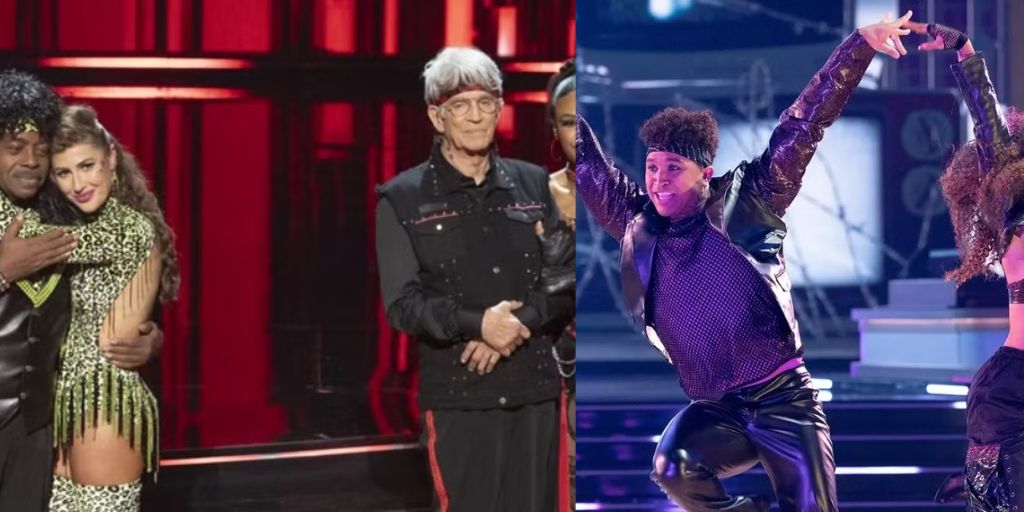
Still from Dancing with the Stars (Credit: Disney)
From Danny Amendola’s emotional tribute to his late coach to Derek and Hayley Hough’s powerful return to the dance floor, the night was filled with meaningful and heartfelt moments.
The contestants who performed well were the ones who were able to connect with their stories and use their emotions to fuel their performances. This episode showed that dance is not just about technique, but also about telling a story and making an emotional connection with the audience.
As the competition moves forward, it will be interesting to see how the contestants continue to grow and adapt. With Disney Night just around the corner, there is sure to be even more excitement and surprises on the horizon.
Chandler Kinney, who struggled to stay at the top this week, may have an advantage going into Disney Night, given her acting background and experience as a Disney alum.
No matter what happens next, Dedication Night proved that Dancing With the Stars is more than just a dance competition—it’s a platform for celebrities to share their stories and connect with the audience in a deeply personal way.
The world of Jujutsu Kaisen has attracted the audiences globally, leaving a profound impact even as the series comes to a close.
With its rich storytelling and complex characters, the narrative has resonated deeply with fans, particularly through its exploration of themes like morality, power, and the struggle against curses.
Among the myriad characters introduced, Ryomen Sukuna , the main antagonist, stands out as a particularly compelling figure.
His formidable powers, including the infamous Domain Expansion known as Malevolent Shrine, have sparked intense discussions and analysis within the fandom.
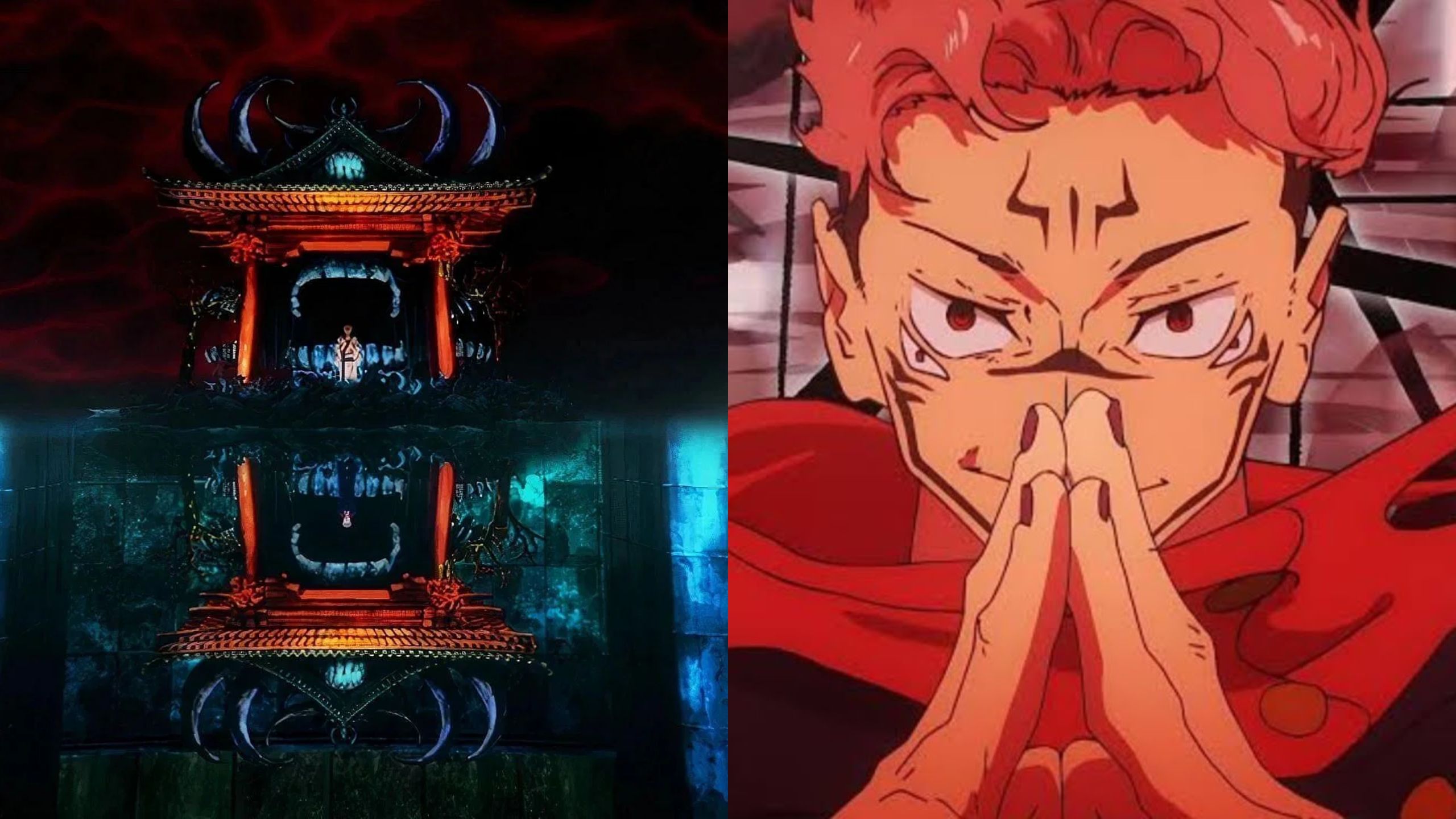
Sukuna’s Malevolent Shrine From Jujutsu Kaisen (image via MAPPA)
As fans reflect on Sukuna’s legacy, some intriguing connections have been drawn between his Malevolent Shrine and real-world art, particularly the Knife Angel.
Created by artist Alfie Bradley in collaboration with the British Ironworks Centre, this striking sculpture raises important questions about violence and its repercussions in society.
This article jumps into the connections between Sukuna’s powers and the Knife Angel, exploring both the fictional and real-world implications of these concepts.
The Lasting Impact of Jujutsu Kaisen
Jujutsu Kaisen has emerged as a cornerstone of contemporary anime and manga, attracting the audiences with its intricate plots and character development.
From its exploration of the human psyche to its commentary on societal issues, the series engages with deep themes that resonate beyond the screen or page.
Sukuna, in particular, embodies the darker aspects of human nature, serving as both a source of fascination and fear for fans.
Ryomen Sukuna: The Antagonist We Love to Hate
Sukuna is a character defined by his complexity. His duality both monstrous and regal makes him an intriguing figure within the Jujutsu Kaisen universe.
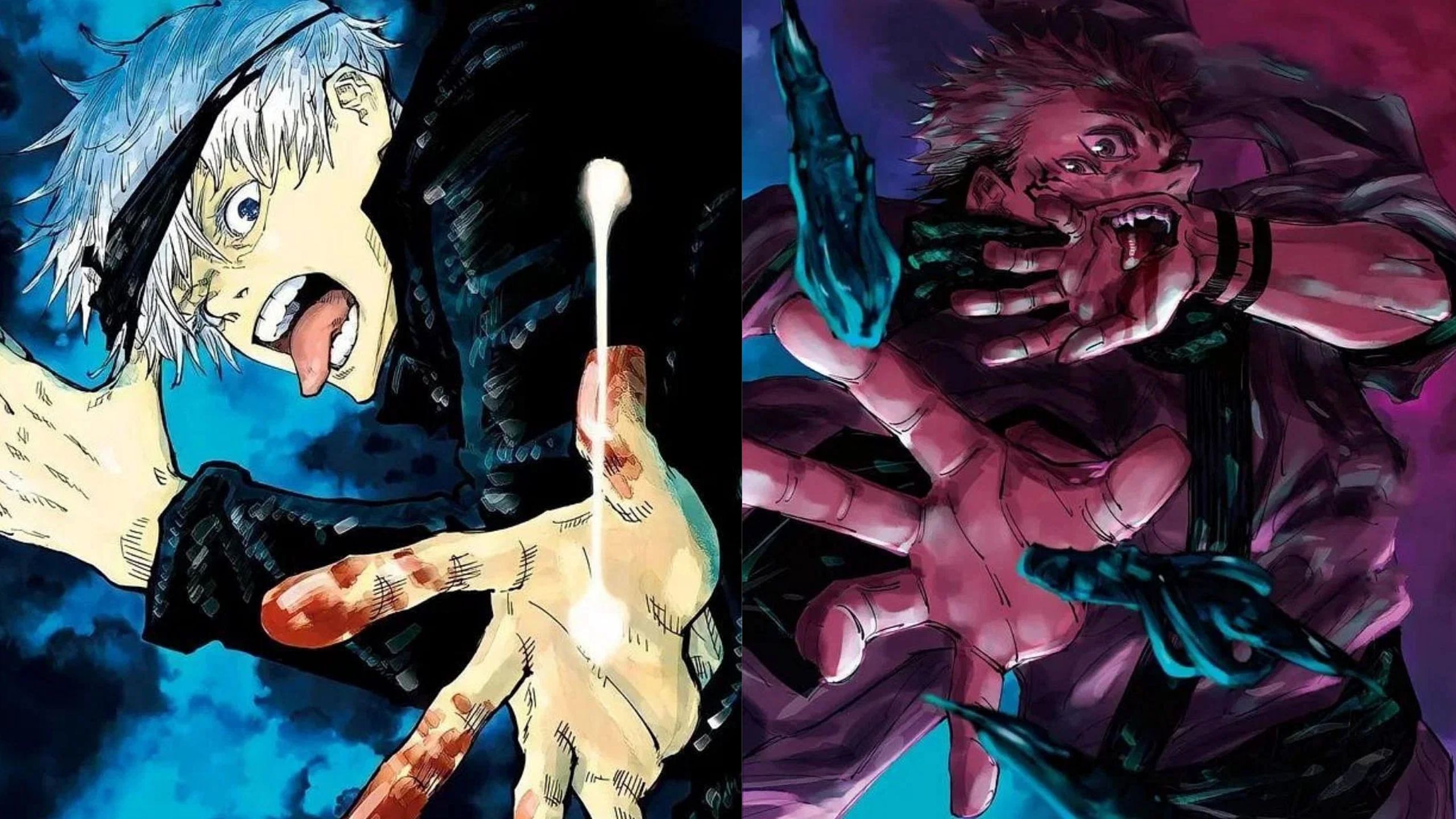
Gojo And Sukuna (MAPPA)
With an aesthetic that combines tattoos, a devil-may-care attitude, and overwhelming power, he attracts the audiences and raises questions about the nature of evil.
What motivates him? Is he merely a force of destruction, or does he represent a more nuanced understanding of human ambition and chaos?
One of the most compelling aspects of Sukuna is his role as a curse, a being born from the malice and negativity that humans can harbor.
This characterization invites deeper analysis of the human condition, prompting fans to ponder how much of Sukuna’s nature is inherent to him and how much is a reflection of humanity itself.
His charm and unpredictability further solidify his position as a fan-favorite antagonist, making him a character that can be dissected and discussed endlessly.
Malevolent Shrine: A Deeper Jump
Sukuna’s Domain Expansion, Malevolent Shrine, represents the pinnacle of his power. This technique not only amplifies his abilities but also serves as a narrative device that summerizes the chaos and destruction that follow him.
Within this domain, Sukuna unleashes an onslaught of slashes that can decimate even the strongest opponents, showcasing his overwhelming prowess.
Understanding the Mechanics of Malevolent Shrine
A Domain Expansion in Jujutsu Kaisen is a powerful ability that creates a space where the user can exert complete control.
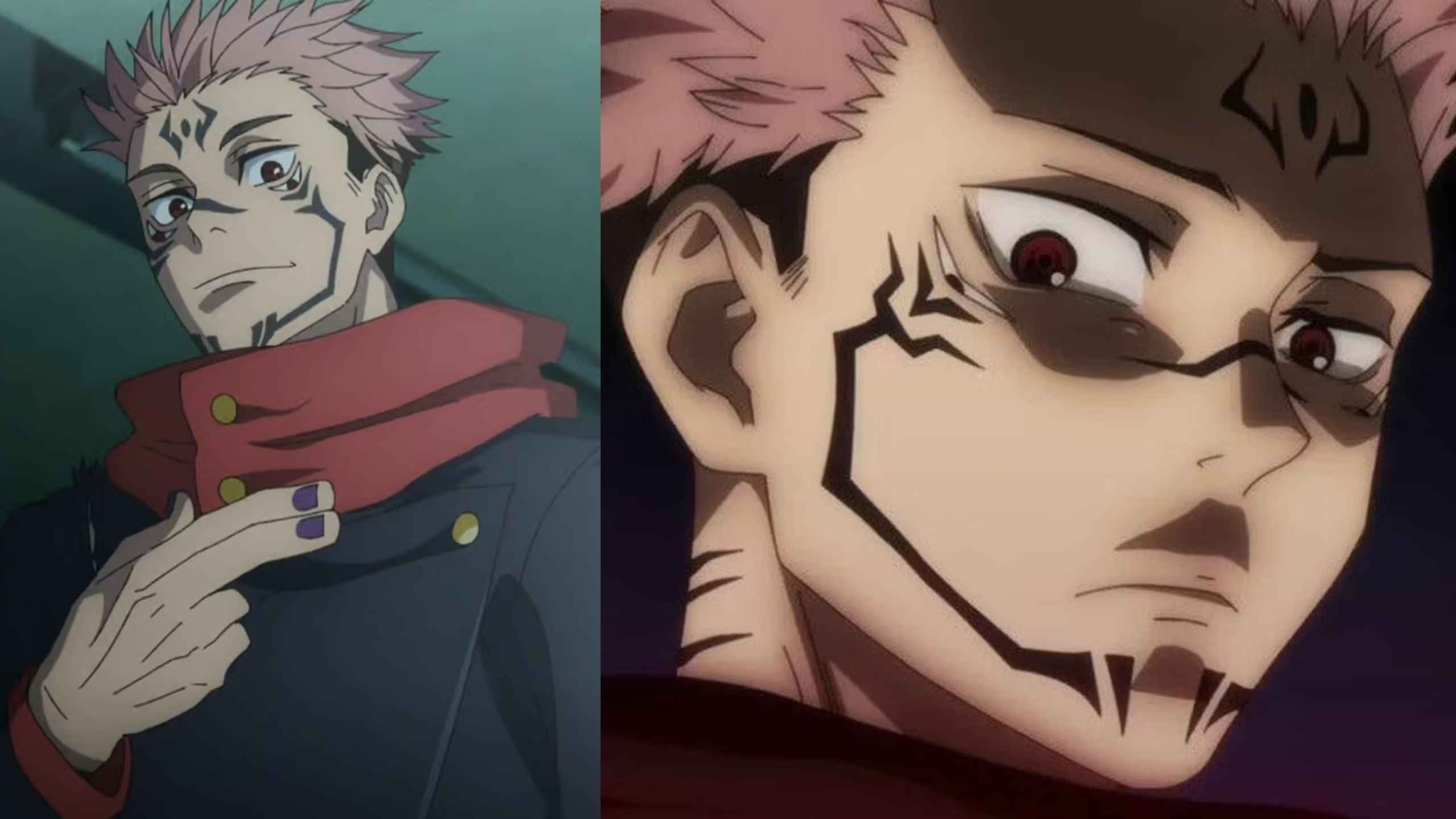
Yuji Itadori And Sukuna (MAPPA)
Malevolent Shrine distinguishes itself through its unique mechanics and terrifying effectiveness.
When an opponent finds themselves trapped in this domain, they are subjected to an unrelenting barrage of slashes, delivered through two primary techniques: Dismantle and Cleave.
- Dismantle is Sukuna’s primary ranged attack, a technique designed to slice through Cursed Spirits and sorcerers alike. Its sheer volume and precision make it a formidable weapon, overwhelming opponents before they can react.
- Cleave, in contrast, is a self-adjusting attack that calibrates according to the target’s strength and Cursed Energy level. This adaptability makes it even more lethal, allowing Sukuna to effectively target opponents regardless of their abilities.
- The combination of these techniques ensures that Sukuna’s enemies face a continuous onslaught, leaving them with little opportunity to mount a defense or counterattack. This dynamic not only heightens the stakes during battles but also reinforces the broader themes of fate, power, and helplessness that permeate the series.
The Knife Angel: A Symbol of Awareness
As Jujutsu Kaisen fans have explored the implications of Sukuna’s Malevolent Shrine, an intriguing parallel has emerged with the Knife Angel a monumental piece of art that speaks to the issues of violence in society.
This sculpture, created by Alfie Bradley, serves as both an artistic expression and a poignant commentary on the serious issue of knife crime in the UK.
Creation and Purpose of the Knife Angel
Standing at an impressive 27 feet tall, the Knife Angel is constructed from nearly 100,000 knives, many of which were confiscated by police.
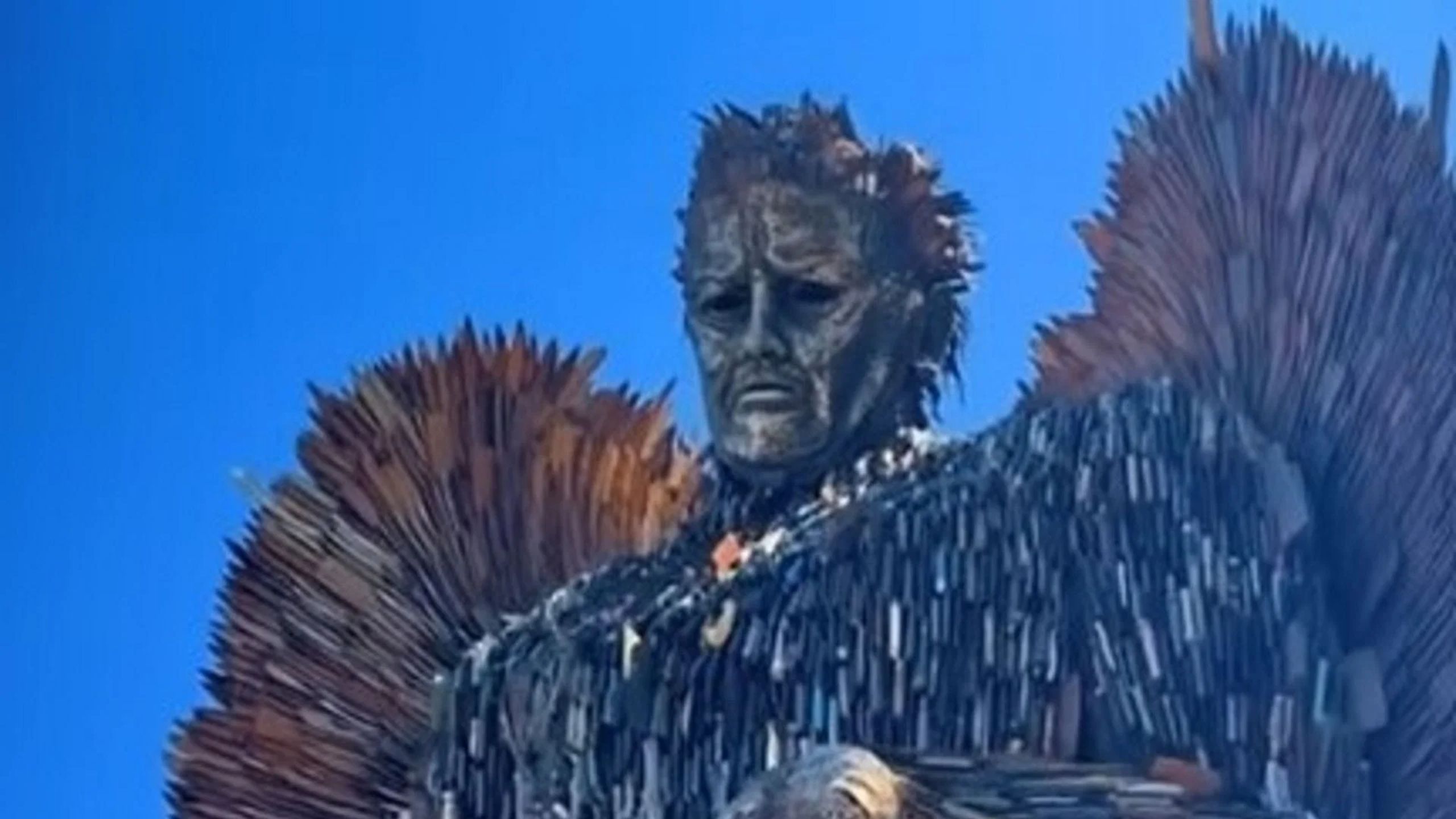
The Knife Angel (Image via YouTube@QuestionArcade)
This ambitious project took around four years to complete, from 2014 to 2018, and was designed to raise awareness about knife violence, particularly among young people.
The statue serves as a stark reminder of the human cost associated with violence and the urgent need for intervention and education.
Families affected by knife crime were invited to engrave messages on the blades, transforming the Knife Angel into a memorial for victims.
The emotional weight of these inscriptions adds depth to the sculpture, reminding viewers of the lives lost and the families left behind.
In this way, the Knife Angel transcends mere artistry; it becomes a symbol of resilience, hope, and the possibility of change.
Symbolic Resonance of the Knife Angel
The Knife Angel is a powerful reminder of the impact of violence on individuals and communities.
While it embodies artistic creativity, it also serves as a stark testament to the tragedies that occur when society fails to address issues of violence.
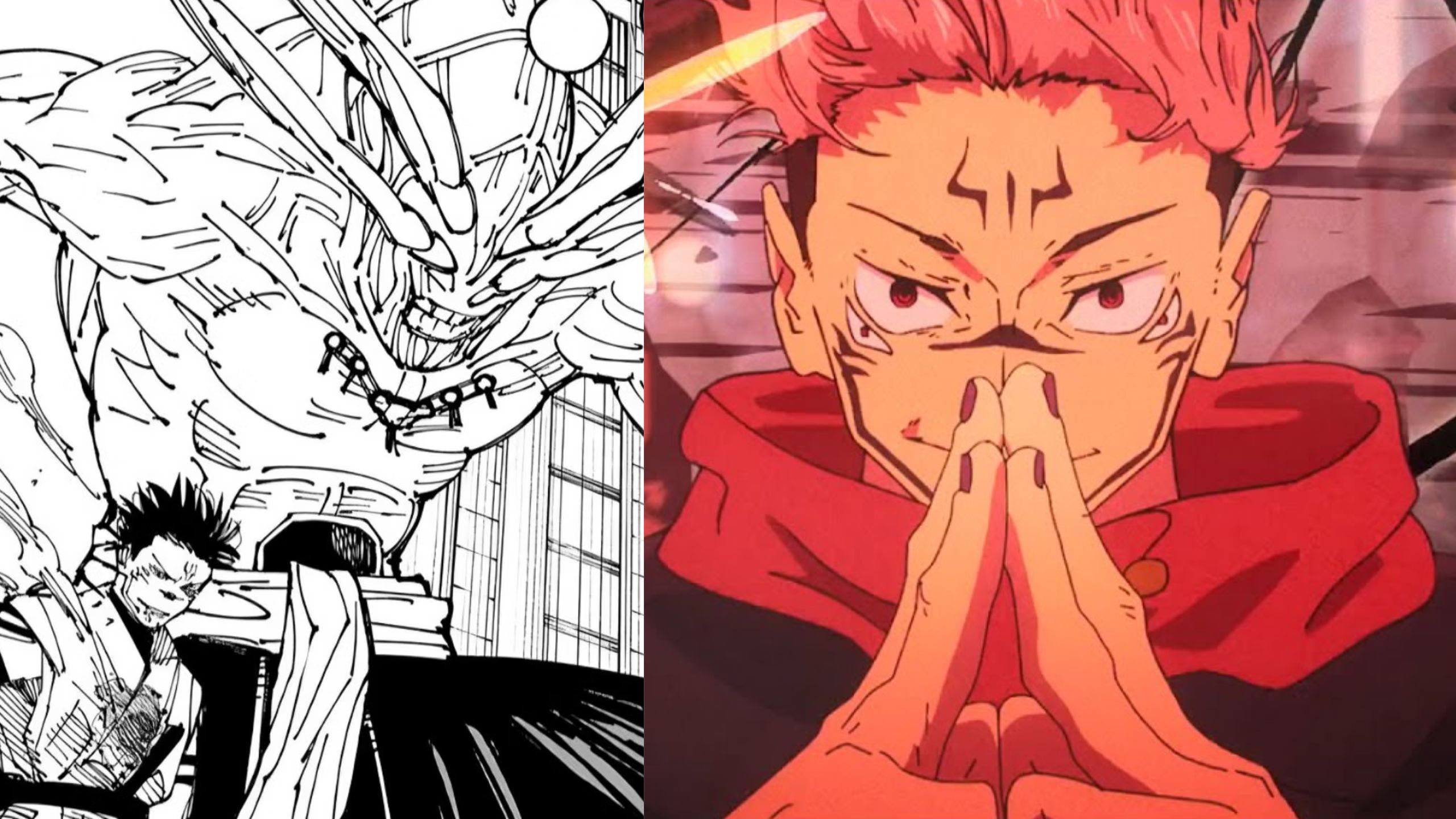
Sukuna And Mahoraga (Shueisha And Studio MAPPA)
The duality of the Knife Angel resonates with Sukuna’s character: both are embodiments of beauty intertwined with danger.
In drawing comparisons between the Knife Angel and Malevolent Shrine, fans are encouraged to reflect on the nature of violence and its consequences.
The concept of a natural disaster, such as a tornado, bringing the Knife Angel to life in a chaotic manner echoes the destructive potential of unchecked aggression and societal neglect.
Parallels Between Sukuna’s Domain and the Knife Angel
The connection between Sukuna’s Malevolent Shrine and the Knife Angel has sparked thought-provoking discussions within the Jujutsu Kaisen community.
Fans have drawn intriguing analogies between the two, suggesting that a tornado could bring Sukuna’s domain to life in the real world.
Imagining a Chaotic Intersection
If a tornado were to strike the Knife Angel, one could envision the knives being dislodged from the statue and sent hurtling through the air, reminiscent of the slashes unleashed during Sukuna’s Domain Expansion.
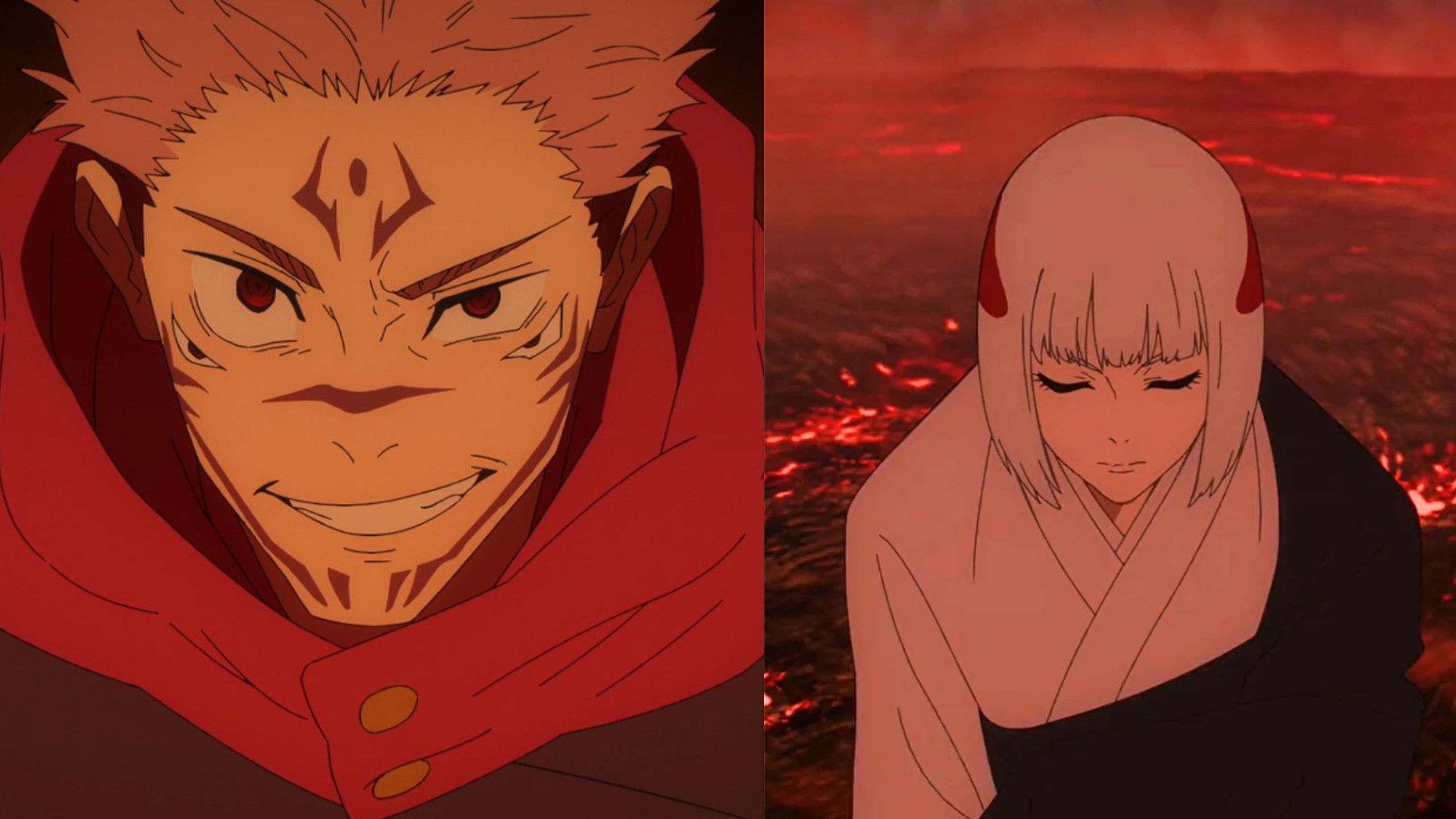
Ryomen Sukuna and Image via MAPPA)
This vivid imagery serves as a metaphor for the chaos and destruction that violence can unleash, both in fiction and reality.
Much like the relentless attacks faced by Gojo Satoru during his battle with Sukuna, the knives propelled by a tornado would represent an uncontrollable force of destruction.
The idea that art could become a vehicle for chaos invites reflection on how beauty and violence can coexist, often leading to devastating outcomes.
Art Reflecting Reality
The notion that a tornado could animate the Knife Angel into a manifestation of Sukuna’s Malevolent Shrine underscores the potential for art to reflect and magnify real-world issues.
This connection challenges fans to engage critically with the themes of violence and trauma that the Knife Angel symbolizes, prompting discussions that extend beyond the world of fiction.
As depicted in the Jujutsu Kaisen manga, the battle between Gojo and Sukuna exemplifies the relentless nature of violence.
The continuous barrage of slashes serves as a reminder of how quickly and unexpectedly violence can alter the fabric of existence.
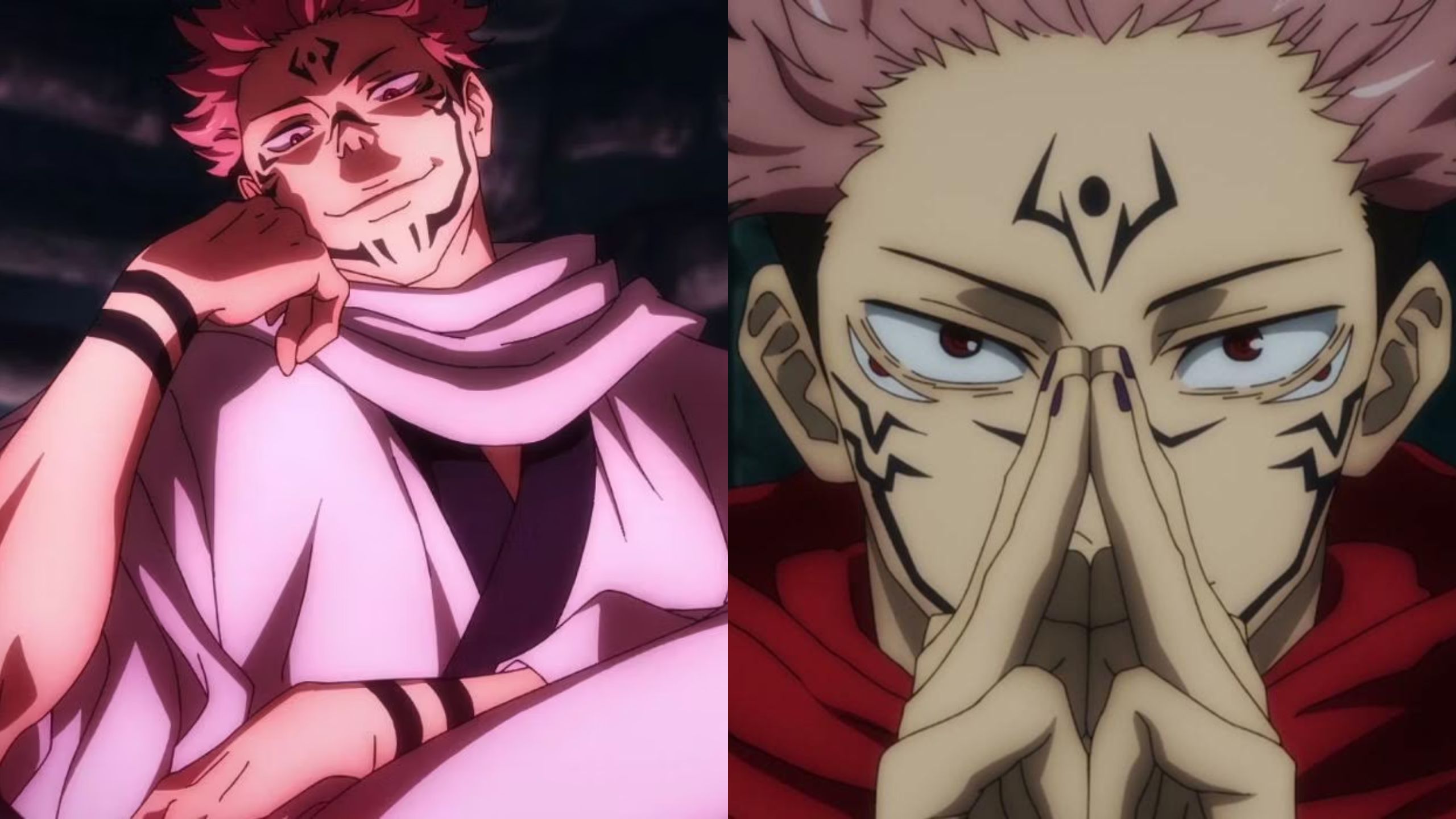
Sukuna (Image via Mappa)
Just as characters in the series grapple with the consequences of Sukuna’s power, real-life communities must confront the implications of knife crime and violence.
The Serious Issue of Knife Crime
Knife crime remains a pressing concern in many communities, particularly in the UK. The consequences of this violence extend far beyond statistics, deeply affecting the lives of individuals and families.
While exploring the parallels between Jujutsu Kaisen and the Knife Angel can be engaging, it’s essential to approach the subject of knife crime with the sensitivity it deserves.
The Human Toll of Violence
For those who have experienced loss due to knife crime, the emotional toll is profound.
Grief, anger, and confusion often accompany such tragedies, and it’s crucial to honor the memories of those lost by engaging in conversations about prevention and support.
The Knife Angel serves as a powerful reminder of the human cost of violence, emphasizing the need for compassion and understanding.
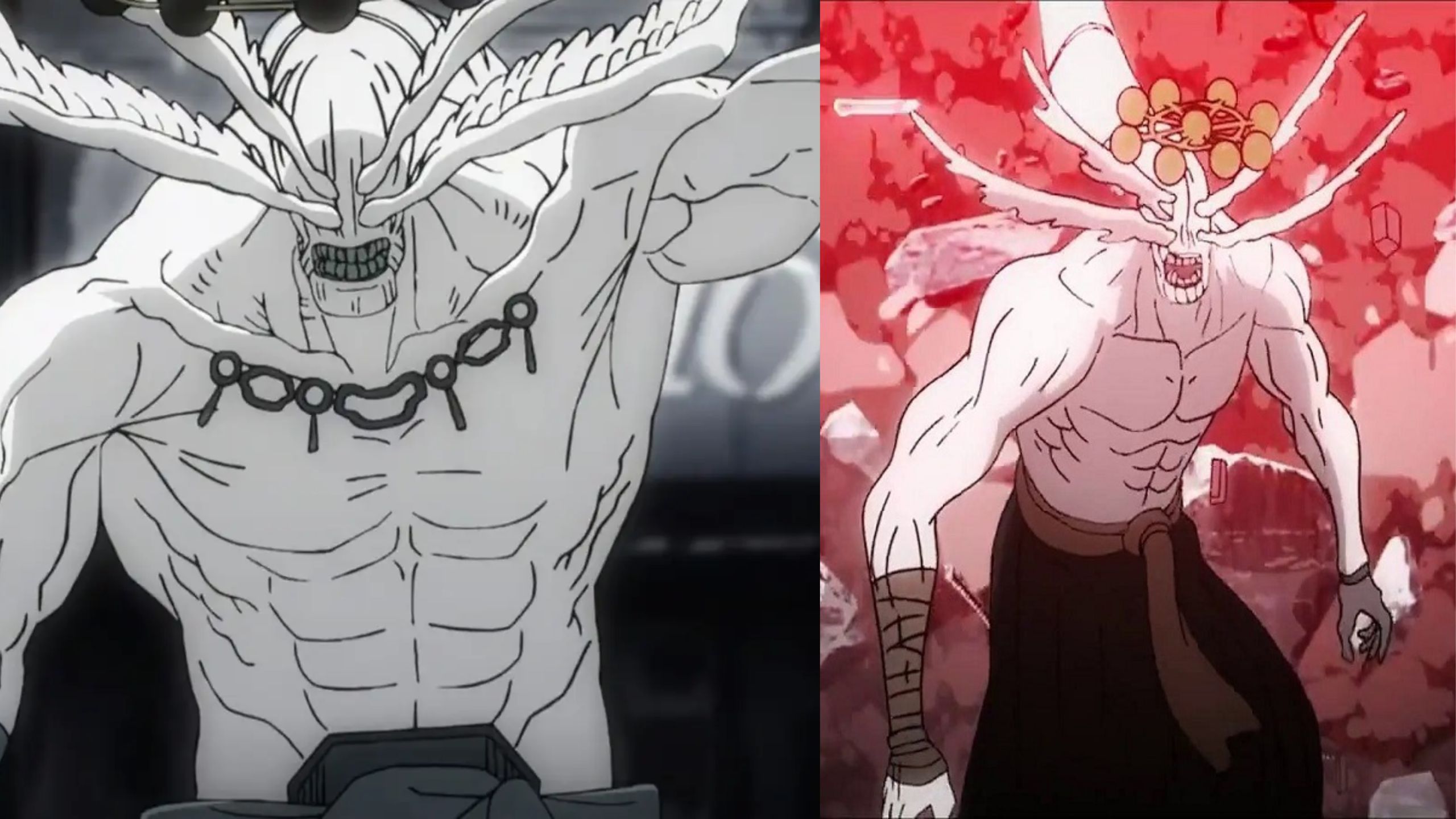
Mahoraga From The anime (Studio MAPPA)
Communities grappling with knife violence are not just statistics; they are composed of real people with real stories.
By acknowledging the personal impact of these tragedies, society can better address the root causes of violence and work toward solutions that prioritize safety and healing.
Efforts to Combat Knife Crime
In light of the ongoing issue of knife crime, numerous organizations and community groups are actively engaged in efforts to combat this challenge.
These initiatives often focus on education, outreach, and support for those affected by violence. By fostering conversations and providing resources, these efforts aim to create safer environments for everyone.
The Knife Angel serves as a symbol of these ongoing endeavors, embodying the hope that change is possible.
It represents the collective effort to raise awareness about knife violence and promote community engagement, reinforcing the message that every life lost to violence is a tragedy that must be prevented.
Ensuring Safety During Natural Disasters
While the artistic connections between Sukuna’s powers and the Knife Angel are fascinating, it’s essential to prioritize safety in the event of a real-life crisis, such as a tornado.
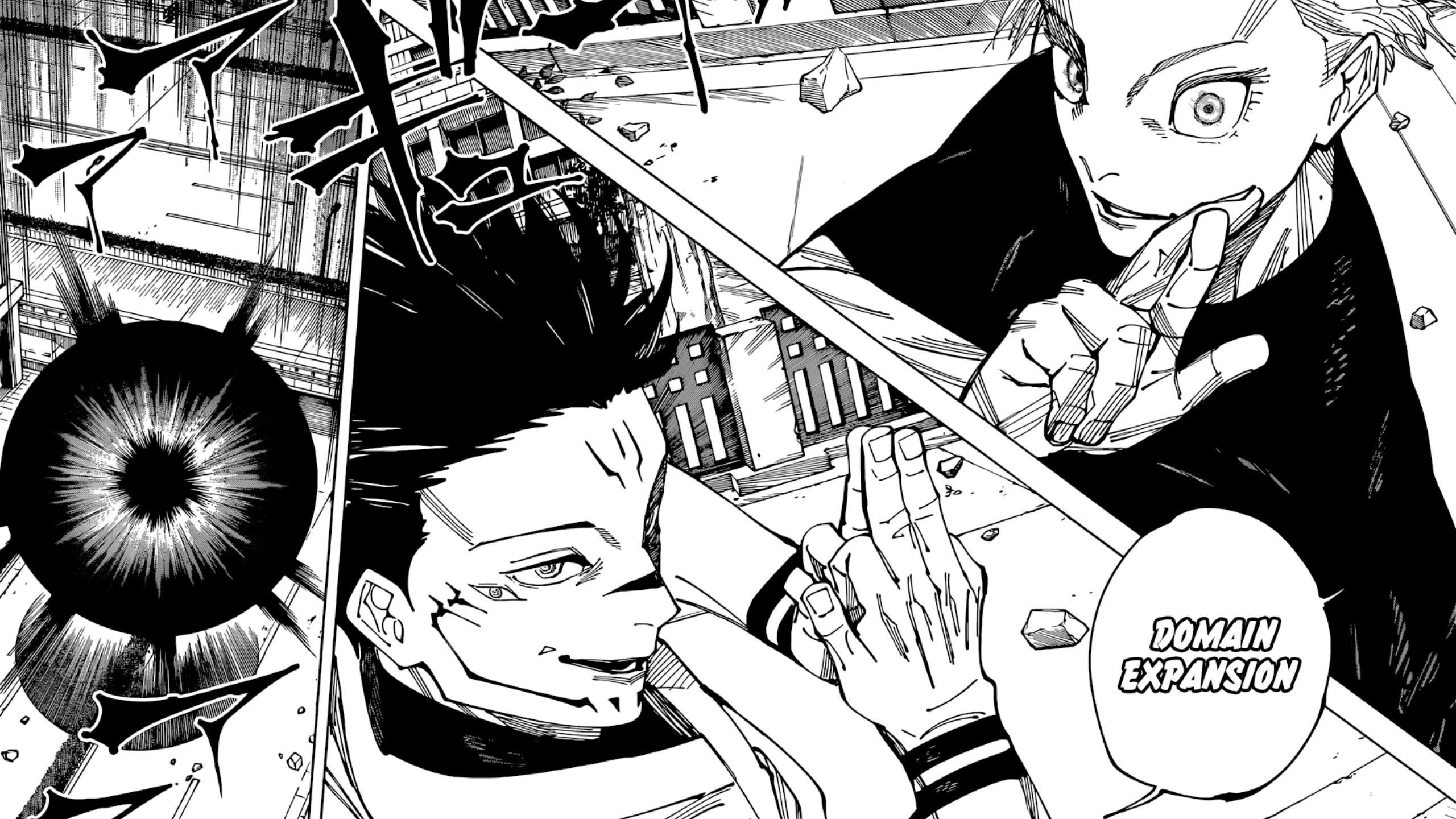
Sukuna And Gojo From Jujutsu Kaisen (MAPPA)
Understanding safety protocols can help ensure the well-being of individuals during such emergencies.
Essential Safety Measures
- Stay Informed: Keep abreast of weather alerts and warnings. If a tornado watch or warning is issued, take it seriously and prepare to act.
- Evacuate When Necessary: If you are in a location that is at risk, evacuate as directed by local authorities. Knowing your evacuation routes ahead of time can save valuable minutes.
- Seek Shelter: If evacuation is not an option, finding shelter in a basement or storm shelter is the safest choice. If these aren’t available, locate an interior room or hallway away from windows and doors.
- Protect Yourself: Use heavy blankets, mattresses, or even helmets to shield yourself from debris. Crouch low to the ground and cover your head to minimize injury.
- Stay Calm: Maintaining composure during an emergency can help you think clearly and make informed decisions.
By educating ourselves about safety measures and being prepared, we can mitigate the risks associated with natural disasters.
Bridging Fiction and Reality
The connection between Sukuna’s Malevolent Shrine and the Knife Angel serves as a compelling exploration of the themes of violence, tragedy, and the human experience.
While Jujutsu Kaisen presents an engaging narrative filled with fantasy and action, the real world offers its own challenges that demand attention and action.
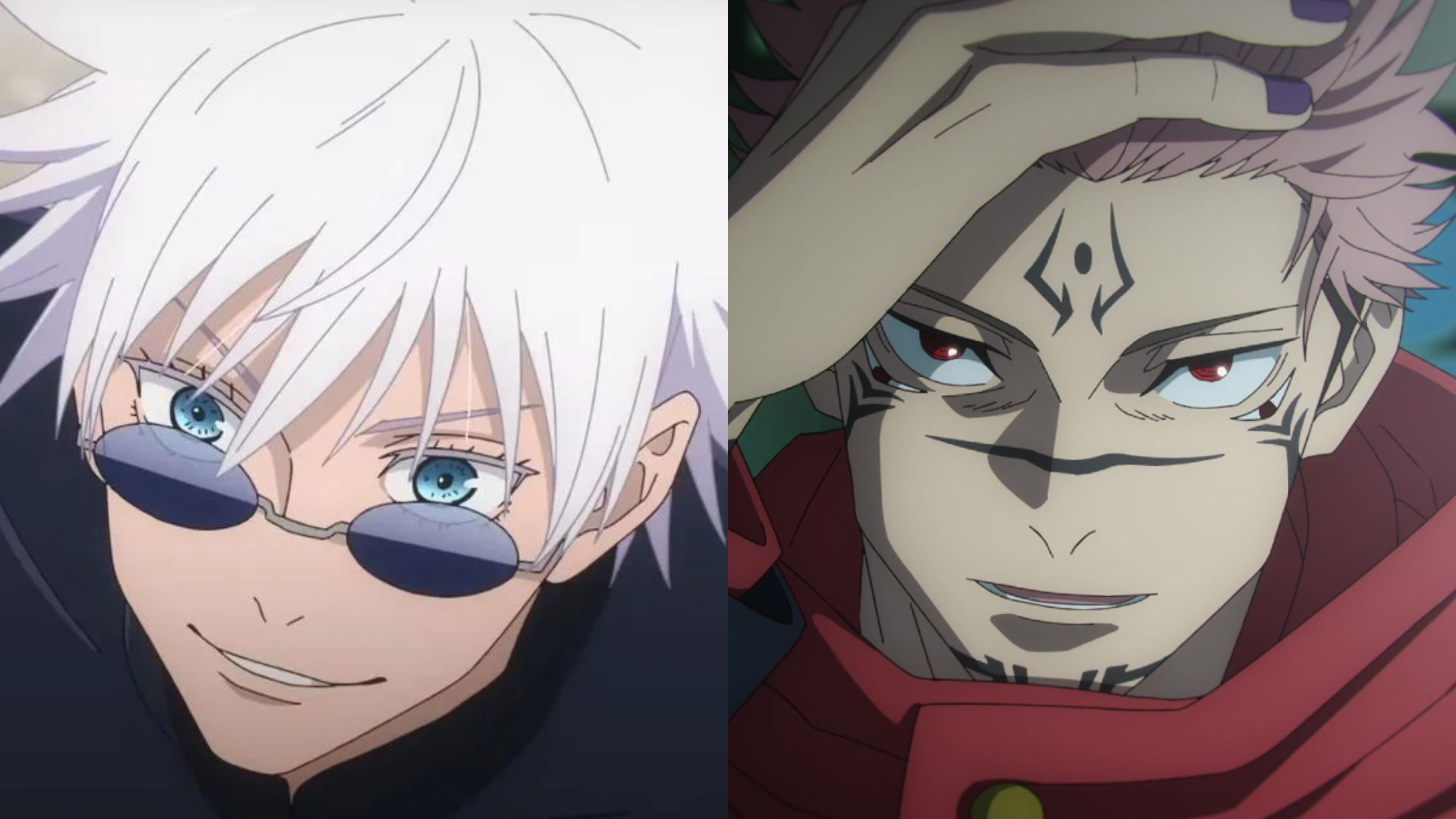
Gojo And Sukuna (Mappa)
As fans reflect on the legacy of Jujutsu Kaisen, the character of Sukuna invites us to consider the darker aspects of humanity.
In contrast, the Knife Angel stands as a powerful reminder of the need for empathy, support, and change.
By examining these parallels, we can foster meaningful discussions about violence, its consequences, and the importance of community action.
Ultimately, through awareness and proactive measures, we can strive toward a future where tragedies like those represented by the Knife Angel become a thing of the past.
In doing so, we honor the memories of those affected by violence and work to create a safer, more compassionate world for all.
