Since the anime adaptation of Dandadan debuted in October 2024, the series has seen a dramatic rise in popularity, surpassing even the fame the manga had already achieved. However, with increased exposure comes growing controversy, and much of this criticism is coming from the very fanbase that helped propel the show to new heights. Sensitive scenes, divisive fan art, and other elements of the series are sparking debates that threaten to overshadow the anime’s success.
Dandadan appears to be following a similar path to Jujutsu Kaisen, another popular anime that experienced rapid success but also significant backlash. Much like Jujutsu Kaisen, Dandadan has faced criticisms related to modifications in the storyline and controversial content. However, Dandadan’s issues are not limited to the adaptation itself, as the growing popularity of the anime is fueling even more contentious discussions within the fan community.
The Controversy Surrounding Jujutsu Kaisen and Its Parallels to Dandadan
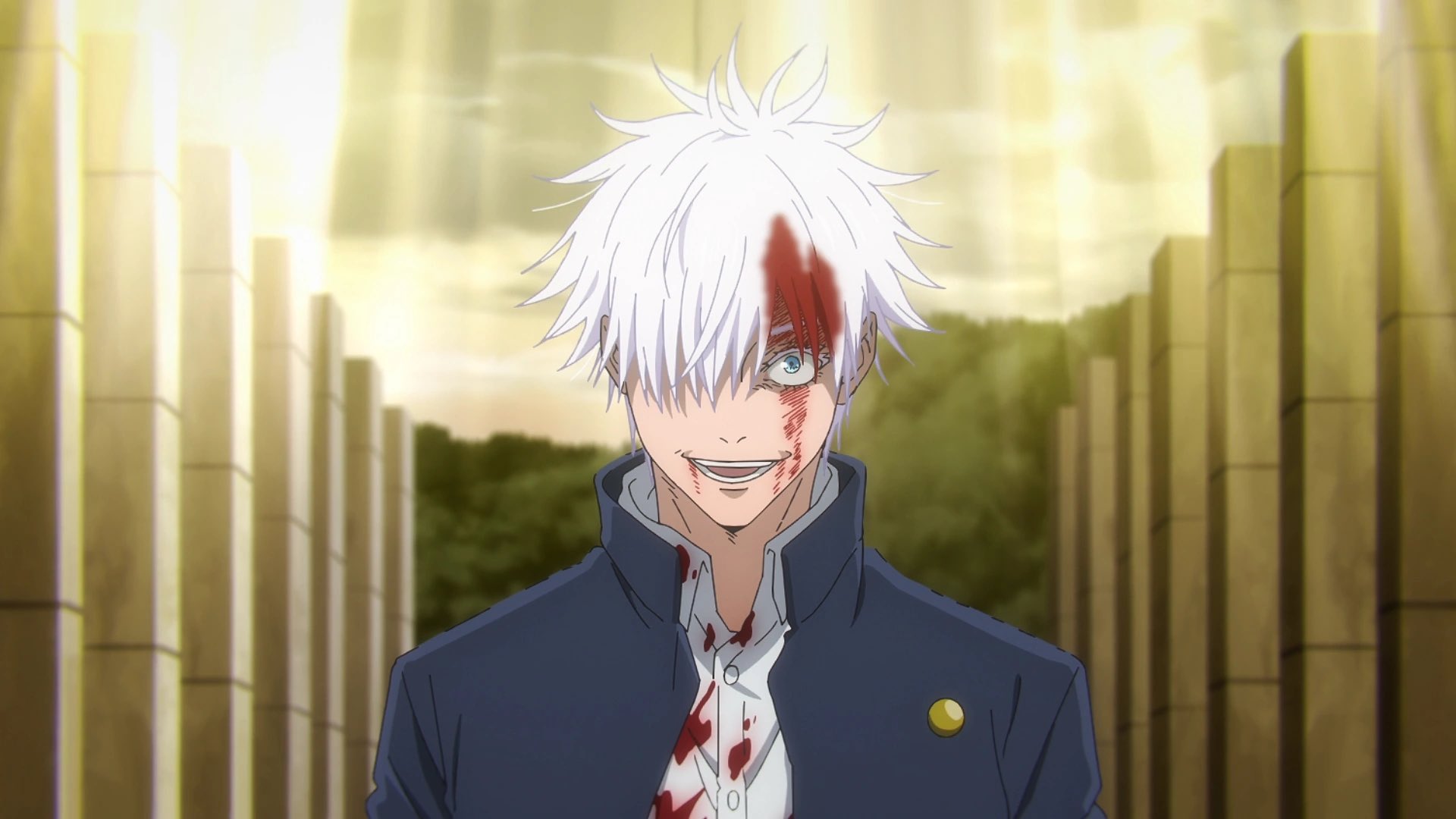
Gojo Satoru (Credits: Mappa)
Jujutsu Kaisen’s swift rise to fame came with its own set of problems, most notably the allegations surrounding the mistreatment of animators at MAPPA. While the animation studio and the show’s production team faced harsh scrutiny, the series also dealt with criticism for several creative decisions, including changes to the source material and the animation quality itself. The studio’s struggles and controversies became major talking points, affecting the anime’s reception despite its overall success.
Similar to Jujutsu Kaisen, Dandadan’s anime adaptation is facing controversies, though they are mainly centered around its explicit content and fan art. Although the nudity in Dandadan serves a purpose within the narrative, it has not been without criticism. Episode 9, in particular, sparked significant backlash for a scene involving Momo and Okarun lying next to each other in a state of undress. For many fans, this scene was too controversial, especially since it is not the only instance of nudity in the series.

Dandadan Episode 10 Still
The controversies didn’t end with the show’s content; fan art has also stirred up heated debates within the Dandadan community. In one instance, a piece of fan art reimagined Momo and Okarun as Black characters, prompting backlash from some fans of the anime. The response from both the fanbase and the artist highlighted how divisive these creative decisions can be. It’s clear that while the Dandadan anime is breaking boundaries in terms of storytelling and animation, it is also walking a fine line when it comes to its portrayal of certain themes.
As Dandadan continues to gain recognition, its creators face the challenge of balancing their bold narrative choices with the growing concerns from both fans and critics. While the controversies surrounding nudity and fan art are significant, they are not the only challenges the series must address moving forward. Much like Jujutsu Kaisen before it, Dandadan is walking a path where its growing popularity both helps and hinders its long-term reputation. If the series is to continue building on its success, it will need to address these controversies and ensure that it does not alienate its audience.
Since its debut, Black Clover has been subjected to constant comparisons with Naruto, with fans claiming that Asta, the series’ protagonist, is nothing more than a clone of Naruto Uzumaki. Both characters share an overarching goal of becoming the best—Asta wants to be the Wizard King, and Naruto aspires to become the Hokage. However, this comparison oversimplifies the complexities of Black Clover and ignores the broader context of Shonen tropes.
The criticism typically arises from the idea that Asta and Naruto are outcasts in their respective worlds. Asta, with his lack of magic in a society where magic is everything, and Naruto, who is ostracized due to the Nine-Tails fox sealed inside him, share similar struggles. However, this “outcast” trope is far from exclusive to Naruto and Black Clover.
It is a common device in many anime, used to garner audience sympathy and create a foundation for character growth. Characters like My Hero Academia’s Deku, who lacks a Quirk, or Chainsaw Man’s Denji, who is mistreated by the Yakuza, embody the same concept, but their stories are far from identical.
Black Clover: Debunking the ‘Naruto Clone’ Myth and Proving Its Unique Identity
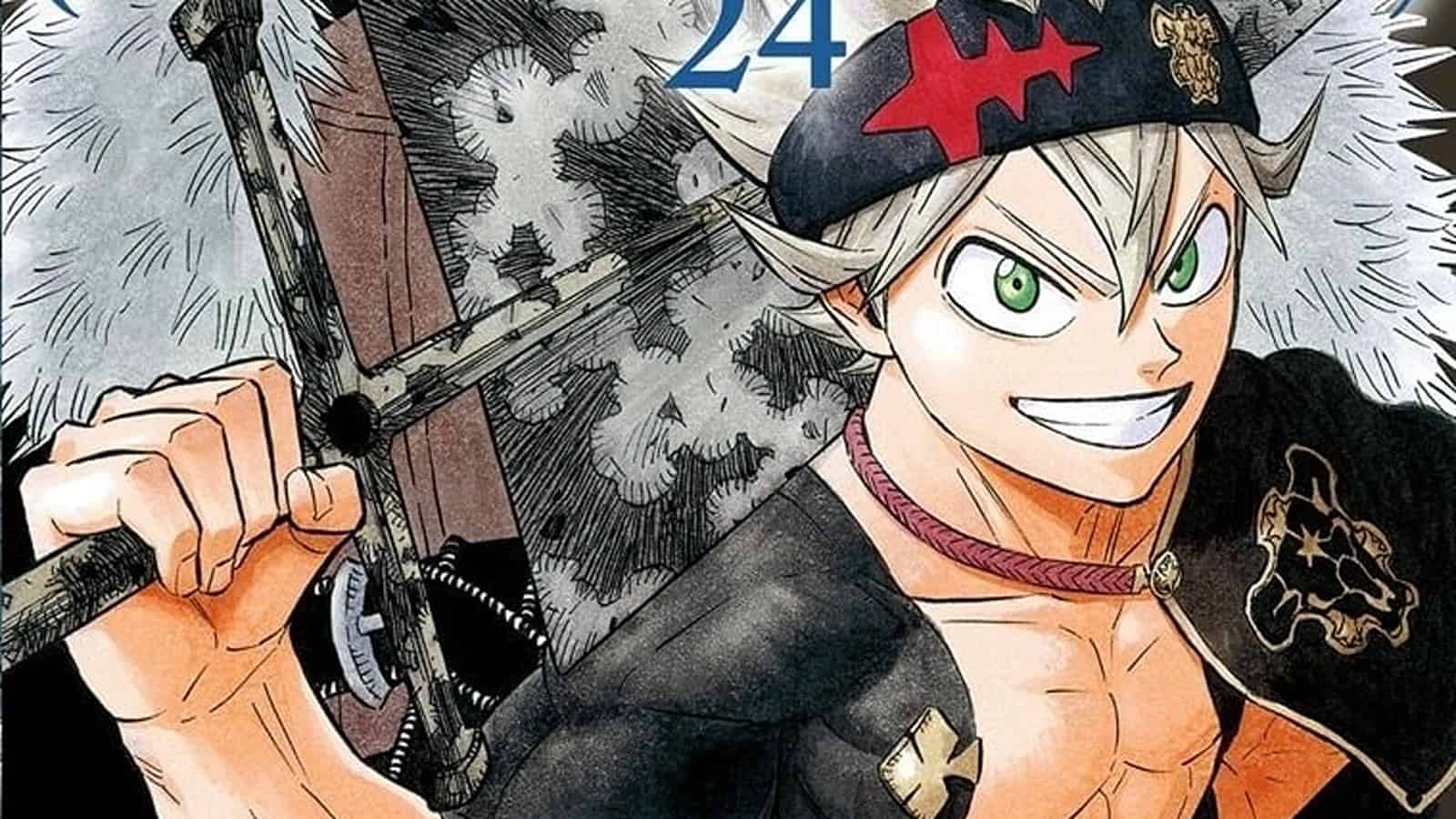
Black Clover (Credits: Jump Comics)
While both Asta and Naruto share similar core traits, such as kindness and a desire to improve, this is one of the most fundamental characteristics of Shonen protagonists. The “kind-hearted protagonist” trope is universal, seen in characters from Luffy in One Piece to Ash in Pokémon. This doesn’t make Asta a copy of Naruto—it makes him a classic Shonen hero.
The comparison is also fueled by the presence of deuteragonists who serve as foils to the protagonists—Yuno and Sasuke, who are both serious and somewhat mysterious characters. However, this is another common narrative device in Shonen anime. From Vegeta in Dragon Ball to Gray in Fairy Tail, the brooding sidekick has become a staple of the genre.
In terms of powers, both Asta and Naruto are linked to powerful beings: Asta with Liebe, his demon, and Naruto with Kurama, the Nine-Tails Fox. While these beings become integral to the characters’ growth, the similarities end there. Liebe and Kurama have different personalities and backstories, each serving a distinct purpose in their respective stories.
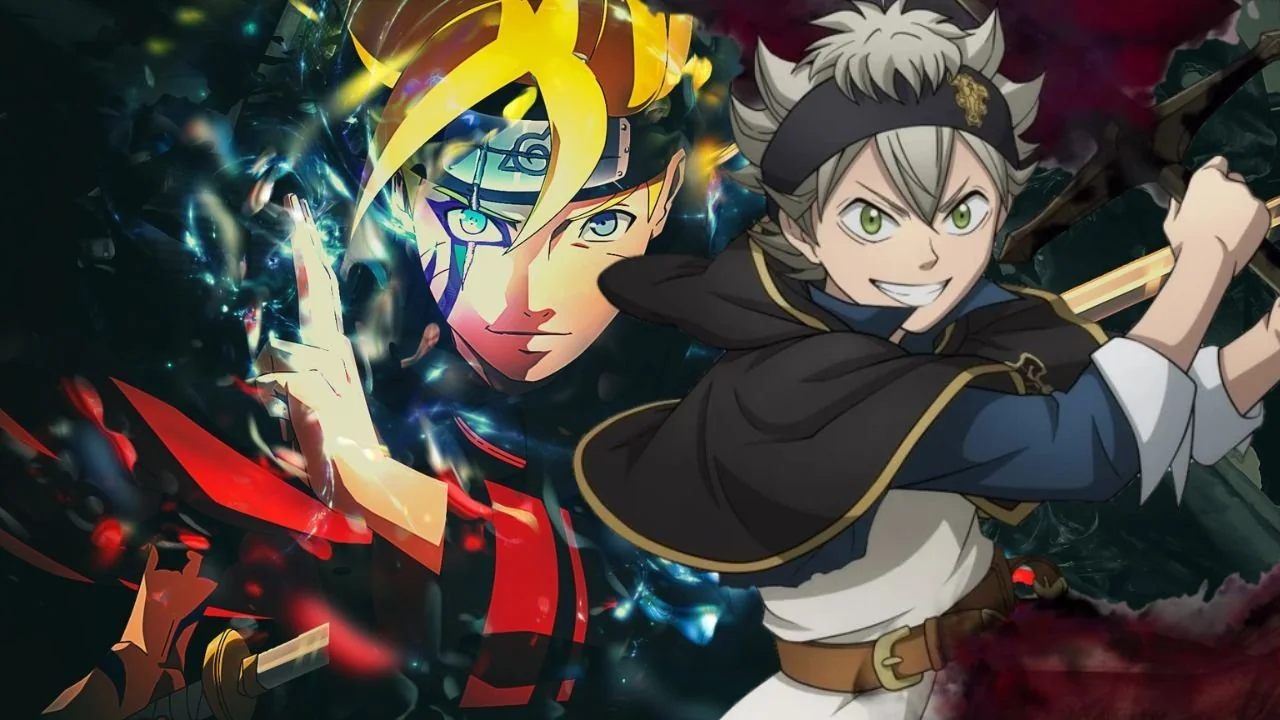
Boruto and Black Clove
Yuki Tabata, the creator of Black Clover, has never hidden his influences, which range from Yu Yu Hakusho and Berserk to Bleach. While Naruto might be one of many inspirations, Tabata has openly discussed how other works have shaped Black Clover, such as his admiration for Yu Yu Hakusho’s Hiei. His influences are broad, showing that Black Clover is far from a direct copy of any single series.
It’s important to note that even Naruto shares similarities with other works. For instance, the character of Sasuke is inspired by Hiei from Yu Yu Hakusho, but no one claims Naruto is a Yu Yu Hakusho clone. Likewise, Black Clover can draw from various influences without being a carbon copy of Naruto.
The comparisons between Asta and Naruto stem largely from broad Shonen tropes that are used to create engaging, relatable protagonists. While they share certain traits—such as their dreams, their struggles, and their kindness—Black Clover is far from a Naruto clone. Yuki Tabata has crafted a series that is inspired by many works but remains distinctly its own.
The similarities between Asta and Naruto are merely a reflection of the common narrative tools used in Shonen storytelling, not evidence of plagiarism. Black Clover’s identity goes beyond these surface-level comparisons, proving that it stands on its own as a unique and vibrant series.
