From its inception, My Hero Academia established a simple yet attractve premise: the rise of a young, powerless boy named Izuku “Deku” Midoriya, who was destined to become the greatest hero of all time.
Guided by the legendary figure of All Might, the strongest hero in the My Hero Academia world, Deku’s journey was one of immense growth and learning.
However, by the time the manga concluded, it became apparent that Deku had not managed to surpass All Might, his mentor and inspiration.
The series left a number of fans feeling conflicted some satisfied with the journey, and others disappointed by the fact that the grand declaration of Deku becoming the greatest hero didn’t quite come to fruition in the way many had expected.
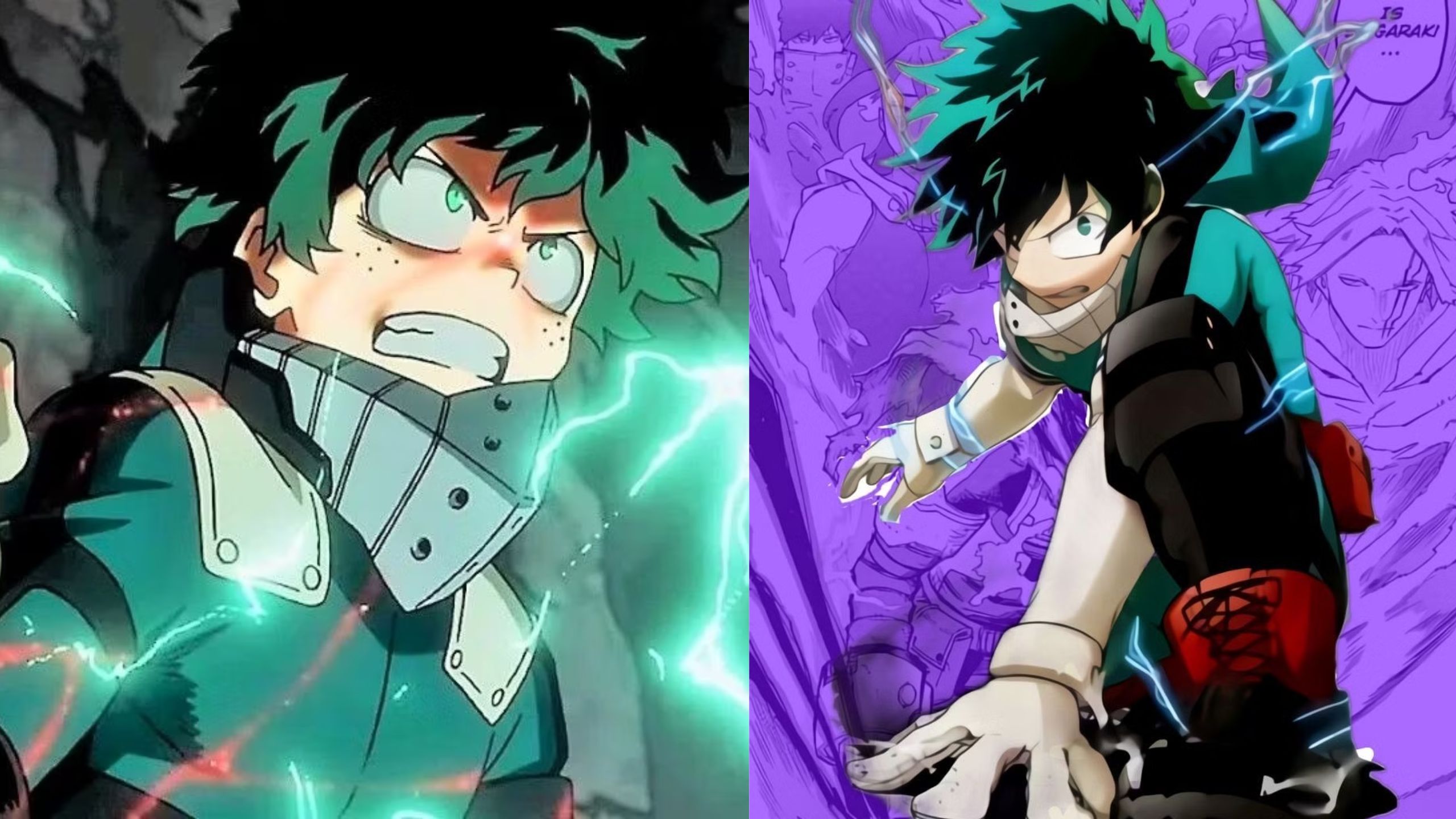
Deku (Crunchyroll)
While Deku undoubtedly grew into a formidable hero by the end of My Hero Academia, his ascent to surpassing All Might both in terms of legacy and impact was incomplete.
It’s essential to unpack why this happened, the role All Might’s legacy played in shaping Deku’s journey, and what ultimately prevented Deku from achieving that promised title.
The story’s trajectory was complex, blending themes of mentorship, personal growth, and societal change, but in the end, Deku could not eclipse All Might’s monumental legacy.
All Might’s Enduring Legacy
To truly understand why Deku did not surpass All Might, one must first grasp the sheer magnitude of All Might’s legacy.
All Might wasn’t just a hero; he was a symbol of peace, a beacon of hope in a world constantly plagued by villainy.
His larger-than-life persona, combined with his overwhelming power, made him a figure almost beyond comparison.
Throughout his career, All Might stood as the ultimate force of good, protecting society from chaos and embodying everything the hero society represented.
All Might’s impact stretched far beyond his physical abilities. While he was known for his incredible strength, his true power lay in his ability to inspire.
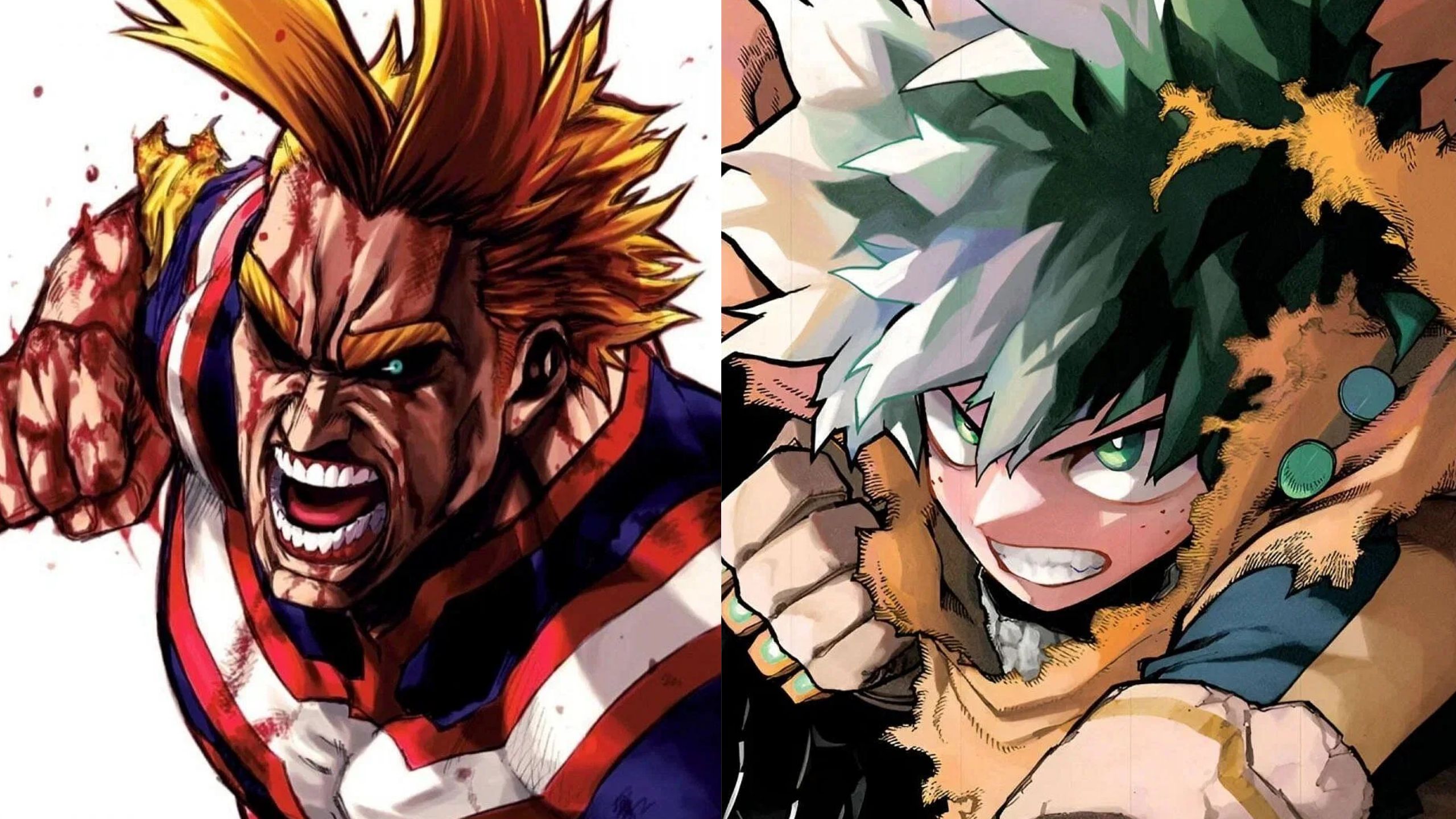
All Might and Deku (Shueisha)
To the people, All Might was a symbol of security. He was the assurance that no matter how bad things got, there was always someone out there protecting them.
His catchphrase, “I am here!” resonated deeply with civilians and heroes alike. In every battle, no matter how dire the situation, the sight of All Might brought comfort and confidence.
Moreover, All Might’s influence didn’t stop at the general public. The next generation of heroes, including some of the most important characters in the series like Katsuki Bakugo , Shoto Todoroki, and even Deku himself, grew up idolizing him.
All Might was not just their hero; he was their inspiration, the standard to which they held themselves.
Each of these characters’ development throughout the series is deeply intertwined with All Might’s influence on them.
This kind of legacy is difficult to surpass, not just because of the feats All Might accomplished, but because of the emotional and psychological impact he had on the world.
He wasn’t simply a hero who fought villains; he was the embodiment of hope itself. For Deku, surpassing someone like that would require not just strength but the ability to inspire and lead in the same way.
The Complexity of Heroism: Strength Versus Legacy
Heroism in the My Hero Academia world is about more than just fighting villains and saving people. It’s about creating a legacy, inspiring others, and leaving a lasting impact on society.
All Might wasn’t just strong he represented the pinnacle of what it meant to be a hero.
He was a beacon for both the public and his fellow heroes, which is why his eventual retirement left such a profound void in society.
Throughout the series, Deku’s journey focuses heavily on physical growth and learning how to wield the Quirk, One For All.
As a Quirk passed down through generations, One For All contains the combined power of its previous users, culminating in Deku as the final inheritor.
But while Deku’s mastery of the Quirk and his eventual victory over the villain All For One were impressive feats, heroism in the My Hero Academia world transcends mere power.
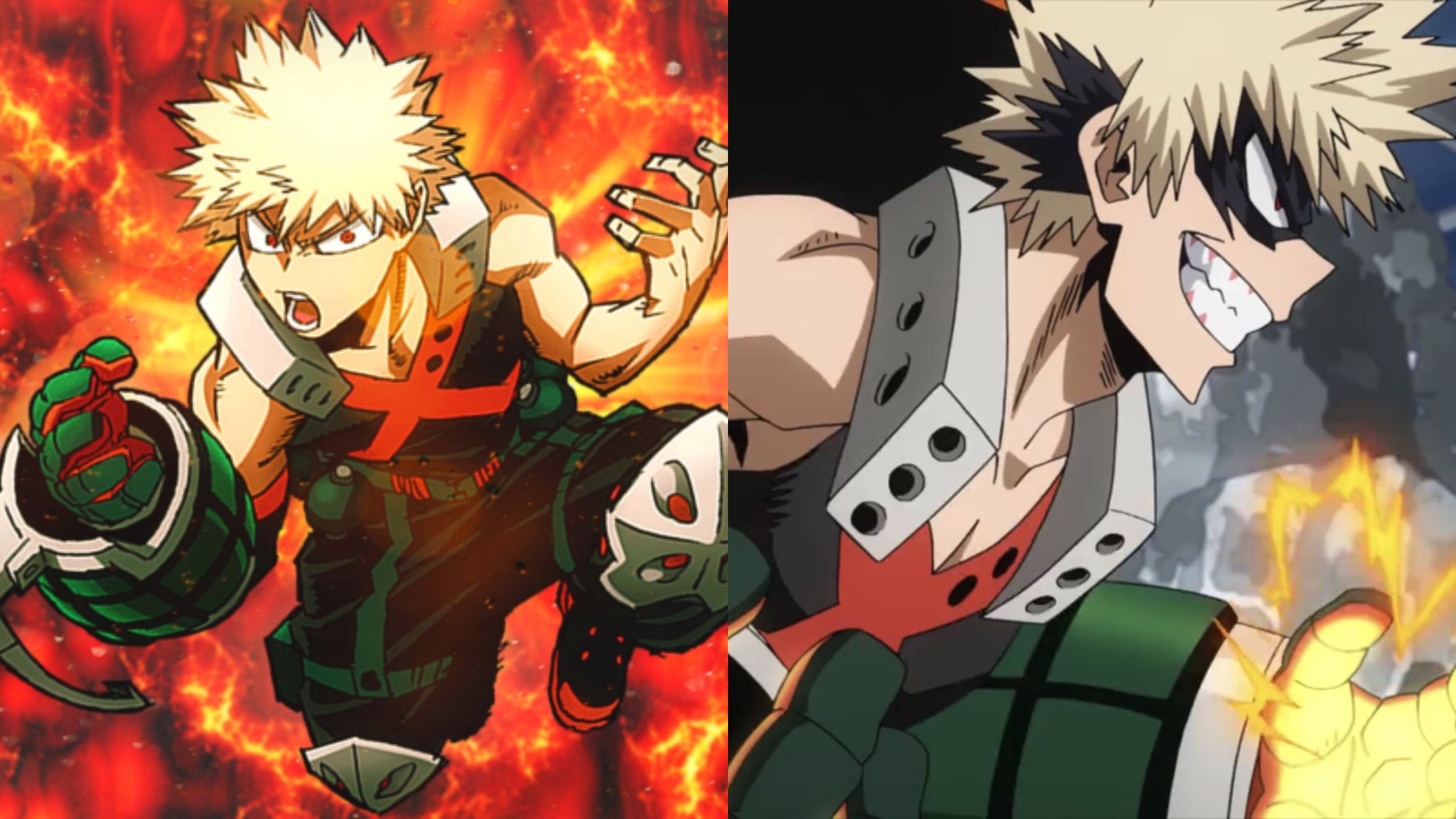
Katsuki Bakugo Using Explosion (Crunchyroll)
One of the series’ most fascinating themes is the idea that being a hero is not just about being the strongest person in the room.
It’s about embodying the ideals of justice, peace, and hope. This is where the complexity of Deku’s journey comes into play.
Deku, for all his growth, was often focused on the idea of becoming “strong enough” to be the greatest hero, whereas All Might’s greatness came from his ability to inspire, even when his strength began to fade.
By the time All Might retired, his body was broken, but his spirit remained as strong as ever, and people continued to look to him for guidance and reassurance.
Deku, on the other hand, though immensely powerful by the end of the series, lacked the same ability to inspire widespread hope.
His journey was deeply personal, focused on his immediate circle his classmates, his mentors, and the people he saved directly.
While Deku had his moments of inspiration, they were often more localized. He was seen more as a tactical fighter and someone who worked well with others, rather than the singular, awe-inspiring figure that All Might was.
This difference in the scope of influence is one of the primary reasons Deku couldn’t fully surpass All Might.
Deku’s Final Battle: A Momentous Feat, But Not Enough
One of the strongest arguments for why some fans believe Deku could surpass All Might is his ultimate battle against the villainous mastermind All For One.
This confrontation was, without a doubt, a defining moment in Deku’s career. All For One had been a looming threat throughout the entire series, a symbol of evil that had plagued hero society for years.
Defeating him was a monumental accomplishment that took years of preparation, struggle, and growth.
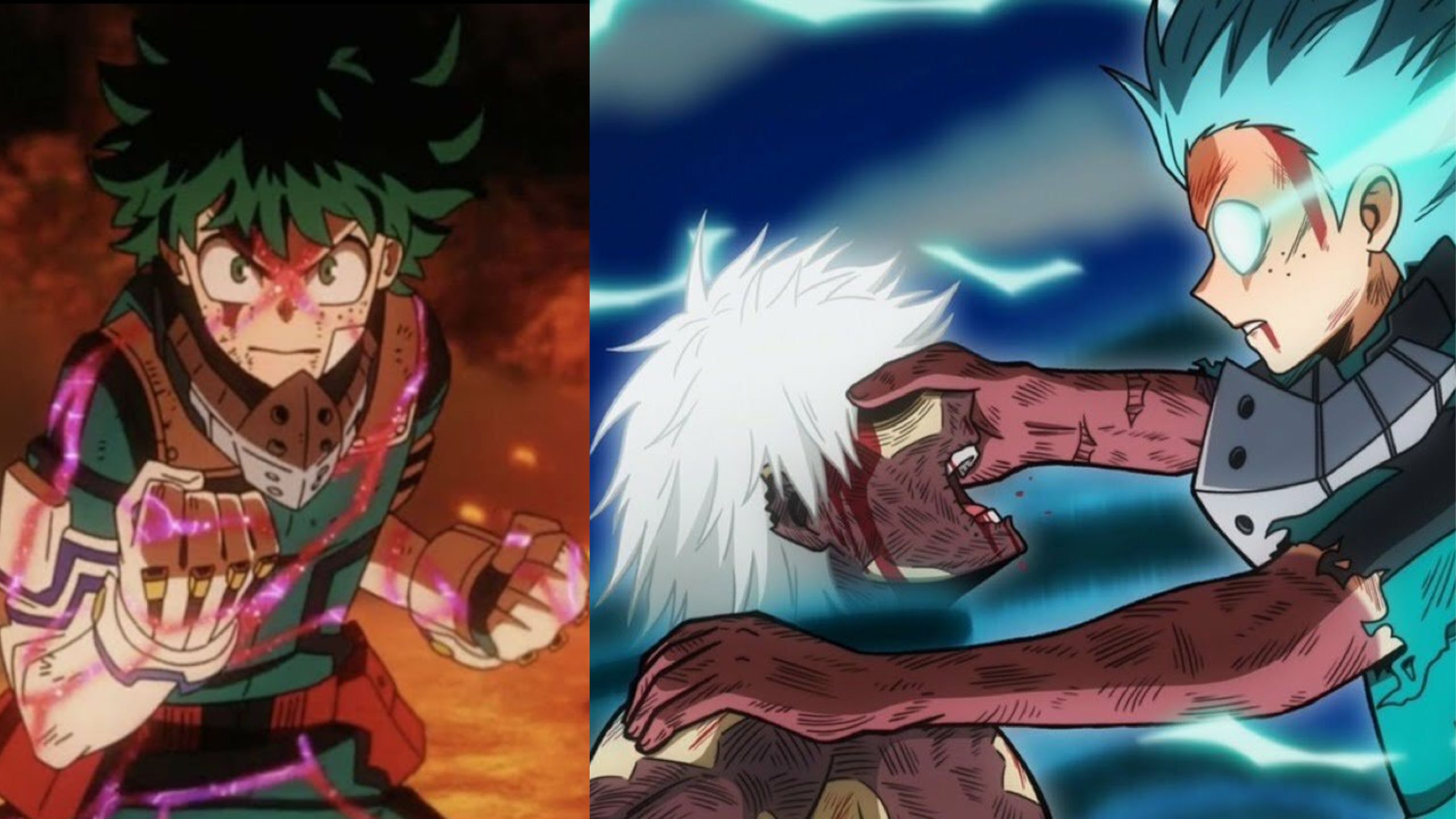
Deku And Shigaraki Final Battle (Twitter)
However, it’s important to recognize that while this victory was significant, it didn’t automatically cement Deku as the greatest hero of all time.
After all, defeating a powerful villain is just one part of being a hero. All Might himself had faced All For One multiple times throughout his career and emerged victorious.
His battles against All For One were legendary, but they were just a fraction of his final contributions to society.
All Might’s greatness didn’t come from defeating one powerful villain it came from his consistent ability to protect the people, uphold justice, and inspire hope for decades.
His career as a hero was long, and his influence on society was immense. Deku’s defeat of All For One was undoubtedly impressive, but it was a singular moment in what was ultimately a short career.
Deku’s time in the spotlight was brief compared to All Might’s long and storied career.
Furthermore, Deku’s final battle, while intense and important, was not as universally impactful as some of All Might’s greatest moments.
All Might’s defeat of All For One during their final battle in the middle of the series was witnessed by the entire world. It wasn’t just a personal victory it was a moment that defined an era.
The public saw their symbol of peace stand tall against overwhelming odds, and even in his weakened state, All Might managed to deliver a victory that solidified his status as a living legend.
In contrast, Deku’s battle with All For One, while significant, didn’t carry the same weight on a global scale. It was more of a personal victory for Deku and those immediately involved.
While it was certainly a crucial moment in the battle against evil, it didn’t resonate with the world in the same way that All Might’s battles did.
The scale of All Might’s victories, and the way they were perceived by society, is something Deku’s final battle couldn’t quite match.
All Might’s Influence on Society and the Next Generation
One of the most profound aspects of All Might’s legacy is his influence on future generations of heroes.
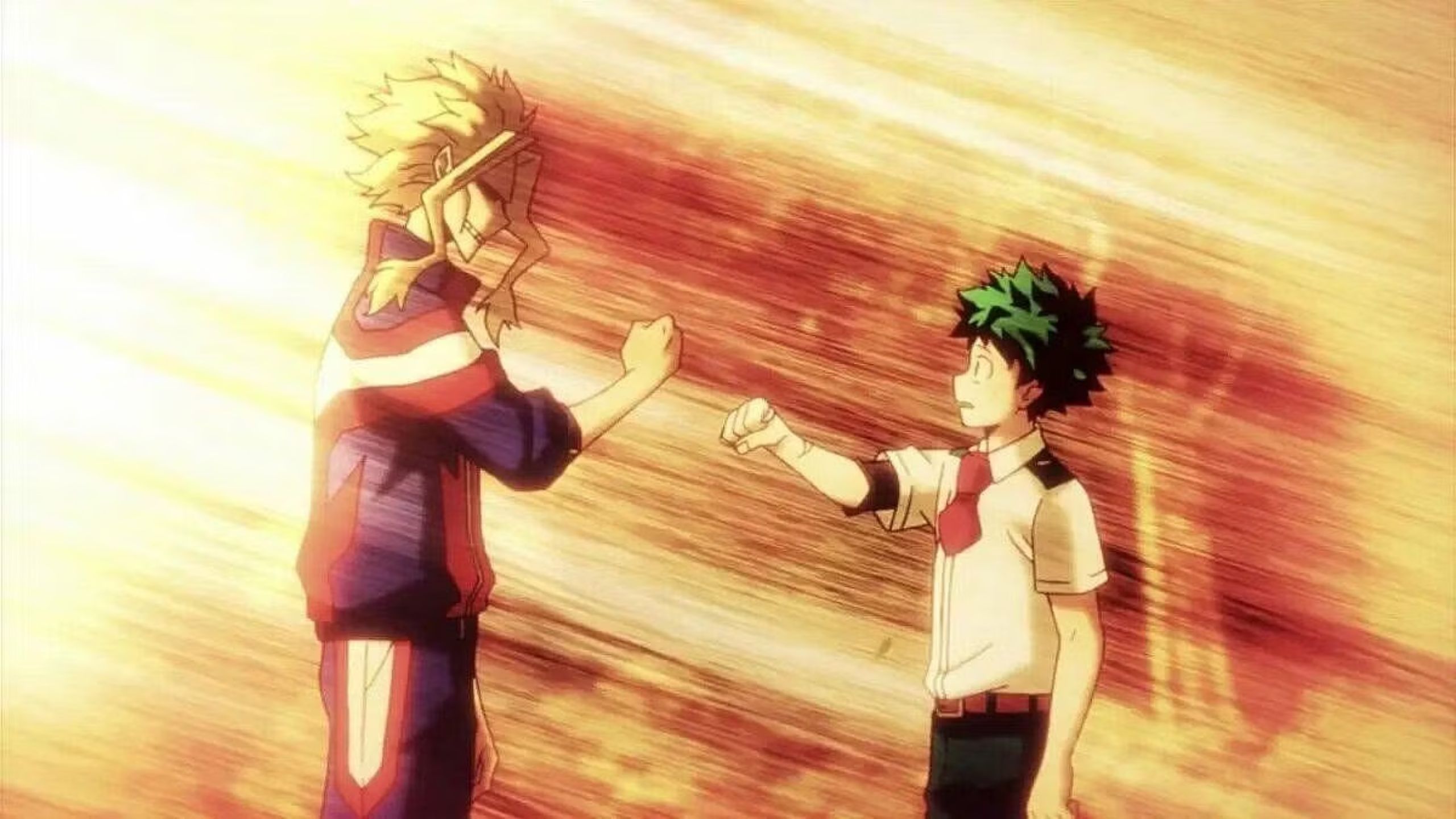
All Might and Deku (Bones)
Throughout the series, it becomes clear that All Might wasn’t just a hero he was a role model, someone young heroes aspired to be.
His presence shaped the lives of countless individuals, both within the story and in the broader world of My Hero Academia.
Characters like Bakugo, Todoroki, and, of course, Deku were all deeply influenced by All Might’s ideals and actions.
The power of inspiration is a significant aspect of heroism in My Hero Academia . A hero’s ability to inspire others, to give them hope, and to push them toward their full potential is just as important as their ability to fight villains.
All Might exemplified this ability. He wasn’t just a fighter he was a mentor, a guide, and a symbol of what it meant to be a hero. His influence extended far beyond the battlefield.
Deku, while certainly inspiring to those around him, didn’t have the same widespread influence on society as All Might.
His journey was more personal, focused on his own growth and development as a hero.
While Deku certainly inspired his classmates and those he fought alongside, his impact on the broader society was limited.
All Might, by contrast, was a hero who inspired an entire generation of heroes and civilians alike. His influence was so profound that even after his retirement, people continued to look up to him as a symbol of peace.
Furthermore, All Might’s role as a mentor to Deku was a crucial part of his legacy.
Throughout the series, All Might played an instrumental role in shaping Deku into the hero he eventually became.
He passed down the power of One For All to Deku, but more importantly, he passed down his ideals, his values, and his understanding of what it meant to be a hero.
Even in his weakened state, All Might continued to guide Deku, offering wisdom and support when it was most needed.
This mentorship dynamic is another reason why Deku couldn’t fully surpass All Might. As a student, Deku looked up to All Might, and even after surpassing him in terms of raw strength, he continued to rely on his guidance.
All Might was more than just a powerful hero he was a mentor and a father figure to Deku. This dynamic made it difficult for Deku to fully step out of All Might’s shadow and forge his own path as the greatest hero.
Deku’s Path: A Different Kind of Heroism
It’s important to recognize that Deku’s journey was never meant to be a direct mirror of All Might’s. From the very beginning, Deku’s path as a hero was fundamentally different.
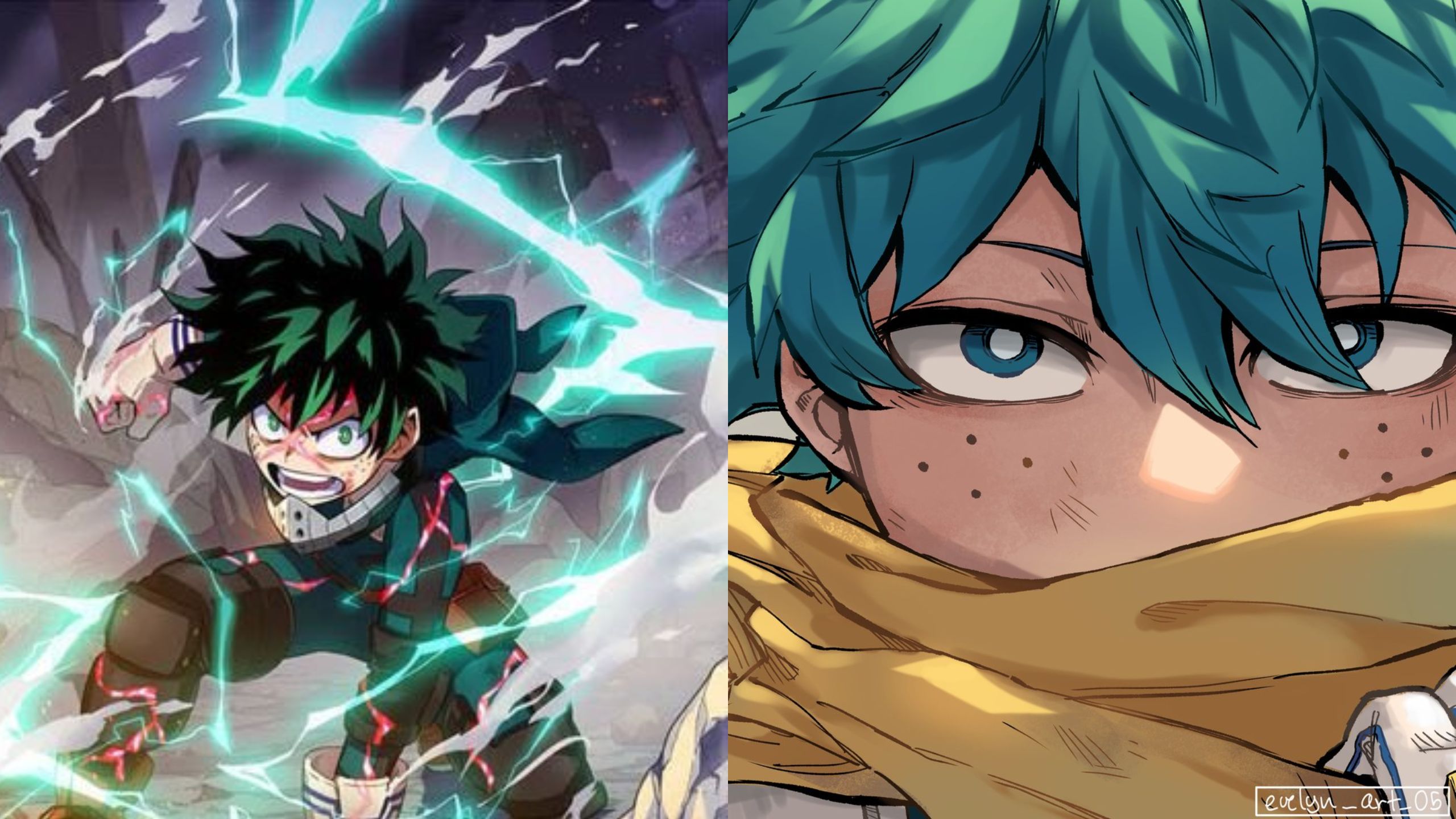
Deku – My Hero Academia (Bones)
While All Might embodied the idea of a lone, powerful figure standing against evil, Deku’s heroism was more collaborative, more dependent on the people around him.
One of the key themes of My Hero Academia is the idea that heroes don’t have to stand alone. Throughout the series, Deku learns the importance of relying on others, accepting help, and working as part of a team.
This is something that All Might, in his prime, struggled with. All Might often fought alone, taking on the burden of protecting society by himself.
In contrast, Deku learned to fight alongside his friends, relying on their strengths and working together to achieve victory.
This difference in approach is a significant reason why Deku couldn’t fully surpass All Might. While All Might’s heroism was defined by his solitary strength, Deku’s heroism was defined by his collaboration and teamwork.
Deku’s greatest victories were achieved not by fighting alone, but by working alongside his friends and allies.
This collaborative approach to heroism, while effective, didn’t have the same mythic quality as All Might’s solitary battles against overwhelming odds.
Additionally, Deku’s journey was more focused on personal growth and self-discovery.
While All Might was a hero from the very beginning, Deku’s journey was about learning what it meant to be a hero.
He started as a powerless boy with no Quirk and no understanding of what it truly meant to be a hero.
Over the course of the series, Deku grew, both in terms of his physical abilities and his understanding of heroism.
His journey was one of self-discovery, learning to embrace his own identity as a hero rather than simply trying to imitate All Might.
Why Deku Couldn’t Surpass All Might
In the end, Deku’s journey in My Hero Academia was never about surpassing All Might in the traditional sense.
While he certainly became a powerful and capable hero, he didn’t achieve the same level of greatness as All Might.
All Might’s legacy was one of inspiration, hope, and leadership on a grand scale. His impact on society, his ability to inspire future generations, and his role as a symbol of peace were unmatched.
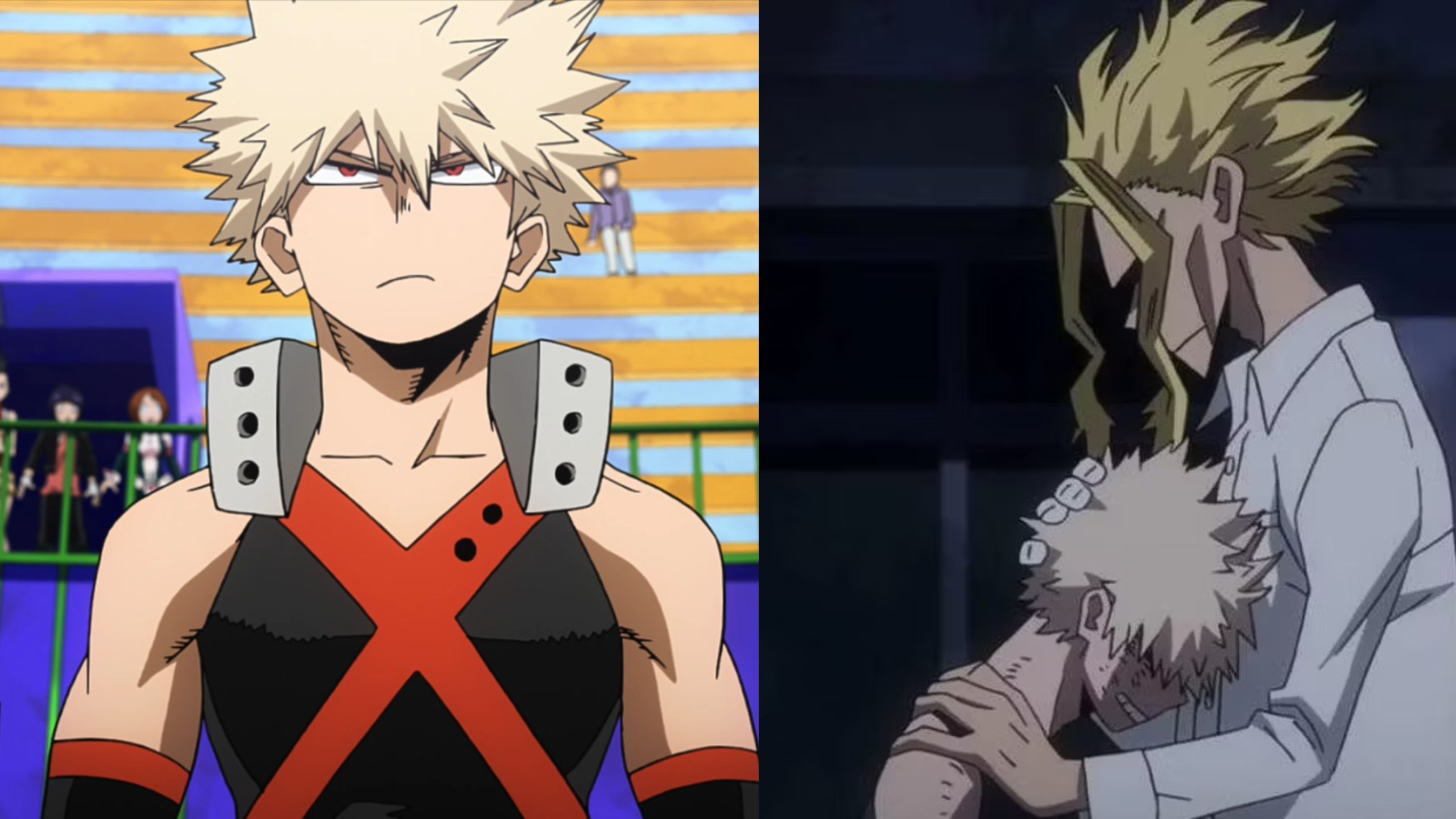
Katsuki Bakugo And All Might (Crunchyroll)
Deku, while undoubtedly a hero in his own right, didn’t surpass All Might because his journey was different. His path was more personal, focused on collaboration and self-discovery.
While Deku’s defeat of All For One was a significant accomplishment, it didn’t have the same global impact as All Might’s victories.
Deku’s heroism was defined by his ability to work with others, to rely on his friends, and to fight for what he believed in.
Ultimately, Deku didn’t become the greatest hero because his journey was never about being the next All Might.
It was about finding his own path, learning what it meant to be a hero, and inspiring those around him.
While Deku may not have surpassed All Might in terms of legacy or impact, he still became a hero who stood for justice, hope, and the future of society.
Survivor 47 continued with an exciting episode titled “Epic Boss Girl Move.” In this episode, the three tribes took part in a relay race to transport a bag of rice back to the beach.
To succeed, they had to go through a maze. After getting through the maze, a tribe member could tear open a bag of rice with a knife to retrieve a ball.
Then, the tribes had to work together to maneuver the ball through a winding snake maze. The first two tribes to finish this challenge would win immunity from elimination and receive fishing gear as a reward.
During the competition, the yellow tribe, known as Gata, had one of their members, Andy Rueda, stab the rice bag open. The rest of the tribe cheered him on as he did this.
Among the cheering crowd was Rachel LaMont. However, while Gata was moving on to the next part of the course, Rachel lingered behind. She leaned on the bag of rice and sneakily pocketed some rice without the others noticing.
Gata finished the race in first place, but host Jeff Probst caught Rachel’s sneaky move. “Did I see you putting some rice in your pocket?” he asked her.
With a smile, Rachel replied, “You didn’t see anything, Jeff.” Jeff was not amused and responded, “Unbelievable. Empty your pockets.” Rachel complied but made a valid point while doing so.
“I’m trying to play smarter,” she said. Rachel’s perspective brings up an interesting question: should stealing rice be allowed in the game?
In Survivor, contestants must create a community while stranded on an island in Fiji. This CBS show requires participants to survive using only what they can find. Many seasons highlight the mental and physical challenges of living with limited food.
In some seasons, finalists struggle with starvation, and they often look at their emaciated bodies in mirrors.
During the finale of Survivor 46, host Jeff Probst announced that contestant Charlie Davis lost the most weight, shedding 22 pounds during the season.
This aspect of Survivor sets it apart from other reality shows. It emphasizes the difficulty of the experience and showcases how far contestants will go to win the grand prize of $1 million. However, the show doesn’t need its cast to starve to prove this point.

Still from the episode (Paramount Plus)
Some seasons start with a supply of rice, and certain tribes receive rewards like chickens to help them survive.
The times have changed, and now Survivor has shorter seasons with less lavish food rewards, but the game itself remains the same: outwit, outplay, and outlast the competition.
In other countries, like Australia, contestants may start with more food, such as rice and beans. This is often more than what is available in the most generous seasons of the American version.
The game also involves stealing. For instance, if a player gives an idol to someone and later wants it back, they may find themselves out of luck.
Previous seasons have shown original holders of idols losing them this way. Jesse Lopez from season 43 played an idol that originally belonged to Jeanine Zheng.
His closest ally, Cody Assenmacher, also trusted him with his idol, but Jesse ended up using it against Cody, eliminating him from the game.
Stealthy behavior is common on the Survivor beach. Some castaways check each other’s bags if they suspect someone has an idol or advantage. High levels of paranoia exist during the game, and these strategies help contestants survive longer.
Survivor aims to let natural dynamics unfold within the tribes. In the same episode, Teeny Chirichillo teamed up with Kishan Patel to sneak a peek at Rome Cooney’s hidden advantage.
However, Rome discovered them, which added tension to the situation. Rome is currently in a vulnerable position within his tribe, and he could either use Teeny’s betrayal against her or decide to keep it secret, which could affect his own game.
Production did not interfere with these unfolding events, which provided great drama for viewers. In this episode, Andy from Gata found a beware advantage.
He placed it back down, but then Sam Phalen took it and transformed it into an idol with the help of Anika Dhar. These surprising moments are what keep the viewers hooked on Survivor.
Jeff Probst even commented on Rachel’s attempt to pocket rice, saying, “I respect the try,” and laughed.
This shows that the spirit of the game encourages contestants to identify what they want and find ways to achieve it.
Stranded contestants need food, and searching for it does not contradict the game’s premise. Starvation is only one part of the Survivor experience.
The new era of the show has stopped providing rice to tribes with shorter filming schedules. This change appears to be a way for production to argue that the game remains just as difficult, if not harder, than previous, longer seasons.
Many fans and former contestants are skeptical about these changes. Some believe the production team made these adjustments due to budget cuts rather than to enhance the challenge of the game. Viewers feel strongly that the contestants should be able to eat rice.
As the season progresses, Survivor continues to demonstrate the extremes contestants will go to for survival and success.
The mental and physical challenges they face create a compelling narrative that keeps viewers engaged. From the relay races to the emotional confrontations, every episode adds layers to the story.
This season promises to be full of surprises, twists, and plenty of drama as the castaways search their way through challenges, alliances, and their own desires.
As viewers watch the episode unfold, they see how the game pushes players to think strategically and ethically about their actions.

Still from the episode (Paramount Plus)
The blend of competition, teamwork, and survival tactics forms a rich collection of experiences that impresses audiences.
With each passing episode, the stakes grow higher, and the tension increases. The upcoming challenges will test not only their physical abilities but also their moral choices and social dynamics.
Survivor remains a unique show that combines elements of strategy, endurance, and emotional connection. As contestants face various trials, they will inevitably form bonds, make enemies, and confront their own limits.
Fans will continue to root for their favorites while debating the ethics of gameplay. Each episode serves as a reminder of the complex nature of human interactions when survival is on the line.
Survivor 47 continues to showcase the complexities of human behavior in a high-stakes environment.
The episode “Epic Boss Girl Move” highlights not only the physical challenges contestants face but also the ethical dilemmas they encounter.
Rachel LaMont’s attempt to steal rice demonstrates the lengths players will go to for survival and strategic advantage. The evolving dynamics among the tribes keep viewers engaged, as alliances shift and secrets unfold.
As the season progresses, the contestants must balance their need for resources with the social intricacies of the game.
Each challenge brings new opportunities for connection and betrayal, pushing players to reconsider their strategies. Jeff Probst’s acknowledgment of Rachel’s bold move reinforces the spirit of competition that defines Survivor.
This season also reflects a broader trend within the franchise, focusing on the mental and emotional aspects of survival, rather than just physical endurance.
As viewers tune in, they witness not only the thrill of competition but also the rich collection of relationships and choices that shape each player’s journey.
Ultimately, Survivor remains a search of the human spirit under pressure, offering unforgettable moments and unexpected twists with each episode.
