Demon Slayer fans across Latin America are expressing outrage after Netflix censored Nezuko’s transformation scene, a pivotal moment in the series. The censorship sparked a heated debate online, with fans questioning why a scene that had already aired uncut in theaters and on TV was suddenly edited for streaming.
The controversy began when fans noticed differences in the version of the Entertainment District Arc uploaded to Netflix. In the original, Nezuko’s transformation during her fight against Daki was one of the most dramatic scenes in the entire series.
The sequence showed Nezuko losing control of her demon instincts, growing more powerful but also more feral, with her physical appearance changing drastically. It symbolized the tension between her humanity and demonic nature, a moment that defined her strength, rage, and vulnerability.
However, in Netflix’s Latin American release, the scene appeared noticeably altered. Key shots were cropped, blurred, or darkened. The most obvious edits involved Nezuko’s exposed skin, which was either covered or removed from certain frames.
The lighting was softened, and camera angles were shifted to hide parts of her transformation. These changes immediately caught the attention of viewers who had already seen the unedited version through other platforms or during the original broadcast.

Demon Slayer Franchise (Credits: Koyoharu Gotouge)
Demon Slayer Fans Outraged as Netflix Censors Nezuko’s Transformation Scene in Latin America
On social media, hashtags like “#NoToCensuraDemonSlayer” and “#NezukoCensored” began trending. Fans shared comparisons of the two versions, showing how Netflix’s edits reduced the emotional impact and intensity of the scene. One viewer commented, “Why censor something we’ve already seen? It’s insulting to the audience.”
Others accused Netflix of overreacting to content that was never meant to be sexualized, noting that the original scene had been praised for its animation quality and emotional depth, not controversy.
The backlash grew as fans pointed out that this was not the first time Netflix had censored anime content for certain regions. Similar edits had been reported in shows like One Piece, Naruto, and JoJo’s Bizarre Adventure, usually due to local broadcasting standards or rating policies.
However, many argued that the Demon Slayer edit went too far, especially since the original version was already rated appropriately for older teens and adults. For them, altering the animation for cultural or moral reasons felt unnecessary and disrespectful to both the creators and the fans.
In response, some defended the streaming platform, suggesting that Netflix was following regional guidelines to avoid potential backlash from parents or regulatory agencies. Latin America, like many regions, has varying standards regarding violence, nudity, and implied sexuality in media. However, even those who understood the reasoning felt that the decision showed a lack of faith in the maturity of the anime’s audience.
Demon Slayer, known in Japan as Kimetsu no Yaiba, has always pushed visual and emotional boundaries. Produced by Ufotable, the series became famous for its stunning animation, dramatic storytelling, and heartfelt themes of family and survival.
Nezuko’s transformation scene in particular was one of its most talked-about moments, blending horror and beauty in a way that symbolized her internal struggle. Many fans felt the censorship diminished that emotional weight by softening the scene’s intensity and altering the original artistic vision.
“Why Censor What We’ve Already Seen?” Netflix Faces Backlash Over Nezuko Edits
Latin American anime communities, especially on platforms like X (formerly Twitter) and Reddit, have been vocal about the issue. Memes, reaction videos, and petitions calling for Netflix to restore the original version have spread rapidly. Some even tagged Ufotable and Aniplex, urging them to intervene or clarify whether the changes were made by Netflix or approved by the production committee.
Despite the outrage, Netflix has yet to issue an official statement. Without confirmation, speculation continues about whether the edits were made for compliance, regional marketing, or simply a mistake during the upload process. Meanwhile, fans have resorted to finding other sources to rewatch the uncensored version, with some stating they would rather buy Blu-ray copies than rely on censored streams.
The situation has reignited a broader discussion about censorship in anime distribution. Many argue that streaming platforms should respect the creator’s original work and include clear content warnings instead of altering the material. Others call for more transparency if edits must be made; fans want to be told why and how those decisions are made.

Demon Slayer Franchise (Credits: Koyoharu Gotouge)
For now, the controversy remains a sore point among Latin American fans, many of whom grew up watching anime in its original form on television and now feel disappointed that streaming services are taking a more restrictive approach. The debate has also drawn attention from international audiences, as clips of the censored scene circulate online, sparking confusion and disbelief.
As the discussion continues, fans hope that Netflix or Ufotable will respond and restore the full version of Nezuko’s transformation. To them, the issue is not just about one scene but about respecting anime as an art form. Demon Slayer’s emotional power lies in its raw expression of struggle and growth, something that, in the eyes of its audience, should never be censored.

Set during Japan’s Taishō era, Demon Slayer follows Tanjiro Kamado, whose family is killed by demons and whose sister Nezuko becomes one. To avenge his family and find a cure, Tanjiro joins the Demon Slayer Corps alongside allies Zenitsu and Inosuke, battling demons with unique “Breathing”-based swordsmanship. The series intensifies through televised seasons and films like Mugen Train, adapting arcs through Swordsmith Village and Hashira Training, leading up to the final Infinity Castle arc.
A strange but wildly popular fan theory has taken the One Piece community by storm, claiming that Imu the mysterious ruler of the world is actually Luffy from the future. What started as a single Reddit post has now exploded into a viral sensation, gathering more than 50,000 upvotes and inspiring countless reaction videos, memes, and debates across YouTube and TikTok. While the theory might sound absurd to some fans, others are calling it “so crazy it just might work.”
The post, made on a popular One Piece subreddit, lays out an elaborate argument connecting various clues from the manga. The author claimed that subtle parallels between Imu and Luffy hint at a potential time-travel twist.
According to the theory, Luffy somehow becomes Imu in the far future after witnessing the collapse of the world he once tried to save. The post goes on to say that Imu’s strange actions and obsession with the ancient weapons might actually come from a desire to rewrite history or prevent his younger self from making the same mistakes.
What made this particular theory blow up was not just the idea itself, but how well it was presented. The author used screenshots from the manga, symbolic parallels, and emotional reasoning that made it sound oddly believable.

One Piece Franchise (Credits: Eichiro Oda)
“Imu Is Future Luffy” Theory Goes Viral, Ignites Wild One Piece Debate
Reaction videos quickly flooded social media, with YouTubers analyzing every detail of the post. Some creators praised it for its creativity, saying it shows the strength of the One Piece fandom’s imagination. Others mocked it, calling it another example of how far fans are willing to stretch to predict the series’ ending. The phrase “Imu is Future Luffy” began trending on X (formerly Twitter), and the theory became a meme within hours.
Still, the theory sparked deeper discussions about how unpredictable One Piece has become. As the manga nears its final saga, fans are desperate to guess how the story will end and what Imu’s true identity might be. Oda has carefully hidden this character’s face and motives for years, leading to endless speculation.
Some believe Imu is connected to the Void Century, while others think he might be immortal or a surviving figure from the lost kingdom. The new “Future Luffy” theory adds another wild possibility to the mix, combining time travel, destiny, and the cyclical nature of One Piece’s themes.
Of course, not everyone is amused. Many long-time fans dismissed the idea completely, saying it contradicts the emotional tone of the story. They argue that Oda has always focused on freedom, adventure, and human will not confusing sci-fi twists.
One user commented, “If Imu turns out to be Luffy, I’m dropping the series. That would ruin twenty-five years of storytelling.” Others said the theory feels like an overcomplicated attempt to shock people rather than a genuine prediction.
However, the post’s popularity shows how deeply invested the fandom remains. Even after more than a thousand chapters, One Piece continues to inspire endless speculation and debate. Fans enjoy the mystery and like to imagine all possible outcomes, even if they sound impossible. Some said that this kind of creativity is what keeps the community alive, especially between manga releases and anime episodes.
Bizarre Fan Theory Gains 50K Upvotes and Floods Internet with Reaction Videos
Interestingly, a few readers pointed out that the theory, while far-fetched, touches on themes Oda has used before such as inherited will, cycles of history, and people repeating the mistakes of their ancestors. In that sense, the “Imu is Future Luffy” idea reflects the emotional depth of One Piece more than it might appear. Even if it’s wrong, it reminds fans that the story’s heart lies in hope, freedom, and the endless struggle to change fate.
The post’s creator later thanked fans for the attention, admitting that the theory was partly meant as a thought experiment and a fun “what if” scenario. They said they didn’t actually believe it would happen, but wanted to show how symbolic storytelling in One Piece allows for many interpretations.

One Piece Franchise (Credits: Eichiro Oda)
The honesty only made the community like the theory more, turning it into a kind of fandom legend something to laugh about and admire at the same time.
As the series moves closer to its conclusion, one thing is clear: the fan theories are not slowing down. Whether it’s about Imu, Joy Boy, or the One Piece treasure itself, the community will keep guessing until the final chapter. Even the wildest ideas, like Luffy secretly being his own enemy from the future, prove how much passion and imagination fans continue to bring to the world Oda built.
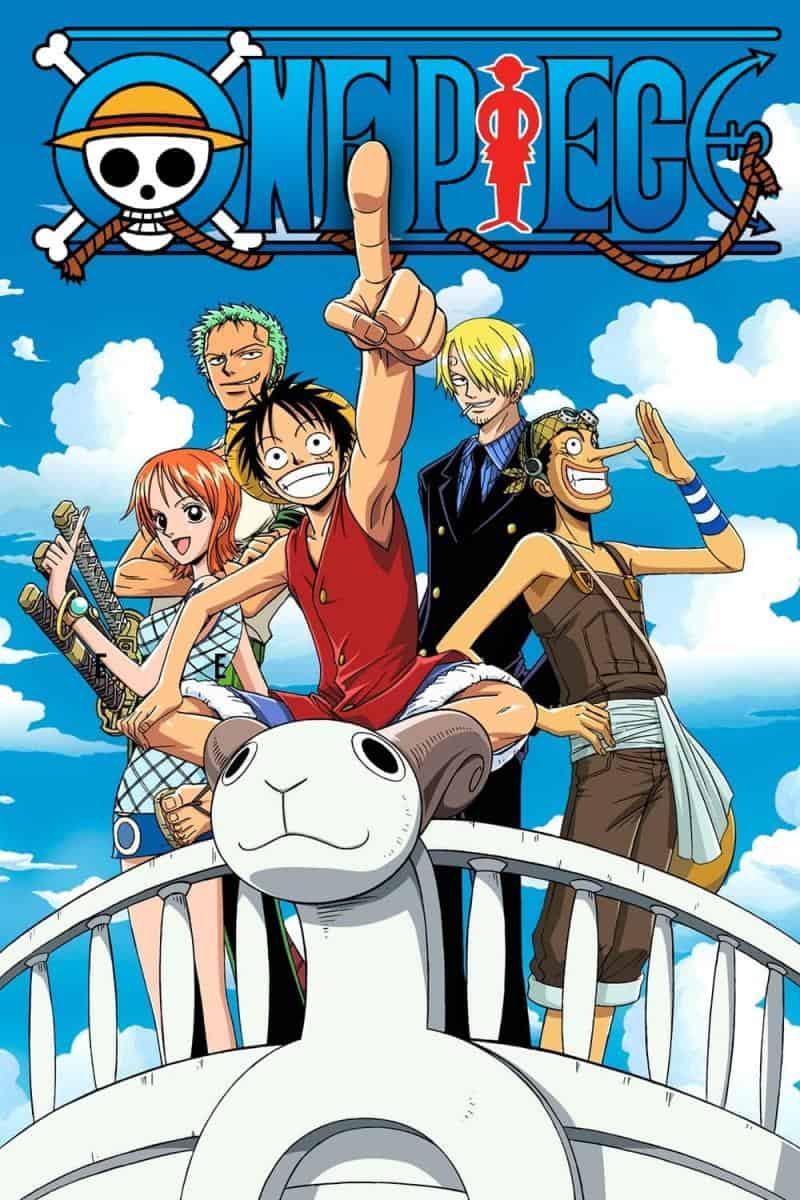
“One Piece” is a beloved Japanese manga and anime series that chronicles the adventures of Monkey D. Luffy and his pirate crew. Luffy, imbued with rubber powers from a mystical fruit Hito Hito no Mi, aspires to become the Pirate King. To achieve this, he seeks the ultimate treasure, the “One Piece,” hidden at the Grand Line’s end. Along the journey, Luffy gathers a diverse crew, confronts formidable foes, and uncovers world-altering secrets, all while promoting themes of friendship, freedom, and adventure.
