The globally celebrated anime Demon Slayer has found itself at the center of controversy again—this time for being barred from a Christian film festival in the United States. Organizers stated that the anime’s use of demonic imagery, excessive violence, and sorcery disqualified it from fitting their message of “faith-based storytelling.” The rejection has led to mixed reactions across fan communities.
Festival spokespersons emphasized that Demon Slayer glamorizes demonic power, vengeance, and spiritual practices that oppose the teachings of Christianity. Citing Tanjiro’s use of breathing techniques and encounters with supernatural forces, they argued that the show promotes “a worldview incompatible with the gospel.” These claims echo previous criticisms from religious groups who have protested anime’s growing influence on Western youth.
Fans Defend Artistic Freedom
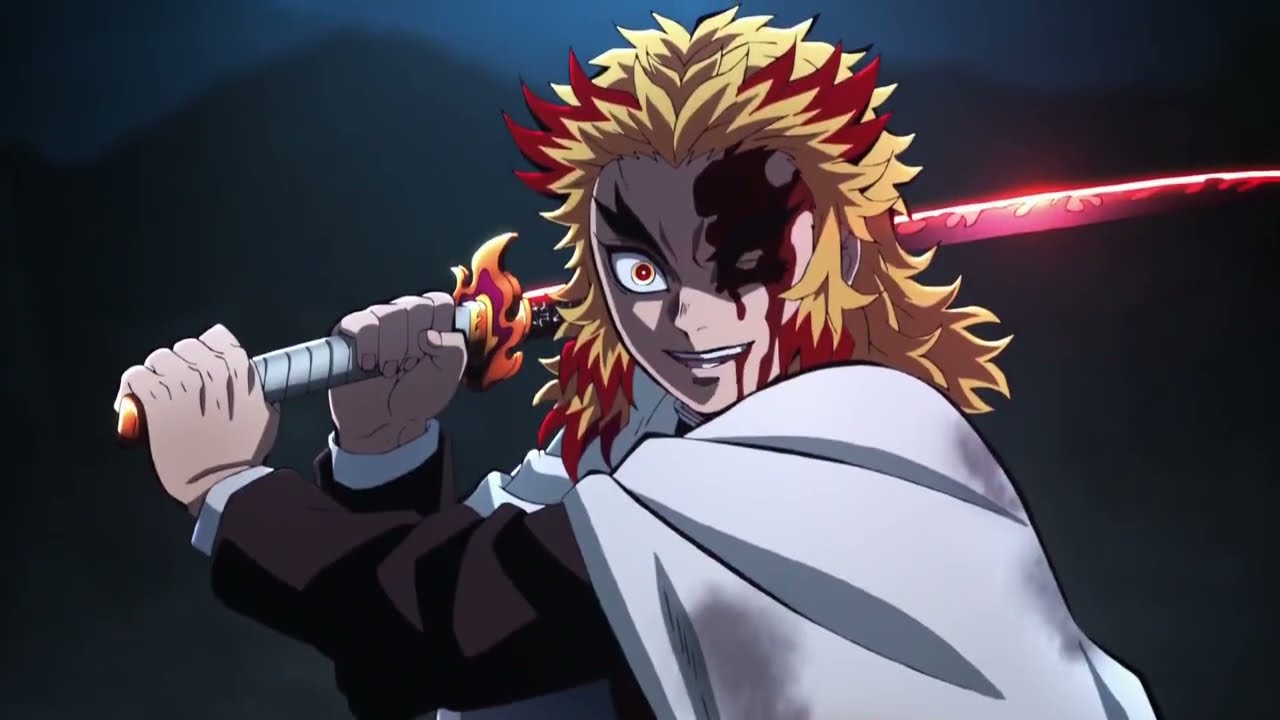
Rengoku (Credits: Ufotable)
Anime fans online were quick to challenge the festival’s decision, calling it narrow-minded and dismissive of creative expression. Many pointed out that Demon Slayer is ultimately a story about love, sacrifice, and moral struggle—values not inherently opposed to religious beliefs. Others raised concern that this may set a precedent for further religious censorship of anime and international media.
Some fans referenced earlier instances where religious institutions criticized anime for similar reasons, such as when Pokémon was accused of promoting occultism in the 90s. The situation drew parallels to those outdated fears, with younger viewers suggesting that these objections reflect a generational divide more than actual moral danger. According to a report by Religion News Service , the festival reaffirmed its stance but did not ban other animation entirely.
Debate Over Morality and Media
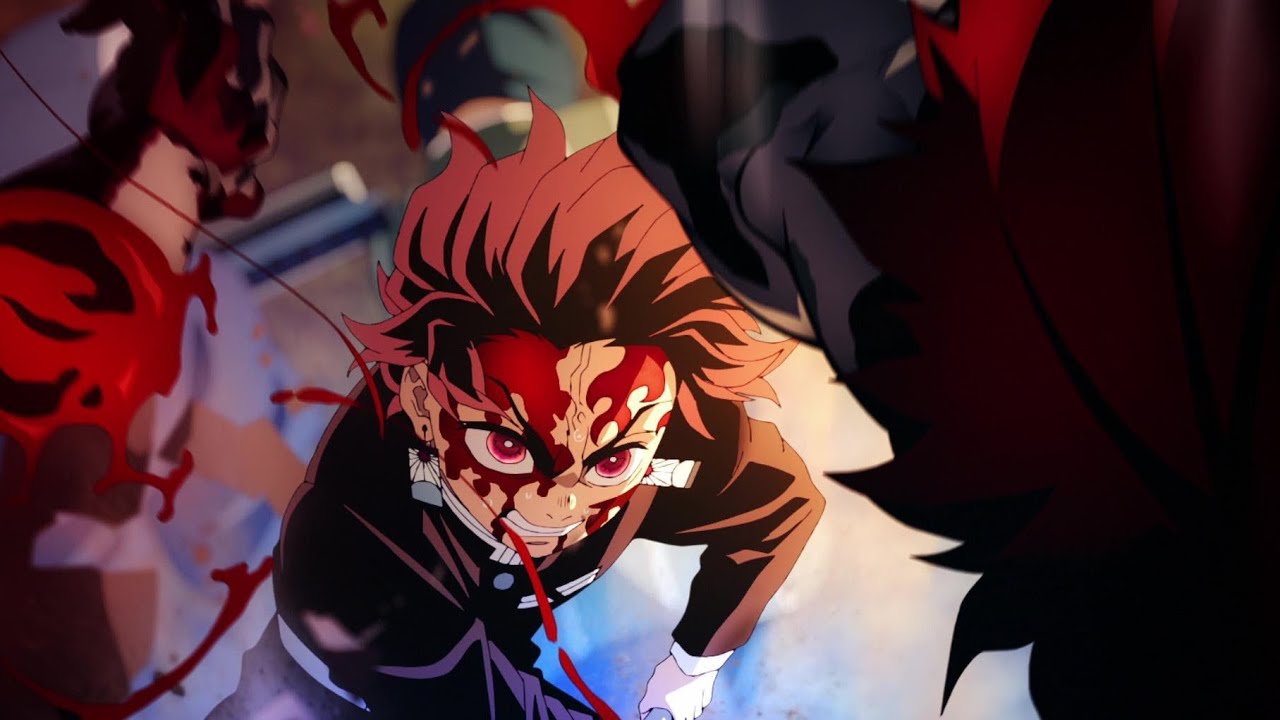
Tanjiro | Demon Slayer Season 4 (Credits: Ufotable)
Religious groups defending the ban argue that the boundaries between entertainment and spiritual messaging are becoming too blurred. They warn that stories involving demons and dark powers may subtly normalize harmful worldviews, particularly among children and teens. Critics, on the other hand, accuse the festival of pushing an agenda and failing to engage critically with modern media.
The controversy has sparked wider discussions about how religious values should intersect with global pop culture. Some religious anime fans argue for a more nuanced view, accepting fantastical elements while focusing on the messages of compassion and perseverance that Demon Slayer promotes. As anime’s popularity continues to rise, especially among young Western audiences, debates over its place in moral and spiritual spaces are unlikely to fade anytime soon.
A controversial bill proposed by Brazilian congressman André Fernandes is making headlines for targeting ecchi anime, accusing the genre of “moral degradation” and “corrupting the minds of our children.” The motion, presented earlier this month, seeks to restrict or ban anime series that include sexually suggestive themes, regardless of viewer age restrictions or parental consent.
Fernandes, known for his conservative stances, specifically criticized titles like Prison School and High School DxD , claiming they “eroticize school settings” and contribute to rising moral concerns among parents. According to his public statement, such shows blur the lines between entertainment and softcore content, warranting urgent government regulation. His remarks have since gone viral, drawing both support and backlash online.
Nationwide Protests and Otaku Response
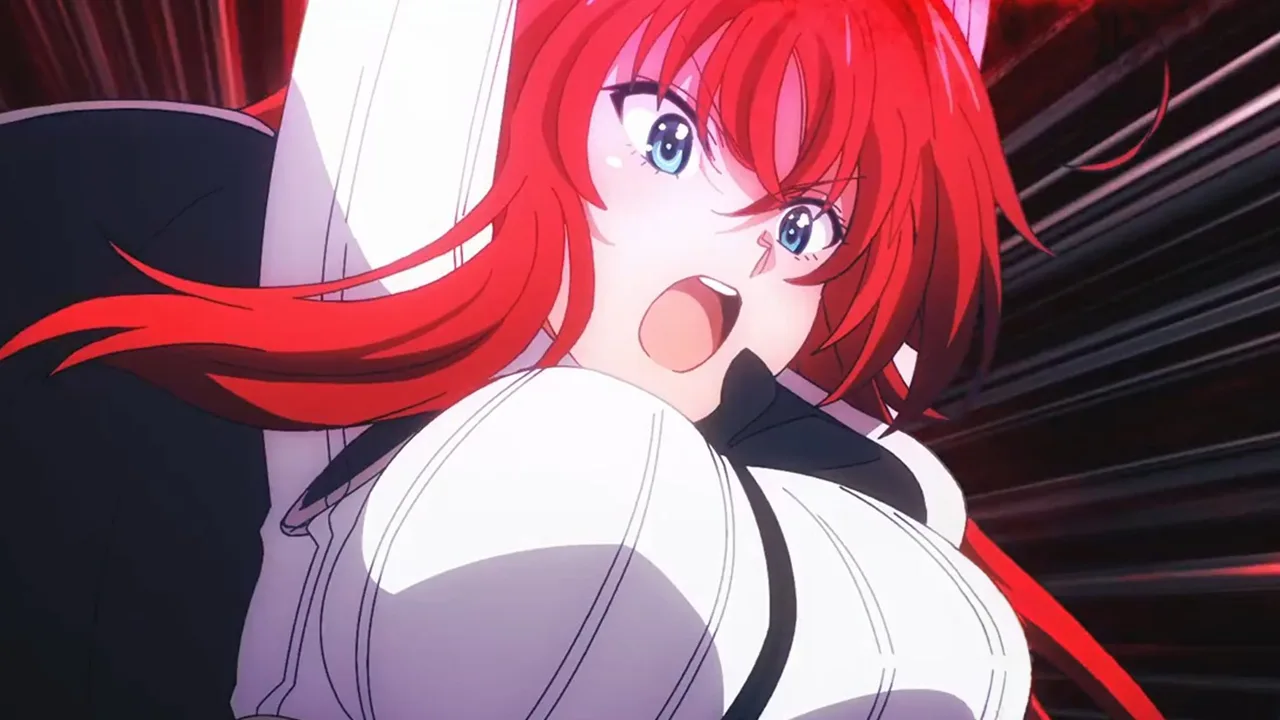
High School DxD
The Brazilian anime fanbase responded swiftly. Within days, demonstrations erupted in major cities like São Paulo and Rio de Janeiro. Protesters dressed as anime characters marched with placards reading “Anime is Art, Not a Crime” and “Don’t Kill Our Culture.” Online petitions also surged, with one gathering over 100,000 signatures demanding the bill’s dismissal.
Brazilian otakus have argued that the legislation misrepresents anime culture and unfairly targets a specific medium. Many pointed out that ecchi anime already carries appropriate age ratings and is typically consumed by adults. As noted in a report by Anime Senpai , critics fear that this could be a slippery slope leading to broader censorship of Japanese media.
Political and Cultural Ramifications

High School DxD
The proposal has ignited broader conversations about cultural imperialism and generational divides. Supporters of the bill view it as a necessary moral safeguard, while opponents call it an attack on freedom of expression and creative content. Analysts also argue that politicians are exploiting anime as a scapegoat to gain attention ahead of elections.
International anime distributors, many of which have large audiences in Brazil, are watching the developments closely. If the bill passes, streaming services could be forced to region-lock or remove large swaths of content, setting a troubling precedent for media regulation in Latin America. Meanwhile, the Brazilian otaku community shows no signs of backing down as they fight to defend their fandom in public and political spaces.
