“Joker: Folie à Deux,” the highly anticipated sequel to 2019’s “Joker,” has quickly become one of the major disappointments of 2024. The film, directed by Todd Phillips and starring Joaquin Phoenix, was expected to be a big success, but it hasn’t met the high expectations that many had for it. With a poor Rotten Tomatoes score and a disappointing box office performance in its first few days, the movie is far from being the blockbuster many had hoped for.
Despite these challenges, the movie has still managed to attract attention, although some of that attention may come from the curiosity of viewers who want to see if the poor reviews are justified. With big names like Joaquin Phoenix, who won an Oscar for his role in the first “Joker” film, and the film’s intriguing concept, people are still interested in seeing it, even if it’s out of curiosity about how a once highly praised franchise could fall so far.
Box Office Numbers So Far
Despite its weak start, “Joker: Folie à Deux” has managed to enter an important box office list. As of now, the movie has earned more than $37 million at the domestic box office, putting it in the top 30 movies of 2024. When you add the international earnings, which total $75 million, the movie’s worldwide gross sits at over $110 million after its opening weekend.
These numbers, while not terrible, are far below what many expected from the sequel to one of the most successful films in recent history. The movie that had to give up its spot in the top 30 because of “Joker: Folie à Deux” is Lionsgate’s “The Strangers: Chapter 1,” which had earned a total of $35 million at the domestic box office. As “Joker: Folie à Deux” continues to make more money, it’s likely that it will continue to rise on the box office charts.
Thanks to its established fan base, recognizable IP (intellectual property), and the star power of Joaquin Phoenix, the film still has the potential to perform well in the coming weeks.
If “Joker: Folie à Deux” can manage to double its current domestic earnings, which seems quite possible, it would land in the top 20 movies of the year. It could even surpass “Longlegs,” which has been one of 2024’s surprise box office hits. While this is still a big “if,” the power of the Joker franchise and its connection to a larger comic book universe could help it achieve these goals.

Still from Joker Folie a Deux (Credit: Warner Bros.)
Mixed Reactions to the Musical Format
One of the most controversial aspects of “Joker: Folie à Deux” is the decision to turn it into a musical. This creative choice was a bold move, especially considering the dark and gritty tone of the original film.
For some fans and critics, the musical numbers were an exciting addition that brought a fresh perspective to the Joker character. But for many others, this approach didn’t land as well as intended.
The film’s musical sequences have been described as a missed opportunity by many reviewers. While some moments had the potential to be truly spectacular, the execution fell flat. One major issue was the placement of the musical numbers within the story.
Rather than integrating these sequences seamlessly into the narrative, most of the musical moments are confined to dream sequences. This decision lessened their impact, making them feel disconnected from the rest of the film.
Furthermore, the lack of proper choreography in the musical scenes also left viewers disappointed. For a film as ambitious as this one, many expected more dynamic and visually impressive dance numbers. However, with only one standout tap dance sequence from Phoenix’s character Arthur Fleck, the film didn’t deliver the kind of show-stopping musical moments that could have made the concept work.
Critics’ Feedback on the Musical Format
One critic who voiced his frustrations with the musical format was Martin Tsai, who reviewed the film for Collider . In his review, Tsai explained how the musical concept had a lot of potential but ultimately felt underdeveloped. He highlighted how the idea of turning Joker’s famous stair descent from the first film into a musical moment could have been an iconic scene, but in “Joker: Folie à Deux,” the musical numbers failed to live up to that potential.
Tsai also criticized the way the musical sequences clashed with the overall tone of the movie. While it’s possible to blend musicals with darker, more serious films (as seen in Dancer in the Dark ), Tsai argued that director Todd Phillips wasn’t able to make this work in “Folie à Deux.”
Even during the fantasy sequences, which allowed for some creative freedom, Phillips didn’t bring the energy and style that musical numbers typically require. The lack of choreography and the failure to capture the “razzle-dazzle” of the musical genre ultimately left many viewers and critics disappointed.

Still from Joker Folie a Deux (Credit: Warner Bros.)
Audience Divides Over the Sequel
The mixed reception to the musical aspect of “Joker: Folie à Deux” has created a divide among viewers. Some fans appreciate the bold direction the film took, seeing it as an attempt to push the boundaries of the comic book genre. For these viewers, the musical sequences add a new layer of complexity to the Joker character, who is known for his chaotic and unpredictable nature.
Others, however, felt that the musical numbers clashed too much with the tone of the movie and took away from the gritty realism that made the first “Joker” film so compelling. While the idea of combining musical elements with the dark themes of Joker’s story might sound interesting on paper, the execution didn’t match the expectations of many fans and critics.
Impact on the Film’s Legacy
It’s too early to say how “Joker: Folie à Deux” will be remembered in the years to come, but its mixed reception has certainly put a dent in the once untouchable reputation of the Joker franchise. The original 2019 film was a massive success, earning over $1 billion at the global box office and winning multiple awards, including an Oscar for Joaquin Phoenix. “Joker: Folie à Deux” hasn’t had the same level of impact, and it’s clear that many viewers feel let down by the sequel.
That said, the film still has the potential to perform well over the long run, especially if word-of-mouth improves and more people become curious about the unique musical direction. The power of the Joker character and the strong performances by Joaquin Phoenix and Lady Gaga (who plays Harley Quinn in the film) could help draw in more viewers, even if they come with lower expectations due to the film’s early reviews.
The Role of Star Power
One factor that continues to draw audiences to “Joker: Folie à Deux” is the star power of its lead actors. Joaquin Phoenix’s portrayal of Arthur Fleck (the Joker) in the first film was highly praised, and many fans were excited to see him reprise his role. His intense, transformative performance in the original movie set a high bar, and while the sequel’s musical direction may not have been as well-received, Phoenix’s acting remains a major draw.
Additionally, the inclusion of Lady Gaga as Harley Quinn has also generated a lot of buzz. Gaga, who is known for her dynamic stage presence and strong acting abilities, was a perfect fit for the musical sequences in “Folie à Deux.”
While the film as a whole may not have impressed, her performance has been highlighted by some as a bright spot. Gaga’s portrayal of Harley Quinn offers a fresh take on the character, and her chemistry with Phoenix’s Joker is one of the more interesting aspects of the film.
Potential for Future Success
While “Joker: Folie à Deux” may not have had the explosive start many were hoping for, it’s important to remember that box office performance can fluctuate over time. The film still has a chance to pick up more momentum as more people see it and share their opinions. Positive word-of-mouth, particularly about the performances of the lead actors, could help boost the film’s success in the coming weeks.
The film also has the potential to perform well internationally. While it has faced challenges domestically, the Joker character has a global fanbase, and international markets could help boost the movie’s total earnings. The unique concept of a Joker musical may also appeal to different audiences who are interested in seeing something out of the ordinary.
Joker: Folie à Deux may not have lived up to the high expectations set by its predecessor, but it’s still a film that has captured the interest of viewers around the world. Its bold choice to incorporate musical elements has been both praised and criticized, but it’s clear that the movie has sparked conversations and debates among fans and critics alike.
The film’s box office performance, while not extraordinary, shows that there’s still an audience for the Joker character and the complex stories surrounding him. As more people watch the movie and share their thoughts, Joker: Folie à Deux could still find success, even if it takes a different path than its predecessor.
Romantic dramas used to be a staple in cinemas and video rental stores, especially at local Blockbuster locations. However, in recent years, they have become rare. The film industry prioritizes action-packed blockbusters and franchises based on well-known intellectual properties.
Because of this shift, thoughtful love stories that are filled with emotional depth have often been overlooked in the film domain. However, when romantic dramas are executed well, they can resonate deeply with audiences. These films provide a chance for viewers to reflect on love and vulnerability in their lives and the world around them.
One noteworthy film that fits this description is “Lonely Planet,” directed by Susannah Grant. The movie stars Laura Dern and Liam Hemsworth as two lonely individuals whose acquaintanceship grows into a life-altering love affair.
“Lonely Planet” stands out as a refreshing revival of the romantic drama genre, offering a sharp narrative that shows the complexities of relationships against the enchanting backdrop of Morocco. The film captures the essence of romance in a way that feels both timeless and relatable.
In a way that mirrors this year’s film “The Idea of You,” “Lonely Planet” challenges the typical “age-gap” trend prevalent in many romantic films. Rather than showcasing the usual dynamic of an older man and a younger woman, this film reverses that idea.
For those who might be curious about the age difference, there is a 33-year gap between the ages of Dern and Hemsworth, but this aspect is not the primary focus of the love story. The film neither dwells on moralism nor leans into hand-wringing about their age difference.
Instead, it goes into a more interesting narrative about identity and self-worth, as Dern and Hemsworth’s characters find solace in someone who truly sees and understands them.
The film beautifully combines the isolation of its setting with the grandeur of Morocco’s vibrant locations. “Lonely Planet” is a deeply human and engaging experience, providing a nice surprise from Netflix, especially considering that their previous offerings in this genre were often dull and filled with clichés.
This film shows the transformative power of travel and human connection. Throughout their interactions, Dern and Hemsworth’s characters unknowingly stand on the brink of personal change, entering a relationship that offers fresh perspectives on their own lives.
The story follows Katherine Loewe (Dern), a reclusive novelist who arrives at a prestigious writers’ retreat in Morocco. She hopes to find the quiet she needs to overcome her writer’s block. However, her arrival is marked by a series of unfortunate events, including lost luggage and a sense of disconnection from her surroundings.
As she struggles with these challenges, the stunning kasbah nestled in the mountains of northern Africa promises comfort, even as she meets a variety of other writers. Among them is Owen (Hemsworth), who is the boyfriend of a young author.
Initially, the movie feels like a slow burn, but it serves as a sharp character study. The narrative truly begins when Katherine’s journey toward self-discovery leads her to venture outside the resort with Owen, a thoughtful traveler interested in shopping and sightseeing.
What starts as a simple afternoon of finding soon turns into an intimate day spent together when their car breaks down. This moment feels reminiscent of the classic romantic film “Before Sunrise,” where chance encounters lead to deeper connections.

Still from the movie (Netflix)
As they see the village and meet locals, their time together transforms into a deeper bond. The subdued moments they share not only humble them but also reveal hidden truths about their identities. Their dynamic gradually unfolds as they deal with the unfamiliar terrain and their own emotions.
The breathtaking panoramas of Morocco serve as an active character in the story, contributing significantly to the pair’s relationship. The vibrant market scenes create a lively tableau for their growing connection. Both characters feel a deep loneliness despite the colorful world around them. However, it is in these unknown surroundings that they begin to see each other—and themselves—more clearly.
As in most compelling love stories, not everything is what it seems. The conflicts that arise between Katherine and Owen are addressed with a mature narrative. These conflicts are deeply rooted in the understanding that we must first see ourselves clearly before we can truly connect with others.
One of Grant’s greatest strengths in this film lies in the chemistry between Dern and Hemsworth. Their interesting chemistry enhances the story’s resonance, making their interactions feel authentic and engaging.
At first, it appears that their characters are quite different. However, as their world narrows, an electric spark transforms this quiet film into one filled with emotion. Dern’s portrayal of Katherine, a woman grappling with internal conflict, is masterful in its restraint and depth.
Her performance showcases her as one of our generation’s greatest talents, capable of conveying her character’s emotional arc with subtle gestures and expressions. Hemsworth starts as an outsider in his girlfriend’s literary circle, often feeling dismissed and unseen. Yet, as the story unfolds, we understand how Owen’s connection with Katherine becomes a pivotal turning point for both characters.
He is not merely a plot device; he has his own depth. While he is treated like “arm candy” by his partner and her new writer friends, his character displays an engrossing stoicism that adds weight to “Lonely Planet.” The chemistry he shares with Dern is not based solely on physical attraction; it is more about mutual recognition and understanding.
The natural and effortless nature of their interactions makes their on-screen dynamic irresistibly engaging. Whether they are having a conversation in the spectacular Moroccan market or spending time in a spirited, remote village after their car breaks down, the quiet, tender moments between them are filled with an unspoken understanding that ultimately pays off in the narrative.
The nuanced performances from Dern and Hemsworth truly highlight the unique circumstances in which their characters find themselves, making their relationship not just believable but also deeply affecting.
Owen’s quiet vulnerability and Katherine’s tough exterior soften in each other’s presence, creating a layered connection. Their bond is built on small yet significant moments, and it is through the actors’ spirited chemistry that the film finds its emotional core.
Much of “Lonely Planet” is grounded in the raw complexity of many real-life relationships. The film’s distinct voice ensures it stands out among streaming’s recent romance offerings. While it may not break new ground, it deserves admiration for its focus on subtleties and the depth of human connection rather than the typical grand gestures or dramatic twists often found in other films.
“Lonely Planet” thrives in its quiet moments where the characters’ internal journeys take center stage. Should there have been a stronger, more compelling buildup to their first kiss? Certainly, that could have enhanced the film’s emotional impact.
However, many romantic films build their narratives around heightened passion. This film takes a more muted approach, offering a mature love story that emerges from a profound, mutual understanding of each character’s struggles, insecurities, and desires.
This distinctive feature of the film, combined with its focus on personal growth through travel, allows it to transcend traditional romantic narratives. Katherine arrives in Morocco at a pivotal point in her life. While she has spent years crafting the narratives of others, she has been hiding from her own harsh realities and emotional truths.
By gaining a deeper sense of awareness and placing this complex character in a new world, Grant’s writing excels in balancing moments of profound introspection with external interactions that challenge Katherine and Owen.

Still from the movie (Netflix)
As the retreat unfolds for both characters, the isolating terrain of Morocco becomes a silent catalyst. It allows them to lose themselves in the environment while discovering a deeper understanding of who they are and what they truly desire.
Katherine and Owen’s journey of self-discovery makes “Lonely Planet” uniquely introspective and different from traditional romantic dramas. The film focuses more on finding oneself than on merely finding love. It serves as a thoughtful meditation on how identity and love are intertwined. The most unlikely connections with others can often reflect the best parts of ourselves that we have been avoiding.
“Lonely Planet” stands as a powerful reminder of the emotional potential of love stories. It showcases the importance of relationships, self-discovery, and the transformative nature of travel. The film invites audiences to reflect on their own lives while experiencing the beauty of human connection.
By concentrating on the internal journeys of its characters, “Lonely Planet” proves that love stories can still resonate in meaningful ways. The film reminds viewers that romance is not only defined by grand gestures but can also be found in the quiet, intimate moments shared between two people.
In a time when romantic dramas are becoming less common, “Lonely Planet” shines as a beacon of hope. It offers a heartfelt and relatable story that encourages audiences to reflect on their own experiences with love and identity.
Through its journey of the human experience, “Lonely Planet” invites viewers to remember that love is not just a destination but a journey filled with growth, understanding, and connection.
As the story unfolds, audiences are left with a sense of hope and inspiration, encouraging them to embrace their own journeys of self-finding and connection. “Lonely Planet” ultimately proves that love can be a transformative force that leads us to a deeper understanding of ourselves and the world around us.
In the increasingly crowded field of streaming content, “Lonely Planet” stands out as a refreshing take on romance. It not only captures the essence of love but also highlights the significance of self-discovery and human connection. The film serves as a cinematic experience that reminds us of the beauty of life and the transformative power of love.
With its rich storytelling, emotional depth, and stunning visuals, “Lonely Planet” invites viewers to reflect on their own experiences with love and connection. It is a film that encourages us to find our own identities while embracing the relationships that shape us.
As Katherine and Owen travel their journey together, they discover the beauty of vulnerability and the strength that comes from being seen and understood by another person. This poignant story of love and identity makes “Lonely Planet” a standout film in the romantic drama genre.
The story culminates in a profound realization for both characters. As Katherine confronts her insecurities and Owen reveals his vulnerabilities, they realize that true love often requires us to be brave enough to share our authentic selves. Their journey is not merely about romantic love; it is also about the power of self-acceptance.
In the end, “Lonely Planet” offers a nuanced portrayal of love that celebrates the complexities of human relationships. It highlights the importance of emotional honesty and connection. The film resonates with audiences because it reflects the struggles many people face in their own lives.
By weaving together themes of love, identity, and self-discovery, “Lonely Planet” presents a story that is not only enjoyable but also deeply meaningful. It is a reminder that our relationships with others often mirror our relationship with ourselves.
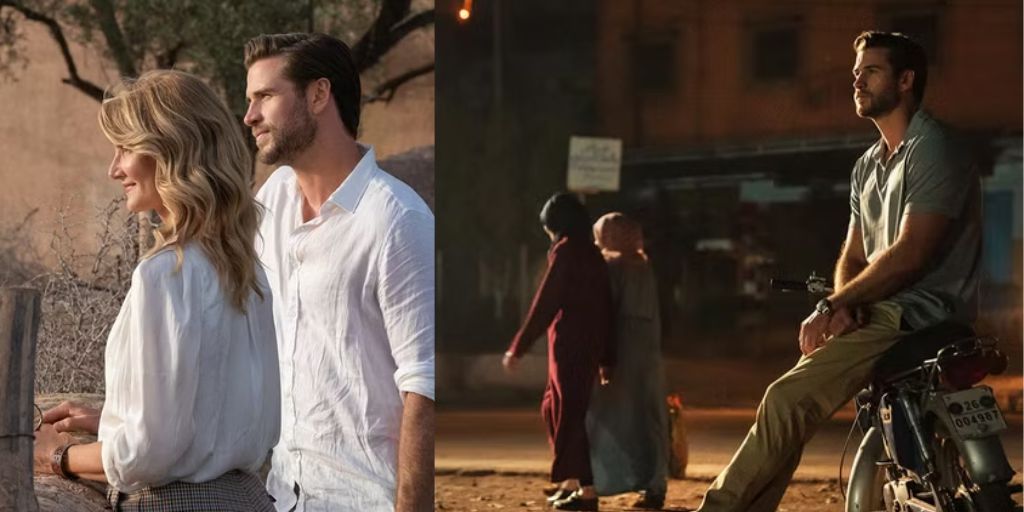
Still from the movie (Netflix)
In this way, “Lonely Planet” enhances the romantic drama genre, making it relevant for contemporary audiences. The film’s coverage of self-discovery and the transformative nature of love showcases the ability of cinema to capture the intricacies of the human experience.
With its stunning visuals, emotionally charged performances, and thoughtful writing, “Lonely Planet” resonates as a powerful testament to the enduring nature of love. It serves as a reminder that our most profound connections often arise in the most unexpected places.
Through its theme of vulnerability and acceptance, “Lonely Planet” invites audiences to reflect on their own experiences with love and identity. It encourages us to embrace our true selves and the transformative power of human connection.
As Katherine and Owen go on their journey together, they discover that love is not just a feeling but a journey of self-finding. “Lonely Planet” ultimately stands as a celebration of love in all its forms—a reminder that, regardless of our circumstances, we can always find beauty and connection in our lives.
By focusing on the internal struggles and triumphs of its characters, “Lonely Planet” delivers a heartfelt narrative that resonates with viewers. The film proves that, even in a world filled with distractions, the most meaningful connections can still be found through love, empathy, and understanding.
As audiences leave the theater, they are left with a sense of hope and inspiration, encouraged to seek their own paths of self-discovery and connection. “Lonely Planet” serves as a touching reminder that, ultimately, love is about embracing the journey, not just the destination.
Lonely Planet successfully revives the romantic drama genre by emphasizing emotional depth, authenticity, and the beauty of human connection. With its stunning cinematography, strong performances, and thoughtful writing, the film invites audiences to reflect on their own lives and the transformative power of love. It stands as a testament to the enduring nature of romance and the importance of self-discovery in our pursuit of meaningful relationships.
As Katherine and Owen’s journey unfolds, viewers are reminded that love can often lead us to unexpected places, ultimately shaping who we are and who we aspire to be. “Lonely Planet” is more than just a love story; it is a tale of the human experience, offering hope, insight, and inspiration for all who seek connection in a world that can often feel isolating.
Lonely Planet revitalizes the romantic drama genre by weaving a compelling narrative that show the intricate relationship between love and self-discovery. The film highlights the transformative power of human connection against the stunning backdrop of Morocco, allowing viewers to immerse themselves in the journey of Katherine and Owen.
Their relationship serves as a poignant reminder that love is often found in the most unexpected places and can lead to profound personal growth.
Laura Dern and Liam Hemsworth deliver interesting performances that bring emotional depth to their characters, making their struggles and triumphs resonate with audiences. The film expertly balances moments of introspection with external interactions, illustrating how relationships can serve as mirrors, reflecting our true selves.
This nuanced portrayal of romance emphasizes the importance of vulnerability and emotional honesty, reminding us that our connections with others can significantly shape our identities.
Lonely Planet stands out not only for its engaging storyline but also for its coverage of themes that are increasingly relevant in today’s society. As people deal with the complexities of modern relationships, the film encourages viewers to embrace their authentic selves and the transformative nature of love.
Through Katherine and Owen’s journey, the film illustrates that true connection arises from understanding and acceptance, urging audiences to reflect on their own experiences with love and identity. Lonely Planet is a heartfelt human experience, celebrating the beauty of vulnerability and the power of relationships.
It invites viewers to consider the profound impact of love on their lives and to appreciate the journey of self-discovery that accompanies it. This film serves as a reminder that even in the midst of isolation, meaningful connections can inspire growth and illuminate our paths.
