Comedy Central’s Detroiters is now on Netflix, and it combines sketch and situational comedy in a unique way. It features Tim Robinson from I Think You Should Leave and Sam Richardson from Veep. The show has only 20 episodes but packs in a lot of funny moments.
It includes very funny commercial jingles that stick in your head, like the Devereux Wigs jingle. The show has many guest stars from Saturday Night Live, including Chris Redd, Michael Che, Tim Meadows, Cecily Strong, Kate McKinnon (voiceover), and Jason Sudeikis.
Tim Robinson and Sam Richardson play Tim Cramblin and Sam Duvet, a not-so-great advertising team. They pitch jingles and ideas to unusual clients in Detroit.
The show never lacks fun, as Tim and Sam try different skills for their shoots, and their commercials often go wrong for local businesses.
They also come up with strange product ideas, leading to many hilarious moments at Cramblin-Duvet Advertising.
Outside of work, Tim and Sam get into equally silly situations with their secretary, Sheila (Pat Vern Harris), Tim’s wife and Sam’s sister, Chrissy (Shawntay Dalon), and Sam’s entire family of dancing Duvets.
Tim and Sam are best friends and always understand each other. Tim is loud and doesn’t always know when to be serious, while Sam is a kind person who tries hard to impress others with his charm. Even with their differences, they match each other’s energy perfectly.
They solve problems like a couple of goofy kids. For fun, they take time out of their busy day just to find a way to break a glass pane in their office.
They use their hands to attack a used van to see if it can hold up before they decide to buy it. One of their biggest secrets is that they try to hide the fact that they ran over Carter Grant (Sudeikis), a Chrysler executive who trusts them a bit too much.

Still from the show (Netflix)
Detroiters often feels like it came from an improv comedy background, and the best moments come from silly, pointless bits. The second episode shows how wasting time can be funny with a very simple joke. Cramblin-Duvet’s security guard Ned (Chris Powell) always pitches ideas to Tim and Sam.
ne day suggests a man dancing down the street with one hand in his pocket. This idea is so sweet and simple that it seems like someone forgot to remove it from a serious list of ideas. Yet, this silly concept helps carry the humor of the entire episode.
In the episode “Third Floor,” Tim and Sam have gotten used to using the third floor of their building for bathroom breaks.
One day, a new company moves in and takes over the third floor, ruining their bathroom privacy. When Sam rushes in to tell Tim about it, Tim starts to hit Sam in a funny way.
As the scene goes on, you can see Sam starting to laugh as Tim gives up and shouts, “Who cares?” This fight does not help the story at all, and all viewers learn is that Sam is stronger than Tim, but the scene is hilarious.
The representation in Detroiters is notable. Many characters are played by real people from Detroit, like Chris Powell and news anchor Mort Crim. The show isn’t just a Black comedy, but many Black actors play a variety of roles, starting with Sam’s family.
Chrissy Cramblin is honest, hardworking, and a good wife and sister. Mr. Duvet (Obba Babatundé) is a proud father and family entertainer who laughs easily. Sam’s family members, especially the mothers and aunties, know how to enjoy a good joke.
Sam is often seen as the cooler one between him and Tim. He can sing, act, dress well, charm women, and is physically strong, even able to ride a motorcycle. Tim is usually the punchline, as he is the awkward, scrawny white guy.
his is shown when comedian Donut’s (Chris Redd) stand-up routine depends entirely on Tim being there. Small touches, like Sam and Tim imagining the same pitch concepts on different skin tones, show a nice effort to make people laugh about cultural and racial differences.
Detroiters is built on meaningful themes, making it a great comedy and a local favorite. The strong family feelings and warm relationships balance out the crude jokes and characters.
Tim Robinson and Sam Richardson’s real friendship shines through Detroiters, bringing simple joy and laughter for everyone to enjoy.

Still from the episode (Netflix)
The show brings together various humor styles and sincere moments. Tim and Sam’s friendship is at the core of Detroiters, and it allows them to tackle challenges and awkward situations in a fun way.
The comedy often feels silly, but the underlying message about the importance of friendship and family shines through.
Each episode has its own unique humor, whether it comes from Tim and Sam’s ridiculous adventures or from the guests and supporting characters who add depth and comedy to the series. The show does a great job of showing how friendship can help people deal with life’s ups and downs.
As the series progresses, Tim and Sam continue to learn from each other. Their differences make them stronger as a duo.
They navigate the challenges of their careers and personal lives while keeping their friendship intact. The show emphasizes the power of teamwork and the joy of shared laughter.
Viewers can relate to Tim and Sam’s experiences as they handle unusual clients and quirky situations. They remind us of the importance of friendship in both professional and personal settings.
The series also showcases how laughter can lighten the mood during difficult times, emphasizing the bond between the two friends.
The comedic scenes are memorable, whether it’s a commercial gone wrong or a ridiculous pitch idea. Each episode leaves viewers laughing and wanting more. The writing and performances create a lighthearted atmosphere that keeps fans coming back for additional laughter.
Tim and Sam’s adventures never fail to entertain, as their playful banter and goofy antics bring a unique charm to the show.
They show that life doesn’t always have to be serious, and that humor can be found in everyday situations. With each episode, Detroiters proves that laughter truly is the best medicine.
As the show continues, it brings in fresh ideas while maintaining its core themes of friendship, creativity, and humor.
The characters evolve and develop, making their journey enjoyable for viewers. With each laugh, the audience feels a deeper connection to the characters and their stories.
The series strikes a balance between comedy and heart, allowing viewers to appreciate the humor while also resonating with the characters’ personal struggles. Tim and Sam’s growth as individuals and as friends is an essential part of the show’s charm.
The combination of sketch comedy and situational humor creates a one-of-a-kind viewing experience. Fans appreciate the clever writing and relatable characters that fill each episode. With its blend of silly humor and meaningful themes, Detroiters stands out in the comedy genre.
As the show gains popularity, it also highlights the talent of its cast and crew. Their hard work and creativity shine through in every scene, making Detroiters a must-watch series for fans of comedy. The dedication of everyone involved is evident, creating a show that resonates with many viewers.

Still from the show (Netflix)
In a world filled with serious shows, Detroiters offers a refreshing escape into the domain of comedy. It reminds us to appreciate the little things and find joy in laughter. The chemistry between Tim Robinson and Sam Richardson makes every moment memorable and enjoyable.
Ultimately, Detroiters is more than just a comedy series; it’s a celebration of friendship, creativity, and the power of laughter.
The show continues to capture hearts, leaving a lasting impact on its audience. Each episode is a reminder of the importance of joy and connection in our lives, encouraging viewers to find humor in their everyday experiences.
As Detroiters wraps up its run, it leaves behind a legacy of laughter and friendship. The show’s charm and humor will be missed by fans, but its impact will last.
The bond between Tim and Sam remains an inspiration for viewers, showing that laughter and friendship are essential in life.
The heart of Detroiters lies in its dedication to portraying the joy and messiness of friendship against the backdrop of a vibrant, resilient Detroit. Tim Robinson and Sam Richardson’s on-screen chemistry captures a relatable authenticity that resonates with audiences.
Through their unique blend of sketch and situational comedy, the show creates a warm, humorous space where fans can laugh and connect with the characters’ quirks, insecurities, and big-hearted attempts to navigate life’s absurdities.
As Tim and Sam tackle bizarre advertising pitches, failed attempts, and unexpected victories, they remind us that true friendship endures through both the highs and lows, grounding us in moments of both silliness and sincerity.
The creators also manage to celebrate Detroit’s local talent, diversity, and culture in a way that feels genuine. The city itself becomes a character, adding depth and authenticity to each story and allowing the show to stay grounded while delivering laughs.
With every episode, Detroiters showcases the importance of finding humor in daily life, celebrating the seemingly mundane moments that make up friendships and family dynamics.
It leaves audiences with a sense of joy and a reminder of how small acts of kindness, understanding, and humor can shape and sustain the bonds that matter most.
As Detroiters gains a new life on streaming platforms, its humor and heart continue to attract new fans.
The series’ legacy lives on as a unique, refreshing comedy that emphasizes the beauty of friendship, the creative spirit of Detroit, and the power of laughter to bring people together.
Through Tim and Sam’s journey, viewers find comfort and hope, inspiring them to cherish their own friendships and seek joy in life’s unpredictable, everyday adventures.
Ultimately, Detroiters is more than just a show; it’s a testament to the enduring importance of laughter, connection, and the bonds we build along the way
Sauron is one of the most iconic characters in J.R.R. Tolkien’s universe. He is best known as the master of the One Ring, a powerful artifact that symbolizes his evil ambitions. Sauron is the main antagonist in Tolkien’s epic “The Lord of the Rings” series and the films directed by Peter Jackson.
His character serves as a representation of darkness and evil, opposing the forces of good throughout the narrative. Sauron’s story does not begin with the One Ring; instead, it has deep roots that connect to Morgoth, the first Dark Lord of Middle-earth.
Morgoth, originally named Melkor, is one of the most important and evil figures in Tolkien’s mythology. He stands as the ultimate source of evil in Middle-earth, and his actions set the stage for many of the conflicts that occur throughout Tolkien’s works. Morgoth predates Sauron, who served under him as a loyal lieutenant. Understanding Morgoth’s influence is important to grasping Sauron’s character and the broader themes of good versus evil in Tolkien’s stories.
The Genesis of Morgoth
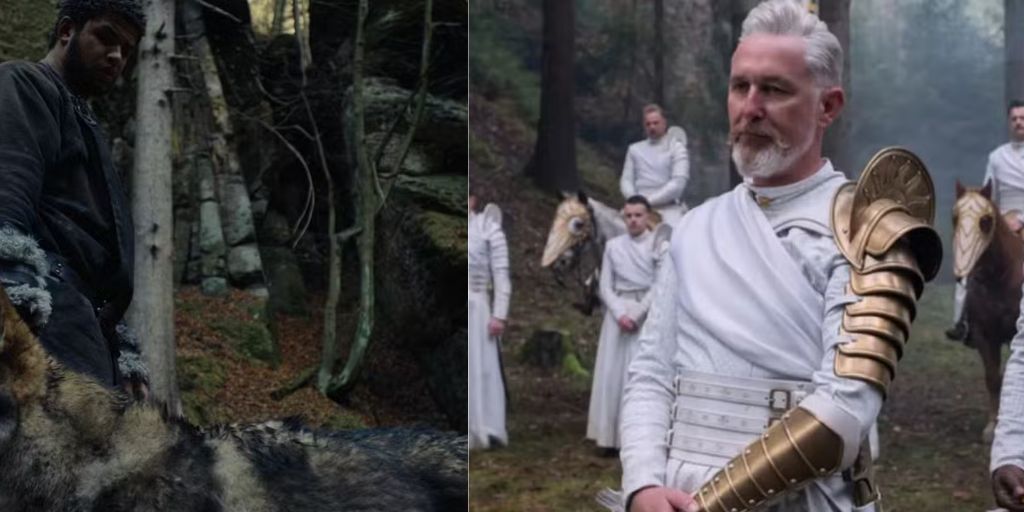
To understand Morgoth’s story, one must look at Tolkien’s larger mythology. In “The Silmarillion,” Morgoth is presented as one of the Ainur, divine beings created by Eru Ilúvatar, the supreme deity in Tolkien’s legendarium. The Ainur participated in the creation of the universe through divine music, which shaped the reality of Arda, the world in which all these stories take place.
Among the Ainur, the most powerful are known as the Valar. Morgoth, who was originally called Melkor, was the mightiest of these Valar. He was blessed with immense power and abilities that surpassed those of the other Valar. Melkor’s character was marked by great ambition and a desire for control. This ambition drove him to seek power over all creation and ultimately led him down a dark path.
At first, Melkor’s mind was filled with the intention to create and shape the world. However, his vision became corrupted by his thirst for power. During the Music of the Ainur, while other Ainur followed Eru’s harmonious themes, Melkor attempted to insert his own discordant notes, seeking domination over the music and, by extension, the universe. Eru allowed Melkor’s disruptions to be woven into the greater design of Arda, but this act also marked the beginning of his descent into evil.
Still from the show (Amazon Prime Video)
Melkor’s Transformation into Morgoth
Once Arda was formed, Melkor entered the physical world along with the other Valar. However, his overwhelming desire for control led him to rebel against the Valar. He became increasingly mad and envious of Eru’s power to create life. Melkor defied the natural order, seeking to impose his will upon all living things.
In Tolkien’s mythology, names hold great significance. The name “Morgoth,” which means “Dark Enemy of the World,” was given to him by Fëanor, one of the most gifted Elves and the creator of the Silmarils. Fëanor’s naming of Morgoth marked a significant shift, as it symbolized the rejection of Melkor’s former identity and the acknowledgment of his true nature as the source of darkness and evil in the world.
Morgoth’s desire for power led him to commit many heinous acts, including the destruction of the Two Trees of Valinor, which were sources of light and beauty in the world. His malicious actions not only revealed his true character but also resulted in devastating consequences for the Elves and other beings in Middle-earth. The light of the Two Trees was essential to the life and culture of the Elves, and their destruction marked a turning point in the history of Arda.
The Silmarils and the War of the Jewels
One of the central elements in Morgoth’s story is his desire for the Silmarils, three magnificent jewels created by Fëanor. The Silmarils contained the light of the Two Trees of Valinor, making them incredibly precious. Morgoth coveted these jewels because they represented not only beauty and light but also power and control over the fate of the world.
Morgoth’s theft of the Silmarils from Fëanor sparked a long and brutal conflict known as the War of the Jewels. This war involved many Elves and Men who sought to reclaim the Silmarils and stop Morgoth’s tyranny. The battles fought during this time were marked by immense suffering, loss, and tragedy, reflecting the high stakes of Morgoth’s ambition and the resilience of those who opposed him.
As the war raged on, Morgoth’s evil corrupted not just his spirit but also his entire being. He became a monstrous figure, feared and loathed by many. His former glory as a Valar faded away, replaced by his dark persona as the Dark Lord. This transformation showcases the theme of corruption and the impact of unchecked ambition, a recurring motif throughout Tolkien’s works.
Still from The Rings of Power (Credit: Prime Video)
Sauron: Morgoth’s Legacy
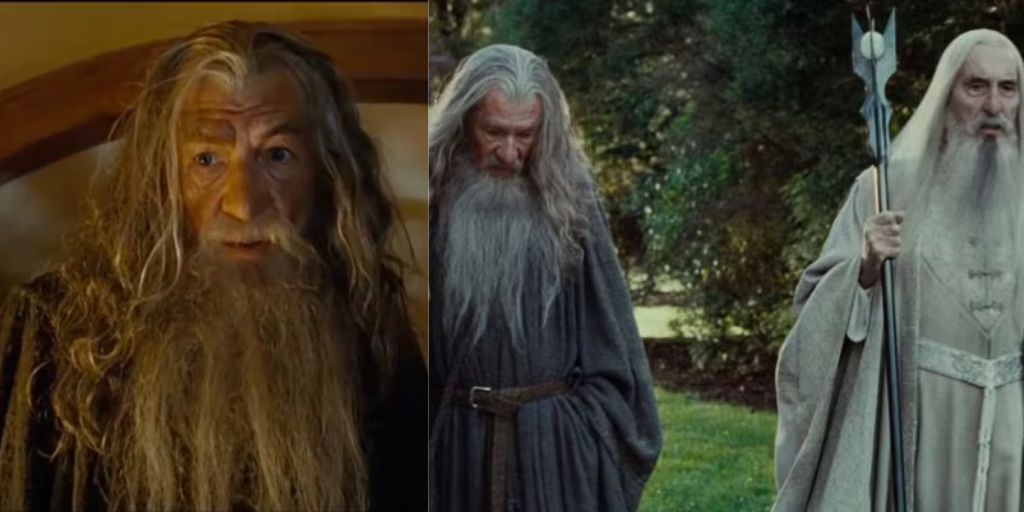
Sauron, who would later become the main antagonist in “The Lord of the Rings,” was one of Morgoth’s most devoted servants. He learned much of his cruelty and manipulation from his master. Sauron’s rise to power was greatly influenced by Morgoth’s teachings and actions. Though Sauron possessed his own power and intelligence, he remained a shadow of Morgoth, always seeking to emulate the dark ambitions of his master.
During the First Age, Morgoth ruled from his fortress Angband, where he waged war against the Elves and Men. His reign of terror brought destruction and despair to Middle-earth. Many heroes emerged to confront him, but Morgoth’s immense power made him a formidable foe. The stories of the First Age are filled with tales of bravery and sacrifice as various characters attempted to stand against Morgoth’s tyranny.
The War of Wrath marked the climax of Morgoth’s reign. The Valar, recognizing the threat he posed to the world, launched a massive assault against him. This war involved not only the Valar but also the Elves and Men who remained loyal to them. Despite Morgoth’s vast army and overwhelming power, he was ultimately defeated.
Morgoth was captured and bound with the Angainor chain, a symbol of his defeat. As punishment for his many crimes, he was cast into the Void, a place of eternal nothingness beyond the physical world. His defeat signified a moment of triumph for the forces of good, but the scars left by Morgoth’s actions would linger long after his banishment.
The Aftermath of Morgoth’s Defeat
Although Morgoth was defeated, his evil left a lasting impact on Middle-earth. The darkness he spread did not vanish with his exile; instead, it continued to shape the world in profound ways. His influence remained a constant threat, lurking in the shadows as new powers emerged.
Sauron, who took on the mantle of the Dark Lord after Morgoth’s defeat, carried forward Morgoth’s ambition and hatred. While Sauron possessed great power, he was merely a shadow of Morgoth, forever influenced by the teachings of his master. His quest for control and domination mirrored Morgoth’s earlier ambitions, showing how the legacy of evil can persist even after the original source is gone.
As Sauron rose to power, he sought to recreate the dominance Morgoth once had over Middle-earth. He crafted the One Ring as a means to gain control over other beings, aiming to establish a new order under his rule. The One Ring became a symbol of Sauron’s desire to dominate all free peoples, echoing Morgoth’s previous attempts to impose his will on creation.
The Continuing Influence of Morgoth’s Evil
Morgoth’s legacy is not just limited to Sauron; it permeates the entire history of Middle-earth. His actions set in motion a chain of events that would lead to countless conflicts, wars, and struggles for power. The echoes of his tyranny resonate throughout Tolkien’s narratives, illustrating how one being’s ambition can shape the fate of entire civilizations.
The events of “The Silmarillion” highlight how Morgoth’s evil affected various races and cultures in Middle-earth. The Elves, Men, and Dwarves all felt the repercussions of his actions. Morgoth’s corruption spread beyond his immediate sphere, influencing the very fabric of the world and the beings that inhabited it.
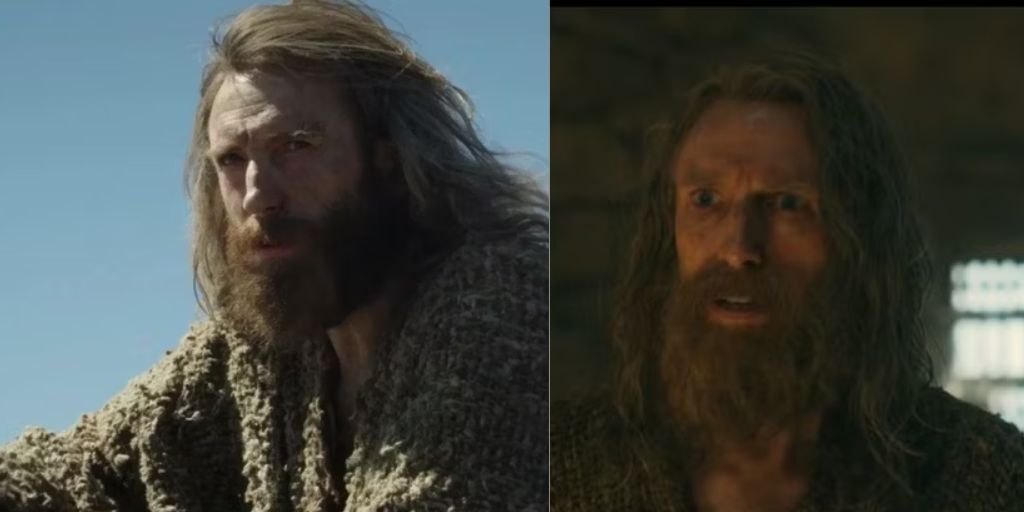
As the Second Age began, the effects of Morgoth’s reign could still be felt. The scars of the War of the Jewels left the Elves and Men struggling to rebuild their lives. New threats emerged as remnants of Morgoth’s power lingered in the hearts of those who sought to continue his dark legacy. Sauron’s rise during this time can be seen as a direct result of Morgoth’s influence, showing how evil can endure across generations.
Still from The Rings of Power (Credit: Prime Video)
The Theme of Corruption and Power
Tolkien’s stories often finds themes of corruption, power, and the consequences of ambition. Morgoth’s journey from a powerful Valar to the Dark Lord illustrates how unchecked ambition can lead to a tragic downfall. His desire for control consumed him, turning him from a creator into a destroyer. This transformation serves as a cautionary tale, warning of the dangers that come with seeking absolute power.
Sauron’s character embodies a similar struggle. While he possesses great abilities and intelligence, his longing for domination ultimately leads to his own destruction. Throughout “The Lord of the Rings,” Sauron’s pursuit of the One Ring becomes a metaphor for the corrupting influence of power. The Ring, once a tool for domination, becomes a source of ruin for all who seek it.
Tolkien’s narrative reveals that true power does not come from domination but from cooperation, understanding, and respect for one another. The fellowship formed to combat Sauron serves as a powerful example of unity in the face of darkness. The bonds forged among its members highlight the importance of friendship and solidarity, showcasing a contrasting approach to the corruption exemplified by Morgoth and Sauron.
The Legacy of Morgoth and Sauron
The stories of Morgoth and Sauron are central to the mythology of Middle-earth. Morgoth, as the original Dark Lord, set the stage for the conflicts and struggles that would follow. His ambition and cruelty shaped the destinies of countless beings, leaving a legacy that would endure through the ages. Sauron, as Morgoth’s servant, carried forward this legacy, continuing the fight for control and domination over Middle-earth.
As the narrative unfolds through Tolkien’s works, it becomes clear that the themes of good versus evil, power and corruption, and the consequences of ambition are intricately woven into the fabric of Middle-earth’s history. The battles fought against Morgoth and Sauron reflect not just the struggle for power but the enduring hope for light and goodness in a world often overshadowed by darkness.
Understanding the origins of Sauron and the dark legacy of Morgoth is essential to grasping the full depth of Tolkien’s mythology. Their stories serve as a reminder of the complex nature of good and evil, the power of ambition, and the importance of unity in the face of darkness. As viewers engage with “The Rings of Power,” they are invited to find these themes and reflect on the rich collection of Middle-earth’s history.
The stories of Morgoth and Sauron are central to the mythology of Middle-earth. Morgoth, as the original Dark Lord, set the stage for the conflicts and struggles that would follow. His ambition and cruelty shaped the destinies of countless beings, leaving a legacy that would endure through the ages. Sauron, as Morgoth’s servant, carried forward this legacy, continuing the fight for control and domination over Middle-earth.
Still from the show (Prime Video).
As the narrative unfolds through Tolkien’s works, it becomes clear that the themes of good versus evil, power and corruption, and the consequences of ambition are intricately woven into the fabric of Middle-earth’s history. The battles fought against Morgoth and Sauron reflect not just the struggle for power but the enduring hope for light and goodness in a world often overshadowed by darkness.
Moreover, Tolkien’s works encourage readers to reflect on their own choices and the impact those choices can have on the world. The dichotomy between Morgoth’s destructive ambitions and the fellowship’s unity serves as a reminder of the strength found in collaboration and compassion.
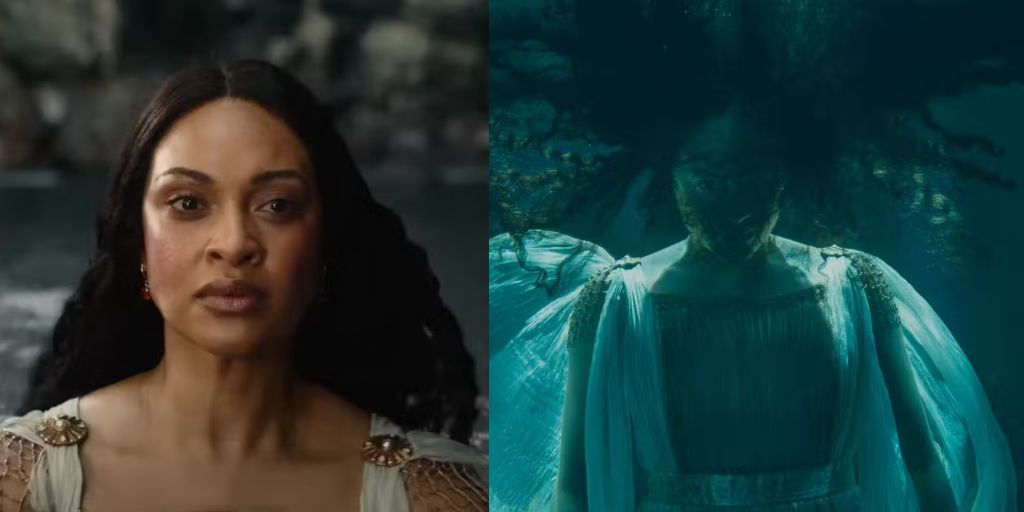
As viewers engage with “The Rings of Power,” they are invited to find these themes, highlighting the moral complexities that define not only Middle-earth but also the human experience itself. Through understanding Morgoth and Sauron, we gain insight into the battle between light and dark that resides within us all.
