In the first season of The Lord of the Rings: The Rings of Power, viewers were introduced to a group of Númenóreans known as “the Faithful.” This group remains in the background while the majority of Númenor is consumed by pride and isolation.
The Faithful are portrayed with Elendil (played by Lloyd Owen) as their main representative. As the series continues into its second season, many fans are eager to understand more about who the Faithful are, what they believe, and their role in the grand narrative.
The Faithful: An Overview
The Faithful, also known as the Elendili, are a faction of Númenóreans who are deeply committed to the traditions of their ancestors. The name Elendili means “Elf-friends” in the Elvish language Quenya.
This group is distinguished by their unwavering loyalty to the Valar, powerful spiritual beings in Tolkien’s world, and their respect for the divine creator, Eru Ilúvatar. Unlike the majority of Númenóreans, who either rebelled against or forgot about the Valar, the Faithful remain devoted and do not dishonor these spiritual entities.
The Faithful’s Beliefs and Practices
The Faithful follow the teachings and customs of their ancestors, particularly their devotion to the Valar. They believe in the “Gift of Men,” which the Elves refer to as death.
While many Númenóreans sought immortality by trying to reach Valinor, the Faithful accept death as a natural and integral part of life. This acceptance reflects their adherence to the old ways and their refusal to pursue immortality as the Elves do.
In addition to their devotion to the Valar, the Faithful also worship Eru Ilúvatar, the supreme deity in Tolkien’s universe.
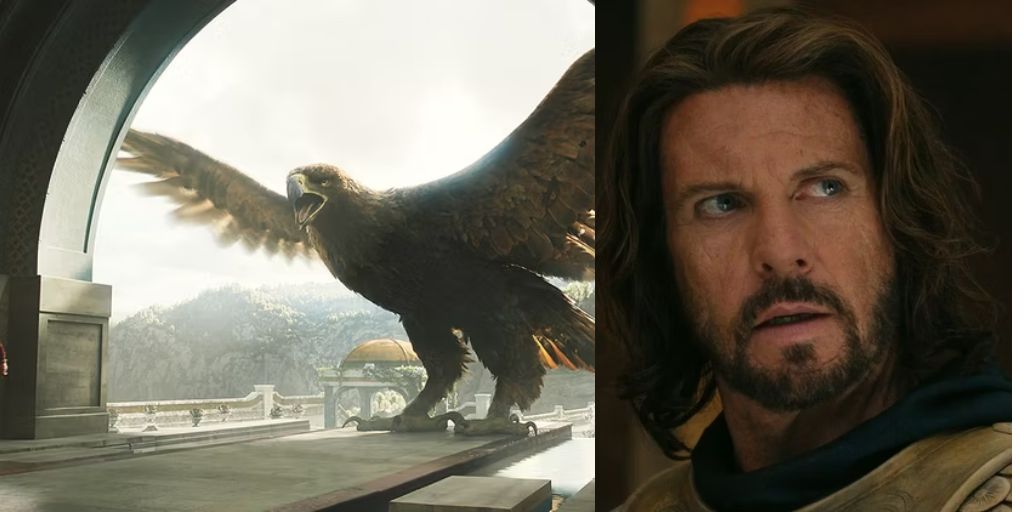
Still from The Rings of Power (Credit: Prime Video)
According to Tolkien’s Unfinished Tales, the Faithful regularly climbed Meneltarma, a sacred mountain in the center of Númenor, to worship Eru. This practice was a significant part of their religious life. However, the situation changed drastically when Ar-Pharazôn (played by Trystan Gravelle) became king.
Pharazôn’s Reign and the Persecution of the Faithful
Ar-Pharazôn, once a devotee of the Valar, began to challenge the traditional practices and beliefs of Númenor. Under his rule, the king outlawed the worship of Eru Ilúvatar and prohibited climbing Meneltarma for religious reasons.
Those who defied this edict faced severe punishment, including the death penalty. This crackdown forced many of the Faithful to practice their religion in secret to avoid persecution.
Despite the changing tides, the Faithful remained dedicated to their beliefs and traditions. Elendil’s name, meaning “Elf-friend,” symbolizes this commitment.
The Faithful’s loyalty to the Valar and their friendship with the Elves, who were viewed with suspicion by the King’s Men, highlights their adherence to the old ways and their resistance to the prevailing sentiment of distrust and animosity towards the Elves.
The Downfall of Númenor and the Faithful’s Struggle
Towards the end of the Second Age, Númenor focused its efforts on defeating Sauron (played by Charlie Vickers in Rings of Power). Initially, the Faithful opposed the dark lord, hoping to protect their land and restore their traditions.
However, Sauron, a cunning and deceitful Maia, managed to trick Ar-Pharazôn into believing that Eru Ilúvatar was merely a creation of the Valar designed to keep Men under control.
Sauron’s manipulation led Pharazôn and his followers to worship Melkor (also known as Morgoth), the original Dark Lord. This shift in allegiance resulted in a period of darkness and human sacrifice, with the Faithful often being the victims of these grim practices.
The Faithful’s commitment to their beliefs made them targets in this time of turmoil, as their resistance to the new religious practices and their continued worship of the Valar set them apart.
The Great Wave and the End of Númenor
Sauron exploited Pharazôn’s fear of death, convincing him to invade Aman, the continent where Valinor is located, in a bid to gain immortality. This invasion attempt, akin to a Tower of Babel event, ended in disaster.
Eru Ilúvatar, angered by the Númenóreans’ actions and their defiance, unleashed a great wave that destroyed Númenor. This cataclysmic event rivaled the biblical Great Flood, wiping out the entire kingdom and punishing its inhabitants for their wickedness.
The Faithful, though greatly diminished in number, managed to survive this catastrophic event. Their survival was not a mere stroke of luck but a testament to their unwavering faith and dedication.
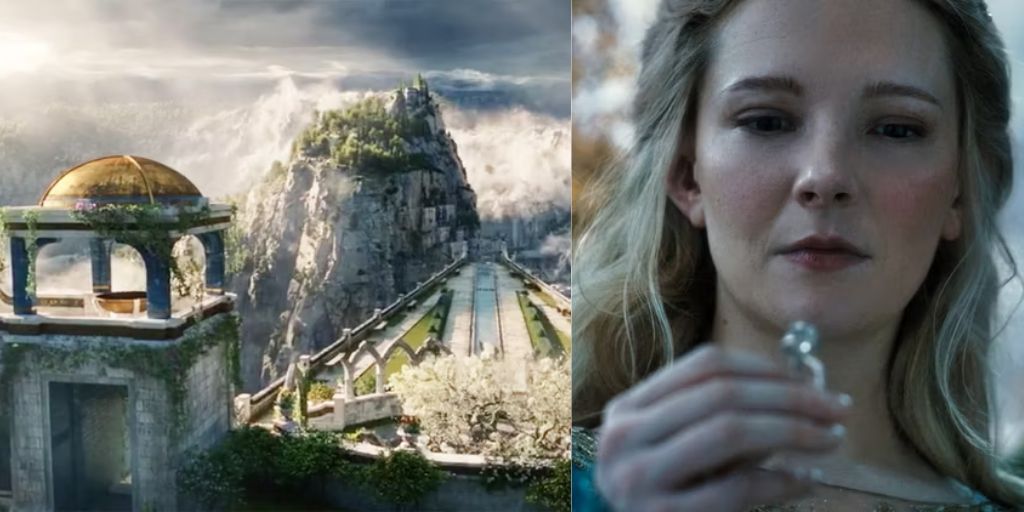
Still from The Rings of Power (Credit: Prime Video)
Before the disaster struck, Elendil’s father, Amandil, had sailed to Aman to seek forgiveness and deliverance from Sauron. Amandil also instructed Elendil to prepare for any potential disaster by assembling a fleet of ships. When the waves came, Elendil, his sons, and other Faithful managed to escape to Middle-earth.
The Legacy of the Faithful and Their Impact on Middle-earth
Elendil and his sons, Isildur (played by Maxim Baldry) and Anárion, arrived in Middle-earth and founded the Kingdoms of Arnor and Gondor. Elendil became the first High King of these realms, which would play a crucial role in the ongoing struggle against Sauron.
Despite the loss of his homeland, Elendil’s dedication to Eru Ilúvatar and his resistance to the darkness of the Second Age earned him a significant place in Middle-earth’s history.
Elendil and his sons fought alongside the Elves in the War of the Last Alliance, the final battle of the Second Age. Although Elendil fell in battle, his son Isildur succeeded in defeating Sauron and claiming the One Ring. Isildur’s possession of the Ring was short-lived, but his actions set the stage for the eventual downfall of Sauron.
The Faithful’s Influence in Later Ages
The legacy of the Faithful extended beyond the events of the Second Age. Centuries later, Elendil’s descendant, Aragorn, returned to reclaim the thrones of Arnor and Gondor. Aragorn played a crucial role in the final defeat of Sauron and the destruction of the One Ring. His marriage to an Elf, Arwen, honored the Faithful’s enduring connection with the Elves and their commitment to the old ways.
The Faithful’s story serves as a reminder of the enduring power of faith and dedication in the face of overwhelming adversity. Despite their trials and the eventual fall of Númenor, their commitment to their beliefs and their influence on Middle-earth’s history highlight their significant role in the larger narrative.
The Faithful’s Legacy in The Rings of Power
As The Rings of Power continues to unfold, the Faithful, including key characters like Elendil and Tar-Míriel (played by Cynthia Addai-Robinson), remain central to the story.
Their secretive actions and resistance to the prevailing trends in Númenor emphasize their enduring commitment to their values. Despite facing criticism and challenges, the Faithful’s role in the battle against Mordor and their continued faithfulness highlight their importance in the series.
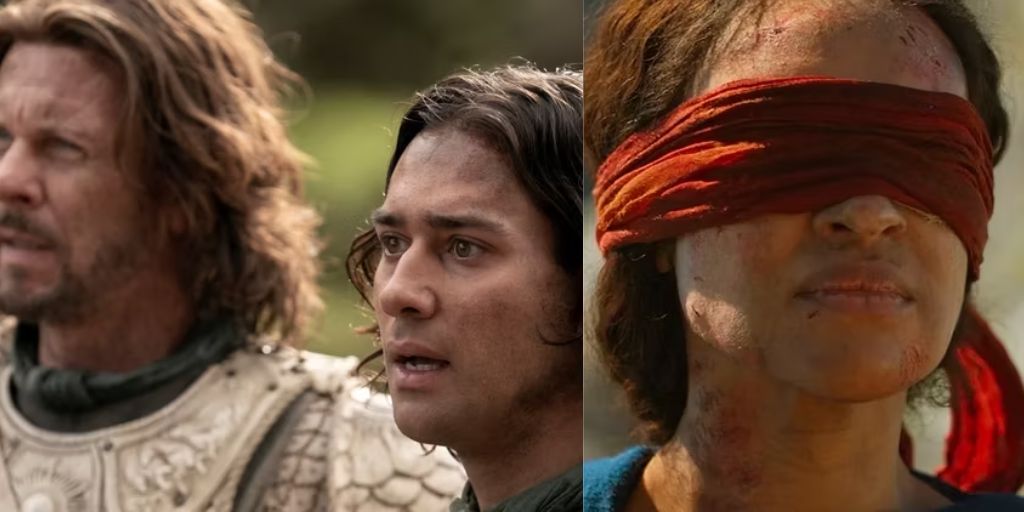
Still from The Rings of Power (Credit: Prime Video)
The depiction of the Faithful in The Rings of Power brings to light their significant impact on the events of the Second Age and their lasting influence on Middle-earth. Their story is a testament to the enduring nature of faith and loyalty, even in the face of great challenges and adversity.
The Faithful’s journey in The Rings of Power reflects their complex history and their vital role in the larger narrative of Middle-earth. Their struggles, beliefs, and legacy continue to resonate with fans and add depth to the rich views of Tolkien’s world.
In the Naruto world, few figures stand as tall or influential as Hagoromo Otsutsuki, also known as the Sage of the Six Paths.
His role in the Fourth Great Ninja War was pivotal, and without his intervention, the outcome of the war might have been drastically different.
Hagoromo was instrumental in helping Naruto Uzumaki and Sasuke Uchiha, offering them his chakra and guiding them in their final battle against Kaguya Otsutsuki.
His presence was seen as an immense force of good, helping humanity in its most desperate time.
However, an interesting question arises: What if Hagoromo had been the final antagonist instead of his mother, Kaguya?
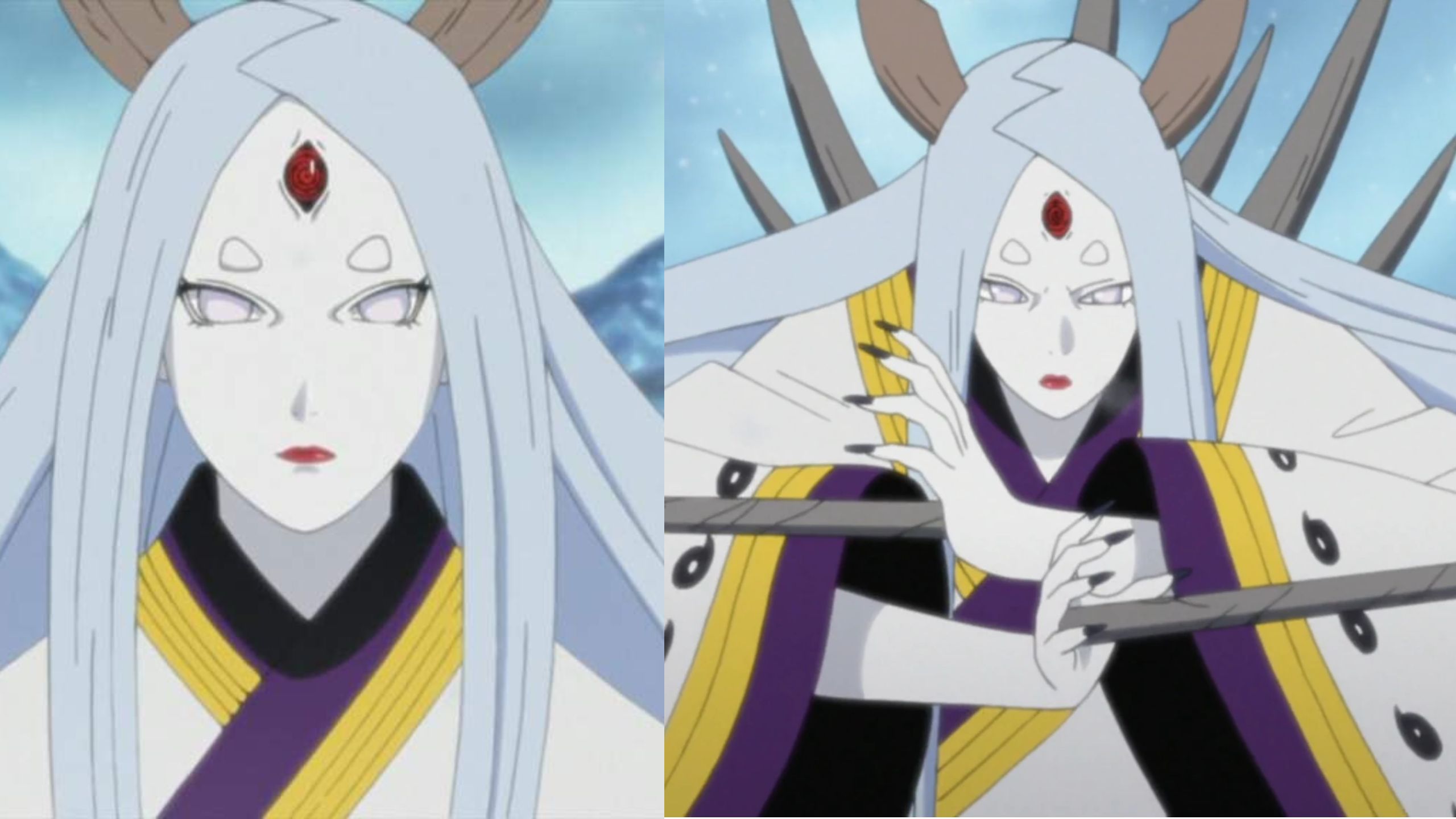
Kaguya Otsutsuki From Naruto Shippuden (Studio Pierrot)
While Kaguya’s introduction as the ultimate enemy was surprising and lacked the depth many fans expected, Hagoromo, with his vast history and intricate lore, could have been a more formidable and engaging villain.
In fact, he might have been an even worse threat than Kaguya, with the potential to bring the shinobi world to its knees in ways that Kaguya couldn’t.
The Role of Hagoromo in Ending the War
Before jumping into the hypothetical scenario of Hagoromo as the final villain, it’s essential to acknowledge his role in the original timeline.
During the Fourth Great Ninja War, the world was on the brink of destruction. Madara Uchiha had succeeded in activating the Infinite Tsukuyomi, trapping nearly everyone in a dream-like state.
Kaguya Otsutsuki, who had been revived, became the final antagonist, aiming to consume the chakra of all living beings. In this critical moment, Hagoromo appeared as an ally to Naruto and Sasuke.
By sharing his power with them, Hagoromo enabled the two young shinobi to defeat Kaguya.
His decision to trust in the new generation and empower them with his chakra was a defining moment in the war, ultimately leading to the salvation of the world. His wisdom, guidance, and strength were the keys to victory.
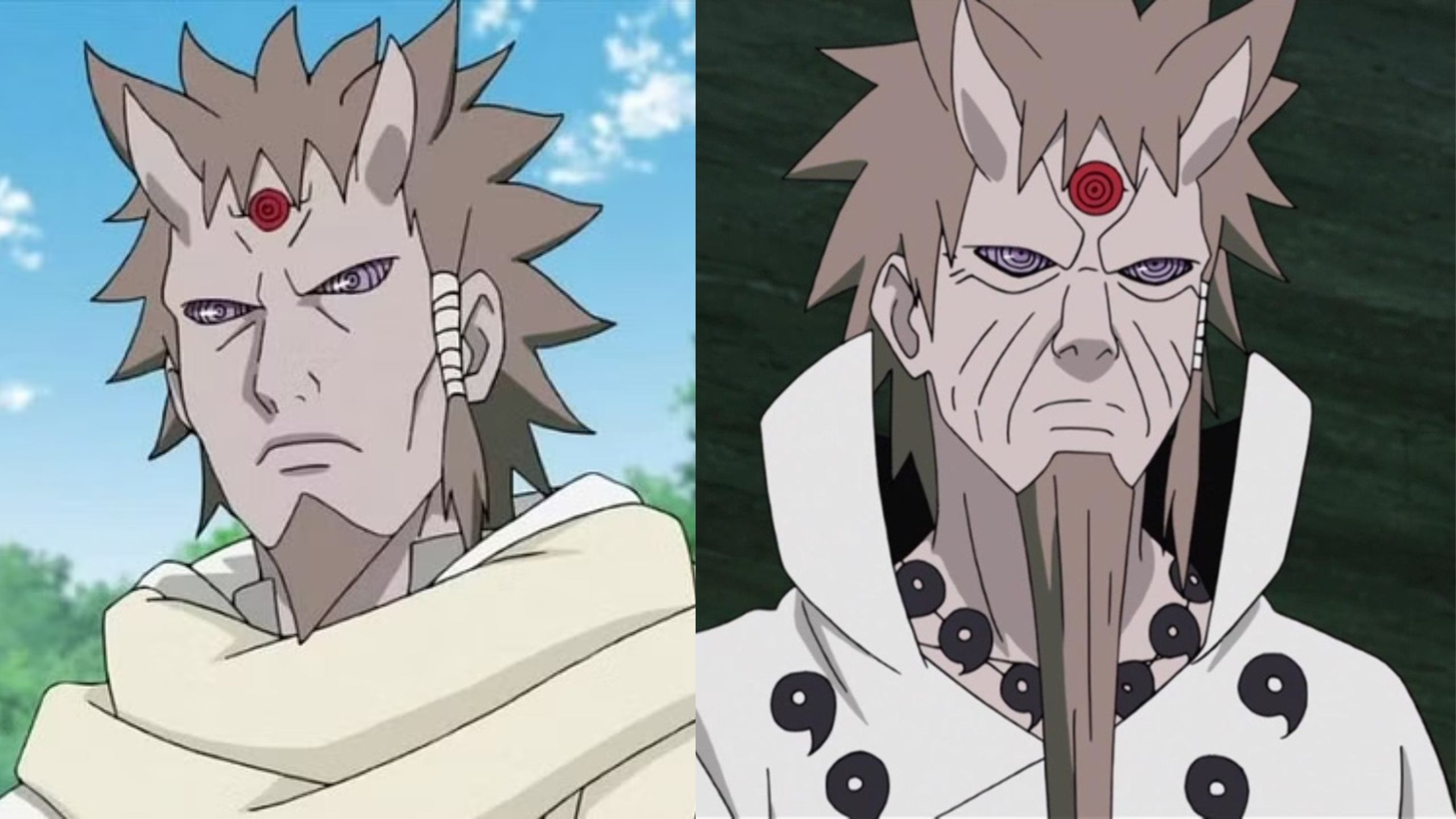
Hagoromo Otsutsuki From Naruto Shippuden (Studio Pierrot)
However, while Hagoromo’s actions as an ally were crucial, it’s worth considering how things might have unfolded if he had chosen a different path.
What if Hagoromo had been the one standing against Naruto and Sasuke, rather than supporting them?
Hagoromo’s Potential as the Final Antagonist
Hagoromo Otsutsuki, the legendary Sage of the Six Paths, was not only the son of Princess Kaguya Otsutsuki but also the father of the shinobi world.
He was the first person to possess chakra and was the original jinchuriki of the Ten-Tails. This alone made him an immensely powerful figure, far surpassing most other characters in the series.
His mastery over chakra, combined with his understanding of the spiritual and physical aspects of the world, placed him in a league of his own.
Unlike Kaguya, who was introduced abruptly near the end of the series, Hagoromo had been part of Naruto’s lore from early on.
His legend was well-established, and fans were familiar with his contributions to the creation of the shinobi world.
This deep-rooted history made him a figure of immense intrigue and potential.
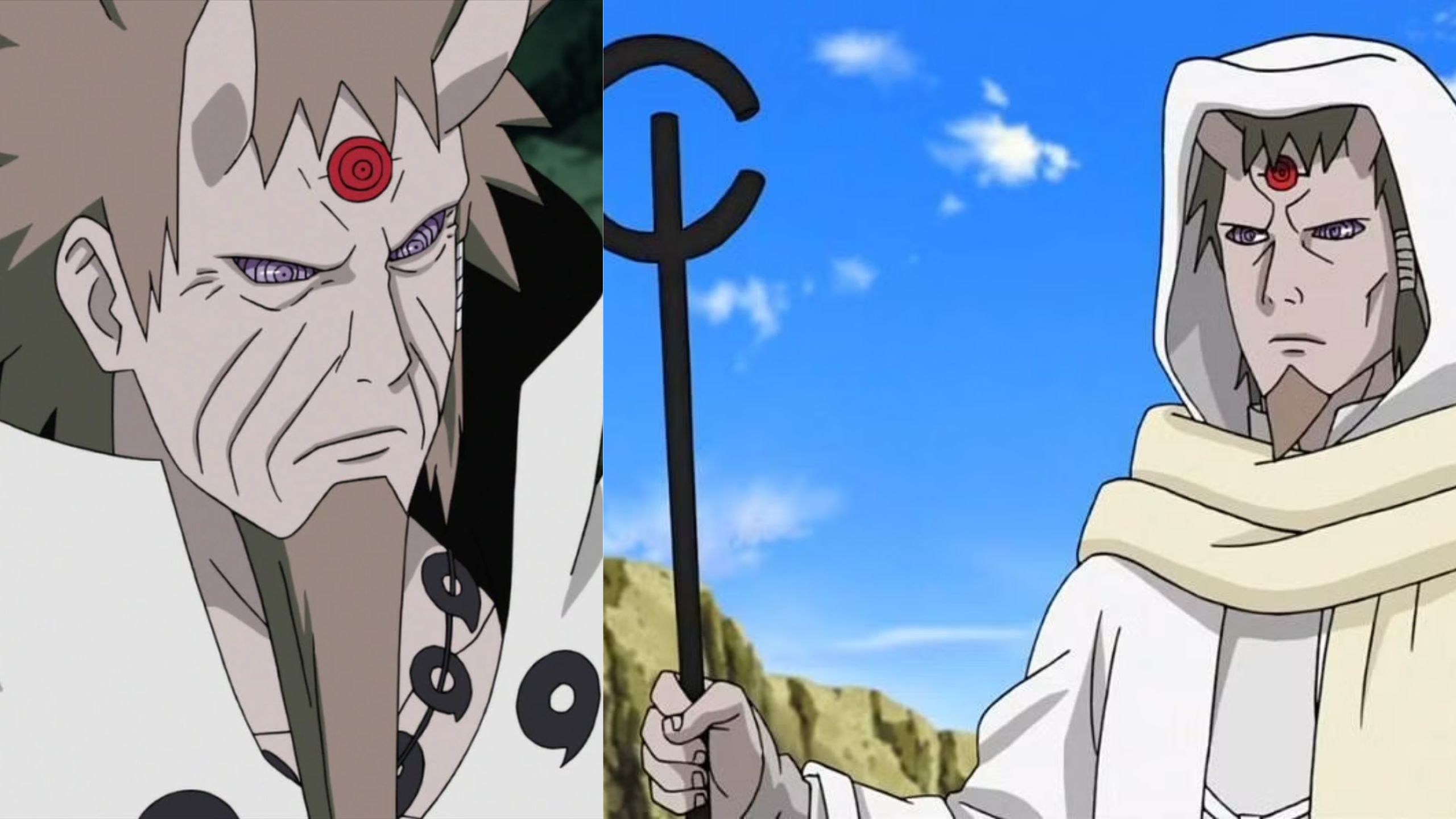
Hagoromo Otsutsuki From Naruto Shippuden (Studio Pierrot)
If he had been the final antagonist, the emotional and narrative weight behind his character would have been far greater than Kaguya’s sudden appearance.
Kaguya’s introduction was met with mixed reactions from fans. While she was undoubtedly a powerful and terrifying figure, her character felt underdeveloped.
She lacked the depth and backstory that many of the series’ other villains, like Madara Uchiha, had.
Her sudden rise as the final antagonist left many fans feeling that her character was rushed and that her motivations weren’t as fleshed out as they could have been.
In contrast, Hagoromo had a rich history that spanned centuries. His story was intertwined with the very foundations of the ninja world, making him a far more compelling character.
As the creator of ninjutsu and the father of Ashura and Indra the ancestors of the Senju and Uchiha clans his influence was felt throughout the entire series.
This deep connection to the world of Naruto would have made him a much more impactful final antagonist.
A Conflict of Ideals
One of the most compelling aspects of having Hagoromo as the final villain would have been the ideological conflict between him and Naruto.
Throughout the series, Naruto’s journey was one of breaking free from the cycles of hatred and violence that had plagued the shinobi world for generations.
He sought peace through understanding, compassion, and cooperation. Hagoromo, as the father of the shinobi world, could have represented the old ways the belief that power and control were necessary to maintain order.
Hagoromo’s belief in the balance of power and his decision to divide the Ten-Tails into nine separate tailed beasts were actions that shaped the world in profound ways.
But what if, as the final villain, he had believed that the only way to achieve true peace was to reclaim the power of the Ten-Tails and impose his will on the world?
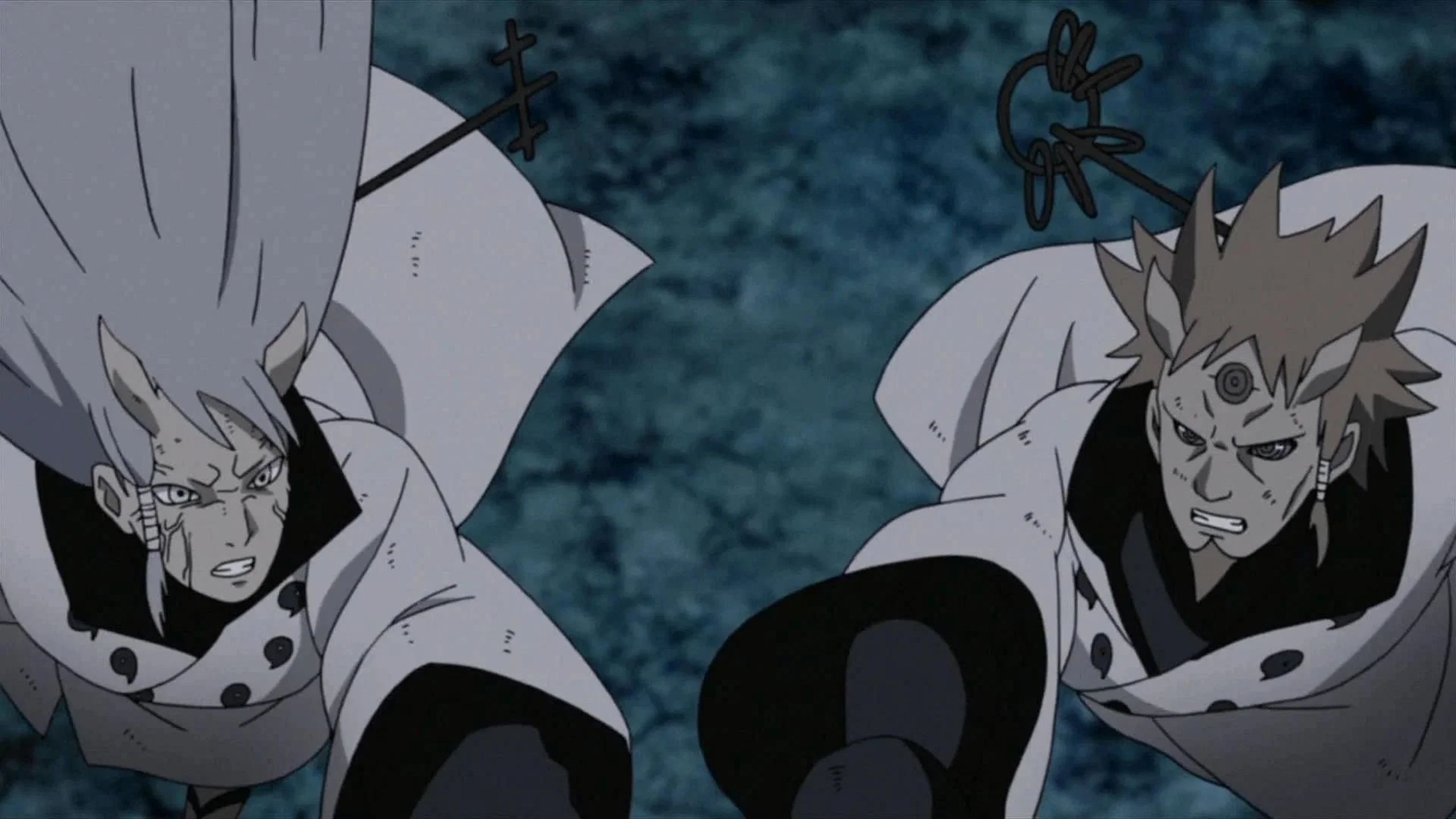
Hagoromo and Hamura From Naruto Shippuden (Studio Pierrot)
This would have set up a fascinating ideological battle between Naruto’s belief in individual freedom and Hagoromo’s desire for control.
Naruto’s greatest strength as a character is his ability to connect with others and inspire them to change.
Throughout the series, he convinced countless enemies to see the error of their ways and embrace a better path.
If Hagoromo had been the final antagonist, this ability would have been tested to its limits. Convincing the very creator of the shinobi world to change his ways would have been Naruto’s greatest challenge.
The Lore Behind Hagoromo
As mentioned earlier, one of the biggest issues with Kaguya as the final villain was the lack of development around her character.
She was introduced late in the story, and while there were hints of her existence throughout the series, her motivations and backstory were not explored in great detail until the final arc.
In contrast, Hagoromo’s story had been told in fragments throughout Naruto . From the Five Kage Summit arc to the revelations about the origin of chakra, Hagoromo’s presence loomed large over the entire narrative.
His story was deeply intertwined with the history of the shinobi world, and his influence could be felt in almost every major event.
During the Five Kage Summit, Tobi (later revealed to be Obito Uchiha) infiltrated the gathering of the five village leaders and dropped a bombshell.
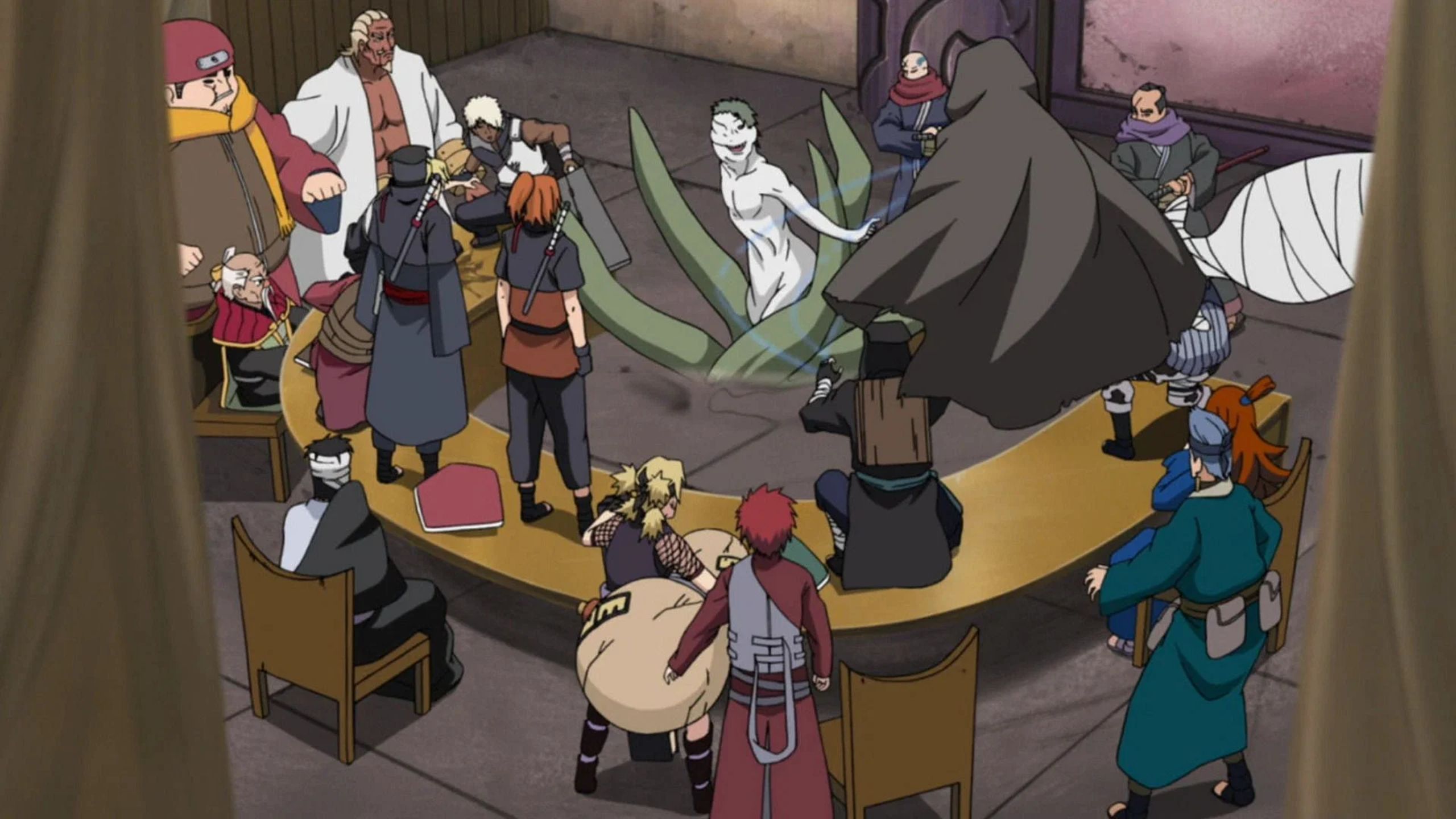
The Five Kage Summit From Naruto Shippuden (Studio Pierrot)
He revealed the origins of the Sage of the Six Paths and the existence of the Ten-Tails, shocking everyone present.
This moment was a turning point in the series, as it set the stage for the final arc and the ultimate battle against Kaguya.
If Hagoromo had been the final villain, this lore would have taken on even greater significance.
The revelations about the Sage of the Six Paths and the Ten-Tails would have been building toward a confrontation with Hagoromo himself, rather than his mother.
This would have given the final battle a much deeper connection to the series’ final narrative.
A More Powerful Adversary
Another reason Hagoromo could have been a more formidable villain than Kaguya is his sheer power. As the original jinchuriki of the Ten-Tails, Hagoromo possessed an almost god-like level of strength.
He was able to defeat the Ten-Tails and seal it within himself, a feat that no other character in the series could accomplish.
If Hagoromo had been the final villain, he would have posed an even greater threat to Naruto and Sasuke than Kaguya did.
Kaguya was undoubtedly powerful, but much of her strength came from her ability to manipulate dimensions and chakra in ways that her opponents couldn’t.
Hagoromo and Hamura From Naruto Shippuden (Studio Pierrot)
Hagoromo, on the other hand, had a more direct connection to the very essence of chakra itself. His mastery over the spiritual and physical aspects of the world would have made him a nearly unstoppable force.
Additionally, if Hagoromo had been the final antagonist, Naruto and Sasuke would not have received the Six Paths chakra from him.
This would have drastically changed the dynamics of the final battle. Without the power of the Six Paths, Naruto and Sasuke would have been forced to rely on their own abilities and teamwork to defeat him.
This would have made the final battle even more intense and challenging.
A Shorter but More Intense War
If Hagoromo had been the final villain, the Fourth Great Ninja War might have played out very differently. As the Sage of the Six Paths, Hagoromo had the knowledge and power to end the war quickly if he so desired.
Unlike Kaguya, who was somewhat disconnected from the events of the shinobi world, Hagoromo had a deep understanding of the conflicts and power struggles that had plagued the world for centuries.
If Hagoromo had decided to take control of the world himself, he could have used the Ten-Tails and the Infinite Tsukuyomi to bring an end to the war in a matter of moments.
This would have made for a much shorter but far more intense final arc. The stakes would have been higher, and the pressure on Naruto and Sasuke to stop him would have been immense.
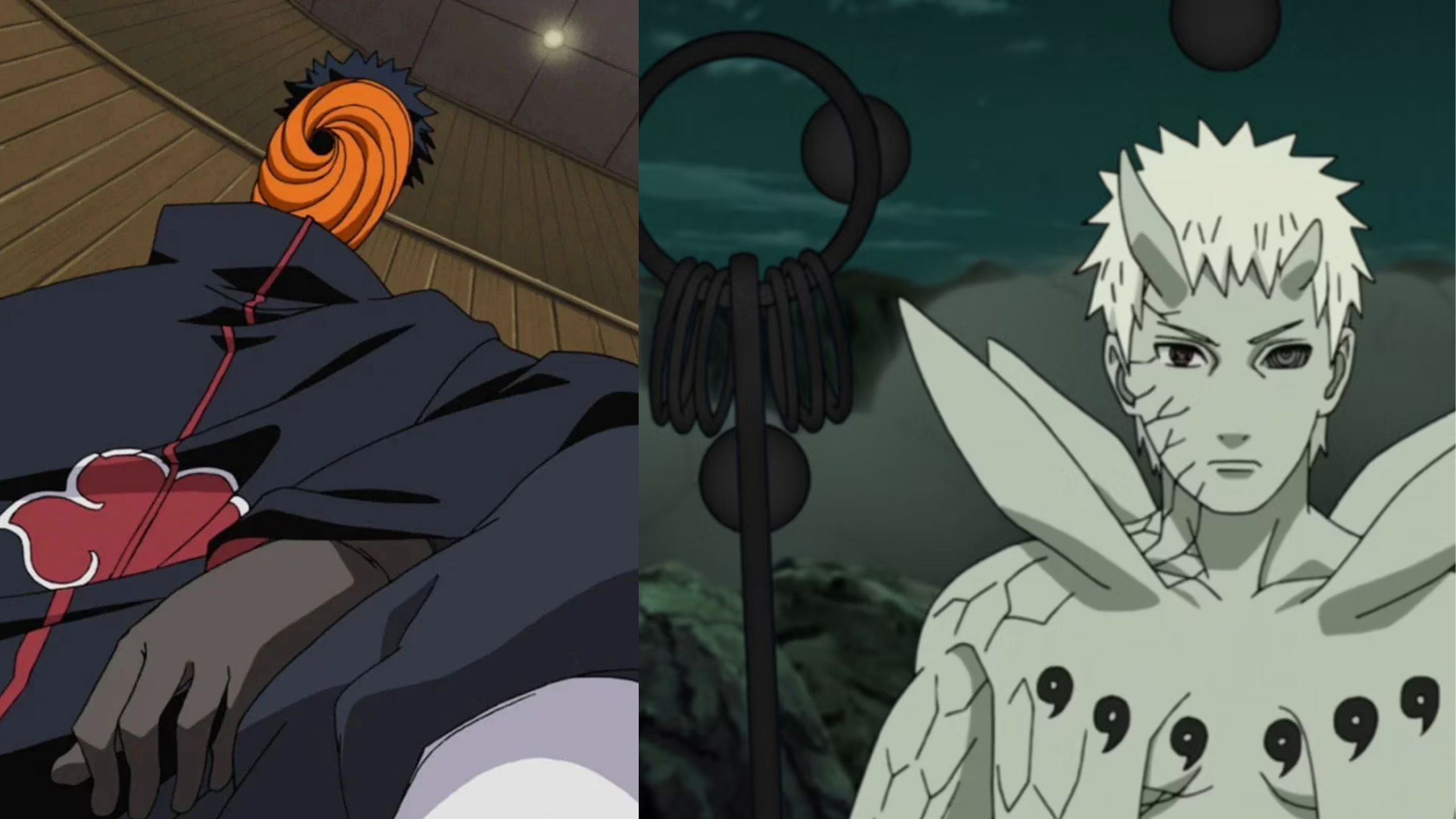
Obito Uchiha From Naruto Shippuden (Studio Pierrot)
While Kaguya Otsutsuki served as the final antagonist of Naruto, her character lacked the depth and development that many fans expected.
Hagoromo Otsutsuki, on the other hand, had the potential to be a much more compelling and dangerous villain.
With his vast history, immense power, and deep connection to the lore of the shinobi world, Hagoromo could have been the perfect final adversary for Naruto and Sasuke.
His ideological conflict with Naruto, combined with his mastery of chakra, would have made for a much more engaging and emotionally resonant final battle.
In the end, while Kaguya’s sudden introduction may have surprised fans, the idea of Hagoromo as the final villain presents an intriguing “what if” scenario.
With his vast powers and deep-rooted influence on the shinobi world, Hagoromo could have been a villain unlike any other one that challenged not just the physical abilities of Naruto and Sasuke, but their very ideals and beliefs.
