Dragon Ball fans are abuzz following Dragon Ball DAIMA Episode 7, where Goku nonchalantly claims he “wasn’t really involved” in raising Gohan. This revelation has reignited debates about Goku’s parenting, challenging the beloved portrayal of his bond with Gohan in Dragon Ball Z. While Goku’s absence has been attributed to his untimely deaths or training, DAIMA reframes this as neglect—a move many fans perceive as undermining core character dynamics for comedic effect.
Since its inception, Goku’s relationship with Gohan has been a central emotional thread in Dragon Ball Z. From their early mountain adventures to the Hyperbolic Time Chamber training, Goku was shown as a loving, albeit unconventional, father. This depiction now feels at odds with DAIMA’s portrayal, sparking criticism over the series’ willingness to rewrite foundational aspects of Goku’s character for modern storytelling.
Goku’s Parenting in Dragon Ball: Myth vs. Reality
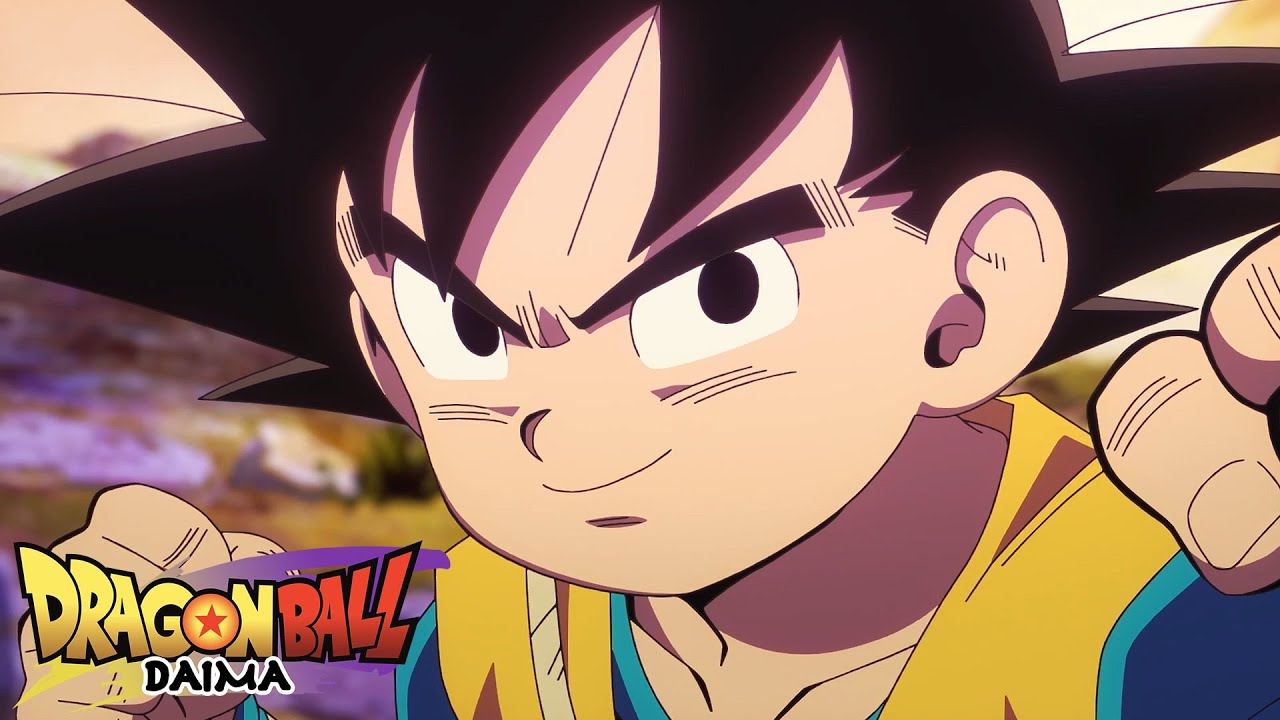
Goku (Credits: Toei Animation)
In both Akira Toriyama’s manga and Toei’s anime adaptation, Goku is portrayed as an active parent, particularly in the five-year gap between Dragon Ball and Dragon Ball Z. The anime even highlights this with a filler episode showcasing Goku and Gohan’s bonding adventures before Raditz’s arrival. These moments cemented Goku’s dedication to his family despite his warrior spirit.
Throughout the Dragon Ball Z saga, Goku repeatedly demonstrates his love for Gohan. His sacrifice against Raditz and later against Cell underscores his protective nature. Gohan’s admiration for Goku—whether striving to emulate his bravery or training to surpass him—forms a compelling father-son arc. By the Buu Saga, Gohan choosing to wear Goku’s gi signifies their mutual respect and deep connection.
Modern Reinterpretations: The Shift in Tone Modern iterations like Dragon Ball Super and now Dragon Ball DAIMA have reframed Goku’s role as a father. While Super introduced humorous elements suggesting Goku missed major milestones, DAIMA takes it further, casting Goku as a negligent parent. For many fans, this feels less like character development and more like a betrayal of Dragon Ball Z’s thematic foundation, where Goku’s balance of family and fighting was central.

Following the defeat of Majin Buu and the death of Dabura, Gomah, newly crowned King of the Demon Realm, and Degesu (a Demon Kaioshin) use Earth’s Dragon Balls to curse Goku and his friends, to shrink them into children and kidnap Baby Dende. They also seek the fabled Evil Third Eye item for ultimate power. A mysterious ally, Glorio, teams up with Panzy to help the heroes journey through the three levels of the Demon Realm, battling guardians (Tamagami) to gather Demon‑Realm Dragon Balls to undo the wish and rescue Dende.
Episode 7 of Dragon Ball Daima goes deep into the lore of the Demon Realm, focusing on Supreme Kai Shin’s origins and a major turning point in Panzy’s arc. In this episode, Shin reveals his birth name, “Nahare,” when Panzy asks him about his true identity beyond the title he uses in the outside world. This name reflects Shin’s botanical roots as a Glind, a unique race born from mystical Glind Trees.
The Glinds’ ability to survive on water alone ties them to characters like Namekians, hinting at ancient connections between the two races. Shin’s revelation adds a personal touch to his character, offering a glimpse of the life he left behind in the Demon Realm.
The removal of Panzy’s collar is another emotional highlight of the episode. Bound by this oppressive device, Panzy was under constant surveillance by the Gendarmerie. By freeing her, Shin not only liberates Panzy but also solidifies his role as a protector within the group.
Dragon Ball Daima Episode 7 Explores Supreme Kai Shin’s True Name and Bold Lore Twists
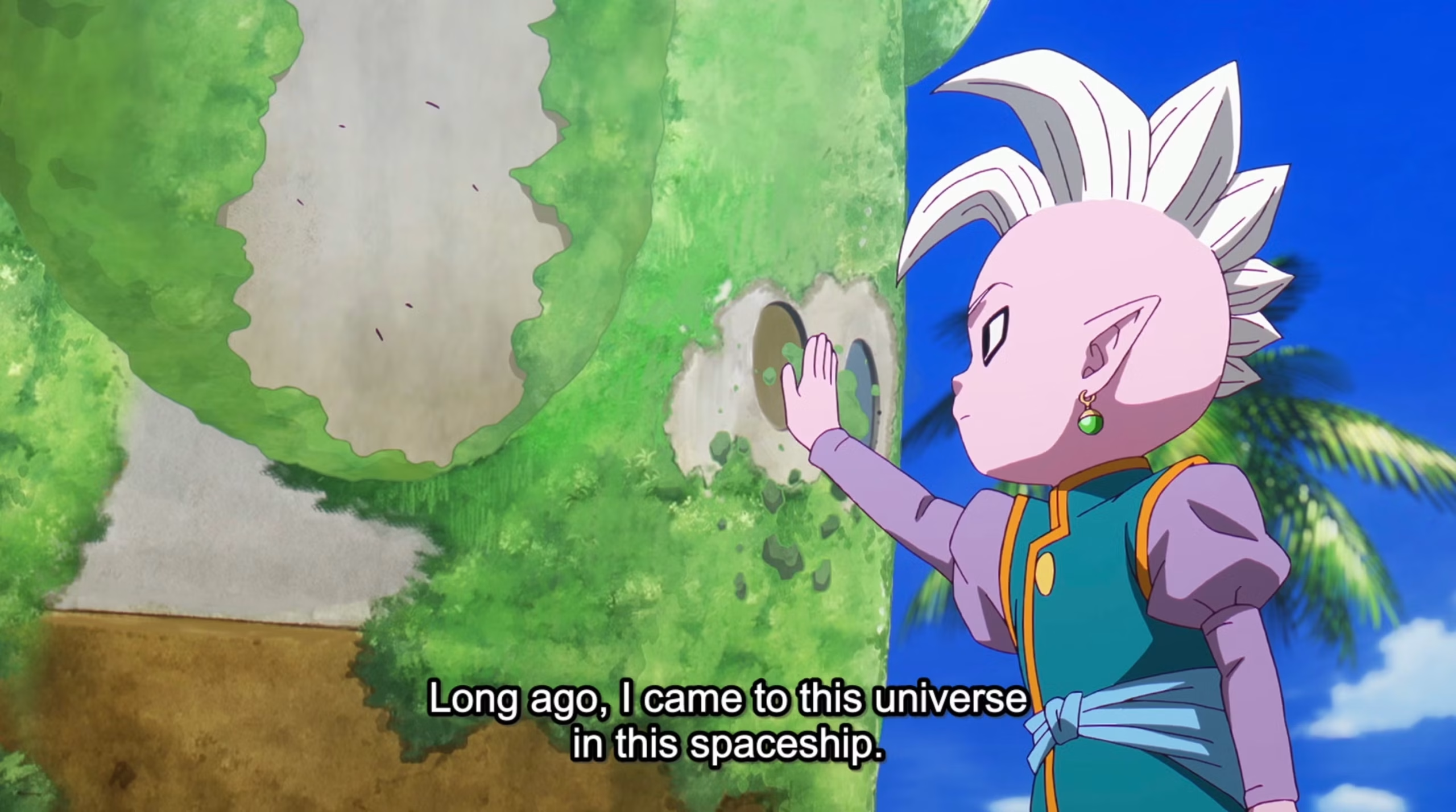
Supreme Kai
This act of kindness prompts Panzy to express gratitude, creating a touching moment that strengthens their bond. Meanwhile, Goku (Mini) and the group prepare for their next trial—facing a deadly Tamagami to retrieve the three-star Dragon Ball. These scenes keep the action moving, balancing emotional weight with thrilling stakes.
While the episode advances the characters’ journey, it also introduces controversial shifts in the Dragon Ball lore. The claim that the Demon Realm Dragon Balls predate the Super Dragon Balls contradicts earlier explanations from Dragon Ball Super. This decision has sparked debates among fans, with some praising the series for adding new layers to its universe, while others question the need to rewrite established canon. Additionally, Episode 7 continues to explore the mysterious origins of Shin’s Glind race, their connection to other species, and their role in the broader story.
As Dragon Ball Daima celebrates the franchise’s 40th anniversary, it balances nostalgia with bold storytelling. By shedding light on unanswered questions—like Goku’s Power Pole and Piccolo’s demonic heritage—while challenging established lore, the series ensures it remains a fresh and dynamic addition to the franchise. The blend of emotional depth, character development, and new revelations makes Episode 7 a standout entry, leaving fans eager for what comes next.
Following the defeat of Majin Buu and the death of Dabura, Gomah, newly crowned King of the Demon Realm, and Degesu (a Demon Kaioshin) use Earth’s Dragon Balls to curse Goku and his friends, to shrink them into children and kidnap Baby Dende. They also seek the fabled Evil Third Eye item for ultimate power. A mysterious ally, Glorio, teams up with Panzy to help the heroes journey through the three levels of the Demon Realm, battling guardians (Tamagami) to gather Demon‑Realm Dragon Balls to undo the wish and rescue Dende.
